

Port Crane
Professional port crane blog shares terminal selection guide, RTG parameter, container handling solutions and real seaport project cases for global dock investors.
2026-09-28
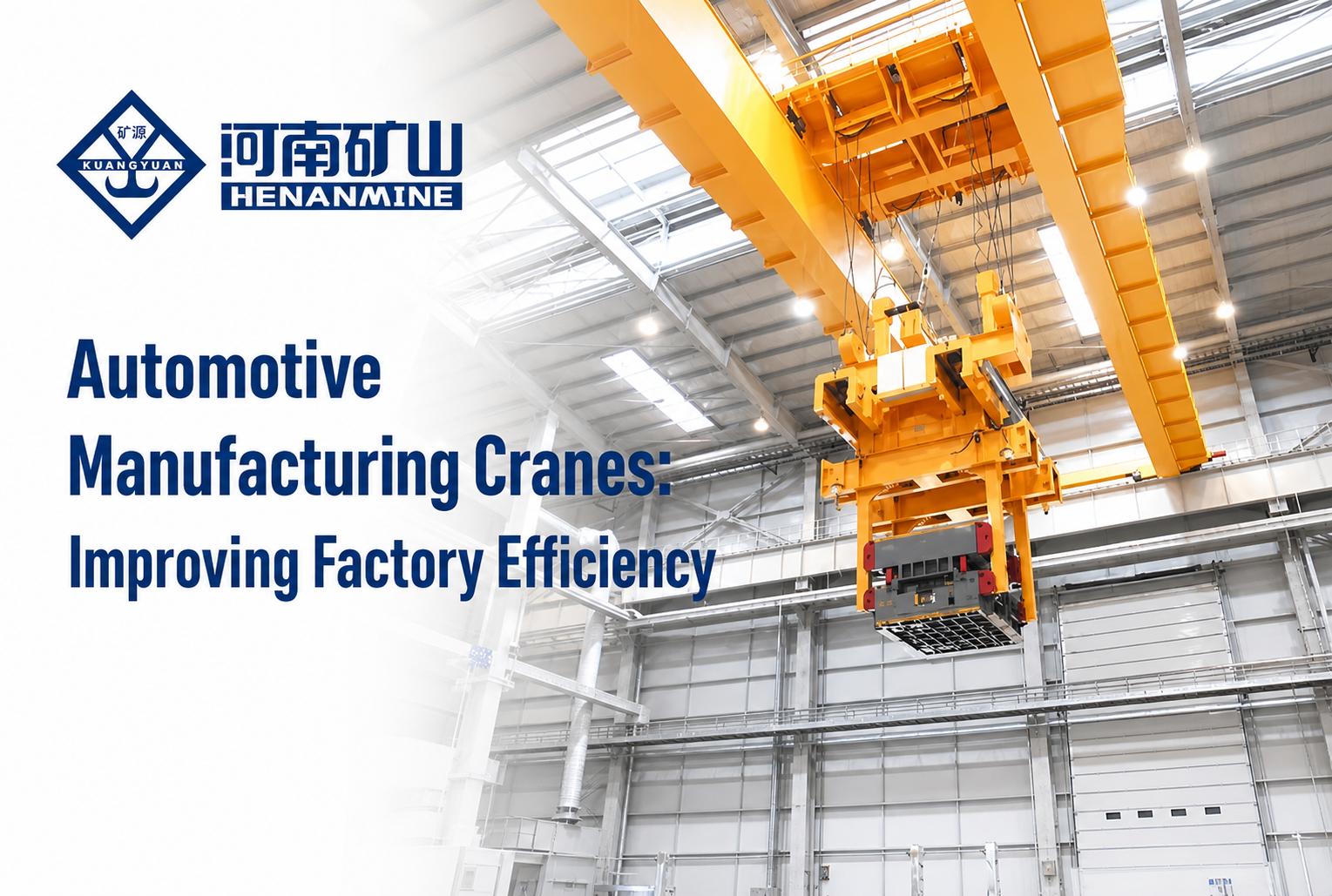
Automotive Manufacturing Cranes: Improving Factory Efficiency
Automotive manufacturing cranes help improve factory efficiency by handling heavy components, supporting continuous production, reducing downtime, and enabling safer, more precise material handling across stamping, assembly, powertrain, and maintenance operations.
View More
2026-09-27
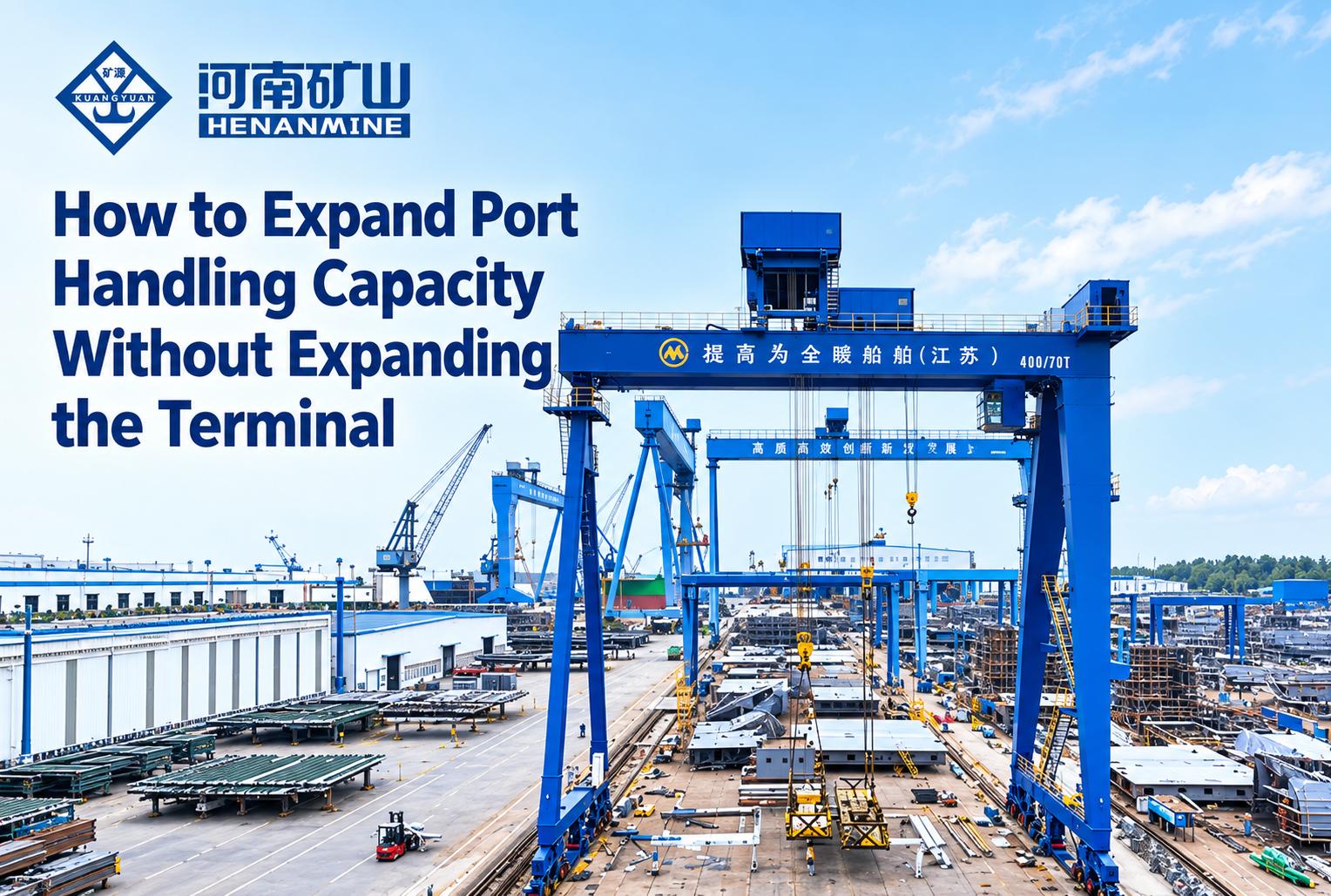
How to Expand Port Handling Capacity Without Expanding the Terminal
Port handling capacity can be increased without terminal expansion by optimizing crane productivity, yard operations, automation, and existing infrastructure. Explore practical ways to remove bottlenecks, improve throughput, and get more from current port assets.
View More
2026-09-24
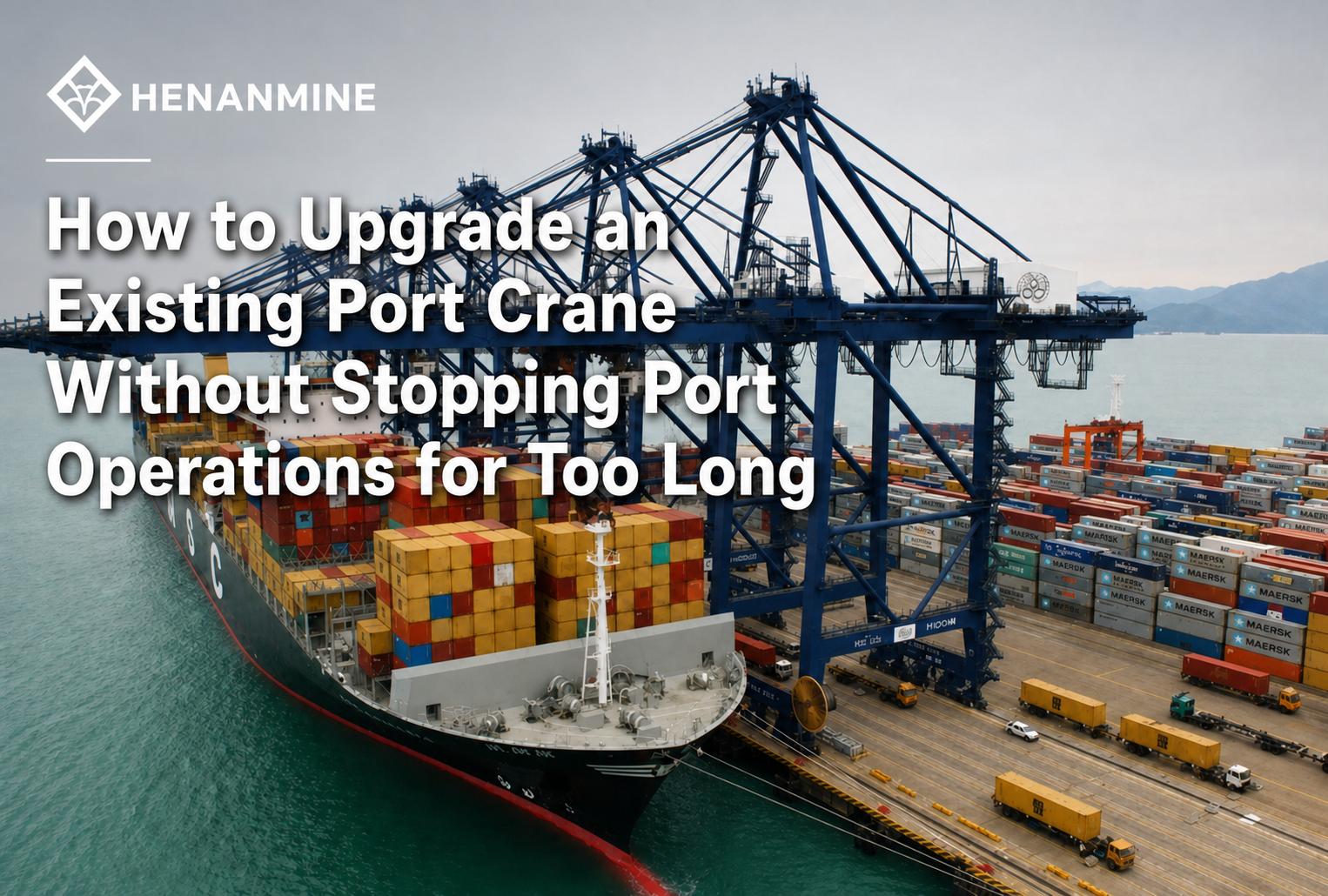
How to Upgrade an Existing Port Crane Without Stopping Port Operations for Too Long
This article will explain in detail the upgrading and transformation plan of port cranes with low downtime and zero major operating interruptions. From the necessity of transformation, pre-evaluation, plan selection, landing planning to effect acceptance, the core strategy of non-stop port upgrading will be dismantled in all directions to help the port complete the modernization and upgrading of old cranes under the premise of ensuring production capacity.
View More
2026-09-23
How to Choose a Port Crane for Future Expansion
Port crane expansion planning starts before the first machine is installed. Explore how capacity, vessel size, outreach, automation, infrastructure, and modular design can help terminals prepare for future growth while controlling long-term costs.
View More
2026-09-23
How to Calculate the Right Crane Capacity for Your Project
Crane capacity calculation starts with more than load weight. Explore how load dimensions, lifting gear, dynamic loads, duty cycles, working conditions, and future needs affect crane selection, with practical guidance for different industrial applications.
View More
2026-09-23
100 Rubber-Tyred Mobile Gantry Cranes (RTG): Outdoor Heavy Load Transport
The demand for outdoor heavy-duty handling in ports, shipyards and heavy industries is constantly growing. The 100-ton tire-type mobile gantry crane (RTG) gets rid of track restrictions and can move flexibly, adapting to the lifting of various large-scale components. The rated load of 100 tons is suitable for most outdoor heavy-duty working conditions. Compared with fixed gantry cranes, there is no need for infrastructure bases, and they can freely switch operating points, which significantly improves the material turnover efficiency of the yard.
View More
2026-09-22
65t Ship-to-Shore (STS) Portal Cranes: High-Speed Container Unloading and Anti-Sway Control
This article will analyze the structural principle, core parameters, performance advantages, selection points, operation and maintenance plans and procurement standards of the 65-ton STS crane in an all-round way, and provide a professional reference for the upgrading of port equipment and the selection of new terminal equipment.
View More
2026-09-20
Which Port Crane Features Actually Improve Loading and Unloading Efficiency
Port crane efficiency depends on more than lifting capacity. Discover how hoisting performance, precision positioning, automation, flexible crane design, and equipment reliability improve loading and unloading speed, reduce operational delays, and help terminals achieve higher productivity through smarter equipment selection.
View More
2026-09-20
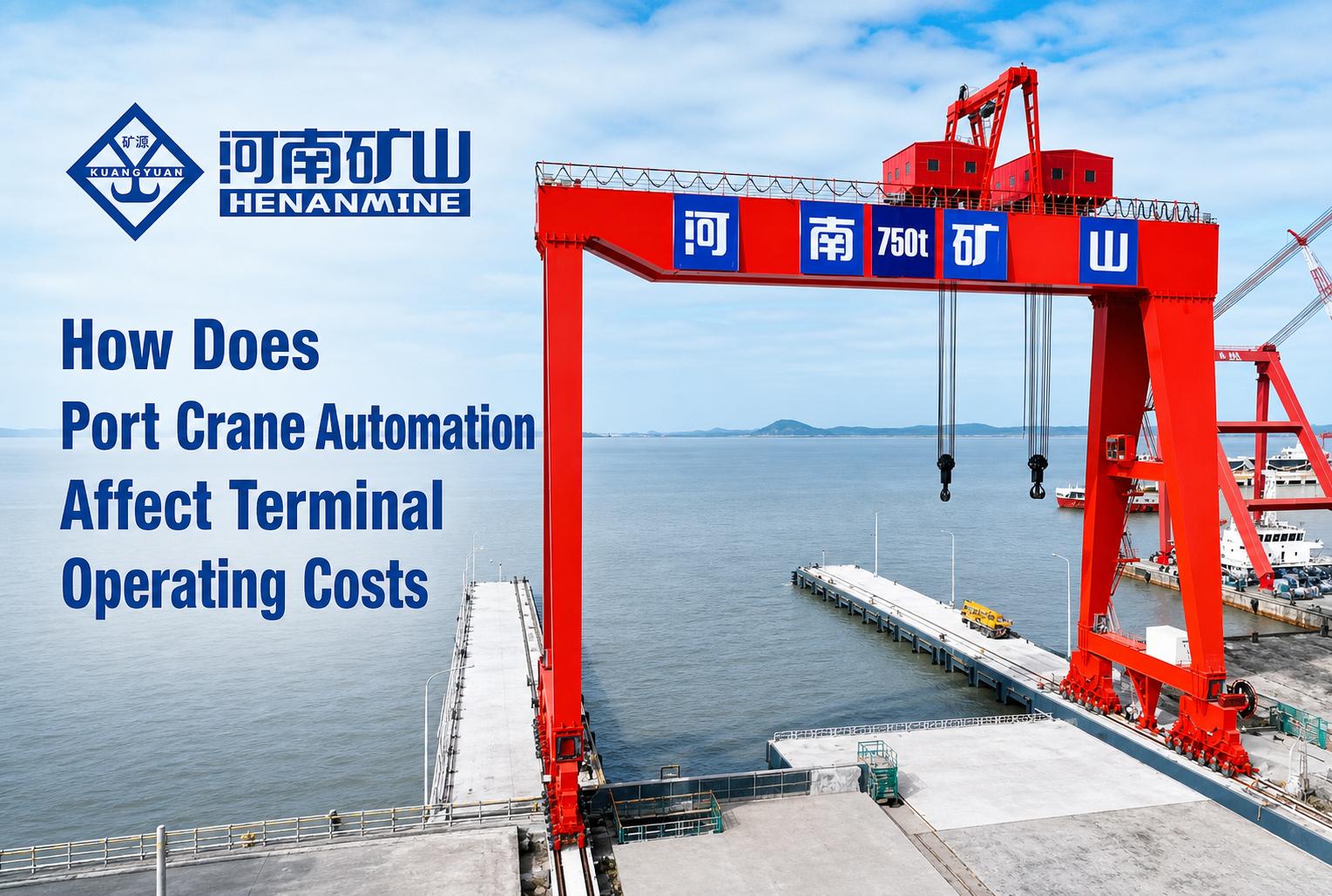
How Does Port Crane Automation Affect Terminal Operating Costs
Port crane automation helps terminals reduce operating costs, improve container handling efficiency, and optimize equipment performance. Explore how automated cranes save labor and energy, reduce maintenance expenses, and support smarter investment decisions through improved productivity and long-term ROI.
View More
2026-09-17
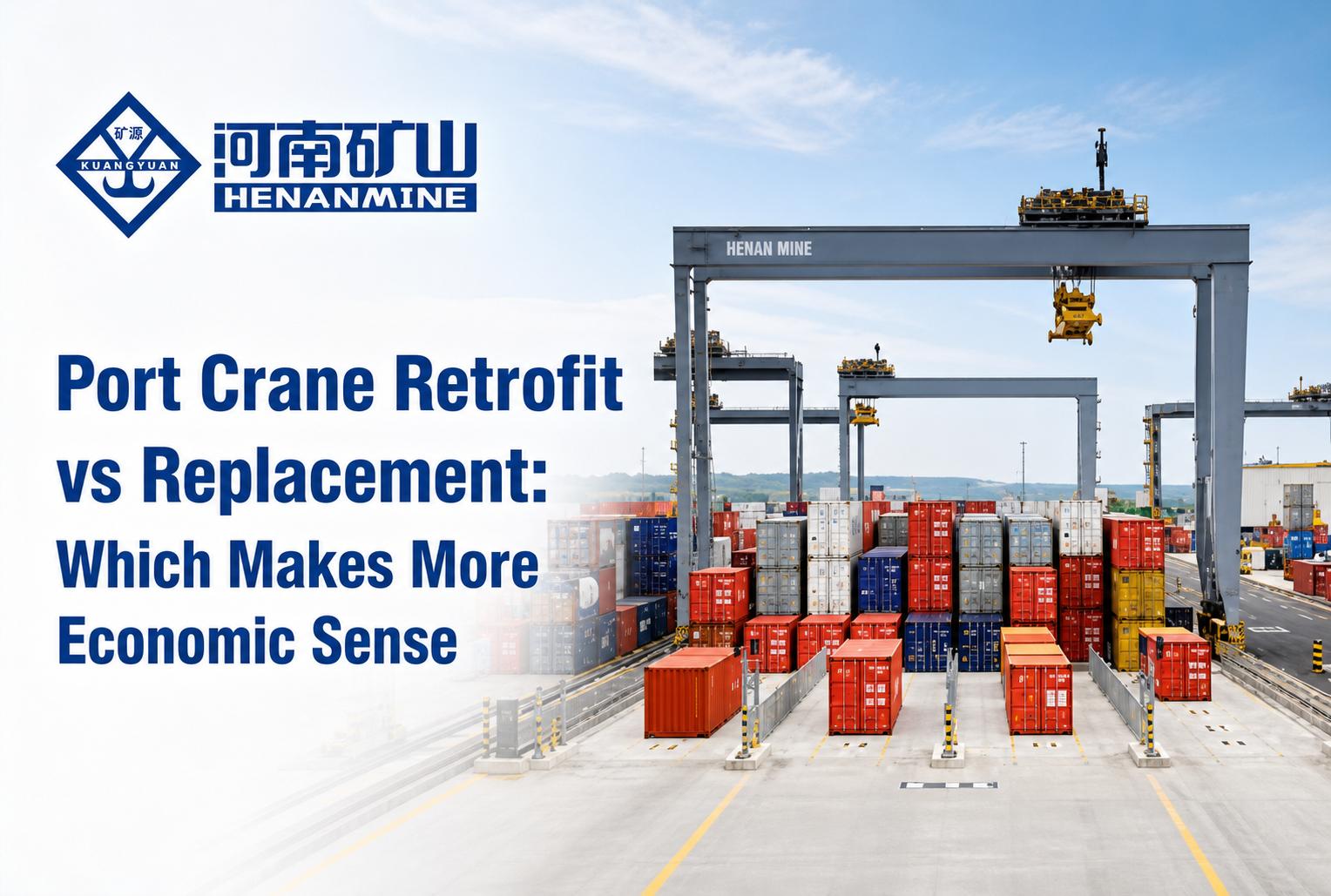
Port Crane Retrofit vs Replacement: Which Makes More Economic Sense
Port crane retrofit vs. replacement depends on equipment condition, operating costs, and future terminal needs. Compare investment, maintenance, downtime, and long-term performance to understand when upgrading an existing crane makes sense and when a new crane is the better fit for your operation.
View More
2026-09-17
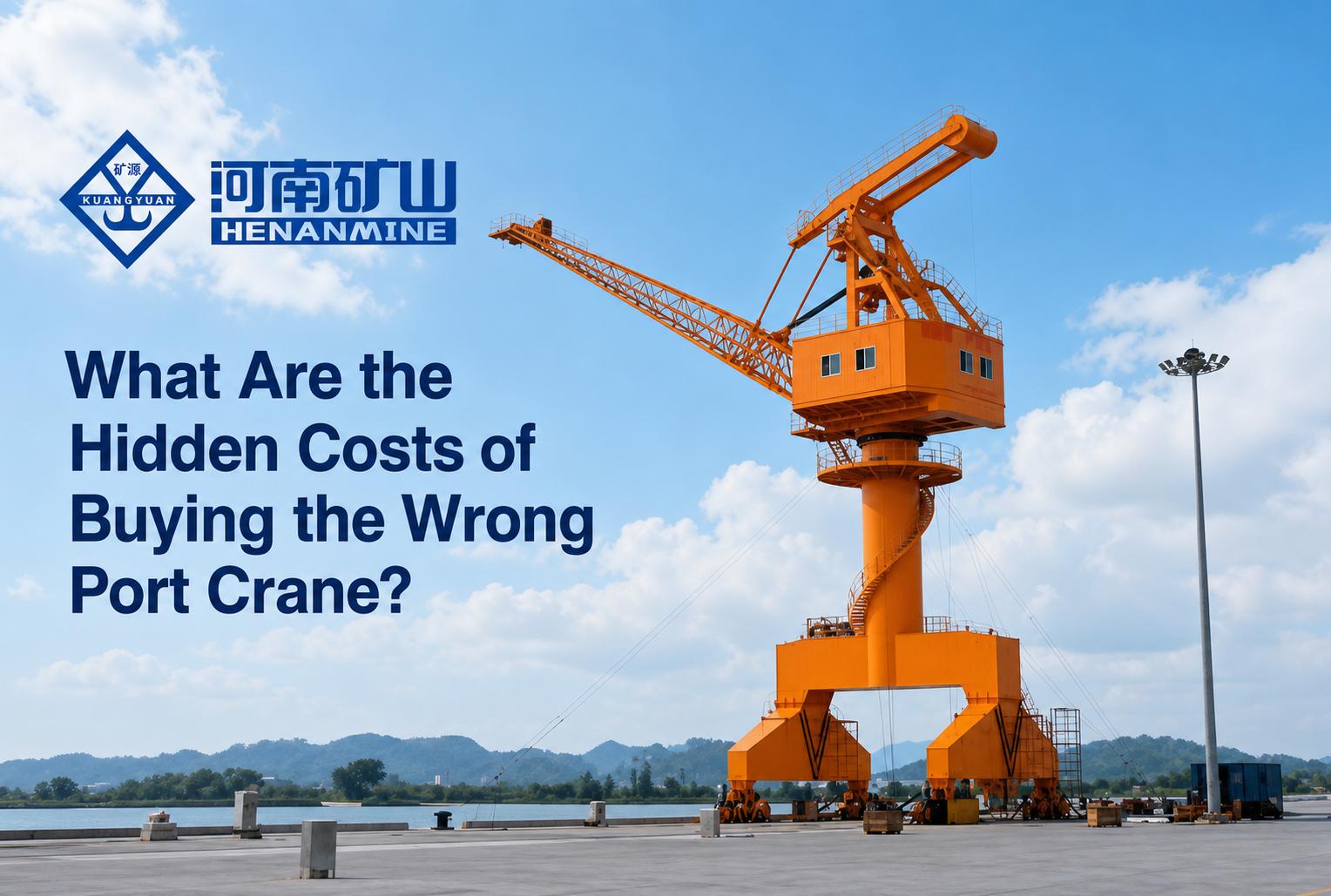
What Are the Hidden Costs of Buying the Wrong Port Crane?
Port crane selection involves more than the initial purchase price. The wrong equipment can lead to higher maintenance costs, energy waste, downtime, and limited future expansion. Discover how to choose the right port crane for your cargo, working conditions, and long-term operational needs while reducing hidden costs and improving terminal efficiency.
View More

2026-09-07
What Is an RMG Crane? Definition, Features, and Applications
Many practitioners often confuse RMG cranes with ordinary tire gantry cranes. This article will comprehensively explain the definition, core structure, working principle, performance characteristics, and core advantages of RMG cranes. At the same time, compare the popular RTG tire gantry cranes, attach selection techniques and applicable scenarios to help you understand RMG cranes in all directions.
View More