
How to Choose a Gantry Crane for Nuclear Power Projects
A single dropped load in a nuclear facility can delay a project by months or compromise safety-critical equipment. That's why choosing the right gantry crane for a nuclear power project is never a routine procurement decision, it's an engineering choice that touches construction schedules, worker safety, and long-term plant reliability.
Nuclear power projects rely on gantry cranes for some of their heaviest and most precise lifts: erecting reactor building structures, positioning turbine hall equipment, moving prefabricated modules across the construction yard, and supporting spent fuel storage operations. Because these lifts often involve critical or safety-related loads, the crane itself must meet a stricter set of engineering, safety, and regulatory requirements than a typical industrial crane.
This guide walks through exactly how to evaluate and select a gantry crane for a nuclear power project, from defining lifting requirements to vetting manufacturers, so your project team can make a decision with confidence.
What Is a Gantry Crane for Nuclear Power Projects?
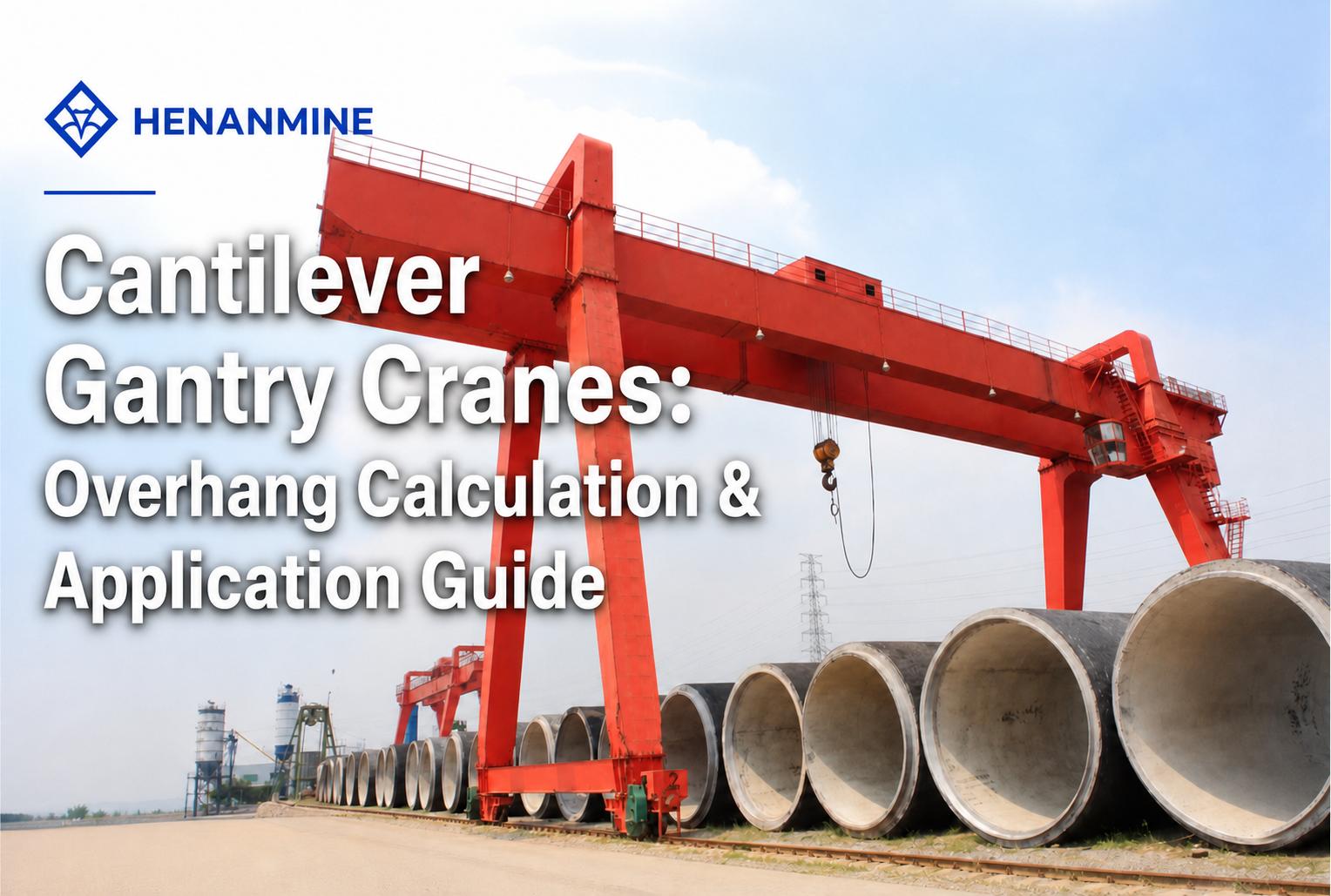
Henan Mine Crane manufactured gantry crane is an overhead lifting structure in which the bridge girder is supported by vertical legs that move on rails, wheels or a fixed track; of a standard overhead crane, the runway beams that carry the girder are not positioned high above the ground. The over-the-ground supported nature of gantry cranes have made them popular in outdoor construction yards, module fabrication and heavy-lift areas.
A Nuclear Power Gantry is a type of gantry crane designed to the specific requirements of nuclear construction and operation. It is not a ‘beefed up’ industrial crane; it is a purpose built machine, designed, built, tested and documented to nuclear grade procedures.
What Makes Nuclear Gantry Cranes Different?
Several characteristics separate a nuclear gantry crane from a standard industrial unit:
- Heavy lifting:Capacity for lifting heavy loads nuclear fuel and other components including steam generators, reactor modules and containment sections may each weigh hundreds of tons, and every component of the crane‘s construction, hoisting machinery, and the foundation for its rail or track will need to be proportioned to avoid excessive flexing or high stress concentrations.
- High positioning accuracy:many nuclear lifts require millimeter-level precision to avoid stressing structural connections during module alignment, which usually means fine-speed hoisting, anti-sway control, and sometimes laser or camera-assisted positioning aids.
- Enhanced safety systems:Redundant braking, overload protection and in some contexts, single-failure-proof design are commonly considered to be standard requirements rather than features to be chosen once the load has been lifted the system cannot be allowed to drop it due to a single mechanical failure.
- Long service life:Insurance long length of service life is maintained to the same service life, which influences selected materials, corrosion protection and long term spares support.
- Compliance with nuclear industry standards:Traceability and auditability of design, fabrication and quality assurance records is essential throughout the life cycle of the crane, from its raw material certificates to its decades of periodic inspection records.
Typical Applications
Henan Mine Crane manufactured gantry cranes support nuclear projects across multiple phases and zones:
- Reactor building construction building the general building frame by installing the structural steel and other large pieces prior to the building of the containments structure (this stage was commonly combined with the use of mobile crawler cranes in the initial stages of the build).
- Installment of turbine hall machinery positioning turbines, generators, condensers, etc., often using tandem or multiple-hook lifts to maintain long heavy parts level while setting.
- Heavy module handling handling individual modules, particularly by lifting prefabricated modules in outdoor module assembly yards (a practice becoming more prevalent in SMR construction which strongly relies on fast repeatable lift cycles to meet project scheduling)
- Handling shielded casks and fuel storage components facility handling shielded casks; and load controlling gear and secondary braking on fuel storage component and cask handling machinery where available and reliable load control and secondary braking is particularly important due to the nature of the material being handled.
- Maintenance and overhaul work conducting work to support scheduled outages, upgrade of equipment, and overall long term maintenance of the installation structures many years down the line after the original fleet of cranes has been scaled back or retired.
Why Choosing the Right Gantry Crane Matters
Selecting the correct crane isn't just about meeting a lifting capacity number on paper. The decision has downstream effects across the entire project.
Improve Construction Efficiency
A crane sized and configured correctly for the site layout reduces rigging complexity, minimizes repositioning, and keeps heavy-lift schedules on track, which matters enormously on multi-year nuclear builds where schedule slippage is costly. Undersized or poorly positioned cranes force crews to break large lifts into smaller, slower moves, adding rigging cycles and crane-hours to already tight construction windows.
Ensure Safe Heavy Lifting
Nuclear-grade lifts often involve components that are irreplaceable, safety-related, or hazardous if mishandled. The right crane, with the right safety systems, directly reduces the risk of dropped loads, structural damage, and worker injury. Because replacement lead times for major nuclear components can run into months, a single lifting incident can threaten the project schedule as much as it threatens personnel safety.
Reduce Downtime and Maintenance Costs
Cranes built for the actual duty cycle and environmental conditions of the site experience less wear, require fewer unplanned repairs, and stay available when the project needs them most. Over a multi-decade service life, this translates into fewer outage extensions, lower spare-parts spend, and more predictable maintenance budgeting for the plant owner.
Meet Nuclear Regulatory Requirements
Nuclear projects are subject to oversight that general industrial facilities are not. A crane that isn't designed, documented, and tested to the applicable codes can hold up licensing, inspection, and commissioning milestones. Regulators typically expect a complete, traceable design and QA record before a crane is cleared to handle safety-related loads, so compliance gaps discovered late in the project are far costlier to fix than those addressed at the specification stage.
Step 1: Define Your Project Requirements
Before comparing crane types or vendors, project teams need a clear technical requirements profile.
Lifting Capacity
Identify the heaviest single component the crane must lift, plus any multi-hook or tandem-lift scenarios. Build in margin for unexpected heavier loads later in the project. It's worth walking through the full component list with the engineering team rather than relying on a single "biggest lift" figure, since rigging weight, lifting attachments, and unexpected design changes can all push the actual hook load higher than the nominal component weight.
Span and Lifting Height
Span (the distance between the crane's legs) must cover the full working area, including staging and storage zones. Lifting height must clear the tallest component plus rigging hardware and safety clearance. Get the site layout finalized, or at least reasonably firm, before locking in span and height, since retrofitting a gantry crane for a wider working area later usually means replacing structural components rather than simply adjusting settings.
Working Duty Classification
Determine how frequently and how intensively the crane will operate. A crane used for a handful of heavy lifts during construction has different duty requirements than one that will run daily for decades of plant operation. Duty classification standards (such as those under ISO 4301) translate this usage pattern into a formal design category that directly affects the sizing of structural members, wheels, and mechanical components.
Indoor or Outdoor Installation
Henan Mine Crane manufactured outdoor yard cranes need weatherproofing, wind resistance, and corrosion protection that indoor units don't require. This decision also affects control cabin design, electrical enclosure ratings, and how much routine exposure protection maintenance crews will need to plan for over the crane's operating life.
Frequency of Operation
Continuous or near-continuous operation calls for more robust mechanical components, cooling systems, and control electronics than intermittent use. If the same crane will transition from an intense construction-phase duty cycle to lighter, occasional operational use afterward, specify it for the heavier of the two demands rather than an average of the two.
Step 2: Select the Appropriate Gantry Crane Type
Various gantry crane arrangements are appropriate for different stages and zones of a nuclear project.
Double Girder Gantry Crane
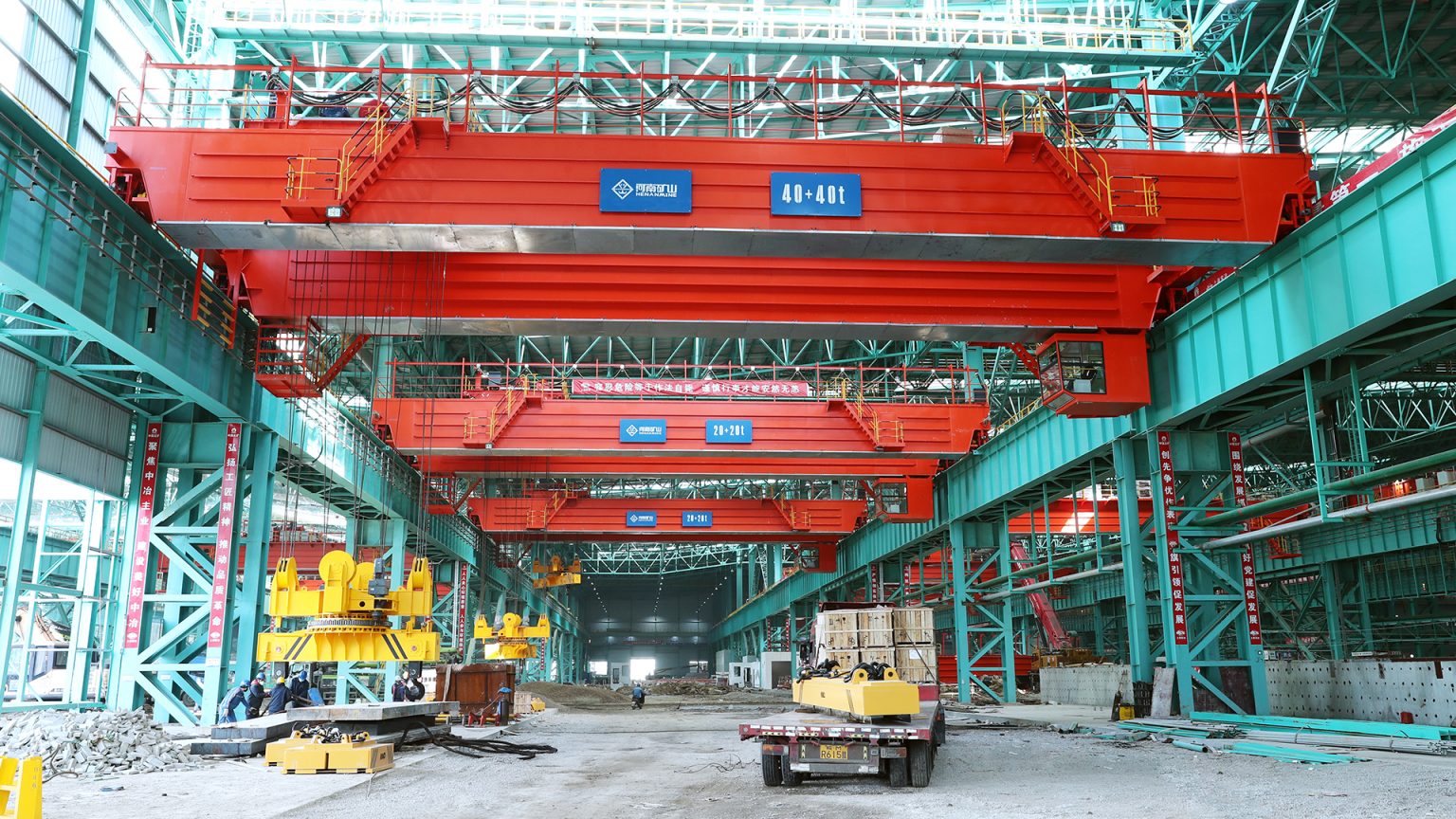
Has the greatest capacity and stiffness of all crane types and is therefore the most common heavy lift crane for loads such as reactor modules and steam generators. The twin girder configuration ensures there is a wide working platform as well as a stable traversing path that is suitable for maintenance access and easy to provide for auxiliary hoists (allowing up to 3 hooks or a tandem-lift).
Semi-Gantry Crane
Runs a runway on one side and a ground supported leg on the other. Useful where the site layout limits the provision of structural support to one side. The configuration itself can be cheaper than a full gantry in terms of foundation and structural costs, but does need a building or other structure to carry the runwayside load.
Rail-Mounted Gantry Crane
Fixed Rail travel, to provide repeatable, precise journeys along the same route for predictable construction sites and permanent installation. Rail-mounted units, because of their fixed travel route are particularly suitable to use in zones which will be used repeatedly during construction and commissioning.
Rubber-Tired Gantry Crane (Special Applications)
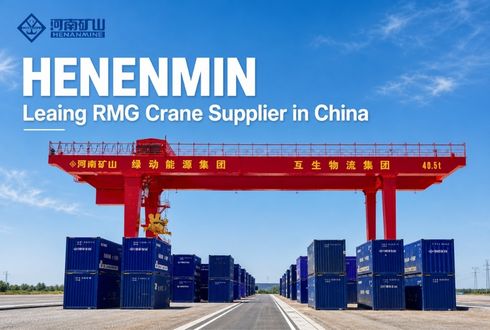
Offering a mobile solution without the fixed rail structure, the Henan Mine Crane Factory supply track-mounted boom crane is ideal for use on places where the rail track building isn‘t feasible or not desirable, such as lay-down areas planned to be temporary or phased construction sites where dynamic movement is of higher utility than absolute positioning. The down side is that the lift capacity and positioning accuracy are generally inferior to the same work station on a rail-mounted crane, and the latter generally is used for lighter or less frequent reactor-module lifts.
| Feature | Double Girder | Semi-Gantry | Rail-Mounted | Rubber-Tired |
| Structure | Two main girders | One leg + runway | Fixed rail travel | Wheeled, mobile |
| Capacity | Highest | Medium–High | High | Medium |
| Stability | Excellent | Good | Excellent | Good |
| Installation | Higher cost | Moderate | Higher cost | Lower cost, faster |
| Typical nuclear use | Reactor/module lifts | Constrained sites | Long-term yard cranes | Temporary/phased sites |
Step 3: Determine the Required Lifting Capacity
Capacity planning should go beyond "what's the heaviest thing we lift today."
- Maximum component weight:base the rated capacity on the single heaviest lift in the project scope, including rigging weight.
- Safety factor:apply an appropriate design margin above the maximum expected load rather than sizing to the exact figure.
- Future expansion:if the plant may add units, modules, or equipment later, plan capacity headroom now rather than replacing the crane down the line.
- Dynamic loading:account for the additional stress created by acceleration, deceleration, and wind during travel, not just the static hanging load.
- Multi-hook lifting requirements:some heavy or oddly shaped components require synchronized multi-point lifts, which changes both capacity and control system requirements.
As a general reference point, gantry cranes for heavy nuclear and modular construction applications commonly range from tens of tons for auxiliary handling up to several hundred tons for reactor module and steam generator lifts, the exact figure should always be derived from your specific component list, not a generic industry number.

Step 4: Evaluate Structural Design Requirements
The crane's structure must hold up to both operating loads and site-specific environmental forces over decades of service.
Wind Resistance
Henan Mine Crane Factory supply outdoor gantry cranes must be designed for the site's wind loading, including out-of-service storm conditions. This means both the in-service operating wind limit and the maximum survival wind speed need to be specified, along with any tie-down or rail-clamp systems required to keep the crane secure during severe weather when it isn't operating.
Seismic Design
Nuclear-grade cranes handling critical loads are often required to remain functional, or at minimum not drop their load, during and after a design-basis seismic event. This typically drives specific requirements for structural bracing, seismic restraints, and drive components, and the seismic qualification basis should be documented and available for regulatory review alongside the crane's general design calculations.
Corrosion Protection
Nuclear sites located on the coast or of high humidity have to be specified with improved coatings and corrosion-resistant materials to ensure corrosion protection of the structure for a 50+ year‘s operation. But it is not only the main structure that needs looking at. Be sure not to neglect fasteners, wire rope and electrical enclosures, they often have a shorter corrosion life than the main girders, therefore repeated repairs are assured if they are not specified correctly
Fatigue Resistance
Repeated loading over many decades in operation also means constructing for fatigue performance, in addition to maximum load capacity. Connections and welds that are critical to fatigue life need to be specified during the design process so that inspection schedules can be designed around them.
Structural Stability
Wheel loads, under pan, wheel and foundation/rail support have to be integrated in the design to avoid tipping or rail walk or an uneven wear. Special consideration should be given to ground conditions and foundation design for nuclear sites where, over a life span of 30+ years, gradual settling or misalignment of the foundation may cause the crane running tolerances to shift outside specification.
Step 5: Choose Reliable Safety Features
It is in safety systems that nuclear grade cranes show the most noticeable differences when compared to normal industrial equipment. The most important specifications are:
- Anti-collision systems: Avoiding the contact with the structure, other cranes or personnel.
- Overload protection, stopping the lift before the rated capacity is exceeded.
- Design of emergency stop system, operated from several control points.
- Wind monitor on outdoor crane, automatically limitation working above a safety level.
- Anti-sway is used to enhance the load control and position accuracy.
- Limit switches on hoist, trolley and bridge travel to limit over-travel.
- Fewer braking systems. Especially critical/Safe for single failures of load handling.
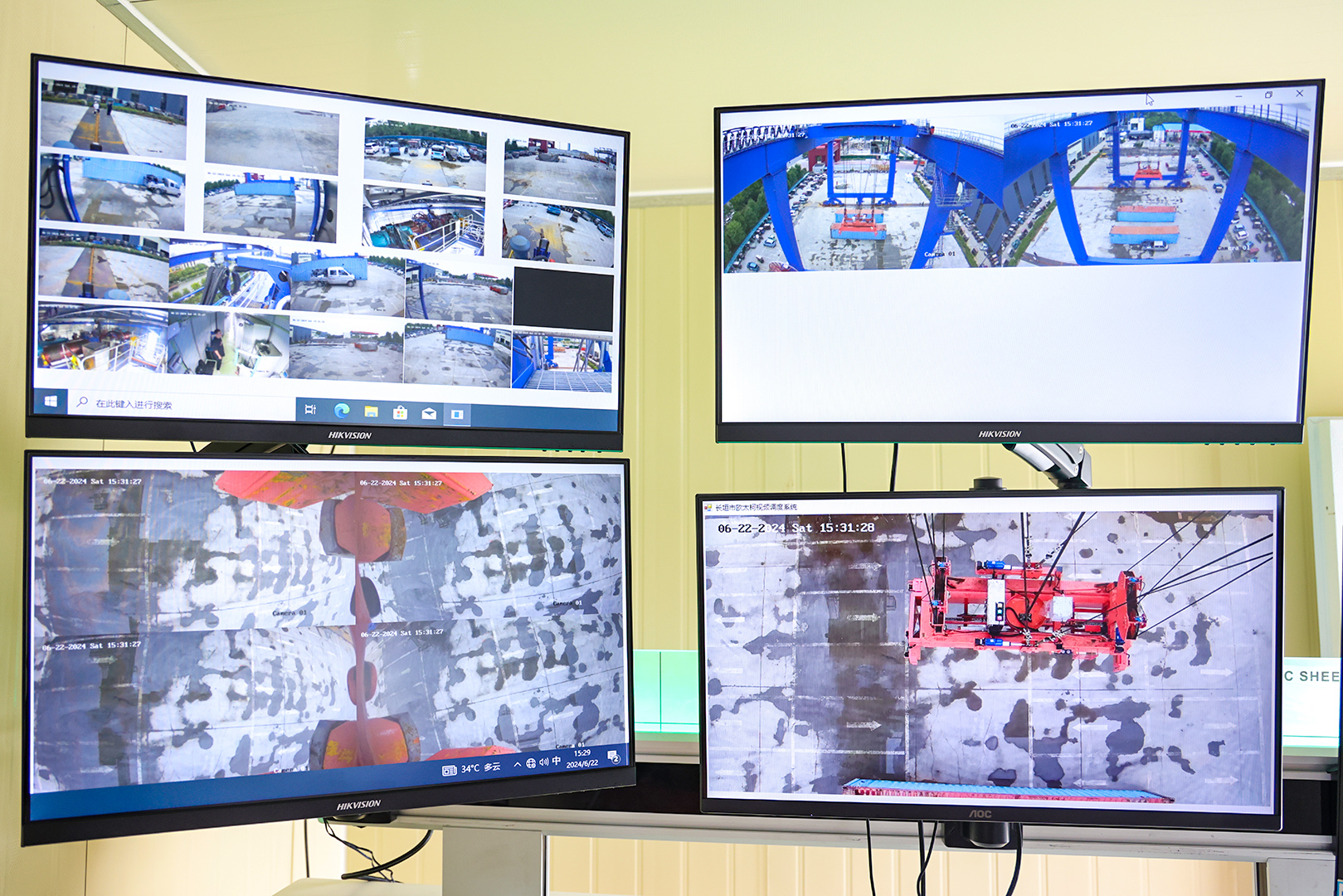
- Real-time measurement of load weight, position, and system condition for operator awareness and safety management.
Step 6: Select the Right Drive and Control System
The control system determines how precisely and reliably the crane can be operated ,a critical factor for nuclear-grade lifts.
Variable Frequency Drives (VFD)
Enable smooth acceleration and deceleration, reducing load sway and mechanical stress. Fine-speed control at low frequencies is particularly valuable during the final inches of a critical placement, where an abrupt start or stop could damage sensitive equipment or misalign a module.
PLC Control Systems
Provide programmable logic for interlocks, safety sequencing, and automated positioning routines. A well-designed PLC system also makes it easier to log operating data and generate the usage records that nuclear quality assurance programs often require.
Remote Control
Allows operators to control lifts from a safe distance — important when working near radiological areas or sensitive equipment. Remote operation also improves sightlines for the operator during large module placements, where a fixed cabin position may not offer a clear view of the load path.
Cabin Operation
Still preferred for some heavy or complex lifts where direct operator visibility and feel are advantageous. Many nuclear-grade cranes are specified with both cabin and remote-control capability so operators can choose the mode best suited to a given lift.
Intelligent Positioning
Helps achieve the tight tolerances necessary when positioning large modules or components during installation. Intelligent positioning controls are often used in conjunction with laser guidance, camera technology or encoder based feedback systems to provide operators with live confirmation that a load is properly positioned prior to final placement.
Automatic Load Monitoring
Heavy loads and distribution are constantly monitored to prealert the cabin crew of irregularities that could result in a safety hazard. This information also benefits data collected post lift:loaded history from the EWL contribute to ongoing fatigue studies for present structures and can even be used to provide extended interval records on how the crane has satisfied its design duty cycle.
Step 7: Consider Environmental Conditions
Site conditions influence crane spec and material selection.
Coastal Nuclear Plants
Higher corrosion protection will be required for structural steel, electrical enclosures and wire rope systems that are exposed to salt air. Salt air causes corrosion to take place at a much quicker rate than inland sites and coating specification, the frequency of inspection and replacement of wire ropes, will often have to be reduced to shorter periods.
High Humidity
Demands sealed electrical components and moisture-resistant coatings to prevent premature degradation. Condensation inside control panels and motor housings is a common failure point in humid climates, so ventilation and enclosure sealing deserve as much attention as the external coating system.
Extreme Temperatures
Both very hot and very cold climates affect lubricants, hydraulic systems, and electronic control reliability, components should be rated for the site's actual temperature range. Seasonal temperature swings should also be considered, since a component rated for average conditions may still struggle during occasional extreme highs or lows.
High Wind Conditions
Sites with frequent high winds need reinforced structural design and automated wind-speed cutoffs for Henan Mine Crane Factory supply outdoor gantry cranes. Wind-sensing systems should be tied directly into the control logic so operations pause automatically once conditions exceed the crane's rated operating threshold, rather than relying solely on operator judgment.
Radiation Considerations (Where Applicable)
Cranes operating near radiological areas may require specialized materials, shielding considerations, and remote operability to limit personnel exposure. In these zones, remote or automated operation isn't just a convenience feature; it's often the primary method for keeping personnel dose exposure as low as reasonably achievable (ALARA).
Dust and Corrosion Protection
Construction-phase dust and debris call for sealed motors, filtered enclosures, and accessible maintenance points. Planning for this early avoids a common problem where a crane specified for clean, indoor operational service struggles during the dustier, more demanding construction phase that precedes it.
Step 8: Verify Compliance with International Standards
Standards compliance is one of the most important, and most often underestimated , factors in nuclear crane procurement. Depending on the project's location and regulatory framework, relevant standards may include:
- ISO 4301:classification of cranes by duty and load spectrum.
- FEM Standards:European federation guidelines for crane design and mechanisms.
- CMAA:Crane Manufacturers Association of America specifications for overhead and gantry cranes.
- EN 15011;European standard for the design of bridge and gantry cranes.
- IEC electrical standards:governing electrical safety and control system design.
- Nuclear industry specifications:including nuclear-grade design, fabrication, and quality assurance requirements applicable to critical load handling.
- Project-specific owner requirements:many utilities and EPC contractors layer additional specifications on top of baseline codes.
Certification against these standards isn't a formality, it's the documentation trail that regulators, owners, and insurers will reference throughout the crane's operating life. A crane without a clear compliance record can become a licensing or commissioning bottleneck.
In practice, most nuclear crane specifications layer a general crane design code (such as CMAA or FEM) together with a project-specific nuclear quality assurance requirement. This means the manufacturer needs design calculations, material certificates, welding records, and inspection reports that can be traced back to the exact crane on site, not generic product literature. Ask suppliers early in the bidding process whether they can produce this documentation package as a standard deliverable, since retrofitting compliance paperwork after fabrication is far more difficult than building it in from the start.
Step 9: Evaluate Crane Reliability and Lifecycle Cost
Purchase price is only one line item in a much longer cost equation. Compare vendors on:
- Initial purchase price:the upfront capital cost.
- Maintenance costs:parts, labor, and scheduled service over the crane's operating life.
- Energy consumption:particularly relevant for cranes in continuous or high-duty-cycle service.
- Spare parts availability:lead times for critical components can directly affect plant availability.
- Expected service life:cranes built for decades of nuclear service should be evaluated against that full horizon, not just initial capital cost.
- Total cost of ownership (TCO):combining all of the above into a single comparison figure across vendor proposals.
A lower-priced crane that requires frequent servicing or has poor parts availability can easily cost more over a 40-year plant life than a higher-priced, better-engineered alternative.
Warranty and Service Level Agreements
Beyond the sticker price, examine what's actually covered once the crane is commissioned. A meaningful warranty should specify coverage duration for structural components versus electrical and mechanical parts separately, since they wear at different rates. Equally important is the service level agreement (SLA): how quickly can the vendor respond to a breakdown, what's the guaranteed lead time on critical spare parts, and is remote diagnostic support available? On a nuclear project, an unplanned crane outage can cascade into schedule delays or, during operations, extend a refueling outage, so response-time commitments should be treated as a core evaluation criterion, not a footnote in the contract.
Step 10: Assess Manufacturer Experience
The manufacturer matters as much as the machine. Before awarding a contract, evaluate:
- Experience with nuclear projects:specifically, not just heavy industrial cranes generally.
- Engineering capabilities:including in-house structural, seismic, and controls engineering.
- Manufacturing facilities:and quality control processes.
- Load testing:capabilities and documented test procedures.
- Factory Acceptance Test (FAT):verifying the crane meets specification before shipment.
- Global project references:completed nuclear or comparable critical-industry projects.
- After-sales support:availability of service, spare parts, and technical support over the crane's decades-long service life.
Questions to Ask Potential Manufacturers
A short vendor questionnaire can surface gaps before they become contract disputes:
- Can you provide references from at least two completed nuclear or comparable critical-load projects?
- What quality assurance program governs your design, fabrication, and testing process?
- Do you perform Factory Acceptance Testing in-house, and can we witness it?
- What is your typical lead time for structural, electrical, and control-system spare parts?
- Who provides field service and commissioning support, and is it in-house or subcontracted?
- Can you supply full design calculations and material traceability records for regulatory submission?
Vendors who answer these questions clearly and with documentation tend to be far lower-risk partners than those who respond only with marketing material.
Common Mistakes When Choosing a Nuclear Gantry Crane
Even experienced project teams can run into avoidable problems. Common mistakes include:
- Selecting capacity based only on the current known load, without margin for future needs.
- Ignoring seismic requirements until late in the design process.
- Underestimating wind loads for outdoor cranes at exposed sites.
- Choosing inadequate safety systems to reduce upfront cost.
- Focusing only on purchase price rather than total cost of ownership.
- Overlooking maintenance accessibility in the crane's structural design.
- Ignoring future expansion needs, leading to costly replacement or retrofit later.
- Treating compliance documentation as an afterthought, then scrambling to reconstruct records during licensing review.
- Selecting a vendor based solely on delivery time, without verifying their nuclear-specific quality assurance track record.
- Factory Acceptance Test (FAT) requirements agreed upon
- Warranty terms reviewed
- Long-term service and support plan in place
Gantry Cranes vs. Other Nuclear Lifting Equipment
A gantry crane is rarely the only lifting asset on a nuclear project — it works alongside other specialized crane types, each suited to a different zone of the plant. Understanding how they differ helps project teams avoid over-specifying (or under-specifying) any single piece of equipment.
Gantry cranes are ground-supported and best suited to outdoor construction yards, modular assembly areas, and heavy-lift zones where elevated runway structures aren't practical or economical to build. Their mobility and configurability make them a natural fit for the module fabrication and staging work that's central to modern nuclear construction, including Small Modular Reactor (SMR) projects.
Polar cranes operate inside the reactor building on a circular rail system and are purpose-built for fuel handling, reactor head removal, and containment maintenance. Because they support safety-related activities inside containment, polar cranes are typically held to the strictest single-failure-proof design requirements of any crane on the site.
Overhead bridge cranes run on elevated runway beams inside enclosed structures such as the turbine hall or auxiliary buildings. They're the standard choice wherever a permanent structural runway already exists and outdoor mobility isn't required.
In most nuclear projects, gantry cranes handle the heavy, outdoor, construction-phase lifting, while polar and overhead bridge cranes take over indoor, long-term operational lifting. Planning all three together, rather than specifying each in isolation , helps ensure smooth handoffs between construction and operations without duplicated capacity or coverage gaps.
Henan Mine Crane Factory Custom
Choosing the right gantry crane for a nuclear power project ultimately comes down to precise engineering alignment between load requirements, structural integrity, safety architecture, and intelligent control systems. When these elements are properly defined from the very beginning and supported by full compliance documentation, the crane becomes more than lifting equipment — it becomes a long-term reliability asset that safeguards construction efficiency, operational safety, and project continuity across decades.
Henan Mine Crane Factory provides nuclear-grade gantry crane solutions designed around these exact requirements, combining heavy-duty structural engineering with advanced safety systems and project-specific configuration support. With a focus on engineering customization, strict quality control, and full lifecycle service support, we help project teams reduce risk at the design stage and ensure dependable performance from installation through long-term operation.