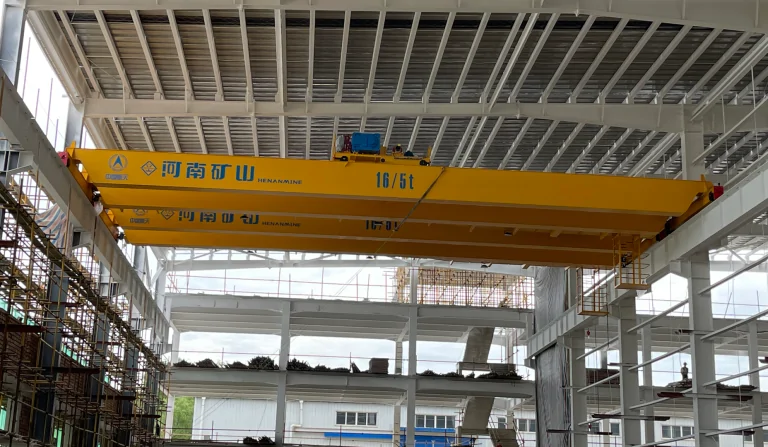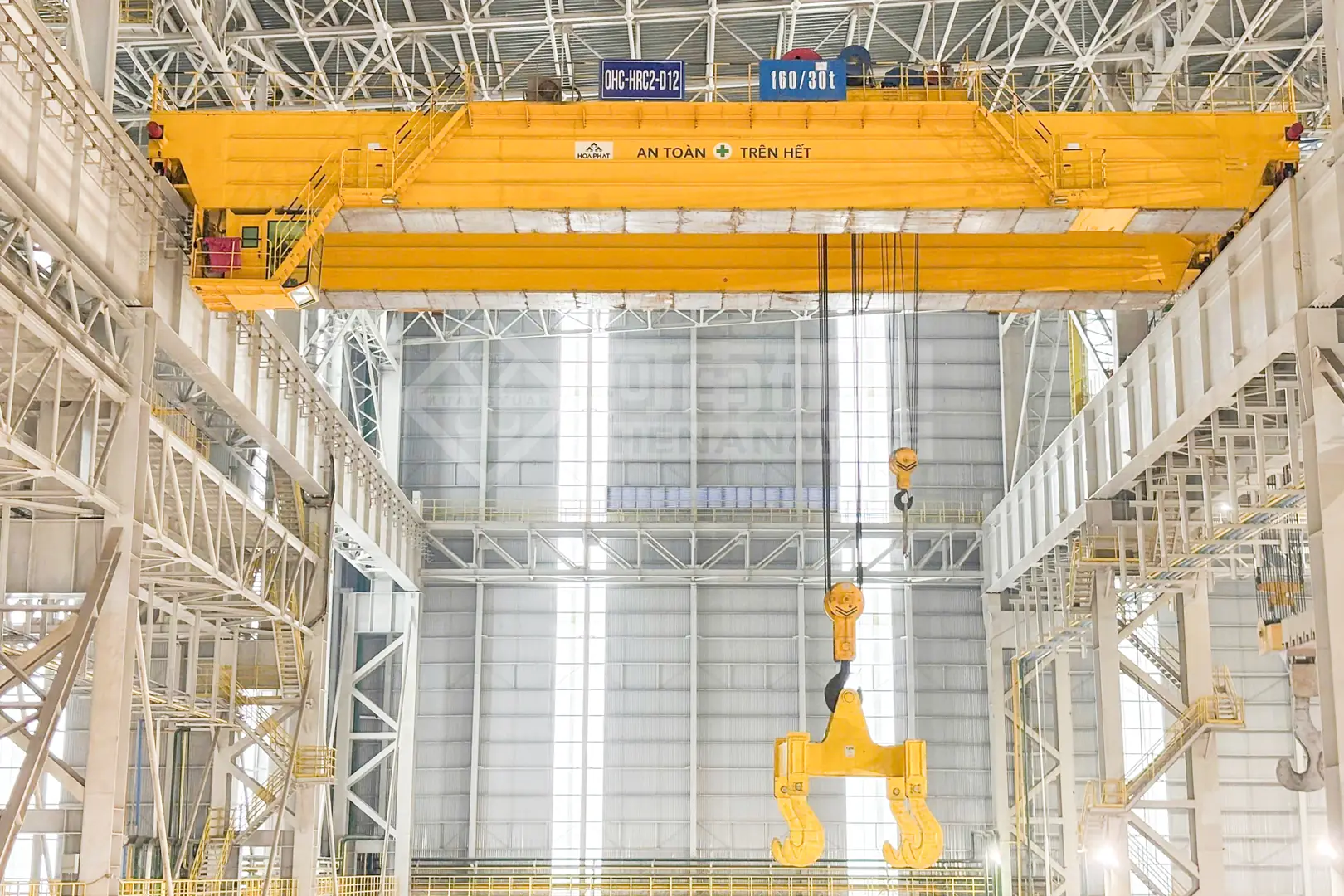

steel mill crane type, parameters and supplier selection full analysis
Steel mills are the most demanding scenario for lifting equipment in the industrial sector. High temperature radiation, high concentration of dust, 24 hours non-stop heavy-duty operation, will continue to wear Crane equipment. Ordinary workshop Overhead Crane, completely unable to adapt to the special production environment of steel mills.
Many steel plant purchasing in the selection, only focus on the equipment offer high and low, ignoring the equipment working conditions adaptability, the original factory process standards and long-term operation and maintenance guarantee.
The core of choosing reliable steel plant overhead crane supplier is not to choose low-priced equipment, but to find a partner who understands the working conditions of the steel plant, understands the lifting process of metallurgy, and can provide long-term stable service.
What Projects Use Steel Plant Overhead Cranes?
Raw material handling areas
Steel plant raw material yard and loading workshop is the area with high utilization of cranes, which is mainly responsible for loading and unloading of scrap, steel, production auxiliary materials and bulk materials, as well as on-site transfer work. The operation here is characterized by high frequency, miscellaneous loads and large amount of dust, which requires high wear resistance and continuous operation capability of Cranes.
Heavy duty overhead crane supplier will customize the lifting equipment for high frequency operation according to the working condition of raw material transfer, to meet the regular production needs of steel mills for daily loading and material preparation.
Steelmaking and casting areas
Steelmaking and casting areas are high-risk and high-temperature operation scenarios, where the core operations are heavy-duty and high-risk processes such as ladle transfer, molten metal lifting, ingot pouring, etc. The safety redundancy of cranes in these scenarios is very important for steel mills. This type of scene has the ultimate requirements for the safety redundancy, braking performance, and high temperature protection of the Crane.
Ordinary lifting equipment on the market cannot cope with such working conditions, and you must use a professional casting crane supplier to provide metallurgical casting cranes to avoid the safety risks of high temperature lifting from the structure and configuration.
Rolling mills and processing lines
Rolling mills and processing lines require frequent transportation of finished and semi-finished steel products such as coils, billets, plates and profiles. The work load is stable but the number of cycles is high, which requires the Crane to start and stop smoothly and align accurately to avoid steel bumping and damage.
A professional bridge crane supplier for steel plants will optimize the operating parameters of the equipment according to the working conditions of the rolling line, to match the continuous operation rhythm of the assembly line, and to ensure the integrity of the finished steel products.
Maintenance workshops
Maintenance workshops in steel plants are mainly for equipment downtime maintenance, large unit replacement, dismantling and assembling of production line parts, etc. The frequency of these operations is irregular, but the work is not always easy to perform. The frequency of this type of work is not fixed, but a single lifting load, the location of the work is not regular, the need for Crane to adapt to the changing maintenance conditions.
The stability and adaptability of the equipment directly determines the efficiency of the steel plant maintenance, which can effectively shorten the production line downtime.
Warehouses and internal logistics zones
Warehouses and internal logistics zones are mainly responsible for the on-site transportation and storage of spare parts, tools, industrial consumables and finished steel products. The operating environment is relatively mild, but the requirements for equipment stability and versatility are high, and it is suitable for the lifting of multiple types of goods.
Common Requirements in Steel Plant Projects
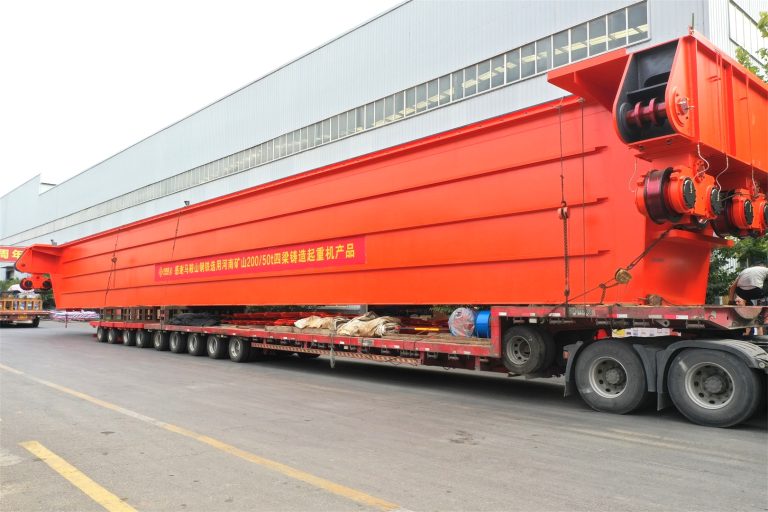
Heavy-duty continuous operation
Most of the production lines in steel plants have non-stop production throughout the year, and the lifting equipment needs to follow the production line to start and stop continuously and be lifted repeatedly. This high-frequency, uninterrupted heavy-duty operation mode will continue to test the structural strength of the equipment and the durability of accessories.
Ordinary lightweight Cranes are subjected to overload and high-frequency operation for a long period of time, and are prone to structural deformation, wear and tear of fittings, circuit failures and other problems, and are unable to meet the demands of steel production.
High safety requirements
Lifting operations in steel mills are mostly heavy-duty high-altitude operations, and some scenes involve the lifting of high-temperature molten metals, which can cause serious safety and production accidents in case of equipment failure.
Reliable steel mill cranes must be equipped with reliable braking systems, overload protection devices, emergency stop devices and other basic safety features to protect the safety of operations in all aspects.
Heat and dust resistance
Steelmaking, casting, rolling workshop is always in a high temperature, high dust environment, fine dust is easy to enter the motor, brake, cable and electronic control system, high temperature will accelerate the line aging, parts loss.
Specialized lifting equipment for steel mills will do special protection treatment, through the sealing structure, high temperature resistant cables, dust-proof electronic control box, adapted to the harsh working conditions, reduce the probability of failure.
Stable and reliable performance
Steel production lines are highly coherent, any one lifting equipment failure will directly lead to the entire production line stalled, resulting in a huge loss of production capacity.
Compared with the purchase price of the equipment, steel mills are more interested in the stability of the equipment, reducing the hidden costs of production stoppages, maintenance and labor losses caused by sudden failures.
Long service life and easy maintenance
Steel mill lifting equipment belongs to heavy industrial equipment, procurement cycle is long, high replacement costs, the industry generally require equipment with a long service life. At the same time, the structural design of the equipment needs to be easy for daily maintenance, parts replacement.
A quality steel mill crane manufacturer will simplify the operation and maintenance structure, and at the same time guarantee the long-term supply of spare parts to reduce the difficulty of full-cycle operation and maintenance of the equipment.
Support for different handling methods
The materials lifted in different areas of a steel mill vary greatly, requiring different spreader solutions. In addition to conventional hooks, customized accessories such as electromagnetic suction cups, grabs, coil spreaders and billet clamps are also available.
Professional suppliers can match the corresponding lifting solutions according to the type of material, so that Crane can be adapted to the diverse operational needs of the whole plant.
Recommended Crane Types for Steel Plants
Double girder overhead cranes
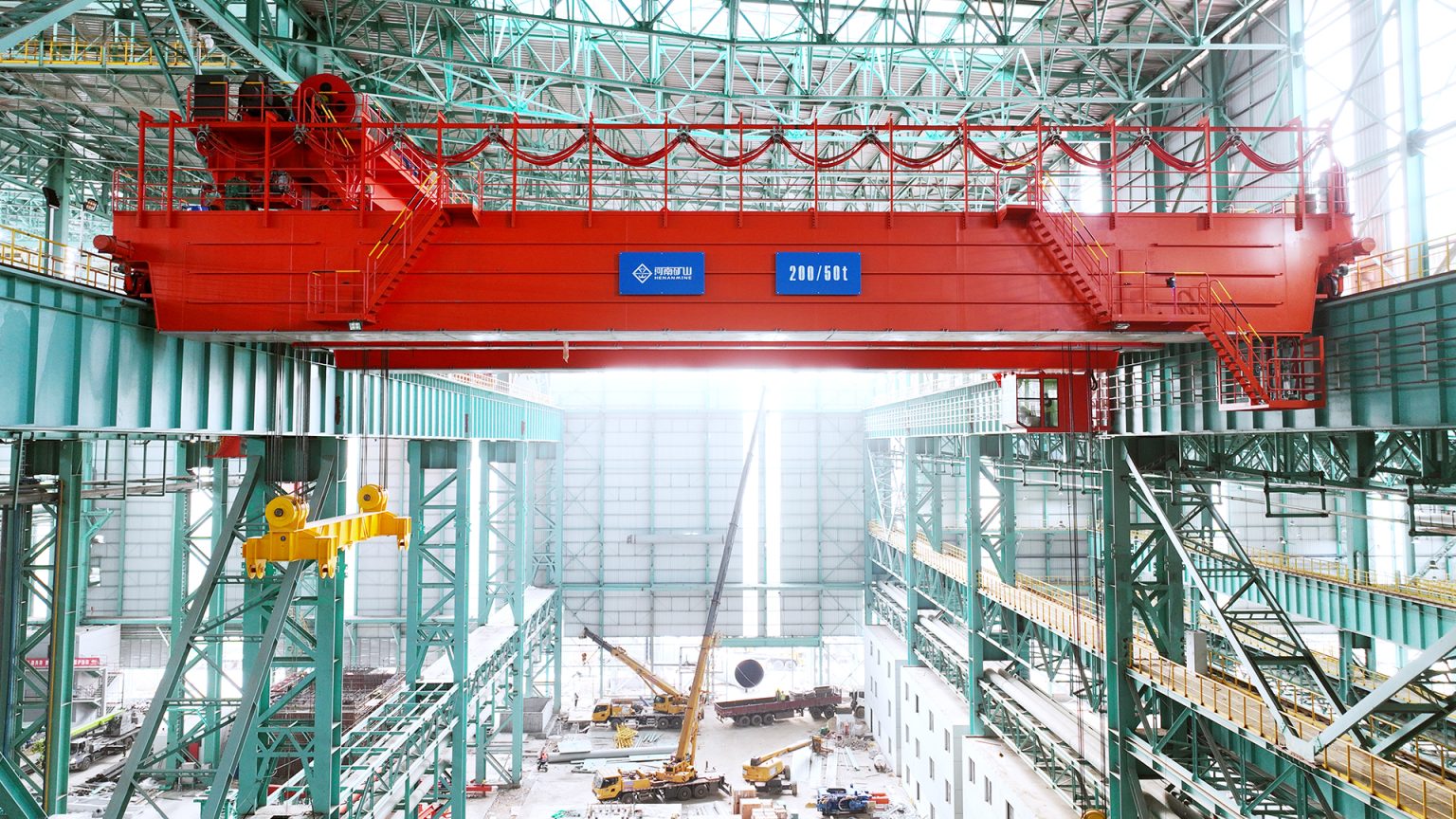
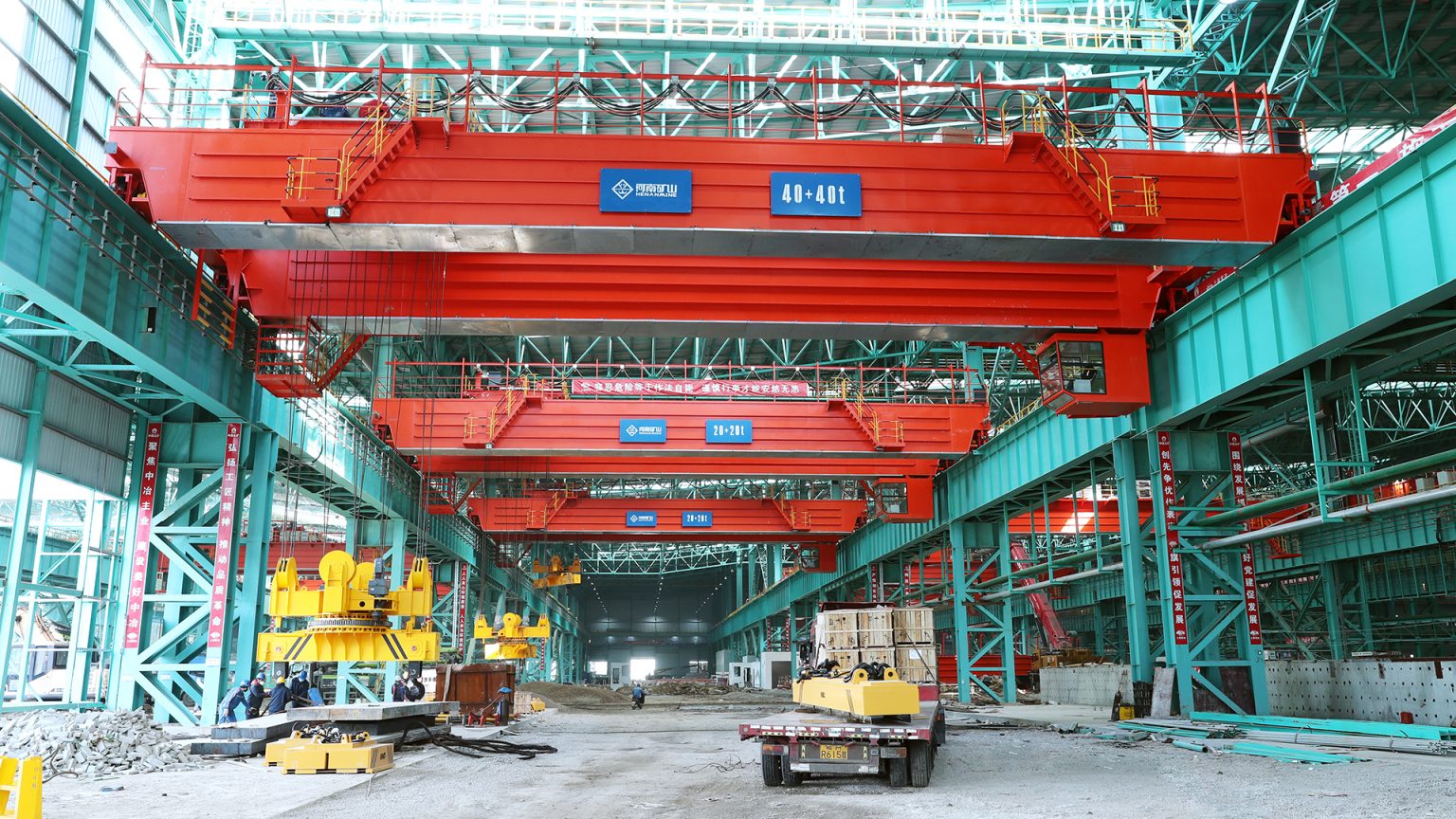
Double girder Overhead Cranes are the most versatile heavy lifting equipment for steel plants, with strong load carrying capacity and wide span coverage, which can be adapted to high-frequency heavy-duty working conditions.
This type of equipment is suitable for most of the steel plant areas such as raw material workshop, finished product warehouse, maintenance workshop, etc. It is the main lifting equipment in most of the small and medium-sized steel mills, with well-balanced price-performance ratio and adaptability.
Metallurgical overhead cranes
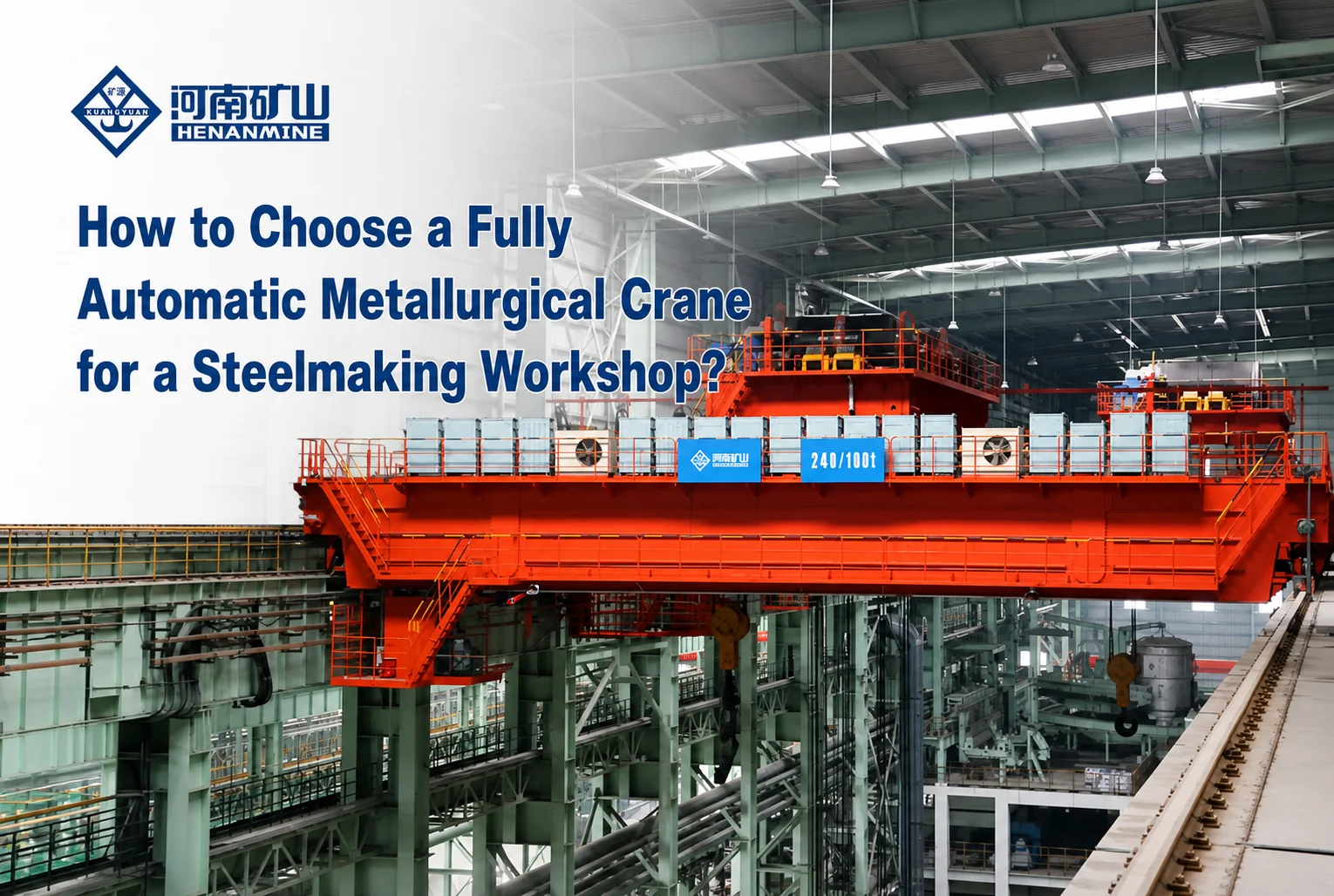
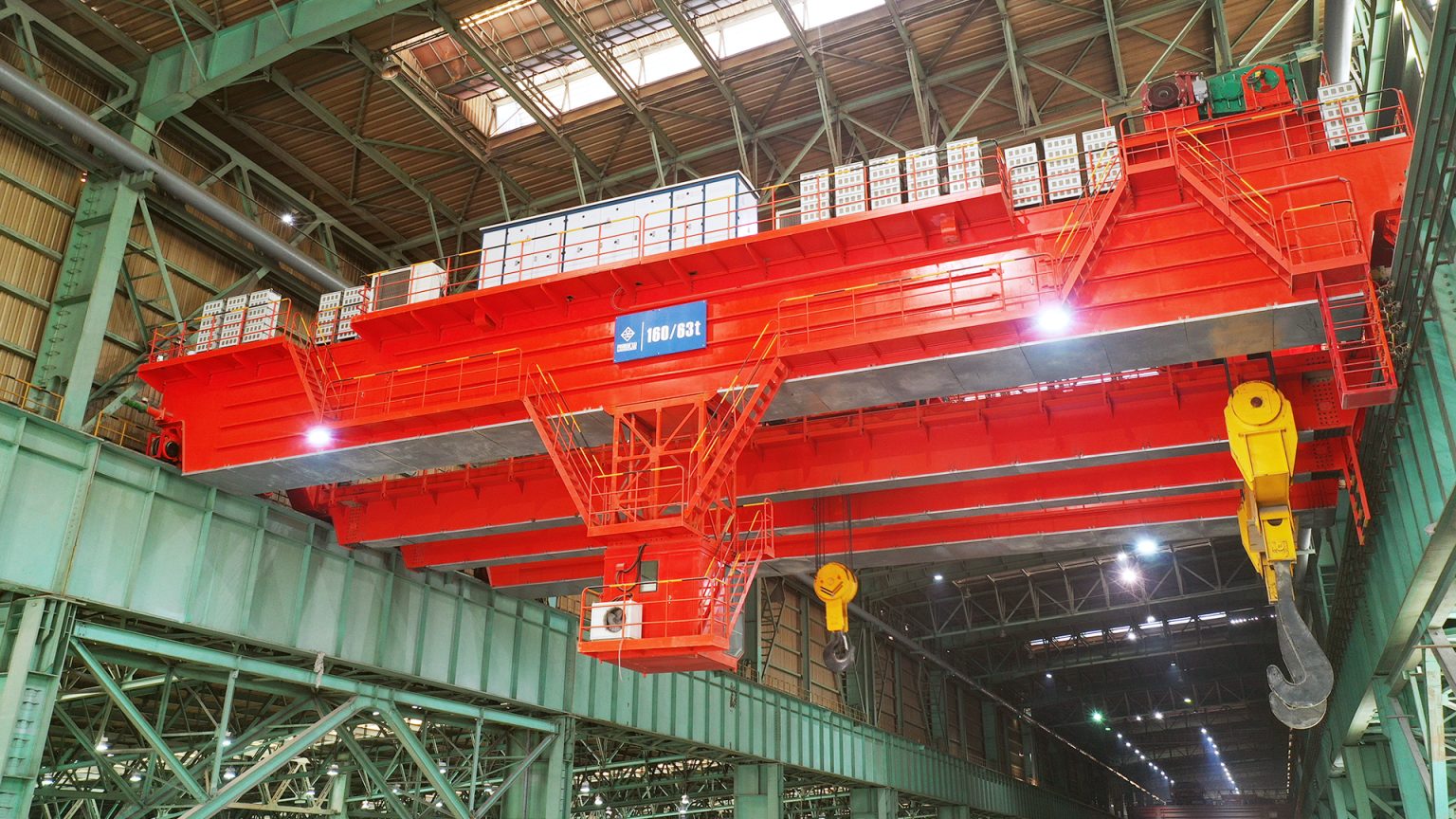
Metallurgical overhead cranes are exclusive equipment developed for steel mills with high temperature and bad working conditions. The overall structure is strengthened, and the electrical system and power system are protected against high temperature, dust and corrosion.
As a core metallurgical crane supplier, our metallurgical cranes can operate stably in high-temperature radiation and dusty workshop for a long time, which is suitable for the core working conditions such as steelmaking and steel rolling.
Casting cranes
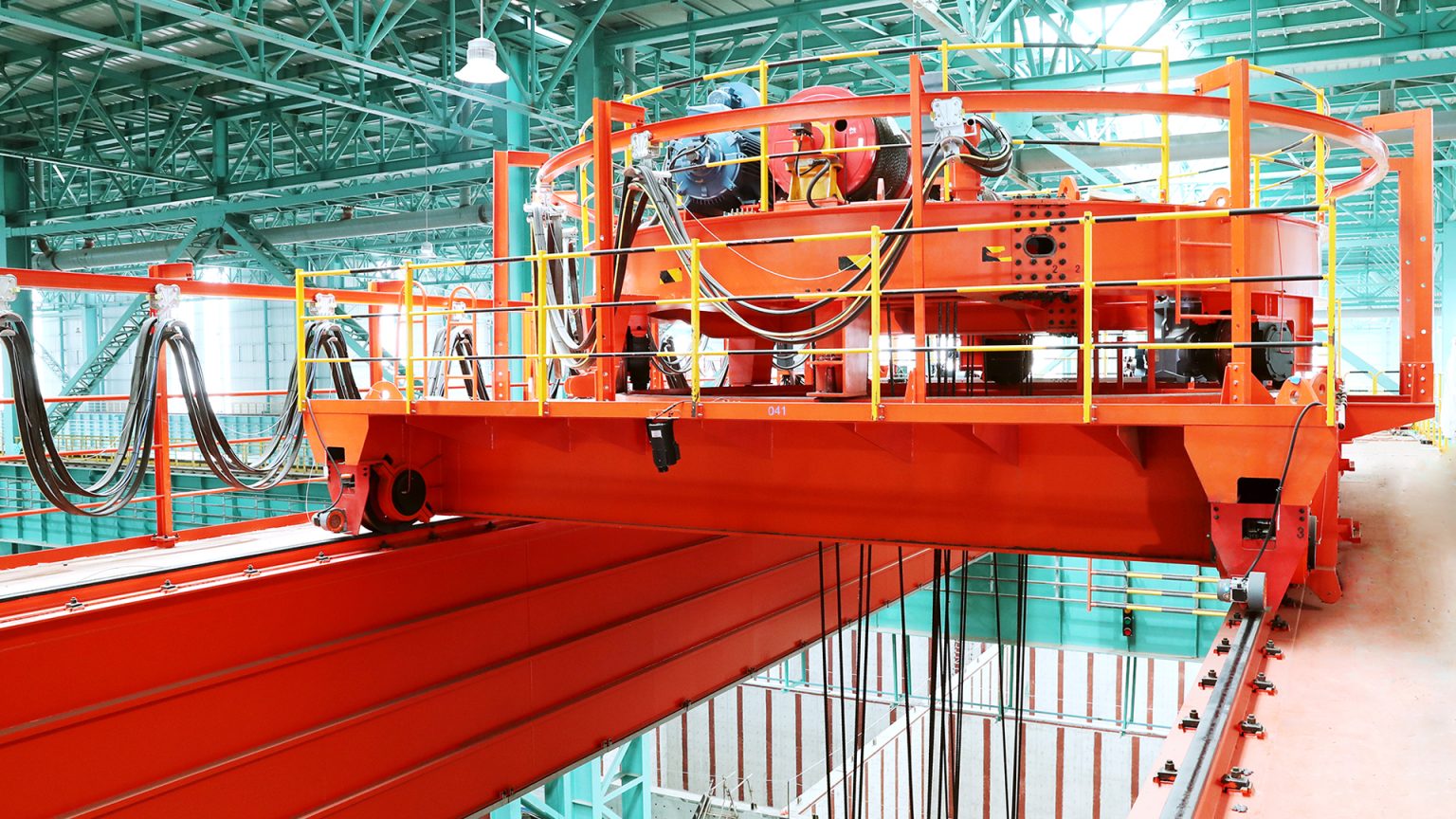
Casting cranes belong to the high-risk core equipment in steel mills, specialized in transferring and pouring of steel and iron ladles. The equipment adopts redundant design, braking, load bearing, electronic control system have multiple safety protection.
This type of equipment does not pursue the speed of operation, the core lies in the ultimate stability and safety, is an indispensable key equipment in the steelmaking workshop.
Scrap handling cranes
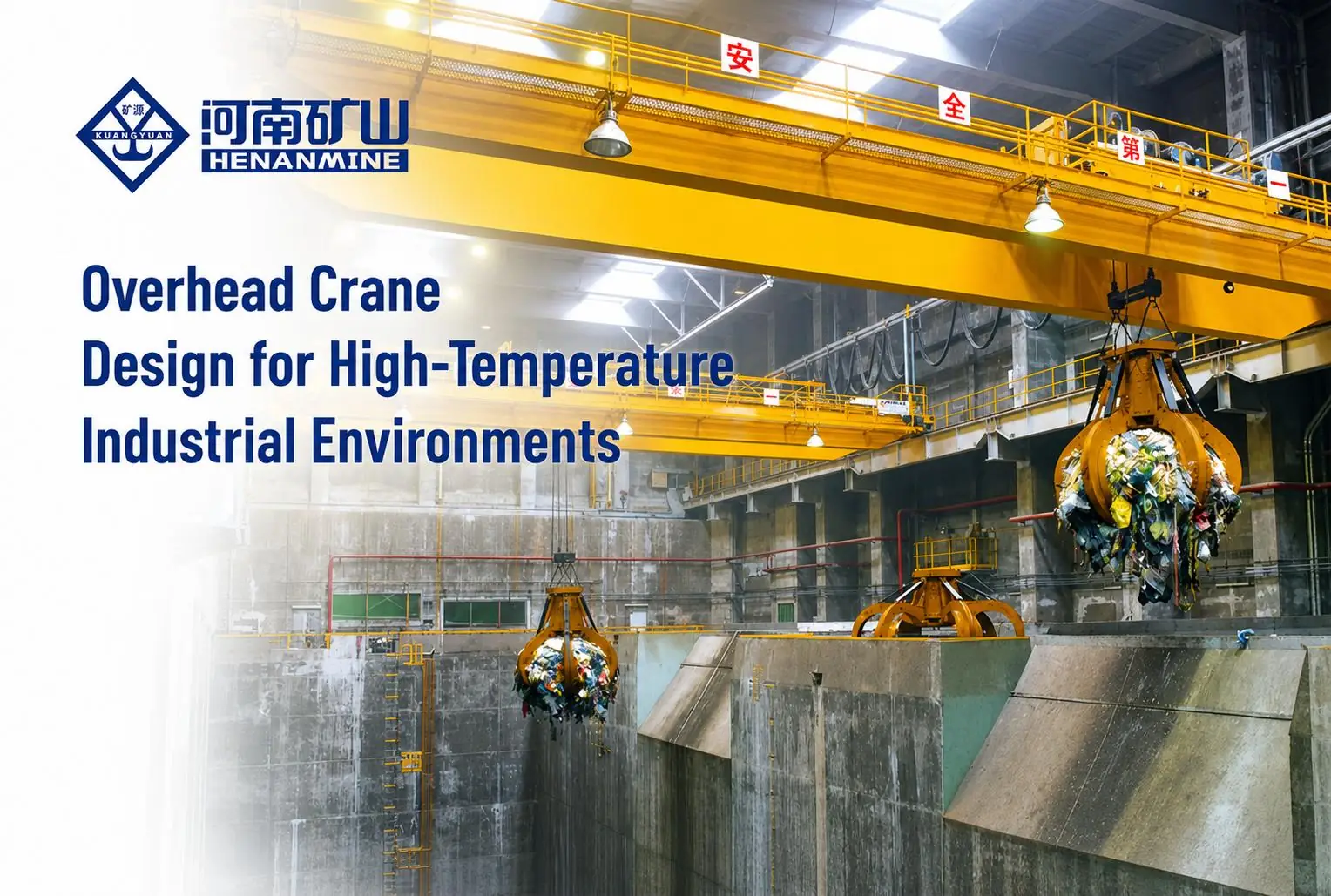
Scrap handling cranes are mainly used in raw material workshop for scrap grabbing and feeding operations, generally used with grabs or electromagnetic suction cups, with flexible operation and large grabbing capacity, suitable for high-frequency bulk material transfer work in raw material yards.
Coil and billet handling cranes
Cranes for steel coils and billets are suitable for rolling production lines and finished product storage areas. They are equipped with special fixtures for accurate lifting and positioning, which can effectively avoid surface bumps and deformation of steel and ensure the quality of finished products.
Maintenance overhead cranes
Maintenance overhead cranes have comprehensive load coverage and stable operation, and are suitable for dismantling and overhauling all kinds of large-scale equipment in steel mills to meet the occasional operation and maintenance needs of the mills.
Key Technical Parameters Buyers Should Confirm
Lifting capacity
Lifting capacity should not only refer to the weight of conventional materials, but also need to be superimposed on the self-weight of the spreader and the operational dynamic load factor, so as to reserve sufficient safety margins. Under high temperature and heavy load conditions, it is strictly prohibited to operate the equipment at full load for a long period of time.
Span
The span of the equipment needs to strictly match the steel structure layout of the plant and the center distance of the rail, and the accurate span design can avoid the interference of the equipment operation and ensure the smooth operation of the whole process.
Lifting height
Lifting height should be combined with the height of production line, the height of material stacking, and the size of plant headroom, and at the same time, a safety distance should be reserved to avoid the risk of collision of lifting.
Duty class
Duty class is the core parameter of steel plant Crane selection. High-frequency heavy-duty conditions in steel mills must choose medium-heavy, heavy duty class equipment, light equipment is completely unable to adapt to long-term continuous operation.
Operating speed
Lifting, trolley operation, trolley operation speed needs to match the production rhythm. High-risk and high-temperature areas are prioritized for smooth and low speeds, while finished product transfer areas can appropriately increase the speed, balancing safety and production capacity.
Working environment
Before purchasing, you need to specify the site temperature, dust concentration, humidity, corrosive media and other environmental conditions, the manufacturer will customize the corresponding level of protection according to the working conditions, to match the site of harsh environments.
Control method
Conventional warehousing, maintenance area can choose handle control or wireless remote control; steelmaking, rolling and other high-risk areas, give priority to the use of cab control, to protect the operator's field of vision and safety.
Safety features
Standardly equipped with overload limiter, emergency stop device, travel limit switch, high-risk working conditions need to be additionally equipped with collision avoidance device, dual brake redundancy system, all-around avoidance of operational risks.
Power supply
The voltage and frequency of the equipment need to match the power supply system of the plant, to avoid mismatch in power supply leading to equipment failure, circuit burnout and other problems, and to ensure stable power supply operation of the equipment.
How to Choose the Right Supplier
Check whether the supplier is a real manufacturer
Many foreign trade intermediaries only do equipment resale, no production, customization, commissioning capabilities, can not be adapted to the transformation of special conditions in the steel plant, no after-sales protection.
Purchasing priority should be given to verify the manufacturer's production workshop, processing equipment, production qualifications, and choose a real steel mill crane manufacturer with independent production capacity, to ensure the quality of the equipment from the source.
Review similar steel plant project experience
Ordinary workshop Crane manufacturers are not familiar with the special needs of high temperature, heavy load, high-frequency operation of the steel plant, the production of equipment is prone to incompatibility problems.
High-quality suppliers need to have a large number of domestic and overseas steel mills, metallurgical workshop landing cases, familiar with all kinds of steel plant working conditions and process requirements, can accurately match the customized program.
Evaluate engineering support
Reliable manufacturers not only simply supply, but also according to the customer's plant drawings, production processes, operational scenarios, optimize equipment parameters, recommended models, to avoid selection errors.
The professional engineering team can customize lifting solutions for the differences in working conditions in different workshops to meet the needs of steel mills in the whole process of production.
Check technical documents
Overseas steel mill projects have high requirements for data compliance, and manufacturers are required to provide complete assembly drawings, technical parameter tables, wheel pressure data, electrical schematics, parts lists, and other complete sets of English data to meet the needs of customs clearance, acceptance, and filing requirements before purchasing.
Review major component brands
Crane core components directly determine the stability and service life of the equipment, focusing on verifying the brands and configurations of motors, gearboxes, brakes, electronic control systems, hooks, wire ropes and bearings, and eliminating low-match refurbished parts.
Confirm quality control and testing
Before leaving the factory, regular manufacturers will complete weld testing, size calibration, no-load test run, full-load load test, functional debugging, and keep complete testing records to ensure that the equipment can be stable and put into production.
Clarify installation and commissioning scope
Clarify the service scope in advance, and distinguish between pure equipment supply, on-site installation guidance, and all-inclusive commissioning of the whole machine and other service modes. Heavy equipment installation in steel mills requires high precision, and professional on-site service can avoid hidden problems in later operation.
Check after-sales service and spare parts support
Steel plant equipment downtime loss is extremely high, the need for manufacturers to have a rapid response after-sales system, while guaranteeing the long-term supply of spare parts, software debugging, troubleshooting services, to minimize downtime.
Compare lifecycle value, not only purchase price
Low-priced equipment often exists in the working level of shrinkage, low accessories, insufficient protection level and other issues, short-term seemingly cost-saving, long-term operation and maintenance, replacement, shutdown losses will increase dramatically. Selection needs to be a comprehensive assessment of the full life cycle value of the equipment.
Common Mistakes Buyers Make
Selection of suppliers only by the price of the high and low is the most common misconceptions of the steel plant lifting equipment procurement, it is easy to choose the wrong low equipment, can not be adapted to the harsh working conditions.
Do not distinguish between the different working conditions of different workshops in the steel plant, the uniform selection of common Crane, will lead to high-risk areas of insufficient equipment security, common areas of equipment performance redundancy and waste.
Ignore the working level parameters of the Crane, the choice of light, intermediate equipment instead of heavy equipment, long-term high-frequency operation is very likely to cause equipment damage and safety hazards.
Neglect the high temperature, high dust of the harsh working conditions, did not require the equipment to do special protection, will cause rapid aging of the equipment, frequent failures.
Do not verify the manufacturers of steel plant project cases, gullible general lifting equipment suitable for all industrial scenarios, resulting in mismatch between equipment and production requirements.
Not clear the scope of the offer includes the absence of standard equipment, installation and commissioning of separate charges, accessories are not included and other invisible consumption.
Failure to confirm the installation, commissioning, after-sales rights and responsibilities in advance, equipment failure after landing no one to dock, maintenance lag and other issues.
The size of the plant, working conditions, operating parameters provided in the inquiry stage is incomplete, resulting in the customization of the manufacturer's program deviation, the need for repeated rectification and adjustment.
Frequently Asked Questions
What type of overhead crane is best for a steel plant?
There is no generalized optimal model, it needs to be matched according to the working conditions. The steel casting area uses Metallurgical Casting Cranes, the raw material area uses Grab and Electromagnetic Cranes, and the rolling line and storage area uses Double Girder Overhead Cranes, which is the most reasonable type according to the needs.
When is a casting crane required?
Where steel, iron and other molten metals involved in lifting, ladle transfer pouring process, must use a special casting crane, this type of equipment has multiple safety redundancy, is an ordinary crane can not be replaced.
Why is duty class so important in steel plant crane selection?
The duty class determines the fatigue load carrying capacity and continuous operation capability of the equipment. As steel plants operate 24 hours a day with high frequency and heavy loads, low grade equipment will be quickly fatigued and damaged, posing a great safety risk and failing to meet production demands.
What should I check besides crane price?
What should I check besides crane price? In addition to price, we should focus on checking the working level, environmental protection level, core parts brand, factory inspection report, steel plant project case, installation and commissioning service and long-term after-sales guarantee.
What documents should I request before ordering?
What documents should I request before ordering? We can request manufacturers to provide a full set of compliant technical information such as assembly drawings, technical data sheets, wheel pressure parameters, electrical schematic diagrams, accessory lists, factory inspection reports, etc.
How important is after-sales service for steel mill cranes?
After-sales service is the key to the stable operation of steel mill cranes. Timely fault repair, spare parts replacement and equipment debugging can effectively avoid the loss of long-term downtime and ensure the continuous operation of production lines.
Can one supplier provide different crane solutions for multiple steel plant areas?
Can one supplier provide different crane solutions for multiple steel plant areas? Professional manufacturers can provide one-stop crane solutions for casting cranes, metallurgical cranes, scrap cranes, coil cranes, overhaul cranes, etc., which are suitable for all operation scenarios of the plant, with unified after-sales service and quality standards.
Conclusion
Selecting a reliable steel plant Overhead Crane supplier is never as simple as just comparing prices. Steel mill lifting equipment in harsh environments for a long time to undertake heavy-duty, high-frequency, high-risk lifting operations, the quality of the equipment is directly related to the production safety of the steel plant and the overall operational efficiency.
High-quality suppliers must have mature steel plant project landing experience, professional engineering customization capabilities, perfect quality inspection system and long-term sustainable after-sales protection. Can be combined with the actual production process, plant conditions and operational needs of steel mills, to provide targeted Crane supporting programs.
Henan Mine Crane, as a professional steel mill crane manufacturer, has served a large number of steel mill projects at home and abroad, and has accumulated a wealth of experience in metallurgical lifting support. We can provide customized crane solutions, a full set of compliant technical data, on-site commissioning services, and full-cycle after-sales support for all types of steel production, metallurgical conditions.
If you are looking for a reliable Crane solution to meet the steel plant conditions, please feel free to provide the plant drawings, rated lifting capacity, span, lifting height, working level and site conditions, our engineering team will match you with the most suitable steel plant lifting equipment solutions.