
How to Reduce Container Handling Costs in Modern Ports? Complete Guide
What can modern ports do to cut costs on container handling?
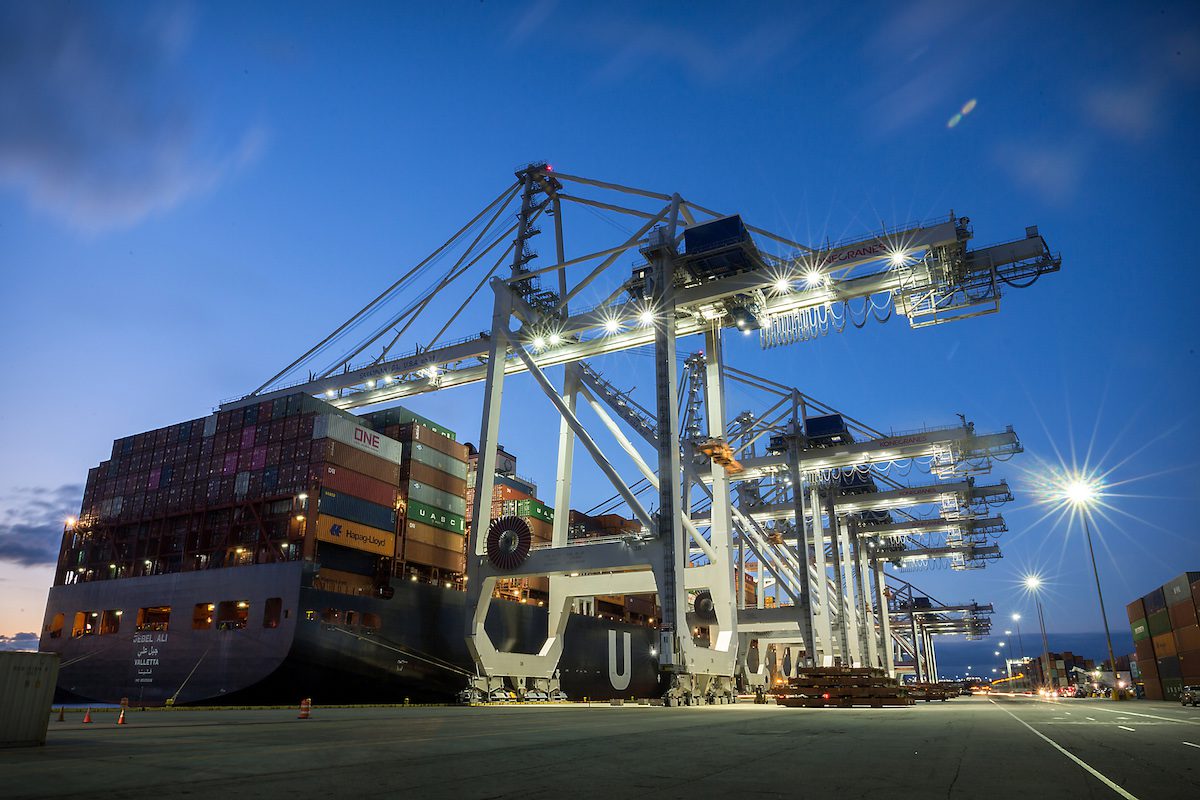
In recent years, global container terminals have been under more and more pressure. Rising labour costs, fuel prices that keep going up and down, record-high container volumes, plus stricter environmental rules and shorter times for vessels to get ready to use again—all these things mean that cutting container handling costs will have a direct effect on how competitive a terminal is in the market and how much profit it makes.
When it comes to saving money and getting more out of their kit, most terminals think the best thing to do is to bring down the price of equipment. But when you look at the long-term costs, the price difference for one piece of kit is nothing compared to the long-term costs of choosing the wrong equipment, poor scheduling, using too much energy, and times when the equipment is not working.
Henan Mine Crane is a professional manufacturer of port crane equipment, and we've been involved in port projects of all sizes all over the world. To really get the most out of your costs, you've got to make improvements at every stage, from planning the yard to choosing the equipment, the energy structure, and maintenance systems. This article looks at some practical ways to cut long-term costs and keep things running smoothly.
So, when it comes to working out how much it costs to handle containers, here’s the lowdown.
The first category is capital expenditure (CAPEX), which includes ship-to-shore gantry cranes (STS), rubber-tired gantry cranes (RTG), rail-mounted gantry cranes (RMG), container stackers, and terminal tractors, as well as any related infrastructure investments.
The second category is operating costs (OPEX). The biggest chunk of this is energy costs, like diesel, electricity, and charging fees. Then there's labour costs, like wages for drivers and maintenance staff. And then there's the day-to-day stuff like maintenance, spare parts and tyre wear costs. When it comes to wheeled equipment like RTGs and container handlers, tyre wear is a big fixed cost that can't be ignored.
The third category is all about hidden costs that people often don't think about, like demurrage fees for waiting container trucks, penalties for vessel delays, efficiency losses due to equipment idling or yard congestion, and downtime losses caused by unexpected breakdowns. These hidden costs often end up being more than what's shown on the books.
If you make the most of the yard layout, you can cut down on waste right at the source.
If the yard's not planned properly, you'll have to travel further with the equipment, use more fuel and do more container transfers, which all adds to the workload.
When you're planning container zones, it's a good idea to divide the area based on how the containers are moving around. Import and export containers should be stored separately; we should have dedicated areas for refrigerated and hazardous materials containers; and empty containers should be consolidated to minimise long-distance transfers between zones. It'd be great if cold-chain container terminals and dangerous goods container yards could clearly mark out their operational areas. This would mean less extra travel distance for cross-zone transfer operations.
The most important thing is to minimise container repositioning. In a lot of yards, because of poor planning, getting one container out often means moving two or three stacked containers – which is not only a lot of work, but also takes forever. If you plan your yard layout well, you can cut down on unnecessary movements, reduce the load on your equipment, and, of course, lower the handling cost per container. This is the main idea behind optimising port yard layout.
Selecting the Right Equipment for the Yard
Different handling equipment is suited for different scenarios. If you pick the wrong model, you'll end up paying more in the long run. Picking the right kit for a container terminal is key to saving money.
Rubber-Tired Gantry (RTG) Cranes are the main equipment in many yards and offer the best potential for cost reduction. You can retrofit existing diesel-powered equipment to electric RTGs or buy electric RTGs straight up. When you add hybrid systems, remote control, and automatic positioning, they can both cut energy consumption and improve how things are done.
Rail-mounted gantry cranes (RMGs) are perfect for large, fixed yards. They offer higher stacking density, lower labour requirements, lower electrification operating costs, and significant potential for automation upgrades. They're a popular choice for large hub ports and intermodal container terminals, and they're even more cost-effective in the long run after automation upgrades are finished.
These vehicles are perfect for places where containers are constantly moving around, as well as for small and medium-sized container terminals and inland dry ports. You can also make transfer vehicles more efficient and cut their costs by optimising your fleet, switching to electric models, and adjusting driving routes.
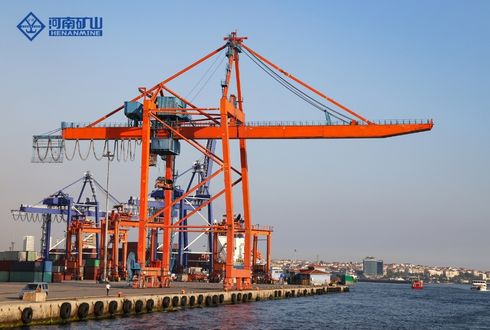
STS gantry cranes are key to how long a vessel spends in port. If you upgrade to anti-sway technology, automatic crane positioning and remote control, you can shorten the loading and unloading cycle for each vessel, reduce demurrage charges and improve berth utilisation.
Here’s a quick rundown of some of the most common container handling equipment.
| Equipment Type | Initial Investment | Energy Cost | Labor Demand | Stacking Height | Flexibility | Best Application |
| Diesel RTG | Medium | High | Medium | 4-6 layers | Medium | Medium-sized conventional yards |
| Electric RTG | Medium-high | Low | Medium | 4-6 layers | Medium | Yards with stable power supply |
| RMG Crane | High | Very low | Low | 5-7 layers | Very low | Large fixed yards & rail terminals |
| Straddle Carrier | Medium | Medium | Low | 2-4 layers | Very high | High-turnover flexible yards |
Switching to electric to deal with fuel price ups and downs
Diesel prices keep going up, and carbon emissions regulations are getting stricter in lots of regions. This means the cost of operating diesel-powered equipment is going up, and there's a risk of not meeting emissions standards. Electrification is the best way to cut terminal energy costs.
The best solution is to retrofit diesel-powered rubber-tired gantry cranes (RTGs) to electric models. After retrofitting, energy costs per container drop significantly, and equipment maintenance requirements are reduced accordingly. If you're in a place without a fixed power supply, hybrid port equipment can be a great temporary solution to gradually reduce fuel consumption.
Lithium-ion battery-powered container stackers and terminal tractors are already pretty common and are great for short-distance, high-speed transport. When working out how much energy you can save, you've got to think about how many hours it'll be running each year, how much fuel it uses, what the local electricity rates are, and how long the battery will last. This makes it easy to work out the payback period.
It's also a key part of green port equipment solutions. Lots of regions offer policy subsidies for low-carbon ports, which can further offset the initial investment.
Here’s a simple way to spread out fixed costs and make the most of your equipment:
When equipment is sitting idle, you're still paying depreciation and fixed costs, which obviously increases the handling cost per container. If you can make full use of port equipment, you can handle more operations without having to buy new kit.
If you integrate a container equipment fleet management system for real-time scheduling and dispatch, you can reduce empty runs and waiting times. If you can, try using it with an AI-based yard scheduling system to balance the workload and avoid overloading or underutilisation.
Keep an eye on the main performance indicators every day, like hourly throughput per piece of equipment, how much equipment is available, the empty run rate, energy consumption per container, and downtime. This'll help you spot areas for improvement through data analysis and gradually boost operational efficiency.
Automation and Smart Maintenance: Cutting the costs of labour and downtime
Automated container terminal solutions require a big initial investment, but they can significantly improve operational efficiency in the long run. They cut down on labour needs and reduce damage to equipment and cargo caused by human error, all while making business operations more smooth. You don't have to implement everything at once. First, upgrade to remote port control and automated stacking, then gradually expand to save money through port automation.
When it comes to maintenance, we need to move away from the traditional "repair after failure" model and adopt predictive maintenance for port equipment. Using sensors to keep an eye on things like motor temperature, vibration, brake status, and hydraulic pressure helps spot early signs of failure, so you can plan maintenance when you need to.
This means less time wasted when equipment fails and a longer service life for the equipment, which means savings on maintenance costs. When you combine this with a remote equipment monitoring system, you can quickly figure out what's causing failures in overseas projects, which means you spend less time and money on service calls.
Here are some of the mistakes we often make when trying to cut costs.
A lot of terminals don't really get how to cut costs effectively. The most common mistake is thinking that lowering equipment prices is the main goal. The truth is, cheap equipment usually uses more energy, breaks down more often, and has a shorter lifespan, which ends up costing more in the long run.
Some terminals also automatically implement automation without first optimising operational workflows, so if there are underlying process issues, automation won't deliver the expected results.
A lot of projects don't think about long-term electrification plans, so they end up buying diesel-powered equipment. But a few years later, because of emissions regulations, they have to spend even more on retrofitting.
Doing a total cost of ownership (TCO) analysis for port equipment—which includes all spending over about 10 to 15 years—is the only way to really know if something offers good value for money. Our port TCO analysis service helps clients calculate long-term returns.
Frequently Asked Questions
What’s the best way for ports to cut costs when it comes to handling containers?
To do this, we can take these steps. First, we need to tweak the yard layout. Next, we need to get the equipment wired up. Then, we need to upgrade the automation systems and introduce predictive maintenance. And finally, we need to optimise the scheduling arrangements. You can't rely on just one measure to get the job done. You need to make systematic adjustments based on the specific operational conditions of the terminal.
Do automated terminals have lower operating costs?
Sure, it might cost a bit more up front, but you'll get your money back tenfold in the long run. How long it takes to get your money back depends on how much the terminal can handle and how much it costs to run it.
I’d like to know if electric RTGs are more cost-effective than diesel RTGs?
Absolutely. Sure, it might cost a bit more at first, but you'll end up saving on energy and maintenance costs in the long run. If the terminal can handle the extra work, the extra costs can usually be made back within a few years, making them better value in the long run.
So, to sum up
when you're trying to cut costs on container handling, just buying the cheapest equipment isn't the answer. The key is to transform every aspect of the process, from planning the yard and selecting the equipment, all the way to daily operations and maintenance.
Future container terminals are going to be smarter and more energy-efficient, and they'll need less manual intervention. If a terminal wants to stay ahead of the game in the long run, it needs to take the lead and invest in the right gear and systems.
Make your solution work for you and boost your terminal’s operational efficiency.
Henan Mine Crane is a professional supplier of port crane equipment. We can help improve the cost-effectiveness of your container terminal by providing assessment services. Just give us your annual throughput, existing equipment, yard layout, energy consumption data, and automation goals, and our engineering team will come up with an improvement plan—including RTG/RMG upgrades, straddle carrier selection, electrification route planning, and smart port solutions.
You can also download our free "Self-Assessment Checklist for Cost Reduction in Modern Port Container Operations" to quickly spot areas for improvement in your current operations.