
How to Improve Efficiency with Container Straddle Carrier in Middle East Ports?
In the past few years when Henan Mine Crane was in charge of straddle carrier business in Middle East ports, I have traveled all over the major ports in the United Arab Emirates, Saudi Arabia, Qatar and other countries. The most intuitive feeling is that Middle East ports are rapidly emerging as global core transshipment hubs, especially Dubai Jebel Ali Port and Saudi Jeddah Islamic Port, which are leading the transformation of smart ports in the whole region.
However, the operating environment here is vastly different from that of European and Asian ports, with extreme temperatures ranging from 45 to 55 degrees Celsius, dust and sand, coupled with the peak operational pressures associated with large-scale transshipment, presenting unique challenges to the efficiency of container straddle carriers.
Many ports have purchased European specification straddle carriers, but did not do the targeted adaptation, resulting in frequent overheating of the engine, equipment failure rate remains high, operational efficiency does not go on the problem. In fact, to improve the efficiency of transporters in Middle East ports, the core does not lie in how advanced the equipment itself is, but whether it can be adapted to the local extreme environment and transit needs.
Today, I will combine Henan Mine Crane's practical experience in serving Middle East ports to talk about how to improve the operational efficiency of container straddle carriers in Middle East ports. We will not talk about false theories, but only methods that can be put into practice, to help you avoid misunderstandings and truly realize the value of straddle carriers in Middle East ports.
Operational Challenges in Middle East Container Yards
Extreme High Temperature (45-55°C)
High temperatures in the Middle East are the first obstacle to the efficiency of straddle carriers. Every summer, daytime road temperatures can easily exceed 60 degrees Celsius, putting the components of the equipment to the test.
The most common problem is engine overheating. Conventional cross-traffic vehicle cooling system, below 35 degrees Celsius can work normally, but in the Middle East in summer, continuous operation for 1 to 2 hours, the engine temperature will exceed the standard, had to shut down to cool down, seriously affecting the operational rhythm.
The hydraulic system will also be affected by high temperature. High temperature will make the hydraulic oil viscosity drop, seal aging accelerate, easy to leakage problems, not only increase the maintenance cost, but also lead to lifting, walking action stuttering, elongate the operating time.
The aging speed of tires will also be greatly accelerated. High-temperature road surface will make the tire rubber softening, wear and tear increased, originally can be used for 3 years of tires, in the Middle East may be less than 2 years need to be replaced, not only to increase the cost, but also because of tire failure caused by equipment downtime.
For operators, the heat also reduces endurance. Even if the cab is air-conditioned, prolonged exposure to high temperatures reduces the operator's reaction speed and precision, indirectly affecting operational efficiency and even increasing safety risks.
Sand and Dust Environment
The sand and dust environment in the Middle East is the second major challenge for transporters. Fine sand and dust can get into the crevices of the equipment, causing a series of malfunctions and drastically reducing the availability of the equipment.
Clogged air filters are the most common problem. Sand and dust can quickly clog the filter, leading to inadequate engine air intake, reduced power, increased fuel consumption and, in severe cases, damage to the engine block, causing major failures.
Sensor contamination is also tricky. The positioning sensors and pressure sensors on the trans-carrier, once covered by sand and dust, will have inaccurate signals, leading to deviations in the alignment of the pickup box, misjudgment of operating instructions, requiring repeated adjustments by the operator, wasting a lot of time.
The wear and tear of the brake system will also increase. Sand and dust can get between the brake discs and brake pads, increasing friction loss, and at the same time may cause the brakes to stall, affecting driving safety, and also requiring more frequent replacement of brake parts.
The cooling system is also susceptible to clogging by sand and dust. When the radiator fins are covered with sand and dust, the cooling effect will be greatly reduced, which will further aggravate the engine overheating problem, forming a vicious cycle.
Large-Scale Transshipment Operations
As a global transshipment hub, Middle East ports are characterized by large-scale transshipment operations, which puts additional pressure on transporter efficiency.
Container volumes are extremely high during peak hours. For example, the annual throughput capacity of Jeddah Islamic Port in Saudi Arabia jumped from 1.8 million TEUs to 4 million TEUs after the expansion, and a large number of containers need to be unloaded, transferred and stacked within a short period of time when the ship berths, which puts a very high demand on the operation capacity of transshipment trucks.
The turnaround time of berth is very short. Middle East ports have high berthing costs, shipping companies require berth turnaround efficiency is very high, once the trans-carrier operation can not keep up, it will lead to ship delays, the port needs to pay a high amount of delay penalties.
The hub-and-spoke logistics model also allows the trans-shipment trucks to operate in a wider range. Containers need to be quickly transferred between different yards and berths, and the traveling distance and working intensity of straddle carriers are far more than those of ordinary ports, which is a great test for the reliability and efficiency of the equipment.
Key KPIs for Middle East Ports
Moves Per Hour (MPH)
Moves Per Hour (MPH) is the most important indicator for measuring the efficiency of straddle carriers in Middle East ports, especially in the Gulf hub ports such as Dubai and Saudi Arabia, which have extremely high throughputs.
Combined with the actual working conditions of the Middle East ports, the MPH target for the straddle carriers in the high throughput Gulf hubs should be set at more than 30 to 40 times. This target seems strict, but as long as good equipment adaptation and operation optimization, it can be achieved.
A large transshipment port in Dubai, which I have served, optimized the cooling system and scheduling logic of transshipment trucks to increase the MPH from 28 to 35 times, which greatly improved the turnover efficiency of the berths and reduced the cost of ship delays by millions of dollars per year.
Cycle Time Under Heat Conditions
Maintaining a stable cycle time under summer heat conditions is key to the efficiency of straddle carriers in Middle East ports. In many ports, straddle carriers are able to maintain consistent cycle times in the spring and fall, but in the summer months, cycle times are significantly extended due to overheating and malfunctioning equipment.
For example, in a Saudi port, the single cycle time of trans-shipment trucks in summer is more than 20% longer than that in spring and fall, which directly leads to a decrease in the turnover efficiency of berths and fails to meet the requirements of shipping companies.
For Middle East ports, it is more important to optimize the high-temperature adaptability of straddle carriers so that they can maintain a stable cycle time even during the summer peak hours, rather than simply improving MPH.
Fuel Efficiency per Move
The Middle East is an oil-producing region where diesel fuel is relatively competitively priced, but that doesn't mean that fuel efficiency doesn't need to be a concern. Cross-docking trucks are extremely heavy duty, and the difference in fuel consumption on a single job can make a huge difference in cost in the long run.
High-temperature environment will lead to increased engine fuel consumption, for example, conventional trans-carrier at 35 degrees Celsius, a single operation fuel consumption of 5 liters, to 50 degrees Celsius, fuel consumption will rise to more than 6.5 liters, in the long term, a piece of equipment will be consumed thousands of liters of diesel fuel per year.
Therefore, optimizing the fuel efficiency of transporters in Middle East ports focuses on reducing the extra fuel consumption under high temperature environment, and achieving stable control of fuel consumption in a single operation through equipment modification and operation optimization.
Equipment Availability Rate
Equipment Availability Rate is the basic guarantee for the efficiency of trans-shipment trucks in Middle East ports. Due to high temperatures and sand, the failure rate of trans-shipment trucks is inherently higher than in other regions, so the target equipment availability rate should be set at 95% or above.
Once the availability rate is below 90%, there will be insufficient equipment capacity, leading to yard congestion and vessel delays. I have seen a Qatari port lose more than ten million dollars in operating revenue each year because the equipment availability rate has been around 85% for a long time.
The core of improving equipment availability is to do a good job of preventive maintenance and equipment adaptation to the desert environment, so as to reduce downtime.
Optimize Straddle Carrier Performance in High Temperature
Enhanced Cooling Systems
To cope with the high temperatures in the Middle East, the first step is to upgrade the cooling system of the straddle carriers, which is the core to ensure the stable operation of the equipment. Conventional cooling systems simply cannot meet the heat dissipation needs of the Middle East in summer.
Our customized transporters for Middle East customers are equipped with oversized radiators. Compared with the conventional radiator, the size increases by more than 30%, the heat dissipation area is greatly increased, which can effectively reduce the temperature of the engine and hydraulic system.
At the same time with a high-capacity cooling fan, the use of frequency control technology, according to the temperature of the equipment can automatically adjust the fan speed, not only to ensure the cooling effect, but also to reduce fuel consumption.
Hydraulic oil also needs to be replaced with a high-temperature resistant model. The upper limit of the applicable temperature of conventional hydraulic oil is 60 degrees Celsius, while the high-temperature hydraulic oil we choose can be applied to the upper limit of the temperature of 80 degrees Celsius, in the high-temperature environment can still maintain good viscosity and lubrication performance, to reduce the failure of the hydraulic system.
High-Temperature Electrical Components
The electrical components of the transporter are prone to aging and short-circuiting under high-temperature environment, which affects the normal operation of the equipment, so it is necessary to choose high-temperature electrical components and take good protective measures.
The lines are insulated and wrapped with high-temperature-resistant insulating layer to avoid aging and short-circuiting of the lines caused by high temperature. At the same time, the electrical connectors are sealed to prevent high-temperature oxidation and reduce the problem of poor contact.
The air conditioning system in the operator's cab also needs to be upgraded. Adopting a dual air conditioning system, the cooling capacity is 50% higher than the conventional model, which can quickly reduce the temperature in the cab to ensure the comfort of the operator and improve operational efficiency.
Some high-end equipment will also be equipped with a temperature warning system in the cab, which will automatically remind the operator to take a break when the indoor temperature exceeds the set value, avoiding operation errors due to high-temperature fatigue.
Tire Selection for Desert Conditions
The selection of tires directly affects the operational efficiency and cost of the transporter in the Middle East ports. Conventional tires wear out quickly and are prone to blowout under high temperature and desert conditions, which cannot meet the needs of long-term operation.
Tires with high-temperature resistant rubber compound should be used, which can withstand high temperatures above 60 degrees Celsius, wear more than 30% slower than conventional tires, and have a longer service life.
At the same time equipped with tire pressure monitoring system, real-time monitoring of tire pressure and temperature, when there is abnormal pressure or high temperature, timely alert operators to avoid tire blowout.
In addition, the tread pattern of the tires also needs to be adapted to the desert environment. The use of deep tread, puncture-resistant tires can effectively reduce the wear and tear of sand and dust on the tires, and at the same time, improve the vehicle's grip on sandy road surfaces to avoid skidding.
Sand & Dust Adaptation Strategies
Advanced Filtration Systems
The core of sand and dust adaptation is to protect the equipment from filtration and prevent sand and dust from entering the equipment and causing malfunctions. Conventional filtration systems are simply not adequate in the sandy environment of the Middle East.
The cross-traffic trucks we supply to our Middle East customers are equipped with multi-stage air filtration systems. Adopting primary, medium and high efficiency three-stage filtration, it can effectively intercept sand and dust with different particle sizes, and the filtration efficiency reaches more than 99%, avoiding sand and dust from entering the engine.
At the same time, it is equipped with a sand-proof air intake system, with the air intake designed on the top of the equipment, away from the ground sand and dust, and with a dust cover to further reduce the entry of sand and dust.
The filtration system is also equipped with a clogging warning function, which alerts the maintenance personnel to replace the filter when it is clogged, avoiding the loss of engine power and increase in fuel consumption due to insufficient air intake.
Sealed Electrical Cabinets
The electrical control cabinet of the transporter is the “brain” of the equipment. Once it is contaminated by sand and dust, electrical failure will occur, affecting the normal operation of the equipment. Therefore, the electrical control cabinets need to be well sealed and protected.
IP67 and above grade sealing design can effectively prevent sand, dust and water vapor from entering the control cabinet to protect the electrical components.IP67 grade control cabinet, even in the sand and dust environment for a long period of time, can also keep the internal clean.
The cabinet is also equipped with a positive pressure cabinet system, through the clean air into the cabinet, the pressure inside the cabinet is higher than the external atmospheric pressure, forming a positive pressure environment, preventing sand and dust from entering through the sealing gaps, and further improving the protection effect.
Preventive Maintenance Frequency Adjustment
Under the sandy, dusty and high-temperature environment of the Middle East, the wear and tear of the transporter is faster than in other regions, so the frequency of preventive maintenance needs to be adjusted appropriately, and it cannot be carried out in accordance with the maintenance cycle of the conventional regions.
The air filter replacement cycle, needs to be shortened by more than half. Every 30 days in regular areas, and every 15 days in the Middle East is recommended to avoid clogging of the filter leading to engine failure.
The cooling system needs to be cleaned regularly, and it is recommended that the radiator fins be cleaned once a week to remove sand and dust from the surface to ensure the cooling effect. At the same time, check the operating status of the cooling fan once a quarter and replace worn parts in time.
In addition, the electrical components and hydraulic system of the equipment need to be comprehensively inspected every month, so as to find and deal with potential faults in time, avoid the expansion of faults and reduce downtime.
Fuel vs Electrification Strategy in Gulf Countries
Diesel Advantage in Oil-Producing Regions
The Middle East is a major oil-producing region in the world, and the relatively low price of diesel fuel is a core advantage of diesel-powered trans-shipment trucks in Middle East ports. For most small and medium-sized ports, diesel-powered straddle carriers are still the optimal choice.
Diesel-powered straddle carriers have mature technology and perfect maintenance system. Most of the ports in the Middle East have mature diesel equipment maintenance teams, which can quickly deal with equipment failures and ensure the availability of equipment.
At the same time, the initial purchase cost of diesel trans-shipment vehicles is lower, compared with hybrid and electric trans-shipment vehicles, which can reduce the initial investment pressure of the port. For ports with fluctuating operations and limited budgets, diesel transporters are more cost-effective.
Hybrid and Electric Transition
Hybrid and electric transitions are making inroads into the Middle East ports market, particularly in the UAE and Saudi Arabia, as a result of increased environmental awareness globally and sustainability initiatives in the Middle East.
The UAE has launched a number of sustainability initiatives dedicated to creating green ports and encouraging ports to adopt electric equipment to reduce carbon emissions. Dubai's Jebel Ali Port has deployed a number of electric straddle carriers for yard operations, with good results.
Saudi Arabia's “Vision 2030”, clearly put forward the goal of intelligent port construction, requiring ports to enhance automation, green level, electrification equipment to become an important support for the realization of this goal. Saudi Arabia spent 500 billion U.S. dollars to build the port of Oksargon, plans to rely entirely on renewable energy drive, the use of fully automated electric equipment operations.
Hybrid and electric trans-shipment vehicles can effectively reduce carbon emissions, which is in line with the Middle East's carbon reduction targets, and also reduce long-term operating costs, which is the future development trend of Middle East ports.
ROI Comparison for Gulf Ports
From a return on investment (ROI) perspective, diesel, hybrid and electric straddle carriers are suitable for different types of Middle East ports and cannot be generalized.
Diesel straddle carriers have the lowest CAPEX and are suitable for small and medium-sized ports with limited capital budgets and fluctuating operations. However, fuel costs are higher in the long term, and operating costs (OPEX) will vary as fuel prices fluctuate.
The initial investment of hybrid straddle carrier is 15%-20% higher than diesel model, but fuel consumption can be reduced by about 40%, with lower long-term OPEX, suitable for medium-sized ports with stable operation volume and focus on environmental protection, and it can recover the additional initial investment in 3-5 years.
Electric transporters have the highest initial investment, 30%-40% higher than diesel models, but the lowest long-term operating costs, with electricity costs only about one-third of diesel costs. For large ports, smart ports, and especially ports with renewable energy supply, electric trans-shipment vehicles have a higher long-term ROI and are suitable for ports with long-term planning.
Fleet Optimization for Large Transshipment Hubs
Optimal Fleet Size Planning
Large transshipment hub ports in the Middle East have large yard areas and high operational volumes, and fleet size planning for straddle carriers has a direct impact on operational efficiency and operating costs.
If the fleet size is too small, it will lead to insufficient capacity of the equipment, and the containers unloaded on the shore bridge cannot be transferred in time, which will cause congestion on the shore, prolong the berthing time of the ship, and incur a high penalty for delay.
Fleet size is too large, will lead to idle equipment, increase procurement costs and maintenance costs, but also exacerbate the traffic congestion in the yard, but reduce the overall operational efficiency.
A reasonable fleet size needs to be planned in conjunction with the output capacity of the shorebridge. Usually, a shorebridge needs to be matched with 3-4 sets of straddle carriers in order to match the operational rhythm of unloading boxes and loading ships. For example, Jeddah Islamic Port in Saudi Arabia is equipped with 17 shore bridges after expansion, and the corresponding fleet size of straddle carriers is controlled at 50-60 units, which can meet the operational needs without causing idle equipment.
Dynamic Dispatching Systems
Large transshipment hub ports have large yard areas and complex operation tasks. Traditional manual scheduling cannot meet the demand for efficient operations and requires the use of dynamic dispatching systems.
AI-based route optimization technology can plan the optimal route for each trans-shipment truck in real time according to the traffic conditions and operation tasks in the yard, avoiding the congested road and reducing the driving time.
At the same time, the scheduling system needs to be integrated with the terminal operating system (TOS) in real time, so that the operation instructions can be sent directly to the trans-carrier without manual entry and communication, reducing errors and delays in the intermediate links.
The dynamic scheduling system adopted by Dubai's Jebel Ali Port can monitor the operation status of each straddle carrier in real time and automatically assign tasks, making full use of the equipment's capacity and improving operational efficiency by more than 25%.
Minimizing Empty Travel in Large Yards
In the Middle East, large transshipment hubs have large yards, which tend to have a high rate of empty trucks, an important factor that affects operational efficiency. Empty traveling not only wastes fuel, but also takes up yard lanes and increases congestion.
Adopting a zonal dispatching method can effectively reduce idling. Each transporter is assigned a fixed operation area, responsible for a fixed shore bridge and yard range, to avoid transporters running around in the whole yard, and to reduce the ineffective mileage of trans-regional driving.
At the same time, through the intelligent task allocation, to the return of the empty car near the allocation of the task of picking up boxes, so that the equipment “to have boxes, return cargo” to minimize the empty driving. For example, the incoming containers at the gate and the dumping tasks in the yard are assigned to the returning empty trucks to enhance the effective operation time of the equipment.
Pavement Design in Extreme Heat
Concrete vs Asphalt in Gulf Climate
The extreme heat in the Middle East places very high demands on yard pavement. The choice of pavement directly affects the operational efficiency of the transporter and the service life of the pavement, and the common pavement materials are concrete and asphalt.
Asphalt pavement has a lower initial construction cost and is quicker to pave, but is prone to softening, deformation, rutting and other problems in the high temperature environment of the Middle East. In summer, when the pavement temperature exceeds 60 degrees Celsius, the asphalt will soften and leave obvious ruts after the cross-traffic trucks drive over it, affecting the speed and safety of vehicles.
Reinforced concrete pavement has a higher initial construction cost, but it has a strong bearing capacity, high temperature resistance, long service life, and is less prone to deformation and rutting, which makes it suitable for cross-traffic trucks in the Middle East's high-temperature environment.
Most large ports in the Middle East use reinforced concrete pavements. Although the initial investment is high, the maintenance cost is low, which reduces the impact of pavement damage on operational efficiency.
High Ground Pressure Management
The axle load of trans-shipment trucks is very high, and the ground pressure of a single wheel can be more than 10 tons when fully loaded, which puts high demands on the bearing capacity of the road surface. Insufficient pavement strength will lead to settlement and cracking of the pavement, which will affect the operation of straddle carriers.
When designing the pavement, it is necessary to carry out accurate axle load calculations according to the axle load of straddle carriers to determine the thickness and strength of the pavement. For yard pavements in Middle East ports, the thickness is usually 10-15 cm thicker than in conventional ports to withstand the high grounding pressure of straddle carriers.
At the same time, the long-term durability of the pavement should be taken into consideration, and high-strength concrete and steel reinforcement should be used to avoid damage to the pavement due to long-term high pressure, and to minimize the impact of pavement maintenance on operations.
Expansion Joint Design for Heat Expansion
The high temperature environment in the Middle East will lead to thermal expansion and contraction of concrete pavement, which is easy to crack, arch and other problems, so the design of expansion joints in pavement is very important.
The spacing of expansion joints needs to be set reasonably, usually every 5-8 meters, to avoid the stress caused by thermal expansion and cracking of the pavement.
At the same time, the expansion joints need to be made of high-temperature resistant sealing materials to prevent sand, dust and rainwater from entering and avoiding damage to the expansion joints, which will affect the smoothness of the pavement. A smooth road surface reduces bumps for cross-haul trucks, improves driving speed and reduces tire wear.
Automation Trends in Middle East Smart Ports
Remote-Controlled Straddle Carriers
Remote-Controlled Straddle Carriers are an important trend in Middle East Smart Ports, especially suitable for the Middle East's high temperature and dusty environment, which can effectively improve operational safety and efficiency.
Instead of sitting in the driver's cab of the equipment, the operator can remotely control multiple straddle carriers from the center control room to complete the whole process of picking up, transporting and storing. In this way, the operator can stay away from the high temperature and dusty environment, the operation comfort is greatly improved, and the reaction speed and operation precision can be kept stable.
At the same time, remote control can reduce labor costs, an operator can control 2-3 sets of equipment at the same time, especially in the Middle East, where labor costs are high, can save a lot of labor expenses.
Dubai's Jebel Ali Port has deployed a number of remotely operated straddle carriers, which have increased operational efficiency by more than 15% compared to manual operation, and have significantly reduced the rate of safety accidents.
Semi-Automated Routing
Semi-automated Routing is a system that further improves the operational efficiency of straddle carriers and reduces human errors. The system uses AI traffic management technology to optimize straddle car routes in real time.
The system can monitor the traffic conditions in the yard in real time, avoid congested roads and choose the shortest traveling distance, while avoiding collisions between equipment and improving operational safety.
For example, when there is congestion in a certain channel, the system will automatically plan a new route for the equipment to avoid vehicles piling up and blocking together, ensuring smooth traffic in the yard.
Full Smart Terminal Vision
Countries in the Middle East are pushing forward the construction of smart ports, especially Saudi Arabia's “Vision 2030”, which clearly puts forward the goal of building the world's leading smart ports, and the fully smart terminal has become the future development direction.
The core of the fully intelligent terminal is the seamless integration of cross-transportation trucks, shore bridges, and TOS systems, and the realization of full-process automation and intelligence of port operations through the digital twin port model.
Saudi Arabia's Port of Oxagon, as a core component of the “City of the Future” NEOM, is moving towards the world's first port driven by renewable energy, AI fully automated operations, transporter as the core equipment of yard operations, will realize the whole process of automated scheduling and operations.
This fully-intelligent model will maximize the port's operational efficiency, reduce manual intervention, and lower operating costs, and will be tailored to the large-scale transshipment needs of Middle Eastern ports.
Lifecycle Cost Strategy for Gulf Region
15-Year Cost Analysis
The service life of straddle carriers in Middle East ports is usually 15-20 years, so analyzing the cost of the equipment from a 15-year lifecycle perspective is crucial to the investment decision of the port.
High temperatures increase fuel consumption. In the Middle East, where high temperatures last for long periods of time during the summer, the annual fuel consumption of straddle carriers is 20-30% higher than in conventional regions, which is an important part of the operating costs.
Tire replacement intervals are reduced in desert environments. The tire replacement cycle in conventional areas is 3-4 years, while in the Middle East it is usually 2-3 years. Tire replacement cost accounts for 15-20% of the operating cost, which is a considerable expense in the long run.
At the same time, sand, dust and high temperature will accelerate the wear and tear of equipment components, maintenance frequency needs to be increased, and maintenance costs will increase accordingly. Therefore, when selecting a model, you need to choose equipment that is suitable for desert environments to reduce long-term maintenance costs.
Availability vs Downtime Cost
For Middle East ports, the availability of trans-carrier equipment directly affects the port's operating income, and the downtime cost is very high.
Vessel delay penalties are a major downtime cost. Vessel berthing costs are high in Middle East ports, and fines can run into hundreds of thousands of dollars per day for vessel delays due to straddle carriers failing.
At the same time, downtime also leads to yard congestion, which affects the normal operation of subsequent operations, further reducing the port's throughput efficiency and causing additional economic losses.
Therefore, improving equipment availability and minimizing downtime is the key to reducing full life cycle costs. Through proper preventive maintenance and equipment adaptation, the availability rate can be effectively improved and downtime costs can be reduced.
Long-Term Investment Logic
When investing in transporters for Middle East ports, it is important to focus not only on the initial purchase cost, but also on the long-term investment logic. Choosing equipment designed for desert environments, although the initial investment may be higher, can significantly reduce long-term operational risks and costs.
The straddle carriers designed specifically for desert environments have been optimized in terms of cooling system, filtration system, tires, etc., which have a lower failure rate and longer service life, and can reduce maintenance costs and downtime losses.
For example, Henan Mine Crane's straddle carriers customized for Middle East ports have been adapted for high temperature and sand, and the failure rate of the equipment is more than 40% lower than that of conventional equipment, and the service life has been extended by 2-3 years, resulting in a higher return on investment in the long term.
Straddle Carrier vs RTG in Middle East Context
| Factor | Straddle Carrier | RTG |
| Flexibility | High | Medium |
| Stacking Density | Moderate | High |
| Heat Resistance | Requires adaptation | Rail system less affected |
| Automation Trend | Emerging | More mature |
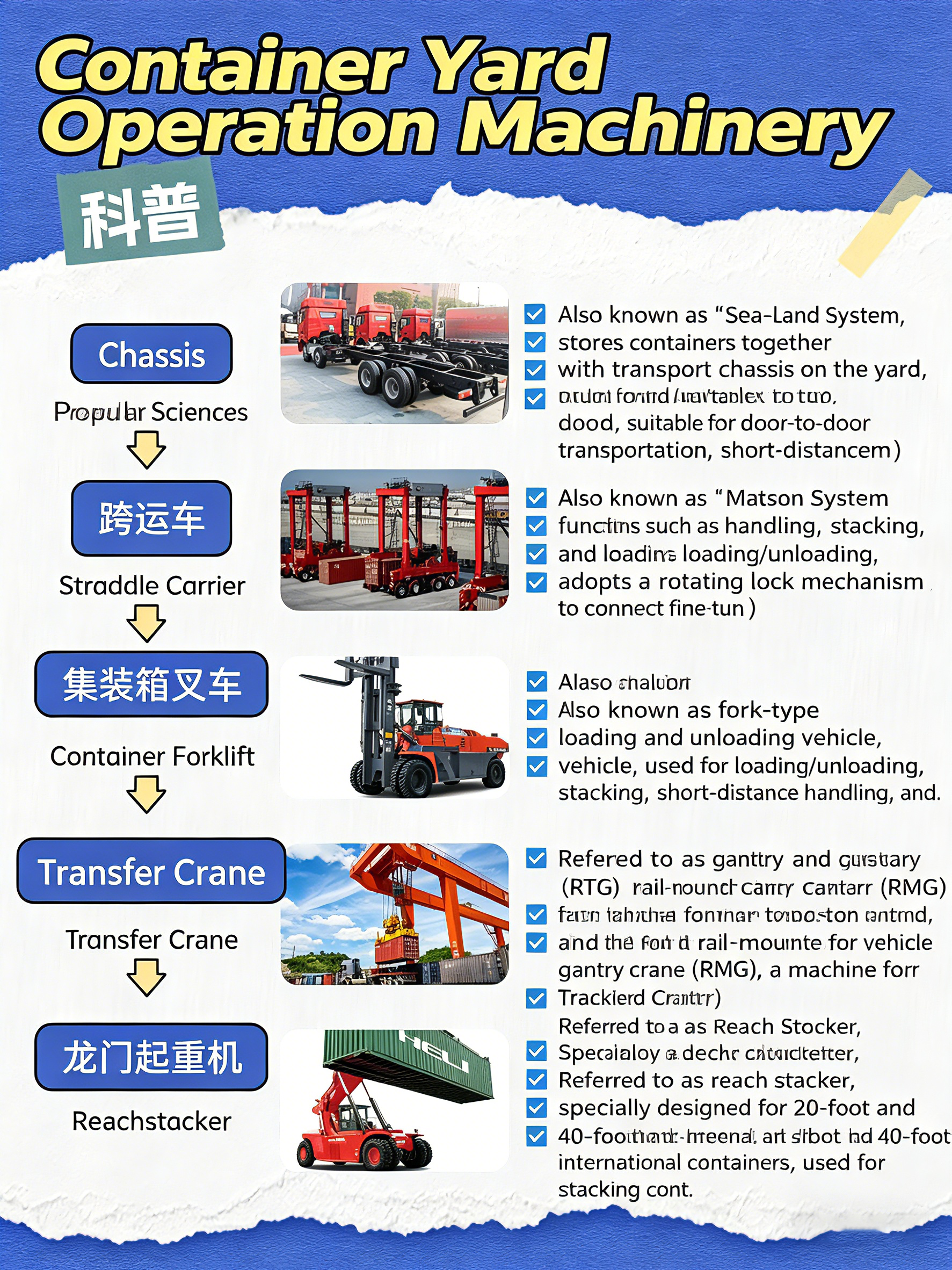
Many Middle East ports in the selection of models, will be torn between straddle carriers and RTG (tire gantry crane) in the end which to choose. In fact, there is no absolute advantage or disadvantage of these two types of equipment, the core is to look at the port's operational scenarios and needs.
The Middle East has sufficient land resources, most ports have large yard areas, and the requirements for stockpiling density are not as high as those of European and Asian ports, so flexibility is often more important than stockpiling density.
Transporter is highly flexible, can move freely in the whole yard, suitable for large-scale transshipment and flexible operation demand, no need to rely on tractor, can independently complete the whole process of picking up, transportation and storage, suitable for most of the ports in the Middle East.
RTG's high stockpiling density is suitable for ports with tight land resources, but it is less flexible, can only operate in fixed blocks, and needs to be coupled with tractors, which is suitable for large-scale hub ports with extremely high throughput and high stockpiling density requirements.
Common Efficiency Mistakes in Gulf Ports
Combined with the experience of serving Middle East ports over the years, I have summarized a few of the most common efficiency missteps, which many ports have stepped into, and I hope you can avoid them.
The first mistake is to use European specification equipment without adapting to the desert environment. European climate is mild, no sand, equipment cooling system, filtration system, simply can not meet the extreme environment of the Middle East, resulting in high equipment failure rate, low efficiency.
A Saudi customer, the beginning of the procurement of a European brand of cross-transportation trucks, did not do any adaptation, the result is that every day in the summer there are 3-4 sets of equipment due to overheating, sand and dust clogging shutdown, operational efficiency simply can not meet the requirements, and finally can only find us to do the transformation.
The second misunderstanding is to ignore the impact of high temperature on the life cycle of tires. Many ports choose conventional tires, the result is less than 2 years need to be replaced, not only increase the cost, but also frequently lead to equipment downtime, affecting operational efficiency.
The third misunderstanding is to underestimate the sand and dust filtration needs. Selection of conventional air filters, frequent clogging, resulting in reduced engine power, increased fuel consumption, and even damage to the engine, increasing maintenance costs.
The fourth misunderstanding, is not to do traffic modeling, blindly expanding fleet size. Thinking that the more equipment, the higher the efficiency, the result is that the yard is congested, idle equipment, but increased operating costs, reducing the overall efficiency.
Efficiency Optimization Checklist for Middle East Ports
In order to make it easier for you to quickly check your port's problems, I have compiled an efficiency optimization checklist, against which you can quickly find bottlenecks and clarify the direction of optimization.
1. Can your straddle carriers withstand the extreme heat of 55 degrees Celsius? Has the cooling system been upgraded?
2. Is the cooling system equipped with oversized radiators and high-capacity fans to meet the peak cooling demand in summer?
3. What is the fuel cost of your transporter for a single operation? Is it higher than the industry average?
4. is the yard surface made of reinforced concrete to withstand the high grounding pressures of straddle carriers?
5. Does your equipment and operation model fit in with the smart port initiatives and carbon reduction targets of the UAE, Saudi Arabia and other countries?
Frequently Asked Questions
Q1: Can straddle carriers operate efficiently in 50°C heat?
Yes, it is possible. As long as the straddle carriers are specially adapted for high temperatures, equipped with enhanced cooling systems, heat-resistant electrical components and tires, they can operate efficiently in 50°C heat.
Our customized straddle carrier in Dubai is able to maintain 30-35 trips/hour at 50 degrees Celsius in summer, with an equipment availability rate of more than 95%.
Q2: Is electrification practical in Gulf ports?
It is becoming more and more practical. Especially in smart port projects in the UAE and Saudi Arabia, electric straddle carriers have been widely used.
The UAE's Green Ports Initiative and Saudi Arabia's Vision 2030 are promoting the electrification of ports, and with the rapid development of renewable energy in the Middle East, the operating costs of electric straddle carriers will be further reduced, making them more and more practical.
Q3: How often should maintenance be done in desert ports?
More often than in temperate regions. Due to the dust and high temperatures, the components of a straddle carrier wear out more quickly and maintenance intervals need to be shortened.
It is recommended that air filters be changed every 15 days, the cooling system be cleaned weekly, a thorough equipment inspection be performed monthly, and in-depth maintenance be performed quarterly to ensure stable operation.
Q4: What is the ideal stacking height for transshipment hubs?
There is no set standard, it depends on the cost of land and flexibility strategy. In the Middle East, where land resources are abundant and land costs are relatively low, there is no need to pursue high stacking densities.
For most Middle East transshipment hubs, 1-over-2 or 1-over-3 stacking heights are appropriate to ensure a certain level of stacking capacity and flexibility for transporters to minimize the number of reversals.
Q5: Which system aligns better with Vision 2030 smart ports?
An automated or semi-automated straddle carrier system with digital integration aligns better with Vision 2030 smart ports.
Such systems can be seamlessly integrated with TOS systems and digital twin port models to automate the entire process of scheduling and operations, increasing efficiency and reducing costs, as well as conforming to the direction of green and smart development.
Conclusion
The core of improving the efficiency of intermodal trucks in Middle East ports is “adaptability” - adaptability to the extreme high temperature and dusty environment of the region, adaptability to the operational needs of large-scale transshipment, and adaptability to the development trend of smart ports.
Unlike European and Asian ports, the optimization of cross-docking trucks in Middle East ports can not be copied from off-the-shelf experience, but must be targeted to solve the equipment failure problems brought by high temperature and dust, and at the same time, combined with the local fuel advantage and land resource characteristics, choose the right type of power and fleet size.
Intelligent fleet management and automation technology is the core direction of the future Middle East ports to improve the efficiency of cross-haul trucks. Remote control, semi-automated route planning, and fully intelligent terminal integration can effectively reduce manual intervention, improve operational stability and efficiency, and fit the transformation needs of Middle East smart ports.
Henan Mine Crane Factory Custom
Henan Mine Crane has been focusing on the design, production and service of heavy port equipment for more than 20 years, and has an in-depth understanding of the operational characteristics of Middle East ports, and has provided customized straddle carrier solutions for ports in more than 50 countries and regions around the world, including large ports in Middle East countries, such as Dubai, Saudi Arabia, etc. We can meet the specific work requirements of Middle East ports according to the specific work requirements of Middle East ports.
According to the specific working conditions of Middle East ports, we can customize straddle carriers that are suitable for high temperature and sandy environment, and provide professional services from equipment selection and modification to operation optimization and maintenance support, so as to help you avoid efficiency misunderstandings, reduce operation costs and maximize return on investment.
If you have your own port layout and operational requirements, you can submit them to us and we will do a free efficiency assessment and customized optimization plan for you; you can also contact our port equipment experts to apply for a straddle carrier optimization proposal, which will help you to improve the straddle carrier operational efficiency in Middle East ports.