
Explosion-Proof Crane Selection Guide | Gas & Dust Hazardous Area Rules
The core logic of explosion-proof level selection is never to benchmark against the highest standards, but to match the real hazardous working conditions on site. Flammable and explosive gases, vapors, mist environment, and combustible dust environment hazard classification, protection logic is completely different, can not apply the same set of selection criteria.
This paper combines the global ATEX, IECEx, NEC and other mainstream explosion-proof system standards, dismantling various types of explosion-proof scenarios, industry needs, selection logic, core parameters, supplier screening points and procurement of common problems.
Need to configure explosion-proof equipment for industrial scenes
Explosion-proof lifting equipment and explosion-proof electromechanical equipment are widely used in high-risk industrial scenarios where flammable and explosive media exist. Different scenes of different hazardous properties, the corresponding explosion-proof equipment level selection criteria will be differentiated adjustment.
Oil and Gas Facilities
Oil, natural gas mining and processing plants, there is always the risk of flammable gas leakage, air and oil mixed with explosive atmosphere is very easy to form. Lifting operations, equipment operation and maintenance operations in such scenes require the use of explosion-proof equipment throughout the compliance.
Explosion-proof cranes, explosion-proof hoists, explosion-proof motors, and explosion-proof control systems in the plant are the core equipment for avoiding explosions caused by electrical sparks and mechanical friction sparks, and they are also the mandatory standard equipment for safe production in oil and gas projects.
Chemical and petrochemical plants
Fine chemical and petrochemical deep-processing plant will use a large number of solvents, process gases, volatile raw materials. The vapor and mist generated during the production process will be dispersed in the air of the workshop, forming a continuous or intermittent hazardous environment.
Material handling, equipment maintenance, finished product lifting operations in the workshop, must use the corresponding level of chemical explosion-proof lifting equipment, to prevent the ignition source generated during the operation of the equipment.
Painting and solvent treatment workshop
Painting, spraying, solvent storage and processing workshop, volatile combustible vapors floating in the air all year round. This kind of medium has low ignition point and strong diffusivity, slight electrical spark or high temperature surface may cause safety accidents.
Workshop lifting equipment, mobile lifting tools, electronic control devices, all need to adapt to the explosion-proof standards of the steam hazardous scene, suitable for intermittent high-risk work conditions.
Grain, oil and food powder processing plant
Flour, feed, sugar, starch and other food powder processing, will produce a large number of fine combustible dust. After the dust is suspended and piled up, it is very easy to form a dust explosion environment, which belongs to the typical dust high-risk explosion-proof scenario.
The lifting equipment used for raw material handling, finished product stacking and equipment maintenance needs to be adapted to the dust explosion-proof standard, focusing on dust-proof sealing, surface temperature control and static electricity prevention and control design.
Coal and powder material processing plant
Coal, carbon black, ore powder processing plant, dust concentration is high, the accumulation rate is fast, mechanical friction, electrical failure, electrostatic buildup may induce dust explosion.
This type of scenario requires higher friction prevention and control, dustproof ability and surface temperature control of the equipment, and ordinary gas explosion-proof equipment cannot meet the safety specifications of the powder plant.
Pharmaceutical and fine chemical workshop
Pharmaceutical workshops and fine chemical production scenarios, will frequently use low-flammability solvents and ultra-fine powder raw materials. The workshop environment is highly confined, the media diffusion range is concentrated, and the hazardous atmosphere is controllable but the risk of high precision.
Equipment selection needs to take into account the requirements of clean production and explosion-proof safety standards, the choice of fine protection of explosion-proof equipment, adapted to a small range of high-risk work environment, high precision.
Battery and new material production workshop
Lithium materials, new energy powders, high-end new materials production process, the simultaneous existence of solvent vapors and ultra-fine powder double source of danger, belonging to the rare mixed hazardous working conditions.
This type of scene can not be applied alone gas explosion-proof or dust explosion-proof standards, need to be combined with dual-risk customized adaptive solutions, but also a composite explosion-proof equipment selection of key difficult scenes.
Different high-risk scenarios of the core selection requirements
The suitability of explosion-proof equipment, depending on the existence of on-site hazardous sources, diffusion range, medium properties. Different scenes of the core protection focus is completely different, can not be uniformly applied to a set of selection criteria.
Gas, steam, fog high-risk environment
The core of the danger of this type of scene is the explosive atmosphere formed by combustible gases mixed with air. Risk level by the frequency of the existence of dangerous atmosphere, the duration of the decision, corresponding to the ATEX standard 0 zone, 1 zone, 2 zone gas hazard classification.
Equipment selection does not need to be blindly high, but only to match the actual working conditions of the site level. Continuously exist in the dangerous atmosphere of the region to choose a high level of protection, and occasionally appear abnormal working conditions in the region, can be adapted to the conventional explosion-proof level, to avoid a waste of resources.
Combustible dust high-risk environment
The mechanism of dust explosion and gas explosion is completely different, dust will be suspended to form an explosive cloud, but also in the accumulation of equipment on the surface to form the risk of secondary explosion. The corresponding ATEX 20, 21, 22 dust classification standards, and gas zoning can not be common.
Dust scenarios focus on the protection of the whole machine dust sealing, surface temperature control, electrostatic discharge, rather than purely electrical explosion-proof, which is also the key point of many procurement selection is prone to error.
Reliable ignition source control
The essence of industrial explosion-proof, is to completely eliminate all types of ignition sources during the operation of equipment. Including electrical sparks generated by electrical faults, mechanical friction and collision of mechanical sparks, equipment, high temperature surfaces, electrostatic buildup and other types of risk points.
High-quality explosion-proof Cranes and ancillary equipment, from the structure, accessories, electronic control, materials, multi-dimensional avoidance of ignition risk, suitable for complex and high-risk working conditions.
Fit the actual process conditions of the safety design
Many factories will be labeled with a clear level of hazardous areas, but the actual production process, ventilation conditions, the scope of work there will be slight differences. Equipment selection can not only against the area labeling, to fit the real workflow.
For example, some marginal areas are labeled as Zone 2, but high concentrations of combustible media can occur briefly during abnormal production, requiring a moderate increase in equipment protection redundancy to ensure safety in extreme working conditions.
Complete Compliance and Technical Documentation
Industrial high-risk projects around the world require equipment to be provided with complete explosion-proof certificates, rating labels, construction drawings, and technical specifications. Different countries have different compliance systems, and the suitability of qualification documents directly affects project acceptance.
Regular manufacturers will support a full set of compliance information to meet the ATEX, IECEx, NEC and other regional project audit standards.
Long-term maintenance and operation and maintenance adaptability
Explosion-proof equipment protection performance, rely on long-term standardized maintenance. If the design of the protective structure is too closed and complex, it will increase the difficulty of daily inspection and parts replacement.
High-quality explosion-proof equipment will protect the protective performance of the premise, set aside a reasonable space for maintenance, so that daily operation and maintenance can be efficient landing, long-term maintenance of explosion-proof equipment performance.
Standardized explosion-proof grade selection logic
There is no fixed formula for explosion-proof selection, but there is a standardized landing process. Follow the scientific steps selection, not only to avoid safety risks, but also maximize the control of equipment procurement and operation and maintenance costs.
The first step: distinguish between the source of danger for gas or dust type
This is the selection of the most basic and most critical step. Gas, steam, mist scene for 0/1/2 gas explosion-proof system, combustible dust scene for 20/21/22 dust explosion-proof system, the two sets of system protection structure, certification standards, equipment parameters are not interoperable.
Mixed selection standards, light equipment adaptation failure, heavy leaving major safety hazards, but also the industry's most common selection errors.
Step 2: Confirm the site hazardous area level
Hazardous area rating is based on the frequency and duration of explosive atmosphere. 0 zone, 20 zone for the continuous presence of high-risk atmosphere, 1 zone, 21 zone for normal operations occasionally, 2 zone, 22 zone for abnormal working conditions for a short period of time.
Accurate approval of the regional level, in order to match the corresponding protection level of high-risk area equipment, to achieve a balance between safety and cost.
Step 3: distinguish between electrical and mechanical explosion-proof equipment properties
Explosion-proof equipment is divided into electrical explosion-proof and mechanical explosion-proof two plates. Motor, electronic control, switch, remote control belongs to the electrical explosion-proof category, wheels, brakes, wire rope, friction structure belongs to the mechanical explosion-proof category.
Different equipment focuses on different explosion-proof, some scenes need to meet the electrical and mechanical dual explosion-proof, a single dimension can not meet the production safety requirements.
Step 4: Match the corresponding protection program according to the scene
Different hazardous scenarios correspond to the exclusive protection concept, without the need to pursue the highest level of explosion-proof. Continuous high-risk core process area, the choice of high-standard full protection equipment; edge of the intermittent hazardous areas, the choice of basic compliance protection equipment can be.
Scientific selection is to match the needs, rather than blindly high matching, which is the core principle of industrial explosion-proof selection.
Step 5: check the project’s local compliance system
There are differences in explosion-proof compliance standards in different regions of the world, the mainstream of the European Union using the ATEX system, the international general IECEx system, the North American NEC/CEC system, the scope of certification, labeling requirements, acceptance criteria vary from region to region.
Selection needs to confirm the project in advance of the local standards, to ensure that the equipment certification, technical documents, marking specifications fully adapted to the local acceptance requirements.
Step 6: Approved regional classification attributes
Part of the plant will exist in ordinary areas, conventional hazardous areas, special control of the division of hazardous areas. Special control areas will have additional temperature, static electricity, airtightness requirements.
Equipment selection must be based on the site of the professional regional assessment report, can not be referred to the business publicity rhetoric or general equipment parameters.
Typical industrial scenarios selection differences
Different high-risk scenarios have different sources of risk, and the focus of equipment selection and protection configuration varies greatly. Combined with the characteristics of the mainstream industrial scenarios, you can quickly lock the appropriate explosion-proof program.
Oil and gas process production area
Oil and gas plants are mainly gas explosion risk, mostly divided into 0, 1, 2 gas hazardous areas. The core risk is the dispersion of flammable gas leakage, the explosion-proof level of electrical equipment, sealing, spark prevention and control requirements are extremely high.
Selection focus on checking the equipment gas explosion-proof certification, surface temperature level, electrical protection level, to ensure that the equipment in the gas dispersion environment will not produce ignition sources, suitable for continuous process operations.
Solvent and painting workshop
The core risk of painting workshop is volatile solvent vapors, hazardous atmosphere more intermittent in the operating hours, mostly categorized as Zone 1, Zone 2 gas area.
This type of scene focuses on safeguarding the explosion-proof performance of the electric control system, hand-held operators, and mobile equipment, to avoid sparks generated during the start-stop and operation of electrical components, and ignition of suspended vapors.
Flour grain and oil processing workshop
Grain and oil powder workshop is a typical dust explosion-proof scenarios, corresponding to 20, 21, 22 dust classification. The core risk is the dust suspension explosion cloud and dust accumulation on the surface of the equipment.
Selection focuses on the dustproof sealing of the entire equipment, the upper limit of the surface temperature, electrostatic discharge structure, to avoid high-temperature surface ignition accumulation of dust, while eliminating the friction of mechanical sparks.
Carbon black and coal powder plant
Coal, carbon black powder density, accumulation speed, in addition to the risk of dust explosion, there are also high-intensity mechanical friction, electrostatic accumulation of potential hazards.
The equipment needs to strengthen the mechanical explosion-proof design, optimize the material and structure of the friction parts such as wheels, brakes, transmission, etc., and at the same time, match with efficient electrostatic discharge device to adapt to high dust and high friction working conditions.
Battery powder new material workshop
New energy materials workshop is a mixed risk scenario, there are solvent vapor gas risk and ultra-fine powder dust risk, can not apply a single explosion-proof system.
Selection needs to be combined with the characteristics of dual sources of danger, while meeting the gas and dust explosion-proof standards, optimized for temperature control, dust, anti-static, fire flowers multiple configurations.
High-risk area maintenance lifting operations
A lot of factory fixed process equipment without moving, but overhaul operations require temporary lifting equipment into the hazardous area. Selection of this type of scenario focuses on the scope and length of the approved equipment into the hazardous area.
Short-term intermittent maintenance operations, can be adapted to the basic explosion-proof level of the corresponding zone; long-term fixed maintenance operations, in accordance with the normalization of the hazardous area standard selection.
Procurement must verify the core technical parameters
The compliance of explosion-proof equipment is reflected in the breakdown parameters. Checking each parameter at the procurement stage is a key step to avoid selection errors and ensure project compliance.
Hazardous source type
Clarify whether the site is a single gas, a single dust, or a gas-powder mixture of hazardous sources. Different media corresponding to the explosion-proof structure, certification standards, the focus of protection is completely different, is the basis of all selection parameters.
Hazardous area level
Strictly against the project survey report marked ATEX, IECEx area level, confirm the gas 0/1/2 zone or dust 20/21/22 zone division, all equipment protection level must match the corresponding regional standards.
Equipment category attributes
Distinguish between the types of procurement equipment, cranes, hoists, motors, electric control boxes, remote controls, lighting equipment, explosion-proof parameters are different, can not be uniformly applied to a set of standards.
Surface temperature limits
The maximum surface temperature during operation of the equipment is one of the core indicators of explosion-proof. It must be lower than the lowest ignition point of the combustible medium on site, to avoid direct ignition of gas or dust on the surface of the high temperature, which is a key parameter that many purchasing is easy to ignore.
Core protection method
Refuse to generalize the concept of “explosion-proof”, clear equipment specific protection principles, such as explosion-proof, increased safety, intrinsic safety, dust sealing protection. There are obvious differences in the hazardous scenarios and safety levels for different protection methods.
Site environmental conditions
Comprehensive consideration of the site humidity, corrosivity, dust accumulation, ventilation conditions, process residual media and other factors. High humidity, corrosive environments require additional strengthening of equipment sealing and anti-corrosion design to ensure long-term stability of explosion-proof performance.
Equipment control mode
According to the operating scenarios to choose the handle control, wireless remote control, cab control mode. Priority is given to remote control in high-risk confinement scenarios to reduce the risk of close contact between personnel, while supporting the corresponding explosion-proof level of control accessories.
Mechanical risk point protection
Focus on verifying the explosion-proof design of brakes, traveling wheels, transmission structures, and metal contact points to eliminate mechanical ignition sources such as friction sparks, impact sparks, and electrostatic buildup.
Operation and maintenance adaptability
Confirm that the explosion-proof structure of the equipment is convenient for daily inspection, parts replacement and troubleshooting. Protective structure can not sacrifice the convenience of operation and maintenance, otherwise the long-term use of inadequate operation and maintenance will lead to the failure of protection.
Reliable explosion-proof equipment supplier screening criteria
Explosion-proof equipment belongs to special industrial equipment, general equipment manufacturers do not have special R & D and production capacity. The industry experience and technical strength of the supplier directly determines the compliance and safety of the equipment.
Verify the professional experience in high-risk working conditions
Priority is given to manufacturers that are deeply engaged in the explosion-proof field and specialize in high-risk industrial scenarios. Different from ordinary industrial lifting equipment manufacturers, professional manufacturers are familiar with the risk of various types of gas, dust explosion-proof working conditions pain points, can accurately match the appropriate program.
Verification of similar landing project cases
Focus on checking the manufacturers in the oil and gas, chemical, powder, new energy, pharmaceutical and other high-risk industries real landing projects. A wealth of similar cases, on behalf of the manufacturer's selection program and equipment quality verified by the real working conditions.
Evaluation of professional engineering adaptability
High-quality suppliers will not directly apply the general model offer, will take the initiative to check the site of the source of danger, the level of the region, the operating conditions, targeted recommendations to match the explosion-proof program, to avoid the waste of high matching or low matching unsafe.
Verification of a full set of formal technical data
Regular manufacturers can provide equipment assembly drawings, electrical schematic diagrams, explosion-proof protection, accessories, operating manuals, test reports and other complete sets of information to fully meet the acceptance of all types of projects around the world for the record.
Confirmation of explosion-proof certification coverage
Focus on checking the explosion-proof certificate to match the equipment model, applicable regional standards, local compliance system. Ensure that the certificate is real and effective, and fully match the procurement of equipment and project location specifications, to avoid problems such as certificate arbitration, scope inconsistency and so on.
Verification of core parts compliance
Explosion-proof motors, brakes, limit switches, electronic control boxes, remote controls, sensors and other core accessories, must all have the corresponding explosion-proof qualifications, not only the host explosion-proof, ordinary configuration of accessories.
Clear testing, installation and commissioning services
Confirm in advance the scope of services provided by the manufacturer, including factory explosion-proof performance testing, on-site installation guidance, machine commissioning, personnel training, etc., to ensure that the equipment can be put into operation in a compliant manner after entering the field.
Verification of after-sales and spare parts security capabilities
The operation and maintenance of high-risk explosion-proof equipment requires very high standardization, manufacturers need to have a long-term after-sales response, supply of original spare parts, operation and maintenance guidance to ensure that the equipment to maintain long-term explosion-proof performance.
Procurement selection of common misconceptions
Most of the problems of explosion-proof selection, are derived from the cognitive bias in the procurement stage, seemingly reasonable choice, will give the plant long-term safety and production of buried hidden dangers.
The explosion-proof level as a unified standard, mistakenly believe that all explosion-proof equipment can be common, ignoring the essential difference between gas and dust explosion-proof system.
Confusing gas hazardous area and dust hazardous area selection logic, gas explosion-proof equipment instead of dust explosion-proof equipment, protection is completely substandard.
The pursuit of the highest level of explosion-proof, not combined with the actual working conditions, resulting in a substantial waste of equipment procurement costs.
Only focus on the explosion-proof marking, ignoring the equipment surface temperature limits, high temperature surface there is still a risk of ignition medium.
Default all high-risk areas of the plant need the same type of equipment, ignoring the risk level differences between different operating areas.
Do not check the explosion-proof certificates to adapt to the region, resulting in equipment certificates do not meet the project's local standards, can not pass the acceptance.
Only verify the explosion-proof qualification of the host, ignoring the compliance of the motor, electronic control and other core accessories, there are loopholes in the overall protection.
Procurement stage did not plan for the later maintenance and operation and maintenance programs, equipment for long-term use after the gradual failure of explosion-proof performance.
Frequently Asked Questions
What is the core meaning of explosion-proof grade?
Explosion-proof rating is a standard for measuring the safe operation of equipment in high-risk explosive environments, which specifies the protection methods, applicable hazardous areas, temperature limits, and ignition source prevention and control capabilities of the equipment. The core role is to define the high-risk scenarios to which the equipment is adapted, and to guarantee that the equipment will not become a source of ignition for explosions in flammable and explosive environments.
Is the selection for gas and dust hazardous areas the same?
Not at all. The gas scenario adopts the 0/1/2 district grading standard, focusing on electrical spark prevention and control; the dust scenario adopts the 20/21/22 district grading, focusing on dustproof sealing, temperature control and static electricity prevention and control. The two systems are completely independent of each other in terms of certification, structural design and protection logic, and cannot be mixed.
Does the project have to use the highest level of explosion protection?
No, it does not. The highest level of explosion-proof equipment is only suitable for continuous high-risk core process areas. Ordinary intermittent hazardous scenarios, the use of the basic level of compliance to match the working conditions can be blindly high with only increased procurement and operation and maintenance costs, will not enhance the safety factor.
How to determine whether the lifting equipment enters the hazardous area?
The main body of the equipment, its running track, and the scope of operation are subject to whether it covers the labeled hazardous area or not. As long as any part of the equipment operation process into the high-risk area, you must use the corresponding explosion-proof level of equipment, can not be based on the length of the operation as a criterion.
In addition to the explosion-proof certificate, what else needs to be verified?
Need to check the surface temperature parameters of the equipment, the design of the protective structure, the core components of the explosion-proof qualification, local compliance standards, a full set of technical drawings, factory test records, operation and maintenance specifications, etc., the certificate is only the basic conditions of access.
Are the ATEX and IECEx systems identical?
No. IECEx is the international general explosion-proof certification system, applicable to most countries in the world; ATEX is the exclusive explosion-proof directive of the European Union, applicable only to the EU regional projects. There are slight differences between the two certification processes, marking specifications, acceptance requirements, according to the local choice of the project.
What project information do I need to provide to the manufacturer before requesting a quotation?
You need to provide the type of industry, flammable and explosive media properties, hazardous area rating, equipment use, the country where the project is located, the site working drawings, temperature and humidity and environmental conditions, so that manufacturers can accurately match the explosion-proof program and compliance qualifications.
Summarize
High-quality explosion-proof lifting equipment manufacturers can not only provide compliant explosion-proof equipment, but also rely on a wealth of global experience in high-risk projects to provide customers with working conditions assessment, program selection, qualification docking, on-site commissioning, long-lasting operation and maintenance of the whole process services.
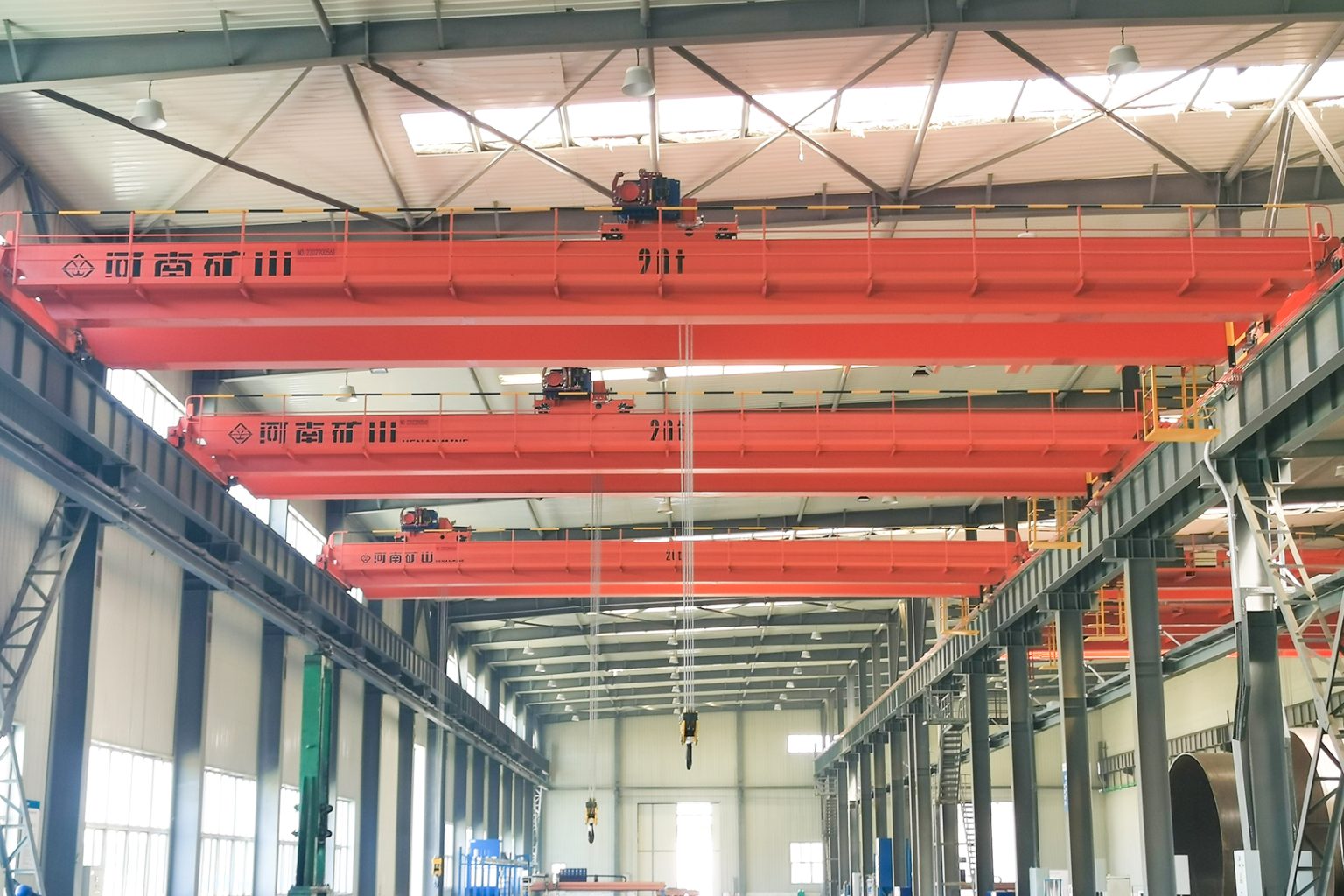
Henan Mine Crane has been deeply engaged in the field of industrial explosion-proof lifting equipment for many years, adapting to ATEX, IECEx, NEC and other global mainstream explosion-proof standards, and can be customized for oil and gas, chemical industry, powder, new energy, pharmaceuticals and other types of high-risk scenarios, exclusive explosion-proof equipment solutions.
If you are not sure of the explosion-proof level of the project, you can provide the industry medium, hazardous area level, equipment requirements and project drawings, our engineering team will provide you with accurate selection, issued by the explosion-proof compliance program.