
How to Purchase Overhead Crane for Chemical Plant?
In the chemical industry for more than ten years, I have seen too many chemical enterprises purchasing Overhead Crane stepped on the pit.
Chemical plant and ordinary workshop is different, there are flammable gases, corrosive vapors, and a variety of heavy-duty reaction equipment, the safety of the crane, corrosion, explosion-proof requirements, much higher than the ordinary scene.
Today I will take the engineer's point of view, the chemical workshop Overhead Crane procurement points to speak through!
Why do chemical workshops need special Overhead Cranes?
The special characteristics of hazardous environment
In chemical workshops, many processes produce flammable gases, vapors, mists or dusts, such as gasoline vapors in petrochemical workshops, solvent mists in paint workshops, and dusts in fertilizer plants. These substances can easily form an explosive environment under certain conditions.
When the electrical parts and machinery of an ordinary Overhead Crane are running, sparks are likely to be generated, and once they come into contact with these flammable and explosive substances, safety accidents will be triggered. This is why the chemical workshop can not use ordinary cranes, you must choose a special explosion-proof Overhead Crane
There are two key international standards to note, ATEX standards for explosive environment equipment and protection systems, IECEx is a global framework for the certification of hazardous area equipment, procurement must confirm that the equipment meets the corresponding level of these two standards.
Corrosive working environment
The problem of corrosion in chemical plants is more serious than many people think. Acid vapors, alkali vapors, various types of solvents, as well as high humidity environments, and even outdoor chemical storage areas, can cause serious corrosion of Crane's steel structure and electrical components.
Ordinary Crane paint coating, metal parts, in this environment will not take long to rust, aging, electrical cabinets into the water short-circuit, steel cracking is very common. Therefore, chemical workshop cranes must have a targeted anti-corrosion design, which is often referred to as anti-corrosion Overhead Crane (anti-corrosion overhead crane).
Extremely high safety and compliance pressure
Safety accidents in the chemical industry often have unimaginable consequences. A substandard Crane can not only threaten the lives of operators, but can also lead to the shutdown of an entire plant, resulting in huge economic losses.
At the same time, chemical companies have to face the pressure of insurance audits and local regulatory audits. Cranes that do not meet the safety standards and do not have compliance certificates simply cannot pass acceptance, let alone be put into use. This is why the chemical workshop procurement of Crane, safety and compliance is the bottom line, there can not be the slightest sloppiness.
Determine the hazardous area classification
Confirm whether the operation area is a hazardous area
Before purchasing a Crane, the first thing to clarify a core issue: the operating area of the crane, whether it is an ordinary industrial area, or a classified hazardous area. This directly determines the direction of crane selection.
As long as the operating area there are flammable gases, vapors, dust, and may form an explosive environment, it is a hazardous area, you must use explosion-proof Crane!
Define the type of risk: gas, vapor, mist or dust
Hazardous areas of different types of risk, the explosion-proof requirements for Cranes are not the same. Chemical workshop common risks are mainly three types: gas environment, dust environment), steam or solvent environment.
For example, cranes in dust environments need to prevent dust from entering electrical components to avoid dust buildup triggering sparks; while cranes in gas environments need to seal all electrical interfaces to prevent flammable gases from entering the interior of the equipment. Only when the type of risk is clear, can the corresponding explosion-proof class and design program be selected.
Determine the required explosion protection level
The explosion-proof level is not the higher the better, but to match the level of risk at the site. the IEC 60079 series of the IECEx standard specifies in detail the classification of explosive gases and dust environments, as well as the requirements for installation, inspection and maintenance of electrical equipment.
Choose the right type of Overhead Crane
Single Girder Overhead Cranes
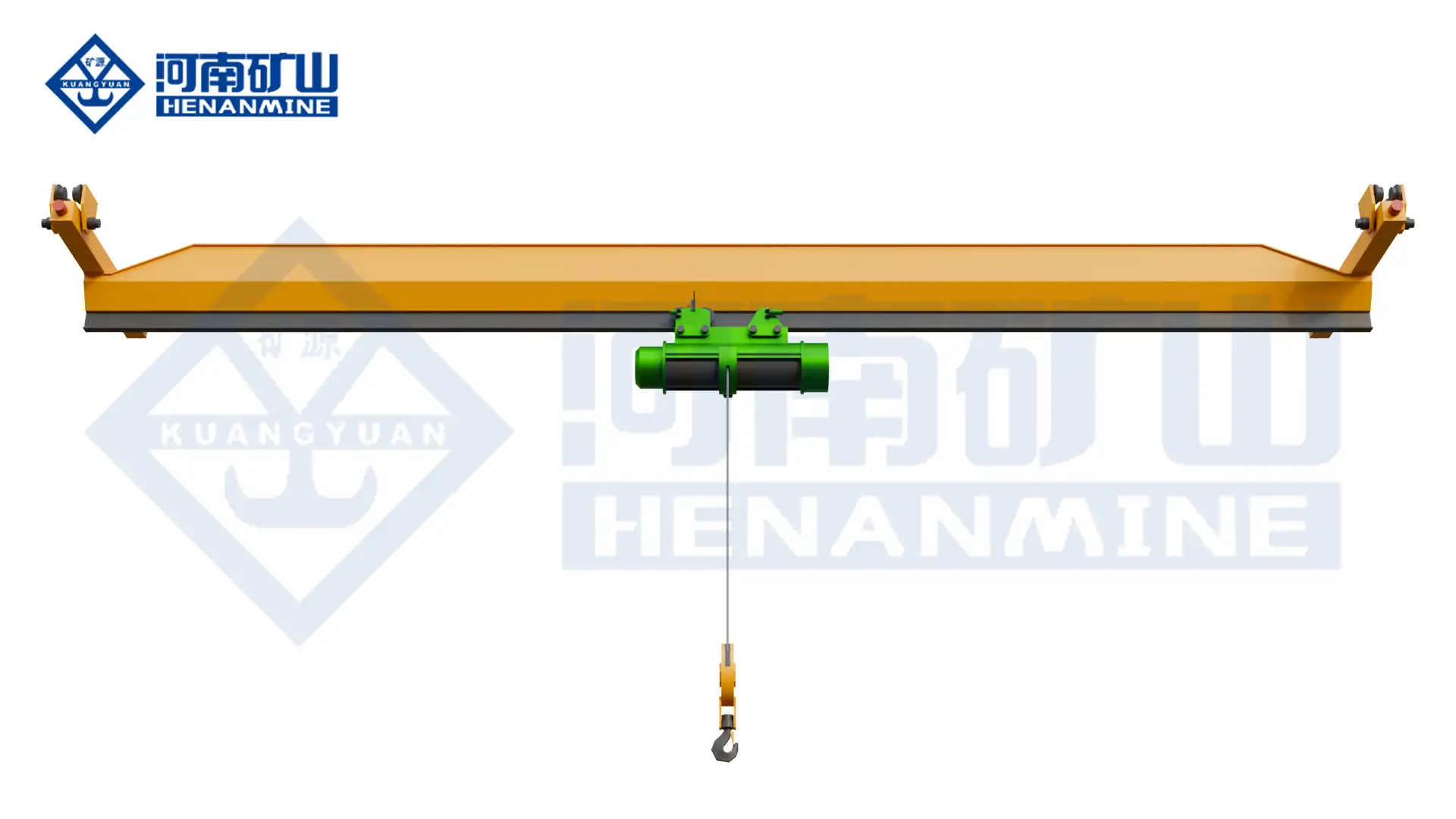
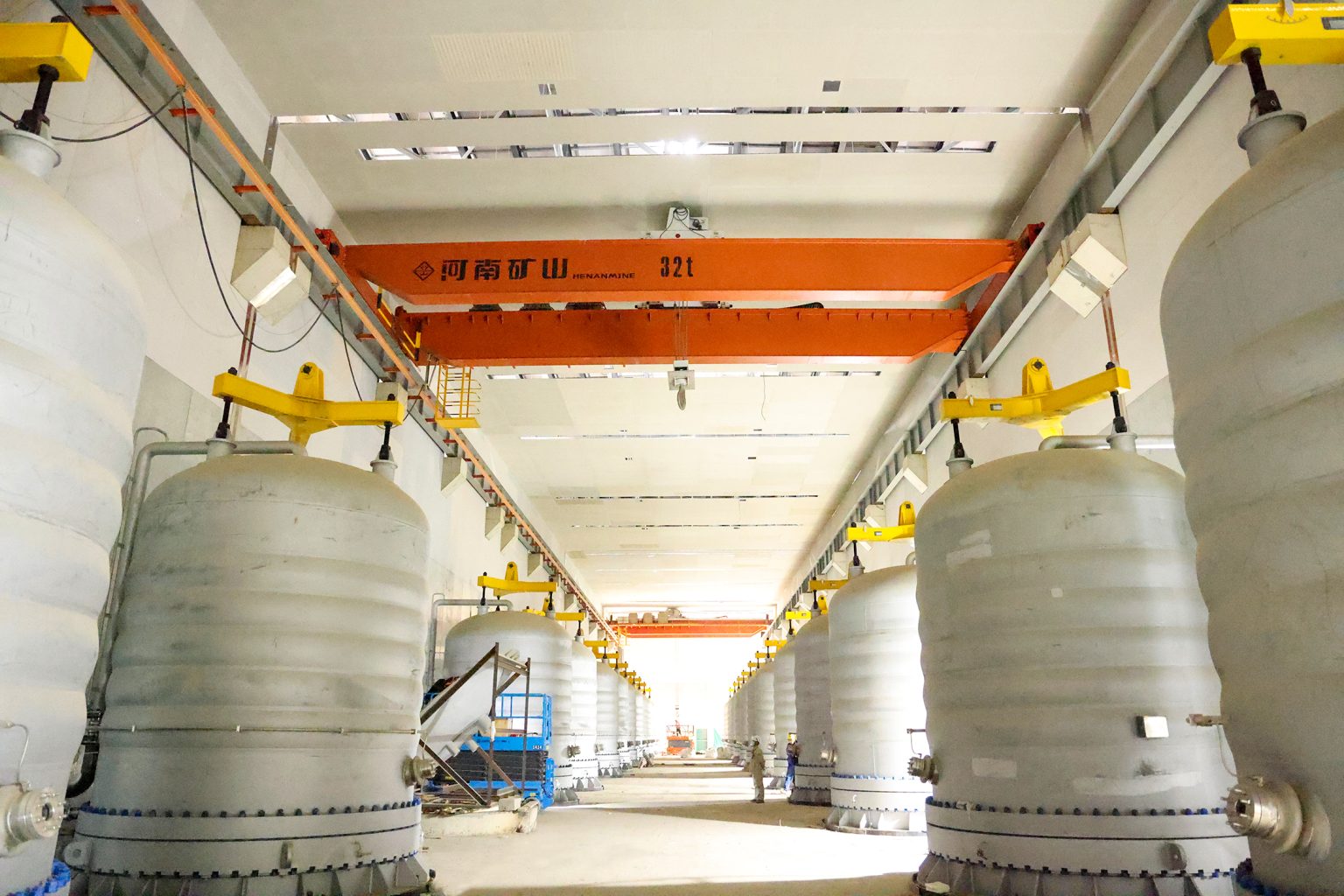
Single girder Overhead Cranes (single girder overhead crane) are suitable for light to medium load scenarios, such as maintenance workshops in chemical plants, auxiliary lifting areas, and are mainly used for lifting small equipment, tools or a small amount of material.
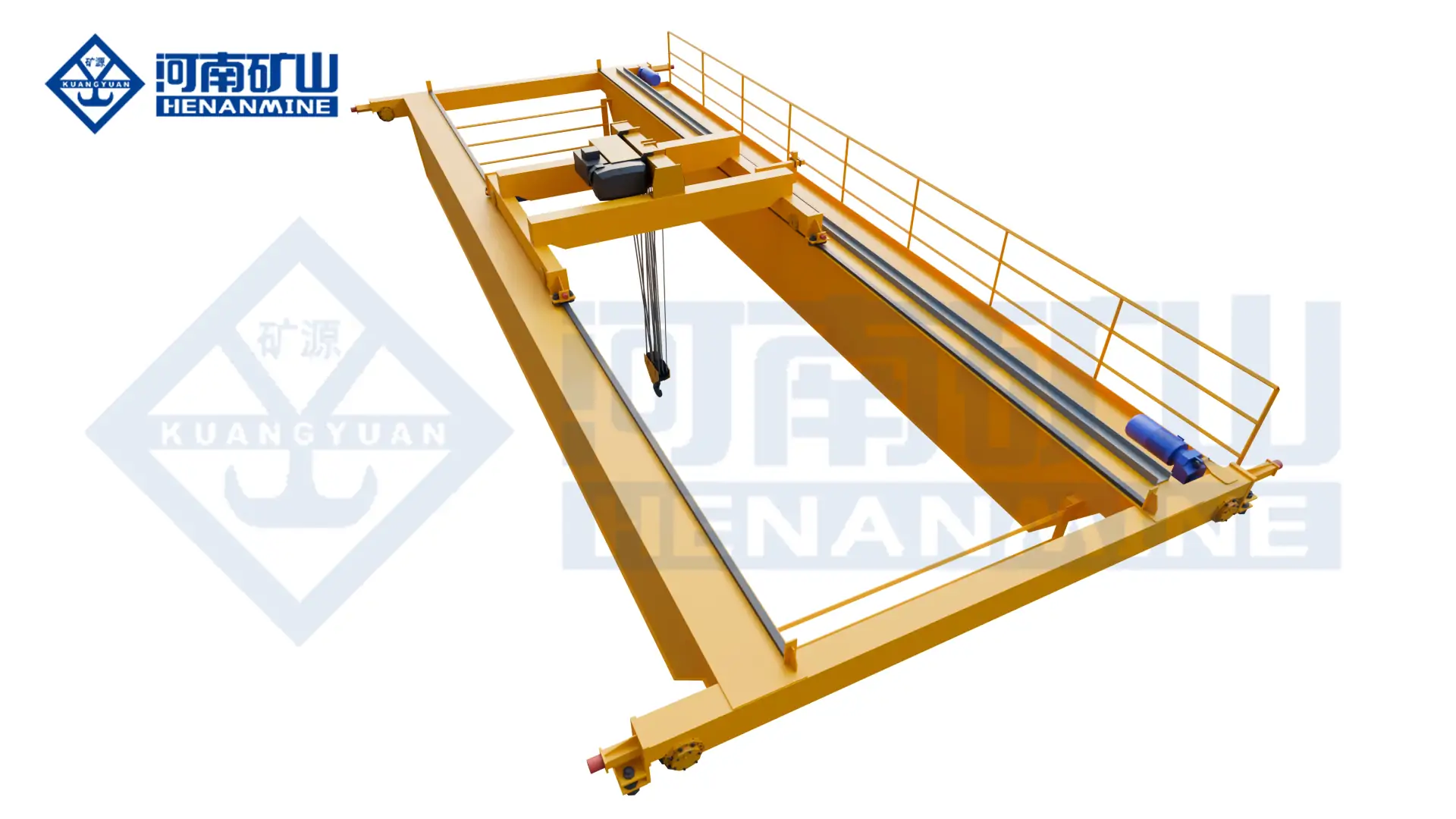
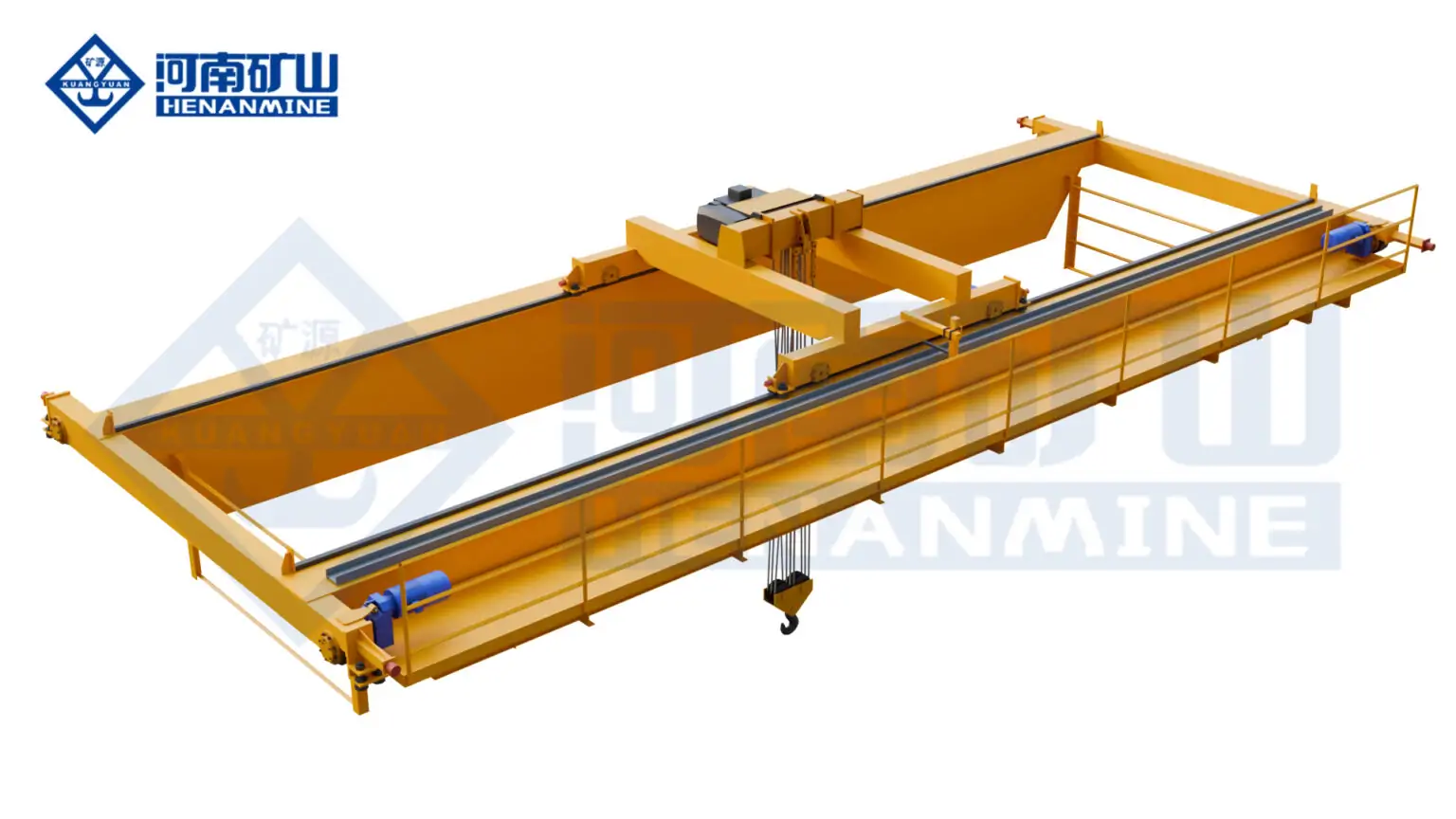
Double Girder Overhead Cranes
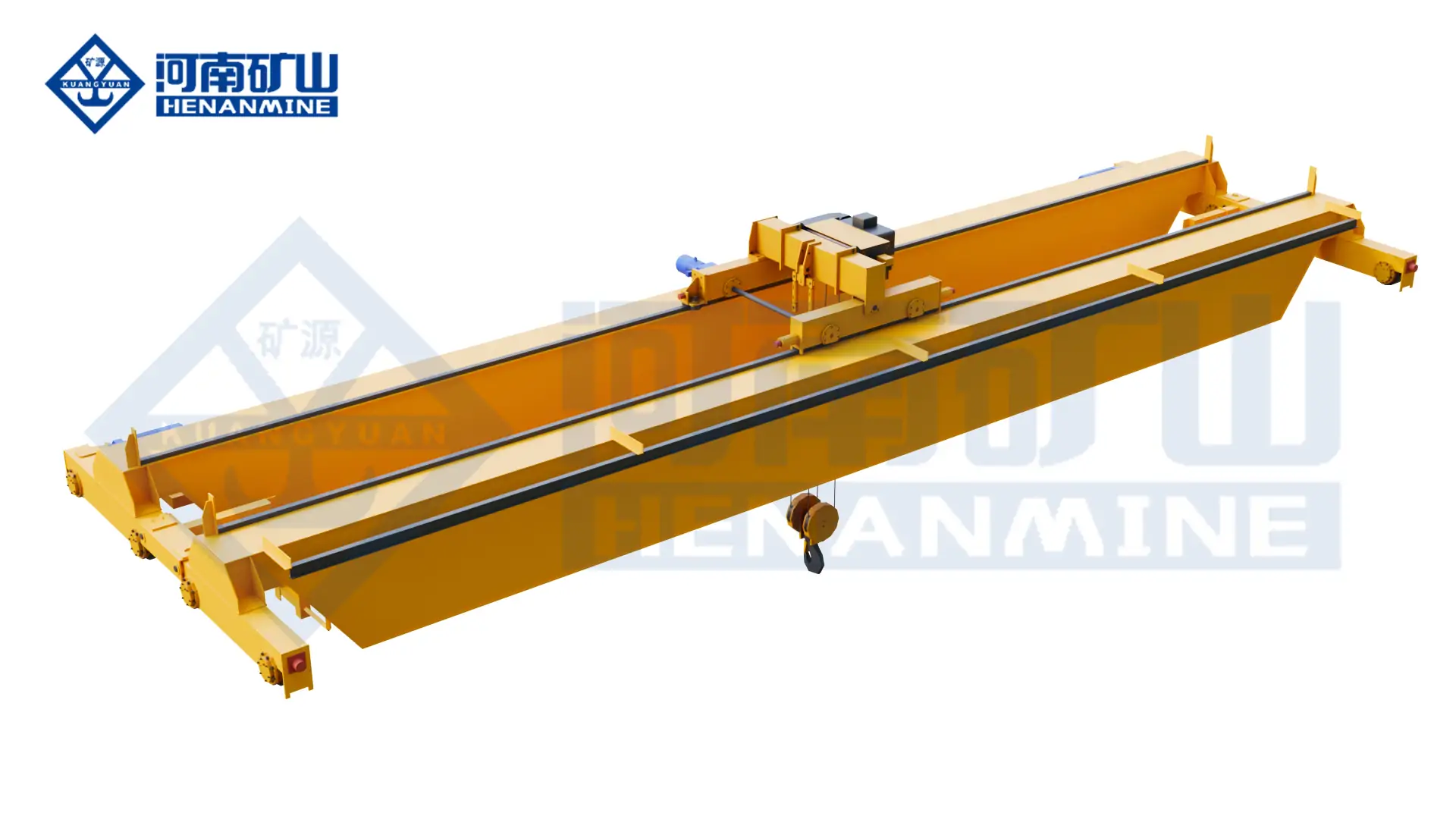
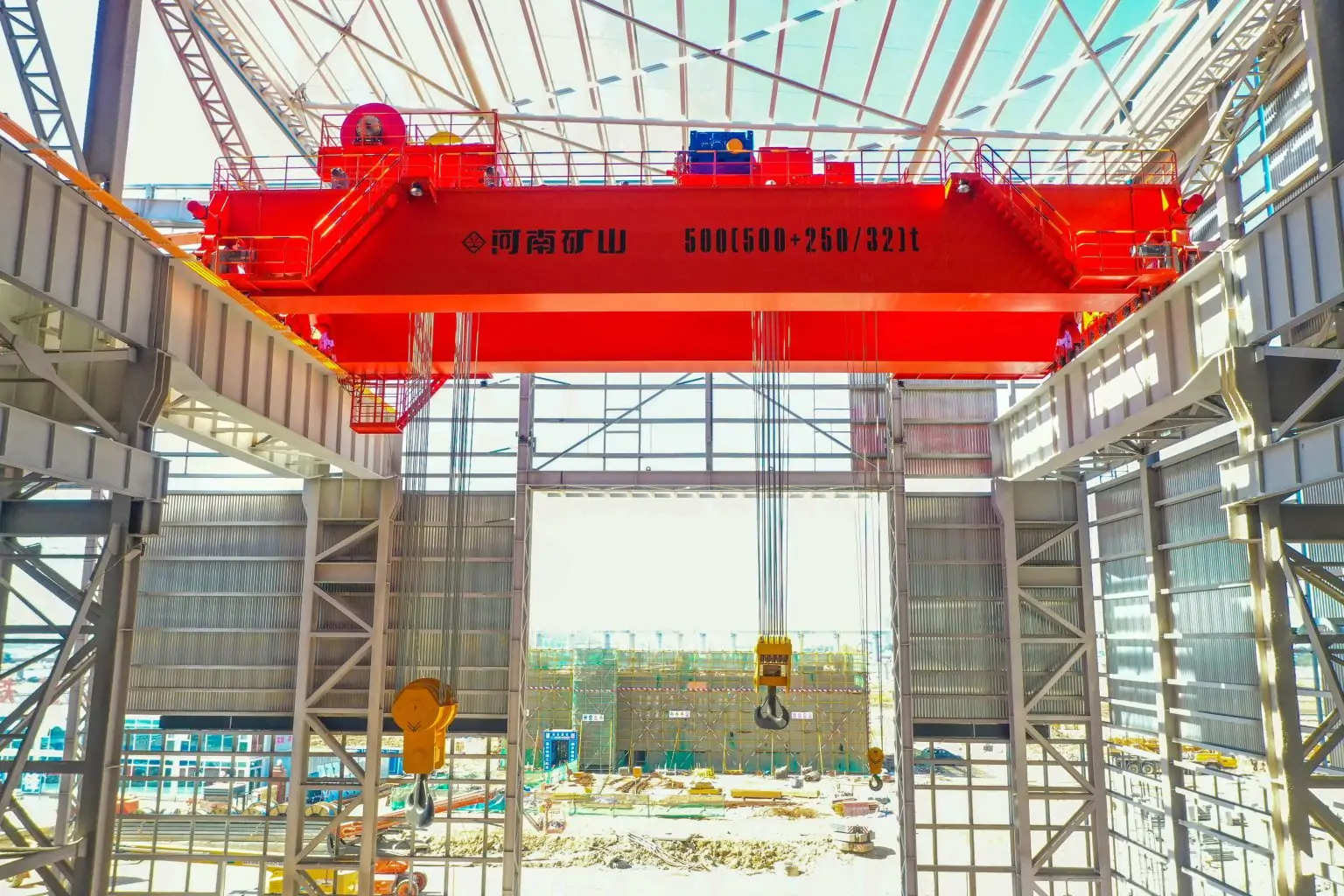
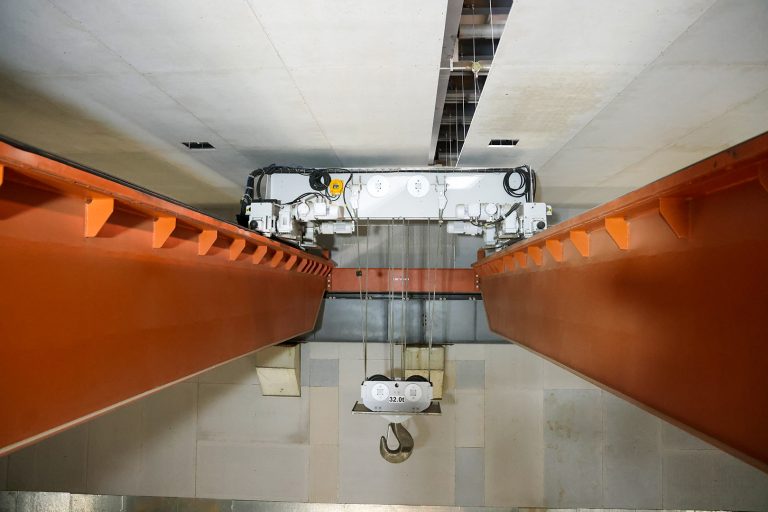
The double girder Overhead Crane is the preferred choice for the core area of a chemical workshop, especially for heavy equipment lifting scenarios, such as reactors, pressure tanks, large pumps in process workshops, and heavy equipment maintenance areas.
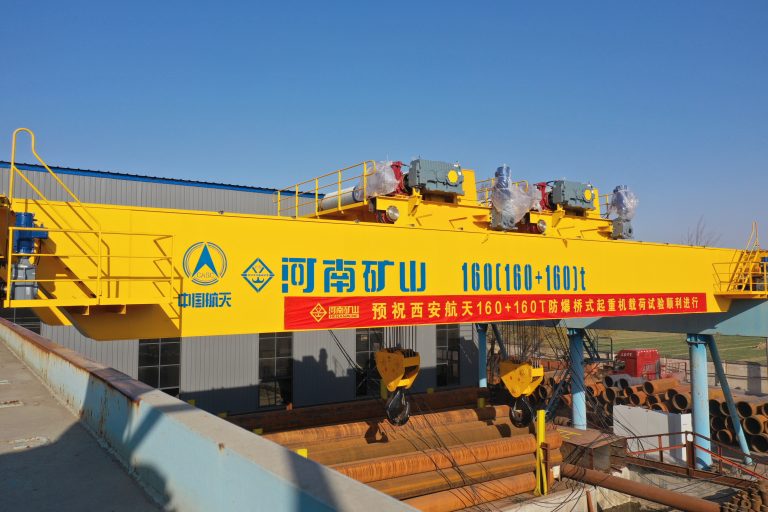
Its carrying capacity is stronger, can reach dozens of tons or even hundreds of tons, we Henan Mine Crane for a high-end chemical equipment plant in Shandong, the production of 400 tons of double girder cranes, specifically for heavy chemical equipment lifting and installation, the stability is very good.
In addition, double girder cranes have better stability and greater lifting height, which is suitable for high working level and high-frequency lifting scenarios. For areas in chemical workshops where heavy equipment needs to be lifted for a long time and in a stable manner, double girder cranes are a more reliable choice.
Explosion-Proof Overhead Crane
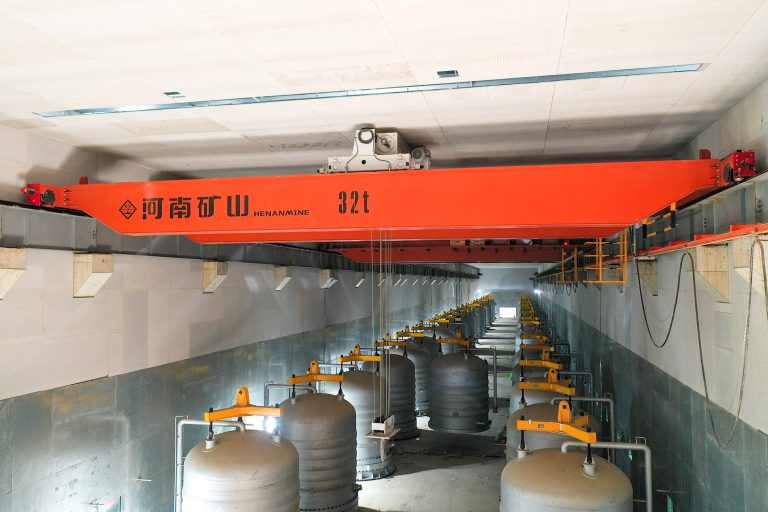
Explosion-proof Overhead Crane (explosion-proof overhead crane) is a specialized equipment for hazardous areas, suitable for petrochemical workshops, solvent workshops, paint production workshops, chemical storage areas and other areas where flammable and explosive substances exist.
Its core design point is to eliminate all the hidden dangers that may produce sparks. For example, the use of explosion-proof motors, sealed explosion-proof electrical cabinets, all electrical components are certified explosion-proof to avoid sparks during operation; mechanical components are designed with anti-sparks, such as copper or stainless steel guards, to control the operating speed and prevent sparks from collision.
At the same time, the electrical system of the explosion-proof Crane needs to be well sealed and grounded to prevent flammable gases and dust from entering the interior of the equipment and causing an explosion. When purchasing, be sure to confirm that the explosion-proof parts of the equipment have ATEX or IECEx certification.
Anti-corrosion Overhead Cranes
Anti-Corrosion Overhead Crane (anti-corrosion overhead crane) is suitable for acid and alkali workshops, chemical fertilizer plants, coastal chemical facilities, sewage treatment chemical zones and other areas with strong corrosive environments.
Its key feature is the all-round anti-corrosion protection. The steel structure adopts heavy anti-corrosion coating, such as C4, C5 level anti-corrosion paint, which can effectively resist the corrosion of acids, alkalis and solvents; the electrical cabinet adopts sealed design and is equipped with anti-condensation heater to prevent the entry of moisture and corrosive gases and to protect the electrical parts; bolts, fasteners and other small parts are made of stainless steel to avoid rusting and aging.
For outdoor chemical storage areas, anticorrosive Crane also needs to have the ability to resist wind and rain and ultraviolet rays to extend the service life of the equipment.
Define the core technical parameters
Lifting capacity
The lifting capacity is the basic parameter of the purchasing crane, but the lifting capacity of the chemical workshop can not only count the weight of the lifted material, but also add the weight of the lifting beam, hook set, and then reserve 10%-15% of the safety margin.
The common lifting objects in chemical workshop include reactor, mixing tank, pump body, heat exchanger, pressure vessels, chemical vessel, etc. The weight of these equipments varies greatly, from several tons to tens of tons. For example, for lifting small pumps, a 5-10 ton Crane is sufficient; while for lifting large reactors, a double girder crane of 50 tons or more may be required.
Be sure to calculate the maximum lifting load in advance, to avoid the situation of insufficient bearing capacity of the Crane, otherwise it will not only damage the equipment, but also cause safety accidents.
Span
The span of the chemical workshop is mainly determined by the width of the workshop.
If it is an existing workshop, measure the actual span of the track to ensure that the span of the Crane matches the track.
Lifting height
The lifting height of a chemical workshop is more demanding than that of an ordinary workshop. Because the workshop is usually full of pipelines, platforms, tanks and other equipment, the Crane needs to have enough hook height to avoid these obstacles and safely lift materials and equipment, as well as to facilitate the maintenance and overhaul of the equipment.
Picking
Working level
The working level of Crane in chemical workshop is generally not lower than A5. If it is the core production area, high-frequency lifting of heavy equipment every day, you need to choose A6-A8 class of high working level Crane, to ensure that the equipment can be long-term stable operation, reduce the frequency of failure.
Carefully select explosion-proof components
Explosion-proof motor
Explosion-proof motors are the core components of explosion-proof Cranes, including hoisting motors, trolley running motors, trolley running motors, all three motors must have explosion-proof certification.
Explosion-proof electrical cabinet
Explosion-proof electrical cabinet is the “control center” of the Crane, which needs to be sealed design, and all electrical components must be explosion-proof certified.
Explosion-proof limit switch
Limit switches are safety protection components for Cranes, including hoist limit switches, running limit switches, and emergency stop buttons, all of which must be explosion-proof.
OSHA also clearly requires that electric running Cranes must have over-travel limit switches in the direction of lift, and emergency stop switches must be able to cut off the power supply independently of conventional controls.
Spark-proof mechanical design
In addition to electrical components, the mechanical components of the Crane should also be designed with anti-sparks to avoid sparks during operation or collision.
Consider anti-corrosion protection measures
Paint system
Paint is the first line of defense for the anti-corrosion of the steel structure of the crane, the crane in the chemical workshop, you can not use ordinary industrial paint, you need to use heavy duty anti-corrosion coating.
Henan Mine Crane anticorrosive crane, will use “sandblasting rust + primer + paint + top coat” multi-layer coating process, rust removal level to Sa2.5 level, to ensure that the paint can be firmly attached to the surface of the steel structure, anticorrosive effect is more durable.
Electrical Protection
The anti-corrosion of electrical components mainly relies on the sealing design and protection level. The electrical cabinet should adopt sealed design with protection level not less than IP65 to prevent dust, water vapor and corrosive gases from entering; at the same time, it is equipped with anti-condensation heater to avoid condensation inside the cabinet, which may damage the electrical components.
Structural protection
The steel structure of the Crane, in addition to paint coating, but also good detail protection. For example, the main beam, end beams of the weld, easy to accumulate corrosive substances, the need for special coating treatment
Define the safety features that must be in place
Overload protection
Overloading is a major safety hazard in crane operation, especially in chemical workshops, where most of the equipment lifted is of high value, and once overloaded, it may lead to crane breakage, equipment fall and cause serious accidents.
Upper and lower limit switches
Limit switches should be inspected and debugged regularly to ensure normal function and avoid safety accidents due to limit switch failure.
Emergency stop system
The driver's room, remote control and on-site operation station of the Crane should be equipped with emergency stop buttons, which should be eye-catching and easy to operate, so that in case of an emergency, the operator can quickly press the button to cut off the power supply and stop the Crane from running.
Holding device
Cranes in chemical workshops, the holding brake device should be regularly inspected and maintained to ensure that the holding brake is reliable, to avoid the failure of the holding brake, resulting in the fall of the load.
Anti-collision system
If the chemical workshop of the same work area, there are more than one Crane operation, must be equipped with anti-collision system.
Load Monitoring System
Load monitoring system can monitor the weight of the lifted load in real time and show it on the display screen, which is convenient for the operator to check. Load monitoring systems are especially useful for lifting high-value, high-precision reactors and pressure vessels in chemical plants.
Evaluate control options
pendant control
Pendant control is suitable for simple, low-risk lifting areas, such as general maintenance workshops, where the loads are small, the frequency of lifting is low, and the operator can work in close proximity.
radio remote control
Radio remote control is the most recommended control method for chemical plants, especially in hazardous areas. The operator can hold the remote control, in a safe distance, control the operation of the Crane, to avoid entering the flammable, explosive, corrosive hazardous areas, to protect the safety of personnel.
cabin control
Cabin control is suitable for large span and heavy cranes, such as double girder cranes of tens of tons or hundreds of tons, the operator can observe the lifting situation more clearly in the cab and control the crane operation precisely.
But
PLC + VFD control
PLC + VFD control, is currently a more widely used control method in chemical cranes, we Henan Mine Crane many chemical cranes, are using this control method.
Check the workshop and track structure
Existing workshop or new plant
If it is an existing workshop to purchase cranes, first of all, we should check the condition of the track beams and columns of the workshop to confirm the carrying capacity of the track beams, whether they can withstand the wheel pressure of the crane, whether the installation accuracy of the track meets the requirements, and whether there is any deformation, wear and tear and other problems.
Wheel pressure and track beams
The equipment in chemical workshop is usually heavy and the workshop space is limited, the wheel pressure of Crane directly affects the safety of track beam and plant structure. Therefore, Crane suppliers must provide detailed wheel pressure data for structural accounting by the purchaser.
Clearance around pipes and platforms
In the chemical workshop, there are more facilities such as pipelines, ventilation ducts, lighting systems, maintenance platforms, fire fighting systems, etc. The running route of Crane must maintain sufficient clearance with these facilities to avoid collision during operation.
When purchasing, provide a detailed layout plan of the workshop, mark the location and height of the pipelines and platforms, and let the supplier design the running route and lifting height of the Crane according to the layout plan to ensure sufficient clearance.
Clarify the documents to be provided by the supplier
Technical program
The technical program is the core document provided by the supplier, which must contain all the key parameters and design details of the Crane, such as lifting capacity, span, lifting height, working level, power supply mode, working environment, control mode, safety devices, etc.
Drawings
Drawings include general arrangement diagram, wheel pressure diagram, rail interface diagram, electrical schematic diagram and so on. The general arrangement diagram can clearly show the overall structure and installation position of the Crane; wheel pressure diagram is used for plant structure accounting; rail interface diagram is used for rail installation; electrical schematic diagram is used for electrical installation and maintenance.
Compliance documents
Compliance documents are the key to chemical workshop Crane acceptance. According to the market and local regulations of the project, suppliers need to provide corresponding compliance documents, mainly including:
ATEX or IECEx related certificates (for hazardous areas), ISO/FEM/CMAA design standard references, factory test reports, material certificates, operation manuals, maintenance manuals and so on.
Chemical Project Experience
When purchasing chemical plant cranes, the supplier's chemical project experience is critical. Be sure to ask if the supplier has supplied chemical scenarios such as petrochemical plants, fertilizer plants, pharmaceutical plants, paint plants, hazardous storage areas, and so on.
Engineering capability
The engineering capability of the supplier directly determines the design and manufacturing quality of the Crane. The supplier needs to have the ability of explosion-proof design and anti-corrosion program design, and can recommend the appropriate working level, explosion-proof level and anti-corrosion measures according to the actual needs of the customer, as well as provide services such as wheel pressure calculation and installation support.
After-sales support
Cranes in chemical workshops, once failure occurs, may lead to workshop shutdown and huge loss. Therefore, the supplier's ability to provide after-sales support is also an important consideration when purchasing.
When purchasing, it is necessary to clarify the supplier's after-sales response time to ensure that when the equipment fails, the supplier can send people to deal with it in time.
Common Misconceptions of Overhead Crane Procurement in Chemical Workshop
Many customers procurement, because of the lack of understanding of the special characteristics of chemical cranes, easy to fall into some misunderstandings, not only increase the cost, but also may leave hidden safety hazards.
In addition, some customers only look at the price and choose the supplier with the lowest offer, ignoring the engineering capabilities and after-sales support of the supplier, as a result, the quality of the equipment is not up to standard, and the failure can not be repaired in a timely manner, which affects production.
Crane selection recommendations for different areas of the chemical workshop
| Plant Area | Recommended Crane Type | Key Requirement |
| General Maintenance Workshop | Single or Double Girder Overhead Crane | Stable lifting, easy maintenance, suitable for light to medium load lifting |
| Hazardous Production Area | Explosion-Proof Overhead Crane | Equipped with ATEX/IECEx certification, complete explosion-proof components, spark-proof design |
| Acid/Alkali Workshop | Anti-Corrosion Overhead Crane | Heavy-duty anti-corrosion coating, sealed electrical cabinet, stainless steel fasteners |
| Heavy Equipment Maintenance Bay | Double Girder Overhead Crane | High load capacity, large lifting height, stable operation |
| Outdoor Chemical Storage Area | Anti-Corrosion Overhead Crane | Windproof, UV-resistant, strong anti-corrosion capability |
This selection recommendation, combined with our many years of experience in chemical projects summarized, the specific needs of different workshops are different, the procurement can be combined with their own situation, and suppliers to communicate adjustments.
Frequently Asked Questions (FAQ)
Can ordinary Overhead Cranes be used in chemical workshops?
Only in non-hazardous and non-corrosive areas, such as general maintenance workshops, can Overhead Cranes be used.
What is the most important parameter for a chemical workshop Crane?
The most important parameters are the working environment classification, that is, hazardous area classification and corrosion level.
Should I use wireless remote control for chemical workshop cranes?
In most cases, wireless remote control is recommended.
What documents should be requested from the supplier?
Core documents include: technical programs, various drawings (general arrangement, wheel pressure diagrams, electrical schematics, etc.), compliance certification documents (ATEX/IECEx, ISO, etc.), factory test reports, material certificates, operation manuals, and maintenance manuals. These documents are an important basis for equipment acceptance, installation and maintenance.
Conclusion
Purchasing Overhead Cranes for a chemical workshop is completely different from an ordinary workshop, it is not a simple equipment purchase, but a decision about safety, compliance and long-term stable operation.
Henan Mine Crane as China's top Overhead Crane supplier, ploughing into the field of chemical cranes for more than a decade, but also with a wealth of experience in chemical projects, professional explosion-proof and anti-corrosion design capabilities, for many petrochemical, fertilizer, coatings and other chemical companies have provided customized solutions.