
How Do Ports Purchase Portal Harbor Cranes? A Complete Buyer’s Guide
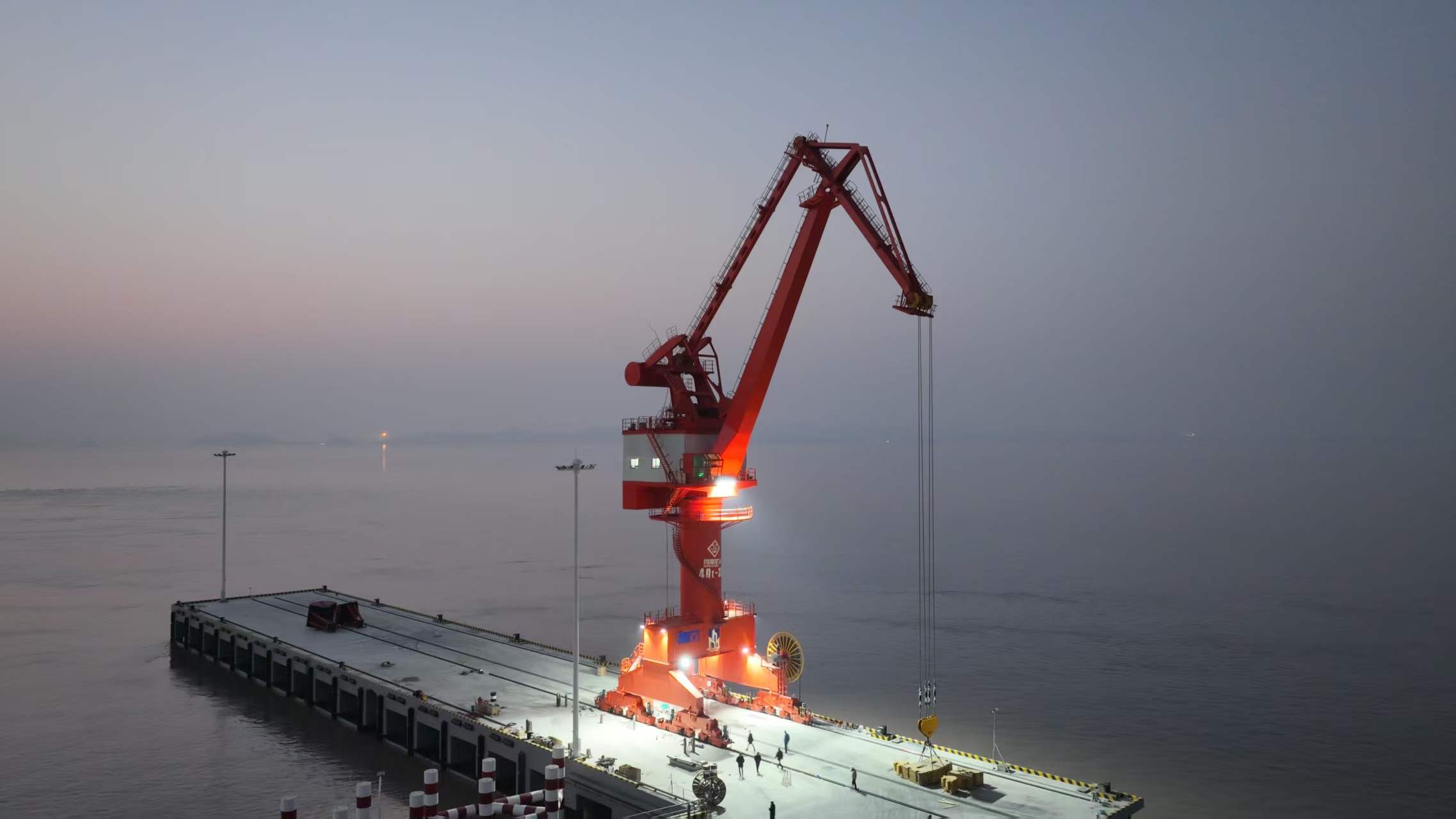
Henan Mine Crane manufactured for many years, the port harbor crane has a mature industry positioning on the suitability of working conditions.
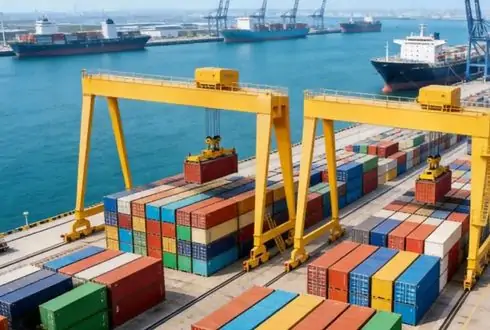
Our rail-mounted gantry harbor cranes are specially adapted to the high-frequency and continuous bulk cargo loading and unloading conditions in ports, and can perfectly match the quay lines with rail layouts, which are the core special equipment for heavy-duty harbor loading and unloading operations.
For port authorities, terminal operators, EPC contractors and terminal procurement managers, mastering the scientific port portal crane buying guide, can effectively avoid selection errors, waste of resources and other procurement issues, to select the equipment suitable for long-term operation of the terminal.
what is a Portal Crane?
Basic definition
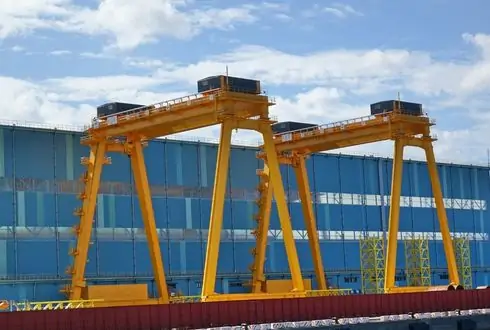
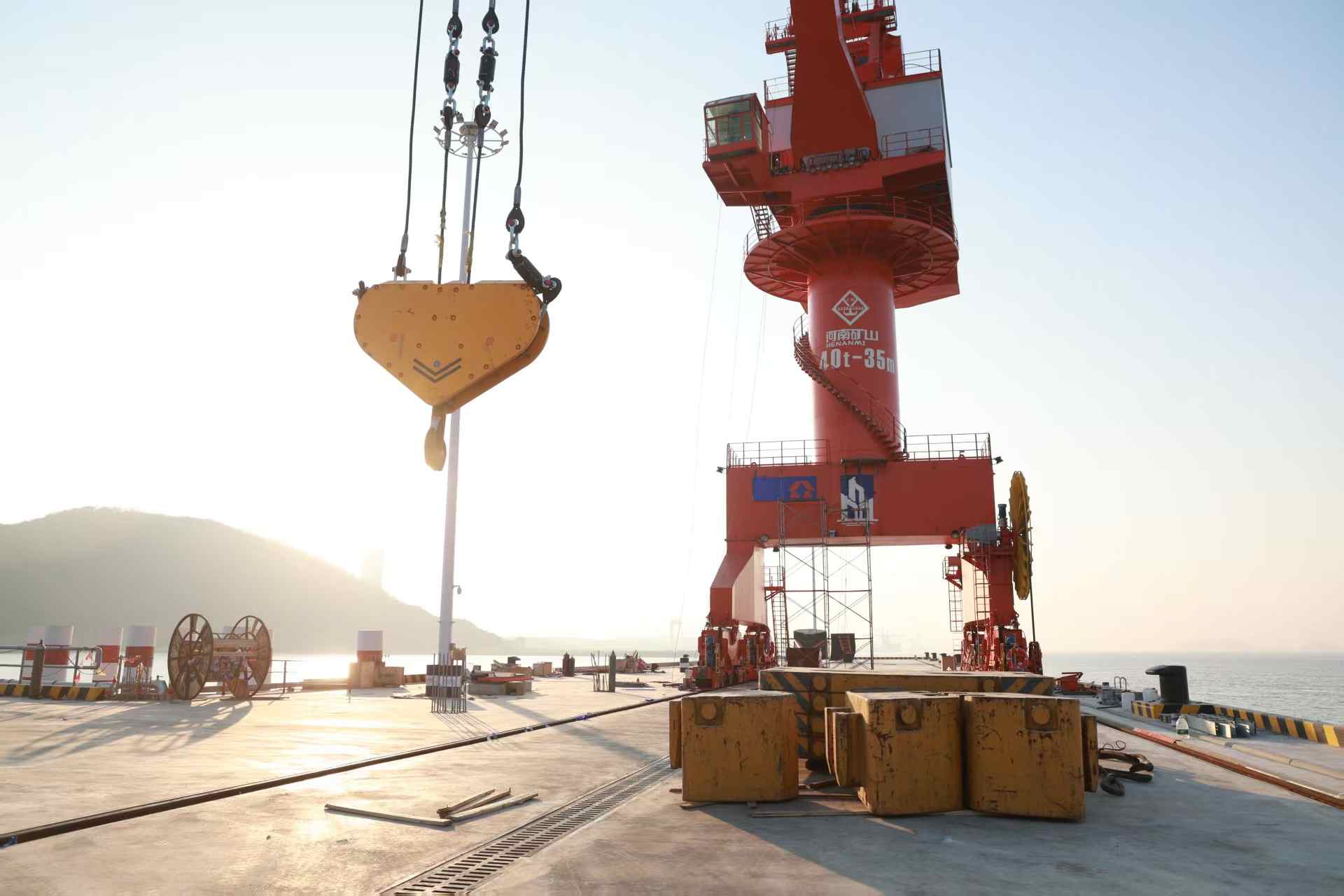
Gantry Harbor Crane is a special lifting equipment arranged on the shore side of the dock, the core structure of the portal gantry, the whole machine relying on the track to realize the shoreline movement, that is, the industry is often referred to as the rail-mounted harbor Crane. the core structural advantage of the gantry frame is the skeleton design of trucks, railroad wagons, conveyor equipment and various types of maintenance vehicles can be freely passed from the underside of the gantry, will not occupy the dock ground access space. The most core structural advantage is the skeleton design of portal frame, trucks, railroad wagons, conveying equipment and all kinds of maintenance vehicles can pass freely from below the gantry, and will not take up the dock floor space.
Core differences with other port Cranes
Many port procurement team in the selection, will confuse the various types of port lifting equipment applicable scenes, resulting in misplaced selection.
The design positioning, operating scenarios and suitable working conditions of different Cranes vary greatly.
Portal harbor crane (Portal Harbor Crane) based on rail travel, strong equipment stability, stable carrying capacity, specially adapted to the fixed quay shoreline of the normalized, high-load operation, is the bulk cargo and general cargo terminal just need equipment.
Mobile Port Crane adopts tire walking structure, no need to lay a fixed track, site adaptability is more flexible, can be dispatched between multiple berths, but the stability of the equipment and the ability to sustain heavy-duty operations, as opposed to rail-type gantry cranes.
The core use of STS shore bridge cranes is container ship-shore docking loading and unloading, targeted service container standardized operations, can not be adapted to bulk cargo, steel and other irregular materials handling needs. RMG, RTG cranes are mainly used for stacking and transferring operations in container yards, and are not responsible for the shore-side loading and unloading of ships, which is completely different from the operation scenario of quay portal cranes.
Adaptable cargo type
The versatility of portal cranes is the core reason why they are widely used in various ports, and can cover most of the mainstream cargo types in ports. Among them, bulk cargo portal Crane is the most commonly used type, mainly handling coal, ore, grain, fertilizer and other bulk cargo.
With different operational attachments, the equipment can be adapted to more scenarios: the addition of magnetic suction cups can be loaded and unloaded scrap steel, steel billets, steel plates and other ferrous materials; equipped with hooks, girders can be completed in all types of general cargo, steel structures, large machinery and equipment lifting; replacement of the spreader spreader, but also to undertake small containers and various types of engineering cargo operations, fully adapted to the diversified needs of integrated terminals operations.
Define the core demand of harbor operation
The first step to carry out how to purchase portal harbor crane (Portal Harbor Crane Procurement) is not to compare the equipment parameters and prices, but to sort out the actual operation of the terminal scene, all equipment selection must be centered on the scene demand, to avoid parameter excess or inadequate performance.
Main operating cargo types
Cargo type is the primary basis for deciding the configuration of the Crane, genera and core parameters, the density of different materials, forms, loading and unloading methods, directly determines the direction of equipment selection.
Coal, ore, grain as the core cargo type of bulk cargo terminal, give priority to the use of grab type gantry port cranes, suitable for high-frequency bulk material grabbing operations. To scrap, various types of steel as the main source of cargo terminals, need to match the magnetic suction cup and grab combination of appliances, taking into account the loading and unloading of different steel materials.
For terminals mainly engaged in equipment, steel structure and general cargo, conventional hook configuration can meet the operational requirements. However, for a comprehensive terminal with mixed cargo types, including bulk cargo, steel and engineering cargo, it is necessary to use multi-purpose gantry cranes to adapt to diversified operation scenarios by replacing the attachments.
Annual throughput and peak operations
The cargo throughput scale of the terminal determines the working level of the Crane and the frequency of operation cycle, which is the key reference data for procurement selection. Before purchasing, it is necessary to accurately count the annual total throughput, the maximum loading and unloading capacity per hour, the annual number of ship berthing and other core data.
If the peak operation volume of the terminal is very large, the ship arrives at the port centrally, and the pressure of short-time loading and unloading is high, it is necessary to configure the equipment with high working level, so as to avoid the equipment malfunctioning and shutting down during the long term full-load operation, which will affect the overall operation rhythm of the terminal. For small terminals with low throughput and low-frequency operation, they can be equipped with conventional level equipment to control the procurement cost.
Vessel specifications and terminal hydrographic conditions
The size of the operating vessel, terminal tidal changes, shoreline height, will limit the operating range of the Crane. It is necessary to confirm the maximum ship's width, cabin opening size, so as to authorize the effective reach of the Crane, to ensure that the equipment can cover all the cabin operating points.
At the same time, there is a difference in tidal rise and fall in the coastal wharf, need to be combined with the difference between the high and low water levels to calculate the lifting height, to ensure that the low tide can be smoothly deep into the cabin unloading, the high tide will not be lifting limit, equipment collision and other issues, to meet the needs of the terminal all-weather operations.
Approval of core technical parameters
After clear operational requirements, you can finalize the core technical parameters of the portal harbor crane one by one, all parameters must be adapted to the site conditions, and never copy the general standard parameters.
Rated lifting capacity
Many purchasers will simply take the rated hook lifting capacity as the selection criteria, which is a common purchasing misunderstanding. For bulk cargo portal crane, the actual effective lifting weight needs to be combined with the self-weight of the grab, the density of goods, the frequency of operation cycle comprehensive calculation.
Ore, fertilizer and other high-density materials, the same volume of grab cargo weight is much greater than grain, coal, if only reference to the rated lifting capacity, there will be a lack of actual cargo capacity, operational efficiency is low. When selecting the type, it is necessary to reserve a reasonable safety margin to meet the loading and unloading needs of different materials, and at the same time to meet the intensity requirements of high-frequency cyclic operation.
Operating reach
Outreach directly determines the operating range of the Crane, which is also the core parameter of the ship specifications. When selecting the model, it is necessary to confirm that the maximum operating radius of the equipment can cover the maximum width of the dock, and whether it can take into account the loading and unloading operations of all compartments of the ship.
At the same time, it is also necessary to reserve a safe distance between the ship and the dock to avoid collision between the Crane structure, spreader and the ship during operation, and to protect the safety and stability of the operation.
Track gauge parameters
Rail mounted gantry cranes must be accurately matched with the existing track foundation of the terminal, and incompatible rail gauge will result in equipment that can not be installed and used. Combined with Henan Mine Crane sea port project landing experience, portal harbor crane rail gauge can be adapted to 10 meters to 22 meters of mainstream dock intervals, the gantry headroom height of 4 meters to 8 meters, according to the dock access requirements, material handling equipment size personalized custom adjustment, to adapt to all types of dock infrastructure standards around the world.
In the pre-purchase stage, it is necessary to check the established track gauge, track type and wheel pressure parameters of the equipment to ensure that the equipment is fully compatible with the terminal's civil infrastructure, so as to avoid rework and additional costs in the later stage of reconstruction.
Lifting height
The lifting height needs to take into account the aerial working height above the rail and the working depth of the cabin below the rail. When calculating, it is necessary to reserve exclusive space for opening and closing of grab, material unloading and hopper passage to avoid problems such as limit jamming and material spilling during operation.
For the terminal of deep hold ship operation, it is necessary to focus on calculating the depth of underwater operation to ensure that the grapple can be completely deep into the hold to complete the loading and unloading, and there will not be any dead space in the operation.
Working level and working conditions
Port Crane's working intensity is much higher than that of ordinary industrial equipment, and the working level is the core index to measure the durability of the equipment. The industry follows the ISO 4301-5:2025 standard, which divides equipment into different working levels based on the total number of operating cycles, load fluctuations, and average displacement load.
Bulk terminals with non-stop operation all day long and extremely high cycle frequency must use quay portal crane with high working level; grocery terminals and small and medium-sized terminals with lower working frequency can be equipped with regular working level equipment to balance the performance of the equipment and the procurement cost.
Match exclusive equipment configuration
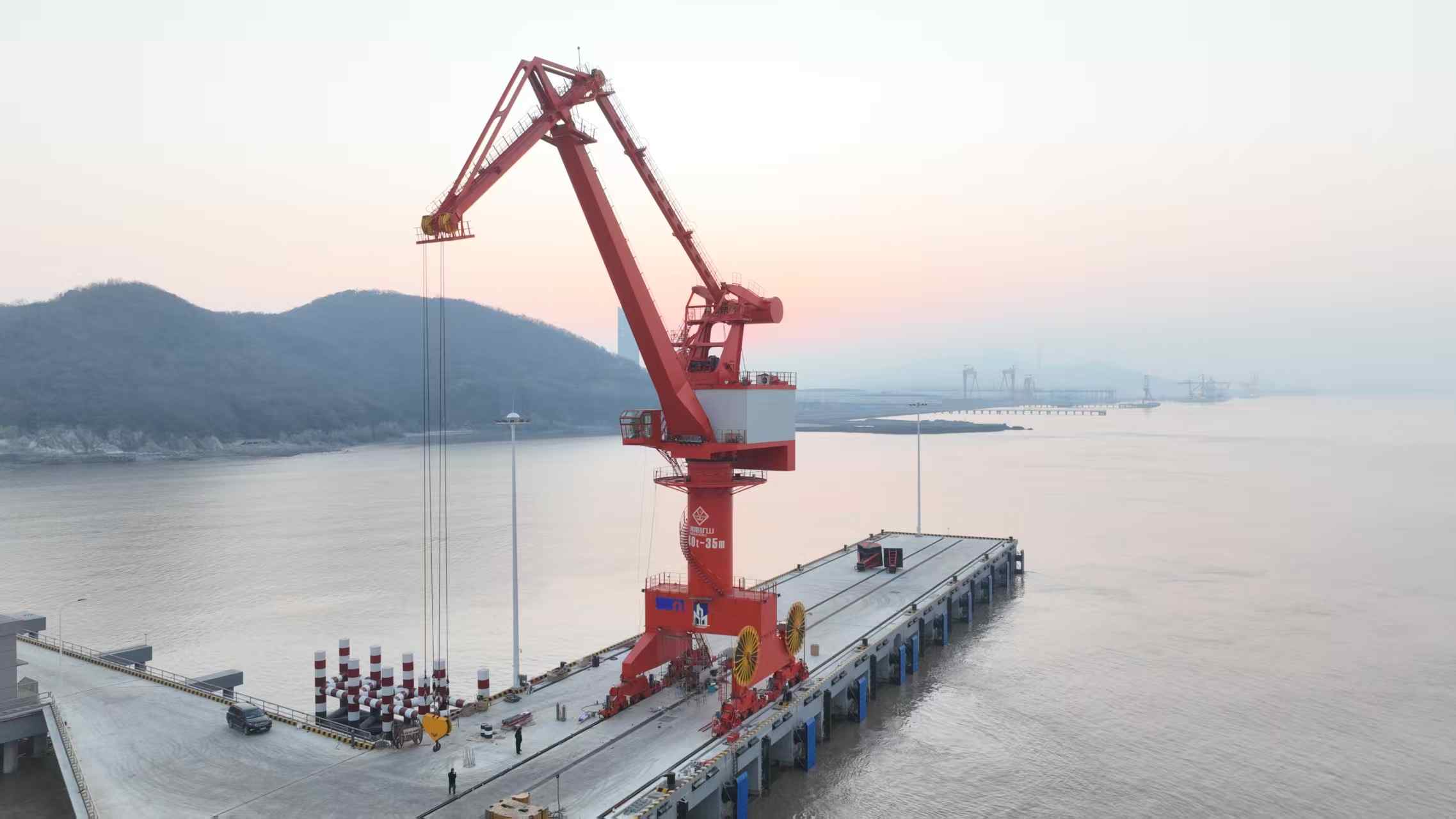
Combined with the type of cargo, throughput and operational scenarios, can accurately match the corresponding portal Crane configuration, different configurations of the equipment is highly targeted, accurate selection can significantly enhance the degree of operational suitability.
Grab Portal Crane
This equipment is the main model of the bulk terminal, specially adapted to coal, ore, grain, fertilizer and other bulk material handling operations. The equipment is equipped with high-strength lifting mechanism, which can withstand high-frequency, continuous gripping, lifting and unloading cycle.
The equipment can be directly connected to the dock hopper and conveying line to realize seamless transfer of materials from ship to yard, with high degree of automation, which can greatly reduce the cost of manual intervention, and is the mainstream choice for bulk cargo portal crane.
Hook Type Portal Crane
The hook type is mainly used for general cargo and bulky cargo lifting, and is suitable for loading and unloading of various steel components, large machinery and equipment, engineering modules and other cargoes. With smooth lifting operation and accurate positioning, the equipment can meet the refined lifting needs of various types of shaped and large cargoes, and is the standard equipment for general terminals.
Magnetic Gantry Crane
Mainly used in steel terminals and steel scrap transit terminals, relying on electromagnetic suction to complete the bulk loading and unloading of scrap, billets, steel plates and other ferrous materials. With stable magnetic suction and thorough unloading, the equipment can realize continuous high-efficiency operation, which is perfectly suited to the special loading and unloading scenarios of metal materials.
Multi-purpose Gantry Harbor Crane
Comprehensive cargo terminal is the most suitable for the selection of multi-purpose models, according to the operational needs of the rapid replacement of hooks, grabs, magnetic suction cups, lifting beams and other attachments, taking into account the bulk cargo, general cargo, steel, engineering goods and other operational scenarios, a device can cover all the core loading and unloading needs of the terminal, equipment utilization is higher.
Verification of terminal construction and infrastructure conditions
Harbor crane procurement can not only focus on the equipment itself, dock construction infrastructure adaptability, directly determines whether the equipment can be successfully installed, stable operation, which is a lot of procurement projects are easy to ignore the key links.
Track foundation and dock bearing capacity
Fixed wheel pressure will be generated when the rail-type gantry crane is running, and the strength of the quay beam, foundation bearing capacity, rail type and gauge parameters must be accurately verified before procurement. If the dock foundation bearing capacity is insufficient, long-term operation will appear ground settlement, track deformation, which will lead to equipment failure, operational safety risks.
When purchasing for the renovation of old terminals, it is especially necessary to complete the civil construction inspection in advance, and assess whether the foundation needs to be reinforced according to the equipment wheel pressure data, so as to avoid the equipment not being able to be used normally after installation.
Passage clearance below the gantry
The core advantage of the gantry Crane is the lower passable operation, the height and width of the gantry headroom, need to meet the terminal trucks, railroad cars, conveying equipment, maintenance vehicles of the regular pass demand.
If the terminal ground transfer equipment size is large, you need to customize the parameters of the gantry headroom in advance, to avoid restricted access, affecting the overall material transfer efficiency of the terminal.
Wind and Storm Resistance Configuration
Coastal ports often face strong winds and stormy weather, and the outdoor operation of the portal harbor crane must be equipped with perfect wind protection devices. The conventional configuration includes rail clamps, storm anchoring devices, wind speed monitoring equipment and emergency parking mechanism.
The windy weather can lock the equipment in time, fix the body, prevent the equipment from slipping and tipping, ensure the safety of the equipment in extreme weather, and adapt to the complex meteorological environment of coastal ports.
Determine the power supply and drive system program
Power supply and drive system directly affects the operational stability of the equipment, energy costs and adaptability of the scene, need to be combined with the terminal power supporting conditions selection.
Pure electric gantry crane
For mature terminals with perfect electric power facilities, pure electric rail-mounted harbor crane is preferred; the equipment runs without exhaust emission, which is in line with the global trend of green operation of ports, and the energy cost of daily operation is stable and fluctuates little.
At the same time, electric equipment running low noise, low failure rate, suitable for long-term fixed berths of the normalization of continuous operation, is the mainstream choice for mature ports.
Diesel-electric hybrid model
For the terminal with imperfect power infrastructure, in the stage of expansion and construction, or berths requiring temporary operation, diesel-electric hybrid power program can be selected.
This program does not rely on fixed grid power supply, site adaptability is stronger, can meet the stage, temporary loading and unloading operation needs, when the terminal power supporting perfect, can still switch to pure electric mode operation.
VFD frequency conversion control system
No matter which power scheme is chosen, it is recommended to equip VFD frequency conversion control system as standard. Frequency conversion control can make the equipment lifting, luffing, traveling action more stable and reduce the impact of mechanical structure wear.
At the same time, it can improve the positioning accuracy of the spreader, reduce the energy consumption of the equipment, reduce the loss of parts and components, and effectively reduce the equipment failure rate and maintenance costs in the long term.
clear necessary safety configuration standards
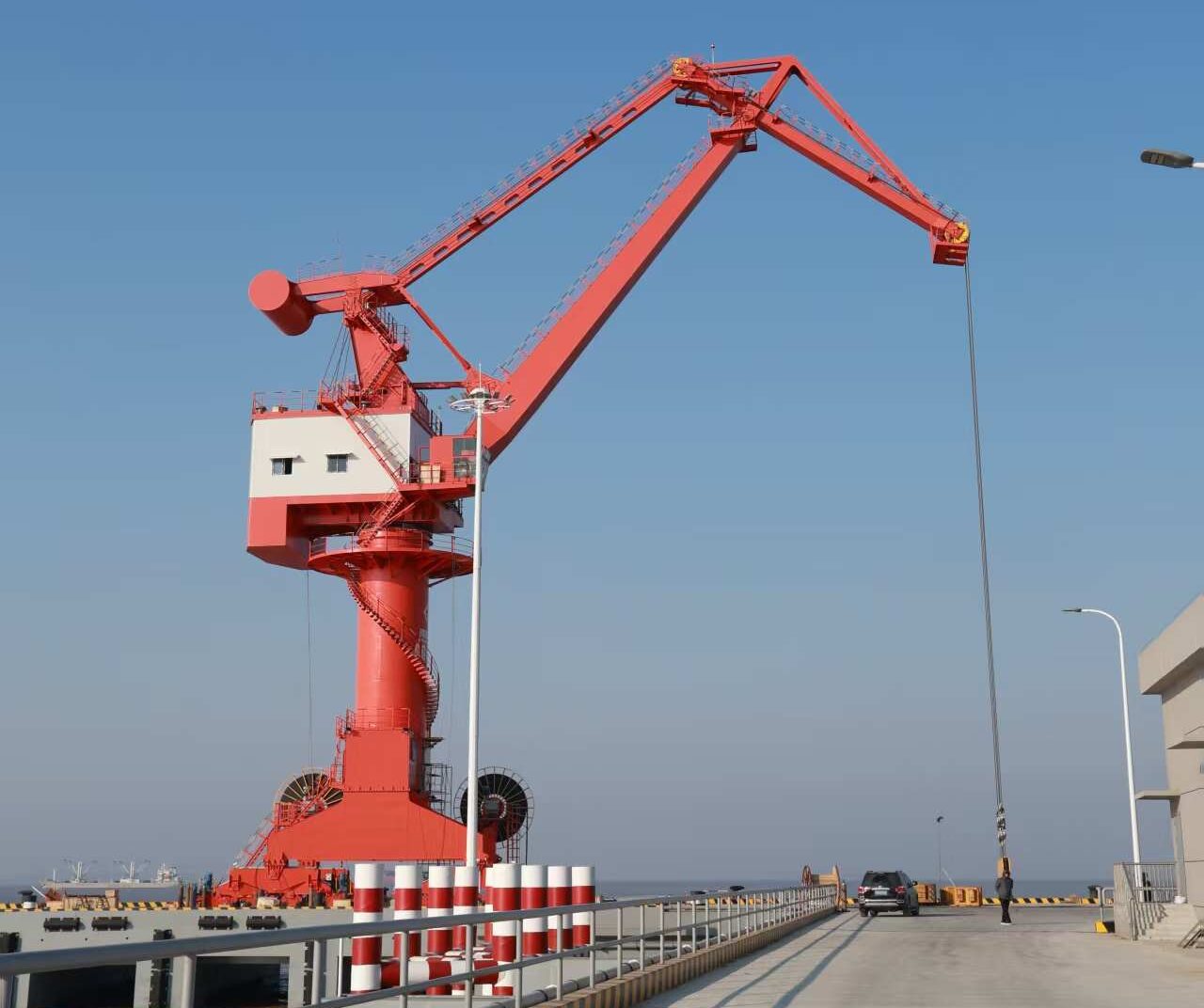
Port lifting equipment belongs to the heavy-duty special equipment, safety configuration is the procurement of mandatory standards, need to strictly comply with the relevant OSHA specifications, to eliminate potential safety hazards.
Overload protection device
All harbor crane must be equipped with overload protection system, when the lifting weight exceeds the rated load of the equipment, the system will automatically trigger a warning and lock the lifting action to prevent overloading operations caused by equipment damage, cargo fall and other safety incidents.
Lifting limit switch
According to OSHA specification, the electric traveling Crane must be equipped with hoist limit switch. It can effectively prevent the spreader from lifting too high and hitting the top structure of the equipment or lowering too much and pulling the wire rope to protect the core structure of the equipment and wire rope accessories.
Brake Retention Devices
OSHA specifies that every independent hoisting mechanism must be equipped with at least one set of self-returning holding brakes. In the event of a sudden power failure or shutdown during operation, the brakes can automatically lock the spreader to prevent the cargo from falling from a height and to ensure operational safety.
Collision avoidance system
Terminals deploying multiple Cranes on the same track must be equipped with collision avoidance system. When the equipment is running, it can monitor the distance between neighboring equipment in real time, and automatically slow down and stop when the distance is too close to avoid equipment collision and damage, so as to ensure the safety of multi-machine cooperative operation.
Comprehensive wind safety system
In addition to the basic rail clamp and anchoring device, the complete windproof system also includes wind speed alarm and storm braking device. Real-time monitoring of wind speed changes in the harbor area, early warning before the arrival of gusts, reminding operators to complete the fixing of equipment to cope with sudden extreme weather.
Emergency stop and safety stop system
Remotely operated gantry cranes need to be equipped with signal failure emergency stop function. When the control signal is interrupted or fails, the equipment will immediately stop all actions to avoid uncontrolled operation, in line with international port equipment safety practices.
Adapt to the port environment protection requirements
Port high salt spray, high humidity, sandy special environment, will accelerate the corrosion of the equipment aging, environmental protection configuration directly determines the service life of the portal harbor crane, is the procurement of details that can not be ignored selection.
Marine anti-corrosion protection process
Coastal dock salt spray corrosion is the main reason for equipment loss, procurement needs to be clear equipment anti-corrosion standards. Priority is given to the use of C4/C5 grade anti-corrosion coating, suitable for marine atmospheric corrosion environment.
At the same time, the electrical cabinet is required to be fully sealed design, fasteners using stainless steel or anti-corrosion protection, cable with special anti-corrosion protection structure, all-round reduction of the impact of corrosion on the equipment.
Temperature and humidity and extreme weather adaptation
The climate of different regional ports varies greatly, tropical ports need to adapt to high temperatures, high humidity, rainstorms, northern ports need to meet the requirements of low-temperature frost protection, coastal areas also need to adapt to typhoons, strong storms and other extreme weather conditions.
Procurement needs to be combined with the port area perennial climate parameters, requiring manufacturers to adjust the configuration of the equipment electrical, hydraulic, lubrication system, to ensure stable operation of the equipment throughout the year.
Dust and material pollution prevention design
A large amount of dust will be generated during the operation of the bulk terminal, which is easy to invade the electrical and mechanical structure of the equipment, resulting in wear and tear of components and circuit failure. The bulk cargo portal crane purchased by the bulk terminal needs to be equipped with fully sealed electrical cabinet and dust-proof mechanical parts.
At the same time, the equipment lubrication system needs to be well protected against dust, and a convenient access is reserved for maintenance, which is convenient for daily dust removal and maintenance operations and reduces the loss of equipment caused by dust.
accounting for the full life cycle cost rather than a single purchase price
A lot of port procurement into a low-priced misunderstanding, only focus on the equipment procurement offer, ignoring the later operating costs. harbor crane procurement is a long-term infrastructure investment, the total cost of the whole life cycle is to measure the cost-effectiveness of the core standards.
Initial input cost (CAPEX)
The initial capital investment includes the cost of the entire equipment, track adaptation system, power supply supporting systems, equipment installation and commissioning, factory testing and acceptance of all costs. When comparing quotations, it is necessary to confirm whether the quotation includes a full set of services to avoid invisible incremental costs in the later stage.
Later operating costs (OPEX)
The long-term operation cost after the equipment is put into use accounts for a higher proportion, mainly including daily energy consumption, replacement of wearable spare parts, labor maintenance costs, equipment downtime loss, wear and tear replacement costs of grabs, suction cups and other special appliances. The cost of attachments and maintenance is especially prominent in bulk terminals with high-frequency operations.
Full-cycle Cost of Ownership Analysis
Low-priced equipment with low configuration is often characterized by insufficient working level, average quality of spare parts and high energy consumption. Long-term use will result in frequent breakdowns and shutdowns, frequent replacement of spare parts, and low operating efficiency, which not only increases operating costs, but also affects the throughput progress of the terminal.
Suitable for working conditions, stable quality equipment, the initial purchase price is slightly higher, but the failure rate is low, the service life is long, the operation energy consumption is low, and the long-term comprehensive cost is much lower than the low-priced low-compatibility equipment.
supplier comprehensive strength assessment
Equipment parameter adaptation is only the foundation, the supplier's technical ability, project experience, after-sales system, directly determines the quality of equipment delivery and later operation and maintenance guarantee, is the core procurement points of port portal crane buying guide.
Professional engineering capability
Reliable suppliers can provide complete technical program information, including equipment assembly drawings, wheel pressure parameter drawings, working condition diagrams, working level adaptation program, electrical schematic diagrams, windproof special design programs and so on.
At the same time, according to the terminal site construction, hydrology, climate conditions, to provide personalized equipment customization program, rather than applying the general model, accurate adaptation to the port's exclusive working conditions.
Experience of similar projects in ports
Priority is given to vendors with experience in many types of port projects, and their past cases in bulk cargo terminals, steel terminals, fertilizer terminals and coal terminals are verified.
Vendors with rich experience in overseas port projects are more familiar with international port equipment standards, overseas certification norms and cross-border project delivery process, and can avoid all kinds of compliance and delivery risks in cross-border procurement.
Manufacturing and Quality Control Capability
Focus on verifying the vendor's welding process, machining accuracy, electrical system integration capabilities and factory FAT testing process. Port gantry cranes are heavy-duty special equipment, and welding quality, anti-corrosion process and electrical stability directly determine the quality of the equipment.
The perfect factory inspection process can detect potential problems in advance, ensure that the delivered equipment meets international quality standards and is suitable for long-term heavy-duty operation.
Global after-sales service guarantee
Overseas port procurement needs to focus on the supplier's global after-sales system, to confirm whether the original spare parts can be supplied quickly, provide remote troubleshooting, overseas on-site installation and commissioning guidance, operation and maintenance training and other services.
At the same time, manufacturers need to provide complete operation and maintenance manuals to ensure that the equipment later standardized operation and maintenance, reduce downtime and improve the service life of the equipment.
verification of the necessary documents before procurement
Before formally signing the contract for procurement, we need to ask the supplier to provide a full set of compliance documents to ensure that the equipment parameters, qualifications and services are all on the ground to avoid disputes arising from verbal commitments.
A full set of technical documents
Including special technical solutions, equipment assembly drawings, wheel pressure parameter drawings, civil foundation docking drawings, working condition drawings of reach and lifting height, electrical schematic diagrams, special instructions for safety systems, etc. All documents need to be fully matched with the parameters of the customized equipment.
Business cooperation documents
Clearly define the core business terms such as price list, delivery cycle, installation scope, warranty period and warranty scope, list of standard components, payment methods and nodes, etc., and all the contents should be implemented in black and white to avoid subsequent cooperation disputes.
Testing and Compliance Documents
Including factory test reports, load test procedures and reports, raw material certificates, welding test reports, anti-corrosion coating test reports, equipment operation and maintenance manuals.
According to OSHA specifications, before a brand new or rebuilt Crane is put into use, a full set of operational tests must be completed for hoisting, trolley travel, trolley travel, safety limiting devices, etc., and the rated load test load must not exceed 125% of the manufacturer's standards to ensure that the equipment is compliant with the standards.
gantry harbor cranes and mobile harbor cranes comparison
Many purchasers are entangled in the selection of two types of mainstream harbor cranes, the following table from the core dimensions of a clear comparison of portal harbor crane and mobile harbor crane differences, to facilitate accurate selection:
the port procurement of Portal Harbor Crane common misconceptions
Combined with the procurement cases of various types of ports around the world, sort out the most common procurement mistakes in the industry to help procurement teams avoid risks:
Simply selecting the model by lifting capacity, ignoring the matching degree of cargo density and grab volume, resulting in the actual operating efficiency is not up to standard. Neglect the terminal wheel pressure bearing capacity, track gauge compatibility, resulting in equipment can not be installed or later failure frequently.
Neglect the coastal port windproof, anticorrosion configuration, equipment in the harsh environment of rapid aging, there are security risks. In order to control the cost of low working level equipment, can not cope with the port continuous high-frequency operation, equipment premature aging, failure rate soaring.
Only comparing the unit price of equipment purchasing, not accounting for the whole life cycle of operation and maintenance, energy consumption, downtime costs, long-term comprehensive investment is higher. No advance planning of spare parts reserves and maintenance programs, equipment failure can not be repaired in a timely manner, affecting the normal operation of the terminal.
procurement inquiry (RFQ) must list
Before launching RFQ to suppliers, complete site parameters should be organized in advance to ensure accurate quotation and adaptable solution and avoid repeated modification and communication. Necessary parameters include: cargo type and cargo density, annual throughput of the terminal, required rated lifting capacity, grab volume, operating reach, track gauge, lifting height, terminal shoreline layout, operating vessel size, maximum wind speed in the port area, power supply conditions, equipment operating level, the required appliance configuration, and equipment to be adapted to the industry certification standards.
Frequently Asked Questions (FAQ)
What is the core purpose of the portal harbor Crane?
Portal harbor crane is mainly used for ship loading and unloading operations on the shore side of the port, can be adapted to bulk cargo, general cargo, steel products, large engineering goods and other types of goods, is the core equipment for fixed quay shoreline operations, widely used in various types of specialized, integrated port terminals.
Which is better, Gantry Harbor Cranes or Mobile Harbor Cranes?
There is no absolute advantage or disadvantage, only different adaptability scenarios. Fixed berths, long-term high-frequency heavy-duty operation of the specialized terminals, priority to rail-type gantry port cranes; the need for flexible scheduling of multiple berths, temporary operations, the terminal layout of the flexible scenarios, mobile port cranes are more appropriate.
What basic information do I need to provide when requesting a quotation for gantry port cranes?
The core necessary information includes equipment lifting capacity, operating reach, track gauge, lifting height, main cargo types and cargo density, equipment operating level, terminal civil engineering drawings, power supply conditions in the port area, these parameters are the basis for manufacturers to customize the program, the basis of accurate quotations.
What are the most important technical factors for bulk cargo terminal selection?
For bulk cargo portal crane, the core selection factors are the equipment working level, grapple volume, effective working reach, and the compatibility of the equipment with the terminal's civil engineering, track, and environmental conditions, which directly determines the equipment's operating efficiency and service life.
summarize
Purchasing a portal harbor crane is not a simple equipment purchase transaction, but an important decision for long-term port operation, capacity upgrade and infrastructure planning. Suitable equipment needs to accurately match multiple factors, such as cargo type, ship specifications, shoreline construction conditions, weather environment, and operating intensity.
At the same time, the procurement decision needs to be based on the whole life cycle cost, taking into account the quality of the equipment, the safety configuration, the supplier's technical strength and after-sales protection, rather than simply focusing on the initial purchase price. A set of adaptable and stable quality portal crane for port terminal can continuously improve the loading and unloading efficiency of the terminal, reduce the loss of equipment downtime, and provide solid support for the long-term stable operation of the port and the enhancement of the competitiveness of the market.