
What Is a Gantry Crane? Types, Uses & Working Principle
Gantry cranes are the core lifting equipment for industrial material transfer and heavy-duty assembly. Relying on the self-supporting structure, they can realize a wide range of indoor and outdoor general operating conditions, high flexibility, and are widely used in various industrial sites. Most users are difficult to distinguish between model differences and adaptation conditions when purchasing and using. Lack of scientific basis for selection.
What Is a Gantry Crane?
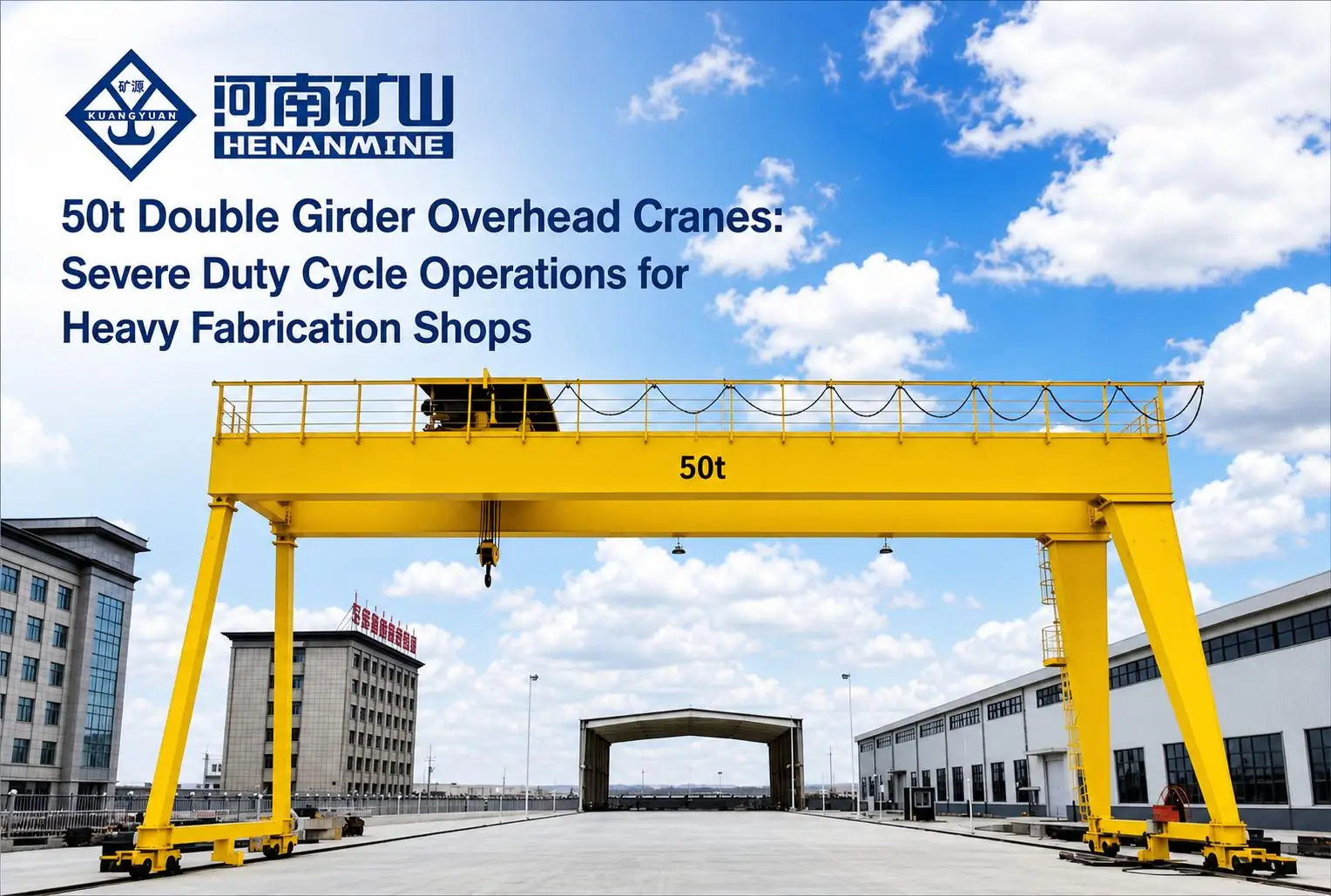
Gantry crane, also often referred to as gantry crane, portal crane (gantry crane), is a kind of self-supporting bridge lifting equipment.In simple terms, it is a lifting device built on a gantry frame structure. It supports the horizontal main beam through vertical outriggers, and can rely on wheels, casters, and rails to move as a whole. Without the support of the plant building structure, the three-dimensional space lifting operation of heavy objects can be completed.
The specifications of gantry cranes have a huge span and cover the needs of the whole scene. They are as small as portable small equipment for workshop maintenance, which can easily lift automobile engines and small machinery and equipment, and as large as giant industrial models used in ports and shipyards. They can carry hundreds of tons of heavy cargo and are the core equipment of heavy industrial production.
Core components of gantry crane
A complete gantry crane is composed of five core components, and all components work together to ensure stable and efficient lifting operations.
- Outriggers: As the core support structure for self-supporting and load-bearing equipment, A-shaped and inverted V-shaped vertical shapes with excellent stability are mostly used. Single-leg and double-leg designs are the most common on the market. Large heavy-duty gantry cranes will be equipped with multiple sets of outriggers to ensure the overall stability of the equipment during operation in all directions.
- Main beam/bridge frame: The core load-bearing beam erected laterally above the outriggers on both sides is divided into two mainstream structures, single main beam and double main beam. It is a key component that carries heavy loads and determines the operating span and load-bearing upper limit of the equipment.
- Running trolley: A movable walking mechanism equipped with a crane, which can slide accurately laterally along the main beam, flexibly adjust the starting position, and realize the precise horizontal positioning of the goods within the operating span.
- Hoisting hoist: The core lifting execution device of the equipment relies on the transmission structure of wire rope, chain and pulley block to complete the cargo lifting operation. According to the type of power, it can be divided into three types: manual, electric and hydraulic, which are adapted to the needs of different loads and operating frequencies. Working conditions.
- Walking mechanism: it consists of wheels, non-slip casters, load-bearing steel rails, wear-resistant rubber tires and other components, which can support the entire equipment to complete the longitudinal movement, directly determining the movement mode, walking stability and scene adaptation ability of the gantry crane.
How Does a Gantry Crane Work?
The core working logic of the gantry crane is vertical lifting and multi-dimensional horizontal movement. Through the coordinated operation of the three moving axes, the hook can cover the three-dimensional space in the working area and accurately complete the cargo grabbing, transshipment, and unloading operations.
Three core motion axes
- Vertical lifting movement: the crane uses a motor to drive the retractable wire rope or chain to drive the hook and load to lift smoothly to complete the core operation process of lifting and accurately positioning the goods from the ground.
- Horizontal walking movement: The running trolley can slide left and right laterally along the main beam, quickly adjust the horizontal position of the hook and the cargo, and accurately cover all operating points within the operating span.
- Longitudinal walking movement: The entire gantry crane can rely on ground tracks or rubber tires to complete the longitudinal walking before and after, greatly widening the overall operation coverage to achieve long-distance smooth transfer of goods
Standardized operation steps
Conventional lifting operations follow a five-step process, with standardized operation and high safety.
- Equipment alignment: Operators clean up the work site in advance to ensure smooth and smooth passage. The gantry crane adjusts the position of the whole machine so that the main beam accurately covers the top of the material to be hoisted. Correct the operating benchmark to avoid the hidden dangers of hoisting offset and build a solid safety foundation for subsequent lifting and transshipment.
- Precise positioning: After the alignment of the whole machine is completed, control the trolley to move laterally along the main beam, fine-tune the position of the hook and the crane, combine the shape of the cargo, and locate the center of gravity lifting point, effectively prevent the cargo from tilting and shaking during the hoisting process, and ensure that the overall hoisting attitude is stable and controllable.
- Hook lifting: according to the specifications and weight of the goods, choose the appropriate spreader specifications to complete the binding and hanging, and confirm that the locking force is uniform, start the crane to lift the material at a uniform speed, so that the goods are off the ground and avoid surrounding obstacles to maintain a stable hoisting state.
- Transfer and shift: after the cargo is lifted, the standard safe lifting height is maintained, and the linkage control equipment walks vertically and laterally at a uniform speed and smooth operation throughout the process to prevent the goods from shaking caused by sudden stops and turns, and the materials are safely and accurately transferred to the target operating area.
- Unloading and unloading: After the material is in place, the placement position and angle are carefully calibrated, and the goods are slowly lowered. After the material is stabilized and the force is not offset, the spreader and binding device are removed and the complete lifting operation process is standardized.
Power and control system
Industrial-grade gantry cranes are mostly driven by electric power, powered by cable tow chains, sliding contact lines, and cable reels to ensure the stable operation of hoists, trolleys, and walking mechanisms; small portable equipment can be driven by manual chains or powered by batteries.
The operation methods include wired control of the handle, wireless remote control, and cab control. Large-scale equipment comes standard with frequency conversion speed regulation, limit protection, overload protection, and anti-swing systems to greatly improve operating stability and safety.
Types of Gantry Cranes
Gantry cranes can be divided into four categories according to structure, main beam type, movement method, and application scenarios. Different models are adapted to different working conditions, which is the core basis for selection.
Classification by structure
| Model | Structural features | Applicable scenarios |
| Full gantry crane | Self-supporting legs on both sides, walking on the ground as a whole, stable structure and strong bearing capacity | Outdoor yard, steel mill, shipyard, heavy industrial operation scene |
| Semi-gantry crane | Single-sided floor-to-ceiling legs, relying on the wall/track support of the plant on one side, saving space | Indoor workshop, semi-outdoor venue with building support |
| Portable gantry crane | With casters, adjustable height and span, lightweight design, can be passed manually | Workshop maintenance, light assembly, small cargo hoisting |
Classification by main beam structure
- Single main beam gantry crane: adopts a single horizontal main beam structure, the overall body is lightweight and compact, the procurement and operation and maintenance costs are lower, and the rated load is generally within 32 tons. The main light and medium-sized material hoisting operations are suitable for most indoor and outdoor conventional industrial conditions. Extremely versatile
- Double main beam gantry crane: equipped with double parallel main beam structure, the overall carrying capacity is strong, the operating stability is excellent, the effective lifting height is greater, the maximum load can reach hundreds of tons, and it can be adapted to heavy materials and high-frequency continuous operations for a long time. It is mostly used in large-scale heavy industry scenarios.
According to the differences in beam structure, the main beam can be divided into two types: box beam and truss beam. The box beam has good overall sealing, high structural strength, outstanding weather resistance and corrosion resistance, and is suitable for various complex working conditions. The truss beam has lighter weight, excellent wind resistance, and strong stability. It is the preferred structure for outdoor and open-air operation scenarios.
Classified by way of movement and walking
- Rail gantry crane (RMG): Relying on fixed steel rail track, high positioning accuracy, large carrying tonnage, stable and reliable operation, can be adapted to high-frequency continuous operations in scenarios such as port steel mills, material depots, etc. It is the core equipment for heavy-duty transshipment in fixed factories.
- Tire gantry crane (RTG): The use of wear-resistant rubber tires to walk the structure without laying a fixed track, the site has strong adaptability, can be freely and flexibly transferred, and the movement efficiency is high. It is widely used in the stacking and transshipment operations of various container depots.
- Portable adjustable gantry crane: equipped with silent casters, it can be easily moved manually, and the height of the equipment and the operating span can be flexibly adjusted. The overall lightweight design, the rated load is mostly controlled within 20 tons, which is perfectly adapted to the flexible operation needs of workshop maintenance, temporary hoisting and frequent transitions.
Customized models for dedicated scenes
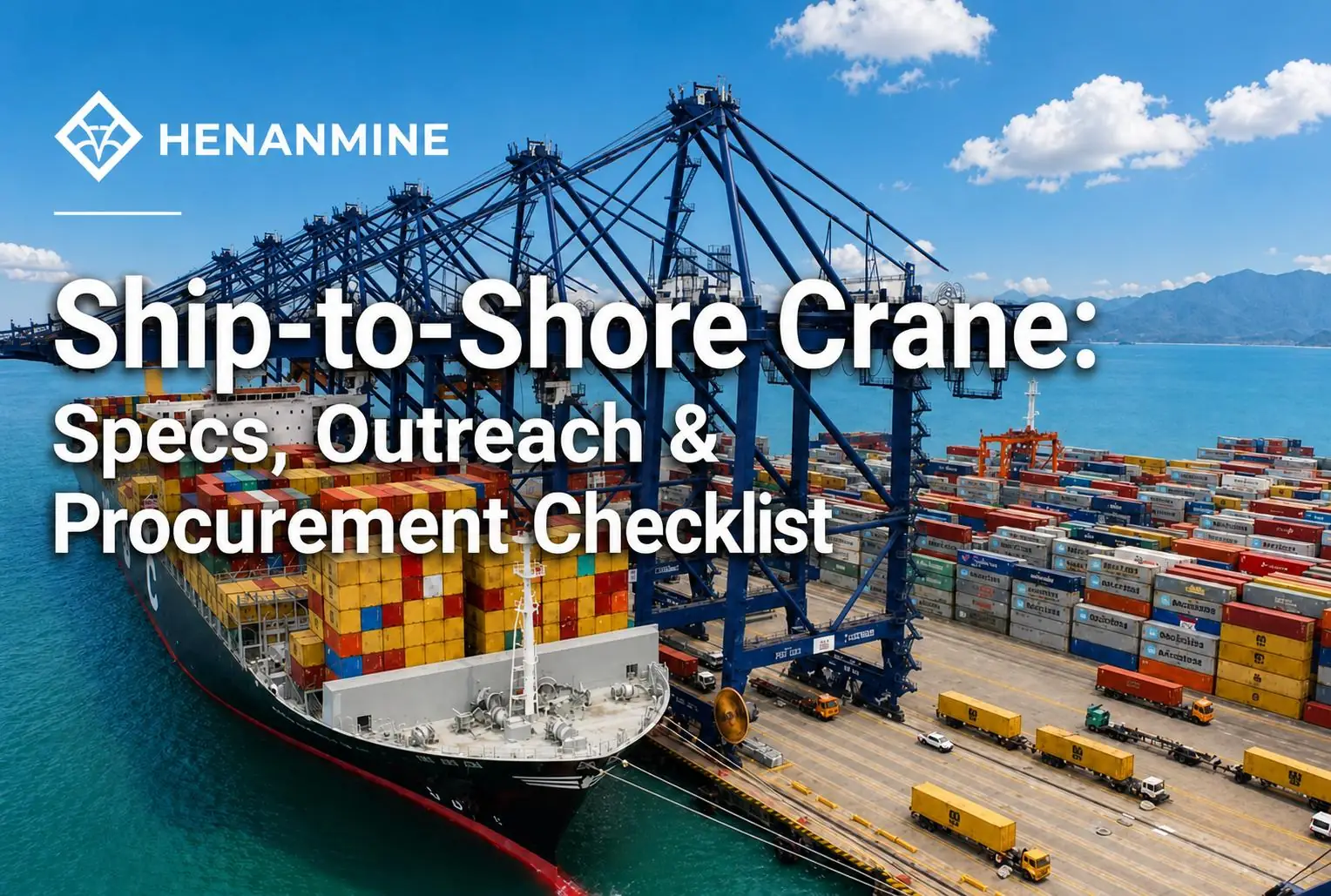
- Shore bridge gantry crane (STS): It is a special large-scale heavy-duty equipment for ports, designed for ship container loading and unloading operations, with a large span and strong carrying capacity. It is the core main equipment for the loading and unloading of import and export goods in maritime ports.
- Container gantry crane: customized research and development for standardized container operations, which can efficiently complete the stacking, handling and regular transshipment of containers, and adapt to large-scale container operation scenarios such as port yards, logistics parks, etc.
- Goliya extra-large tonnage gantry crane: Super-heavy customized gantry equipment with super-heavy load and ultra-high stability is mainly used in ship construction, large-scale steel structure assembly, heavy industry equipment assembly and other super-heavy operation scenarios
- L-shaped/U-shaped gantry crane: By optimizing the shape and overall structure of the outriggers to adapt to special site space and special operation clearance requirements, the hoisting problem of restricted space can be solved, and the site adaptability is more flexible.
Common Applications of Gantry Cranes
With the advantages of no need for building support, universal indoor and outdoor, flexible and efficient, and wide load coverage, gantry cranes cover almost all heavy industry, logistics, and maintenance industries. The core application scenarios are as follows:
- Ports and container depots: relying on large-scale professional gantry equipment such as RTG RMG STS, it can efficiently complete the loading, unloading, stacking and transshipment of containers. Stable operation and strong carrying capacity are the core main equipment of modern port logistics and warehousing operations.
- Shipbuilding and shipyards: large-tonnage double main beams and Golyat gantry cranes are adapted to heavy-duty working conditions in shipyards, which can safely and accurately lift super-heavy components such as hull modules, decks, marine engines, etc. To meet the needs of large-scale assembly operations for ship construction.
- Industrial manufacturing and steel structure processing: widely used in various industrial production scenarios, it can smoothly transfer steel raw materials, machinery and equipment, and finished components to adapt to the assembly process of the production line and the daily material turnover operations of the factory.
- Steel mills and waste yards: it can be used with special lifting accessories such as electromagnetic suction cups and grab buckets to adapt to the lifting and handling of various heavy bulk materials such as steel coil steel scrap, and to adapt to the high-frequency heavy-duty operating conditions of steel mills and waste yards.
- Construction site: suitable for outdoor temporary construction scenes, it can efficiently hoisting prefabricated building components, engineering building materials and large-scale construction equipment, easy to install, strong adaptability, and perfectly fits the needs of temporary lifting operations on the construction site.
- Workshop maintenance and warehousing and logistics: lightweight portable gantry cranes are mostly used for the maintenance and hoisting of motor hvac equipment, machinery and equipment, and small and medium-sized gantry equipment can meet the needs of daily warehousing and logistics operations such as warehouse cargo stacking and transshipment.
- Power and energy industry: it is suitable for power engineering scenarios such as wind power and thermal power, and can complete the hoisting, installation and maintenance of heavy equipment such as generator sets, transformers, large wind power components, etc. To ensure the safe and efficient operation and maintenance of power equipment.
Advantages of Using a Gantry Crane
Self-supporting structure
The gantry crane adopts an independent and self-supporting frame structure, no need to rely on the load-bearing system of the plant building, no need to strengthen and transform the main body of the plant, and the equipment can be put into use. It can be perfectly adapted to various special operating scenarios such as temporary construction sites without load-bearing structures, factories, etc. The threshold for site adaptation is extremely low.
Extremely flexible
The whole machine has extremely high operational flexibility, supports fixed-point precise hoisting and global mobile operations, portable models can be quickly shifted and stored, orbital and tire models can be adapted to fixed-station high-frequency operations and site free transition requirements, and can be stably adapted to various indoor and outdoor complex operating environments.
Low installation cost
Compared with traditional bridge cranes, gantry cranes do not need to build a complex top track load-bearing system. The overall assembly process is simple and easy to disassemble, greatly shortening the construction cycle and effectively controlling project investment. It is very suitable for temporary engineering projects, leasing plant operations and industrial scenarios with controllable budgets.
Excellent outdoor operation performance
The equipment as a whole has been treated with professional anti-corrosion, windproof and waterproof technology, and can withstand harsh outdoor working conditions such as open-air wind, rain, temperature difference, exposure, etc. for a long time. It effectively solves the industry shortcoming that bridge cranes cannot operate outdoors. The stability and durability of outdoor operations are more prominent.
Extremely versatile
Equipment working conditions cover a wide range, complete models and specifications, can be adapted to 1 ton light workshop maintenance hoisting to hundreds of tons of heavy industrial hoisting operations, with suction cups, special hoisting beams and other supporting accessories, can meet the handling and hoisting needs of different forms and materials of different weights, and the versatility fully covers all kinds of industrial scenarios.
Customizable
The whole machine supports highly customized design, the operating span, the lifting height, the rated load, and the walking mode can be adjusted according to the on-site working conditions. The portable model can flexibly adjust the height and span, and can be adapted to later production capacity upgrades and changes in working conditions. The equipment is extremely scalable and adaptable.
Safe and efficient
The equipment can completely replace manual heavy-duty handling and reduce the risk of work-related injuries from the root cause. Relying on an accurate three-dimensional positioning system, the accuracy of material hoisting and positioning is greatly improved. With multiple safety protection devices such as overload limit, anti-swing, emergency braking, etc., it can effectively avoid safety hazards such as overload, collision, material shaking, etc., and comprehensively improve operation safety and production efficiency.
Factors to Consider When Choosing a Gantry Crane
Scientific and reasonable equipment selection is the core prerequisite to ensure the safety and stability of lifting operations, control the input cost of the project, and improve the overall operating efficiency. In the selection process, users need to focus on the ten core selection dimensions combined with the actual working conditions on the site to accurately match and adapt to the model.
- Rated load:When selecting the type, it is necessary to comprehensively calculate the weight of the cargo, the weight of the spreader and the weight of various ancillary accessories, reasonably reserve the safe load margin, strictly prevent overload, and select the type to ensure the safe and stable operation of the equipment from the source.
- Operating span: Accurately measure the effective operating width between the two legs. The larger the operating span, the higher the requirements for the structural strength and overall stability of the main beam. The manufacturing cost of the equipment will also increase. The span parameters need to be reasonably planned in combination with the scope of operation.
- Lifting height: combine the height of the cargo stacking on site with the height of the surrounding obstacles to accurately determine the maximum effective lifting height of the hook to ensure that the equipment has sufficient working space to avoid bumps and interference during the lifting process.
- Operating frequency: According to the frequency of use of the equipment, the working condition level is divided into light intermittent operations, medium-sized conventional operations, and heavy-duty continuous operations. The corresponding working level of equipment is matched to effectively improve the durability and service life of the equipment.
- Mobile mode: High-frequency operations in fixed factories give priority to orbital models that require frequent transitions and flexible operations. Tire-type or portable models can be selected. Indoor scenes with building support conditions can be adapted to half-door models. On-demand matching and adaptation of mobile solutions
- Operating environment: outdoor open-air scenes need to be equipped with optional windproof, anticorrosive and waterproof protection configuration, uneven ground needs to be adapted to special walking structures, corrosive moisture and dust scenes need to be customized, special anticorrosive coating needs to be adapted to complex working conditions and environments
- Power and control methods: manual or battery-powered models can be selected for light-duty and low-frequency operations, industrial high-frequency heavy-duty operations, priority is given to electric power systems, and various control modes such as wireless remote control cab control can be used with handles according to operating needs.
- Material selection: Heavy-duty industrial heavy-duty operations give priority to steel structure, high strength, strong bearing capacity, frequent transitions in lightweight operations, and scenarios with high anti-corrosion requirements. Aluminum alloy material can be selected to take into account lightness and corrosion resistance.
- Safety configuration: When selecting the type, priority is given to a full set of safety devices such as overload protection, stroke limit switch, emergency braking, anti-swing intelligent braking, etc., which strictly comply with industry safety standards and avoid all kinds of hoisting safety hazards in all directions.
- Budget and long-term needs: comprehensively consider the overall cost of equipment procurement, installation, commissioning and late maintenance, while reserving space for equipment span and load upgrade, taking into account the current use needs and long-term production expansion to improve the overall cost performance of the equipment.
Conclusion
Gantry cranes have multiple advantages such as flexibility, general economy, etc., which are different from traditional lifting equipment. The unique self-supporting movable structure supports indoor and outdoor multi-scene operations. It is widely adapted to many industries such as port heavy industry construction and maintenance. The rich model specifications can accurately match various working conditions from light maintenance to heavy lifting.
In the actual selection, only the comprehensive considerations of load, span, operating environment, and frequency of use can be combined to select the gantry lifting equipment with high cost performance, high safety, and the strongest adaptability.