
Top 10 Things to Consider Before Buying a Crane
Purchasing a crane is a five to seven figure deal that will set your operation for at least the next ten years. Mistakes in spec‘ing out the crane, neglecting the compliance check, or underestimating the economics of ownership and you face costly downtime, costly retrofitting, or a safety citation.
Get it right and you‘ve added a productivity machine that more than pays for itself in lower labor costs and lower injury rates. The guide details the ten factors to browse before purchasing a crane ranging from lifting capacity, the kind of crane, to the nearing delivery deadlines for 2026 so that your decision can be justified in term of real performance at the jobsite and not just the specifications.
Define Your Lifting Requirements
Selection should start with lifting load requirements, rather than focusing on crane models first.Before comparing various types of equipment, make clear the actual lifting weight, operation frequency and site working conditions.
Safe working load (SWL) is the safe maximum lifting weight of the crane. SWL selection must meet the maximum load on site and cannot only adapt to conventional conditions.Crane load span is very large, light swing arm crane about 1 ton, heavy industrial and crawler crane can reach more than 100 tons.
Two other key parameters directly determine the actual operating capability of the equipment:
- Span: that is, the distance between the two support points of the crane, determines the lateral operation coverage and operation radius of the equipment, and is the core parameter of matching the operation space of the site.
- Work level: Used to define the working load and frequency of use of the crane.Light duty system is suitable for occasional and low-frequency lifting operation; heavy duty system can meet daily continuous and high-intensity high-frequency operation conditions.
If the selected specifications are lower than the actual working conditions, the overall production efficiency can only be slowed down through multiple lifting operations; if the selected specifications are far beyond the requirements, unnecessary procurement costs and later operating expenses will be increased.
Match Crane Type to Your Application
Crane models are not universal, each configuration is designed for specific mobile needs, operating terrain and lifting conditions, and adapts to the exclusive operation scenario:
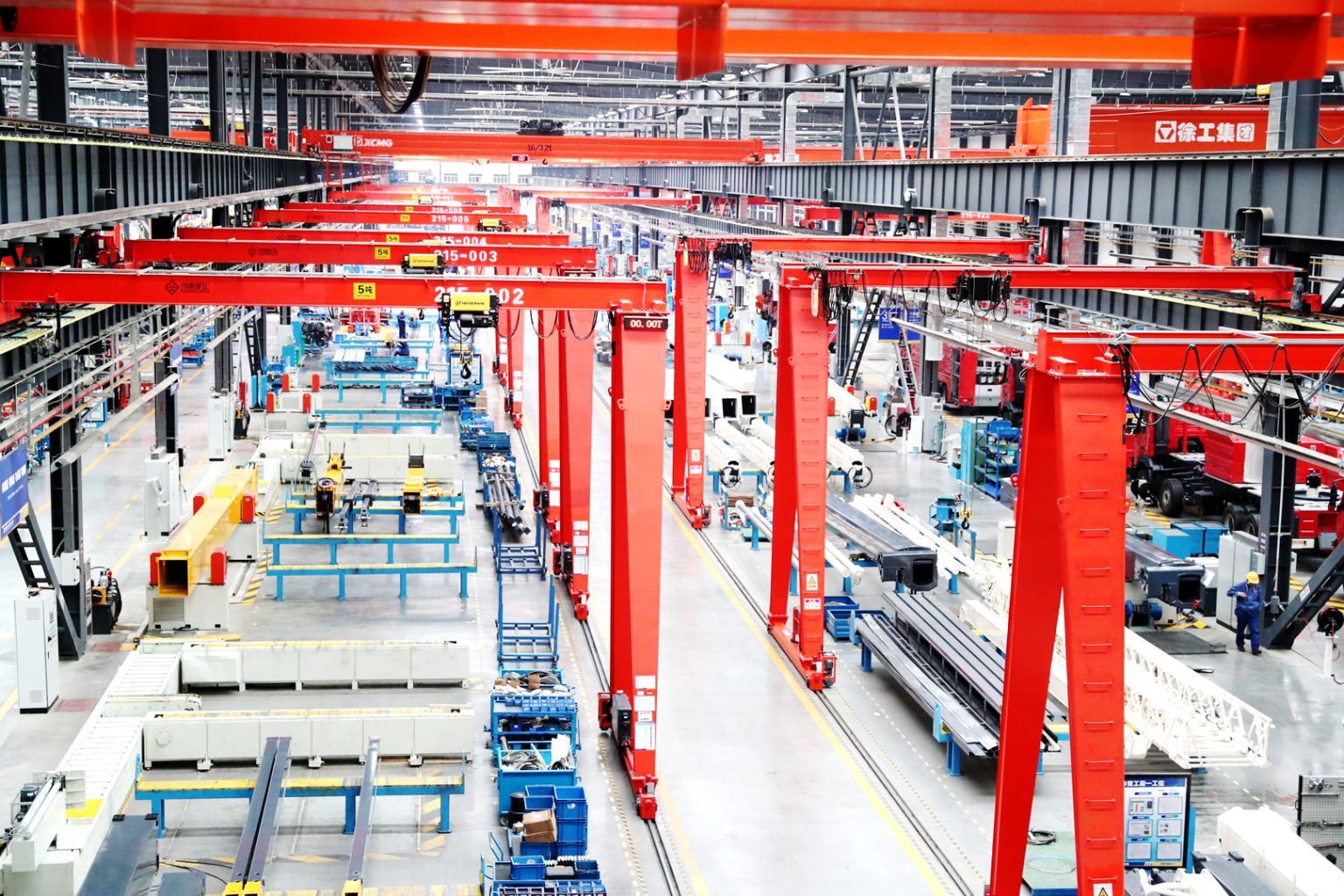
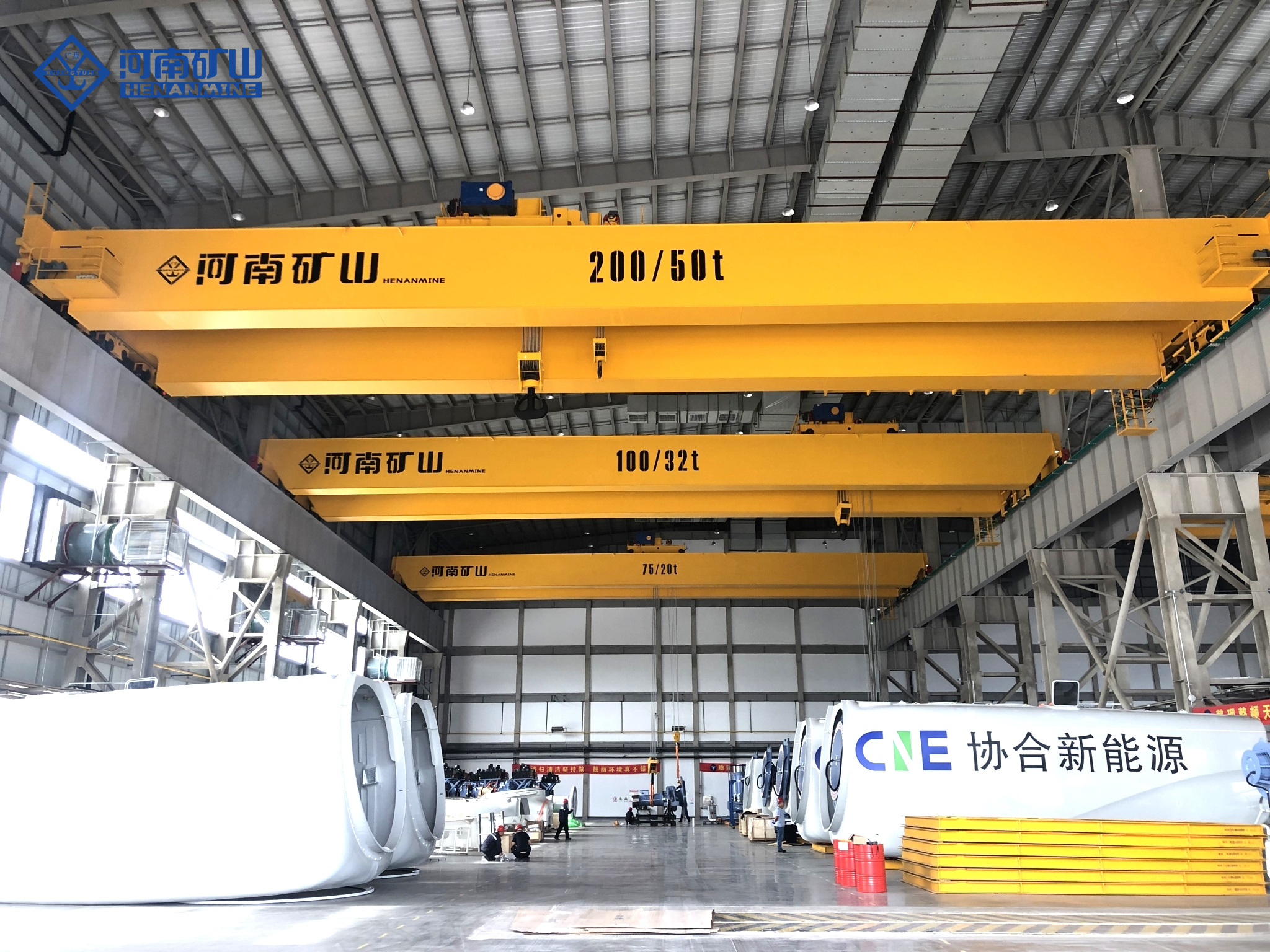
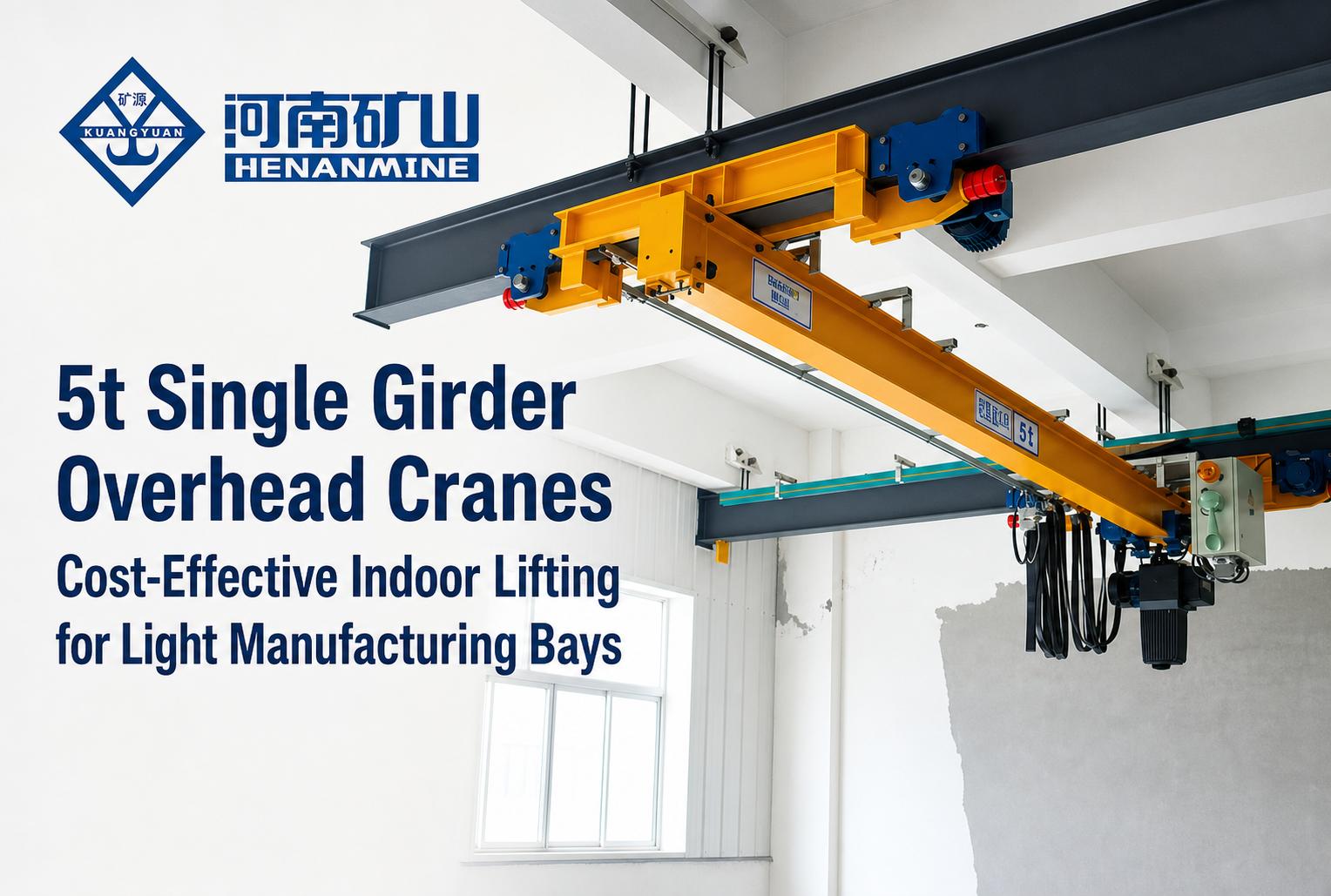
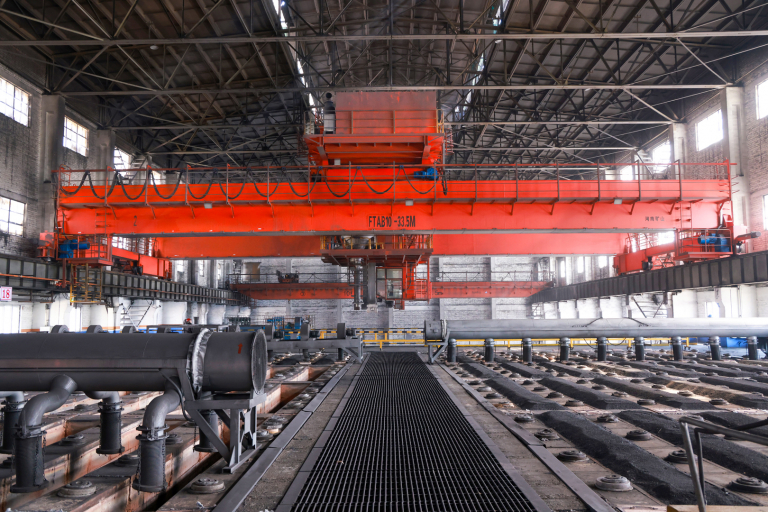
- Bridge crane: Bridge crane fixed indoor lifting equipment, stable structure, accurate operation, no mobile function.Suitable for factory buildings, warehouses and other fixed sites, mainly high-frequency, standardized, repetitive material lifting and equipment installation, is the main equipment for indoor normal heavy duty operations.
- Mobile crane: based on automobile chassis, with driving ability, fast transition, excellent mobility.Suitable for outdoor temporary construction, equipment repair, short-distance lifting and transportation, flexible switching of operation sites, strong adaptability to multiple working conditions, high versatility.
- Crawler crane: crawler walking structure, good grounding, ground adaptability, high stability in soft, uneven complex site operations.It is mostly used for heavy projects such as bridges, foundations, large components, etc. The disadvantages are slow walking, long distance transition requires special transport vehicles, and the transfer cost is high.
- All-terrain crane: both highway high-speed transition and field off-road operation capacity, site adaptability is very strong.It can give consideration to urban engineering and field complex infrastructure construction, with wide scene coverage and outstanding comprehensive performance. It is a high-end lifting equipment with strong versatility.
- Off-road crane: pure off-road operation model, no road driving qualification.Light body, small turning radius, flexible control, compared with all-ground crane more suitable for narrow construction sites, rugged mountains and other limited field complex conditions, special off-road operation ability outstanding.
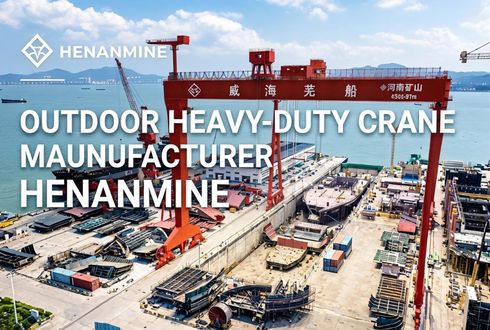
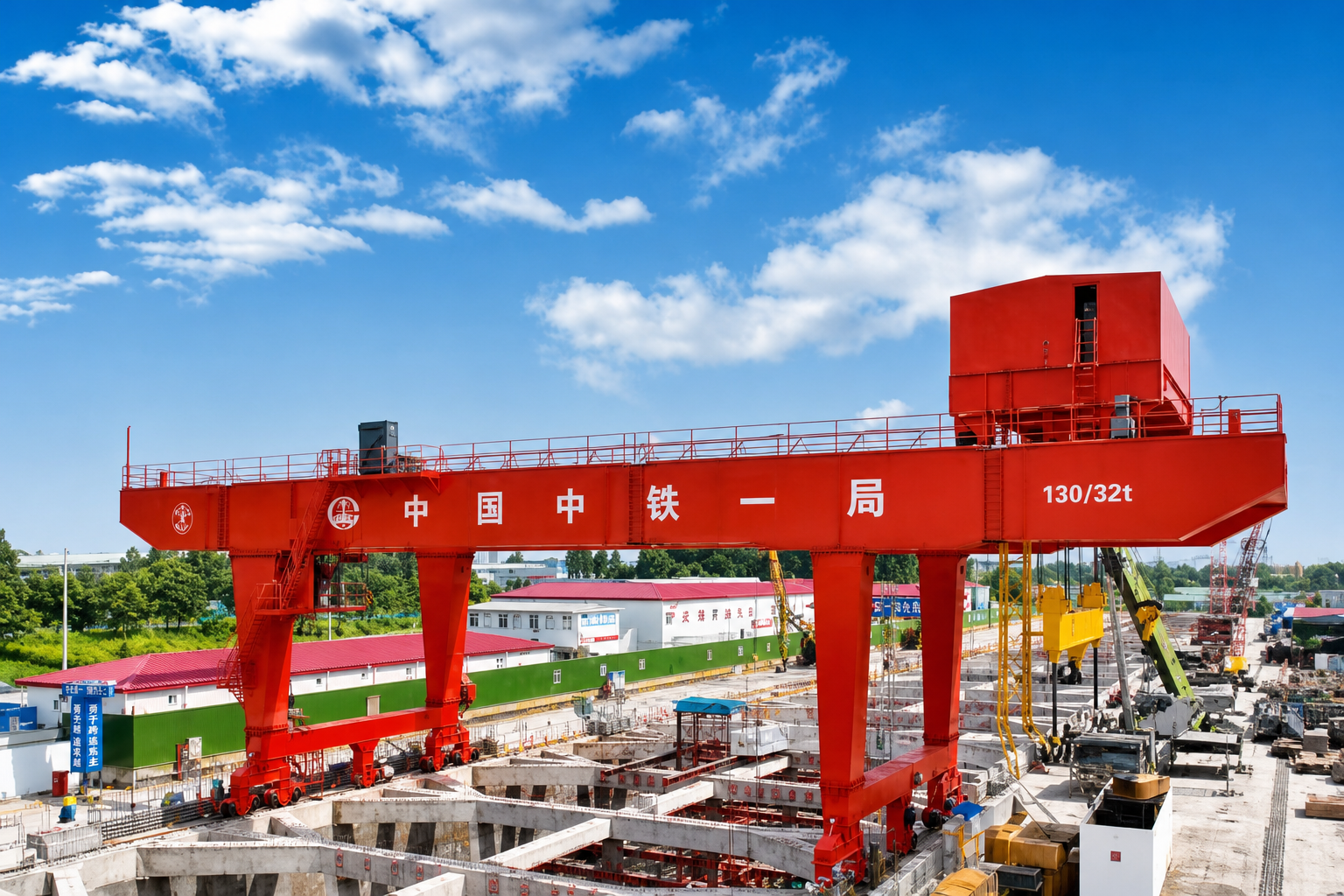
- Gantry Crane: fixed high-altitude lifting equipment, lifting height, wide coverage, mainly used for high-rise buildings, large-scale venue construction of high-altitude material transfer.Equipment installation and disassembly process is complicated, and there are strict standards for infrastructure construction, installation technology and safety specifications.
Crane selection can not only refer to rated tonnage, but also match the operation conditions and movement requirements of the construction site.A single model cannot adapt to all construction scenarios. Cranes that adapt to certain types of working conditions may have poor adaptability or even unsuitable structure in other scenarios.
New vs. Used: Which Fits Your Budget and Risk Tolerance
The European and American overseas engineering market has mature lifting equipment regulations, access standards and second-hand circulation system. Equipment procurement is divided into two modes: brand-new and second-hand. It adapts to different budgets, construction periods, construction scenarios and compliance requirements. It is the key basis for bidding, cost and safety management of overseas projects.
Second-hand cranes are cost-effective and fast to deliver, suitable for small and medium-sized projects with short construction periods and limited budgets overseas.European and American equipment compliance supervision is strict, violations will face heavy fines and shutdown risks, brand-new crane compliance safety, stability, more suitable for overseas large-scale, long-term, high-standard engineering projects.
New cranes
The brand-new crane is the mainstream selection for overseas large-scale infrastructure, long-term construction, government public construction projects and high-end industrial plant hoisting. Its core advantages focus on three dimensions: quality assurance compliance, safety control and after-sales improvement, perfectly adapting to overseas strict construction supervision system.
The new machine enjoys original global warranty and regular after-sales service, fully complies with OSHA safety standards in Europe and America, and can directly pass site access and bidding review.The equipment has no hidden damage and stable performance, which can effectively avoid safety and compliance risks, ensure construction qualification and effective insurance.
The new machine is suitable for long-term, high-frequency and heavy-duty working conditions, stable operation, low failure rate, supporting original maintenance, accessories and technical support, which can ensure stable construction period.The short board is high procurement cost, long delivery cycle of customized models, and high investment pressure in the early stage.
Used cranes
Overseas second-hand cranes have mature circulation channels. With the characteristics of low cost, instant production and strong flexibility, they are widely favored by overseas small projects, short-term projects and leasing enterprises, which can effectively reduce the investment in equipment in the early stage of the project.
However, the procurement of second-hand equipment is extremely risky, and there are widespread problems such as unknown working conditions, unknown losses, uneven compliance, and limited transformation.A lot of equipment long-term overseas extreme cold, salt fog, high temperature and other harsh environments, or long-term withstand heavy impact lifting, steel structure and core components aging loss serious.
At the same time, some second-hand equipment has problems such as maintenance record fault, fault concealment, unauthorized modification, etc., which is easy to cause hidden dangers such as compliance failure and safety device failure. Once put into construction, serious safety and compliance problems will be caused.
Total Cost of Ownership, Not Just Sticker Price
Equipment purchase price is only the smallest part of the crane life cycle cost, and the following hidden costs should be comprehensively calculated when selecting and purchasing:
- Equipment installation and site foundation modification expenses: covering installation expenses such as equipment mobilization assembly, commissioning and calibration, and modification expenses such as site hardening, embedded parts, tracks and safety facilities.Different models have different requirements for site foundation and installation space, which belong to necessary early investment.
- Daily maintenance costs and replacement costs of vulnerable parts: cranes need regular maintenance, resulting in labor and consumables costs.Steel wire rope, brake pads and other wearing parts will continue to wear out, need to be replaced regularly, is the fixed cost of long-term operation of equipment.
- Cost of operator training and qualification annual examination: lifting operation is a high-risk special operation, and personnel must have certificates to work.Including the compliance labor costs related to pre-job training, safety teaching, qualification review and annual review of on-the-job personnel.
- Equipment insurance cost: In order to avoid construction risks such as equipment damage, casualties and third-party property losses, special equipment insurance shall be purchased. Annual insurance renewal is the basic guarantee cost for normal operation of equipment.
- Equipment inspection and compliance filing fee: special equipment shall entrust a third party to carry out safety inspection and performance verification every year, including report sorting, data filing, annual review filing and other expenses, which are necessary expenses for equipment compliance operation.
- Parts procurement and downtime risk cost: niche, old models are prone to parts out of stock, slow supply, after-sales response lag and other problems.Equipment failure can not be repaired in time will cause downtime, resulting in high indirect losses, long-term cost gap is significant.
Low-cost cranes often have problems such as shortage of accessories and inefficient after-sales, and the comprehensive cost of 5 10 years is higher than that of high-priced and after-sales models.Before purchasing, it is necessary to verify the supply cycle and after-sales response speed of accessories in advance, so as to avoid the later operation risks from the source.
Site, Space & Installation Constraints
Many purchasers are prone to fall into crane certification errors, and some equipment manufacturers will also use this cognitive bias to mislead propaganda.First of all, the core industry facts are clear: there is no crane with "ASME certification" or "OSHA certification" on the market, and the official has never established such equipment certification qualification. The functions of the two are completely different from the applicable rules.
The core functions of the two institutions are distinguished as follows:
- ASM: Formulates voluntary design and engineering standards for the industry, among which the B30 series of standards specifically specifies the design and manufacturing requirements for cranes, masts, winches, hooks and slings, which is the industry reference standard for equipment production.
- OSHA: Responsible for enforcing construction site safety regulations governing crane operation, inspection, and maintenance.29 CFR 1926.1427 is applicable to the construction field, and 29 CFR 1910.179 is applicable to general industrial bridge and portal cranes.
- CSA Standard: Applicable to lifting equipment sold and put into use in Canada, and applicable in parallel with American Standard.
When purchasing equipment, do not believe in the propaganda of merchants. You must actively verify the following official documents as the core basis for equipment compliance:
- Structural design drawings signed by certified engineers to prove that the overall design of the equipment has passed professional compliance review and conforms to engineering design specifications;
- Rated load test certificate, confirming that the equipment has passed the standard full load bearing capacity verification, lifting performance standards;
- ASME/CSA standard version certification document corresponding to equipment design, specifying the compliance standard basis on which the equipment is manufactured.
Important Compliance Notice: The responsibility for compliance of equipment does not automatically transfer with equipment transactions, and is ultimately borne by the equipment operator at the construction site.Therefore, a complete set of compliance documents is not formal information, but the core certificate for the purchaser to avoid compliance risks and ensure legal construction.
Safety Standards and Certifications
The crane with excellent performance has no practical value if it does not match the site conditions of the factory.The following field surveys must be completed prior to procurement:
- Measure the length and width space of the installation area of the whole machine on the spot, accurately calculate the top clearance allowance, and verify the bearing load of the beam column and foundation of the plant at the same time, so as to ensure that the building structure can stably bear the operating load of the crane for a long time and avoid the hidden danger of insufficient structural pressure in the later stage;
- Define the equipment operation scene in advance, distinguish between ordinary indoor normal temperature environment, outdoor wind and rain environment, or high-risk explosion-proof area with flammable and explosive medium, and directly determine the protection level and component configuration scheme of the whole machine corresponding to the exclusive motor, electric control and shell protection accessories under different working conditions;
- Collect the real building size such as beam column spacing and limit height of the workshop, check them item by item against the rated span and clear height of lifting limit position of the crane, reserve safe operation margin, and prevent the collision and interference between lifting tools and heavy objects and walls and components during operation;
- If mobile lifting equipment such as truck crane and crawler crane is selected, it is necessary to test the ground hardness and soil bearing capacity on the spot, calculate the occupied area after the outriggers are fully deployed, and simultaneously investigate the access routes such as the factory gate, passage turning and ramp, so as to ensure the smooth passage of equipment and stable pad operation.
Omitting site survey before purchasing is a common and costly error in selection.If the space, load bearing and passage are not matched after the equipment arrives, it will cause high cost of plant reconstruction and delay.
Operator Training, Staffing & Licensing
According to OSHA safety regulations, the compliance subject responsibility of lifting operation shall be borne by the enterprise employer, and the enterprise shall ensure that the operators complete formal training and hold effective professional qualifications, which include NCCCO certification and lifting operation licenses issued by local authorities.
Before purchasing cranes, enterprises need to confirm in advance that existing operators meet three compliance conditions:
- Special certificate of model: the qualification of operator shall be accurately matched with the purchased crane model. All types of crane, such as truck crane, crawler crane, bridge crane, tower crane and folding boom crane, shall have special certification. The qualification is not common. It is strictly prohibited to operate with certificates across models.
- Compliance of supporting personnel: The hoisting operation site must be equipped with certified cable operators and signal commanders to realize the division of labor and coordination of operation, standardize the process, and ensure the safe and orderly implementation of hoisting construction.
- Qualification ledger can be checked: the qualification certificates of all operators shall be true and valid, reviewed and updated regularly, relevant qualification data shall be kept for future reference, and on-site safety supervision and compliance verification can be handled at any time.
If the enterprise does not have certified compliance personnel, sufficient training cycle and certification cost shall be reserved in the procurement planning.Most purchasers tend to ignore this hidden cost, resulting in no compliance operation after the equipment arrives, resulting in long-term idle equipment, delay in construction period, additional idle loss and economic loss.
Maintenance, Parts Availability & Service Support
All cranes require regular maintenance during their full life cycle, and there will inevitably be component wear and replacement requirements.Before purchasing equipment, it is necessary to comprehensively evaluate the equipment maintenance difficulty, spare parts supply ability, equipment reliability and after-sales service level. The core evaluation dimensions are as follows:
- Evaluate the practical operation difficulty of daily maintenance of the team, covering basic maintenance work such as oil change, lubrication and routine inspection, adapt to the technical ability and operation conditions of its own operation and maintenance team, and avoid excessive maintenance difficulty and sharp increase of operation and maintenance cost in the later period.
- Verify the supply timeliness of core accessories of manufacturers or dealers, focus on confirming the supply speed of accessories required for large-scale maintenance and fault repair, and avoid long-term downtime of equipment due to shortage of accessories, which will affect the construction progress.
- Investigate the market reputation and operation reliability of equipment brands and models, sort out common failure points and failure rate data of equipment, give priority to mature models with stable working conditions, few common faults and strong durability, and reduce the frequency of later failure maintenance.
- Check the seller's after-sales service response capabilities.Crane belongs to long-term fixed assets, efficient and timely after-sales maintenance service is the key to ensure equipment start-up rate and reduce shutdown loss, which directly affects project construction efficiency and comprehensive operation and maintenance cost.
When purchasing and verifying, it is necessary to inquire about the average supply cycle of accessories, the waiting time of technicians for scheduled maintenance and on-site maintenance.If the seller gives a vague and general answer, the high probability represents that its after-sales system is imperfect and its service response ability is insufficient, which is an important risk signal for procurement.
Financing, ROI & Tax Incentives
Most enterprises will not choose the full purchase of cranes, equipment financing mode choice, the impact on the actual cost of equipment is equivalent to the purchase price of equipment, is the core consideration of procurement decision-making factors.
Loan, finance lease and hire purchase are the main financing methods for crane procurement. The cost allocation cycle, capital risk and repayment rules of the three are different.Enterprises shall combine the cash flow of the project, compare the interest rate, down payment and repayment period, select the appropriate financing scheme, and control the capital risk.
US Section 179 allows compliant companies to deduct equipment costs and reduce taxes in the year of purchase.Before formulating the budget, enterprises should consult tax personnel to confirm the latest policies and declare qualifications, and fully enjoy tax preferences.
The return on investment in equipment should be calculated on the basis of the total cost of financing rather than simply by reference to the selling price of the equipment.Combined with the benefits of equipment saving labor, improving lifting efficiency, shortening construction period, etc., the payback period is accurately measured to ensure that procurement is economical and feasible.
2026 Market Conditions: Lead Times, Tariffs & Procurement Timing
Most procurement guidelines ignore core procurement variables for 2026: delivery strains and policy fluctuations.Driven by infrastructure, new energy, industrial return and data center construction, the crane market demand is soaring; the overall delivery cycle of new machines is greatly prolonged due to the shortage of special steel, hydraulic pressure, electronic control accessories and skilled workers.
Superimposed by the influence of the current tariff policy, the original backlog of orders further appeared problems such as cost increase and fluctuation of delivery date.This also completely changed the crane procurement logic: equipment procurement is no longer a simple material procurement work, but a core progress variable that directly determines the success or failure of the project duration.
For the special market environment in 2026, procurement needs to follow the following core strategies:
- Discard past experience and verify the current true lead time directly with the manufacturer or dealer. Do not plan projects with the old lead time before 2024.
- Before determining the commencement date of the project, priority shall be given to locking the crane delivery time, and the equipment arrival node shall be included in the overall construction period planning, so as to avoid equipment supply interruption and construction period stagnation after commencement.
- If the new equipment delivery date cannot match the project schedule, give priority to the used equipment market.The current supply of second-hand cranes is abundant and faster, which is the best alternative for short-term emergency projects.
- Actively verify the tariff impact of target models with suppliers, clarify the latest quotation differences caused by tariff fluctuations, and avoid the risk of hidden price increases.
Under the complicated market and policy environment in 2026, only by incorporating the equipment procurement rhythm into the early strategic planning, rather than remedial afterwards, can the project be effectively guaranteed to land on schedule and avoid the risk of delay and cost overrun.
Conclusion
Crane procurement belongs to the long-term production investment of enterprises, and the selection should not be simply compared. It should be comprehensively considered in combination with site conditions, hoisting requirements, operation standards and future development, relying on the whole life cycle selection idea to reduce cost and increase efficiency and improve the return on equipment investment.
Henan Mine Crane can provide a full range of conventional and intelligent customized lifting equipment, suitable for multi-industry industrial scenarios, and equipped with full-process services from scheme consultation, design and production to installation and after-sales, providing customers with highly adaptable and stable lifting solutions to ensure long-term and reliable operation of equipment.