
Rubber Tyred Gantry (RTG) Crane Price: Purchasing Guide for Logistics Hubs
Tire gantry crane (RTG) is the core container operation equipment of ports, inland logistics hubs, and multimodal transport terminals.Compared with rail gantry cranes (RMG), RTG does not require embedded tracks, has strong site mobility and flexible layout, and can be adapted to yard transformation and capacity expansion. It is the mainstream choice for medium-throughput container yard stations.
RTG is a million-level long-term fixed asset, and procurement needs to take into account the purchase unit price, life cycle cost, equipment adaptability and automation upgrade potential.This article streamlines and combs the core parameters of RTG, the latest prices, pricing factors, operating costs, selection methods and procurement pit avoidance points.
What Is a Rubber Tyred Gantry (RTG) Crane?
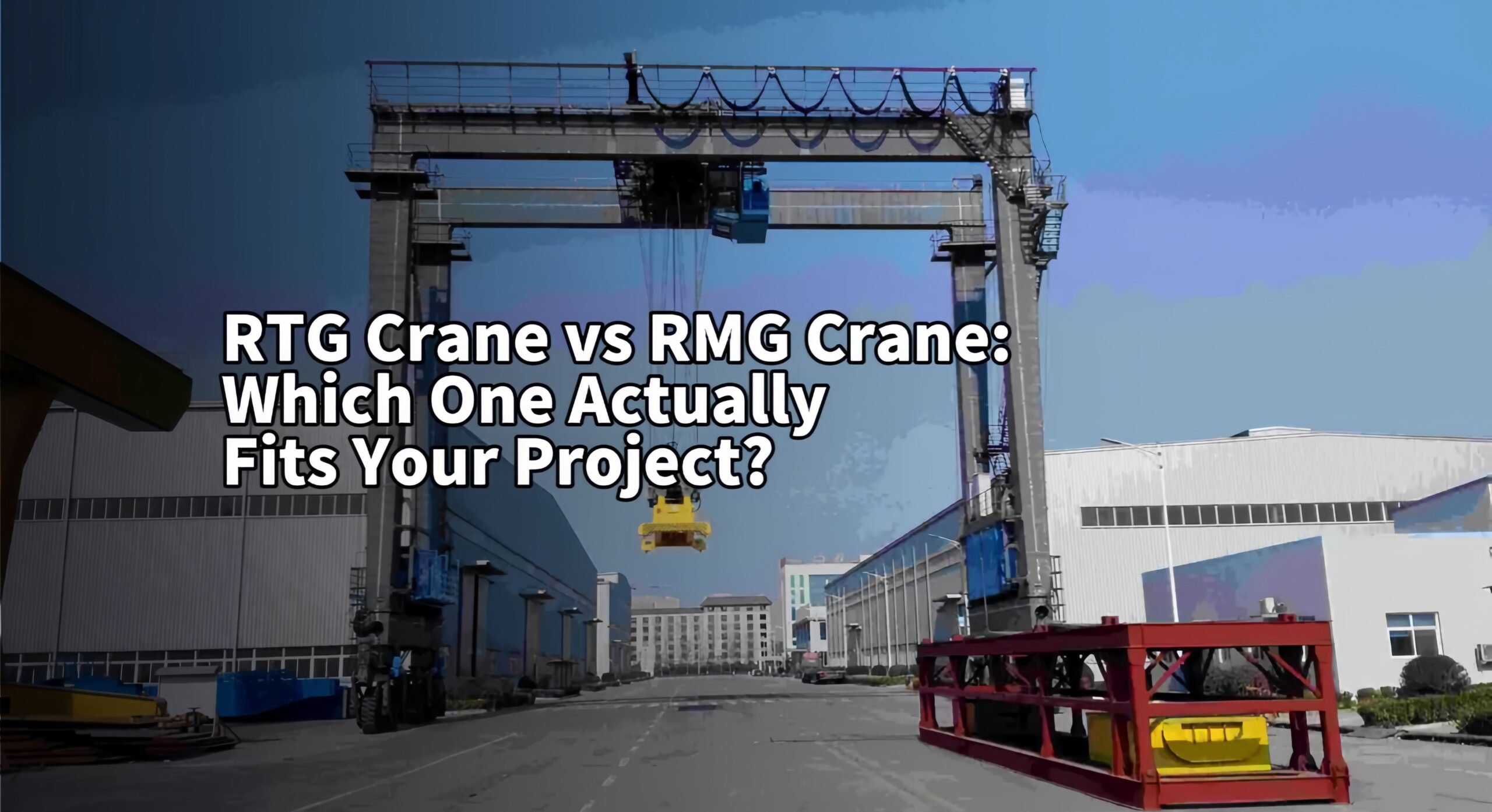
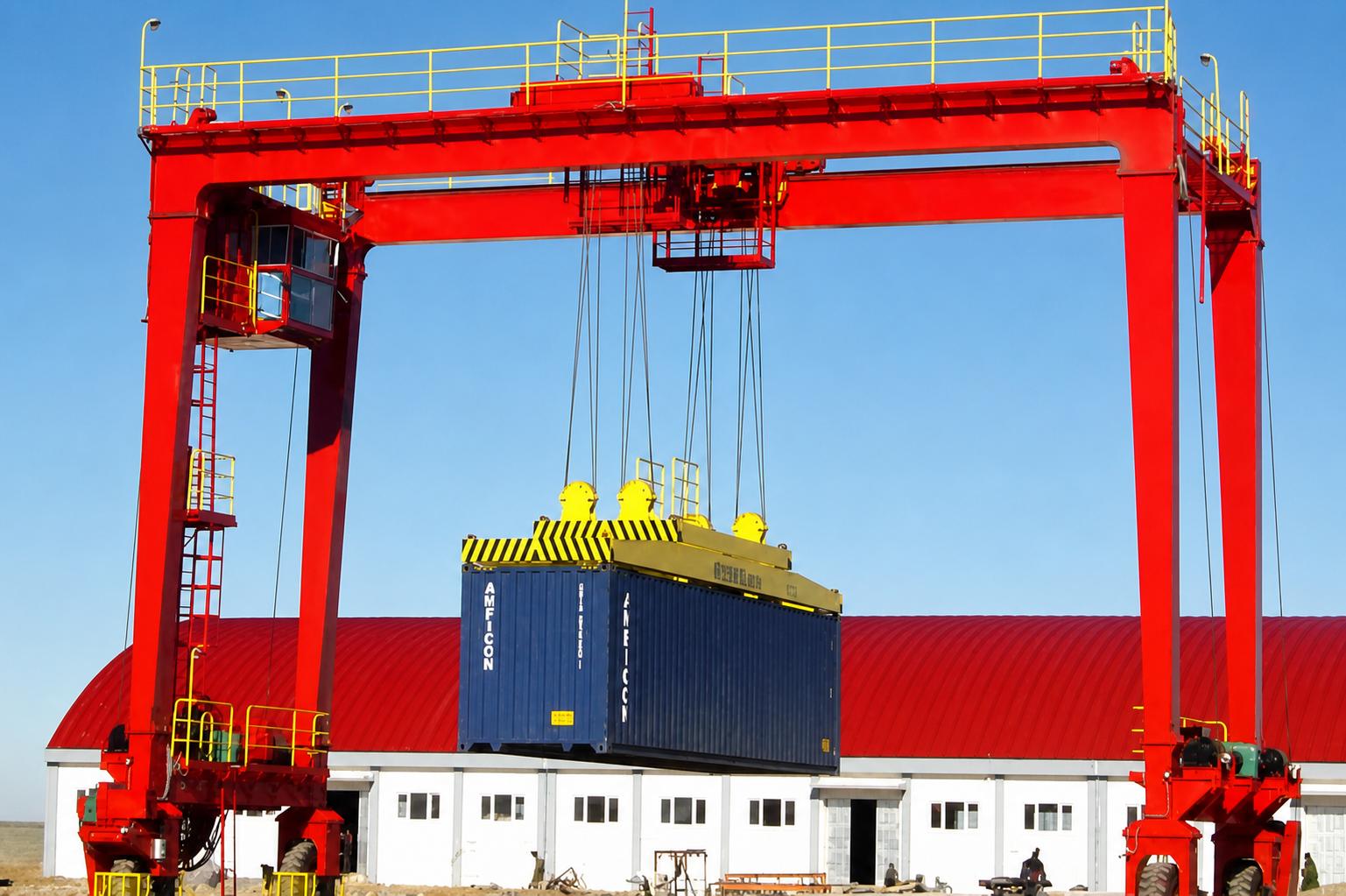
RTG is a wheeled mobile container gantry crane, mainly engaged in 20/40–foot standard container loading, unloading, stacking and transshipment, relying on rubber tires to walk, can be freely shifted in the hardened yard, and can normally cover 5-8 rows of container + truck passages, suitable for flexible and dynamic logistics operation scenarios.
Core parameters
- The rated lifting capacity of the equipment covers 35-70 tons, supports high–rise container stacking operations from 1 stack of 5 to 1 stack of 6, and the vertical space utilization rate of the yard is extremely high.;
- The standard operating span is 23-26 meters, which can meet the span requirements of multiple rows of containers and passages.The whole machine is equipped with 4-8 sets of special rubber tires and a professional steering system, which is stable in walking, flexible in handling, and extremely adaptable to the site.
- The power system includes three mainstream solutions: diesel, oil-electric hybrid, and pure electric, which can be adapted to different operating intensities, budget requirements, and environmental compliance requirements.
Core advantage
- Low-cost site adaptation: there is no need to lay a fixed track, which greatly reduces the initial infrastructure investment, while supporting the flexible transformation, layout adjustment and phased expansion of the yard to adapt to the dynamic development needs of the logistics hub.
- High site utilization efficiency: it supports high-rise container stacking operations and has a high stacking density, which can fully tap the potential of the vertical space of the yard and effectively increase the throughput per unit area of the yard.
- Universal adaptation for multiple scenarios: it can be fully adapted to 20/40-foot standard container loading, unloading, stacking, and transshipment operations, supports customized exclusive accessories, and is compatible with all kinds of heavy-duty non-standard cargo operations, and has strong scene compatibility.
- Flexible operation ability: relying on the tire-type mobile structure, the operating range is flexible and adjustable, and the operation can be freely shifted according to the distribution of cargo flow, which perfectly matches the diversified and flexible operation model of modern logistics hubs.
How Much Does an RTG Crane Cost?
RTG is a highly customized heavy-duty lifting equipment. The pricing of the whole machine is affected by multiple factors such as specifications, power type, automation configuration and brand quality, and the price range of the new machine has a great span.Although the procurement threshold for second-hand refurbished RTG equipment is lower, the failure rate and maintenance costs are higher in the later stage, and the overall cost performance is obviously short.
- Small and medium-sized basic RTG (20-40 tons): the price range is$80,000–$400,000.This model has a streamlined configuration and excellent cost performance. It focuses on lightweight container operations, and is perfectly adapted to the low-frequency and small-throughput operation scenarios of small inland logistics depots and small and medium-sized freight depots.
- The main port standard RTG (40-60 tons): the price range is$700,000–22,000,000, and the average transaction price of the mainstream market is concentrated at$1,000,000–$2,000,000.As a standard model for logistics hubs and medium-sized ports, the equipment has stable performance and complete functions, which can meet the needs of normalized, medium and high-intensity container turnover operations.
- Heavy-duty fully automatic RTG (over 60 tons): the price is$1,200,000–$4,000,000 and above.The equipment is equipped with a high-end intelligent control system and a heavy-duty configuration, which is suitable for large-scale deep-water terminals and high-throughput specialized logistics hubs, and can realize efficient, automated and high-density container stacking and transshipment operations.
- Additional fixed expenses: RTG tires are replaced in a full set every 2-3 years, at a cost of$150,000–$200,000.Steel, supply chain and environmental protection policies will affect the final quotation in real time, and precise prices need to be customized for inquiry.
Key Factors Affecting Rubber Tyred Gantry Crane Price
RTG gantry cranes are customized special equipment, and the price has no fixed standard. They are affected by multiple core variables and the project is greatly differentiated.The following are the core pricing factors sorted from high to low by influence weight, and they are also the key basis for procurement inquiry and price comparison.:
- Lifting specifications (core decisive factors): The rated lifting weight, operating span, and stacking height directly determine the material specifications of the steel structure of the whole machine, the strength design of the fuselage, and the grade of the core supporting components. It is the core benchmark for the basic cost of RTG. The larger the parameter, the higher the cost of the whole machine.
- Power system solution: The cost of different power versions is inversely different from the operation and maintenance cost. The procurement cost is sorted by: diesel < oil-electric hybrid < pure electric E-RTG.The purchase premium of pure electric motor type is 30%-50%, but the energy consumption is lower, the operation and maintenance pressure is less, and the long-term comprehensive economic advantages are outstanding.
- Intelligent and automated configuration: Basic manual models are the most cost-effective, with intelligent functions such as GPS automatic walking, intelligent anti-shake, remote control, automatic stacking, and intelligent anti-collision. The procurement cost of the whole machine will rise by 30%-45%, greatly improving operational efficiency and labor utilization.
- Brand and origin technology: Kony, Liebherr and other international first-line brands rely on mature technology, stable quality and perfect after-sales service, and the pricing is high; the price of domestic high-quality models with the same configuration can be reduced by 30%-60%, which is suitable for domestic logistics hubs to reduce the cost of procurement needs, and the cost-effective advantage is significant.
- Personalized customization requirements: For customized retrofits such as coastal anticorrosion, extreme high and low temperature conditions, non–standard operating spans, exclusive operating accessories, and special safety standards, additional costs will be incurred. The premium range for a single customization is$50,000-$200,000, depending on the complexity of the transformation. Fluctuate.
- Operating condition level: FEM A6–A8 high-working-level heavy-duty models suitable for 24-hour high-intensity operations are fully upgraded in terms of structural strength, component wear resistance, and overall machine stability, and the cost is significantly higher than that of conventional light-load operating models.
- Core accessories and market conditions: the brand selection of core accessories such as engines, electronic control systems, hydraulic components, annual steel raw material price fluctuations, the global supply chain situation and industry environmental protection policies will indirectly affect the RTG terminal price.
RTG Crane Operating Costs: Beyond the Purchase Price
The service life of RTG is 15-20 years, and the long-term operating cost is generally higher than the purchase price of the equipment, which is the core consideration in the selection.
Energy consumption cost
Energy consumption is the largest variable cost of RTG operations, and the economics of different power models vary significantly.Based on the standard operating conditions of 4,000 hours of annual operation, the annual fuel cost of traditional diesel RTG is about$72,000, and the operating cost stability is poor due to fluctuations in oil prices.
The hybrid RTG is equipped with an energy recovery system, and the fuel saving rate of a single operation can reach 87%, which greatly reduces fuel consumption.The energy-saving advantages of pure electric E-RTG are the most obvious. Compared with diesel-powered models, the energy consumption cost is reduced by 50%-70%, and the annual electricity cost is only about$32,000.Electricity prices are stable and non-fluctuating, and they are more suitable for the long-term normalized operation of logistics hubs.
Maintenance cost
The power type is the core watershed of RTG maintenance costs.Diesel RTG has a complex structure and many wearing parts. The engine, fuel and hydraulic systems require frequent maintenance and repair, with a high failure rate and high long-term maintenance expenses.
The mechanical structure of pure electric RTG is streamlined, there are no vulnerable parts related to the internal combustion engine, the motor and the electronic control system are more stable, and the annual maintenance cost is 30%-50% lower than that of diesel engine models, which effectively reduces the loss of spare parts, labor and downtime, and has outstanding cost-effective advantages for long-term operation and maintenance.
Fixed consumables and hidden operating costs
Tire loss is the exclusive high-frequency rigidity cost of RTG.Affected by load, site friction and climate, the entire set of tires needs to be replaced every 2-3 years. The cost of a single replacement is$150,000–$200,000, which is a fixed large expenditure for long–term operations.
In addition, RTG operations also cover hidden costs such as labor training, equipment insurance, spare parts replacement, downtime and loss, and exhaust gas compliance management, with high long-term cumulative expenses.
Core conclusion: Hybrid and pure electric RTG procurement and infrastructure costs are higher, but energy consumption, maintenance, and consumables costs are lower.Under conventional operation scenarios, the equipment premium can be returned to the cost in 3-5 years, and the remaining service cycle can be sustainably reduced. It is the best solution for long–term compliance, quality improvement and efficiency of logistics hubs.
How to Choose the Right RTG Crane for a Logistics Hub
RTG selection needs to be based on the actual working conditions of the site, with the core principles of adapting to operating requirements, optimizing the full cycle cost, and reserving intelligent upgrade space, taking into account the current practicality and future expansion.The specific selection steps are as follows:
- Clarify operating conditions and production capacity requirements: combine the annual container throughput of the site, mainstream box specifications, rated stacking height and other core indicators, accurately match the basic lifting parameters of the equipment, and eliminate the problem of excess parameters or insufficient performance.
- Match the site environment and infrastructure conditions: according to the load-bearing standards of the site, regional climatic conditions, overall layout planning and long-term expansion requirements, determine the operating span of the equipment, anti-corrosion protection level, tire configuration and walking adaptation plan.
- Lock in standardized core technical parameters: for mainstream logistics hub operation scenarios, priority is given to the rated lifting weight of 35-65 tons, the standard span of 23-26 meters, the stacking capacity of 1+5/1+6 layers, and the professional configuration of FEM A6–A8 high work level, which is suitable for normalized high–intensity operations.
- Scientific selection of power system solutions: diesel power is preferred for stations with limited short-term budgets and low operating frequencies; the pursuit of a balance between cost and energy saving is adapted to hybrid models; long-term large-scale, high-frequency operation of logistics hubs, priority is given to the deployment of energy-saving and cost-reducing pure electric E-RTG equipment.
- Intelligent configuration is matched on demand: small and medium-sized conventional stations are adapted to semi-automatic control systems to meet the needs of basic operations; large-scale high-throughput hubs can be upgraded with fully automatic operations, remote operation and maintenance, and intelligent control systems to greatly improve operation efficiency and automation level.
- Comprehensive evaluation of after-sales system and full-cycle costs: procurement selection abandons simple low-cost thinking, and gives priority to high-quality manufacturers with perfect after-sales system, adequate supply of spare parts, and support for iterative equipment upgrades. Focus on the cost-effective performance of the whole life cycle of the equipment to maximize the return on investment.
Questions to Ask Before Buying an RTG Crane
RTG is a high-value customized equipment, and poor procurement information can easily lead to risks such as inconsistent configuration, invisible price increases, after-sales delays, and delivery delays.Before purchasing, it is necessary to verify the manufacturer's plan from the five core dimensions to avoid hidden procurement risks, ensure the cost performance and long-term stability of the equipment, and streamline the inquiry. The main points are as follows:
- Adaptation of working conditions and parameter customization: check whether the tonnage, span, stacking height, and working level of the equipment match the working conditions of the station; clarify the non-standard customization plan, construction period and cost, and eliminate inefficient and wasteful low-configuration parameters and high-configuration.
- Quotation details and full-cycle TCO: Request itemized landing quotations, clarify all costs such as bare metal, installation, and optional configuration, and eliminate invisible price increases; simultaneously verify long-term operation and maintenance costs such as energy consumption, maintenance, tire replacement, and spare parts, and take the whole life cycle cost as the core basis for procurement.
- Power plan and compliance: combine site power supply, operating intensity, and environmental protection policies to match the optimal power model; verify equipment energy consumption, emissions, and noise indicators to ensure full compliance with local compliance standards.
- Intelligent configuration and upgrade potential: distinguish between standard configuration of intelligent functions and optional charging standards; confirm the feasibility and cost of equipment automation iteration, TOS system docking, and functional upgrade to ensure the long-term availability of equipment.
- Manufacturer qualification and delivery after-sales: verify the manufacturer's similar project cases and industry qualifications; clarify the quality assurance policy, the timeliness of local after-sales response, training services, and spare parts cycle; lock in the production delivery cycle and extension guarantee terms to ensure the smooth commissioning of the project.
Why Choose an Experienced RTG Crane Manufacturer?
- Mature technology and working condition adaptation ability: Senior manufacturers have a large number of domestic and foreign project landing experience, and the technical system is mature. They can provide customized adaptation solutions for different site working conditions, climatic environment, and operating intensity, effectively avoiding non-standard site adaptation defects, and the equipment has stronger operating stability.
- Improve after-sales and reduce downtime losses: it has a standardized and localized after-sales system, adequate spare parts inventory and rapid response service capabilities, and can deal with equipment failures and maintenance issues in a timely manner, minimize equipment downtime and missed work losses, and ensure continuous and efficient operation of the site.
- Excellent equipment performance and durability: the whole machine has excellent technology, reliable quality of core accessories, better energy consumption control of the equipment, wear resistance and manufacturing resistance, longer service life, and can be adapted to long-term high-intensity normalization operations, greatly reducing iterative replacement costs.
- Sustainable upgrading and expansion capabilities: the original equipment reserves intelligent and electrified upgrade interfaces, supports later automation transformation, iteration of electronic control systems, and docking of TOS systems, and can continuously optimize equipment performance and extend equipment life cycles following the development of logistics hubs.
- Compliance and safety, higher long-term price ratio: the equipment strictly follows industry safety and environmental protection compliance standards, and the safety protection system is perfect, which can avoid the risk of compliance penalties; comprehensive energy consumption, maintenance, failure rate, upgrade potential and other dimensions, the whole life cycle TCO is far superior to niche low-cost equipment.
Conclusion
RTG procurement should focus on the cost performance of the whole life cycle, rather than just focusing on the price of a stand-alone machine.Stations need to choose models according to the operating volume, site conditions and upgrade planning: small and medium-sized stations are preferably cost-effective, stable and durable basic models, and large logistics hubs are adapted to hybrid, pure electric and intelligent automation RTG to achieve cost reduction, efficiency and sustainable expansion.Equipment quality and original factory service are the key to long-term efficient operation.
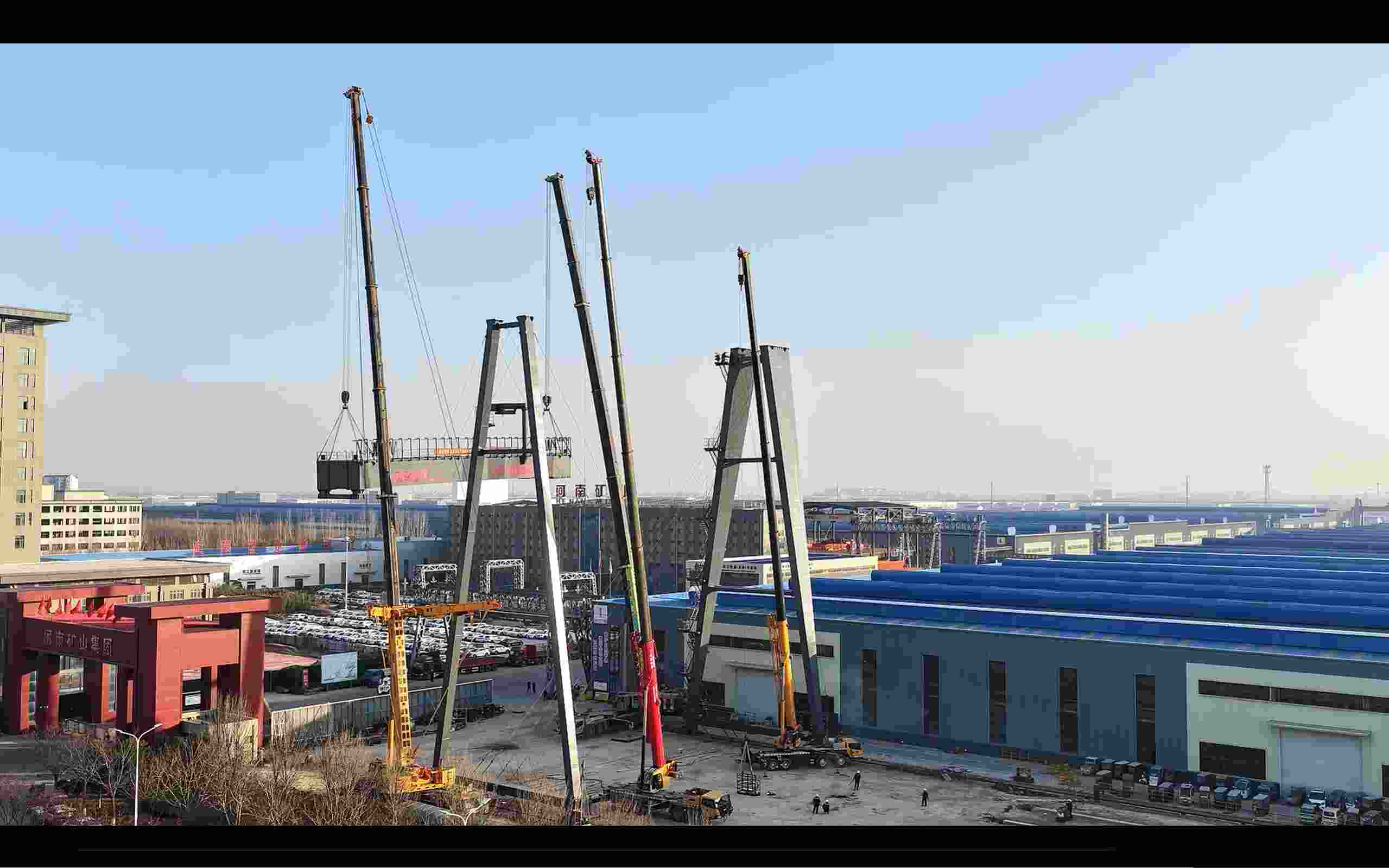
Henan Mine Crane specializes in R&D and manufacturing RTG/RMG gantry cranes for logistics, and can provide standardized and customized intelligent lifting solutions.With mature technology, rich landing experience and a sound after-sales system, it can provide highly adaptable equipment for ports, inland hubs, and container depots, effectively improving operational efficiency, reducing operation and maintenance costs, and maximizing customer return on investment.