
Custom Gantry Crane Solutions How To Design The Right System For Your Needs
In the fields of industrial production, port loading and unloading, heavy manufacturing, etc., gantry cranes are the core lifting equipment, and their adaptability directly determines operating efficiency, production safety and operating costs.Standardized gantry cranes are often difficult to meet the needs of special working conditions, complex sites, and personalized operations, while customized gantry crane solutions can accurately match the pain points of various scenarios to achieve a high degree of compatibility between equipment performance and production needs.This article will comprehensively explain the design logic of customized gantry crane systems to help enterprises create efficient, safe and adaptable lifting equipment.
Why Custom Gantry Crane Solutions Are Needed For Industrial Applications
Adapt to special working conditions and site restrictions
Industrial application scenarios vary widely, and there are significant differences in site conditions and operating environments in different industries and factories.For example, lifting operations in narrow workshops need to control the horizontal size of the equipment, Henan Mine Crane Factory supply gantry cranes in ports and docks need to withstand salt spray corrosion and strong winds, and high-temperature smelting workshops require equipment to have high temperature resistance.The fixed parameters of standardized gantry cranes are difficult to cover these special needs, and the customized design can optimize the structure and configuration of the equipment according to factors such as site size, environmental conditions, and working space to ensure that the equipment operates efficiently in a limited space while adapting to the operating requirements of extreme environments.
Improve operational efficiency and production flexibility
Customized gantry cranes can be specially designed in combination with the production process, cargo type, lifting weight and operating frequency of the enterprise.For mass production scenarios, the lifting speed and operating speed can be optimized, and the operating cycle can be shortened.For hoisting multi-category goods, it can be equipped with replaceable spreaders and precise positioning systems to improve hoisting accuracy and flexibility.Compared with standardized equipment, customized gantry cranes can reduce invalid operating time, reduce labor intervention costs, help enterprises optimize and upgrade production processes, and improve overall production efficiency.
Ensure job safety and reduce long-term costs
The safety risks of industrial lifting operations cannot be ignored. Customized design can strengthen safety protection measures for specific working conditions, such as the addition of anti-collision systems, overload protection devices, emergency braking systems, etc., to minimize the incidence of safety accidents.At the same time, customized gantry cranes can rationally configure performance parameters according to the actual needs of the enterprise, avoid the waste of resources caused by the “overuse” of standardized equipment, reduce the late maintenance costs and energy consumption of the equipment, and from the perspective of long-term operation, it can effectively reduce the comprehensive cost investment of the enterprise.
How To Define Your Gantry Crane Requirements Before Design
Clarify the core operating parameters
Before designing a customized gantry crane, it is necessary to accurately sort out the core operating parameters, which is the basis of equipment design.First of all, the rated lifting weight must be determined, which must cover the weight of the cargo, the weight of the spreader and the dynamic load coefficient. The dynamic load coefficient is usually 1.1~1.25 times to avoid the equipment unable to operate normally due to insufficient lifting weight, or the parameters are too large to cause cost waste.Secondly, it is necessary to clarify the spatial parameters such as lifting height, span, and operating length, and determine it in combination with the site layout of the factory, the height of cargo stacking, and the coverage of the operation.At the same time, efficiency parameters such as job frequency, single job duration, lifting speed and operating speed need to be counted to ensure that equipment performance matches the production rhythm.
Evaluate the operating environment and site conditions
A comprehensive evaluation of the operating environment is a key part of custom design.Indoor operations need to pay attention to the clearance height of the workshop, the load-bearing capacity of the ground, and the installation conditions of the track to avoid the collision between the equipment and the workshop structure.For outdoor operations, factors such as wind speed, rainfall, temperature changes, and corrosive media need to be considered, and anticorrosive, windproof, and weather-resistant materials should be selected in a targeted manner.In addition, it is necessary to analyze the distribution of obstacles and the flow of personnel in the operating area to provide a basis for the layout of equipment and the design of safety protection.
Sort out special functional requirements
Combine the production characteristics of the enterprise to sort out whether there are special functional requirements.For example, precision assembly scenarios require high-precision positioning functions, which can be equipped with frequency conversion speed control systems and precision positioning devices.Explosion-proof electrical components and explosion-proof spreaders are required for flammable and explosive environments.For scenes that require remote control, a wireless remote control system and remote monitoring functions can be configured.At the same time, it is also necessary to consider the adaptability of the type of spreader (such as hooks, electromagnetic suction cups, clamps, etc.) to ensure that the spreader matches the type of cargo and improves the efficiency and safety of hoisting.
Selecting The Right Gantry Crane Structure And Configuration
Selection of single-beam and double-beam structures
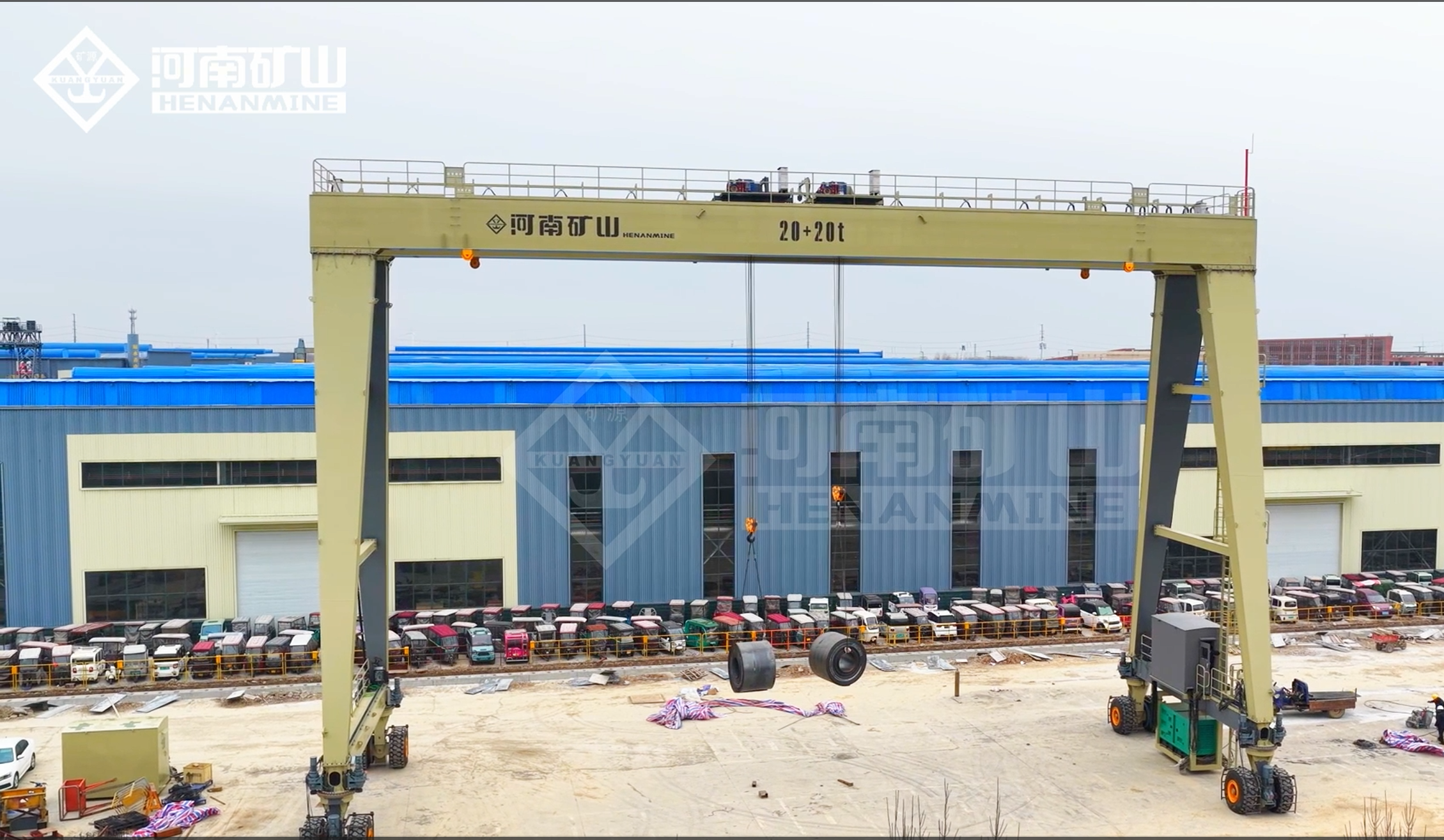
The structure of the gantry crane is mainly divided into two types: single beam and double beam, which need to be reasonably selected according to the lifting weight, span and operating scenario.The single-beam gantry crane has a simple structure, light weight and low cost. It is suitable for small and medium-sized lifting weights, lifting weights are usually ≤20 tons, small spans, and low operating frequencies, such as cargo hoisting in small workshops and warehouses.The double-beam gantry crane has strong carrying capacity, good stability, and a wide span range, with a span of more than 50 meters. It is suitable for scenarios with large lifting weight, high operating frequency, and high precision requirements, such as heavy-duty manufacturing, port loading and unloading, and large-scale equipment assembly.
Adaptation design in the form of outriggers
The form of outriggers directly affects the stability of the Henan Mine Crane Factory supply gantry crane and the adaptability of the site. The common forms of outriggers are L-shaped, C-shaped, A-shaped, and U-shaped.The L-shaped outriggers have a compact structure and are suitable for narrow sites or scenes that require work close to the wall.The C-type outriggers can realize the lateral entry and exit of goods, and are suitable for multi-span operation scenarios in the workshop.Type A outriggers have strong stability and are suitable for outdoor scenes with large spans and large lifting weights.The U-shaped legs have both stability and space utilization, and are suitable for all kinds of medium-sized operation scenarios.When customizing the design, it is necessary to choose the appropriate outrigger form based on the layout of the site and the way in and out of the goods.
Configuration of track and operating system
The track and operation system are the guarantee for the smooth operation of the gantry crane.Track selection needs to be determined according to the total weight of the equipment, operating speed, and ground load-bearing capacity. Common track types include light rail, heavy rail, etc. At the same time, it is necessary to ensure that the track is installed flat and firmly fixed to avoid offset during operation.The operating system can be divided into electric operation and manual operation. In industrial scenarios, electric operation is mostly used and equipped with frequency conversion speed regulating motors to achieve smooth start, stop and speed regulation, reduce shaking during operation, and improve job safety and comfort.
Key Factors That Affect Custom Gantry Crane Design
Load characteristics and operating frequency
Load characteristics are the core factors affecting custom design. In addition to the rated lifting weight, the eccentricity of the load and the impact load need to be considered.If the center of gravity of the cargo is offset, the main beam and outrigger structure need to be optimized to enhance the anti-bias load capacity of the equipment.If there is an impact load during the operation, materials with better toughness need to be selected to strengthen the impact resistance of the equipment.The operating frequency determines the working level of the equipment. In high-frequency operating scenarios, higher-level parts and components need to be selected to improve the durability and reliability of the equipment.
Site space and environmental conditions
The size and shape of the site space directly limit the structural size and layout of the gantry crane.For example, a low-rise workshop needs to reduce the overall height of the equipment and adopt a compact design.Irregular venues need to be customized in the form of non-standard spans or outriggers.Environmental conditions such as high temperature, low temperature, corrosion, dust, etc. will affect the selection and protection design of equipment materials.High-temperature-resistant steel and thermal insulation components need to be selected for high-temperature environments, and anticorrosive treatment is required for corrosive environments. Common anticorrosive treatment methods include hot-dip galvanized, spraying anticorrosive paint, etc., and dust environments need to strengthen the sealing protection of electrical components.
Safety standards and compliance requirements
Customized gantry crane design must strictly follow international general safety standards, such as ISO 10368 lifting machinery safety regulations, FEM 1.001 general technical conditions for gantry cranes, etc.The design process needs to fully consider the configuration of safety protection devices, such as lifting height limiters, operating limiters, overload protectors, anti-fall devices, emergency stop buttons, etc., to ensure that the equipment meets international compliance requirements and avoids safety risks.At the same time, it is also necessary to consider the maintainability of the equipment, design a structure that is easy to overhaul and replace parts, reduce the difficulty of late maintenance, and adapt to the use and maintenance needs of different regions of the world.
Integrating Safety Features And Advanced Control Systems
Configuration of core safety protection devices
Safety is the primary principle of customized gantry crane design, and multiple safety guards need to be integrated.In addition to the basic limit and protection devices, an anti-collision system can also be added according to demand. The system detects obstacles through sensors and can automatically slow down or stop operation. The anemometer can monitor the wind speed in real time and issue an alarm and lock the equipment when it exceeds the standard. The emergency braking system can brake quickly in an emergency to prevent the cargo from falling, and the sound and light alarm device can issue a warning during operation to remind surrounding personnel to avoid.For high-risk operation scenarios, it can also be equipped with a remote monitoring system to monitor the operating status of the equipment in real time and detect and deal with abnormal conditions in time.
Application of advanced control system
The advanced control system can improve the operating accuracy and intelligence of the gantry crane.The commonly used control systems are frequency conversion speed control system, PLC control system, wireless remote control system, etc.The frequency conversion speed control system can realize stepless adjustment of lifting and operating speed to ensure smooth operation and reduce cargo shaking.The PLC control system can realize automatic control of equipment, such as automatic positioning and automatic cycle operation, to improve operation efficiency.The wireless remote control system makes it easy for operators to flexibly control the equipment, stay away from dangerous operating areas, and improve operating safety.Some high-end customized gantry cranes can also integrate Internet of Things technology to realize remote transmission and analysis of equipment operation data, and provide data support for equipment maintenance and production optimization.
Custom Gantry Crane Solutions For Different Industries
Manufacturing sector
In the manufacturing industry, customized gantry cranes are mainly used for the assembly, handling and storage of heavy parts in the workshop.For automobile manufacturing, machining and other industries, single-beam or double-beam gantry cranes with medium and small lifting weights and high-precision positioning can be customized, equipped with special spreaders to achieve precise hoisting of precision components such as engines and machine tool beds.For the heavy-duty equipment manufacturing industry, double-beam gantry cranes with large lifting weights and long spans can be customized to meet the operational needs of large-scale equipment assembly. At the same time, automated control systems can be integrated to improve assembly efficiency.

Port and logistics field
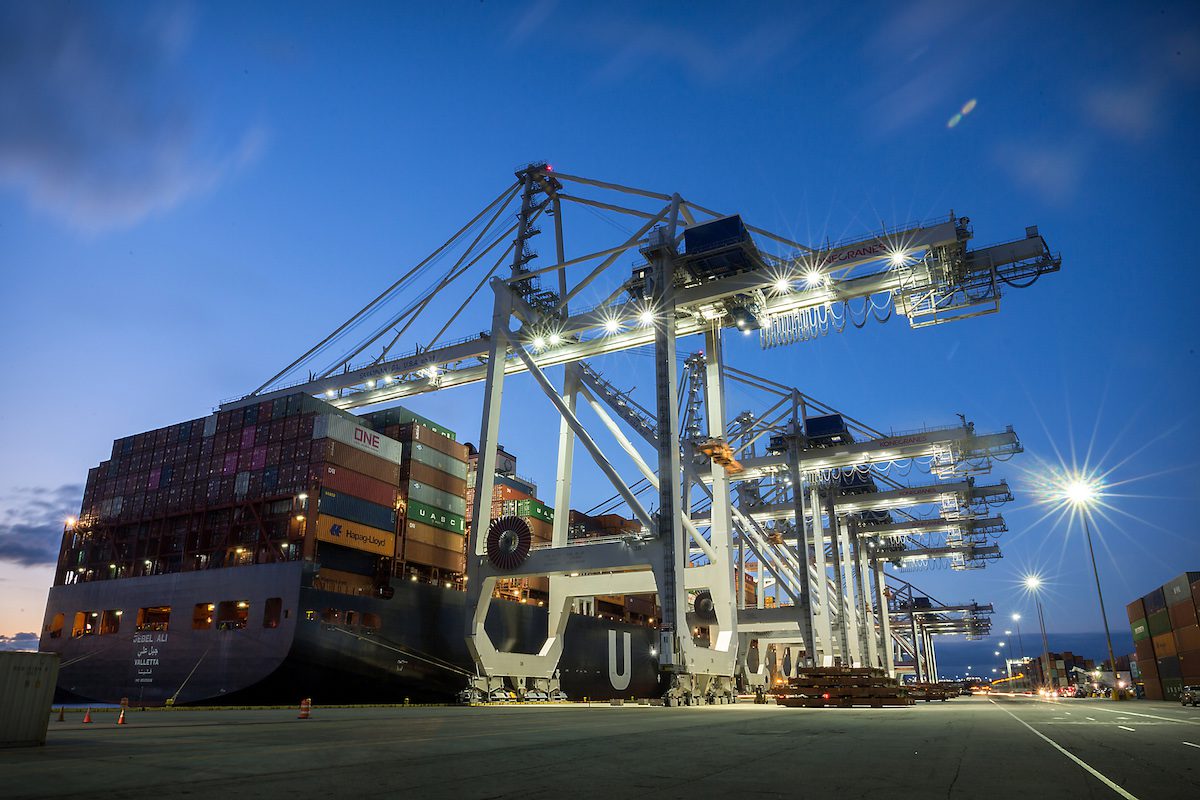
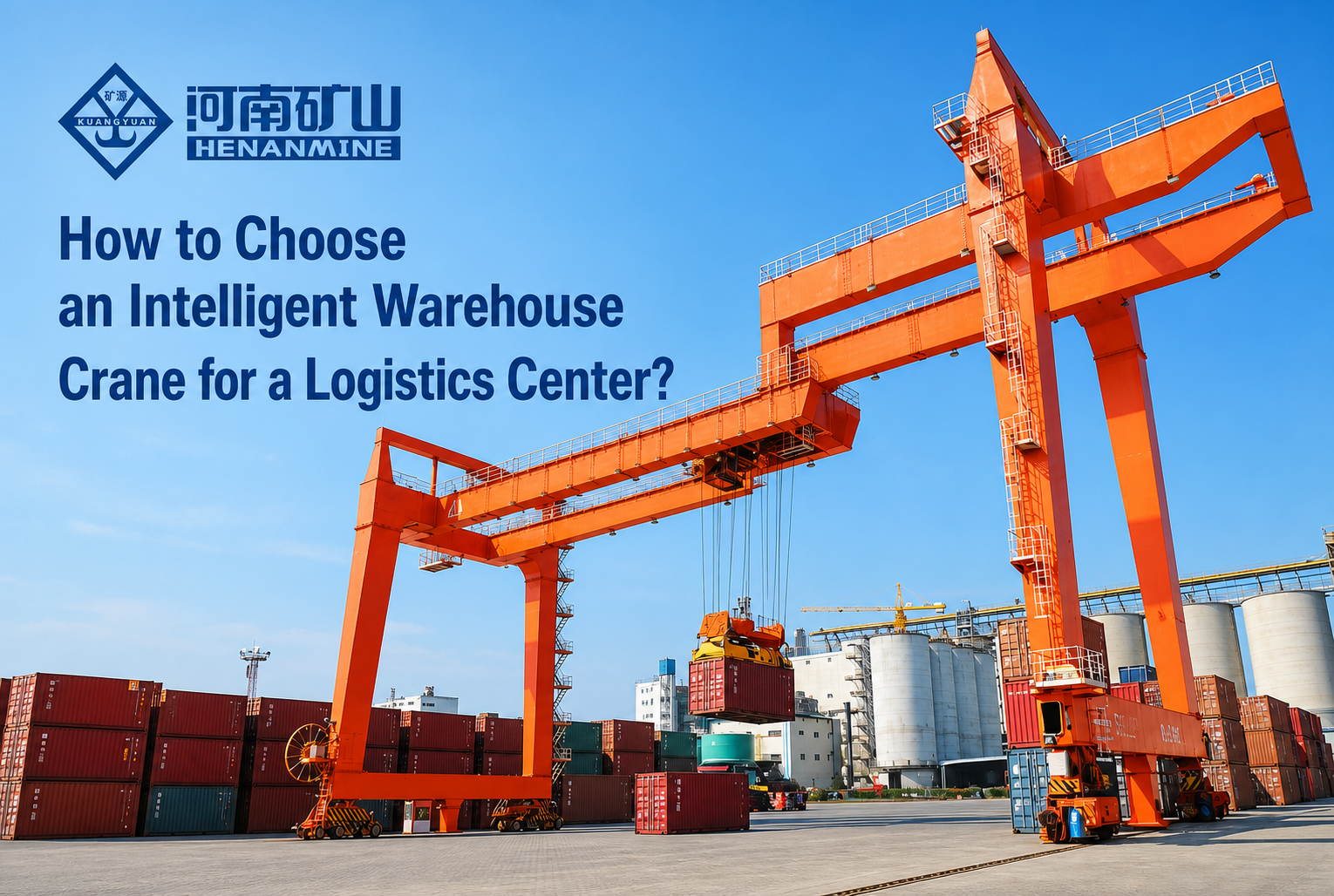
Gantry cranes in the field of ports and logistics need to adapt to the outdoor and open-air operating environment and have strong windproof, anticorrosive and weatherproof properties.For container loading and unloading scenarios, double-beam gantry cranes with long spans and high lifting heights can be customized, equipped with special spreaders for containers, to achieve rapid loading, unloading and stacking of containers.For bulk cargo loading and unloading scenarios, gantry cranes equipped with grab can be customized to improve the efficiency of bulk cargo loading and unloading.At the same time, the port gantry crane can integrate an intelligent dispatching system to realize the collaborative operation of multiple equipment and optimize the port logistics process.
Construction and bridge engineering
In construction and bridge engineering, customized gantry cranes are mainly used for hoisting large components, such as bridge box girders and steel structure components.Such scenarios have extremely high requirements for the lifting weight, span, and stability of gantry cranes. Gantry cranes with large lifting weight and double-beam structure usually need to be customized, equipped with special hoisting beams and fixing devices to ensure the safety and stability of large-scale components during hoisting.At the same time, according to the site conditions of the construction site, the outrigger form and operating system of the equipment can be optimized to adapt to the complex construction environment.
How A Professional Crane Manufacturer Develops A Custom System
Demand research and program planning
When professional crane manufacturers develop customized gantry crane systems, they will first conduct a comprehensive demand survey to gain an in-depth understanding of the company's operating scenarios, core requirements, site conditions and compliance requirements.Through on-site investigation, communication with enterprise technical personnel, etc., sort out a detailed list of requirements, and then organize a professional and technical team to carry out plan planning, initially determine the structure, performance parameters, safety configuration and cost budget of the equipment, and form a preliminary customized plan for the enterprise to review.
Design and simulation verification
After the plan is approved, the manufacturer will carry out detailed design work, including structural design, electrical design, hydraulic system design, etc., and strictly follow relevant safety standards and technical specifications.During the design process, professional simulation software will be used to simulate and verify the structural strength, stability, and operating performance of the equipment, simulate the operating status of the equipment under different working conditions, and find and optimize potential problems in the design in time to ensure the rationality and reliability of the equipment design.
Manufacturing and quality inspection
After the design plan is determined, the manufacturer will start the manufacturing process, select high-quality raw materials and parts, and produce in strict accordance with the design drawings and process requirements.In the production process, a strict quality control system will be established to conduct quality inspections on all aspects of raw material procurement, parts processing, equipment assembly, etc. to ensure that every aspect meets quality standards.After the equipment is assembled, a comprehensive factory inspection will be carried out, including no-load test, rated load test, safety device test, etc., to ensure that the equipment performance is up to standard, safe and reliable.
Installation, commissioning and after-sales support
After the equipment leaves the factory, the manufacturer will arrange a professional installation team to go to the site for installation and commissioning to ensure that the equipment is firmly installed, runs smoothly, and the performance parameters meet the design requirements.At the same time, professional training will be conducted for enterprise operators to explain the operating specifications, safety precautions and daily maintenance methods of equipment.After the equipment is put into use, the manufacturer will also provide perfect after-sales support, including regular maintenance, fault repair, parts replacement, etc., to ensure the long-term stable operation of the equipment.
Cost Factors To Consider When Designing A Custom Gantry Crane
Equipment core configuration and material selection
The core configuration of equipment and material selection are the main factors affecting the cost of Henan Mine Crane Factory supply customized gantry cranes.The larger the parameters such as lifting weight, span, and lifting height, the larger the structural size and material usage of the equipment, and the higher the cost.The selection of high-end parts, such as imported motors, reducers, electrical components, etc., and high-quality steels, such as high-strength alloy steels, will improve the performance and durability of equipment, but it will also increase costs.In addition, special protection designs, such as anti-corrosion, explosion-proof, high temperature resistance, etc., will also bring additional cost investment.
Manufacturing and installation and commissioning costs
The process complexity and production cycle in the manufacturing process will affect the cost. The non-standard customized structure requires more complex processing technology, which increases the difficulty and cost of production.Installation and commissioning costs include on-site installation labor costs, transportation costs, commissioning costs, etc. If the working site conditions are complex and the installation is more difficult, the installation and commissioning costs will be increased accordingly.At the same time, if an enterprise needs to expedite production and installation, additional expedited costs may also be incurred.
Late maintenance and operating costs
When designing customized gantry cranes, later maintenance and operating costs also need to be considered.The durability and maintainability of the equipment directly affect the cost of late maintenance. The selection of parts with reliable quality and easy maintenance can reduce the frequency and cost of late maintenance.In addition, the energy consumption level of equipment will also affect operating costs. Optimizing the operating efficiency of equipment and selecting energy-saving motors can reduce energy consumption and reduce long-term operating costs.
Henan Mine Crane Factory Custom
Customized gantry crane solutions are the key to improving operational efficiency, ensuring operational safety, and adapting to special operating conditions in industrial applications.From clear requirements, selection and design, to integrating security systems and adapting to industry scenarios, every link needs to be accurately controlled.Choosing a professional Henan Mine Crane Factory crane manufacturer can not only ensure the rationality and reliability of equipment design, but also achieve a balance between cost and performance.For enterprises, customized gantry cranes are not only a lifting equipment, but also an important support for optimizing production processes and enhancing core competitiveness.In the actual design process, enterprises need to combine their own needs and fully communicate with manufacturers to create a customized gantry crane system that is most suitable for their own working conditions to achieve long-term stable and efficient operation.