
Outdoor Heavy Gantry Cranes for High-Speed Railway & Bridge Beam Lifting
In high-speed rail bridges, elevated rail transit, and large-scale road and bridge infrastructure projects, the hoisting, transshipment, and erection of heavy box girders are the core processes that determine the construction progress, engineering accuracy, and construction safety.With its independent floor-standing structure, long-span operating range, and heavy-duty stable performance, outdoor heavy-duty gantry cranes have become the core lifting equipment for prefabricated beam yards and open-air construction sites, and are also recognized in the industry as the preferred equipment for bridge construction gantry cranes and railway box girder hoisting cranes. Equipment.
This article will explain in detail the outdoor heavy-duty gantry cranes suitable for high-speed rail bridge construction from the full dimensions of equipment principle, core structure, construction application, parameter selection, safety specifications, operation and maintenance procurement, etc., and provide professional reference for infrastructure engineering equipment selection and on-site construction.
What Is an Outdoor Heavy Gantry Crane?
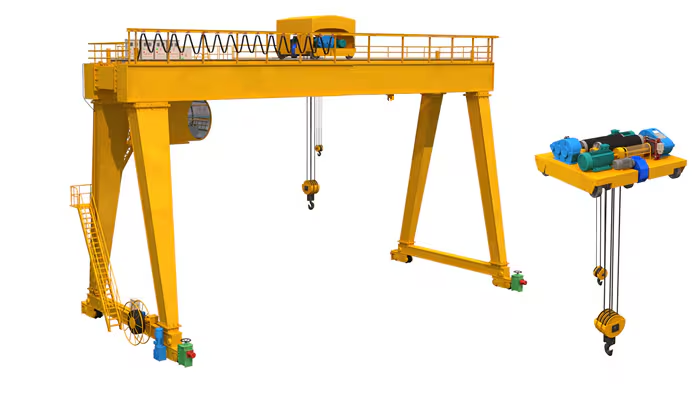
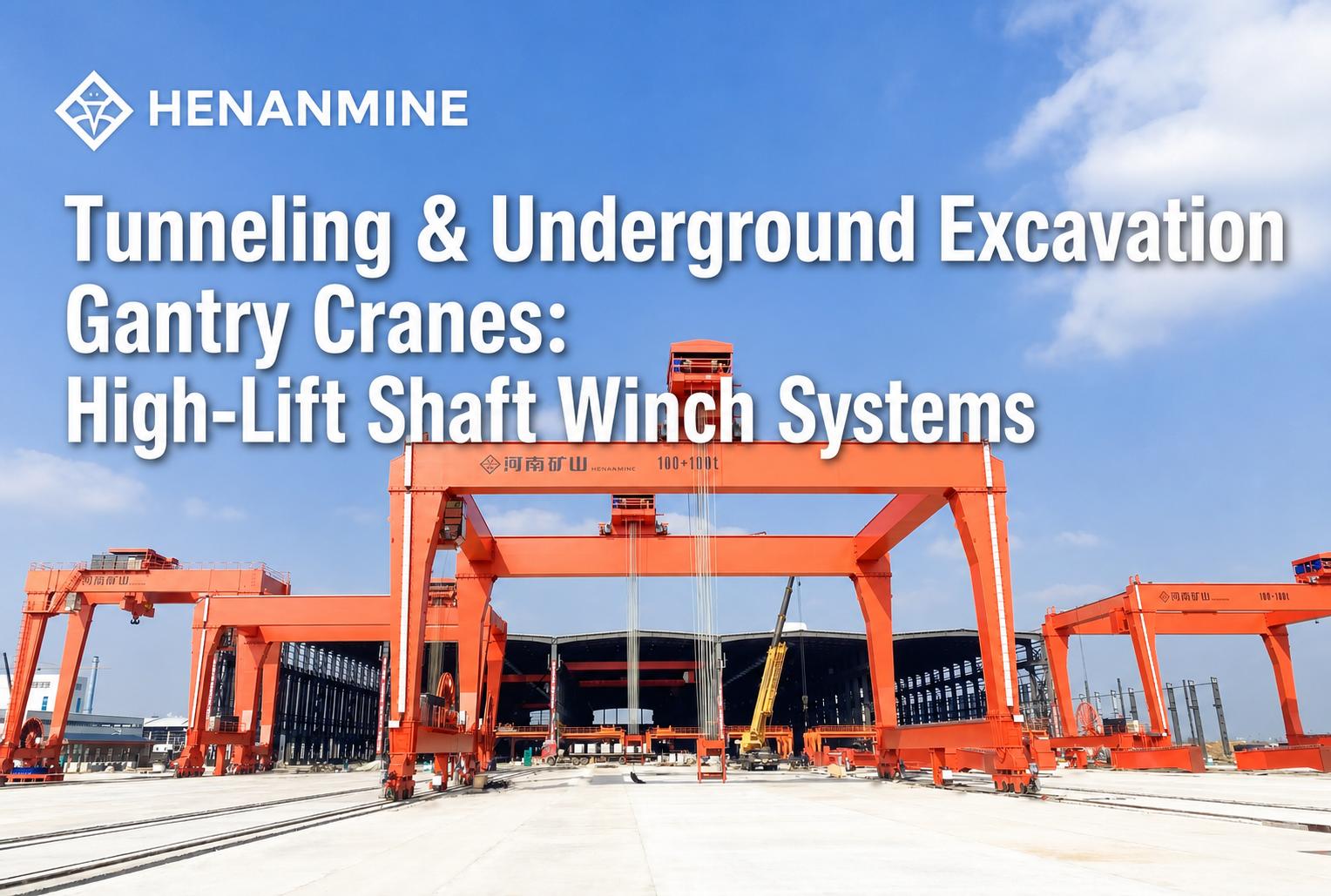
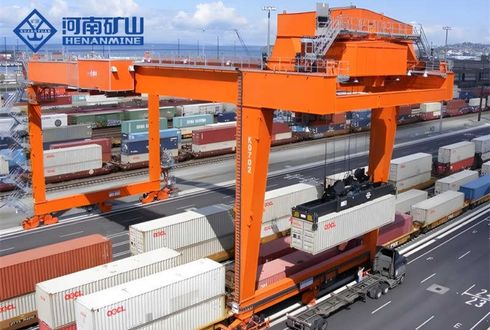
Outdoor heavy-duty gantry crane is a rail-type lifting equipment specially designed for open-air heavy-duty construction scenes. The core structure is a double-leg floor-standing gantry frame. The whole machine walks vertically along the ground track and is equipped with a lifting trolley that can be moved laterally. , Relying on the lifting mechanism to complete the vertical lifting of heavy objects.
Different from indoor lifting equipment, this equipment does not need to rely on the support of the plant building structure, and is completely independent of load-bearing. It has the characteristics of high site utilization, wide operating range, strong environmental adaptability and strong versatility. It is the core model of special gantry cranes for precast concrete box girders.
The equipment adopts the principle of three-axis linkage operation: the lifting mechanism is responsible for vertical hoisting, the lifting trolley completes the horizontal alignment, and the whole machine walks vertically along the track. Through three-dimensional collaborative action, the box girder is safely transported and accurately placed from prefabricated and stacked to the erection station.
Core components
The heavy-duty gantry crane adapted to the construction of high-speed rail bridges is a heavy-duty customized equipment, and the various components work together to ensure the stable operation under heavy-duty, high-frequency, and outdoor complex working conditions. The core components are as follows:
- Gantry outriggers and support structure: The layout of one rigid and one soft double outriggers can effectively offset the thermal expansion and contraction deformation of the main beam, adapt to the slight settlement of the ground, and continuously maintain the horizontal stability of the main beam, carrying hundreds of tons of box girder load, which is the core structure of the load-bearing of the whole machine.
- Main steel beam: Heavy-duty models mostly use box-shaped main beam structure, and some large-span equipment adopts assembled truss beams, which have extremely high structural stiffness and deformation resistance, so as to prevent the main beam from bending and shaking during heavy-duty hoisting, and meet the requirements of high-speed rail box girder millimeter-level erection accuracy.
- Lifting mechanism: equipped with an electric wire rope hoist lifting system, it supports simultaneous lifting of double lifting points, and can be configured according to the weight of the box girder. Single-unit heavy-duty lifting or dual-unit collaborative lifting scheme, suitable for 900 tons and above, large-tonnage prefabricated box girder hoisting operations.
- Trolley and walking mechanism: equipped with a frequency conversion deceleration drive walking system, it can realize the smooth start and stop of the trolley walking horizontally and the whole machine walking vertically. Short-distance operation can be used with the positioning of the anchoring traction device, effectively reducing the load shaking caused by long-distance walking. Problem.
- Electrical control system: adopts PLC programmable control system + frequency conversion speed regulation (VFD) technology to achieve stepless speed regulation of lifting, walking, and alignment, runs smoothly and without impact, supports real-time working condition monitoring and fault early warning, and is the core control system for precise construction.
- Safety limit protection device: A full set of safety devices such as overload limiter, stroke limit switch, anti-collision device, wind speed monitor, emergency braking system, etc. are standard to avoid the safety risks of outdoor heavy-duty hoisting in all directions.
Heavy gantry crane vs ordinary bridge crane
It is easy for many construction parties to confuse gantry cranes with bridge cranes. The core difference between the two lies in the support structure and applicable scenarios, which is also the key reason why gantry cranes are preferred for bridge infrastructure.:
The bridge crane relies on the installation of load-bearing rails on the roof and wall of the plant. It is an indoor fixed equipment and is only suitable for enclosed space operations such as workshops and factories. The installation requires the transformation of the building structure, which has a higher overall cost and strong scene limitations.
The outdoor gantry crane relies on its own outriggers to carry load on the ground, without relying on any building structure, the track is directly laid on the ground, and can be flexibly adapted to open-air beam yards and field construction sections. It is easy to install and disassemble, can be used repeatedly, and temporary infrastructure projects are more cost-effective.
At the same time, gantry cranes can adapt to complex outdoor sites such as gravel and hardened ground, and their wind, dust, and rainproof properties are more suitable for field construction environments.
Core advantage
The construction of high-speed rail and bridges is mainly open-air and open-air operations, and there are no enclosed buildings to rely on, and traditional indoor lifting equipment cannot meet the construction requirements.Outdoor heavy-duty gantry cranes are specially optimized for field infrastructure scenarios. They are just-needed equipment for open-air construction of railway bridges. The core adaptation advantages can be divided into three points.:
- Independent structure adapted to open-air sites: The independent floor-standing gantry structure is adopted, without the need for building walls and roofing as support, and with the ground track walking system, it can be directly adapted to various site working conditions such as open-air beam yards and field construction sections. It is easy to install and disassemble, and can be used repeatedly.
- All-weather environmental tolerance: The equipment comes with windproof anchoring, waterproof, dustproof, and anticorrosive structure, which can effectively resist harsh outdoor conditions such as wind and rain, temperature difference between day and night, and dust on site, and ensure the stability of open-air construction throughout the year.
- Suitable for long-term large-scale construction: the operation covers a wide range, has strong mobility and flexibility, and can realize the transfer of cross-regional components, which is perfectly adapted to the continuous and large-scale construction needs of high-speed rail long-term projects and large-area prefabricated beam yards.
Applications in High-Speed Railway & Bridge Beam Construction
Hoisting and transshipment of concrete box girders
Prefabricated box girders are the core components of high-speed rail and viaduct girders. A single box girder can weigh up to hundreds of tons and have a length of more than 30 meters. The load, stability and synchronization requirements of hoisting equipment are extremely high.
The special bridge construction gantry crane can work together with a single and double lifting point or two machines to smoothly lift the prefabricated box girder from the pouring platform and transfer it to the beam yard storage area for stacking and maintenance.
The equipment supports large-span coverage of the entire prefabricated beam field, and the synchronous lifting system can always maintain the level of the box girder, prevent tilting and cracking, and fully meet the high-standard hoisting requirements of high-speed rail prefabricated components.
Precise erection of bridge box girders
Box girder erection is a key high-precision process in bridge construction, and heavy box girders need to be accurately placed on the pier support.The outdoor heavy-duty gantry crane is equipped with a synchronous lifting control system and frequency conversion anti-shake technology, which can coordinate the multi-dimensional actions of lifting, traversing, longitudinal, and falling beams to achieve millimeter-level alignment accuracy.
Compared with automobile cranes, gantry cranes do not need to repeatedly adjust their outriggers, and can continuously complete the erection of multi-span box girders, greatly shortening the construction cycle, while avoiding the occupation and destruction of on-site construction roads, and adapting to intensive bridge piers, elevated road and bridge construction scenarios.
Material handling on construction site
In addition to the core box girder hoisting, gantry cranes run through the entire road and bridge construction cycle, undertaking all kinds of heavy building materials handling work.In the prefabricated beam yard, the hoisting and transportation of auxiliary materials such as steel cages, templates, support pads, steel components, etc. can be completed;
In the main line of construction, the efficient circulation of box girders in the storage area, transportation area, and erection area can be realized, and the material scheduling of the construction site can be coordinated to greatly improve the overall construction efficiency. It is the core supporting equipment for the standardized operation of the beam yard.
Special application of large-scale railway infrastructure projects
In large-scale infrastructure projects such as viaducts, elevated railways, and long-distance high-speed rail corridors, outdoor heavy-duty gantry cranes are the core main equipment.There is no ground work space for the construction of elevated roads and bridges, and it relies on the high-altitude cross-domain work capacity of gantry cranes to complete the laying of box girders.;
For hundreds of kilometers of long-term high-speed rail projects, multiple gantry cranes can be deployed to operate simultaneously, and the prefabrication and on-site erection processes of beam yards can be promoted in sub-regions to ensure the construction progress and operation standardization of large-scale infrastructure projects.
Key Specifications for Heavy Railway Beam Gantry Cranes
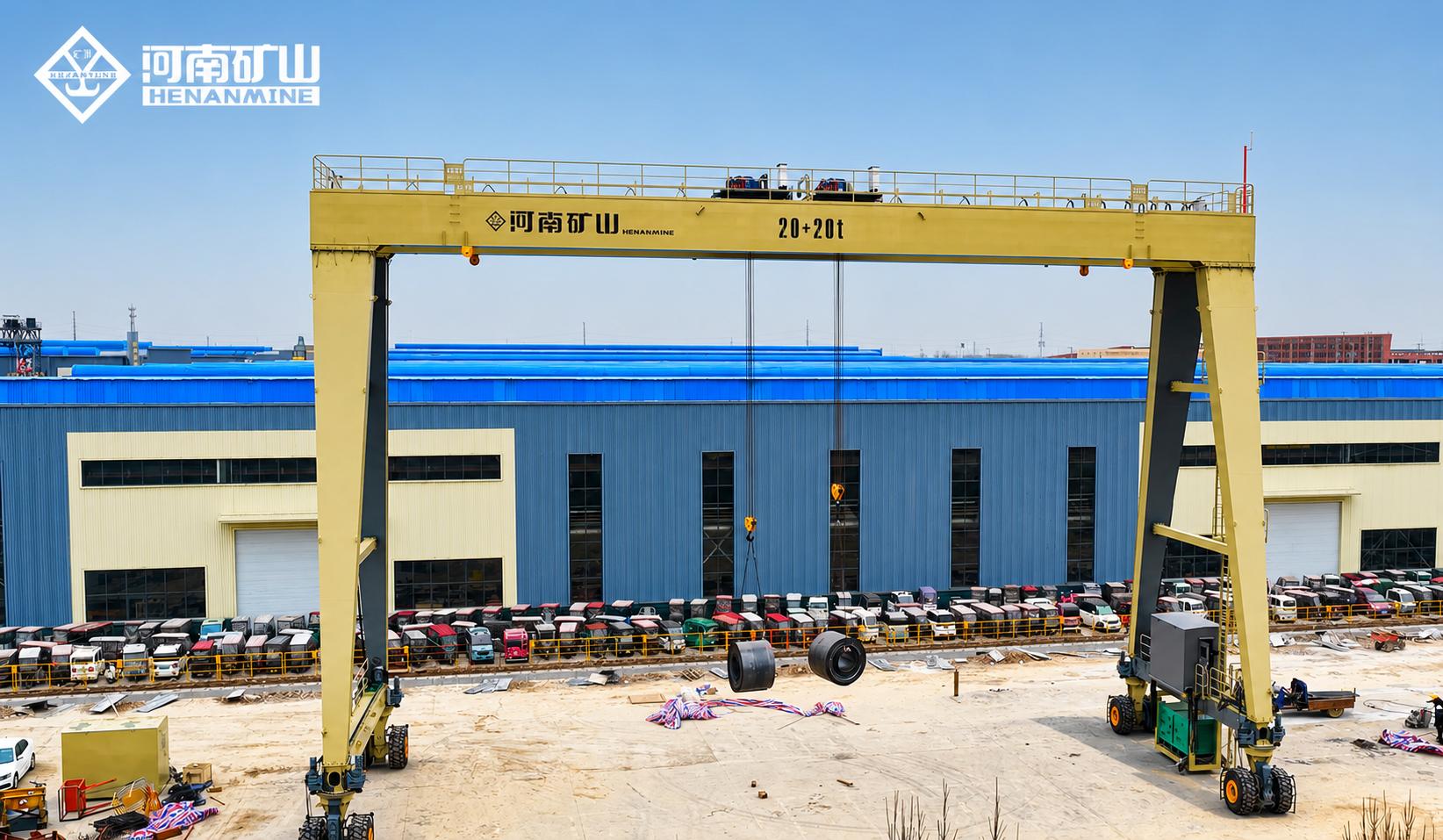
The core parameters of the equipment directly determine the construction adaptability and operation safety, which are the core basis for the selection of gantry cranes, and need to be accurately matched in combination with the working conditions of the high-speed rail bridge construction site.The selection criteria and applicable requirements for each key parameter are as follows:
- Lifting tonnage: The equipment load covers heavy–duty conditions of 100t-1000t and above. The selection load must include the weight of the box girder, the weight of the spreader and the weight of the distribution beam, and reserve 25% and above safety redundancy to eliminate the hidden dangers of overload.450t, 500t, and 900t mainstream models are commonly used in high-speed rail large box girder projects.
- Operating span: customized according to the track layout of the beam yard, the width of the box girder stacking and the size of the construction channel. The conventional construction span is 15-30 meters, and the cantilever structure can be installed to expand the scope of operation and adapt to the construction of large–area beam yards.
- Lifting height: Combined with the height of the pier, the elevation of the deck and the vertical clearance design of the box girder, it fully meets the vertical travel requirements of the high-level erection of the box girder, transshipment across obstacles and other working conditions.
- Walking speed: The design of adjustable speed and speed is adopted to improve the efficiency of material transfer by walking quickly, and the low-speed mode ensures the precise alignment of the box girder erection, taking into account the construction capacity and installation accuracy.
- Lifting speed: Heavy-duty operations adopt low-speed and stable lifting and beam-dropping modes to avoid box girder shaking and structural cracking caused by high-speed start and stop, and ensure the safety and stability of the whole process of heavy-duty hoisting.
- Work level: According to the average daily hoisting frequency and the overall construction cycle selection, high–frequency continuous construction scenarios of roads and bridges, priority is given to A6-A8 high-work level equipment, which can be adapted to the needs of tens of thousands of cycles and has stronger durability.
- Power supply method: standard configuration of cable reel power supply, for remote non-grid construction sites, it can be adapted to power supply schemes such as generator sets and busbars, and adapted to complex power supply conditions in the wild.
- Adaptation to the operating environment: The whole machine adopts an integrated protection design of windproof, waterproof, dustproof and anticorrosive, which can adapt to harsh outdoor working conditions such as high and low temperature, high winds, rain and snow, and dust, and meet the requirements of continuous open-air construction throughout the year.
How to Select the Right Gantry Crane for Bridge Beam Lifting
Operating load accounting
Load accounting is the basis for selection, and it is strictly prohibited to select the type only according to the weight of the box girder.The total load must include the weight of auxiliary equipment such as box girder, spreader, distribution beam, etc.
At the same time, fully consider the dynamic inertial load during the start and stop of the equipment and the walking process, and reserve the safety load margin in strict accordance with industry standards to eliminate the safety risks of overload from the root cause.
Determination of span and scope of operation
Combine the track gauge of the beam yard, the stacking area of the box girder, and the layout of the transportation channel to determine the span of the crane to ensure that the equipment can fully cover the entire area of prefabrication, storage, and transportation.At the same time, calculate the headroom size of the operation, avoid obstacles such as on-site templates, brackets, and building structures, and ensure that the whole machine walks and the trolley moves without interference.
Lifting height matching design
Combining the height of the pier, the elevation of the support and the gap between the erection of the box girder, the minimum lifting height is accurately calculated, and sufficient vertical safety clearance is reserved to avoid the risk of interference in the process of walking and falling the box girder, and to ensure that the hook stroke fully covers all construction conditions such as high-level erection and low-level stacking.
Speed and accuracy matching
The equipment needs to match reasonable lifting, traverse, and longitudinal operating speeds. Batch box girder transfer operations can increase construction production capacity through reasonable acceleration; the precise beam falling link of the box girder relies on the low-speed fine-tuning function to achieve millimeter-level precision alignment.Equipped with a frequency conversion speed control system, it can efficiently balance operating efficiency and installation accuracy, and flexibly adapt to different construction processes such as transportation and erection.
Adaptation to construction conditions
Outdoor construction needs to give priority to verifying the bearing capacity of the site foundation to ensure that the track foundation can withstand the maximum load of the whole machine and heavy loads; at the same time, comprehensively evaluate the on-site wind speed, rainfall, temperature difference, dust and other outdoor working conditions, and choose windproof reinforcement, anti-corrosion and waterproof protection configurations as needed, so that the equipment can be fully adapted to the complex operating environment of the site.
Safety Requirements for Outdoor Heavy Gantry Crane Operations
Heavy-duty box girder hoisting is a high-risk construction process. Standardized safety configuration and standardized operating procedures are the core guarantees of the construction site. The core safety configuration and operating requirements of the equipment are as follows:
- Overload protection system: the load of hoisting operations can be monitored in real time around the clock. Once the overload situation occurs, the equipment will automatically trigger an early warning and lock the operation, so as to eliminate illegal overload construction from the root cause and avoid the risk of heavy-duty collapse.
- Emergency stop system: The whole equipment is equipped with multiple emergency stop control buttons. When the operation encounters a sudden failure or sudden danger, all power sources can be cut off instantly, all operating actions can be terminated, and safety risks can be quickly controlled.
- Stroke limit device: Set exclusive limit switches for all operating mechanisms such as hook lifting, trolley movement, and whole machine walking to effectively prevent equipment over-stroke operations and prevent safety accidents such as collisions, falling objects, and derailments.
- Anti-collision protection device: suitable for multi-machine synchronous operation beam field scenarios, equipped with infrared intelligent anti-collision system, accurately identify the spacing of adjacent lifting equipment, avoid equipment interference and collision with each other, and ensure the safety of cluster operations.
- Wind speed monitoring system: real-time collection of wind speed data in the outdoor construction environment, when the wind speed exceeds the operating specification standard, sound and light warning will be automatically issued and the operating authority will be locked. Illegal hoisting in windy weather is strictly prohibited.
- Reliable braking system: The core mechanisms of walking and lifting are equipped with dual braking protection devices, which can stably hover over heavy loads of 100 tons, and the braking performance is stable and reliable, completely eliminating high-risk hidden dangers such as slip hooks and slip cars.
- Full load monitoring: the actual load data of the hook is displayed in real time throughout the operation, which is convenient for operators to intuitively grasp the operating conditions, identify abnormal loads in time, and avoid hidden dangers of overload operations.
- Daily inspection and maintenance: strictly implement the comprehensive inspection system of the whole machine before the shift, normalize the special maintenance and overhaul of equipment, eliminate equipment failures and hidden dangers, and ensure the stability of equipment working conditions.
Special Challenges of Lifting High-Speed Railway Bridge Beams
Load control is difficult
The high-speed rail single-beam box girder has a weight of up to 900 tons and a body length of more than 35 meters. It is a large-size flexible component with weak overall stiffness. During the hoisting process, it is easy to produce structural defects such as distortion and cracking due to uneven force.
In view of this working condition, the dual-lifting point synchronous lifting and multi-point balanced force process are adopted, which can evenly distribute the overall lifting load, ensure uniform and stable force on the box girder throughout the process, effectively eliminate deformation, cracking and other problems, and ensure the safety of the hoisting structure.
Strict construction accuracy
The high-speed rail bridge construction has extremely high standards for the alignment and placement accuracy of box girders, and the overall error needs to be strictly controlled at the millimeter level.Once the load is shaken or shifted during the hoisting process, it will directly affect the docking accuracy of the beam body and bury hidden dangers in the quality of the project.
The equipment is equipped with VFD frequency conversion stepless speed regulation and soft start-stop technology, which can completely eliminate the inertial impact during the start-stop and operation of the equipment, and cooperate with the intelligent anti-shake control system to effectively suppress the swing and offset of the box girder, ensure the smooth and controllable lifting process, and meet the construction requirements of millimeter-level precise alignment and smooth beam falling.
Outdoor wind disturbance has a large impact
The box girder has a flat body shape and a large wind-affected area. When operating in the open air, even the breeze can easily cause the beam body to shake and shift. Under high wind conditions, it can easily cause the risk of instability, and there are extremely high safety risks for hoisting.
The equipment is equipped with professional wind speed monitoring devices and windproof anchoring structures, and strictly implements the specifications for wind shutdown. At the same time, the wind resistance of the whole machine is enhanced through structural reinforcement to adapt to the open-air operating environment.
High loss for high frequency operation
The frequency of beam field hoisting operations is high and the cycle continuity is strong. The average number of hoisting times can reach dozens of times per day. Long-term high-frequency reciprocating operations will continue to consume the mechanical structure and electrical system of the equipment, which can easily exacerbate the aging of components and induce equipment failure.
It is necessary to match the corresponding work-level equipment according to the frequency of operation, choose high-quality core accessories, and match regular preventive maintenance to reduce the equipment failure rate and reduce the loss of project downtime.
Installation, Commissioning & Site Deployment
Standardized installation and commissioning are the core prerequisites for ensuring the long-term stable, safe and high-precision operation of gantry cranes.On-site deployment strictly follows the construction principle of "first foundation, then structure, first no-load, then heavy load”, and the overall process is standardized and orderly, which can be divided into three stages.:
- Preliminary foundation construction: compaction and leveling of the foundation of the construction site to ensure that the bearing capacity of the foundation is up to standard; accurate completion of track laying and calibration work to provide a solid foundation for the walking operation of the whole machine.
- Main equipment installation: complete the assembly of the main steel structure such as the gantry legs and main beams in turn, and then carry out the electrical system wiring, equipment wiring and control system installation to ensure the complete supporting of the mechanical and electrical systems.
- System commissioning and acceptance: no-load trial operation, heavy-duty load testing and full-dimensional commissioning of the safety system are successively carried out to verify the operating accuracy, braking performance, limit and protection functions of the equipment; special pre-job training for operators is completed simultaneously, and the overall completion and acceptance are finally passed, and the equipment can be put into formal construction operations after meeting the standards.
The whole process strictly implements industry specifications to ensure the installation accuracy, operating stability and construction safety of equipment in all directions.
Maintenance Guide for Outdoor Heavy Gantry Cranes
Outdoor heavy-duty gantry cranes are exposed to wind, rain, dust, and temperature differences in complex field environments for a long time, and are prone to problems such as component wear, structural corrosion, and circuit aging.The establishment of a systematic and normalized maintenance system can effectively reduce the probability of equipment failure, extend the service life of equipment, and ensure the continuity of construction. The core maintenance work is divided into four major sectors:
- Daily start-up inspection: Thoroughly check the working conditions of core components such as wire ropes, hooks, brake mechanisms, limit switches, and walking wheels before daily operations, and promptly investigate safety hazards such as loosening, wear, and stagnation, so as to prevent equipment from operating with diseases.
- Regular maintenance of mechanical parts: regularly check the wear status of the wire rope and the degree of deformation of the hook, and replace the lost parts in time; fill the transmission parts such as gearboxes, bearings, and walking wheels with lubricating grease according to the cycle to ensure the smooth operation of the equipment and reduce mechanical losses.
- Special maintenance of electrical systems: regularly clean up dust and debris inside the electric control cabinet, check the integrity of the circuit insulation layer, and investigate the operation faults of the frequency conversion control system and the intelligent monitoring system to ensure the stable, sensitive and safe operation of the electrical system.
- Anticorrosive maintenance of the main structure: Normalize the position of the main beam, outriggers and welds, focus on investigating structural deformation, corrosion, cracking and other defects, and do a good job of rust removal, anticorrosion, reinforcement and repair in a timely manner to ensure the structural strength and stability of the whole machine.
Procurement Checklist: What to Ask a Gantry Crane Manufacturer
Special gantry cranes for railway bridges are heavy-duty special construction equipment. The procurement and selection cannot be purely price-oriented. They need to be checked in all directions in combination with project construction conditions, safety standards and long-term use requirements.The following are the main points of standardized procurement verification to ensure that the equipment is accurately adapted to the needs of the project:
- Adaptability of rated load: Verify the rated lifting weight of the equipment to ensure that it can cover the weight of the box girder, the total load of the spreader and auxiliary aids, and reserve standard safety redundancy to eliminate the risk of overload operations.
- Matching of working condition parameters: Confirm that the span and effective lifting height of the equipment can be adapted to the layout of the beam field, the height of the pier and the construction clearance requirements.
- Work level adaptation to working conditions: according to the average daily hoisting frequency and construction cycle of the project, verify the work level of the equipment to meet the needs of high-frequency cyclic heavy-duty operations.
- Safety configuration compliance: Check that a full set of safety systems such as overload protection, limit braking, wind speed monitoring, and anti-collision devices are fully configured and comply with industry construction safety specifications.
- Customized transformation capabilities: Confirm that manufacturers can provide exclusive customized transformation services for site conditions, box girder parameters, and construction processes.
- Qualification certification standards: Verify that the equipment has authoritative qualification certifications such as national standards and European standards, and strictly complies with the manufacturing quality standards of heavy-duty lifting equipment.
- On-site supporting services: Confirm that the manufacturer can provide integrated landing services such as on-site installation, commissioning of the whole machine, and pre-job training of operators.
- After-sales guarantee system: verify the manufacturer's spare parts supply capacity, timeliness of maintenance response and long-term maintenance services to ensure the continuous and stable construction of the project.
Conclusion
Outdoor heavy-duty gantry cranes are important equipment for box girder hoisting, erection and transportation of large components in high-speed rail and bridge projects. They have the characteristics of stable heavy-duty, strong open-air adaptability and high construction efficiency.
When selecting the type, it should focus on matching the load, span, lifting height, operating environment and construction conditions, and give priority to manufacturers with engineering customization and project experience.Henan Mine Crane can provide customized gantry crane solutions according to the needs of railway box girder hoisting and bridge construction.If you are planning a project, please contact us for selection and quotation support.