
How to Plan Crane Transportation and On-Site Assembly for Overseas Projects
Whether overseas crane projects can be put into use on schedule depends on whether equipment design, cross-border transportation and on-site installation can form a continuous delivery chain.The smooth loading of the main beam does not mean that the destination port can unload the goods; the completion of customs clearance of the goods does not mean that there is sufficient space and hoisting capacity on site.Effective crane transportation planning should push back the transportation segments, packaging methods, delivery sequence and acceptance arrangements from the final installation conditions, and verify the key interfaces before shipment.
For engineering contractors and industrial project owners, the planning goal is to have the correct components arrive when the conditions are available on site in an identifiable and installable state.The following process focuses on bridge and gantry cranes as the main objects, and at the same time explains the transportation and installation boundaries of large port cranes and heavy industrial equipment that need to be evaluated separately.
Evaluate Crane Specifications and Transportation Requirements
Identify the Crane Type and Main Components
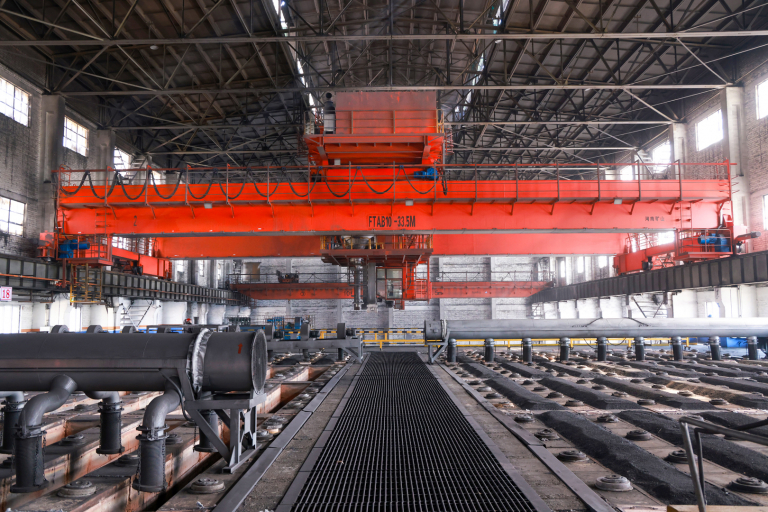
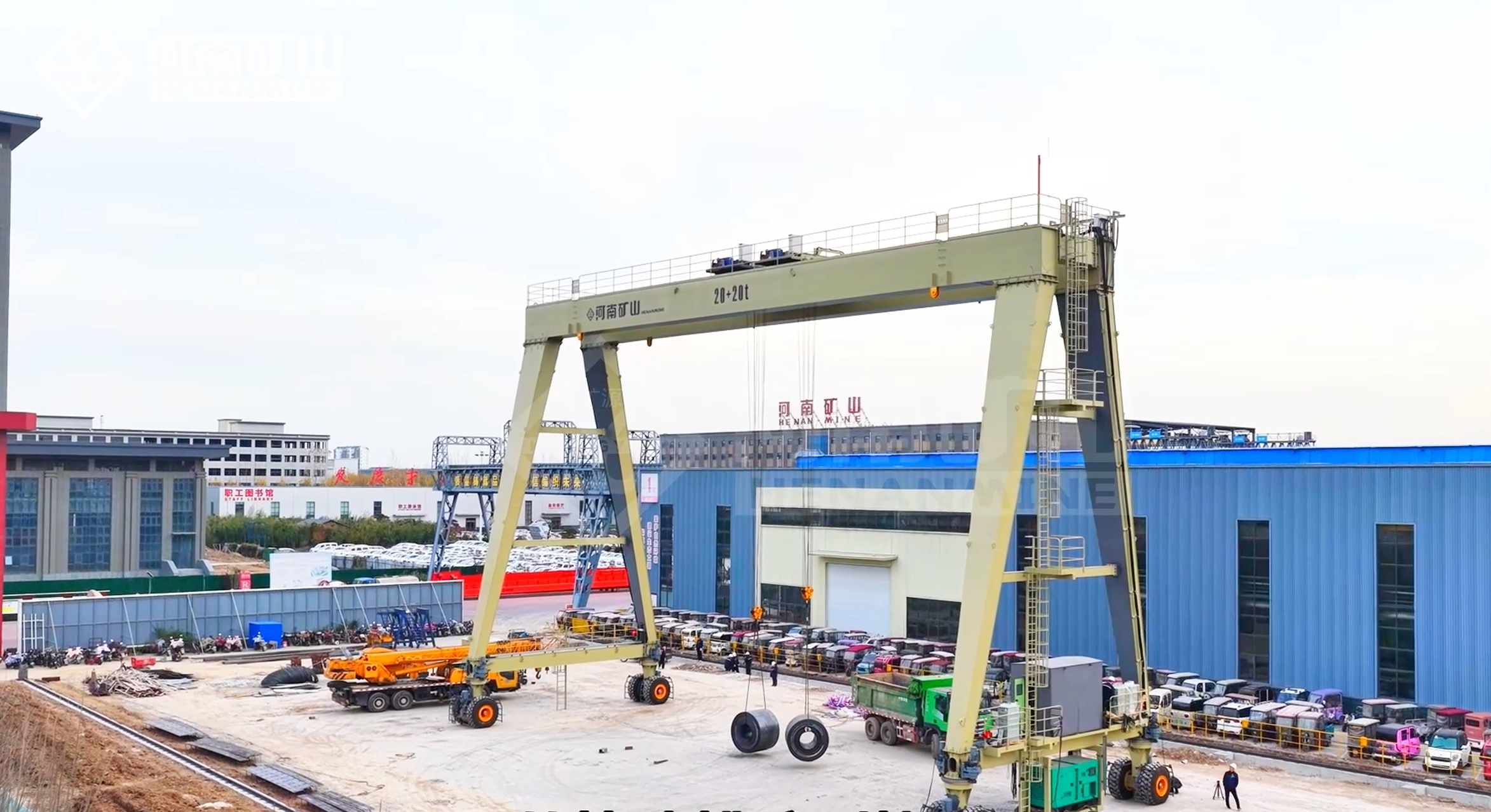
The type of crane determines the composition of the transportation unit.Bridge cranes usually involve main beams, end beams, lifting mechanisms, trolleys and electronic control systems; gantry cranes also include outriggers, lower beams and related connectors.Large port cranes may use large modules or even whole machines for maritime transportation, and their ship stability, offshore fixation and unloading programs cannot be directly applied to the process of ordinary industrial cranes.
The transportation list should be compiled based on the actual shipping unit, and the components, accompanying accessories and connecting parts should be recorded separately.For the mechanism assembly that has been debugged by the factory, retaining the overall transportation may reduce on-site adjustments, but it may also increase the weight of a single piece.Splitting boundaries must also consider structural design, transportation feasibility, and destination reassembly capabilities.
Check Dimensions, Weight, and Transportation Restrictions
The rated lifting weight indicates the load that the equipment is allowed to lift, not the weight of the equipment, let alone the transportation weight of a certain package.The basic data of crane transportation should include the length, width and height of the package, the gross weight of the single piece, the center of gravity, the support position and the approved hanging point.After adding the lashing parts outside the base, wooden box, or protruding box, the components that could have been shipped may become overrun goods.
Container evaluation must not only check the internal dimensions, but also check the door holes or top openings, payloads, local load-bearing and loading and unloading space.There may be differences between different box types and specific boxes, and the actual use is still subject to the receiving conditions of the carrier and the terminal.The land section also involves the total height of the vehicle and cargo, axle load, turning space, bridge carrying and road access permits; the weight acceptable for sea transportation may not be transported along the route from the destination port to the construction site.
Consider Crane Disassembly and Packaging
Segmented transportation can reduce the degree of overrun, but the main beam cannot be cut at will on site for packing.The connection position, joint force, manufacturing accuracy and reinstallation requirements shall be determined by the designer.The more splits, the more on-site connection, alignment, and inspection work is usually done, so the best segmentation plan depends on whether the transportation revenue can cover the increased installation work.
Packaging should deal with mechanical damage and environmental erosion at the same time.The force of the long components in the state of transportation support may be different from the working state, and the position and temporary reinforcement of the pads need to be verified; precision machining surfaces, electrical cabinets and connection ports require moisture-proof, anticorrosive and anti-collision measures suitable for the voyage and storage environment.The box number, component number, installation direction and drawing number are kept corresponding, which can reduce repeated unpacking and searching after arrival.
Choose the Right International Transportation Method
Sea Freight for Large Industrial Cranes
Sea transportation is suitable for transcontinental transportation of large-volume and high-weight crane parts, but the mode of transportation should be determined by the actual cargo boundary.Standard containers are suitable for components that meet the size, weight, and loading and unloading conditions; frame boxes can carry approved ultra-wide or ultra-high cargo; components that are difficult to load as a single container transport unit may require grocery transportation or special heavy lifting solutions.
The frame box does not mean that the size and weight are unlimited, and the transportation of groceries is also subject to the capacity of the ship, berth and lifting equipment.It is more meaningful to submit the packing diagram, gross weight, center of gravity and hoisting information to the relevant carrier before booking, than to provide only the total size of the equipment.The shipping schedule assessment should also include the number of transit times, the supply of special equipment, and the unloading conditions at the port of destination, because any mismatch in any link may change the available routes.
Land and Rail Transportation
For land-connected markets, cross-border roads or railways can reduce seaport connections, but their applicability depends on route conditions.Heavy-duty highway transportation involves vehicle configuration, route survey, overrun permits and necessary escort arrangements; railways need to verify loading boundaries, vehicle carrying, facilities along the route and replacement conditions.Shorter transportation distances do not automatically mean simpler organization.
The difficulty of multimodal transport often occurs at the junction location.The support methods, spreaders and delivery times used by carriers, terminals and inland carriers need to be matched, especially to clarify who is responsible for unloading, temporary storage and re-fixing.For remote sites, the capacity of the last section of the road should be investigated before determining the export packaging.
Compare Transportation Methods Based on Project Requirements
When comparing crane transportation solutions, a reasonable consideration is the total cost incurred when the equipment reaches an installable state.In addition to freight, it also includes packaging reinforcement, port hoisting, inland transportation, licensing, warehousing, reinstallation, and on-site resource waiting costs.The estimated delivery time should also cover the complete transport chain, not just the ship's sailing time.
For example, a hypothetical project can use ordinary containers after dividing the main beam into more sections, but the destination lacks qualified connection construction and inspection resources.The savings in sea freight costs may be offset by personnel entry, equipment leasing and construction period extension.On the contrary, when the segmented joints have been verified in the design and the local reinstallation capacity is sufficient, modular transportation is more likely to reflect comprehensive economy.
Prepare Export Documentation and Customs Clearance
Essential Shipping Documents
The commercial invoice describes the goods and value of the transaction, the packing list corresponds to the package and its contents, and the sea bill of lading records relevant transportation information.Whether the certificate of origin is required and whether it is used to apply for preferential tax rates shall be determined in accordance with the country of destination and applicable trade arrangements.Technical parameters, equipment descriptions and other compliance documents are used to support cargo identification and related regulatory audits.
The correspondence between documents is particularly important.After the crane is divided into multiple boxes, the equipment name, model, quantity, box number and net weight and gross weight should be able to be checked with each other, which not only explains the composition of the complete equipment, but also accurately reflects the actual goods in this batch.The accessories included with the box should not be written only as general accessories, otherwise it may be difficult to confirm the purpose and attribution during inspection.
Understand Import Regulations in the Destination Market
Customs duties, import taxes, and certification requirements cannot be directly copied from other items.The classification of the whole machine, disassembled equipment, independent lifting mechanism and spare parts needs to be judged in accordance with the status of the goods, the declaration method and the rules of the destination country; the arrival in batches may also affect the processing of the declaration.The description of the goods and the proposed tax number are reviewed by local professionals before import, which can reduce the risk of reinterpretation after arrival in Hong Kong.
Customs clearance and release are different matters from allowing installation and use.There may be other local requirements for mechanical safety, electrical compliance, inspection registration or operator qualification, and motors, control cabinets, and wireless control devices may also involve their own regulations.Overrun road transport permits cannot also be replaced by import procedures.The later the compliance requirements are confirmed, the greater the impact of retrofits and supplementary documents on the period.
Coordinate Customs Clearance in Advance
The import subject, customs declaration agent and cost bearer should be clear before shipment.Trade terms can divide part of the delivery, cost and risk responsibilities, but specific tasks such as installation, commissioning and on-site unloading should still be clearly stated in the contract.If the local area requires pre-declaration or completion of certain procedures before shipment, the adjustment time may be lost when the goods arrive in Hong Kong for processing.
The complete crane transportation plan should also include document review, release arrangements, and pick-up appointments in the schedule.The billing basis for port storage fees, container-related overdue fees, and on-site waiting fees is not the same. The project team should grasp the applicable terms in advance and keep the progress of customs clearance in sync with inland transportation resources.
Prepare the Installation Site Before Crane Arrival
Check Civil Engineering and Structural Conditions
On-site acceptance shall be judged by the approved drawings and actual measurements.Bridge cranes involve track beams, columns and their connections, and gantry cranes involve track foundations and related civil construction conditions; the location and elevation of the anchor bolts need to be checked.When there is deviation in track span, straightness, height difference and joint state, it may cause the wheel to bite the rail, increase operating resistance or additional force.
The accounting of the support structure cannot only look at the rated lifting weight.The weight of the equipment, the distribution of wheel pressure, the effects of operation and braking, and the applicable wind load may all affect the structure and foundation.When the crane is replaced in the original plant, even if the rated tonnage of the old and new equipment is the same, the wheel pressure and force position may change.The specific installation tolerances are subject to applicable standards and approved technical documents.
Assess Site Access and Lifting Equipment
The ability of transportation vehicles to enter the factory area does not mean that the long main beam can be transferred to the unloading area or through the opening of the building.The site layout should also consider vehicle steering, component storage, crane station, boom movement and personnel passage, and identify overhead wires, underground pipelines, trenches and other obstacles.Determining the order of arrival in advance can avoid the first-to-arrive components occupying the area required for subsequent hoisting.
The choice of installing the crane should be based on the actual working radius, lifting height, boom configuration and corresponding load gauge, and the nominal tonnage of the crane model cannot be compared.The weight of the spreader, the center of gravity of the components, the arrangement of the sling and the ground carrying will also affect the feasibility.The reaction force of the outrigger and the underground conditions need to be jointly evaluated; when it comes to dual-machine lifting, special plans should be formulated by personnel with corresponding capabilities, and the rated capabilities of the two cranes cannot be simply added.
Prepare Utilities and Installation Conditions
The power supply check should cover voltage, frequency, phase number, power supply capacity and grounding conditions.Different frequencies may affect the motor speed, braking cooperation and control system adaptation, and the wiring cannot be replaced by default to solve it.The cable path, isolation switch and protection device should also be consistent with the equipment documents and local requirements.
Lighting, drainage, temporary operating platforms and safety isolation determine whether the site truly has the installation conditions.Open-air operations should also consider the weather and operating restrictions in the approved plan.If parts will be stored on site for a long time, moisture-proof inspection and packaging maintenance also need to be included in the management, otherwise the equipment that is intact at the time of arrival may be damaged during the waiting period.
Organize On-Site Crane Assembly and Installation
Unloading and Component Inspection
Check the lifting point, center of gravity, packaging direction and lifting instructions before unloading, and identify them piece by piece according to the packing list and assembly drawing after unpacking.The inspection should not stay on whether the outer packaging is complete, but should also pay attention to the deformation of the main beam and connection parts, corrosion of the processing surface, moisture of the electric cabinet, and the lack of accessories.Keep photos, handover records and packaging evidence when abnormalities are found, and notify the responsible party in a timely manner.
Damage disposal should be separated from installation and release.The treatment authority for surface coating damage and deformation of bearing components is different, and issues affecting structure, connection accuracy, or electrical safety require technical evaluation.Unapproved correction, welding or replacement may mask the damage and make subsequent acceptance unfounded.
Assemble the Main Crane Structure
The assembly sequence is determined by the structural characteristics, construction space and approval plan.When the main beam, end beam, outriggers and other components are connected, the structure may not have formed a final stabilization system, so temporary support and stabilization measures are part of the installation design.It cannot be considered that the intermediate state of each assembly is equally stable because the finished equipment is stable in the working state.
The bolted connections are executed in accordance with the specified grade, accessories, and fastening process, and a certain torque cannot be uniformly applied to all connections.On-site welding involves approval of technology, personnel qualifications and corresponding inspections.After installing the lifting mechanism, trolley and platform, it is necessary to review the geometry, alignment and connection quality; forcibly closing the misplaced connection hole may convert the dimensional error into internal stress in the structure.
Install Electrical and Control Systems
The electrical installation is carried out in accordance with the approved schematic diagram, terminal diagram and cable table, and the equipment identification is kept consistent with the actual wiring.For the sensors, encoders and connectors disassembled during transportation, the correspondence between the position and the signal needs to be verified after reinstallation.The completion of the wiring is only the basis, and it is necessary to confirm that the direction of movement, braking logic, and control commands are consistent with the actual action.
The overload protection of limit, emergency stop, interlock, and design configuration should verify the functions in accordance with the prescribed methods, and cannot only confirm that the components have been installed.Inspections such as insulation and grounding must also be carried out in accordance with equipment requirements to avoid improper testing methods from damaging electronic components.Abnormal protection actions are found during debugging, and the investigation and retest should be completed before entering the next stage.
Coordinate Local Installation Teams and Technical Support
Between the manufacturer, the local installation contractor and the owner, the responsibilities for technical approval, construction execution, quality inspection and acceptance signing should be clarified.A unified version of the drawings, installation instructions and inspection records can reduce the situation where different teams operate based on different data.Technical changes need to leave an approval record, rather than just communicating verbally through instant messaging.
Remote support is suitable for interpreting drawings and analyzing recorded problems, but it is not a substitute for on-site measurement, hoisting command, and statutory inspection.For projects with complex structures, unfamiliar control systems, or insufficient local experience, on-site technical supervision can be arranged according to risks.The attendance time of technical personnel should match the actual installation node to avoid long waits when the equipment is not complete or the civil construction is not completed.
Conduct Commissioning, Testing, and Final Acceptance
Pre-Commissioning Inspection
The pre-commissioning inspection connects the three stages of transportation, installation and operation.The mechanical part includes connection status, lubrication, wire rope threading, wheel clearance, operating mechanism and track conditions; the electrical part includes wiring, protection, grounding and safety functions.Temporary fixation, left-over tools, and items that hinder movement should also be handled in accordance with procedures before power-on operation.
Factory testing cannot cover all on-site conditions after disassembly and assembly.Rewiring, track deviation, and transportation damage may all make the on-site state different from the factory state.Therefore, factory records are the basic information for on-site inspection, and the quality of on-site installation still needs to be independently confirmed.
No-Load and Load Testing
No-load testing is used to check the actions and cooperation of lifting, descending, trolley operation and cart operation, observe abnormal sound, vibration, blocking and braking performance, and verify limits and other safety devices according to procedures.The no-load operation is normal, but it is still not enough to prove that all the performance in the carrying state is qualified.
The load test shall determine the load, steps and judgment conditions according to the requirements of the destination country, applicable standards, manufacturer documents and approved test plans.The purpose of static load and dynamic load tests is different, and the ratio cannot be mixed or the test can be extended at will.The United States OSHA 1910.179 stipulates inspection and testing requirements for applicable cranes, but it cannot be deduced from this that all overseas projects use the same test magnification.
The test load, measurement conditions, abnormalities and rectification results should all be recorded.After the defects involving safety or main functions are closed, the test will be retested as required and the acceptance will be advanced.It is best to implement the test load, inspection personnel and necessary witness arrangements in advance, otherwise it may not be delivered after the mechanical installation is over.
Complete Documentation and Project Handover
Delivery materials should include operation and maintenance manuals, final drawings, inspection and commissioning reports, and valid documents after on-site changes.Operators need to master daily inspections, rated capacity boundaries, and abnormal shutdown handling, while maintenance personnel need to understand lubrication, wearing parts, and inspection cycles.The training effect should be confirmed through actual understanding and operation, not just sign-in records.
The final acceptance shall use the pre-agreed standards, and clarify the remaining matters, handling responsibilities and closing deadlines.After the equipment is approved for operation, the inspection and maintenance system still needs to continue.The completion of delivery means that the owner can use and maintain the equipment under the specified conditions, rather than just receiving all the packages.
Common Challenges in Overseas Crane Transportation and Assembly
Unexpected Shipping Delays
Port congestion, bad weather and customs inspections may change the estimated arrival time.Crane transportation progress should set a reasonable margin for key handover nodes, and continuously update on-site resource arrangements.The buffer time should be determined in combination with the route and licensing risks; premature locking of cranes and installation teams that cannot be adjusted may amplify the cost of delays.
Transportation Damage to Crane Components
Vibration, moisture and improper hoisting may cause loosening, corrosion and local deformation of fasteners, respectively.Effective control comes from the combination of transportation support, fixation, protection and handover inspection.Freight insurance can share part of the loss according to the underwriting conditions, but the scope of compensation, exclusions and notice period need to be verified, and the insurance itself cannot recover the construction period losses caused by the damaged parts.
Incompatible Site Conditions
When the actual track gauge, building headroom, or foundation location are inconsistent with the design information, the problem may not be exposed until the components are in place.Complete the key size retest before shipment, and the problem can be dealt with in advance to the stage where there is still room for adjustment.After the deviation is found, the relevant design responsible party should evaluate the solution to avoid unauthorized changes in the bearing structure or connection method on site.
Communication and Technical Coordination Problems
Language and time difference will prolong the problem resolution time, but the lack of version, size benchmark, or clear person responsible for the information is often more difficult to deal with.Unify the component number, unit and drawing version, and use photos and measurement records with location instructions to help engineers make accurate judgments.For issues involving security and structural changes, clear upgrade channels and approval processes should be set up.
How to Reduce Overseas Crane Project Costs and Installation Risks
The effective time to reduce the total cost is usually during the design and procurement stages.Reviewing crane transportation together with structural segmentation, packaging size and local construction capabilities can avoid finding that the road cannot be passed or assembled on site after the equipment is manufactured.Improving the utilization rate of packing should also be based on the premise that the support, fixing and installation needs are met, and it cannot only be pursued to fill up the space.
Project control can be carried out around three release nodes: confirm the feasibility of transportation and installation before the design is frozen, confirm the documents and on-site conditions before the equipment is shipped, and confirm the personnel, equipment and construction plan before the on-site hoisting.Each node clearly submits information, approvers, and unresolved matters, allowing risks to be dealt with before entering the next stage.
The transportation plan should also serve the installation sequence.The first batch of goods arrives but lacks key connectors, which may prevent the main structure from being assembled; sending the electrical cabinet to the site without suitable storage conditions prematurely may also increase the storage burden.Arranging packaging and arrival batches according to installation requirements, and coordinating test resources in advance, is more helpful to control the overall construction period than simply shortening a certain transportation period.
Conclusion
Overseas crane transportation and on-site assembly need to coordinate component size, transportation route, customs clearance responsibilities, on-site carrying conditions and acceptance requirements.Before the start of the project, the manufacturer, logistics service provider and installation team should review the equipment drawings, packaging lists and on-site information in conjunction with the manufacturer, and formulate a clear and enforceable delivery plan.
Henan Mine Crane can assist in planning equipment delivery and on-site installation plans according to the needs of overseas projects, taking into account transportation efficiency, assembly schedule and commissioning requirements.