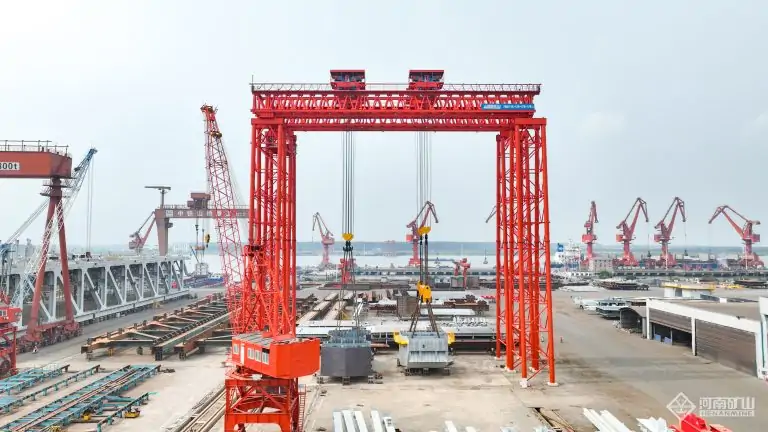

How to Choose an Intelligent Overhead Crane for an Unmanned Workshop?
In Henan Mine Crane do intelligent bridge crane sales and technical support these years, I witnessed a lot of factories from the traditional manual workshop to unmanned transition.
Industry 4.0 wave, more and more manufacturing enterprises began to build intelligent, unmanned production environment, and the bridge crane as the core equipment of the workshop material handling, the pressure of transformation also came.
Traditional overhead cranes are highly dependent on manual operation, which not only require specialized operators, but are also prone to positioning deviation and uneven efficiency, which are not suitable for unmanned workshop.
The emergence of intelligent overhead crane for unmanned workshop solves this pain point - it can realize automated operation, accurate positioning and digital integration, and become the indispensable core equipment for unmanned workshop.
Many purchasing managers are easily confused when selecting models, not knowing where to start. Today, I will combine Henan Mine Crane's hands-on experience in serving customers around the world, and use common language to help you clear up the core logic of selection and avoid the pits that are easy to step on.
What Is an Intelligent Overhead Crane?
Definition
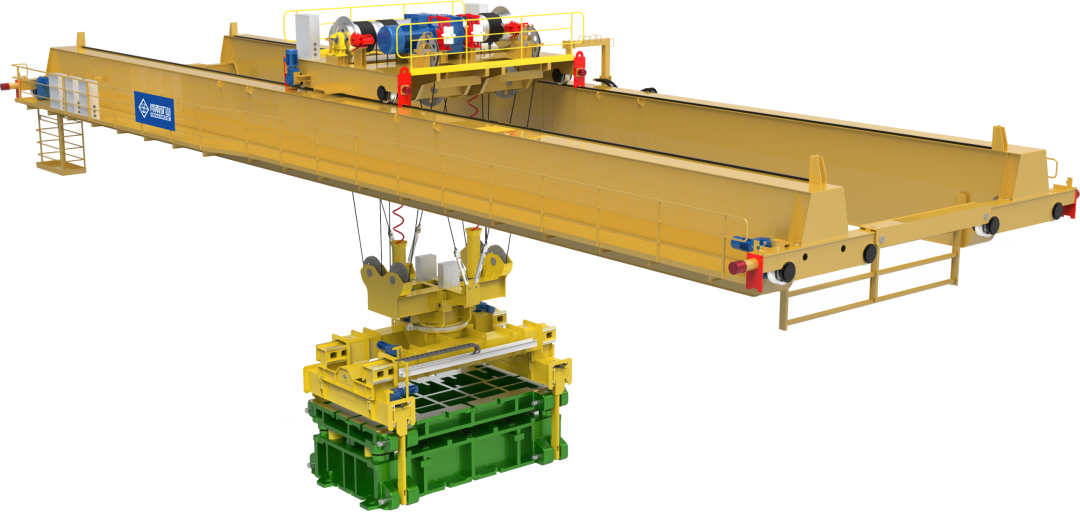
Many people think that an Intelligent Overhead Crane is an automation module added to a traditional crane, but this is not the case.
It is a complete set of automated lifting system, the core configuration is indispensable, including AI-based control algorithms, high-precision positioning equipment, automatic anti-shaking technology, sensor safety system, PLC control architecture, as well as with the MES, ERP system integration capabilities.
The intelligent overhead crane for unmanned workshop provided by Henan Mine Crane to global customers will be customized according to the workshop scenarios, such as strengthening the load monitoring in heavy-duty workshops, and improving the positioning accuracy in precision manufactured workshops to ensure that it is suitable for the actual operational needs.
In short, it is not a simple superposition of “traditional crane + automation”, but an “intelligent handler” that can autonomously complete the work, interface with the production system, and ensure safety, which is the core reason why it can be adapted to unmanned workshop.
How It Differs from Traditional Overhead Cranes
| Feature | Traditional Crane | Intelligent Crane |
| Operation | Manual | Automated / Remote |
| Positioning | Operator-controlled | Millimeter precision |
| Anti-sway | Manual skill | Automatic suppression |
| System Integration | Standalone | Integrated with MES/ERP |
| Suitable for Unmanned Workshop | No | Yes |
The difference between the two, from the operation logic to the system integration, there is a fundamental difference, I have organized a simple comparison, we will understand at a glance:
To give a practical example, the traditional crane positioning all depends on the operator's experience, the error is often in a few centimeters or even a dozen centimeters; while the millimeter-level positioning of the intelligent overhead crane can accurately put the material into the designated position, without the secondary adjustment of manpower.
There is also system integration, the traditional crane is running independently, can not dock the workshop production system; and intelligent overhead crane can be linked with MES, ERP, real-time synchronization of operational data, which is also the key to unmanned workshop to achieve the full process automation.
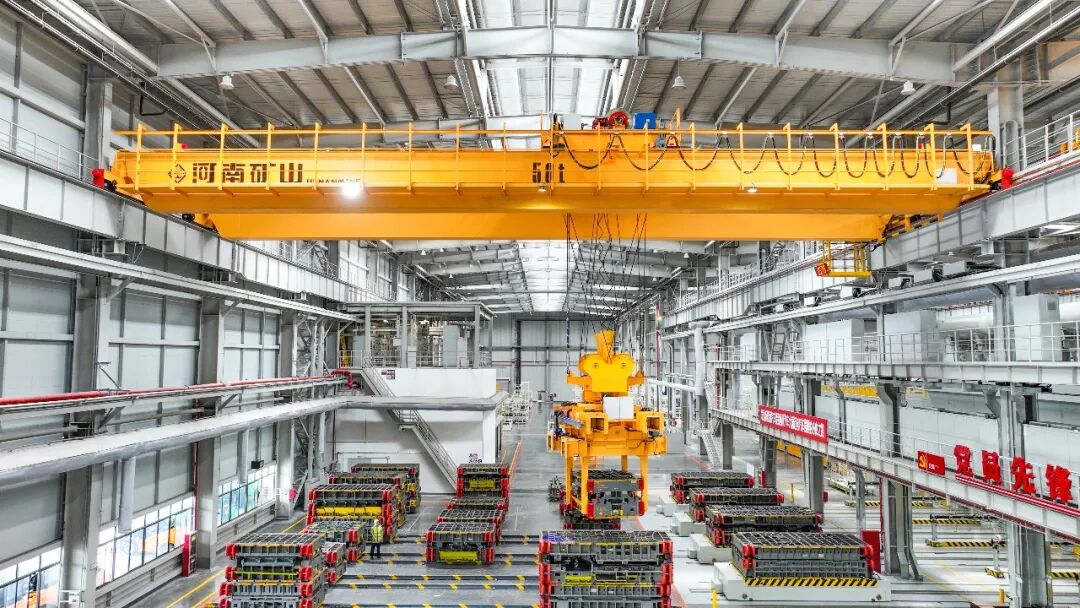
Core Technologies to Evaluate
When selecting, the core technology directly determines the adaptability and stability of the crane, these five technical points must focus on, you can't have one without the other.
1. Intelligent Control System (PLC + AI)
This is the “brain” of the intelligent bridge crane, the core is the combination of PLC control architecture and AI control algorithm, we often use Rockwell Control logix series PLC for integrated logic control and data processing, with Power Flex series inverter to realize the full digital vector control, the effect is more stable. Stable.
It can realize motion control, AI task planning and automatic path optimization, and can complete the whole process of material gripping, handling and placing autonomously without human intervention.
This system is especially critical for unmanned workshops with repeated production cycles and multi-station operations. For example, automotive parts workshop, repeat the same handling tasks every day, AI control algorithms can optimize the operation path, reduce ineffective action.
The smart overhead crane system we made for an automobile factory is controlled by PLC+AI, realizing the automation linkage of multiple work stations and greatly reducing the waiting time.
2. Anti-Sway Technology
This is the necessary technology for unmanned operation, which is also the point that many purchasing managers tend to ignore. In the unmanned workshop, there is no operator to adjust manually, load swaying if uncontrollable, not only will delay the operation, but also may hit the equipment or materials.
When selecting, we should focus on the active anti-sway control algorithm and load sway detection sensor, these two components directly determine the anti-sway effect.
A good anti-sway intelligent crane can detect the magnitude of load shaking in real time, automatically adjust the crane's operating speed and acceleration, quickly suppress shaking, and achieve faster positioning, but also reduce the stress on the crane structure, and extend the service life of the equipment.
For example, long girder handling in steel structure factories, the load shaking amplitude is large, without advanced anti-shaking technology, it is impossible to realize unmanned operation, which is also our key consideration when selecting the model for steel structure factories.
3. High-Precision Positioning
Positioning accuracy directly affects the quality of operation, the requirements of different industries are not the same, the selection should be based on their own production needs, not blindly pursue high precision (the higher the precision, the higher the cost).
Common positioning systems are laser positioning, absolute encoder, RFID markers and visual alignment, we will match according to the customer's scene, such as precision workshop priority with laser positioning, heavy workshop with absolute encoder is more stable.
Precision requirements of different industries, I organized a reference: automotive manufacturing needs ± 1-2mm, steel manufacturing ± 3-5mm, heavy manufacturing ± 5-10mm.
Previously, an automotive parts customers, blindly choose the ± 1mm precision equipment, later found that it can not be used, but also spend a lot of cost, so it is important to accurately match the industry needs.
4. Sensor & Safety System Integration
In the unmanned workshop, safety is the bottom line, the sensor safety system must be complete, there can not be any omission. In our solutions for customers, we will build a triple protection network of “radar monitoring + video surveillance + interlock protection” to ensure operational safety.
The core configuration includes load monitoring sensors, collision avoidance system, LiDAR/radar obstacle detection, emergency braking logic, as well as zoning and geo-fencing functions.
Load monitoring sensors keep track of the loaded weight in real time to avoid overloading; anti-collision system prevents interference between multiple cranes; LiDAR/radar detects people or equipment intruding into the work area and immediately triggers emergency braking.
These configurations are not optional, but are necessary to ensure the safe operation of unmanned workshop, the selection must be confirmed one by one, to avoid potential safety hazards in the later stage.
5. MES / ERP / WMS Integration
Without system integration, it is not a real intelligent bridge crane, and can not realize the whole process automation of unmanned workshop.
The crane must be able to communicate smoothly with the MES (Manufacturing Execution System), ERP (Enterprise Resource Planning System) and WMS (Warehouse Management System) in the workshop to realize the real-time synchronization of operation data, such as the issuance of the handling task, the feedback of the operation status, and the recording of material information.
Commonly used communication protocols are PROFINET, Ethernet/IP, OPC-UA, these protocols can be supported by our equipment, but also according to the customer's existing system can be adapted, like Net Linx integrated architecture, to realize the integration of information, control and transmission.
Previously, a customer bought an automated overhead crane that could not be interfaced with MES, and as a result, it still needed to issue tasks and record data manually, which did not realize real unmanned operation at all, and was equivalent to spending money for nothing.
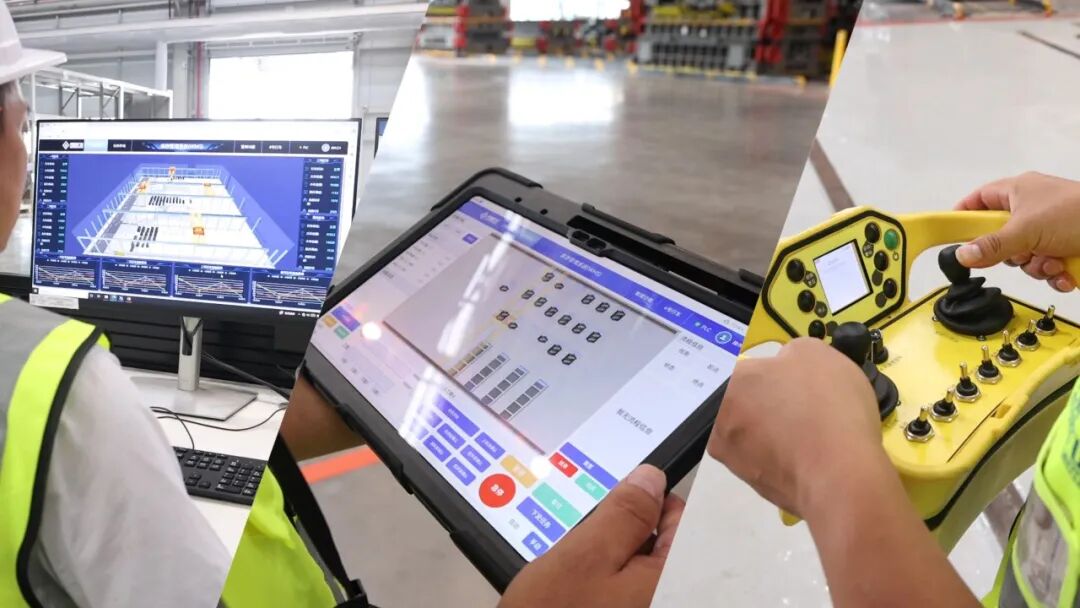
Key Technical Parameters for Selection
In addition to the core technology, the matching of technical parameters is also very critical, directly affecting the service life of the crane and operational efficiency, these four parameters must focus on.
Lifting Capacity & Span
Selection, first of all, to match their own production workflow, such as the weight of the materials handled, the workshop's span, can not blindly pursue large tonnage, large span.
For example, heavy manufacturing workshop, need to handle dozens of tons or even hundreds of tons of materials, you need to choose a large-tonnage crane; and electronic components workshop, material weight is light, small tonnage will be enough.
Also consider the future expansion needs, such as plans to expand the scale of production, increase the weight of materials, selection can be appropriate to set aside a certain margin, to avoid the late secondary replacement equipment, increase costs.
When we make a plan for our customers, we will first calculate the actual needs of the workshop and future planning, and recommend the most suitable tonnage and span to avoid waste.
Duty Classification
This is the key to determine the durability of cranes, mainly referring to ISO 4301 and FEM classification (A5-A8), of which ISO 4301-5:2025 specifically for the classification of bridge and gantry cranes to make clear provisions.
Unmanned heavy-duty workshop, because of the high intensity and long time of operation, usually need to choose a higher DUTY CLASS, such as A7, A8 class, so as to ensure the long-term stable operation of the equipment, and reduce the breakdown and shutdown.
As for the unmanned workshop with small workload and long interval, it is enough to choose A5 or A6 class, which can meet the demand and save the cost.
A heavy manufacturing customer chose A6 class equipment to save costs, but the result was that the parts were worn out in less than a year and had to be shut down for repairs, which delayed production.
Speed & Acceleration Control
The core is the Variable Frequency Drive (VFD), which can realize the smooth acceleration and deceleration of the crane, avoiding the load swaying due to excessive speed, and also reducing the mechanical wear of the equipment.
At the same time, energy-saving motion curves are also important to reduce energy consumption, which can save a lot of electricity costs in the long run.
Different industries have different needs, for example, automotive manufacturing workshops, where the work beat is fast and the running speed needs to be increased appropriately, and precision manufacturing workshops, where smooth running is required and the speed should not be too fast.
Redundancy & Backup Systems
An unmanned workshop cannot afford to have a “single point of failure”, otherwise the entire production process will be interrupted, so redundancy and backup systems are indispensable.
The core configuration consists of a dual brake system, redundant control modules and emergency manual operators. The dual brake system avoids safety incidents caused by the failure of one brake; the redundant control module automatically switches to the backup module when the main module fails to ensure that the operation continues.
Emergency manual operation device can manually intervene the crane operation in unexpected situations (such as power failure, system failure) to avoid material damage or equipment failure.
Although this part of the configuration will increase the cost, but can greatly improve the reliability of the equipment, to avoid losses caused by downtime, for unmanned workshop is very important.
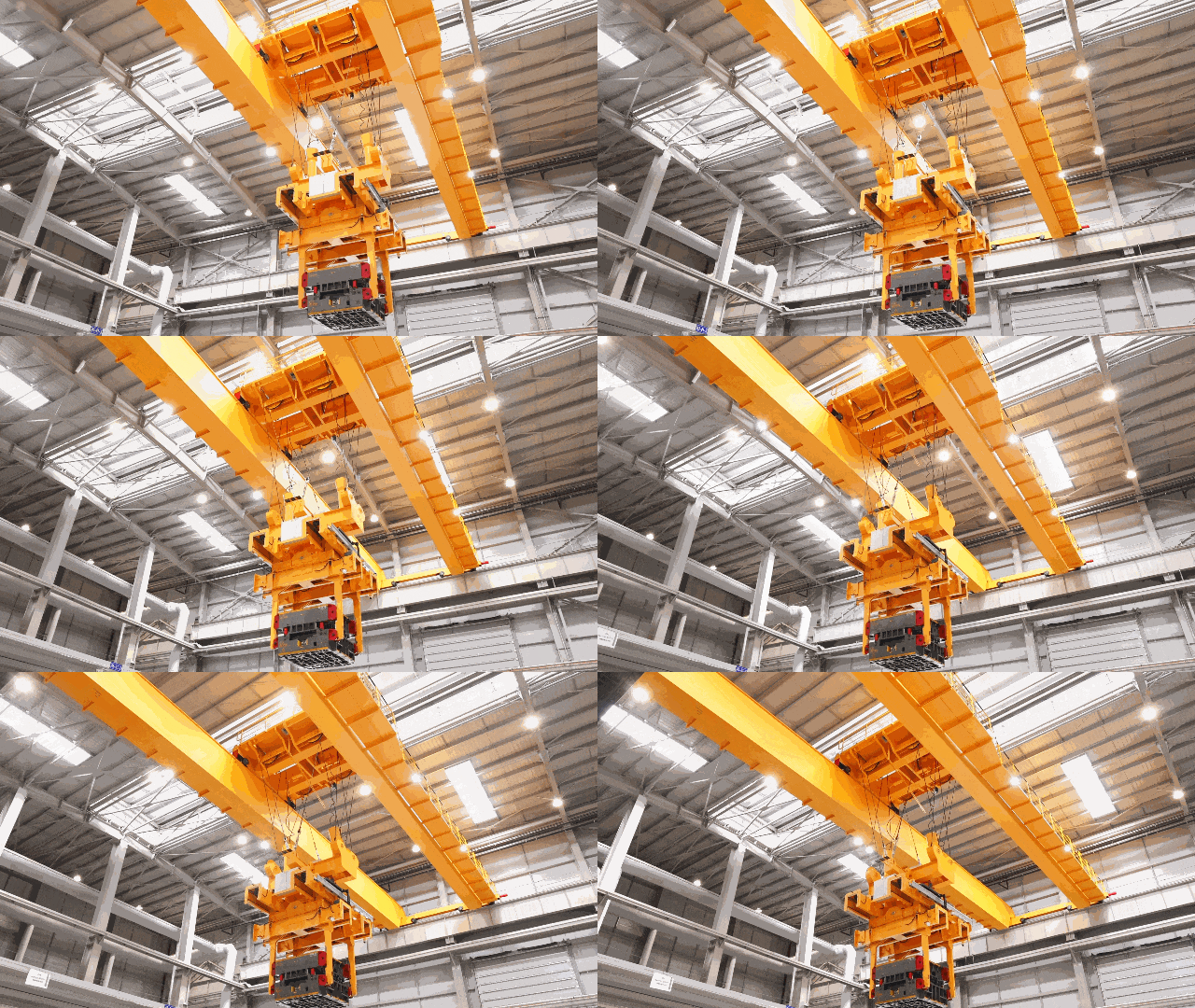
Industry-Specific Considerations
Unmanned workshops in different industries have different operating scenarios and pain points, and the selection cannot be generalized, but should be combined with industry-specific features.
1. Steel Structure Plants
The unmanned workshop in steel structure plants has three core pain points: long beams are shaking, multiple cranes are easy to interfere, and the welding line needs to be docked.
When long beams are handled, the load shakes a lot, and ordinary anti-shaking technology can't meet the demand, so it is necessary to choose anti-sway intelligent crane with advanced anti-shaking function to quickly suppress shaking and ensure operational safety.
Multiple cranes operating at the same time, it is easy to collision interference, so you need to have a multi-crane coordination logic, to realize the partition automation, so that each crane in the designated area of operation, to avoid conflict.
In addition, the crane should be able to seamlessly connect with the welding line to realize the automatic transfer and positioning of materials to match the production rhythm of the welding line and improve the overall efficiency.
2. Automotive Manufacturing
Automotive manufacturing workshop has a high degree of unmanned, the most stringent requirements for cranes, the core pain point is the production of fast beat, high positioning accuracy, the need for 24-hour uninterrupted operation.
Positioning accuracy must reach ± 1-2mm to meet the needs of automotive parts handling and assembly, usually with laser positioning and vision alignment technology to ensure accurate positioning.
At the same time, the crane must be able to integrate with the MES system in real time, receive production tasks, feedback operation status, with the workshop's 24-hour production rhythm, there can not be any failure downtime.
Redundant safety systems can not be missing, dual brakes, redundant control modules are necessary to ensure long-term stable operation of the equipment to avoid affecting the production rhythm.
3. Heavy Manufacturing Workshops
The core pain points of heavy manufacturing workshops are heavy loads, irregular workflow, high stress on equipment structure, and extremely high requirements on crane durability and adaptability.
The duty class must be selected as high grade (M7-M8), and at the same time, the structure of the crane must be strengthened and designed to enhance the fatigue resistance to avoid damage to components caused by long-term heavy loads.
The irregular operation flow requires the crane to have adaptive path planning function, which can adjust the handling path autonomously according to the material position and operation demand without manual intervention.
In addition, the load monitoring sensors should be highly accurate, and can monitor the load weight in real time to avoid overloading and protect the equipment and material safety.
Safety Standards & Compliance
Safety compliance is the bottom line for cranes in unmanned workshops, which must comply with relevant international standards and local regulations, otherwise they cannot be put into use and may face penalties.
Commonly used standards include ISO 4301 (crane classification), FEM standards, CE certification, OSHA safety guidelines, and local industrial safety regulations, all of which will be confirmed one by one when we make solutions for our global customers.
In particular, unmanned systems must have functional safety logic and redundant protection mechanisms, which are clearly required by international standards and are key to guaranteeing operational safety.
For example, CE certification is a must for entering the European market. Our intelligent overhead crane for unmanned workshop can pass CE certification and meet the compliance requirements of European customers; for the North American market, it can also meet OSHA safety guidelines.
When selecting a crane, be sure to check whether the equipment meets the standards of your region to avoid compliance issues that could affect production.
ROI Considerations
Many purchasing managers focus on the initial cost and ignore the long-term return on investment when selecting a model, which is actually a misunderstanding. The ROI of intelligent overhead cranes needs to be viewed from a long-term perspective, which is mainly reflected in these 4 aspects.
Labor Cost Reduction
One of the core advantages of the unmanned workshop is the reduction of labor costs. Traditional overhead cranes require a dedicated operator and supervision, making labor costs high.
Intelligent overhead crane can realize fully automated operation, does not need full-time operator, only need a small number of maintenance personnel, can meet the daily operation requirements, greatly reducing labor expenses.
For example, a medium-sized unmanned workshop, the original need for five crane operators, replaced by intelligent crane, only one maintenance personnel, can save hundreds of thousands of dollars a year in labor costs.
Increased Productivity
Intelligent cranes operate at a steady pace, without the fatigue and error problems of manual operation, and can realize 24-hour uninterrupted operation, significantly increasing productivity.
Automatic anti-shaking and high-precision positioning can reduce the operating waiting time and speed up the operating rhythm; and the integration of MES system can realize the automatic issuance and scheduling of operating tasks to avoid ineffective action.
We gave a steel structure customer to do the program, after replacing the intelligent crane, the workshop material handling efficiency increased by more than 30%, the overall production schedule has also accelerated a lot.
Reduced Material Damage
Manual operation is prone to positioning deviation and load shaking, resulting in material collision and damage, especially for precision parts, which can cause great loss after damage.
Intelligent crane millimeter positioning and automatic anti-shaking technology, can accurately place the material, reduce collision, significantly reduce the material damage rate.
For example, in the automotive parts workshop, the original manual operation of the material damage rate of about 5%, replaced by intelligent cranes, the damage rate dropped to less than 0.5%, which can save a lot of material costs a year.
Typical Payback Period
The payback period of different industries is different, mainly depends on the labor cost, work volume and material loss, I combined with our project experience, organized a reference:
Automobile manufacturing: 2-4 years, this kind of workshop has high labor cost, large work volume, and the fastest payback;
Steel fabrication: 3-5 years, moderate work volume, material loss reduction and labor cost savings is the main gain;
Heavy manufacturing: 4-6 years, high initial investment, relatively stable work volume, slightly longer payback cycle, but long-term gains are obvious.
Lifecycle Cost Analysis
In addition to ROI, the full life cycle cost (TCO) of the crane should be accounted for, not only the initial purchase price, but also the long-term operating costs are critical.
CAPEX Components
Initial investment mainly includes 4 parts: crane hardware, automation system, software integration and commissioning costs.
Crane hardware is the foundation, including main girder, end girder, hoisting mechanism, etc.; automation system includes PLC, AI control module, sensors, etc.; software integration is mainly the docking with MES and ERP system; commissioning costs are the debugging and trial operation after equipment installation.
Many customers will choose low-cost automation system or software integration service to save cost, and as a result, the system is unstable and poor docking problems occur in the later stage, but increase the maintenance cost.
OPEX Components
Operating costs mainly include energy consumption, routine maintenance, software updates and predictive maintenance services.
Intelligent cranes consume less energy than traditional cranes because variable frequency drives and energy-saving motion profiles can reduce power consumption; routine maintenance is mainly the inspection and replacement of sensors and braking systems; software updates can improve equipment performance and adapt to production upgrades in the workshop.
Predictive maintenance service is very important, through the equipment operation data, to find potential faults in advance, to avoid downtime and reduce losses, which is also one of the value-added services provided by Henan Mine Crane to customers.
Long-Term Value
When selecting the model, we also need to consider the long-term value of the equipment, such as scalability, software upgradability and Industry 4.0 compatibility.
Unmanned workshop upgrades quickly, cranes need to have scalability, according to the production needs to increase functionality or adjust the configuration; software upgradability allows the equipment to adapt to new production systems and technologies; Industry 4.0 compatibility, to ensure that the equipment is integrated into the factory's intelligent ecosystem, will not be eliminated.
Common Mistakes When Selecting an Intelligent Overhead Crane
Over the years of serving global customers, I have seen many purchasing managers stepping on the pitfalls when selecting an Intelligent Overhead Crane, and I have summarized that these 5 mistakes are the most common and must be avoided.
Think of automation as an add-on, not a system-level design. Many customers buy traditional cranes and then add automation modules, the result is that the system is incompatible, unstable operation problems, and can not realize the real unmanned.
Ignore the network architecture. Intelligent cranes need stable network support in order to communicate smoothly with MES and ERP systems, many customers ignore the network construction, resulting in the equipment can not be linked properly.
Underestimate the complexity of integration. System integration is not a simple docking, need to be combined with the workshop's production process, the existing system for customization, many customers think that they can directly docking, the results of the late emergence of a variety of problems, delays in production.
Choose low positioning accuracy equipment. In order to save costs, blindly choose low-precision equipment, the result can not meet the production requirements, had to be remodeled twice, but increased costs.
No planning for future expansion. Selection only consider the current demand, no reserve margin, later expansion of production scale, the equipment can not be adapted, only to replace the new equipment.
Selection Checklist for Procurement Managers
In order to facilitate your quick check, I have compiled a procurement checklist, check against the selection, you can avoid most of the pits.
1. clarify the required positioning accuracy, does it match your industry needs?
2. cranes are compatible with existing MES systems, communication protocols match?
3. is the safety redundancy system complete (dual brakes, redundant control modules, etc.)?
4. Has the anti-shaking performance been tested and can it meet the demand of unmanned operation?
5. Is the duty class aligned with the production output and can it meet the demand of long-term operation?
6. Is there an upgrade path for the equipment to meet future production upgrades?
Frequently Asked Questions
Can existing overhead cranes be upgraded to intelligent systems?
Yes, some of the upgrades are feasible, such as adding sensors and automation control modules to realize simple automation, just like the intelligent overhead cranes that many customers have chosen to upgrade, which can save a certain amount of cost.
But if you want to achieve full unmanned, or new system integration is more efficient. Existing crane structure, control system may not be able to adapt to the complexity of the intelligent function, after the transformation of the stability and compatibility is not as good as the new equipment, in the long run, rather than directly purchasing a new intelligent overhead crane for unmanned workshop cost-effective.
How reliable are unmanned crane systems?
Unmanned crane systems are very reliable and even more stable than manual operation, provided they are equipped with redundant controls and predictive maintenance.
The equipment we provide to our customers around the world reduces the risk of a single point of failure through dual braking and redundant control modules; predictive maintenance services can identify potential failures in advance to avoid downtime. Many of our customers have equipment that operates 24/7 with an annual failure rate of less than 3%.
What is the ideal positioning accuracy?
There is no uniform standard, the key is to look at the needs of the industry. Accuracy requirements vary greatly from industry to industry, and the core is to match your own production needs.
Automobile manufacturing needs the highest accuracy, usually ± 1-2mm; steel structure manufacturing ± 3-5mm can be; heavy manufacturing ± 5-10mm is enough, blind pursuit of high accuracy will only increase the cost, no practical significance.
Is intelligent crane suitable for heavy-duty loads?
As long as you choose the right duty class and strengthen the structure design, it can meet the demand of heavy-duty loads.
The intelligent overhead crane we provide to our heavy-duty manufacturing customers has a duty class of A8 and a reinforced structure that can handle hundreds of tons of loads, and at the same time automate operations to meet the needs of unmanned workshops.
Conclusion
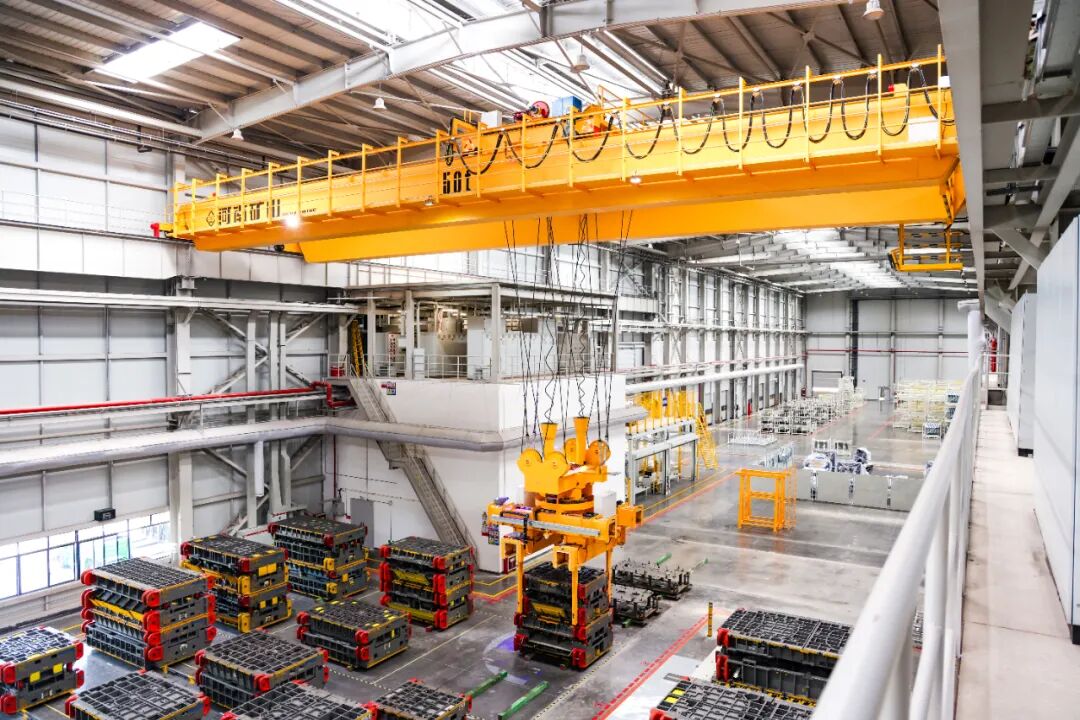
The core of choosing intelligent overhead crane for unmanned workshop is not to pursue the gimmick of “intelligent”, but to choose a complete system that can really fit your workshop and solve the actual pain points.
It needs to have reliable core technology (PLC+AI control, automatic anti-shaking, high-precision positioning, etc.), match the technical parameters of the industry needs, meet international safety standards, and at the same time can be seamlessly integrated with the workshop's production system.
When selecting a model, you can't just look at the initial cost, but also account for the long-term ROI and full life cycle cost, avoid those common pits, and take into account the current demand and future expansion.
Henan Mine Crane Factory Custom
Henan Mine Crane has done more than twenty years of crane R & D and production, to provide unmanned workshop crane solution to the global unmanned workshop in many industries, familiar with the pain points and needs of different industries.
We will not simply recommend equipment to you, but will customize the most suitable solution according to your workshop scenarios, production needs, budget, to help you achieve truly unmanned operations, improve productivity and reduce long-term costs.
Whether you are a new unmanned workshop, or existing workshop upgrade, you can contact our engineering team, we will give you a free demand estimation and program planning, to help you choose the right equipment, less detour.