
Aerospace vs Military Grade Crane Which is More Reliable
In mission-critical lifting operations, reliability isn't a nice-to-have, it's the entire point of the equipment. A crane failure on an aircraft assembly line can damage a component worth millions of dollars. A crane failure at a forward military depot can stall an operation with no backup equipment for miles. Both scenarios demand exceptional performance, but they demand it in different ways.
Aerospace cranes and military grade cranes are often mentioned in the same breath, as if they're interchangeable premium tiers of lifting equipment. They aren't. They're designed around different operating environments, different mission requirements, and different definitions of what "failure" looks like. This guide compares their design philosophy, reliability standards, and application scenarios so buyers can choose the right solution rather than the more impressive-sounding label.
Procurement teams frequently default to whichever label sounds more rigorous, assuming that military grade automatically means tougher, or that aerospace automatically means better engineered. In practice, both labels describe a bundle of design choices, testing regimes, and quality certifications tailored to a specific failure profile. A crane that excels at millimeter-accurate positioning inside a climate-controlled hangar may be a poor fit for a coastal naval depot exposed to salt spray and temperature swings, and vice versa. Understanding what each designation actually guarantees, rather than what it implies, is the first step toward specifying equipment that performs as expected over its full service life.
What Is an Aerospace Crane?
Henan Mine Crane manufactured aerospace crane is engineered around precision, stability, and cleanliness. In aircraft and spacecraft manufacturing, the crane isn't just moving weight — it's positioning components worth hundreds of thousands to millions of dollars with tolerances that leave almost no margin for error.
Typical Applications
- Aircraft manufacturing
- Spacecraft assembly
- Satellite production
- Rocket integration facilities
In each of these environments, the crane works in a tightly integrated production flow. When parts for fuselage sections, wing configurations, satellite buses, and rocket stages are typical of low production volumes (sometimes one of a kind), handling damage becomes very expensive and can itself cause delays to the entire program.
Key Performance Requirements
- High positional accuracy:because assembly operations dictates tolerances at a few millimeters, and realized at the final stages by means of VFD control and ultra-low creep speeds.
- Smooth lifting motion:which uneven acceleration or deceleration may damage delicate composites, precision-machined surfaces, or sensitive avionics.
- Low vibration:Essential for precision assembly and for sensitive sensor and optical equipment.
- Cleanroom compatibility:Numerous aerospace and satellite cranes perform in classified cleanroom environments and FOD control is among the highest safety priorities.
Beyond these baseline requirements, aerospace cranes are frequently expected to integrate directly with the surrounding production system. That can mean synchronizing with automated drilling and fastening equipment, logging every lift for quality traceability, or supporting tandem dual-hoist operations for long, flexible components like wing sections that can flex and amplify sway if motion isn't carefully controlled. Because a single dropped fastener or a scuffed composite panel can ground an entire production line, the crane is treated less like a piece of material-handling equipment and more like a precision instrument embedded in the manufacturing process itself.
What Is a Military Grade Crane?
Henan Mine Crane manufactured military grade crane is engineered around durability and continuous operational readiness. Rather than optimizing for a controlled indoor environment, it's built on the assumption that the operating environment itself is the primary threat , extreme heat, cold, humidity, corrosion, dust, and shock.
Typical Applications
- Military logistics
- Ammunition handling
- Naval bases
- Vehicle maintenance depots
- Missile assembly facilities
These environments share a common thread: equipment failure isn't just costly, it can directly affect mission readiness. A crane at a naval base or forward maintenance depot often has no immediate backup, so reliability under stress is non-negotiable.
Key Performance Requirements
- Heavy-duty operation: built for frequent, high-intensity lifting cycles over long service periods.
- Shock resistance: structural components engineered to absorb mechanical shock without cracking or losing calibration.
- Extreme weather capability: validated performance across desert heat, arctic cold, high humidity, and coastal salt exposure.
- Rapid deployment: some military cranes are designed for mobile or semi-permanent installation in field conditions.
- High durability: components selected for a long service life with minimal maintenance downtime, since military cranes commonly remain in service for 15–25 years.
These requirements are rarely evaluated in isolation. A crane serving a naval base, for example, must simultaneously resist salt-air corrosion, operate reliably across a wide temperature band, and remain serviceable by technicians without specialized tooling, because in a deployed or forward-operating context, there may be no realistic option to wait weeks for a replacement part. This is why military procurement places heavy weight on standardized components and interchangeable spares across a fleet: a base with ten cranes from ten different configurations is a maintenance and readiness liability, while a standardized fleet simplifies training, spares inventory, and field repair.
Aerospace Crane vs Military Grade Crane: Key Differences
Design Philosophy: Precision vs Durability
Aerospace cranes are engineered around precision, the ability to place a load exactly where it needs to be, repeatedly, without damaging it. Henan Mine Crane manufactured military grade cranes are engineered around durability, the ability to keep functioning at rated capacity after years of exposure to harsh conditions. Neither design philosophy is "better" in isolation; they solve different problems.
Operating Environment
Aerospace cranes typically work inside controlled manufacturing facilities, climate-controlled hangars, cleanrooms, and assembly halls where temperature, humidity, and airborne contaminants are already managed by the building itself. Because the facility handles environmental control, the crane's engineering budget can be spent almost entirely on motion precision rather than ruggedization. Military grade cranes are built for harsh outdoor environments, including shipyards, desert bases, coastal installations, and forward operating locations where no such environmental control exists. Here, the crane itself has to be the resilient element, since there's no building system compensating for temperature swings, blowing sand, or salt-laden air.
Lifting Accuracy
Aerospace cranes are held to tight positioning tolerances, often in the low single-digit millimeter range for major assembly operations, supported by anti-sway systems and micro-speed motion control. Some automated drilling and fastening operations demand even tighter positioning than general assembly work, pushing precision requirements further still. Military grade cranes are not typically specified against the same accuracy benchmarks, capacity, ruggedness, and uptime take priority over micron-level positioning. That doesn't mean military cranes are imprecise; it means their engineering priorities are allocated differently, with accuracy sufficient for the task but not treated as the primary design driver.
Load Capacity
Both categories span a wide capacity range depending on application. Henan Mine Crane manufactured aerospace double girder cranes commonly range from 5–50 tonnes, with some final-assembly configurations exceeding that for large aircraft sections, and spans of 20–50 meters or more are typical across major assembly bays. Component weight alone rarely tells the whole story, either, lifting attachments such as spreader beams, cradles, and vacuum systems can add significant additional weight, which is why aerospace facilities often specify crane capacity at 1.5–2x the heaviest single component to leave headroom for tooling and future production requirements. Military cranes handling missile containers, ship modules, or armored vehicles often require higher capacities and longer spans to bridge wide hangars, shipyards, or missile silos, and large-span configurations exceeding 70 meters are not unusual for facilities handling entire ship sections or long-range missile systems.
Environmental Resistance
This is where the two categories diverge most clearly:
- Temperature: military cranes are tested across extreme heat and cold ranges; aerospace cranes generally assume climate-controlled conditions.
- Dust:military cranes must resist sand and dust ingress in field deployments; aerospace cranes rely on facility-level contamination control plus onboard FOD prevention.
- Humidity: military cranes are validated for high-humidity and monsoon-type conditions; aerospace facilities typically manage humidity through HVAC systems.
- Corrosion: military cranes near coastal or naval environments require enhanced corrosion-resistant coatings; aerospace cranes need corrosion resistance appropriate to indoor industrial use.
- Shock: military cranes are engineered to absorb mechanical shock and vibration from transport and field use; aerospace cranes are engineered to minimize vibration transmitted to the load itself.
Which Crane Offers Better Reliability?
Reliability in Precision Manufacturing
In an aerospace assembly environment, the biggest reliability risk isn't a dramatic mechanical failure , it's a precision failure: a slight drift in positioning accuracy, a jerky start-stop motion, or excess load sway that damages a component or forces costly rework. Unlike a catastrophic breakdown, a precision failure can go unnoticed until quality inspection flags an out-of-tolerance part, by which point the cost has already been incurred. Aerospace cranes are optimized specifically to minimize this risk, which is why reliability in this context is measured largely through positioning repeatability over the crane's operating life rather than through simple uptime percentages.
Reliability in Harsh Field Operations
In a military logistics or depot environment, the biggest reliability risk is unplanned downtime in a location with limited support infrastructure. A crane failure at a forward base, naval yard, or other critical logistics hub can cause delays with potentially strategic effects which in commercial markets are usually mitigated by back-up units or help on the same day but commercial cranes weren’t designed for the strategic pressures of the U.S. military, requiring instead hardened construction, redundant parts, and structural endurance, and readiness indicated by mission-capable rates rather than accuracy of placement.
Maintenance Requirements
Henan Mine Crane Factory supply aerospace cranes generally require regular calibration checks to preserve positioning accuracy, alongside standard mechanical maintenance. Drift in a positioning sensor or a slight change in drive response can be invisible day-to-day but compound into measurable placement error over months of use, so calibration schedules tend to be tighter and more frequent than in general industrial settings. Military grade cranes are designed to minimize maintenance frequency altogether, since field maintenance access is often limited , this typically means simpler, more standardized components that are easier to service or swap in the field, along with design choices that favor mechanical robustness over sensor-dependent precision systems that could be harder to repair without specialized technicians.
Expected Service Life
Military grade cranes are frequently specified with a 15–25 year field service expectation. Aerospace cranes are often tied to the lifecycle of a specific production program, though well-maintained units can remain in service for decades in stable facility environments.
Failure Risk Analysis
| Failure Mode | Aerospace Crane Risk | Military Grade Crane Risk |
| Precision drift damaging a component | Primary concern | Secondary concern |
| Structural failure under extreme temperature | Low (controlled environment) | Primary concern |
| Corrosion-related degradation | Low to moderate | Primary concern (coastal/field use) |
| Unplanned downtime with no backup equipment | Moderate (production delay) | High (mission impact) |
| Contamination affecting sensitive components | Primary concern (FOD) | Low priority |
Bottom line: neither crane type is universally more reliable. Aerospace cranes are more reliable for precision handling in controlled environments. Military grade cranes are more reliable for sustained operation in harsh, unpredictable field conditions. The right answer depends entirely on which failure mode your operation is most exposed to.
Core Technologies That Improve Crane Reliability
Regardless of grade, several core technologies consistently improve reliability across both categories:
Anti-Sway Control Systems
Electronic systems that predict and counteract load swing, reducing sway significantly during transport and positioning , critical for both delicate aerospace components and awkwardly shaped military cargo like missile containers.
Variable Frequency Drives (VFD)
Stepless speed control, which connoisseurs would use to smooth acceleration and deceleration, remains one of the early VFDs’s virtues. Jerky contactor controlled drive has long been relegated to the history books. Aerospace precision work and the mechanical strength stress of military Duty cranes gain from this contribution.
Intelligent Load Monitoring
Automated, load-dependent load weighing and handling systems that automatically adapt lifting speed to load weight, enabling uniform handling regardless of component mass, and activating overload warning systems well in advance of force overload conditions becoming safety incidents.
Redundant Safety Protection
Secondary braking systems, overspeed protection and load-arrest devices add an additional cushion critical in military missions and aerospace handling that can’t afford a single point of failure.
Predictive Maintenance
Monitoring motor temperature, vibration signatures and duty cycles electronically sensors makes it easier for maintenance teams to detect trouble before failure. This results in longer service life for the tool in question and less unplanned downtime in either environment. In an aerospace plant, a monitor may catch a bearing wear condition and prevent an offsetting during a position adjustment. In a military depot provide early warning on a motor about to hit end-of-life measures prior to unexpected failure on active duty.
Remote Condition Monitoring
Cloud-connected or networked monitoring systems that report operating hours, fault codes, and performance data, particularly valuable for military installations where technical support may not be on-site, and for multi-crane aerospace facilities coordinating complex lifts from a central control room. For defense applications, remote monitoring also supports fleet-wide readiness reporting, allowing logistics planners to see at a glance which units at which bases require service before they become a mission risk.
Choosing the Right Crane for Different Industries
Aerospace Manufacturing
Prioritize precision motion control, FOD prevention, and AS9100-certified manufacturing quality. Henan Mine Crane Factory supply double girder overhead cranes with VFD control are the standard workhorse for assembly hall operations. Beyond the crane itself, evaluate how well the system integrates with existing jigs, fixtures, and automated tooling — a crane specified in isolation from the rest of the production line often ends up as a bottleneck rather than an asset. Facilities handling composite structures should also confirm the crane's load-swing performance under partial loads, since uneven or asymmetric components behave differently in transit than uniform loads and can introduce unexpected sway if the anti-sway system isn't tuned for that load profile.
Defense Industry
Prioritize MIL-STD-810/461 compliance, structural durability, and long-term parts standardization across a fleet. Facilities producing military aircraft often require dual compliance with both aerospace and military standards, since the same crane may need to handle a fuselage section with aerospace-level precision while also surviving a coastal or high-vibration environment. Procurement teams in this segment should also weigh interoperability requirements — NATO and allied operations often call for CE marking alongside MIL-STD compliance — and should factor multi-decade support contracts into supplier selection, since defense equipment is expected to remain serviceable long after commercial products of the same era have been discontinued.
Shipbuilding
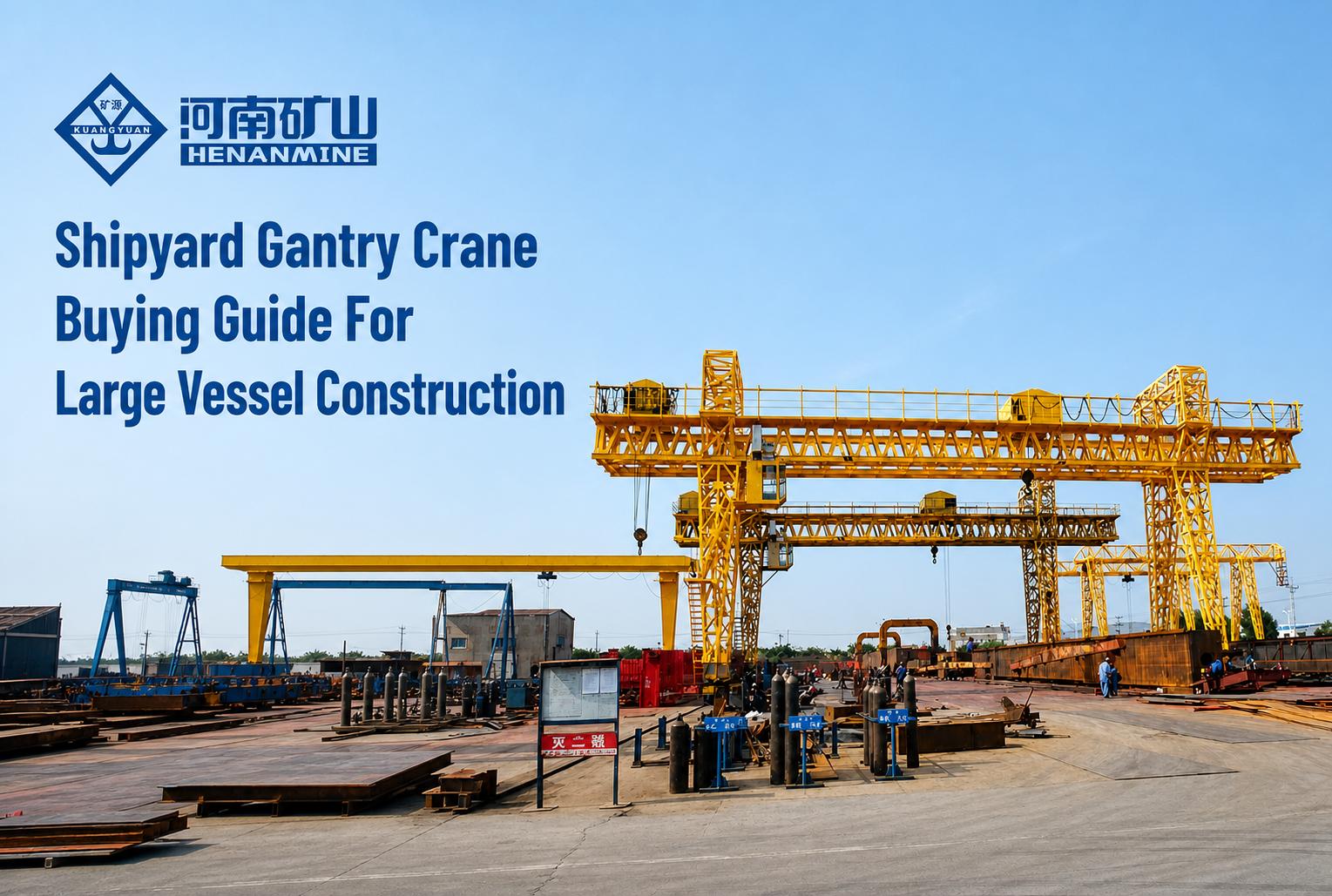
Prioritize large-span capacity, marine corrosion resistance, and shock tolerance. Gantry cranes are popular in shipbuilding shops since they can traverse large open outdoor distances and there are most likely “requirements for specialized coatings and sealed electrical components”, given how they will be subjected to salt air and water all day long. In addition, work at shipbuilding shops often requires uneven, unbalanced loads, such as hull sections or superstructure blocks, so tandem lifting capability and on-the-fly weight-centering/center-of-gravity monitoring should be valued equally with maximum capacity.
Nuclear Facilities
In view of the high cost of a damage or accident, emphasis needs to be placed on redundant safety systems, accurate load control and documented certification and inspection. Crane was always a subject of extra regulation over and above normal industrial or defense certification in this environment. Some or all of the following may be required; more regular proof-load testing; more exacting operator certification; utilization of radiation tolerant components; remote operated cranes.
Heavy Equipment Manufacturing
Make sure the duty cycle and load capacity requirements take precedence over positioning accuracy and tight tolerances, as the products in this environment are generally tougher and not affected by small handling differences as aerospace parts are. This category of environment is not unusual for cranes to operate at higher duty cycles than aerospace or defense environments, and many Center of Manufacturing and Assembly/Facilities Engineering Management (CMAA/ FEM) duty classifications and wear life requirements on hoist and trolley components should be taken into account during specification.
Common Crane Types Used in Aerospace and Military Industries
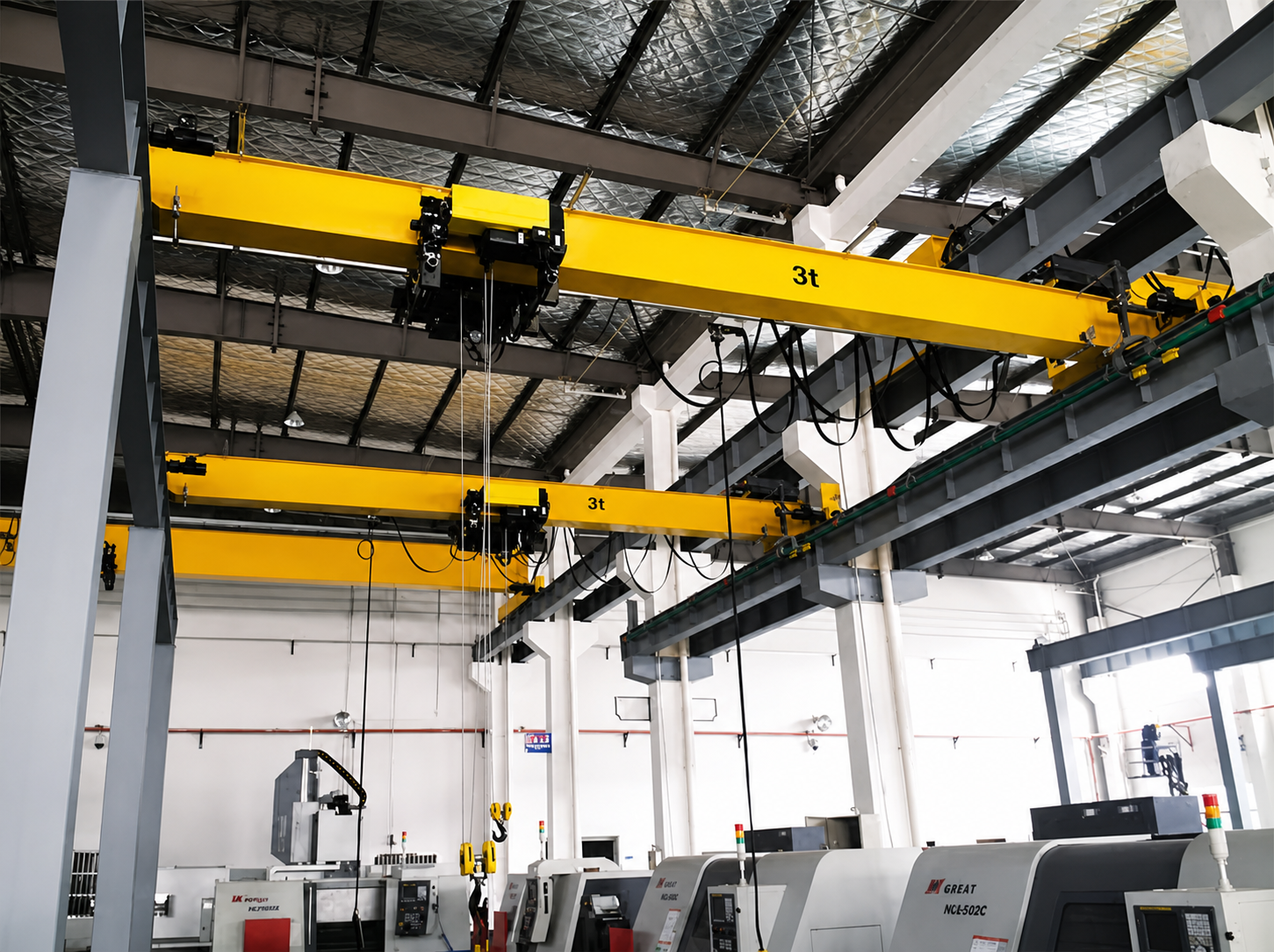
Double Girder Overhead Crane
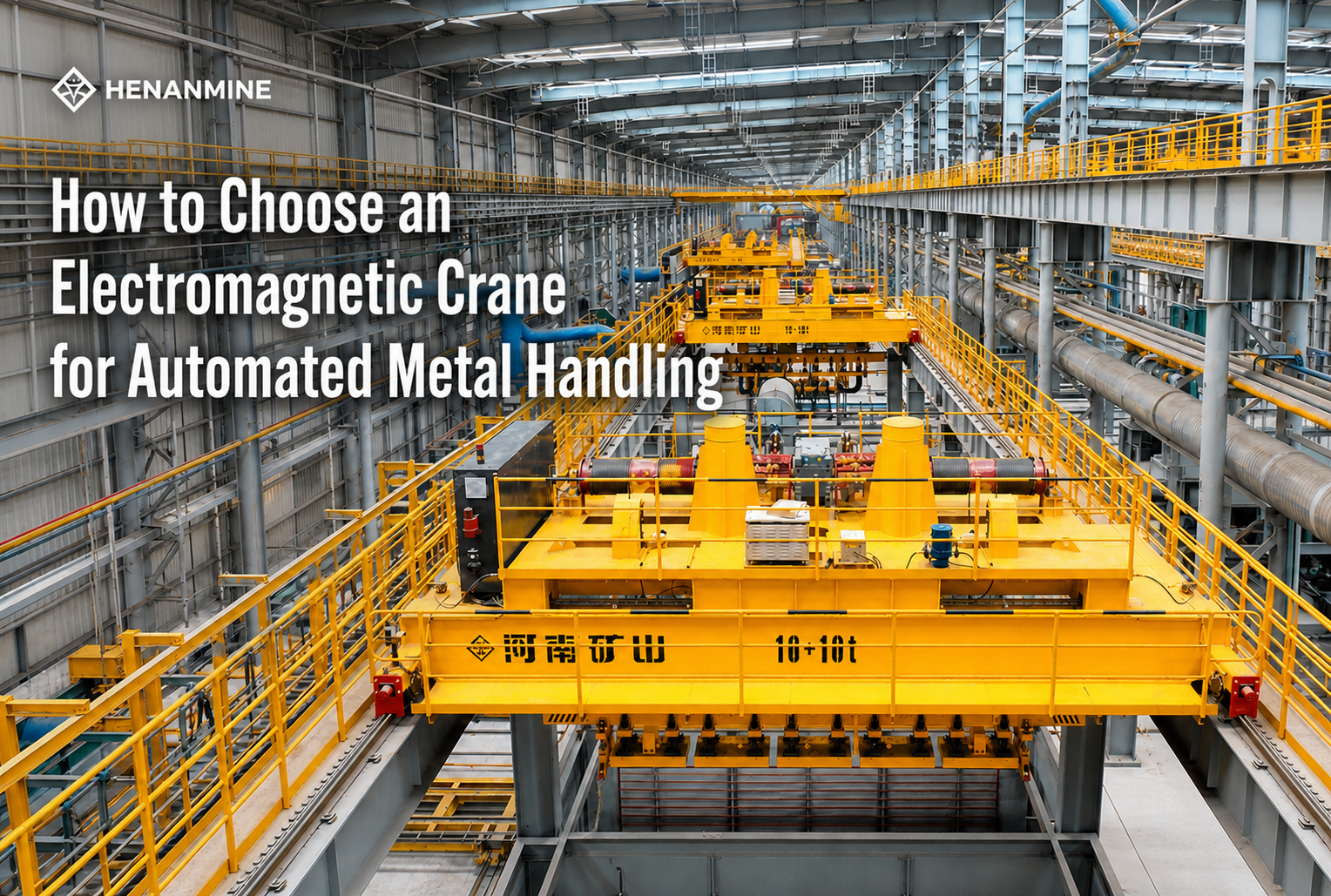
The workhorse of aerospace assembly facilities and military maintenance depots. Delivers the hook height and stability demanded for manipulation of large components, in capacities of 5 50 tonnes in most cases. With a twin-girder set-up, the machine offers superior torsional stability over a single-girder, a benefit that comes into play when manipulating long, asymmetrical loads such as wing sections or vehicle hulls, and this type of Crane commonly offers dual-hoist configurations for tandem lifting of really long or heavy components.
Single Girder Overhead Crane
Ideal for lighter lifting applications, and smaller facilities, providing a smaller footprint and easier fit into lower ceiling height spaces, these systems are practical for smaller maintenance bays, parts storage areas or secondary work cells where the full double girder capacity isn’t needed, and their lower cost and simpler design can make them more economical where numerous, lower use lifting points are needed in a facility.
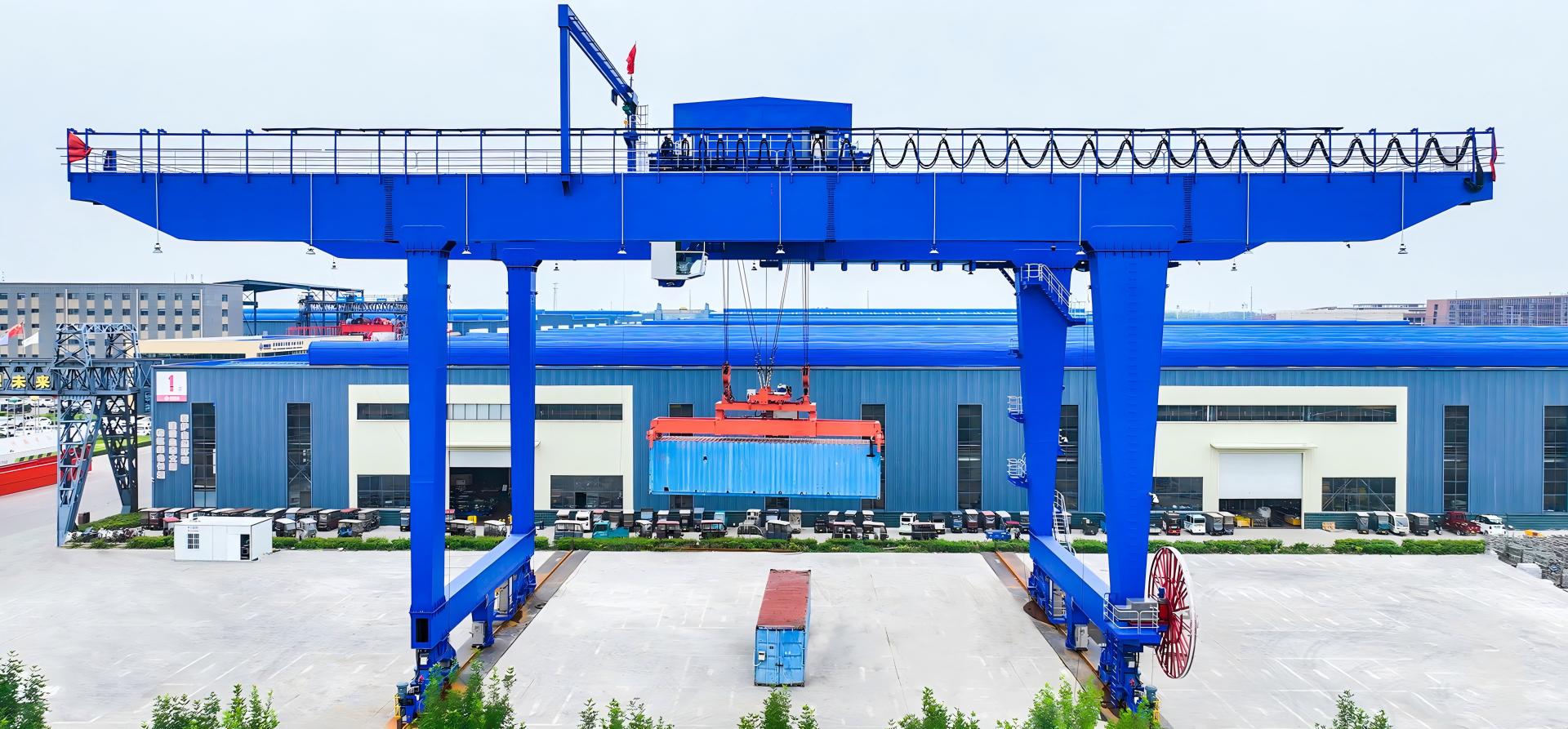
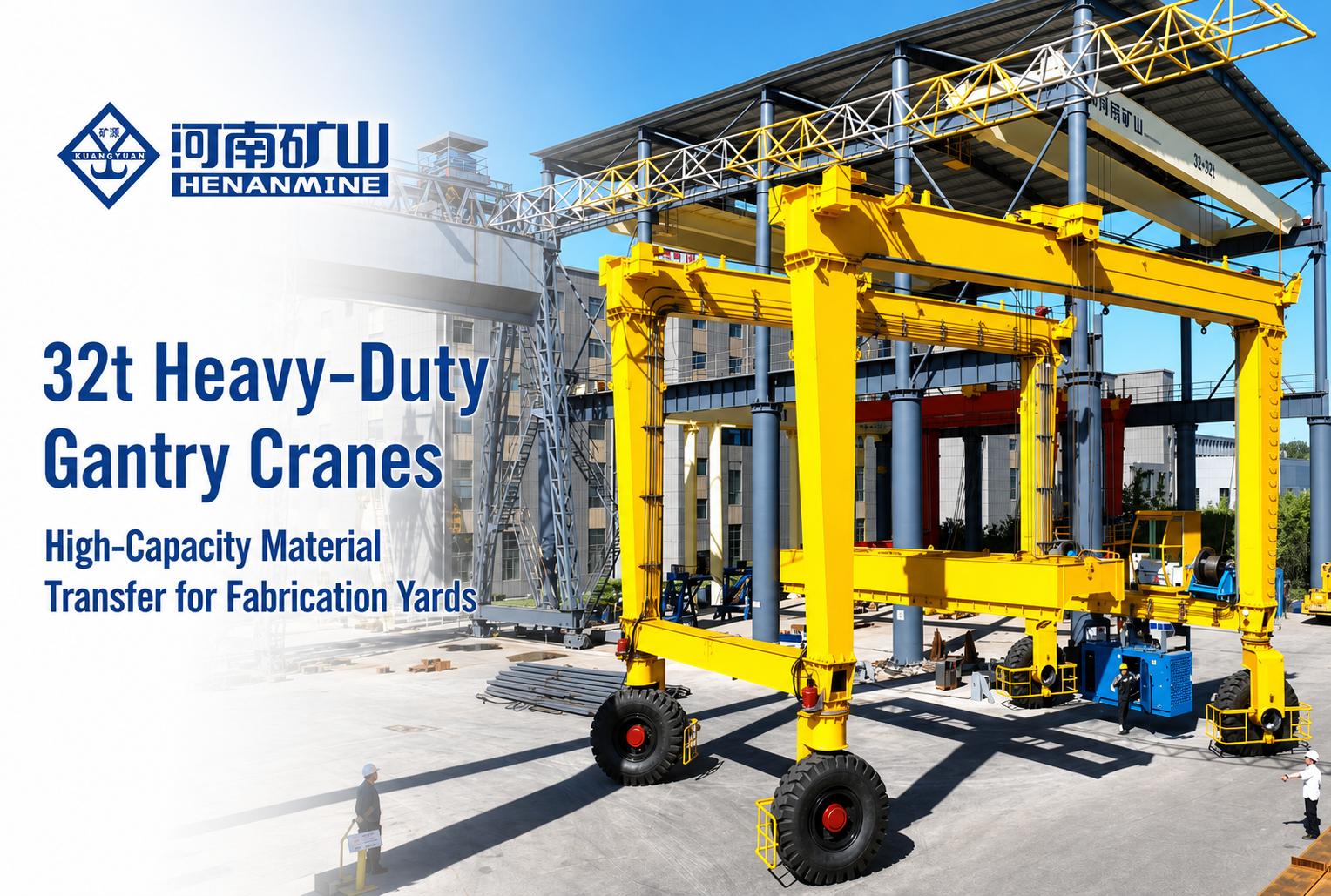
Gantry Crane
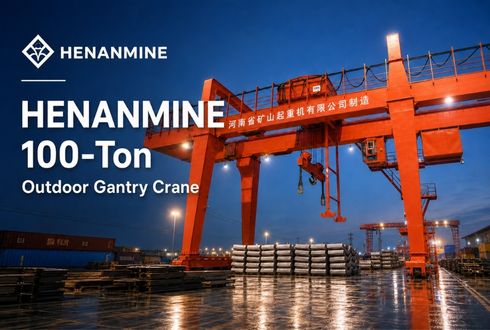
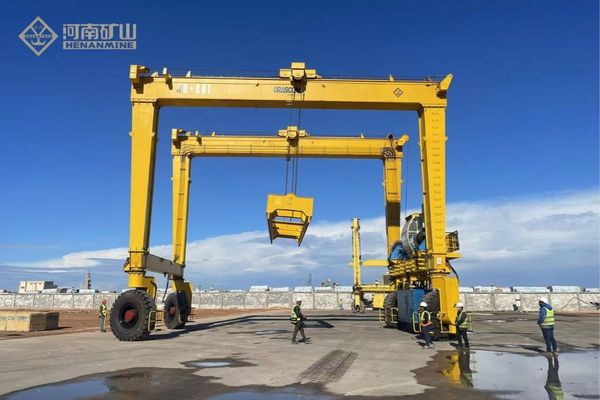
Gantry cranes are supported by legs instead of an overhead structure and are frequently used in shipyards and outside military facilities, when it is undesirable to have an overhead runway defined. Because they are self-supported they are often used at forward bases on a temporary/semi-permanent basis where the construction of a full overhead runway is not justified.
Jib Crane
Jib Crane (Local use): Localized lifting of small payloads. Used where a dedicated overhead crane is not justified, e.g. assembly bays and workplace areas. In aerospace applications, many local-purpose jib cranes are used at individual assembly bays for small job handling, so that the overhead crane for structural lifts can be spared.
Explosion-Proof Crane
Infamous for the creation of available sparks, this is an enameled, electrically-sealed unit required in munitions handling plants and combustible atmospheres. Typically terminating in a sealed electrical enclosure, these specialized units are manufactured with non-sparking construction throughout the entire hoist and control system, since the slightest electrical short could be the difference between survival or destruction in a munitions handling application. Explosion proof classifications are generally given according to hazard zone as well as the material class, and specifications should begin with a hazard assessment of a plant, rather than simply an explosion proof label.
Intelligent Crane Systems
Cranes integrated with anti-sway control, load monitoring, and remote diagnostics , increasingly used in both satellite assembly (for precision) and military logistics (for remote condition monitoring). These systems increasingly incorporate programmable motion profiles that let operators save and recall precise lift sequences for repeated operations, along with data logging that supports both aerospace traceability requirements and military fleet-readiness reporting from a single underlying platform.
Application Comparison Table
| Industry | Recommended Crane Type | Primary Advantages |
| Aerospace Manufacturing | Double Girder Overhead Crane | High precision, smooth positioning |
| Satellite Assembly | Intelligent Overhead Crane | Anti-sway, precise load control |
| Military Maintenance | Double Girder Crane | Heavy-duty lifting, durability |
| Ammunition Facilities | Explosion-Proof Crane | Enhanced operational safety |
| Naval Shipyards | Gantry Crane | Large-span heavy lifting |
Henan Mine Crane Factory Custom
Aerospace and military applications demand different definitions of reliability, but both require cranes engineered for long-term performance, operational safety, and application-specific requirements. Whether the priority is millimeter-level positioning in aerospace manufacturing or dependable operation in harsh military environments, selecting the right crane depends on matching the equipment to the working conditions, duty cycle, environmental challenges, and reliability expectations of the project.
As a professional crane manufacturer with extensive experience in customized material handling solutions, Henan Mine Crane Factory provides overhead cranes, gantry cranes, intelligent crane systems, and other heavy-duty lifting equipment for demanding industries, including aerospace, defense-related manufacturing, shipbuilding, steel, and energy. Backed by strong R&D capabilities, rigorous quality control, and full lifecycle service, we help customers develop reliable lifting solutions that improve productivity, reduce lifecycle costs, and support safe, efficient operations for years to come.