
Semi-Gantry Crane Pricing: Is It Cheaper Than a Full Gantry Crane?
In the selection of lifting equipment in industrial scenarios such as workshops, warehouses, assembly production lines, etc., gantry cranes are the core equipment for material handling.Many companies will struggle when purchasing: which half-gantry crane and full-gantry crane are more cost-effective?Is the price of a half-gantry crane really cheaper than a full-gantry crane?
The answer is: under most indoor and site-restricted working conditions, the comprehensive cost of half-gantry cranes can save 20%-50% of the total cost compared to full-gantry cranes of the same specifications. It is a cost-effective choice for lightweight and intensive production scenarios.However, not all scenarios are applicable. Under outdoor open-air and large-tonnage heavy-duty conditions, the full-door type is more suitable and cost-effective.
This article will analyze the equipment definition, core differences, detailed price range, cost comparison, applicable scenarios, hidden costs and money-saving procurement techniques in all directions to help you accurately judge the procurement value of the two types of cranes and avoid the traps of selection and budget.
What Is a Semi-Gantry Crane? How Does It Differ From a Full Gantry Crane?
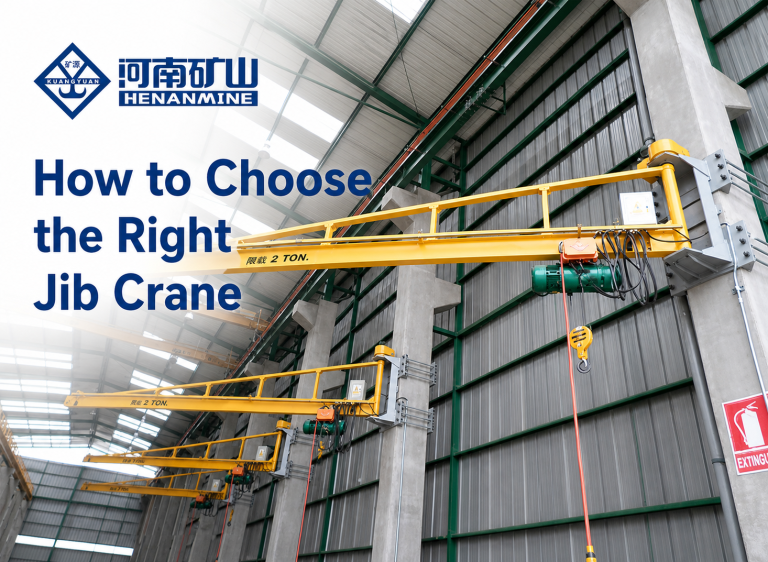
Semi-gantry cranes are also often referred to as semi-gantry cranes. They are hybrid lifting equipment that combines the advantages of bridge cranes and traditional gantry cranes, and are perfectly adapted to the industrial scenarios of existing plant infrastructure.
Its core structure is single-sided floor-standing legs + single-sided building support: the horizontal main beam is equipped with an electric hoist/trolley, one side walks along the ground track through independent legs, and the other side is directly fixed to the plant column, wall or wall track beam, without the need for bilateral ground track support.
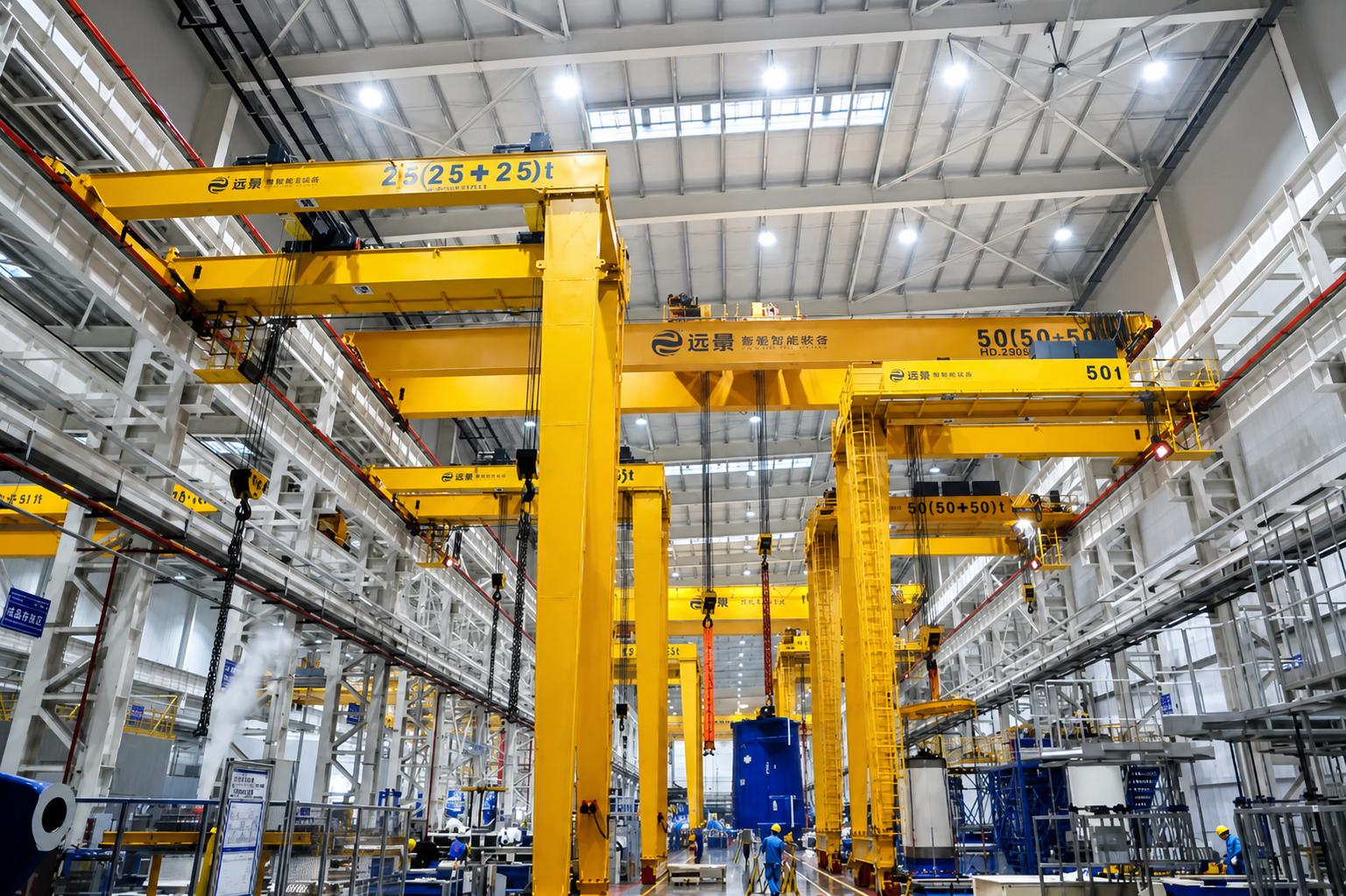
This special structure makes it extremely space-saving in the workshop, can work in parallel with other lifting equipment, and is widely used in small and medium-sized workshops, machining workshops, warehouses, and assembly line station lifting scenes.
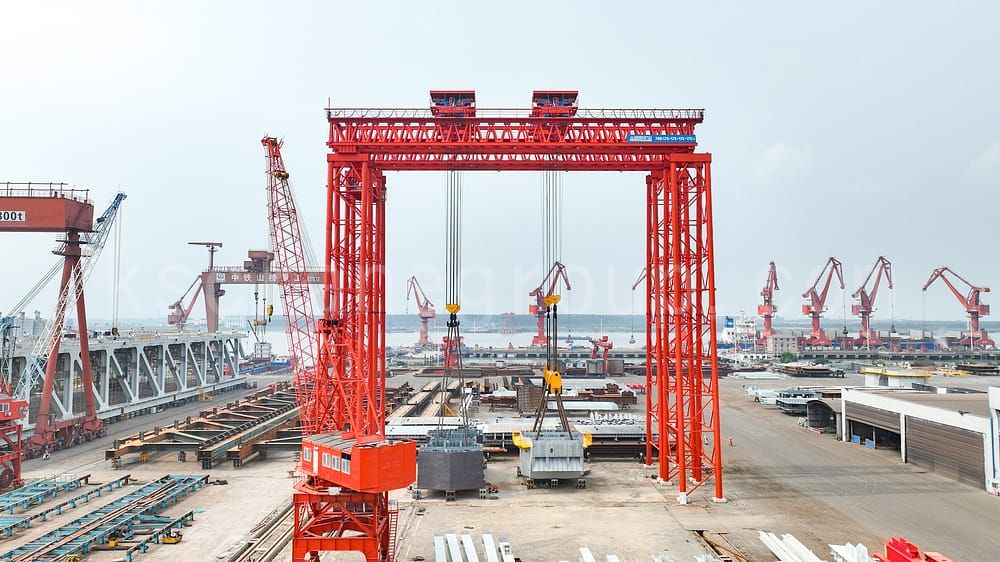
The full-gantry crane (double-leg gantry crane) is a completely independent lifting equipment. The whole machine is supported by two-sided landing legs, and both legs run along the ground embedded track. It does not depend on the building structure of the plant at all, and its autonomy and stability are extremely strong. It is not limited by the conditions of building walls and columns.
Core differences between the two types of cranes
- Support structure: The full-door type adopts double-sided ground legs + double track, which has independent structure and full stability; the half-door type has single ground legs + single-sided building support, eliminating the need for a set of ground tracks and steel structure support.
- Installation and space utilization rate: The half-door type relies on the existing plant structure, does not require large-area ground construction, and is suitable for narrow workshops and compact stations, greatly saving ground space; the full-door type requires a complete double-sided track and foundation, which occupies a larger site and requires higher indoor space.
- Applicable working conditions: the half-door type is mainly suitable for indoor small and medium-sized lifting and space-restricted scenes; the full-door type is suitable for outdoor depots, ports, cargo yards, large-tonnage heavy-duty, high-frequency heavy-duty working conditions.
- Mobility and adaptability: Both can be driven by motors to walk on the track, but the full-door machine is more independent, can be flexibly relocated and adapted to complex outdoor environments, and the half-door type is limited by the building structure and is only suitable for fixed indoor working conditions.
Is a Semi-Gantry Crane Cheaper Than a Full Gantry Crane?
Combined with the FOB factory quotations of industry manufacturers in the past two years, the prices of semi-gantry cranes vary greatly with tonnage, span, beam type, and configuration. The prices of conventional industrial standard models are transparent, and the prices of customized models have risen significantly.The following is the precise price range of the general standard configuration (span 9-20m, conventional work system), which can be used as the core reference for the procurement budget.
Conventional tonnage semi-gantry crane price range
- 2-5 ton single beam model: the market quotation range is 6400-14000 US dollars.Among them, the basic model with a 3-ton and 9-meter span is quoted at US66,400-10,000, and the mainstream model with a 5-ton and 12-meter span is quoted at US88,570-14,280, which is extremely cost-effective. It is the mainstream choice for lightweight lifting operations in workshops of small and micro enterprises.
- 10-ton single-beam model: the conventional standard configuration is quoted at 17,000-26,000 US dollars.If the span of the main beam is increased, the lifting height is increased, or intelligent configurations such as frequency conversion and speed regulation are installed, the equipment price can reach up to US660,000, which can be adapted to medium and high-intensity workshop lifting operations.
- 16-20 ton medium and heavy-duty models: The overall quotation range is 25,700-50,000 US dollars. It is designed for heavy-duty stations in small and medium-sized factories. It can stably cope with high-frequency and large-load indoor lifting conditions, and it is extremely practical and adaptable.
- BMH series 2-16 ton standard single beam model: The mainstream market quotation is 12,000-40,000 US dollars. This series of models has a wide range of working conditions, stable performance, and large market ownership. It is the general preferred model for industrial indoor half-door lifting equipment.
- BMG double-beam heavy-duty 5-320-ton models: the basic standard model is quoted from US442,000, and the price of customized models with large span and large tonnage can reach more than US770,000; customized models for 100-ton super-large tonnage and special working conditions, the price range can reach US美元140,000-250,000, which can meet all kinds of heavy industrial lifting needs.
The minimum basic simple 1-10 ton semi-gantry cranes on the market can be as low as 2000-5000 US dollars, but most of these types are simple modified models and are not industrial standard equipment. Safety and durability cannot be guaranteed, and it is not recommended for industrial production.
Core factors affecting the price of semi-gantry cranes
- Tonnage, span and lifting height: The larger the tonnage, the longer the span of the main beam, and the higher the lifting height, the higher the amount of steel required, the higher the specifications of core accessories, and the simultaneous rise in prices are the basic core factors affecting the quotation.
- Beam type and work system level: The beam structure and work level directly affect the cost of equipment.The A3-A4 light and medium-duty single-beam model is lightweight and cost-effective, and is suitable for conventional workshop operations; the A5-A7 double-beam model, which is suitable for multi-shift heavy-duty work, uses higher materials, accessories and process standards, and the cost is significantly higher.
- Customized configuration: The price of the basic standard model is the most stable, and customized functions such as frequency conversion speed regulation, explosion-proof protection, rainproof and anti-corrosion, special voltage adaptation, and intelligent control system are installed on demand, which will increase the process cost of the equipment and the cost of accessories, and the overall project cost will usually rise by 10%-20%.
- Overall project cost: The equipment quotation is only the bare metal price, and the actual landing still needs to be superimposed on transportation, on-site installation, foundation construction, circuit connection, equipment inspection and acceptance, construction qualification approval and other costs. Depending on the site conditions, the additional cost can increase by tens of thousands of dollars.
- Supply channels and market conditions: the direct supply price of the source manufacturer is lower, and the quotation of local distributors in Europe and the United States and the landing service of the whole package is higher; fluctuations in steel prices and tariffs will also directly affect the final price of the equipment.
Semi-Gantry Crane vs Full Gantry Crane Cost Comparison
Conclusion First: Under the same working conditions and the same specifications, the overall project cost of a half-gantry crane is 20%-50% lower than that of a full-gantry crane, and the cost of steel structure can be saved by 25%-40%. It is a cost-effective choice for indoor adaptation scenarios.
The root cause of the core cost difference
The price gap between the two types of models is essentially the cost difference caused by the difference in structural design.Full-gantry cranes require complete outriggers on both sides, double-sided ground tracks, and two-way foundation reinforcement, and the amount of steel, civil construction, and labor installation costs have increased significantly; while half-gantry cranes rely on existing plant buildings, eliminating the need for one side of the steel structure, a set of track and foundation engineering, and reducing material and construction costs from the source.
Full-dimensional cost comparison details
- Bare metal equipment price: Under special circumstances, the unit price of the full-door simple bare metal may be slightly lower, but the half-door type has no absolute disadvantage; under complex customized conditions, the price of the half-door bare metal is basically the same as that of the full-door type.
- Installation and civil construction costs: The half-door type has the most obvious advantages. It only requires one-sided ground construction, and there is no need to transform the side foundation of the building. Civil construction, construction, and labor costs are greatly reduced; the full-door type must be made of double-sided track and foundation, and the site construction cost is extremely high.
- The total price of the overall project: Under the premise that the plant structure is up to standard and can be adapted to support, the overall landing cost of the semi-gantry crane is significantly lower, which is the preferred solution for small and medium-sized enterprises to reduce costs and increase efficiency.
- Long-term operation and maintenance costs: the half-door structure is streamlined, there are fewer supporting components, the equipment failure rate is low, and the daily maintenance and energy consumption costs are lower; the full-door structure is complex, there are many parts, and the long-term operation and maintenance time and capital costs are higher.
Price comparison of mainstream models from 2025 to 2026
Semi-gantry crane: The market price of conventional 2-16-ton single-beam models is US110,000-50,000; the starting price of 5-320-ton heavy-duty double-beam models is US442,000, which is suitable for multi-tonnage indoor operations.
Full gantry crane: The quotation range for conventional models of the same specifications is 50,000-200,000 US dollars, and the prices of outdoor working conditions, large-span and heavy-duty customized models will rise further.
Reference to real cases: Among the 5-ton conventional models, the price of full-door bare metal is slightly lower, but after superimposing civil construction and installation costs, the overall landing cost is more than 30% higher than that of half-door models, and the cost performance gap is significant.
When Should You Choose a Semi-Gantry Crane?
The core value of semi-gantry cranes is to save space, save budget, and adapt to existing factories. As long as the site meets the load-bearing conditions of one-sided buildings, priority is given to semi-gantry cranes, which can maximize the control of procurement costs.
Optimal application scenario
- Narrow workshops and restricted workstations: For compact factories within 10-15 meters, the full-door double-leg structure will squeeze valuable working space.The half-door single-leg design can effectively reserve a passage margin of 1-2 meters to ensure smooth and efficient material transfer, equipment passage and on–site operations.
- Indoor factories with compliance building support: When the carrying performance of the plant's columns and walls is up to standard, the tracks can be laid directly on the original building structure, without the need for large-scale civil engineering transformation, which greatly shortens the construction cycle and compresses infrastructure costs.
- Indoor and semi-open-air light and medium-sized lifting conditions: suitable for machining, mold handling, production line assembly, warehouse loading and unloading and other scenarios, can stably undertake conventional lifting operations of 2-50 tons, and adapt to the daily production needs of most small and medium–sized factories.
- Budget-controlled, cost-effective renovation project: Under the premise of ensuring stable lifting performance and safe operation, it effectively reduces the cost of equipment procurement, civil construction and installation. It is an economical solution for small and medium-sized enterprises to upgrade equipment.
- Multi-equipment collaborative operation scenario: it can be nested and installed under the existing bridge crane to achieve a multi-layer three-dimensional lifting layout, the equipment does not interfere with each other, does not occupy additional space, and maximizes the activation of workshop space resources.
Core advantage
Compared with full-gantry cranes, the comprehensive adaptation advantages of half-gantry cranes are very prominent. The performance and benefits are accurately adapted to the working conditions of small and medium-sized indoor workshops, without redundant performance and waste of costs. The core advantages can be divided into five dimensions.:
- Excellent space utilization, relying on the structural design supported by one-sided buildings, without the need for two-sided floor legs, greatly freeing up ground access and working space, and perfectly adapting to restricted scenes such as narrow workshops and compact workstations.;
- The cost of infrastructure is lower, eliminating the need for steel structure, ground track and supporting foundation construction on one side, reducing the cost of civil construction, steel and construction materials from the source, and the comprehensive cost advantage is significant.;
- The installation cycle is shorter, the equipment structure is streamlined, and there are fewer on-site construction processes. Relying on the existing plant structure, the layout, commissioning and commissioning can be quickly completed, effectively shortening the project construction period.;
- Operation and maintenance are convenient and worry-free, the whole machine has fewer parts, simple and stable structure, low failure rate, low cost of daily maintenance, maintenance and replacement of accessories, and the difficulty of operation and maintenance is much lower than that of complex full-door models.;
- The comprehensive price ratio is extremely high. Under indoor conventional lifting conditions, its lifting performance and operating efficiency can completely replace the full gantry crane of the same specification, taking into account equipment performance, landing cost and long-term use benefits, without performance waste and budget redundancy.
When Is a Full Gantry Crane a Better Choice?
The money-saving advantage of the half-gantry type depends on the supporting conditions of the plant building. The following scenarios are not applicable. Forced selection will result in high renovation costs. On the contrary, the gains are not worth the losses. Full-gantry cranes are preferred.
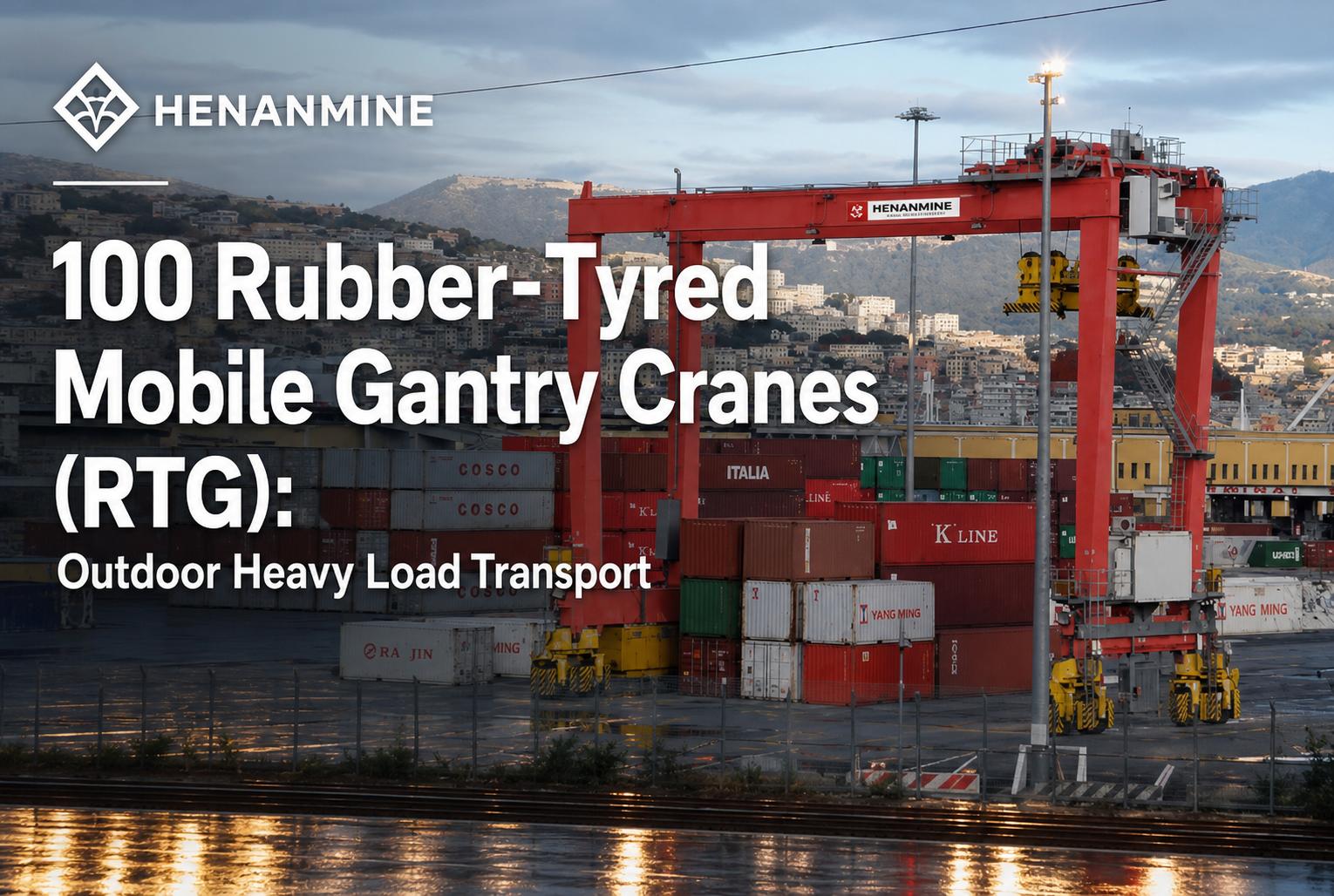
- Outdoor open-air operation scenarios: For open sites such as ports, material depots, construction sites, and open-air yards that have no building structure to rely on, all-gantry cranes adopt a completely independent double-leg structure, which is more wind-resistant, rain-proof, and environmentally adaptable, and can maintain stable and continuous lifting operations in complex open-air environments.
- Weak structure or temporary factories: The wall and column bearing capacity of old factories and simple temporary factories are generally insufficient. If they are forcibly adapted to semi-gantry cranes, high costs will need to be invested in structural reinforcement and load-bearing transformation. Additional engineering costs will completely offset the inherent price advantages of semi-gantry, and the gains will not outweigh the losses.
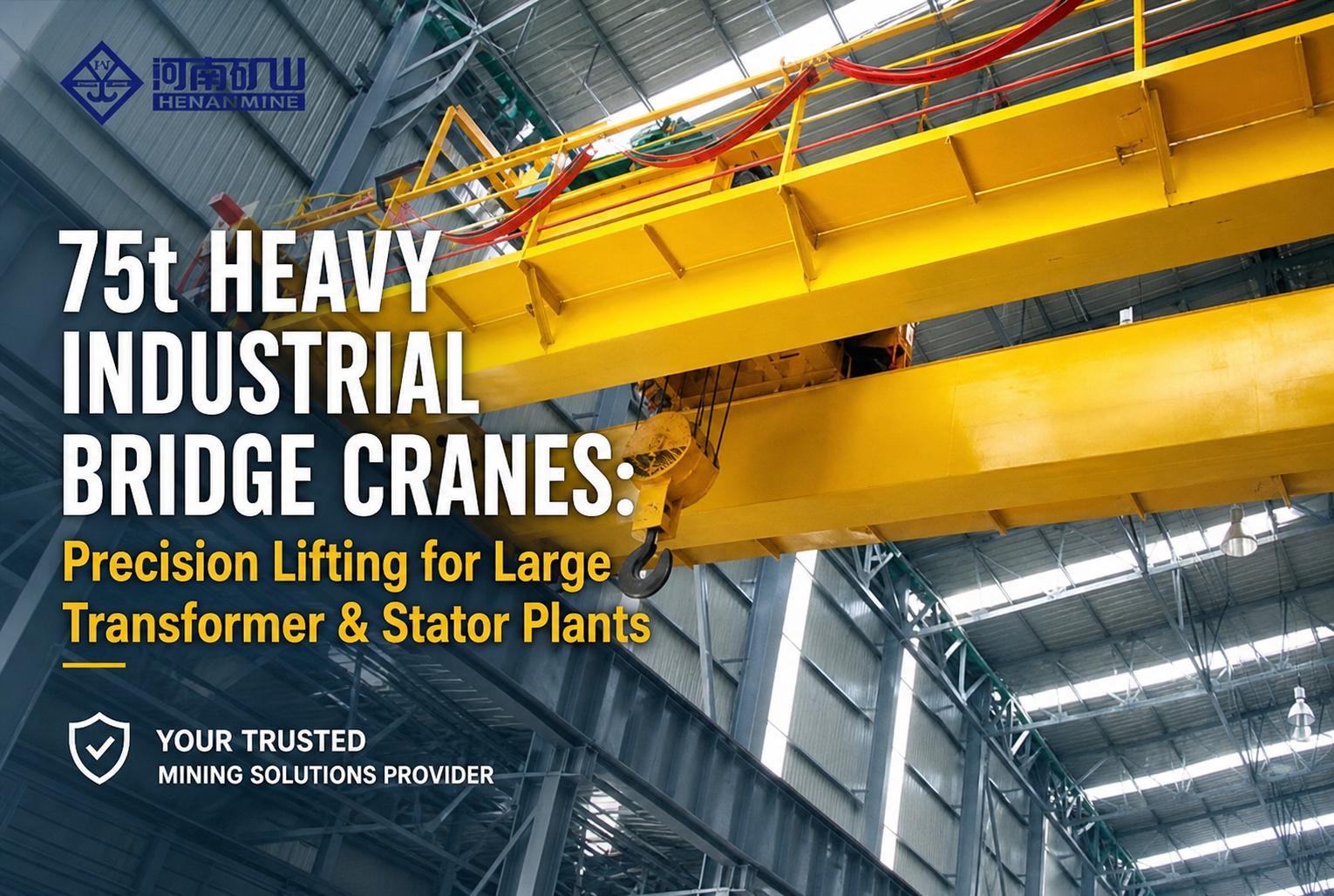
- Large-tonnage, high-frequency heavy-duty working conditions: For the lifting needs of large-tonnage, long-span, and high-lifting heights of more than 50 tons, as well as heavy-industry production scenarios with multiple shifts, the symmetrical structure of the full-door double-leg has uniform force and stronger carrying performance, and the overall stability and operating safety are far better than that of the half-door model.
- Barrier-free access requirements on both sides of the site: The all-gantry crane adopts double-sided landing legs and a transparent layout in the middle, and there is no shelter on both sides of the site. It can be perfectly adapted to workshop material transfer, large-scale equipment access, and assembly line operations in the whole site to ensure on-site access and unimpeded operation lines.
- Sites that need to be relocated or dynamically transformed: The all-gantry crane is an independent modular overall structure, does not need to be attached to the building, easy disassembly and assembly, flexible displacement, can be adapted to dynamic production needs such as factory renovation, site change, equipment relocation, and capacity expansion, and is more versatile and reusable.
Hidden Costs to Consider Before Buying a Semi-Gantry Crane
Many companies only compare bare metal prices when purchasing, ignoring hidden costs, which eventually leads to budget overruns.If you want to really save money, you must avoid the following expenses in advance.
- Building structure inspection and reinforcement costs: The unilateral load of the semi-gantry crane depends on the main structure of the plant, and the bearing capacity needs to be professionally verified before installation.Old buildings with insufficient bearing capacity require beam and column reinforcement and structural transformation, which will generate additional engineering expenses and may also cause downtime and missed work.
- The cost of ground track and foundation transformation: the single-sided outriggers of the equipment have strict requirements for ground flatness and bearing capacity.Ground subsidence, soft soil, weak floor and other working conditions require foundation compaction, thickening of the floor, and track leveling and embedding, which are common hidden civil construction costs.
- Site cleaning and supporting renovation costs: The installation area often conflicts with the layout of on-site pipelines, equipment, and stations. It is necessary to clean up obstacles, shift pipelines, and organize the site space to adapt to the span and lifting height of the equipment to ensure safe operation without interference.
- Electrical supporting and compliance acceptance costs: The project includes supporting projects such as circuit laying, circuit transformation, grounding and lightning protection, and power distribution upgrades. At the same time, it is necessary to bear compliance costs such as equipment testing, safety acceptance, and qualification reporting. It is a necessary investment for landing.
- Large-scale logistics and import and export taxes and fees: the main beam and outriggers of the equipment are oversized components, and the transportation costs are high.Cross-border procurement also requires additional costs such as packaging, customs clearance, customs duties, terminal miscellaneous fees, etc., which greatly increases the overall project cost.
- Long-term operation and maintenance and structural loss costs: The asymmetric structure of the equipment on one side is easy to produce partial load wear, and long-term operation is easy to lose accessories and shorten the life of the equipment.The lack of regular maintenance will continue to generate additional maintenance and replacement costs, increasing later operation and maintenance expenses.
How to Reduce Semi-Gantry Crane Purchase Costs
Relying on the mature product system and supply chain advantages of Henan mining cranes, it can maximize the compression of crane procurement, installation and long-term operation and maintenance costs without reducing equipment safety and operating performance, through scientific selection, standardized procurement and refined landing planning, and achieve cost-effective landing.
- On-demand selection to eliminate over-matching: combining the actual lifting load, span and operation system of the workshop with precise selection, the A3-A4 conventional single-beam models are suitable for most ordinary workshop working conditions, with stable performance and cost-friendly. There is no need to blindly purchase double-beam heavy-duty models at a premium, and control the cost from the source.
- Verify the bearing capacity of the building in advance: relying on professional pre-sales technical survey services, verify the bearing capacity of the plant structure free of charge before purchasing, accurately match the equipment parameters, avoid additional project expenditures such as beam and column reinforcement and structural transformation in the later stage, and maintain the early cost advantage.
- Optimize standard models and reduce customization: standardized mass-produced models have mature technology, sufficient production capacity, short delivery cycles, and perfect after-sales system. The cost performance is much higher than that of non-standard customization; only install exclusive functions on demand according to special working conditions to avoid useless customization premiums.
- Multi-channel price comparison, direct procurement from the source: direct procurement from the source manufacturers is directly connected, eliminating the need for middlemen to increase prices layer by layer, and detailed quotations for equipment, accessories, installation, and after-sales can be obtained in the whole process, which is transparent and controllable, and the comprehensive procurement cost is greatly reduced.
- Integrate site construction resources: Henan Minie crane can provide technical background and construction guidance, simple site rectification, circuit embedding, and track leveling processes, and can be used with local construction teams to land, flexibly reduce the service fees for manufacturers' complete equipment, and streamline landing expenses.
- Wrong peak procurement, grasp the market situation: relying on the advantages of large-scale production capacity and stable inventory, the factory reserve price can be locked in the low steel price and the off-season of industry procurement, and strive for price concessions and supporting value-added services to further drive down procurement costs.
Conclusion
Taken together, semi-gantry cranes are definitely cheaper and more cost-effective than full-gantry cranes when they are adapted to indoor factories, restricted sites, and limited budgets. The comprehensive cost savings are 20%-50%, and the space utilization rate is higher, which can fully meet the vast majority of small and medium-sized industrial lifting needs.
However, if it is outdoor operation, no building support, large-tonnage heavy-duty, high-frequency heavy-duty conditions, the stability and adaptability of all-gantry cranes are better, and the cost performance is higher.The procurement selection should not only look at the price of bare metal. It needs to be combined with the site conditions, working conditions, hidden costs, and long-term operation and maintenance comprehensive judgment in order to choose the lifting equipment that best meets the needs of the enterprise and is the most cost-effective.