
Steel Mill Heat Resistant Crane | Casting Crane & Double Girder Crane Guide
Many steel mills, foundries, purchasing and engineering personnel will have a confusion. casting crane vs standard double girder crane appearance and structure is highly similar, the same use of double girder bridge structure, trolley trolley running mechanism and cab control mode, rated load can also be done to the level of 100 tons.
This also makes many users mistakenly think that the two kinds of equipment can be common in the steelmaking workshop. However, after the actual production and use, there will be frequent cable aging, motor overheating, brake failure and other problems, the root cause is that most people ignore the difference between the two high temperature design. In the steel, iron, high temperature heat radiation metallurgical conditions, heat-resistant overhead crane configuration standards, directly determines the operational stability of the equipment and site operation safety.
This paper combines Henan Mine Crane years of steel mill overhead crane project landing experience, from the working conditions, heat-resistant structure, safety configuration, service life and other dimensions, compared with the core differences between ordinary double girder cranes and casting cranes, to help users of global steel mills to accurately select lifting equipment suitable for high-temperature working conditions.
Quick conclusion: who is more suitable for high-temperature working conditions in steel mills?
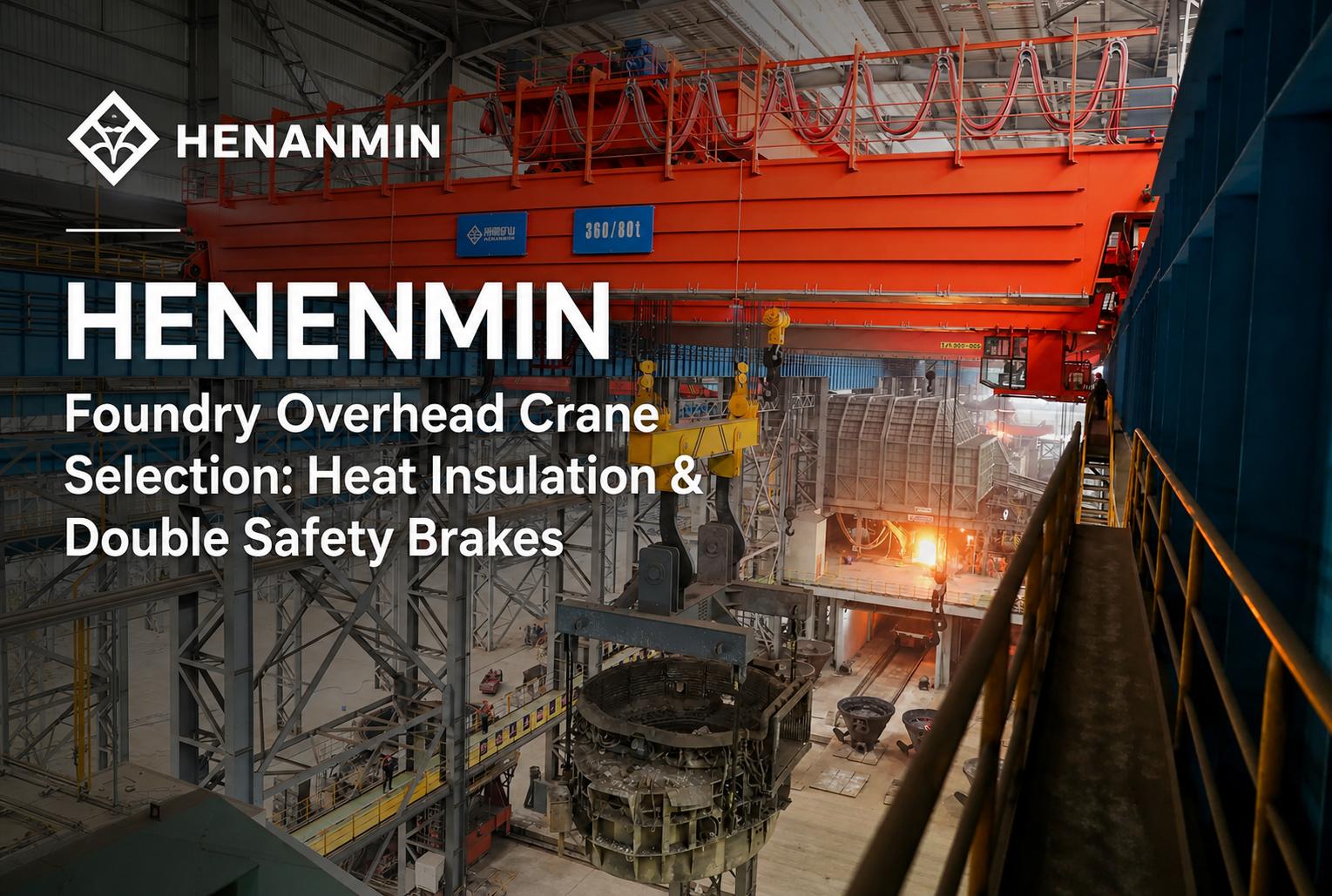
In the metallurgical scenario of high temperature, heat radiation, molten metal lifting, casting crane for steel plant is better than ordinary double girder cranes in terms of heat resistance, and it is the special equipment for steel making, continuous casting, and melting furnace stations.
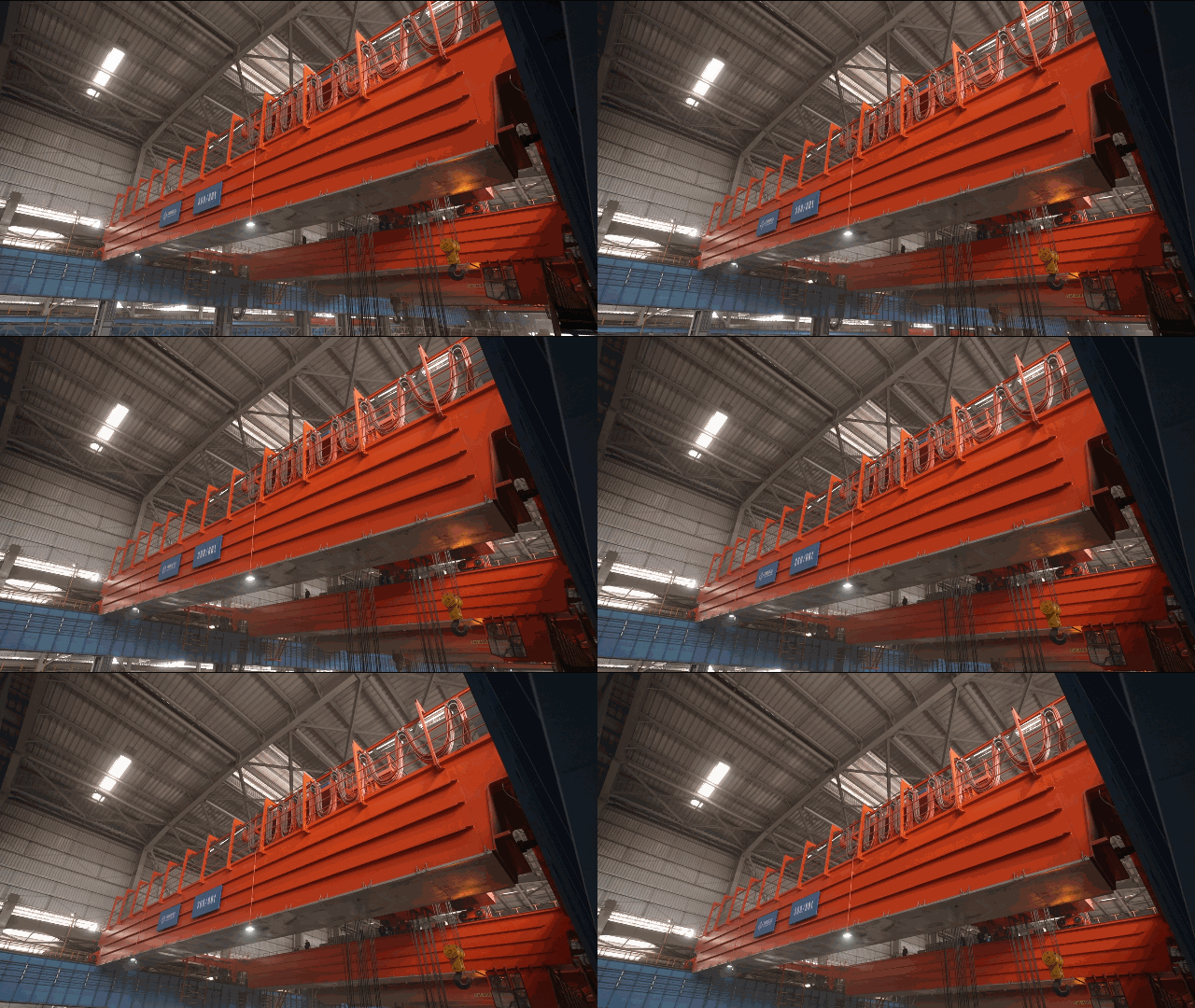
Crane for molten metal handling is also known as casting crane, which is specially designed for steel ladle and iron ladle lifting scenarios, and the whole vehicle structure, electrical fittings, and protection system are all suitable for long-term high temperature radiation, dust erosion and high-frequency heavy-duty operation.
Ordinary double girder cranes are only suitable for routine industrial lifting, can only cope with room temperature or slightly high temperature environment, can not withstand the continuous heat radiation impact of the steelmaking workshop, and absolutely can not be used for ladle lifting and other high-risk processes.
The heat resistance of the equipment never depends only on the steel material of the main beam. The core depends on the motor protection, braking system, cable configuration, thermal insulation structure, lubrication system and metallurgical grade working level, which is the core logic of metallurgical crane heat protection design.
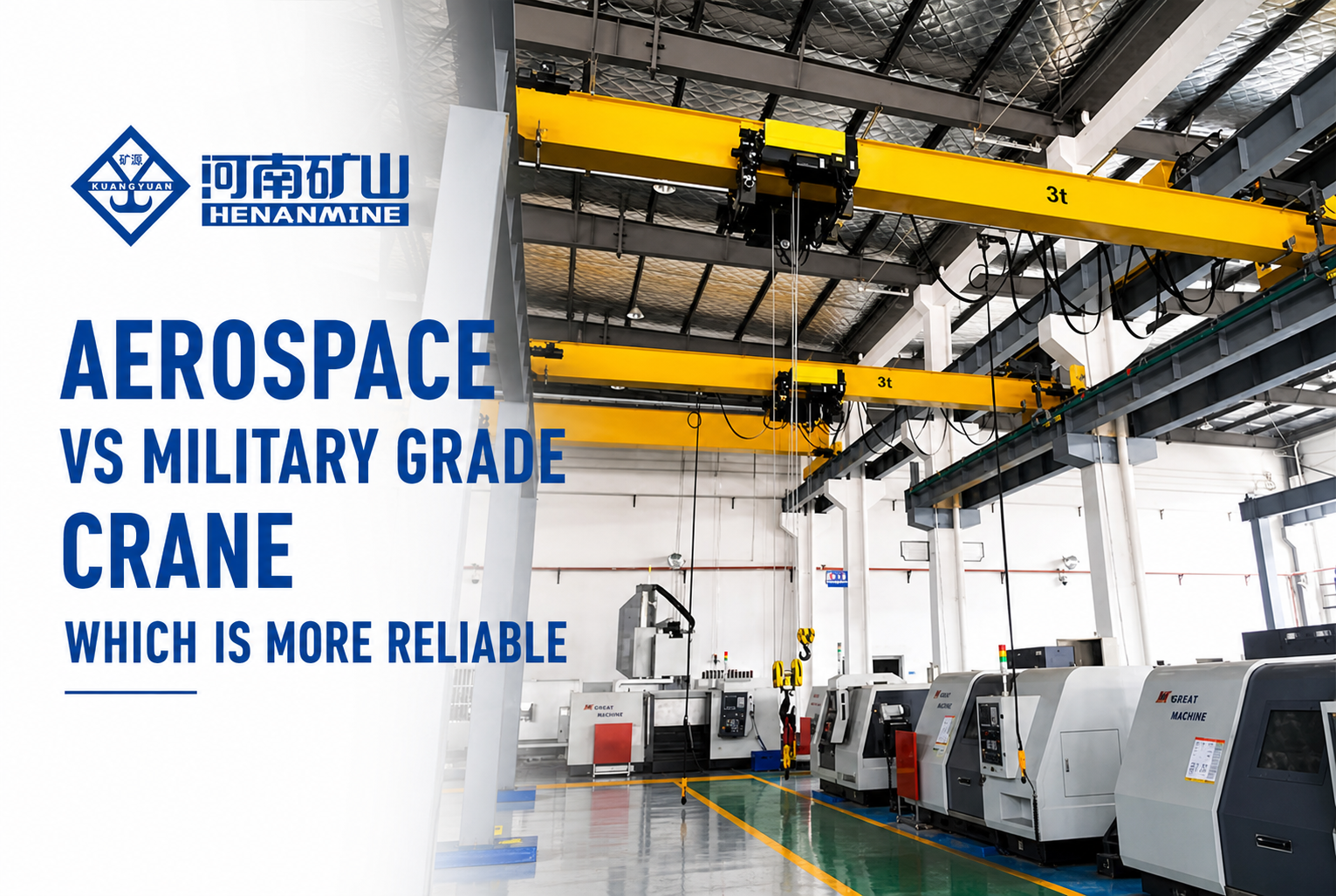
Basic Introduction of Common Double Girder Overhead Crane
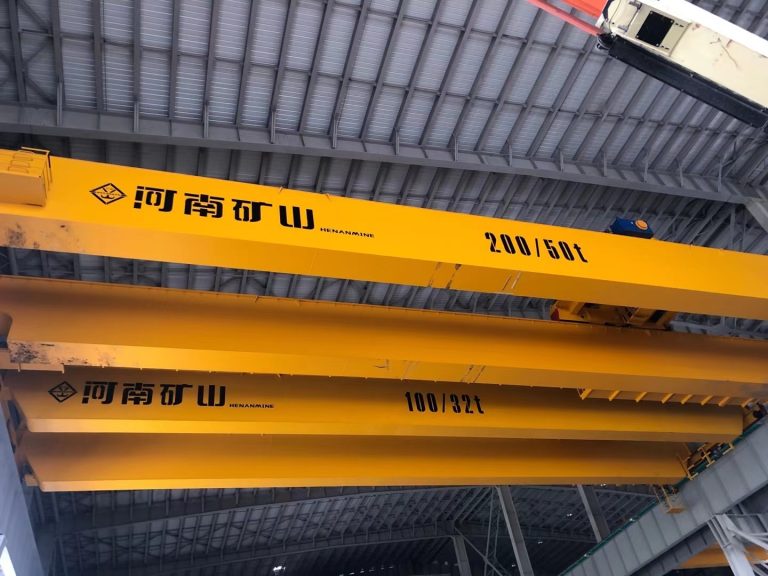
Standard double girder cranes are general-purpose heavy-duty overhead cranes, relying on double main girder bearing and trolley mobile lifting mechanism to complete material handling, which is one of the most widely used lifting equipments in industrial scenes.
This kind of equipment is mostly used in machining workshop, steel structure yard, common warehouse, equipment maintenance station and other conventional scenes, the main general heavy-duty, cost-effective, mature structure, easy installation and maintenance.
Ordinary double girder crane for steel mill is only adapted to steel mill operation in normal temperature area, such as finished steel stacking, equipment maintenance, auxiliary materials handling and other scenes. It is not designed for metallurgical high-temperature working conditions, and the core parts are all common industrial standard configuration.
Long-term in the furnace heat radiation, high-temperature dust environment, equipment parts will accelerate aging, the failure rate rises sharply, can not meet the operating requirements of continuous metallurgical production.
Metallurgical Casting Crane Basic Introduction
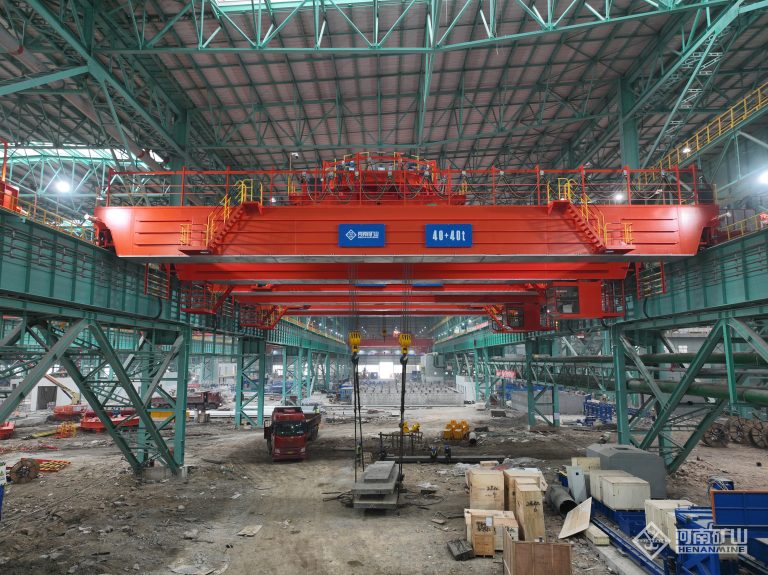
Crane is also often called ladle crane vs double girder crane comparison of specialized metallurgical equipment, is the core of steel mills, foundries, special lifting equipment, focusing on molten metal transfer operations.
The equipment mainly serves in the converter, electric arc furnace, refining furnace, continuous casting machine and other core stations, responsible for steel ladle, iron ladle lifting, pouring, transfer of the whole process of operation, is to ensure the continuity of steel production of key equipment.
Compared with ordinary lifting equipment, casting cranes from the factory to adapt to high-temperature radiation, metal dust, frequent start and stop, heavy load impact and other harsh conditions, the entire vehicle to follow the metallurgical design standards for special equipment, heat resistance, safety, stability are much higher than general-purpose cranes.
In response to the harsh needs of high temperature crane for steel plant, casting cranes from structural protection, electrical systems, braking configuration to lubrication, all made special upgrades, suitable for 24-hour continuous metallurgical production.
Comparison table of core parameters of high temperature resistance
The following table shows the comparison of the English parameters of two types of Cranes in terms of high temperature resistance, working condition suitability and safety configuration, which is suitable for overseas project selection, EPC project preparation and technology benchmarking:
| Item | Standard Double Girder Crane | Casting Crane |
| Main Application | General heavy material handling, workshop maintenance | Molten steel & molten iron ladle handling |
| Heat Resistance Level | Normal industrial temperature resistance | Professional metallurgical high temperature resistance |
| Trolley Heat Shield | No standard configuration | Equipped with integrated heat insulation shield |
| Motor & Electrical Protection | Ordinary industrial protection grade | Heat-resistant motor & sealed insulated electrical cabinet |
| Cable & Lubrication | Common cable & standard lubricating grease | High-temperature resistant cable & special heat-resistant lubrication |
| Brake System | Single standard brake | Dual redundant safety brake system |
| Cabin Design | Basic operation cabin | Heat-insulated cabin with cooling system |
| Working Duty Class | Medium and general duty | Heavy metallurgical duty (A6-A8) |
| Molten Metal Operation | Not allowed | Professional design for molten metal handling |
Core difference 1: Applicable working conditions and environmental resistance
The standard double girder Crane is designed based on the conventional industrial workshop, with stable ambient temperature, no strong heat radiation, low dust content, and relatively smooth operation frequency and load fluctuation.
The working condition of steelmaking workshop is completely different, the furnace, ladle will continue to emit high intensity heat radiation, the workshop local temperature is high all year round, accompanied by metal oxide skin, soot and dust accumulation.
Ordinary double girder cranes operating in this environment for a long time, the motor insulation will be rapidly aging, the cable sheath is prone to cracking and failure, the trolley running parts of the lubricating grease will fail at high temperatures, which will directly lead to equipment failure.
Casting Crane designed in accordance with the metallurgical harsh working conditions, can withstand long-term thermal radiation from the furnace, high temperature dust erosion, suitable for steelmaking workshop uninterrupted, high-load production rhythm, will not be due to the high temperature environment of the sudden downtime failure.
Core difference 2: Specialized heat-resistant protection structure
Heat-resistant protection is the most intuitive difference between the two types of equipment. Ordinary double girder Crane does not have a targeted high-temperature protection design, all accessories are general industrial configuration, can not withstand continuous heat radiation.
Casting Crane trolley bottom is equipped with a standard integrated heat insulation baffle, which can block the high temperature radiated upward by the steel package, and protect the core components such as trolley frame, hoisting motor, brake, wire rope and so on.
The electrical control cabinet is fully sealed and heat-insulated with temperature-controlled cooling system to avoid short-circuiting and malfunctioning of electrical components due to high temperature. The wiring of the equipment all adopts high-temperature-resistant special cables, and the location of the wiring avoids the direct heat radiation area.
The moving parts, including the hook set, bearings and reducer, all adopt high-temperature-resistant lubricating medium to ensure smooth operation under high-temperature environment, and there will not be any stagnation or increased wear and tear.
Core difference 3: Lifting system and safety redundancy design
The hoisting system of ordinary double girder cranes is only adapted for conventional material lifting without redundant safety design. Once the brake, motor failure, it is easy to load slip problem.
Crane as molten metal handling crane, the hoisting mechanism adopts metallurgical grade heavy-duty configuration, higher structural strength, anti-fatigue, impact resistance is stronger.
The most critical is the difference in braking system configuration, casting Crane is equipped with a standard dual redundant braking system, two sets of brakes work independently, a single set of failures, another set of independent locking load, to eliminate the risk of falling ladle.
At the same time, the equipment is equipped with overspeed protection, load monitoring, limit limit multiple protection, the whole process of monitoring the lifting status, to adapt to the high-risk operation requirements of molten metal lifting.
Core Difference 4: Electrical System High Temperature Resistance
Ordinary Crane's electrical parts are only suitable for room temperature workshop environment, high temperature environment, insulation degradation, very easy to leakage, short-circuit, signal disorders and other problems.
Casting Crane's full set of electrical systems are upgraded for high temperature resistance, cables, sensors, contactors, controllers are metallurgy-specific models, adapted to high temperature, dusty working conditions.
The equipment comes with motor temperature monitoring, fault alarm function, real-time feedback of the core electrical components operating status, in advance to avoid high temperature overload triggered by equipment failure and production downtime.
Core difference 5: operating level and continuous operation capability
Most ordinary double girder cranes are of medium and light working level, which are not suitable for 24-hour uninterrupted, high-frequency heavy-duty start-stop operation, and long-term high-intensity operation will accelerate the wear and tear of components.
Crane casting cranes unified A6-A8 metallurgical heavy-duty working system, specifically adapted to the continuous production mode of steel mills, can withstand high-frequency start and stop, heavy load impact and high temperature aging.
Many users in order to save costs, in the steelmaking high-temperature workstation selection of ordinary heavy-grade double girder cranes, can be used in the short term, the later will be frequent brake damage, motor burnout, wire rope wear and tear and other problems, hidden operation and maintenance costs are extremely high.
Can ordinary double-girder cranes be modified to adapt to high-temperature conditions?
Conventional high-temperature areas, such as hot billet stacking area, auxiliary materials lifting station, can be installed through the addition of heat-resistant baffles, replacement of high-temperature resistant cables, upgrading the control cabinet protection, a small increase in the heat-resistant capacity of ordinary double girder cranes.
However, this type of transformation can not change the core shortcomings of the equipment, the working level, lifting redundancy, braking configuration, structural strength is still an ordinary standard, can not meet the requirements of metallurgical special equipment.
Ladle lifting, furnace periphery, continuous casting machine and other core high-risk high-temperature workplace, absolutely can not rely on the modified ordinary double girder Crane operation, there are great safety risks. Such scenes must use special casting crane for steel plant.
Comparison table of equipment selection for each scene in steel plant
| Steel Plant Working Area | Recommended Crane Type | Selection Reason |
| Ladle Transfer & Pouring Bay | Casting Crane | High radiant heat + molten metal safety requirements |
| Continuous Casting Workshop | Casting Crane | Long-term high temperature and continuous heavy-duty operation |
| Furnace Tapping Area | Casting Crane | Strong heat radiation and critical lifting tasks |
| Steel Coil & Finished Product Warehouse | Standard Double Girder Crane | Normal temperature and general material handling |
| Plant Maintenance Workshop | Standard Double Girder Crane | Low-frequency and conventional lifting work |
| Hot Billet Storage Area | Custom Metallurgical Double Girder Crane | Moderate heat resistance required, no molten metal handling |
Common Procurement Misconceptions
Many overseas steel plants and EPC projects only compare the tonnage and purchase price of equipment, ignoring the high-temperature resistant configuration and metallurgical work level, which is the most common selection error.
Simply relying on large tonnage ordinary double girder crane instead of casting Crane, can not withstand high temperature working conditions loss, not only the equipment life is significantly shortened, but also lead to production line downtime, safety accidents and other serious problems.
There are also some users ignore the heat radiation distance, workshop ambient temperature and other parameters, do not do special protection customization, resulting in frequent failures after the commissioning of the equipment, increasing the large number of operation and maintenance costs.
FAQ Frequently Asked Questions
Is the heat resistance of casting cranes better than that of ordinary double girder cranes in all aspects?
Yes, the heat resistance of cast cranes is better than that of ordinary double girder cranes. Casting Cranes are customized for metallurgical high temperature working conditions from structural protection, electrical configuration, braking system to working level, and their heat resistance and safety are much higher than that of general double girder cranes.
Can ordinary double girder cranes temporarily lift ladles of steel?
No, it can't. Ordinary Cranes without metallurgical heat-resistant protection, dual brake redundancy and heavy grade working level are strictly prohibited to be used for molten metal lifting, which involves significant safety risks.
What is the core configuration of heat-resistant Crane?
The core configuration consists of a heat-resistant protective structure, heat-resistant cables and lubrication media, dual redundant braking system, sealed electrical protection, metallurgical heavy duty class and real-time condition monitoring system.
Henan Mine Crane Factory supply Conclusion
In terms of appearance and structure, casting crane vs standard double girder crane is very similar, but there is an essential gap in high temperature resistance, safety redundancy, and adaptability to working conditions.
Ordinary double girder crane is a general-purpose heavy-duty equipment, adapted to normal temperature routine operations; casting crane is a metallurgical special high temperature crane for steel plant, designed for molten metal, high temperature radiation, continuous heavy-duty working conditions.
Steel plant lifting equipment selection, can not only look at the tonnage and price, combined with the operating scene, environmental temperature, frequency of operation and safety level comprehensive judgment. Appropriate equipment configuration can not only ensure production stability, but also reduce the full life cycle operation and maintenance costs.
Henan Mine Crane can provide customized heat-resistant lifting equipment solutions for global steel mills, foundries, and EPC projects, accurately matching ordinary double girder cranes, metallurgical modified double girder cranes, and special casting cranes according to the workshop conditions, adapting to different budgets and production needs.