
Outdoor Gantry Cranes with High Moisture and Dust Sealing
The moisture-proof and dust-proof of Henan Mine Crane Factory manufactured outdoor gantry cranes require electrical enclosures, mechanical seals, cable interfaces and condensation control to work together.The IP rating reflects the protective ability of the shell under the specified test conditions and cannot replace the design of anti-corrosion, heat dissipation or anti-condensation.Reasonable configuration begins with the identification of on-site pollutants, exposed locations, and equipment operation methods.
What Happens When Moisture and Dust Enter an Outdoor Gantry Crane?
Electrical failures
After moisture enters the electric control cabinet, it may condense on the surface of the lower temperature terminals, busbars, and circuit boards.The combination of water film with salt or conductive dust will reduce the insulation properties, causing leakage, short circuit or abnormal contact.Some failures occur intensively in the early morning when they cool down, after rain or after shutdown, and temporarily disappear when they are dry.Therefore, occasional alarms cannot only be treated according to component damage, but also need to be combined with humidity changes and water inlet paths to determine whether there is continuous pollution or internal condensation.
Faster component wear
After dust enters the bearing, gearbox, and shaft end areas, it may contaminate the lubricant, causing particles to enter the contact surface and exacerbate abrasive wear.Moisture may cause corrosion and weaken the original lubrication conditions.As the sealing lip, shaft surface, or mating parts gradually wear out, the path of contaminants will expand, forming a cycle of continuous deterioration.Simply adding lubricant cannot repair the damaged seal. The cause of wear needs to be judged by combining the source of pollution, the sealing state and the lubrication method.
Unexpected downtime
Moisture and dust may affect the limit switch, sensor, drive device and brake control at the same time, causing the fault to manifest as intermittent alarm, action interruption or protection shutdown.Such problems often cannot be reproduced through a trial operation, and the investigation needs to combine environmental changes, alarm records, and traces of pollution.If the repair only replaces the failed components, but does not deal with loose joints, damaged door seals, or condensation conditions, the new components may still be damaged again, making the downtime cycle and maintenance costs difficult to control.
Which Sealing Solutions Work Best for Outdoor Gantry Cranes?
Sealed electrical cabinets
The protection of the electric control cabinet depends on the continuous door seal, uniform compression force, and matching inlet and cooling structure. You can't just look at the cabinet nameplate.The rain-shading roof can reduce direct drenching, but it cannot compensate for the deformation of the door panel or the poor sealing of the interface.Components such as frequency converters continue to heat up, and blocking air vents may cause overheating; the selection of heat exchangers, air conditioners and ventilation components must also consider heat load, environmental pollution and post-installation protection capabilities to avoid waterproof measures and reduce operating reliability.
Waterproof motor housings
The weak points of the motor's protection include the junction box, shaft extension, cable inlet and drainage structure. The integrity of the chassis does not mean that all locations can withstand water spray.The ability of the ”waterproof motor" must correspond to the specific model, installation direction and use conditions.Shutdown cooling may also cause internal condensation, so some applications need to be equipped with applicable anti-condensation heating or drainage schemes.The relevant structure should follow the manufacturer's requirements, and arbitrarily blocking the drain or adding openings may destroy the original design.
Dustproof bearings and drives
The bearing and transmission components can be sealed in contact, labyrinth structure or combination scheme, but the effect depends on the speed, temperature, particle properties and installation conditions.There is friction and heat generation in the contact seal, while the labyrinth structure relies on suitable gaps and contaminants to block the path.The heavy dust environment cannot only rely on the “sealed bearing” to judge that the entire transmission is protected. It is also necessary to check the shaft ends, box joints and breathing devices, and match the lubrication method with the sealing structure to reduce the continuous accumulation of pollutants.
Protected cables and connectors
The cable connector needs to match the actual wire diameter, sheath material and clamping range, and the connector must be inserted and locked in accordance with the regulations in order to achieve its nominal protection.Drip bending, downward entry and reasonable fixation can reduce the chance of water flowing along the cable into the interface, and can also reduce the pull of the mobile cable on the connector.Unused hole positions need to be adapted to the plugging parts; the protection after the connector is disconnected cannot directly follow the plug-in state level, and it is necessary to confirm whether the protective cover and on-site maintenance methods are applicable.
How to Select the Right IP Rating for Your Working Environment
IEC 60529 specifies the IP protection classification of electrical equipment housings.The two digits relate to the protection of solid foreign objects and water inlet respectively, and the selection needs to correspond to specific components.
IP54 for moderate exposure
The first “5” of IP54 means dustproof, allowing limited dust to enter, but not affecting normal operation or safety; the second “4” means splash-proof.It can be used as a starting point for evaluation of lightly exposed and shaded locations, but it cannot be directly used for continuous dust concentration, water spray cleaning, or all open-air areas.The actual judgment should also consider the installation direction, the degree of rain and the possibility of water accumulation, so as to avoid ignoring the actual exposure of the local interface based on the fact that the environment “does not look bad”.
IP65 for dusty and wet sites
IP65 corresponds to dust density and water spray resistance. It can be used to evaluate electrical enclosures where dust is obvious and exposed to water spray, but it does not constitute a general guarantee for all wet and dust environments.The electronic control cabinet reaches IP65, which does not mean that the motor, field switch and cable connector automatically reach the same level.Subsequent opening of holes, replacement of cooling components, or modification of the line-in method may also change the original protective conditions.Therefore, the configuration check should be implemented into the combination of shell and accessories after the installation is completed, rather than a single product label.
IP66 for heavy water exposure
IP66 means dust-tight and anti-strong water spray, which is targeted when the components do withstand such exposure, but it cannot be inferred from this that the equipment can be immersed in water or accept arbitrary cleaning.High-pressure hot water, steam and close-range injection involve different conditions and need to be confirmed separately.Cleaning water temperature, pressure, nozzle distance and duration will all affect the actual results; even if IP66 components are used, their cleaning restrictions must be followed to avoid understanding higher numbers as waterproofing promises that are not subject to conditions.
Matching ratings to actual conditions
The degree of exposure of different locations of the same Henan Mine Crane Factory manufactured gantry crane may be significantly different. The control cabinet under the canopy and the junction box near the wheel should not directly apply the same judgment.The selection should consider wind and rain, mud splashing, dust and cleaning methods respectively.The IP rating does not evaluate all salt spray, condensation, ultraviolet light or chemical corrosion risks; when there is combustible dust, a separate hazard assessment must be completed and the applicable explosion-proof requirements must be met. IP65 or IP66 itself cannot be used as an explosion-proof certificate.
Beyond IP Ratings: Design Details That Improve Outdoor Protection
Drainage and condensation control
The temperature difference between day and night and the shutdown for cooling may cause the inner surface of the cabinet to drop below the dew point, so water droplets may appear even if there is no rain leakage.Controlled heating can reduce the risk of condensation, and the adapted pressure balancing device can help reduce the differential pressure, but it is not equivalent to active dehumidification.The drainage parts, ventilation parts and breathable film must all match the shell and installation direction, and cannot be drilled at will.Effective solutions should deal with temperature, humidity and heat dissipation at the same time, so as to avoid only strengthening the external sealing, but retaining the internal moisture accumulation and condensation conditions.
Corrosion-resistant surface coatings
When salt and moisture work together, the damaged parts of the coating, welds, fasteners and contact parts of dissimilar metals can easily become weak points for anticorrosion.The protection effect depends on the substrate treatment, coating system, construction quality and repair after use, and cannot be judged only by the name of the paint type or the “stainless steel” label.Coating selection also needs to combine on-site media and wear conditions, and reserve maintenance conditions for edges, seams, and maintenance areas.The IP rating reflects the protection of the shell and cannot replace the verification of corrosion durability.
Weatherproof control stations
The buttons, display windows, emergency stop devices and door covers of the operating station together form a protective interface, and any improper installation of accessories may form an entrance.Sunshade and rain protection help reduce direct exposure, while the material's UV resistance and applicable temperature are related to long-term aging performance.When repairing and replacing buttons or displays, it is necessary to check whether the mounting holes, seals and fixing methods match; replacement parts with similar appearance and size may not be able to maintain the original waterproof and dustproof capabilities of the operating station.
Sealed joints and cable entries
Deformation of the door panel, uneven pressure on the sealing strip, or loosening of the cable connector may cause leakage points in the original qualified shell on site.The structural design needs to retain inspection space, appropriate bending radius and reliable fixation to reduce the load transmitted to the interface by vibration and reciprocating motion.The sealing surface should also avoid long-term water and dust accumulation, so as to facilitate cleaning and replacement.Topical application of sealant cannot replace the correct mechanical fit, and repeated glue replenishment may also cover up fundamental problems such as door seal mismatch or joint force.
How Different Industries Should Configure Outdoor Gantry Cranes
Ports and coastal yards
Ports and coastal depots face moisture, wind, rain and saline sediments at the same time. The configuration focuses on electrical housings, shutdown and anti-condensation, and anti-corrosion of structures and connection parts.Even if there is no obvious water inlet, the deposited salt may still promote corrosion after moisture absorption, so cleaning and coating maintenance cannot be replaced by a high IP rating.The specific plan also needs to distinguish the distance from the sea, the direct wave splash and the operating location, and evaluate the actual exposure of the grounding connection, fasteners and cable interface.
Steel and metal processing plants
Conductive dust, abrasive particles or hot particles may exist in steel and metal processing areas. The risk depends on the specific process and equipment location.The dust-tight housing helps to limit the entry of dust, but dust will still accumulate on the external cooling surface, which may cause an increase in temperature rise.When approaching the heat source, it is also necessary to check the applicable temperature of the cable, sealing material and control element.Therefore, the protection plan needs to consider dust blocking, heat dissipation cleaning and temperature conditions together, and all problems cannot be solved only by increasing the shell level.
Construction and concrete yards
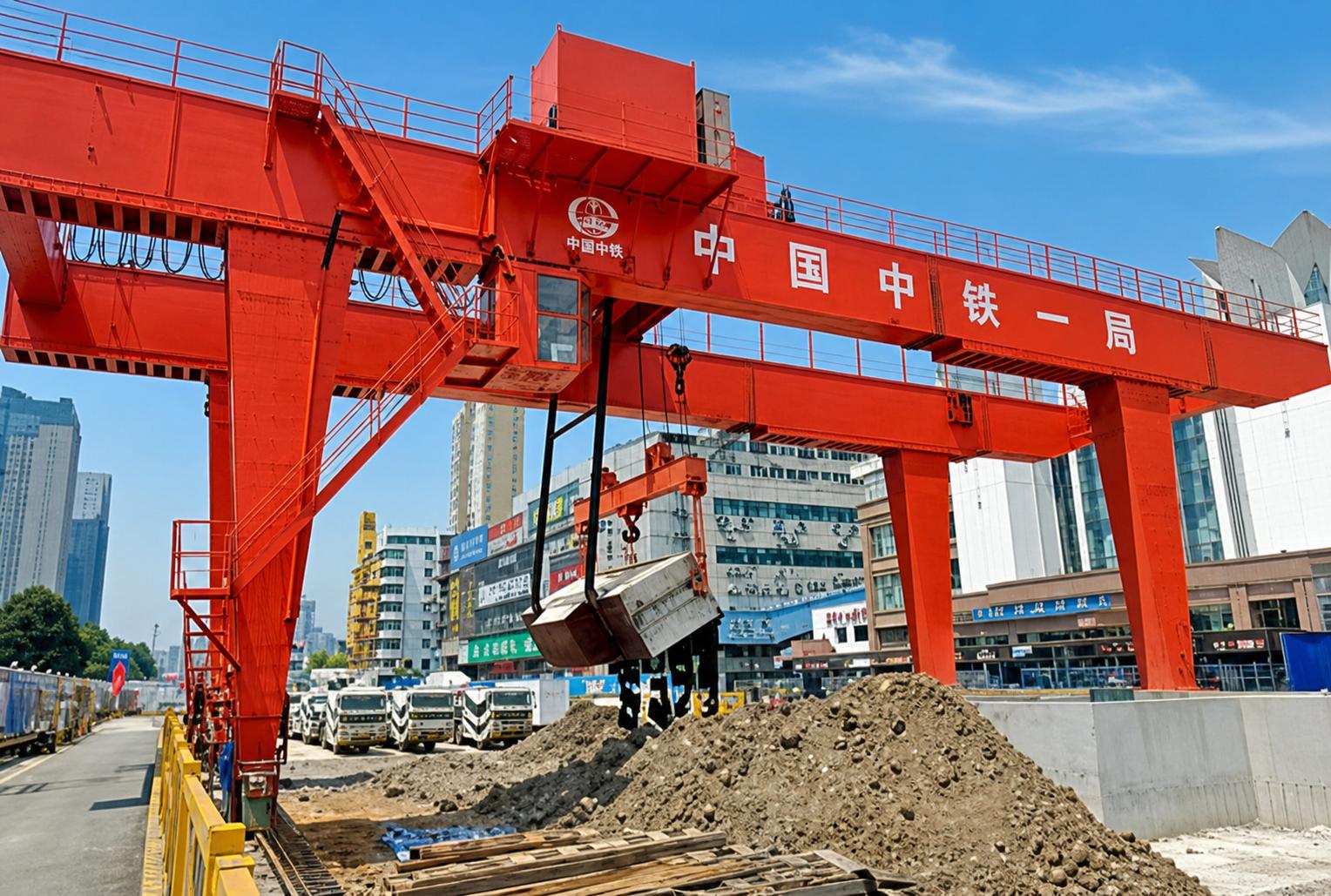
Cement dust, mud splashes and cleaning water are common in construction and concrete yards, and low-level junction boxes, mobile power supply interfaces, and shaft end areas are often subject to concentrated pollution.Cement deposits may form an attachment layer that is difficult to clean after encountering water, causing long-term accumulation of material in door seals and joints.When configuring, it is necessary to take into account the interface protection, easy-to-clean structure and appropriate shielding, while clarifying the cleaning conditions.Directly scour all parts with strong water flow, which may exceed the actual tolerance range of some housings or accessories.
Mining and bulk material storage
The particle size, abrasion and flammability of dust in mines and bulk material dumps are very different, and cannot be uniformly treated as “high dust”.The configuration needs to be combined with the nature of the material to coordinate the layout of bearing sealing, lubrication management, transmission box breathing protection and easy cleaning.Dust accumulation may also affect heat dissipation or block fault clues, so maintenance reachability is equally important.For materials that may form an explosive dust environment, the applicability of hazardous areas and equipment must be evaluated separately, and cannot be replaced by ordinary IP ratings.
How to Maintain Sealing Performance Over Time
Inspecting seals and enclosures
The inspection needs to cover the hardening, cracking, permanent compression of the sealing strip, loosening of the door lock and deformation of the box body, and pay attention to the local gaps caused by sand or coating peeling on the sealing surface.The fact that the shell is not significantly damaged does not mean that the door seal can still maintain uniform contact.The inspection cycle can be adjusted according to the manufacturer's requirements, pollution level and historical faults; after heavy rain, cleaning, abnormal vibration or open cabinet maintenance, increasing targeted inspections will help to find leaks caused by installation changes and avoid long-term accumulation of problems.
Removing dust buildup
Dust accumulation will block leakage points and hinder heat dissipation. After shutdown and energy isolation are completed, methods that match the nature of the dust and equipment requirements should be used for cleaning.Compressed air may push particles into the joints or raise dust again, and water spray may also exceed the tolerance conditions of some components, so all parts cannot be treated in the same way by default.When cleaning, it is necessary to protect the sealing lip, coating and cable sheath. After the cleaning is complete, check the interface and heat dissipation surface to confirm that no new damage or blockage is left.
Checking for moisture intrusion
Water marks, rust spots, terminal discoloration, or lubricant abnormalities can provide clues for investigation, but a single appearance is usually not enough to determine the cause.The abnormality corresponds to rainfall, cleaning, shutdown, and temperature difference records, which helps to distinguish between external water leakage and internal condensation.The necessary insulation tests should be carried out by qualified personnel in accordance with the equipment requirements to avoid the test voltage from damaging the still connected electronic components.The results of the investigation should also be traced back to the inlet or the source of humidity, and cannot only be used as the basis for the problem to be solved.
Replacing worn sealing parts
The replacement seal needs to match the original cross-section, size, material and media compatibility. Just being able to load is not enough to guarantee the effect.After replacement, the compression force, joint locking and cable fixation should be restored in accordance with the regulations, and the protection should be verified in accordance with the manufacturer's procedures if necessary.If the same location fails repeatedly, the installation force, temperature, chemical medium or mating surface need to be further checked, rather than continuous replacement of similar parts.Repair records help identify such repeated failures and adjust configuration or maintenance methods.
Henan Mine Crane Factory Custom
The moisture-proof and dust-proof of outdoor gantry cranes cannot only depend on the protection level of the shell. It is also necessary to combine on-site dust, rain, humidity changes and operating frequency to rationally configure the electrical system, transmission components and anti-corrosion structure.For different working conditions such as ports, steel depots, construction sites and industrial plants, lifting weight, span, operating distance and environmental protection requirements also need to be considered.Only by confirming these conditions clearly in the early stage can the risk of failure and maintenance pressure of the equipment be reduced after it is put into use.
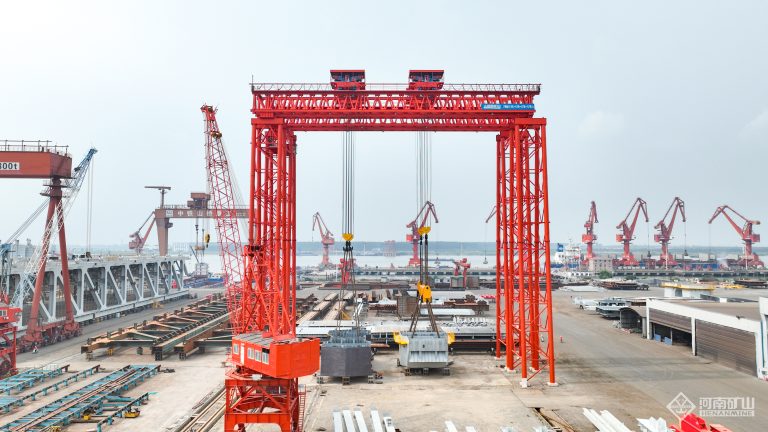
Henan Mine Crane Factory provides single-beam, double-beam and truss gantry cranes, which can be customized with lifting weight, span, lifting height and related protection configurations according to project needs.The lifting weight of the double-beam gantry crane can cover 5-500 tons, the span can be customized to 8-40 meters, and the electrical components can be configured with IP55 protection. The specific plan needs to be confirmed in accordance with on-site working conditions.Whether it is heavy-duty material handling in an open-air yard or continuous operation in a high-humidity and dusty environment, we can assist in determining a more suitable crane structure and configuration according to the site layout, load requirements and frequency of use, and provide customized support from program design to equipment manufacturing.