
Marine & Shipyard Gantry Crane Budgeting Guide for Heavy Lifting
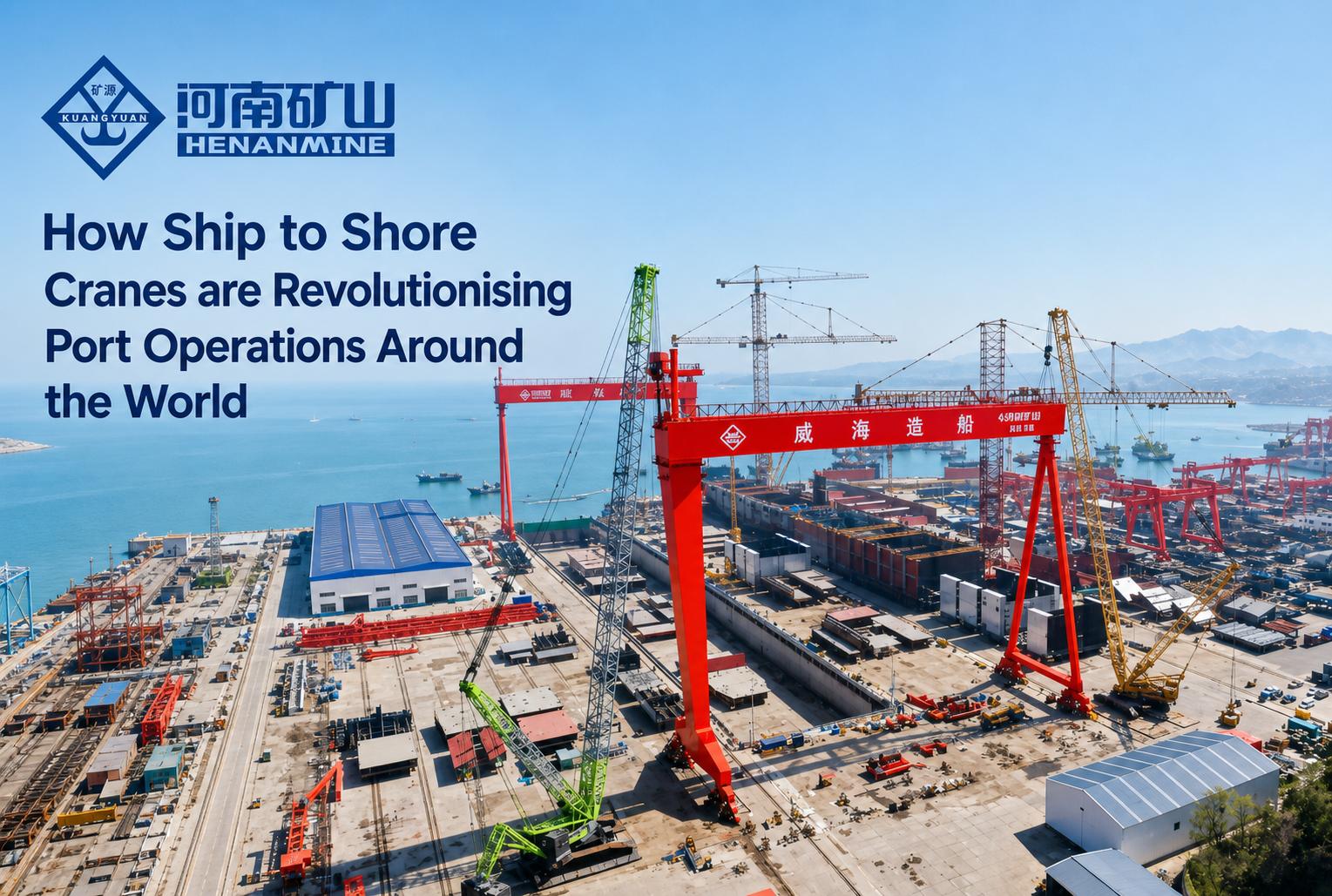
Marine gantry cranes are the core main equipment for ship construction, maintenance and marine heavy industry operations. They directly determine the efficiency, construction safety and project benefits of dock hoisting. They are the key infrastructure for hull segmentation, mainframe, and large module hoisting.With the development of large-scale ships and modular construction, the working condition adaptation requirements of dock lifting equipment have been continuously upgraded, and mastering the systematic budget logic has become the key for procurement and engineering teams to control costs and avoid risks and ensure stable production.
This guide focuses on the scenarios of heavy-duty gantry cranes in dockyards and ports, system disassembly selection, environmental protection, safety configuration, automation and full life cycle costs, and helps enterprises formulate accurate budgets during the procurement and project establishment phase to solve common problems such as missing items, mismatches, and overspending.
What Is a Marine & Shipyard Gantry Crane
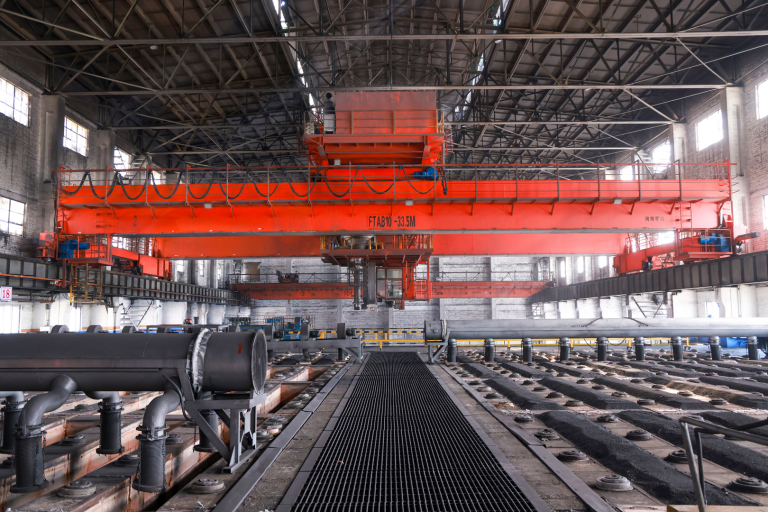
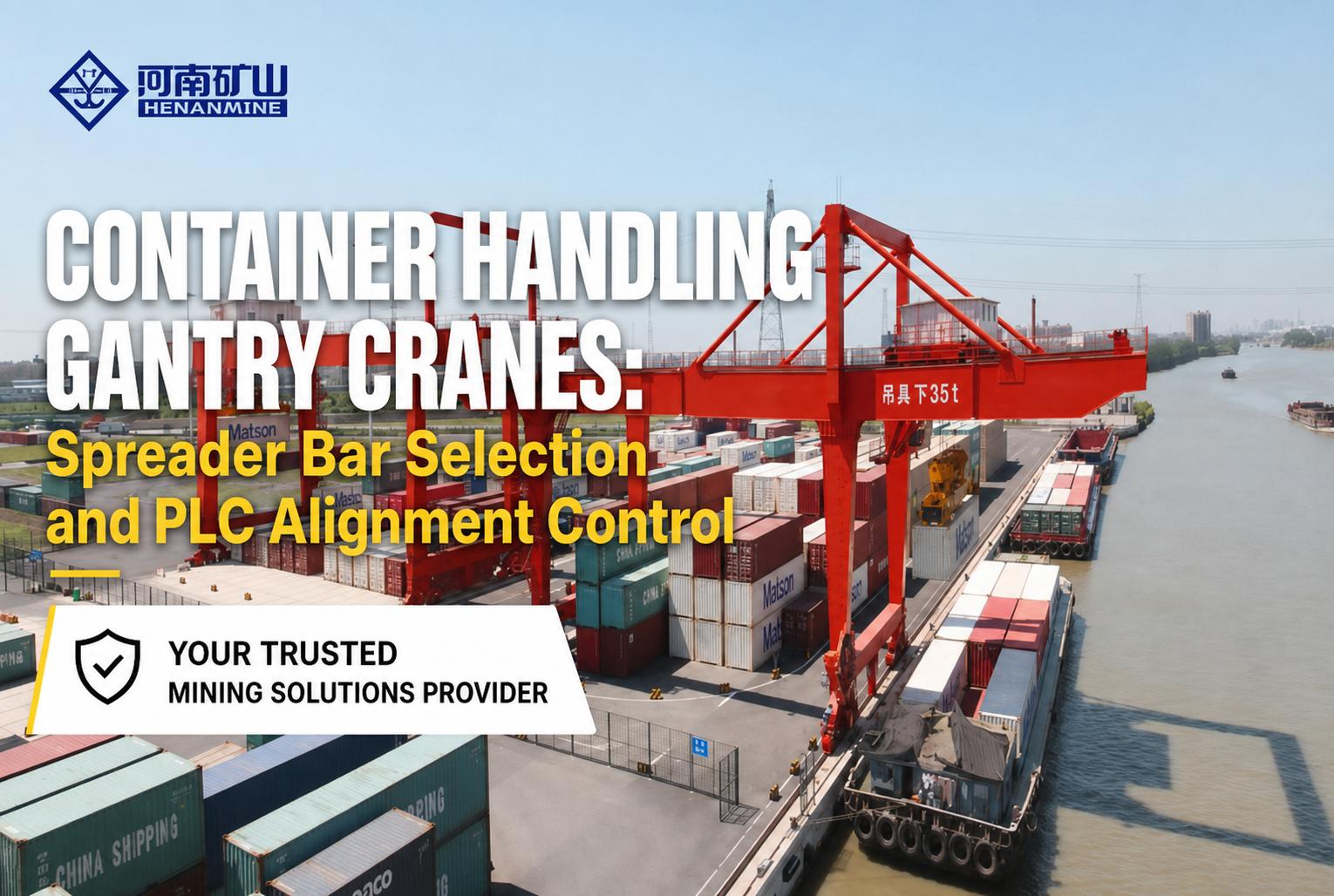
Marine gantry crane (also known as shipbuilding gantry crane, dock giant gantry crane) is a heavy lifting equipment specially developed for shipbuilding and marine heavy industry scenarios.The core structure of the equipment consists of a horizontal main beam, a double-sided vertical outrigger, a ground track walking mechanism, and a lifting trolley hoist system. The whole walks vertically along the ground track, and the lifting trolley moves laterally along the main beam, with hook lifting operations to achieve three-dimensional full coverage of the operating area, which can accurately complete heavy-duty hoisting operations with large span, large weight and high precision.
Compared with ordinary industrial cranes, the equipment has stronger structural rigidity, higher load stability, and better environmental adaptability, and can be adapted to high-intensity, high-frequency, and high-load dock continuous operation conditions for a long time.
Core application scenarios
Marine gantry cranes are just-needed equipment for the whole process of marine heavy industry operations, covering the whole scene of shipbuilding, ship repair, component processing, and equipment installation.:
- Ship assembly construction: accurately complete the lifting and alignment calibration of hull segments and prefabricated steel components, standardize and promote various assembly processes, and ensure the efficient and orderly landing of the ship's overall construction operations.
- Ship repair and maintenance: specializing in the disassembly, displacement and supporting maintenance operations of the ship's main engine, auxiliary equipment and large-scale deck equipment, accurately troubleshooting equipment failures, and meeting the daily maintenance and maintenance needs of the ship in all directions.
- Transfer of marine components: efficiently complete the cross-station transfer of large ship slabs, steel and various prefabricated components, and open up the whole process link from shipyard processing and transfer to warehousing to ensure the smooth flow of production materials.
- Power system installation: high-precision construction technology is used to complete the placement and assembly of ship propulsion systems, generator sets and various auxiliary power equipment, strictly control the installation accuracy, and build a solid foundation for the operation quality of the ship's power system.
- Hull module hoisting: proficient in adapting to large-scale modern shipbuilding technology, accurately complete the hoisting, flipping and precision splicing of large-scale hull segments and overall hull modules to ensure that the hull structure assembly meets the standard requirements.
- Loading and unloading of heavy maritime parts: strictly follow safety operation specifications, efficiently complete the disassembly and placement of various heavy maritime core components such as anchors, shafts, steering gear, etc., to ensure the safety, accuracy and compliance of key equipment assembly.
Major Factors That Determine Gantry Crane Cost
Rated lifting weight
The rated lifting weight is the primary factor that determines the price of Marine gantry cranes. The larger the tonnage, the higher the steel material, structural strength, transmission system and safety redundancy standards, and the cost will rise step by step.Industry data show that for every 100–ton increase in tonnage, the cost of equipment increases by 80-1.2 million US dollars. Ultra-large models above 1,000 tons need to be customized, and the premium is higher.
The tonnage of the dock crane covers 0.5 tons to 500 tons, and the selection cannot only refer to the maximum lifting weight.Dynamic load, start-stop impact, high-frequency operation fatigue and compliance safety factors will all affect the configuration of the equipment structure. High-frequency and heavy-duty working conditions need to be matched with high-specification tonnage design, which can effectively avoid equipment aging, frequent failures and other problems.
Span and track length
The span of the crane is the distance between the centerlines of the tracks on both sides, which directly determines the width of the operation coverage and has a nonlinear impact on the cost.The larger the span, the more materials are used for the main beam and outrigger steel structure, the more complex the structural design, and the higher the equipment cost. At the same time, the construction standards for foundation bearing capacity and rail infrastructure have been greatly increased, further pushing up civil construction costs.
The total length of the track also affects the overall budget. For every one-meter extension of the track, anchoring, power supply, grounding and ground hardening projects are required.The span of ordinary yard cranes is usually ≤40 meters, and dock operations require large-span custom design, which needs to be accurately calculated in combination with the working conditions of the factory to avoid low infrastructure allocation and overspending on late-stage transformation.
Lifting height and work level
The lifting height needs to be calculated based on the comprehensive calculation of the maximum ship height of the dock, the lifting height of the components, and the safety clearance at the bottom. The height deviation of only a few meters may lead to the redesign of the overall steel structure, resulting in high renovation costs.Accurate matching of lifting height is the core prerequisite for avoiding late rework.
The working level determines the intensity of crane operations. The ISO/FEM A6–A8 working condition level is used for continuous heavy–duty operations in the dock. High-frequency production scenarios need to upgrade the A7-A8 high-configuration standard, which is more expensive but more durable.Although this low configuration level can reduce the initial investment, it can easily cause frequent equipment failures and shorten the life span, which greatly increases the long-term operation and maintenance costs.
Body configuration form
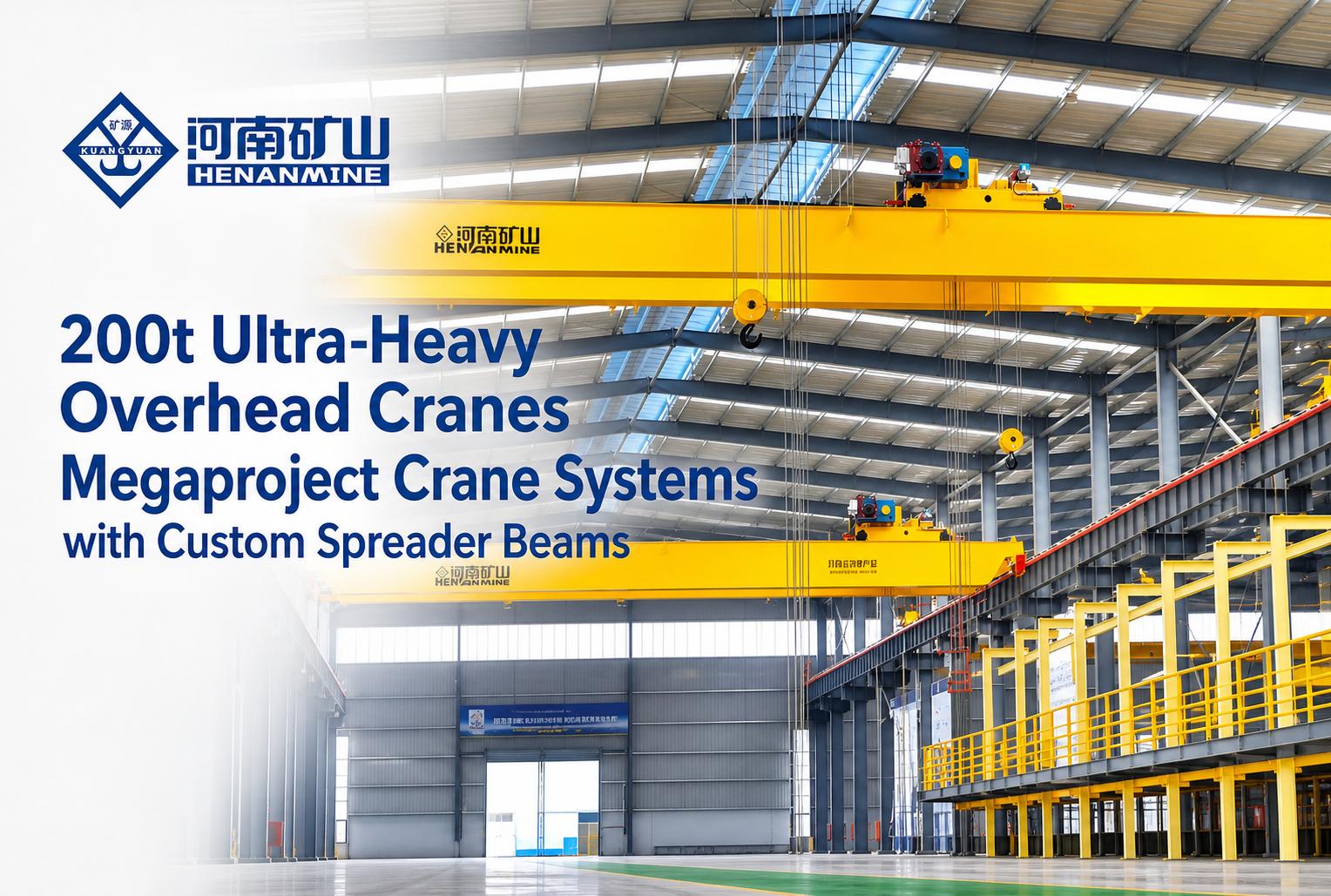
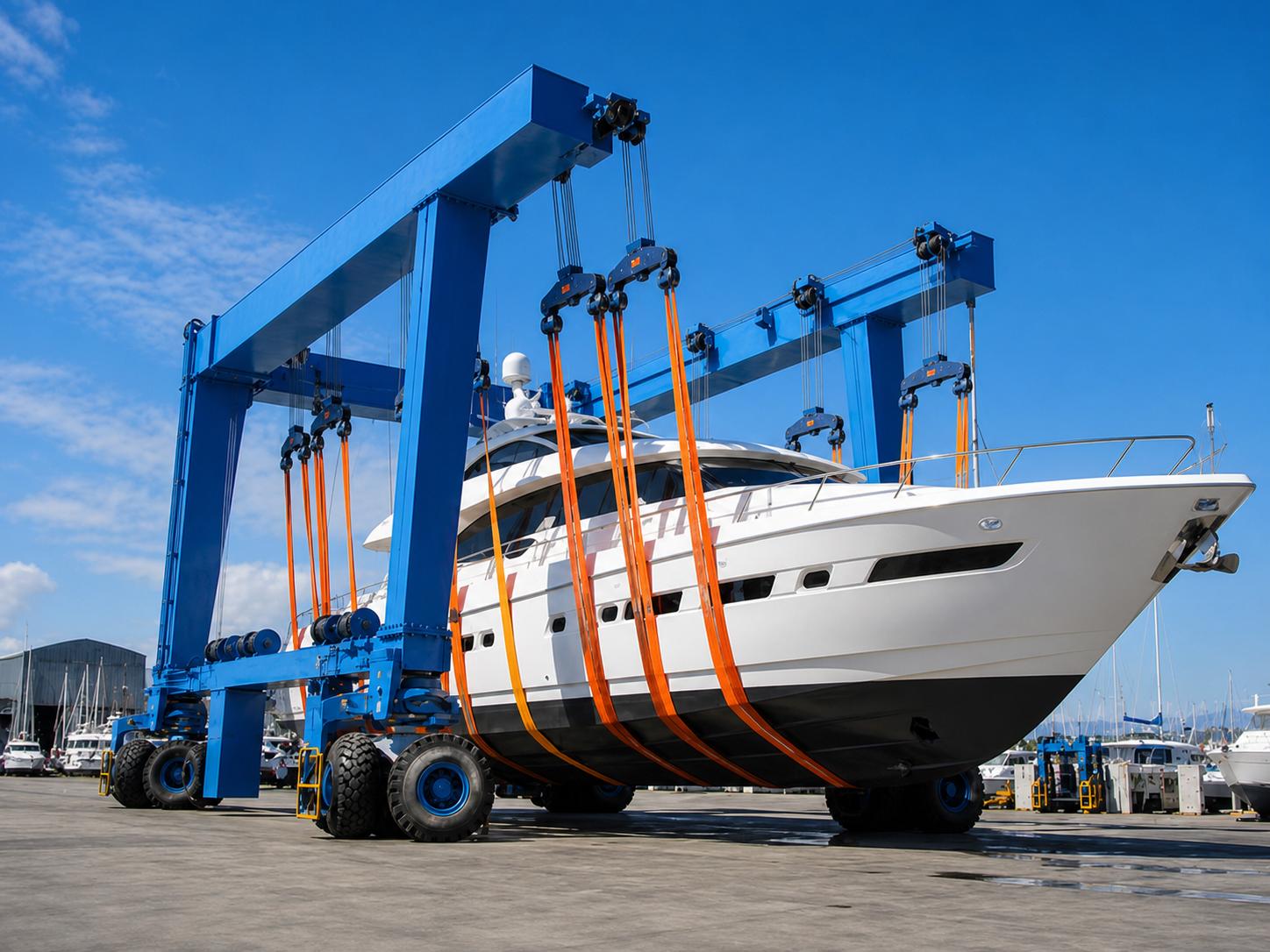
Marine gantry cranes are divided into single-beam and double-beam models, which are adapted to various hoisting scenarios as needed: single-beam structure is simple, cost-effective, and suitable for light and low-frequency operations; heavy-duty hoisting of 20 tons and above is preferred. Double-beam models have stronger rigidity, greater lifting height, outstanding impact resistance and partial load resistance, and stable and safe operation.
The adaptation structure can be selected according to the layout of the shipyard site: the A-shaped outriggers have good stability and are suitable for heavy loads; the U-shaped gantry has sufficient passage space to facilitate the operation of large components; the semi-gantry relies on the building to lay tracks to save space; the giant gantry crane is designed for segmented hoisting of large hulls and is the core main equipment of large shipyards.
Hoist, trolley and drive system
The hoist system is the core component of the crane.The open hoist system is preferred for heavy-duty dock conditions, with large carrying capacity, easy maintenance, and suitable for heavy-duty and high-frequency operations; electric chain hoists can be used for light-duty and small-tonnage equipment to effectively control costs.
The quality of core components such as motors, reducers, and brakes determines the life and stability of equipment.The selection of high-quality brand accessories can reduce operation and maintenance costs, and with the VFD frequency conversion system, it can achieve smooth start-stop, precise alignment, consumption reduction and efficiency, and a higher long-term price ratio.
Marine Environment: Additional Costs You Should Budget For
The environment of high salt spray, high humidity, strong winds and ultraviolet rays in the dock port is extremely corrosive, which will accelerate the aging and failure of equipment.Ordinary industrial protection cannot be adapted to marine working conditions, and a separate marine-level protection budget needs to be reserved. This is the core difference between the dock crane budget.
- Salt spray anticorrosive coating: Dock equipment needs to be adapted to C4/C5-M marine anticorrosive standards, using a multi-layer anticorrosive coating system with a dry film thickness of 200-320µm; exposed accessories are rust-proof, and key structures are upgraded with anticorrosive configuration to effectively resist marine corrosion and extend the service life of the equipment.
- Electrical protection upgrade: All electrical equipment in marine and outdoor working conditions must meet the protection level of IP55 and above, isolate salt spray, moisture and dust, avoid short circuits, leakage, aging failures, and eliminate hidden dangers in operation. This upgrade needs to be included in the initial budget.
- Wind-resistant anchoring configuration: The equipment is adapted to the strong coastal wind environment, the operation is resistant to 25m/s wind speed, and the shutdown is resistant to 60m/s storms. It is equipped with wind speed monitoring, windproof clamps, and anchoring locking devices to prevent the equipment from slipping and overturning. It is just a safe configuration.
- Extreme weather adaptation: For harsh environments such as high temperature and humidity, heavy rain, sand and dust, it is equipped with moisture-proof seals, high and low temperature-resistant accessories and special lubricating materials, and it is equipped with a normalized maintenance budget to ensure the stable operation of the equipment around the clock.
Core security configuration that affects the budget
Heavy-duty hoisting operations in the dockyard are extremely risky. The equipment safety system is the core barrier to ensure the safety of personnel, equipment, and hull assets. All safety configurations are just needed and cannot be simplified for compressed budgets.The core security configuration and corresponding budget planning points are as follows:
- Overload protection system: equipped with high-precision weighing sensor device, real-time dynamic monitoring of operating loads, immediate alarm of overload and self-locking shutdown, completely avoid overload safety hazards.
- Emergency stop system: The equipment body, operating handle, and wireless remote control are equipped with a multi-point hard-wired emergency stop function, which can instantly cut off the power and quickly respond to sudden operating hazards.
- Stroke limit protection: Configure the triple limit protection mechanism of lifting, cart, and trolley to strictly control the operating stroke of the equipment to prevent collisions and structural damage caused by over-range operation.
- Anti-collision system: integrated laser and ultrasonic dual-sensing equipment, adapted to multi-machine collaborative operation scenarios, accurately avoid the risk of equipment and building structure collision, and ensure operation safety.
- Dual fail-safe braking: dual independent redundant configurations of working braking and emergency braking are adopted, and the load is automatically locked when the power is off or the equipment fails, so as to strictly prevent accidents from falling from high altitude.
- Load condition monitoring system: real-time collection of load data, operation frequency and equipment operating parameters, which can realize early failure prediction, while meeting the requirements of compliance and traceability of operation data.
A complete set of safety systems not only meets the requirements of industry compliance and certification, but also significantly reduces the risk of operational accidents and asset losses. It is the core module with the highest priority in budget planning.
Safety Features That Affect Crane Budget
The professional dock crane budget must cover the full cycle cost of initial procurement, installation and commissioning, long-term operation and maintenance, failure and loss. Only accounting for the bare metal price of the equipment will inevitably lead to the budget getting out of control.
Initial equipment procurement cost
It includes the core costs of the main body of the steel structure, the lifting hoist system, the electrical control system, the safety protection device, and the basic control system.The industry price range is clear: the bare metal price of 5-20 tons of small and medium-sized dock cranes is 15,000-60,000 US dollars; the price of heavy-duty customized models above 100 tons can exceed 1.5 million US dollars, depending on the configuration, specifications, and customization requirements. Fluctuate.
Installation, commissioning and training costs
The bare metal price of equipment is only part of the project cost. The overall cost of transportation, site hoisting, on-site assembly, electrical wiring, load testing, compliance debugging, and operator training of large gantry cranes can reach 50%-100% of the bare metal price.At the same time, it must include third-party acceptance, data filing, and compliance certification fees, all of which must be included in the initial project budget.
Long-term operation and consumables costs
During the long service life of the equipment for 20-30 years, the replacement costs of consumables such as electricity, lubricating oil, wire rope, brake pads, and walking wheels will continue to be incurred.Under high-frequency operating conditions, the cumulative cost of consumables and energy consumption is extremely high. The consumables loss rate of low-quality equipment is much higher than that of high-end equipment, and the long-term expenditure is higher.
Maintenance and downtime loss costs
Premature failures of dock cranes are mostly due to insufficient corrosion protection, poor-quality components, and lack of maintenance, rather than overloaded operations.Problems such as structural defects, short protection boards, and poor versatility of low-cost equipment can lead to frequent failures, downtime and missed work, directly delaying the construction and maintenance of ships, and resulting in economic losses that far exceed the price difference of the equipment.Therefore, budget planning needs to simultaneously reserve funds for normalized maintenance, spare parts reserves, and equipment maintenance to reduce the risk of downtime.
How to Build a Marine Gantry Crane Budget: Step-by-Step
Follow a standardized step-by-step process to prepare a budget, which can completely avoid the problems of missing items, mismatches, and overspending, and create a precise and controllable funding plan.:
- Clarify the load parameters: combine the dynamic operating conditions of ship construction, calculate the conventional and limit hoisting loads, scientifically set the rated loads of equipment, and reserve sufficient safety redundancy to ensure the safe and controllable hoisting operations.
- Determine the operating height and range: according to the maximum dimensions of the hull and steel components, accurately calculate the effective lifting height, reserve standard safety clearance, and delineate a compliant and efficient operating area.
- Survey site parameters: accurately measure the core site data such as operation span and track laying size, combined with the overall planning and layout of the plant, taking into account the current use needs and long-term expansion and upgrading.
- Evaluate marine environmental conditions: comprehensively evaluate the site's salt spray corrosion, strong winds, high and low temperatures, extreme weather and other marine working conditions, and customize matching special configurations for anti-corrosion, wind resistance, and electrical protection.
- Approved working condition level: Based on the core data such as the average daily operating time of the equipment, the annual operating frequency, and the load rate, it accurately matches the working level of the equipment corresponding to the ISO and FEM standards.
- Standardized safety and automation configuration: equipped with a complete set of standardized safety protection devices, with adapted intelligent control and automation systems, to improve operation safety and construction efficiency.
- Finalize the equipment configuration: meet the actual hoisting needs of the shipyard, finalize the core hardware combinations such as beam shape, outrigger structure, hoist system, and walking mechanism, and adapt to the special operation scenarios of the ship.
- Supplementary supporting costs: co-ordinate the expenditure of supporting services such as practical training of planners, spare parts reserves, third-party testing and certification, and improve the project cost system.
- Accounting for infrastructure and installation costs: accurately accounting for the hard costs of basic projects such as foundation treatment, track laying, circuit transformation, equipment transportation, on-site hoisting, commissioning and acceptance.
- Reserve emergency reserve funds: reserve 10%-15% of the project emergency budget for the adjustment of working conditions, customization optimization, sudden changes in the site, etc. to ensure the smooth landing and smooth delivery of the project.
Common Budgeting Mistakes in Shipyard Crane Projects
Most of the budget overruns, equipment failures, and safety hazards of the Marine gantry crane project stem from common planning misunderstandings.The procurement and engineering team needs to focus on avoiding the following common problems:
- Only low-cost procurement: simply benchmarking the lowest quotation, ignoring the steel material, marine anticorrosive standards and the quality of core accessories, can easily cause frequent equipment failures and delays in construction, which will drive up the overall cost.
- Insufficient anticorrosive standards: Underestimating the corrosion intensity of coastal salt spray and applying ordinary industrial-grade protection programs will cause equipment to rust, age, and fail in the short term.
- Low working condition level: In order to save budget and reduce the working level, the equipment cannot be adapted to the high-frequency heavy-duty continuous operation of the dock, and there are problems such as excessive fatigue loss and early scrapping.
- Ignoring on-site wind load conditions: the wind-resistant configuration is not selected based on the measured wind speed of the site, and the wind-proof anchoring capacity of the equipment is insufficient, leaving major safety risks such as overturning and slippage.
- Insufficient hoisting height reservation: the calculation of the parameters in the early stage is biased, and the actual hoisting height requirements cannot be met after the equipment is completed, resulting in high on-site renovation costs.
- Automation over-configuration: blindly install intelligent and automated systems out of the actual operation requirements, and the functions are idle and redundant, resulting in budget waste.
- Omission of supporting infrastructure costs: The budget only accounts for the bare metal price of the equipment, ignoring the costs of foundation reinforcement, track laying, power matching, installation and commissioning, resulting in a gap in project funds.
- No long-term expansion plan: the selection is only adapted to the current production capacity, and no space for upgrading tonnage, span, and working conditions is reserved. It cannot be adapted to the future needs of large-scale ship construction, and it faces equipment transformation or re-procurement in the short term.
Conclusion
Shipyard gantry crane budget planning does not need to blindly drive down procurement costs. It needs to comprehensively balance equipment performance, environmental adaptation, safety configuration, infrastructure and operation and maintenance costs to maximize the cost performance of the whole life cycle.Low configuration can easily breed hidden dangers of failure and shutdown, and high configuration can easily cause waste of resources. Reasonable adaptation to working conditions is the optimal solution.
The purchaser can scientifically plan the equipment plan based on the on-site working conditions, load, span and working level.Henan Mine Crane can provide exclusive customized gantry crane solutions based on shipyard site, hoisting requirements and operating environment.