
Intelligent Crane Production Line Integration | Benefits & Solutions
With the advancement of Industry 4.0, the automation of production lines in many factories has reached maturity, but the material handling link often lags behind - traditional overhead cranes rely on manual control, and the pace does not match the production line, which is the breaking point of the smart factory. intelligent crane and production line integration is the core solution to open this link. Core program.
As a professional intelligent crane integration provider, Henan Mine Crane Automated Crane Industrial has landed a number of production line docking projects in various industries. Many customers initially only want an overhead crane that can run automatically, the real landing only to find that the intelligent lifting system and MES, WMS to open up, bringing not only labor savings, but also the entire production line to improve the efficiency of the synergy. The content of this integration logic, core value, landing steps and common problems sorted out to help factory decision makers to determine the suitability of the program.
What is an intelligent Crane
Simply put, intelligent cranes are lifting equipment that integrates sensing, automatic control, and network communication modules on the basis of traditional bridge and gantry cranes. Unlike traditional manually operated equipment, it can autonomously complete the whole process of positioning, picking up, transferring, and releasing the material, without the operator's real-time manual control.
The core technology to support its operation includes PLC control system, industrial Internet of Things sensing, laser positioning, anti-sway algorithms, variable frequency drive, high-level configuration will also be used in machine vision, digital twin, to adapt to more complex production line scenarios.
Core logic of production line integration
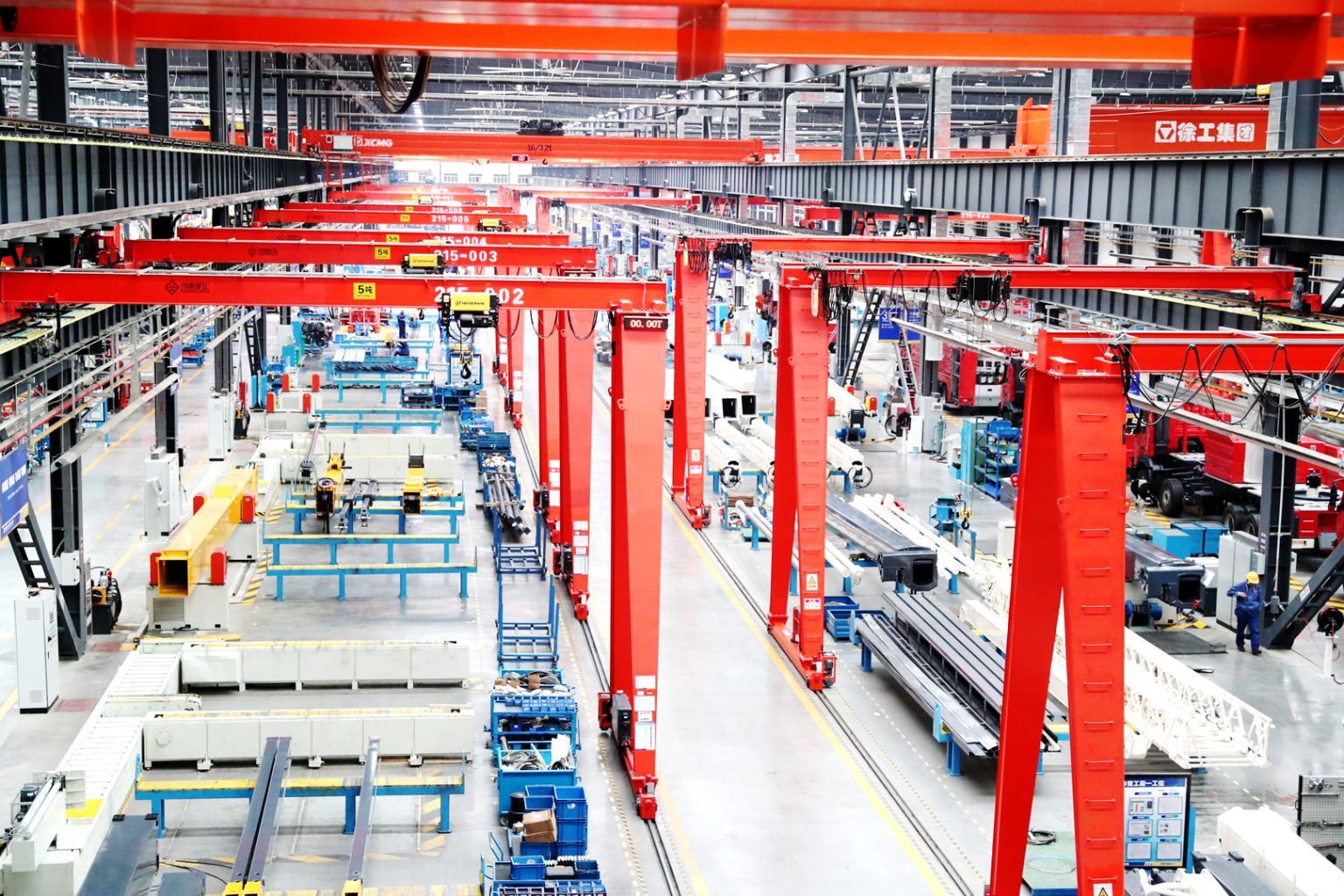
Intelligent Crane production line integration program is not a simple addition to the equipment to run automatically, but the crane is completely integrated into the factory's automated production system, becoming a fixed station in the production line.
After integration, the material flow no longer rely on manual scheduling instructions, but real-time synchronization with the production rhythm. The previous process is completed, the system automatically sends the handling task, the Crane autonomously complete the material transfer to the next workstation or cache area. The whole process does not require manual dispatching, no on-site command, material flow and production rhythm is completely aligned.
Routine docking systems include MES manufacturing execution system, WMS warehouse management system, ERP enterprise resource system, as well as on-site AGV, robots, conveyor lines and other automation equipment, forming a complete material flow closed loop.
Intelligent Crane and production line docking method
Automatic material handling is the most basic function. The system automatically completes the whole process of raw material loading, inter-process transfer, and finished product warehousing handling according to the production plan, without manual intervention.
Real-time data interoperability is the core support. Production progress, material location, equipment status two-way synchronization, line scheduling can grasp the real-time location of materials, but also according to the production rhythm of dynamic adjustment of lifting tasks.
With the material identification function, through RFID, barcode or machine vision to confirm the identity of the material, to avoid the wrong lifting and misplacing, suitable for multi-species, small batch flexible production line.
Intelligent path planning will automatically plan the optimal route according to the state of the equipment on site, the location of obstacles, avoiding the workstation and equipment in operation, to reduce ineffective driving.
Synchronization of production scheduling is the key to improving production line synergy. When the production line is changed and the beat is adjusted, the lifting system synchronizes and updates the operation plan, so there is no need to send new instructions to the overhead crane separately.
Core functions of the integrated system
Intelligent Crane automatic positioning is the basic ability, relying on lasers and encoders to achieve millimeter-level precision alignment, adapting to the loading and unloading positions of different work stations.
Intelligent Crane anti-sway control can inhibit the swaying of suspended objects during transit, which not only improves the speed of alignment, but also reduces the safety hazards caused by material swaying.
Load monitoring, intelligent crane collision avoidance system constitutes the basic safety protection, overloading, off-loading, path obstacles, automatic warning shutdown.
Equipment health monitoring and intelligent Crane predictive maintenance function, real-time collection of motor, reducer operating data, prejudge the life of the components, and arrange maintenance in advance to reduce unplanned downtime.
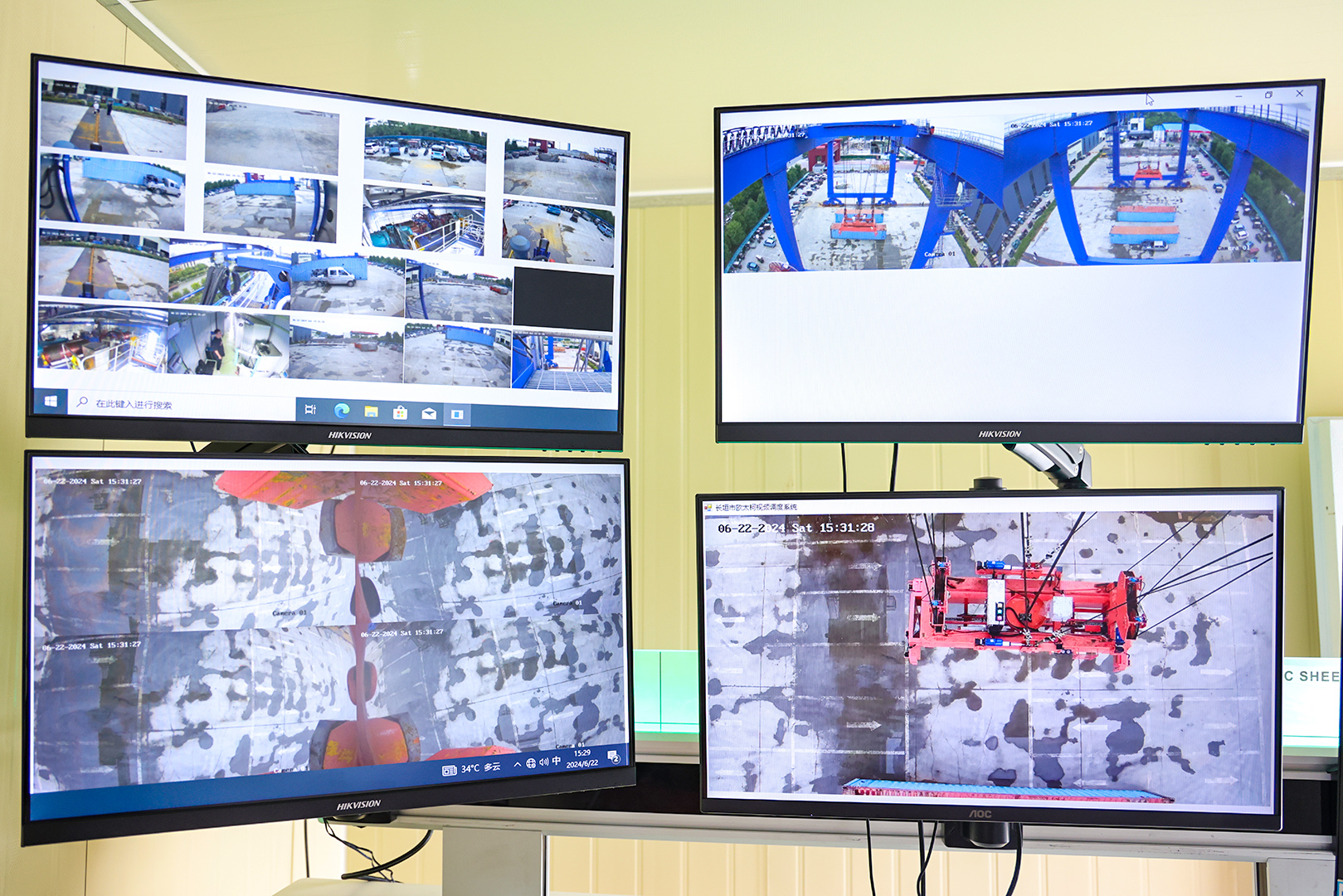
Energy consumption monitoring and remote monitoring of intelligent cranes are convenient for factories to do equipment management and energy accounting, and multiple equipment can be managed in the same backend.
The core value of the integrated program
The most direct change is the material transfer and production line beat alignment, reducing the waiting time between processes and shortening the overall production cycle.
Field operators no longer need to engage in high-frequency repetitive lifting work, shifting to inspection and scheduling management, which not only reduces manpower dependence, but also reduces the frequency of personnel entering high-risk work areas and improves on-site safety.
The standardized automatic operation reduces the error of manual operation, the material alignment is more stable, and also reduces the probability of material bump damage.
All operation data are automatically retained, and the entire material flow is traceable, providing real data support for production management and process optimization.
Mainstream industry application scenarios
Iron and steel manufacturing industry, steel mills intelligent lifting system connected to the casting, rolling line, complete the billets, coils of steel between the process of transportation and storage, suitable for high temperature, heavy-duty continuous production scenarios.
Automotive manufacturing, machining workshop intelligent lifting solutions, docking processing stations, assembly lines, to complete the accurate distribution of workpieces, molds, to adapt to the flexible production needs of the replacement.
Paper, aviation, new energy production line lifting equipment, but also according to the characteristics of the production line to do customized intelligent Crane system, matching the different material forms and operating rhythm.
Warehousing and logistics focus on intelligent crane WMS integration to complete the whole process of automatic warehousing of finished products, out of the warehouse loading.
Key steps for implementation
Do intelligent Crane production line integration, can not come up to buy equipment. The first step is to assess the production requirements, sort out the type of material, weight, transit path, production beat, and then determine the level of automation.
The second step is to analyze the flow of materials on site, find out the current handling bottlenecks, determine the scope of operation of the Crane and docking station.
The third step is to choose the appropriate equipment configuration, tonnage, span, accuracy level, functional modules should be matched with the demand, without blindly chasing high matching.
The fourth step to confirm the software compatibility, clear intelligent Crane MES docking, WMS docking interface protocol, to avoid problems in the late data through.
Followed by the development of a phased integration roadmap, do personnel training, online and gradually debugging optimization. Old plant renovation projects can also do in-service Crane intelligent transformation, do not have to completely replace the equipment, control the initial investment.
Common Challenges and Responses
Many factories are concerned about the compatibility of old equipment, in fact, most of the in-service Crane can be integrated by upgrading the electronic control, the addition of sensors, without having to replace all new.
The problem of data docking, as long as the interface protocol is clear in advance, the mature programmers can do adaptive development.
Initial investment is a point of concern for many customers, can be landed in stages, the first on the basic automatic positioning and production line docking, and then gradually upgrade predictive maintenance, digital twins and other functions, sharing the investment pressure.
Network security, system scalability can also be planned in advance in the program design phase, reserved upgrade interfaces, to adapt to the subsequent production line expansion.
FAQ
How do Cranes communicate with MES and ERP systems?
Generally through the industrial Ethernet, standard communication protocols docking, according to the customer's existing system interface to do the adaptation, to realize the task issued, the status of the data back to the interoperability.
Can the traditional Crane in the old workshop be transformed into a production line integration model?
Most of them can. As long as the equipment structure is in good condition, by upgrading the electronic control system, adding positioning and sensing modules, and docking the production line system, the basic integration function can be realized, which is much lower than the cost of brand-new purchase.
What industries are best suited for line integration?
Industries with continuous production, high frequency of material transfer, and high-risk operating environments have the most obvious benefits, such as steel, automotive, machining, new energy manufacturing, and mass-produced discrete manufacturing plants.
How long is the project payback period?
It depends on the frequency of operation and labor costs. For high-frequency three-shift production scenarios, the incremental investment can usually be recovered within a few years through labor savings, downtime reduction, and efficiency improvement; low-frequency scenarios can be selected as the basic version of the program to control the scale of investment.
Conclusion
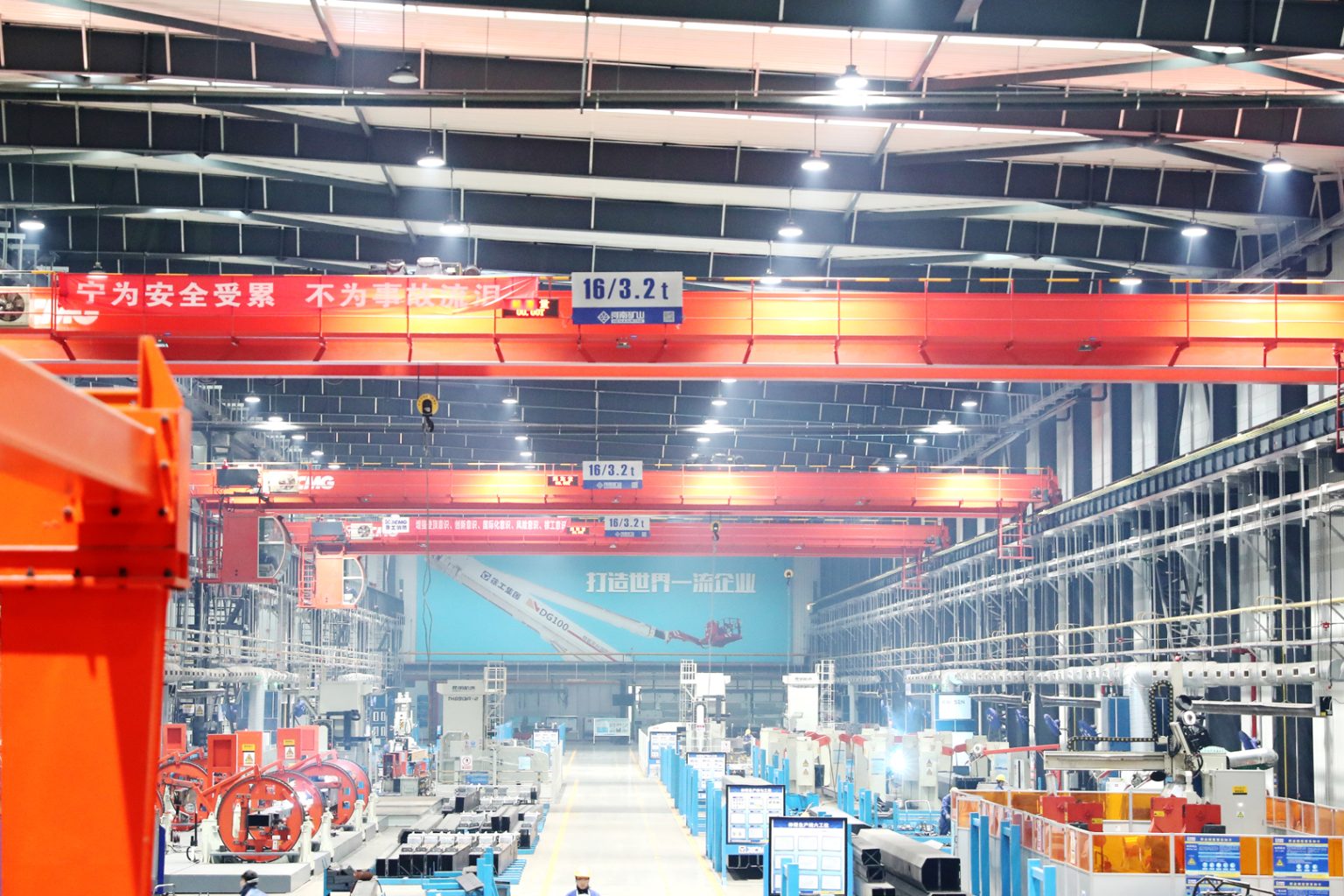
Intelligent cranes and production line integration, not the automation upgrade of a single device, but the optimization of the overall material flow system of the factory. For the promotion of intelligent manufacturing factories, it is not the icing on the cake configuration, but to open the production line automation of the last link of the key equipment.
Program selection is not a one-step solution, combined with their own production rhythm, budget and long-term planning, landing in stages can also get good results.
Why choose our intelligent crane program?
Henan Mine Crane is a professional automated crane industrial equipment manufacturers and solution providers, can provide customized intelligent crane systems and end-to-end production line integration services.
Our solutions support intelligent crane MES interfacing, intelligent crane WMS integration, can be adapted to ERP, SCADA and other types of factory systems, in line with CE, ISO, FEM, CMAA and other industry standards.
From program design, manufacturing to installation and commissioning, personnel training, the whole process of follow-up, supporting predictive maintenance, remote technical support, service coverage of the global market. If you have intelligent production line lifting equipment customization or old equipment renovation needs, welcome to contact our engineering team, we will be based on your production line to produce a suitable solution.