
How to Choose Portal Harbor Crane Manufacturers: A Practical Guide
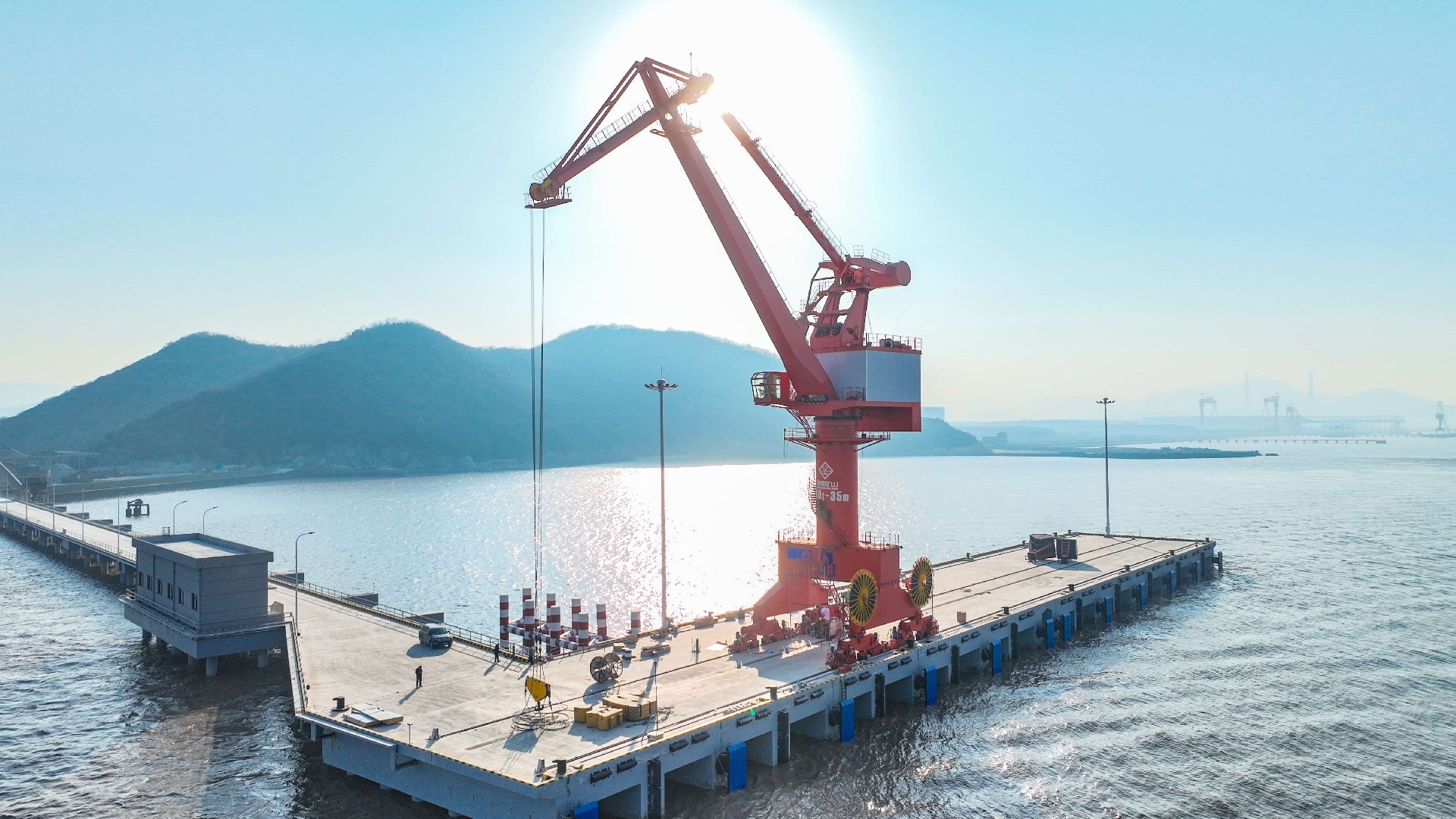
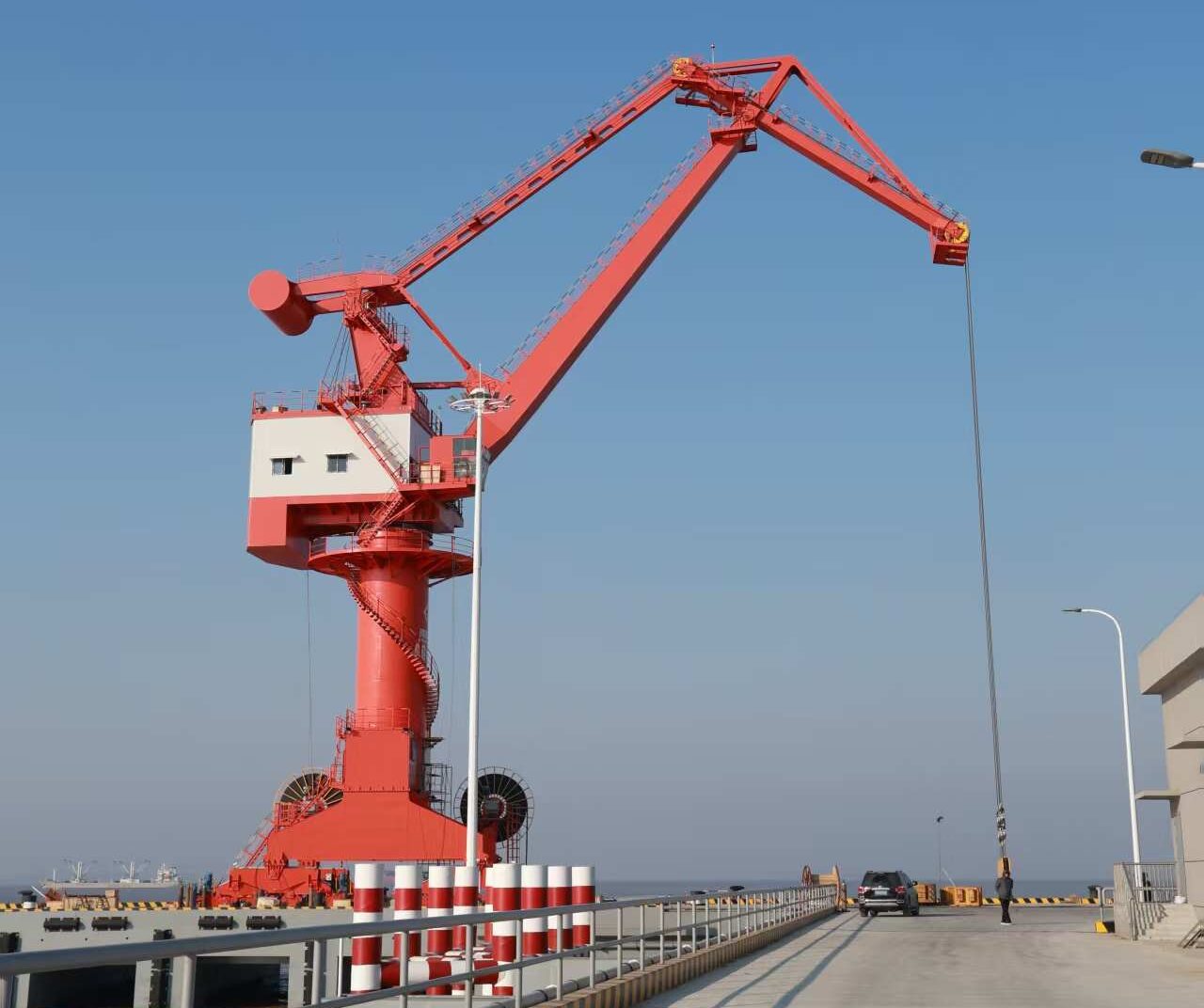
Gantry Port Cranes are the core loading and unloading equipment for coastal terminals, river ports, shipyards and waterfront industrial projects. This type of equipment is adapted to the complex operating environment of the shore, can be flexible to complete the lifting, transfer, stacking of various types of goods, is the main equipment in the port cargo operations with a high utilization rate.
Selection of high-quality gantry port crane manufacturers, need to take into account the structural stability of the equipment, adaptability to the marine environment, cargo adaptability, engineering landing level and long-term after-sales support.
Combined with many years of global port equipment supporting experience, we combined with real port conditions, dismantle the applicable projects of gantry cranes, procurement needs, model categorization, core parameters, manufacturers screening criteria and procurement to avoid the pit points, to provide practical reference for the procurement of overseas port projects.
Mainstream application projects of gantry port cranes
Gantry port cranes are extremely versatile, not limited to a single type of cargo operation, can be adapted to different types of port terminals and waterfront projects, and is also the preferred equipment for multi-scenario port operations.
General cargo port
Conventional general cargo terminals are mainly used for loading and unloading steel, large machinery, timber, engineering equipment, bagged groceries and other scattered goods, there is no fixed container operation standard, and the cargo types are messy and diverse.
Gantry port cranes can be equipped with hooks, lifting beams and other equipment, suitable for all kinds of non-standard grocery lifting operations, a wide range of operations to meet the diversified loading and unloading needs of the general cargo terminals, is the main equipment of such terminals.
Bulk Terminal Yard
Coal, ore, gravel, grain and other bulk cargo terminals, the continuous operation of equipment and equipment adaptability requirements are high. These terminals are dusty and have intensive operation frequency, which results in faster wear and tear of the equipment.
Heavy-duty port cranes with grab devices can efficiently complete the loading and unloading of bulk cargoes, clearing and transshipment work, and are suitable for the high-intensity, high-dust, harsh operating conditions of bulk cargo terminals.
Multi-functional Comprehensive Terminal
Most of the small and medium-sized ports are in integrated operation mode, simultaneously undertaking general cargo, bulk cargo, small containers, construction equipment and other cargo operations, and the operation scene is frequently switched.
Gantry Cranes are perfectly suited to the dynamic operational needs of multifunctional terminals with their interchangeable work equipment, flexible slewing, and wide-ranging operation, and can complete the loading and unloading of all types of cargoes without the need to replace multiple sets of equipment.
Shipyard and Offshore Engineering Plant
The waterfront operation area of ship repair and offshore engineering bases needs to complete the lifting and maintenance of hull segments, large modules and marine equipment, which requires strict requirements on equipment lifting tonnage and operational stability.
Dedicated dock port cranes can be adapted to the waterfront heavy-duty lifting conditions to meet the needs of ship construction, overhaul, module alignment and other high-precision, high-load operations.
Specialized harbor cranes for port industry
Petrochemical, iron and steel, electric power and other heavy industry supporting the exclusive port, mainly loading and unloading heavy industrial equipment, steel raw materials, chemical equipment, power components and other heavy cargo.
These projects require higher requirements for heavy-duty performance, structural strength, and safety protection standards, and require customized heavy gantry cranes to match industrial production and logistics needs.
Port Upgrade and Expansion Projects
Old ports generally have aging equipment, low operating efficiency, insufficient tonnage, corrosion failure and other problems, and cannot adapt to the current cargo flow and ship specifications.
Most of the port upgrading and berth expansion projects will use new gantry cranes to replace the old equipment, and improve the overall operating capacity of the terminal and the level of navigation.
Core Procurement Requirements for Gantry Port Crane Projects
Harbor waterfront operating environment is complex, wind, salt spray, humidity, dust and other factors will affect the operating status of the equipment. Procurement requirements should not only look at the basic lifting function, but also fit the actual working conditions of long-term operation in the harbor.
High intensity and heavy load stable operation ability
Most of the port operations implement a shift system, the equipment needs to start and stop continuously for a long time, heavy work, high-frequency cyclic work will continue to consume the performance of the equipment.
High-quality port gantry cranes need to have solid steel structure strength and stable transmission system, which can adapt to the heavy-duty, high-frequency port operation mode for a long time, and reduce the problem of sudden failure and downtime.
Flexible adaptability to multiple cargo types
Many port cargo types are not fixed, requiring equipment to switch lifting mode at any time. Cranes can be equipped with hooks, grabs, electromagnetic suction cups, special spreaders and other work tools to adapt to different cargo operations.
The adaptability of the equipment and the ease of switching directly determines the flexibility of the terminal's operations and meets the diversified operational needs of integrated ports.
Outdoor marine environment weather resistance
The seaside environment of high salt spray, high humidity, strong wind, rain and dust is the biggest source of wear and tear of port equipment. Ordinary industrial Cranes will suffer from paint peeling, steel structure rusting, and moisture damage to electrical parts in a short period of time.
Specialized port gantry cranes need to be equipped with a full set of marine-grade anticorrosion, dustproof and waterproof design to resist the erosion of harsh outdoor environments and prolong the service life of the equipment on the seashore.
Reasonable coverage of berth operations
Different berths have different lengths, ship specifications, and cargo stacking area layouts, which require different operating radii and traveling ranges for Cranes.
Equipment parameters need to match the overall layout of the berth, to ensure that there is no blind spot, covering all ship loading and unloading and shoreside transfer area, fit the rhythm of the terminal cargo flow.
Smooth and Safe Maneuvering Performance
The smoothness of cargo lifting, luffing, slewing and traveling process is directly related to the operation safety and cargo integrity rate. Especially for heavy cargo and precision engineering equipment, the slightest shaking may cause damage to the cargo or operational hazards.
Mature equipment control system can ensure the smooth connection of each action of the equipment and precise braking, which can effectively improve the safety of port operation.
Long-term after-sales service and spare parts guarantee
The loss of cargo and ship delay caused by the downtime of port equipment is extremely high, far exceeding the cost of equipment maintenance. Once the equipment parts are damaged, system failure, manufacturers need to respond quickly to deal with.
Reliable harbor Crane suppliers need to have a rapid after-sales response, spare parts inventory, remote commissioning and on-site maintenance capabilities.
Port Crane Models for Various Port Conditions
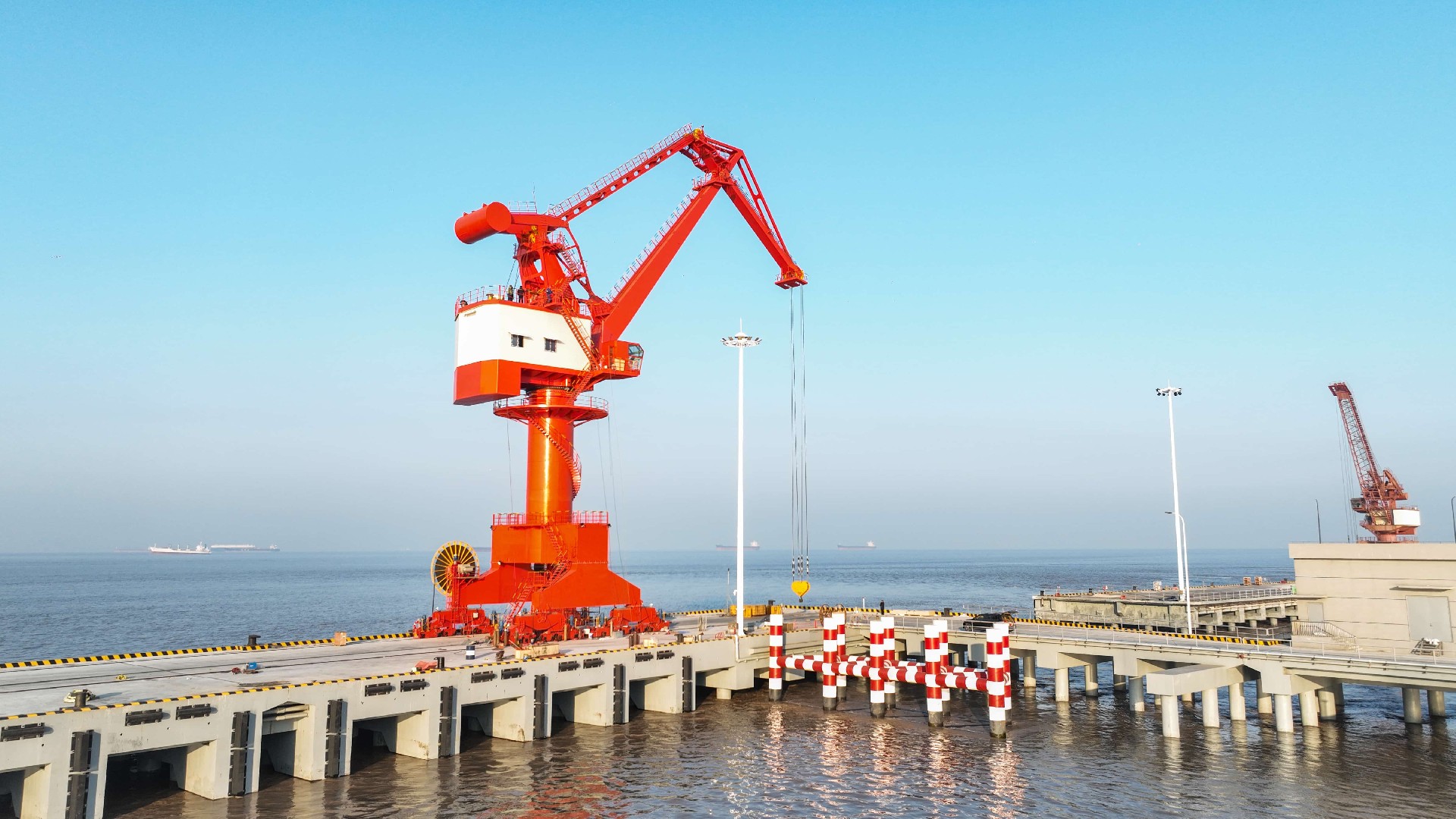
For different types of cargo, operating intensity, berth conditions, the industry has divided a variety of mature gantry port crane models, on-demand selection can be accurately matched to the project requirements, to avoid excess performance or insufficient parameters.
Single Boom Gantry Harbor Cranes
This is the most basic and widely used standard model with simple structure, low failure rate and convenient operation and maintenance. It mainly focuses on conventional tonnage lifting, and is suitable for the daily operation of ordinary general cargo and small and medium-sized bulk cargo terminals.
With high cost performance and short landing cycle, it is the preferred model for small and medium-sized comprehensive ports and inland waterway terminals.
Four-link Gantry Harbor Crane
The four-link structure optimizes the luffing operation logic, which makes the operation process smoother and the luffing efficiency higher, and it can be adapted to larger tonnage and higher frequency heavy-duty operation.
Suitable for large and medium-sized seaports, high throughput terminals, able to cope with long-term stability of high-intensity continuous operation, is the main model of heavy-duty port.
Grab Gantry Crane
Specially designed for bulk cargo operation, it is equipped with all kinds of bulk cargo grab devices as standard, which can automatically complete the grappling, lifting and unloading operations of gravel, coal and grain.
The lifting and luffing speed of the equipment has been specially optimized to meet the operational needs of rapid turnover of bulk cargoes, and is fully adapted to the working conditions of specialized bulk cargo terminals.
Hook-mounted Gantry Crane
With hook lifting as the core, it specializes in lifting heavy general cargo, steel components, engineering equipment and large spare parts. With high lifting precision and stable alignment, they are suitable for heavy duty harbor and shipyard maintenance lifting scenarios.
Customized Gantry Port Cranes
Customized models for non-standard berths, special environments and exclusive cargo types. Manufacturers can optimize the structure, parameters and configuration of the equipment according to the terminal track layout, wind conditions, power supply conditions, special lifting needs.
It can solve the special port operation problems that can't be adapted by standardized equipment, and adapt to all kinds of personalized overseas port projects.
Core technical parameters that must be verified for procurement
Gantry port cranes are large-scale non-standard heavy-duty equipment, and the matching of parameters directly determines whether the equipment can be put into operation and used normally. Procurement stage needs to check the core parameters one by one, to avoid the problem of landing fit.
Rated lifting tonnage
The rated lifting tonnage is determined according to the maximum weight of the mainstream cargo and the self-weight of the lifting equipment, and sufficient load capacity should be reserved. Eliminate long-term full-load operation to avoid equipment structure fatigue and accelerated wear and tear of accessories.
Operation radius
The operation radius determines the lateral coverage of the equipment, which needs to match the width of the ship and the size of the stacking area on the shore. If the radius is not enough, there will be a blind spot, which can't cover the cargo on the outside of the ship and the far end of the yard area.
Effective lifting height
Combined with the ship's full load height, cargo stacking height, and shore operation height, the design ensures that the high level cargo and the cargo inside the ship's cabin can be lifted smoothly without any height limitation.
Track gauge and laying method
The track gauge of the equipment must strictly match the preset track spacing of the quay and the civil construction standard. Deviation in track gauge will lead to failure of equipment installation, travel jam, abnormal structural stress, which is the basic core parameter of equipment landing.
Lifting speed
It directly affects the efficiency of single cargo lifting cycle, and is matched according to the demand of terminal throughput. Standard speed is chosen for regular terminals, while high-speed models can be chosen for high throughput terminals to balance efficiency and operational stability.
Luffing speed
The luffing speed determines the adjustment efficiency of the operation radius, reasonable luffing speed can shorten the operation alignment time, improve the overall loading and unloading rhythm, and at the same time, avoid the speed is too fast resulting in cargo shaking.
Slewing speed
The slewing speed of the equipment affects the accuracy of cargo translation and alignment, and the smooth slewing action can effectively avoid the risk of cargo swinging and collision, which is crucial to the safety of dense berth operation.
Traveling speed of the whole machine
For the long berth terminal, the equipment needs to walk along the track for a long distance to switch the operation point, reasonable walking speed can improve the overall coverage efficiency of the berth.
Power supply system parameters
The voltage, frequency and power supply mode of the equipment need to fully match the local power system of the port, without the need for later circuit modification, which reduces the cost of commissioning and use of the equipment.
Environmental adaptation and protection standards
Coastal projects focus on verifying salt spray anti-corrosion grade, wind load resistance standard, and electrical waterproof and dustproof grade. Dusty, rainy, high-temperature and low-temperature areas require corresponding upgraded equipment protection configurations to adapt to local climatic conditions.
Full set of safety protection system
Must be equipped with overload protection, emergency braking, traveling collision avoidance, high wind alarm, storm locking, real-time monitoring and other safety devices, to avoid the risks of operating under complex working conditions in the port.
Screening criteria for professional gantry harbor crane manufacturers
The global port equipment market manufacturers are mixed, traders and entity manufacturers of equipment quality, engineering capabilities of the gap is huge, screening reliable maritime Crane manufacturers can focus on the following dimensions.
Verify the entity’s manufacturing qualifications
Be sure to confirm that the cooperative manufacturers for the independent production of physical factories, with steel welding, machine assembly, machining, electrical commissioning of the full set of production capacity.
Trade intermediaries have no production and customization capabilities, can not optimize the equipment according to the port conditions, the later after-sales and quality control is not guaranteed at all.
Verify the experience of similar port projects
Large-scale port equipment can not rely on the production of generic templates, manufacturers must have real terminal, shipyards, port industrial projects on the ground experience.
Manufacturers familiar with overseas port standards, marine conditions, berth construction requirements, can avoid all kinds of landing adaptation problems in advance, reducing project rework.
Evaluate the ability of exclusive engineering solutions
High-quality manufacturers will not directly apply a fixed model offer, but will take the initiative to study the berth drawings, cargo parameters, track layout, environmental conditions. Combined with the actual needs of the project, they will recommend suitable models and parameters, and give exclusive landing program.
Verification of a full set of formal technical information
Formal manufacturing companies can provide a full set of information such as equipment assembly drawings, load calculation data, operating radius schematic, electrical schematic, list of accessories, performance test data, etc., to meet the port acceptance, filing, operation and maintenance needs.
Confirmation of core parts brand and material
Steel structure material, motor, reducer, brake, bearing, electronic control system, grapple hook mechanism and other core components directly determine the durability of the equipment. When purchasing, it is necessary to clarify the brands, specifications and warranty standards of the parts, and eliminate the replacement of low-match.
Strict factory quality inspection and testing process
Before leaving the factory, the equipment must complete a full set of quality inspection processes such as weld flaw detection, structural strength verification, no-load test run, full-load load test, functional debugging, anticorrosion coating test, etc., and keep a complete record of the inspection.
Clearly define the scope of installation and commissioning and training services
Confirm in advance the scope of supply, on-site installation guidance, machine commissioning, operator training, completion and acceptance of the service content, to avoid the later service boundary blurring, resulting in additional costs.
Verification of overseas after-sales service and spare parts guarantee
Overseas port projects are difficult to respond to after-sales service, manufacturers need to have overseas technical support, fast spare parts delivery, remote commissioning, on-site maintenance capabilities to ensure long-term stable operation of the equipment.
Comprehensively assess the value of the whole life cycle of the equipment
Low price quotation is often accompanied by steel structure reduction, miscellaneous accessories, simple anti-corrosion, lack of service and other issues. Procurement needs to be comprehensive equipment quality, service life, operation and maintenance costs, after-sales ability to judge, not limited to the initial purchase price.
Procurement selection of common misconceptions
Many port equipment adaptation problems are caused by the negligence of details in the procurement stage, which will bring continuous impact on the long-term operation of the terminal.
Simply selecting the manufacturer with the lowest price, ignoring the equipment configuration, process standards and after-sales system, will lead to frequent failures and a significant increase in operation and maintenance costs in the later stage.
Mismatch between the model and the actual type of cargo, grapple machine is used for grocery lifting, ordinary model is used for heavy-duty bulk cargo operation, resulting in low operating efficiency and rapid equipment wear and tear.
Neglecting the matching degree between operation radius and berth layout, the equipment coverage is insufficient, and there are a lot of blind areas in the terminal.
Lightweight marine anticorrosion design, the choice of ordinary industrial anticorrosion standards, equipment short-term use of large areas of corrosion, paint peeling.
Do not verify the manufacturer's port project cases, choose manufacturers without maritime equipment experience, equipment can not be adapted to the complex conditions of the seaside.
Quotation content is vague, not clear equipment configuration, accessories range, service content, and later frequent additional charges.
No clear responsibility for installation, commissioning, training, the equipment can not be quickly put into operation after entering the site, delaying the progress of port operations.
Neglecting long-term spare parts supply and after-sales response ability, equipment failure after a long period of downtime, resulting in terminal cargo loss.
Incomplete data of berths, cargo types and drawings provided in the inquiry stage, deviation of manufacturers' program adaptation, and inability to meet the operational requirements after the equipment is landed.
Frequently Asked Questions
What is the core difference between gantry harbor cranes and other harbor cranes?
Gantry port cranes are suitable for flexible operation of multiple cargo types on the shore, can switch a variety of work equipment, with its own slewing luffing system, wide operational coverage, strong mobility. Compared with fixed shore bridge and rail crane, it is suitable for miscellaneous bulk cargo and multi-category port, with higher cost performance and greater versatility.
What types of cargoes are suitable for Gantry Harbor Cranes?
Can be adapted to steel, engineering equipment, timber, bags of general cargo, ore, coal, grain and other bulk and general cargo, replacement of the workpiece can also be adapted to special heavy-duty cargo, covering most of the regular port operations cargo type.
How to determine the required lifting tonnage and operating radius of the project?
According to the maximum weight of the terminal cargo, the maximum width of the ship, the shore operation of the stacking distance of the comprehensive accounting, while reserving the working conditions of the margin, to adapt to the future upgrading of the ship and cargo expansion needs.
In addition to the price of the equipment, what else do I need to focus on in my procurement?
Manufacturer's port project experience, steel structure technology, marine anti-corrosion grade, core parts quality, parameter suitability, factory testing standards, overseas after-sales response speed and spare parts supply capacity.
What technical information should be requested from the manufacturer before placing an order?
A full set of technical data such as equipment assembly drawings, load parameter statements, operating radius diagrams, electrical schematics, core parts list, factory quality inspection reports, operation and maintenance manuals, warranty details and so on.
How important is the anti-corrosion design of harbor Crane?
It is the core process standard for seaside equipment. Salt spray corrosion will continue to damage the steel structure and electrical system, low standard anticorrosion equipment 3-5 years will be serious aging, high standard marine anticorrosion can significantly extend the service life of the equipment, reduce operation and maintenance costs.
Can the same manufacturer provide multiple models customized to fit different cargo types?
Professional port equipment manufacturers can customize different models according to different cargo types such as general cargo, bulk cargo, heavy equipment, etc., such as grab type, hook type, four-link, single boom, etc., to meet the needs of one-stop full-scene operation.
Summarize
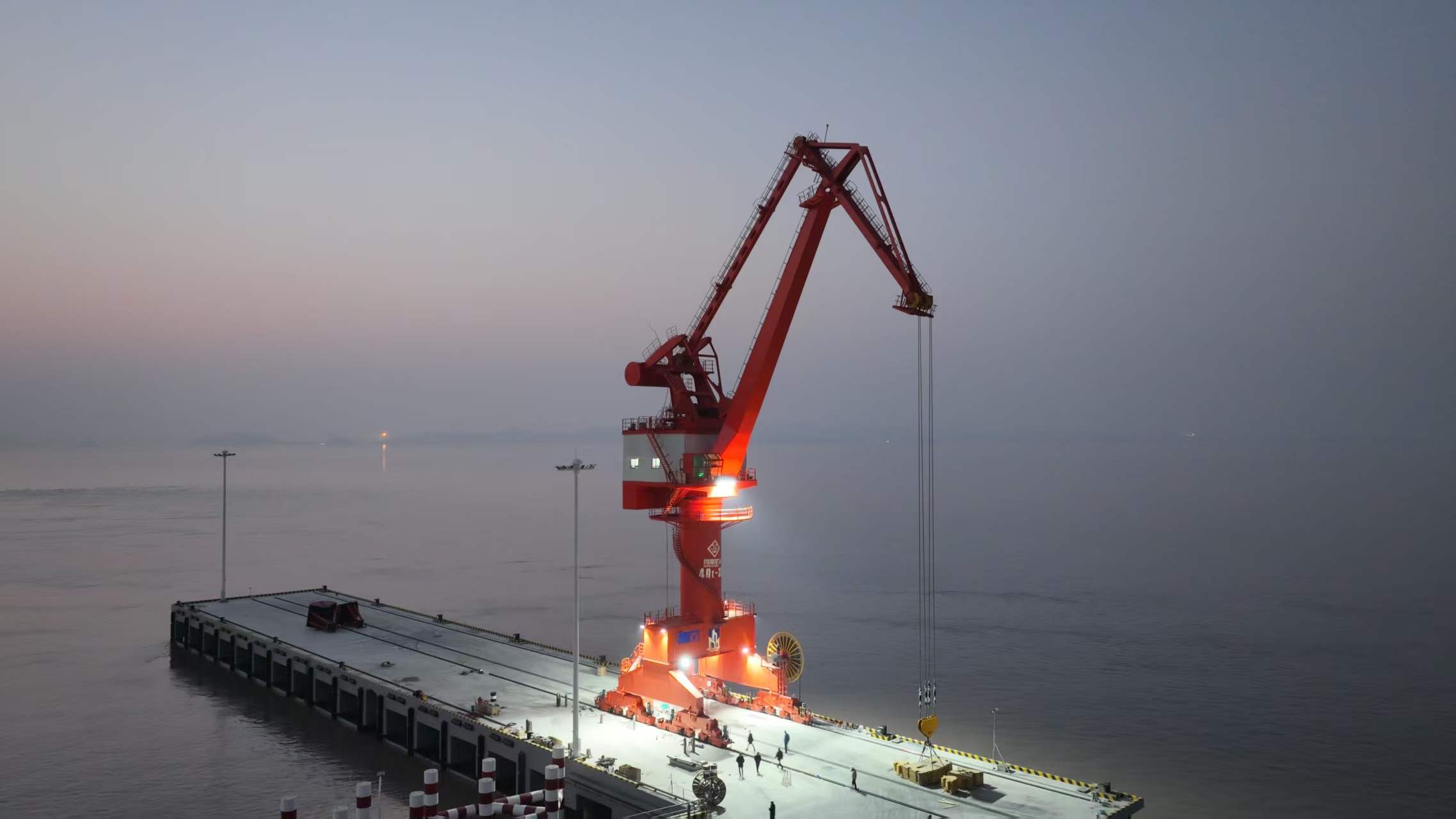
Gantry port cranes as the core heavy equipment in port terminals, the core of the selection and manufacturer selection is to adapt to the working conditions, rather than simply competing for quotations. The structural stability of the equipment, marine weather resistance, cargo adaptability, directly determines the operation of the terminal in the next decade or so.
High-quality port gantry crane manufacturers can not only provide standardized and customized equipment products, but also relying on a wealth of port project experience, to provide customers with pre-condition assessment, program optimization, technical docking, commissioning, lifelong operation and maintenance of the whole process services.
For all kinds of new ports and shipyard projects in the world, choosing suppliers with physical production capacity, mature project experience and perfect overseas after-sales system can effectively avoid equipment failures, overspending on operation and maintenance, and insufficient adaptation and other problems.
Henan Mine Crane manufactured many years of deep port lifting equipment research and development, with a large number of ports at home and abroad landing project experience, can provide a full range of gantry port cranes customized supporting services, suitable for all kinds of coastal, inland waterways, port industrial projects.
If you are not clear about the model and parameters of the project, you can provide the berth drawings, cargo type, lifting requirements and scope of operation, our port engineering team will provide you with exclusive solutions.