
Cruise Ship vs. Metro Crane: Which Is Right for Your Large-Scale Project?
The key to choosing a crane for a large-scale project lies in whether the equipment can adapt to the actual lifting task.Bridge or gantry cranes may be used for the segmented closure of cruise ship hulls, the transfer of subway pipe pieces, and the maintenance of vehicle segments, but the load morphology, operating path, environmental exposure, and production beats are obviously different.The same rated tonnage cannot prove that the two sets of equipment are interchangeable.
This article understands Cruise Ship Crane as lifting equipment for cruise ship construction, assembly and related terminal operations, and Metro Crane as lifting equipment for subway construction and maintenance.The two belong to the application name, and the structure or technical level cannot be determined by the name alone.Large-scale dockyard segmented operations usually focus on carrying capacity and coverage; underground construction and vehicle segment operations emphasize clearance, logistics interface and maintenance technology.The appropriate choice comes from the matching of specific working conditions and equipment configuration.
What Is a Cruise Ship Crane?
Cruise Ship Crane can cover a variety of equipment in the shipyard production chain.The large gantry cranes above the dock, the bridge cranes in the workshop and the rotary cranes by the dock undertake different processes.There are also differences in the supporting conditions, operating environment and applicable requirements between cruise ship construction equipment and long-term marine cranes installed on board.
Common Crane Types Used in Cruise Ship Projects
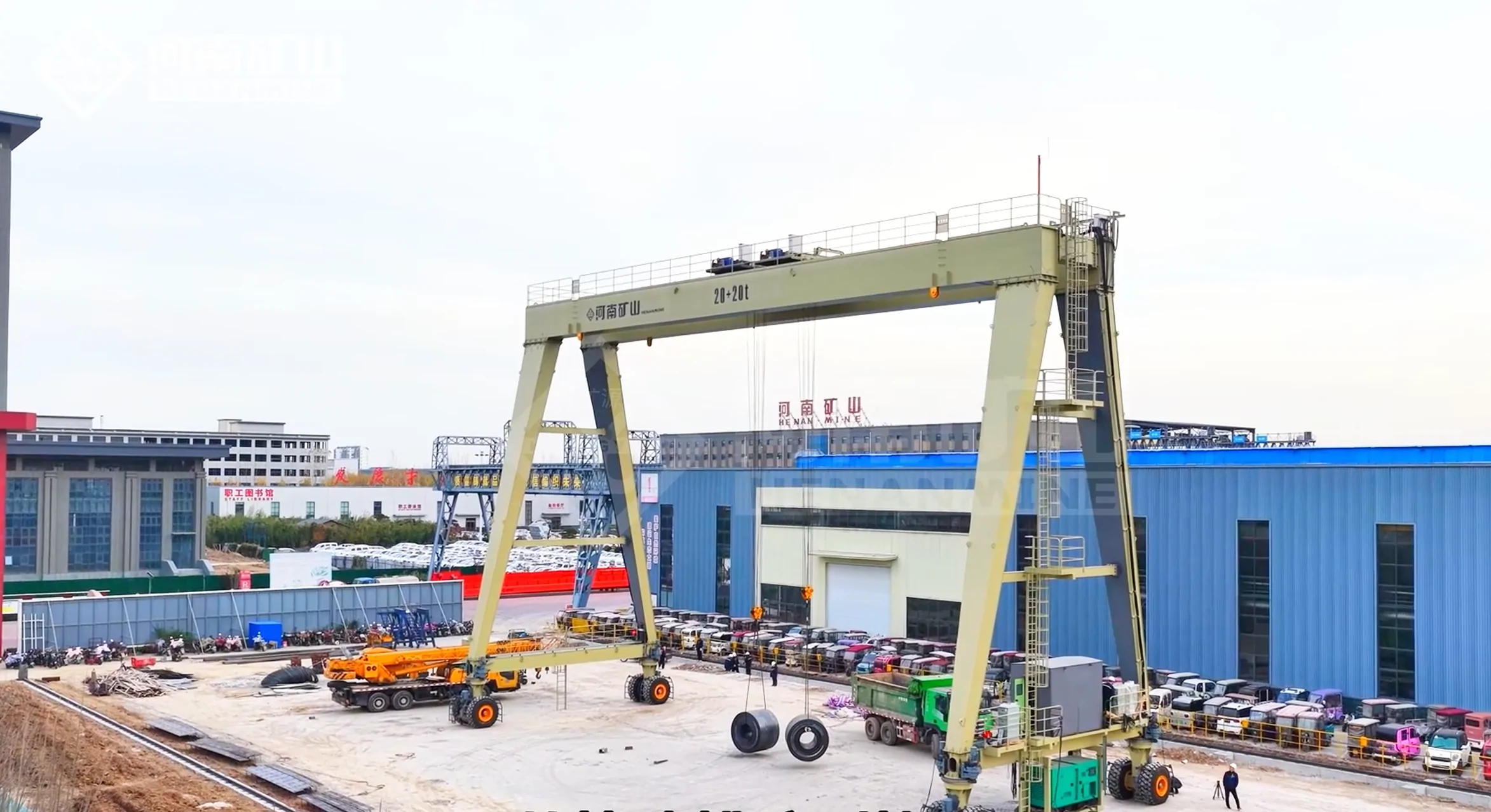
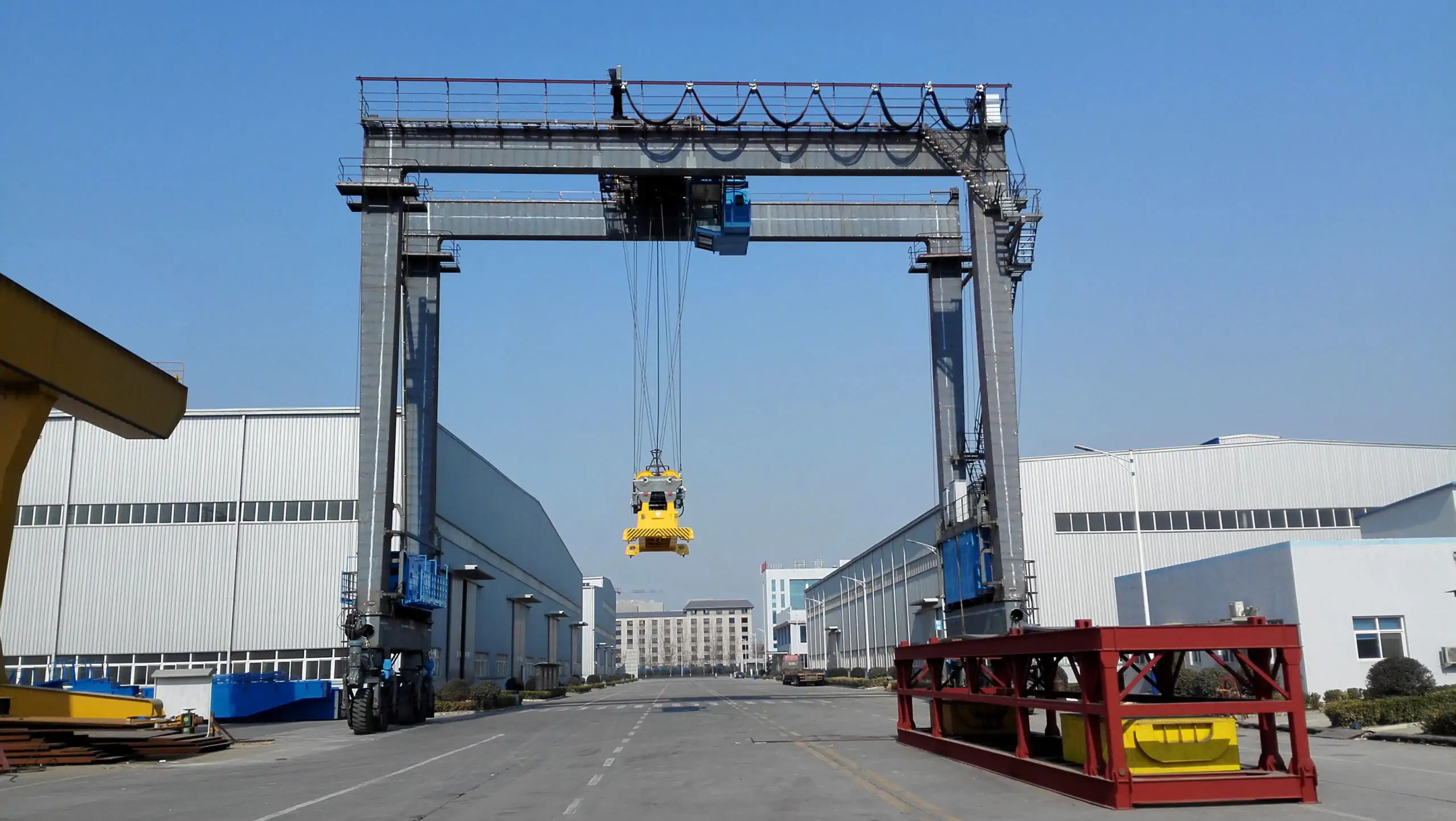
The shipbuilding gantry crane mainly serves the assembly of large hull segments and general segments, and runs along the tracks on both sides of the dock to cover the closed area with a larger span.Bridge cranes are suitable for steel structure workshops, machine assembly workshops and prefabricated production lines to undertake more continuous material flow in the factory.Konecranes' shipbuilding gantry crane information explains the application of equipment to operate along the dry dock and locate large hull segments.
Cantilever cranes are suitable for local stations, and marine or terminal cranes can handle equipment and materials with corresponding operating conditions.Floating cranes can approach locations that are difficult to cover by land-side equipment from the water, but their ability also depends on the stability of the floating body, the operating range and the water conditions.These equipment complement each other and cannot cover the entire cruise ship construction process with a single structure.
Key Applications
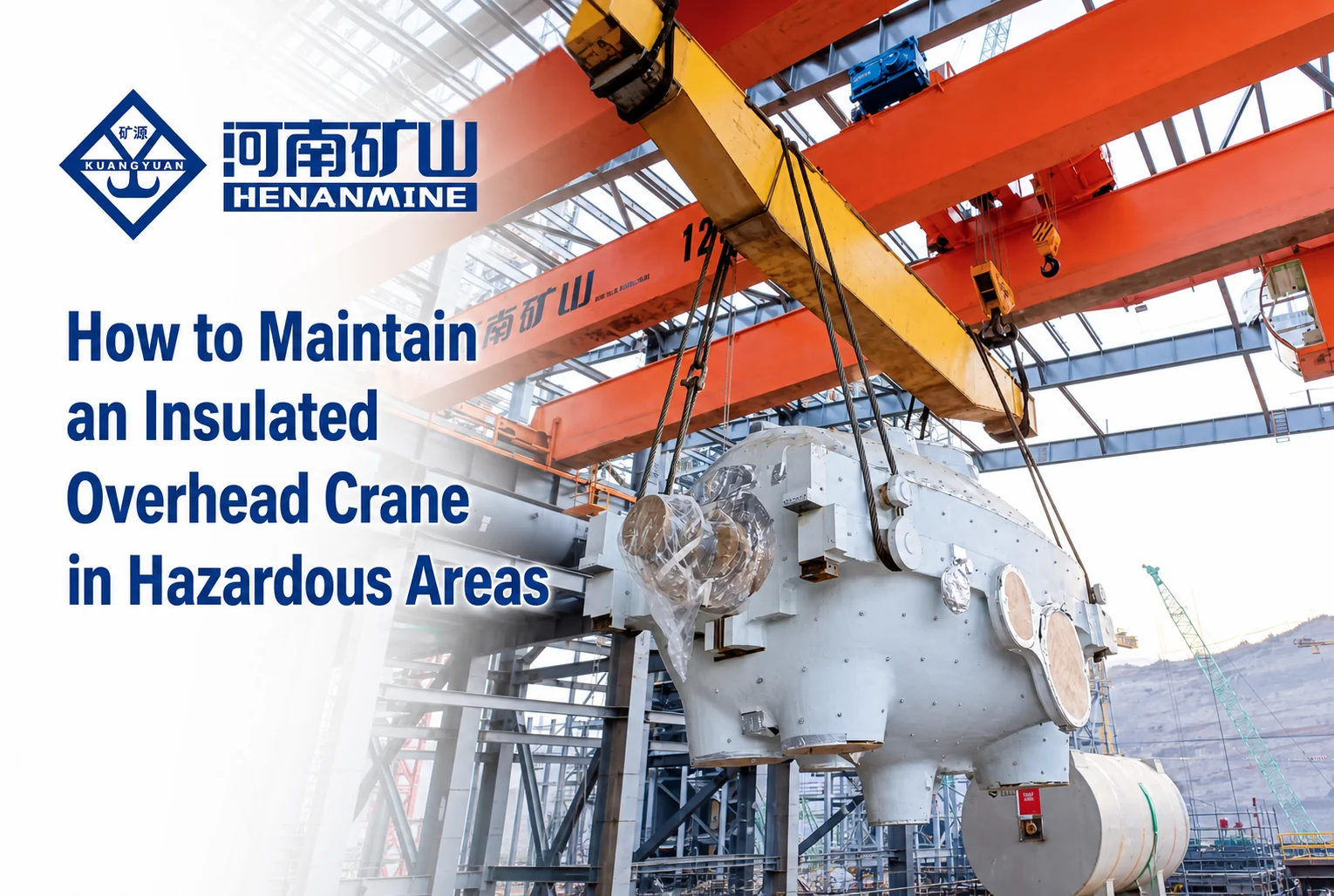
Typical tasks include the hoisting of the hull steel structure, the installation of the main engine and propulsion equipment, the transfer of prefabricated modules, and the handling of heavy parts between different production areas.In addition to the large weight of large segments, they may also have the characteristics of irregular shape, offset center of gravity, and scattered hanging points; the equipment must be lifted, moved, and placed under the force conditions allowed by the components themselves.
The goal of the assembly phase is to make the components approach the installation interface in the correct posture.Multiple hoisting points or multi-machine collaboration can expand the operating capacity, but the load between hoisting points is not necessarily evenly distributed.The control system and the hoisting scheme must jointly deal with attitude changes, sling elongation and movement coordination to avoid hiding local overload in the results of qualified total weight.
Important Selection Factors
The selection of Cruise Ship Crane also involves the rated load, component size, span, lifting height, hook coverage and working level.The windward area of large components will also affect the operating conditions, so loads of the same weight but different shapes may have different operating restrictions.
Coastal open-air equipment faces salt, moisture and rainwater for a long time.Corrosion may develop from coating damage, connection gaps, and stagnant water, affecting the state of structures and components.The protection plan therefore involves surface treatment, coating matching, drainage, sealing and maintenance accessibility; the waterproof and dustproof ability of the electrical cabinet cannot be directly equivalent to the salt spray resistance.
Corrosion control also runs through the use stage.Coating damage caused by spreader collision or maintenance operations may form local weak points; if the structural details are inconvenient to clean and inspect, the damage will be more difficult to detect in time.Therefore, the anticorrosive plan should explain the inspection site, repair method and on-site construction conditions.Increasing the initial coating thickness cannot replace the treatment of stagnant water, joints and subsequent maintenance.
What Is a Metro Crane?
Metro Crane covers many types of lifting equipment in subway construction and operation and maintenance.The constraints of the ground prefabricated yard, shield origin well, underground station and vehicle maintenance depot are different. All subway lifting equipment cannot be understood as small cranes installed in the tunnel, nor can the same configuration be applied to all scenarios.
Common Crane Types Used in Metro Projects
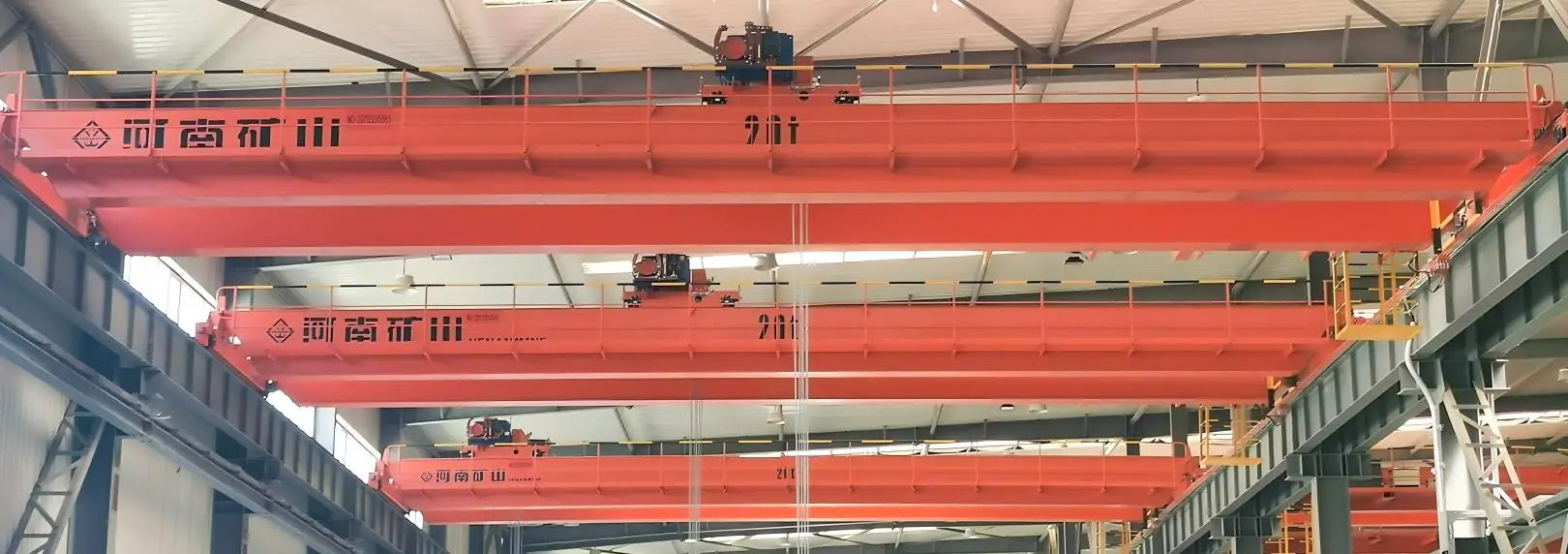
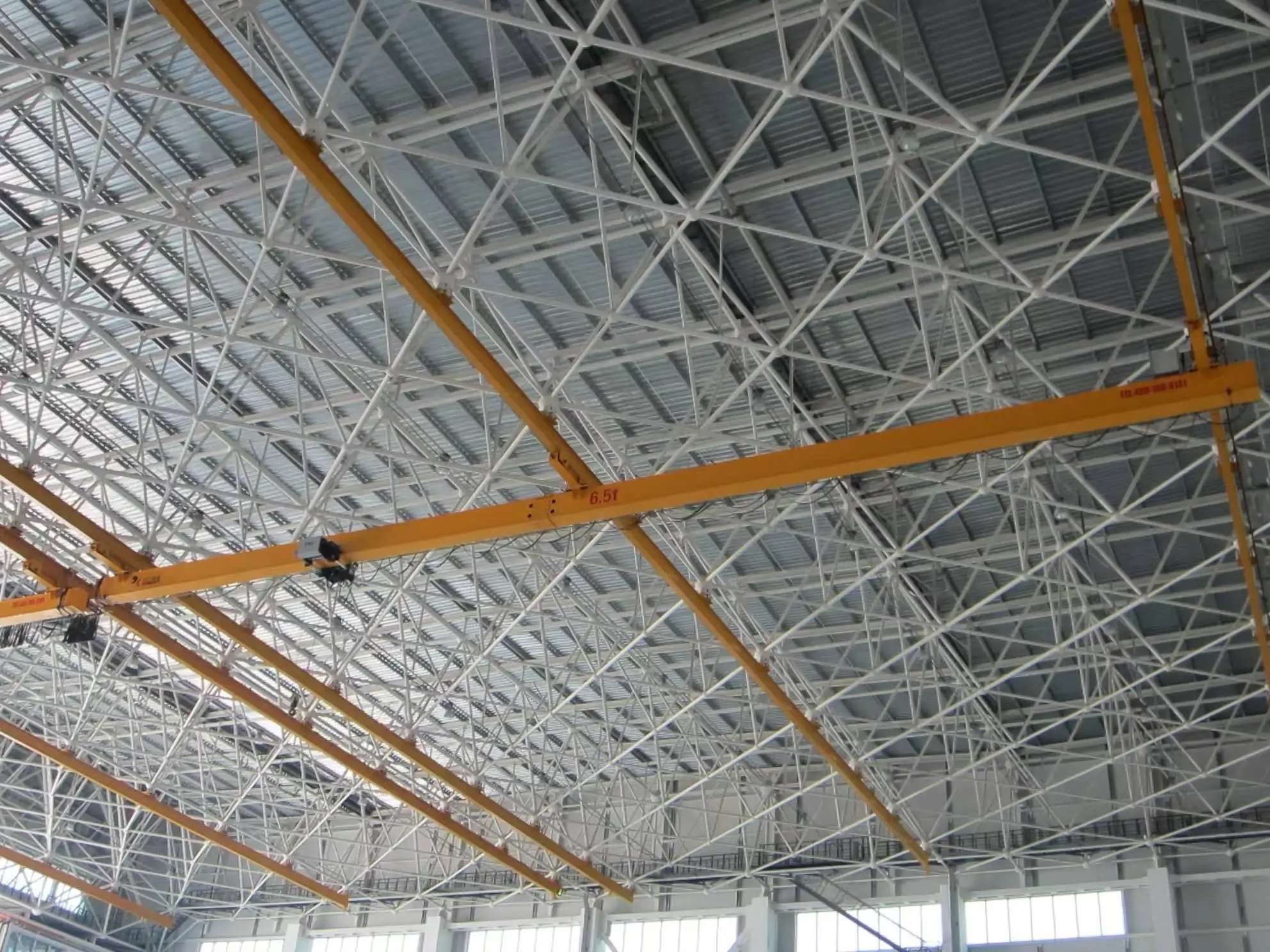
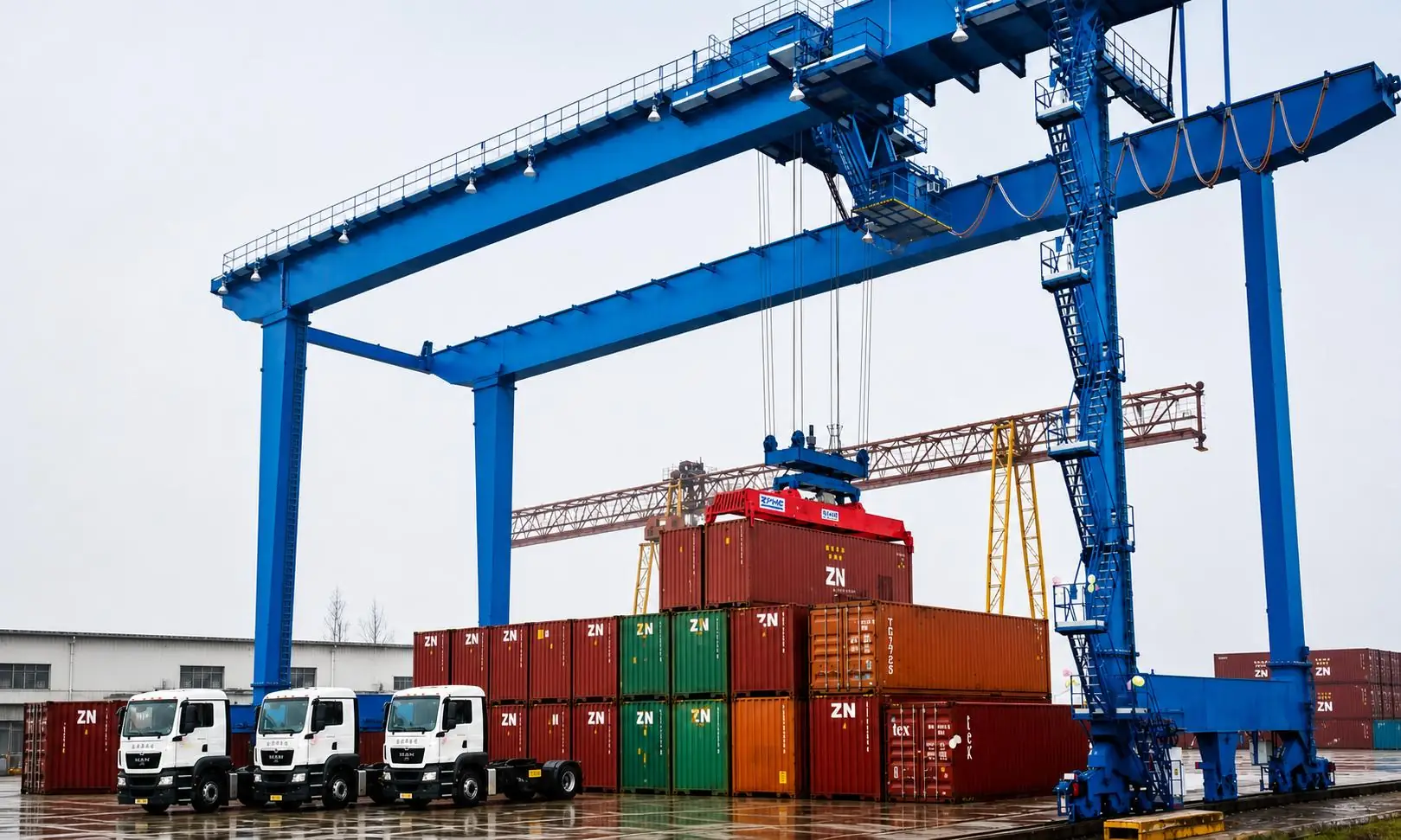
Bridge cranes are commonly used in vehicle segments and maintenance workshops, and gantry cranes can be used in open-air material yards, prefabricated yards, and qualified construction wellheads.The applicability of door-mounted or other dedicated rail equipment depends on the support method, coverage area and logistics organization, not the project name.
Tunnel construction may also use special lifting devices connected to transportation vehicles, rear supporting trolleys, and pipe sheet feeding systems.The tube assembly machine of the shield machine belongs to a special gripping and positioning mechanism, which cannot be simply equivalent to a conventional bridge or gantry crane.The requirements for equipment combinations for open excavation, shield structures and other construction methods are also different.
Key Applications
Subway construction lifting includes the transfer of pipe sheets and building materials, the installation of station water pumps and ventilation equipment, and the release, flipping and storage of prefabricated components in the production of prefabricated components.The operation phase may involve the maintenance and handling of bogies, motors and other components, and the load usually needs to be matched with the designated station, tooling and disassembly sequence.
Tube logistics has a continuous process relationship.In addition to meeting the carrying requirements, the spreader must also adapt to the geometry of the components and the allowable contact area to reduce the risk of damage to the corners and sealing parts.Herrenknecht's pipe sheet production system data integrates mold release, turnover, storage and timely feeding into the overall logistics plan, indicating that the hoisting capacity must be coordinated with the subsequent construction cycle.
Important Selection Factors
Underground or in-warehouse operations are first restricted by building headroom, equipment passages, and hook limit positions.The height under the beam is not equal to the available lifting height. The lifting mechanism, hook group, spreader and load themselves will all take up space; the shape of the equipment can be placed on the site, and it does not mean that the load can pass along the planned path.
Dust, moisture, water seepage and cleaning methods will affect electrical protection, lubrication and inspection arrangements.The vehicle segment must also coordinate the positional relationship between the track, maintenance platform, catenary and other facilities.The degree of exposure in different places varies greatly, and it is not advisable to directly adopt the same environmental hypothesis for the ground maintenance depot and the wet underground operation area.
Cruise Ship Crane vs. Metro Crane: Key Differences
The main difference between Cruise Ship Crane and subway lifting equipment is reflected in how the task constrains the design.The table below shows a typical tendency; actual projects may still cross. For example, cruise ship workshops also have low headroom restrictions, and subway ground yards may also require large-span coverage.
| Comparison Factor | Cruise Ship Projects | Metro Projects |
| Primary applications | Shipbuilding, module assembly, machinery installation | Tunneling support, station construction, depot maintenance |
| Typical equipment | Shipyard gantry cranes, overhead cranes, marine cranes | Overhead cranes, gantry cranes, specialized tunneling systems |
| Load characteristics | Hull blocks, ship modules, heavy machinery | Concrete segments, construction materials, mechanical equipment |
| Working environment | Shipyards, docks, coastal workshops | Tunnels, stations, depots, construction yards |
| Space considerations | Dock coverage, large assembly envelopes | Restricted headroom, access routes, complex layouts |
| Environmental requirements | Salt exposure, rain, wind, corrosion protection | Dust, moisture, site-specific outdoor exposure |
| Positioning requirements | Module alignment, orientation, coordinated lifting | Controlled placement, clearance management, workstation alignment |
| Main design priorities | Capacity, span, assembly coverage, load coordination | Site fit, lifting path, access, logistics integration |
- In terms of load, the hull segmentation makes it easier to bring the size, stiffness and lifting point force into the type.Although the subway pipe sheet is repetitive, its grasping method, stacking posture and inlet and outlet interface still need to be specially designed.The parts of the vehicle segment may be of small weight, but they need to be stopped at a precise disassembly position.Therefore, a heavier load does not mean that all control requirements are higher, and a lighter load does not mean that the solution is simpler.
- In terms of space, the open scale of the dock is conducive to the movement of large-scale structures, but at the same time amplifies the problems of span, wheel pressure, orbital foundation and wind action.The main difficulty of underground space is the limited range of motion available: the load must not only stop at the target point, but also pass through the passage between the wellhead, under the beam and the temporary facility.The complete motion envelope is a better indication of whether the equipment is suitable than the size of a single end point.
- In terms of the environment, coastal corrosion and underground dust and moisture will affect reliability in different ways.The former requires continuous maintenance of protective barriers, while the latter may increase the difficulty of sealing, dissipating heat, and cleaning.Simply increasing the protection level of the shell cannot solve all the problems; the protection design must be coordinated with temperature rise, ventilation, drainage and maintenance methods.
- The positioning accuracy should also fall on the specific object.The position of the hook, the position of the suspension load, and the degree of alignment of the final mounting surface are not the same indicators. The elasticity of the wire rope and sling, the swing of the load, and the deformation of the components may all affect the results.The closure of modules and the placement of narrow stations require the crane control and guidance tooling, measurement methods, and personnel collaboration to be considered together.
- In terms of efficiency, the closing of the main section of the cruise ship may be dominated by a small number of key heavy hoists, while the supply of pipe pieces may be more dependent on repeated transshipment.As an assumption, two equipment of the same tonnage are hoisted occasionally every day and transported in multiple consecutive shifts, and the fatigue accumulation and the heat load of the mechanism may be different.Industry labels cannot replace work cycle data, and rated tonnage cannot represent continuous production capacity.
- The production consequences of failures are also different.The delay of key heavy lifting may affect the subsequent assembly window, and the interruption of repeated transfer may cause downstream processes to wait for materials.The project can evaluate the value of spare operation paths, key spare parts, or maintenance windows based on this, but whether to configure redundant equipment, it is still necessary to combine the impact of downtime with the analysis of alternative resources. It cannot be considered that the more equipment, the more reliable it is.
How to Choose the Right Crane for Your Project
Evaluate the Actual Load Requirements
The load information includes the maximum weight, common weight distribution, shape, center of gravity, lifting point and lifting frequency.The weight of accessories such as hanging beams, slings, grippers, etc. must also be accounted for, and the method of accounting shall be clearly defined according to the rated load of the equipment.For boom-mounted equipment, it is necessary to check the actual operating range and the allowable capacity under the configuration.
For example, assuming that the component weighs 40 tons and the detachable spreader weighs 5 tons, the relevant load-bearing accounting cannot only use 40 tons.Multi-hook or dual-machine hoisting also involves sharing, partial load and coordination of actions by various institutions; the simple addition of the rated capabilities of the two equipment cannot be used as a conclusion.Future production expansion needs can be reserved, but unwarranted increases in tonnage may also increase self-weight, wheel pressure and civil construction investment.
Assess the Working Environment
Cruise Ship Crane's environmental inputs usually include salt exposure, wind, rainfall, temperature and humidity, and open-air parking conditions; subway projects focus on dust, water seepage, ventilation, access and installation restrictions in specific areas.The more specific the environmental description, the easier it is to form acceptable coating, electrical and component requirements.
The operating status and shutdown status should also be considered separately.The conditions under which open-air equipment can operate safely do not mean that the working brakes alone can withstand extreme weather when parked.Restricted operations, parking locations, and windproof fixation methods must be determined according to the specific design; underground equipment must also consider whether it can isolate energy and retain safe passages during maintenance.
Confirm Span, Lifting Height, and Coverage
The geometric check is expanded from the actual lifting path, including the reclaiming point, the blanking point, the proximity distance of the hook, the upper and lower lifting limits, and the space occupied by the accessories.The span determines the track spacing, and the blind spot at the end affects the effective coverage. The two cannot be confused.The low headroom scheme can improve the available height, but the entire handling path still needs to be verified.
The interface between the crane and the civil construction includes the maximum wheel pressure, horizontal action, track layout and support conditions, and the tonnage of the equipment cannot be submitted only.The installation and hoisting port, transportation channel, and replacement space of the main components also affect the enforceability.The architectural, structural and electromechanical drawings are coordinated during the design phase to avoid mismatches in the foundation or headroom only after the equipment is completed.
Consider Duty Class and Project Schedule
The work level reflects the intensity of use, and usually requires input such as load spectrum, running time, or work cycle; the classification of the whole machine and the mechanism should also be distinguished.Demag's working level description introduces the considerations of cycle, load spectrum, running time and start-up frequency of different classification systems.The marks of different systems cannot be directly interchanged by letters or numbers alone.
Beat accounting should cover hooking, lifting, translation, positioning, unloading, and return, rather than just comparing the top speed.Frequent fretting, waiting for downstream stations, and load swing may all affect the actual cycle.The procurement period also includes design confirmation, basic delivery, installation, commissioning and acceptance. The factory date itself cannot represent the date when the equipment can be put into production.
The arrangements for short-term construction equipment and long-term operation equipment are also different.The former may require phased transition or demolition, while the latter is more concerned about adaptation after years of maintenance, replacement of parts, and process changes.The service life of the equipment is only one of the inputs; even if the duration of the project is short, the intensive cycle may form a high cumulative use intensity, and the work level requirements cannot be reduced accordingly.
Review Safety, Controls, and Compliance
The protection configuration may include overload protection, travel limit, braking, emergency stop, and anti-collision and area restrictions in applicable scenarios.Multi-machine collaboration also involves response during communication failures, synchronization deviations, and abnormal downtime.The function name is not enough to indicate that the risk is controlled, and the trigger conditions, stop behavior, and verification method must be clarified.
The basis for regulations and acceptance depends on the location of the project, the type of equipment and the contract requirements.The hoisting planning guidance of the British HSE emphasizes that complex hoisting requires personnel with corresponding capabilities to make plans, and considers factors such as environment, location, overload and continuous integrity.This can be used as a management reference. Specific projects still have to implement local requirements, as well as inspection, maintenance, training and spare parts arrangements.
Common Crane Selection Mistakes in Large-Scale Projects
A common misunderstanding is to use a maximum tonnage to summarize all requirements.After ignoring the spreader, eccentric load, lifting path and frequency, the equipment may have a static carrying capacity, but it cannot complete the scheduled process.Another deviation is to only look at the span and the height of the plant, and there is no verification of the coverage and maintenance space of the hook end, resulting in unserviceable areas in the station.
The interface between environment and civil construction is also easy to be weakened in the quotation comparison.General-purpose coating cannot automatically meet the requirements of coastal exposure, and standard sealing may not be suitable for on-site cleaning conditions; delay in confirming the wheel pressure and track foundation may force the equipment or structure to be redesigned.If the quotation range is different, the purchase price is not directly comparable.
Maintenance reachability determines the actual difficulty of failure recovery.If the brake, wire rope, or motor lacks a safe approach and replacement path, the lower initial cost may translate into longer downtime.The standard configuration can meet clear working conditions, but when the project involves special grippers, synchronous control, or restricted paths, only increasing the tonnage cannot replace the corresponding design.
Why Customized Crane Solutions Matter for Infrastructure and Shipbuilding
- The value of customization lies in making equipment, buildings and processes form a consistent interface.For Cruise Ship Crane, it may be reflected in the arrangement of multiple hoisting points, segmented flipping and dock coverage; for subway projects, it may be reflected in the low headroom mechanism, pipe spreader, wellhead alignment and vehicle section station connection.The scope of customization is determined by the actual problem, and mature standard components can still form the main body of the solution.
- Control design also requires clear goals.The frequency conversion drive can adjust the speed and acceleration and deceleration, the positioning feedback can support position control, and the anti-shake function helps to reduce the swing under specific operating conditions, but these capabilities have applicable conditions.Only configuring the inverter cannot guarantee precise positioning, and mechanical stiffness, braking response, sensors, and debugging results will also affect performance.
- The evaluable engineering plan shall implement the requirements into the general layout, load boundary, civil interface, control description and acceptance method.In addition to environmental adaptation, the installation sequence, operation training, maintenance cycle and spare parts supply are also delivery content.Customers can thus compare how the solution solves on-site problems, rather than just comparing the product name and the number of functions.
- Customization also requires management interface changes.After the load center of gravity, building elevation, or construction sequence are adjusted, the previously confirmed capacity and headroom may lose the applicable conditions.Design confirmation records and change reviews can pass these effects to mechanical, electrical, and civil construction parties, so that the delivered equipment corresponds to the final on-site status, rather than the assumptions made in the early inquiry.
Conclusion
The selection of Cruise Ship Crane and Metro Crane should be based on the working conditions of the project.The assembly of large-scale modules in the dock pays more attention to carrying capacity, operating coverage and collaborative efficiency, while subway construction and maintenance need to focus on headroom, logistics interface and station layout.Henan Mine Crane can provide customized crane solutions according to loads, on-site drawings and operating requirements to help customers clarify equipment configuration, interface and acceptance standards.