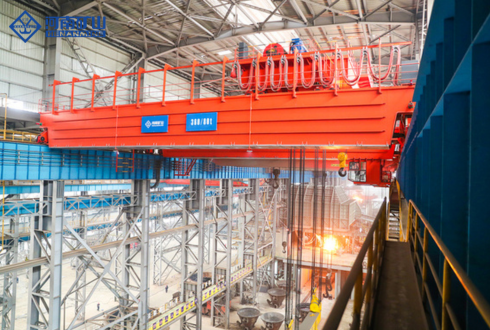

Cleanroom Crane vs Ordinary Crane: Which One Fits High-End Material Handling
Cleanroom Cranes vs. Standard Cranes: Which Is Better Suited for High-End Material Handling?
Selecting industrial lifting equipment is never simply a matter of load capacity. The handling of heavy steel in standard factories and the lifting of precision materials in cleanrooms require completely different design standards and operational requirements for Cranes.
In high-end manufacturing sectors such as semiconductors, biopharmaceuticals, and new energy materials, the core risk of lifting operations is never overloading, but rather material contamination and damage to precision components caused by equipment dust, oil leaks, and operational vibrations. This is also the primary reason why cleanroom cranes are gradually replacing conventional cranes to become standard equipment in high-end cleanrooms.
Main Application Scenarios for the Two Types of Cranes
The boundaries between cleanroom cranes and standard cranes are very clear; the production environments, material properties, and operational standards they are suited for differ fundamentally. The core criterion for selection is the project’s production cleanliness grade.
Semiconductor and Precision Electronics Production Scenarios
The handling of semiconductor wafers, precision electronic components, and high-end production equipment requires zero tolerance for environmental particulates, impurities, or oil contamination. Even minute dust particles or vibrations can render precision components unusable, directly resulting in significant economic losses.
In such scenarios, cleanroom Overhead Cranes must be used. Their dust-free and leak-proof design ensures compliance with cleanroom standards throughout the entire process, meeting the safety requirements for handling precision materials.
Power Battery and Advanced Materials Production Facilities
Production workshops for lithium battery anode and cathode materials, battery cells and modules, and new energy storage materials are classified as controlled clean environments. Powdered materials are highly prone to absorbing impurities; oil leaks from equipment and metal dust generated during operation can directly affect material purity and product yield rates.
Cleanroom Cranes are specifically designed for these operating conditions. From structural sealing and lubrication methods to surface treatment, they eliminate the generation of contaminants, making them suitable for the production and handling processes of high-end new energy materials.
Pharmaceutical and Medical Device Production Scenarios
The transfer of pharmaceutical raw materials, medical consumables, and sterile production equipment must strictly adhere to pharmaceutical clean production standards. The open structure and exposed lubrication components of ordinary industrial cranes are highly prone to generating contaminants and do not meet the hygiene standards for pharmaceutical production.
Specialized cleanroom cranes are compatible with pharmaceutical cleanrooms of various grades, maintaining a stable workshop environment throughout the process and mitigating the risk of external contamination.
Precision Optics and Laboratory Material Handling
Fragile, high-precision materials such as optical lenses, precision laboratory instruments, and testing equipment not only require a clean environment but also demand extremely stable equipment operation. Even slight vibrations or shaking can cause displacement or damage to precision components.
Precision handling cranes designed for these scenarios combine dust-free and dust-proof features with low-speed, smooth operation, meeting the specialized high-precision requirements of laboratories and precision optical workshops.
General-purpose factories and traditional processing workshops
Traditional industrial settings such as mechanical processing, steel structure manufacturing, and mold production do not have strict particulate matter control requirements. Materials handled are primarily steel, castings, and tooling/molds, with the core requirements being stable load-bearing capacity and durability.
For these routine lifting operations, standard Overhead Cranes fully meet production needs. These Cranes offer better cost-effectiveness and are well-suited for high-frequency, heavy-load operations in conventional industrial settings.
Conventional Warehouses and Standardized Production Lines
The handling and lifting of general warehouse materials and common industrial components do not require stringent cleanliness standards. The focus is on improving handling efficiency and ensuring basic equipment safety; the design standards of standard industrial Cranes are sufficient for these basic operating conditions.
Core Operational Requirements for High-End Material Handling
Lifting requirements in high-end cleanrooms differ significantly from traditional industrial lifting. The core focus is no longer simply load-bearing capacity, but rather environmental adaptability and material protection capabilities.
Extremely Low Contamination Risk Control
The core challenge in high-end manufacturing is external contamination. During operation, standard cranes can generate metal dust, lubricant mist, and wear debris from components. These microscopic contaminants can directly contaminate precision materials, high-purity materials, and sterile production environments.
Cranes designed for high-end applications must be comprehensively optimized in terms of structure, components, and lubrication methods to eliminate the generation of various contaminants at the source and maintain a stable cleanroom classification.
Smooth, Vibration-Free Operation Throughout
Precision materials and large precision equipment are highly sensitive to vibration and impact. Jerky starts and stops, body swaying, and tracking deviations can all cause misalignment of internal precision structures and damage to materials, resulting in product scrap.
High-end operating conditions require Cranes to start and stop smoothly, operate at a constant speed, and achieve precise positioning, minimizing mechanical vibration to the greatest extent possible to accommodate high-precision handling operations.
Dedicated Component Design for Cleanroom Compatibility
Conventional cranes typically feature open-structure motors, gearboxes, and wire ropes, which are prone to dust accumulation and oil leakage. Cleanroom-specific cranes employ fully enclosed drive systems, dust-proof sealed components, and oil-free lubrication materials, with all exposed parts treated to resist dust and contamination.
High-Precision Positioning Capability
Processes such as equipment positioning, material docking, and precision fixture assembly require cranes to possess precise alignment capabilities. Even the slightest positional deviation can affect the assembly precision of the entire production line—a core requirement that standard cranes cannot meet.
Low-Interference Operation and Maintenance Design
Downtime costs in cleanrooms are extremely high. Frequent equipment inspections and maintenance not only impact production capacity but also introduce external contaminants. Cranes designed for high-end applications feature durable structures, low failure rates, and simple daily maintenance, ensuring minimal disruption to production processes.
Adapted to On-Site Production Environments
Cleanroom classifications vary across industries, as do production workflows and equipment layouts. High-quality lifting equipment must align with the cleanroom class, production processes, and spatial layout, seamlessly integrating into the existing production system.
Detailed Analysis of Two Crane Models
Many buyers struggle to distinguish the core differences between these two equipment types, primarily due to a lack of understanding regarding their design objectives: one is specifically engineered for clean, precision applications, while the other is suited for conventional industrial heavy-load scenarios.
What Is a Cleanroom Crane?
A cleanroom crane is specialized lifting equipment designed for controlled dust-free workshops and clean production areas, and it is the core model of clean environment cranes. Its design priorities differ entirely from those of ordinary equipment; rather than focusing on maximum load capacity, it prioritizes dust-free operation, contamination prevention, smooth movement, and low vibration.
The entire unit features a fully enclosed structure, special dust-proof coatings, and a leak-free lubrication system. Components are meticulously selected to ensure that no dust, oil residue, or debris is generated during operation, making it suitable for high-grade cleanrooms in industries such as semiconductors, pharmaceuticals, and new energy.
What is a standard crane?
Standard industrial cranes are general-purpose lifting equipment for traditional factory settings, emphasizing heavy-duty capacity, structural durability, and cost-effectiveness. These units feature an open structure with exposed drive components and lubrication systems, allowing for normal mechanical wear and the generation of trace amounts of dust.
Suitable for industrial environments without cleanliness requirements, this equipment is characterized by simple construction, easy maintenance, and low procurement costs, making it the mainstream lifting solution for traditional manufacturing and warehousing facilities.
Scenarios Where Cleanroom Cranes Are the Preferred Choice
Cleanroom cranes are required whenever production areas have specific cleanliness grade requirements, the materials being handled are high-value, or production processes have zero tolerance for contamination.
This is particularly true in industries such as precision electronics, biopharmaceuticals, and high-purity new materials, where even minute contamination or vibrations can trigger batch-wide quality issues; dedicated cleanroom equipment is the fundamental guarantee for production stability.
Scenarios Where Standard Cranes Are Sufficient
For applications such as conventional machining, heavy steel structure handling, warehouse material handling, and general equipment installation/dismantling—where there are no dust-free or precision handling requirements—standard cranes can meet production needs while effectively controlling equipment procurement costs.
Special Mixed-Use Scenarios
In certain semi-clean workshops, pre-treatment processes, and non-core clean areas, a full set of high-grade cleanroom cranes is not required. Modified industrial cranes can be selected; by upgrading dust-proof coatings, sealed components, and smooth control systems, they can adapt to semi-clean environments at a lower cost.
Core Technical Parameters to Verify During Procurement
The parameter selection logic for these two types of cranes is entirely different. For high-end cleanroom applications, it is not sufficient to simply verify standard parameters; it is essential to focus on specialized indicators such as cleanroom compatibility and operational quality.
Cleanroom Compatibility Grade
First, clearly define the nature of the work area: is it a high-grade controlled cleanroom, a semi-clean production area, or a standard industrial zone? Different cleanliness grades require entirely different standards for dust protection, sealing, and contamination prevention, which directly determine the crane model selection.
Rated Lifting Capacity
Select the model based on the actual weight of materials, production equipment, and containers, allowing for a reasonable safety margin. Cleanroom cranes are typically suited for handling precision, lightweight materials, whereas standard cranes are designed for heavy-duty lifting; load capacity must be matched to actual operating conditions.
Equipment Span
The span must precisely match the width of the workshop or factory building and the production line layout to ensure full coverage of the work area without any lifting blind spots, while avoiding space waste and operational instability caused by excessive span.
Effective Lifting Height
Determined by combining equipment installation height, material transfer paths, and workshop clear height, this ensures sufficient space for lifting precision equipment and transferring materials at elevated heights, while preventing operational interference.
Smooth Operation Performance
Prioritize verifying the smoothness of hoisting, trolley travel, and overall machine operation. High-quality cleanroom Cranes feature soft start/stop and shock-free operation, effectively reducing body sway and mechanical vibration to protect precision materials.
Surface Finishing and Material Treatment
Cleanroom cranes feature a matte, dust-resistant topcoat and a smooth, corrosion-resistant surface that resists dust accumulation, facilitates cleaning, and prevents flaking or debris shedding. Conventional cranes prioritize rust prevention and load-bearing capacity, with surface treatments that do not require dust or stain resistance.
Lubrication and Sealing Design
Cleanroom models feature a fully enclosed lubrication system and leak-proof sealing structures, ensuring grease does not spill and that no dust is released from component wear. Standard Cranes use open lubrication systems, which cannot prevent oil leaks or the release of wear dust.
Control Methods
Cleanrooms typically use wireless remote control and precise electronic control modes, offering fine-tuned operation and accurate positioning to accommodate precision tasks. For standard applications, joystick control is sufficient to meet basic lifting requirements.
Ease of Maintenance
Maintenance in cleanroom areas must be completed quickly to minimize environmental disruption. Cleanroom Cranes feature an optimized component layout with centralized maintenance points, enabling rapid repairs and replacements to reduce downtime.
Core Differences Between Cleanroom Cranes and Standard Cranes
While the two types of equipment appear structurally similar, they differ significantly in core design, application scenarios, and value—key factors that must be clearly understood when selecting equipment for high-end projects.
Differences in Environmental Adaptability
Cleanroom cranes are specifically designed for controlled environments that are dust-free, sterile, and low in particulate matter, enabling long-term, stable operation in various high-grade cleanrooms. Standard cranes are only suitable for ventilated, open conventional industrial facilities and cannot operate within cleanroom areas.
Differences in Contamination Control Levels
Cleanroom models implement comprehensive contamination control across components, lubrication, coatings, and structure, ensuring zero dust, zero oil residue, and zero debris throughout the entire process. Standard cranes lack contamination control design; mechanical wear and grease leakage during operation generate contaminants.
Differences in Structure and Component Craftsmanship
Cleanroom cranes utilize precision-sealed components, specialized dust-proof coatings, and low-wear core parts, featuring meticulous craftsmanship and stringent material standards. Standard cranes prioritize structural strength and heavy-load capacity, with component manufacturing standards better suited to conventional industrial needs.
Differences in Operational Quality
Cleanroom models feature more precise electronic control systems, ensuring smooth starts and stops, minimal vibration, and high positioning accuracy—ideal for handling precision materials. Standard Cranes exhibit significant operational inertia and noticeable sway, making them unsuitable for high-precision, high-protection material handling requirements.
Differences in Purchase Costs
Due to precision manufacturing, specialized components, and dust-free design, cleanroom cranes carry a higher purchase price than standard industrial cranes. Standard models feature simple structures and mature manufacturing processes, offering a clear cost-effectiveness advantage.
Differences in Lifecycle Value
In cleanroom environments, high-cost cleanroom cranes eliminate the risks of material contamination and product scrap, thereby reducing production losses. While standard cranes are lower in price, they are prone to quality incidents, resulting in higher overall costs over the long term.
How to Select a Reliable Crane Supplier
The customization requirements for cleanroom lifting equipment are far higher than those for standard cranes. Many manufacturers lack design experience in cleanroom environments, making it highly likely that equipment will fail to meet compatibility standards.
Verify the Manufacturer’s Design Experience in Cleanroom Environments
Many manufacturers specialize only in standard industrial cranes and are unfamiliar with the dust-proof, contamination-proof, and low-vibration design standards required for cleanrooms. Prioritize manufacturers with deep expertise in cleanroom environments for the semiconductor, pharmaceutical, and new energy industries to ensure equipment compatibility.
Review Completed Projects in Similar Fields
Focus on the manufacturer’s completed projects in precision manufacturing, biopharmaceuticals, and new energy materials. Authentic project experience is the best testament to equipment quality and adaptability.
Assess Professional Engineering Customization Capabilities
High-quality manufacturers can optimize equipment structure, sealing methods, and electrical control systems on a one-to-one basis according to the cleanroom class, material characteristics, and production line layout, creating customized solutions tailored to project requirements.
Verify Complete Set of Technical Documentation
Reputable manufacturers provide a full set of documentation, including assembly drawings, surface treatment specifications, operating parameter manuals, sealing structure descriptions, and maintenance guidelines, to meet the acceptance and operational standards of high-end projects.
Confirm Selection Criteria for Core Components
Motors, gearboxes, brakes, seals, cables, and lubricants for cleanroom cranes all have specific standards. Each component selection must be verified individually to prevent the use of generic substitutes.
Clarify Equipment Testing and Commissioning Standards
Before leaving the factory, cleanroom equipment must undergo stability testing, dust-proof sealing inspections, precision alignment adjustments, and no-load and full-load trial runs to ensure it can immediately adapt to clean production conditions upon arrival at the site.
Verify After-Sales and Spare Parts Support Capabilities
High-end clean production lines cannot tolerate prolonged downtime. Manufacturers must provide rapid after-sales response, dedicated spare parts inventory, and dust-free maintenance services to minimize losses from production interruptions.
Common Misconceptions in Procurement and Selection
Many equipment compatibility issues in high-end projects stem from cognitive biases during the selection phase. Seemingly minor errors can directly impact product yield rates and production stability.
Using price as the sole selection criterion and substituting standard Overhead Cranes for cleanroom-grade equipment to cut costs ultimately leads to serious issues such as material contamination and batch scrapping.
Assuming all Overhead Cranes perform identically and ignoring the specific requirements of cleanroom environments—such as dust prevention, contamination control, and low vibration—results in equipment that cannot be put into service upon arrival.
Failing to clarify the specific cleanliness grade of the workshop and selecting equipment blindly leads to a mismatch between equipment standards and on-site conditions.
Ignoring hidden risks such as equipment leaks, dust generation, and contamination during operation and maintenance, while focusing solely on basic lifting functions.
Over-specifying equipment—purchasing high-grade cleanroom Cranes for standard semi-clean environments—results in wasted equipment costs.
Selecting under-specced equipment for high-precision, high-cleanliness processes creates potential quality hazards.
Choosing manufacturers with no experience in cleanroom projects leads to equipment designs that fail to meet high-end production standards.
Equipment parameters do not align with production line workflow design, resulting in low operational efficiency and poor adaptability.
Frequently Asked Questions
What is the core difference between cleanroom cranes and standard cranes?
The core difference lies in their design objectives. Cleanroom cranes prioritize dust-free operation, contamination prevention, low vibration, and high precision, making them suitable for high-end cleanroom and precision applications; standard cranes prioritize heavy-duty capacity and durability, making them suitable for conventional industrial lifting tasks, without cleanroom protection features.
Does all high-end material handling require cleanroom cranes?
No. Only materials that are contamination-sensitive, precision-sensitive, fragile, or high-value require cleanroom equipment. For general high-end heavy-duty equipment or precision handling without cleanroom requirements, modified industrial cranes can be used.
Are cleanroom cranes always more expensive?
Yes. Dedicated dust-proof sealing processes, precision electronic controls, high-quality components, and refined production workflows all increase equipment costs. However, the production stability and quality assurance they provide are irreplaceable by standard equipment.
Which industries must use cleanroom-grade Cranes?
Industries such as semiconductors, precision electronics, biopharmaceuticals, power batteries, high-purity new materials, and precision optical laboratories must use cleanroom Cranes to ensure production environment integrity and material quality.
Can standard cranes be retrofitted for cleanroom environments?
Only semi-clean or low-demand environments can undergo simple dust-proof retrofits. High-grade cleanrooms cannot be retrofitted as substitutes; factory-customized cleanroom-specific cranes must be selected.
What information should be provided to the manufacturer before requesting a quote?
The workshop’s cleanroom class, maximum material weight, required span and lifting height, workshop layout drawings, and production process requirements—to enable the manufacturer to provide a precise customized solution.
How do you determine whether a project requires a complete set of cleanroom equipment or modified industrial equipment?
This determination is based on the facility’s official cleanliness grade, material contamination sensitivity, and production process standards. High-grade cleanrooms and core precision processes require a complete set of cleanroom equipment, while auxiliary processes may use modified models.
Summary
There is no absolute superiority between cleanroom cranes and standard cranes; the distinction lies solely in their suitability for specific operating conditions. In traditional heavy-duty industrial settings, standard cranes offer better value for money; in high-end cleanroom and precision material handling scenarios, cleanroom cranes are the core equipment for ensuring product quality and stable production.
When selecting equipment, one should not focus solely on price and load capacity parameters, but rather make a comprehensive assessment that considers the workshop’s cleanliness grade, material properties, production processes, and long-term production plans. Overspecifying equipment leads to wasted costs, while underspecifying it can result in serious production risks.
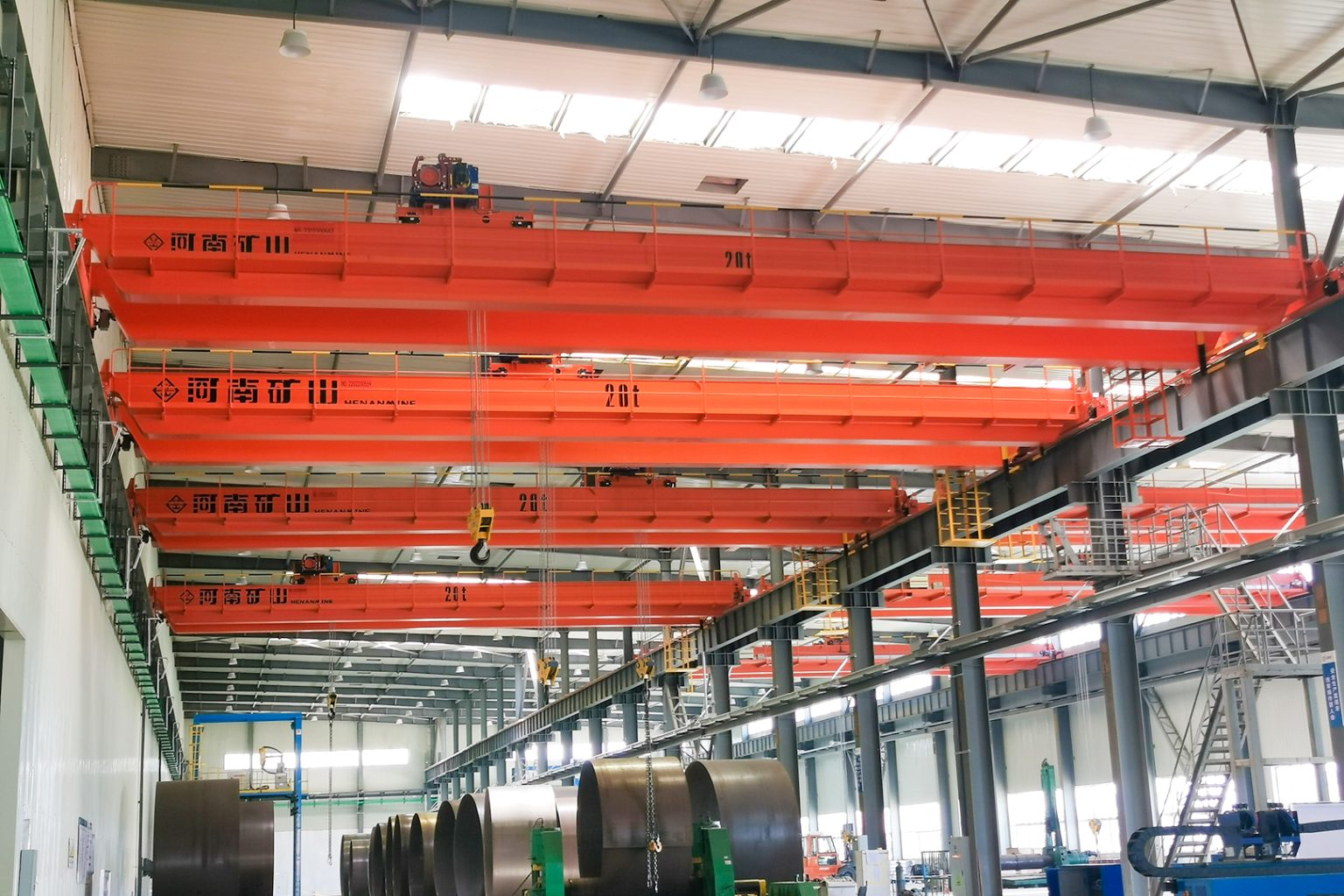
Henan Mine Crane specializes in the R&D and customization of cleanroom lifting equipment. With extensive experience in implementing high-end projects in the semiconductor, pharmaceutical, and new energy sectors, we can tailor high-end material handling Crane solutions to meet specific cleanroom requirements, complete with comprehensive technical documentation and long-term after-sales support.
If you are unsure whether your project requires a cleanroom crane or a standard crane, please provide details on material types, load requirements, workshop cleanliness standards, and site drawings. Our engineering team will then provide you with a precise selection proposal.