
What Should EPC Contractors Consider When Specifying Industrial Cranes?
As the core lifting equipment in the EPC (General Engineering Contracting) project, the selection of industrial cranes is by no means as simple as simply selecting the rated lifting weight.Once the crane parameters are finalized, they will directly affect the civil structure of the plant, construction plan, production efficiency, project compliance, and equipment life cycle costs.
Many EPC projects have problems such as civil construction rework, inconsistent arrival, delayed commissioning, and frequent late failures due to poor consideration of crane technical specifications in the early stage.This article is aimed at EPC engineers, procurement leaders and project managers. It systematically combs the core points of the whole process of industrial crane selection and technical specification preparation, and helps you establish a standardized crane selection plan.
Define the Crane’s Operating Requirements
Rated lifting weight and lifting height
When calculating the maximum load of the crane, in addition to the weight of the workpiece, the weight of the spreader, rigging, beam and supporting tooling must also be included. A reasonable margin can be reserved to deal with load fluctuations, but it is not advisable to blindly increase the tonnage to prevent unnecessary increases in civil construction and equipment costs.
At the same time, clarify the lifting height, confirm the limit distance of the hook, ensure full coverage of the operating area, and check the safety gap between the crane and the roof, pipeline, and equipment during the whole trip to eliminate the risk of interference and collision.
The selection stage must also predict the long-term production needs in advance.If the factory has a plan to expand production and upgrade heavy objects in the future, it is far more cost-effective and efficient to reserve a margin in this design in advance than to retrofit and replace the crane in the later stage.
Job level and job frequency
The working level is the most overlooked key indicator in the selection of cranes, but it affects the service life of the equipment.Low work-level configuration will cause early wear and tear of machine parts, soaring failure rates, and significant increases in maintenance costs.
To evaluate the level of work, these operating parameters need to be collected: daily operating time, the number of lifting cycles per hour/day, the load spectrum (the proportion of full-load hoisting and the proportion of light-load hoisting), and the expected service life of the equipment design.Then compare the corresponding crane standards (ISO 4301, FEM specification, ASME B30, etc.) to match the appropriate work level.
Two usage scenarios should be distinguished in the project:
- Intermittent maintenance and hoisting: equipment disassembly and assembly, emergency maintenance, low frequency of use, lower working level can be selected;
- Continuous production hoisting: assembly line matching, continuous hoisting, frequent cycle operations, high-level work must be selected, and sufficient safety margin must be reserved in the structure and transmission design.
Match the right crane type
Combining the layout of the plant, the scope of operation, and the site conditions to select the model, the commonly used models for industrial EPC projects are as follows:
- Bridge cranes: Bridge cranes are mostly used in indoor workshops, assembly production lines, and heavy equipment maintenance areas.Relying on the operation of the bearing rail beam in the plant, it can cover the entire working area under the track. It is the most mainstream model in the indoor factory.;
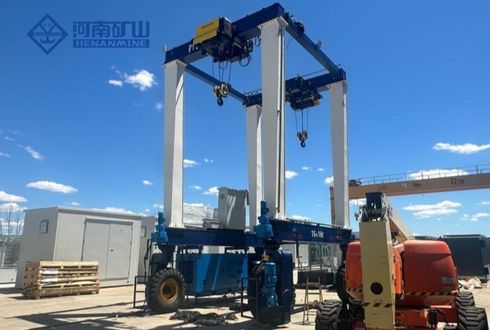
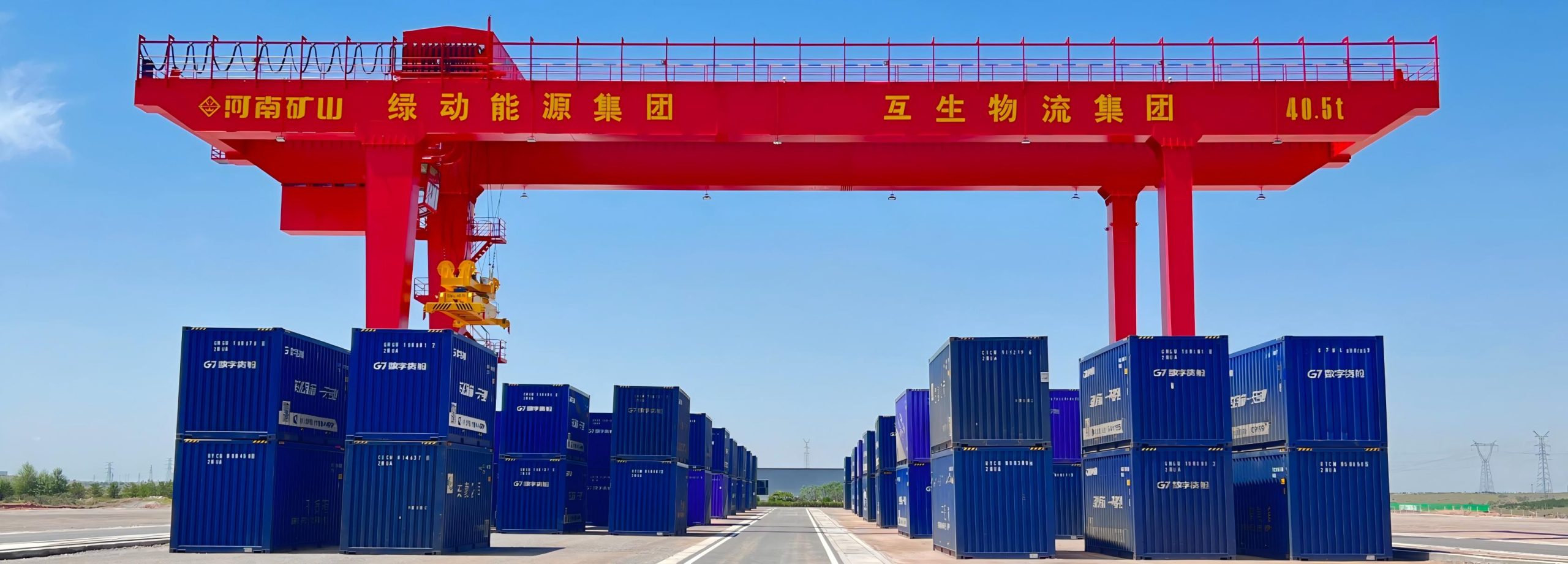
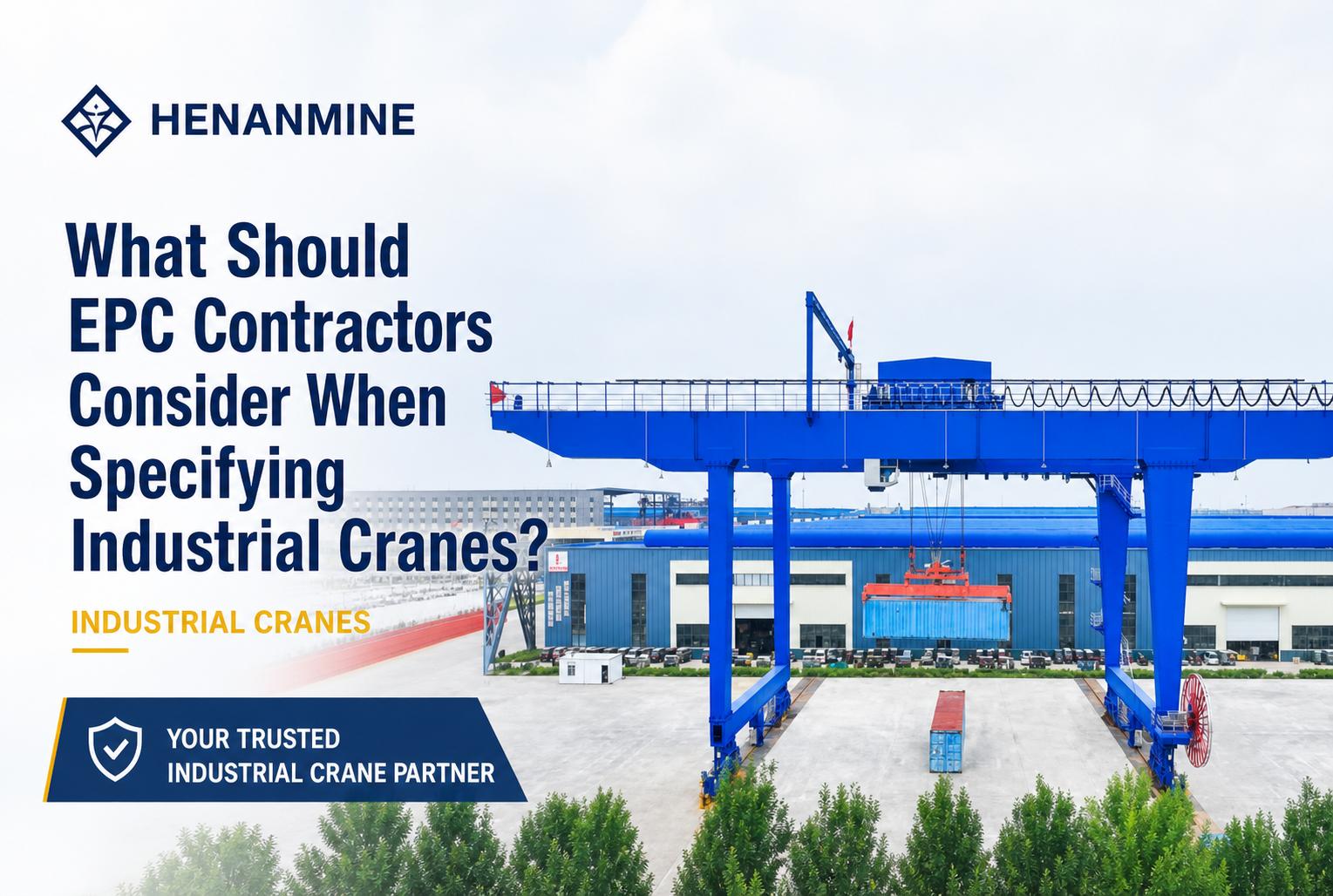
- Gantry crane: The gantry crane comes with independent legs and walks on the ground track, without the need for the factory building to provide load-bearing support.Suitable for outdoor depots, prefabricated component factories, and open-air storage sites;
- Jib cranes: divided into wall-mounted, column-mounted, and floor-standing cranes, hoisting is completed within a limited rotation range.Suitable for fixed-point loading and unloading of stations and local auxiliary hoisting, often used in conjunction with bridge cranes;
- Special process cranes: customized lifting equipment such as ladle cranes, coil cranes, metallurgical cranes, etc., are oriented to harsh working conditions such as steel mills, chemical industry, and power stations, and require lifting professional engineers to intervene in special designs in advance.
Check Site Conditions and Structural Compatibility
Basic conditions of plant and track
Before finalizing the crane parameters, confirm the parameters of the plant and track foundation: plant span, track gauge, rail model and straightness tolerance, available clearance height above the top of the rail, and the full range of the hook.
Focus on accounting for the carrying capacity of the track beam, the maximum wheel pressure, and the reaction force of the column support.These load data must be submitted to the civil and structural majors simultaneously.Crane load is an important input condition for the design of plant columns, foundations, and roof support.If the crane parameters are modified after the structural drawings have been finalized, it can easily cause structural rework, delays in construction, and cost overruns.
Assess environmental conditions
The use environment will determine the crane's anti-corrosion scheme, electrical protection level, motor insulation level, and bearing sealing form.Need to be evaluated: ambient temperature range, air humidity, dust concentration, corrosive media; coastal salt spray, chemical waste gas, and high temperature environments must be upgraded with targeted materials and protective coatings.Outdoor cranes must also be protected from rain and ultraviolet rays.
The outdoor gantry crane additionally needs to calculate the wind load in accordance with the specifications, and is equipped with an anchoring device and a wind speed monitoring system. It can automatically park and lock under high wind conditions to prevent the risk of overturning.
Entry, installation and maintenance channels
Installation and maintenance plans cannot be considered until the equipment arrives.It is necessary to verify the transportation routes of large items: road width, bridge load limit, turning radius, port loading and unloading conditions; confirm the on-site assembly space and the location of the hoisting; clarify the crane installation process, and determine whether to install the crane first or place the large-scale process equipment in the site first.
At the same time, a permanent safety maintenance channel is reserved, covering the hoist mechanism, end beam, electric control cabinet, sliding contact line, walking drive and other components.Maintenance platforms, fixed ladders, walkways, and lighting must be clarified in the technical specifications, and cannot be added later.
Specify Performance, Controls, and Safety Features
Operating speed and positioning requirements
Define three major action speeds one by one: lifting speed (generally equipped with slow fine-tuning gears to facilitate precise positioning), horizontal running speed of the trolley, and vertical running speed of the trolley.
Determine whether to configure a frequency conversion drive (VFD).Frequency conversion drive can achieve smooth acceleration and deceleration, reduce impact load, improve positioning accuracy, and reduce impact loss of structures and transmission parts. Production cranes and high-precision assembly scenarios are preferred.For equipment installation and precision assembly conditions, specify the allowable positioning tolerance requirements.
Develop control and automation plans
Choose the control form according to the working conditions:
- Wired handle control: the cost of the solution is low, the structure is simple and reliable, and it is suitable for conventional lifting conditions with simple process and low repeatability. The operating point is fixed, and the operator needs to operate near the handle.
- Wireless remote control: Get rid of the shackles of cables, the operator can freely move the station according to the situation on the scene, flexibly adjust the observation angle, and maintain a clear view of the hanging objects and the working area throughout the process, and the operation safety is better.
- Cab control: It is widely used in production cranes with large tonnage and high operating frequency. The independent and enclosed operating space can provide operators with a stable and comfortable operating environment, which is suitable for long-term continuous operation.
- Integrated automation system: it can be connected and linked with mainstream factory control systems such as PLC, SCADA, MES, etc., connected to the digital control system of the whole factory, and automatically perform lifting tasks according to preset processes to achieve semi-automatic and even fully automatic material transfer.
Optional advanced functions on demand: anti-swing control, real-time load monitoring, anti-collision limit, dual-machine synchronous lifting system, etc.
Equipped with safety protection system
The safety device must be written in the technical specification and match the requirements of the project's territorial regulations.The basic configuration includes: overload limiter, travel limit of each mechanism, emergency stop button, power-out brake, hook upper and lower limit protection.When multiple cranes share tracks, an anti-collision system and a zoning speed limit logic are added.All safety devices must meet the safety specifications and statutory inspection requirements of the machinery and equipment where the project is located.
Confirm Applicable Standards and Documentation
Selected design and manufacturing standards
Lock in the implementation standards before the release of the bidding documents, and the structural calculations, safety factors, grading systems, and inspection requirements corresponding to different standards vary greatly.Common project standards:
| Standard | Scope |
| EN 15011 | European standard for overhead bridge and gantry cranes |
| ISO 4301 | Standard for crane duty classification |
| FEM 1.001 | European rules for the design of hoisting appliances |
| ASME B30 Series | North American safety standards for cranes |
| AS 1418 Series | Australian standards for cranes, hoists and winches |
It is not recommended to mix multiple sets of standards at will. If cross-standard combinations are indeed required, the compatibility must be checked in advance and the written approval of the owner must be obtained to avoid the finished product not meeting the acceptance requirements.
Testing and forensic requirements
Specify the main body responsible for each test and the acceptance criteria in the technical documents: factory acceptance test (FAT), static load and dynamic load test, on-site commissioning and acceptance.Manufacturers are required to deliver simultaneously: design calculation book, material certificate, weld flaw detection report, electrical test record, load test certificate, and completion drawing.
Clarify the requirements for third-party supervision and inspection, and confirm whether a third party is required to witness the factory test or on-site load test, as well as the filing and evidence collection process of special equipment belonging to the territory.
Coordinate Electrical and Utility Requirements
- Prepare a complete technical specification book: a qualified crane technical specification book contains: technical parameter table, load conditions, overall layout drawing, interface drawing, structural boundary conditions; clearly distinguish mandatory requirements, optional configurations, and allowable deviations.Bidders are required to provide a one-by-one technical response matrix, indicating satisfied, partially satisfied, or deviated items.
- Alignment design, procurement, and construction master plan: Cranes are often equipment on the critical path of the project. Key nodes: specification issuance, drawing approval, long-term component procurement, factory quality testing, shipping, on-site installation, load testing, and completion handover.Hoisting, frequency conversion system, and customized structural parts are long-term parts, and the procurement progress is locked in advance.Coordinate the arrival time, match the capping of the plant and the installation process of the process equipment on the site, and avoid long-term open-air storage of the equipment.
- Comprehensive evaluation of suppliers, not only look at the quotation: supplier review dimensions: performance of similar projects, own processing and manufacturing capabilities, quality system (ISO9001, EN1090 welding certification), design team capabilities, quality of drawings and completion materials, delivery and performance records.The supporting technical response matrix is the core tool for horizontally comparing the differences between various programs and identifying risks.
Common Crane Specification Mistakes EPC Contractors Should Avoid
| Common Mistake | Consequence |
| Selecting capacity only based on maximum load without checking duty class and load spectrum | Premature component failure and frequent unplanned downtime |
| Finalizing crane arrangement before verifying runway and building structural loads | Structural rework, schedule delays and substantial cost overruns |
| Overlooking headroom, hook approach and maintenance clearances | Operational restrictions, inaccessible maintenance and potential safety hazards |
| Undefined control philosophy and electrical interfaces | Stalled site commissioning and numerous change orders |
| Deferring certification and compliance requirements until after manufacturing | Failure to pass local regulatory inspection and delayed plant startup |
| Comparing quotations directly with inconsistent technical scopes | Non-comparable pricing and hidden exclusions in low-cost bids |
| Neglecting spare parts availability, maintenance access and lifecycle costs | High long-term operating expenses and long lead times for breakdown repairs |
EPC Crane Specification Checklist Before Placing an Order
Confirm the file one by one before placing the order:
- -Requirements for rated lifting weight, effective lifting height, and coverage of the hook in the operating area
- -Parameters related to the division of crane work level and the frequency of daily operation cycles
- -Crane model selection plan and corresponding protection configuration requirements in the use environment
- Plant geometry, track load, and structural interface conditions with civil engineering majors
- Operating speed index of each mechanism, load positioning accuracy and operation control method
- Configuration of supporting safety protection devices and docking requirements with factory automation systems
- On-site power supply technical parameters, electrical components and control cabinet protection level
- The project applies design and manufacturing standards, factory inspection and territorial forensic compliance requirements
- Construction drawings, various test and inspection reports, and a complete set of completion information delivery list
- Equipment delivery schedule, on-site installation work scope, warranty agreement and spare parts supply plan
Conclusion
The selection of industrial cranes is cross-professional collaborative work, not just the selection of lifting tonnage.The EPC team needs to coordinate from multiple dimensions of operation requirements, civil structure, environmental working conditions, control safety, standard compliance, electrical interfaces, life cycle costs, and supplier delivery capabilities.The lack of preliminary specifications and poor consideration of parameters will lead to structural rework, business disputes, stagnation in commissioning, compliance risks, and continued high maintenance expenditures in the future.However, by systematically selecting types in the early stages of the project and setting aside review thresholds, most risks can be avoided.