
What Factors Affect Overhead Crane Prices
Many companies will encounter the same problem when purchasing bridge cranes in industrial workshops: for vehicles of the same tonnage, the quotation gap between different manufacturers is huge, ranging from tens of thousands to hundreds of thousands. It is difficult to judge whether the quotation is reasonable, whether there is an inflated price or cutting corners.The pricing of bridge cranes is never determined by a single tonnage, but by the combination of different factors.Understanding the influencing factors of the price of bridge cranes in industrial plants can not only avoid the trap of low-cost and low-quality procurement, but also avoid the waste of funds caused by overallocation, accurately match the needs of working conditions, and control the procurement budget.
Crane Type and Configuration
The type of model and the overall configuration are the core prerequisites for determining the basic price of bridge cranes in industrial workshops. Equipment with different structural forms vary greatly in production technology, steel usage, structural design, and adaptation conditions, which directly widens the gap in basic cost.The basic price difference of most quotations in the industry stems from the difference in the selection of model structure, which is also the primary reason for the differentiation of procurement quotations.
Single vs. double girder
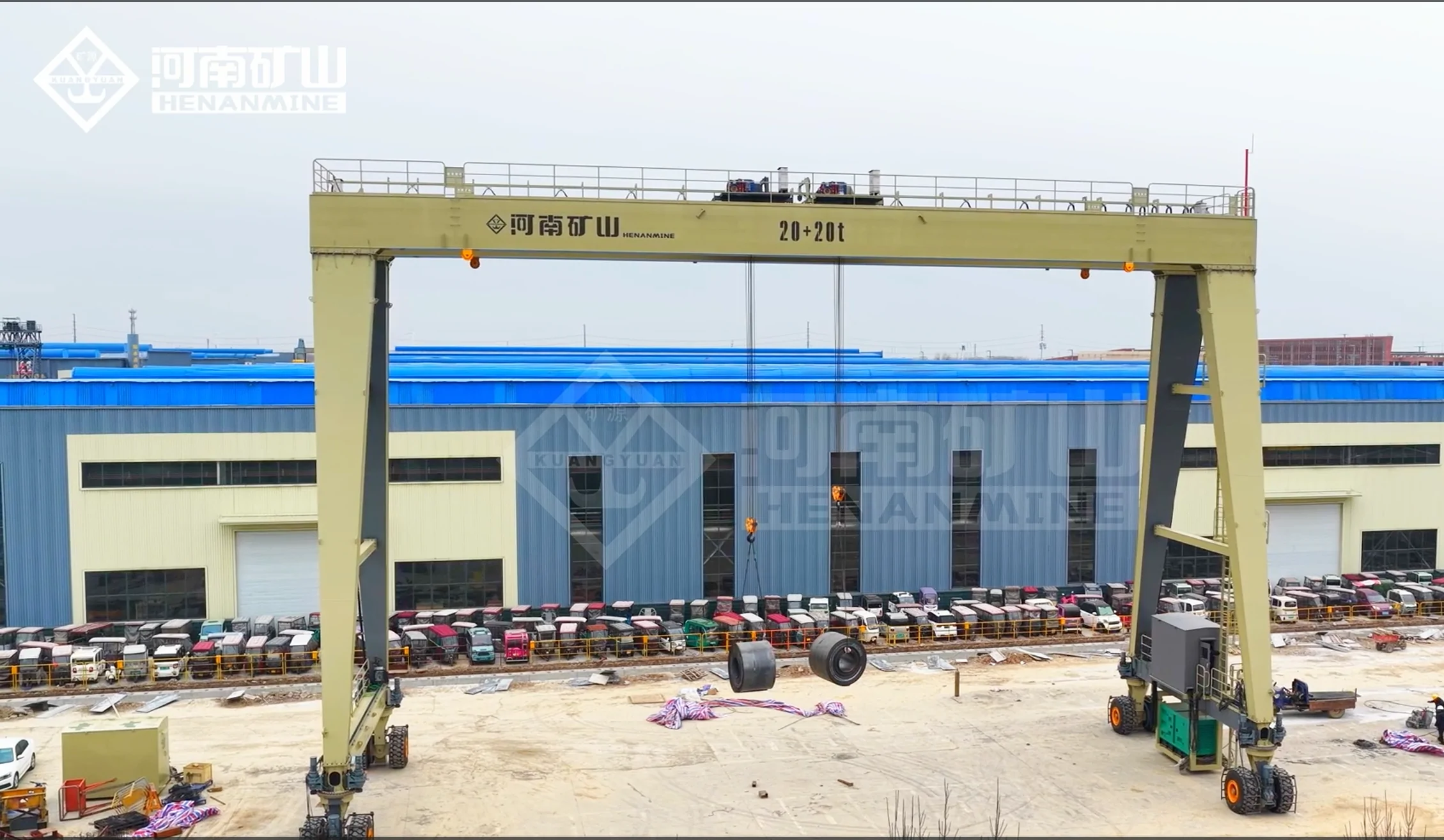
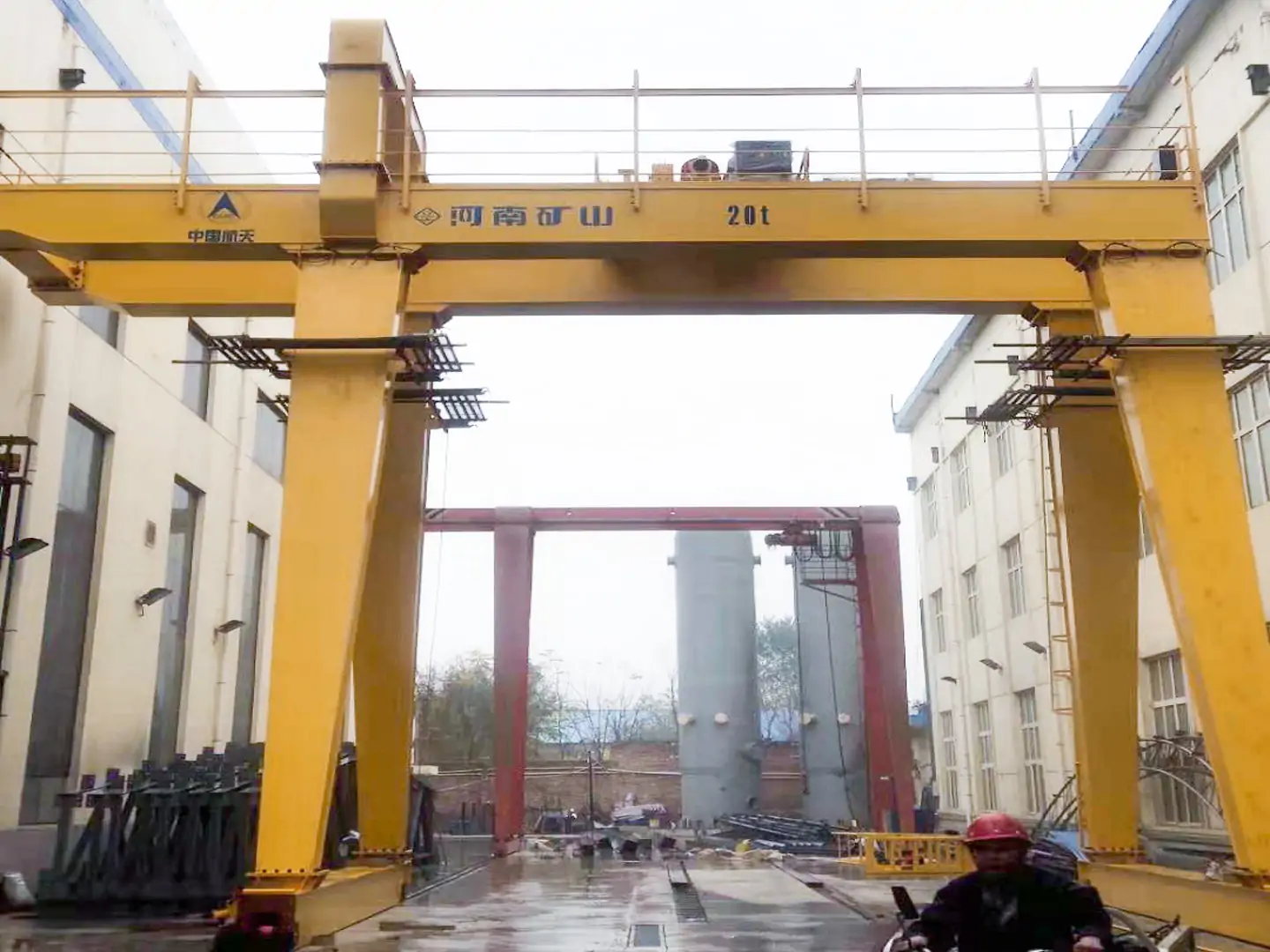
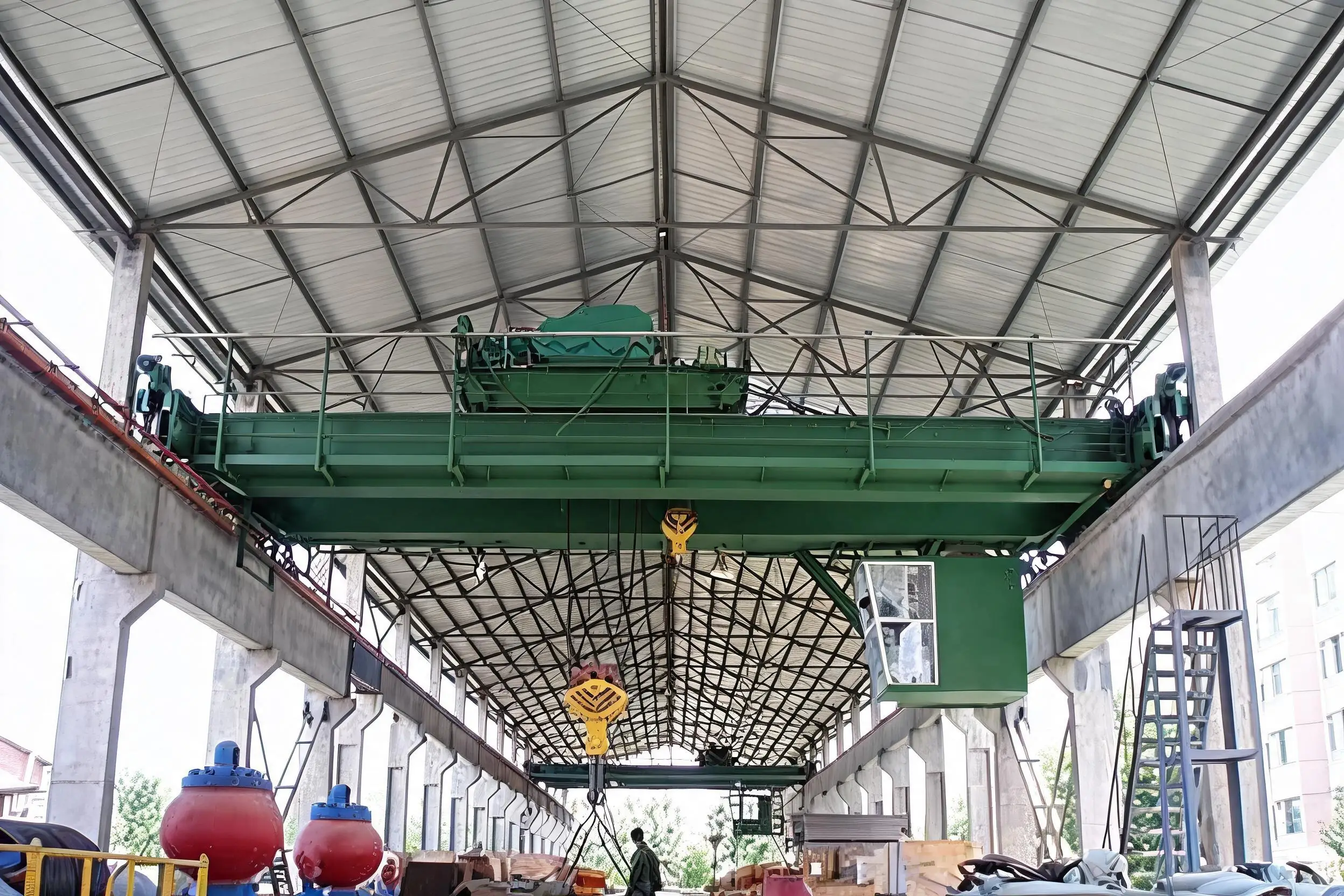
Henan Mine Crane manufactured single-beam and double-beam workshop bridge cranes are the two most mainstream models in the industrial plant scene, with clear price gradients and clear adaptation scenarios.The single-beam bridge crane has a simple structure, light weight, few consumables, and mature production technology. It is mainly suitable for light-load, low-frequency, and short-span workshop operations. The procurement cost of the whole machine is lower and the cost-effective advantage is significant. It is the preferred model for conventional hoisting operations of small and medium-sized enterprises.The double-girder bridge crane adopts a double-girder load-bearing structure, and the overall stiffness, stability, and load-bearing upper limit are fully upgraded. It can be adapted to the harsh working conditions of heavy-duty, high-frequency, long-span, and long-term continuous operation.The amount of steel used in this model is more than 50% higher than that of the single-girder model. The supporting lifting mechanism and walking mechanism have higher specifications, and the production and processing process are more complex. Under the same parameters, the price is 50%-100% higher than that of a single-girder crane. It is mostly used in heavy industry, metallurgy, large-scale machining and other scenarios.
Top-running vs. under-running
The difference in the installation structure of the top-row type and the bottom-row type directly affects the difficulty of equipment design, accessory specifications and installation costs, forming a clear price difference.Top-row industrial bridge cranes are conventional mainstream models for plant hoisting. The cart walking mechanism runs on the top of the track beam. The force structure is reasonable, the carrying capacity is strong, and the maintenance is convenient. The accessories are versatile, the degree of mass production is high, and the overall cost is close to the people, and it is suitable for most standard factories.The walking mechanism of the low-clearance downstream bridge crane is suspended under the track beam, which has a higher utilization rate for the height of the plant floor, and is suitable for special space scenarios such as low-rise factories and mezzanine operations.However, the structural design of this model is more precise, the degree of customization of suspension accessories and walking components is high, and the production accuracy requirements are strict. It cannot be mass-produced on a large scale, and the installation and commissioning are more difficult. Therefore, the quotation of the whole machine is significantly higher than that of the top-row crane of the same specification.
Standard vs. custom design
The price gap between standard models and customized design models is the most overlooked key point in procurement.The standard modular bridge crane is a general modular design for the industrial industry. The parameters, structure and accessories are all standardized and mass-produced. The production cost is low, the delivery cycle is short, the price is transparent and stable, and it fully meets the conventional indoor, normal temperature, light and medium load standardized working conditions.Customized models are specially designed for special working conditions, special plant structures, and special operating requirements. Structural modeling, mechanical calculations, drawing optimization, etc. need to be re-completed, and the cost of R&D and design has increased significantly.At the same time, most of the accessories of customized models are exclusively processed, and there is no general mass production accessories. The production efficiency is low, the cost of consumables is high, and it needs to pass the inspection and acceptance of special equipment separately, and the overall cost is much higher than that of standard models.
Lifting Capacity and Span
The lifting parameter is the core hardware index of the pricing of industrial hoisting bridge cranes, and it is also the most intuitive and core factor affecting the price.The three basic parameters of lifting weight, span, and lifting height directly determine the amount of steel used in the equipment, the structural strength, and the specifications of the core accessories. The larger the parameters, the higher the manufacturing cost of the equipment, and the price shows a stepped upward trend.
Lifting capacity
Lifting weight refers to the rated maximum lifting weight of Henan Mine Crane manufactured industrial bridge crane, which is the core driving factor of price fluctuations.Every time the lifting tonnage is increased by one level, the core components such as the main beam, end beam, reel, hook, and wire rope of the equipment need to be upgraded to specifications. The strength, thickness, and dosage of steel have been greatly increased, and the power of power accessories such as motors, reducers, and brakes have been upgraded synchronously.Conventional light-load small-tonnage cranes have simple structure, universal accessories, and low prices.However, large-tonnage and super-heavy cranes require higher safety redundancy design, more stringent structural mechanics calculations, and more high-end customized models are used for core accessories. The price increase can reach 30%-50%, and the price of large-tonnage equipment has even increased geometrically. It is the core expenditure item of the procurement budget.
Crane span
Span refers to the horizontal distance between the centerlines of the wheels at both ends of the bridge crane in the plant, which directly determines the length of the main beam and the overall structural materials.Under the same lifting weight, the larger the span, the longer the main beam of the crane. In order to ensure the operating stability of the equipment and avoid deformation and bending of the main beam, it is necessary to thicken the steel plate of the main beam, add reinforcing bars, and optimize the structural mechanics design. The consumption of steel has increased significantly.At the same time, long-span cranes have higher requirements for walking balance and braking stability, and need to match more accurate transmission and braking systems to further increase the cost of accessories.The small-span models have a high degree of mass production and controllable cost, while the large-span models are mostly customized, and the production and testing costs are higher, which is an important factor in the increase in prices.
Lifting height
The lifting height is the maximum vertical lifting height of the hook of the bridge crane, and many buyers can easily ignore the impact of this parameter on the price.The higher the lifting height, the larger the length of the wire rope, reel size, and pulley block specifications required. At the same time, it is necessary to match the higher-lift lifting motor to ensure the lifting efficiency and stability.Conventional standard lifting height equipment accessories are universal and the cost is stable.Customized models with ultra-high lifting heights need to be re-matched with the parameters of the lifting mechanism, exclusive processing of wire ropes, reels and other accessories, and the braking anti-fall system needs to be optimized to avoid safety risks of high-altitude hoisting. The cost of accessories and design has risen simultaneously, which directly pushes up the quotation of the whole machine.
Hoist and Lifting Mechanism
The lifting mechanism is the core power component of industrial heavy-duty bridge cranes. Its configuration level directly determines the operating efficiency, service life, and stability of the equipment, and it is also the core sector of quotation differentiation.The type, operating speed, and working level of the lifting mechanism are different, and the cost gap of accessories can reach several times, which is the core difference between high-end models and ordinary models.
Hoist type
As the core lifting component of the bridge crane, the supporting electric hoist has significant price differences between different types.The mainstream wire rope electric hoists, chain electric hoists, explosion-proof electric hoists, and low-clearance electric hoists on the market have completely different adaptation scenarios and manufacturing costs.Conventional wire rope electric hoists are cost-effective and suitable for ordinary working conditions. They are the preferred configuration for standard models and have the lowest cost.The low-headroom electric hoist has a compact structure, which can maximize the use of plant space and adapt to low-rise plants.The ring chain electric hoist has obvious advantages in light weight and is suitable for precise hoisting of small tonnages.The explosion-proof electric hoist adopts explosion-proof sealing and flame-retardant accessories. It has passed special explosion-proof testing and is adapted to flammable and explosive scenarios. The safety standards are higher and the manufacturing cost is greatly increased.At the same time, the price gap between imported brand gourds and domestic high-quality gourds can reach 2-3 times, which directly affects the quotation of the whole machine.
Lifting speed
The hoisting operation speed is divided into three modes: single-speed, two-speed, and frequency conversion speed regulation. The higher the speed configuration, the higher the technical cost.The single-speed bridge crane has a simple structure and universal accessories. It only meets the basic hoisting needs and has the lowest price. It is suitable for low-speed and low-frequency operation scenarios.The two-speed bridge crane has the function of switching between fast and slow speed, which can realize fast lifting and slow alignment, improve the accuracy of hoisting, and adapt to the hoisting of small and medium-sized precision workpieces. The accuracy requirements of accessories are higher, and the price is higher than that of single-speed models.Frequency conversion and speed regulation bridge cranes can achieve stepless variable speed, stable start and stop, no impact, no shaking, greatly reducing workpiece loss and equipment wear, higher configuration of electronic control system, suitable for high-frequency, high-precision, high-stability operations, the highest cost.
Duty classification
The working level is the core standard for measuring the operating strength and service life of industrial bridge cranes, and it is also the key basis for price stratification. The industry generally uses A1-A7 classification standards. The higher the level, the higher the equipment configuration standard and the more expensive the price.The A1-A3 low-level work level is suitable for low-frequency and intermittent operations, and the equipment accessories adopt conventional standards, with moderate safety redundancy and low cost.The intermediate work level of A4-A5 is adapted to the conventional continuous operation of the factory, which is the mainstream level of industrial use, and the configuration and price are balanced.The A6-A7 advanced work level is aimed at 24-hour continuous high-frequency operation scenarios such as metallurgy, ports, and heavy industries. The core accessories need to be made of high-end materials that are wear-resistant, high-temperature resistant, and fatigue-resistant. The structural safety redundancy has been greatly improved, and the wear-resistant parts and brake parts have all been upgraded. Manufacturing costs have increased significantly, and the quotation is much higher than that of ordinary-level models.
Working Environment and Application Requirements
The operating environment is an important incentive for bridge crane configuration upgrades and customized price increases.The standard model is only suitable for conventional indoor normal temperature working conditions, while outdoor, high temperature, low temperature, explosion-proof, anti-corrosion and other special environments require targeted transformation of equipment structure and accessories, and increase special protection configuration, which is an important invisible factor in the fluctuation of quotations.
Indoor or outdoor use
The equipment configuration of indoor and outdoor working conditions is very different, and the price gap is obvious.The indoor plant bridge crane is in a closed and stable environment, free of wind, rain, ultraviolet light, sand and dust erosion, without additional protection configuration, conventional standard accessories and paint can be used, the cost is controllable, and the quotation is transparent.Waterproof outdoor bridge cranes are exposed to wind, rain, sun, sand and dust for a long time. They need to do a full set of outdoor anti-corrosion and anti-rust treatment. The whole machine adopts weather-resistant paint and thickened anti-corrosion coating. The electrical system is equipped with waterproof, dustproof, and sun protection devices. The motor and electric control box are sealed and waterproof. At the same time, rainproof covers and windproof anchoring devices need to be installed to resist the effects of windy weather. A number of special configurations are superimposed to directly increase equipment manufacturing costs and quotations.
Hazardous environments
Flammable and explosive, dust, corrosion, high and low temperature and other dangerous environments are the core scenarios for equipment price increases.Ordinary standard bridge cranes cannot be adapted to dangerous working conditions, and must adopt special explosion-proof, anti-corrosion, high temperature resistance, and low temperature resistance configurations.In explosion-proof scenarios, all electrical accessories and wiring devices are equipped with explosion-proof grade accessories, and the whole machine has passed the special explosion-proof certification to prevent sparks and ensure operation safety.The corrosive environment requires the whole machine to be made of anticorrosive materials, sprayed with heavy anticorrosive coatings, and the core metal parts are galvanized and passivated.High-temperature-resistant motors and wear-resistant accessories need to be selected for high-temperature environments, and low-temperature environments need to be adapted to low-temperature antifreeze electronic control and lubrication systems.These special retrofits and the replacement of high-end accessories will increase the price of equipment significantly, and the higher the environmental hazard level, the higher the cost of customized retrofits.
Special requirements
In addition to conventional working conditions, the personalized special operating needs of enterprises will also generate additional customization costs.For example, precision alignment operations require the installation of fine-tuning systems, heavy-duty workpiece hoisting requires the strengthening of load-bearing structures, dust-free workshops require dust-free silent configuration, food and pharmaceutical workshops require stainless steel anticorrosive accessories, and high-altitude operations require anti-shaking dedicated structures.In addition, some projects require equipment to meet the needs of special industry certification, expedited acceptance of special equipment, exclusive design, and exclusive parameter adaptation. They all require manufacturers to develop and transform separately and customize production. Standardized production lines cannot be applied, and labor and technical costs have increased significantly, which is ultimately reflected in the quotation of the whole machine.
Control Systems and Optional Features
The control system and optional functions determine the level of intelligence, ease of operation, and safety factor of bridge cranes. It is also the core price difference between high-end models and ordinary models.The basic model is only equipped with a simple control system, no additional safety configuration, and the price is low.The high-end models with intelligent frequency conversion, multiple safety protections, and intelligent control have obvious configuration premiums and are more cost-effective for long-term use.
Control methods
Henan Mine Crane manufactured bridge crane control methods are mainly divided into three types: ground operation handle, wireless remote control, and cab control. There is a large gap in the configuration cost of different control methods.The ground operation handle is the most basic control mode. It has a simple structure, universal accessories, and the lowest cost. It is suitable for simple routine operations and is the standard configuration of economical models.Wireless remote control control gets rid of cable restrictions, flexible operation, wider operating field of vision, long-distance control of equipment, to avoid the safety risks of close-range operation, the remote control module needs to be purchased separately and adapted, the price is higher than the ground operation mode.The cab control is suitable for large, long-span, and heavy-duty cranes. It is equipped with a dedicated cab, shock-absorbing seats, panoramic view, and dedicated control console. It is comfortable and professional. It is suitable for long-term continuous operation. The cost of the complete set of configuration is the highest, and it is mostly used for large-scale heavy industry projects.
Variable frequency drives
The frequency conversion drive system is the core configuration to improve the operating quality of bridge crane equipment, and it is also an important price plus.Ordinary cranes adopt a direct start mode, with large start-stop impact, obvious workpiece shaking, and serious equipment wear. The electronic control system has a simple structure and low cost, which only meets the basic operation needs.The frequency conversion drive system can realize smooth start and stop of the equipment, stepless variable speed, precise control of the hoisting speed, greatly reduce the shaking of the workpiece, avoid damage to the workpiece, and reduce the wear of the motor and transmission components, extend the service life of the equipment, and reduce energy consumption.The accessories of the frequency conversion electronic control system have high accuracy and high technical threshold, making it difficult to adapt and debug, and the overall configuration cost is much higher than that of ordinary electronic control systems. It is the core standard configuration of high-end cranes.
Safety devices
The richness of safety protection devices directly affects the safety level and purchase price of equipment.Basic economical bridge cranes are only equipped with basic safety devices such as limit switches and emergency power-off switches, which meet the minimum safety acceptance standards, have simple configuration and low cost.High-end compliance models will superimpose multiple safety protection configurations, including overload limiter, height limit, stroke limit, anti-collision device, wire rope anti-release device, leakage protection, overload protection, automatic fault alarm system, real-time monitoring system, anti-fall protection device, etc.A full set of safety devices needs to be purchased, adapted, and debugged separately to greatly improve the safety redundancy of the equipment, while increasing the manufacturing cost of the equipment. The more complete the safety configuration, the higher the equipment quotation, and it can effectively reduce the safety risks and operation and maintenance costs of later operations.
Installation, Transportation, and Project Costs
Many buyers only pay attention to the price of the main body of bridge crane equipment, ignoring the cost of supporting projects such as transportation, installation, and track transformation, resulting in overspending on the final landing budget.The overall landing price of bridge cranes includes a number of hidden costs such as equipment ex-factory prices, transportation costs, installation and commissioning costs, and site renovation costs. The supporting costs of different project working conditions vary greatly.
Shipping costs
The transportation cost is mainly determined by the size, weight, transportation distance and transportation method of the equipment.The small and lightweight bridge crane can be transported by conventional vehicles, with low freight and convenient transportation.The main beam of a large-tonnage, long-span bridge crane is ultra-long and ultra-wide, which is an overrun equipment. It needs to go through the procedures for overrun transportation and be transported by special vehicles, which greatly increases the transportation cost.At the same time, the logistics costs of long-distance transportation, cross-provincial transportation, and transportation in remote areas are higher, and the equipment needs to be protected from shock, rust, and anti-collision packaging. Large-scale equipment also needs to be transported in segments and spliced on-site, resulting in additional packaging and segmented logistics costs, which are an important part of the project landing cost.
Installation requirements
The difficulty of installation and commissioning directly affects labor and construction costs.The small standard bridge crane has a simple structure and easy assembly, and the installation and commissioning can be completed quickly on conventional sites, with short construction cycles and low labor costs.The installation process of large-scale double-beam, large-span, and customized bridge cranes is complex, and professional lifting equipment is required to cooperate with hoisting and professional licensed construction teams, and the installation and commissioning cycle is longer.At the same time, customized models need to accurately calibrate track level, equipment balance, and electronic control parameters. The commissioning process is cumbersome, and labor costs, construction equipment rental costs, and inspection and acceptance costs increase simultaneously, driving up the overall project cost.
Runway modifications
The cost of retrofitting plant tracks and foundation beams is the most easily overlooked hidden cost.In the scenario of retrofitting old factories and replacing old equipment, most of the original track and load-bearing beams cannot be adapted to the parameter standards of the new bridge crane, and projects such as track reinforcement, track replacement, beam reinforcement, and embedded parts transformation are required.If the plant structure does not meet the equipment installation requirements, it is also necessary to transform the infrastructure, adjust the track spacing, and install load-bearing accessories in a targeted manner.Track transformation and structural reinforcement are special projects that require professional teams to design and construct. The high cost of materials and labor will directly increase the total price of the entire crane project.
How to Get an Accurate Overhead Crane Price
If you want to obtain accurate, routine-free, and invisible consumption quotations for customized bridge cranes to avoid budget overruns, inconsistent configurations, and low-price traps, you cannot only provide tonnage parameters. You need to improve project information, scientifically compare quotations, and accurately match configurations.The following three core steps can help companies quickly obtain accurate landing quotations.
Project specifications
Complete and accurate project parameters are the basis for accurate quotation of industrial bridge cranes. The more detailed the parameters, the more the manufacturer's quotation fits the actual landing cost, and the smaller the error.When the purchaser consults the quotation, it is necessary to clearly provide the core parameters and working condition information, including the rated lifting weight, plant span, lifting height, operating conditions, operating frequency, working level, control method, whether explosion-proof and anti-corrosion and other special configurations are required.At the same time, it is necessary to inform the manufacturer of the existing track conditions of the plant, whether it needs to be modified, transportation and installation site conditions and other information.The complete project parameters allow manufacturers to accurately match the model, calculate the full cost of materials, accessories, transportation, installation, transformation, etc., and avoid problems such as inflated quotations, missing configurations, and late price increases from the root cause.
Quote comparison
Comparing quotations from multiple manufacturers is the key to screening high-quality solutions and avoiding price traps, but comparing quotations cannot only look at the total price, but focus on comparing the configuration and cost performance.Many low-price quotations for bridge cranes on the market have invisible routines such as shrinking accessories, downgraded configuration, lack of safety, and no installation and transportation costs. They seem to be low-priced, and they need to be continuously increased in the later stage of landing.It is recommended that buyers choose 3-5 regular manufacturers with complete qualifications and reliable strength, unified parameters, unified configuration, and unified service standards for price comparison, focusing on comparing the core accessories brand, work level, safety configuration, quality assurance service, after-sales response speed, and whether taxes, transportation and installation costs are included, and comprehensively evaluate the cost performance, rather than simply choosing the lowest price, to avoid the hidden dangers and safety risks of late operation and maintenance caused by low-cost and inferior equipment.
Custom configuration
Precise matching of customized configurations is the core of balancing budget and usage needs.In the procurement process, there is no need to blindly pursue high-end full configuration, nor to reduce the core safety configuration in order to save money. It needs to be precisely customized in accordance with its own working conditions.For conventional light-load and low-frequency plant conditions, choose a standard modular bridge crane, which is the most cost-effective, without the need for redundant customized configuration, and saves procurement costs.For bridge cranes with heavy loads, high frequencies, and special environmental conditions, the structure, protection, electronic control, and safety configuration must be customized in a targeted manner to ensure the stability and safety of the equipment, and to avoid frequent equipment failures and shortened service life caused by insufficient configuration.Professional manufacturers will optimize customized solutions for customers according to project working conditions, delete redundant configurations, and make up for just-needed configurations, so as to achieve controllable budgets and optimal adaptability, so that every purchase cost is spent on just-needed.
Henan Mine Crane Factory Custom
The final pricing of industrial and commercial bridge cranes is affected by multiple factors such as model structure, operating parameters, working conditions, intelligent configuration and supporting projects. A single tonnage parameter cannot determine the overall cost of the equipment.Scientific selection needs to meet the actual operating needs, reasonably match the configuration specifications, and avoid the problem of insufficient configuration or redundant waste.As a professional crane manufacturer, Henan Mine Crane Factory can customize suitable bridge lifting equipment solutions according to plant conditions, operating intensity and special working conditions, and provide transparent floor quotations to ensure the stable operation of the equipment while strictly controlling procurement costs.