
How to Match Crane Capacity with Factory Floor Load Limitations
In industrial production, cranes are the core equipment of material handling, and the rationality of their selection directly affects production efficiency and plant safety.When many companies buy cranes, they often only pay attention to the lifting weight, but ignore the carrying restrictions on the ground of the plant, which eventually leads to the inability of the equipment to be installed, the ground cracking and even production stagnation.This article will explain in detail how to accurately match the crane capacity and the ground carrying capacity of the plant from a professional perspective, so as to help enterprises avoid the misunderstanding of selection and achieve safe, efficient and economical equipment configuration.
Crane Capacity and Floor Load Requirements
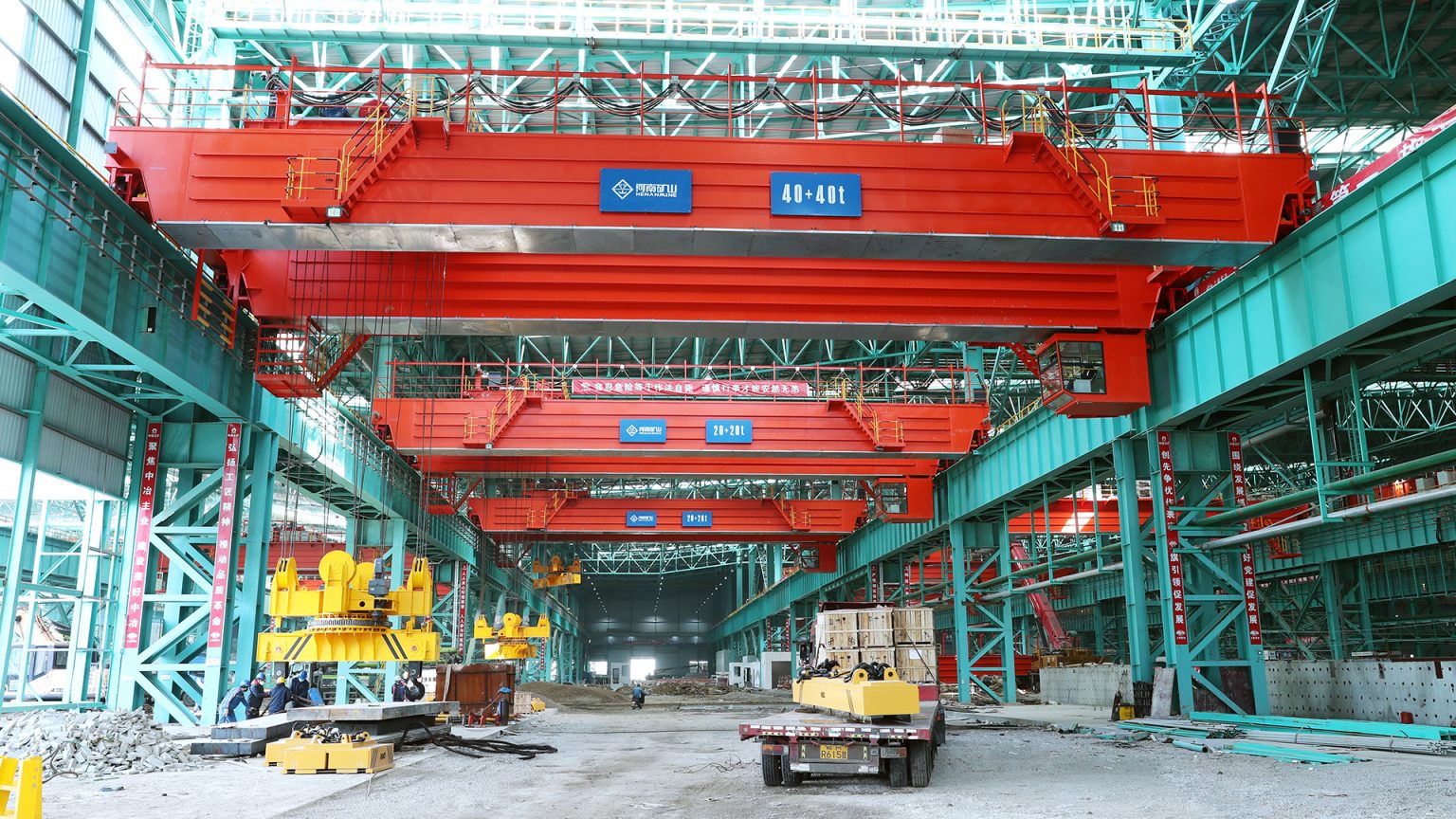
The ground carrying capacity of the plant is the core prerequisite for determining the feasibility of crane installation, and it is also the primary consideration for selection.There are significant differences in the carrying requirements of cranes of different tonnages and structural forms on the ground of the plant.For example, Henan Mine Crane manufactured light single-girder cranes have relatively low ground carrying requirements, while heavy double-girder cranes, gantry cranes, etc., due to their large weight and the concentration of loads generated during operation, the requirements for the strength, thickness and base structure of ground concrete are more stringent.If the ground carrying capacity is insufficient, even if the performance of the crane itself is up to standard, it will not be able to be installed and used safely, and it will even cause safety hazards such as ground settlement and cracking, which will affect the overall structural safety of the plant.
Many companies have a cognitive misunderstanding that equates the rated lifting weight of the crane with the actual weight of the plant, which is extremely dangerous.In fact, when the crane is running, the actual load on the ground of the plant is much larger than the rated lifting weight. It is necessary to consider the crane's own weight, lifting weight, and additional loads generated during operation.Among them, additional loads include inertial forces during starting and braking, vibration loads in operation, etc. These dynamic loads will instantly increase the force and pressure on the ground.If the ground carrying demand is estimated only according to the lifting weight, it can easily cause the actual load to exceed the ground's bearing range and cause a safety accident.
How to Determine the Right Crane Capacity for a Factory
Analyze material handling requirements
The first step in determining the crane capacity is to comprehensively analyze the material handling needs of the enterprise.First of all, it is necessary to clarify the maximum material weight that needs to be hoisted in the production process, as the core reference for the basic capacity of the crane, and at the same time reserve a safety margin of 10%-20% to avoid long-term full-load operation affecting equipment life and safety.Secondly, the production frequency should be considered. If the material handling frequency is high and the operation intensity is high, it is necessary to choose a crane model adapted to high-frequency operation to avoid production efficiency degradation due to insufficient capacity.In addition, it is necessary to combine the company's future production expansion plans to reserve a certain amount of capacity space to avoid the replacement of equipment due to increased production capacity in the later stage and increase investment costs.
Calculate total crane load
Accurate calculation of the total load of Henan Mine Crane manufactured crane is the key link to match the ground load.The total load includes not only the lifting load, but also the self-weight of all components such as crane bridges, trolleys, wire ropes, hooks, etc. These self-weight loads are the main static loads borne by the ground.At the same time, the influence of dynamic loads must be considered. During the operation of the crane such as starting, braking, and luffing, inertial forces and vibration loads will be generated, which usually need to be estimated at 1.2-1.5 times the static load. The specific coefficient needs to be determined according to the working level and operating conditions of the crane.Only by comprehensively calculating static and dynamic loads can the carrying capacity required by the ground be accurately judged.
Consider crane duty class and operating conditions
The working level and actual operating conditions of the crane directly affect the rationality of the structural strength and capacity configuration of the equipment.There are differences in the design life, load cycle times and operating strength of cranes of different working levels. The higher the working level, the more stringent the requirements for the structural strength and carrying capacity of the equipment.For example, A6-A8-level high-work-level cranes are suitable for high-frequency and high-intensity operation scenarios. Their structural design needs to consider greater load impact, and the corresponding ground carrying requirements are also higher.Therefore, when determining the crane capacity, it is necessary to combine the actual operating frequency, load characteristics, and environmental conditions (such as high temperature, humidity, dust, etc.) to select the appropriate working level to ensure that the equipment matches the ground carrying capacity.
How to Evaluate Factory Floor Load Limitations
Check existing floor structure
To evaluate the ground carrying restrictions of the plant, we must first verify the structural parameters and carrying data of the existing ground.You can obtain core information such as the strength level, thickness, and steel bar configuration of the ground concrete by consulting the design drawings and completion materials of the plant, and at the same time confirm the treatment method and carrying capacity of the ground base layer.If relevant information is lacking, it is necessary to entrust a professional organization to conduct on-site testing, through concrete strength testing, grass-roots bearing capacity testing, etc., to clarify the actual carrying limit of the ground.For old factories, it is also necessary to focus on checking the ground for cracking, sedimentation, sanding and other problems, assess the integrity of the ground structure, and avoid insufficient carrying capacity due to the aging of the ground.
Calculate maximum wheel load
When the crane is running, the maximum pressure generated by a single wheel is a key indicator to evaluate the carrying capacity of the ground, which directly determines whether the ground can withstand concentrated loads for a long time.When calculating the maximum wheel pressure, it is necessary to combine the total load of the crane, the number of wheels, the wheel track and other parameters, consider the load distribution of the crane at different operating positions (such as the midpoint and end of the span), and find out the maximum wheel pressure value.At the same time, the influence of dynamic load needs to be considered, and the calculation results should be appropriately enlarged to ensure that the ground carrying capacity can meet the long-term effects of maximum wheel pressure.If the maximum wheel pressure exceeds the ground carrying limit, ground reinforcement measures or crane selection adjustments need to be taken.
Consider load distribution factors
The span, wheel track and operating position of the crane will directly affect the distribution of the load on the ground, which in turn affects the carrying pressure of the local area.Reasonable span and wheel track design can evenly distribute the load to the ground and reduce the carrying load in the local area. During the operation of the crane, the load will shift with the change of position. If the load in the local area is concentrated, it can easily lead to ground load overrun.Therefore, when evaluating the ground load-bearing limit, it is necessary to combine the structural parameters of the Henan Mine Crane manufactured crane to analyze the load distribution law, and focus on the carrying capacity of the load concentration areas such as under the track and around the column to avoid local overload problems.
Matching Crane Capacity with Factory Floor Conditions
Select crane type based on structural limitations
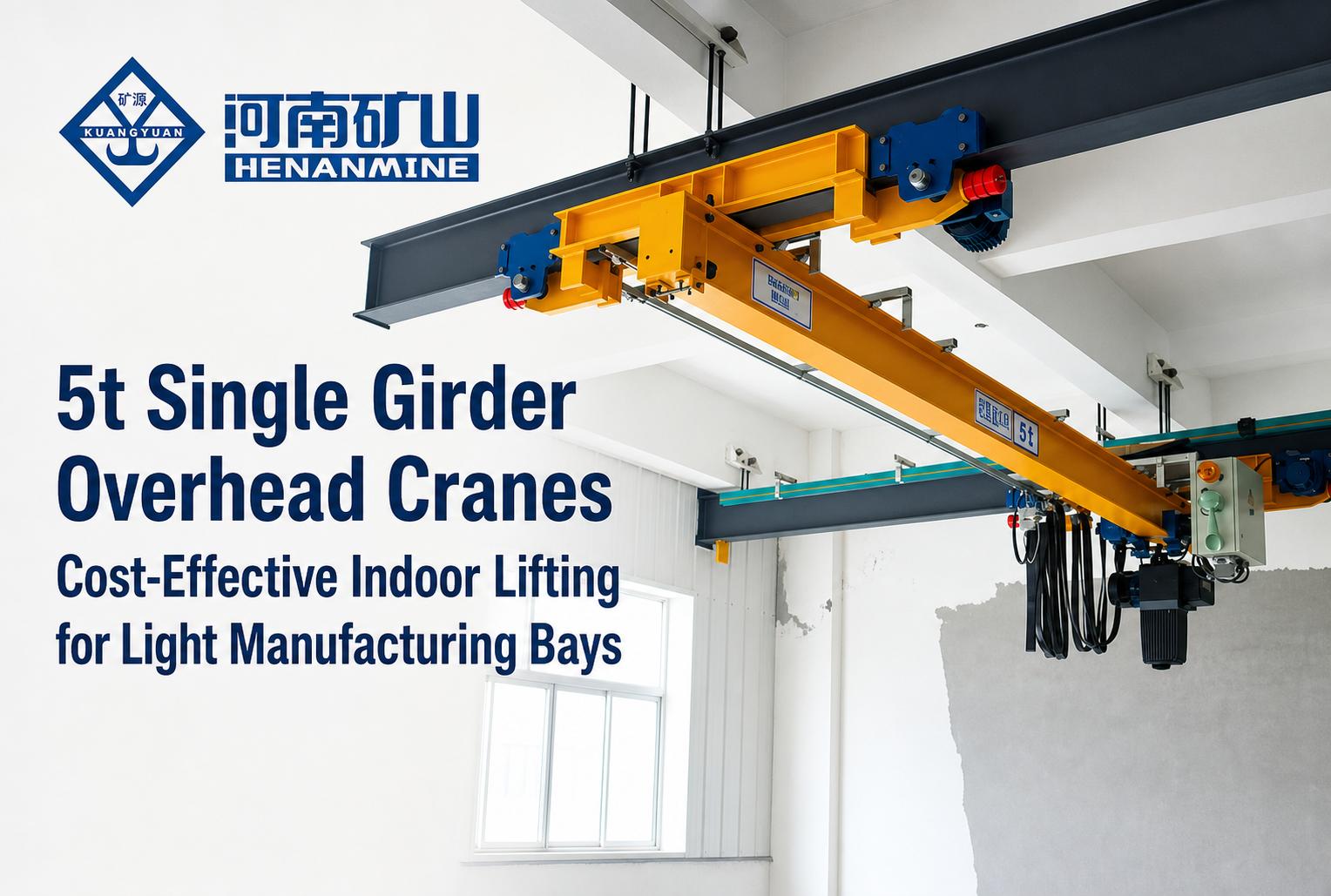
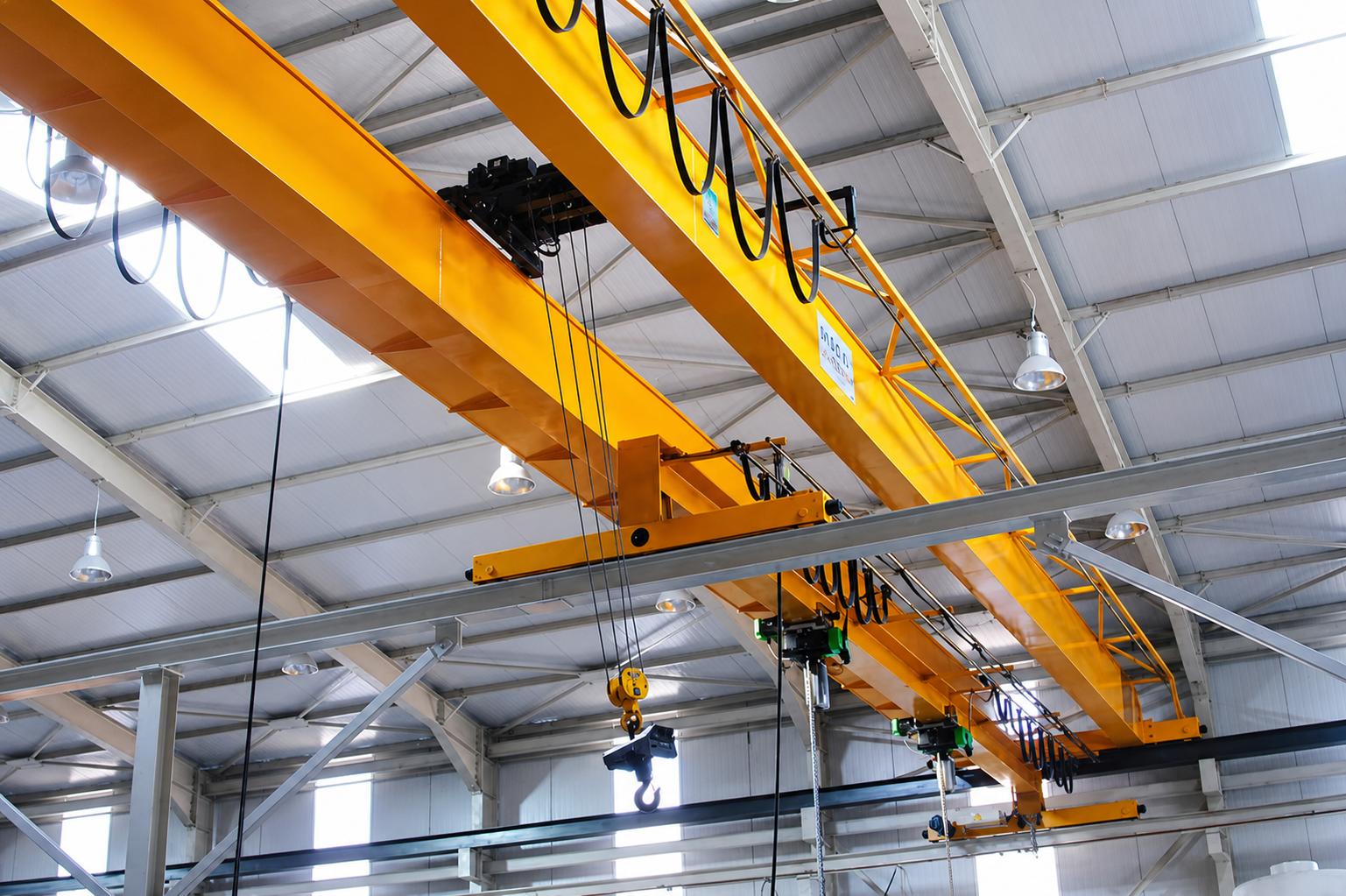
There are obvious differences in the requirements of different types of cranes for the ground carrying of the plant. According to the structural conditions and carrying restrictions of the plant, the appropriate crane type needs to be selected.For example, single-girder cranes have lighter weight and lower requirements for ground carrying. They are suitable for factories with limited ground carrying capacity and small spans. Double-girder cranes have strong carrying capacity and are suitable for heavy material handling, but they have higher requirements for ground carrying. Gantry cranes are suitable for open-air or large-span scenarios in factories, and their ground carrying requirements need to be determined in combination with specific models and parameters.In addition, it is necessary to consider the space height, column spacing and other conditions of the plant to ensure that the crane can operate normally after installation without affecting the layout of other equipment in the plant.
Optimize crane design to reduce floor pressure
Under the premise of determining the crane capacity, the equipment design can be optimized to reduce the pressure on the ground and achieve accurate matching with the ground carrying capacity.For example, the use of lightweight design concept, the selection of high-strength, lightweight materials, reduce the weight of the crane itself, thereby reducing the total load, optimize the structural parameters of the crane, such as reasonable adjustment of the wheel track, increase the number of wheels, disperse the wheel pressure, reduce the maximum wheel pressure of a single wheel, the use of advanced shock absorption technology, reduce the vibration load during the operation of the crane, reduce the impact of dynamic loads on the ground.These optimization measures can effectively relieve the ground carrying pressure without affecting the performance of the crane.
Balance capacity, performance, and cost
When matching the crane capacity and ground carrying conditions, it is necessary to take into account the balance of capacity, performance and cost.On the one hand, it is necessary to avoid insufficient capacity leading to low production efficiency and inability to meet material handling needs. On the other hand, it is necessary to avoid blindly pursuing high capacity, which will lead to increased equipment investment and increase the burden on the ground. , And even need to invest in additional ground reinforcement costs.The crane plan with the highest price ratio should be selected based on the actual production needs of the enterprise and the ground carrying capacity. Under the premise of ensuring the safe and efficient operation of the equipment, the investment cost should be controlled and the economic benefits should be maximized.
Common Mistakes When Matching Crane Capacity with Floor Load Limits
Ignoring total crane weight
This is the most common misunderstanding in the selection of cranes by enterprises, that is, they only pay attention to the lifting weight and ignore the impact of the crane's own weight on the ground load.Many companies believe that as long as the ground can withstand the lifting load, they can install a crane corresponding to the lifting weight, but they don't know that the crane's own weight often accounts for a large proportion of the total load. Coupled with the dynamic load, the actual ground force far exceeds expectations.This kind of incorrect estimation method can easily lead to ground load-bearing overruns, causing safety hazards such as ground cracking and equipment tilting, and the cost of late rectification is extremely high.
Installing high-capacity cranes in weak structures
In order to reserve future production needs, some enterprises blindly choose high-capacity cranes, but did not conduct a comprehensive assessment of the ground carrying capacity of the plant, and installed high-capacity cranes on the ground with weak carrying capacity.This approach will not only cause the equipment to fail to operate normally, but also cause irreversible damage to the plant structure and even cause safety accidents.If the problem of insufficient carrying capacity is to be solved in the later stage, large-scale reinforcement of the ground is required, which will not only affect the production schedule, but also increase additional investment costs, and the gains will not outweigh the losses.
Best Practices for Crane Capacity Selection
Conduct professional load assessment
Before installing the Henan Mine Crane manufactured crane, it is necessary to carry out professional load assessment work, combined with the production needs of the enterprise and the ground conditions of the plant, to conduct a comprehensive and accurate analysis.You can entrust a professional crane manufacturer or a third-party testing agency to conduct on-site testing of the ground carrying capacity, calculate the total crane load, maximum wheel pressure and other key parameters, and evaluate the matching between the ground and the crane.Through professional evaluation, potential problems can be identified in advance, reasonable selection plans and ground reinforcement measures can be formulated to ensure the safe and stable operation of the crane after installation.
Choose a customized crane solution
There are differences in the production needs and plant conditions of different enterprises, and it is often difficult for standardized crane products to fully match the actual needs.Therefore, it is recommended to choose a customized crane solution, and the professional manufacturer will tailor the capacity, structure and configuration of the crane according to the company's material handling needs, ground carrying restrictions, plant space and other parameters.The customized solution can accurately match the ground carrying conditions, avoid waste of resources and safety hazards, and ensure that the performance of the crane can meet production needs and achieve efficient and safe material handling operations.
Henan Mine Crane Factory Custom
Accurately matching the crane capacity and the ground carrying limit of the plant is the core link of crane selection, which is directly related to production safety, efficiency and cost.In the selection process, enterprises need to abandon cognitive misunderstandings, comprehensively analyze the ground carrying conditions and production requirements, and select the most suitable crane solution through the professional evaluation and customized design of Henan Mine Crane Factory to achieve the perfect adaptation of equipment and plant, and escort the efficient production of enterprises.