
The Complete Guide to Explosion-proof Crane Specification & Application
In chemical industry, oil and gas, painting, pharmacy, grain processing and other scenes where flammable and explosive media exist, lifting equipment is never a simple production tool, but also the core link of safety control.
Electric spark of motor, high temperature of brake friction, electrostatic accumulation and metal impact spark produced by ordinary crane may become ignition source. In the environment with combustible gas, steam and dust, a little hidden danger may cause fire and explosion, resulting in shutdown, personal injury and heavy property loss. This is why explosion-proof cranes are standard in such scenarios.
Many customers purchase for the first time and feel that the explosion-proof crane is an ordinary crane for an explosion-proof motor. It is a complete system with special explosion-proof design from lifting mechanism, electrical system to mechanical structure. The core starting point of selection is not tonnage, but the classification of danger level of operation area.
As a manufacturer with many years of experience in the production of explosion-proof lifting equipment, Henan Mine Crane has been exposed to many projects due to selection deviation, either on-site acceptance or safety hazards. This guide clearly explains the core selection logic, certification requirements, and industry adaptation points to help buyers avoid detours.
What is an explosion proof crane
Explosion-proof cranes are lifting equipment specially designed for dangerous places where flammable and explosive gases, steam, dust, and fibers exist.
Its core function is not to "withstand explosive shock", but to avoid becoming an ignition source from the design source, and to eliminate the risk of igniting explosive mixtures through comprehensive control of electrical, mechanical and temperature.
A set of qualified explosion-proof crane, not only to change a certain part, but the whole system matching explosion-proof requirements: lifting mechanism to use a fully certified explosion-proof hoist, motor, brake, electric control cabinet, limit switch all to meet the corresponding explosion-proof grade, cable joints with explosion-proof gland, high-risk scenes of the walking wheel, hook also do spark protection design, the whole machine to do a good job of electrostatic grounding and surface temperature control.
For the purchaser, the most critical principle is only one: the selection of explosion-proof cranes must start from the division of dangerous areas, and cannot only focus on the selection of lifting weights.
Why is specification selection so important?
The selection is wrong, first of all, it directly brings safety risks. In hazardous environments, motor sparks, surface overheating, high braking temperature, static electricity, mechanical impact sparks, cable damage, poor grounding, any omission may become the source of accidents. In a normal workshop, these problems may be just equipment failures, but in an explosive environment, the consequences will be much more serious.
Conversely, blindly selecting the highest explosion-proof level will also cause unnecessary cost waste.
Zone2 area does not need to use Zone1 high configuration, dust scene and gas scene protection logic is different, spray booth and hydrogen workshop temperature group requirements are also different. Excessive selection not only higher equipment prices, longer production cycle, follow-up maintenance is more complex, spare parts costs will also rise accordingly.
The most appropriate specification is never the highest, but precisely matched to the hazard level in the field.
Another problem that is easily overlooked is authentication mismatch. For project acceptance of explosion-proof equipment, EPC contractor, owner and safety auditor will strictly check qualification documents. ATEX, IECEx, NEC these certification systems have their own scope of application, certification is not correct, light safety audit does not pass, installation delay, heavy additional testing, delay project delivery.
Main application industries and scenarios
Industry |
Typical Hazard |
Common Crane Solution |
| Chemical plant | Solvent vapor, flammable gas | Explosion-proof overhead crane |
| Oil and gas | Hydrocarbon gas, vapor | Explosion-proof bridge crane or hoist |
| Paint workshop | Paint mist, solvent vapor | Explosion-proof monorail crane or hoist |
| Pharmaceutical plant | Alcohol vapor, powder dust | Explosion-proof cleanroom crane |
| Grain processing | Combustible dust | Dust explosion-proof crane |
| Coal handling | Coal dust, methane | Explosion-proof hoist or overhead crane |
| Battery manufacturing | Solvent vapor, chemical risk | Explosion-proof overhead crane |
| Hydrogen facility | Hydrogen gas | High-grade explosion-proof lifting system |
| LNG facility | Flammable gas | Explosion-proof maintenance crane |
| Hazardous warehouse | Flammable liquid storage | Explosion-proof jib crane or hoist |
Explosion-proof cranes have a wide range of application scenarios, as long as they are lifting operations with flammable and explosive risks, they need to be configured accordingly.
Industry Application Reference
Common operations include chemical tank hoisting, reactor mixer displacement, paint solvent barrel handling, pump and valve equipment maintenance, lithium battery production equipment installation, powder material loading and unloading, refining and chemical plant maintenance, compressor workshop parts transfer, etc.
Main explosion proof crane types
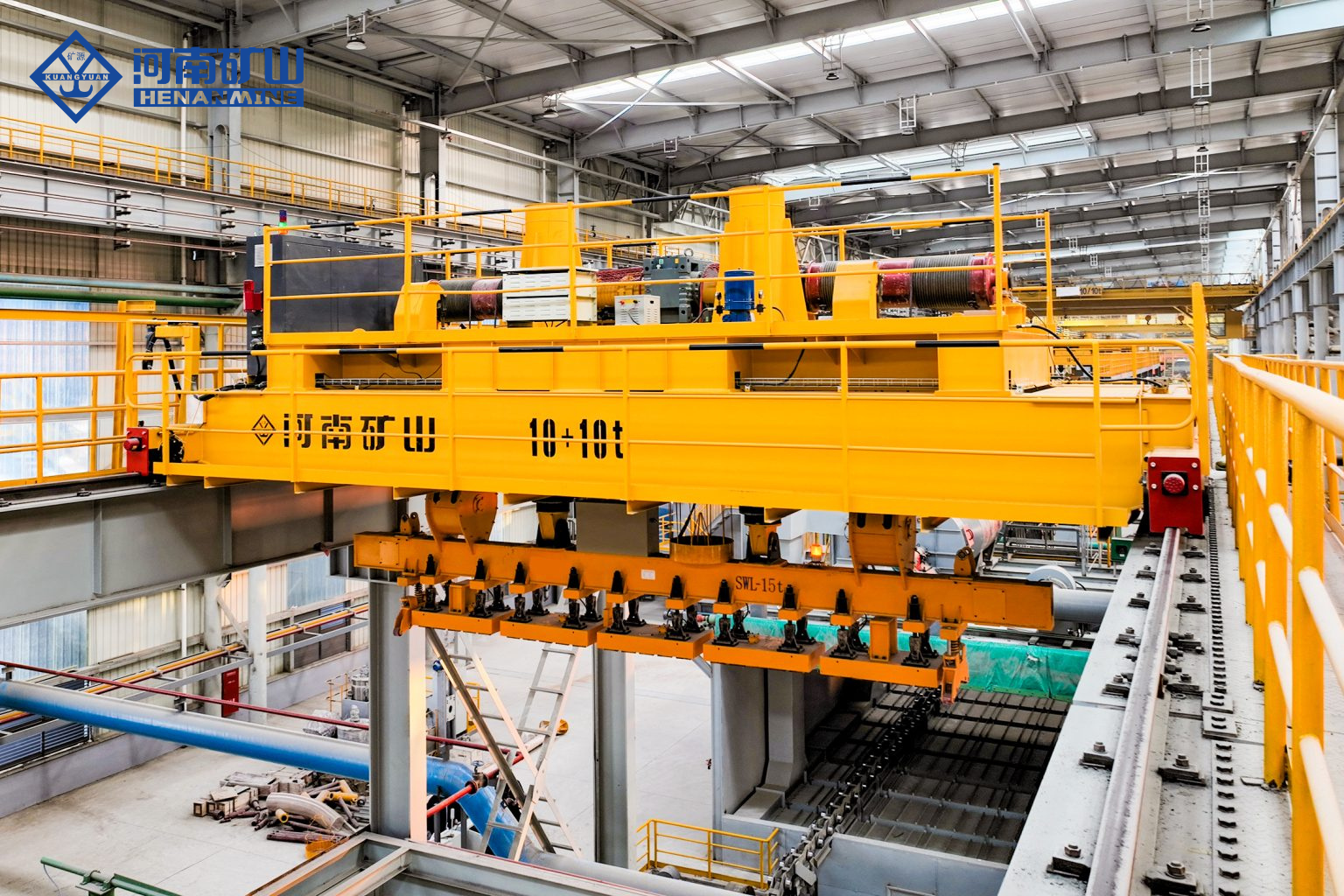
explosion-proof bridge crane
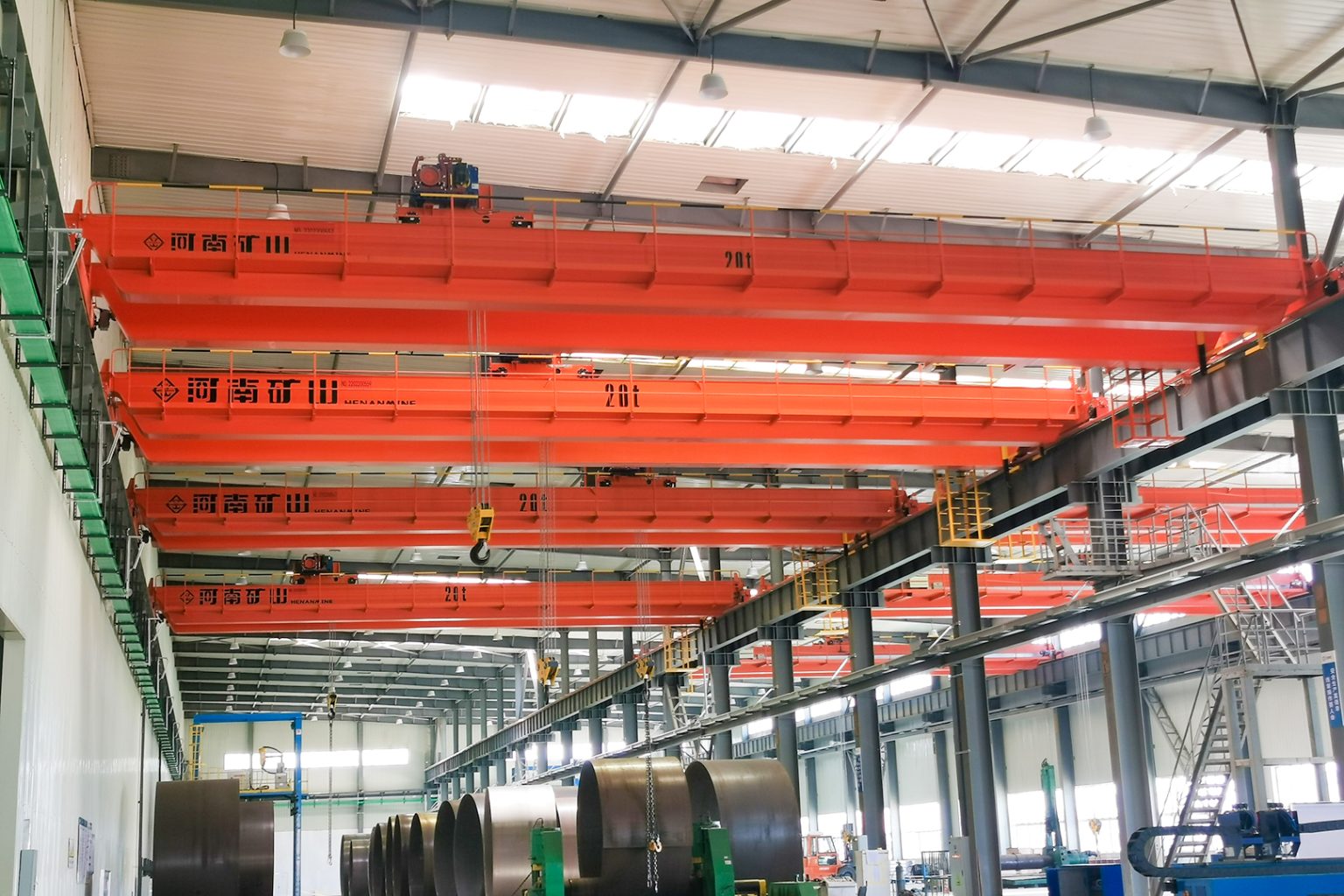
Explosion-proof bridge crane is the most commonly used model in chemical, refining and pharmaceutical workshops. It runs along the track of the plant and covers a large working surface. It is divided into two structures: single beam and double beam.
Suitable for normal lifting of main workshop, heavy equipment maintenance, large span dangerous area, medium and heavy load operation.
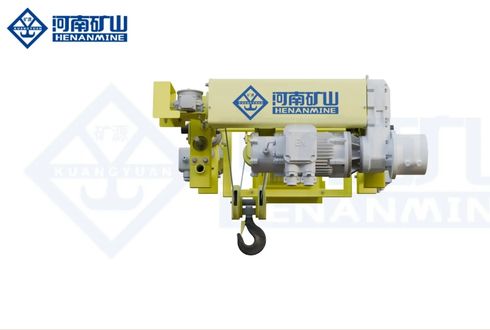
explosion-proof electric block
Explosion-proof electric hoist is small in size and flexible in installation. It is mostly used for fixed lifting points, monorail lines and swing arm cranes. It is the mainstream choice for small operation points.
Suitable for light and medium load, spray booth, chemical workshop, equipment maintenance point, fixed position lifting, chain hoist and wire rope hoist have corresponding explosion-proof models.
Explosion-proof swing boom crane
Explosion-proof swing arm crane is divided into wall type and column type. The main position is local hoisting, occupying a small area and flexible deployment.
Suitable for pump maintenance, small chemical equipment handling, station assembly, dangerous area loading and unloading, local maintenance operations.
explosion-proof monorail crane
Explosion-proof monorail crane runs along fixed track, load is transferred according to fixed route, mostly used for coating line, chemical material transportation, production process transfer.
Suitable for fixed path material handling, production line circulation, coating system, chemical process transfer.
Explosion-proof manual lifting equipment
Explosion-proof manual hoist and manual single beam are mostly used for scenes with inconvenient power supply and low lifting frequency, completely avoiding electrical ignition sources.
Suitable for low-frequency maintenance operations, small lifting points, limited power supply areas, high risk areas with extremely strict electrical equipment control.
Mainstream certification system and scope of application
Different regions, different project requirements of the certification system is different, early confirmation can avoid a lot of acceptance trouble.
Certification System Comparison
System |
Common Market |
Example Marking |
| ATEX | Europe & EU projects | Zone 1 / Zone 2 / Zone 21 / Zone 22 |
| IECEx | International EPC projects | Ex db IIB T4 Gb |
| NEC / CEC | North America | Class I Division 1 Group C/D |
| GB/T 3836 | China-related projects | Ex equipment for explosive atmospheres |
ATEX is a mandatory EU explosion-proof directive, which must be met when exporting to Europe or participating in European EPC projects. IECEx is an international general explosion-proof certification system, recognized by most multinational projects around the world. NEC's Class/Division classification system is commonly used in the North American market. Domestic projects follow GB/T 3836 series standards.
Before purchasing, confirm the certification system required by the project with the owner and safety consultant to avoid wrong purchase.
First determine the dangerous area division, then select equipment
Hazardous area classification is the basis of all selection, gas and dust should be evaluated separately.
Gas hazardous environment is divided into three levels: Zone0 is the scene where explosive gas exists continuously or for a long time, which is generally not applicable to conventional electric lifting equipment and requires special engineering evaluation;Zone1 is the area where explosive gas may occur during normal operation and requires high standard explosion-proof design;Zone2 is the area that does not appear under normal conditions and only exists for a short time, and the explosion-proof requirements are relatively low.
The dust hazard environment is the same: Zone20 is the continuous or frequent occurrence of dust, Zone21 is possible during normal operation, and Zone22 is only temporary. Grain processing, pulverized coal storage and transportation, powder production workshop, all belong to dust explosion prevention scene.
Special attention should be paid to the fact that equipment suitable for gas hazardous areas may not be directly used in dust hazardous areas. The two sets of protection logic are different and the qualifications must be confirmed separately.
How to determine the core specification parameters
Basic performance parameters
Rated lifting capacity, span and lifting height are basic items, but they cannot be selected only according to average load. The heaviest maintenance load, operation frequency, working level and future expansion demand should be included.
Small chemical workshops and spray booths are generally 1-10 tons, oil and gas refining maintenance cranes are usually 5-50 tons, and heavy chemical equipment hoisting will use 100-ton explosion-proof double-beam cranes.
Span and lifting height should be determined in combination with plant structure, column spacing and equipment layout. Crane layout in hazardous environment, but also try to avoid frequent passage from high-risk equipment, chemical tanks, open process areas, personnel channels.
The working level determines the durability of the whole machine. Low-frequency maintenance crane and high-frequency production crane, the requirements for hoist, motor, brake are completely different, according to the actual operation time, lifting times per hour, load distribution to choose, avoid high waste or low with insufficient.
Explosion-proof core parameters
This part is the core of explosion-proof crane, can not be selected by feeling, must be subject to the site dangerous area division report.
The gas group is divided into IIA, IIB and IIC, and the danger degree increases in turn. Hydrogen and acetylene are required to use IIC configuration.
Temperature groups from T1 to T6, the higher the number, the lower the maximum allowable surface temperature, which must be lower than the ignition temperature of the field medium. For example, the highest surface temperature of T6 group is 85℃, and T4 is 135℃. If the wrong choice is made, there will be direct ignition risk.
Complete machine configuration details
Lifting mechanism is the core, must be certified with a complete range of explosion-proof gourd, can not be used to make up the number of ordinary gourd. Wire rope hoist and chain hoist have corresponding explosion-proof models, according to the load, lifting height, operation frequency selection.
Electrical system from explosion-proof motor, explosion-proof electrical control cabinet, explosion-proof limit switch to explosion-proof cable gland, all to correspond to explosion-proof grade, any one of the common elements may become a hidden danger.
The mechanical parts should also be treated accordingly. In high-risk scenarios, spark protection design is required. The collision parts of the walking wheels and hooks are made of copper alloy and other materials that do not produce sparks; the whole machine is grounded statically to avoid static electricity accumulation; and the brakes are well controlled for temperature to prevent excessive friction temperatures.
Control mode can choose explosion-proof handle, wireless remote control, high-risk scenarios recommended remote control, so that operators away from dangerous areas.
environment adapting
In addition to explosion-proof requirements, it is also necessary to take into account the general environmental conditions on site.
Additional anti-corrosion design may be required for chemical industry area, clean adaptation shall be made for pharmaceutical clean workshop, rain, wind and salt fog prevention shall be made for outdoor oil and gas station, dust collection and sealing protection shall be considered for grain dust workshop. All of this will affect the final configuration and cost.
How to read explosion proof signs
Explosion-proof signs look complicated, but in fact each segment corresponds to clear parameters.
For example, the gas explosion-proof mark Ex db eb IIB T4 Gb: Ex represents explosion-proof equipment, db/eb is explosion-proof type, IIB is gas group, T4 is temperature group, Gb is equipment protection level, corresponding to Zone1 gas area available.
Dust explosion protection mark Ex tb IIIC T130°C Db: Ex tb is dust explosion protection enclosure, IIIC is conductive dust group, T130°C is maximum surface temperature, Db is equipment protection class, applicable to Zone21 dust area.
Equipment whose logo does not match the site area will definitely not pass the safety audit.
Focus on industry selection
Chemical plant
Recommended explosion-proof bridge crane, explosion-proof electric hoist, explosion-proof swing crane, explosion-proof monorail crane.
Focus on gas/vapor classification, corrosion protection requirements, temperature groups, electrical component certification, spark protection design, maintenance accessibility.
oil and gas refining
Recommended explosion-proof double-beam overhead crane, explosion-proof maintenance crane, explosion-proof monorail hoist, explosion-proof swing crane.
Focus on gas groups, outdoor protection, corrosion protection coatings, operational reliability, territorial certification, full compliance documentation.
Paint shop
Recommended explosion-proof electric hoist, explosion-proof monorail crane, explosion-proof single beam crane.
Focus on solvent vapor levels, zoning, handling methods, electrostatic grounding, spark protection components, and easy-to-clean design.
grain powder processing
Recommended dust explosion-proof hoist, dust explosion-proof bridge crane, explosion-proof manual hoist, explosion-proof swing crane.
Focus on dust area class, dust group, surface temperature control, enclosure protection class, dust prevention design, easy cleaning and maintenance.
Pharmaceutical clean workshop
Recommended explosion-proof clean crane, stainless steel anti-corrosion hoist, explosion-proof swing crane, explosion-proof monorail system.
Focus on cleanliness class, surface finish, corrosion resistance, alcohol vapor or dust risk, maintenance space, document compliance.
Lithium battery workshop
Recommended explosion-proof overhead crane, explosion-proof electric hoist, anti-corrosion crane, precision lifting system.
Focus on solvent vapor grade, clean workshop adaptation, fire and explosion risk control, corrosion prevention design, positioning accuracy, electrical safety.
Hydrogen and LNG
Recommended high-grade explosion-proof overhead crane, explosion-proof maintenance hoist, outdoor hazardous area lifting system.
Focus on gas group (mostly IIC), temperature group, certification qualification, low temperature environment adaptation, corrosion protection, safety documents.
Explosion-proof vs Ordinary Crane
Item |
Ordinary Crane |
Explosion-proof Crane |
| Application | General industrial workshops | Hazardous areas with flammable gas/dust |
| Motor | Standard industrial motor | Certified explosion-proof motor |
| Hoist | Standard wire rope/chain hoist | Certified explosion-proof hoist |
| Control Cabinet | Standard electrical enclosure | Explosion-proof electrical enclosure |
| Limit Switch | Standard limit switch | Explosion-proof limit switch |
| Surface Temperature | No ignition risk control | Controlled by temperature class |
| Spark Protection | Not required | Anti-spark design for high-risk areas |
| Certification | General crane standard | ATEX / IECEx / NEC / national Ex standard |
| Cost | Lower | Higher |
| Documentation | Standard crane files | Ex certificates & full compliance documents |
The difference between the two is not a single component, but the design logic of the whole system.
Common purchasing mistakes
Just saying "to be explosion-proof" without giving specific area parameters is the most common problem. Without Zone level, gas/dust type, temperature group, certification requirements, suppliers simply cannot make accurate plans, and the quoted prices have no practical reference significance.
Only for the motor to do explosion-proof, other parts regardless, but also high-frequency step pit point. In an explosion-proof system, limit switches, junction boxes, cable connectors, control handles, any common part, may become an ignition source.
There are also many projects that ignore the risk of dust explosion. Many people only pay attention to dust scenes such as gas, grain, flour and pulverized coal. The explosion power is also not small. Special dust explosion-proof cranes must be used. Gas explosion-proof models cannot be used directly.
And ignore the surface temperature. Even without visible sparks, hot surfaces can ignite gases or dust, which is why temperature groups are central parameters.
The wrong certification can also delay things. European projects to ATEX, international EPC to IECEx, North America to Class/Division, confirmed clearly in advance, to avoid later rework.
The last is to ignore maintenance and spare parts. Explosion-proof parts are special parts, poor versatility, after-sales can not keep up with the words, a fault shutdown loss may far exceed the equipment price difference.
Selection Steps Reference
The first step is to confirm the classification of hazardous areas, collect clear area class, gas/dust type, group, temperature group, EPL class, certification requirements, area drawings.
The second step is to clarify the lifting requirements, including equipment type, lifting capacity, span, lifting height, speed, working level, working time, load type, accuracy requirements, indoor and outdoor.
Step 3 Select crane type to match plant layout, lifting path, load weight, explosion limit.
The fourth step is to determine the configuration of explosion-proof components, including the corresponding grades of hoists, motors, brakes, electronic controls, controls, limits, cables, and accessories.
Step 5 Confirm mechanical spark protection requirements, and upgrade traveling wheels, hooks, buffers, grounding, coatings and contact parts as required.
Step 6 Confirm delivery documents, certificates, declaration of conformity, drawings, electrical diagrams, compliance documents, inspection reports, manuals, spare parts lists.
For many hazardous projects, compliance documents are as important as the equipment itself.
Selection Checklist
Item |
Buyer Input Required |
| Crane type | Overhead / gantry / jib / monorail / hoist |
| Capacity | Tons |
| Span | Meters |
| Lifting height | Meters |
| Working duty | Light / medium / heavy / custom |
| Hazard type | Gas / vapor / dust / fiber |
| Hazard zone | Zone 1 / Zone 2 / Zone 21 / Zone 22 |
| Gas group | IIA / IIB / IIC |
| Dust group | IIIA / IIIB / IIIC |
| Temperature class | T1–T6 |
| Certification | ATEX / IECEx / NEC / GB / local standard |
| Control method | Pendant / remote / cabin / control room |
| Power supply | Voltage / phase / frequency |
| Environment | Indoor / outdoor / corrosive / humid / dusty |
| Documentation | Certificate / drawing / manual / test report |
| Installation condition | New workshop / existing runway / renovation |
| Maintenance support | Spare parts / training / remote support |
According to this list before purchasing, the solution given by the supplier will be much more accurate.
How to choose reliable suppliers
First of all, we must look at the project experience in the field of explosion protection, not just to see whether ordinary cranes are doing well. It is necessary to confirm whether the other party has actual cases in chemical industry, oil and gas industry, painting industry, pharmaceutical industry and grain industry, and understand the design logic of dangerous area.
Then it depends on the certification qualification of the core components. The key parts such as hoist, motor, electric control, limit, handle and cable connector must have the corresponding level of certification, which cannot be vague.
It also depends on engineering customization capabilities. Explosion-proof cranes are basically customized according to the project, industry, layout, hazard source, certification, territorial requirements are different, qualified suppliers can provide complete technical solutions, drawings, electrical design, parts list, compliance documents, supporting installation support.
Document support capabilities are also critical. EPC, chemical, oil and gas projects, documents to go through several rounds of review, suppliers can not provide a complete set of explosion-proof certificates, material documents, welding data, electrical diagrams, inspection reports, operation and maintenance manuals, directly affect the project acceptance progress.
Finally, there is after-sales support. The downtime costs in hazardous areas are high. Whether spare parts are in stock, how long critical parts can arrive, whether remote technical support can be provided, whether training and emergency services are available, should be confirmed in advance.
epilogue
The essence of choosing explosion-proof cranes is to control safety first and then talk about performance. The correct selection logic is to first find out the hazardous medium, regional grade and certification requirements on site, and then determine the conventional parameters such as tonnage and span.
Proper explosion-proof configuration can not only meet the operational requirements, but also avoid unnecessary cost waste, while ensuring long-term operation safety compliance.
Customize Your Solution
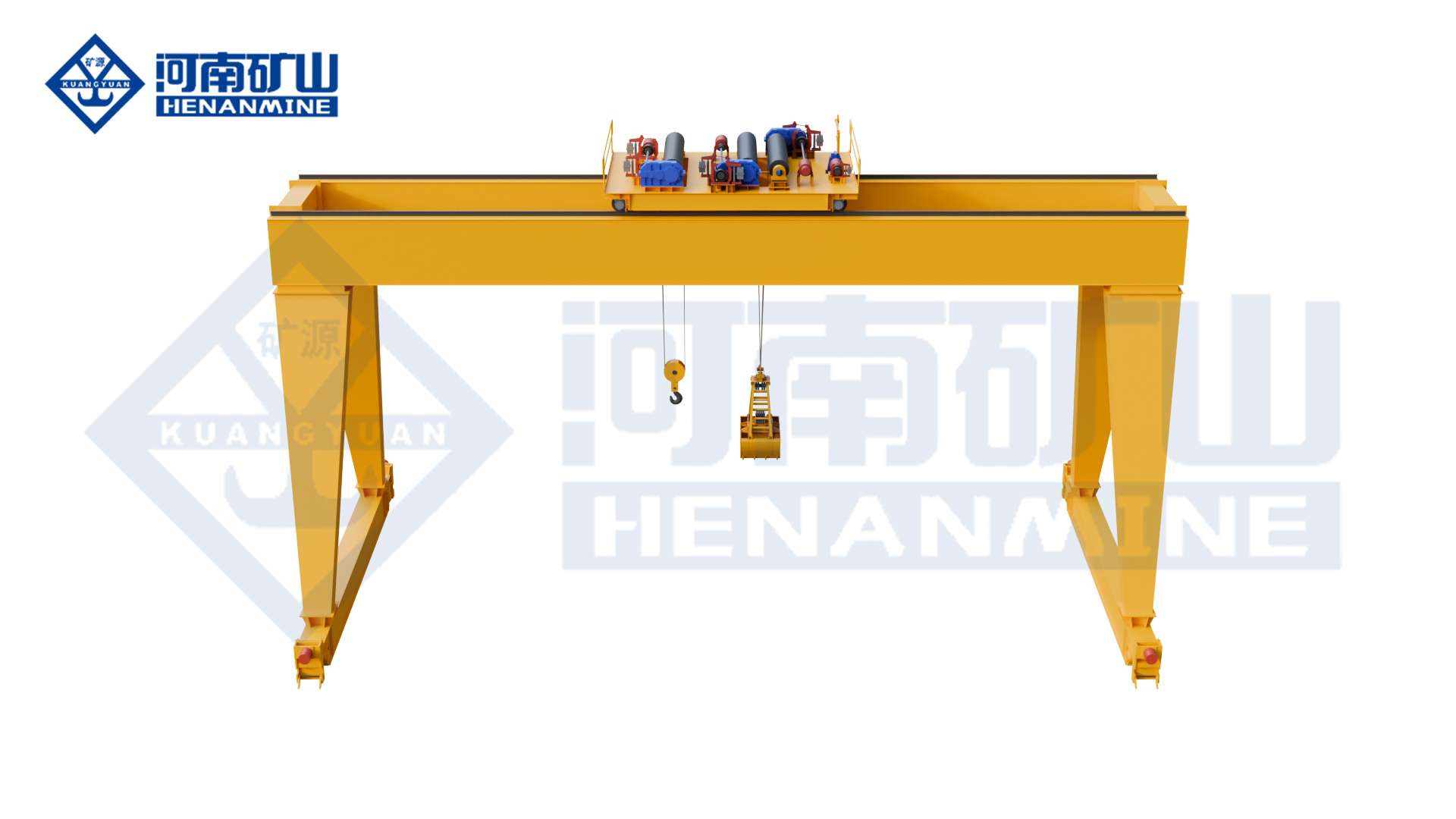
As a professional explosion-proof crane manufacturer, Henan Mine Crane can provide customized explosion-proof lifting equipment for all scenarios of gas and dust. It supports ATEX, IECEx and other multi-system certifications, covering all categories of bridge type, portal type, swing boom crane and electric hoist.
If you are planning the lifting equipment of explosion-proof workshop, you can send us the explosion-proof grade, lifting capacity, span and working condition requirements of the area, and the engineering team will issue matching schemes and compliance instructions to you.