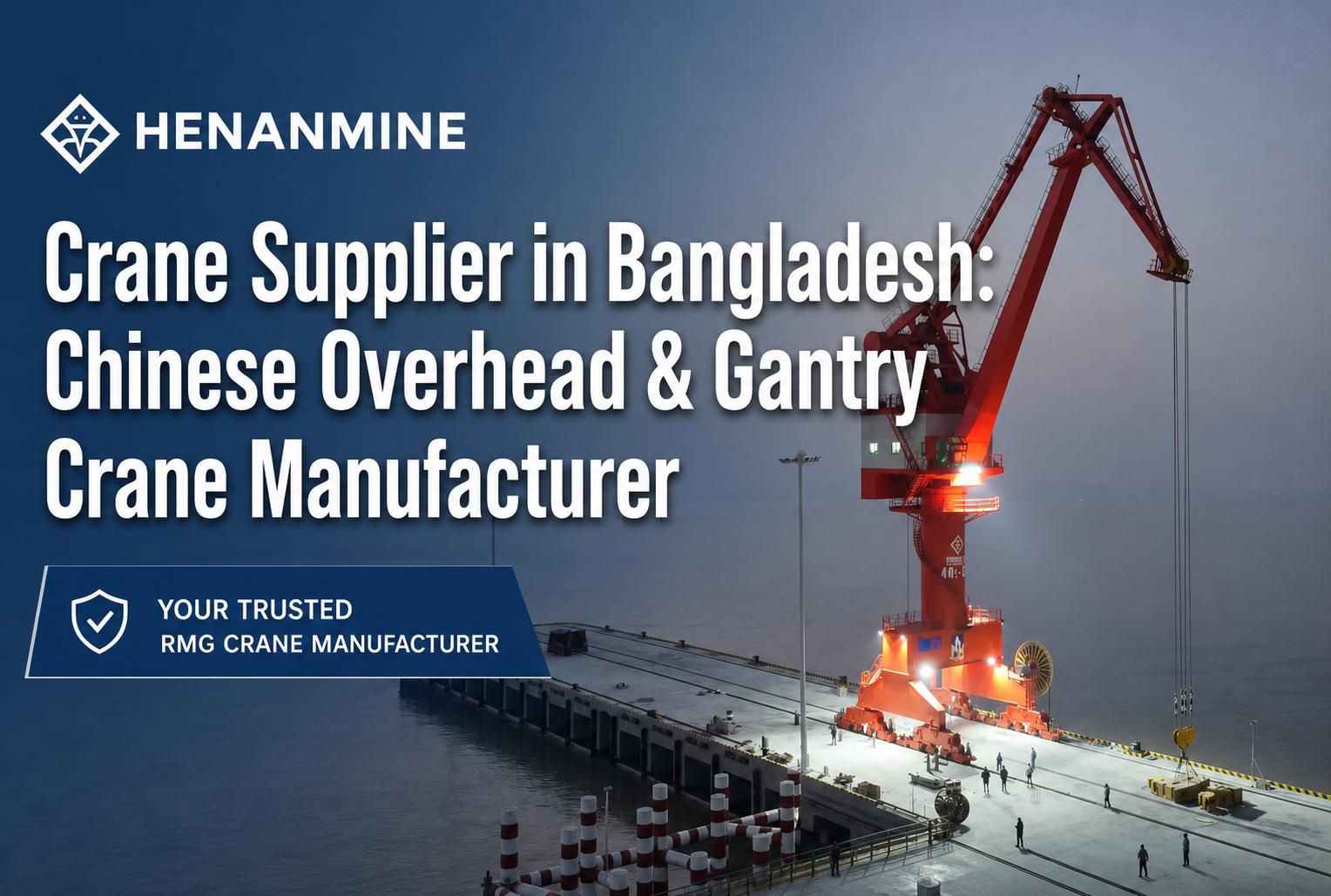

Harbor Crane Suppliers: Complete Selection Guide for Port Buyers
Harbor Cranes are the core equipment in terminals, container yards, shipyards and coastal logistics hubs, and they are constantly working in the open air, high salt spray, strong wind loads and under complex working conditions. The stability and durability of this type of heavy equipment directly determines the efficiency of cargo turnover in ports and the pace of daily operations in factories.
When purchasing for many overseas port projects, it is easy to make decisions only focusing on the equipment offer and ignoring the comprehensive strength of the supplier. Selecting reliable harbor crane suppliers is never a simple price comparison, but a comprehensive screening of equipment safety, working condition suitability, delivery capability and long-term service system.
Unsuitable suppliers will give the project buried schedule delays, frequent equipment failures, customs clearance and acceptance of obstacles, later operation and maintenance difficulties and other types of hidden dangers. This paper combines many years of hands-on experience in overseas port projects, sorting out a complete set of supplier evaluation logic, to help global buyers accurately screen suitable for their own projects reliable harbor crane manufacturer.
Harbor Crane suppliers can provide what products and services
Professional harbor crane equipment suppliers, not just simply sell finished equipment, but for ports, shipyard projects to provide a full chain of supporting solutions, covering equipment customization, production, delivery, landing and operation and maintenance of the whole process.
Mainstream Port Crane Equipment Types
Different harbor operation scenarios, the corresponding crane models vary greatly, the mature industrial harbor crane supplier will cover the full range of harbor equipment to meet the needs of diversified operations.
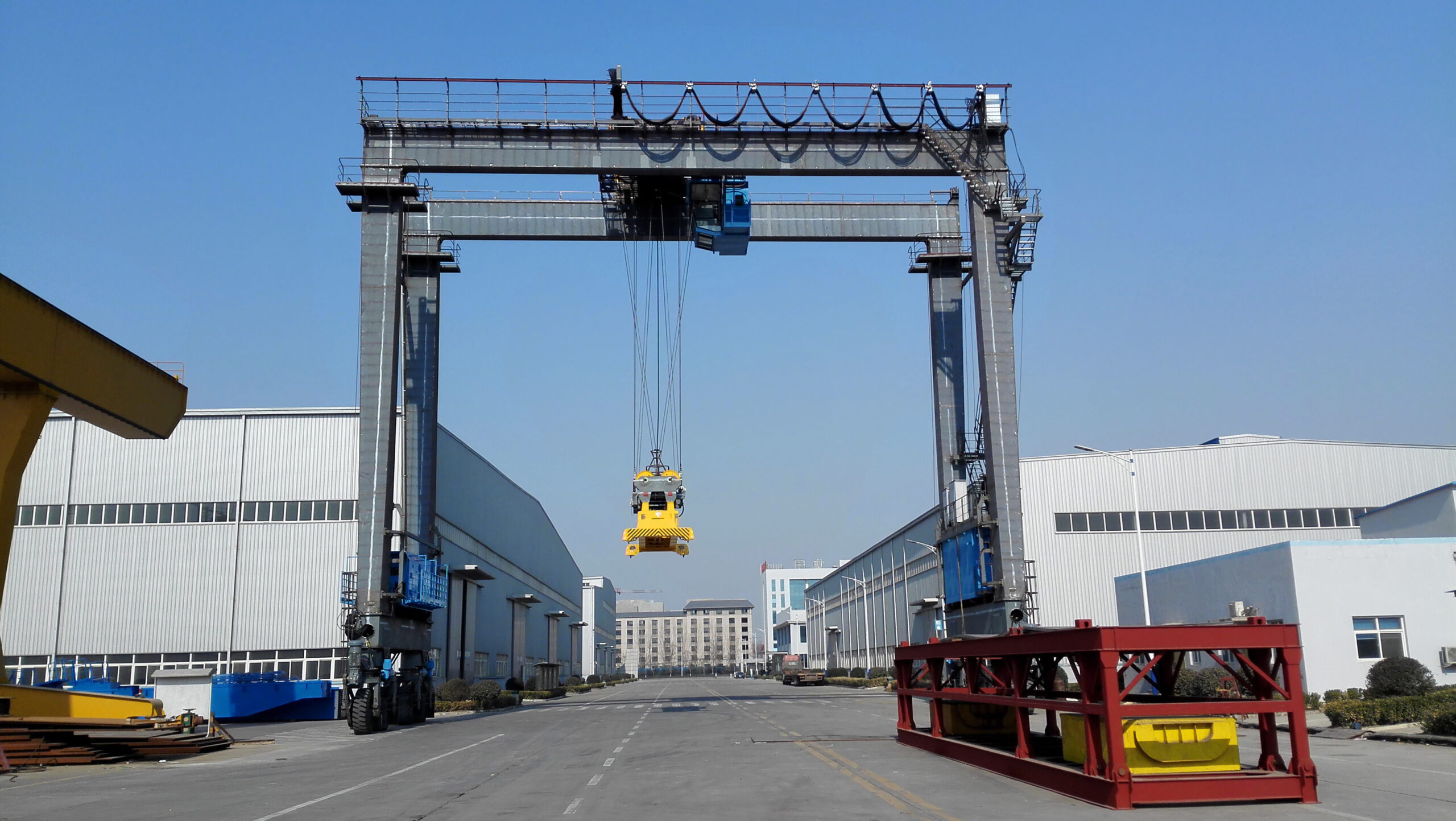
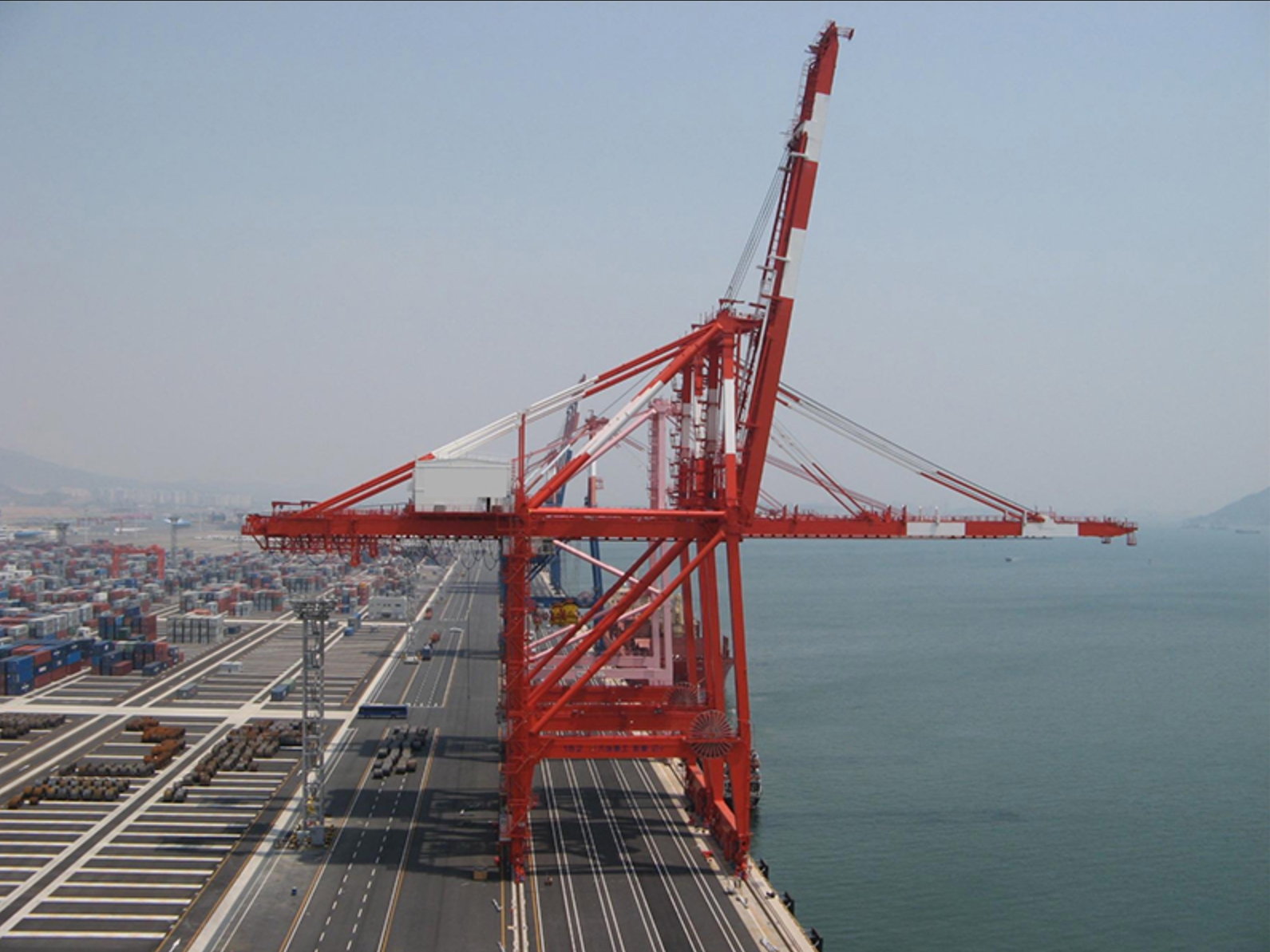
The core models include quay container cranes, which are mainly used for container loading and unloading operations between ships and terminals, and are the core equipment for large container ports. Tire gantry cranes and rail gantry cranes are mostly used for stacking and transferring containers in yards, and are suitable for automated and semi-automated port yard scenarios.
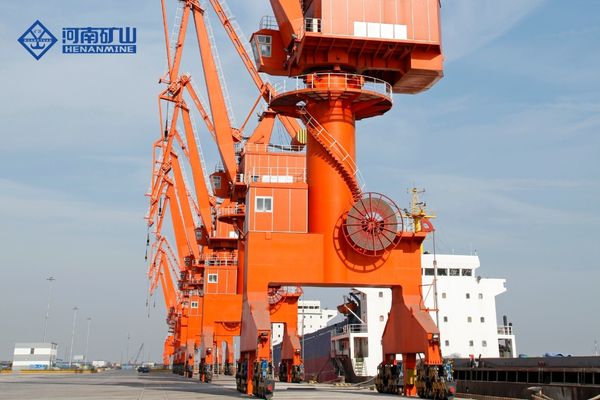
Port gantry cranes and port jib cranes focus on the lifting operation of bulk cargo, general cargo and large materials, and are widely used in general-purpose terminals and small and medium-sized cargo ports. Shipyard gantry cranes and mobile harbor cranes are suitable for ship construction, maintenance and temporary dock maneuvering scenarios.
Supporting products and services
A qualified Crane can not be separated from a perfect supporting system to support the operation. Regular suppliers will provide complete electrification control system, special spreaders and lifting accessories to meet the lifting needs of different specifications of containers and bulk cargoes.
At the same time can provide rails, traveling runway system and other basic supporting accessories to protect the integrity of the equipment installation landing. In addition to hardware, we can also provide equipment installation and commissioning, pre-service training for operators, lifelong spare parts replenishment and regular maintenance support to solve the problems of overseas project landing and long-term operation and maintenance.
Core Value of Supplier Strength
Port lifting equipment belongs to heavy industrial equipment, large operating loads, harsh working conditions, and most of the port projects have strict schedule requirements. Small manufacturers and ordinary equipment vendors, it is difficult to manage this kind of high-demand projects.
Strong port crane supplier, familiar with the construction standards of overseas port projects, environmental fitness requirements and delivery tempo, can accurately adapt to the program, to avoid mismatched working conditions, delivery delays, equipment corrosion resistance and other common problems.
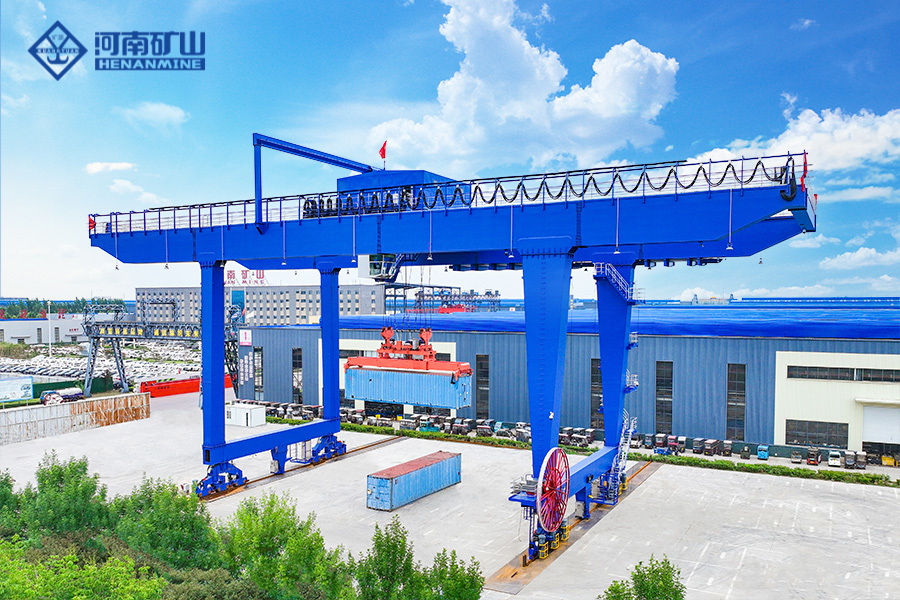
The core significance of choosing the right port Crane supplier
Equipment stability directly determines the efficiency of port operations
Port operations are continuous assembly line operations, a main crane failure and shutdown, will cause the entire yard loading and unloading jams, cargo accumulation, and directly reduce the overall throughput of the port.
Weak suppliers, equipment technology and materials are not up to standard, long-term open-air heavy-duty operations are prone to structural deformation, electrical failures, travel jams and other problems, frequent downtime for maintenance will form a continuous operational bottleneck, increasing the pressure of port operations.
Deliverability affects overall project duration
New port construction, yard expansion, and equipment upgrading projects all have a fixed commissioning time plan. Any delay in the production of equipment, shipping and delivery of documents will disrupt the overall project schedule.
Insufficient production capacity and unstable supply chain suppliers are prone to production delays, delayed shipments, lagging information and other problems, resulting in the completion of terminal infrastructure equipment can not be in place, the project can not be put into operation on time, resulting in idle loss.
Technical strength determines the adaptability of equipment working conditions
Port equipment design logic and ordinary workshop cranes are completely different, need to focus on the consideration of sustained operating intensity, coastal wind load, salt spray corrosion, high-frequency start-stop and other special working conditions.
Suppliers who lack experience in port projects will only apply the parameters of common models, and will not optimize the anti-corrosion structure, windproof configuration and operating level. The final delivery of the equipment seems to meet the parameters of the standard, but can not be adapted to the harsh conditions of the port, the long-term operation of the failure rate remains high.
After-sales support to control long-term operation and maintenance costs
Port Crane use cycle up to more than ten years, the late replacement of wearing parts, troubleshooting, equipment maintenance is a regular demand. A perfect after-sales system can quickly respond to the technical advice and spare parts needs of overseas customers.
Reliable suppliers can solve equipment failures in a timely manner to reduce downtime, while standardized maintenance guidance can slow down equipment aging and significantly reduce long-term operation and maintenance investment.
Define the core requirements of your harbor project first
In contrast to all kinds of harbor crane suppliers and offer program before sorting out the real needs of the project, is to avoid selection errors, program mismatch of the foundation, but also allows the supplier to give the precise fit of the offer and design program.
Determine the appropriate model of Crane
Different operational scenarios correspond to the exclusive model, without blindly pursuing large and highly equipped equipment. Container loading and unloading operations, give priority to the use of shore bridge Cranes, rail and tire gantry cranes. Ore, gravel and other bulk cargo handling, suitable for port gantry cranes.
Ordinary general cargo lifting, temporary transfer of plant, can choose port jib cranes, mobile harbor cranes. Ship construction, hull lifting operations, the need for large tonnage shipyard gantry cranes to match the operational needs.
Clear core technical parameters
The core parameters directly determine the operating capacity of the equipment, which needs to be precisely defined in conjunction with the daily operation scenarios, and cannot be arbitrarily applied to the general standard. Key parameters include rated lifting capacity, operating reach, equipment span, effective lifting height, trolley running length, working level, operating speed, power supply and control mode.
Port equipment has very high requirements on working level, and terminals with high-frequency continuous operation must be matched with high working level models to avoid long-term overloading of the equipment and minimize potential failures.
Sorting out on-site operating environment conditions
The vast majority of port equipment in the open coastal environment for a long time, salt spray, high humidity, strong sea breeze is the norm, some areas also exist extreme high temperature, low temperature or earthquake-prone and other special circumstances.
These environmental conditions directly determine the equipment's anti-corrosion coating standards, windproof anchorage configuration, electrical protection level and structural seismic design. By defining the environmental parameters in advance, suppliers can optimize the equipment configuration to ensure that the equipment is suitable for the local working conditions.
Define the scope of project cooperation
The cooperation requirements of different projects vary greatly, some customers only need to supply bare equipment, and their own team is responsible for installation and commissioning. Most of the overseas port projects require suppliers to provide a full set of services such as installation supervision, machine commissioning and load testing.
Some customers also need value-added services such as long-term maintenance contracts and bulk spare parts packages. Define the scope of cooperation in advance, to avoid omission of items in the offer, new invisible costs later.
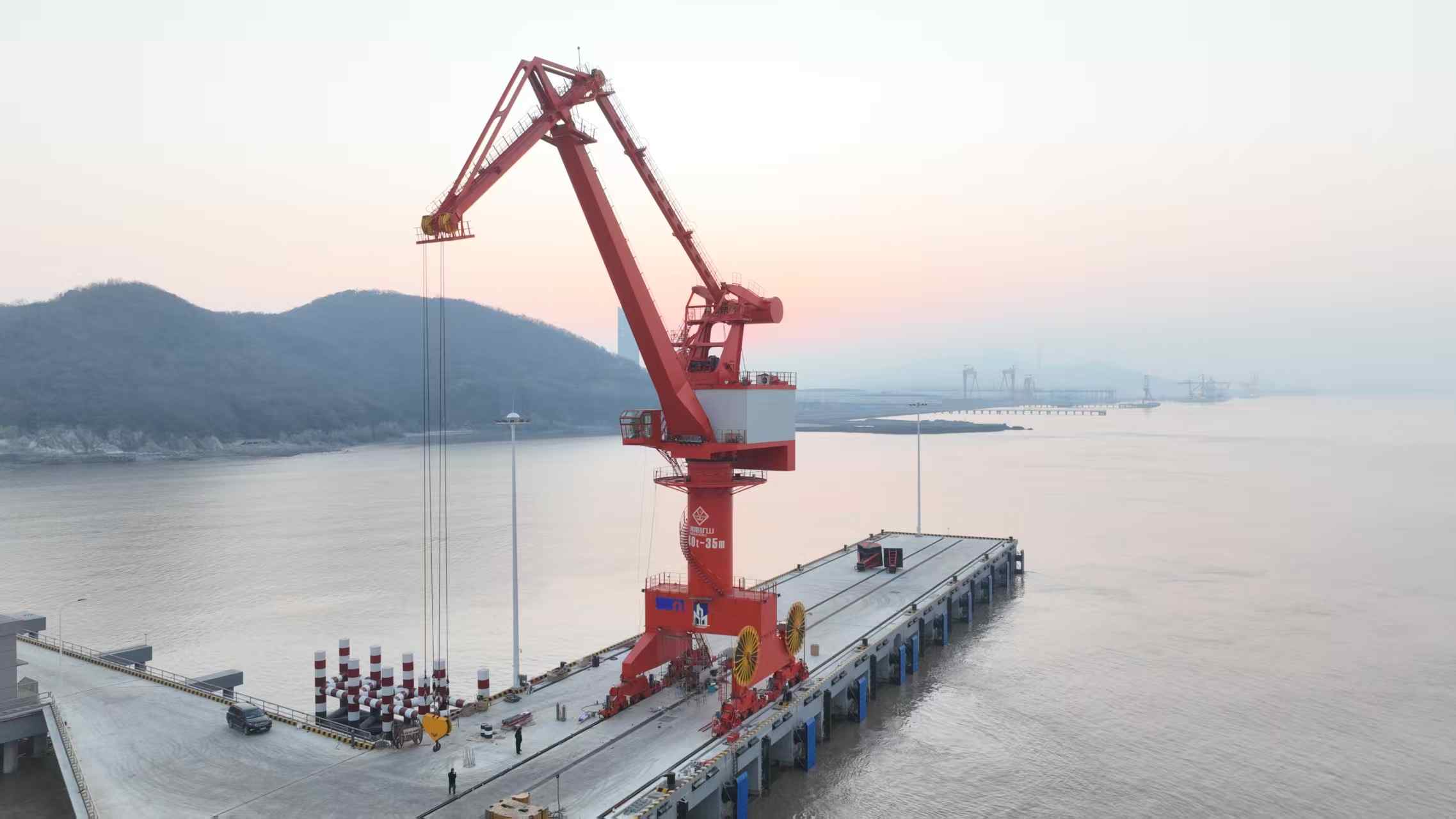
Core qualities of a quality harbor crane supplier
Solid physical manufacturing capacity
Port Crane belongs to large-scale heavy steel structure equipment, cutting, welding, assembly, precision machining technology requirements are extremely high. Reliable manufacturers have their own standardized production workshop and a full set of processing equipment, which can independently complete the molding of large steel structures, precision parts assembly and dimensional calibration.
Independent production can control the whole process standards and production progress, eliminating the uneven quality and uncontrollable progress brought about by outsourcing, and guaranteeing the precision and stability of each factory equipment.
Professional port engineering design team
Ordinary lifting equipment manufacturers can only do standardized model production, while the quality harbor crane manufacturer has an exclusive port engineering design team. According to the port layout, cargo type, frequency of operation, site constraints, customized and optimized equipment structure and functional configuration.
The design team is familiar with the construction standards of ports around the world, and can adapt to the working conditions of different regions, avoiding the problem of incompatibility after the landing of general-purpose models.
Rich experience in outdoor heavy-duty port equipment
The design, production, operation and maintenance logic of harbor lifting equipment is completely different from that of ordinary indoor workshop Cranes. Outdoor strong winds, salt spray corrosion, 24-hour high-frequency heavy-duty operation, the equipment structure, protection configuration, durability requirements are more stringent.
Deeply plowed in the field of port equipment suppliers, has accumulated a lot of experience in complex working conditions projects, and is clear about the design pain points and operation and maintenance difficulties of various scenarios, and can avoid the hidden dangers of equipment adaptation from the source.
Complete full-process project delivery capability
Mature suppliers can realize the whole chain of delivery from solution design, customized production, full-process quality inspection, export packaging, shipping, to overseas installation guidance, equipment commissioning, after-sales maintenance.
The whole process is followed up by our own team, with smooth project connection, which can timely deal with various issues such as production adjustment, data review and on-site docking to ensure the steady landing of the project.
Distinguish between suppliers: source factory or trading company
When doing harbor crane procurement, distinguishing the type of cooperation body is a key step to avoid procurement risks, and the gap between the project landing ability of two cooperation modes is very obvious.
The impact of the main body type on the project
Entity manufacturers hold the core authority of design, production and quality control, can independently adjust the process, optimize the configuration, control the delivery cycle, fast technical response speed and clear quality responsibility.
Pure trading companies have no production capacity, all equipment outsourcing procurement, can not control the production process and quality control standards, customization and transformation ability is weak, encountering quality problems and technical difficulties, can only docking and coordination of multiple parties, the efficiency is extremely low.
Supplier strength verification method
You can take the initiative to ask for live factory videos, photos of workshop production lines, and lists of core processing equipment to visually verify the production scene. At the same time, you can verify the enterprise registration information, export customs records over the years, overseas port landing project cases, to confirm the real capacity and export experience.
Formal source manufacturers support video factory inspection and field inspection, all production and export information is transparent and verifiable, and will not deliberately avoid strength verification.
Adaptable scenarios for trading companies
Not all traders are not suitable for cooperation. Some trading companies that are deeply engaged in exporting port equipment have long-term docking with fixed high-quality source factories, and have mature capabilities in project coordination, logistics docking, and document finishing.
If it is a small and medium-sized project with standardized conventional model procurement and no complex customization demand, this kind of high-quality traders can also guarantee the smooth landing of the project. However, for large-scale heavy-duty, non-standard customization and high-standard overseas port projects, the source factory is preferred.
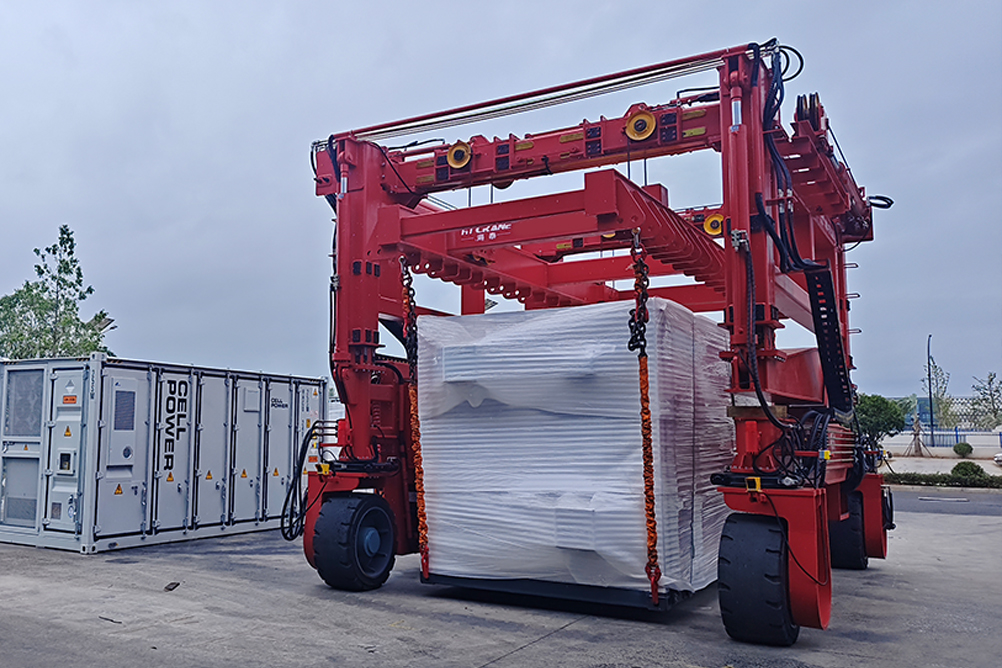
Evaluate the supplier’s product system and technical customization ability
Complete port equipment product matrix
The richness of the supplier's product categories can intuitively reflect its deep-rooted experience in the field of port equipment. Can supply all categories of container, bulk, shipyard, yard all kinds of port cranes manufacturers, technology accumulation is more profound, more experience in working conditions to adapt.
At the same time, the supply of multiple categories of equipment, but also to facilitate one-stop procurement of port projects, reducing the cost of communication between multiple parties and docking risk.
Customized transformation capability for special projects
Most of the overseas port projects have non-standard customization requirements, and conventional standard models cannot be fully adapted. High-quality manufacturers can customize equipment with special span, reach, and wheel pressure parameters according to the project requirements, and at the same time adapt anti-sway system, remote monitoring, automated control and other functions.
For special cargoes and sites, we can also customize exclusive spreaders and travel systems to accurately match the project's operational needs.
Adaptability to special working conditions
Strong winds and salt spray corrosion in coastal ports are normal working conditions, and some chemical ports and special terminals also have special requirements such as explosion-proof and high temperature resistance.
Reliable suppliers can target to do high strength windproof structure design, marine grade heavy anti-corrosion coating, waterproof and dustproof electrical protection, and at the same time, can be customized according to the needs of explosion-proof, high temperature resistant solutions to meet the standards of various special port working conditions.
Complete English technical data delivery capability
Customs clearance, acceptance and annual inspection of overseas port projects require strict requirements on technical data. Regular manufacturers can provide a full set of English data, including equipment assembly drawings, wheel pressure load data, electrical schematic diagrams, factory quality inspection reports, operation and maintenance manuals, commissioning and acceptance documents.
With standardized format and complete data, the information can be directly adapted to overseas customs clearance and acceptance standards of owners and port authorities.
Verification of manufacturers’ production strength and quality control system
Strength of steel structure processing technology
Steel structure is the core skeleton of port cranes, which directly determines the equipment's wind resistance, corrosion resistance and load-bearing capacity. Professional manufacturers use precision cutting, standardized welding, precision machining, overall assembly calibration process, the whole process of controlling the structural dimensional accuracy.
Each welding process has standardized criteria, and after completion of the overall plastic calibration, to eliminate deformation of the main beam, dimensional deviation, weld defects and other process problems, to protect the equipment for long-term heavy-duty operation and stability.
Quality of core parts supply chain
Motor, reducer, brake, PLC electrical system, bearings, traveling wheels, special spreader and other core parts determine the equipment failure rate and service life. High-quality manufacturers uniformly use industry mainstream well-known brand parts, stable performance and strong versatility.
Standardized procurement of spare parts also ensures convenient procurement of spare parts for overseas customers and avoids the problem of discontinuation and difficult replacement of niche parts.
Full-process quality inspection and load testing
Regular manufacturers carry out full-process closed-loop quality inspection, from the verification of raw materials into the factory, non-destructive testing of welds, structural dimensions verification, to the electrical system power test, no-load test run, full load test, layers of control.
Each unit will complete a full set of functional testing before leaving the factory, confirming that there are no faults, parameters up to standard and then packaged for shipment, from the source to control the quality of the factory.
Marine-level anti-corrosion protection process
Anti-corrosion treatment is the core process that distinguishes harbor cranes from ordinary Cranes. Coastal salt spray environment is extremely corrosive, ordinary painting in just a few years will fall off, rust, affecting the structural safety of the equipment.
Equipment suitable for port conditions, will use shot blasting rust removal, multi-layer epoxy zinc-rich primer, intermediate paint, weather-resistant topcoat heavy-duty anti-corrosion system, part of the key parts of the special anti-corrosion enhancement, can withstand long-term salt spray erosion, prolonging the service life of the equipment.
Hisilicon K3
Verification of the supplier’s practical experience in similar port projects
Importance of similar project experience
The operation logic, protection standards and installation requirements of port equipment are very different from those of ordinary industrial cranes. Manufacturers who do not have hands-on experience in port projects can easily overlook key details such as wind protection, corrosion prevention, load matching, etc., resulting in the equipment not being able to adapt to the working conditions after landing.
Suppliers with a lot of experience in similar projects are familiar with the pain points and standards of various port scenarios, and the program design and equipment production is more in line with the actual operational needs.
Key verification of the reference project dimensions
Before procurement, we can ask for landing cases with the same tonnage, the same type of operation, the same port environment and the same export area. Focus on projects with high matching degree such as container handling, bulk cargo terminal, shipyard lifting, etc. Priority is given to cases with similar working conditions, loads and environmental conditions.
Project Supporting Information
Real project photos, completion videos, complete case descriptions, customer acceptance feedback, is the most intuitive proof of the manufacturer's practical ability. Through these materials, you can intuitively determine whether the manufacturer has the ability to deliver real overseas port projects and avoid being misled by false propaganda.
Verification of qualification and export compliance
Enterprise and product core qualifications
Regular port equipment manufacturers need to have ISO quality management system certification, export equipment needs to match the CE, FEM, EAC and other international general certifications, some countries and regions have exclusive port authority access standards and local compliance requirements.
All qualification certificates should be real and verifiable, within the validity period, and can be directly used for overseas customs clearance and project acceptance.
Full set of export documents delivery capability
Professional export manufacturers can provide a full set of compliance documents, including factory quality inspection reports, packing lists, commercial invoices, certificates of origin, product quality certificates, shipping supporting documents, complete information, standardized format.
Mature documentation team can adapt to the customs clearance rules of different countries to avoid customs clearance problems caused by inconsistent documents and missing information.
Necessity to verify compliance in advance
Many delays in overseas port projects are due to the neglect of qualification and document verification in the early stage. When the equipment arrives at the port and is found to have incomplete qualifications and non-compliant information, high demurrage costs will be incurred, and in serious cases, the equipment will not be able to clear customs and the project acceptance will fail, resulting in huge economic losses.
Scientific comparison of port crane supplier quotes
Comparison of quotes is a necessary part of procurement, but simply competing with the total price is the biggest procurement misunderstanding. Different suppliers of the offer range, configuration standards, service content varies greatly, low price does not mean cost-effective.
Put an end to the single price thinking
Far below the industry's normal range of offers, there are basically configuration shrinkage issues, such as thinning steel structure plate, replacement of miscellaneous accessories, simplify the process of heavy corrosion, delete safety devices and supporting services.
This type of equipment upfront procurement cost is low, but the late failure rate is high, the operation and maintenance cost is large, the downtime loss is serious, the long-term comprehensive cost-effective is extremely low.
Carefully check the full scope of the offer
Verify the quotation details one by one to confirm whether the quotation includes the main body of the steel structure, lifting trolley, special spreader, a full set of electrical systems, rail systems, windproof locks, anchoring devices, installation consumables and spare parts.
Many low-priced offers only include bare equipment, windproof devices, electrical accessories, commissioning services are required to pay extra, the final total price will be far more than the initial offer.
Verify the core accessories brand model
Core parts of the brand and specific models, directly determine the stability and service life of the equipment. Be sure to specify the brand parameters of the motor, reducer, brake, PLC electrical system in the offer and contract, to prevent manufacturers from stealing and replacing the low-cost parts when delivering.
Clarify the terms of international trade
Confirm in advance that the trade terms are EXW, FOB, CIF or site delivery mode, clearly delineate the responsible party and cost scope of production and shipment, ocean transportation, customs clearance and delivery, and put an end to invisible charges and liability disputes.
Evaluate supplier communication and project coordination ability
Response speed guarantees the efficiency of project promotion
Port projects have complicated details and high frequency of changes, parameter adjustments, drawing modifications, and data verification all require fast docking. A supplier with delayed response and inefficient communication will seriously slow down the project progress.
Reliable partners will respond to all kinds of inquiries in a timely manner, quickly clarify project details, and efficiently handle program adjustment needs.
Professional technical communication ability
The technical team of high-quality suppliers can clearly answer professional questions on working conditions, parameter selection, anti-corrosion standards, windproof configuration, etc. They dare to explain technical details transparently and will not avoid core issues.
Clear technical communication can effectively avoid procurement risks such as program mismatch and parameter inconsistency.
Mature overseas project coordination experience
Manufacturers with rich export experience are familiar with overseas equipment packaging standards, shipping planning, customs clearance document specifications and remote docking process, and can avoid all kinds of cross-border project problems in advance, such as shipping loss, document error, docking deviation, etc.
Verification of installation and commissioning and after-sales spare parts guarantee
Hierarchical installation service support
For overseas long-distance projects, regular suppliers can provide remote installation guidance, online debugging assistance, and arrange engineers to go to the site to supervise the installation of complex projects, and solve the technical problems on the ground.
Commissioning test and personnel training
After the equipment installation is completed, the manufacturer will guide the completion of the full-function test, no-load and full-load load test to ensure that the equipment runs up to standard. At the same time for the site operators, maintenance personnel to provide professional training to explain the operating specifications, daily inspection and basic troubleshooting methods.
A full set of handover information will be provided at the end of the project to ensure the smooth acceptance and handover of the project.
Warranty policy and spare parts supply
In advance, we will clarify the warranty period, warranty coverage, after-sales response time, differentiate between free maintenance items and charges, and implement all the terms into the contract. Manufacturers always have various types of wearing parts, electrical parts, brake parts in stock, which can be quickly shipped across the border to shorten the downtime.
Long-term operation and maintenance upgrade support
Mature suppliers can provide long-term preventive maintenance recommendations, equipment troubleshooting support, while supporting the old equipment renovation, functional upgrades, structural optimization and other value-added services to meet the port's long-term operational iteration needs.
Core questions to ask port crane suppliers before placing an order
When docking suppliers, through the following core questions, you can quickly screen high-quality partners to avoid procurement risks.
Is your company its own production plant or an export trading company? Can you provide the same conditions, the same tonnage, the same export region of the port landing project cases?
What international qualification certificates and compliance acceptance data can you provide? What are the items included and excluded in this quotation?
What brands are used for the core parts of the equipment? How long is the standard production and delivery cycle?
Does it provide installation and commissioning guidance and personnel training services? What are the warranty policy and cross-border spare parts supply process?
Common Misconceptions in Procurement of Port Cranes
A lot of procurement risks, are derived from one-sided judgment in the early stage, to avoid these misunderstandings, can significantly improve the procurement success rate.
Simply take the lowest price as the selection criteria, ignoring the core details such as equipment anti-corrosion, windproof, quality of accessories. Do not pay attention to the port-specific anti-corrosion requirements, equipment put into use after rapid rust aging.
Do not verify the manufacturer's practical experience in port projects, misuse of ordinary industrial crane program to adapt to port conditions. Neglect of export documentation and compliance capabilities, resulting in customs clearance and acceptance blocked.
Failure to clarify the scope of responsibility for installation, commissioning and acceptance, and shifting responsibilities to each other when problems occur later. Do not carefully check the brand and technical parameters of the accessories, after delivery of the configuration shrinkage problems.
Quality harbor crane supplier screening process
First of all, complete sorting project technical parameters, working conditions, service requirements, locking clear procurement criteria. Screening 3 to 5 qualified suppliers with complete qualifications and experience in similar port projects.
Prioritize the comparison of technical solutions, working condition suitability, configuration standards and service system, rather than a single price competition. Verify the manufacturers' real production capacity, quality inspection process and real landing cases.
Comprehensively evaluate the delivery cycle, after-sales response speed and document compliance ability, and finally choose the supplier with the highest comprehensive value.
Sourcing Example: Port Buyer Supplier Evaluation Example
An overseas coastal general purpose terminal needs to purchase a harbor gantry crane for daily general cargo and large materials lifting operations, and initiates a request for quotation from a number of suppliers.
The first supplier offers the lowest price, but the offer range is vague, no clear anti-corrosion technology standards and accessories brand, can not provide complete English export documents, no similar coastal port project cases, after-sales docking process is not clear.
The second supplier offers moderate price, the program is fully adapted to the coastal strong wind, salt spray conditions, clearly marked marine grade heavy corrosion configuration and well-known core parts brand, has a large number of the same type of overseas terminals on the ground case, can provide a full set of compliance information and full after-sales support.
The buyer finally chose the second supplier. Although the upfront investment is slightly higher, the equipment is highly adaptable, stable in operation and worry-free in compliance, which completely avoids the risks of rectification, downtime and acceptance failure in the later stage, and the long-term operational value is higher.
Port Crane Supplier FAQs
What is the difference between a harbor crane supplier and an ordinary crane supplier?
Ordinary Crane manufacturers focus on indoor workshop standardized equipment, not familiar with the port outdoor strong winds, salt spray corrosion, high-frequency heavy load special working conditions. Port equipment suppliers are deeply engaged in the field of maritime lifting, targeted optimization of corrosion, wind, seismic configurations, familiar with the port project standards and export compliance requirements, program suitability and landing ability is stronger.
Should we choose the source factory or trading company to cooperate?
For large-scale port projects, non-standard customized projects, and high-standard export projects, it is preferable to choose the source production factory, which has more guaranteed technology, quality control, customization, and after-sales capability. Conventional standardized model procurement, you can choose to have a fixed high-quality factory cooperation of professional export trading company, docking more efficient.
Port Crane need to have what core certification?
The basic must have ISO quality management system certification, export projects need to match the CE, FEM, EAC and other international general certification, coastal, explosion-proof and other special working conditions also need to correspond to the special qualifications, and at the same time, need to meet the local access standards of the port of the target country.
How important is maritime anti-corrosion protection?
Extremely important. Coastal salt spray corrosivity is extremely strong, no professional heavy corrosion protection design equipment, just 2-3 years will appear large-scale corrosion, structural aging, seriously affecting the safety and service life of the equipment, is the core of the port equipment selection just need.
What core information should be requested before placing an order?
You need to ask for equipment assembly drawings, electrical schematics, technical parameter tables, factory quality inspection reports, qualification certificates, operation and maintenance manuals, as well as a full set of export customs clearance documents and formal warranty agreements.
How important is the after-sales support of harbor Crane?
Port equipment is the core operating equipment of the terminal, downtime for an hour will cause a large amount of cargo accumulation and economic losses. Perfect after-sales and spare parts supply, which can quickly deal with faults and reduce the length of downtime, is the key to guarantee the continuous operation of the port.
To summarize
Screening quality harbor crane suppliers, the core is not to find the lowest price, but to balance the manufacturer's engineering design capabilities, manufacturing strength, port project experience, delivery stability and long-term after-sales protection.
Harbor Crane belongs to the heavy assets, long cycle of industrial equipment, short-term offer advantage is far less important than the long-term stable operation, compliance landing, low operation and maintenance costs of the comprehensive value.
Henan Mine Crane, as a professional source of port lifting equipment manufacturers, has a wealth of overseas ports, terminals, shipyards, project delivery experience, can provide a full range of port crane customization, production, export, operation and maintenance of one-stop services, a full set of qualifications and certificates, to adapt to the project standards of various countries around the world.
If you are screening port crane suppliers, not sure of the program suitability and manufacturer strength, you can provide project parameters at any time, we will provide you with exclusive technical solutions and transparent offer.