
Different Types of Cranes and Their Industrial Applications
Cranes are indispensable heavy lifting equipment in modern industrial production, building construction, port logistics and other fields. From small parts handling in the workshop, to container loading and unloading in the port, to the structure of high-rise buildings lifting, almost every scene that requires moving heavy objects, you can see the figure of the crane.
Next, I will combine many years of front-line experience, the industrial field commonly used crane types, their respective characteristics, as well as the corresponding application scenarios, in layman’s terms to make it clear, to help you avoid the selection of misunderstandings.
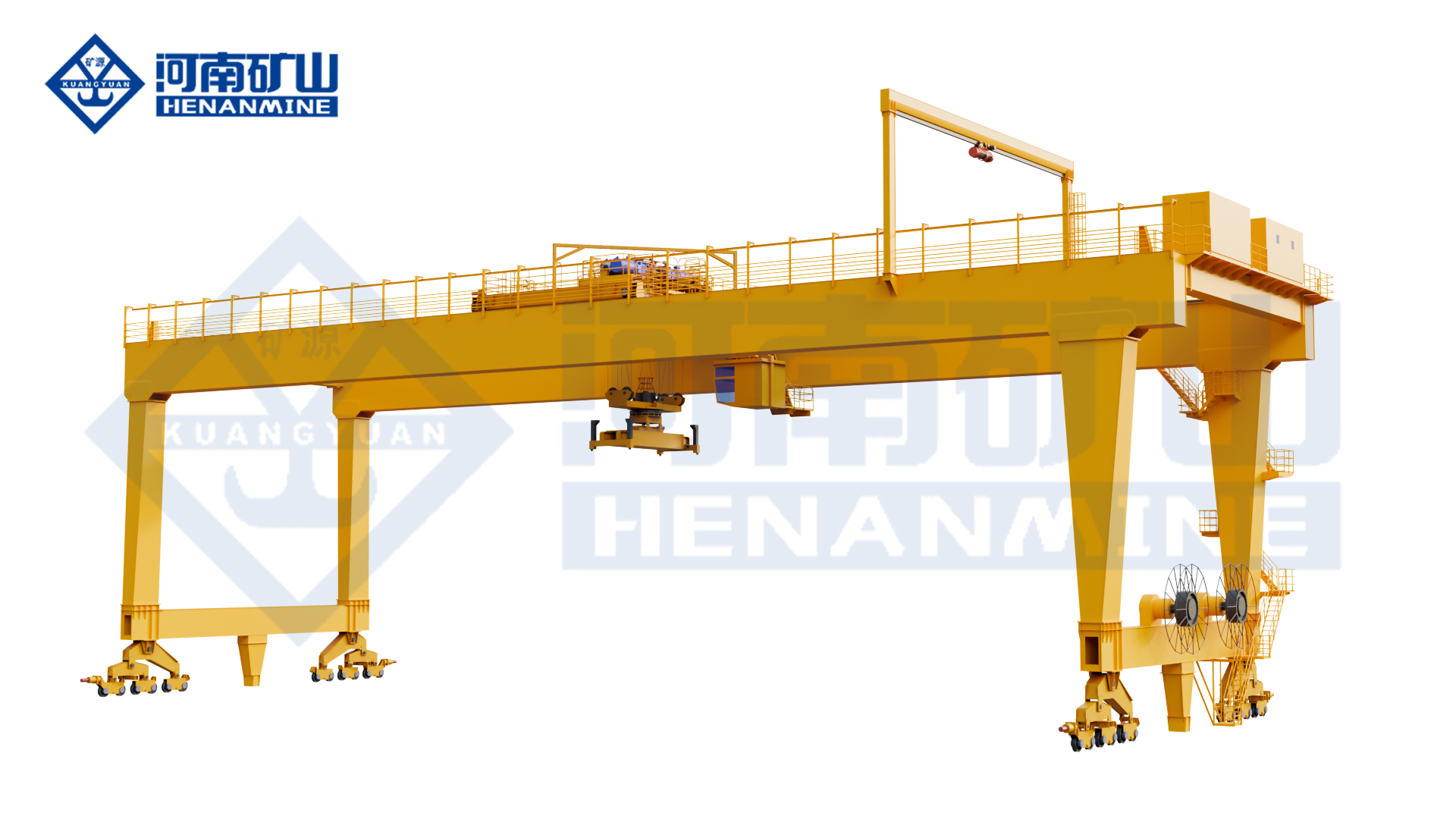
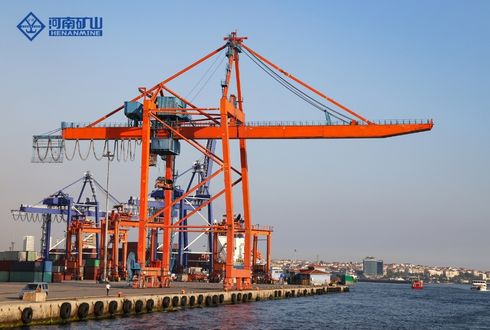
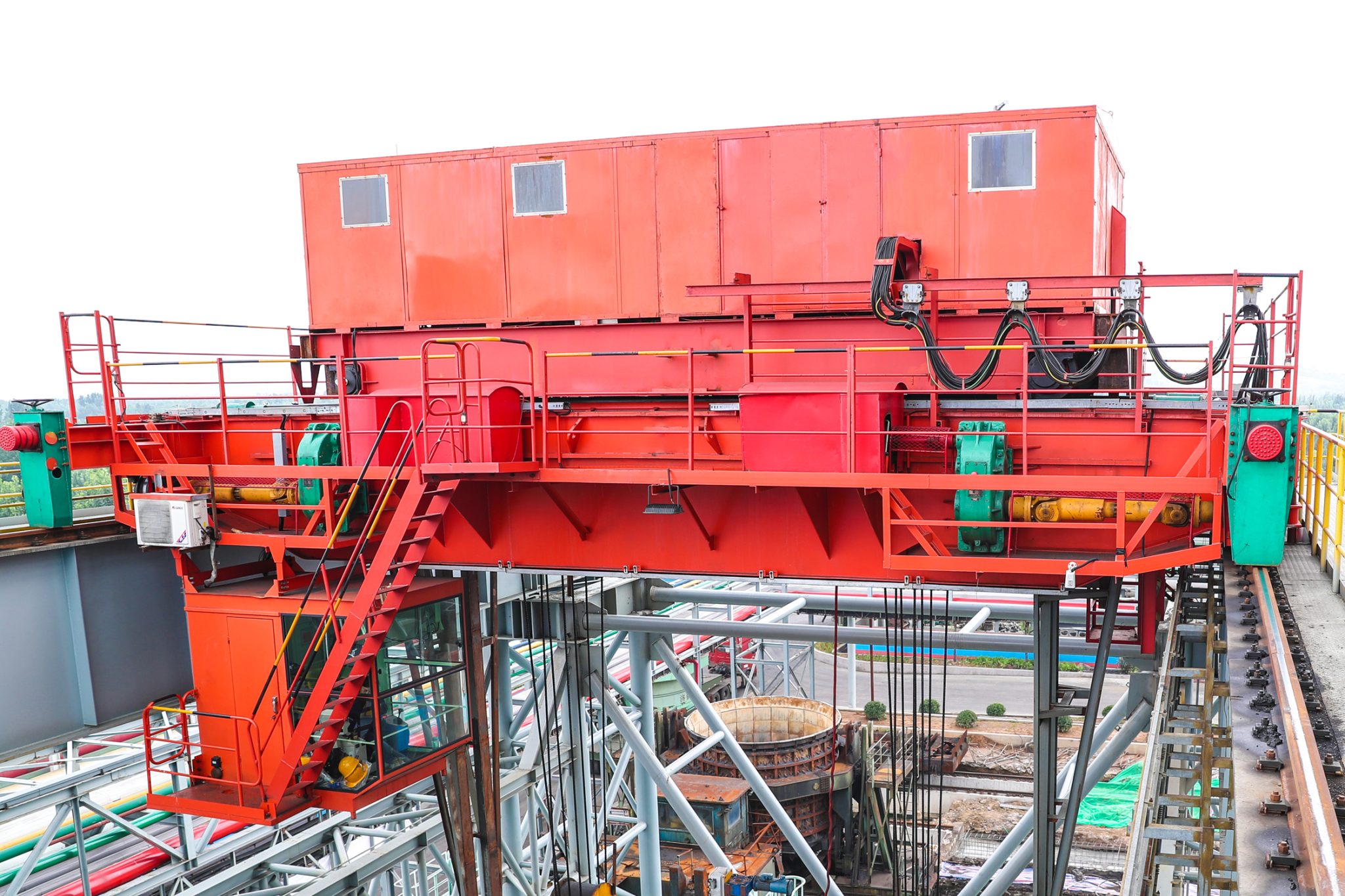
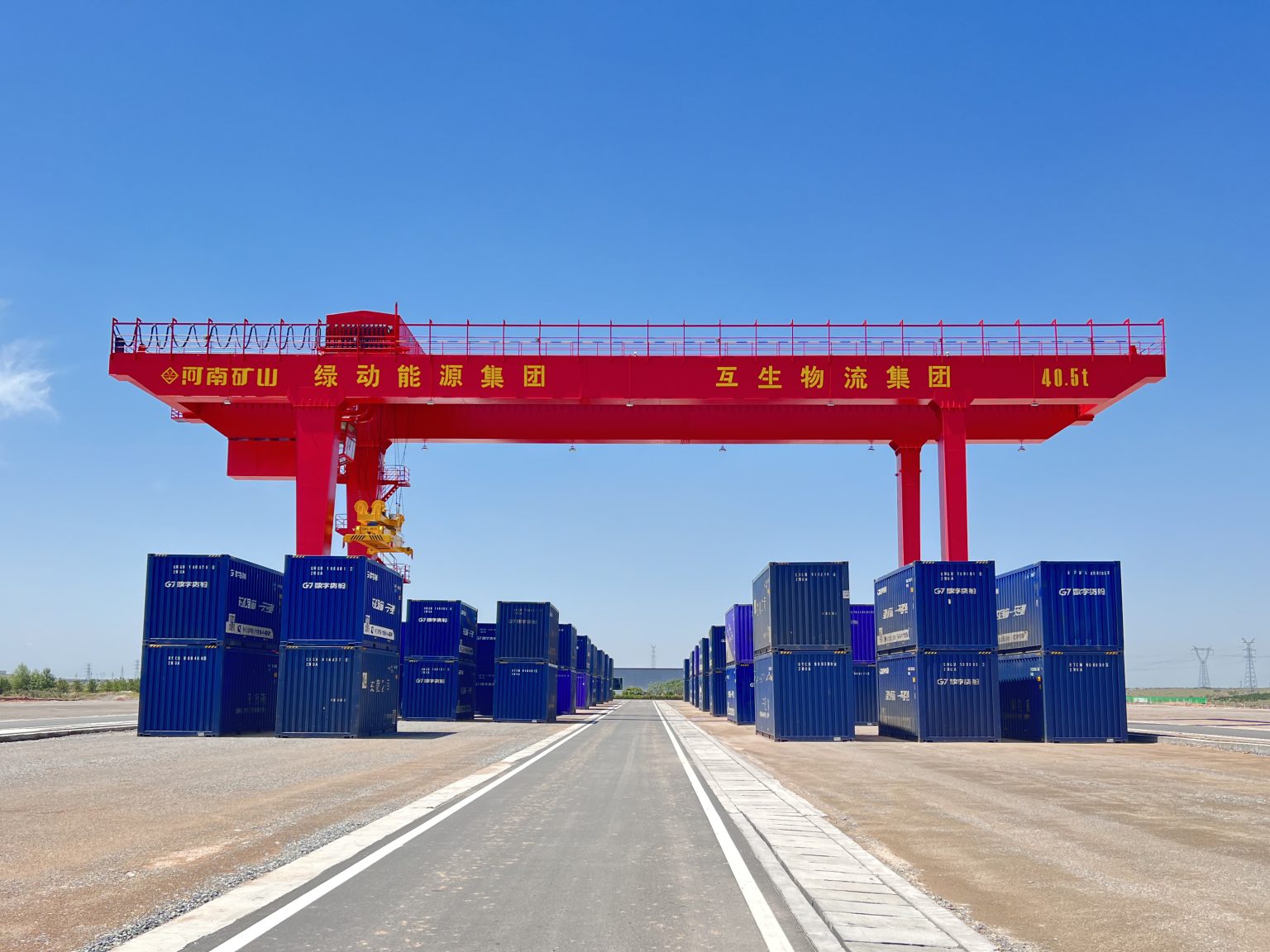
Henan Mine Crane Factory rail-mounted container gantry crane
What Is an Industrial Crane?
Basic Definition
Industrial crane is a mechanical device used to lift and carry heavy objects, the core function is to realize the movement of heavy objects in the vertical and horizontal direction through the lifting mechanism. It is not as simple as an ordinary lifting tool, but consists of a complete set of mechanical and electrical systems that can stably and safely handle loads of different weights and specifications.
Whether it is a few tons of small equipment or hundreds or thousands of tons of heavy components, as long as the right type of crane is selected, accurate handling can be achieved. Its core value is to replace manual handling and solve the problem of heavy materials that cannot be moved manually.
Main Components of a Crane
Regardless of the type of crane, the core components are inseparable from these four, understand these components, can help you better judge the quality and performance of the equipment.
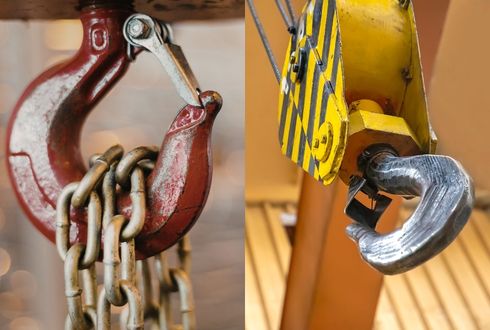
The hoisting mechanism is the “power core” of the crane, mainly composed of motor, drum, wire rope or chain, hook, responsible for lifting and lowering heavy objects, is to complete the lifting operation of the core execution parts.
Structural frame or boom is the crane’s “skeleton”, used to support the hoisting mechanism and heavy loads, different types of cranes, structural frame varies greatly – some are the main beam structure, some are retractable boom.
Operation system determines the crane’s mobility, some are fixed on the track operation, some are mounted on tires or crawler trucks, can move freely, adapted to different operating sites.
The control system is the “brain” of the crane, divided into cab control and wireless remote control, responsible for issuing a variety of action commands, while integrating overload protection, limit protection and other safety features to ensure operational safety.
Why Different Types of Cranes Exist
Many people will ask, why do we need to design so many kinds of cranes? In fact, the answer is very simple, it is because of the different operating scenarios, the demand is too different, a crane can not meet all the working conditions.
First of all, the load capacity is different, some operations only need to carry a few tons of heavy materials, some need to lift hundreds of tons of heavy components, such as shipbuilding, marine engineering, the crane’s load capacity requirements are extremely high.
Secondly, the operating environment is different, some operate in closed plants with limited space; some operate in open-air construction sites and harbors, and need to cope with harsh environments such as rain and wind, salt spray, etc., which requires different protection and wind resistance of cranes.
Mobile needs are also different, some operating sites are fixed, the crane does not need to move, as long as the coverage of the fixed area can be; some operating sites are scattered, the crane needs to be flexible and mobile, and even able to travel on complex roads.
There are also differences in the scale of the project, small workshop maintenance and large infrastructure projects, the span of the crane, lifting height, operational efficiency requirements, but also completely different. It is these differences that give rise to different types of cranes, each adapted to different scenarios.
Main Types of Cranes Used in Industry
Overhead Cranes (Bridge Cranes)
Key Features
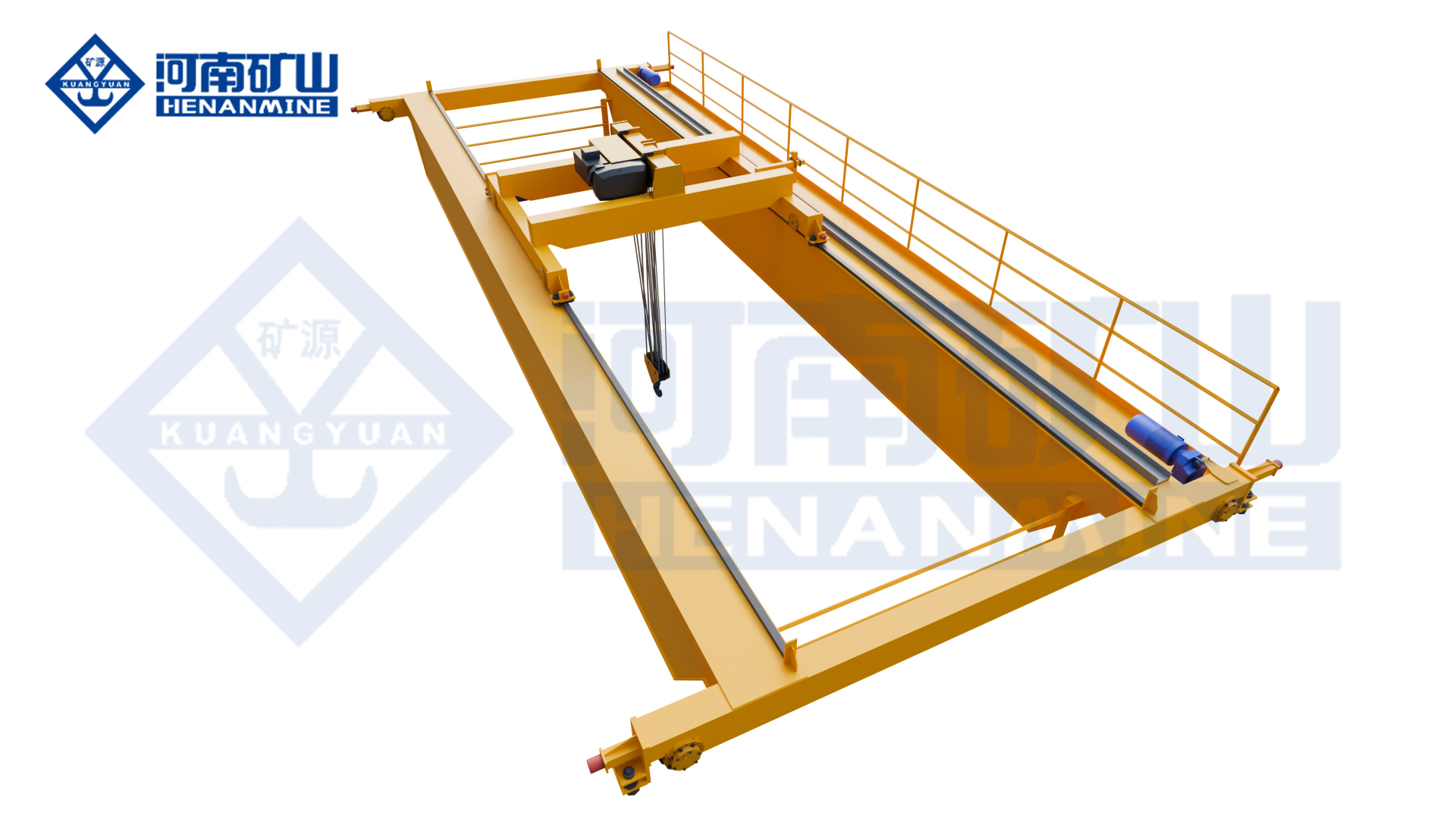
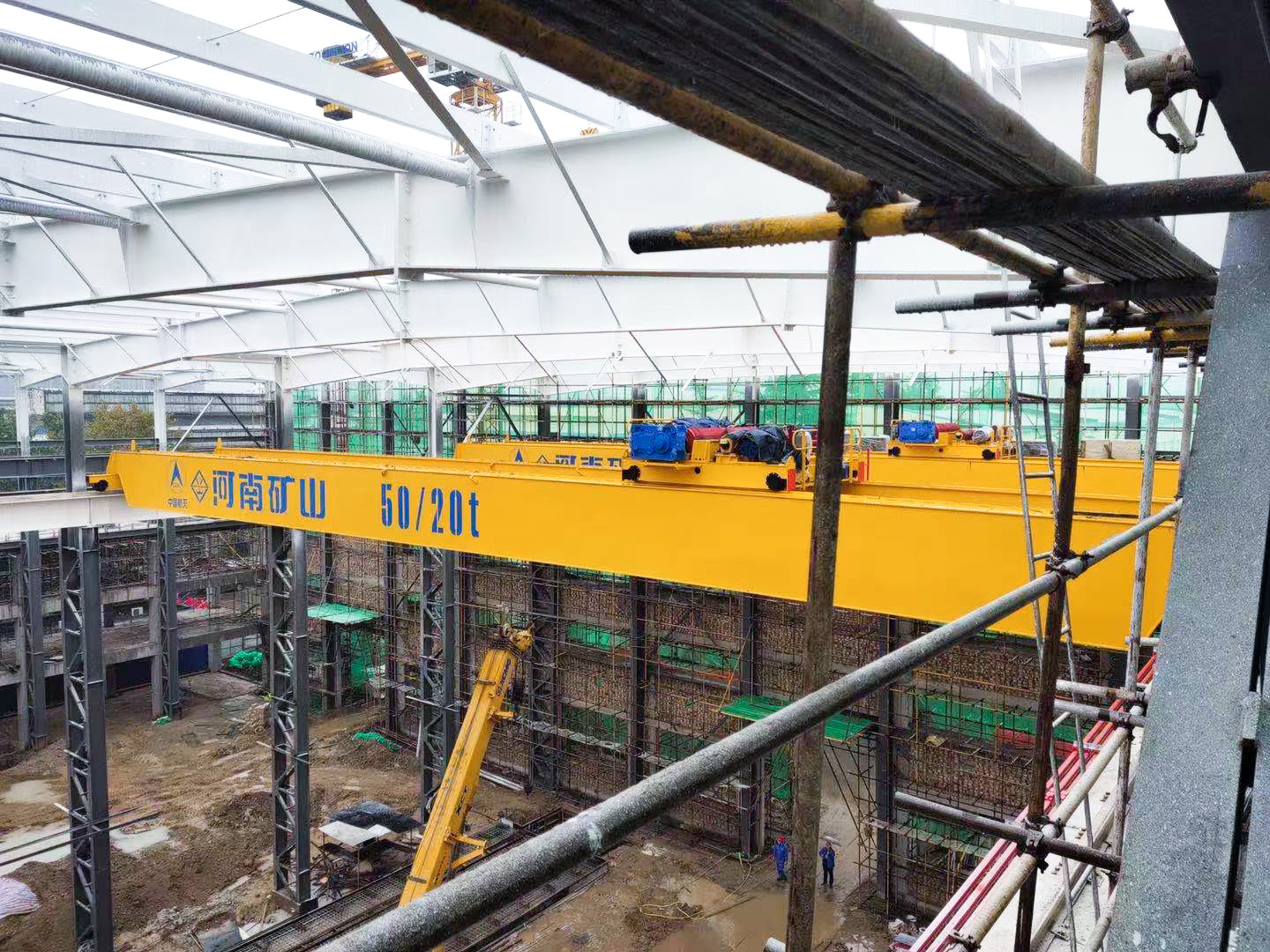
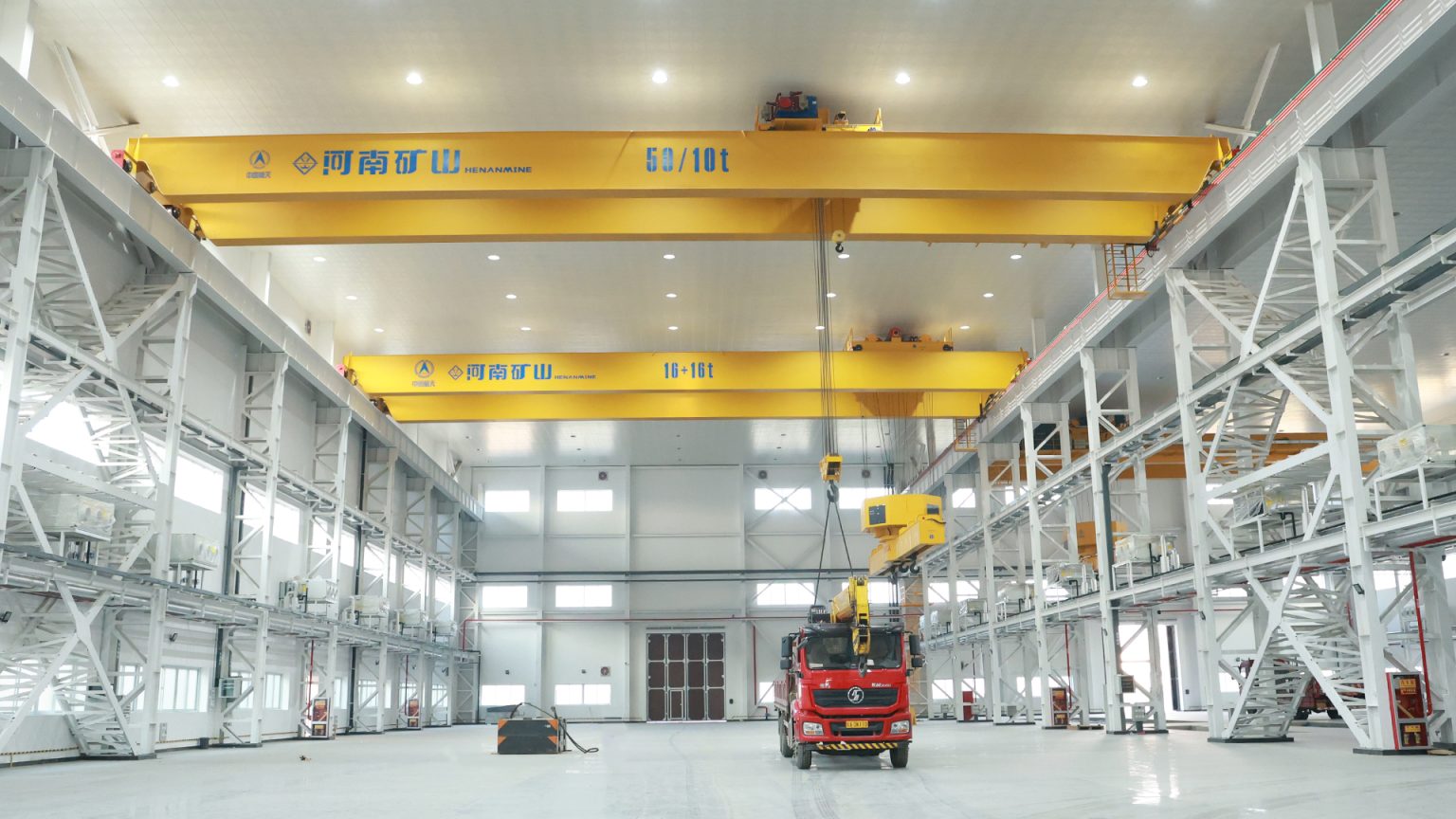
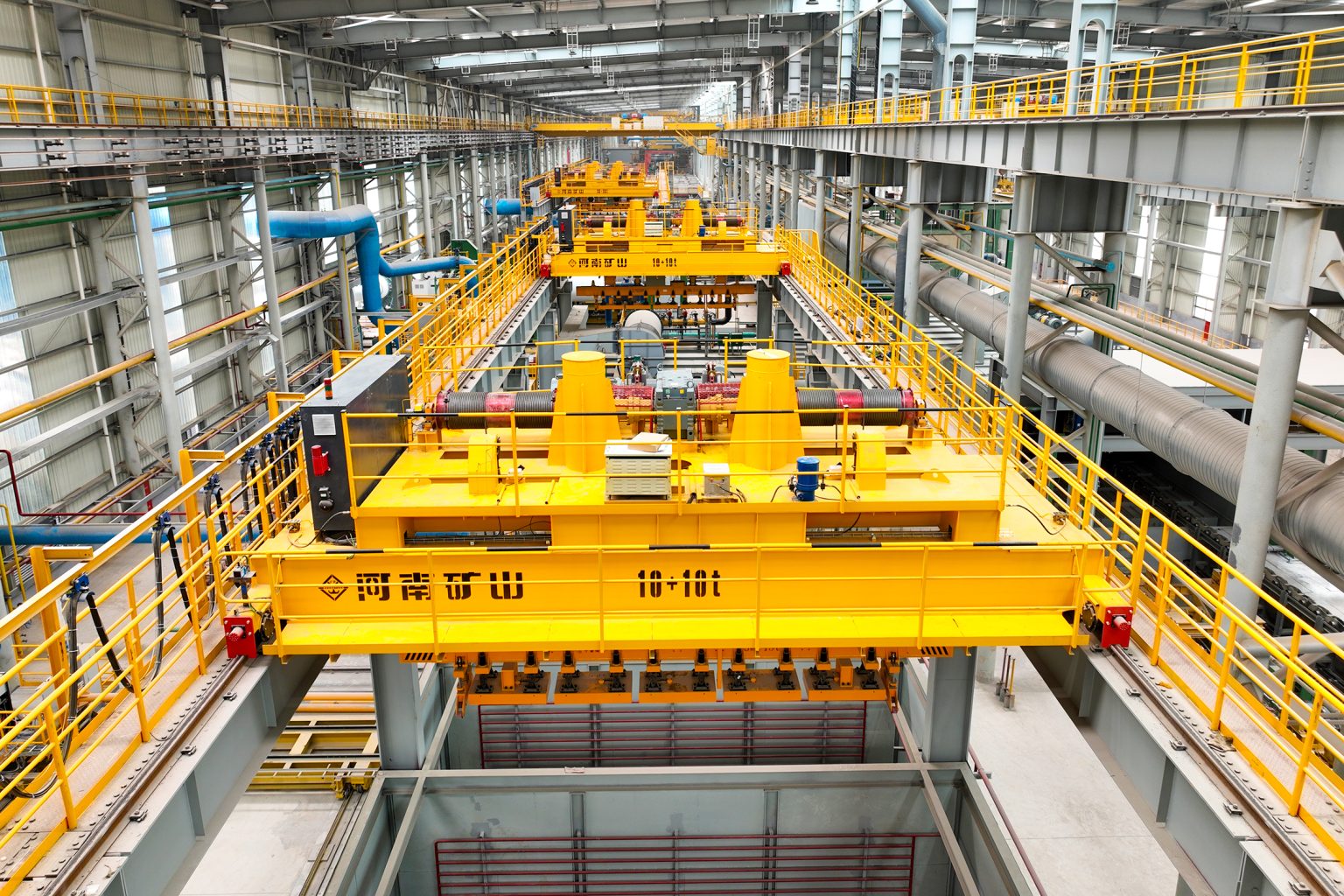
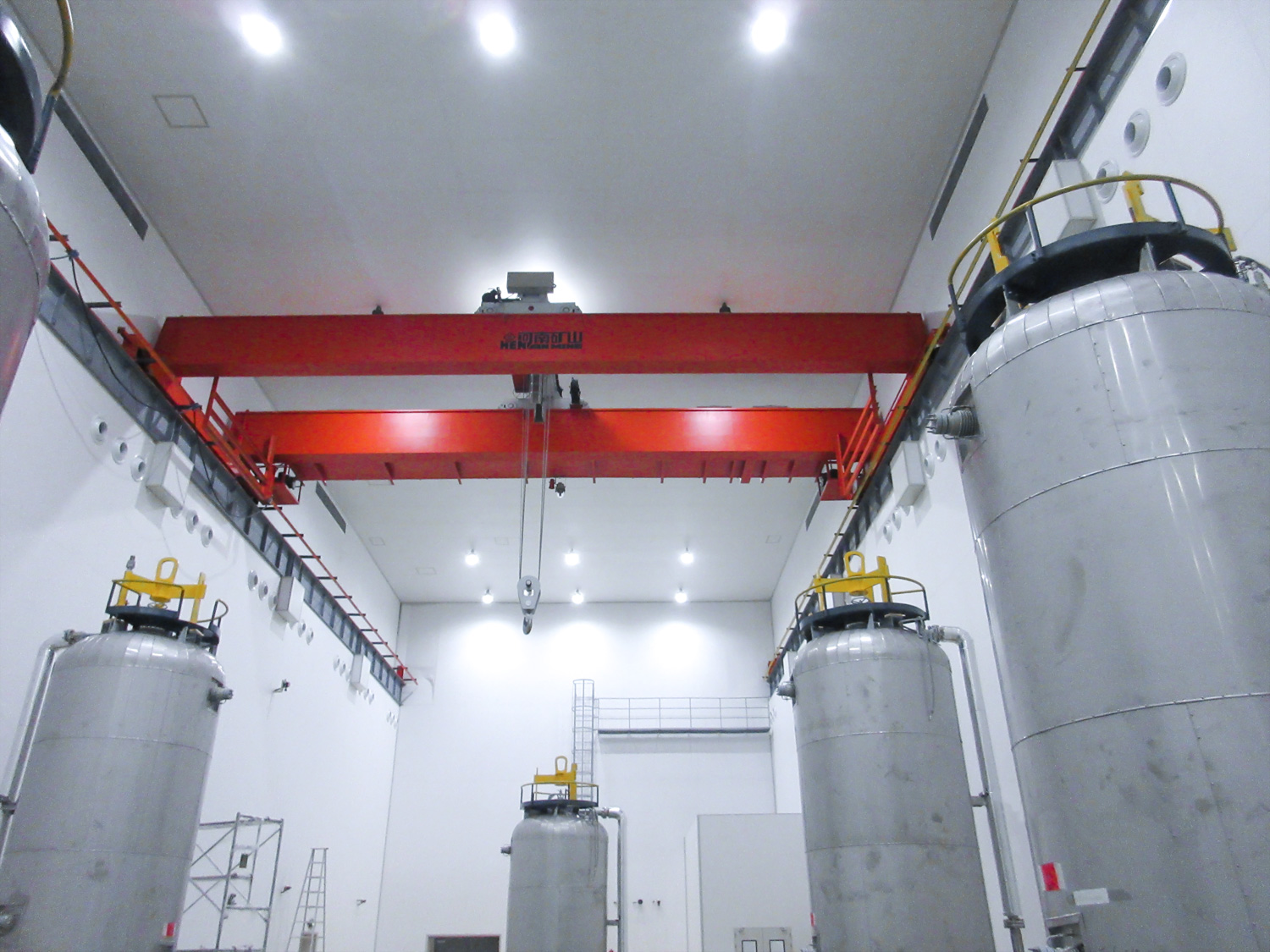
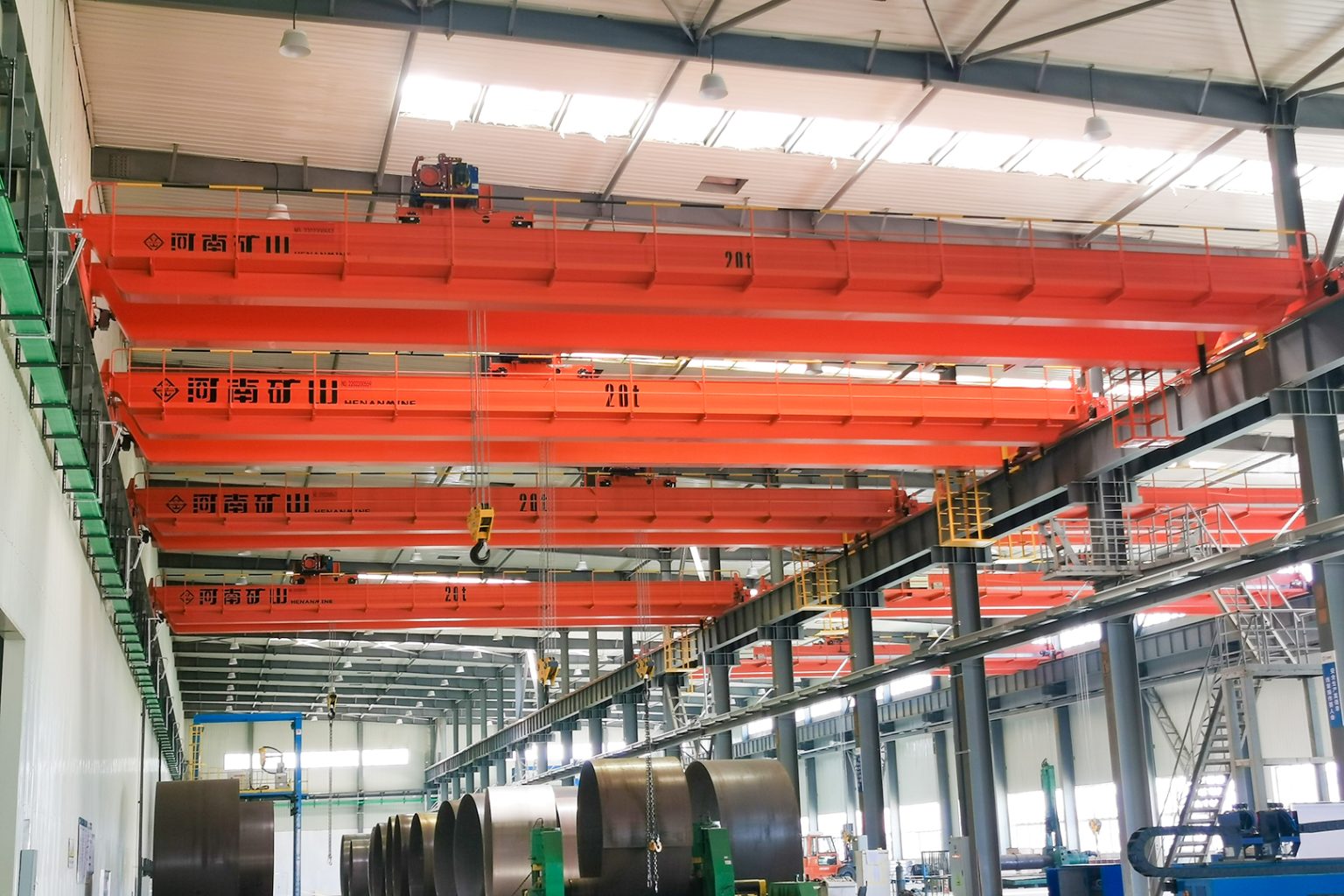
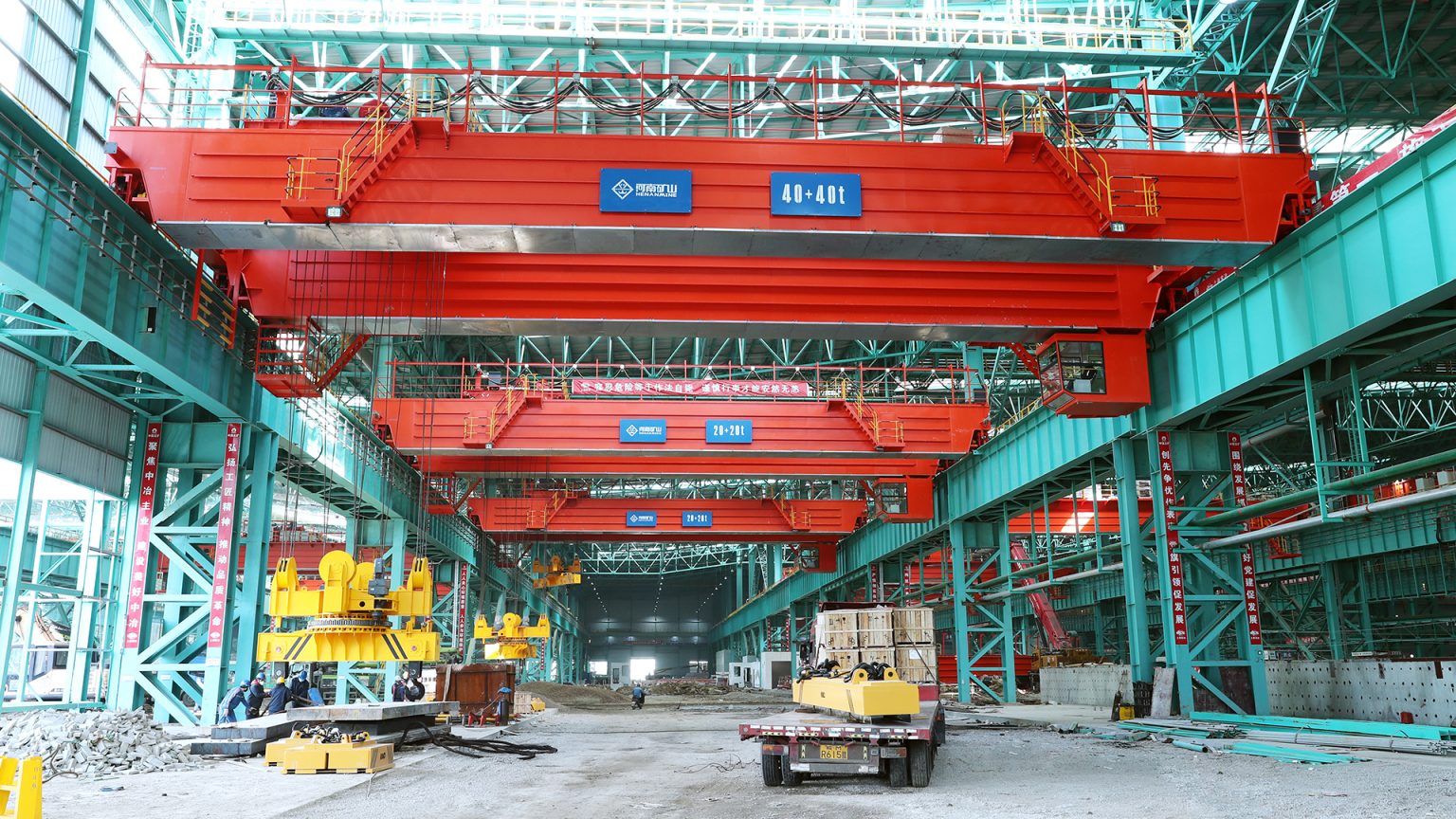
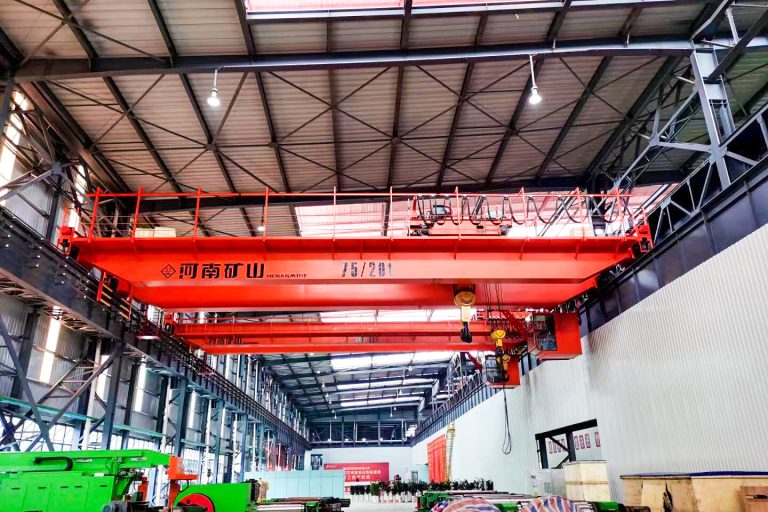
Overhead cranes, also known as bridge cranes, are the most common type of cranes used in industrial plants. Its core feature is that it is mounted on a railroad beam inside the plant, and the whole body is suspended under the roof without occupying ground space.
Its operating range is mainly the entire span area of the plant, suitable for indoor material handling, smooth running, accurate positioning, and can cooperate with the production line to complete continuous operation. Because it is installed indoors, it is not affected by external weather and maintenance is relatively simple.
Common Types
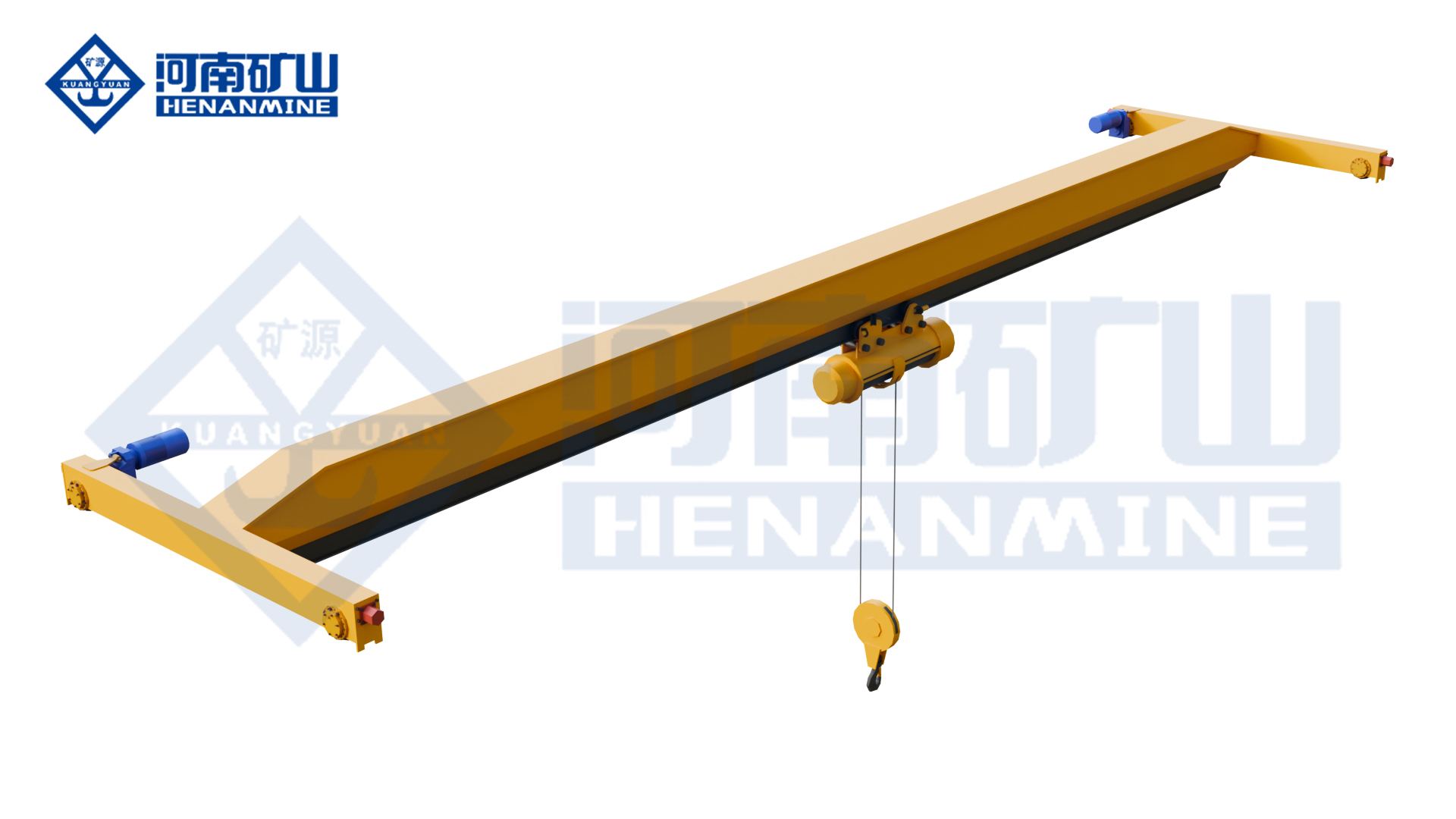
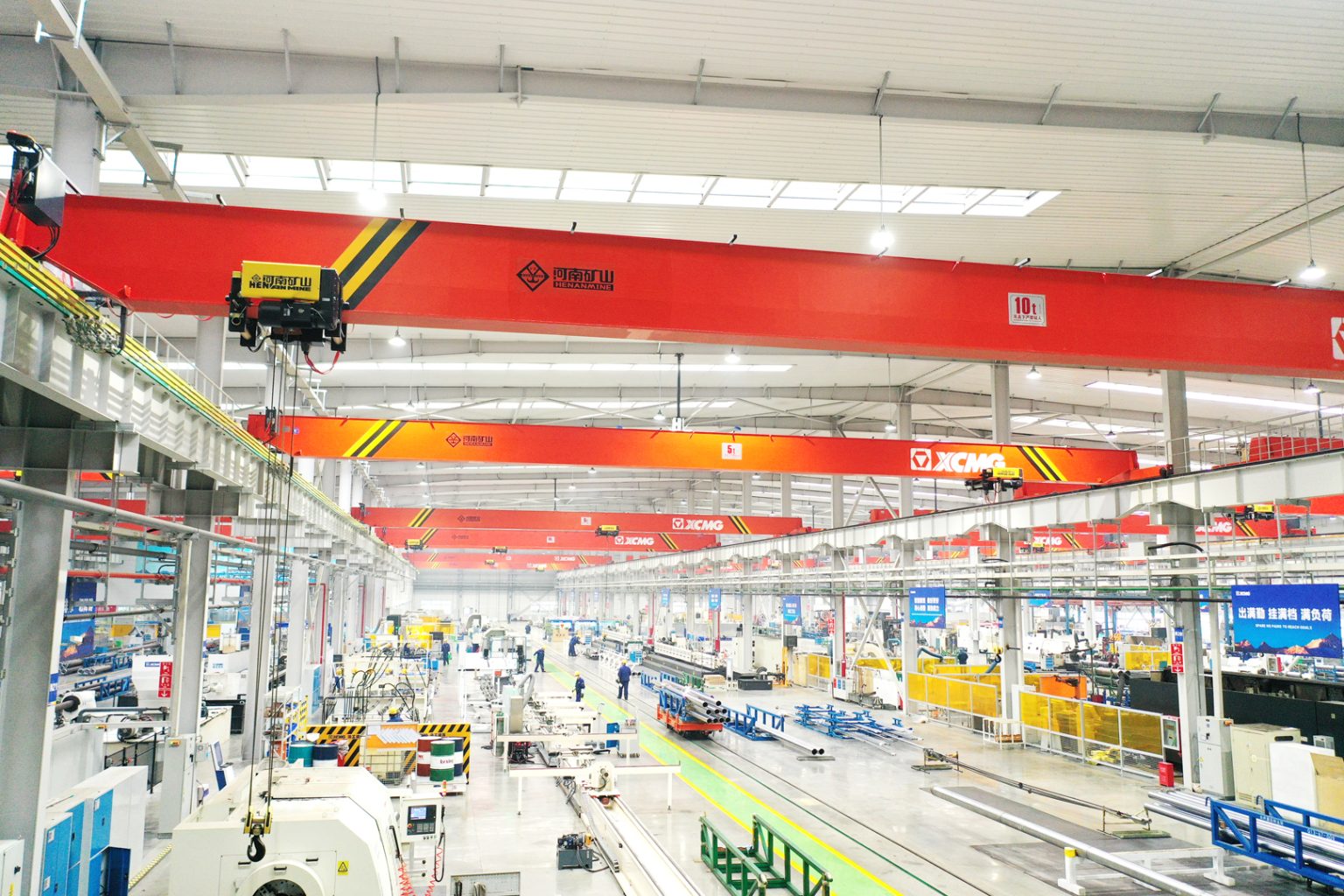
Single girder overhead travelling crane, with simple structure, light weight and low manufacturing cost, the lifting capacity is generally 5-30 tons, which is suitable for light and medium-sized load workshop operation, such as parts handling in machining factories and small equipment installation.
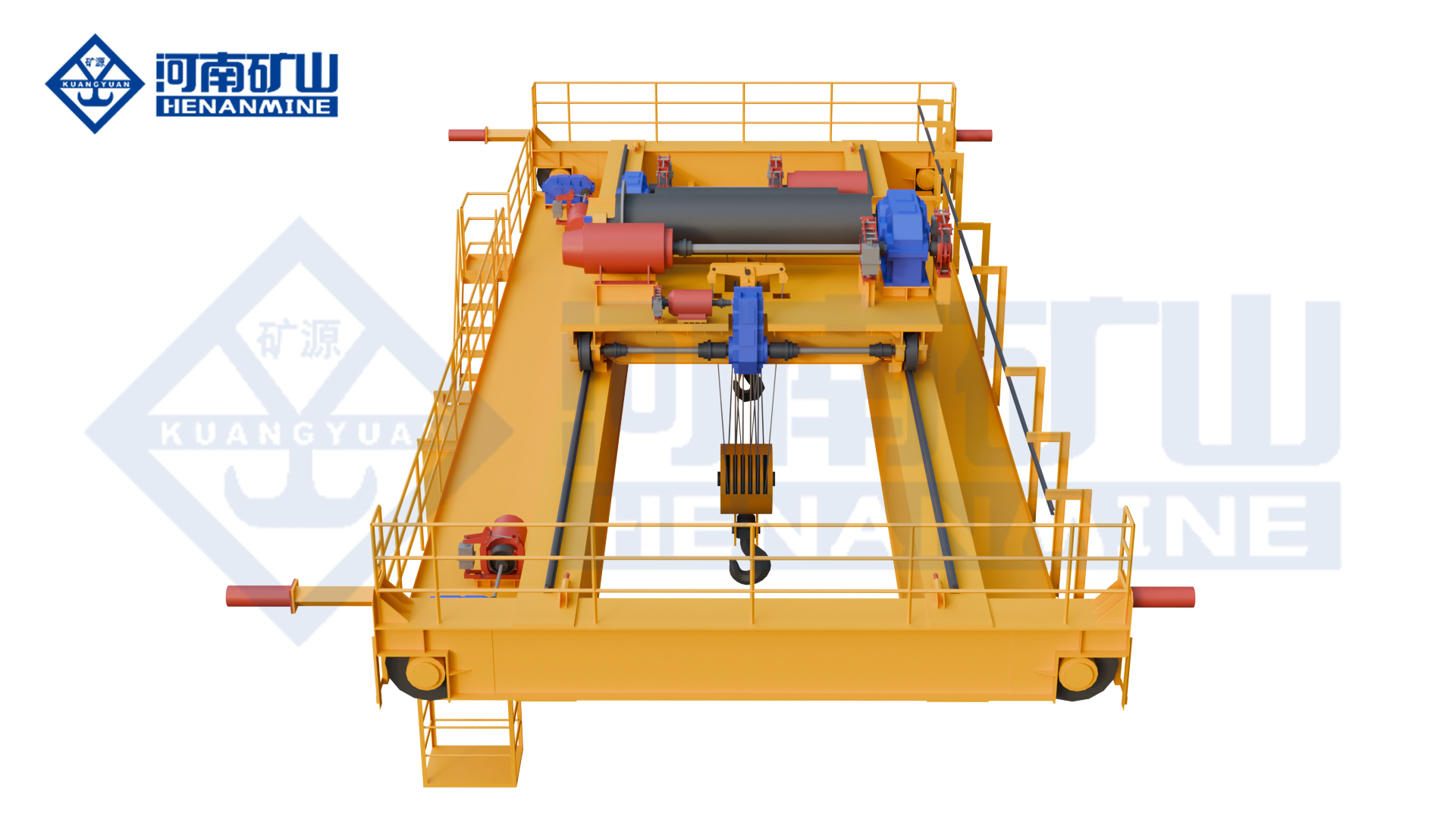
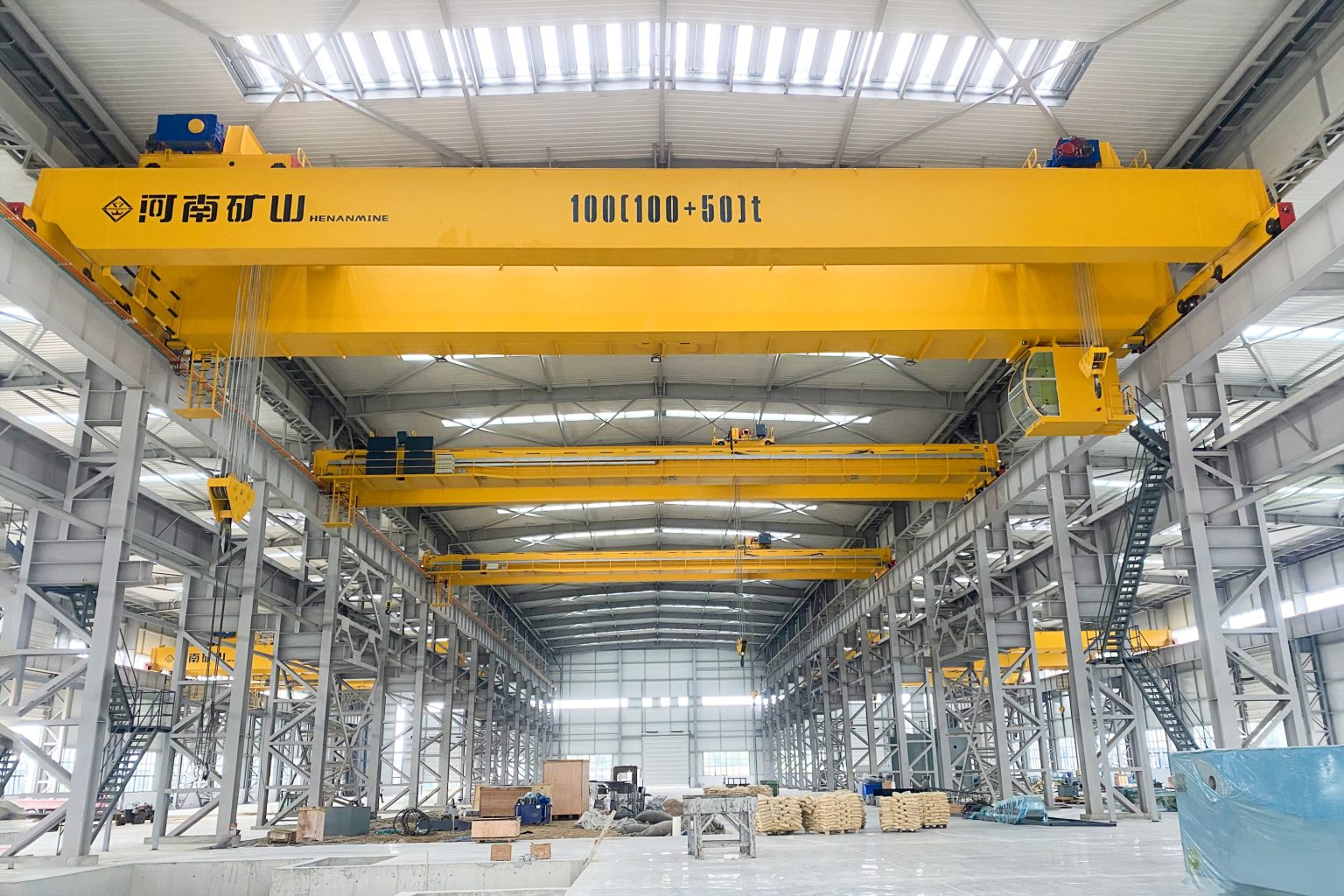
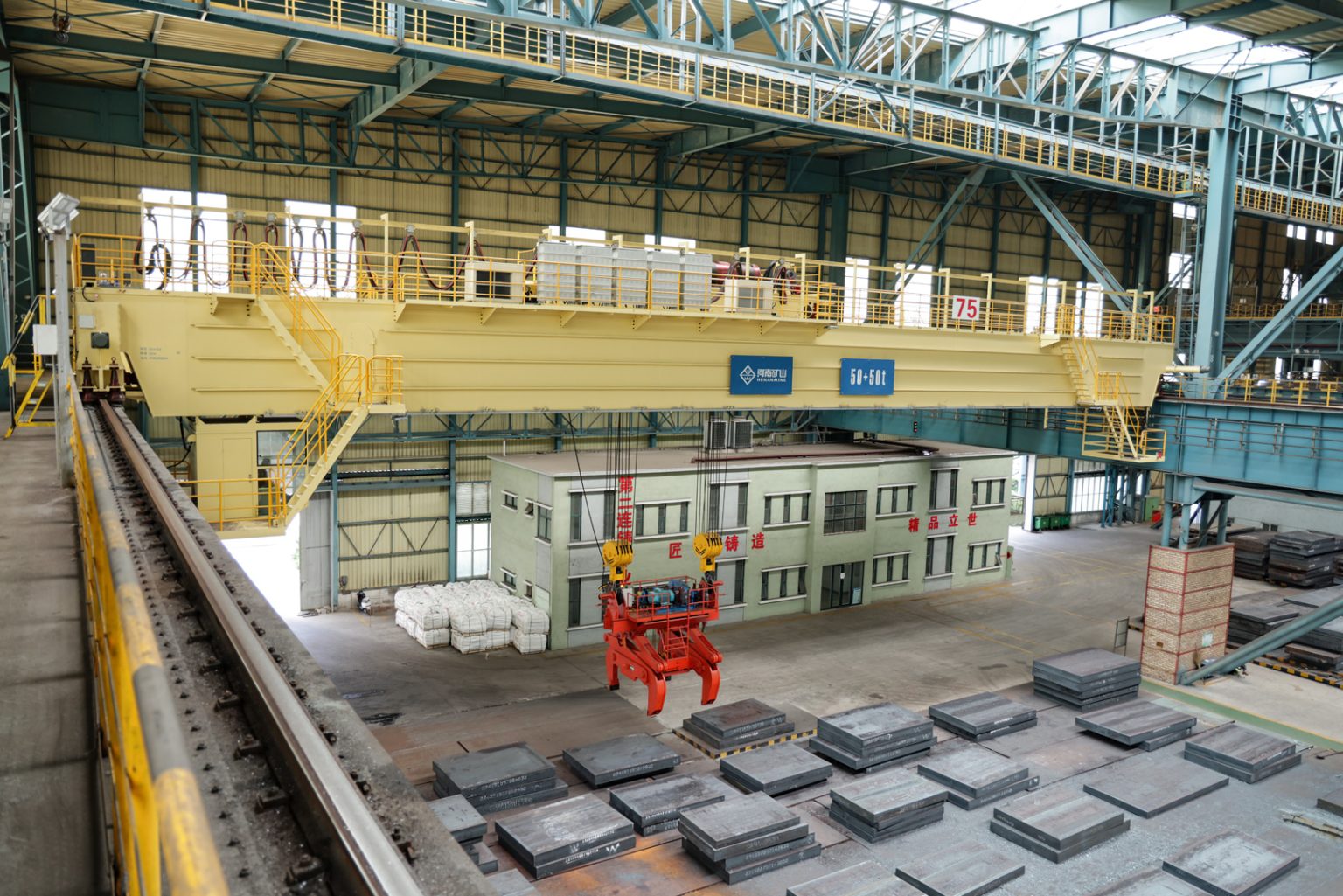
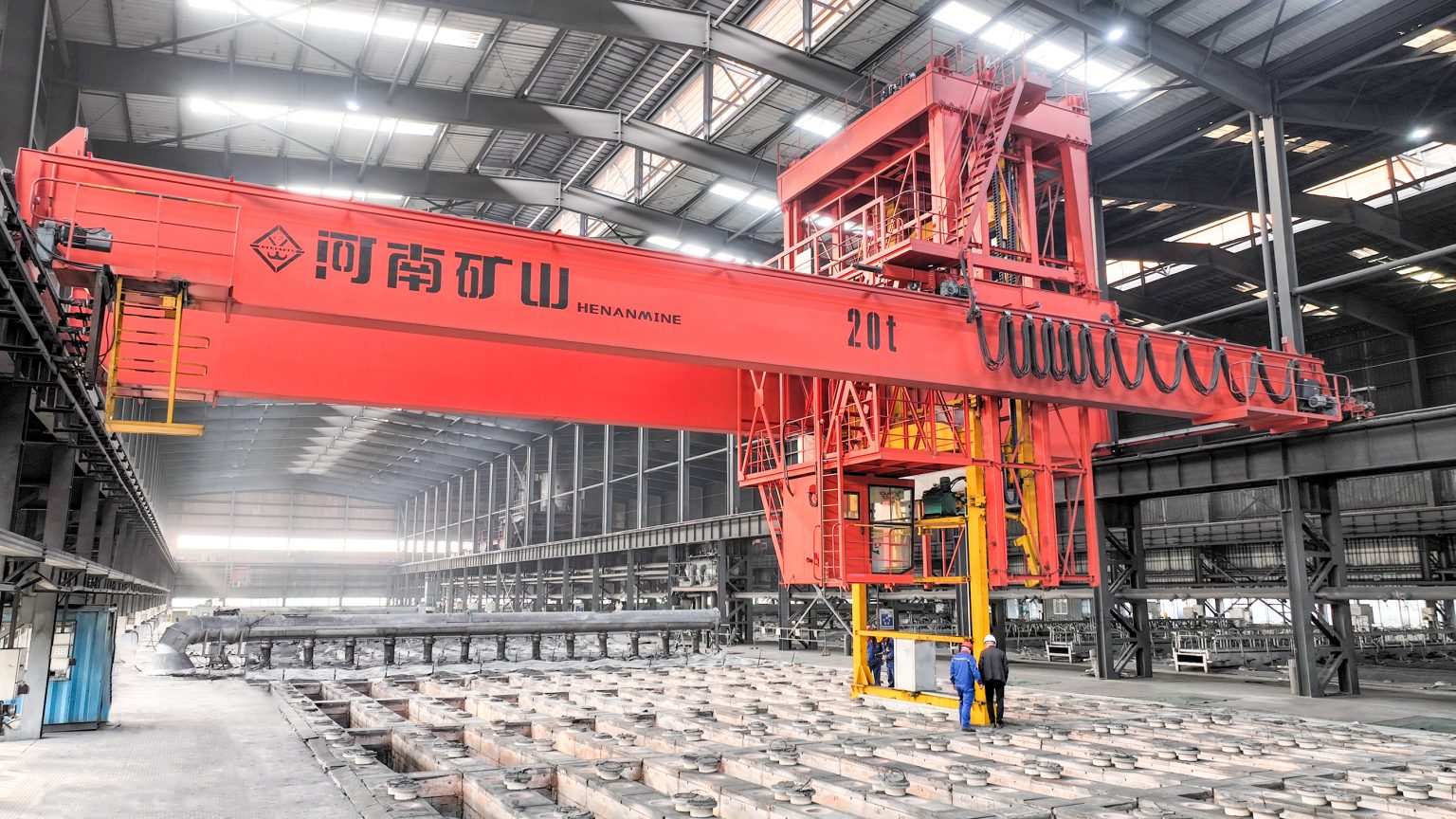
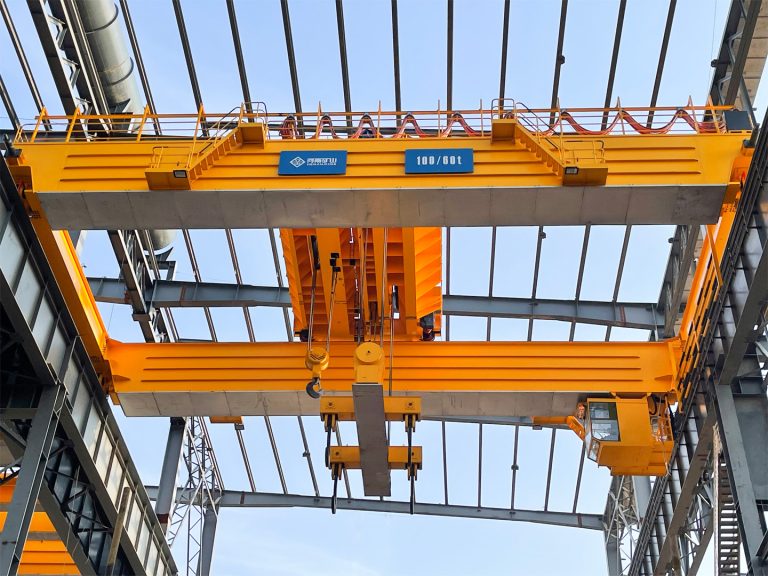
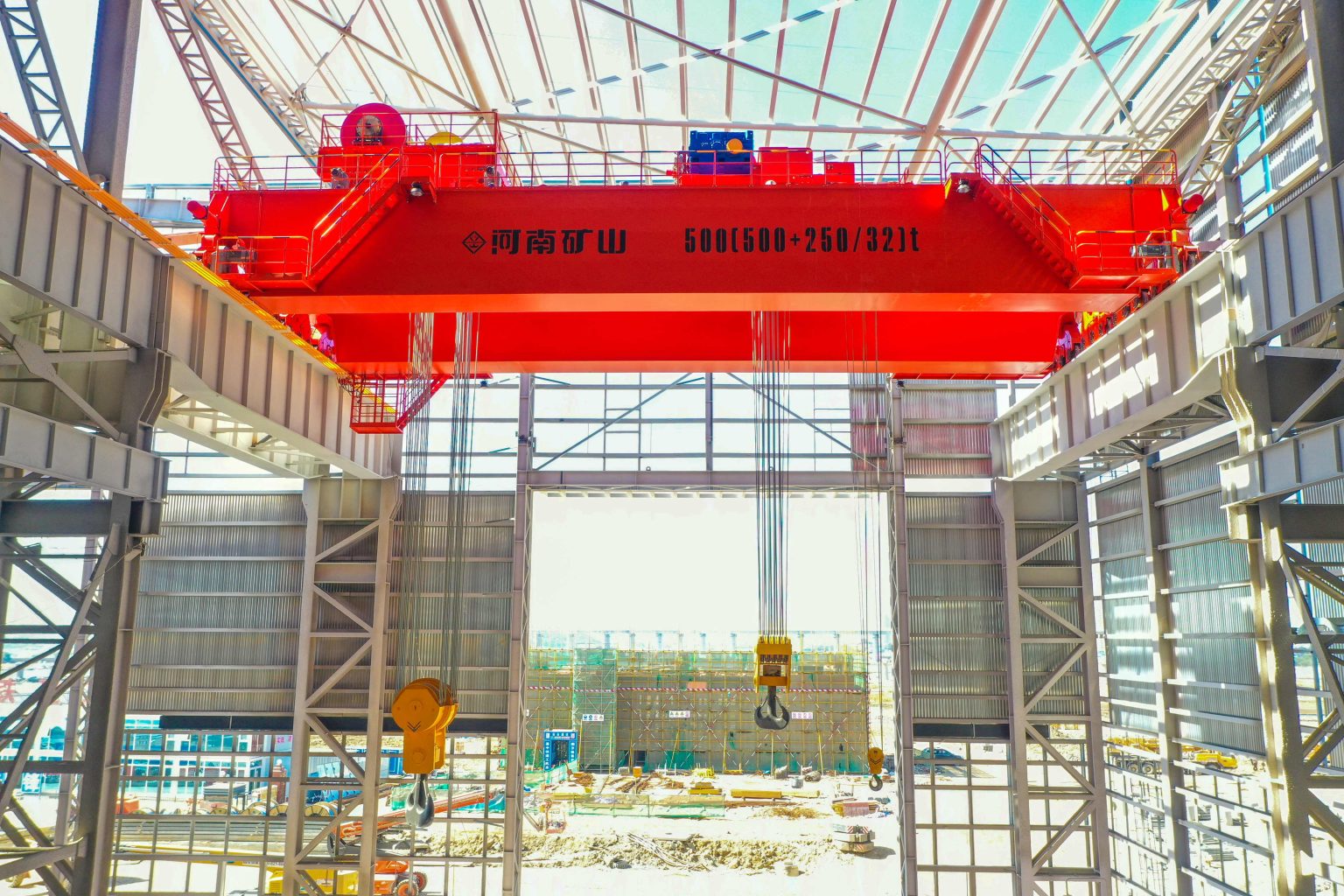
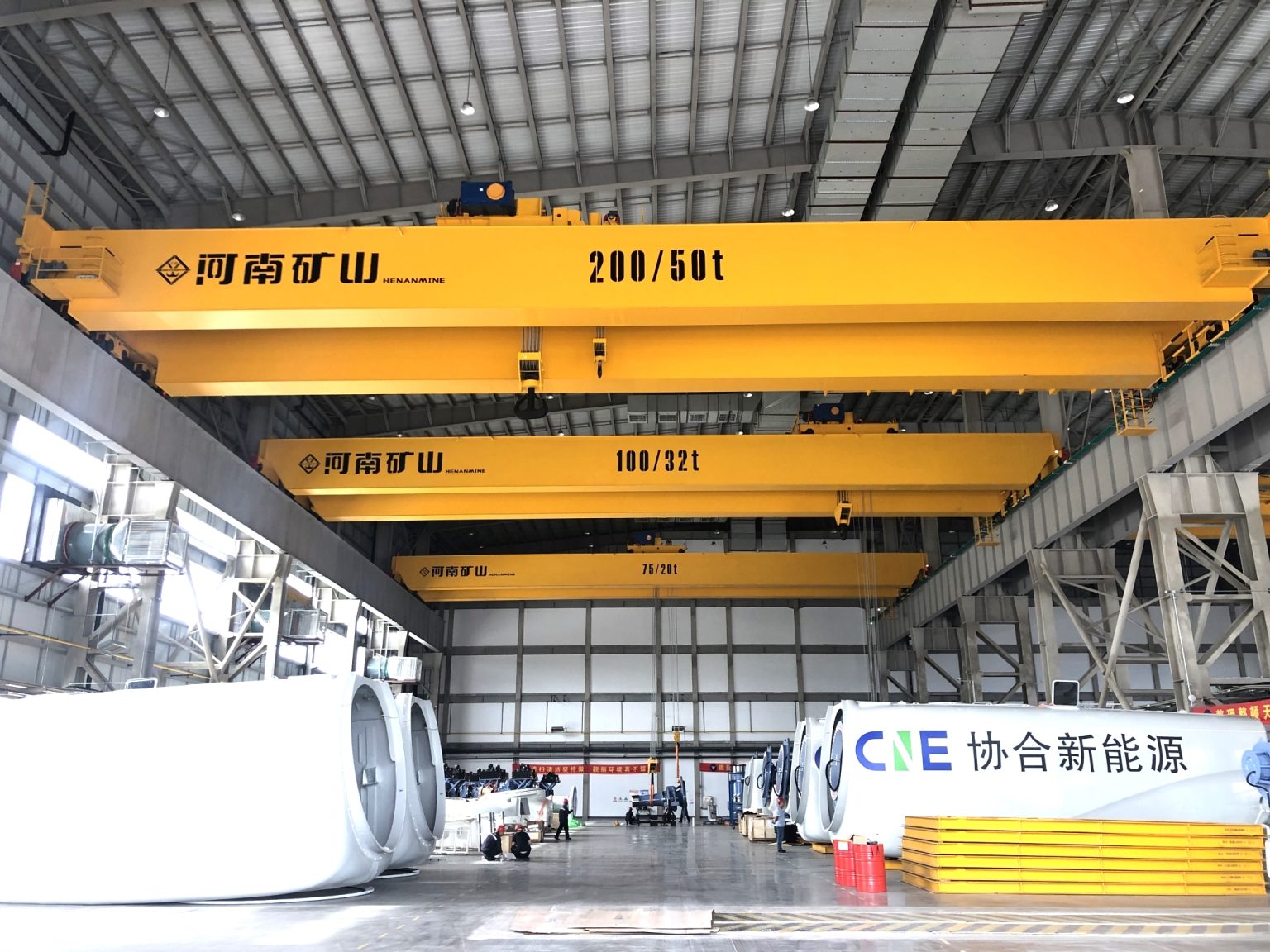
Double Main Girder Overhead Cranes, with two main girders, have greater rigidity and stronger load carrying capacity, with a lifting capacity of 30-500 tons, suitable for heavy-duty operations, such as steel billet handling in steel mills, and assembly of large equipment.
Suspension overhead travelling crane, the main girder is suspended under the roof frame of the plant, no need to lay extra track beams, saving the space of the plant, suitable for small workshops with limited space, the lifting capacity is relatively small, generally in the range of 5-10 tons.
Typical Industrial Applications
Manufacturing factories are the main application scenarios of overhead travelling crane, such as automobile factories, machinery factories, which are used to carry parts and semi-finished products on production lines, connecting various production processes and reducing the secondary backward transportation of materials.
Iron and steel factories are also the core application fields of overhead travelling crane, from smelting and rolling of steel billets to handling and stacking of finished steel products, all of them need to cooperate with overhead travelling cranes, especially the double main beam model, which can cope with the lifting demand of heavy steel billets.
In large warehouses and logistics centers, when heavy goods need to be handled and the floor space is limited, overhead travelling cranes are the ideal choice, which can operate on the top of the warehouse without interfering with the stacking of goods on the ground and the passage of people.
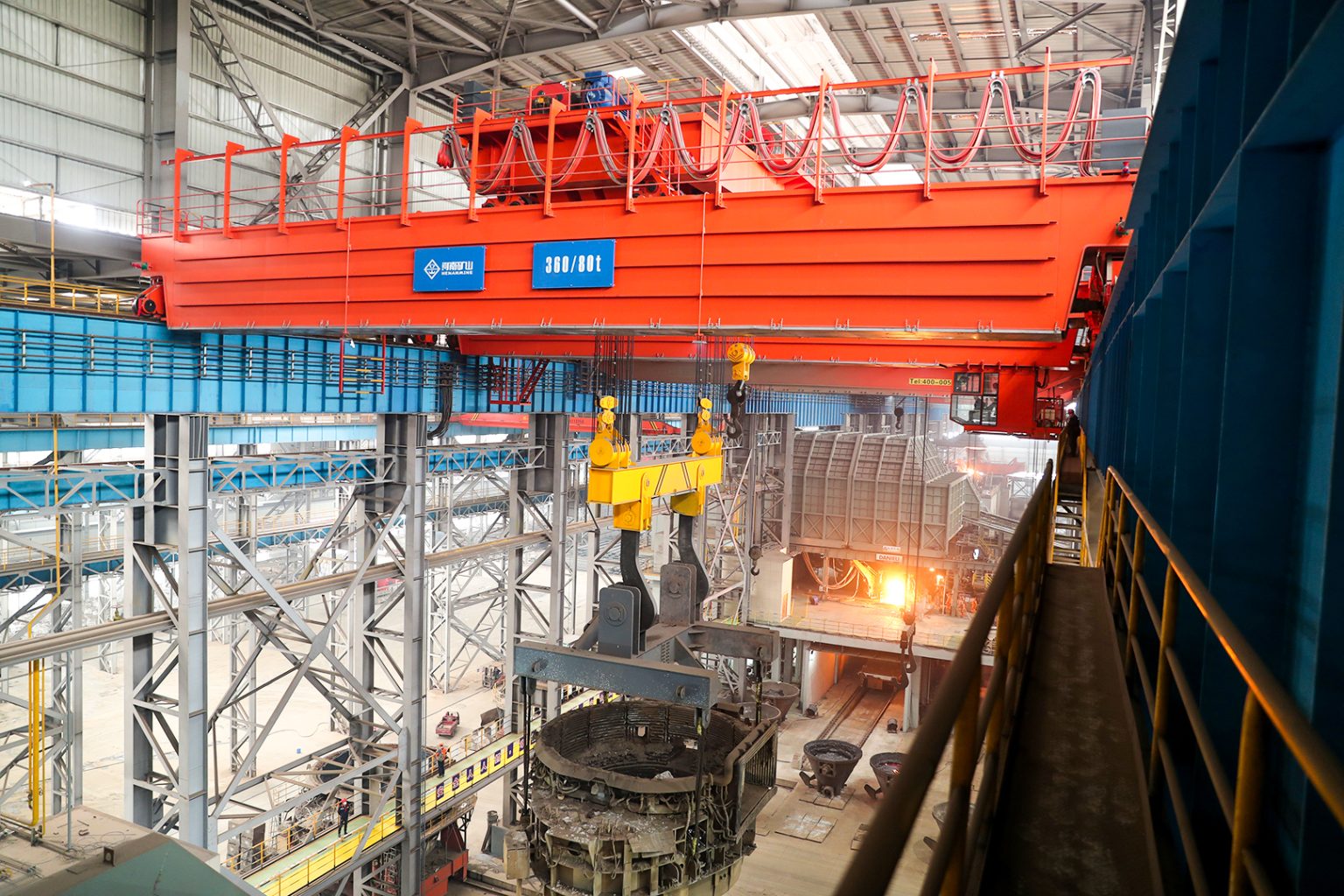
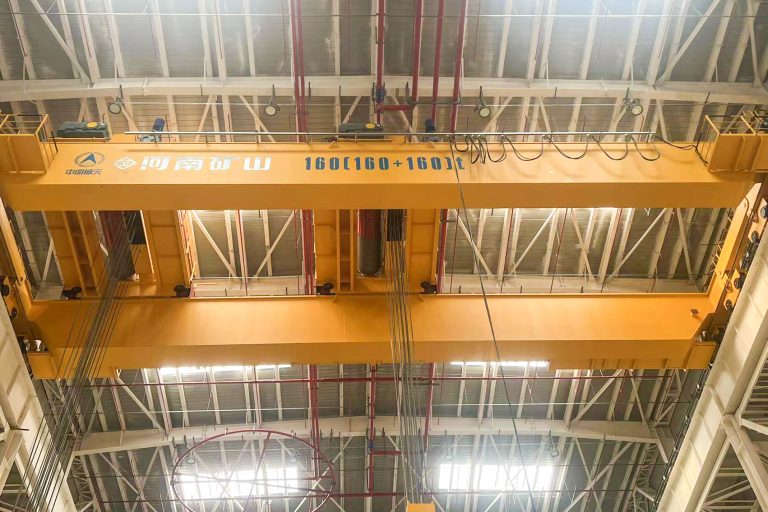
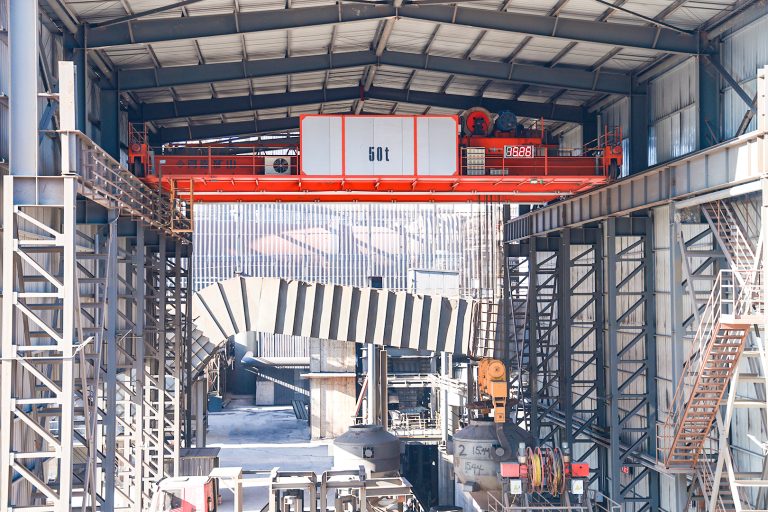
Henan Mine Crane Factory 360t Foundry Crane
Gantry Cranes
Key Features
The biggest difference between gantry cranes and overhead travelling cranes is that they have independent outriggers, which do not need to be attached to plant buildings, and the bottom of the outriggers are equipped with travelling devices, so that they can be operated on the ground track or on the level ground.
Its biggest advantage is that it is suitable for outdoor operation, with large span and wide working range, and can cover the whole open field, such as harbor, yard, prefabrication yard, without large-scale modification of the existing site, and flexible installation.
Main Variants
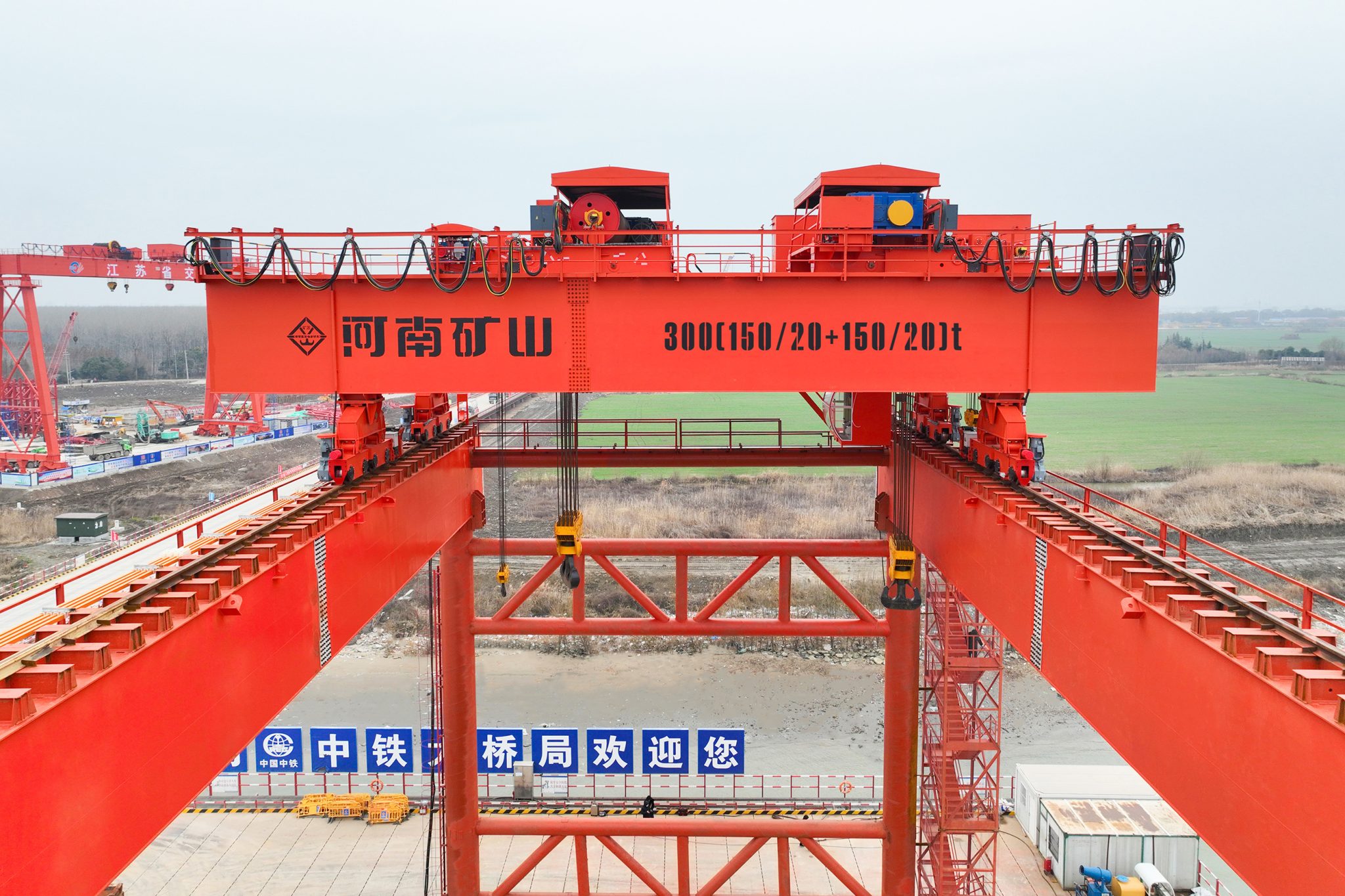
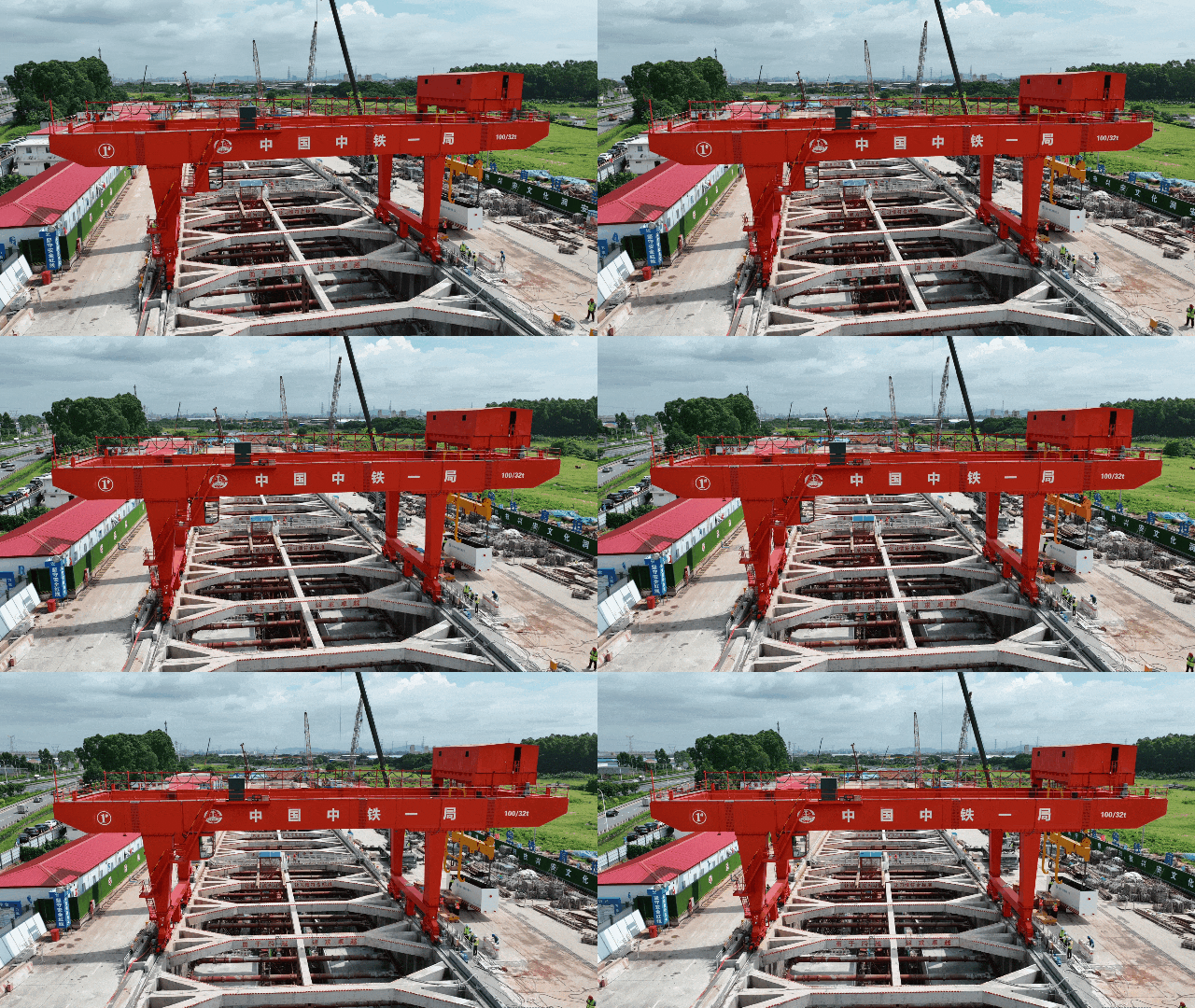
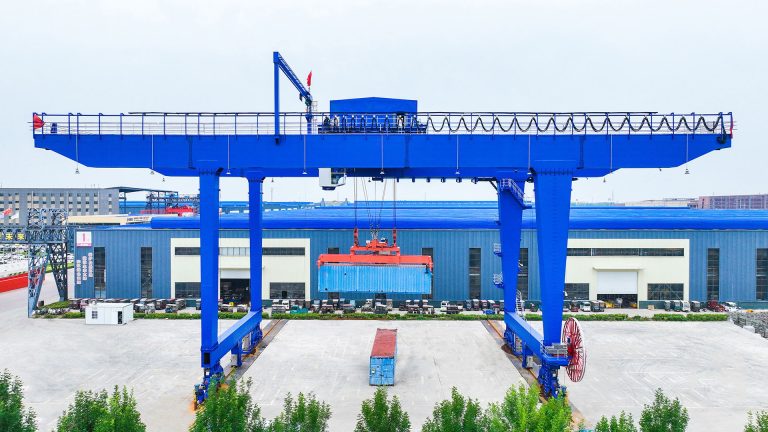
Rail Mounted Gantry Crane (RMG), running on the ground laid track, with a fixed moving track, high positioning accuracy and large lifting capacity, is suitable for container terminals and large yards, and can realize high-density stockpiling and high-efficiency transshipment of goods.
Tire Gantry Crane (RTG), using rubber tires as the walking device, do not need to lay tracks, can move freely on the level ground, great flexibility, suitable for small and medium-sized ports, temporary yards, can be quickly deployed for operations.
Portable gantry cranes, miniaturized, detachable design, lifting capacity of 5-10 tons, span and lifting height can be flexibly adjusted, suitable for workshop maintenance, temporary lifting operations, can be easily transported after disassembly.
Industrial Applications
Container ports and terminals are the core application scenarios of gantry cranes. RMG and RTG are used in conjunction with each other to complete the loading and unloading of containers, stacking and storage, and connecting the port with the land logistics transfer, which is the core equipment for port operations.
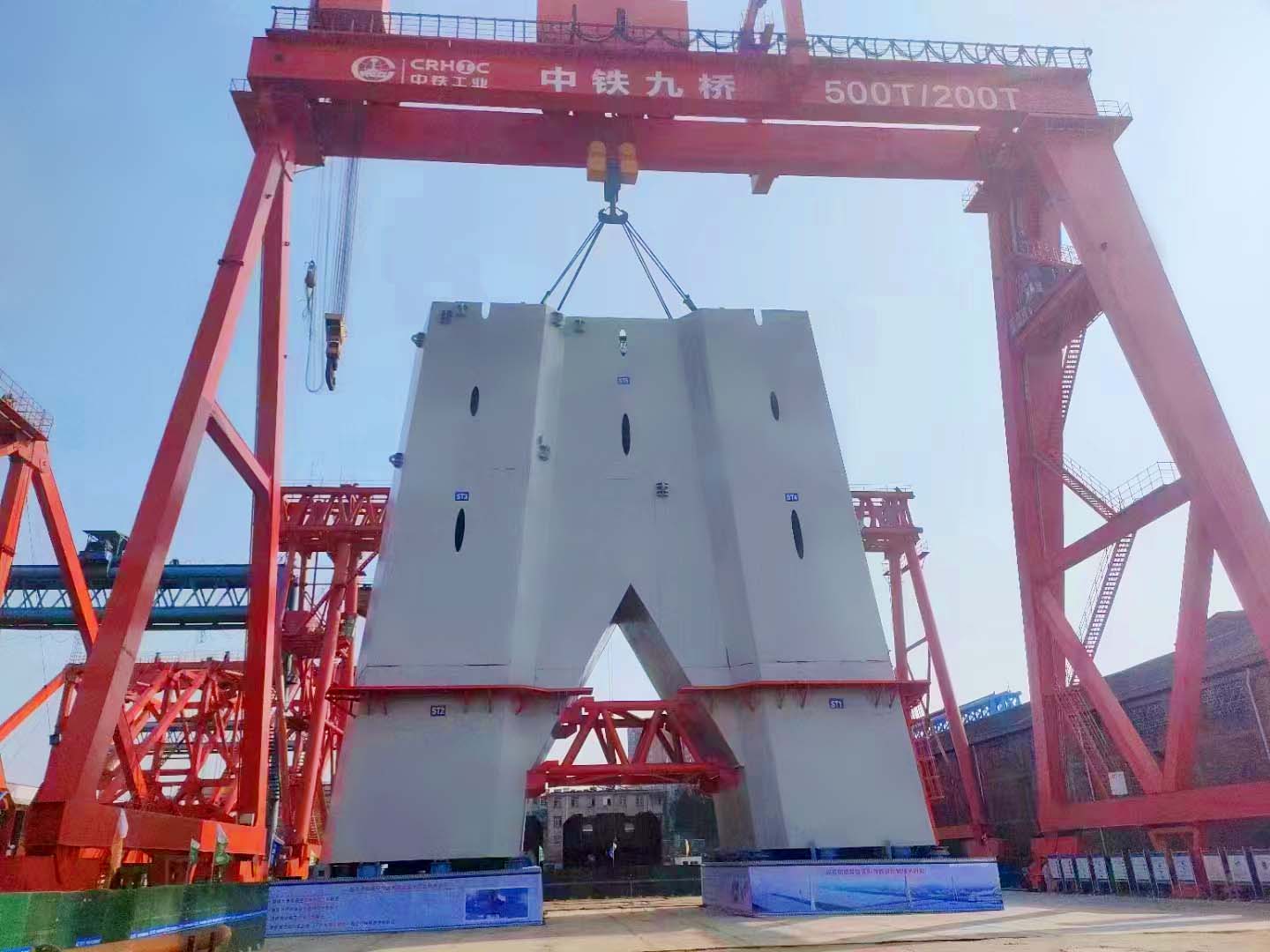
Shipyards are also inseparable from the gantry crane, especially large shipyards, need to lift hundreds of tons of gantry cranes, used to lift the hull segments, engines and other heavy parts, to ensure the accuracy of the hull assembly.
Precast concrete yard, gantry cranes are responsible for handling prefabricated beams, prefabricated panels, prefabricated columns and other components, the characteristics of the outdoor open-air operation, just to match the layout of the prefabrication yard, can flexibly connect the production line and the yard.
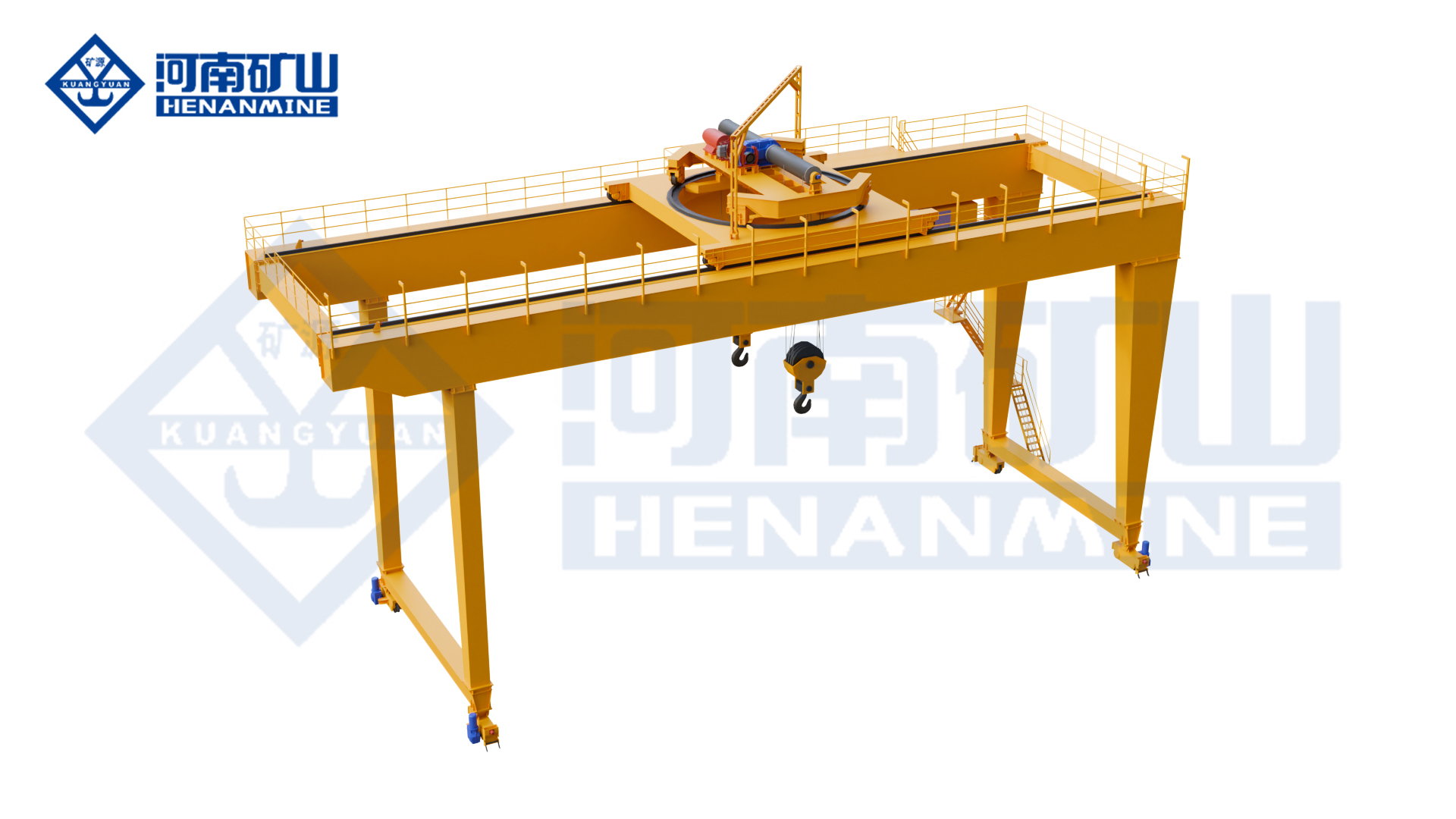
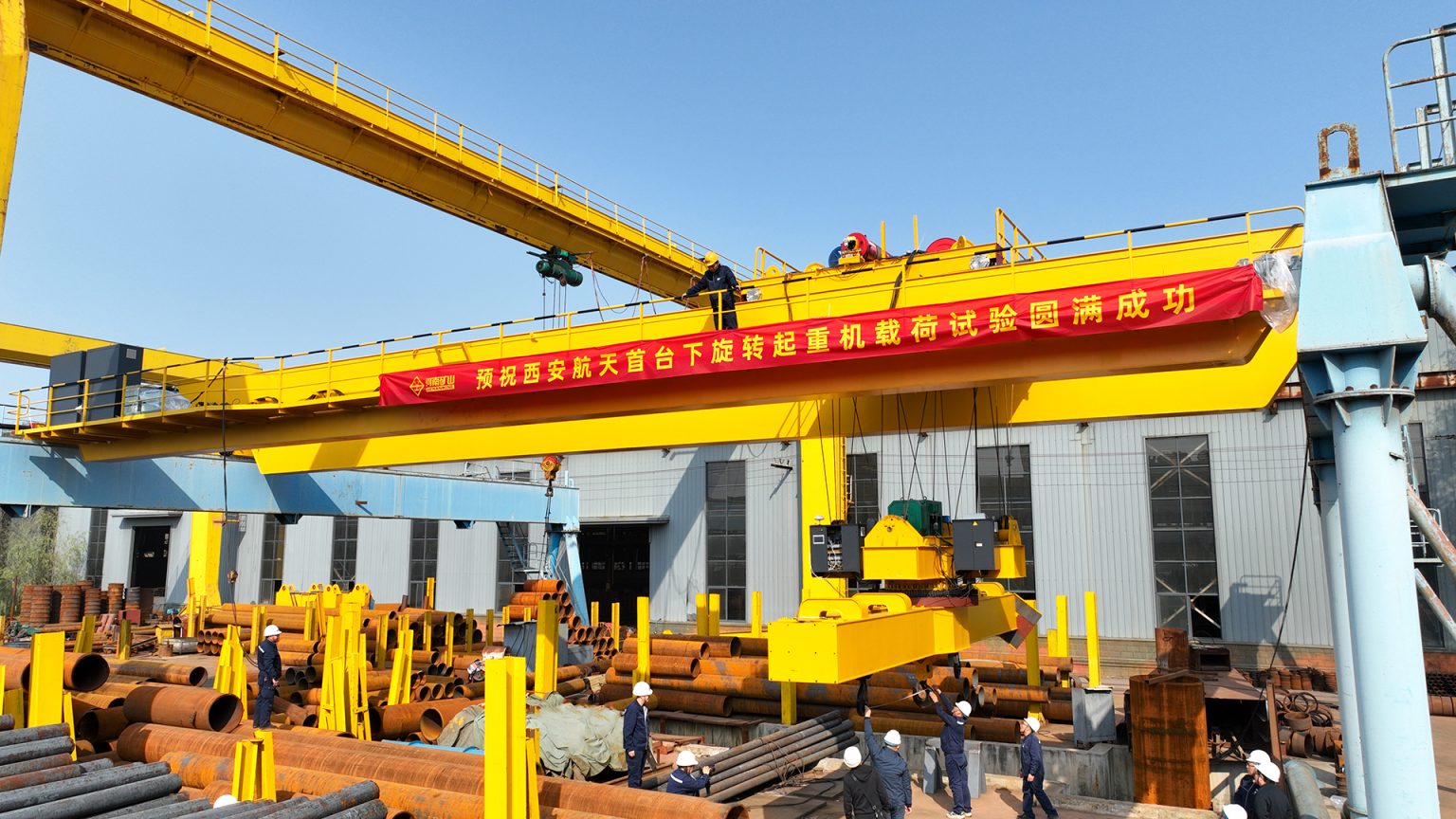
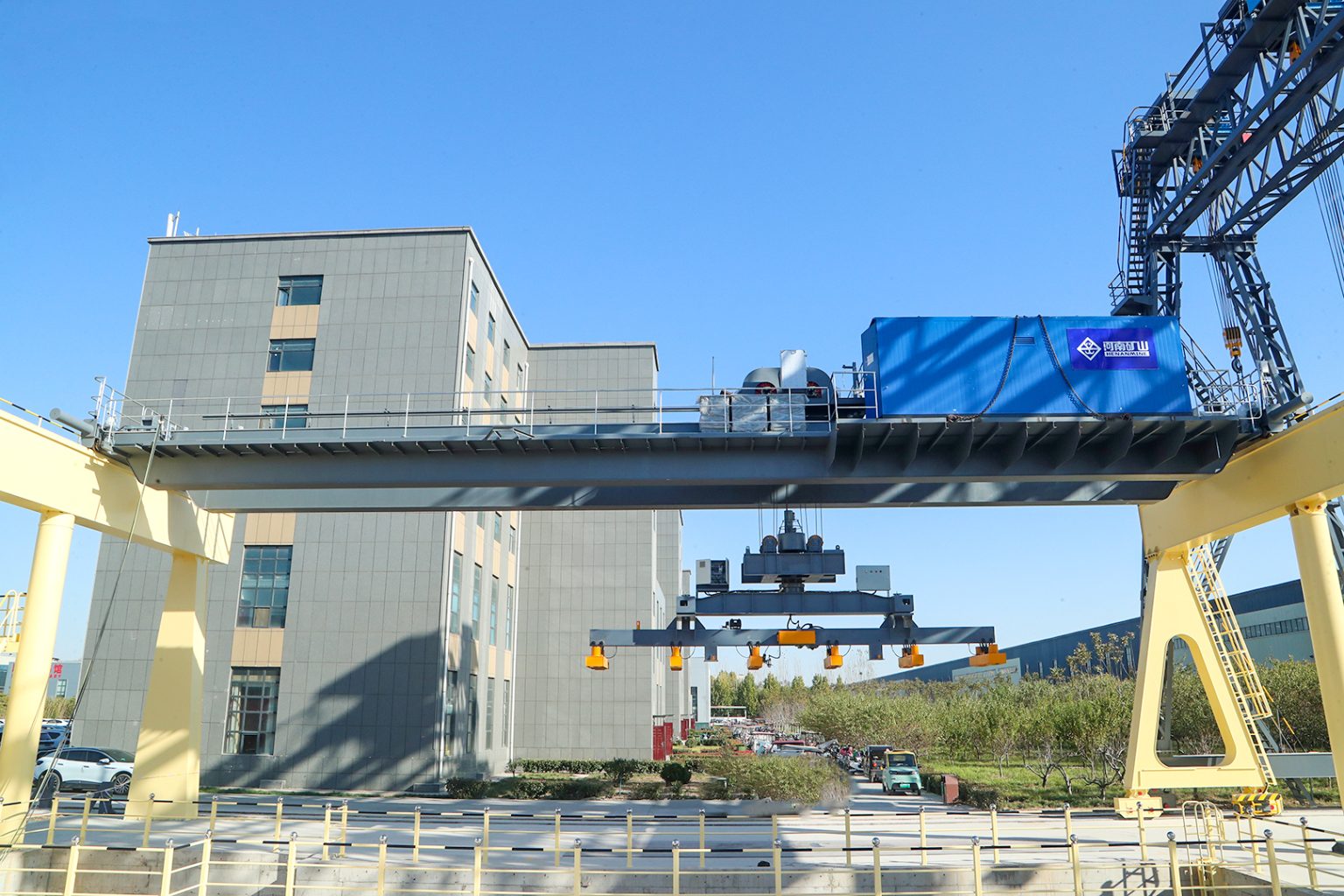
MC Electromagnetic Gantry Crane
Jib Cranes
Structure and Design
The structure of Jib Crane is very characteristic, which consists of a horizontal jib and a vertical column, the jib can rotate around the column (usually the rotation angle is 180-360 degrees), and the hoisting mechanism is mounted on the jib, which can realize accurate lifting in a small range.
Its relatively small size, does not occupy a large area of space, suitable for fixed station lifting operations, simple operation, one person can complete the operation, mainly used for small tonnage, small range of material handling.
Common Types
Wall-mounted jib cranes, installed directly on the wall of the plant, without the need for independent columns, saving the ground and roof space, suitable for fixed workstations in the workshop, such as machine tools next to the parts handling, equipment maintenance.
Floor-mounted jib cranes, with independent columns, fixed to the ground, with a larger swivel range, slightly larger lifting capacity than wall-mounted, suitable for workstations in the middle of the workshop, can cover multiple operating points.
Articulated Jib Cranes, the jib can be folded, telescopic, more flexible, can bypass obstacles, suitable for complex working conditions, such as narrow space lifting, irregular material handling.
Applications
Workshop workstations are the main application scenarios of jib cranes, such as machining workshop machine tools, used to carry processed parts, without the need for frequent mobilization of large cranes, to enhance the efficiency of workstation operations.
Assembly production lines are also commonly used jib cranes, especially the assembly of small parts, jib cranes can accurately send the parts to the assembly station, reduce manual handling, reduce labor intensity.
Jib cranes can also play a role in equipment maintenance operations, such as workshop equipment dismantling, repair, lifting small parts or equipment components, flexible operation, without affecting the normal operation of the surrounding equipment.
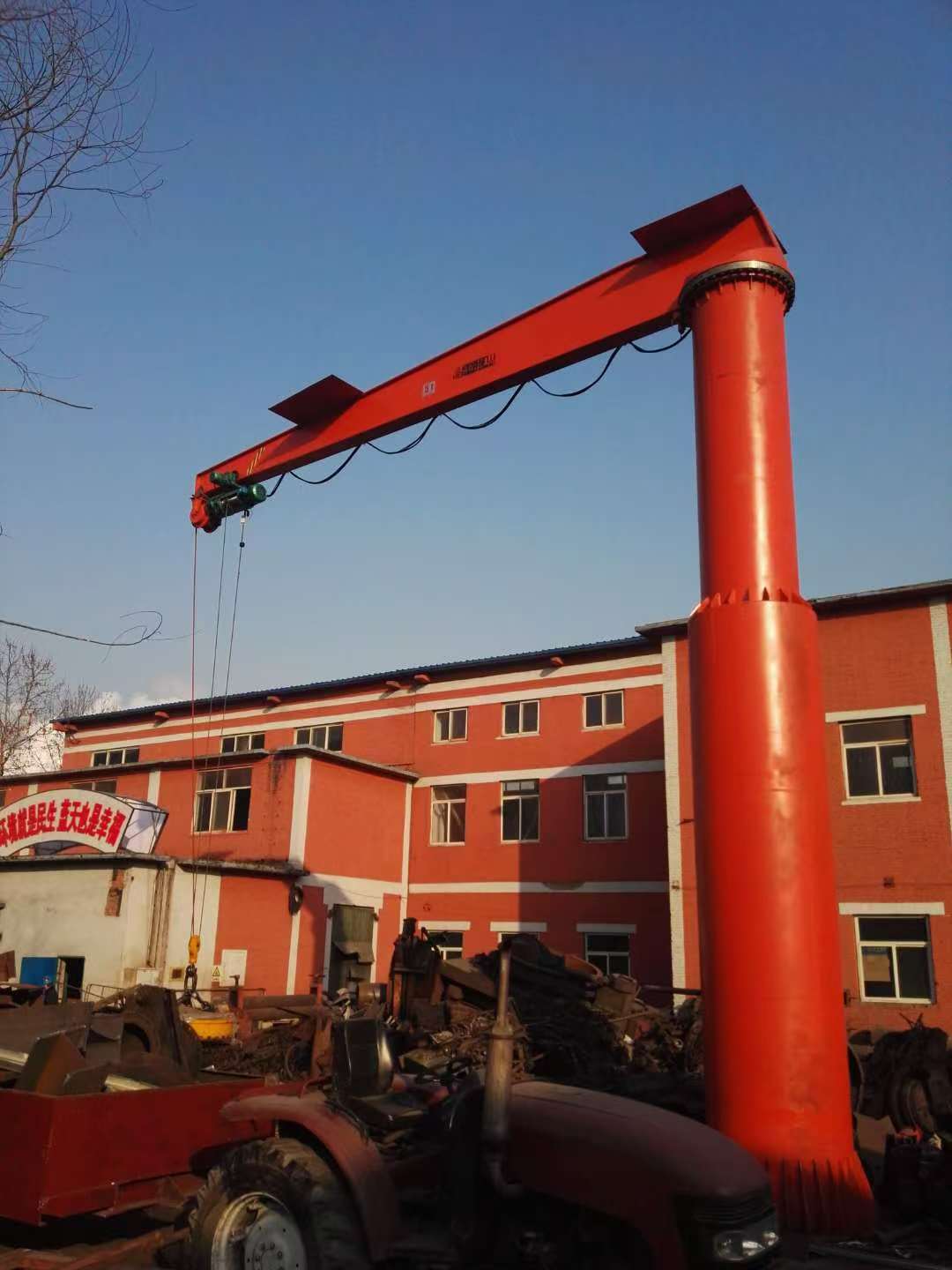
Mobile Cranes
Key Characteristics
The core feature of mobile cranes is strong mobility, can be flexibly transferred between different sites, without the need for fixed installation, can be quickly deployed to the scene of operation, suitable for temporary lifting, field operations or strong mobility conditions.
Its telescopic and luffing boom can adjust the lifting height and working radius according to the operational requirements, which is suitable for different lifting scenarios, from light lifting to heavy lifting.
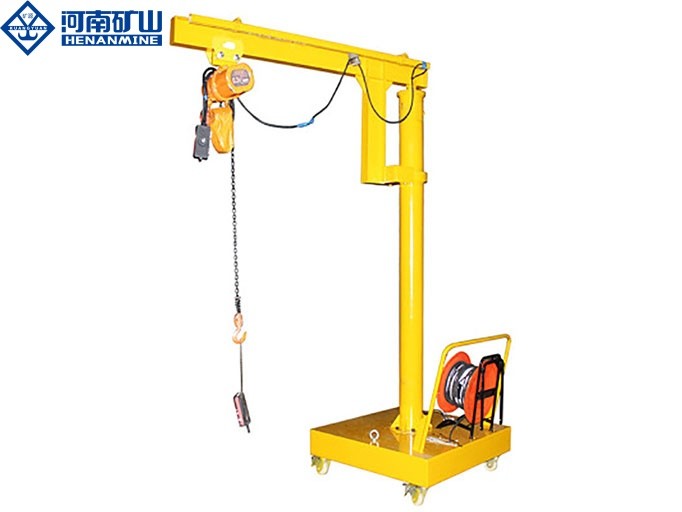
Shipyard Gantry Cranes (Goliath Cranes)
Special Characteristics
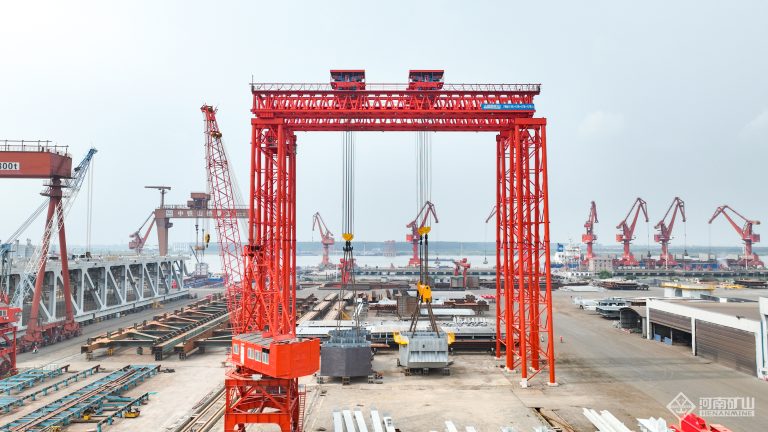
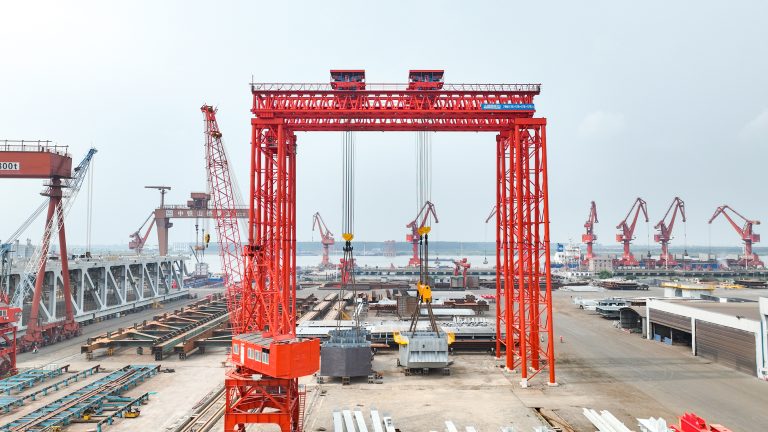
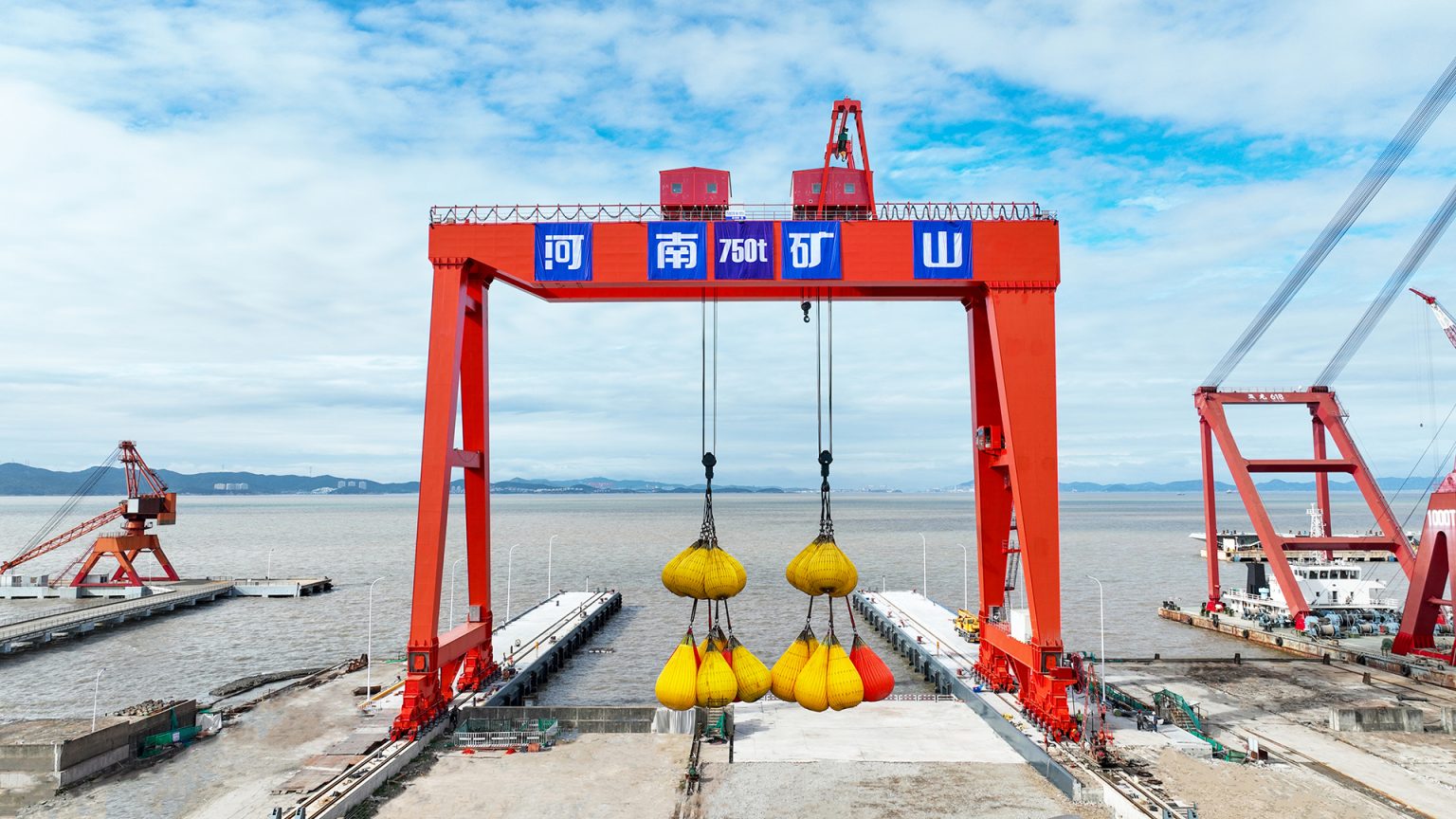
Shipyard Gantry Cranes, also known as Giant Gantry Cranes (Goliath Cranes), are heavy-duty cranes specially designed for the shipbuilding industry, and are characterized by their large span and extremely high lifting capacity.
Its span is usually 50-100 meters, can cover the entire dry dock, the lifting capacity can be up to 500-1000 tons or more, can lift dozens of meters long, hundreds of tons of hull segments, the accuracy requirements are extremely high.
Because shipyards are mostly located in coastal areas, these cranes also have strong wind resistance and corrosion resistance, and can cope with coastal salt spray and windy environment to ensure long-term stable operation.
Applications
Hull segment lifting is the core use of shipyard gantry cranes, large shipyards to build more than 10,000 tons of ships, the need to split the hull into multiple segments for processing, and then through the giant gantry cranes will be lifted to the dry dock, for accurate docking assembly.
Large offshore structure assembly, such as offshore platforms, ship superstructure lifting, these components are heavy weight, large volume, ordinary cranes can not carry, can only rely on shipyard gantry cranes to complete.
Ship maintenance operations, when large ships need to be repaired, shipyard gantry cranes can lift the ship’s engine, propulsion system and other heavy parts, to facilitate maintenance personnel to overhaul and replace.
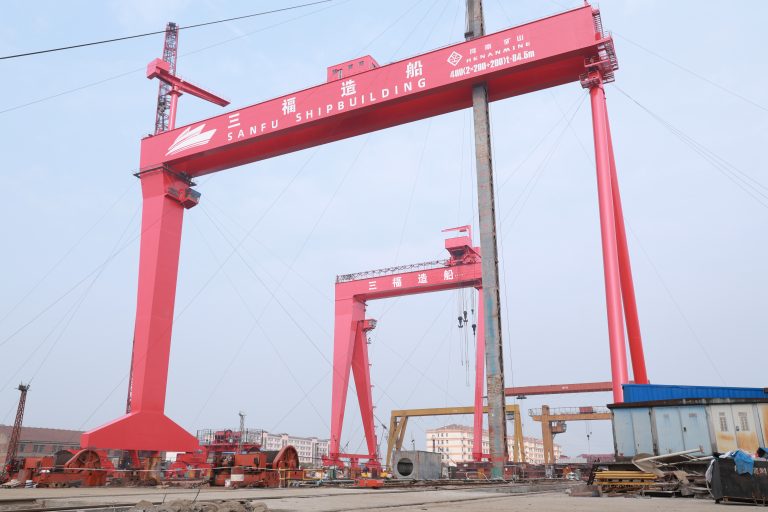
Henan Mine Crane manufactured Shipbuilding Gantry Crane
Key Industrial Applications of Cranes
Manufacturing Industry
Manufacturing industry is one of the most widely used areas of cranes, throughout the entire process from raw materials to finished products. In the production line, cranes are responsible for handling raw materials, semi-finished products, components, connecting the various processing procedures.
For example, in automobile manufacturing plants, cranes transport steel, engine, body and other components to the assembly line to ensure the continuity of production; machinery processing plants, cranes carry processed mechanical parts to reduce manual handling errors and labor intensity.
Construction and Infrastructure
Construction and infrastructure projects are almost inseparable from cranes. From the foundation construction stage of steel, concrete lifting, to the main structure of the steel structure, prefabricated components installation, and then later equipment into the field, all need to crane cooperation.
In bridge construction, cranes lift prefabricated girders onto piers for installation; in highway construction, cranes move large paving equipment and roadbed materials; in high-rise buildings, tower cranes are responsible for the transfer of materials at high altitude, which is an important guarantee of construction efficiency.
Ports and Logistics
Ports and logistics industry, cranes are the core material transfer equipment. Container terminals, gantry cranes, quay cranes are responsible for container loading and unloading, stacking, connecting ships and land transportation.
Large logistics centers, cranes are responsible for heavy cargo, large equipment handling and storage, especially outdoor yards, gantry cranes and mobile cranes with, can enhance the efficiency of logistics transfer, reduce the backlog of goods.
Energy and Power Plants
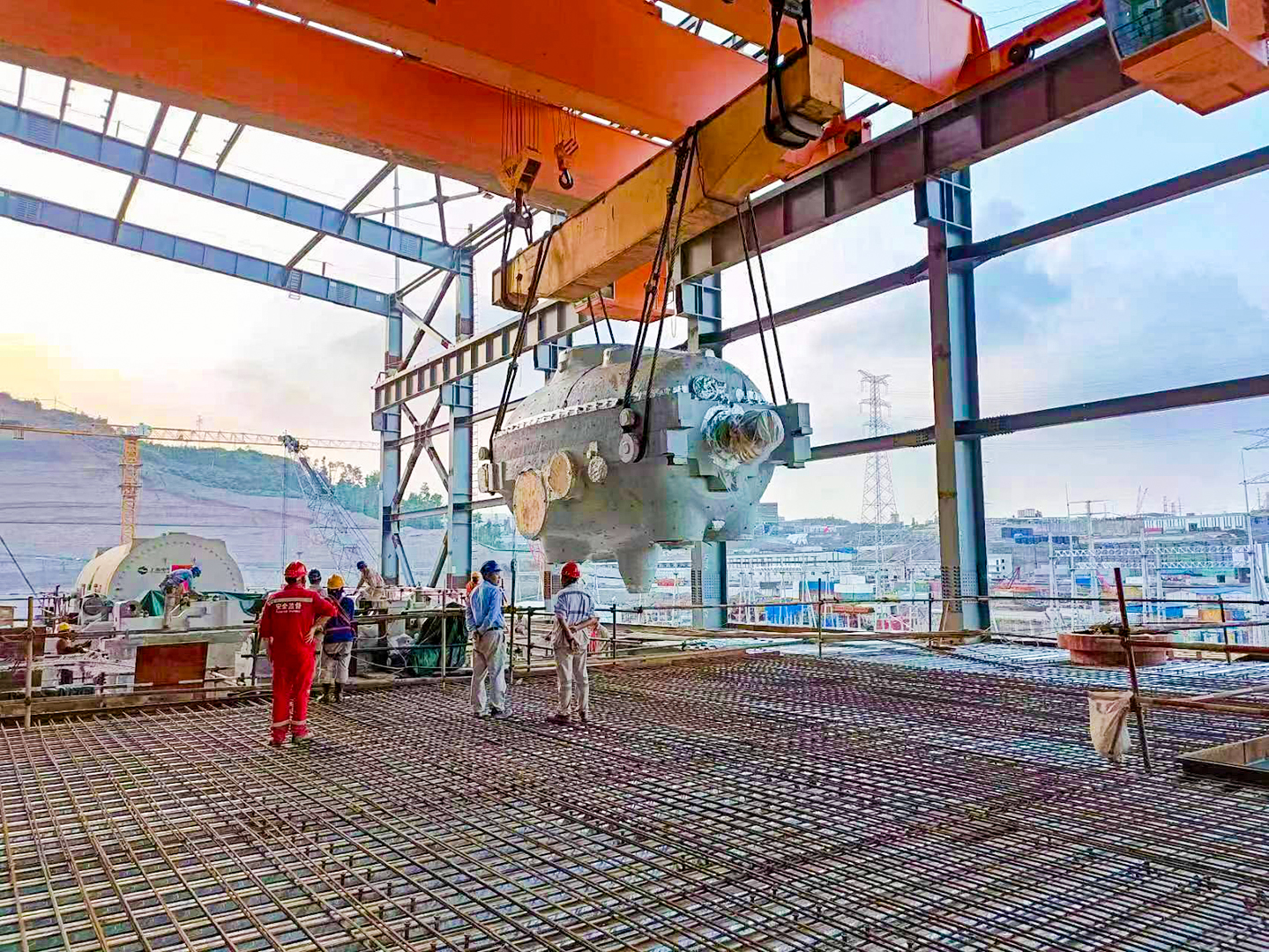
In the field of energy and power plants, cranes are mainly used for the installation and maintenance of heavy equipment. Power plant equipment such as turbines, generators, boilers, etc., are heavy and bulky, requiring large cranes for lifting and installation.
In the new energy field, such as wind power and photovoltaic projects, cranes are responsible for lifting and installing fan blades and photovoltaic modules; in the construction of hydroelectric power plants, cranes are used to carry heavy components such as turbines and generator sets to ensure the smooth progress of the project.
Mining and Heavy Industry
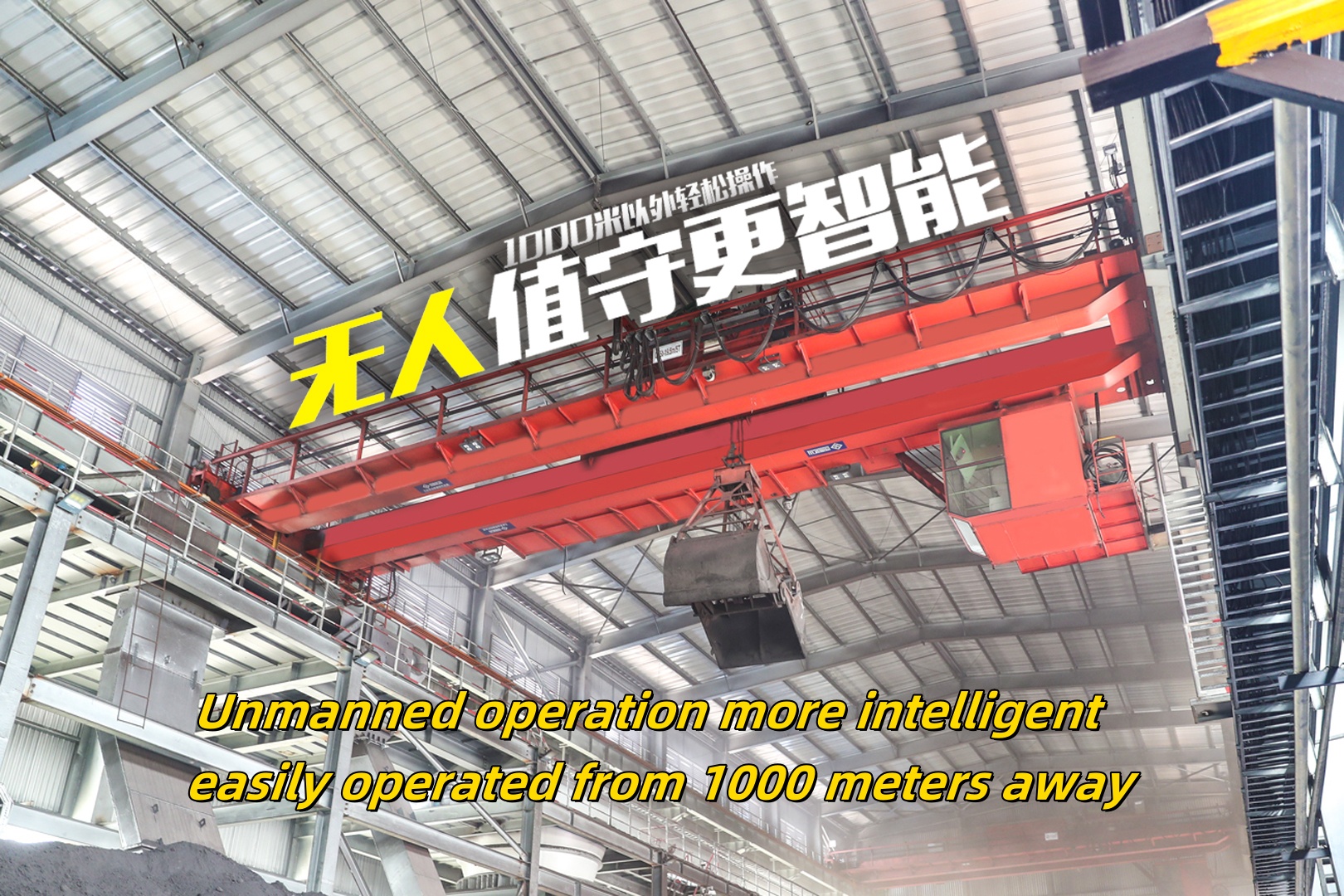
In the field of mining and heavy industry, cranes are mainly used for bulk material handling and heavy equipment installation. In mines, cranes are used to handle bulk materials such as ores and coal, and cooperate with transportation equipment to complete material transfer.
Iron and steel mills, cement factories and other heavy industrial enterprises, cranes are responsible for the entry of raw materials, finished products, as well as heavy equipment maintenance, overhaul, is the production of continuous operation of an important guarantee.
How to Choose the Right Crane Type
Selection of cranes, do not blindly pursue large tonnage, high configuration, fit their own conditions of choice, is the most economical and practical. Combined with many years of selection experience, I summarized a few key reference factors for your reference.
Lifting capacity is the primary consideration, to clarify the maximum weight of the goods to be lifted, plus the weight of the spreader, and at the same time reserve 10% -20% of the safety margin, to avoid overloading operations, to ensure safety.
Span and lifting height should not be ignored, the span should cover the width of the operating area, the lifting height to meet the demand for lifting height of the goods, but also reserve a certain amount of space to avoid interference with the surrounding structure.
Mobile demand determines the type of crane, if the operating site is fixed, bridge cranes, jib cranes are more suitable; if you need to move flexibly, mobile cranes, tire gantry cranes are more suitable.
Indoor or outdoor work, directly affect the selection of crane type. For indoor operation, give priority to bridge cranes and jib cranes; for outdoor operation, gantry cranes and mobile cranes should be selected, while considering wind and corrosion resistance requirements.
Work level is related to the service life of the crane, high operating frequency, long duration of the scene, to choose high working level equipment; operating frequency of the scene is low, you can choose ordinary working level models, reduce costs.
Safety and automation requirements, adjusted according to the operational scenarios. For high-risk operation scenarios, choose the equipment with perfect safety configuration; for large-scale projects and high-frequency operations, consider cranes with high degree of automation to enhance operational efficiency.
Advantages of Using Industrial Cranes
The reason why industrial cranes can become the core equipment of various industries, the core is that it can solve the heavy lifting problems that can not be accomplished manually, bringing real value.
Can enhance operational efficiency, manual handling of heavy materials is not only time-consuming and laborious, but also prone to errors, cranes can quickly complete the lifting and transfer of materials, reduce operating time, improve overall production efficiency.
Reduce manual labor intensity, to avoid the risk of personal injury caused by manual handling, especially heavy material handling, cranes can replace a large number of manual labor, reduce the enterprise’s labor costs and safety risks.
Enhance operational safety, modern cranes are equipped with comprehensive safety protection devices, such as overload protection, limit protection, emergency braking, can effectively avoid safety accidents in the lifting process, to protect personnel and equipment safety.
Achieve efficient heavy material handling, for hundreds of tons, thousands of tons of heavy components, only cranes can complete the lifting operation, which is artificial and other small lifting tools can not be replaced, but also industrial production, infrastructure projects to promote the smooth progress of the guarantee.
Frequently Asked Questions
Combined with the usual reception of customer experience, I have compiled a few of the most frequently asked questions, answered in an easy-to-understand way, to help you quickly clear up the selection and use of the key questions.
What are the most common crane types used in industry?
The most common crane types used in industry, there are four main types: overhead cranes (suitable for indoor workshops), gantry cranes (suitable for outdoor yards), mobile cranes (suitable for temporary work), jib cranes (suitable for fixed work stations). These four models cover most of the industrial lifting scenarios, and are the types that purchasers choose the most.
What is the difference between gantry cranes and overhead cranes?
The core difference lies in the support structure and working environment. Gantry cranes have independent legs and do not need to be attached to the plant, so they are suitable for outdoor work; overhead cranes do not have legs and are installed on the plant rail, so they can only work indoors. In addition, gantry cranes have a larger span and a more flexible operating range, while overhead cranes are more suitable for precise indoor operations.
Which crane is best for outdoor applications?
Gantry cranes are preferred for outdoor operations, especially rail and tire gantry cranes, which have large span and strong wind resistance, and can cover large operating areas such as open yards and ports. If it is a temporary outdoor work, mobility scene, mobile cranes (such as truck cranes) is more suitable, can be quickly deployed, flexible transfer.
How do I determine the required crane capacity?
First calculate the maximum weight of the goods to be lifted, then add the weight of the spreader (such as hooks, grabs), and finally reserve 10% -20% of the safety margin, the sum is the required crane capacity. For example, the maximum cargo weight of 50 tons, spreader weight of 2 tons, reserve 10% margin, choose more than 57 tons of crane can be.
Can cranes be customized for specific industrial applications?
Of course, customization is the core feature of industrial cranes. Almost all the core parameters can be customized, such as lifting capacity, span, lifting height, moving mode, but also according to the operating environment can be customized anti-corrosion, wind, explosion-proof and other features, fully adapted to the specific operating scenarios, to solve the special lifting needs.
Conclusion
Different types of cranes have their own adaptable scenes, there is no “universal model”. Industrial lifting needs are diverse, from small indoor workshop handling, to outdoor heavy lifting, from the fixed workstation precision work, to the field of temporary work, all need to correspond to the type of crane to complete.
What Can Henan Mining Crane Factory Offer You?
If you are selecting cranes for your project, and are not sure which type and which parameters are suitable for your operation scenario, you may want to submit the detailed parameters of your project (lifting capacity, operating site, application industry, etc.), and we will provide you with free technical consultation.
Henan Mine Crane Factory supply, as a professional crane manufacturer, integrates R&D, design, manufacturing, sales and service to provide customers Please feel free to contact us, we will provide you with free design drawings, and field survey!