

Henan Mine Crane · Commercial Pricing and Procurement
Overhead Crane Price and Project Cost
Indicative overhead crane equipment budgets range from approximately US$5,000 for a standard 5-ton single-girder configuration to US$130,000 or more for heavy double-girder equipment. Capacity, span, lifting height, duty, hoisting mechanism and project scope determine the final price.
Henan Mine Crane prepares configuration-based commercial proposals covering the crane, optional runway and electrification, delivery, installation support, commissioning and documentation within the agreed supply boundary.
BUDGET CURRENCY
US Dollars
STARTING BASIS
Crane Equipment
SEPARATE COST ITEMS
Runway · Freight · Site Work
ORDER VALUE
Formal Project Quotation
How Much Does an Overhead Crane Cost?
For preliminary capital planning, a standard 5-ton single-girder overhead crane commonly falls within an equipment budget of US$5,000–$20,000. A 10-ton single-girder configuration is commonly budgeted at US$10,000–$30,000, while a 10-ton double-girder configuration is commonly budgeted at US$15,000–$40,000.
These figures represent preliminary equipment budgets rather than installed project totals. Longer spans, greater lifting heights, demanding duty, higher travel speeds, low-headroom arrangements, specified component brands and special environments increase the commercial value.
Commercial basis: Budget ranges support feasibility studies and initial capital allocation. Purchase approval and supplier comparison require a formal quotation stating the complete technical configuration, delivery term, inclusions, exclusions and validity period.
Overhead Crane Price by Capacity and Configuration
The following ranges provide an initial equipment budget for common factory-supply configurations. Final pricing is established from approved crane data and the specified commercial scope.
| Capacity and Configuration | Indicative Equipment Budget | Typical Commercial Basis | Principal Price Variables |
|---|---|---|---|
| 5 Ton Single Girder | US$5,000–$20,000 | General indoor crane with electric hoist | Span, lift, headroom, duty and hoist specification |
| 10 Ton Single Girder | US$10,000–$30,000 | General production or warehouse handling | Girder design, operating frequency, speed control and components |
| 10 Ton Double Girder | US$15,000–$40,000 | Electric-hoist or trolley-based configuration | Trolley type, platforms, access, span and working class |
| 20 Ton Double Girder | US$28,000–$60,000 | Industrial double-girder crane with trolley | Load spectrum, span, mechanism duty and control requirements |
| 50 Ton Double Girder | US$65,000–$130,000+ | Heavy-duty bridge and winch-trolley equipment | Duty, redundancy, attachment, control, inspection and site interfaces |
Budget ranges exclude runway structures, columns, foundations, international freight, import charges, unloading, erection, site wiring and third-party inspection unless expressly included in the commercial proposal.
Selection Considerations
01 / LOAD
Capacity and Load Characteristics
Maximum load, normal load, attachment weight, dimensions, centre of gravity and lifting method establish the rated capacity and mechanism demand.
02 / GEOMETRY
Span, Lift and Headroom
Runway gauge, required hook height, building clearances, hook approaches and obstruction zones determine crane dimensions and steel weight.
03 / DUTY
Operating Cycle and Speeds
Lifts per hour, operating hours, load spectrum, travel distance and production criticality determine the required duty and drive specification.
04 / STRUCTURE
Girder and Hoisting System
Single girder, double girder, underhung, electric-hoist and open-winch arrangements have different structural, access and commercial implications.
05 / SITE
Building and Runway Conditions
Existing supports, runway alignment, wheel-load capacity, power supply, erection access and shutdown limitations affect both equipment and site cost.
06 / OPERATING ENVIRONMENT
Controls and Special Protection
Radio control, cabin operation, automation, positioning, explosion protection, corrosion resistance and high-temperature design change the final configuration.
Overhead Crane Price Compared Across Crane Configurations
Configuration selection precedes commercial comparison. A lower equipment price does not provide value when the structure, hook coverage, duty or operating environment is unsuitable for the intended service.
| Configuration | Relative Equipment Cost | Commercial Application | Main Cost Drivers |
|---|---|---|---|
| Single-Girder Electric-Hoist Crane | Lower starting level | General workshop, warehouse, assembly and maintenance lifting | Span, hoist type, headroom, duty and building loads |
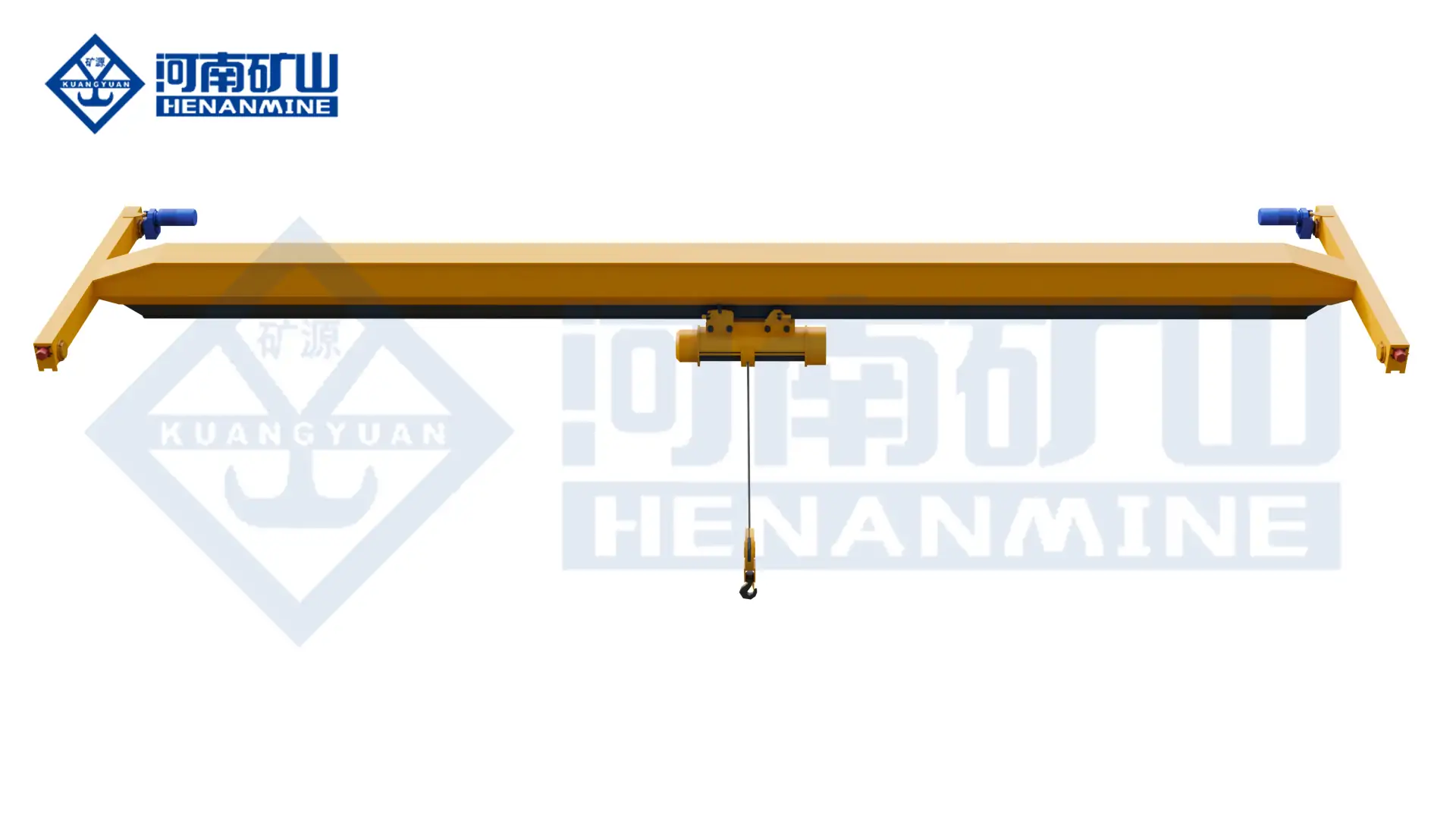
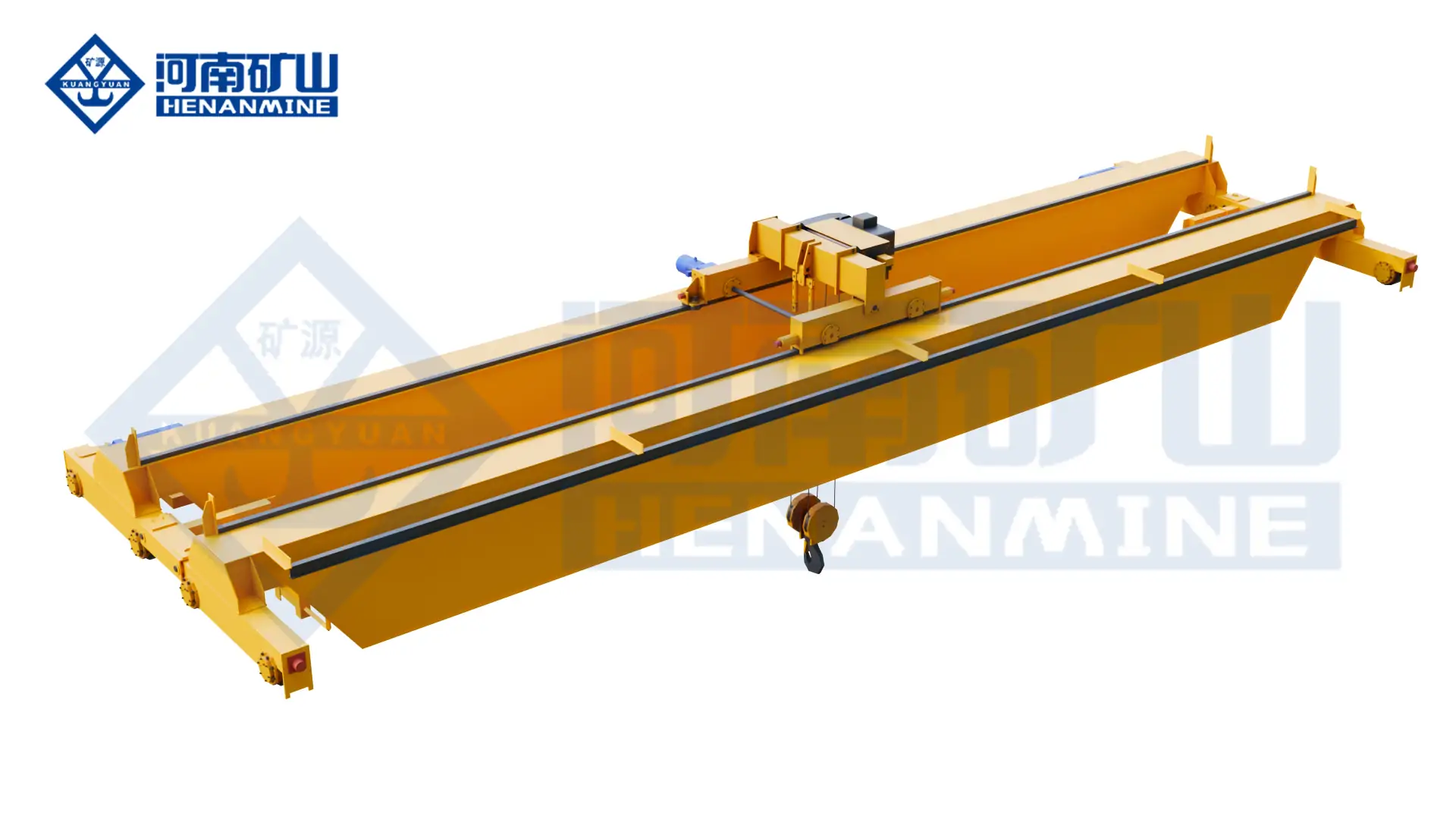
| Double-Girder Electric-Hoist Crane | Moderate | Greater structural flexibility with a compact hoisting mechanism | Girder weight, hoist arrangement, platforms and access |
| Double-Girder Winch-Trolley Crane | Higher | Heavy loads, intensive duty, wider spans and process handling | Mechanism duty, trolley design, access, redundancy and controls |
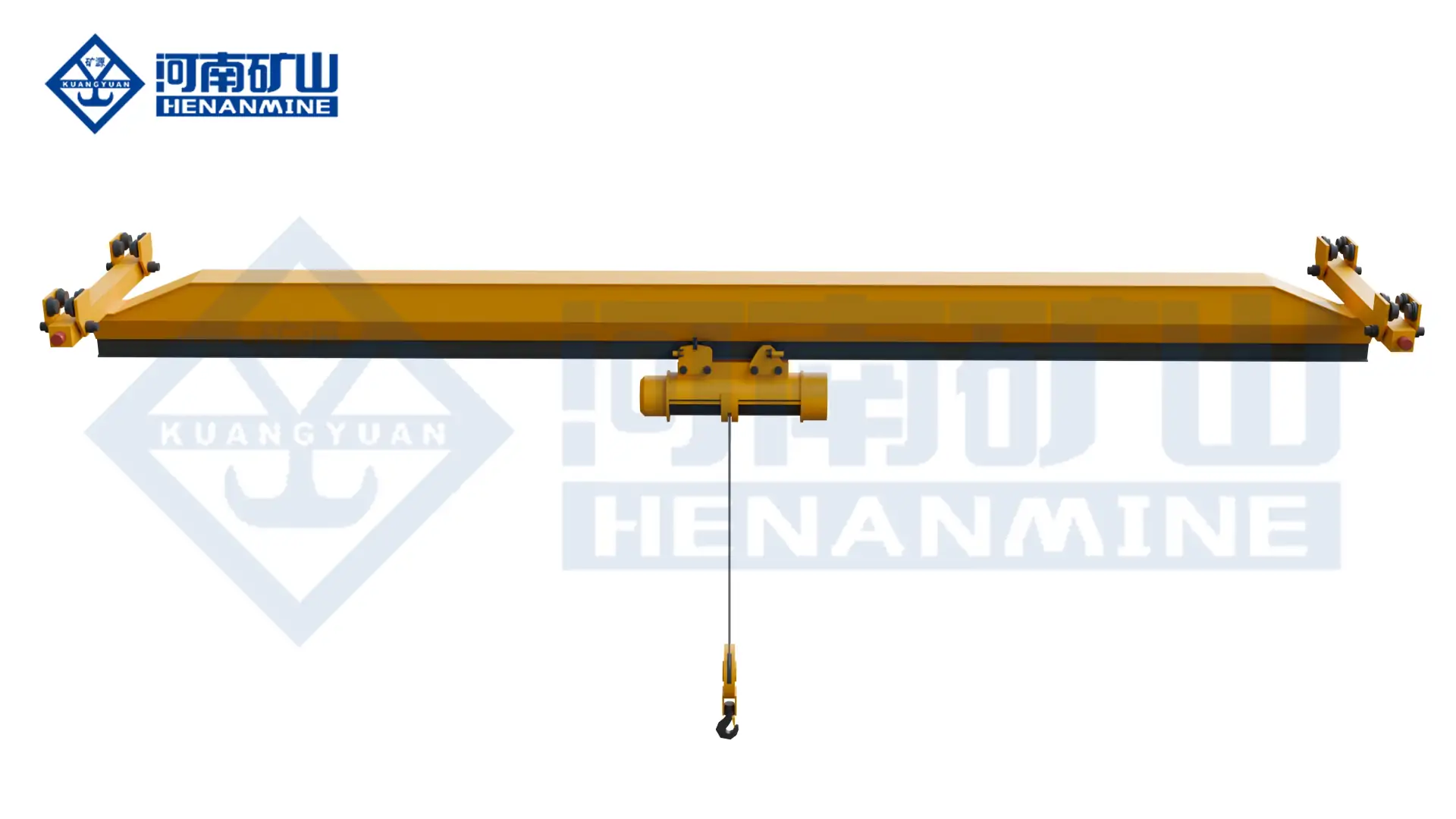
| Underhung Overhead Crane | Project-dependent | Suspended runway layouts and facilities without conventional floor-supported columns | Roof capacity, support spacing, runway complexity and headroom |
| Special-Purpose Overhead Crane | Engineered quotation | Explosion-proof, metallurgical, magnetic, grab, automated or process applications | Hazard class, temperature, attachment, automation and safety architecture |
Configuration Has a Direct Effect on Price
What Is Included in the Total Overhead Crane Project Cost?
The crane purchase price and the installed project cost are different commercial values. A complete budget separates every equipment, logistics and site-work package before supplier proposals are compared.
01 / CRANE EQUIPMENT
Bridge and Hoisting System
Main girder, end carriages, hoist or trolley, drives, brakes, control panel, operator controls and specified safety functions.
02 / RUNWAY
Rails and Supporting Structure
Crane rails, runway beams, columns or brackets, stops, buffers, connections, foundations and structural verification as applicable.
03 / ELECTRIFICATION
Power and Site Connection
Conductor system, festoon, isolator, feeder, grounding, site cabling, protection and connection to the facility electrical supply.
04 / LOGISTICS
Packing and Delivery
Export packing, inland transport, port handling, ocean or land freight, insurance, import duties and delivery to the installation site.
05 / SITE WORK
Erection and Commissioning
Unloading, assembly, access equipment, alignment, electrical work, commissioning, load testing and acceptance support.
06 / LIFECYCLE
Documentation and Support
Drawings, manuals, certificates, training, recommended spare parts, warranty boundary and post-delivery technical support.
Overhead Crane Price by Supply Scope
Crane Equipment Only
Suitable where the facility or local contractor controls runway, delivery, erection and electrical connection.
Commercial requirement: Interface loads, installation instructions and excluded work must be clearly defined.
Delivered Equipment Package
Crane equipment plus agreed electrification, runway items, spare parts, export packing and delivery to the named commercial point.
Commercial requirement: Incoterm, destination, insurance, customs and unloading responsibility must be stated.
Installed Project Package
An expanded scope covering defined site services, erection supervision or installation, commissioning, testing, training and handover.
Commercial requirement: Local labour, travel, access equipment, permits and acceptance responsibilities must be allocated.
Principal Factors Affecting Overhead Crane Price
| Price Factor | Commercial Effect | Required Project Definition |
|---|---|---|
| Rated Capacity | Changes structural weight, hoisting mechanism, wheels, drives and runway reactions | Maximum load including lifting attachment and operating load spectrum |
| Span and Lifting Height | Affects girder design, rope length, hook approach, transport dimensions and installation method | Runway gauge, hook travel, building height and obstruction drawing |
| Duty and Motion | Higher duty and speed require upgraded motors, brakes, gearboxes, controls and structural design | Starts per hour, operating hours, loaded cycles, travel distance and required speeds |
| Component Specification | Specified brands, protection levels, monitoring and redundancy change acquisition and replacement cost | Approved manufacturer list, electrical standard and maintenance strategy |
| Controls and Automation | Variable-frequency drives, anti-sway, positioning, PLC integration and remote operation expand the control scope | Control stations, positioning tolerance, production interface and network requirements |
| Special Environment | Explosion-proof, metallurgical, corrosive, dusty or outdoor service requires specialized protection | Hazard classification, temperature, contaminants, weather and applicable requirements |
| Delivery and Site Scope | Freight, runway work, local labour, access equipment, testing and travel can materially change total project cost | Destination, Incoterm, site readiness, installation boundary and acceptance plan |
How to Compare Overhead Crane Quotations
Commercial evaluation is reliable only when each quotation is normalized to the same technical and supply boundary. The comparison schedule should identify every included item, optional item, exclusion and interface responsibility.
Technical Equality
Capacity, span, lift, duty, speeds, control, environment, component level and design requirements must match.
Supply Equality
Runway, electrification, packing, freight, installation, testing, documentation and spares must be itemized.
Commercial Equality
Currency, taxes, Incoterm, payment, delivery, validity, warranty and liquidated-damage conditions require alignment.
Interface Equality
Building loads, rail alignment, site power, unloading, erection access and acceptance responsibilities require named ownership.
Document Equality
Drawings, calculations, inspection records, manuals, certificates and document language must be defined.
Lifecycle Equality
Maintenance access, spare-parts availability, training and technical-support boundaries affect lifecycle value.
Overhead Crane Budget Examples
GENERAL WORKSHOP
5 Ton Single-Girder Crane
Equipment budget: US$5,000–$20,000
Low-headroom design, longer span, new runway, delivery and installation are additional project variables.
PRODUCTION HANDLING
10 Ton Overhead Crane
Single girder: US$10,000–$30,000
Double girder: US$15,000–$40,000
Duty, hook coverage, building reactions and trolley arrangement determine the appropriate configuration.
HEAVY INDUSTRIAL SERVICE
20–50 Ton Double-Girder Crane
20 ton: US$28,000–$60,000
50 ton: US$65,000–$130,000+
Process duty, lifting attachments, redundancy, access platforms and acceptance requirements can dominate total cost.
Technical and Commercial Controls Before Purchase
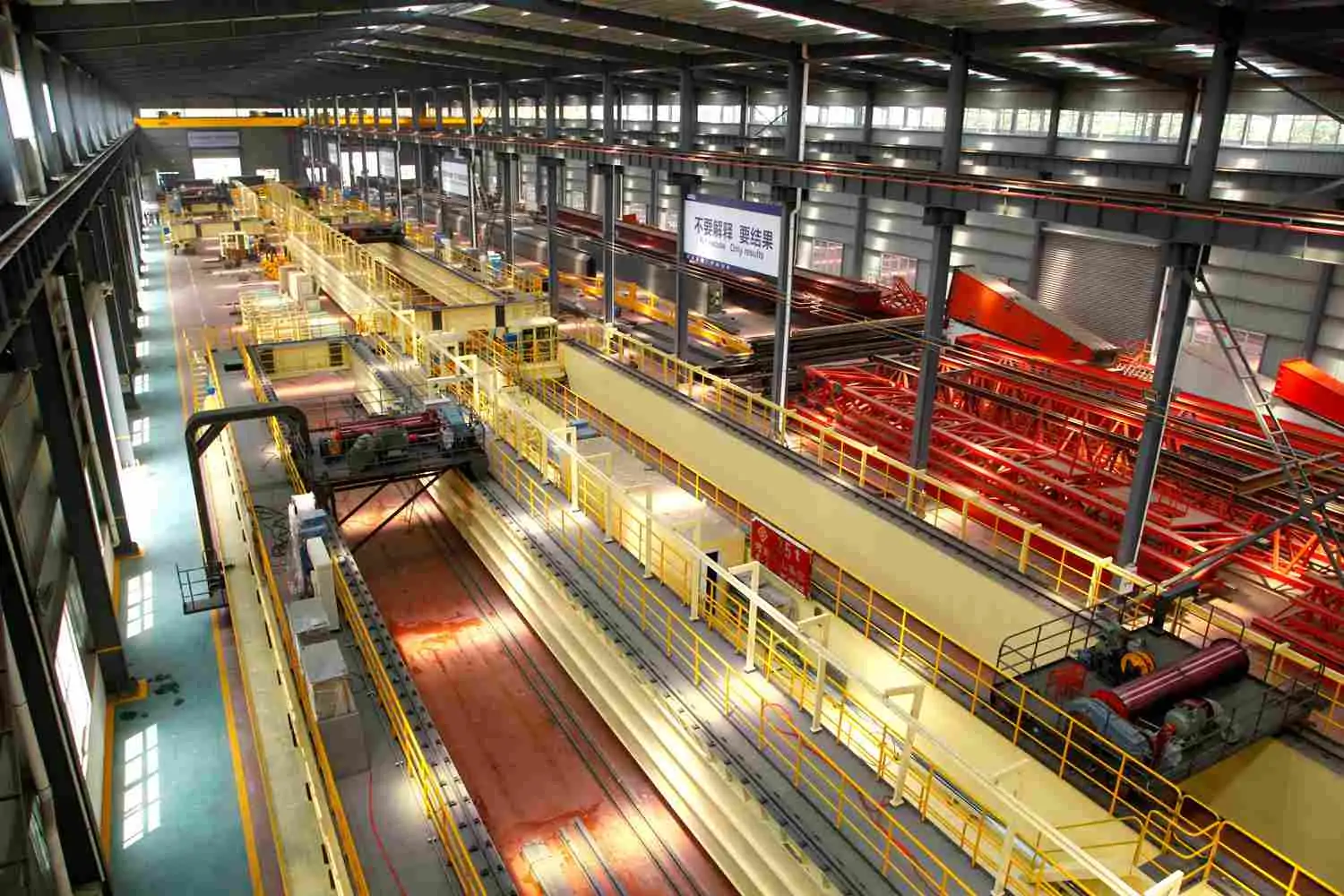
The purchase contract should connect the commercial value to an approved technical configuration. Henan Mine Crane can define the crane equipment and optional project scope through controlled drawings, schedules and inspection documents.
- ✓Approved general arrangement and building-interface data before production
- ✓Named component schedule and controlled substitution procedure
- ✓Inspection and test plan with records and agreed witness points
- ✓Packing, marking and transport plan matched to destination conditions
- ✓Operating manuals, drawings, electrical diagrams and spare-parts schedule
Production resources are presented on the Henan Mine Crane factory page.
Information Required for an Overhead Crane Quotation
A complete RFQ allows capacity, crane geometry, mechanism duty, site interfaces and commercial scope to be priced on the same basis.
Load Information
Maximum and normal load, dimensions, attachment, centre of gravity, handling method and synchronized-lifting requirement.
Crane Geometry
Capacity, span, lifting height, runway length, hook approaches, building clear height and obstruction drawing.
Operating Duty
Lifts per hour, hours per day, load spectrum, travel distance, required speeds and production availability.
Site and Environment
Installation country, indoor or outdoor service, temperature, dust, corrosion, hazardous media, power supply and existing runway data.
Control Requirements
Pendant, radio remote, cabin or automated operation; speed control, anti-sway, positioning and process interfaces.
Commercial Scope
Destination, Incoterm, runway, electrification, installation, commissioning, inspection, documentation, training and spare parts.
Overhead Crane Price FAQ
Request an Overhead Crane Price
Henan Mine Crane prepares technical and commercial proposals from the required capacity, span, lifting height, duty, building conditions, controls, operating environment and delivery scope.