

Henan Mine Crane · Lifecycle Cost Planning
Overhead Crane Cost
An overhead crane cost assessment should include more than the purchase price. Crane equipment, runway interfaces, freight, installation, energy, inspection, planned maintenance, spare parts and production downtime determine the total financial commitment.
Indicative factory-equipment budgets for common industrial configurations range from approximately US$5,000 to US$130,000+. The final project cost and lifecycle cost depend on capacity, span, lift, duty, site conditions, operating hours and the agreed supply boundary.
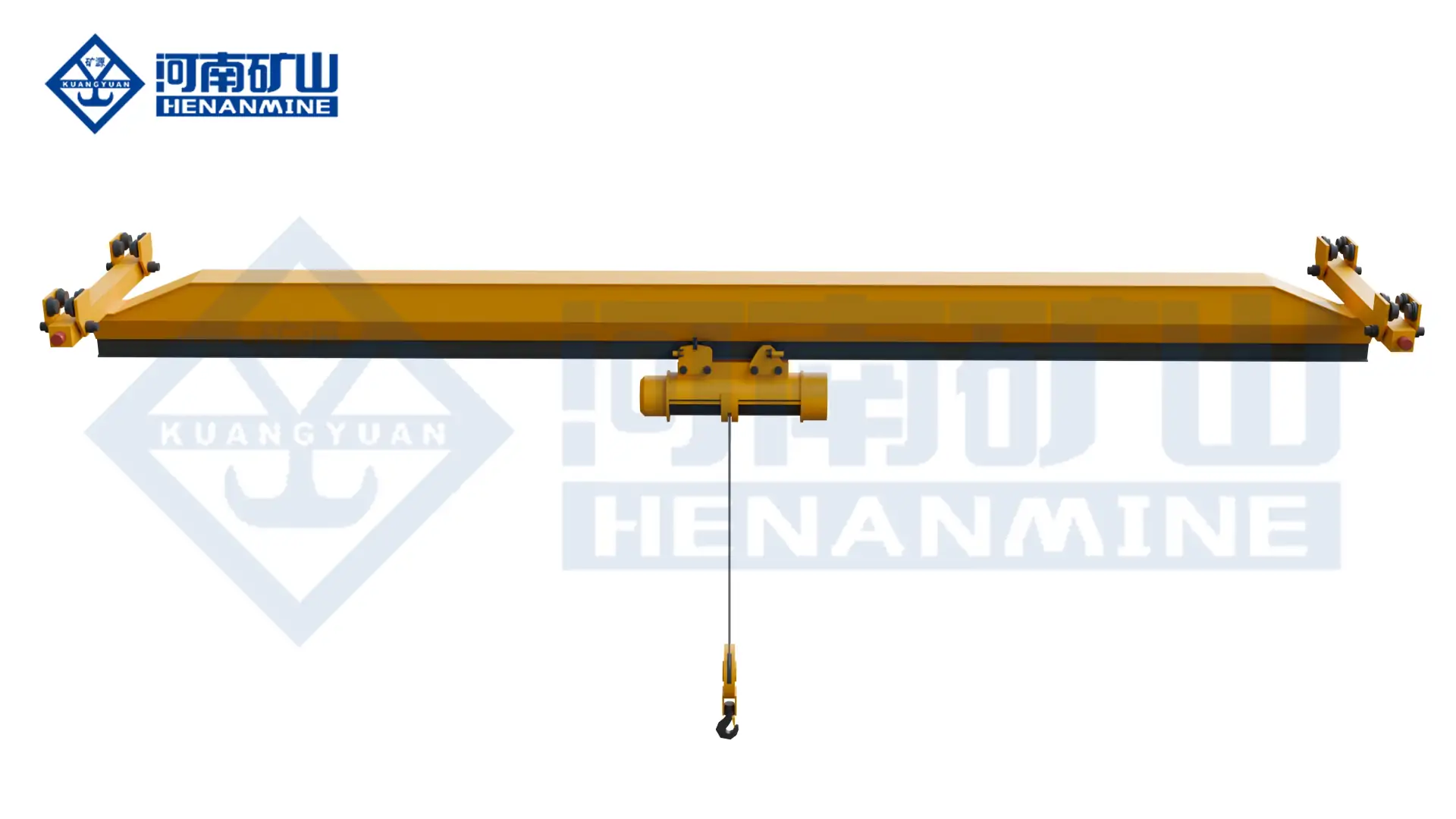
FACTORY EQUIPMENT
US$5,000–$130,000+
INSTALLED 5–10 TON EXAMPLES
US$40,000–$100,000
COST MODEL
CAPEX + Lifecycle OPEX
FINAL BASIS
Project-Specific Quotation
How Much Does an Overhead Crane Cost?
A standard 5-ton single-girder overhead crane can begin at approximately US$5,000–$12,000 for factory-supplied crane equipment. A 10-ton single-girder unit commonly falls within US$10,000–$22,000, while a 10-ton double-girder configuration commonly falls within US$15,000–$32,000. Heavy double-girder equipment can exceed US$130,000 before runway, freight and site work.
Installed-system budgets are materially higher. Representative 5–10 ton bridge crane projects in North America can fall around US$40,000–$100,000, depending on girder arrangement, span, runway condition, electrical work, labor, access and commissioning requirements.
Commercial basis: These ranges support preliminary capital planning and are not fixed Henan Mine Crane quotations. A formal proposal requires capacity, span, lifting height, duty, controls, environment, destination and a defined supply boundary.
Indicative Overhead Crane Equipment Cost
Factory-equipment budgets provide a starting point for feasibility studies. The same nominal capacity can produce a different cost when span, lift, duty, hoisting arrangement, component specification or operating environment changes.
| Configuration | Indicative Factory-Equipment Cost | Common Application Basis | Primary Cost Variables |
|---|---|---|---|
| 5 Ton Single Girder | US$5,000–$12,000 | General workshop and warehouse handling | Span, lift, headroom, hoist and control mode |
| 10 Ton Single Girder | US$10,000–$22,000 | General production and material transfer | Girder weight, working class, speeds and components |
| 10 Ton Double Girder | US$15,000–$32,000 | Higher duty, improved hook height or trolley access | Trolley design, platforms, span and mechanism duty |
| 20 Ton Double Girder | US$28,000–$55,000 | Industrial production and heavier maintenance loads | Load spectrum, span, trolley, controls and access |
| 50 Ton Double Girder | US$65,000–$130,000+ | Heavy-duty bridge and winch-trolley service | Duty, redundancy, attachment, inspection and site interfaces |
Factory-equipment ranges exclude runway structures, columns, foundations, freight, import charges, unloading, erection, site wiring and third-party acceptance unless expressly included. Detailed acquisition pricing is available in the overhead crane price guide.
Selection Considerations
01 / EVALUATION PERIOD
Financial Planning Horizon
A common evaluation period must be applied to equipment, operating expense, major service and residual value before alternative systems are compared.
02 / DUTY
Load Spectrum and Work Cycle
Average lifted load, maximum load, lifts per hour, travel distance and operating shifts determine mechanism duty, wear rate and service demand.
03 / INFRASTRUCTURE
Runway and Building Condition
Runway capacity, alignment, columns, foundations, clearances and power distribution can represent a substantial share of the installed project cost.
04 / ENERGY
Motors, Controls and Utilization
Installed motor power alone does not equal consumption. Loaded movement, idle time, travel profile, drive efficiency and local tariff establish annual energy cost.
05 / MAINTAINABILITY
Service Access and Spare Parts
Accessible brakes, wheels, electrical panels and lifting mechanisms reduce service time. Standardized components and planned spares support predictable maintenance.
06 / AVAILABILITY
Production Criticality
A process crane that controls production flow requires a different reliability, redundancy and spare-parts strategy from an intermittently used maintenance crane.
Overhead Crane Cost Compared Across System Configurations
The lowest acquisition cost does not necessarily produce the lowest ownership cost. Configuration should be matched to structural conditions, hook coverage, duty, maintenance access and operational risk before commercial comparison.
| System Configuration | Initial Cost Position | Lifecycle Cost Drivers | Commercial Selection Conditions |
|---|---|---|---|
| Single-Girder Top Running | Lower for suitable capacities, spans and duties | Hoist wear, wheel loading, headroom and runway interface | General workshop, assembly and warehouse lifting |
| Double-Girder Top Running | Higher equipment and installation cost | Trolley complexity, service platforms, wheels and structural load | Heavier loads, wider spans, demanding duty or improved hook height |
| Underhung Crane | Project-dependent | Roof-support verification, suspended runway alignment and end approaches | Facilities without suitable floor-supported columns |
| Compact Low-Headroom Crane | Higher component cost can apply | Specialized components, drive system and spare-part planning | Restricted building height or valuable hook-height recovery |
| Special-Environment Crane | Higher because protection is application-specific | Certified components, sealing, corrosion protection, inspections and controlled spares | Hazardous, corrosive, dusty, high-temperature or clean environments |
Overhead Crane Total Cost of Ownership Formula
A total cost of ownership model places every technically suitable proposal on one commercial basis. Costs should use the same currency, tax treatment, evaluation period, operating profile and discount rate.
Total Ownership Cost = Acquisition + Infrastructure + Logistics and Site Execution + Energy + Inspection and Maintenance + Spare Parts and Repairs + Downtime and Recovery − Residual Value
Capital Expenditure
Crane, controls, attachments, runway, building reinforcement, electrification, freight, erection, commissioning, testing and initial documentation.
Operating Expenditure
Electricity, routine inspections, preventive maintenance, lubrication, wear parts, corrective repairs, technical support and operator or maintenance training.
Operational Risk
Lost production contribution, idle labor, expedited parts, emergency service and recovery activity created by unplanned crane unavailability.
Present-value comparison for multi-year procurement
Present-Value TCO = Initial Cost + Sum of Annual Operating and Downtime Costs Discounted by Year − Discounted Residual Value
Finance and engineering teams should agree the evaluation period, discount rate, escalation assumptions, currency treatment and residual-value policy before bid comparison.
Initial Project Cost: Required Budget Items
A complete installed budget assigns commercial responsibility for every interface. Omissions at quotation stage can appear later as change orders, schedule delay or unplanned site expenditure.
Crane Equipment
Bridge, end trucks, hoist or trolley, controls, festoon, power feed, safety devices, attachment and specified access.
Runway and Structure
Rails, beams, columns, brackets, stops, foundations, reinforcement, survey, alignment and structural verification.
Electrical Interface
Incoming power, isolators, conductor system, cables, earthing, protective devices and production-system interfaces.
Logistics and Handling
Export packing, inland transport, sea or air freight, insurance, import charges, unloading, storage and site handling.
Site Execution
Access equipment, erection labor, supervision, wiring, commissioning, load test, permits, shutdown work and acceptance.
Overhead Crane Energy Cost Calculation
Hoisting, trolley travel and bridge travel do not normally operate at full motor load for every energized hour. A weighted utilization factor should reflect loaded travel, unloaded travel, acceleration, braking, idle time and production cycle.
Annual Energy Cost = Installed Motor Power × Weighted Utilization × Annual Energized Hours × Electricity Tariff
Variable-frequency drives can improve movement control and may reduce energy use in suitable duty cycles. Actual savings depend on speed profile, load spectrum, braking method, drive efficiency and idle-power management.
ILLUSTRATIVE CALCULATION
10 Ton Single-Girder Crane
13.8 kW installed motor power × 15% weighted utilization × 2,000 energized hours × US$0.12/kWh
≈ US$497 per year
This calculation illustrates the method only. Demand charges, auxiliary loads, local tariff structure, duty cycle and actual drive loading require project-specific values.
Inspection, Maintenance and Spare-Parts Cost
No single maintenance percentage is suitable for every overhead crane. The annual allowance should reflect operating class, environment, component arrangement, inspection requirements, labor rates, access conditions and the consequence of failure.
| Cost Category | Typical Scope | Planning Input | Cost-Control Measure |
|---|---|---|---|
| Routine Inspection | Hooks, ropes or chains, brakes, controls, limits, wheels and visible structure | Required frequency, labor hours and access | Defined checklists and traceable records |
| Preventive Service | Lubrication, adjustment, fastener checks, brake setting and electrical inspection | Service interval, technicians and access equipment | Maintainable layout and planned shutdown windows |
| Wear Components | Rope or chain, sheaves, hook components, brake linings, wheels, bearings and contactors | Expected cycles, environment and replacement lead time | Critical-spares list and standardized components |
| Major Service and Repair | Motor, gearbox, drum, drive, control panel, structural repair or modernization | Condition, duty, component life and production criticality | Condition monitoring and lifecycle replacement plan |
Inspection and service intervals must follow applicable regulations, site procedures, operating conditions and manufacturer requirements. A cost model should not replace the approved maintenance program.
Downtime Cost and Production Risk
Downtime can outweigh the purchase-price difference when a crane is integral to furnace charging, coil movement, assembly flow, warehouse dispatch or equipment maintenance. The calculation must use site economics rather than a universal hourly figure.
Downtime Cost per Event = Lost Contribution per Hour × Unavailable Hours + Idle Labor + Emergency Service + Expedited Parts + Recovery Cost
Expected annual exposure can be estimated by multiplying the cost per event by the forecast event frequency, then testing conservative and critical scenarios.
Availability Measures for Critical Service
- ✓Correct duty classification and load-spectrum definition
- ✓Critical spare parts held against verified lead times
- ✓Service access incorporated into crane arrangement
- ✓Inspection records linked to condition-based action
- ✓Redundancy specified only where process risk justifies it
How to Reduce Overhead Crane Lifecycle Cost
Cost reduction should remove avoidable complexity and operating loss without reducing rated performance, safety functions or required service life.
Specify the Actual Duty
Measured loads, cycles and travel distances prevent both under-specification and unnecessary mechanism cost.
Verify Geometry Early
Accurate span, hook height, approaches and building loads reduce redesign, structural modification and site delay.
Standardize Service Components
Documented motors, brakes, bearings, contactors and drives simplify stocking and technician training.
Design for Maintenance
Safe access to brakes, wheels, panels and lifting machinery reduces planned and corrective service duration.
Plan Critical Spares
A risk-ranked initial spare package protects availability without creating excessive inventory.
Apply Controls with Purpose
Variable speed, positioning, anti-sway and monitoring should be tied to measurable handling, quality or availability requirements.
Manufacturing, Quality and Cost-Control Documentation
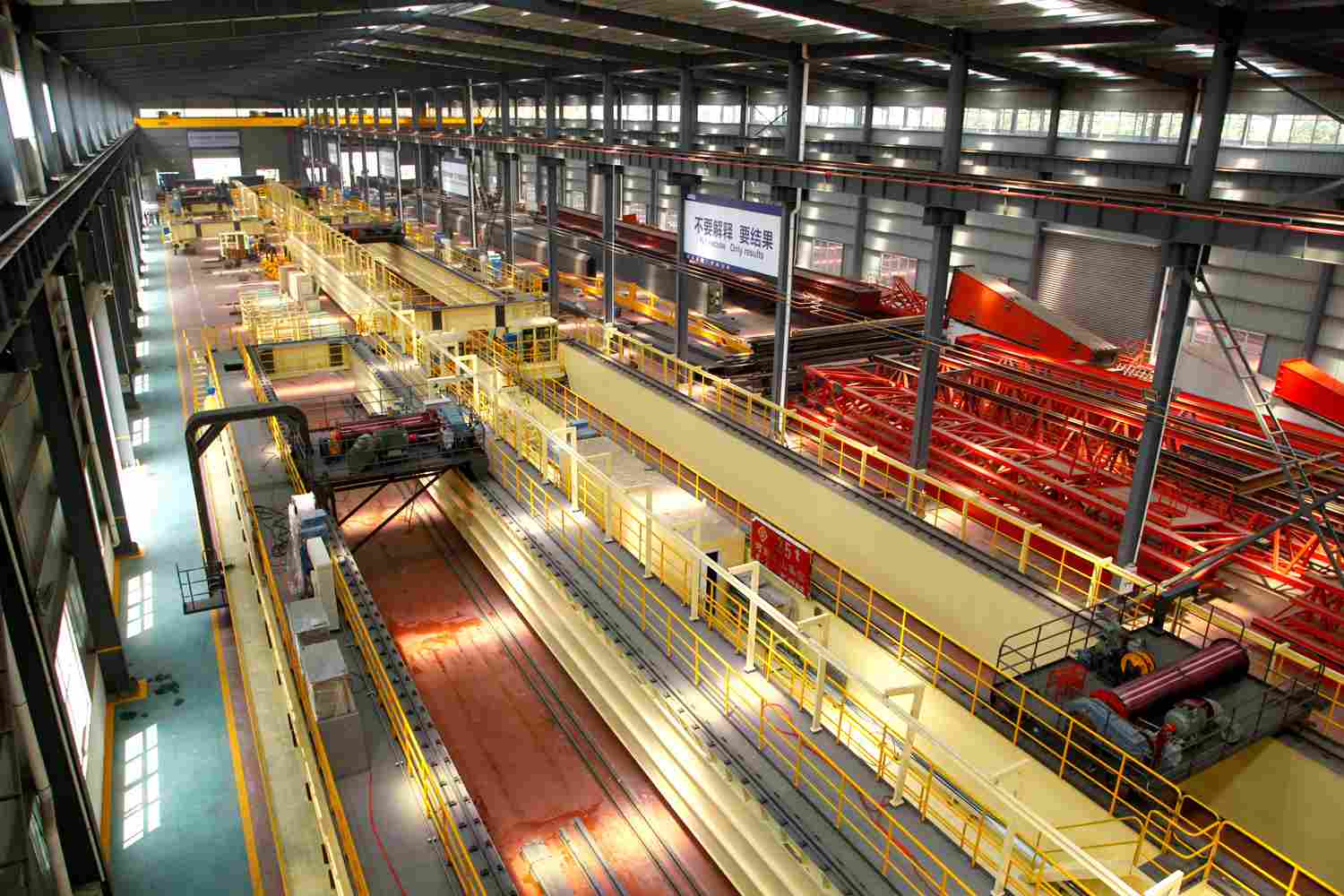
Henan Mine Crane connects commercial scope to project-specific drawings, component schedules, inspection requirements and delivery documentation. This control reduces ambiguity during bid comparison and establishes a technical baseline for installation and lifecycle service.
- ✓Approved general arrangement, hook approaches, wheel loads and building interfaces
- ✓Named component schedule with controlled substitution requirements
- ✓Inspection and test plan with agreed records and witness points
- ✓Electrical drawings, operating manuals and preventive-maintenance instructions
- ✓Recommended commissioning, consumable and critical spare-parts schedules
Production resources are presented on the Henan Mine Crane factory page.
Information Required for a TCO-Based Quotation
A complete RFQ allows capital cost, operating cost and availability requirements to be evaluated on the same technical basis.
Load and Handling
Maximum and normal load, attachment, load dimensions, centre of gravity, handling sequence and synchronized-lifting requirement.
Geometry and Building
Capacity, span, lift, runway length, hook approaches, clear height, existing supports, wheel-load capacity and obstructions.
Duty and Environment
Lifts per hour, shifts, load spectrum, travel distances, temperatures, dust, corrosion, hazardous media and indoor or outdoor service.
Energy Inputs
Power supply, operating hours, movement profile, local electricity tariff, demand-charge structure and energy-control objectives.
Service and Availability
Maintenance resources, approved component preferences, required spares, target availability and site-specific downtime consequence.
Commercial Scope
Destination, Incoterm, runway, electrification, installation, commissioning, testing, training, documentation and evaluation period.
Overhead Crane Cost FAQ
Request an Overhead Crane Cost Proposal
Henan Mine Crane prepares configuration-based proposals covering crane equipment and the agreed project boundary, supported by the technical data required for capital and lifecycle cost evaluation.