Overhead Crane Manufacturer & Supplier | Henan Mine Crane

share:

Overhead Crane Manufacturer & Supplier | Henan Mine Crane

Custom Overhead Crane Manufacturer

Overhead Cranes

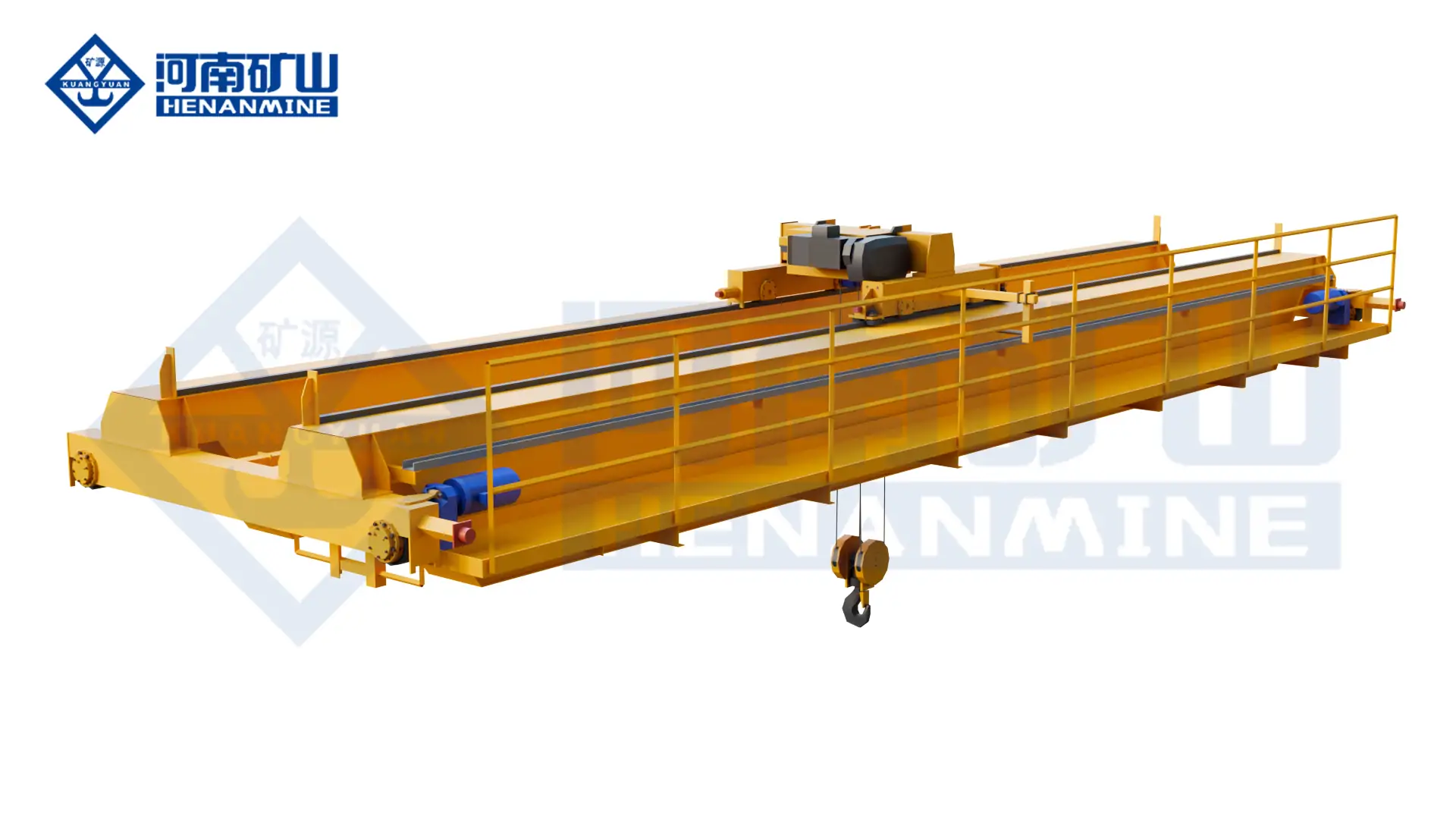
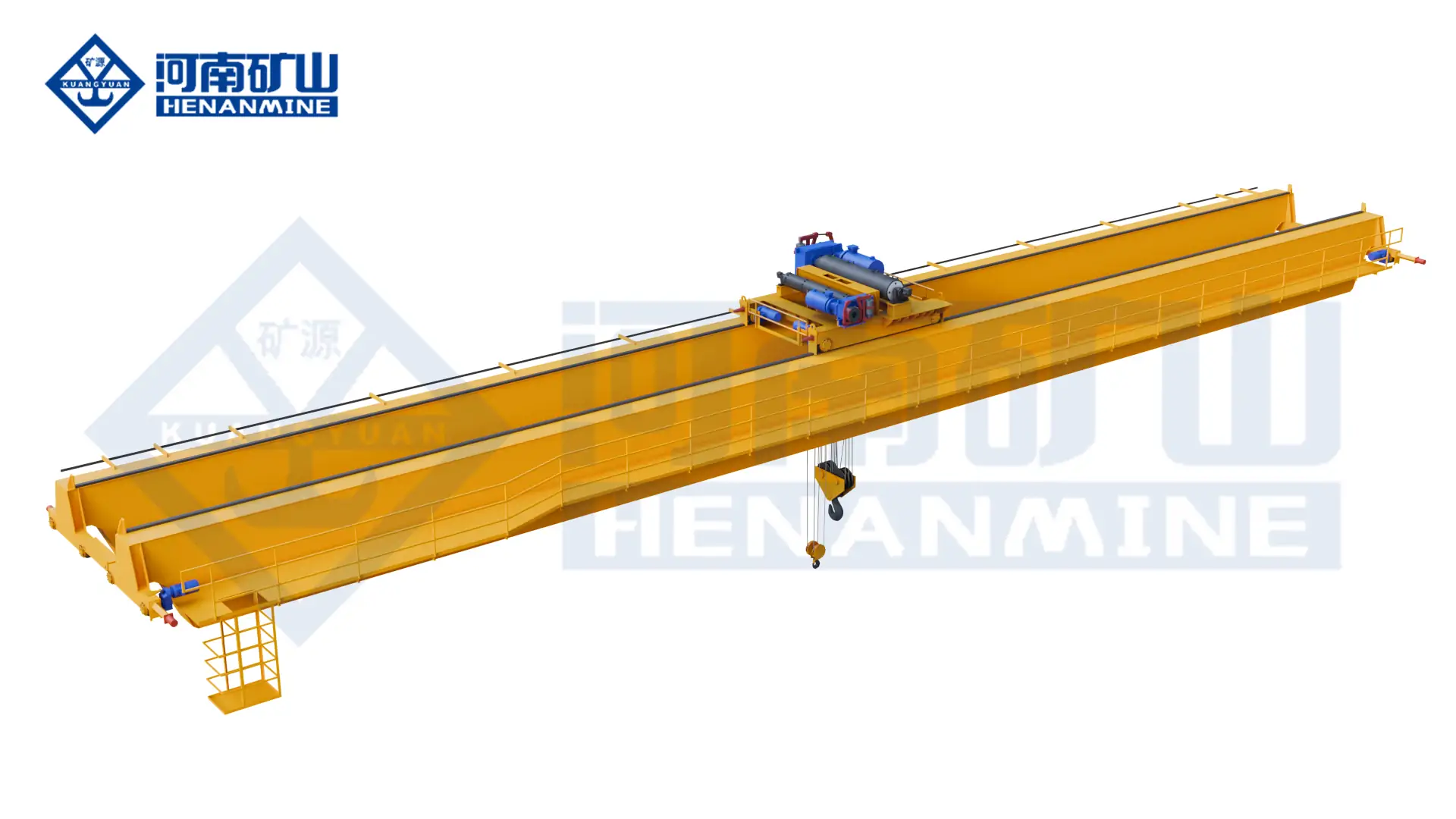
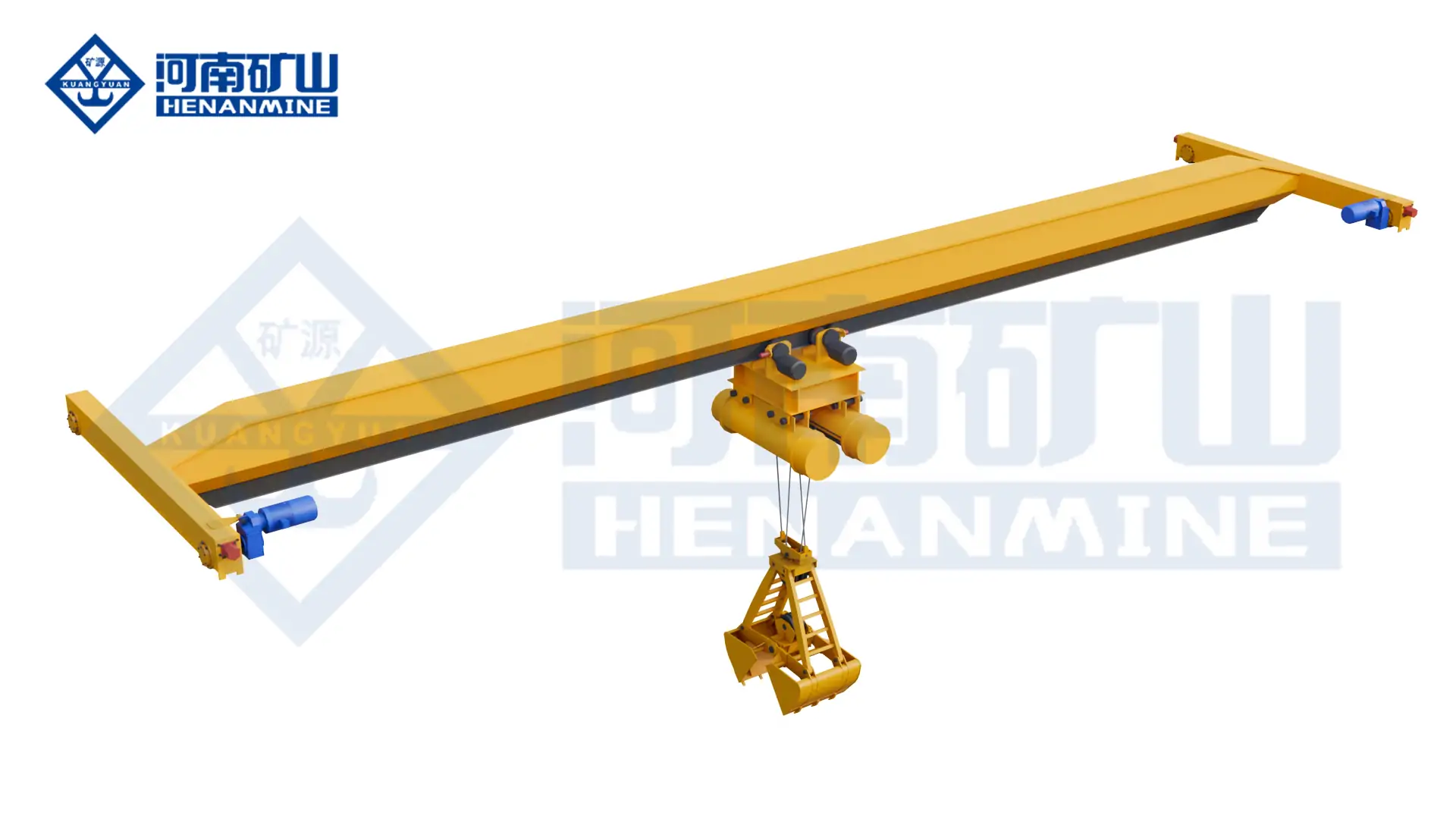
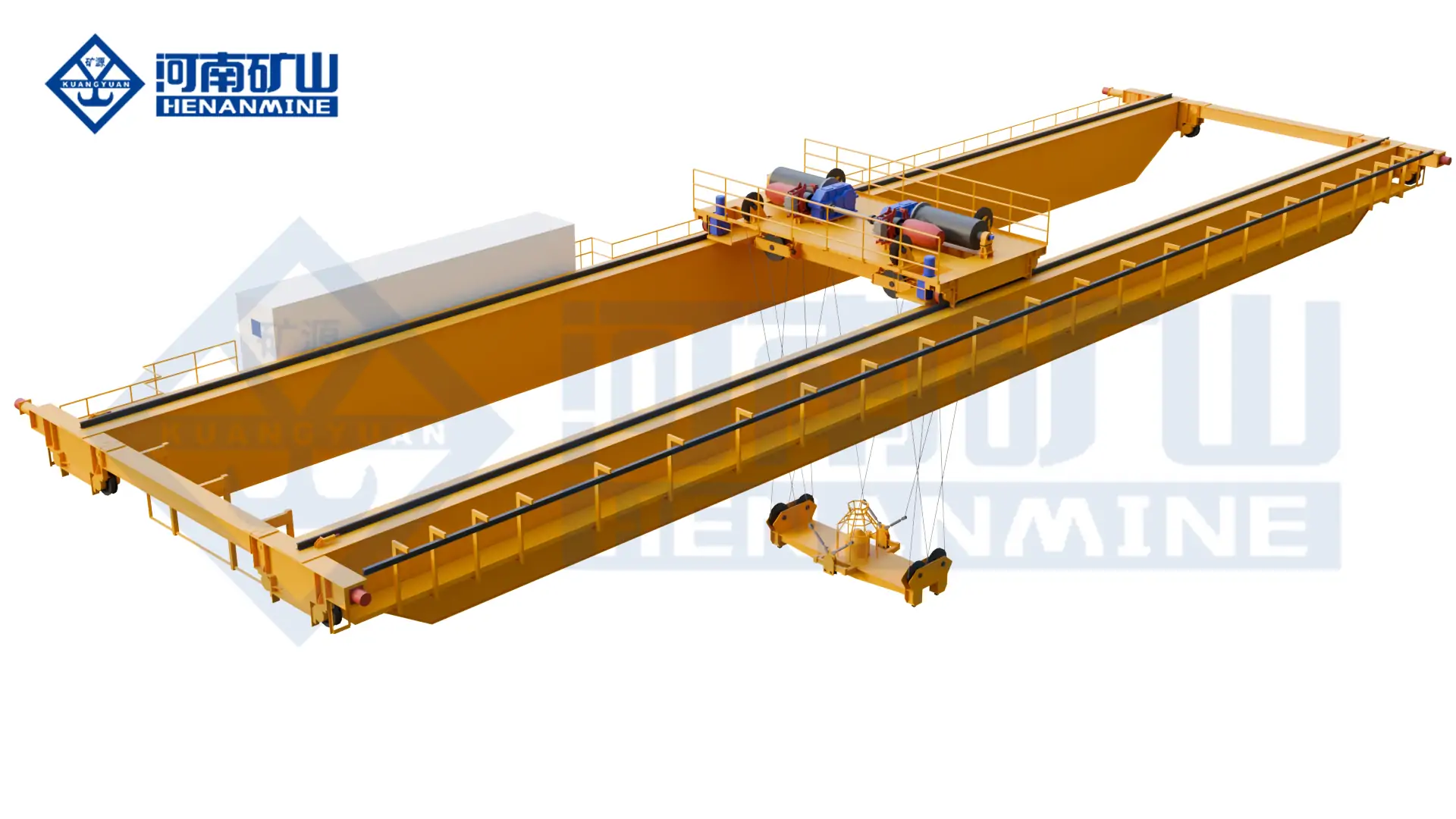
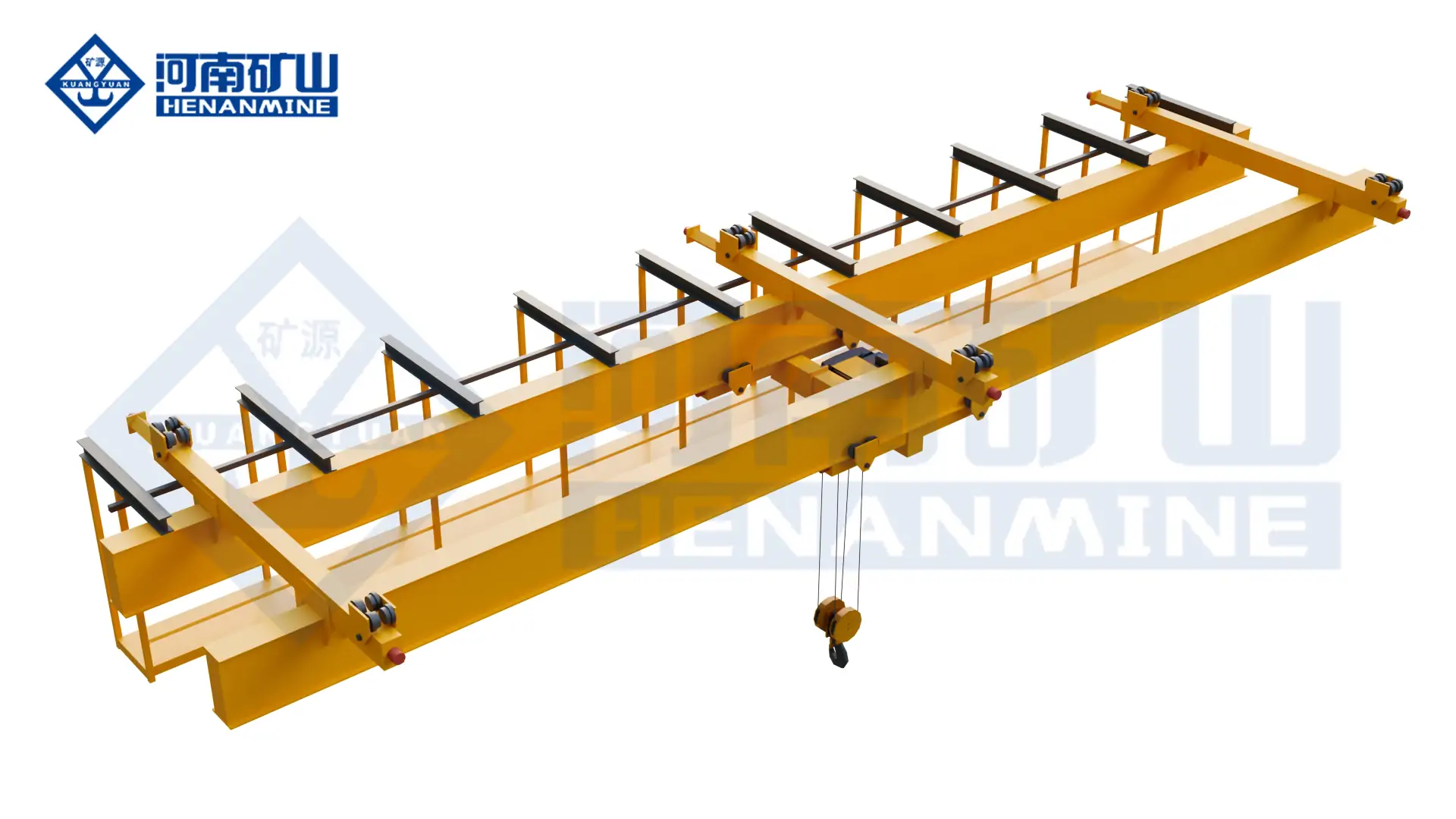
Henan Mine Crane manufactures overhead cranes—also known as bridge cranes or EOT cranes—for workshops, warehouses, steel plants, power facilities, hazardous areas and specialized production lines. Each crane is engineered around the load, span, lifting height, duty cycle, building clearance, control method and operating environment.

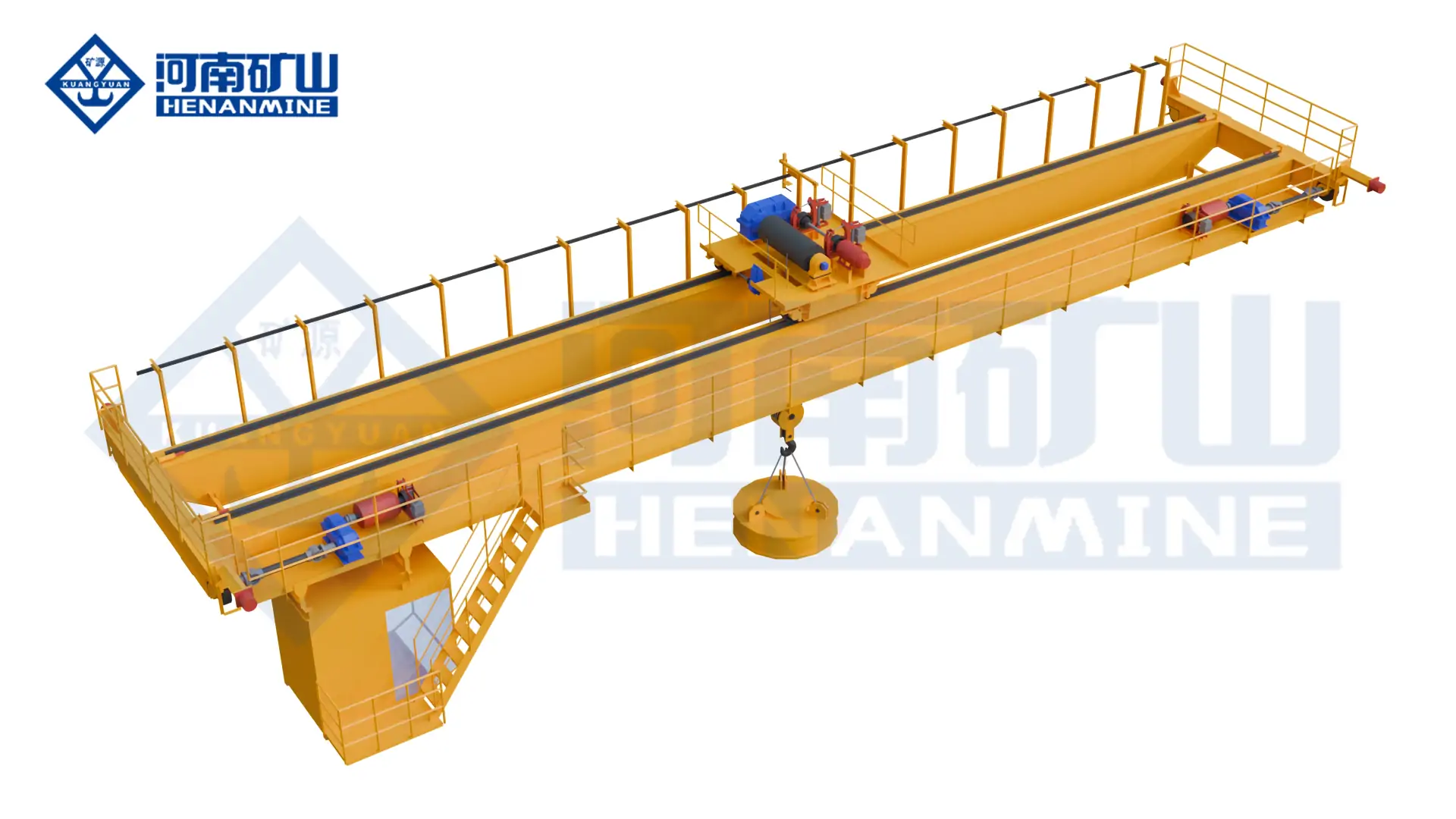
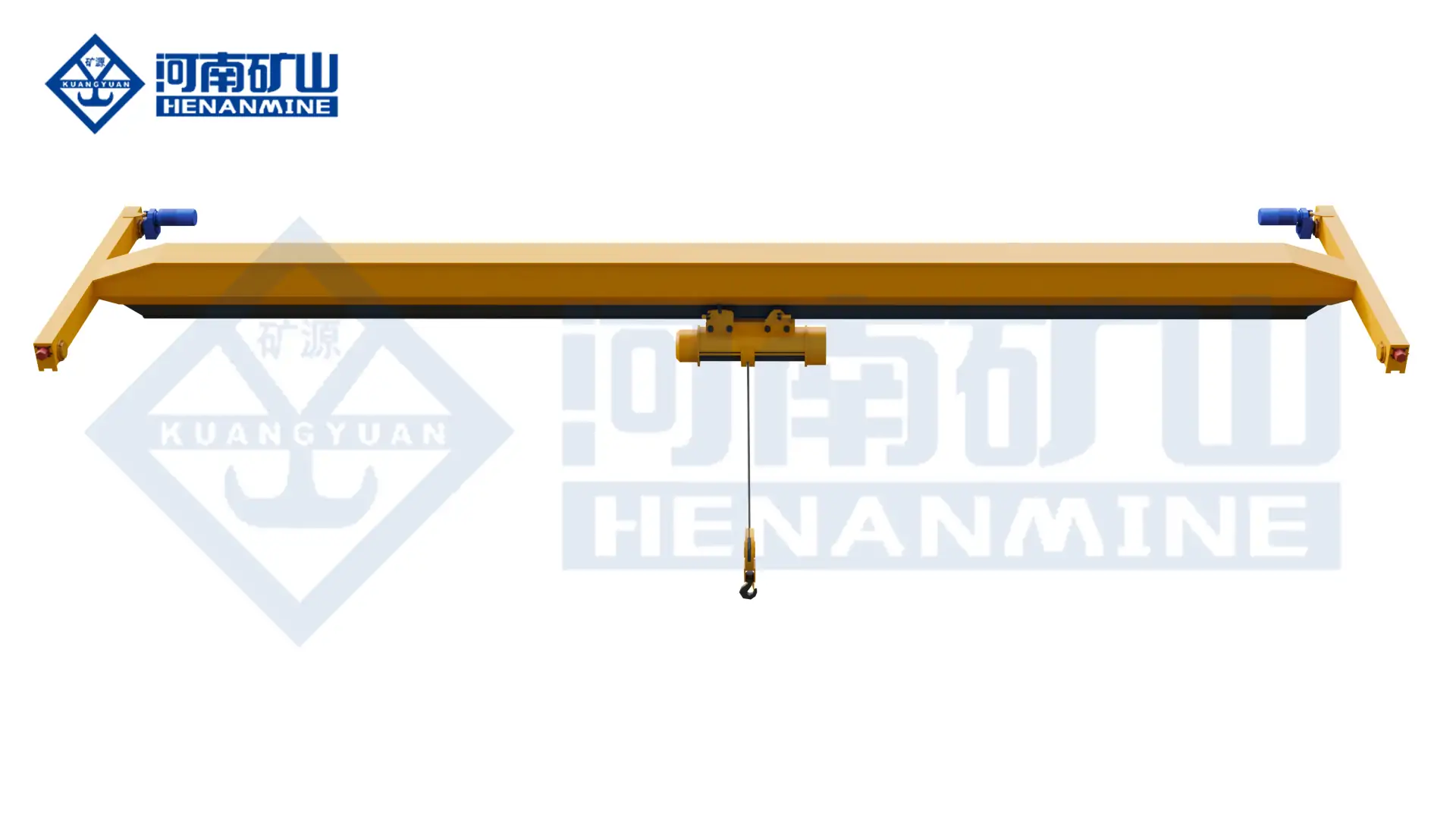
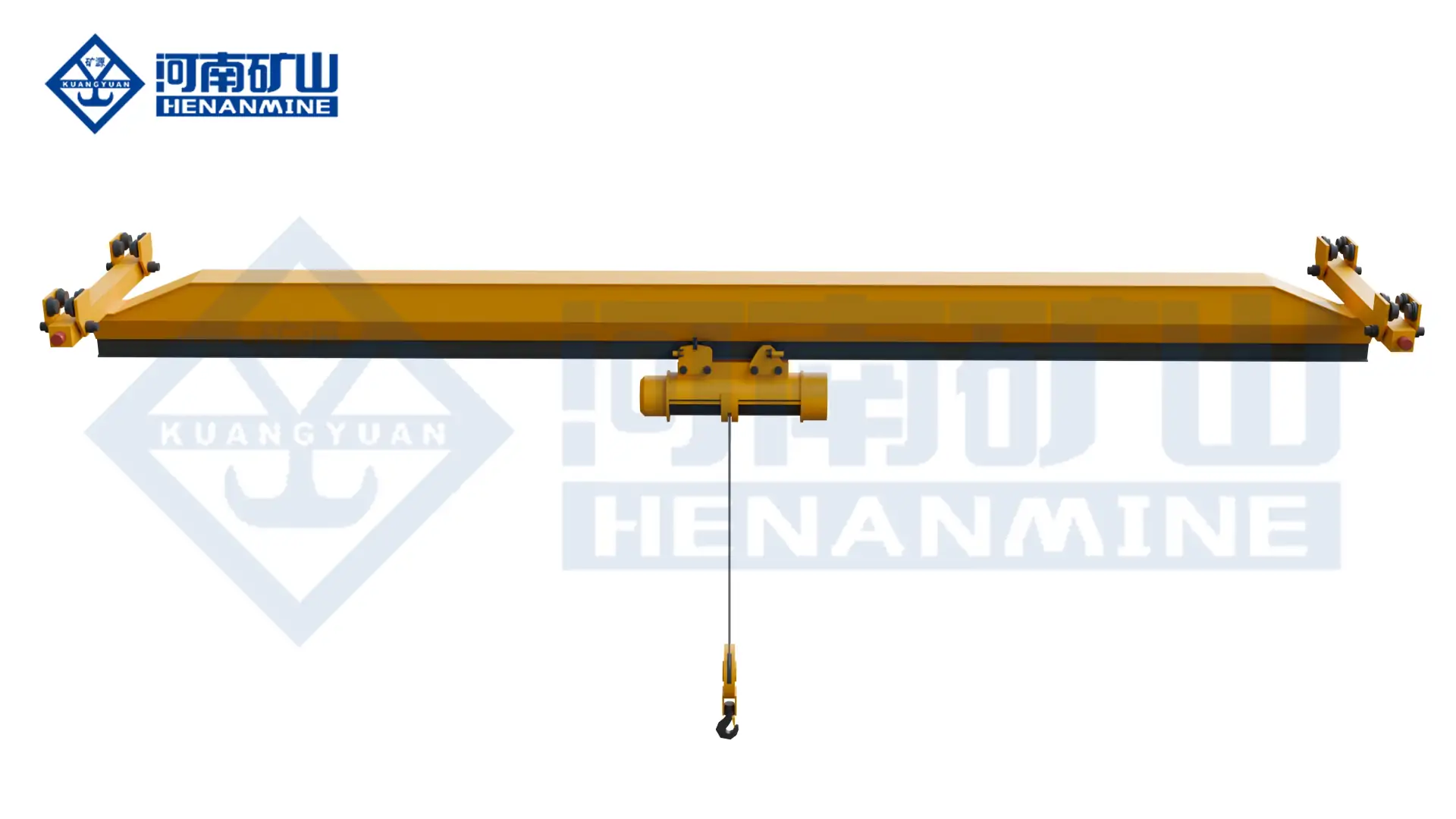
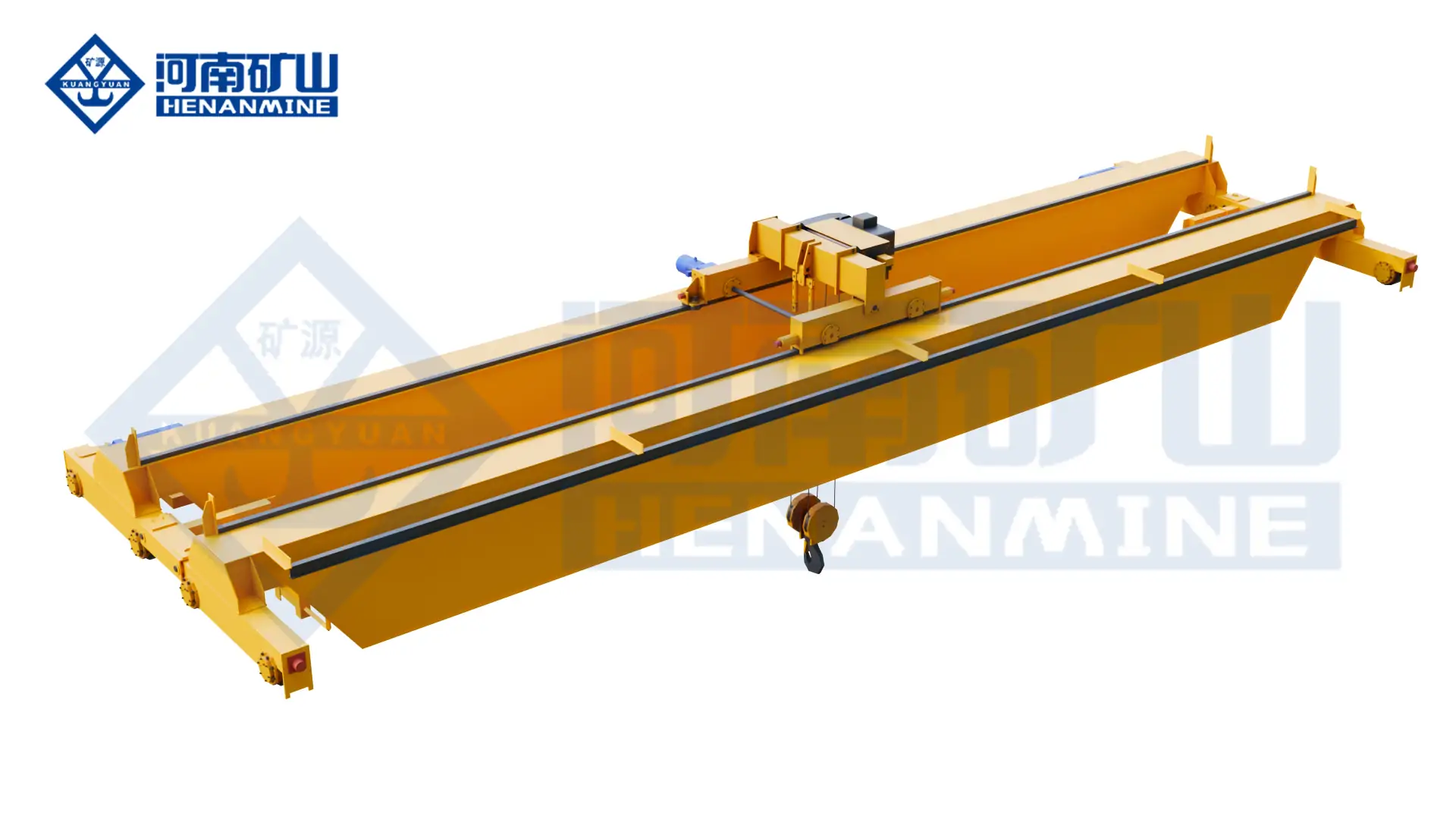
Choose from single-girder, double-girder, underhung, electric-hoist, explosion-proof, metallurgical, grab, magnetic and application-specific overhead crane configurations. Product names below link directly to the corresponding crane detail page.
Henan Mine Crane overhead crane installed in an industrial workshop
Custom overhead crane solutions for workshop production, assembly, maintenance and material transfer.
CapacitySelected for the lifted load, attachment and required safety allowance
Span & LiftEngineered to the runway gauge, hook approach and available headroom
Duty ClassMatched to operating cycles, load spectrum and production intensity
ControlsPendant, radio remote, cabin or automated control as required

Overhead Crane Types

The correct overhead crane configuration depends on more than lifting capacity. Girder arrangement, runway position, hoisting mechanism, load-handling attachment, working environment and production cycle all affect the final design. The following products cover general industrial lifting and specialized material-handling requirements.

Compare Overhead Crane Configurations

This comparison narrows the starting configuration. Final crane selection requires the actual load spectrum, runway data, building clearances and operating environment.

Configuration Main Selection Advantage Typical Applications Important Design Input
Single Girder Lower structural weight and compact arrangement Workshop, warehouse, assembly and maintenance Headroom, building load and required hook approach
Double Girder Greater rigidity and more room for hoist or trolley systems Heavy manufacturing, wide bays and higher-duty handling Load spectrum, span, wheel loads and duty class
Underhung Preserves floor space and can follow suspended runway layouts Hangars, large-span plants and space-restricted workshops Roof capacity, support spacing and runway geometry
Explosion-Proof Equipment configuration matched to a defined hazardous area Chemical, oil and gas, coal-processing and combustible-dust areas Gas/dust group, zone, temperature class and local standard
Metallurgical Safety and thermal design for hot, high-duty material handling Smelting, foundry, casting, rolling and billet handling Material temperature, radiant heat, duty and emergency requirements
Grab Purpose-built bulk material pickup and discharge Coal, ore, aggregate, biomass, waste and stockpiles Bulk density, grab volume, throughput and material characteristics
Electromagnetic Reduces manual rigging for magnetic steel products Steel mills, metal yards, plate shops and scrap handling Load profile, steel temperature, magnet arrangement and backup power

How to Select an Overhead Crane

An accurate overhead crane quotation starts with the operating requirement rather than tonnage alone. Provide the following information so the crane, runway reaction, hoisting system and safety configuration can be evaluated together.

1. Load DetailsMaximum load, normal load, load dimensions, center of gravity, attachment weight and whether synchronized lifting is required.
2. Working AreaRunway span, required lifting height, building clear height, hook approaches, obstructions and available maintenance space.
3. Operating CycleLifts per hour, operating hours per day, percentage of lifts near rated capacity and required hoisting/travel speeds.
4. EnvironmentIndoor or outdoor location, temperature, humidity, dust, corrosion, hazardous media, radiant heat and cleanliness requirements.
5. Control & PositioningPendant, radio remote, cabin or automated control; speed regulation, anti-sway, positioning and production-line interface requirements.
6. Site StandardsProject country, electrical supply, applicable crane standard, inspection requirements, documentation language and installation scope.

Popular Overhead Crane Capacities

Henan Mine Crane supplies customized overhead crane solutions across light, medium and heavy industrial lifting requirements. Frequently requested configurations include 1 ton, 2 ton, 3 ton, 5 ton, 10 ton, 20 ton, 30 ton, 50 ton and 100 ton overhead cranes. Capacity alone does not determine the correct crane type.

1–5 Ton Overhead CranesCommon for light manufacturing, maintenance, component assembly and warehouse handling.
5–20 Ton Overhead CranesUsed across general workshops, machinery production, molds, equipment maintenance and material transfer.
20–50 Ton Overhead CranesOften require closer evaluation of girder design, trolley arrangement, runway loads and duty class.
50 Ton+ Overhead CranesTypically engineered for heavy manufacturing, energy, metallurgy, large equipment assembly and project-specific lifting.

The examples above are selection starting points, not universal limits. Final capacity, span, duty and mechanism must be confirmed for the selected model.

Overhead Crane Applications

The same rated capacity can require a different crane when the load, production process or environment changes. Henan Mine Crane configures bridge cranes for the following operating conditions.

Manufacturing WorkshopsMachinery, molds, components, production tooling and equipment assembly.
Warehouses & LogisticsInbound handling, storage, order preparation, loading and maintenance tasks.
Steel & MetallurgyLadles, billets, slabs, coils, plates, sections, scrap and production-line maintenance.
Power & EnergyTurbines, generators, maintenance components and heavy equipment positioning.
Chemical & Hazardous AreasSpecified explosion-proof, corrosion-resistant or protected lifting configurations.
Bulk Material HandlingGrab cranes for coal, ore, aggregate, biomass, waste and process materials.
Aerospace & Large AssemblyLarge-span lifting, synchronized movement, controlled positioning and restricted floor layouts.
Container & Intermodal HandlingContainer lifting and transfer in logistics parks, freight yards and container facilities.

Overhead Crane Configuration Options

Design Area Available Engineering Direction Information Required
Bridge Structure Single girder, double girder, top-running or underhung Span, headroom, runway position and building loads
Hoisting Mechanism Wire-rope electric hoist, open winch trolley or purpose-built mechanism Capacity, duty, speed, lift and redundancy requirements
Load Attachment Hook, grab, magnet, lifting beam, clamp or custom attachment Load dimensions, weight distribution, temperature and handling method
Motion Control Single/dual speed, variable-frequency control, anti-sway and positioning Required cycle time, positioning tolerance and process interface
Operator Control Pendant, radio remote, cabin, remote station or automated control Visibility, travel distance, staffing and automation level
Environmental Protection Explosion-proof, dust-resistant, corrosion-resistant, high-temperature or clean configurations Hazard classification, contaminants, temperature and local requirements
Safety System Limits, overload protection, emergency stop, anti-collision and project-specific redundancy Risk assessment, crane duty, adjacent cranes and lifted material

What Determines Overhead Crane Price?

An overhead crane price cannot be determined reliably from tonnage alone. Two 10 ton overhead cranes can have different costs when span, lifting height, duty class, trolley arrangement, speed control, runway scope or environmental protection changes.

  • Rated capacity, span and lifting height
  • Single-girder or double-girder structure
  • Electric hoist or open-winch trolley
  • Working class, operating hours and required speeds
  • Control method, automation and positioning requirements
  • Explosion-proof, metallurgical, corrosion-resistant or other special design
  • Runway, electrical supply, installation, commissioning and testing scope

For a comparable quotation, define the same technical scope for every overhead crane manufacturer and supplier. Henan Mine Crane can prepare a configuration-based proposal after receiving the project information listed above.

Overhead Crane FAQ

Are overhead cranes, bridge cranes and EOT cranes the same?
The terms frequently describe the same general crane family: a bridge travels along elevated runways while a hoist or trolley moves across the bridge. “EOT crane” emphasizes electrically operated overhead travelling motion, while “bridge crane” and “overhead crane” are common market terms.
Should I choose a single-girder or double-girder overhead crane?
Single-girder cranes are often selected where a lighter and more compact structure meets the load and duty requirement. Double-girder cranes provide more structural and configuration flexibility for heavier loads, wider spans, improved hook approaches or demanding duty. Building loads and headroom must be checked before selection.
Can Henan Mine Crane supply a 5 ton or 10 ton overhead crane?
Yes. Five ton and ten ton capacities can be configured in several overhead crane structures. The suitable option depends on span, lifting height, duty, building clearance, load type and working environment—not capacity alone.
What information is required for an overhead crane quotation?
Provide maximum and normal load, span, lifting height, runway/building information, operating cycles, control preference, power supply, project country, environment and the material being handled. Drawings and site photographs improve proposal accuracy.
How is the required overhead crane duty class selected?
Duty class is determined by expected operating time, starts per hour, load spectrum, lifting cycles, travel distance and production criticality. Selecting duty class only from rated capacity can lead to an oversized crane or insufficient service life.
Which overhead crane control method should I choose?
Pendant control suits local operation; radio remote control gives the operator more freedom to choose a safe viewing position; cabin control is considered for long travel, high-duty or visibility-critical work. Automated and remote-station control may be integrated when the production process requires it.
Can an overhead crane be installed in an existing workshop?
It may be possible after checking the building structure, runway alignment, column and bracket capacity, headroom, clearances, electrical supply and installation access. Existing runway data should be reviewed before confirming crane wheel loads and geometry.
What affects overhead crane delivery and installation planning?
Engineering approval, component configuration, special protection, inspection requirements, transport dimensions, runway readiness, lifting access and commissioning scope all affect the schedule. These items should be agreed in the technical and commercial proposal.

Request an Overhead Crane Quote

Send Henan Mine Crane your required capacity, span, lifting height, duty cycle, operating environment, power supply and building or runway information. Our team will use these inputs to recommend an appropriate overhead crane configuration and quotation scope.
Directly state your needs and receive professional advice!

30 Years of Lifting R&D, Following Strict European Standards, Intelligent Empowerment for Heavy Loads, Providing Global Safe & Excellent Solutions


    Get your customized solution
    Contact us today by email at info@hnksglobal.com or fill out the form below.


      X
      Product Introduction
      Manufacturer
      Customer trust
      Cooperative distributor
      FAQ
      Operation Manual