
Gantry Crane vs Overhead Crane: Key Differences and How to Choose
In the manufacturing workshop, warehousing and logistics, port terminals, construction sites and other scenes, heavy lifting equipment is to enhance the efficiency of material transfer, to ensure the continuity of production of the core equipment.
Among them, overhead cranes and gantry cranes as the most widely used two major crane type, with similar functions but significant differences in structure and application scenarios, many companies often have difficulty in choosing when purchasing.
In this paper, we will comprehensively dismantle the definition of the two types of cranes, the core differences, advantages and disadvantages, and combined with the working conditions to give professional advice on selection, while relying on the industry experience of Henan Mining Crane, to provide you with reliable procurement reference, to help you accurately match the most suitable lifting equipment for their own operational needs.
What Are Overhead Cranes?
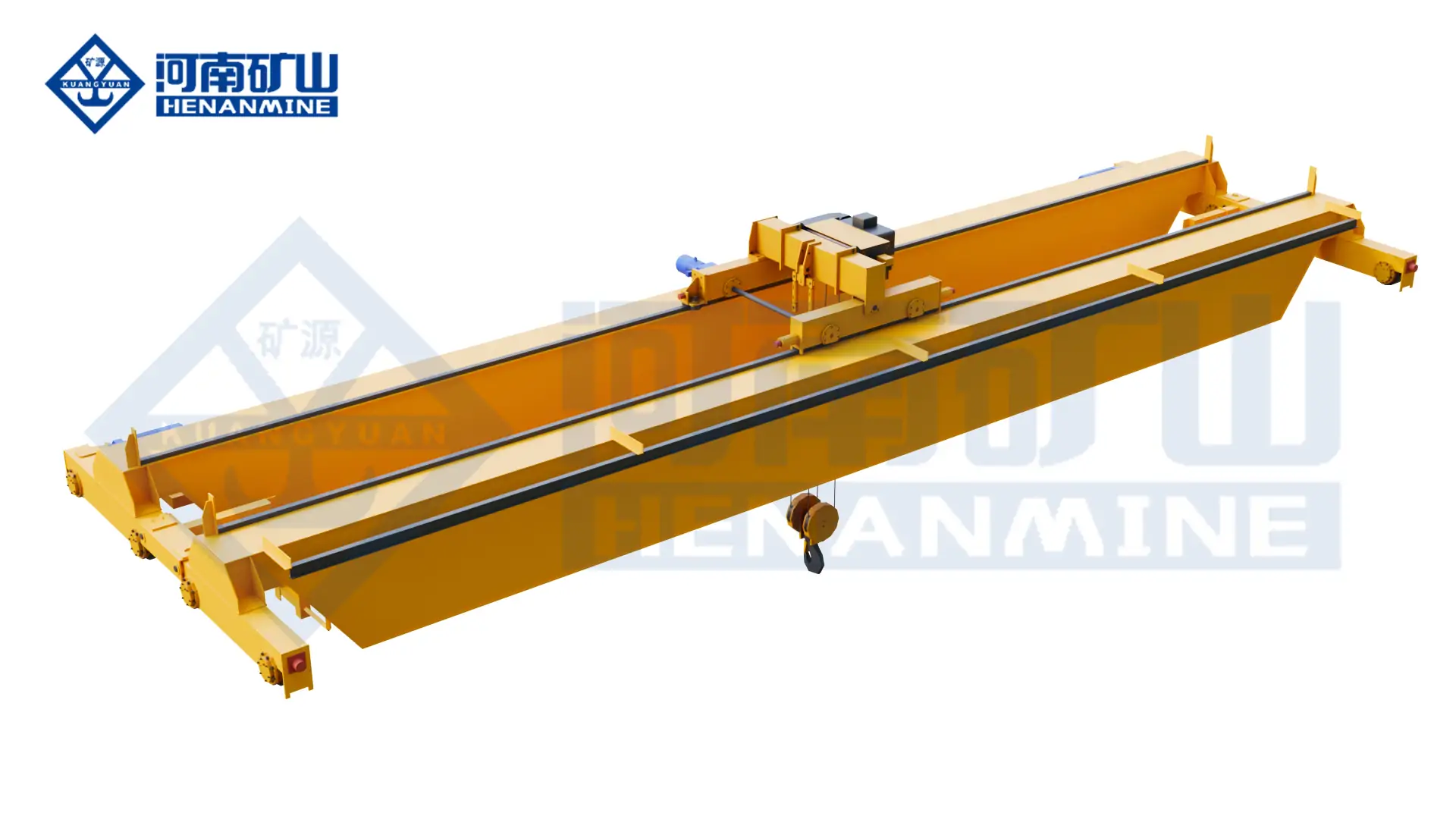
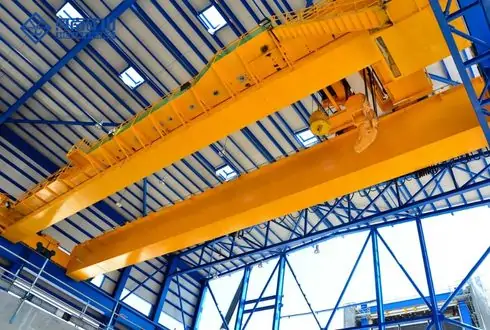
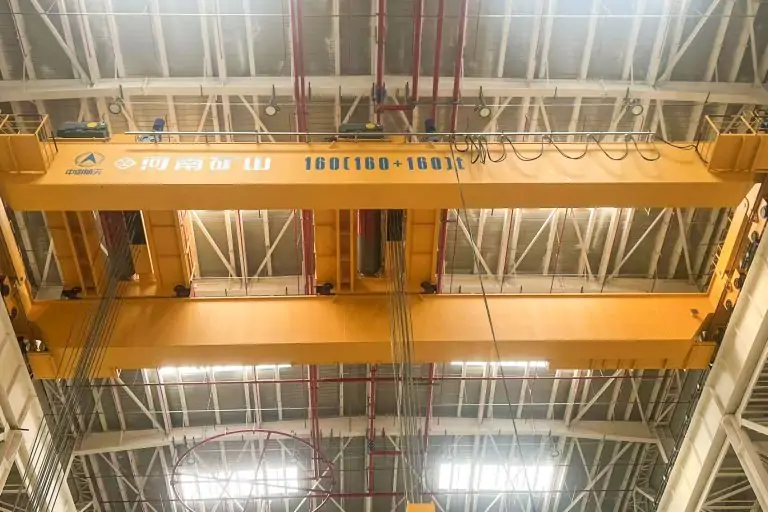
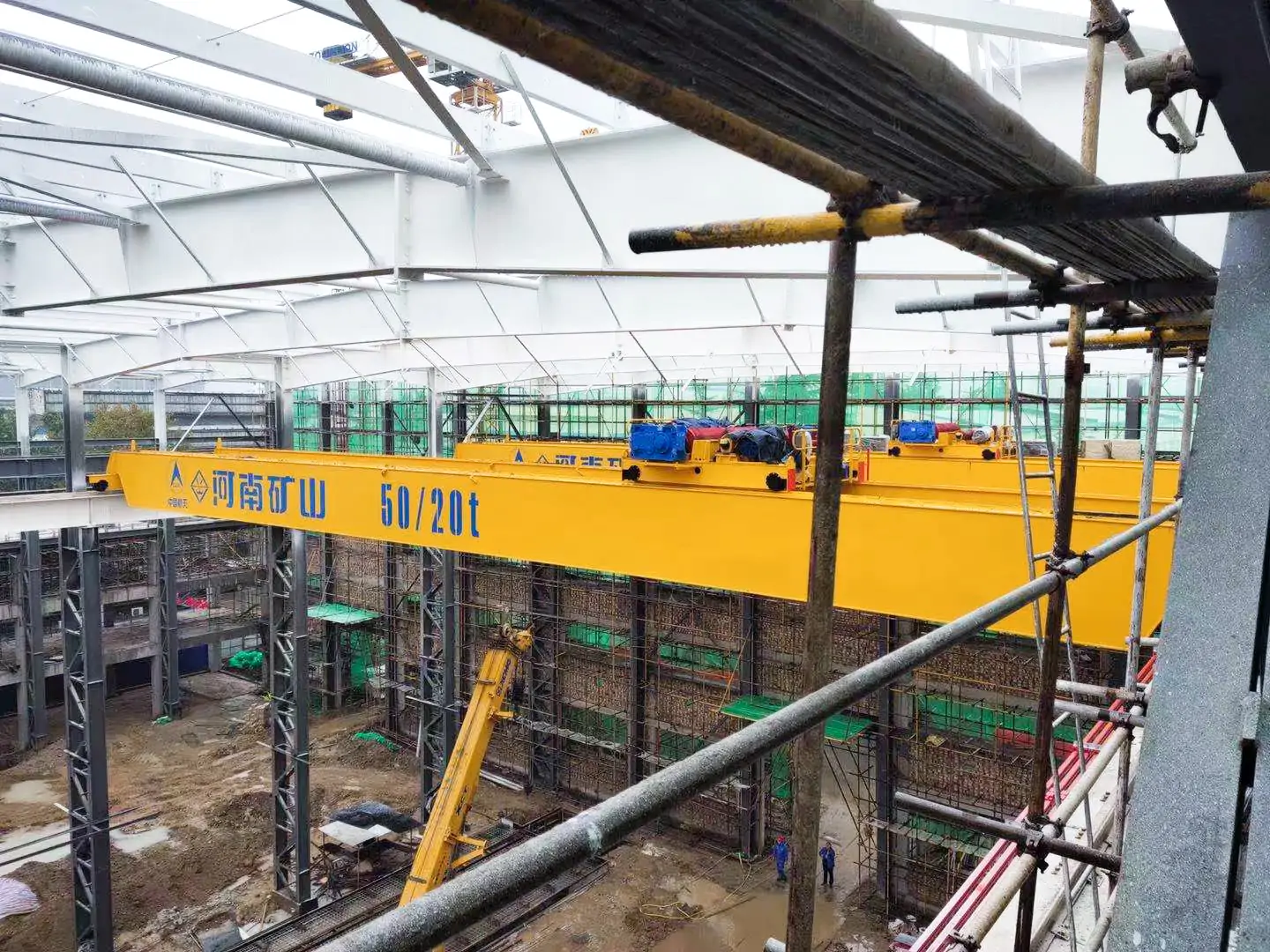
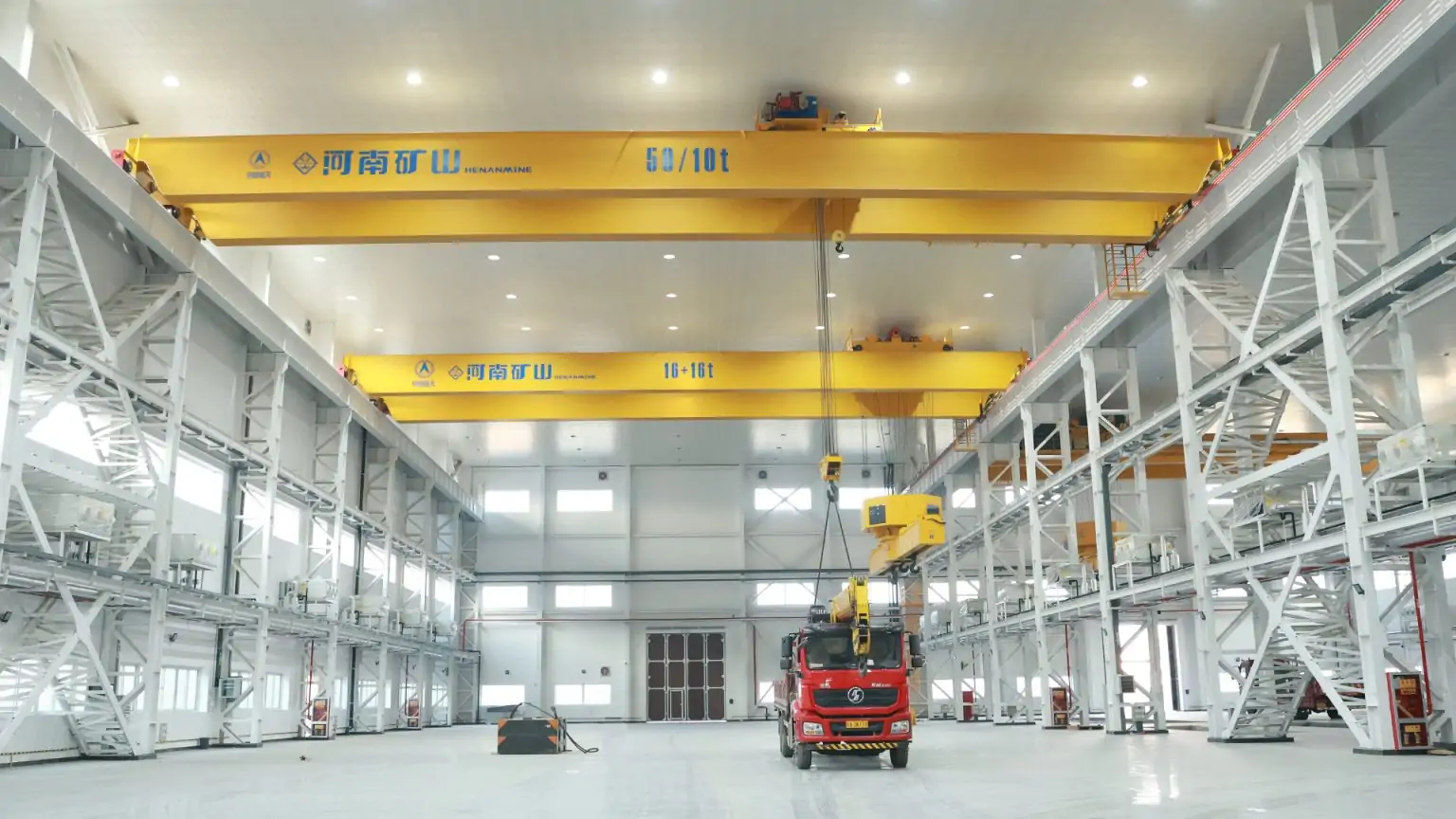
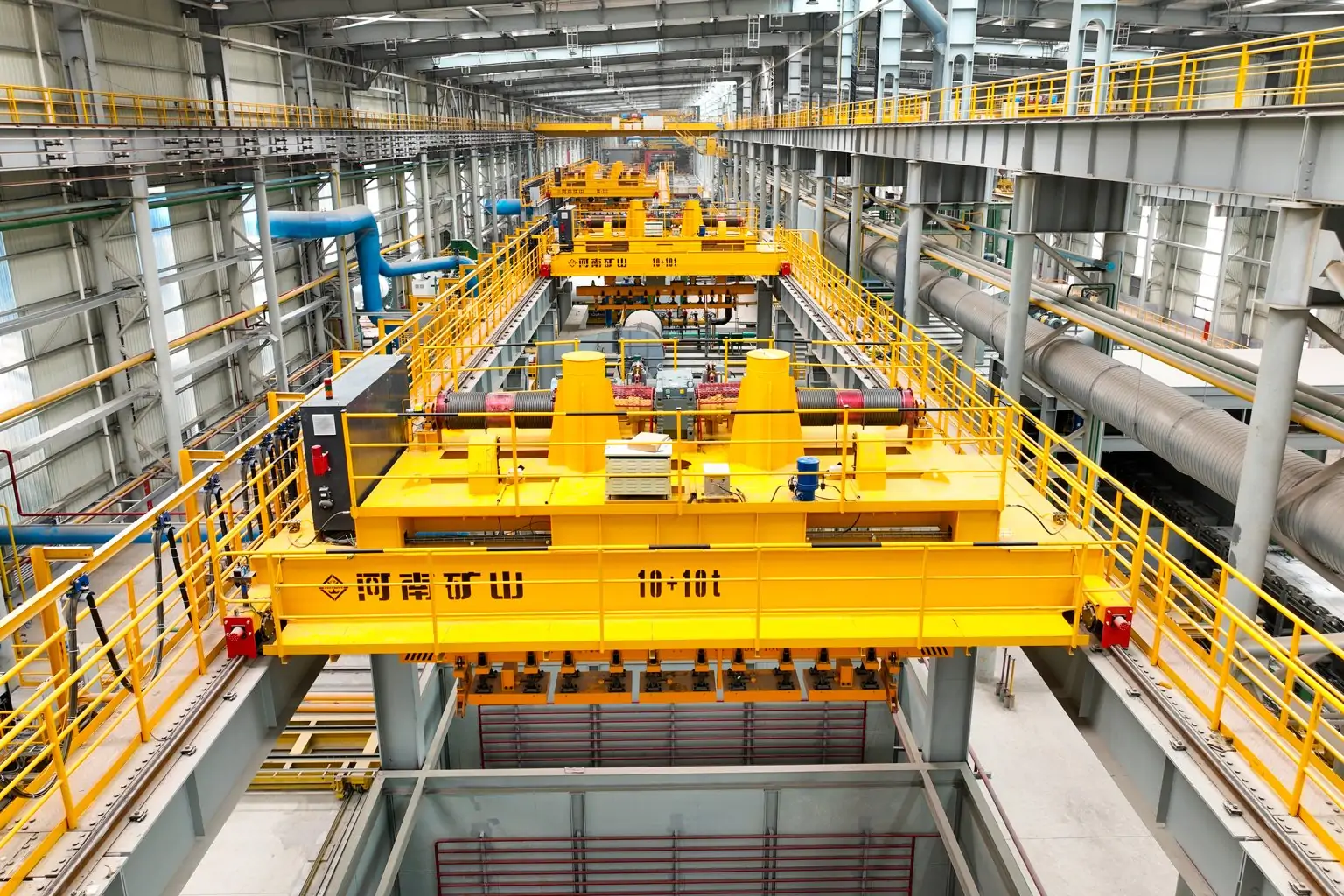
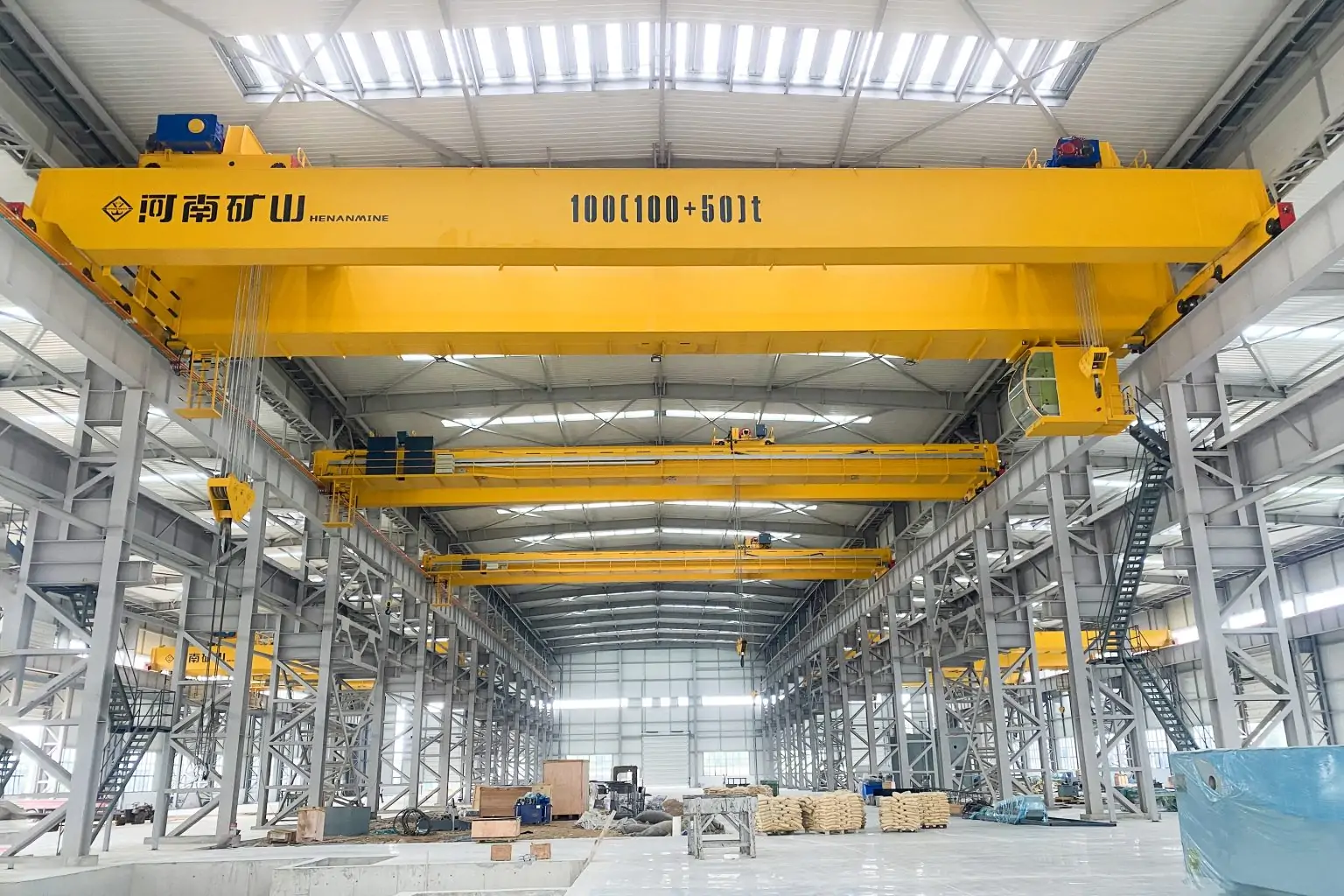
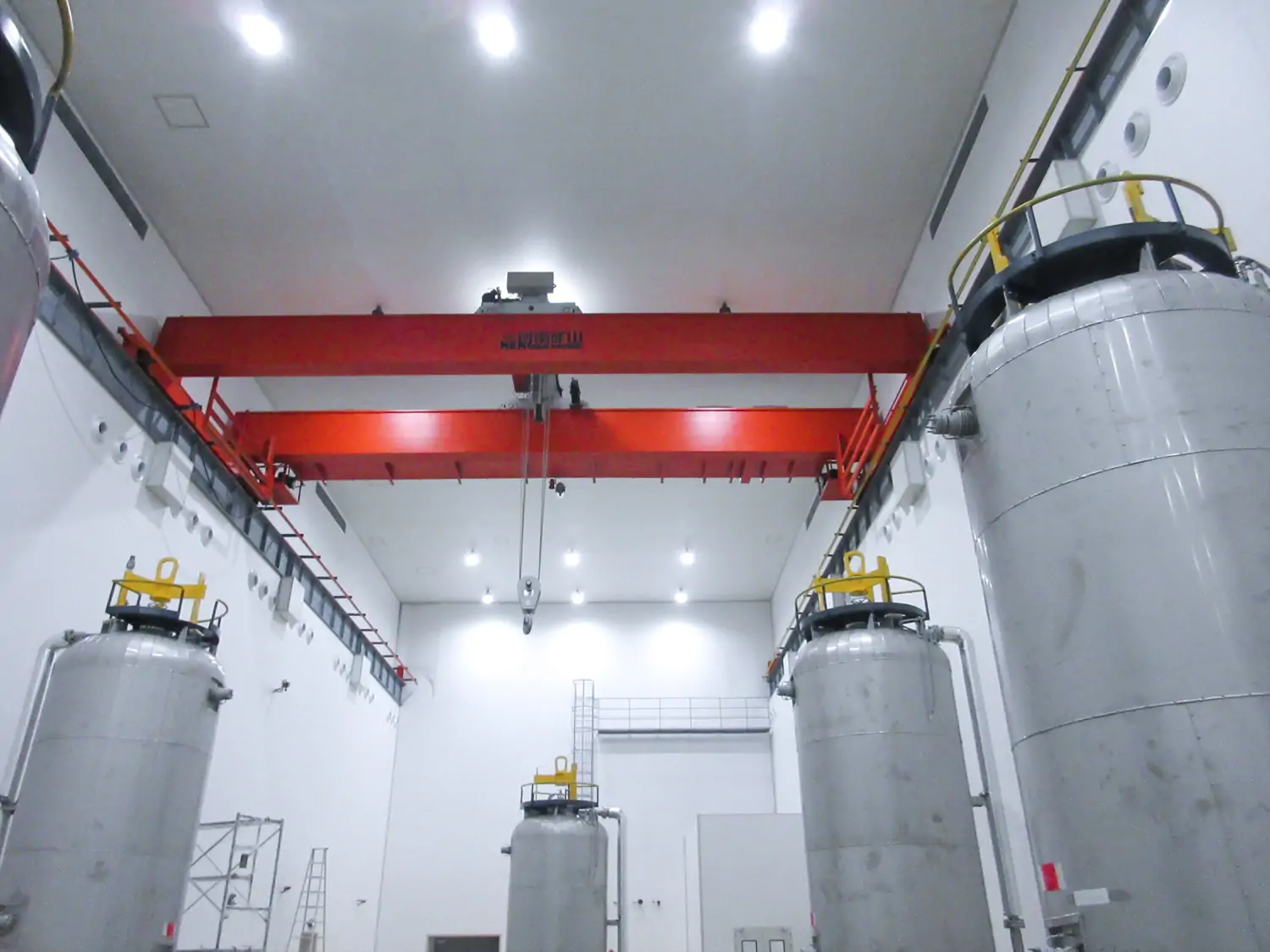
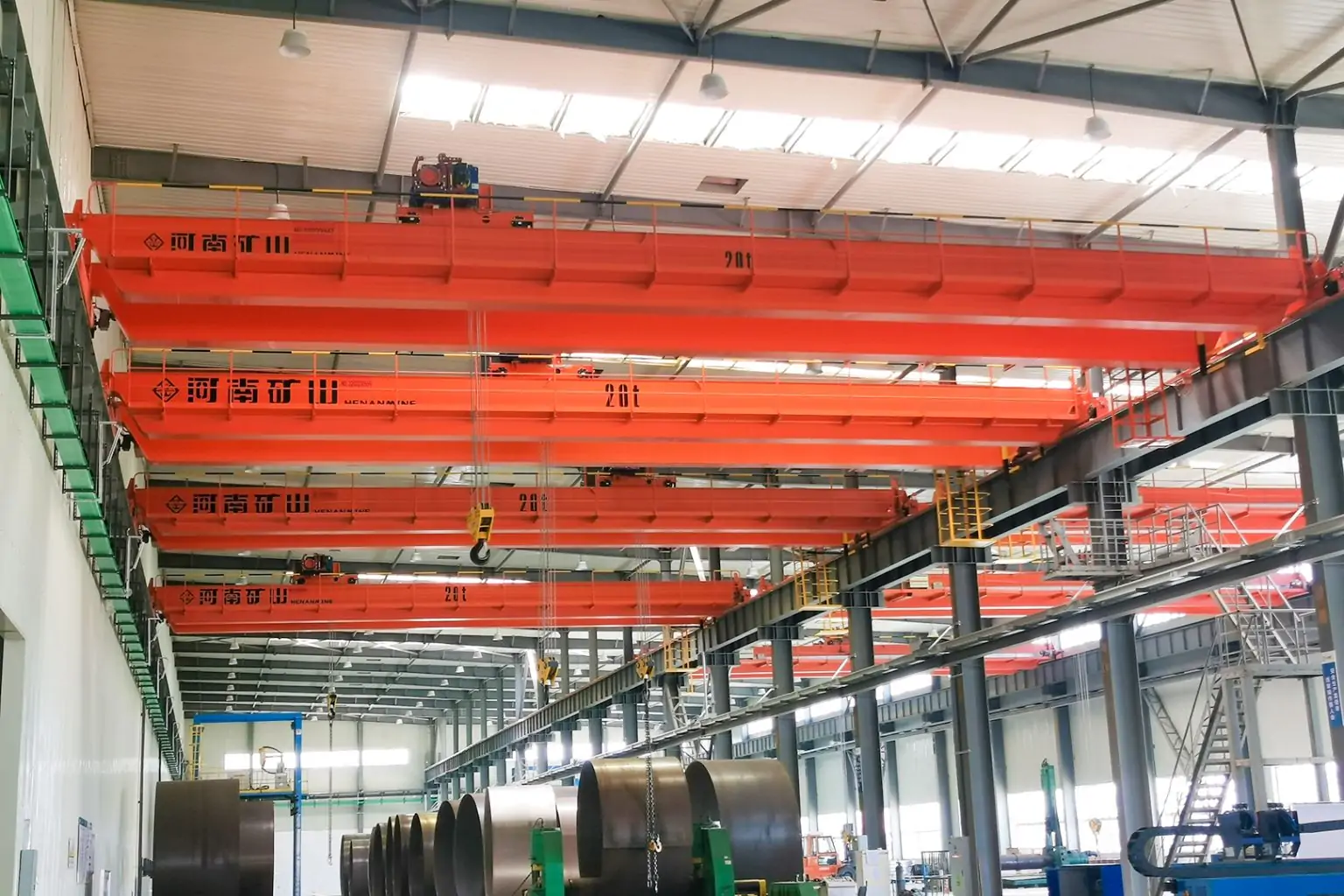
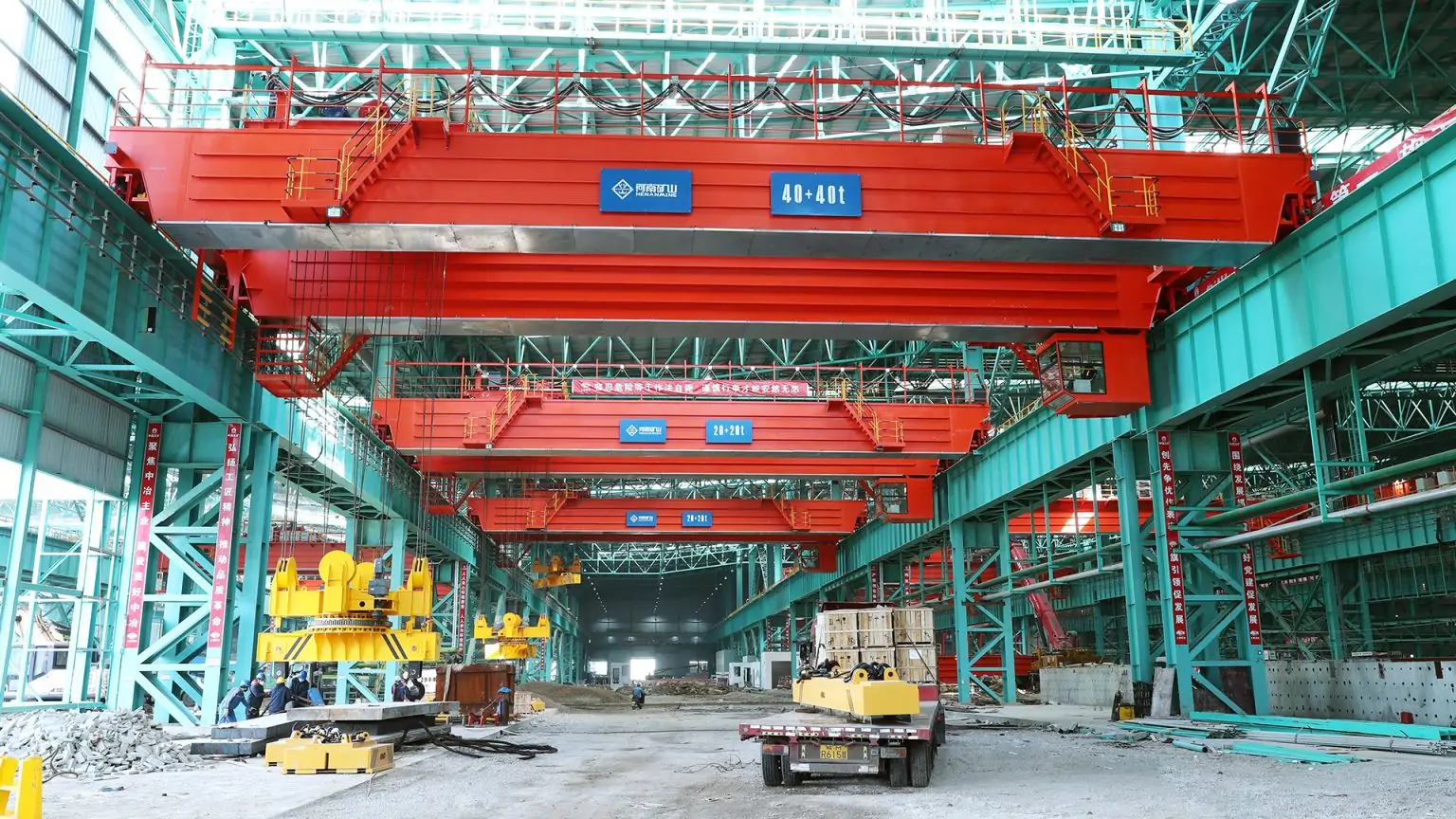
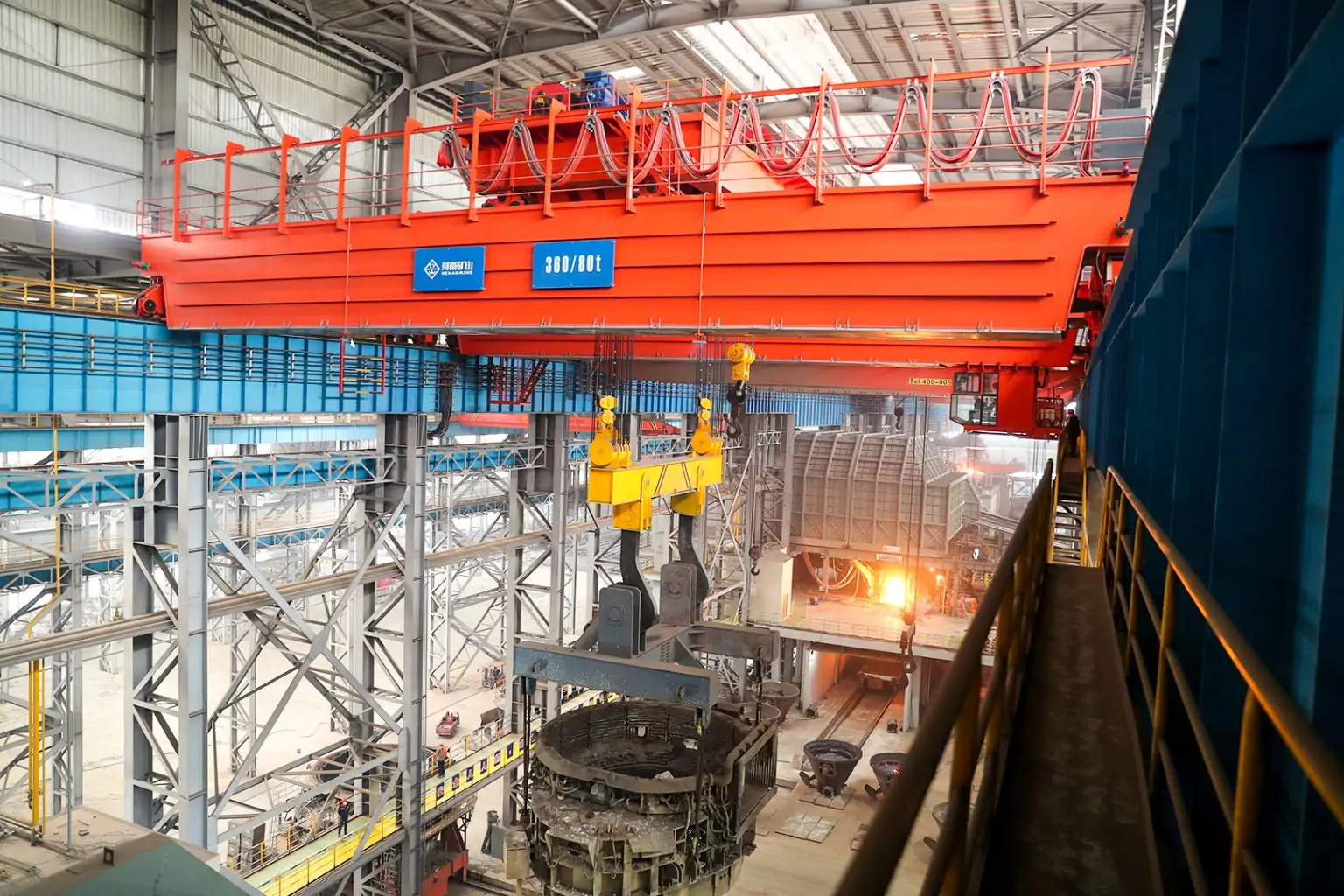
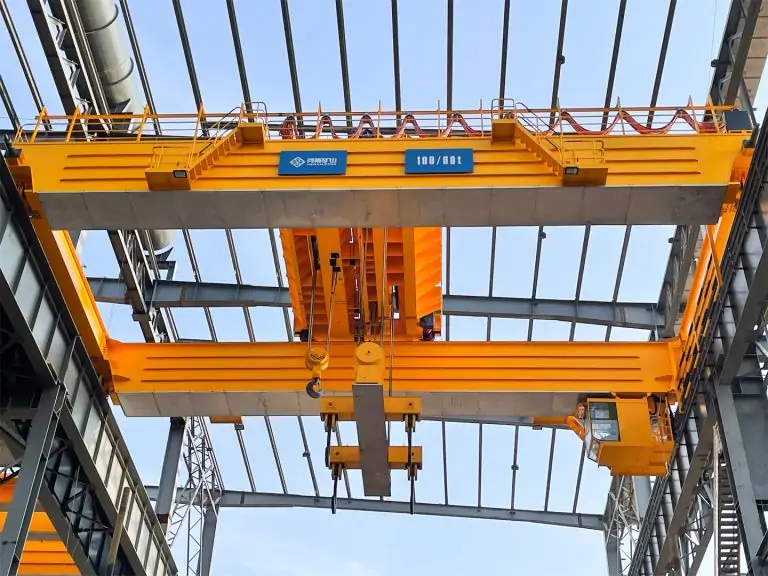
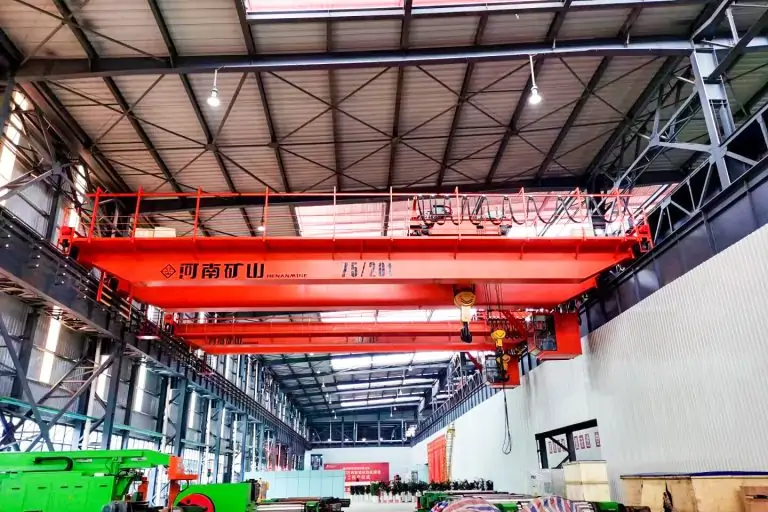
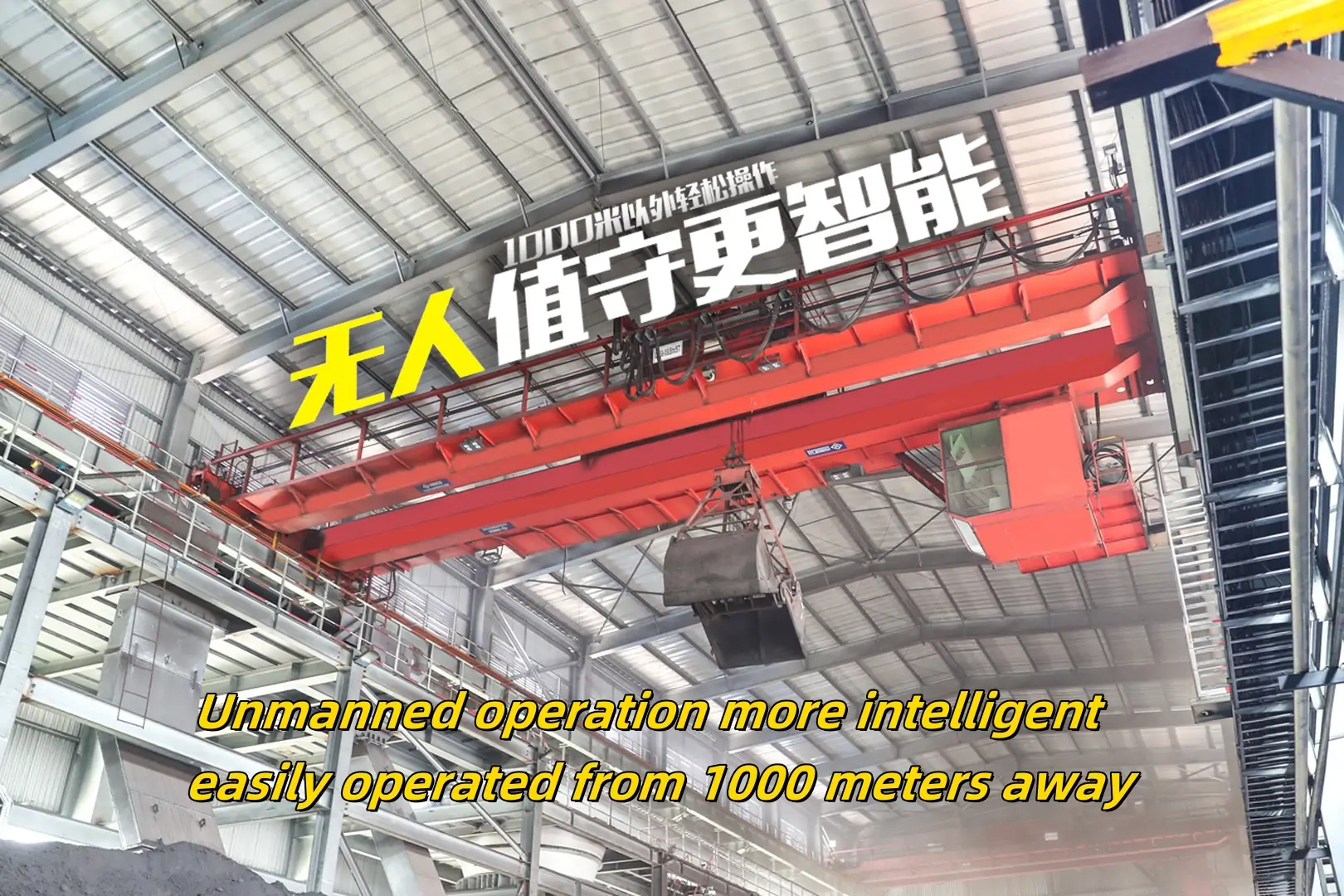
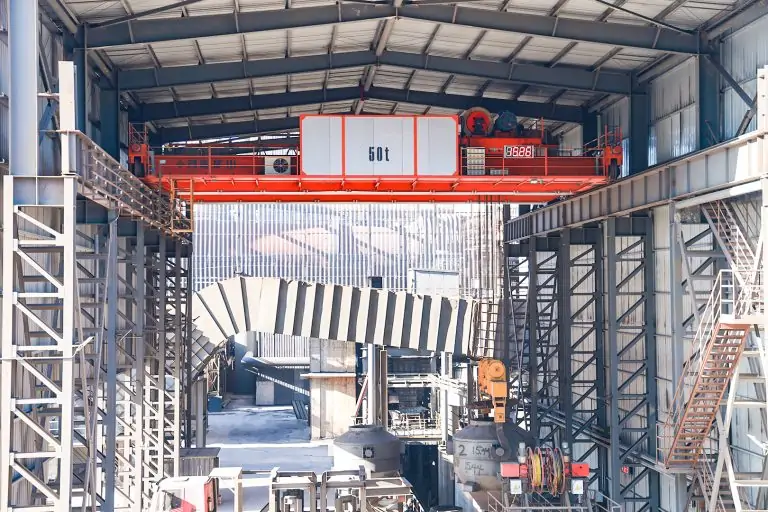
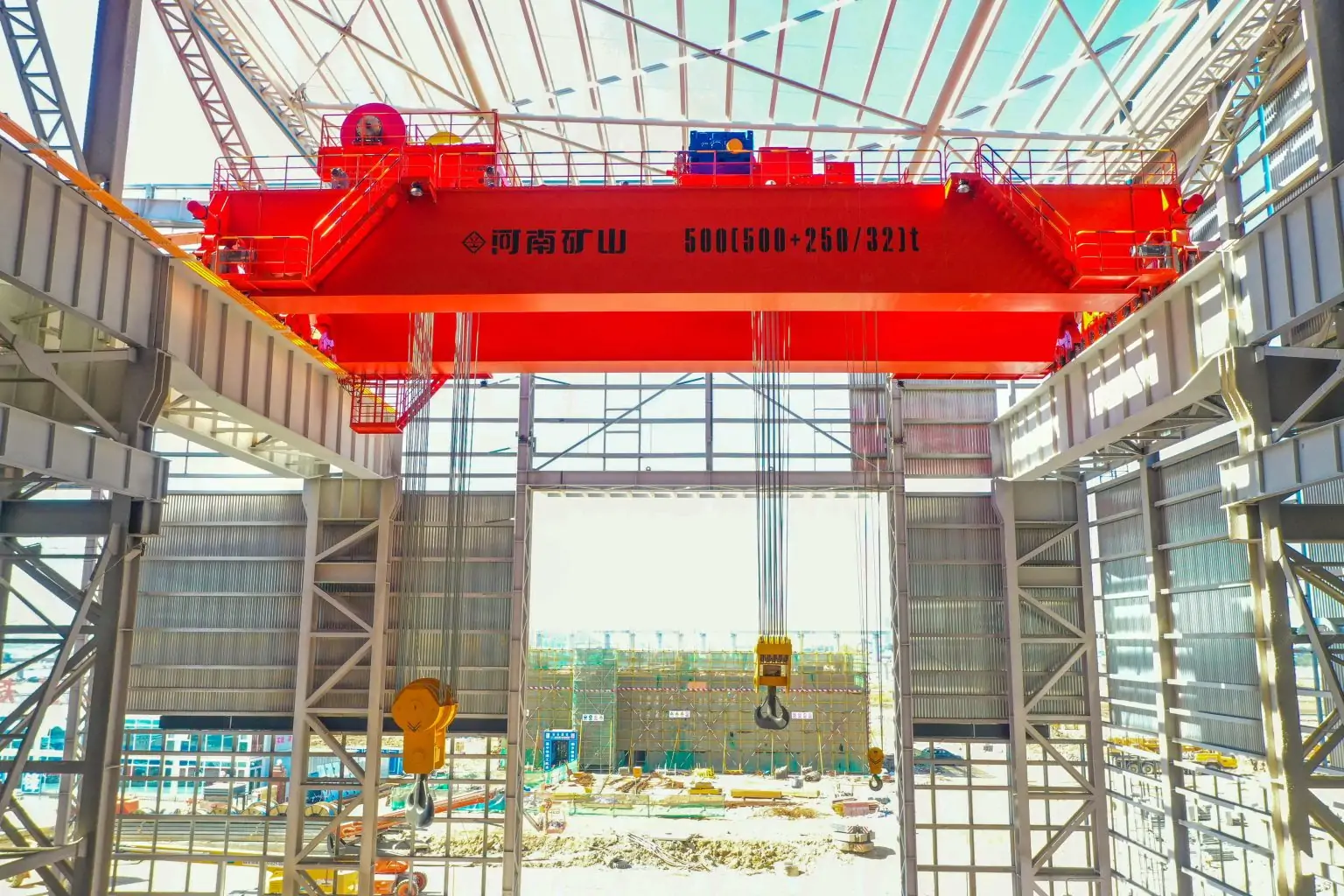
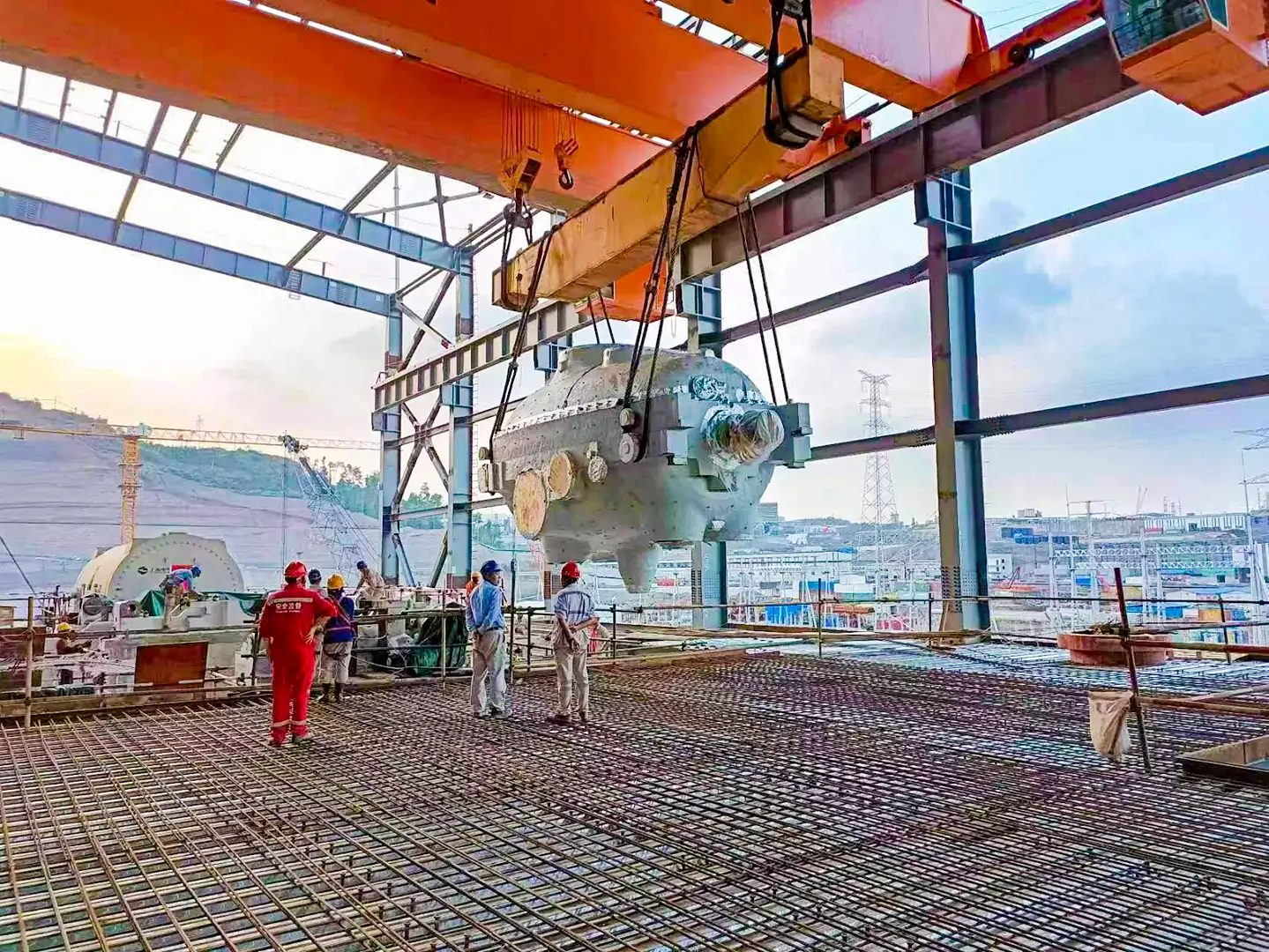
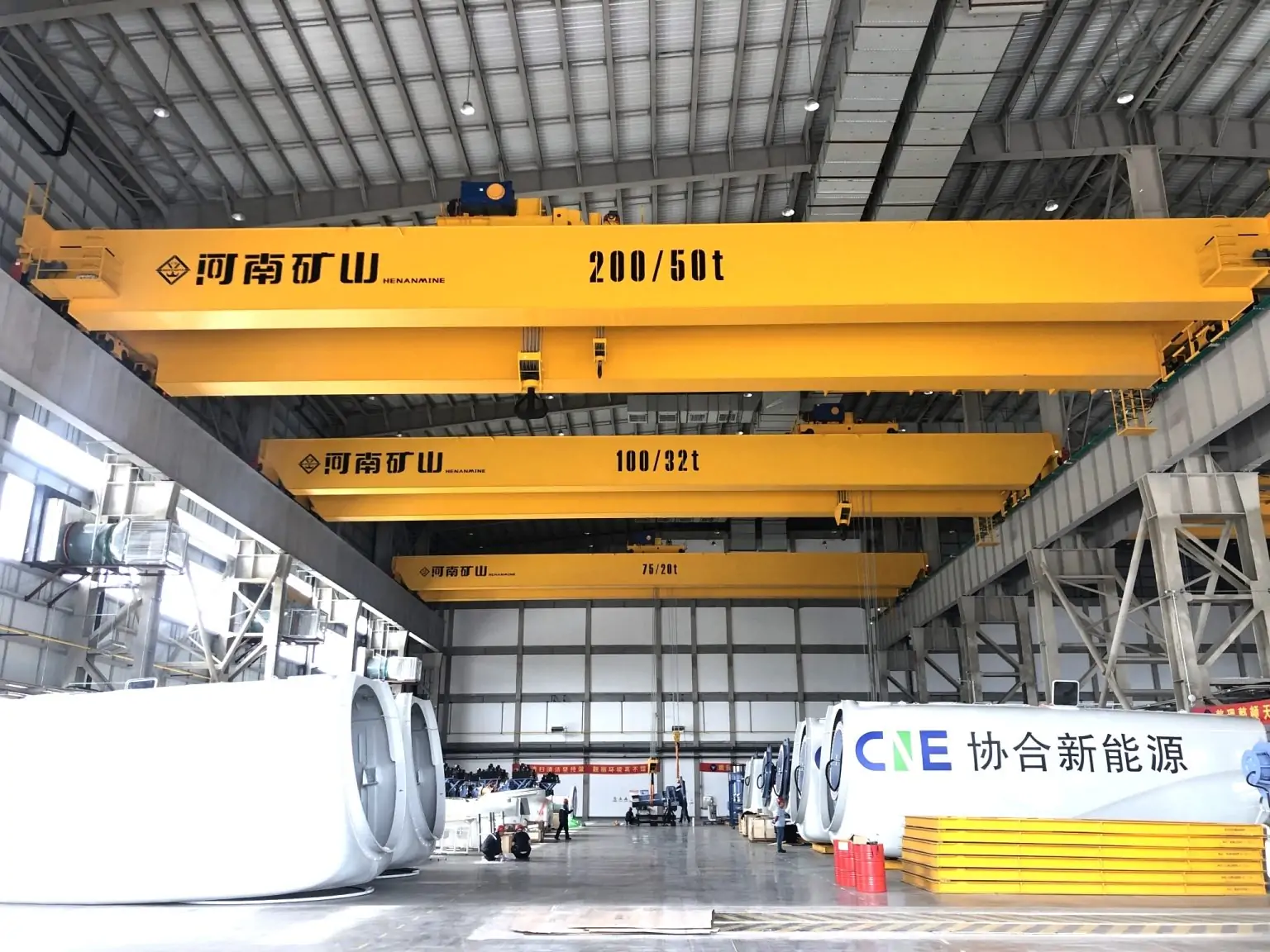
Bridge cranes, also often called overhead cranes, travelling cranes, is a kind of relying on the building structure to realize the overhead lifting equipment, mainly consists of parallel tracks, running bridge, lifting mechanism of the three core components, the whole suspended from the top of the plant beam structure, does not take up space on the ground.
The bridge crane completely relies on the existing building load-bearing plant, the bridge runs horizontally along the top track, the lifting trolley moves longitudinally along the bridge, which can realize the transfer of heavy loads in the three-dimensional space, with a fixed running path and high precision of manipulation, which can perfectly avoid the obstacles on the ground and maximize the use of vertical space.
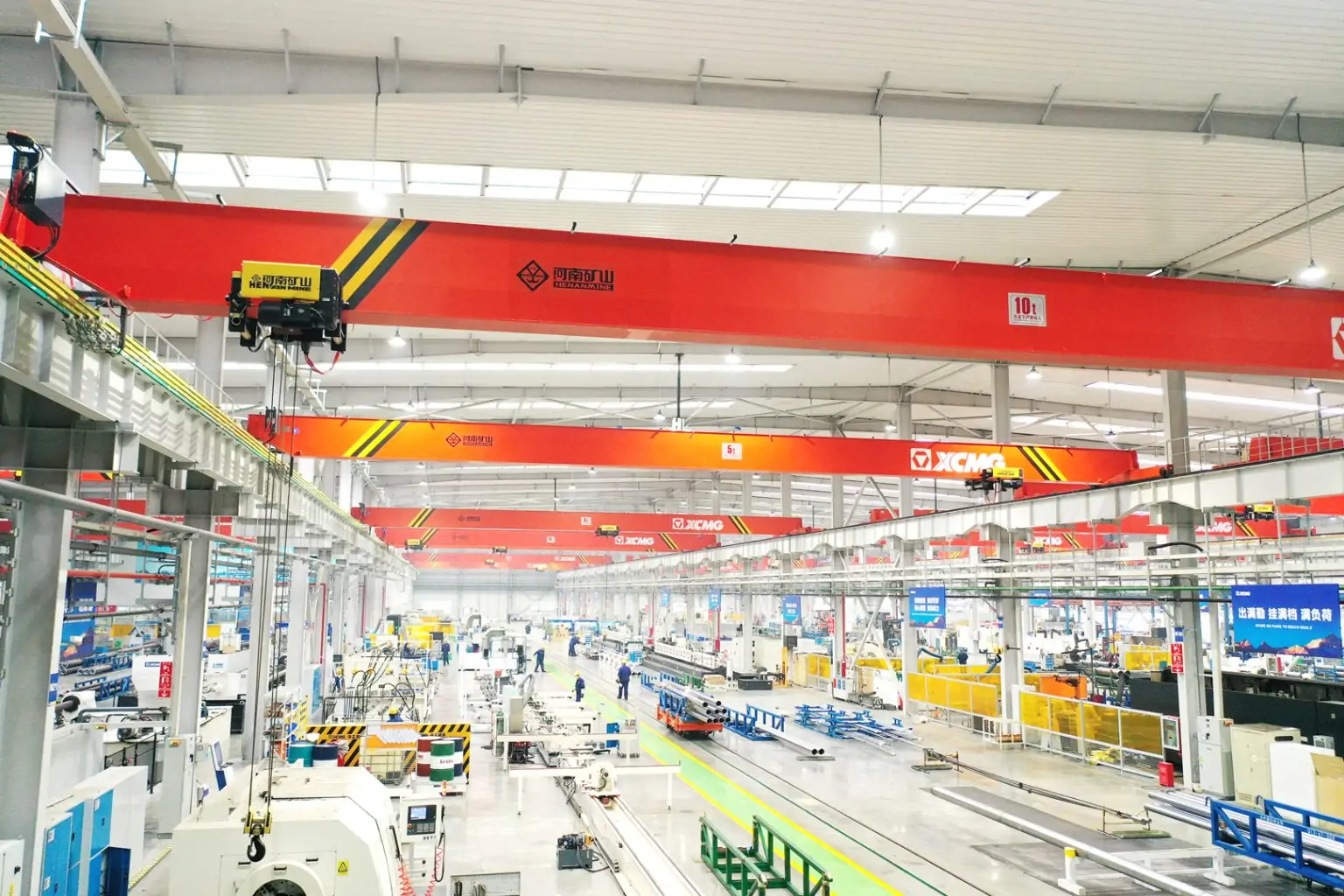
Mainly used in indoor fixed operation, widely used in machinery manufacturing workshop, automated warehousing, metallurgical plant, assembly line and other scenes, especially suitable for the need for accurate and repetitive lifting operations.
Common Classification
- Overhead travelling crane: the bridge is supported on the top of the track, with strong load bearing capacity and large lifting height, suitable for heavy duty operation.
- Suspension overhead travelling crane: the bridge is suspended from the lower edge of the track, suitable for workshops with low headroom and narrow space.
- Single girder overhead travelling crane: simple structure, high cost performance, suitable for light and medium loads.
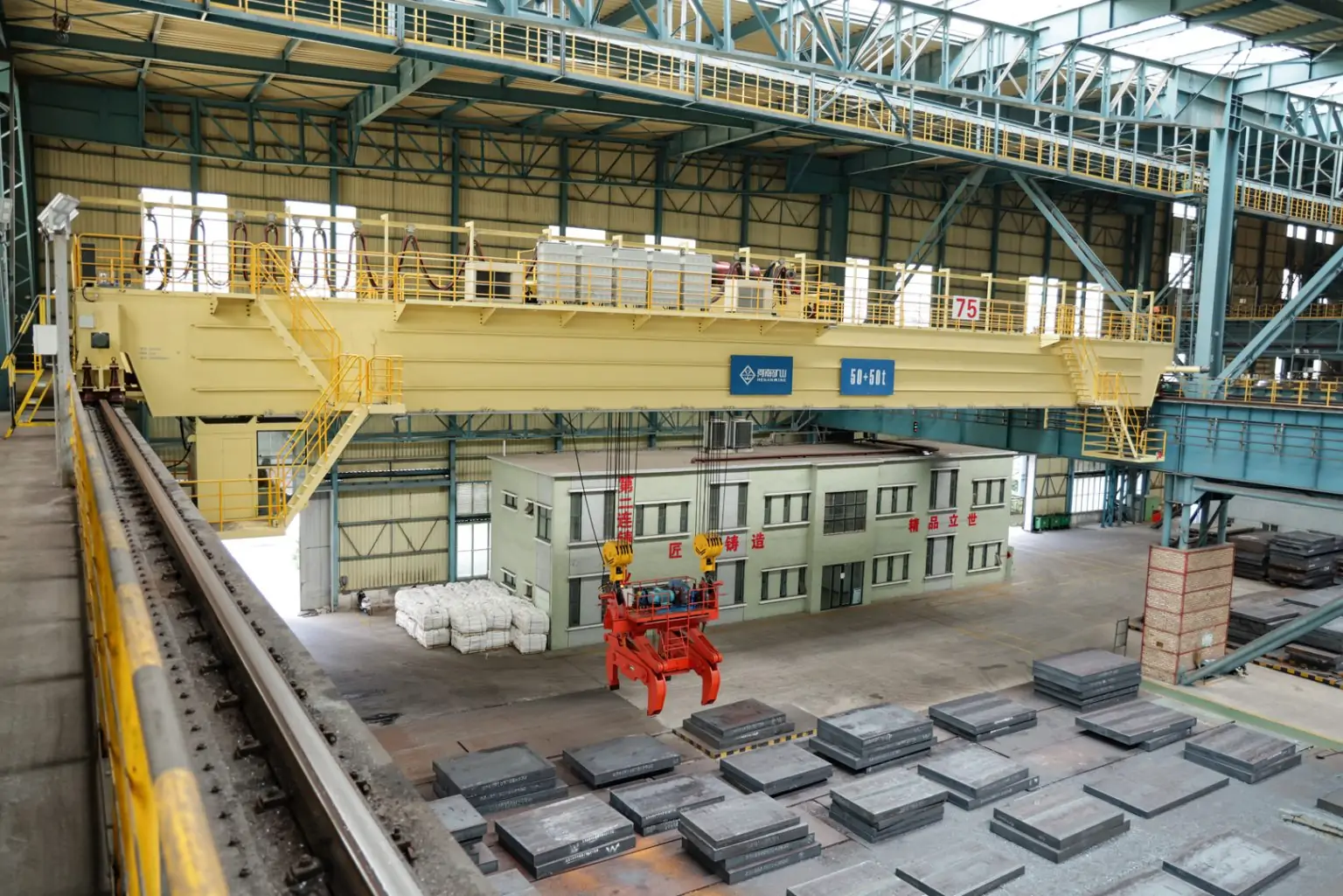
- Double girder overhead travel ling crane: strong stability, high load capacity, suitable for heavy and ultra-heavy material lifting.
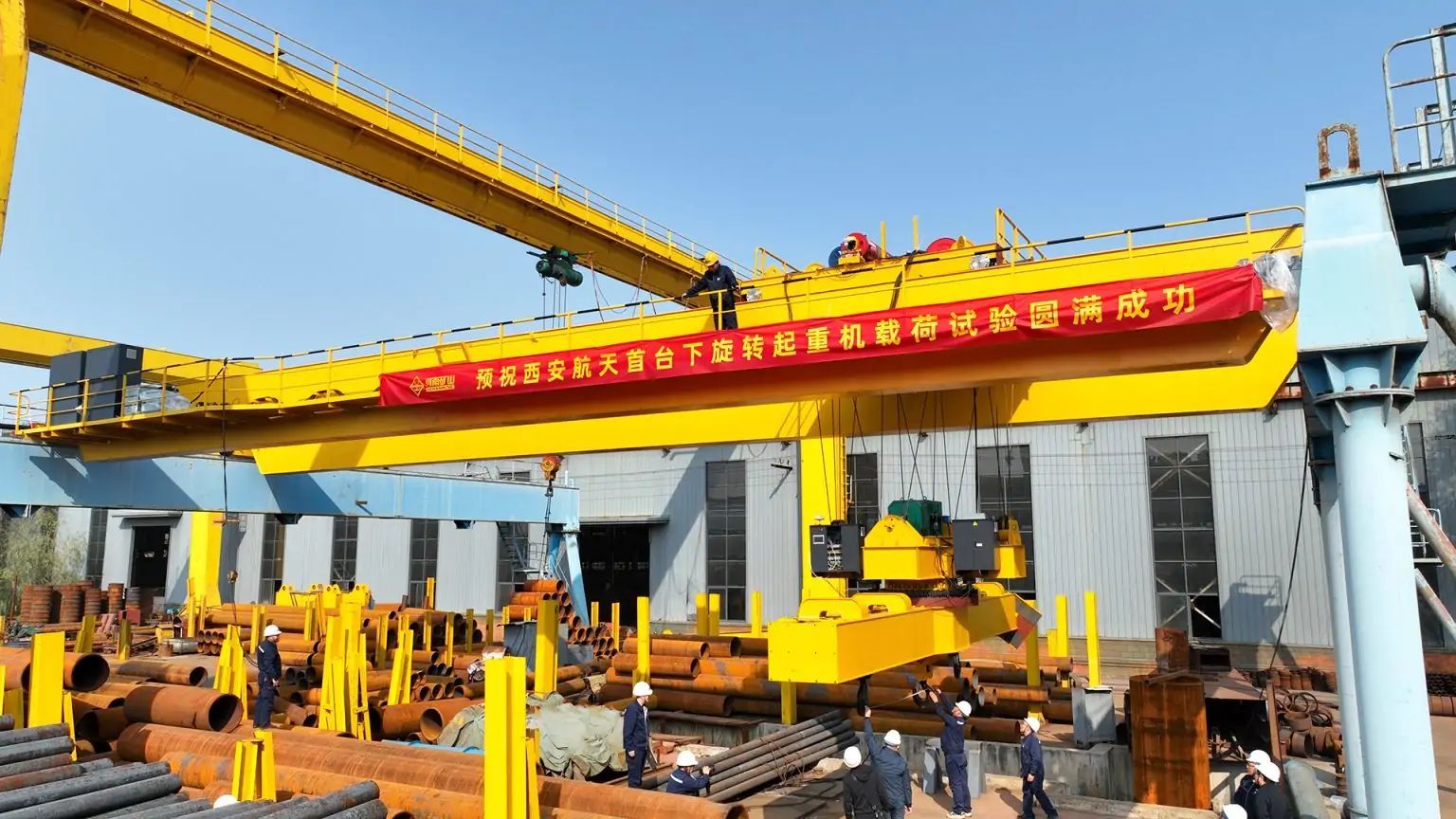
As a head of the lifting equipment field, Henan Mining Crane can provide a full range of bridge crane customization services for insulation, explosion-proof, clean, dust-proof and other special conditions, to create an exclusive solution to adapt to the operating standards of different industries around the world.
What Are Gantry Cranes?
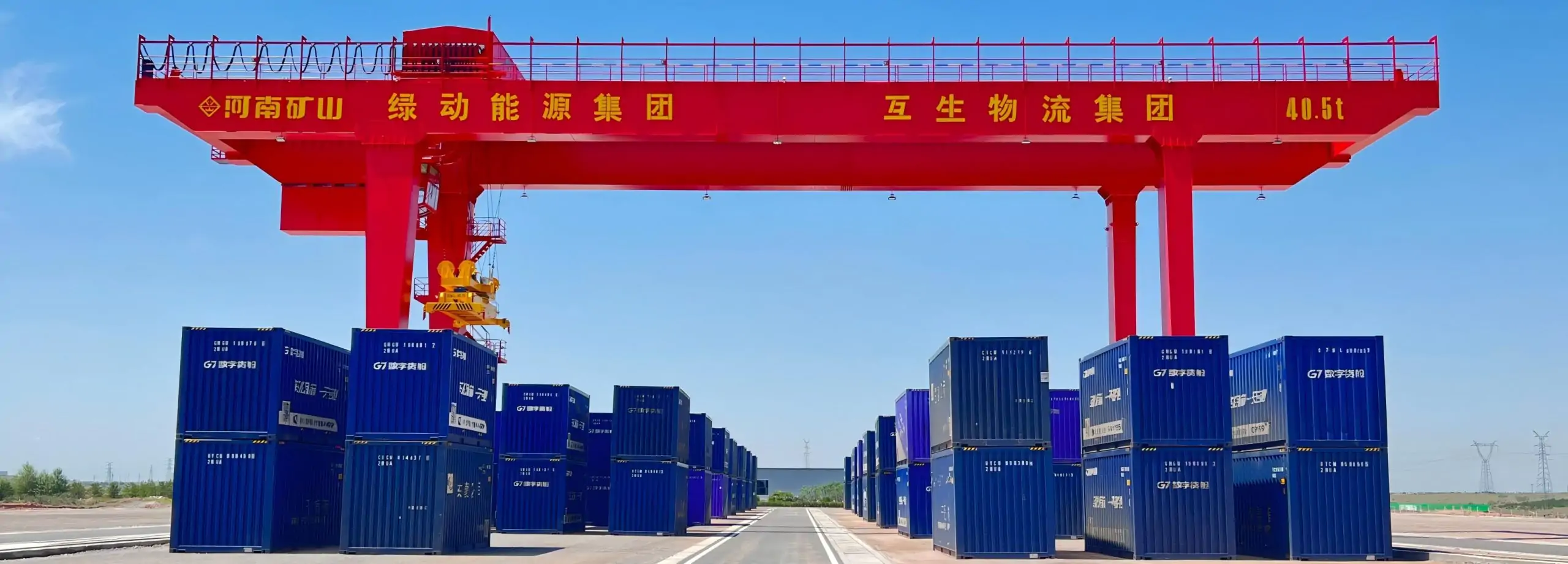
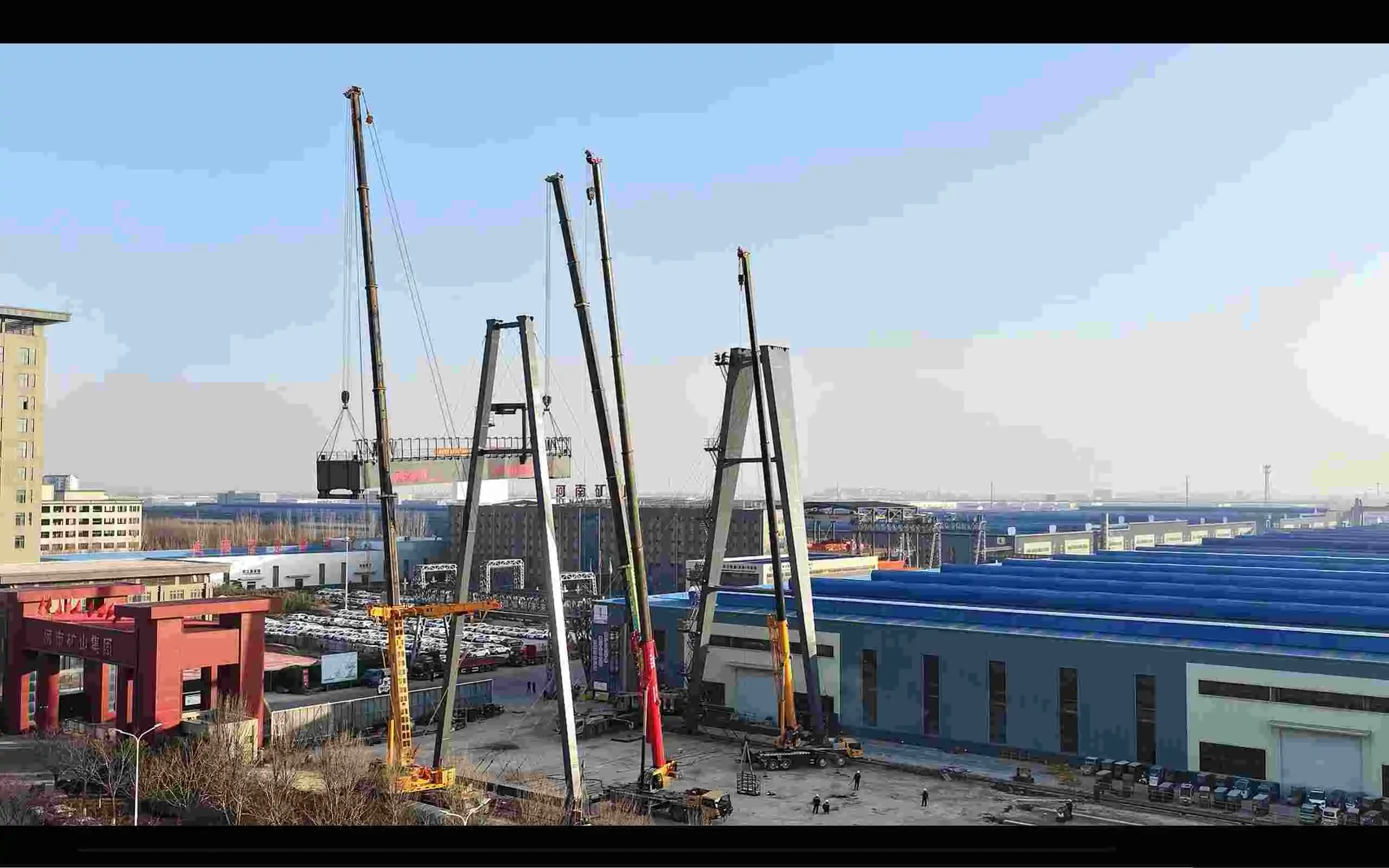
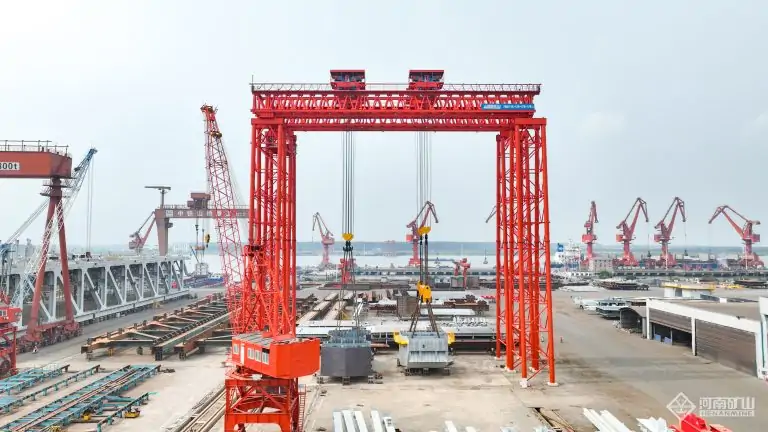
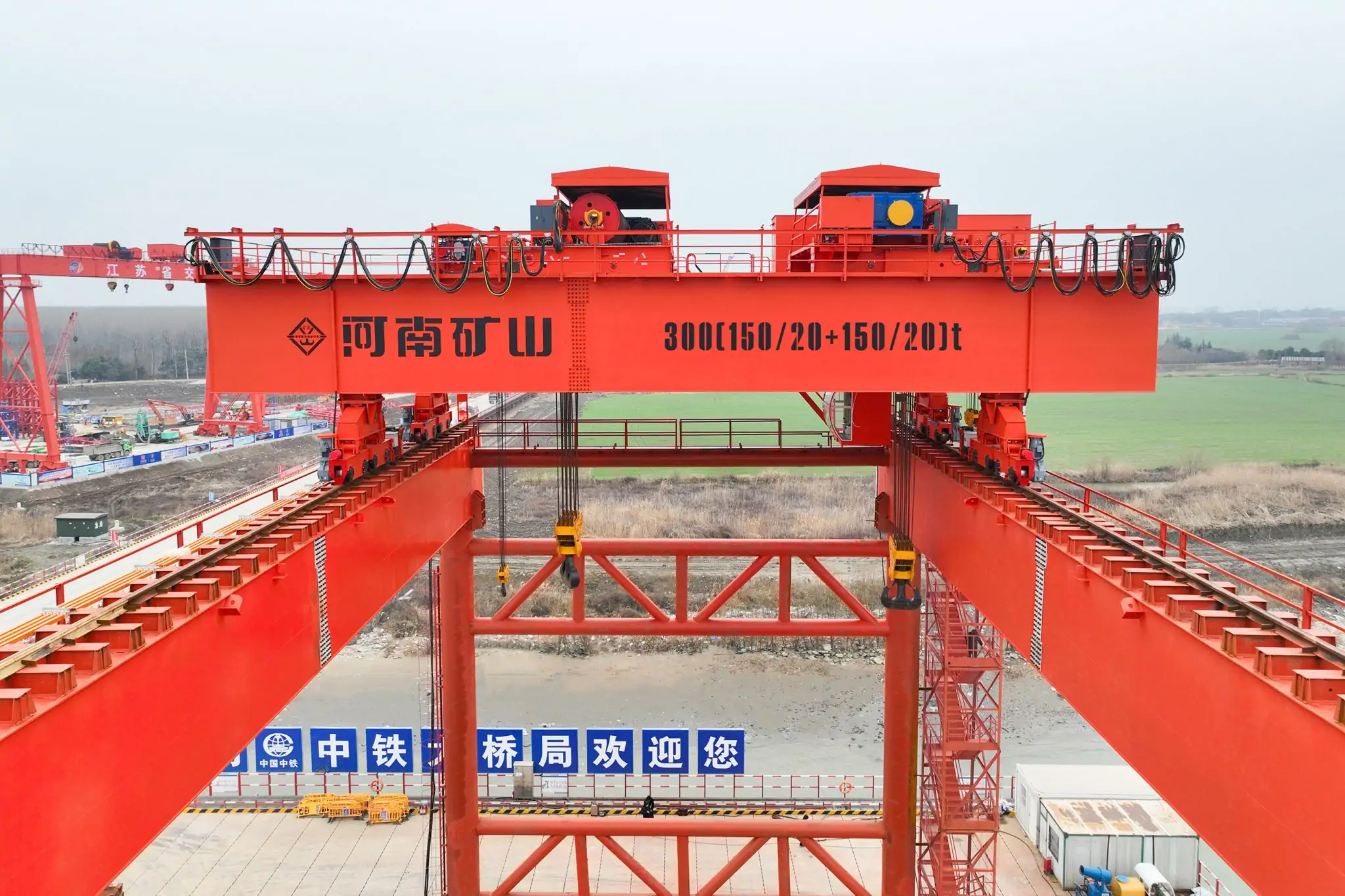
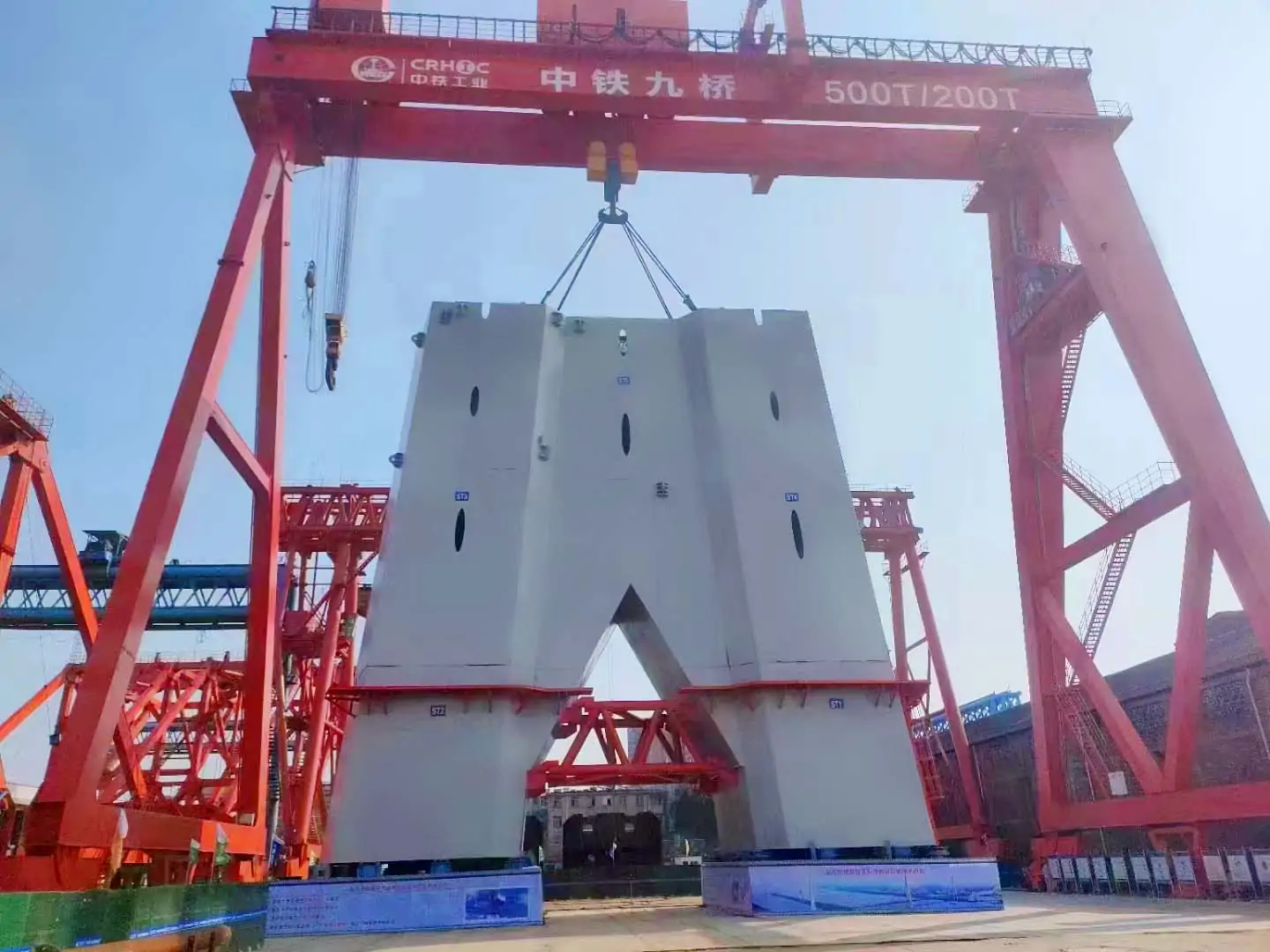
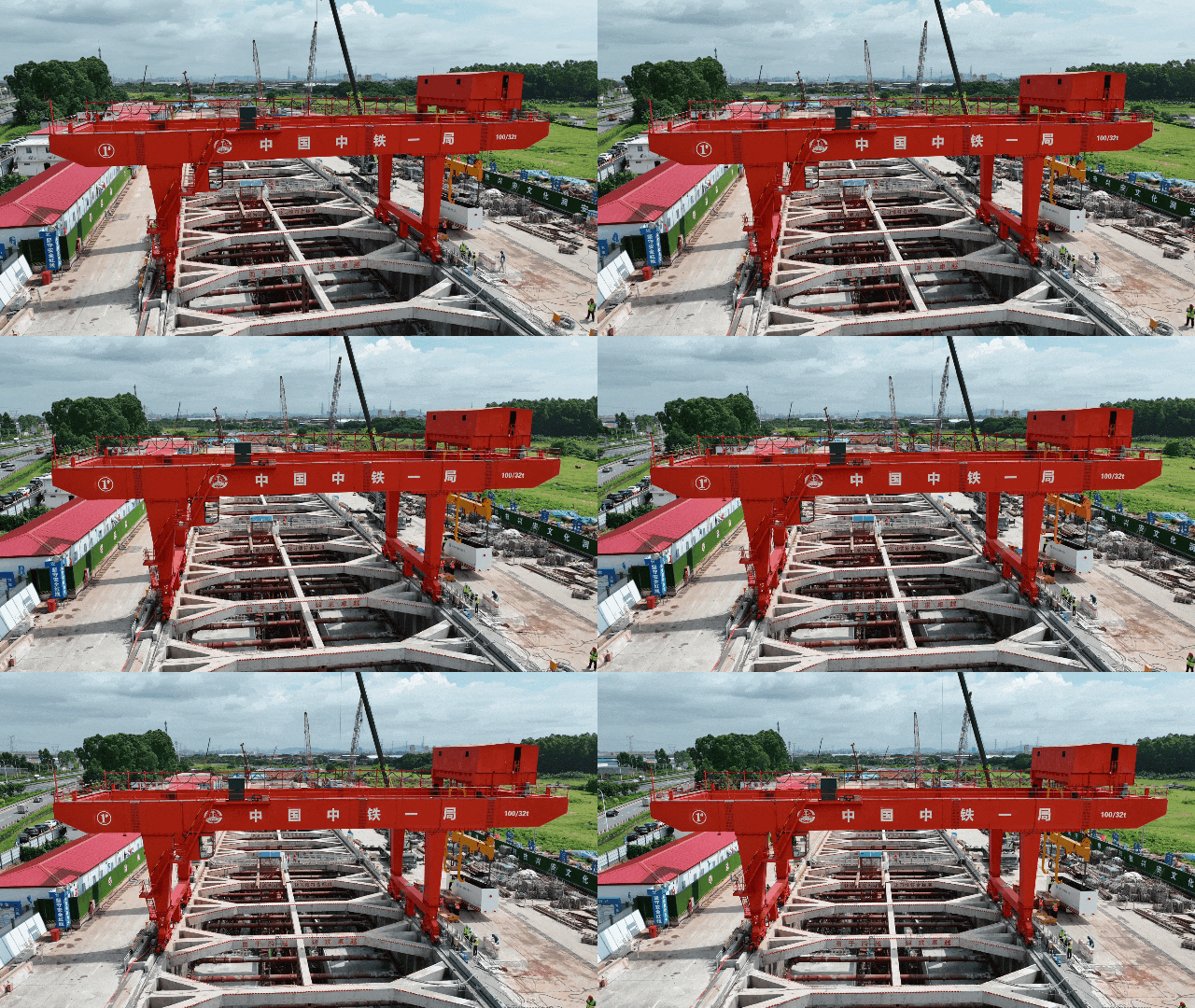
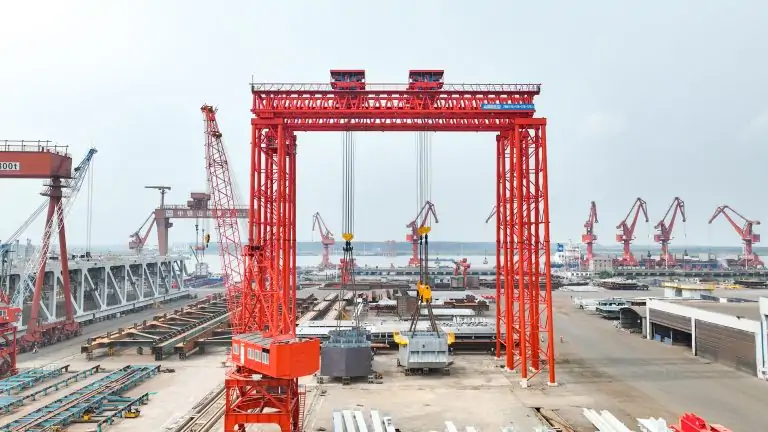
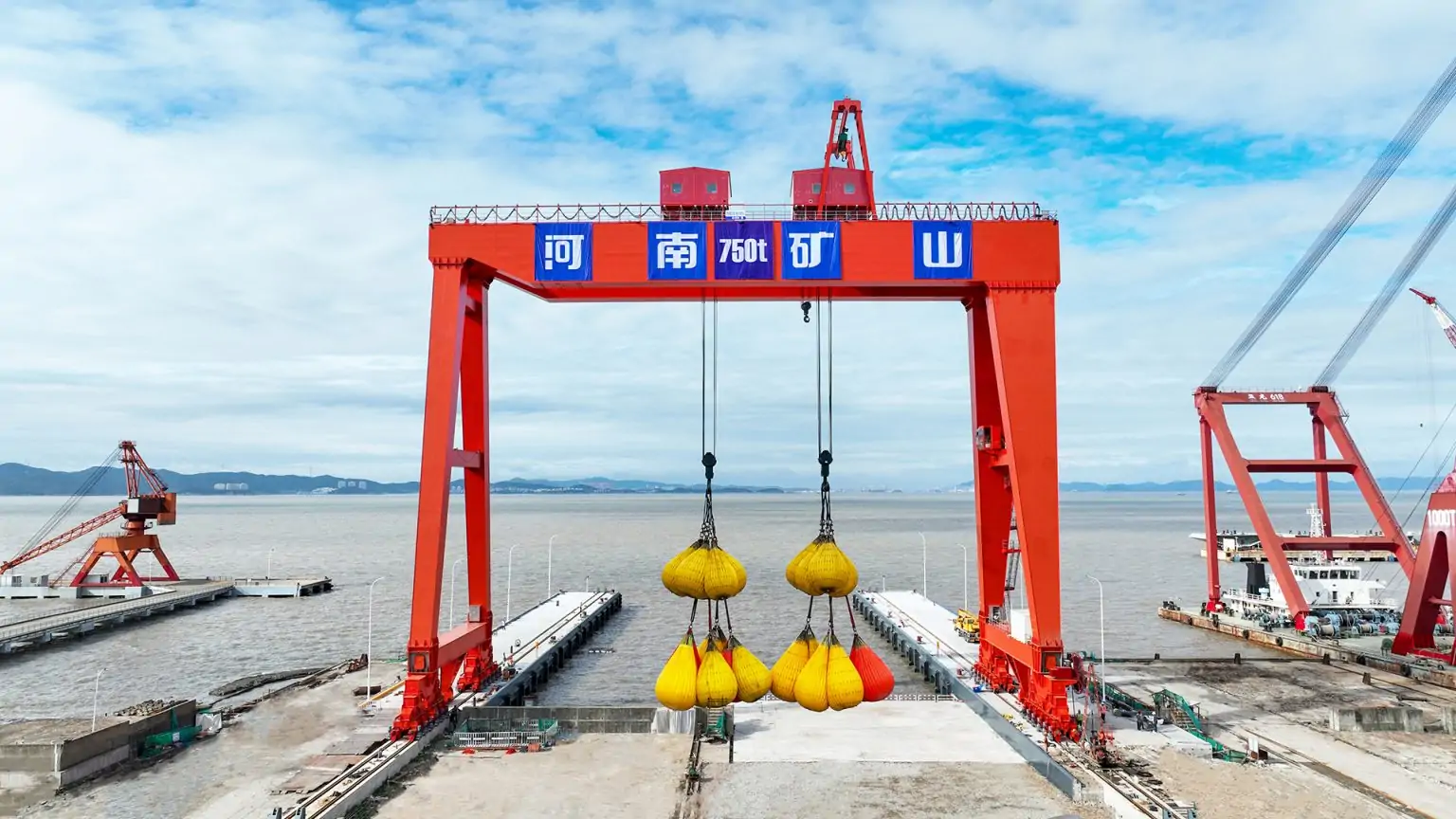
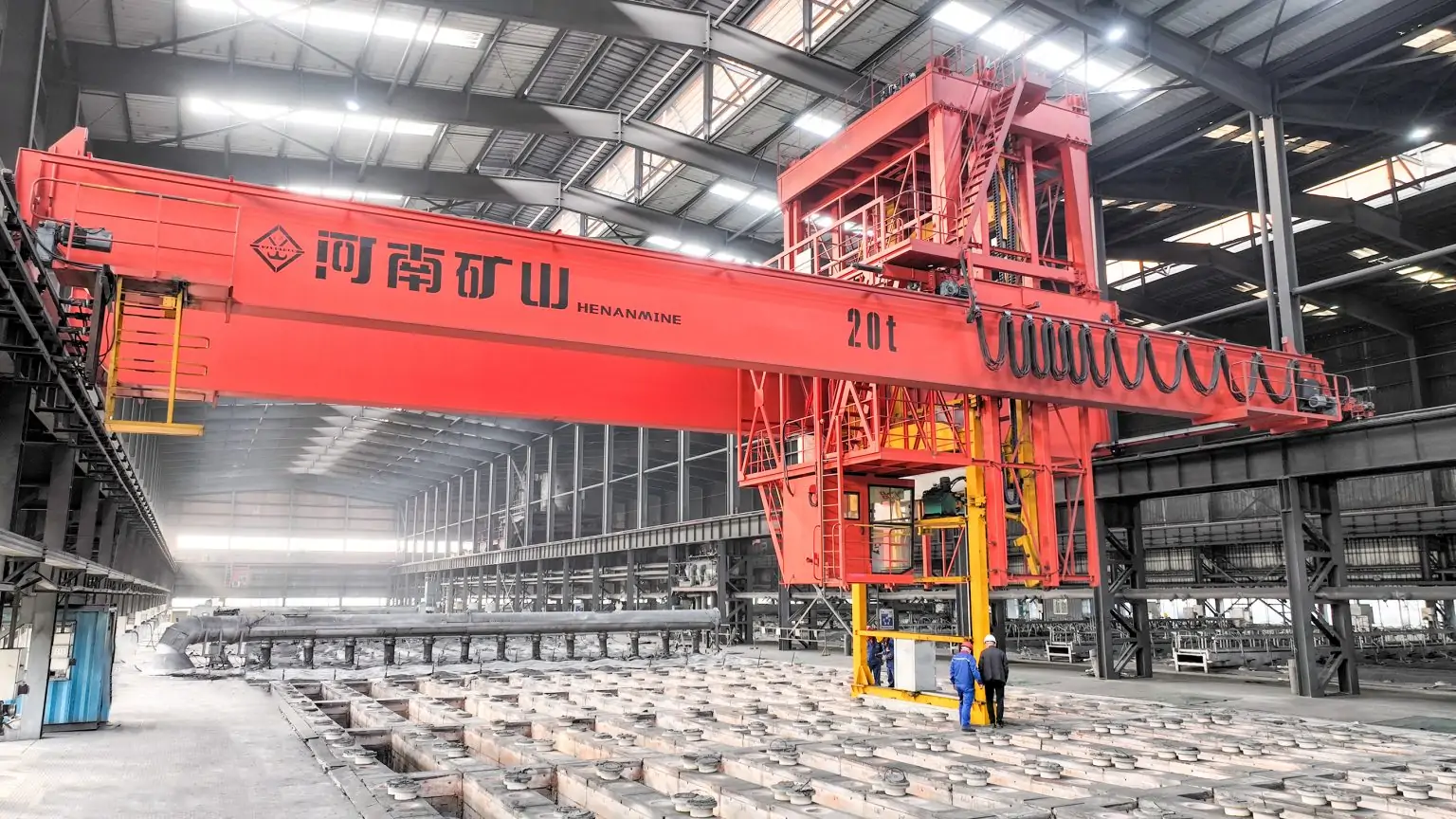
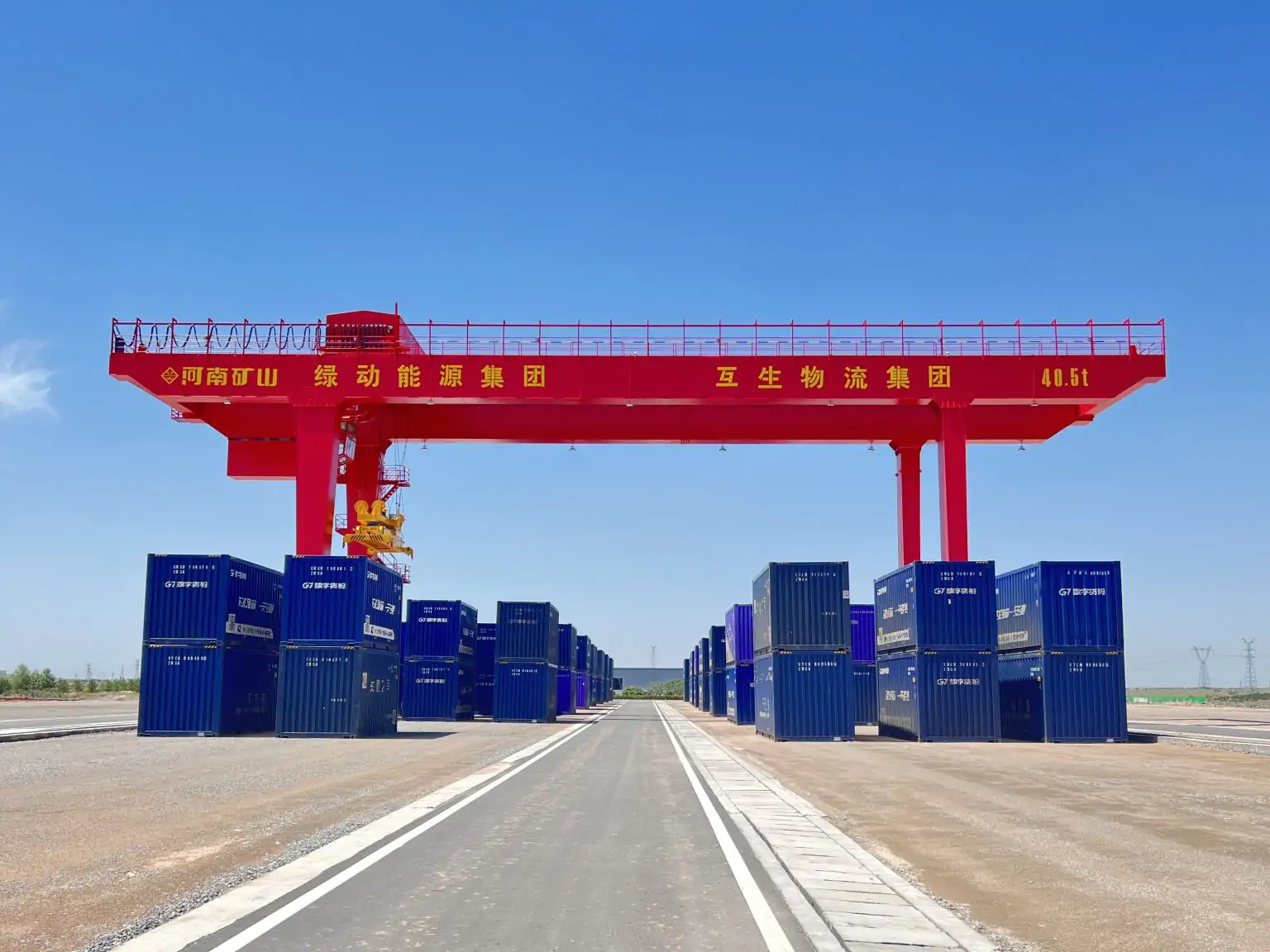
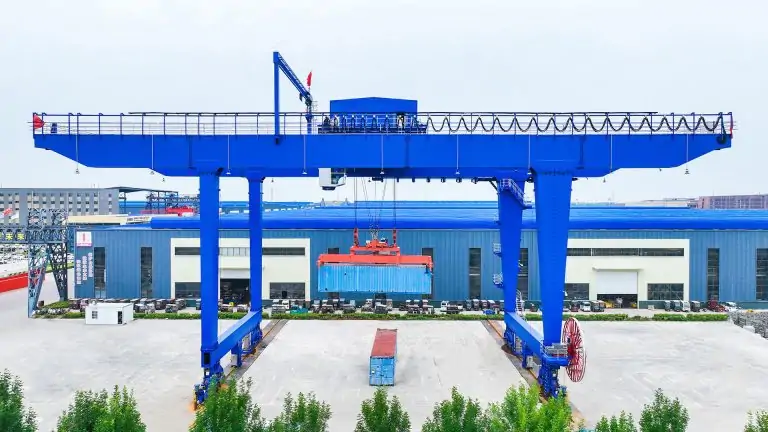
Gantry cranes, commonly known as gantry cranes, have similar functions to overhead cranes, but the core difference lies in the self-supporting structure on the ground, the overall shape of the portal frame, relying on the two sides of the outriggers to carry the weight, the bottom is equipped with wheels or rails, and can be moved to the ground running.
Gantry cranes do not need to rely on the building load-bearing, relying on their own independent support legs, can be fixed installation can also be flexible and mobile, installation and deployment of fast, not subject to structural constraints of the plant, both stability and mobility, can adapt to the complex and changing operating environment.
With both indoor and outdoor work, it is more suitable for outdoor work, mostly used in port terminals, open yards, construction sites, shipyards, large-scale warehousing outdoor areas and other scenarios, and can also be used in indoor workshops without load-bearing structures.
Common Classification
- Fixed gantry crane: fixed installation position, load-bearing stability, suitable for long-term fixed-point operation
- Mobile gantry crane: equipped with rubber wheels or track wheels, flexible transfer, suitable for temporary work
- Tire type gantry crane: mobility pull full, no need for special track, suitable for outdoor scattered operations
Crane for different working conditions, can be customized for various types of gantry cranes, from light portable models to heavy-duty heavy-duty models, can meet the needs of personalized operations, suitable for all kinds of complex sites.
Key Differences Between Overhead and Gantry Cranes
Structure and Support
Overhead travelling crane: adopts overhead suspended structure, the whole machine has no support point on the ground, and all the loads are borne by the load-bearing beams and columns on the top of the plant, special steel columns and other building bodies, which is a typical building-dependent lifting equipment.
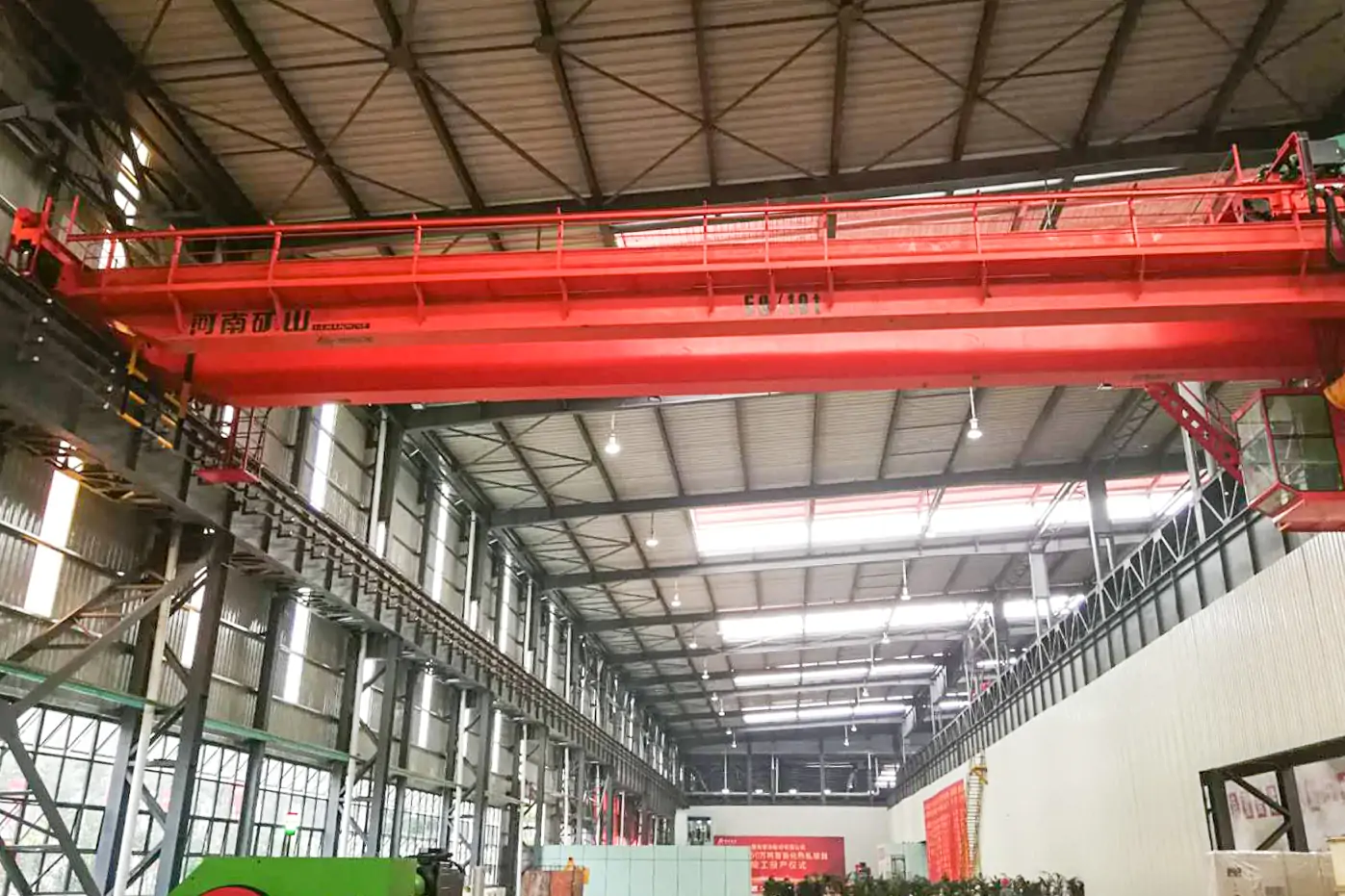
This structural design requires that the plant must have the standard load-bearing qualification, the preliminary structural calculations need to be carried out by professional organizations to ensure the stability of the track and bridge force, to eliminate potential safety hazards.
Gantry crane: the use of gantry self-supporting steel structure, both sides of the rigid outriggers directly to the ground to carry the entire machine and heavy loads, without relying on any building structure, belonging to the independent self-supporting heavy equipment. The bottom of the outrigger is equipped with steel rails or rubber wheels, and the force is evenly dispersed to the ground, which has lower requirements for the foundation of the site, and does not require any modification to the existing building, and is suitable for all kinds of sites without load-bearing conditions.
Mobility and Installation Difficulty
Overhead crane: a permanent fixed equipment, the installation needs to be completed before the site survey, structural reinforcement, track pre-buried and a series of preliminary projects, cumbersome processes, long construction period, and after the completion of the installation of the entire machine can not be shifted, transfer to the field, and only serve the operational needs of a fixed area, suitable for long-term layout of the production scenarios do not change.
Gantry cranes: the installation process is extremely simple, without building renovation and pre-embedded works, standardized models can be quickly assembled and deployed; support for fixed rail and mobile tire two modes, the tire model can be flexibly switched to the operating point, and even cross-factory, cross-site transfer to be used, perfectly adapted to the temporary works, emergency lifting, scattered operations and other variable needs.
Lifting Capacity and Space Utilization
Overhead Crane: The lifting ceiling is extremely high, double girder models can easily carry more than 100 tons of super-heavy loads, load-bearing stability of the full; the whole machine running in the air, zero ground space occupation, can completely release the workshop floor line of motion, to avoid cross-interference between the materials, vehicles and lifting equipment, especially suitable for high-density, intensive production workshop layout.
Gantry cranes: lifting capacity covers light, medium and heavy loads in all scenarios, which can meet the majority of industrial and construction site conventional lifting needs; although you need to reserve space for walking and slewing outriggers, but the adaptability of the site is very strong, whether it is an open outdoor or small indoor, can be flexibly laid out, and do not need to take up the space on the top of the plant, the headroom height requirements are lower.
Cost, Maintenance and Safety
Cost level: gantry cranes have a lower total cost of procurement and installation in the early stage, eliminating the need for building surveys and structural reinforcement costs, and a short payback cycle; overhead cranes have a high overall investment in the early stage, which involves civil construction and steel structure modification, but in the case of long term fixed mass production operations, the equipment has low wear and tear, and the operation and maintenance is efficient, and the full-life cycle is more cost-effective.
Maintenance level: the core components of gantry cranes are close to the ground, the structure of the exposed easy to check, daily inspection, maintenance, maintenance, replacement of wearing parts easy to operate, low maintenance costs; bridge cranes contain overhead tracks, suspension bridges and other components, need to climb up to overhaul, professional equipment testing, maintenance processes are more complex, the operation and maintenance of personnel with higher requirements for professionalism.
Safety: gantry cranes have a wide base, low center of gravity, strong outdoor resistance to wind loads and bumps, and excellent stability of ground support, which is suitable for complex outdoor terrain; overhead cranes operate in high altitude confinement, far away from the ground personnel and materials, without the risk of ground collision, with high handling precision, overload protection, limit braking and other safety devices are more sensitive, and indoor operation safety is better.
Environment and Working Condition Suitability
Overhead crane: limited to indoor closed environment operation, the site flatness, building structure strength requirements are harsh, wind, rain and other outdoor protection ability is weak, suitable for long-term fixed, standardized industrial production, such as machining, assembly workshop, automated warehousing and other indoor scenes.
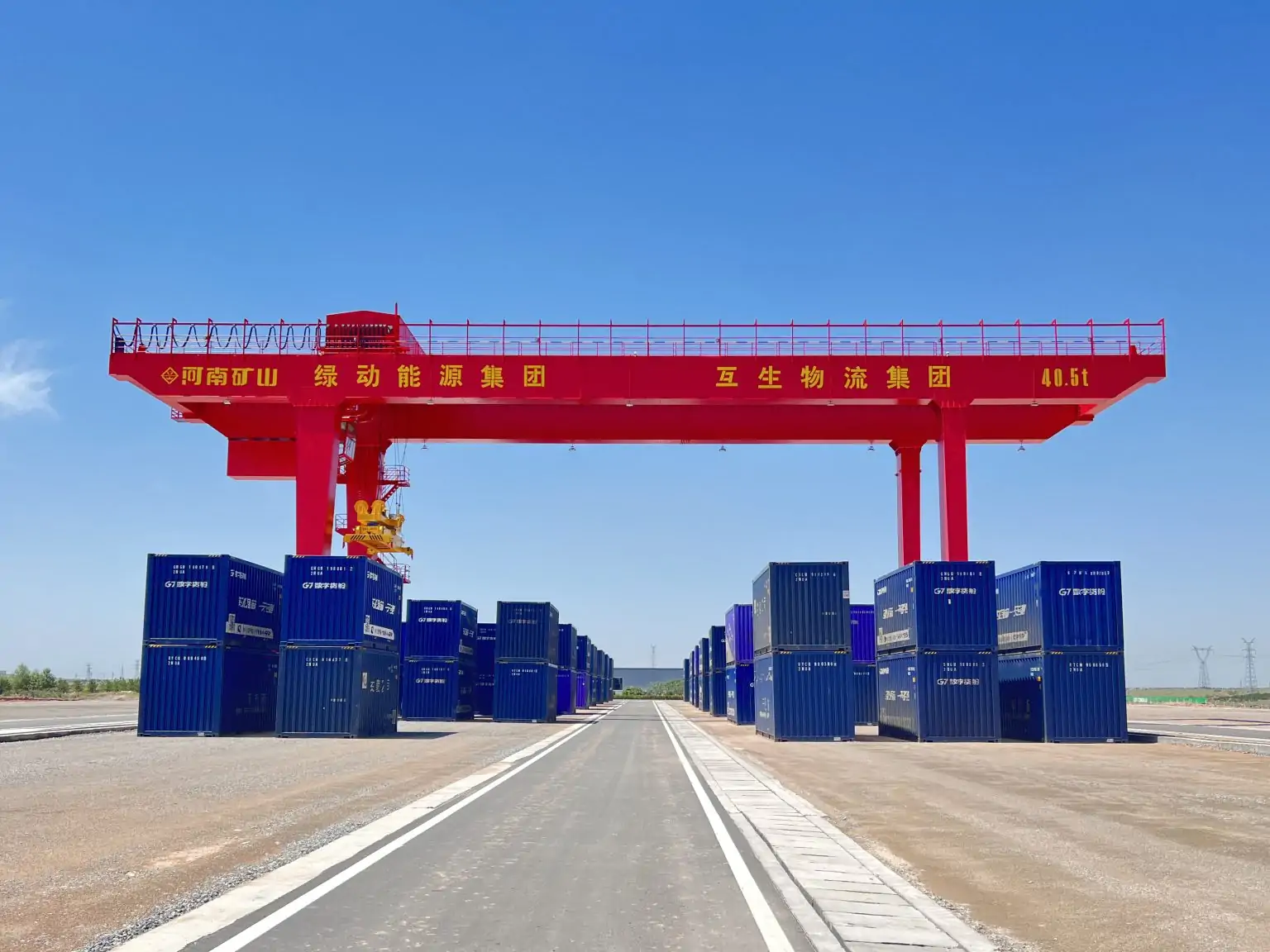
Gantry cranes: indoor and outdoor universal, outdoor adaptability pull full, can cope with open yards, port terminals, construction sites and other harsh environments such as the sun and wind, but also in the absence of load-bearing plant, temporary workshop and other sites, perfect fit for temporary works, outdoor loose lifting, emergency lifting and other non-fixed working conditions.
Technical and Functional Advantages
Overhead crane: equipped with frequency control, intelligent positioning, overload limitation, anti-collision warning and other high-end technologies, supporting semi-automatic/full-automatic control, smooth operation without impact, lifting positioning error is extremely small, suitable for precision equipment assembly, repetitive heavy-duty lifting, customized for special working conditions (explosion-proof, insulated, clean), and other high-end needs.
Gantry crane: the main portable mobile + remote control, compatible with multiple hooks, multiple winches, electric hoists and other lifting devices, fast deployment, flexible response, can quickly switch the operating point and lifting mode, taking into account the material lifting, equipment lifting, engineering rescue and other multifaceted needs, strong practicality.
Pros and Cons of Bridge cranes
Pros
- Heavy load capacity: lifting tonnage covers a wide range, double girder models can easily carry more than 100 tons of super-heavy materials, the steel structure of the load-bearing frame is extremely stable, long-term heavy-duty operations without deformation, no loss, suitable for metallurgy, heavy machinery manufacturing and other large load conditions.
- Space utilization rate is full: the whole machine is set up in the air, does not occupy the workshop floor space, can release all the ground line, convenient for material trucks, forklifts and production equipment layout, especially suitable for the intensive production workshop with tight space.
- Precise and efficient manipulation: Equipped with frequency conversion speed control and precise positioning system, it runs smoothly without impact, realizes millimeter-level precise lifting, supports automation linkage operation, and is suitable for repetitive lifting in assembly line, precision equipment assembly and other high-precision scenarios.
- Strong customization and adaptability: The machine can be customized according to special working conditions, such as insulation, explosion-proof, clean, dust-proof, low headroom, etc., to meet the harsh operational requirements of chemical industry, pharmaceutical industry, semiconductor industry, high-temperature workshop and other special scenarios.
Cons
- Strong site dependence: It must be supported by load-bearing beams and columns at the top of the plant or special steel columns, and cannot be installed in unenclosed plants or buildings with substandard load-bearing, so the applicable sites are severely restricted.
- Cumbersome front-end investment and construction: professional survey, structural reinforcement and track pre-burial are required before installation, with a long construction period and high overall cost, and the equipment is completely fixed after installation, and cannot be moved or transferred to another site, and it is difficult to reuse the equipment after the site is changed.
- High operation and maintenance cost and difficulty: the core components are mostly located in high altitude, daily maintenance and replacement of wear parts need to be elevated, requiring specialized personnel and equipment operation, maintenance process is complex, long-term operation and maintenance costs are high.
Pros and Cons of Gantry cranes
Pros
- Zero-threshold deployment: self-supporting with rigid outriggers, self-supporting load-bearing, no need to rely on any building structure, no need for civil transformation of the site, leveling the ground can be installed, suitable for all types of sites without plant, no load-bearing conditions.
- Flexible and versatile mobility: support for rail and tire mode of mobility, flexible switching of operating points, and even cross-factory, cross-site transfer and reuse, perfectly adapted to temporary works, emergency lifting, scattered operations and other non-fixed working conditions.
- All-scene environment adaptation: indoor and outdoor universal, outdoor wind, rain, weather resistance, can cope with port terminals, open yards, construction sites and other harsh environments, can also be used for indoor temporary lifting, scene compatibility is very strong.
- Cost-effective and maintenance advantages: lower total cost of procurement and installation in the early stage, short return on investment cycle; core components close to the ground, easy to inspect the exposed structure, easy daily inspection and maintenance operations, and greatly reduce the cost of operation and maintenance in the later stage.
Cons
- Occupying large space on the ground: the legs on both sides need to reserve space for walking and slewing, which will occupy part of the ground area and have a certain impact on the vehicles and personnel movement inside the workshop, and the layout of the narrow and dense workshop needs to be planned in advance.
- Heavy load limit is slightly inferior: by the self-supporting structure limitations, the same specification models, gantry cranes rated lifting tonnage is slightly lower than the bridge crane, ultra-hundred-ton extreme heavy-duty working conditions adaptability is weaker.
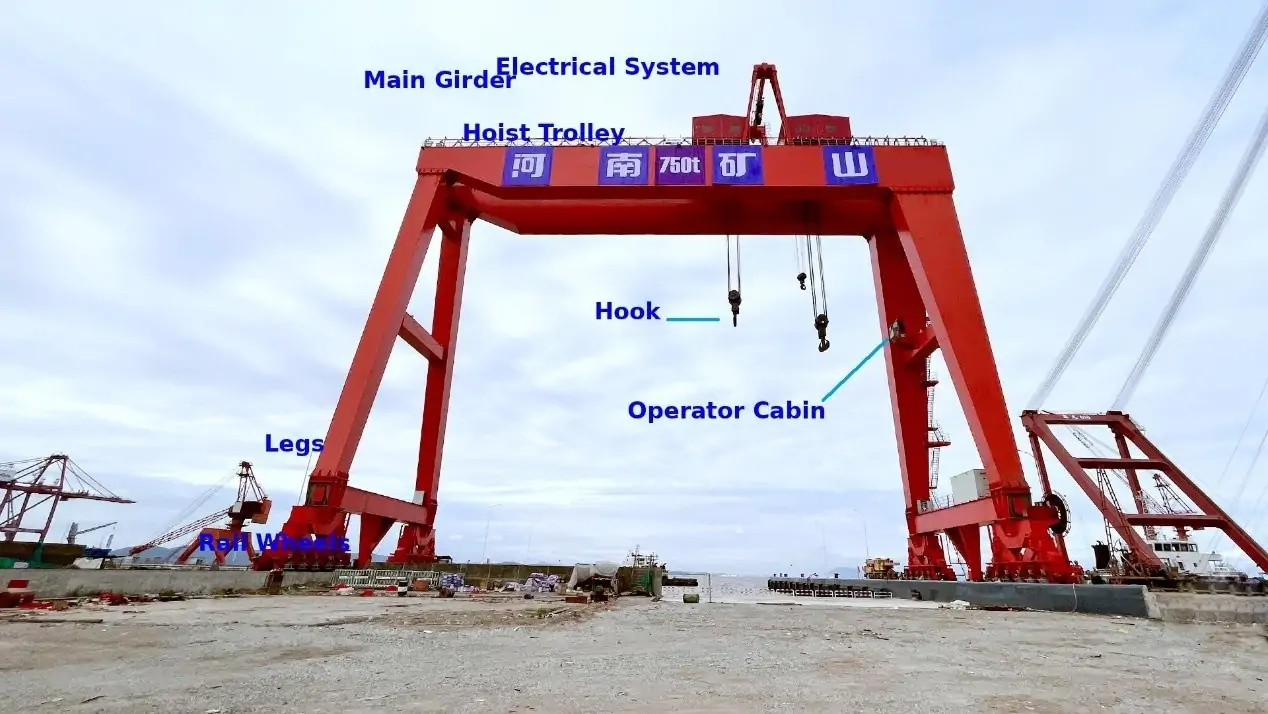
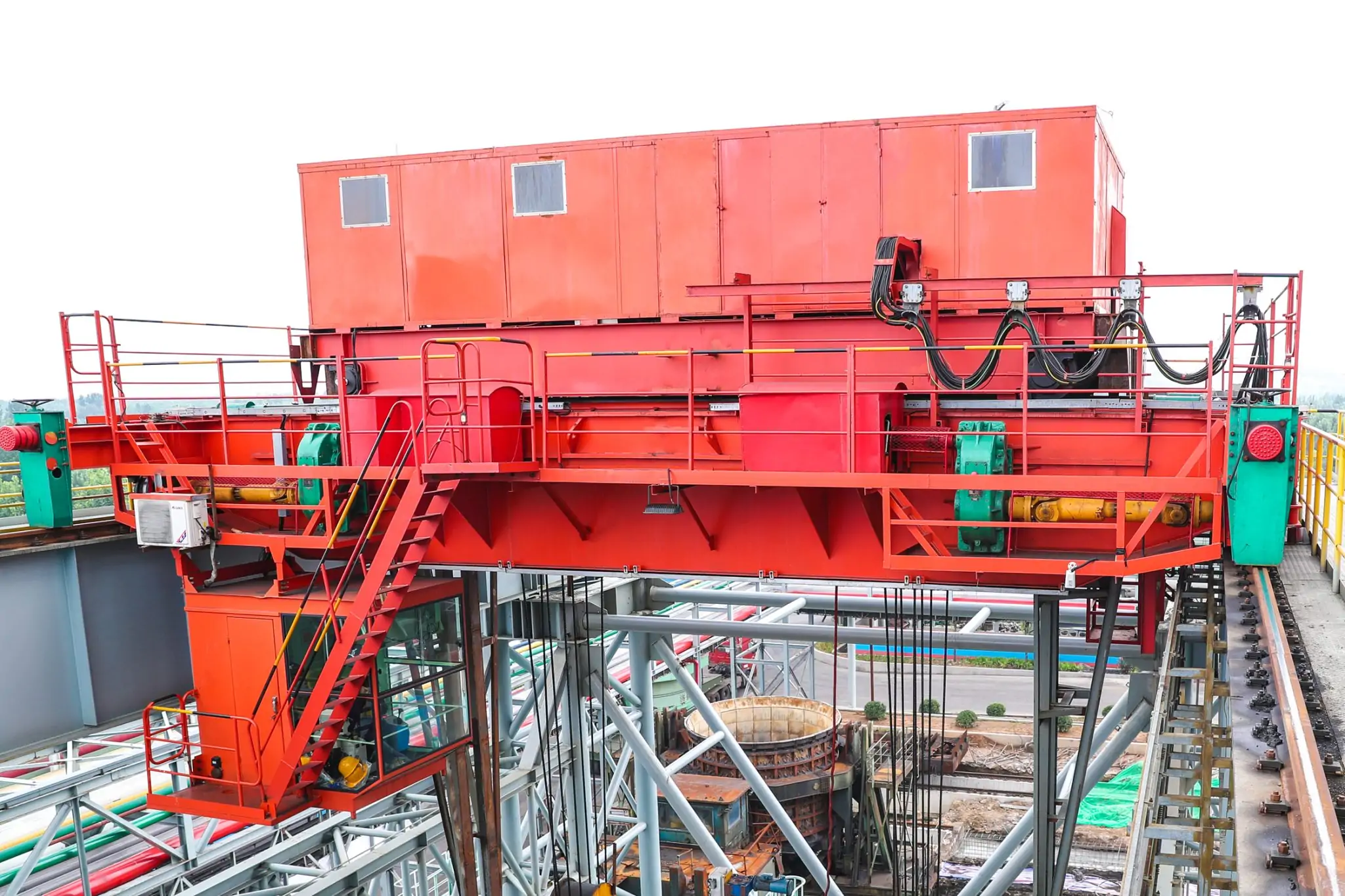
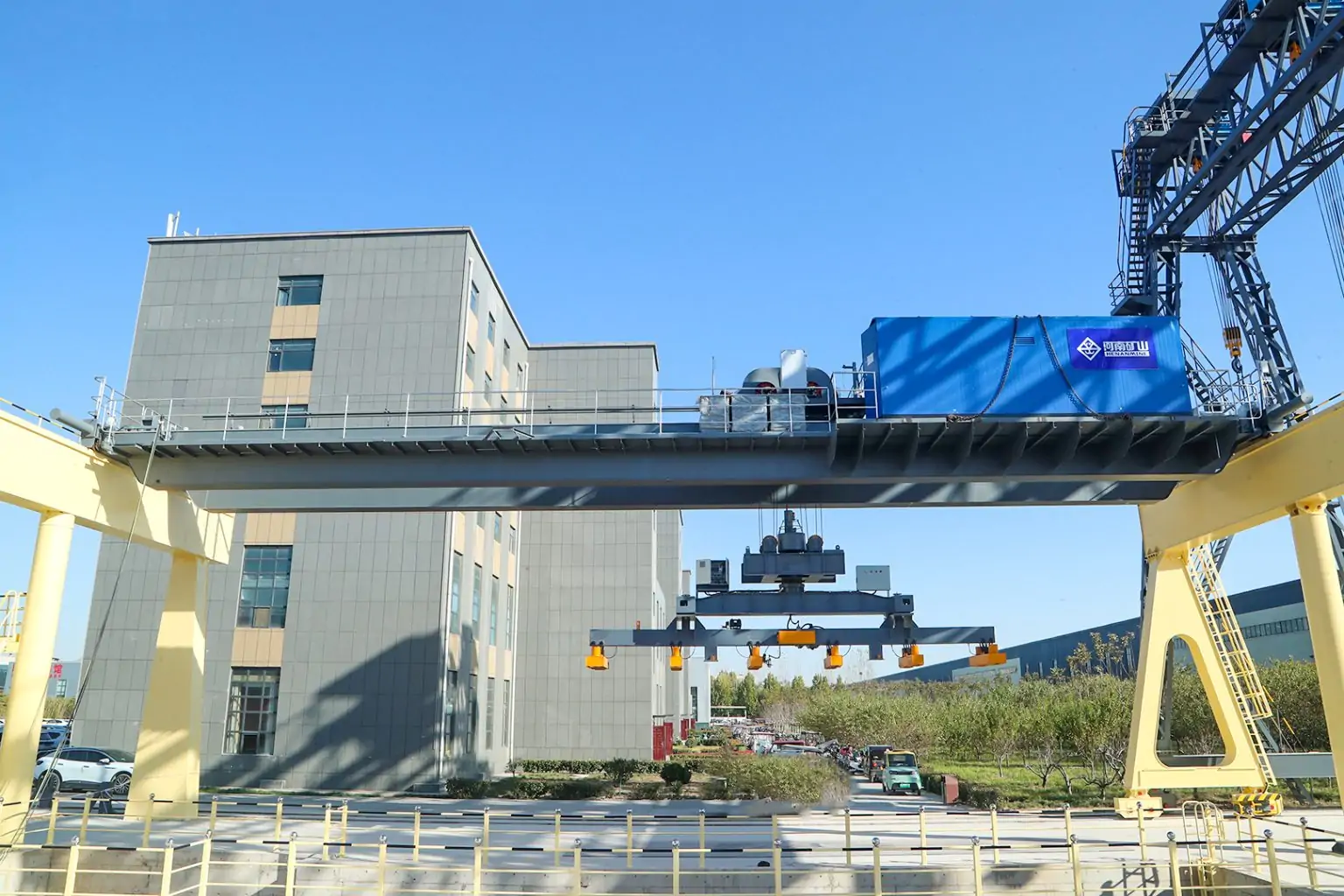
Henan Mine’s MG double girder gantry crane
Professional Selection Guide: Should I Choose Gantry or Overhead Cranes?
Preferred Scenarios for Overhead Cranes
- The operation site is an indoor fixed standardized workshop, and the beams, columns and steel structure at the top of the workshop have qualified load-bearing qualifications, without additional modification of the building structure, which can meet the requirements of crane track erection and load bearing.
- The workshop is a long-term fixed production line, which requires high-frequency and repetitive heavy lifting operations, such as metallurgy and smelting, heavy machinery assembly, warehousing and batch storage and other scenarios, the pursuit of operational efficiency and stability.
- Workshop floor space is narrow, dense layout, forklifts, material trucks have limited space, the need tomaximize the release of the ground moving line, to avoid lifting equipment to occupy the production area.
- High precision requirements for material lifting, such as precision equipment assembly, mold handling, component transfer and other scenarios, the need for millimeter positioning, smooth and impact-freeautomated/semi-automated lifting operations.
Preferred Scenarios for Gantry Cranes
- The operation site is mainly outdoor,such as port terminals, building materials yards, construction sites, shipbuilding yards, etc., no closed dedicated plant, and need to deal with the outdoor environment of the wind and sun.
- The project is a short-term temporary project, emergency lifting operations, equipment needs to be flexible transfer, repeated reuse, without the need for long-term fixed in a single operating point.
- Enterprises with limited procurement budget, do not want to invest in additional plant structure survey, reinforcement, track pre-buried and other civil construction costs, the pursuit of low-cost, fast deployment of lifting solutions.
- The operation site is a simple workshop, open space, no load-bearing beams and columns, special steel columns and other building structures, can not meet the installation of overhead cranes load-bearing requirements.
- Need to take into account multiple operating areas, scattered lifting needs, can not be fixed at a single operating point, the crane is required to have the ability to move flexibly, multi-point operation.
Core Checklist for Selection
- Accurately confirm the operating environment: determine whether it is an indoor fixed confined plant, outdoor open field, or temporary mobile workplace, matching the environmental suitability of the equipment.
- Accurately calculate the core parameters: clearly define the rated lifting tonnage, maximum lifting height, and operating span range for daily operation to avoid substandard equipment parameters or redundant waste.
- Full-cycle evaluation budget: not only accounting for the initial procurement, installation costs, but also take into account the later maintenance, energy consumption, replacement of wearing parts and other long-term operating costs.
- Core conditions: confirm whether the equipment needs to be moved to a new site, and whether the existing site building has crane load-bearing and installation conditions.
- Special working conditions: In advance to clarify whether there are explosion-proof, dust-proof, insulation, clean, low headroom and other special needs, to facilitate the customization of adapted models.
Conclusion
Bridge cranes and gantry cranes do not have absolute advantages and disadvantages, only to match the working conditions is the best choice: fixed indoor, heavy-duty high-precision operations choose bridge, outdoor mobile, low-cost flexible operations choose gantry.
If it is still difficult to judge, or the need for customized lifting solutions, you may want to contact Henan Mining Crane, to get one-on-one professional selection advice, so that lifting equipment to truly empower production and improve efficiency.