

WASTE BUNKERS · BIOMASS FUEL STORES · BOILER FEEDING
Waste-to-Energy and Biomass Cranes for Fuel Handling
Keep fuel moving from reception to storage, blending and the feed hopper.
Waste-to-energy and biomass cranes are grab handling systems used to receive, redistribute, mix and feed suitable waste or biomass fuels. The grab, lifting machinery and controls are selected together for the material and the plant’s operating schedule.
Henan Mine Crane supplies double-girder grab cranes with project-selected grabs, drives and controls. Receive a bunker layout, a handling-capacity calculation, a technical specification and an itemized equipment offer, with installation and commissioning support available in the contracted scope.

What Henan Mine Crane Delivers
Crane, grab and controls in one package
We coordinate the bridge, trolley, grab, hoisting and closing arrangement, power supply and controls. This gives the purchasing team one defined equipment scope and a clear division of responsibility at the plant interfaces.
Capacity calculated for the whole shift
Our handling calculation includes reception, mixing, transfer and hopper feeding. It connects net fuel per grab with the complete operating cycle, helping avoid a crane that meets the lifting tonnage but falls short on fuel delivery.
A practical route to automation
Manual, remote and assisted operating modes can be specified, with automatic functions developed around the bunker and hopper signals. The offer identifies sensing, weighing, motion control and plant integration as separate functions.
Service access built into the layout
Crane parking, grab landing, maintenance access and recommended spares enter the proposal before manufacture. Site support, operator training and agreed acceptance tests can be supplied with the equipment.
Different Fuels Need Different Grab Arrangements
Waste and biomass share a handling route, but their density, shape, moisture and flow behaviour can be very different. Grab selection starts with those material properties.
| Fuel stream | Handling priority | Grab arrangement to assess |
|---|---|---|
| Mixed municipal solid waste | Penetrate irregular material, retain the load and release it into the hopper. | Compare purpose-designed multi-tine and clamshell waste grabs against the actual waste stream. |
| Wood chips and shredded wood | Carry a useful volume of relatively light fuel while controlling spillage. | A suitable clamshell or multi-tine arrangement selected for particle size, moisture and packing behaviour. |
| Wood pellets | Control leakage, excessive drop and the handling of fines. | Bucket closure, discharge height and dust conditions considered with the receiving hopper. |
| Loose agricultural residues | Handle bulky or fibrous fuel that can interlock or bridge. | Grab penetration, closure, retention and release evaluated using representative material. |
Match the grab drive to the crane
A four-rope mechanical grab uses coordinated holding and closing machinery. An electro-hydraulic grab brings its own hydraulic equipment and power-cable requirements. Henan Mine Crane specifies the lifting machinery, cable management and control interface for the selected arrangement.
Select for Feeding Demand, Bunker Coverage and Availability
Calculate the total handling workload
Boiler or furnace feed is only part of the crane’s work. Clearing the reception area, blending fuel and reorganizing stockpiles also consume cycles. We calculate the required handling rate from the agreed workload split and the routes the crane will actually travel.
Check pickup depth and hopper discharge together
The arrangement covers the lowest fuel pickup position, highest hopper discharge point, grab opening envelope and travel clearances. Hook approach, bunker walls, hopper edges and service positions are included in the working layout.
Plan operation when equipment needs maintenance
Crane quantity follows the feeding schedule and outage plan. For multiple-crane systems, we check the remaining crane’s reach and capacity, shared-runway restrictions and the parking position of an unavailable crane. A spare grab and service position can be included in the proposal.
Compare Fuel-Handling and Maintenance Crane Configurations
| Configuration | Operating role | Selection difference |
|---|---|---|
| Dedicated grab overhead crane | Bunker reception, mixing, transfer and repeated fuel feeding. | Grab performance, full-cycle throughput, operating duty and plant controls govern the design. |
| Grab-and-hook overhead crane | Defined areas combining bulk handling and occasional component lifting. | Attachment changes and maintenance lifting share crane time; feeding continuity is assessed separately. |
| Gantry crane with a selected grab | Suitable outdoor or ground-supported auxiliary storage areas. | Rail foundations, weather exposure, wind provisions and service access join the material-handling assessment. |
| Maintenance hook overhead crane | Service lifting for pumps, drives and other designated plant equipment. | Capacity, rigging headroom and the component-to-laydown route determine the arrangement. |
Technical Configuration for Waste and Biomass Service
The Henan Mine Crane intelligent grab-crane platform provides the following configuration ranges. Each quotation fixes the selected capacity, span, lift, duty and speed schedule for the proposed fuel-handling system.
| Parameter | Available platform or offered configuration |
|---|---|
| Rated crane capacity | 5–50 t platform range; project rating selected from the grab and complete suspended load. |
| Crane span | 10.5–31.5 m platform range; other arrangements subject to engineering selection. |
| Lifting height | 6–30 m platform range; pickup depth, discharge height and required travel defined in the arrangement. |
| Crane working class | A6–A8 platform range; crane and mechanism duties selected from the operating cycles and load spectrum. |
| Electrical supply | 220–690 V, 50/60 Hz platform options; the offer states the selected supply and equipment. |
| Grab | Material-selected geometry, volume, self-weight, drive arrangement and wear provisions. |
| Controls | Manual, remote, assisted or project-engineered automatic functions, with the included plant interfaces listed. |
| Handling performance | Net tonnes per cycle and tonnes per hour calculated for agreed materials, routes and operating conditions. |
Net fuel payload is separate from crane capacity. For conventional QZ configurations, rated lifting capacity includes the grab’s own mass. Our project schedule identifies the grab mass, fuel payload and rating basis so the figures can be compared correctly.
Why Grab Volume and Cycle Time Matter
A large bucket may still carry a modest fuel mass when biomass density is low. The following wood-chip calculation uses illustrative assumptions to show the difference between bucket volume, suspended load and hourly handling capacity.
| Assumed input or calculation | Illustrative result |
|---|---|
| Grab volume | 6 m³ |
| Fuel bulk density and filling factor | 0.20 t/m³ and 0.85 |
| Net fuel: 6 × 0.20 × 0.85 | 1.02 t per grab |
| Assumed grab self-weight | 2.50 t |
| Fuel plus grab mass | 3.52 t before any additional carried equipment |
| Full cycle and productive-time factor | 120 seconds and 0.75 |
| Handling rate: 1.02 × (3,600 ÷ 120) × 0.75 | 22.95 t/h on the assumed route |
That hourly figure represents total handling on the example route. Mixing and rehandling must be allocated within the plant workload. The project calculation replaces these assumptions with the specified fuel properties, routes and operating cycle; it does not use crane tonnage as a substitute for fuel throughput.
Automation with Defined Plant Interfaces
Specify the work sequence the crane must perform, including how it stops and recovers. Henan Mine Crane can develop the control package around the plant’s operating routine.
| Control level | Included operating concept |
|---|---|
| Manual or remote operation | Operator-directed pickup and discharge with the specified motion controls, protections and viewing arrangements. |
| Assisted cycles | Defined positioning, travel, weighing or discharge sequences, with operator input and the agreed plant permissives. |
| Integrated automatic operation | A project-developed sequence combining the contracted position feedback, material-surface sensing, hopper demand, zone control and recovery logic. |
Optional functions include anti-sway control, weighing, load records, crane-to-crane coordination and communication with the plant control system. The control description states signal ownership, operating permissions, alarms, manual override and recovery after a failed pickup or interrupted cycle.
Project Reference: Automatic Grab Crane in WTE Service
In 2025, Henan Mine Crane commissioned an automatic grab crane developed for a waste-incineration power-generation project. The installed arrangement combined variable-frequency drives and absolute-encoder feedback with automatic fixed-point grabbing, anti-sway and fixed-weight cyclic functions.
The project provided manual, wireless-remote and fixed-point unloading modes, together with PLC control and short-circuit, overload and lifting-limit protection. An interface was reserved for further automation integration.
This commissioned project demonstrates experience with repeatable grab-crane sequences. Full bunker automation for a new plant is specified with its own sensors, hopper signals, operating zones and recovery functions.


Protection for Dust, Moisture and the Fuel Store
Select environmental protection by location
Waste bunkers may expose machinery to moisture, airborne contamination and corrosive conditions. The specification can address the coating system, electrical enclosures, cable protection, cabinet cooling and access for cleaning and inspection.
Address combustible dust as a separate requirement
Wood dust and pellet fines can present fire or explosion hazards under suitable conditions. The plant’s hazardous-area assessment determines the required equipment suitability. Dust enclosure protection alone does not establish explosion protection; the offered package identifies the protection and documentation for its classified location.
Define hopper and emergency interfaces
Hopper-ready signals, restricted areas and responses to plant alarms enter the agreed control description. Fuel bridging and discharge behaviour are assessed with the receiving-system designer. Fire detection, ventilation and suppression remain coordinated plant systems with defined crane responses.
Keep the Feeding Route Available During Service
A place to park, land and repair
The layout can include a grab landing area, crane service position and access to ropes, brakes, drives and electrical cabinets. For shared runways, the service arrangement checks whether a parked crane blocks the operating crane’s route to a required hopper.
Spares selected for the supplied mechanisms
Recommended spares can cover holding and closing ropes, brake wear parts, limit switches, drive components, grab pins and wear elements. Hydraulic grabs add their specified seals, hoses and filtration parts. A spare grab can be quoted against the replacement and outage strategy.
Inspection and maintenance information at handover
The contracted documentation includes lubrication and inspection guidance, part identification and the selected equipment’s maintenance instructions. Service intervals follow the supplied components, operating duty and site conditions.
Waste-to-Energy and Biomass Crane Prices
Conventional 5–10 t double-girder grab-crane equipment has published budget references of approximately US$28,000–70,000 per set. A listed 10 t waste-power grab crane with a 28 m span is approximately US$190,000. These references represent different equipment duties and configurations.
| Reference arrangement | Approximate equipment price | Budget basis |
|---|---|---|
| Standard 5–10 t double-girder grab crane for conventional bulk handling | US$28,000–70,000 per set | China domestic-equipment reference. Biomass compatibility, duty and export supply terms are assessed for the project. |
| Listed 10 t, 28 m span waste-power grab-crane configuration | About US$190,000 per set | Published configuration with an electro-hydraulic orange-peel grab. Final lifting height, automation and site scope are defined in the project offer. |
These are market equipment references, not firm Henan Mine Crane quotations. Automatic bunker control, special protection, multiple cranes and standby equipment are priced for the agreed system.
Our itemized offer separates the crane and grab package, controls, electrification, recommended spares, packing and contracted site services. Runway steelwork, rails, building or civil work, freight, import charges, installation, commissioning and local inspections are additional unless expressly included.
Delivery milestones, payment terms, warranty coverage and the named delivery term are stated with the selected configuration.
Engineering, Acceptance and Handover
| Project stage | Available deliverables |
|---|---|
| Engineering approval | General arrangement, working envelope, wheel reactions, grab and payload schedule, speed and duty selection, plant-interface description. |
| Factory acceptance | Agreed inspections and tests for machinery, brakes, limits, control functions and applicable load-test requirements, with corresponding records. |
| Site commissioning | Installation checks, motion setup, hopper-position checks, plant-signal verification and weighing calibration where supplied. |
| Handling performance acceptance | A representative material-handling trial using the agreed fuel, route, cycle and workload assumptions. |
| Handover | Contracted manuals, electrical drawings, parts lists, operator training and agreed control-system backup or access provisions. |
The throughput test follows the same operating basis used in the proposal. This gives the plant team a defined way to assess fuel-handling performance, in addition to checking the crane’s lifting and travel functions.
Waste-to-Energy and Biomass Crane FAQs
What is the difference between waste-to-energy and biomass cranes?
Both can use grab overhead cranes for reception, storage and feeding. Waste and biomass require different assessments of grab geometry, density, moisture, retention, operating cycles and environmental hazards. The complete crane-and-grab package is selected for the actual material.
Does crane capacity equal the fuel carried in one grab?
No. Total suspended mass includes the grab and applicable attachments as well as the fuel. Net fuel payload is calculated separately from grab volume, bulk density and filling performance.
Which grab is suitable for wood chips or municipal waste?
Wood chips may suit a material-selected clamshell or multi-tine grab. Mixed waste also requires assessment of penetration, retention and release. Representative material properties and the handling route determine the proposed arrangement.
Can the crane feed the plant automatically?
Automatic functions can be engineered around the specified bunker, sensing, hopper signals and operating zones. The offer defines operator intervention, manual override and fault recovery. A reserved automation interface alone does not provide full automatic operation.
How many fuel-handling cranes are needed?
The number follows the total feeding, mixing and transfer workload and the required outage strategy. Multiple-crane layouts are checked for the remaining equipment’s capacity and reach when one crane is unavailable.
Does every biomass crane need explosion protection?
Equipment suitability follows the plant’s hazardous-area assessment and fuel conditions. Dust enclosure protection and explosion protection are separate requirements; the offer identifies the protection specified for the installation.
How much do waste and biomass grab cranes cost?
Published references include approximately US$28,000–70,000 for standard 5–10 t bulk grab-crane equipment and about US$190,000 for a listed 10 t, 28 m span waste-power configuration. Automation, protection, export terms and site services are priced for the project.
Can Henan Mine Crane supply a replacement for an existing bunker?
A replacement can be evaluated against the existing runway, wheel-load limits, building clearances, hopper positions and controls. The proposal identifies the new equipment and the retained plant interfaces, with installation and commissioning support available by contract.
Related Crane Equipment

Intelligent Grab Overhead Crane
Explore the double-girder grab-crane platform for project-selected bulk-material handling and control functions.

Grab-and-Hook Overhead Crane
Compare a dual-purpose arrangement for defined auxiliary material-handling and equipment-lifting duties.
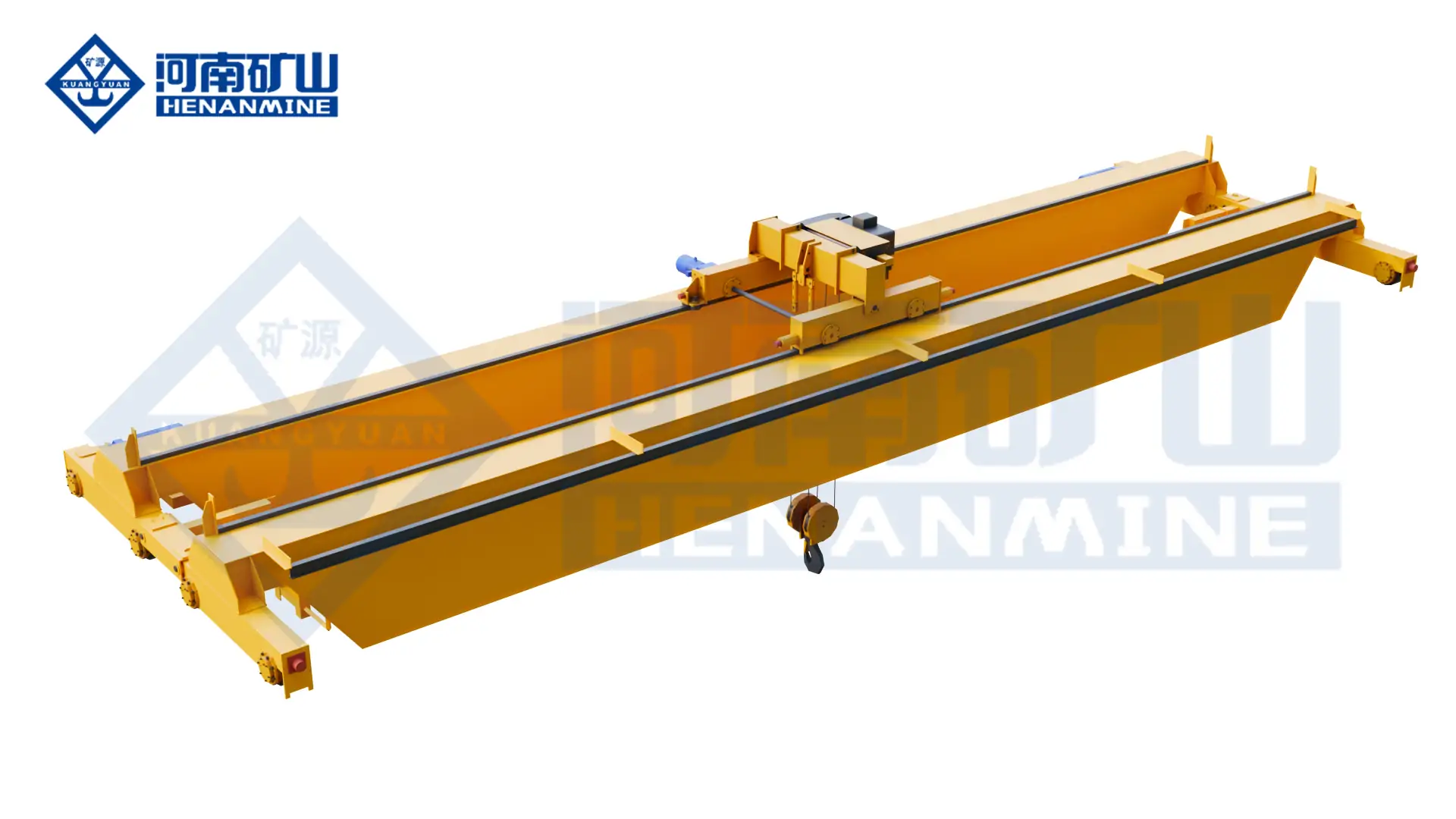
Maintenance Overhead Crane
Select a separate hook crane for the plant’s component removal, servicing and maintenance routes.
Request a Waste-to-Energy or Biomass Crane Quote
Receive a proposed crane arrangement, grab and payload selection, handling-capacity basis and itemized quotation from Henan Mine Crane. Include installation support, commissioning, training and operational spares in the requested package.
Send a bunker or fuel-store layout, fuel type, daily intake, required feeding rate and preferred operating mode. For an existing plant, include runway dimensions and hopper positions. Destination country and power supply complete the initial export inquiry.
Henan Mine Crane
Email: info@hnksglobal.com
WhatsApp: +86 188 3620 7779