

PROCESS MAINTENANCE · HAZARDOUS AREAS · CHEMICAL EQUIPMENT MANUFACTURING
Petrochemical Industry Cranes
Overhead and gantry cranes for pump-house maintenance, compressor handling and heavy chemical-equipment assembly.
Petrochemical industry cranes lift and transfer machinery, process components and manufactured equipment within defined plant areas. The crane arrangement is selected for the complete load, handling route, operating duty and local hazardous-area classification.
Henan Mine Crane supplies overhead cranes, explosion-proof lifting arrangements and heavy-duty gantry cranes. Receive a proposed layout, equipment specification and itemized quotation, with engineering documents, inspection and site support included to the agreed scope.
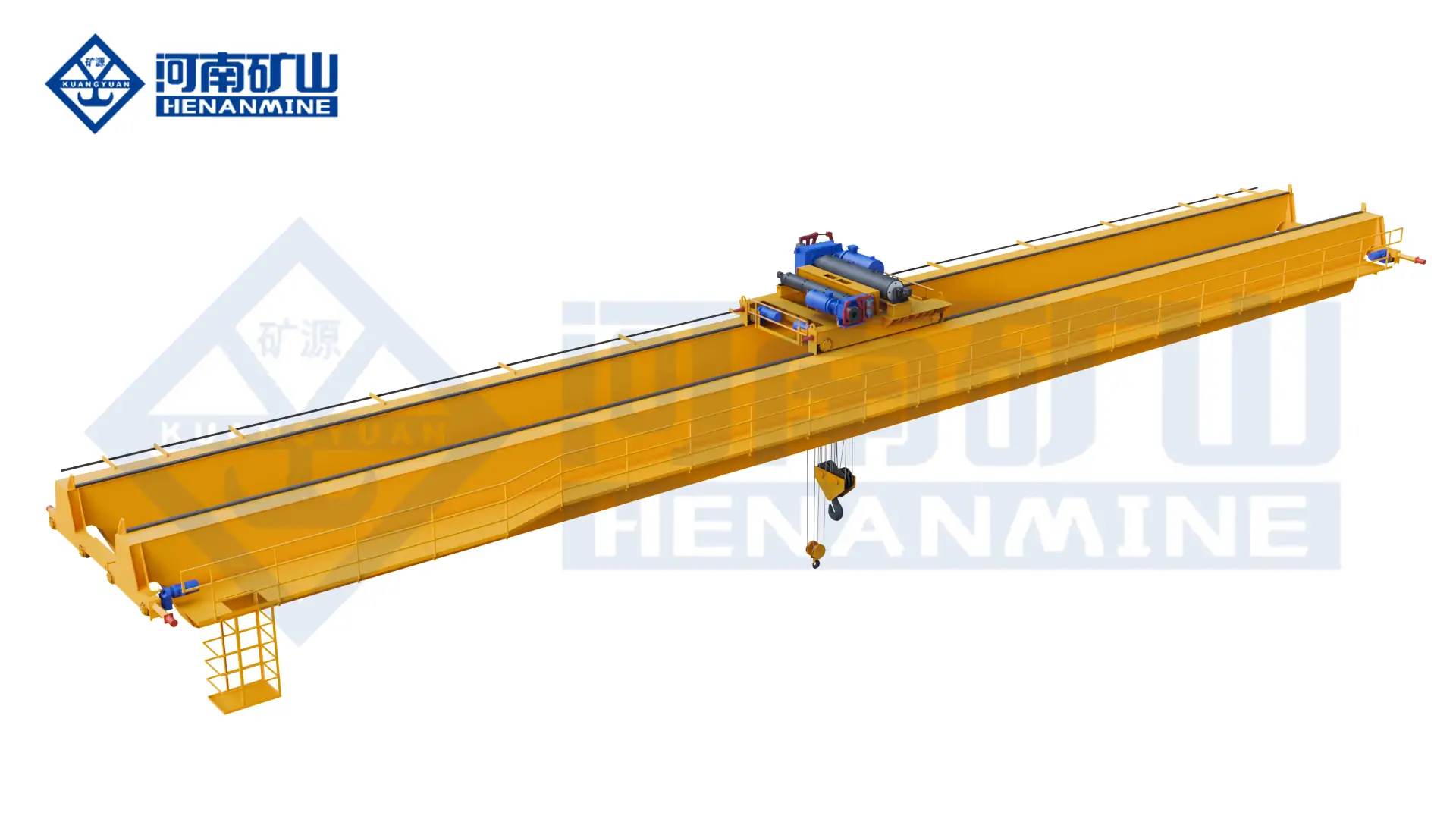
What Henan Mine Crane Delivers
One coordinated crane schedule
We select overhead, gantry and hoisting arrangements for the individual working positions. A coordinated equipment schedule identifies capacities, duties, power requirements and interfaces across the plant, with compatible spare parts identified where the configurations permit.
Layouts that follow the maintenance work
The arrangement follows the component from its installed position to a stand, vehicle or assembly station. Hook approaches, rigging height and obstructions are addressed before manufacture, helping avoid a crane that has enough capacity but cannot reach the required positions.
Protection tied to the supplied equipment
For classified areas, the offer identifies the proposed protection concepts, markings and certification scope. Coating, enclosure protection and ambient limits are specified alongside the hazardous-area requirements, rather than assumed from the industry name.
Equipment and services priced clearly
The quotation separates the crane, runway items, lifting accessories, inspection and requested site services. Drawings, manuals, commissioning support, training and recommended spares form a defined purchase package, with commercial responsibilities stated in the offer.
Crane Applications Across Petrochemical Facilities
| Operating area | Typical loads | Lifting arrangement |
|---|---|---|
| Pump and compressor buildings | Pump assemblies, motors, compressor rotors, casings and valves. | Overhead coverage between installed machinery and maintenance positions, with protection matched to the classified area. |
| Process-equipment maintenance | Heat-exchanger components, removable vessel parts and service assemblies. | A suitable crane and lifting beam, with verified lifting points, clearance and a planned receiving position. |
| Central repair workshops | Equipment dismantling, repair, testing and reassembly. | A conventional or explosion-proof bridge crane selected from the workshop classification and operating duty. |
| Chemical-equipment manufacturing | Pressure vessels, reactors, columns and large fabricated components. | Double-girder overhead or gantry arrangements with controls and rigging suited to the assembly sequence. |
| Loading and assembly yards | Manufactured equipment and removed plant components. | Gantry coverage, suitable rail foundations, vehicle clearance and specified weather, wind and area-protection provisions. |
Selection Considerations for Petrochemical Cranes
Start with the complete suspended load
The crane carries the component plus its lifting beam, slings, shackles and other below-hook equipment. We use the heaviest intended assembly and its centre of gravity in the selection. Equipment lifting points and accessory ratings are assessed for the planned arrangement.
Map the working envelope and duty
The layout shows the pickup point, removal height, travel path and final placement. For long rotors or vessels, it includes load length, rigging depth and clearance around nearby equipment. Operating duty reflects routine use and the repeated lifts concentrated into shutdown periods.
Match each working position to its environment
A process building, an unclassified repair shop and an outdoor manufacturing bay can require different equipment. The proposal assigns the crane structure, hoisting arrangement, protection and service access to each position, supported by the relevant plant data.
Petrochemical Cranes Compared with Other Lifting Configurations
| Configuration | Operating role | Selection and supply focus |
|---|---|---|
| QB explosion-proof overhead crane | Maintenance and equipment handling in a specified classified area. | Double-girder and trolley arrangement, load, duty, protection markings and certificate coverage. |
| Explosion-proof electric-hoist bridge crane | Maintenance work where an electric-hoist arrangement suits the load and available space. | Hoist installation, hook approaches, headroom, duty and protection of the integrated arrangement. |
| Conventional double-girder overhead crane | Repair and assembly work in a documented unclassified workshop. | Working coverage, hook height, load spectrum, runway reactions and environmental protection. |
| Double-girder gantry crane | Chemical-equipment fabrication, assembly and loading in a defined bay or yard. | Leg and vehicle clearance, rail foundations, lifting geometry and wind provisions. Classified-area operation receives a separate protection specification. |
Protection for Classified and Corrosive Work Areas
Explosion-proof selection begins with the plant’s hazardous-area classification. The specification identifies the conditions along the crane’s travel route and at its parking position, including the location of electrical and control equipment.
| Specification item | What the equipment package addresses |
|---|---|
| Area classification | Applicable zone or other project classification, required equipment protection level or category, and the destination’s acceptance route. |
| Gas group and temperature class | Protection selected for the actual gas or vapour hazard. Gas group, maximum surface temperature and permitted ambient range are treated as separate selection items. |
| Certificate and marking schedule | Equipment models, proposed markings, certificate coverage and conditions of use. ATEX, IECEx or another specified route is defined for the offered package. |
| Electrical and mechanical ignition risks | Motors, brakes, controls, cable entries, earthing and moving assemblies reviewed within the selected protection concept. |
| Chemical and weather exposure | Coating system, material compatibility, enclosure protection and temperature limits selected for the actual exposure. An IP rating alone does not establish explosion protection. |
A certificate for an Ex component does not by itself certify the complete crane. Henan Mine Crane identifies the certification boundary and supporting documents in the technical offer. The ordered arrangement must match the agreed equipment markings and conditions of use.
Remote controls, sensors and variable-frequency options are included in the protection review where fitted. Any connection to plant alarms or shutdown systems is defined through an agreed interface and verification scope. Site isolation and permit procedures remain part of the lifting operation.
QB Crane Specifications: 10 t and 20/5 t Configurations
These two defined QB arrangements provide a practical basis for comparing maintenance-crane capacity and geometry. The project proposal states the final dimensions, operating duty, power supply and protection package.
| Parameter | QB 10 t | QB 20/5 t |
|---|---|---|
| Rated main-hook capacity | 10 t | 20 t |
| Rated auxiliary-hook capacity | No auxiliary hook in this arrangement | 5 t |
| Selected span | 19.5 m | 19.5 m |
| Maximum main-hook lifting height | 16 m | 12 m |
| Maximum auxiliary-hook lifting height | Not applicable | 14 m |
| Working class | A3–A4 | A3–A4 |
| Main hoisting speed | 3.3 m/min | 2.7 m/min |
| Auxiliary hoisting speed | Not applicable | 3.7 m/min |
| Trolley travel speed | 10.3 m/min | 10.3 m/min |
| Bridge travel speed at this span | 12 m/min | 12.6 m/min |
| Maximum wheel load at this span | 123 kN | 170 kN |
| Electrical supply | 380 V, 50 Hz, three-phase AC | 380 V, 50 Hz, three-phase AC |
20/5 t means a 20 t main hook and a 5 t auxiliary hook. It does not establish a 25 t combined lifting capacity. Any coordinated use of hooks requires an expressly engineered arrangement and operating procedure.
Higher-duty service, different voltages, finer speed control and alternative protection arrangements receive a project-specific selection. Approved drawings and load cases establish the reactions used for runway design.
Heavy Vessel Handling and Controlled Equipment Placement
Support the load through the complete assembly sequence
Long vessels and fabricated components can have offset centres of gravity or changing support conditions. We assess the lifting points, beam arrangement, sling geometry and receiving supports with the component’s handling plan. Tilting or turning is specified as a separate engineered operation.
Select controls for the installation clearances
The offer defines hoisting and travel speeds around the required approach to foundations, stands and mating equipment. Where suitable, specified variable-frequency or dual-speed options support a controlled approach. Positioning or anti-sway functions are listed with their agreed operating conditions and acceptance criteria.
Separate lifting from extraction forces
A crane can transfer a released heat-exchanger bundle with an approved lifting arrangement. A stuck bundle needs a purpose-designed extractor or another engineered pulling system. The package defines the transition from extraction to lifting; standard vertical hoisting is not used for an unapproved side pull.
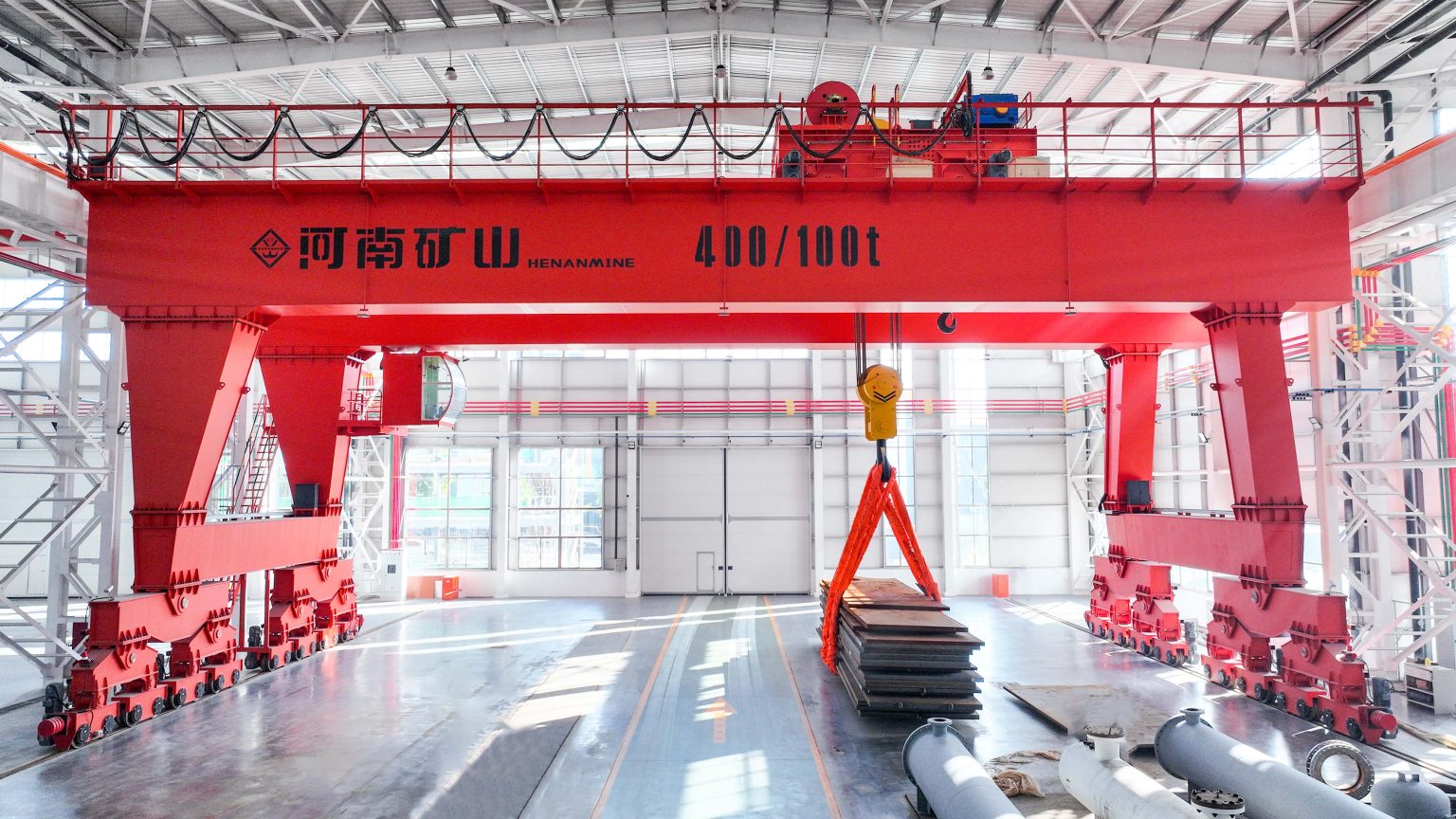
400 t Gantry Crane for Chemical Equipment Manufacturing
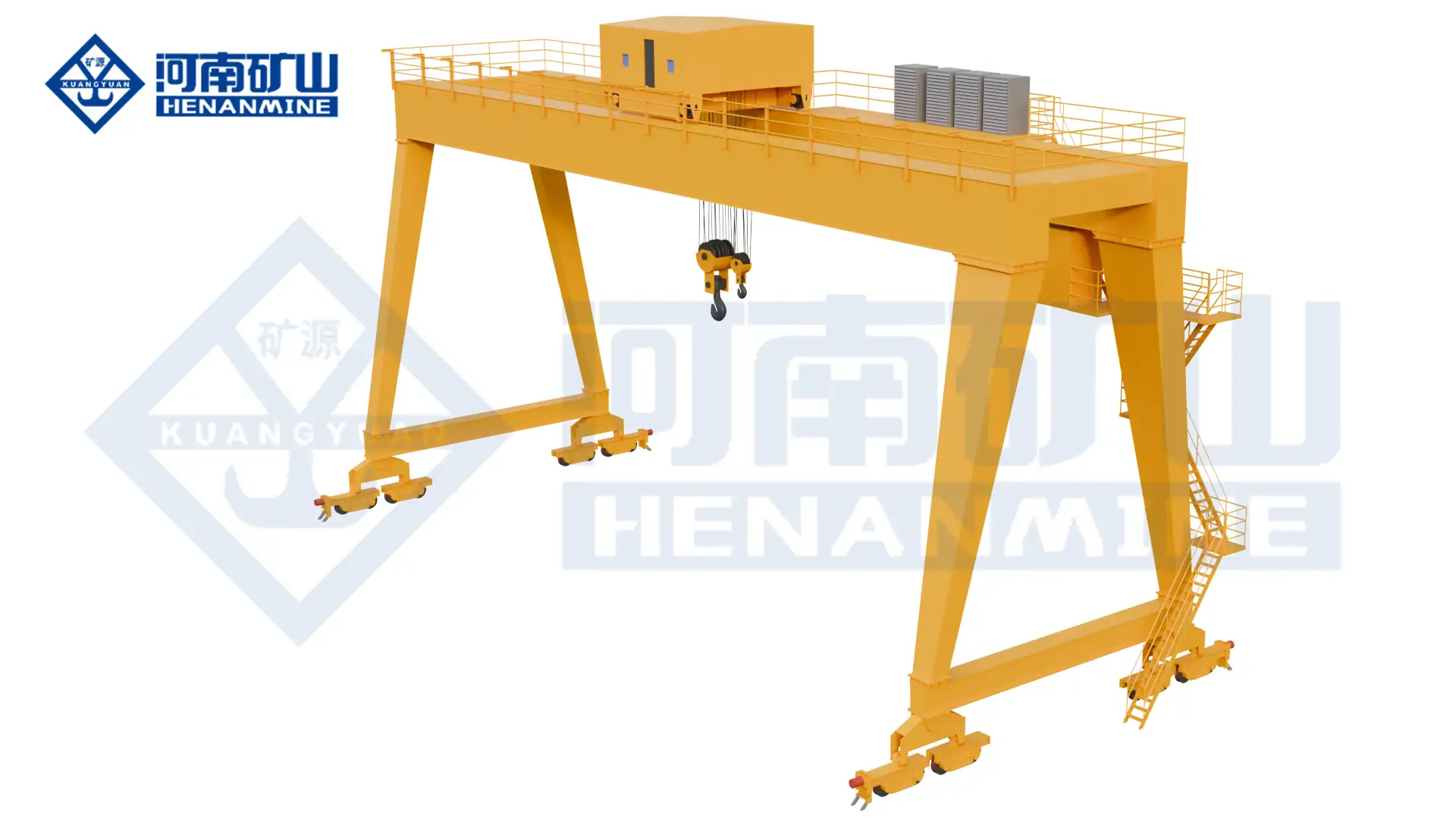
Henan Mine Crane’s chemical-equipment lifting solution uses a 400 t double-girder gantry crane for heavy component handling and assembly. The arrangement addresses large manufactured equipment, where load geometry, smooth motion and access to assembly stations are central to the crane selection.
- Motion control: PLC and variable-frequency-drive communication control coordinates the operating mechanisms.
- Handling functions: The control arrangement includes brake logic, anti-sway provisions and a light-load high-speed function.
- Operator information: Safety and operating-data monitoring support supervision of the equipment.
Petrochemical Industry Crane Prices
For initial budgeting, allow approximately US$7,000–25,000 per crane for the listed 5–10 t explosion-proof configurations. A standard 20 t double-girder overhead crane for an unclassified workshop has a separate indicative equipment budget of US$28,000–55,000.
| Equipment configuration | Configuration basis | Equipment budget, USD |
|---|---|---|
| 5 t explosion-proof overhead crane | 3–12 m span; 3–8 m lifting height | US$7,000–15,000 |
| 10 t explosion-proof overhead crane | 3–12 m span; 3–8 m lifting height | US$10,000–18,000 |
| 10 t explosion-proof overhead crane, alternative span range | 10–22.5 m span; remaining specification quoted to the project | US$12,000–25,000 |
| 20 t conventional double-girder overhead crane | General industrial configuration for an unclassified area | US$28,000–55,000 |
| 20 t conventional double-girder gantry crane | 12–30 m span; 6–18 m lifting height; unclassified-area configuration | US$25,000–50,000 |
| Special heavy-lift or production-critical crane | Project-specific capacity, duty, controls and protection | Itemized engineering quotation |
These are indicative equipment budgets, not fixed Henan Mine Crane quotations. The ranges cover different configurations and do not establish a particular ATEX, IECEx or other certificate scope. Prices for a specific crane follow the agreed load, geometry, duty and protection package.
Runway steel, rails, foundations, lifting accessories, certification work, freight, import charges, site erection and local acceptance are additional unless included. The quotation identifies each supply boundary so the complete installed budget can be assessed.
Compare crane equipment costs and installed-system cost items.
Equipment, Engineering and Acceptance Deliverables
The purchase package identifies what arrives with the crane and what is completed at the factory or on site. Inspection and witness requirements are set out in the agreed inspection and test plan.
| Supply stage | Deliverables defined in the order |
|---|---|
| Crane equipment | Specified bridge or gantry structure, end carriages, trolley or hoist, hook and rope system, drives, brakes, controls and protection equipment. |
| Approval engineering | General arrangement, hook coverage, clearances, wheel reactions, electrical requirements and crane technical specification. |
| Hazardous-area documentation | Equipment and certificate schedule, specified markings, applicable conditions of use and the agreed supporting documentation. |
| Manufacturing and FAT | Agreed fabrication, dimensional, assembly and coating checks; functional tests of motions, brakes, limits and interlocks. Test loads and witness points are defined in the FAT plan. |
| Delivery and handover | Packing and delivery scope, operating manuals, electrical drawings, agreed test records, parts identification and contracted site-service documents. |
Lifting beams, runway items, power distribution, plant interfaces and additional inspection services are itemized where included. This makes the commercial comparison traceable to the technical offer.
Installation, Turnaround Support and Long-Term Maintenance
Installation planned around access and the shutdown window
The service scope covers delivery sections, assembly access, runway readiness and power interfaces. Installation supervision and commissioning support can be scheduled against the agreed plant window. Alignment, functional checks, specified load tests and operator training are included when contracted.
A delivery schedule with visible milestones
The offer sets out drawing approval, selected equipment procurement, fabrication, FAT, shipping and site-service milestones. Lead time, warranty coverage and engineer availability are confirmed for the ordered configuration and destination.
Identified parts and a maintainable protection arrangement
Receive a recommended spare-parts list matched to the supplied crane, covering selected brake, limit, drive and electrical items. Common parts can be identified across compatible cranes in the plant schedule. Ex replacements and repairs must preserve the approved protection concept and certificate conditions.
The maintenance plan addresses access to brakes and drives, rope and hook inspection, travel wheels, cable systems, enclosures and protective devices. Planned checks can be coordinated with plant maintenance periods.
Petrochemical Industry Crane FAQs
Which crane is suitable for a petrochemical plant?
The operating area determines the arrangement. Explosion-proof overhead cranes can serve specified classified areas; conventional cranes can serve documented unclassified workshops; gantry cranes can handle chemical-equipment assembly and loading. Load, coverage and duty complete the selection.
Does every petrochemical crane need explosion protection?
The hazardous-area classification establishes the requirement at each location. Protection is selected for the crane’s operating route, parking position and equipment installation locations. An ordinary workshop crane is not assumed suitable for a classified process area.
Can the crane be specified for ATEX or IECEx requirements?
The offer identifies the required certification route, proposed equipment and certificate coverage. A component certificate alone does not certify the complete crane. Supplied markings, models and conditions of use must match the agreed scope.
What does a 20/5 t crane rating mean?
The main hook is rated at 20 t and the auxiliary hook at 5 t. Their ratings must not simply be added to claim 25 t capacity. Coordinated hook use requires an expressly engineered arrangement and procedure.
How much does a petrochemical industry crane cost?
Indicative equipment budgets for the listed 5–10 t explosion-proof overhead configurations are US$7,000–25,000 per crane. A standard 20 t double-girder overhead configuration for an unclassified area is approximately US$28,000–55,000. Special protection, site works and delivery follow the quotation scope.
Can one crane lift and turn a pressure vessel?
Turning requires an engineered handling arrangement covering lifting points, centre of gravity, load sharing, rigging and support throughout the movement. A conventional hook-crane rating alone does not establish a permitted turning operation.
Can a new crane use existing rails and runway beams?
Existing infrastructure can be assessed against the selected crane’s wheel reactions, rail geometry, condition, clearances and load cases. Approved structural and crane interfaces establish whether reuse is suitable.
What is included in the quotation?
The offer identifies crane equipment, technical documents, protection and certificate scope, inspection requirements and commercial terms. Runway items, lifting accessories, freight, installation support, training and spare parts are itemized when included.
Related Petrochemical Lifting Equipment
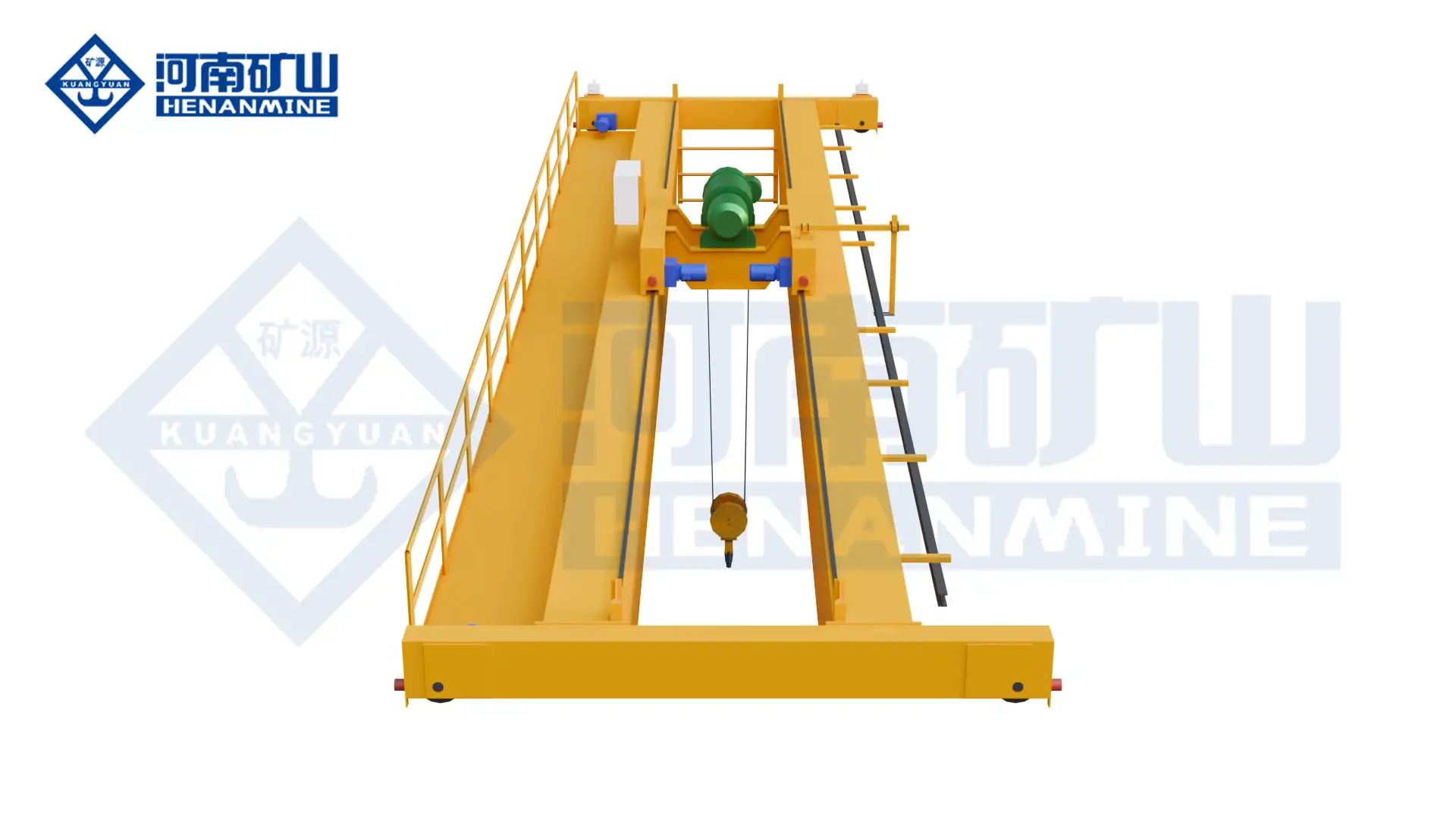
Explosion-Proof Electric-Hoist Bridge Crane
Hoist-based lifting for a specified hazardous-area maintenance duty.
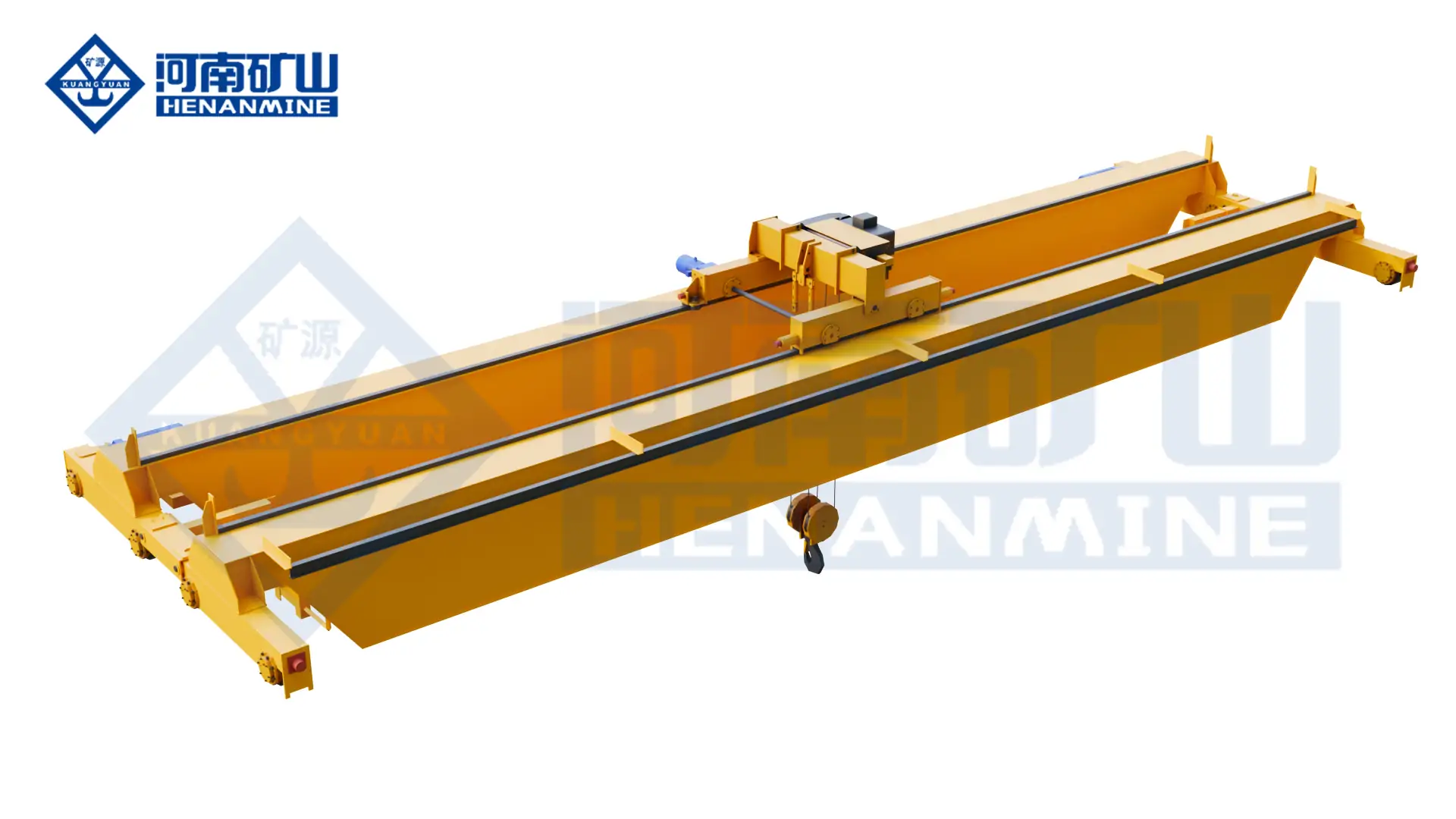
Request A Petrochemical Industry Crane Quote
Send the heaviest component and rigging weights, a layout or runway sketch, lifting height and the operating-area classification. Include the power supply, destination and installation window when available.
Henan Mine Crane prepares a proposed crane arrangement, technical specification and itemized equipment offer. The proposal identifies protection and documentation scope, inspection, delivery terms and the requested installation or maintenance support.
Email: info@hnksglobal.com | WhatsApp: +86 188 3620 7779