
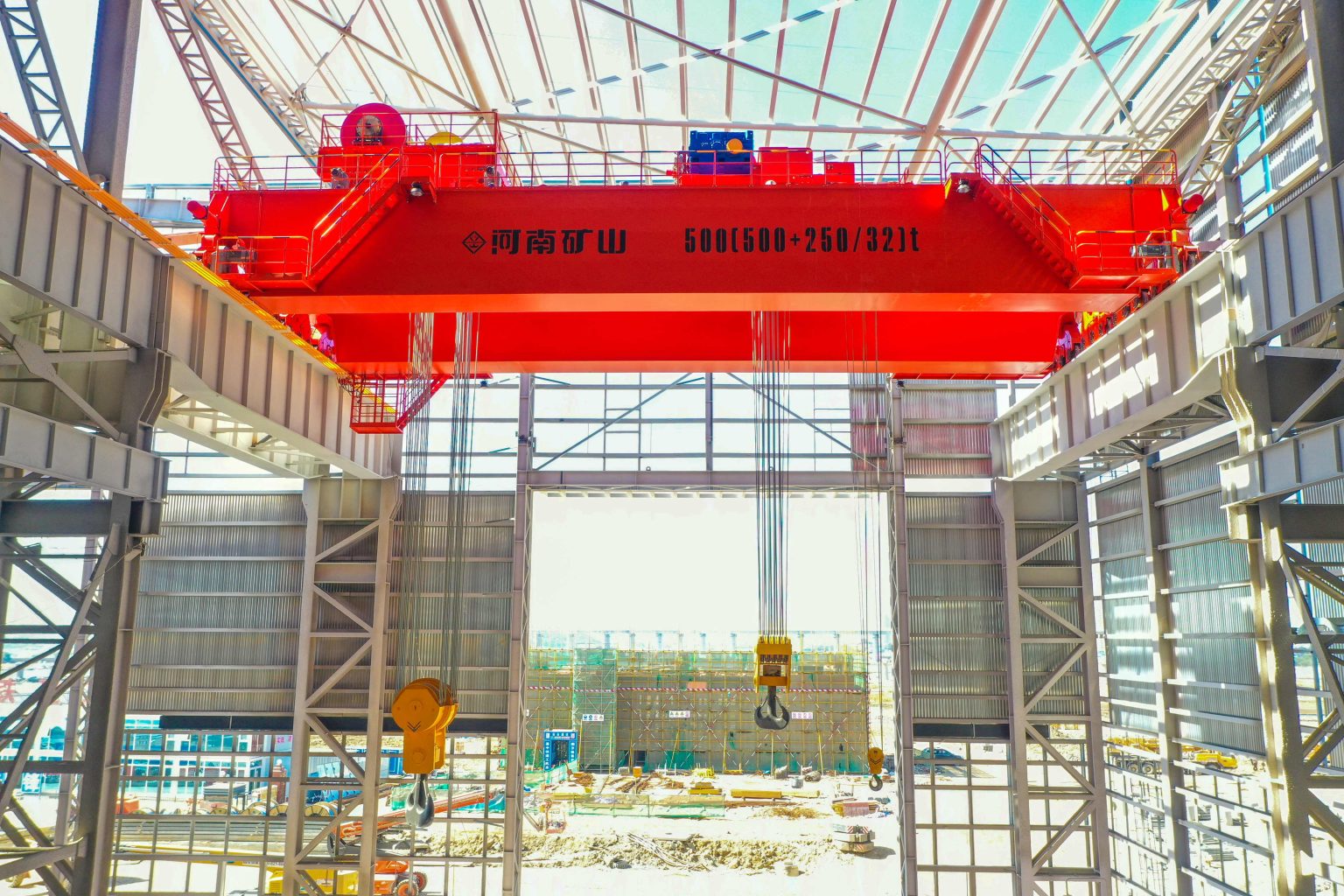
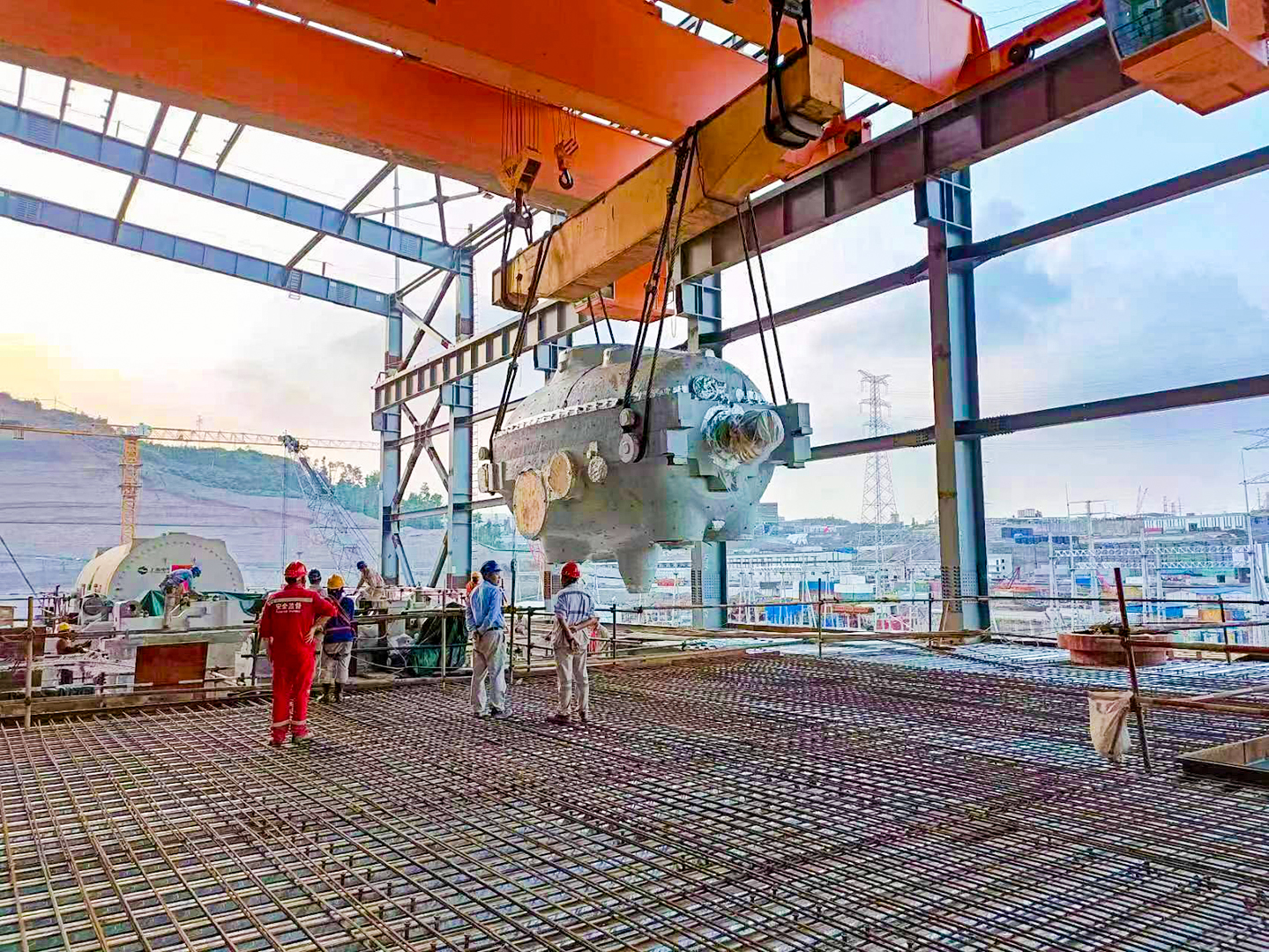
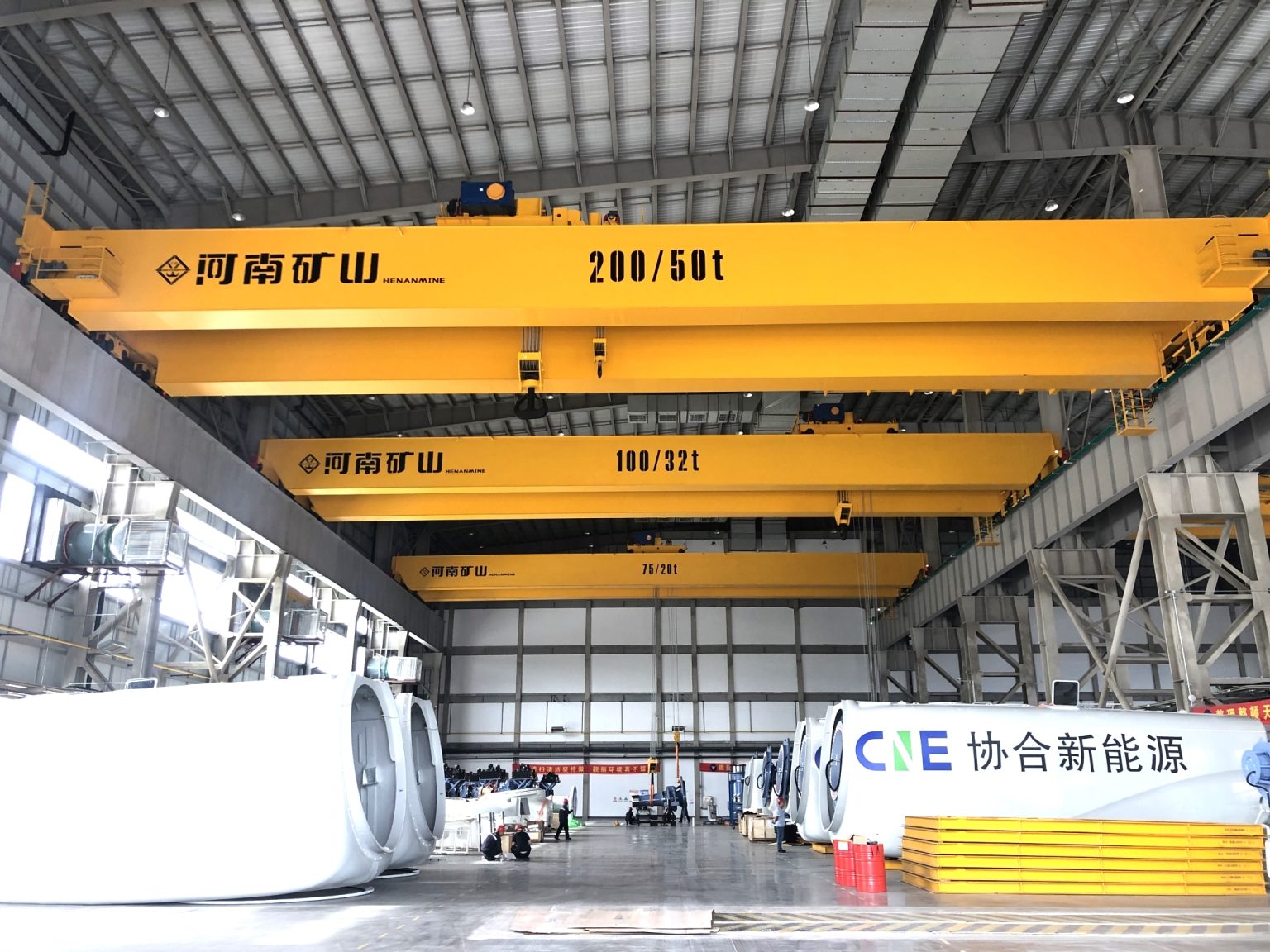
What Is a Gantry Crane? Structure, Working Principle and Uses
Gantry Crane is a core equipment with high attendance rate in the material handling site of heavy industry. Whether it is container stockpiling in ports, bridge girder handling in prefabrication yards, or heavy steel assembly in workshops, it silently undertakes key lifting tasks.Many purchasers in contact with this type of equipment, the first by the “tonnage” “span” of these parameters around the dizzy, but also easy to confuse it with the bridge crane.
In fact, the core advantage of the gantry crane is very clear: it can work independently from the plant building, especially suitable for outdoor and heavy-duty working conditions. Next, I will from the basic definition, core structure, working principle, and then to the actual application and selection points, with a front-line engineer’s point of view, to make these key information clear.
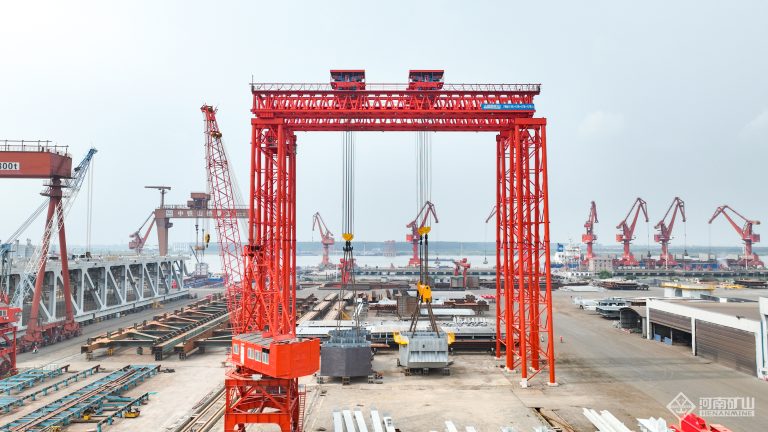
What Is a Gantry Crane?
Basic Definition
The core structure of a gantry crane is a horizontal main beam, supported by two or more vertical outriggers at both ends or in the middle, and equipped with a walking device at the bottom of the outriggers – either steel wheels that fit on the track or rubber tires that can be moved freely.
This structure allows it to accomplish both vertical lifting and lowering of heavy loads, as well as moving horizontally with heavy loads. Unlike ordinary lifting equipment, it forms a complete lifting system on its own, without the use of any external structures, which is the most essential difference between it and a bridge crane.
Key Characteristics
The first core characteristic of gantry crane is independent support structure. Its outriggers directly transfer the weight of the whole machine and lifting load to the ground, without having to rely on the columns or roof of the plant as in the case of bridge cranes, which is also the basis for its ability to work in the open field.
Its operation scenes are not limited to outdoor, indoor large-scale workshop can also be adapted. For example, in a large steel processing plant, when the workshop space is sufficiently open, the gantry crane can connect indoor processing and outdoor yard material transfer, which is very practical.
Large span and high load capacity is another major feature. According to the demand of working conditions, its span can be customized from a few meters to dozens of meters, and its lifting capacity covers from 5 tons to more than 1,000 tons, which can meet all kinds of lifting needs from light maintenance to heavy shipbuilding.
Compared with bridge cranes, it is also more flexible in terms of installation. Track-type gantry cranes only need to lay a simple ground track, and tire-type cranes do not even need a track, and can be put into use by leveling the site without large-scale reconstruction of the existing site.
Main Structure of a Gantry Crane
Many customers will ask “how to judge the quality of a gantry crane” when inspecting the equipment. In fact, the answer is very simple, look at its six core structural components, you can have a basic judgment on the performance and durability of the equipment. These components work in conjunction with each other, and if one of them is missing, the whole machine will not be able to complete the lifting operation properly.
Main Girder
The main girder is the core component of the gantry crane that carries the trolley and the hoisting mechanism, and all the lifting loads will eventually be transferred to the main girder. Its design directly determines the maximum lifting capacity and span of the crane.
The main girder is mainly divided into two forms: single main girder and double main girder. Single main girder mostly adopts I-beam or combined cross-section, which has lighter deadweight and lower processing and manufacturing cost; double main girder is mainly box beam or truss structure, which has greater cross-section stiffness and can withstand larger load and span, and is the first choice for heavy-duty operation.
In actual selection, single main girder is preferred for light and medium load scenarios, while double main girder is a safer choice for heavy-duty working conditions such as shipbuilding and harbor.
Support Legs
Support legs are the “leg bones” connecting the main beam and the ground, and their core role is to evenly distribute the load transmitted by the main beam to the walking mechanism or track on the ground. Its structural strength and stability are directly related to the safety of the whole machine.
The shape of the outrigger will be designed according to the operational requirements, and the common ones are L-type and C-type. L-type outrigger has a simple structure and is suitable for regular working conditions; C-type outrigger will be bent or inclined to leave a larger lateral space, so that the extra wide cargo can pass under the outrigger without any problem.
For semi-portal cranes, one side of the outrigger is on the ground, and the other side is attached to the wall or column of the plant, which can further save space and equipment costs.
Hoisting Mechanism
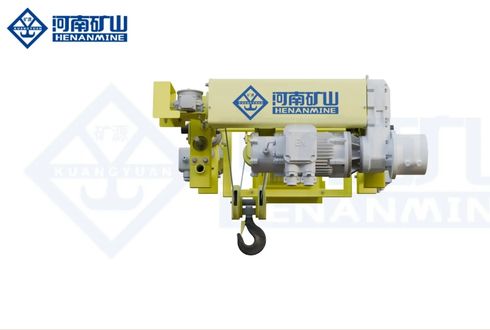
Hoisting mechanism is the “power core” of gantry crane, responsible for completing the vertical lifting and lowering of heavy loads, and it is also the most critical execution part. Its main form is electric hoist or winch system, the specific selection depends on the lifting tonnage.
Light and medium-sized load (usually 5-30 tons) generally with electric hoist, compact structure, easy to operate; heavy load (more than 30 tons) need to use the winch system, which is more powerful, can withstand a long period of high-intensity operation.
No matter which form, the hoisting mechanism is composed of motor, reel, wire rope (or chain), hook set and other components. The material of the wire rope and the design of the drum will directly affect the smoothness of the lift and the service life of the equipment.
Trolley System
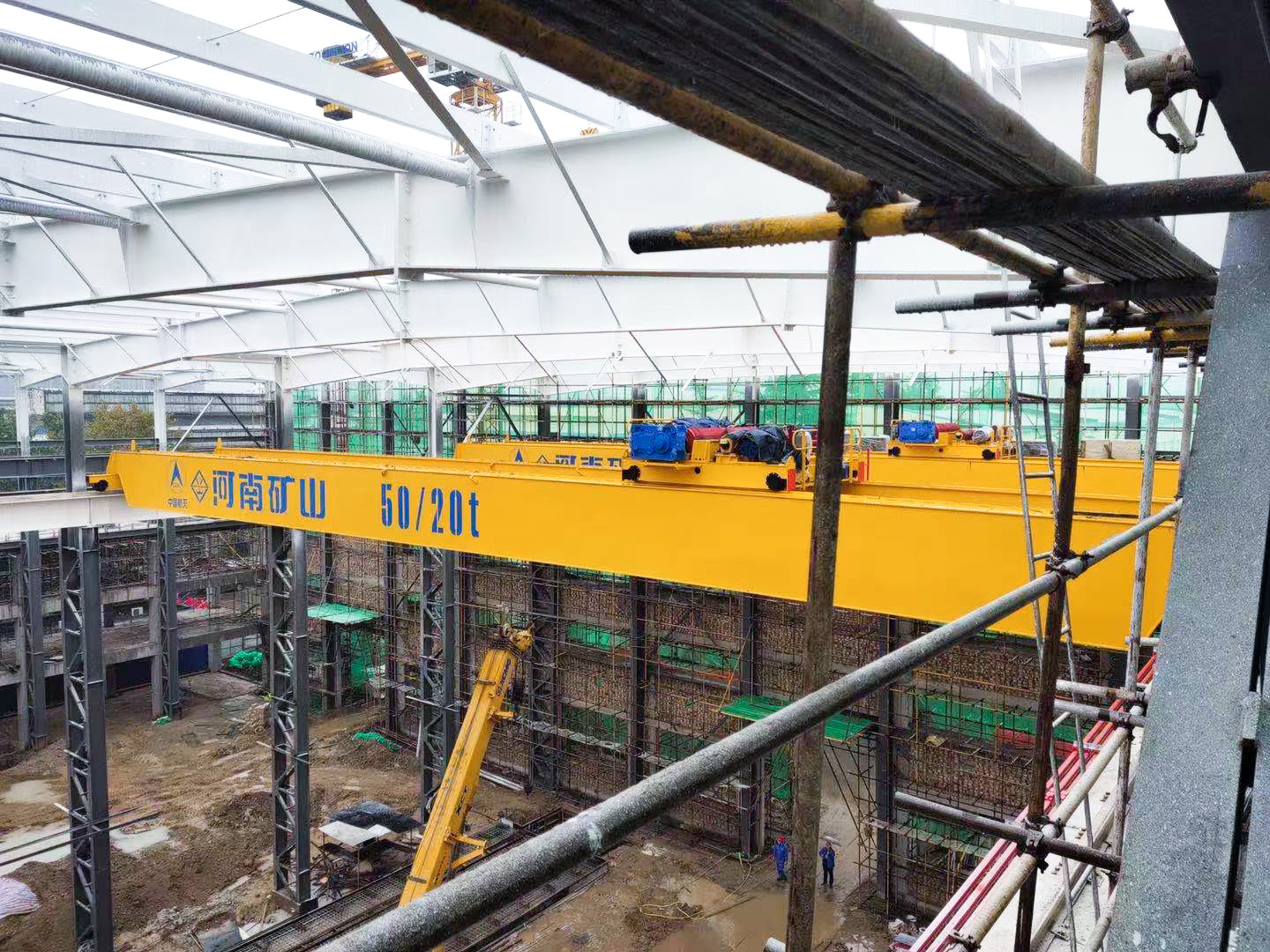
The trolley system is equivalent to the “arm” of the gantry crane, which is erected on the track of the main beam, and can move horizontally along the main beam with the hoisting mechanism, and its core role is to adjust the position of the load in the direction of the span to realize accurate positioning.
The trolley system mainly consists of frame, traveling wheels, driving device and guiding device. The trolley of double main girder gantry crane usually runs between two main girders for better stability; while the trolley of single main girder adopts under-hanging design, which is directly suspended on the rail below the main girder.
In the handling of long materials, double trolley configuration is also used. The synchronized action of two trolleys ensures that the materials are always kept horizontal, avoiding tilting during the handling process.
Traveling Mechanism
The traveling mechanism is the “mobile foot” of the gantry crane, which is installed at the bottom of the outrigger and is responsible for driving the whole machine to move in the specified direction, thus expanding the operation coverage. Its form corresponds directly to the way the crane moves.
The running mechanism of rail-type gantry cranes is a steel wheel set, which runs with the pre-embedded steel rails on the ground, with a fixed trajectory and high positioning accuracy; tire-type gantry cranes are equipped with rubber tires and a hydraulic drive system, which can move freely on a flat surface, and are extremely flexible.
The braking system and buffer device in the operating mechanism are the key safety components, the braking system can make the whole machine stop smoothly, and the buffer device can avoid hard collision between the crane and the end of the rail or other equipment.
Electrical Control System
The electrical control system is the “brain” of the gantry crane, from which all the commands are issued and all the safety protection functions are integrated. At present, the mainstream equipment adopts PLC control system, which can realize the precise coordination of movements.
There are two main operation modes: cab operation and wireless remote control operation. The cab is generally set on the side of the main beam or above the trolley, which is suitable for long time and high frequency operation; the wireless remote control is more flexible, the operator can observe the lifting situation at any position on the site, which is suitable for complex working conditions.
Overload protection, limit protection, emergency braking and other safety functions are also realized through the electrical system. When the equipment is overloaded, over travel and other abnormal conditions, the system will automatically cut off the power to avoid safety accidents.
How Does a Gantry Crane Work?
The working process of a gantry crane is essentially a three-directional movement to transport heavy loads from one position to another. These three movements seem to be simple, but only with the cooperation, can complete efficient and safe lifting operations.
Vertical Lifting Movement
Vertical lifting is the most basic movement of the gantry crane, which is completed independently by the hoisting mechanism. When the operator sends out the lifting command, the motor of the lifting mechanism starts and drives the drum to rotate.
When the drum rotates, the wire rope will be reeled or released, and the hook set will rise or fall accordingly. When rising, the wire rope bears the tension of the weight and lifts the weight from the ground; when descending, the reel slowly releases the wire rope and puts the weight into the specified position smoothly.
During this process, the inverter drive system of the hoisting mechanism will play a role in making the lifting and lowering action smoother and avoiding the impact on the heavy load or equipment due to excessive speed.
Horizontal Trolley Movement
When a heavy load is lifted, it needs to be repositioned within the span of the main beam, which requires the horizontal movement of the trolley system. The operator controls the trolley drive to move the trolley from side to side along the track of the main beam.
For example, in a steel processing plant, lifting a steel plate from the raw material area to the cutting station requires lifting the plate and then moving the trolley to accurately deliver the plate to the top of the cutting equipment. The movement accuracy of the trolley directly affects the operational efficiency of the subsequent processes.
For large-span cranes, the traveling speed of the trolley will be divided into two gears, high speed for empty load and low speed for heavy load, taking into account the efficiency and safety.
Longitudinal Crane Travel
The movement of the trolley can only cover the span of the main girder, while the longitudinal operation of the whole machine allows the crane to extend its working range to the whole site. When heavy loads need to be transported from point A to point B in the working area, the running mechanism will drive the whole machine to move along the rail or the ground.
For example, in a container yard, a rail-mounted gantry crane can cover the entire stockpile area along the rail, transport containers from one end of the yard to the other, and move with the trolley to complete the stacking operation at different locations.
When the whole machine is running, it will be protected by a travel limit device. When approaching the end of the track, the system will automatically slow down and stop to prevent derailment.
Three-Dimensional Material Handling
Combining the three actions of vertical lifting, lateral movement of the trolley and longitudinal running of the whole machine, the gantry crane realizes three-dimensional material handling in X, Y and Z directions. This is the core reason why it can be adapted to all kinds of complex lifting scenarios.
To give a practical example, in the port container loading and unloading operations: first of all, through the lifting mechanism, the container in the truck is lifted vertically; then the trolley moves horizontally to move the container to the designated columns in the yard; and finally the whole machine operates vertically to move the container to the designated rows, and then vertically descends to the stockpile position. The whole process is the perfect cooperation of the three movements.
Different Types of Gantry Cranes
There is no “all-purpose model” for gantry cranes, and different operational scenarios and load requirements correspond to different types. Just like the tools should be selected according to the needs, choose the right model, in order to ensure that the operational needs at the same time, control the procurement and operating costs.
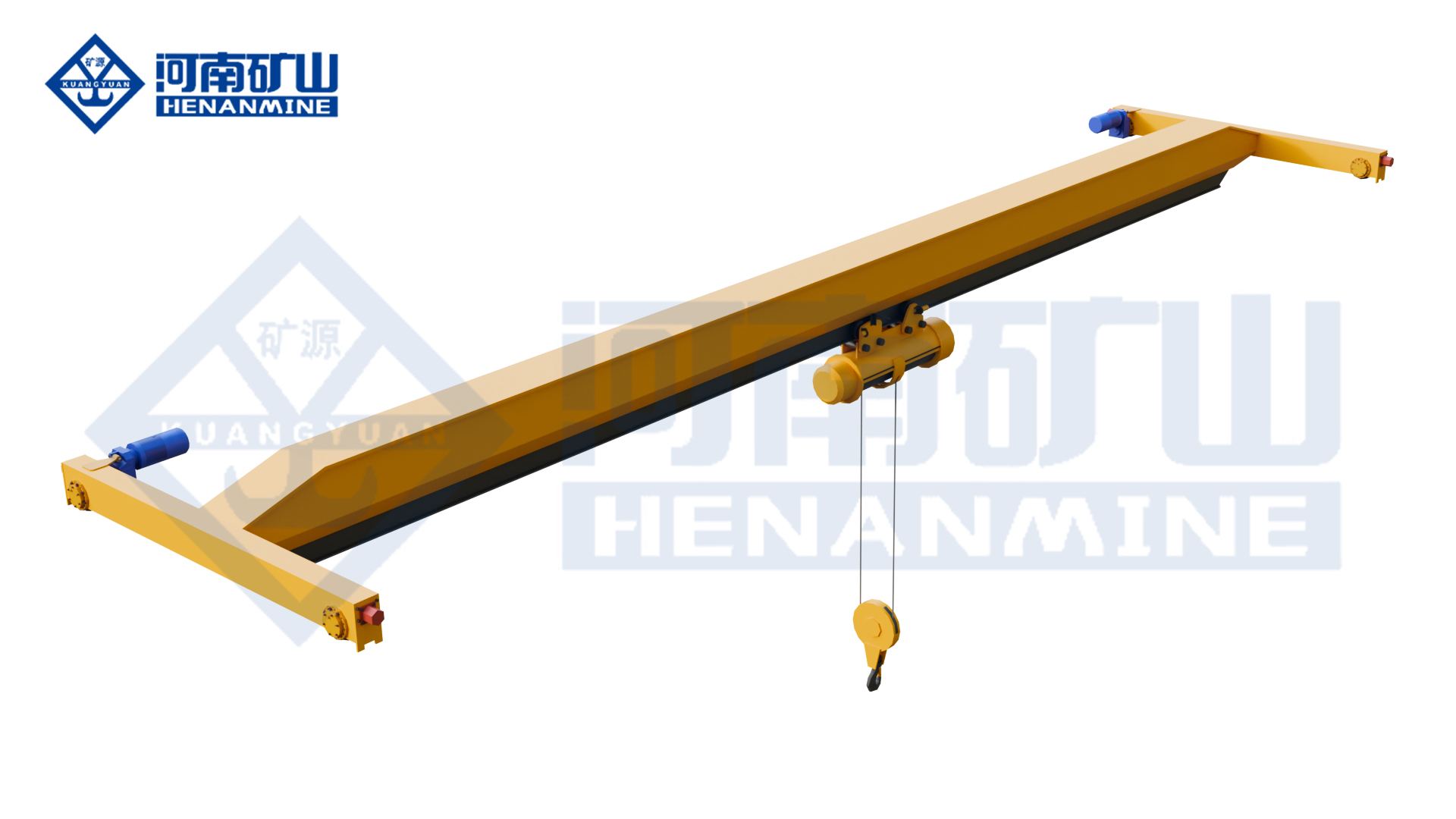
Single Girder Gantry Crane
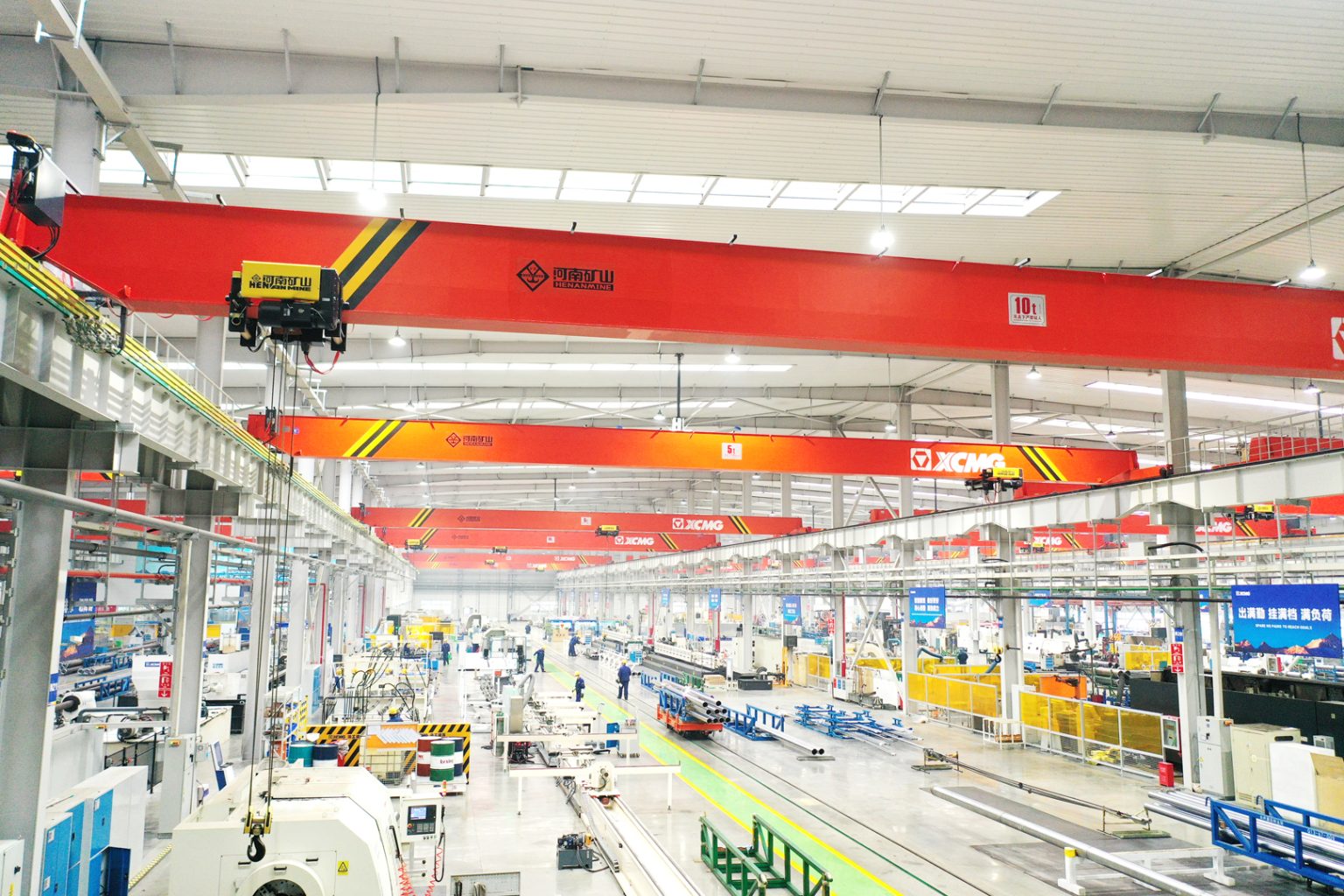
Single Girder Gantry Crane is the representative of lightweight design, the overall weight is light, and the processing and installation costs are much lower than double girder models. With a lifting capacity of 5-30 tons and a span of no more than 20 meters, it is suitable for light and medium loads.
For example, it can be used for precast panel handling in small precast concrete yards, equipment maintenance in machine shops, and heavy load transfer in small warehouses. It is also easy to maintain, with fewer wearing parts and low operating costs.
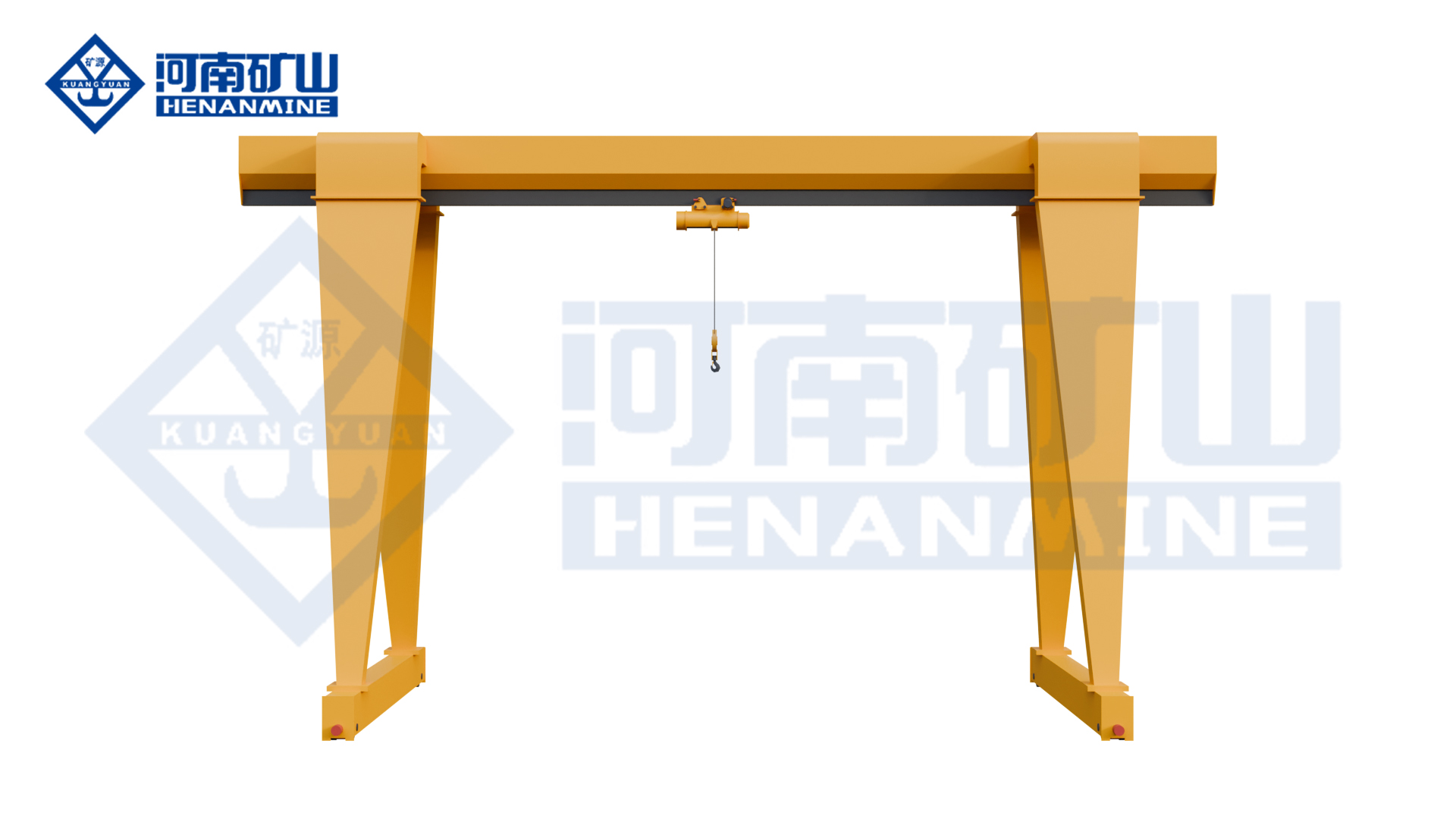
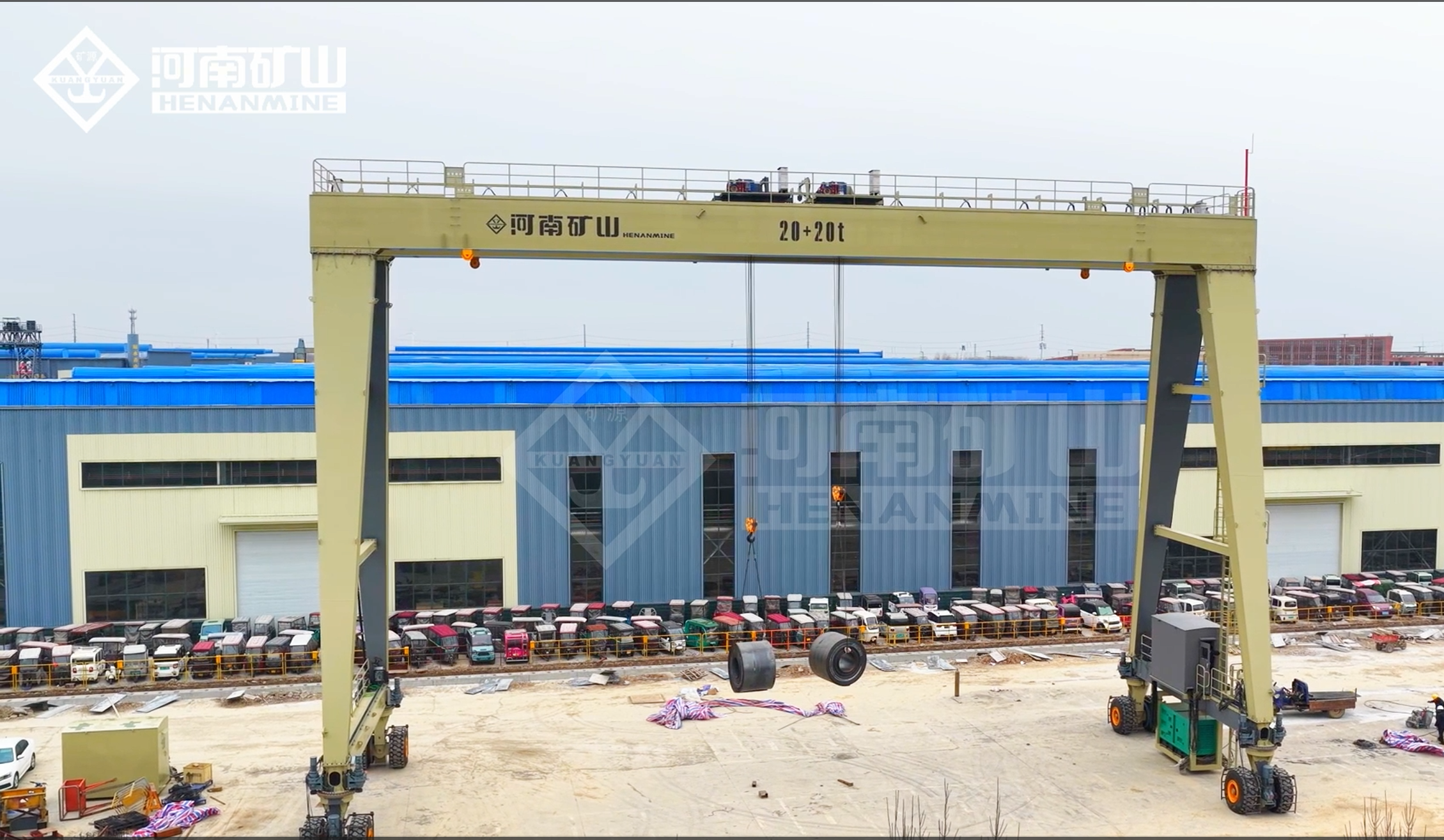
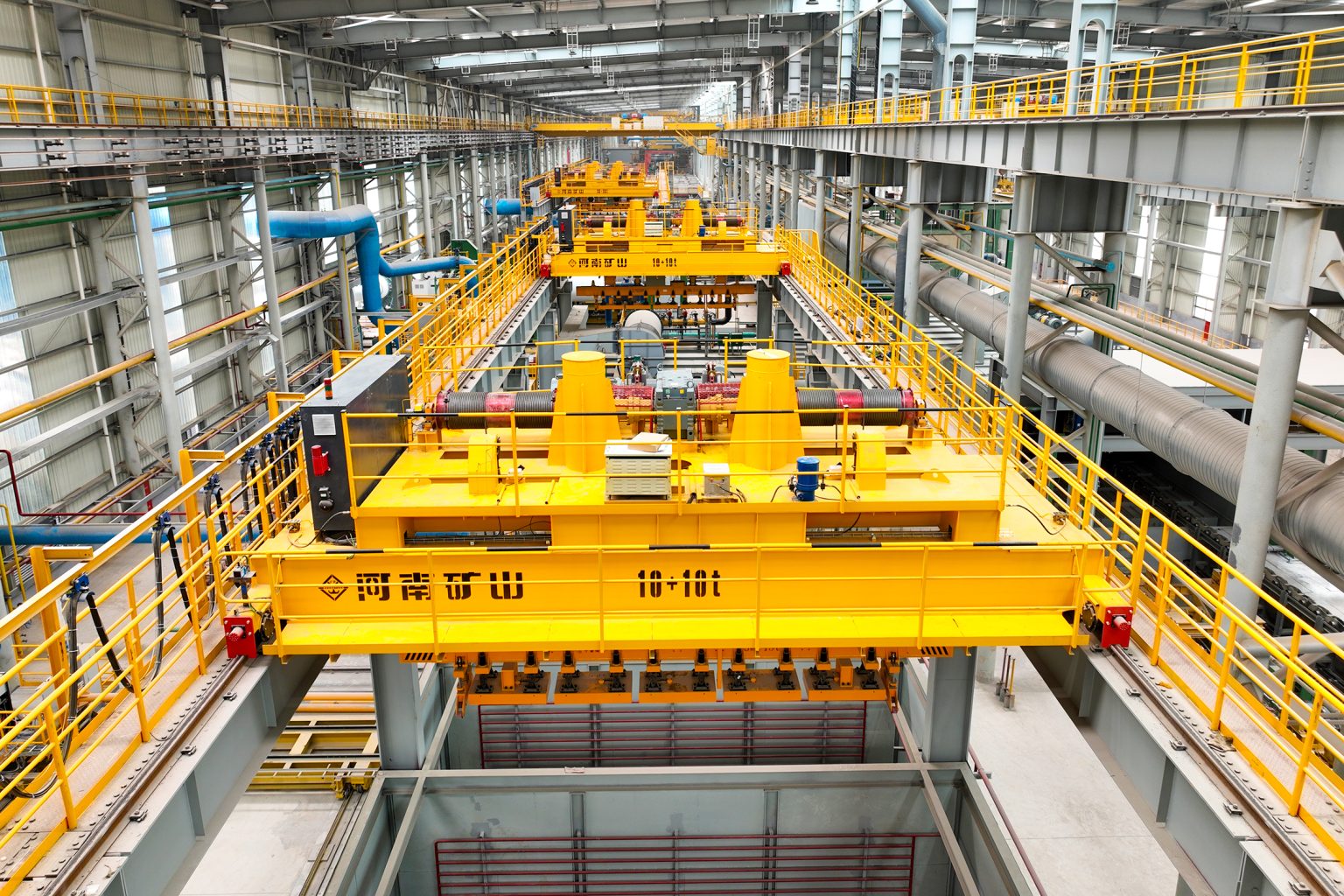
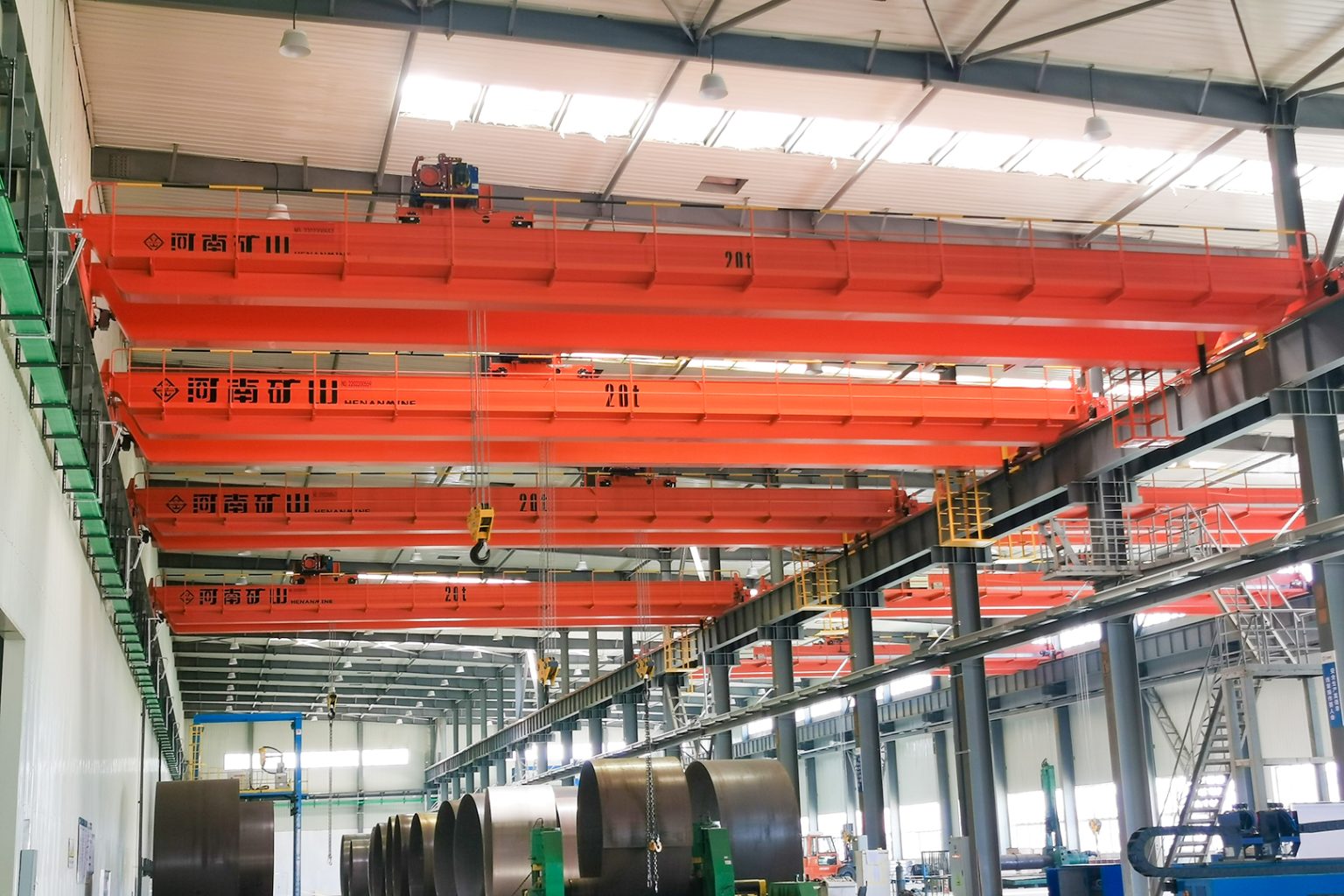
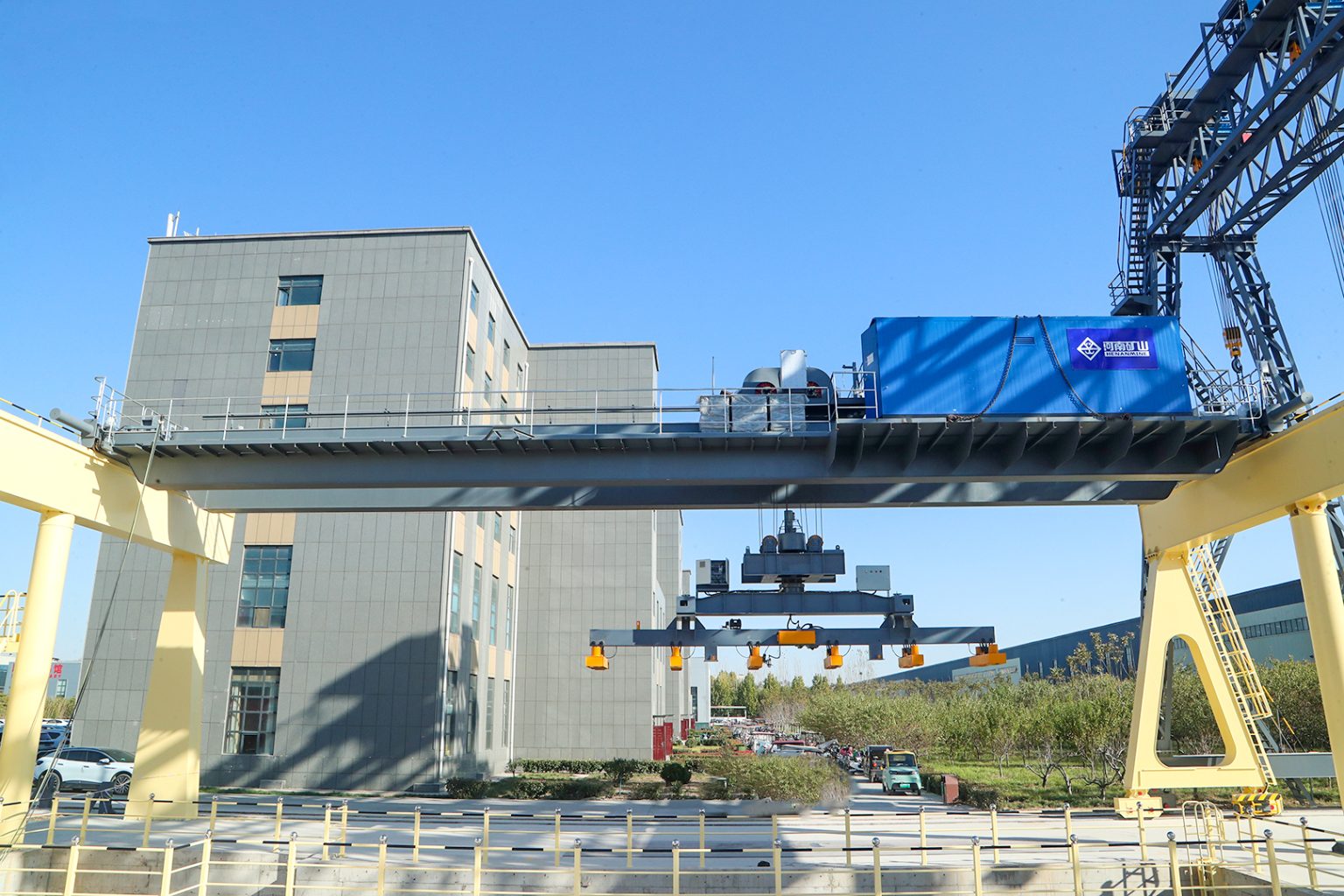
Single-girder gantry crane manufactured by Henan Mine
Double Girder Gantry Crane
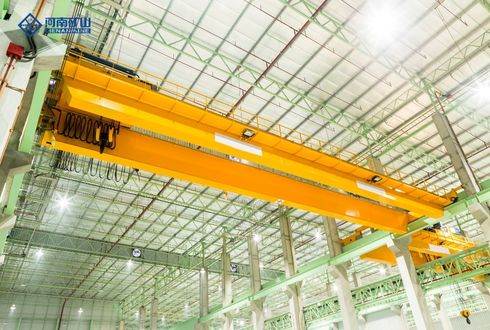
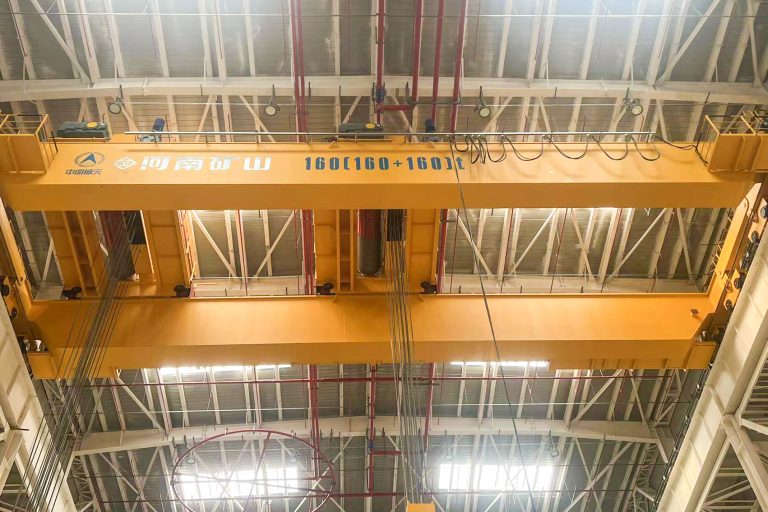
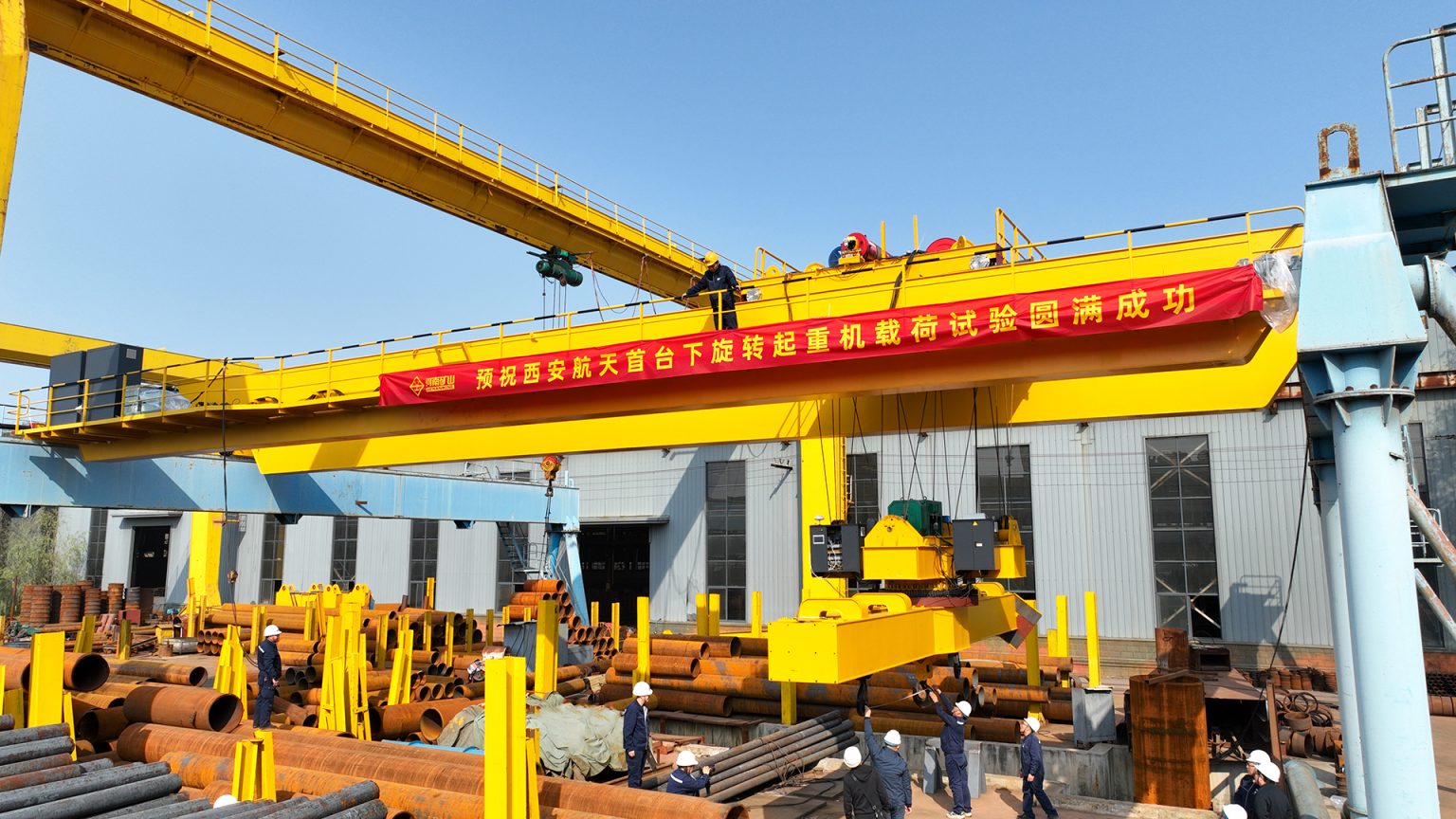
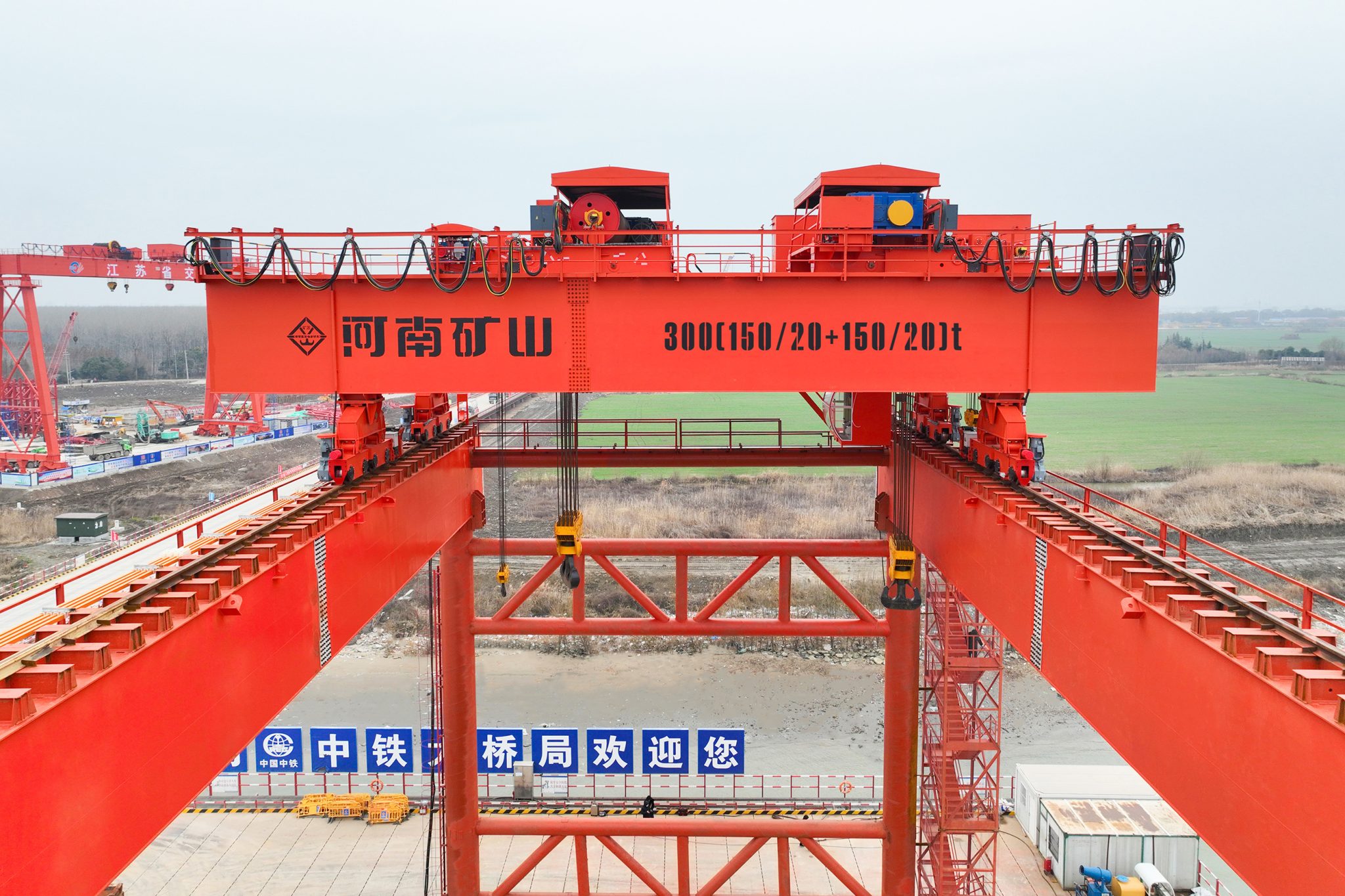
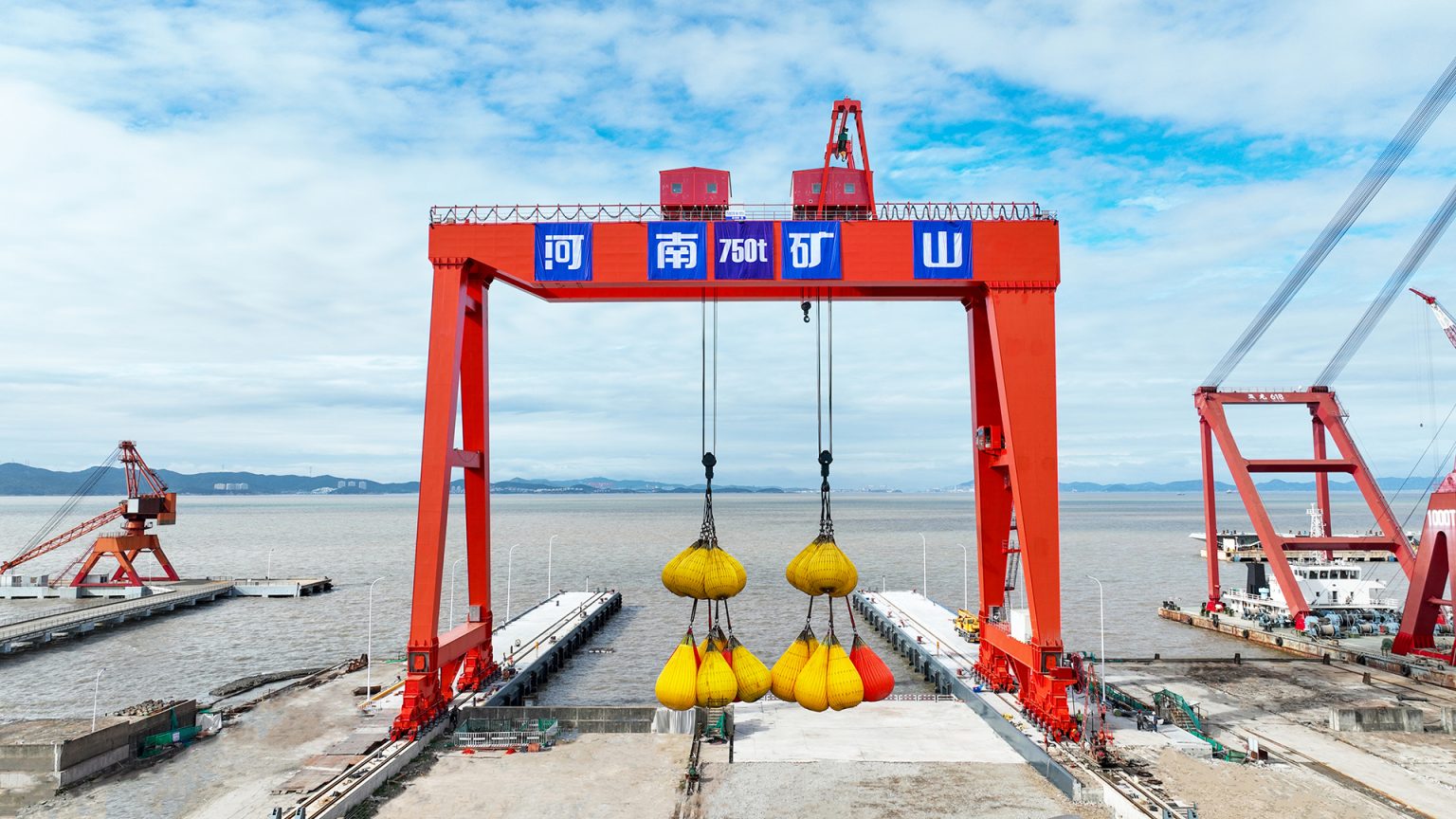
Double Girder Gantry Crane is the “main force” for heavy-duty operations, with large structural rigidity, strong carrying capacity, lifting capacity from 30 tons to more than 1,000 tons, and greater customization of lifting height and span.
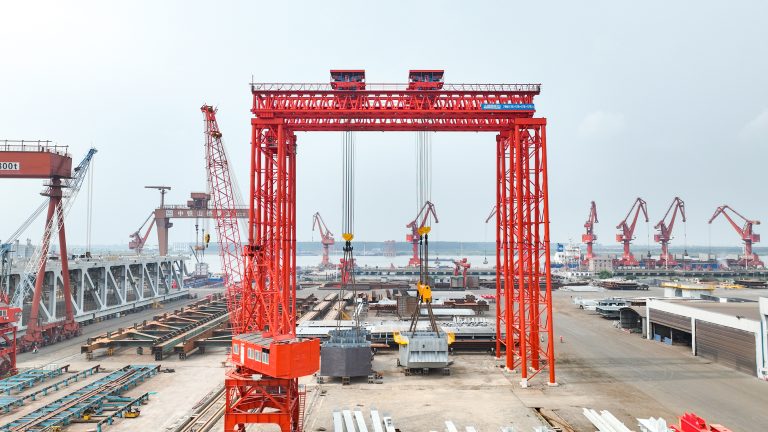
Hull segment lifting in the shipbuilding industry, heavy container handling in ports, and steel ladle transfer in steel mills are all its core application scenarios. Although the initial purchase cost is higher, its stability and durability are more guaranteed in long-term high-intensity operations.
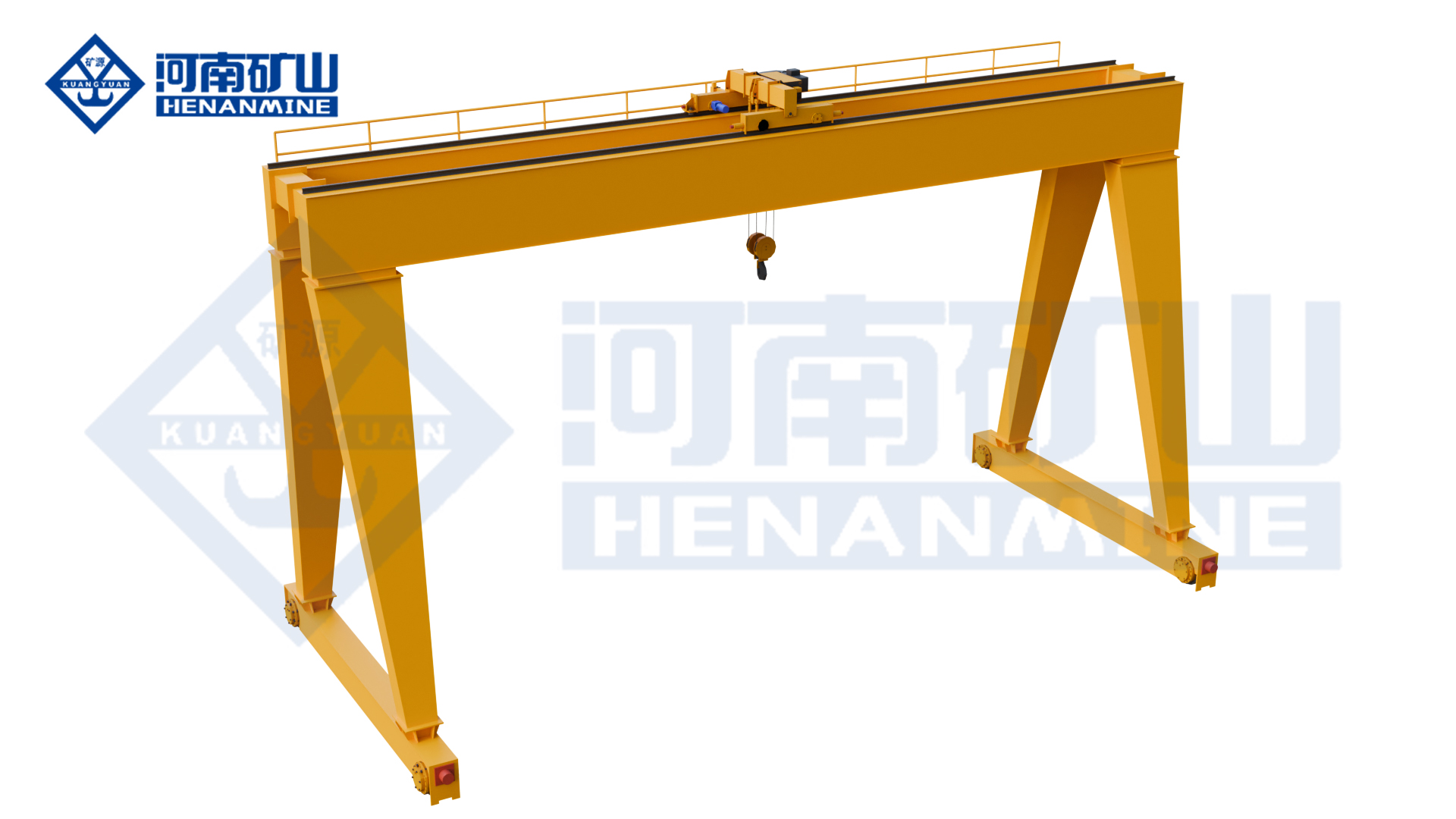
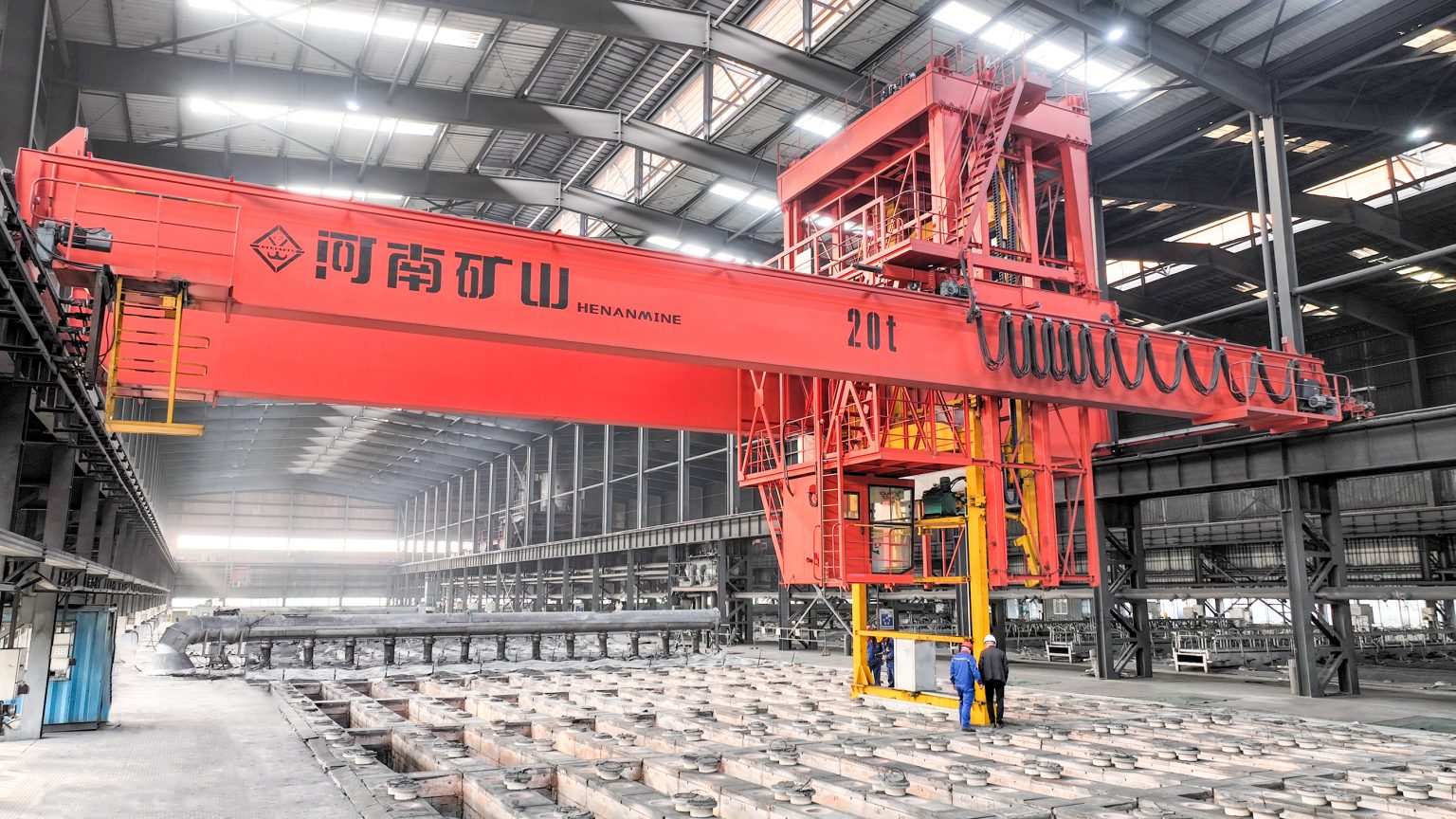
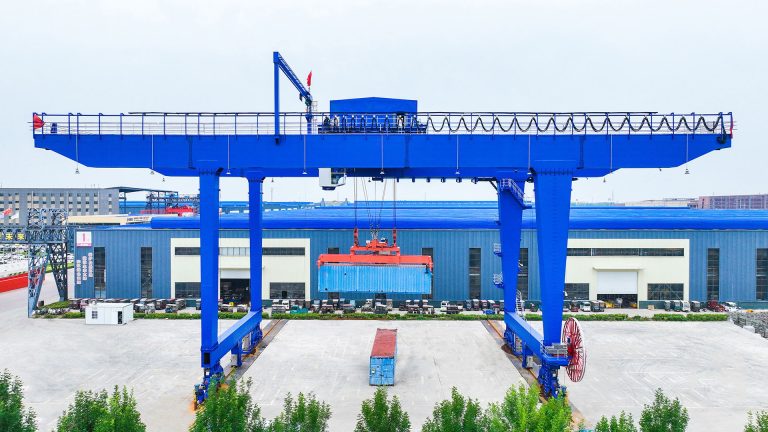
Henan Mine’s KSMHS gantry crane
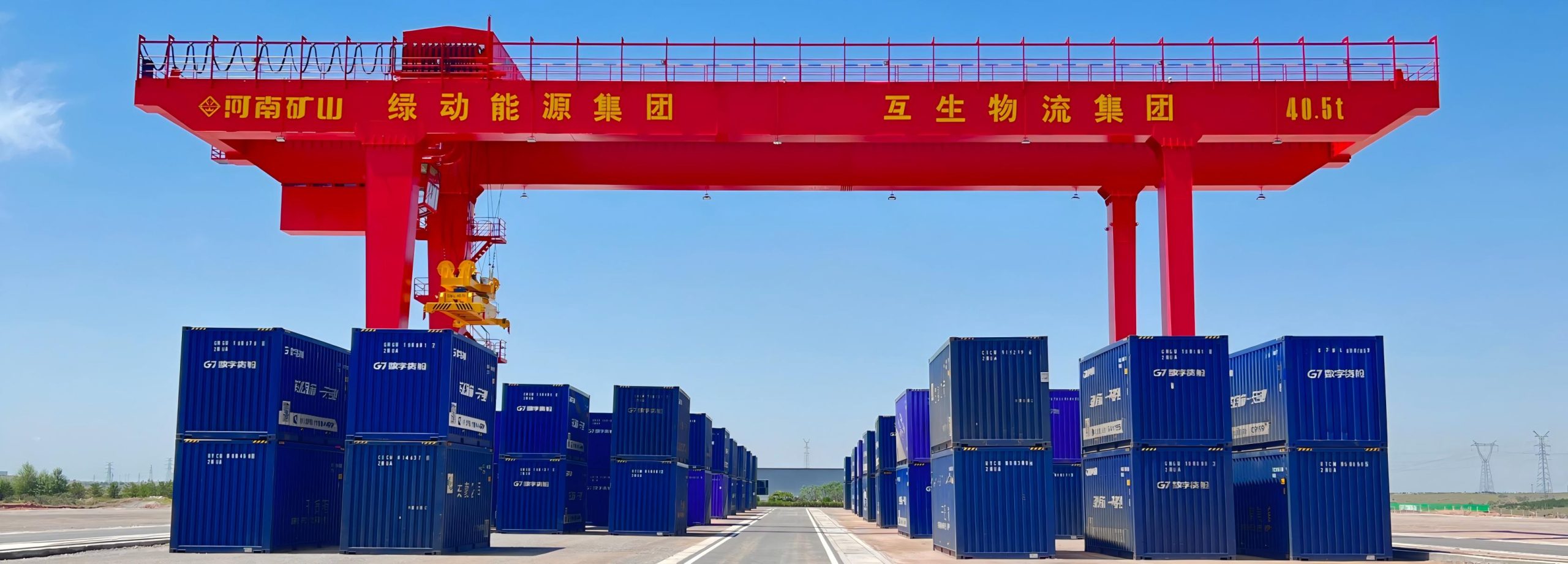
Rail Mounted Gantry Crane (RMG)
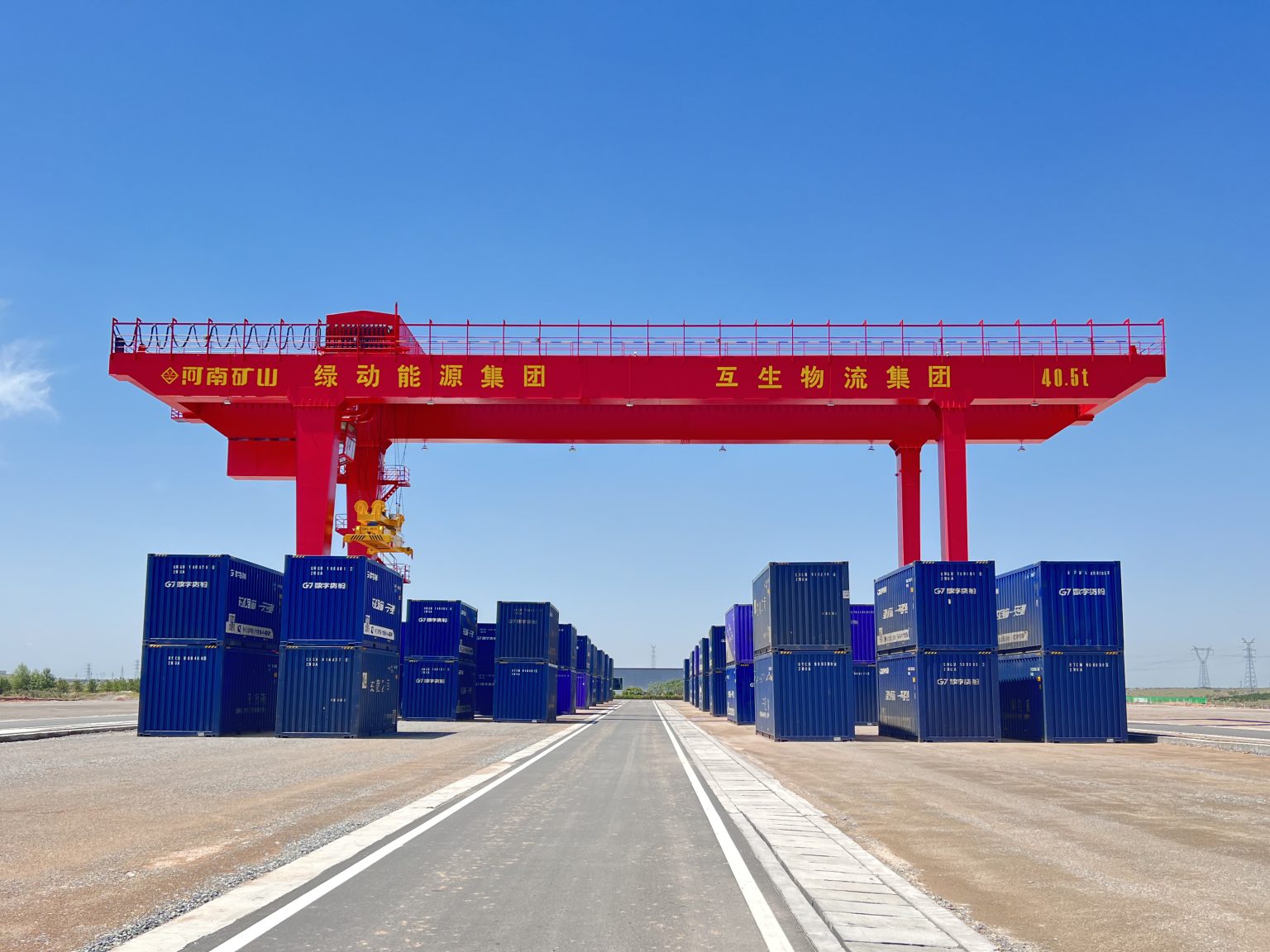
The core feature of the Rail Mounted Gantry Crane (RMG) is that it runs along a fixed track, and the moving trajectory cannot be changed. Its positioning accuracy can reach centimeter level, which is suitable for operation scenarios requiring high-density stockpiling.
Container terminals and large logistics hubs are its main application sites. At these sites, RMG can work with automation systems to realize automatic stacking and accessing of containers, significantly improving operational efficiency. It has a relatively high capital cost, but has obvious advantages in long-term stability and efficiency.
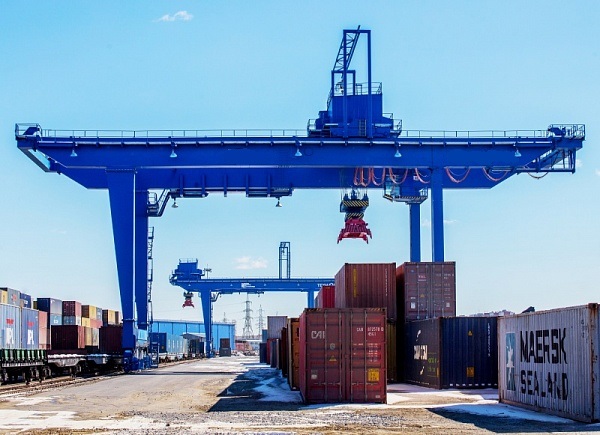
Rubber Tyred Gantry Crane (RTG)
Rubber Tyred Gantry Crane (RTG) is free from the limitation of tracks, relying on rubber tires to move freely on the level ground, with great flexibility. It does not need to lay special tracks, has low site modification costs, and can be quickly deployed to temporary operating sites.
RTGs are commonly used in small and medium-sized ports, temporary container yards, and prefabricated parts processing plants, where they can be moved across container zones and operating areas to accommodate flexible adjustments to the site layout, although the positioning accuracy and stockpiling density are slightly lower than those of RMGs.
Portable Gantry Crane
Portable Gantry Crane is a miniaturized and detachable model, with a lifting capacity of 5-10 tons, and the span and lifting height can be flexibly adjusted. It has a simple structure, light weight, and can be disassembled and transported by forklift or trailer.
Equipment maintenance in factory workshops, temporary small parts lifting in construction sites, heavy equipment handling in laboratories are all its application scenarios. No specialized tools are needed for its installation, and operators can get started after simple training, making it an ideal choice for temporary lifting operations.
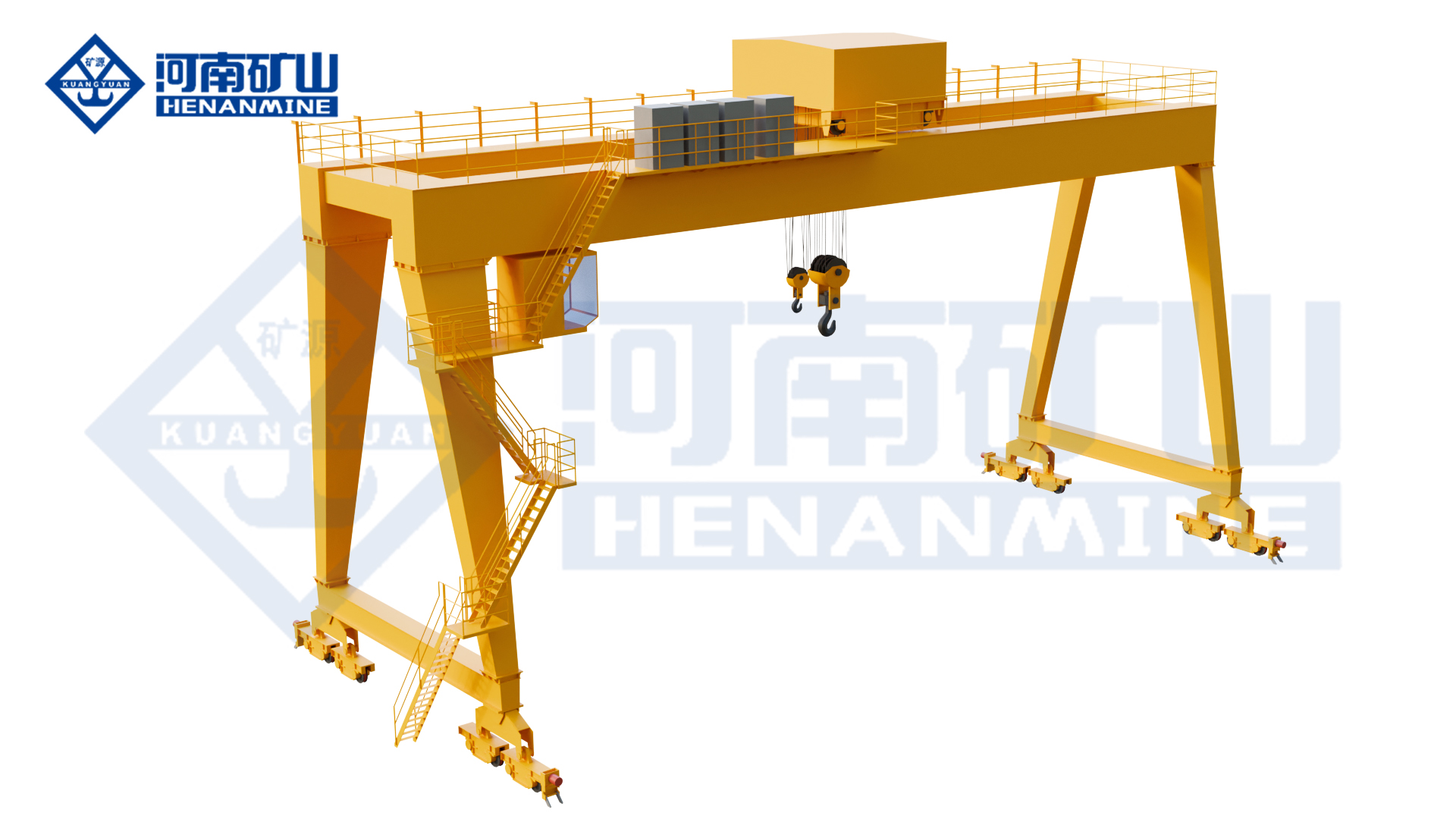
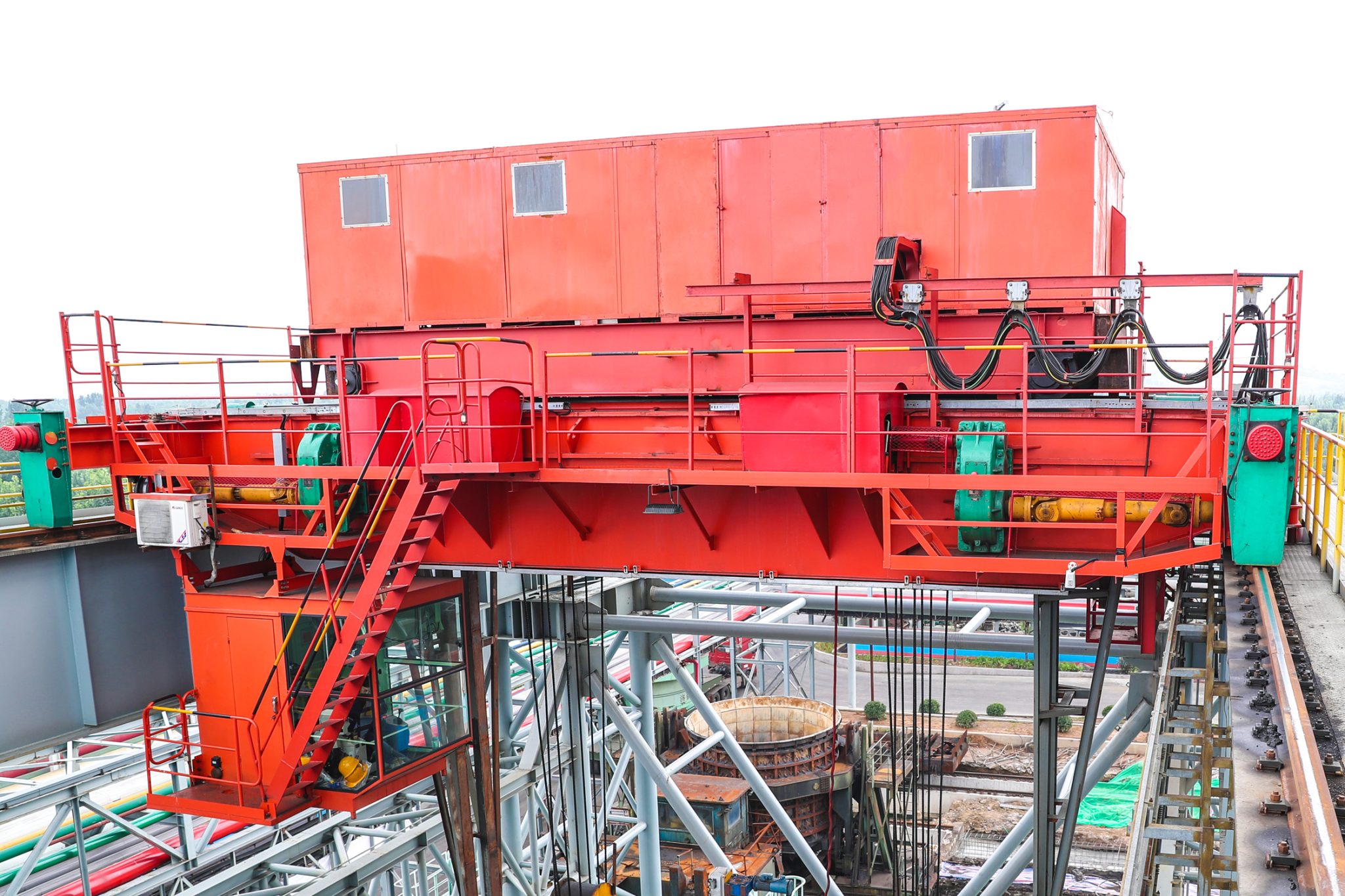
Henan Mining Manufacturing’s MHS gantry crane
Major Industrial Applications of Gantry Cranes
Gantry cranes are used in almost all heavy industries that require heavy material handling. Different industries have different operational requirements, and the suitable models and configurations may also vary, which is why it can become a general-purpose lifting equipment.
Ports and Container Terminals
Ports and container terminals are the core application scenarios of gantry cranes, where RMG and RTG have a high rate of appearance. Their core tasks are container storage, loading and unloading, as well as connecting the port and land logistics transfer.
Automated yards in large deep-water ports mainly use RMG to realize unmanned stacking of containers with automated systems; small and medium-sized ports or temporary yards prefer RTG, which is adapted to different operational needs by virtue of its flexibility.
In addition to containers, gantry cranes can also be used with grapples to complete the loading and unloading of bulk cargoes, such as coal and ore, to meet the port’s multi-category cargo handling needs.
Shipbuilding Industry
The shipbuilding industry has very high requirements for gantry cranes, which not only need large tonnage, but also need high precision. Here, gantry cranes are mainly responsible for lifting and assembling hull segments, engines, propulsion systems and other heavy components.
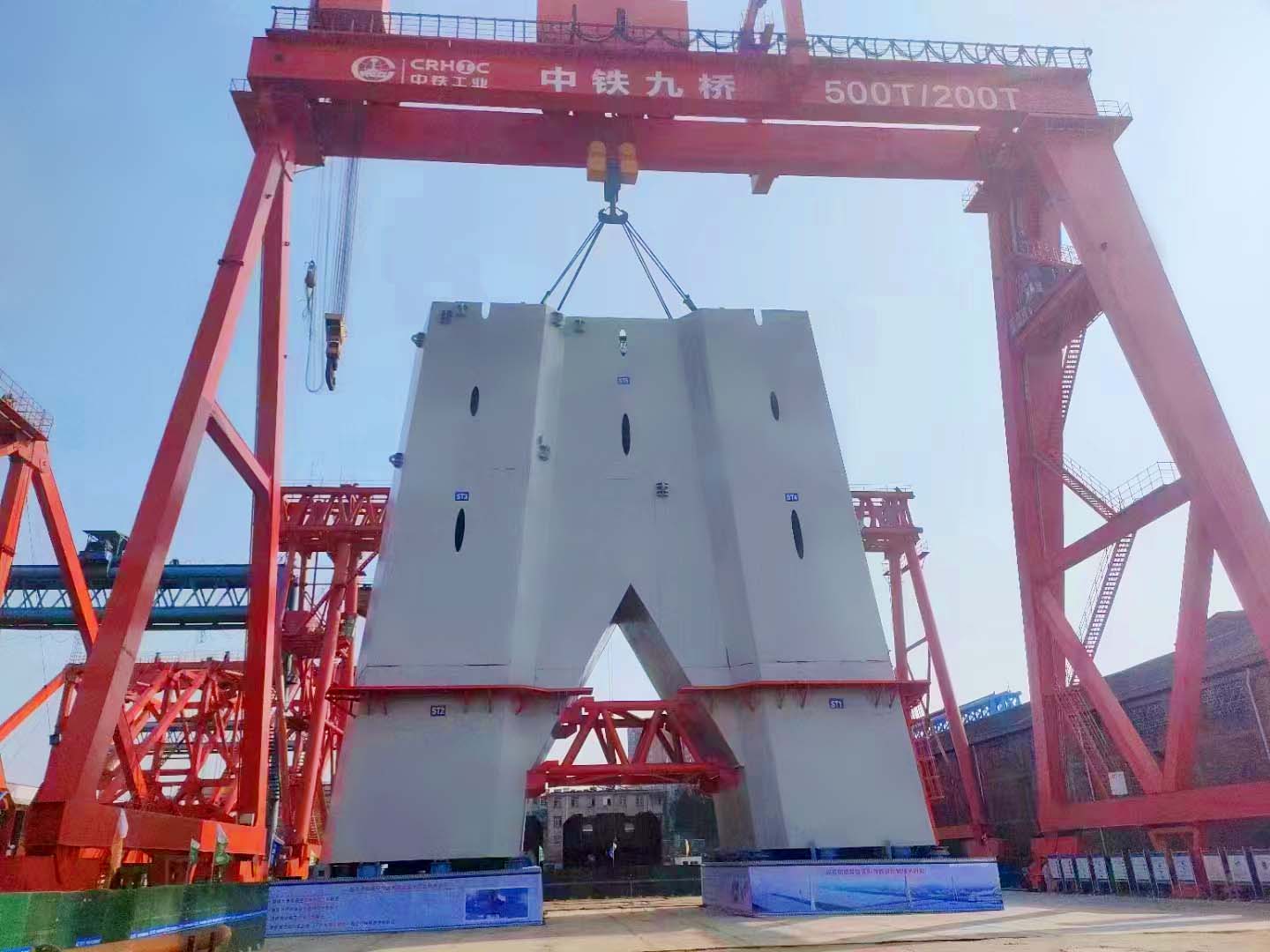
Above the dry dock of large shipyards, double main girder giant gantry cranes with a lifting capacity of more than 500 tons are usually installed to lift hull segments that are dozens of meters long and weigh hundreds of tons to ensure the precision of segment docking.
These heavy gantry cranes are also used for lifting modules of offshore platforms for offshore engineering to complete the transportation and installation of oversized modules in the open space of the seashore.
Precast Concrete Yards
Precast concrete production sites are mostly open-air layouts without fixed plants, where the independent structure of gantry cranes shows great advantages. Its core task is the handling of bridge girders, precast slabs, precast columns and other concrete components.
The most commonly used here is the tire-type gantry crane, whose flexible mobility can be adapted to the irregular layout of the yard, lifting precast components from the production line to the yard for stockpiling, or directly loading trucks for transportation.
For light and medium-sized prefabricated components, single girder gantry cranes have more obvious cost advantages and can fully meet the operational requirements.
Steel and Metal Fabrication
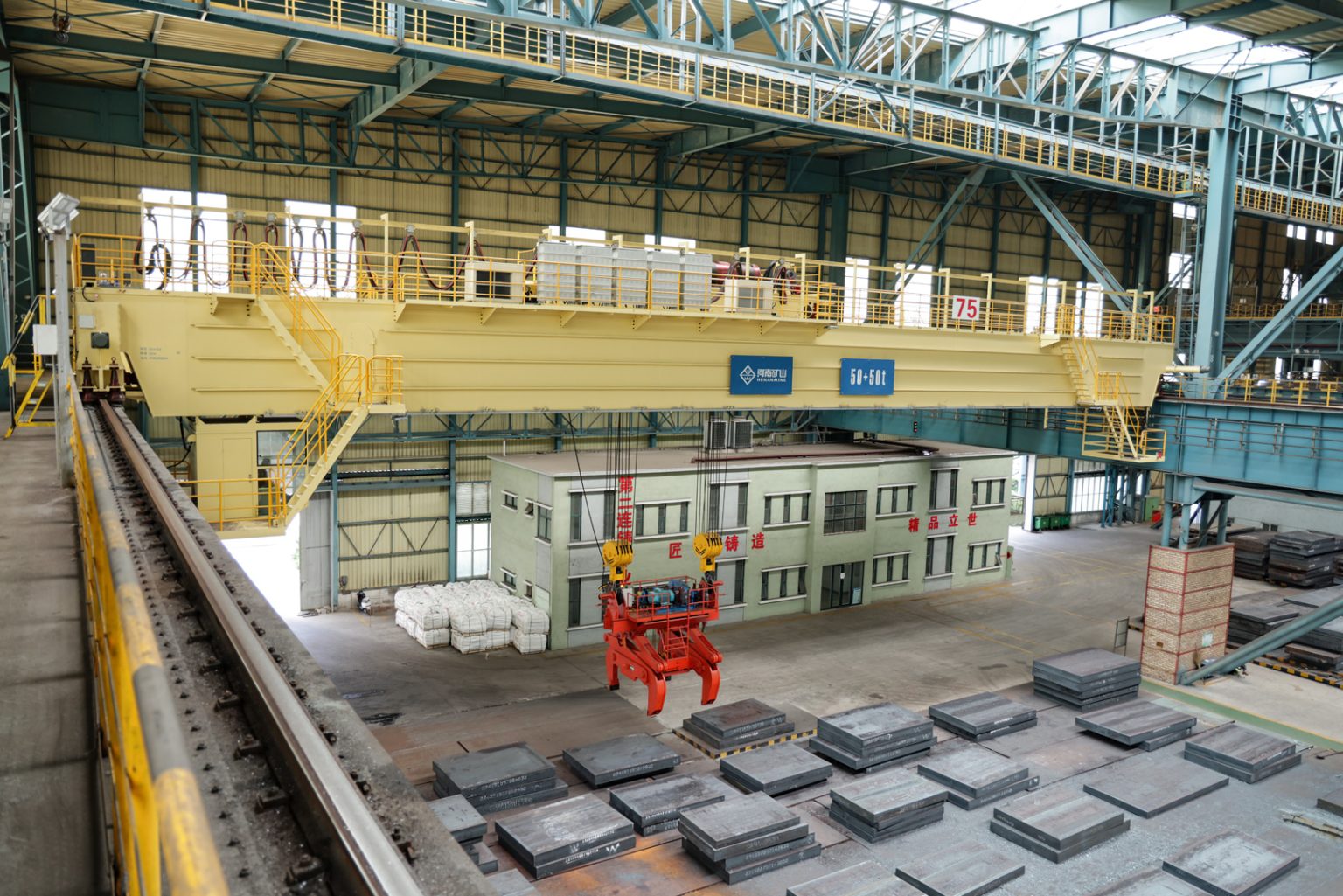
In the steel and metal fabrication industry, the gantry crane runs through the entire production process from raw materials to finished products. It is responsible for lifting raw materials such as steel plates and sections from the yard to the processing station, and then transferring the processed steel components to the assembly area or finished product yard.
For the handling of long steel bars, gantry cranes with double hoist configuration are used, and the two hoists are synchronized to ensure that the steel is always horizontal and avoid bending or collision during the handling process.
Semi-gantry cranes are also used in some of the workshops to connect the indoor processing with the outdoor yard to minimize the secondary transportation of materials.
Construction Projects
On construction and infrastructure projects, gantry cranes are the core equipment for lifting heavy components. In bridge construction, it is responsible for accurately lifting prefabricated girders to the piers to complete the girder installation; in highway and railroad projects, it is also indispensable for the handling of large equipment and the transfer of roadbed materials.
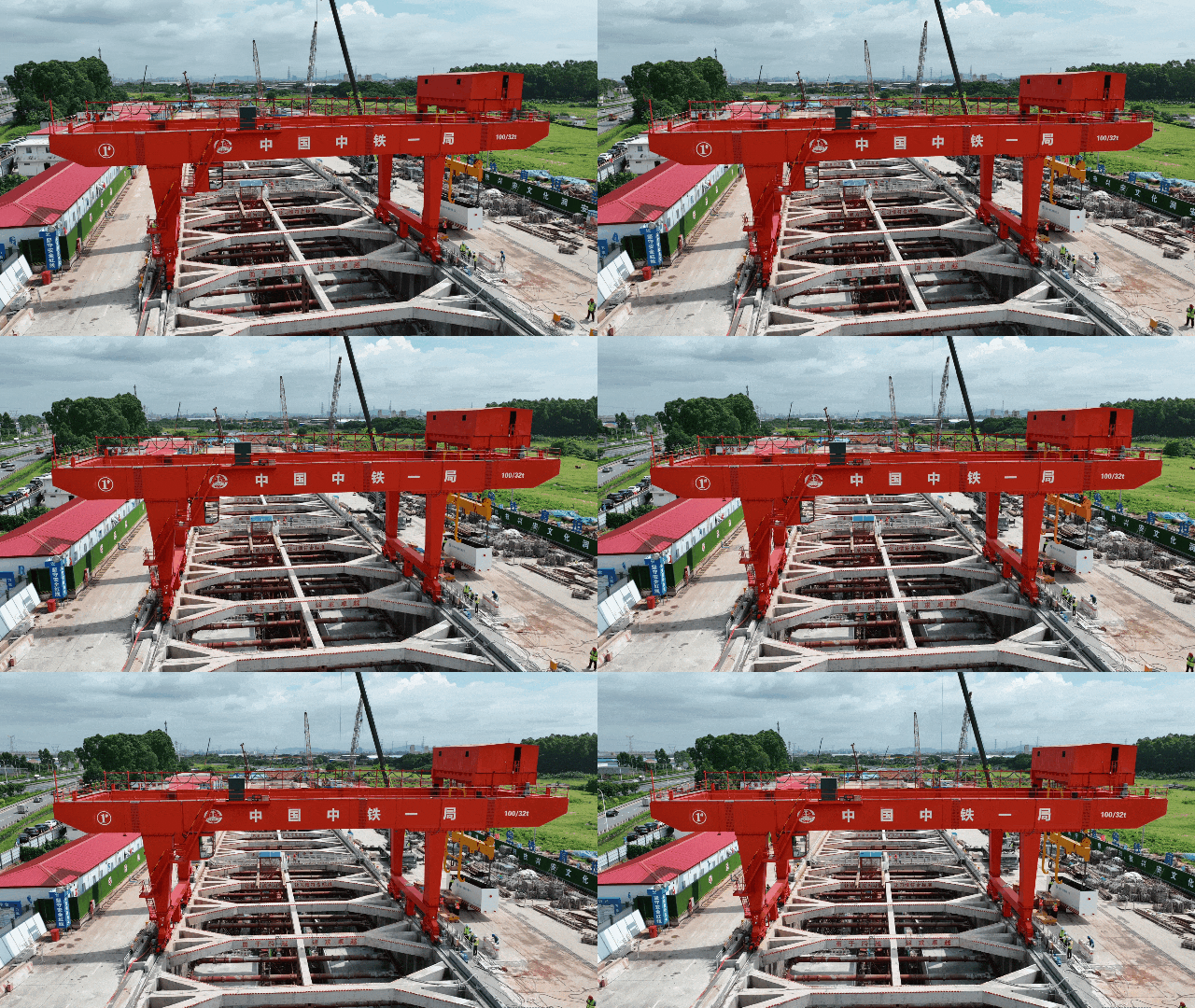
Tube sheet handling in tunnel projects is a special application scenario for gantry cranes. It can be in the open field at the tunnel entrance, lifting the tube sheet to the designated location in the tunnel, adapted to the special working conditions of tunnel construction.
The project site is mostly a temporary site, and the quick installation and dismantling characteristics of the gantry crane allow it to be transferred to other sites for reuse after the project is completed, reducing equipment investment costs.
Warehouses and Logistics Centers
Large warehouses and logistics centers, especially those with outdoor yards, gantry cranes are the core equipment for outdoor heavy load handling. It is mainly responsible for the handling and stacking of large machinery and equipment, heavy parts and components, and extra-wide and extra-long goods.
The weight and size of these goods, far beyond the carrying range of ordinary forklifts, can only rely on gantry cranes to complete lifting. The flexibility of the tire gantry crane can be adapted to the dynamic operational needs of the logistics yard, connecting the trucks and warehouses for material transfer.
The span of the gantry crane can be customized according to the dimensions of the yard to ensure coverage of the entire operating area and enhance the efficiency of material flow.
Advantages of Gantry Cranes
The core reason why gantry cranes can occupy an important position in the heavy industry is that their advantages precisely solve the industry’s lifting pain points. These advantages are not theoretical “highlights”, but practical value proven over a long period of time.
No Need for Building Support
Self-supporting structure is the core advantage of the gantry crane. It does not need to be attached to the plant columns, roofs and other building structures, and can form a complete lifting system by itself.
This means that it can be deployed directly in the open field without extensive building modifications to the existing site. This is particularly important in scenarios where there is no fixed plant, such as in ports, mines and prefabrication yards, and can lead to significant savings in capital costs.
Ideal for Outdoor Operations
The design of the gantry crane has fully considered the harsh outdoor environment. Its metal structure will use anti-corrosion coating to resist salt spray corrosion in coastal areas and dust erosion in mines; the electrical system is sealed to prevent rainwater and dust from entering.
For windy outdoor scenarios, it can also be equipped with a windproof device to ensure the safety of equipment and operations in windy weather. These designs allow it to operate stably for a long time outdoors and adapt to all kinds of complex natural environments.
High Load Capacity
The gantry crane has a wide range of load capacity, from 5 tons of light work to over 1,000 tons of super-heavy work, all of which can be realized through customization.
The box girder structure of double main girder gantry cranes can effectively spread the load to withstand the lifting requirements of oversized tonnage; the combined cross section of single main girder can also meet the load requirements of most light and medium-sized working conditions. This flexible loading capacity allows it to adapt to the operational needs of different industries.
Flexible Installation
Gantry cranes can be installed flexibly to meet the needs of different sites. The rail-type models only need to lay a simple ground track, and the installation and commissioning can be completed in a few days; tire-type models do not need a track, and can be put into use after leveling the site.
Portable gantry cranes are simpler to install and can be quickly transferred to a new operating position after dismantling. Such flexible installation characteristics make it suitable for temporary sites, old yards and other complex sites.
Wide Working Coverage
The working coverage of gantry cranes is much larger than that of ordinary lifting equipment. Its span can be customized from a few meters to tens of meters, and the running distance of the whole machine can be designed according to the site, so that a single device can cover a large working area.
In container yards, prefabrication yards and other large sites, a gantry crane can complete most of the material handling operations, without the need to equip multiple small equipment, which not only saves the cost of equipment purchases, but also simplifies the site equipment management.
Gantry Crane vs Overhead Crane
Many purchasers will be entangled between gantry cranes and overhead cranes, in fact, there is no “superiority or inferiority” between the two, only “adaptability”. We can clearly distinguish their differences from four core dimensions to facilitate the choice according to their own working conditions.
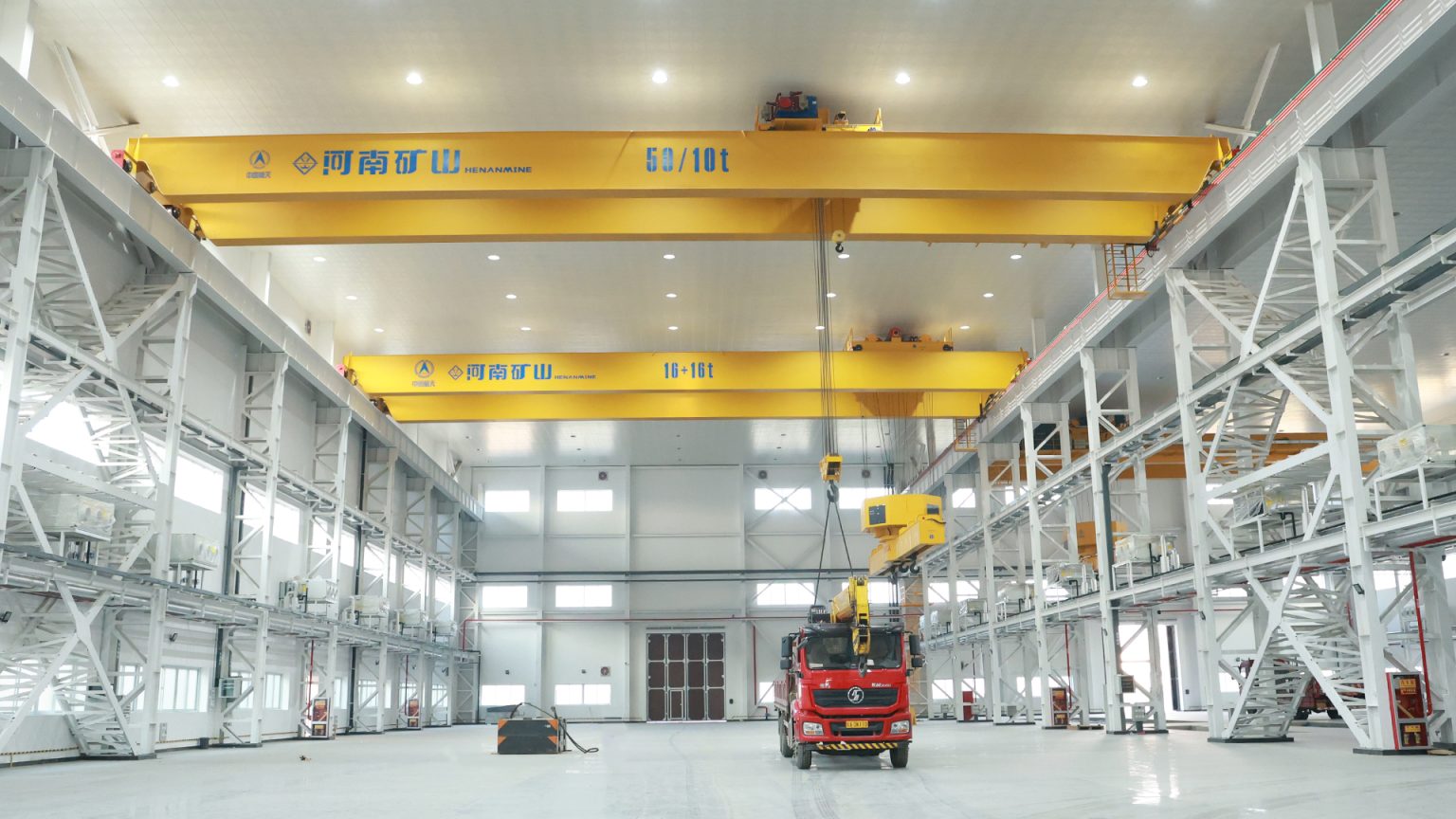
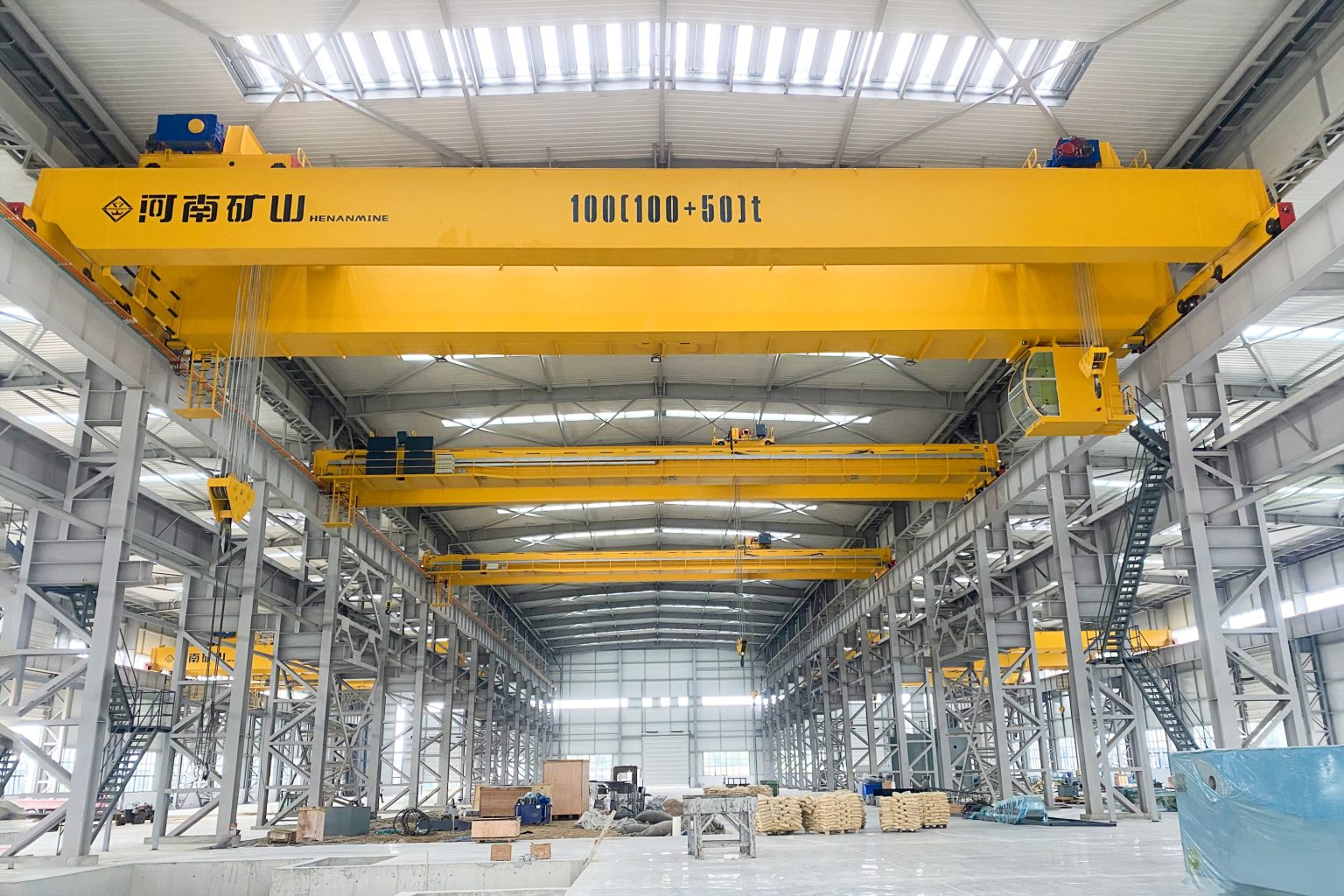
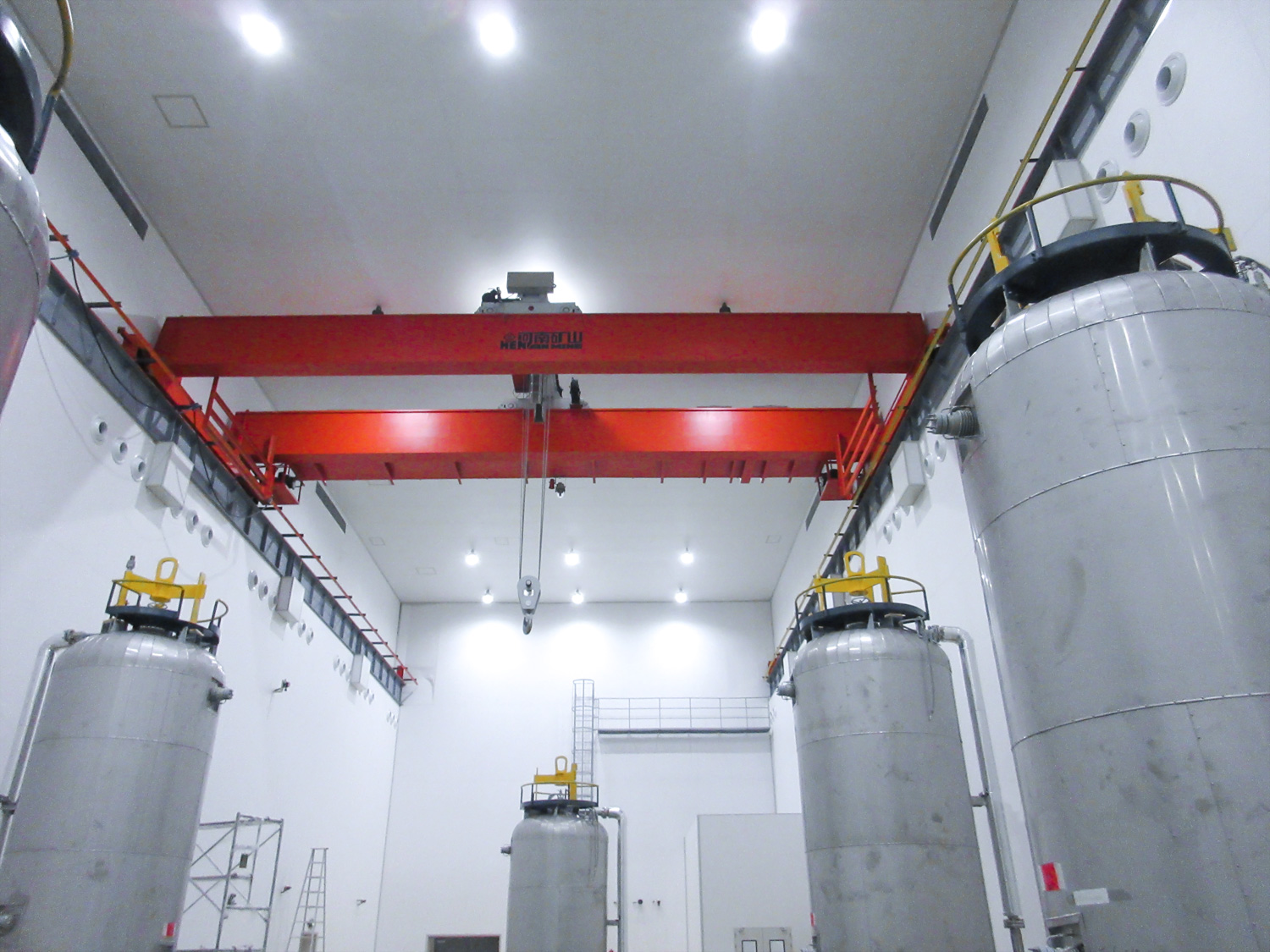
In terms of structure, gantry crane adopts self-supporting outrigger structure, the main beam falls to the ground through the outrigger, and the whole machine exists independently of the building; overhead crane has no outrigger, and the main beam is directly suspended on the columns and roof rails of the plant, which is completely dependent on the structure of the plant.
In the installation mode, the gantry crane installation flexibility is high, the rail type only need to pave the ground track, the tire type does not need a track, less transformation, short cycle; bridge crane installation is fixed, the need to reinforce the plant, lay the roof track, transformation costs are high, long cycle.
In the operating environment, gantry cranes are more adaptable and can operate both indoors and outdoors, especially suitable for large outdoor venues; overhead cranes are mainly used in indoor workshops, limited by the plant space, and can not operate outdoors.
In terms of application scenarios, gantry cranes are mainly used in ports, yards, construction sites, prefabrication yards and other scenarios without a fixed plant; overhead cranes are concentrated in factory workshops, steel plants and other indoor venues, responsible for material handling and equipment maintenance in the workshop.
How to Choose the Right Gantry Crane
When choosing a gantry crane, do not blindly pursue “large tonnage, high configuration”, the most economical and practical choice is the one that fits your own working conditions. As engineers, we will mainly refer to the following six core factors when selecting a model for our customers.
First of all, to clarify the required lifting capacity (lifting capacity demand). This is not only to calculate the weight of the goods itself, but also to add the weight of the spreader, such as grabs, electromagnetic suction cups, at the same time to reserve 10% -20% of the safety margin, to avoid overloading operations.
Next is span length. The span should be determined according to the actual width of the operating site, to ensure that the main beam of the crane can completely cover the operating area, and at the same time, to reserve the outriggers and site equipment, columns and safety clearance to avoid collision.
Lifting height (lifting height) should not be ignored. It needs to be determined according to the height of the storage of goods, the installation height of the equipment to ensure that the goods can be lifted smoothly, without interfering with other structures in the site, while reserving a small amount of space to cope with the adjustment of future operational requirements.
Duty classification is directly related to the service life of the equipment. For scenes with high operating frequency and long duration, such as ports and mines, the duty classification of A6 and above should be selected; for scenes with low operating frequency, such as workshop maintenance, the duty classification of A3-A4 can be selected.
Operating environment is the key basis for model selection. Coastal shipyards should choose C5 anticorrosive equipment, windy sites should be equipped with a perfect windproof system, and dusty mines should strengthen the sealing protection of the equipment.
The last is power supply requirements (power supply requirements). Outdoor work cranes, usually choose cable reel or slip line power supply; indoor work can be based on the factory grid, choose the appropriate voltage specifications, to ensure that the power supply of the equipment is stable.
Frequently Asked Questions
Combined with the daily experience of receiving customers, I have compiled five of the most frequently asked questions, answered in an easy-to-understand way, to help you quickly clear up the selection and use of key questions.
1. What is the difference between a gantry crane and a bridge crane?
The core difference lies in the support structure and operating scenarios. Gantry cranes have independent landing legs, no need to attach to the building, indoor and outdoor work, suitable for yards, harbors, construction sites; bridge cranes have no legs, attached to the roof of the plant and columns, can only work indoors in the workshop, suitable for material handling in the factory.
2. What industries commonly use gantry cranes?
Gantry cranes are used in a wide range of industries, among which port container terminals, shipbuilding industry and precast concrete industry are the most frequently used. In addition, steel processing, construction, mining, large warehousing and logistics centers, are also its core application areas.
3. What is the typical lifting capacity of a gantry crane?
There is no fixed range of lifting capacity, it is completely customized according to the working conditions. The lifting capacity of the conventional model is 5-100 tons, which is suitable for most industrial scenes; the lifting capacity of the heavy model is 100-500 tons, which is used for shipbuilding and port heavy-duty operations; the super-heavy model can reach more than 500-1,000 tons, which is suitable for offshore engineering, large-scale equipment manufacturing and other special working conditions.
4. Can gantry cranes be customized for specific projects?
Of course, customization is the core feature of gantry cranes. Almost all the core parameters can be adjusted according to the project requirements, including lifting capacity, span, lifting height, moving mode, and also can be customized spreader (grab, electromagnetic suction cup), corrosion protection level, operation mode, fully adapted to the specific operating scenarios.
5. What safety features are included in modern gantry cranes?
The safety features of modern gantry cranes are very complete, the core includes overload protection device (to prevent overloading), travel limit switch (to limit the operating range), wind speed monitoring system (outdoor wind protection), emergency braking device (emergency shutdown), and some of the heavy-duty models will also be equipped with anti-shaking control system and collision avoidance system.
Conclusion
Gantry cranes are indispensable core lifting equipment in the heavy industry. Its independent support structure, flexible installation method and wide load range make it suitable for all kinds of complex working conditions from harbor stockpiling to shipbuilding assembly.
For purchasers, understanding its structure, working principle and application scenarios is the basis for selection. Choosing the right model and configuration not only meets operational needs, but also improves operational efficiency and reduces long-term operation and maintenance costs.
In the development of heavy industry, the role of gantry cranes will only become more and more important, and its technology will be constantly upgraded to better suit the lifting needs of various industries.
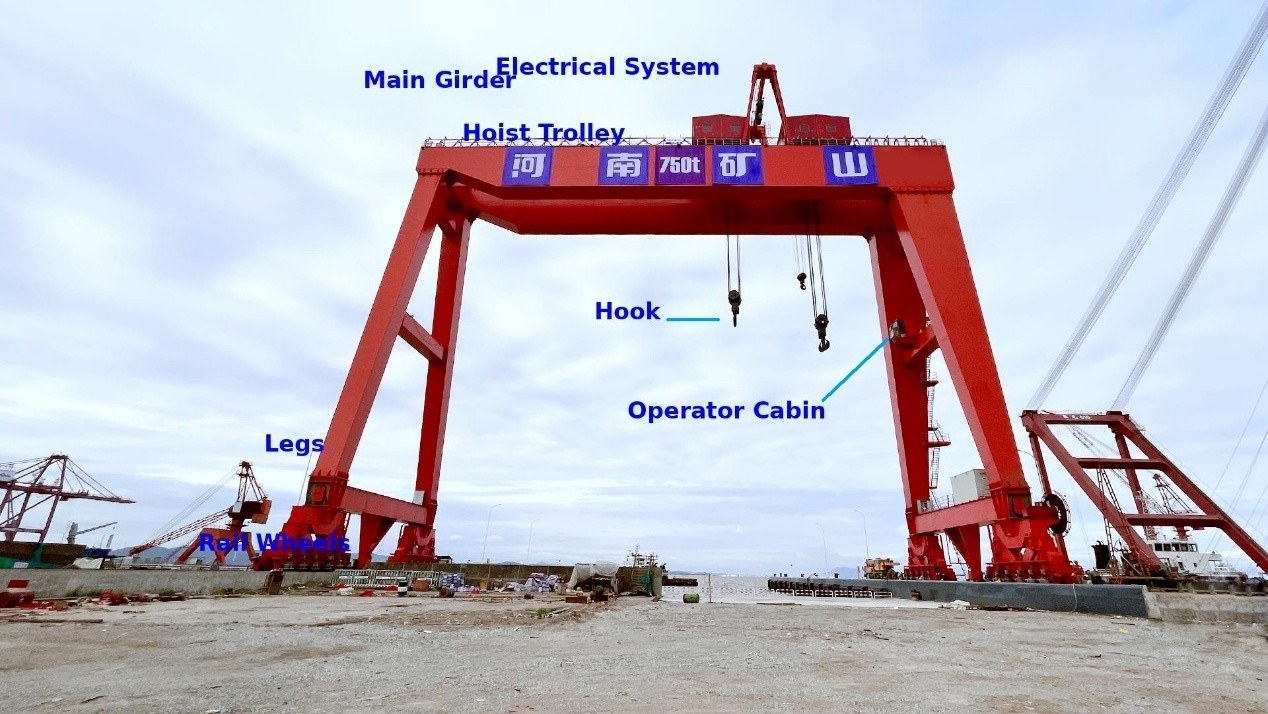
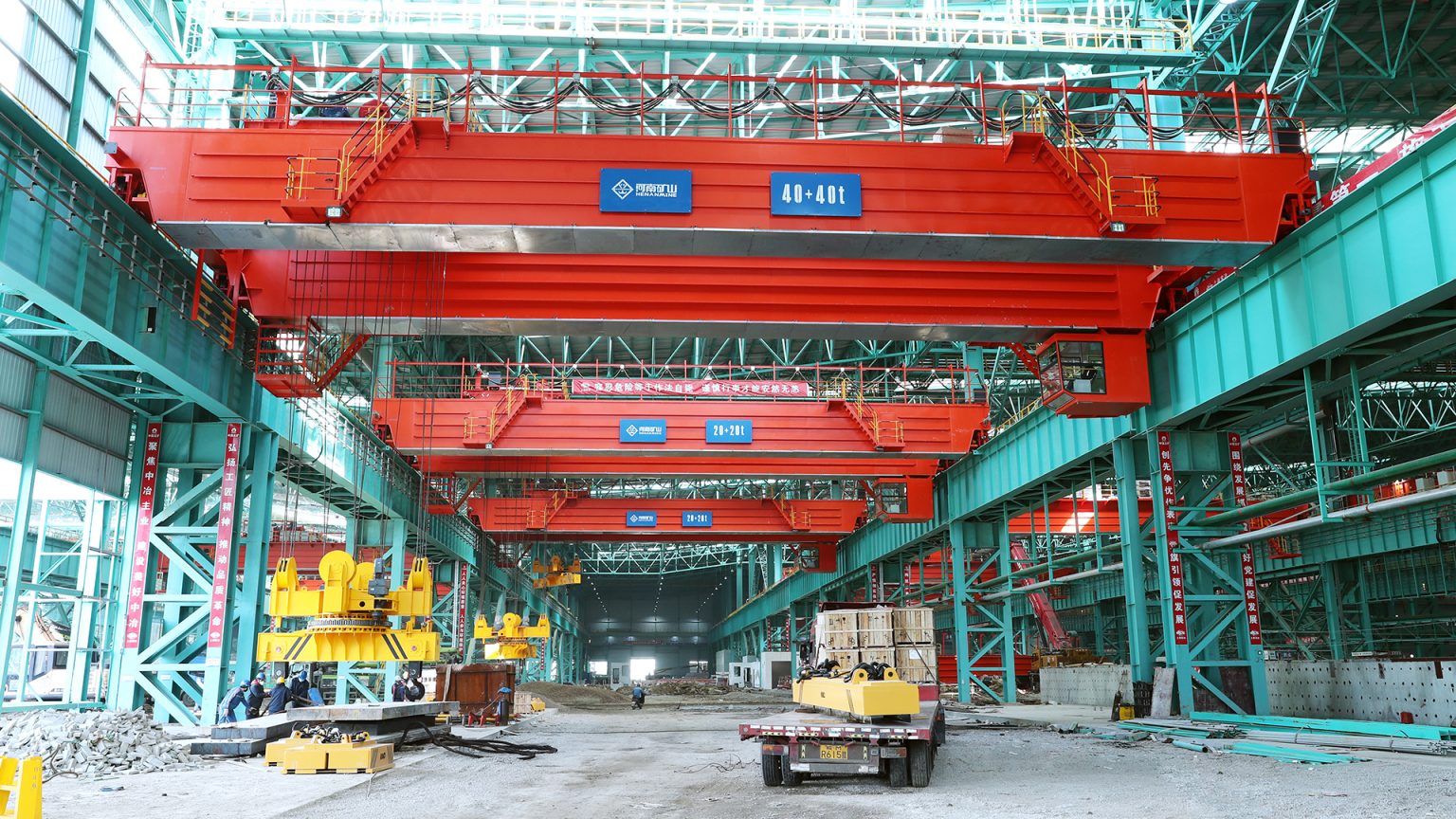
Henan Mine’s MG double girder gantry crane
Call to Action
If you are selecting a gantry crane for your project, and you are not sure whether the lifting capacity, span and other parameters match the working conditions, you may wish to submit the detailed parameters of your project, and we will provide you with free technical advice.
Henan Mine Crane Factory supply, as a professional crane manufacturer, integrates R&D, design, manufacturing, sales and service to provide customers Please feel free to contact us, we will provide you with free design drawings, and field survey!