
The Benefits of Regular Overhead Crane Maintenance
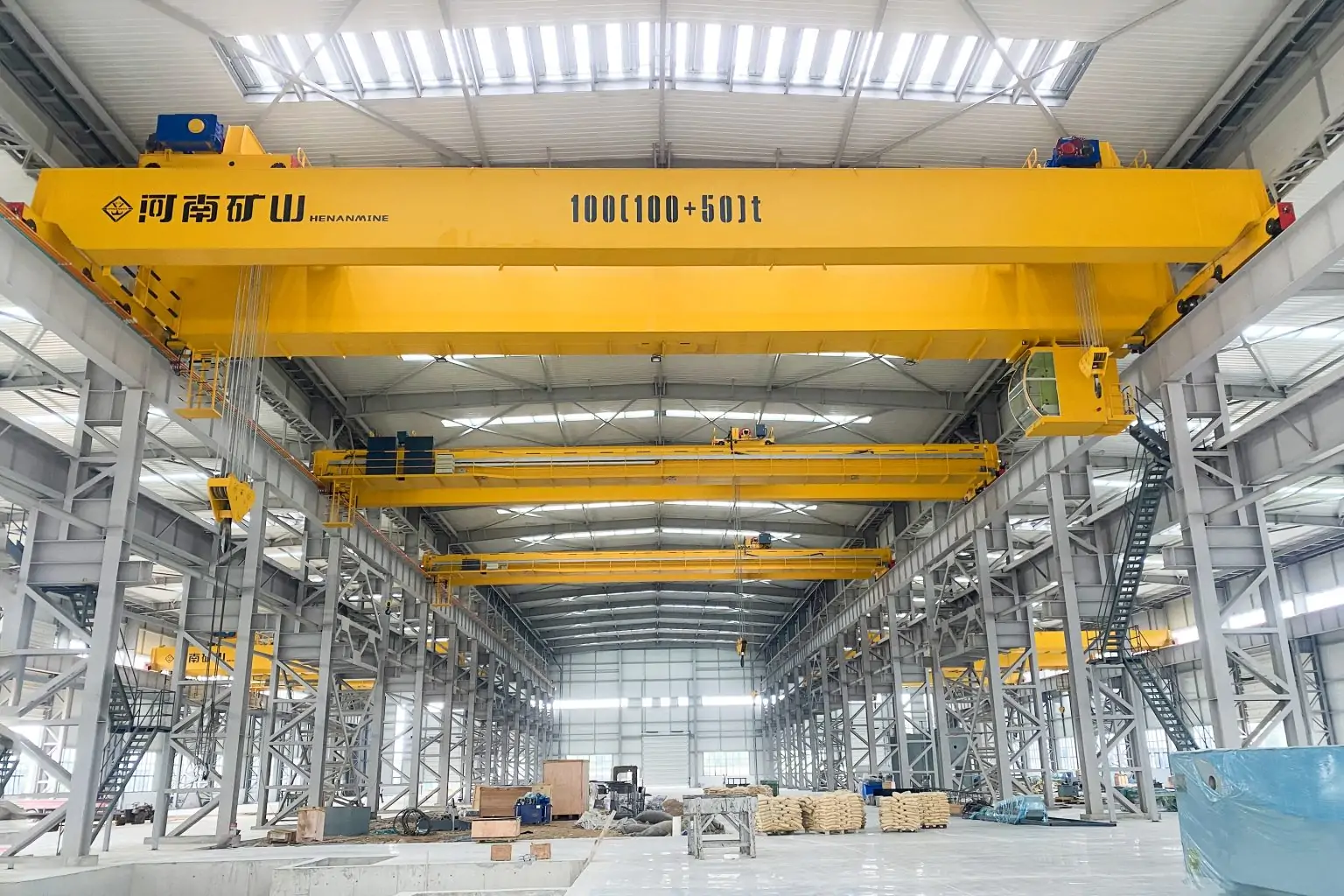
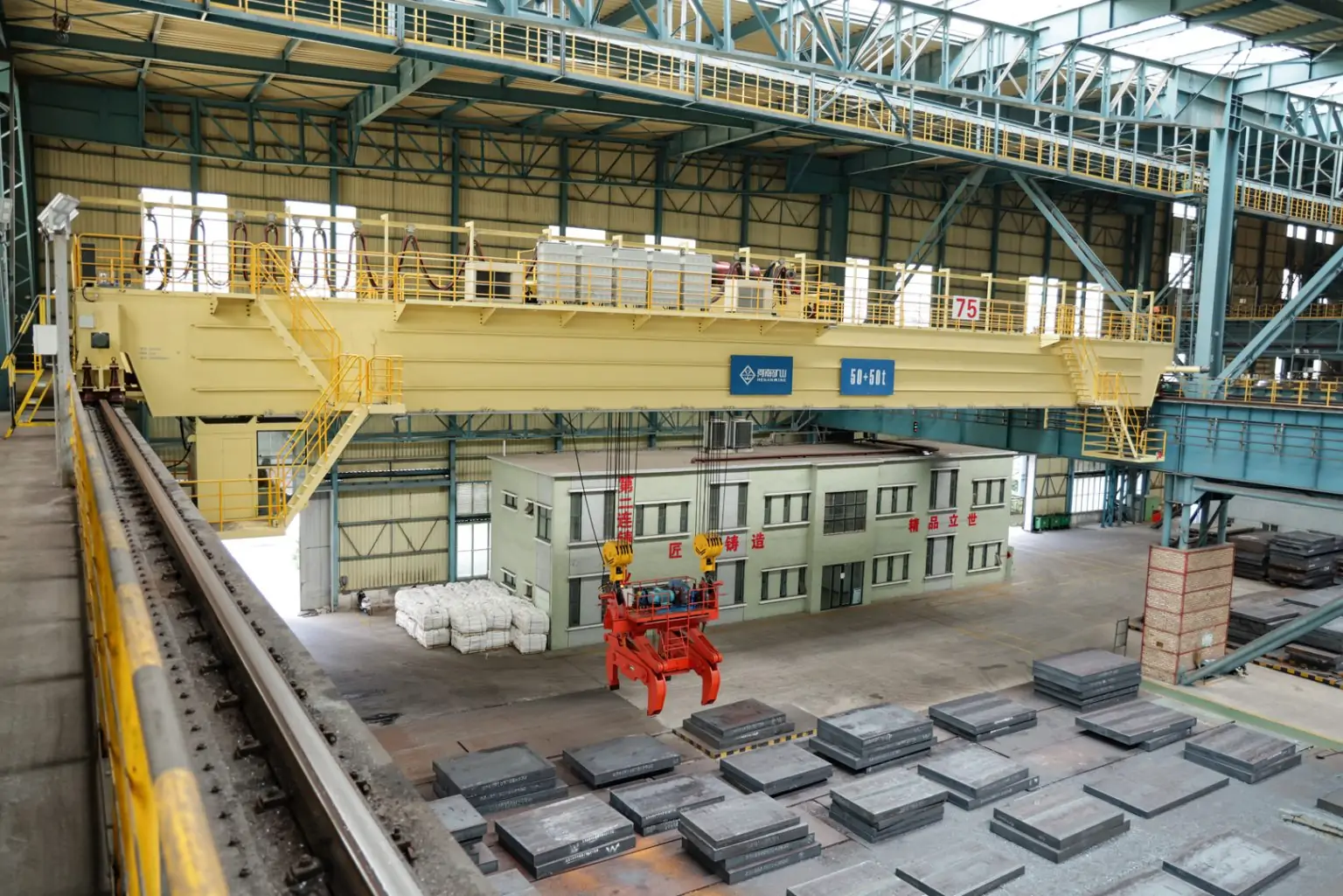
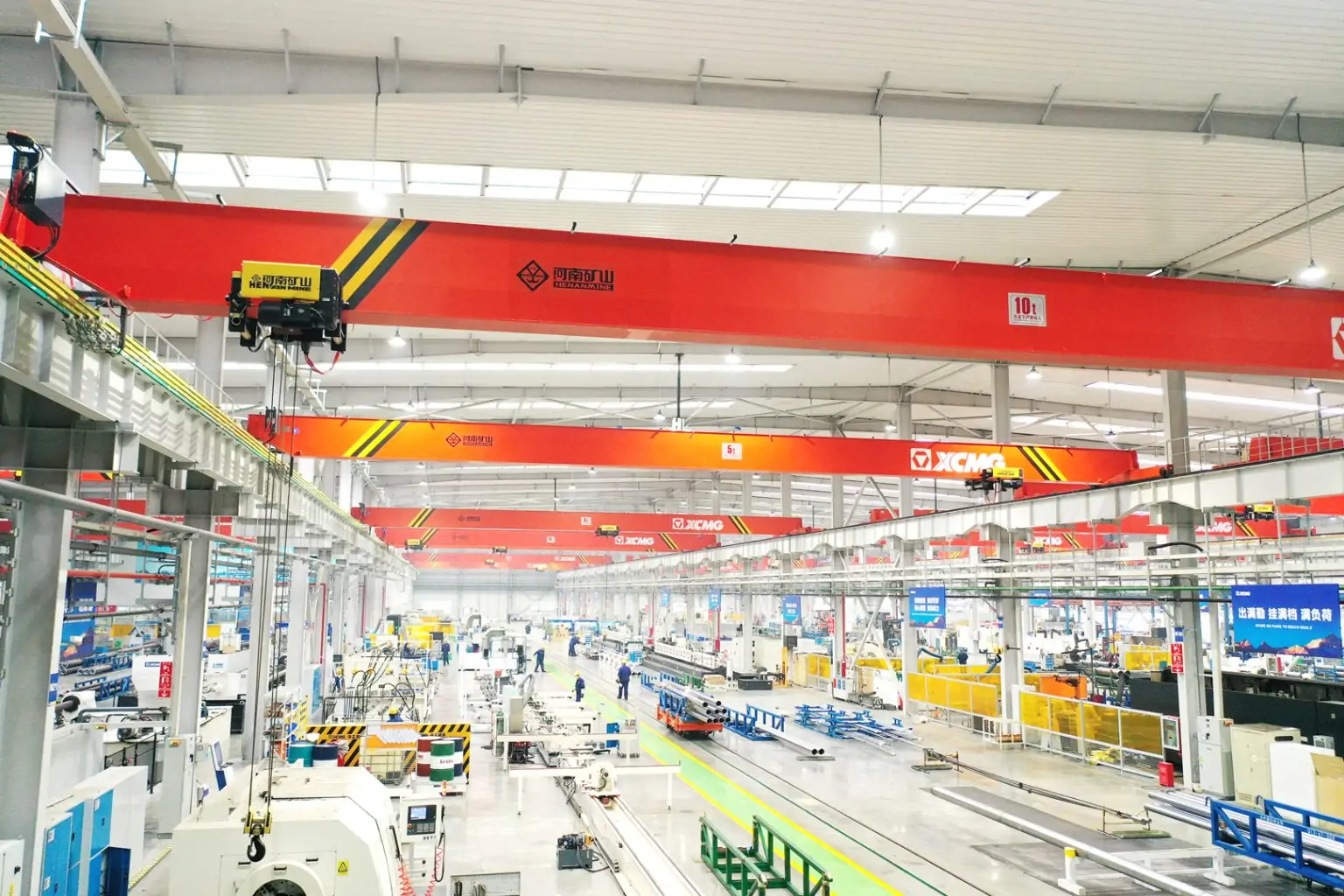
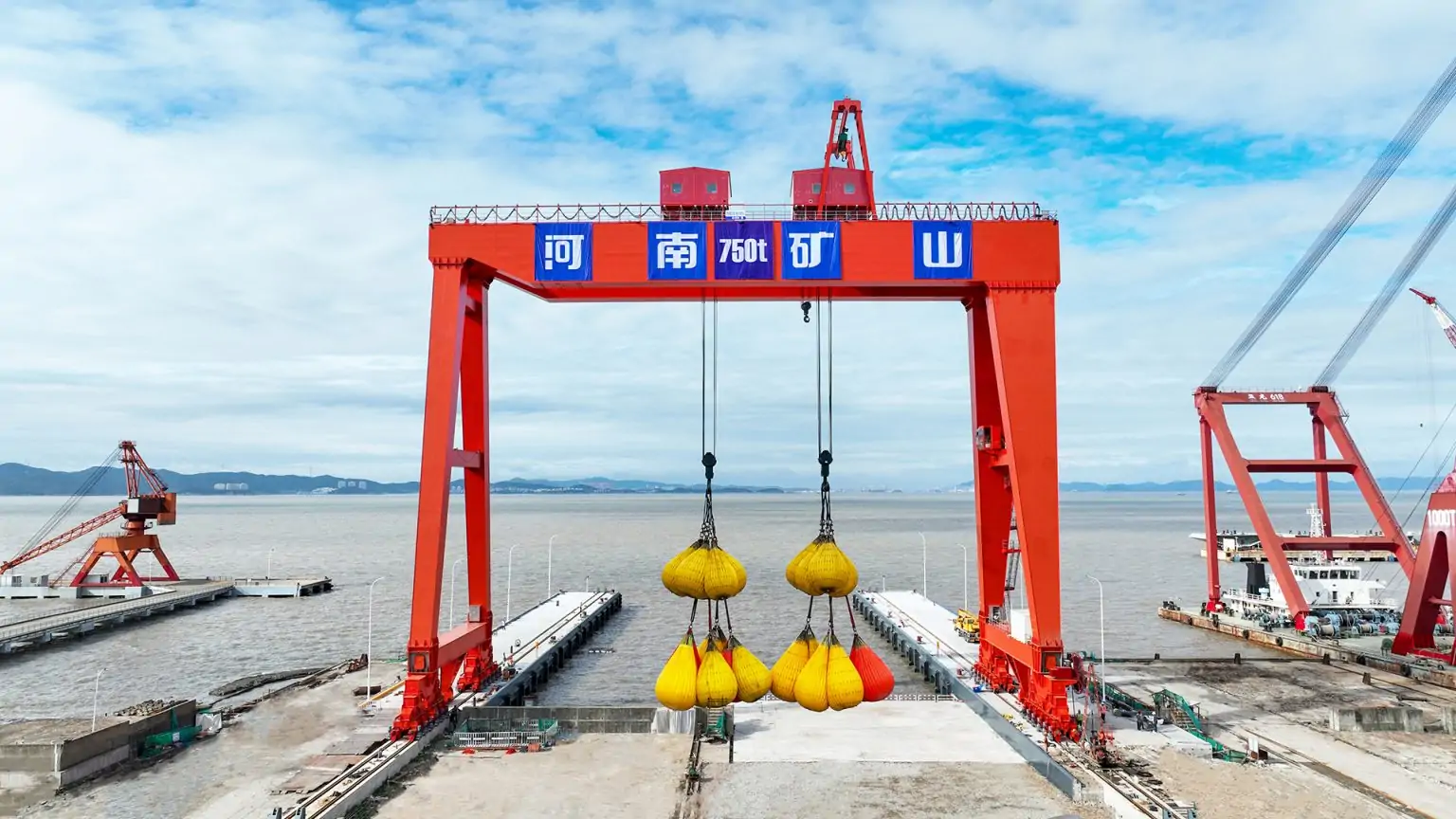
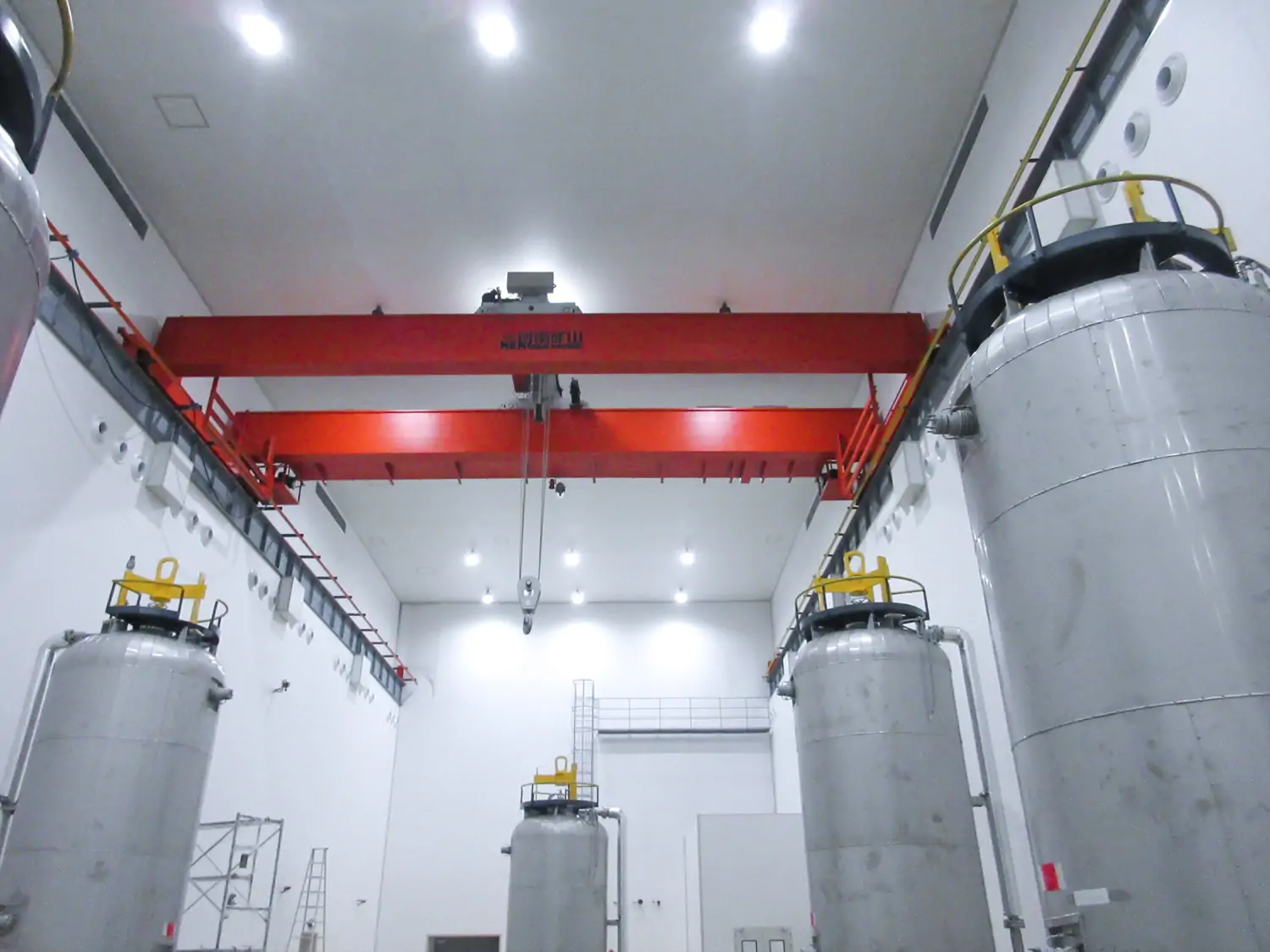
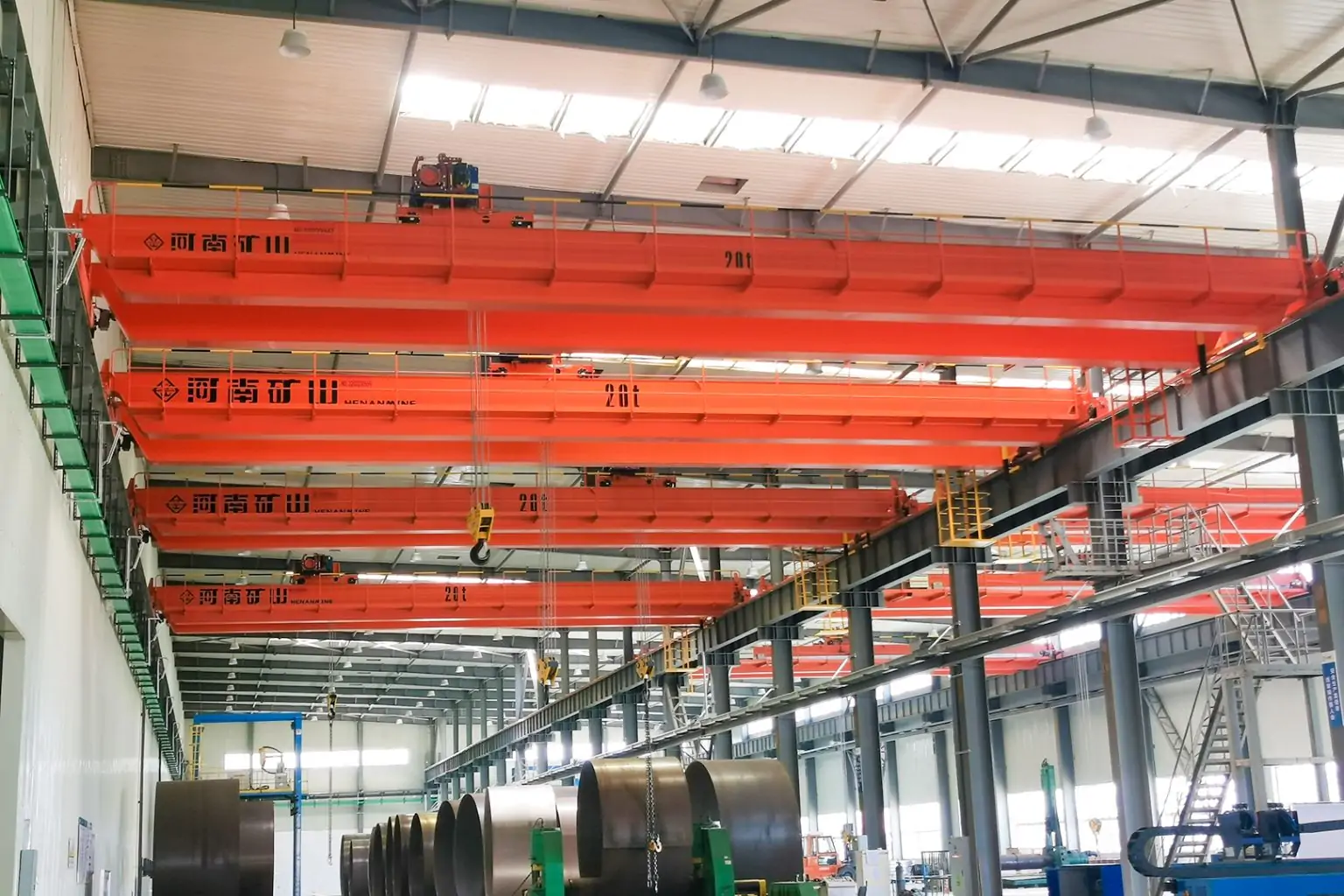
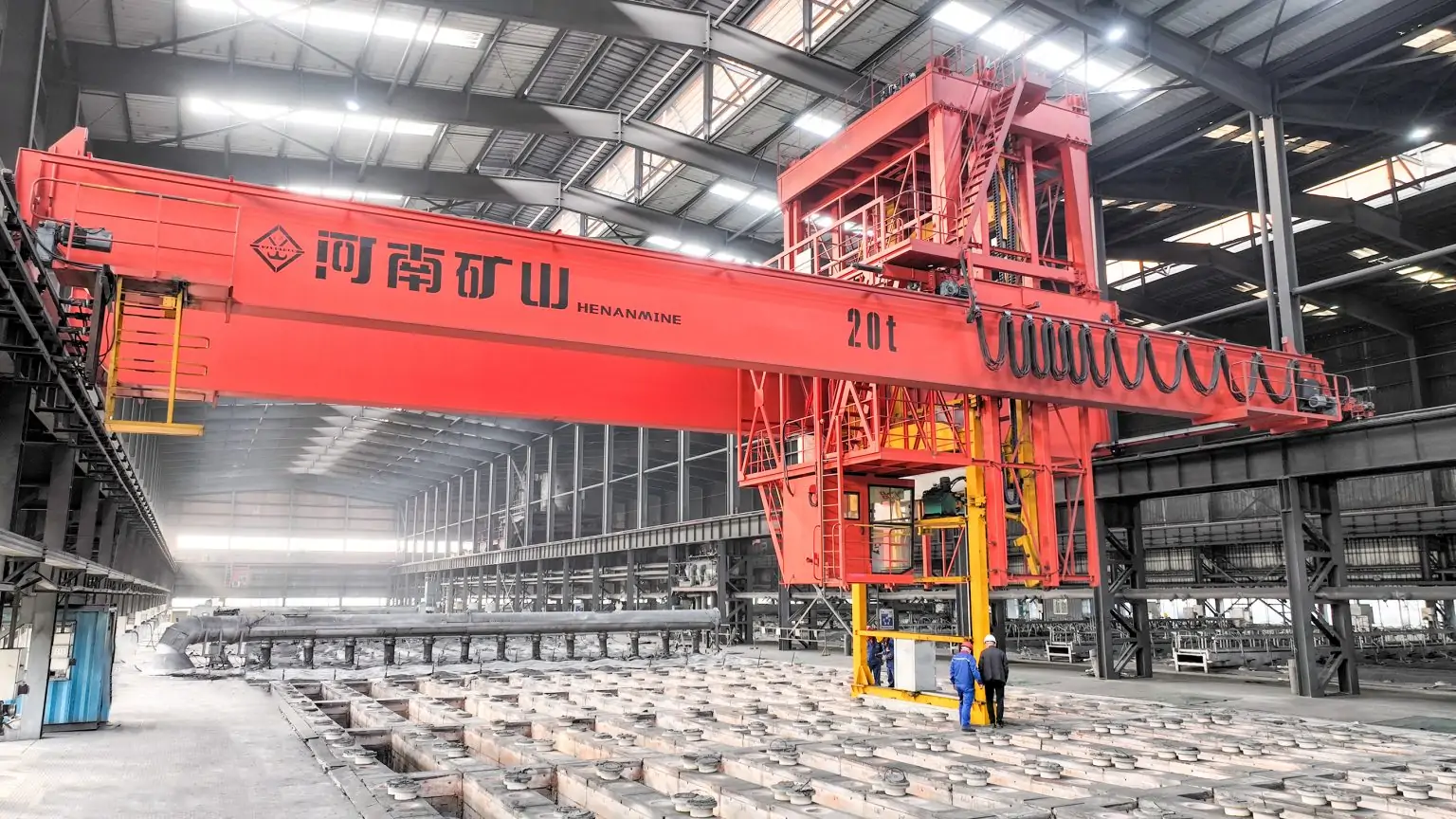
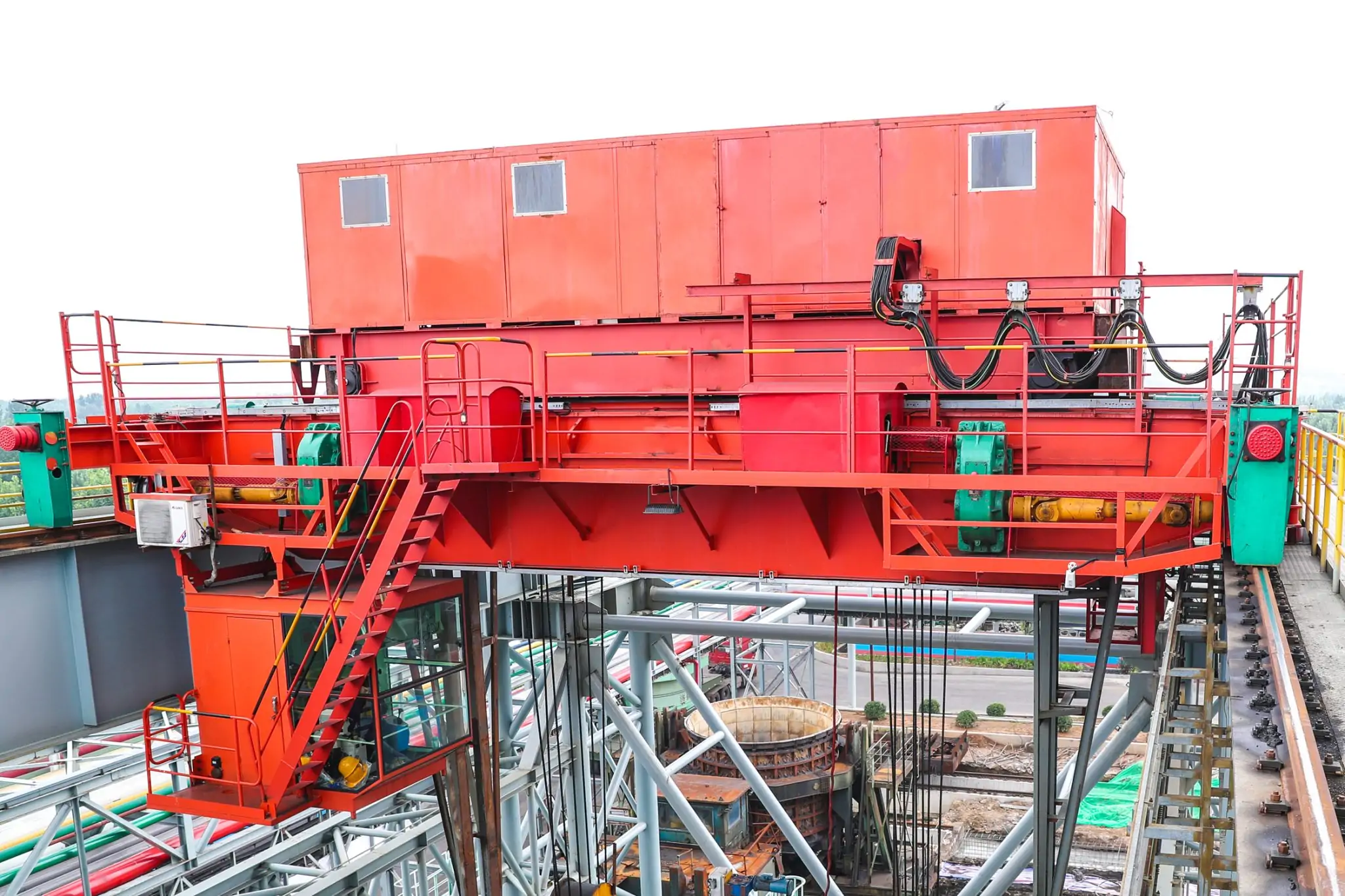
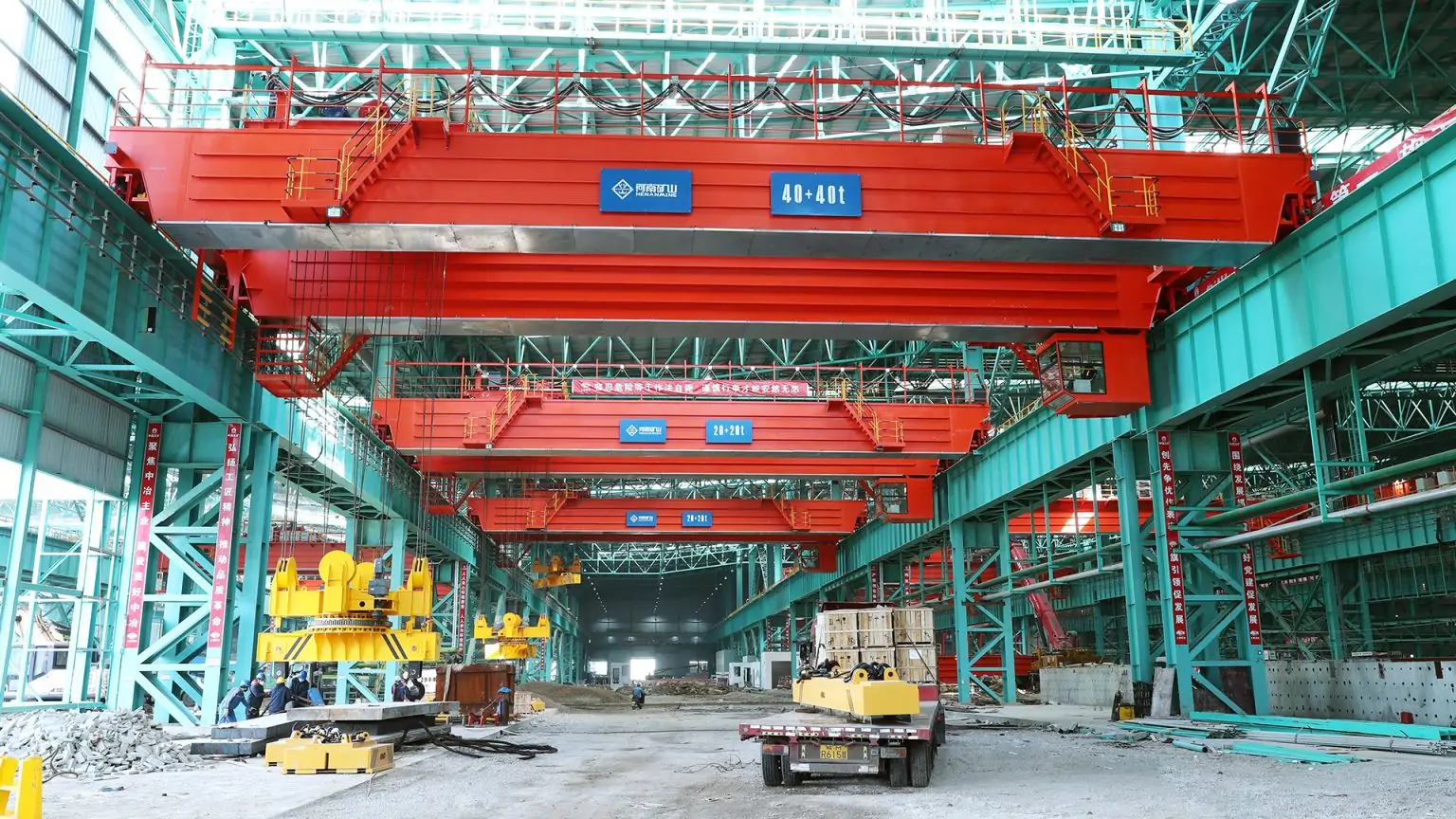
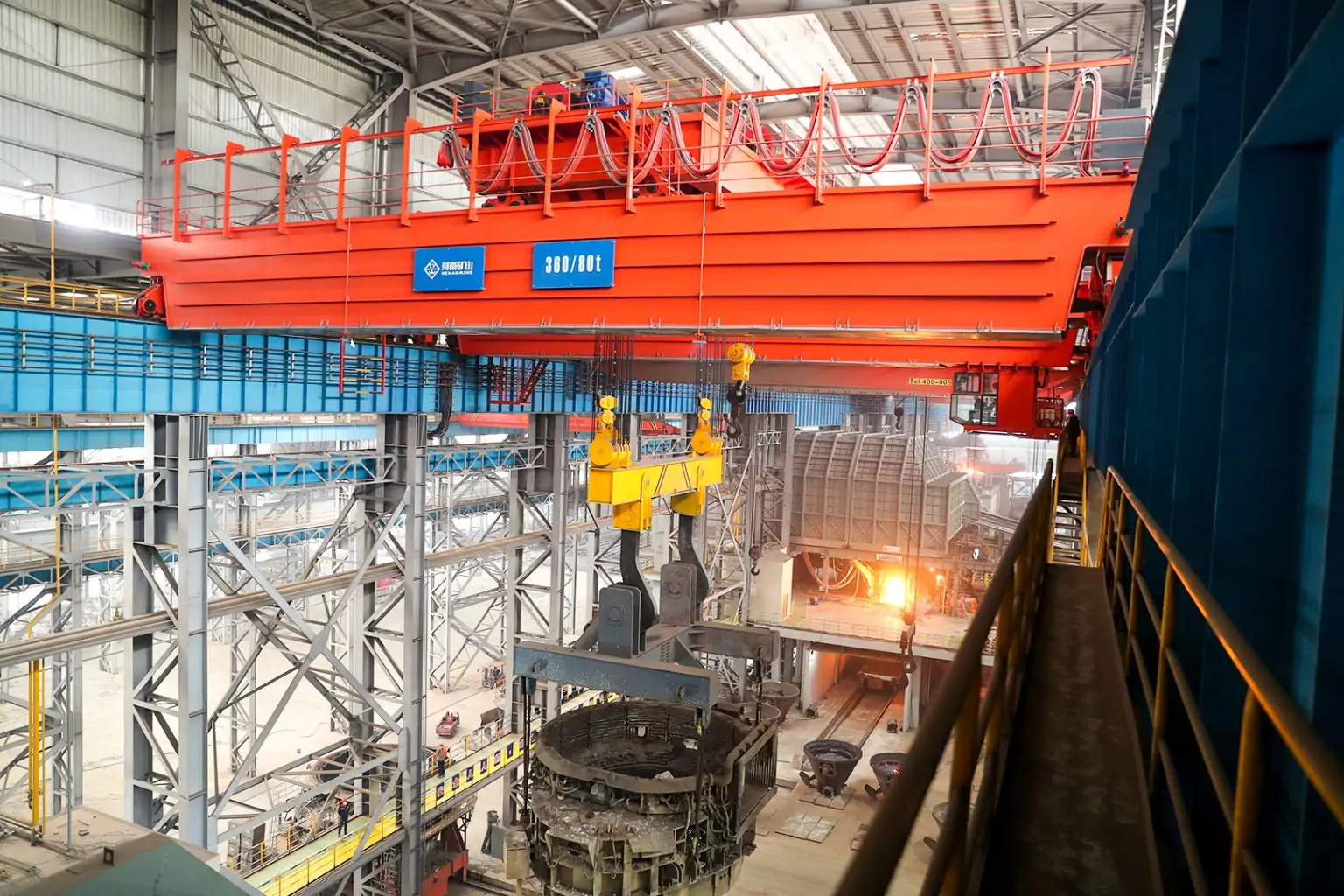
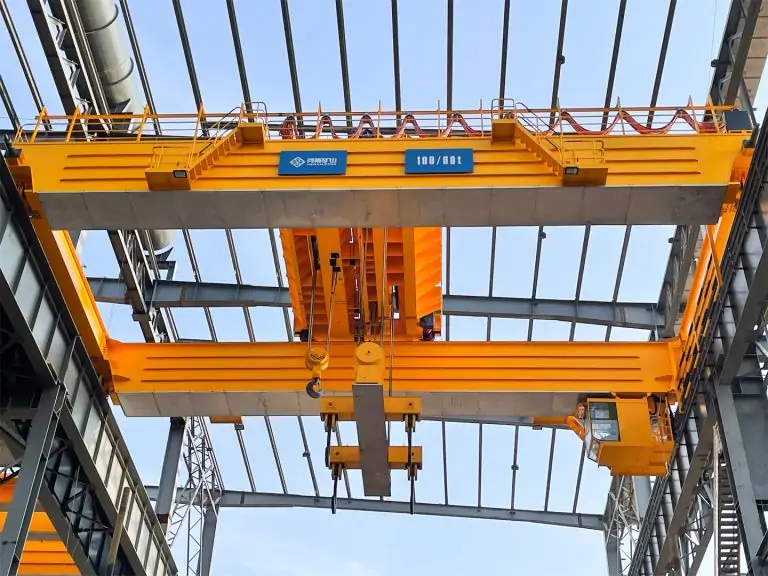
Bridge cranes are the core heavy equipment for industrial production, widely used in workshops, harbours and other scenarios, and are key to material handling and production advancement.
Long-term high-load operation can lead to wear and tear of its components, and neglect of routine maintenance can lead to failures, safety hazards and production stagnation. In this article, we will analyse the core benefits of regular maintenance, maintenance warning signals, inspection methods and preventive maintenance programmes to provide reference for enterprise equipment management.
Why You Should Maintain Your Overhead Crane Regularly
Regularly carrying out maintenance of overhead cranes is not a simple ‘equipment overhaul’, nor is it a dispensable additional expenditure, but an all-round, multi-level guarantee of production safety, operational efficiency and economic returns, which is an indispensable and important part of long-term development of the enterprise.
As industrial production bear heavy load handling, overhead operation of the core heavy equipment, bridge cranes stable operation is directly related to the smoothness of the entire production process, the importance of its maintenance work is far more than a simple ‘repair’, is to ensure that the whole process of production and orderly promotion of the foundation.
- At the safety level, it can effectively avoid safety accidents such as falling objects and broken parts, and guard the lives of operators and site personnel;
- At the efficiency level, it can improve the stability and reliability of equipment operation and reduce the impact of unplanned downtime on production; at the cost level, it can deal with minor faults in a timely manner, avoid escalation of faults, and save large amounts of maintenance and equipment replacement costs;
- From the cost level, it can handle minor faults in a timely manner to avoid escalation and save the cost of maintenance and equipment replacement; from the compliance level, it can strictly comply with the industry safety regulations and annual inspection standards to avoid the risk of legal penalties and damage to brand reputation.
More critically, normalised and standardised regular maintenance can help enterprises establish a scientific equipment management system, optimise production and operation processes, enhance core competitiveness, and more importantly, achieve sustainable, high-quality production and operation, and build a solid equipment foundation for the long-term development of the enterprise.
Benefits of Regular Overhead Crane Maintenance
Enhancing Safety
Safe production is the bottom line of industrial operation, overhead travelling crane as a high altitude heavy equipment, its operation safety is directly related to the staff’s life safety and the production order of the enterprise, regular maintenance is the key to detect hidden dangers and eliminate accidents.
Daily maintenance, technicians can find wire rope wear, hook deformation and other minor faults, to avoid its escalation into serious accidents such as falling objects, reduce the risk of work-related injuries, create a safe working environment.
From the perspective of business operations, pay attention to crane maintenance is not only the responsibility of the staff, but also an important part of the cultivation of safety culture, can enhance the sense of security of the staff, and promote the formation of a good atmosphere of standardised operation.
Ensuring Reliability and Efficiency
The operating status of the overhead travelling crane directly determines the efficiency of material handling, which in turn affects the rhythm of the entire production process. A crane in the best operating condition can realise the synergistic and efficient operation of all components, and regular maintenance is the core means to guarantee the performance of the equipment.
Regular maintenance, technicians will overhaul the core components of the crane, to ensure its optimal operation, from the root to reduce unplanned downtime; industrial production, sudden equipment failure will lead to production stagnation, increase costs, and regular maintenance can enhance the reliability of the equipment, to avoid such problems, to ensure that the production of continuous progress.
Stable equipment performance is the basis for enterprises to improve the overall production efficiency, efficient continuous operation of cranes can seamlessly connect the various production processes, to ensure that the project is on schedule, and at the same time to enhance the production and delivery capacity and competitiveness of the industry.
Cost-Effectiveness
Overhead cranes belong to the enterprise’s major fixed asset investment, its procurement, installation costs are not expensive, and regular maintenance is the key to maximise the value of this investment, can save a lot of long-term operating costs for the enterprise.
Many companies have ‘heavy use, light maintenance’ of the misunderstanding, ignoring the chain of small faults harm. Crane small wear and tear if long-term indulgence, will evolve into a major component damage, resulting in high maintenance and even equipment replacement costs; regular maintenance can be dealt with in a timely manner to deal with small problems, to avoid the escalation of failures, significant cost savings.
At the same time, regular maintenance can effectively slow down the aging of the equipment, extend the service life of the bridge crane, so that the original design life of the equipment over the period of efficient operation, maximise the value of fixed assets, to achieve cost-effective and enhance the return on investment.
Compliance with Regulations
The operation and maintenance of overhead cranes are strictly bound by national and industry safety regulations and standards, including Canadian safety regulations, OSHA regulations and LOLER annual inspection standards, which must be strictly complied with by the enterprise, which is the basic requirement for complying with the operation and the embodiment of the enterprise’s operational capability.
Regular maintenance can ensure that the crane performance in line with the industry’s safe operation standards, help enterprises to successfully pass the compliance inspection, to avoid the risk of legal penalties and fines brought about by the violation;
At the same time, active compliance maintenance can also be transmitted to the industry and customers to the business emphasis on the quality of the operation, adhere to the bottom line of the concept of safety, and enhance the reputation of the brand.
On the other hand, if a company neglects maintenance and equipment does not comply with regulations and standards, it will not only face legal penalties, but also make customers question the company’s production capacity and management level, which in turn affects the co-operation relationship and has a negative impact on the company’s long-term development.
Other Core Values of Regular Maintenance
In addition to the core benefits mentioned above, regular maintenance of overhead cranes can also bring a lot of added value to the daily operation and long-term development of the enterprise, optimising management and enhancing benefits from the details.
- Firstly, regular maintenance can improve the management of equipment inspection records, professional maintenance service providers can systematically record and sort out the status of the equipment, help enterprises get rid of complicated paperwork, conveniently monitor the operation of the equipment, and provide accurate data support for subsequent equipment management and maintenance planning.
- Secondly, regular maintenance can enhance customer satisfaction and guard the reputation of the enterprise. Crane failure caused by production stagnation will delay orders, triggering customer dissatisfaction and negative evaluation, affecting cooperation and new business; regular maintenance can eliminate such delays, to ensure that the orders are delivered on time, maintain good customer relations, and lay the foundation for business development.
- In addition, timely maintenance can quickly identify and solve the complex problems of the equipment, so that the crane is always in normal service, to avoid the decline in production capacity due to long-term equipment downtime, to protect the overall productivity of the enterprise, to provide protection for the growth of corporate revenue.
Common Signs Your Overhead Crane Needs Maintenance
Before an overhead travelling crane breaks down, it will often show obvious warning signals, which operators and equipment managers need to pay attention to at all times. Once the following conditions are found, the crane should be shut down immediately and maintenance should be carried out to avoid escalation of the fault.
- Damaged hooks: Hooks that are bent, permanently stretched, twisted, or cracked can lead to load imbalance, which can affect material handling or cause heavy objects to fall, while the stretching of the sling hook can lead to the separation of the hook from the latch, making it impossible to carry heavy objects stably. Operators need to check the status of the hook before each shift, and deal with the problem in time.
- Abnormalities of wire rope: there is a risk of breakage if a single strand of wire rope breaks, and the damage to the wire rope may start from the inside, and when there is no obvious problem on the surface, the internal part is already seriously damaged; at the same time, lack of lubrication of the wire rope will cause dryness, which is easy to lead to corrosion and abrasion, so it is necessary to replace the damaged wire rope in time and regularly replenish the lubricant.
- Wear of brake and buffer parts: brake pads, brakes, clutches are the key parts for controlling the operation of cranes, if there is wear, it will lead to a decline in crane manoeuvrability, unable to stop accurately, and there is a serious safety hazard; brake pads wear is more difficult to find out, if the crane does not run smoothly and the noise increases, you need to check the state of the brake pads in a timely manner.
- Loose parts: regardless of the size of the loose parts of the equipment should not be ignored, small loose parts may affect the stability of the crane, and more likely to indicate that the equipment due to the load problem of loose fasteners in general, if left unattended, the follow-up may be key bolts loosened, triggering major equipment failures.
- Component corrosion: steel rust will gradually reduce the bearing capacity of the crane, a small corrosion of the bolt may cause safety accidents, and corrosion may also appear in the wire rope inside, not easy to be found. If rust is found in the joints, bearings, wire ropes and moving parts of the crane, it should be inspected and treated with anticorrosion in time. Meanwhile, high humidity and easy contact with water operating environment should be strengthened to check the frequency of anticorrosion of the equipment.
How Do You Inspect an Overhead Crane?
The inspection of overhead travelling crane is not carried out blindly, it should be carried out according to the scientific classification and steps, according to the inspection frequency and depth, it can be divided into two categories of routine inspection and regular in-depth inspection, the different types of inspection have their own focus and complement each other, in order to fully grasp the operating status of the equipment.
Two core inspection categories
- Routine inspection: carried out on a daily, weekly and monthly basis, the inspection focuses on hooks, chains, safety devices and other parts that are easy to wear and directly related to operational safety, and is completed by on-site operators or equipment management personnel, so as to discover obvious faults and hidden dangers in a timely manner.
- Regular in-depth inspection: carried out every few months or once a year, including the statutory LOLER annual inspection, to be completed by lifting engineers and other professional and technical personnel, the entire system of the crane for a comprehensive, in-depth inspection, to detect potential hidden faults, to ensure that the equipment as a whole in line with the operating standards.
Key inspection steps
- Operation test: Manoeuvre the crane to complete the standard lifting, panning, descending and other actions, carefully observe whether there is any abnormal shaking, noise and other conditions during the operation of the equipment, and synchronously test the response sensitivity of the operating instructions to ensure that the control is smooth and error-free.
- Component inspection: all mechanical and electrical core components of the crane are checked one by one, focusing on verifying whether there are any abnormal problems such as wear and tear, aging, deformation, leakage, etc., to ensure that the components are in good condition and meet the operating standards.
- Structural inspection: Comprehensive assessment of the crane frame, running track, support structure and other key parts, check whether there are stress deformation, fatigue damage and other hidden problems, to ensure that the overall structure of the equipment is stable and reliable.
- Chain and hook analysis: Focus on checking whether there are problems such as broken and worn chains and verifying whether there are deformations, cracks and other abnormalities in the hook, so as to promptly identify the safety hazards of the load-bearing parts and prevent safety accidents from occurring.
- Brake inspection: accurately test the response speed and braking force of the brake to ensure that the brake can quickly and accurately realise braking, safeguard the safe handling of the crane during operation, and eliminate the hidden danger of brake failure.
Implementing an Effective Preventive Maintenance Program
To play the value of regular maintenance, companies need to abandon the ‘temporary maintenance’ thinking, the establishment of preventive maintenance system to meet their production needs, through standardisation, process management of maintenance work, specific can follow the following seven core steps.
Develop a Maintenance Schedule
Combined with the recommendations of crane manufacturers, industry norms and standards, taking into account the enterprise’s own production load and operating conditions, to develop a detailed maintenance schedule, specify the core components of the inspection, maintenance, overhaul frequency, to ensure that the maintenance work is fully covered, no omissions.
Conduct Regular Inspections
Daily, weekly and monthly routine inspections are fully integrated into the production process to achieve normalisation and standardisation of the inspection work; the scope of the inspection covers all the core components of the crane, such as electrical, mechanical and structural components, and it strictly follows the principle of ‘early discovery and early disposal’ to prevent small faults from escalating into major safety hazards from the root, and to ensure the stable operation of the equipment. Stable operation.
Utilize Trained Personnel
The maintenance and overhaul of overhead travelling crane is highly professional, and it is necessary to hire professional technicians with corresponding qualification and rich practical experience to carry out the operation, so as to ensure the precise identification of potential hidden dangers of the equipment, standardise the completion of each maintenance process, effectively avoid the secondary damage of the equipment triggered by non-professional operation, and guarantee the quality of maintenance and overhaul and the safety of the equipment operation.
Maintain Comprehensive Records
Detailed records of all inspections, maintenance, repair work, clear maintenance time, specific content, hidden dangers found and disposal methods, through the data tracking equipment operating status and failure patterns, to provide a scientific basis for subsequent maintenance planning.
Invest in Quality Parts
When repairing the equipment, we insist on using original, high-quality parts produced by regular manufacturers to prevent early failure of the equipment caused by poor-quality parts, and to protect the reliability and safety of crane operation.
Implement a Feedback Loop
Build exclusive communication and feedback channels between operators and maintenance personnel, operators daily contact with the equipment, can be the first time to capture the equipment abnormal sound, vibration and other hidden signals, timely feedback to the maintenance team, to achieve a rapid response to hidden problems, efficient disposal, from the source to avoid the escalation of small hidden problems into major failures.
Leverage Technology
The introduction of Internet of Things sensors, predictive maintenance software and other advanced technologies, real-time monitoring of the core components of the crane, through data analysis to pre-judge the possible failure of the equipment, to achieve the change from ‘after the fact maintenance’ to ‘prediction’, and more efficiently arrange for the maintenance work, minimising equipment downtime. Maintenance work, minimise equipment downtime.
Common Overhead Crane Maintenance Mistakes and How to Avoid Them
In the actual maintenance work of overhead travelling crane, many enterprises fall into all kinds of maintenance misunderstandings due to cognitive bias or management negligence, resulting in a significant reduction in the effect of equipment maintenance, and even aggravate the aging of the equipment. Only clear common misunderstandings, and master the corresponding avoidance methods, in order to let the maintenance work really play a role.
Identifying Mistakes
- Ignore the routine inspection: in order to save time and cost, skip the daily, weekly and monthly routine inspections, resulting in early hidden equipment can not be found in a timely manner, and ultimately evolve into a major failure.
- Ignore small problems: that the small wear and tear of equipment, small loose does not affect the operation, negligent treatment, unaware that these small problems will continue to accumulate, triggering a chain reaction, resulting in more serious equipment damage.
- Illegal use of equipment: overloading the crane or using it for work beyond its designed purpose, resulting in additional pressure on equipment components, accelerating wear and aging.
- Delayed maintenance period: after the discovery of equipment failure, due to production task tightness and other reasons, do not arrange for timely maintenance, continue to let the equipment ‘run with the disease’, which ultimately leads to the escalation of the failure, the maintenance cost increased significantly.
Best Practices
- Strictly adhere to the inspection schedule: the maintenance and inspection programme is implemented on the ground, no matter how tight the production task is, all inspections are completed according to the frequency, so that the maintenance work becomes a fixed part of the production.
- Timely processing of all found problems: no matter how big or small the hidden problems are, as long as they are found during the inspection, they will be shut down immediately to deal with them without taking any chances, so as to prevent the escalation of failures from the root cause.
- Strengthen operator training: systematic training for crane operators, so that they are proficient in the operation of the equipment specifications, load limits and use of contraindications, to avoid damage to the equipment due to irregularities in operation.
- Establish a standardised maintenance process: standardise all aspects of maintenance work, clarify the content of the inspection, maintenance specifications, responsible personnel, the formation of a regular maintenance mechanism, to avoid the arbitrariness of maintenance work.
- Do a good job of the whole process of documentation: all the inspection, maintenance, repair work for archiving, maintenance work to achieve traceability, verifiability, for the long-term management of equipment and subsequent failure analysis to provide support.
Conclusion
Regular maintenance of overhead cranes is an all-round safeguard initiative for enterprises around safe production, operational efficiency, cost optimisation and compliance.
Only by paying attention to equipment maintenance and ensuring its stable operation can we guarantee continuous production, maximise return on fixed assets, guard corporate safety and reputation, and help enterprises achieve high-quality sustainable development.