
Single Girder Gantry Crane VS Double Girder Gantry Crane
Manufacturing, construction and other industries, gantry cranes are indispensable, and their selection directly affects production efficiency, cost and safety. In the face of single girder, double girder two mainstream models, this article disassembles the core differences and advantages and disadvantages, to help enterprises accurately select the type.
What is a Single Girder Gantry Crane
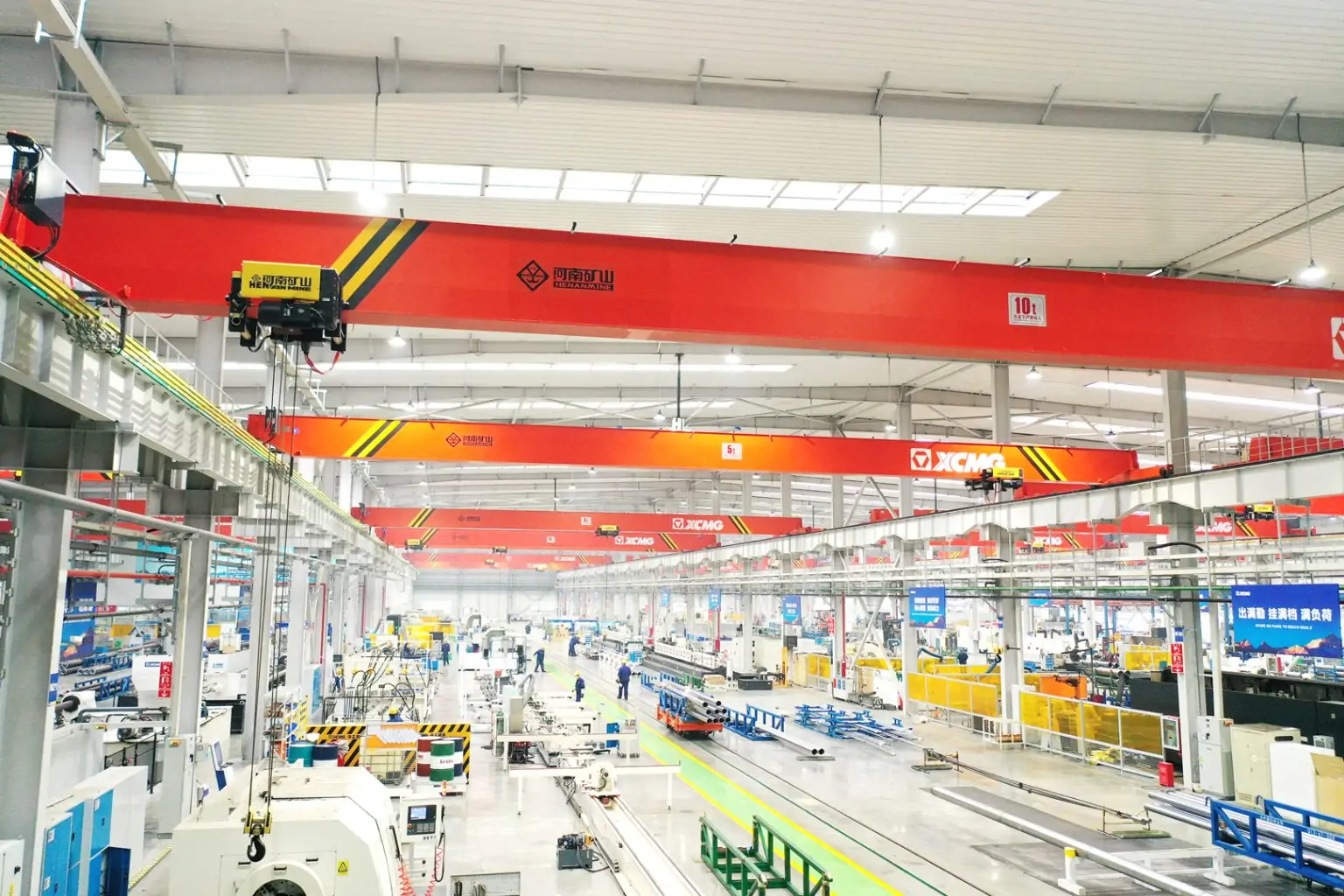
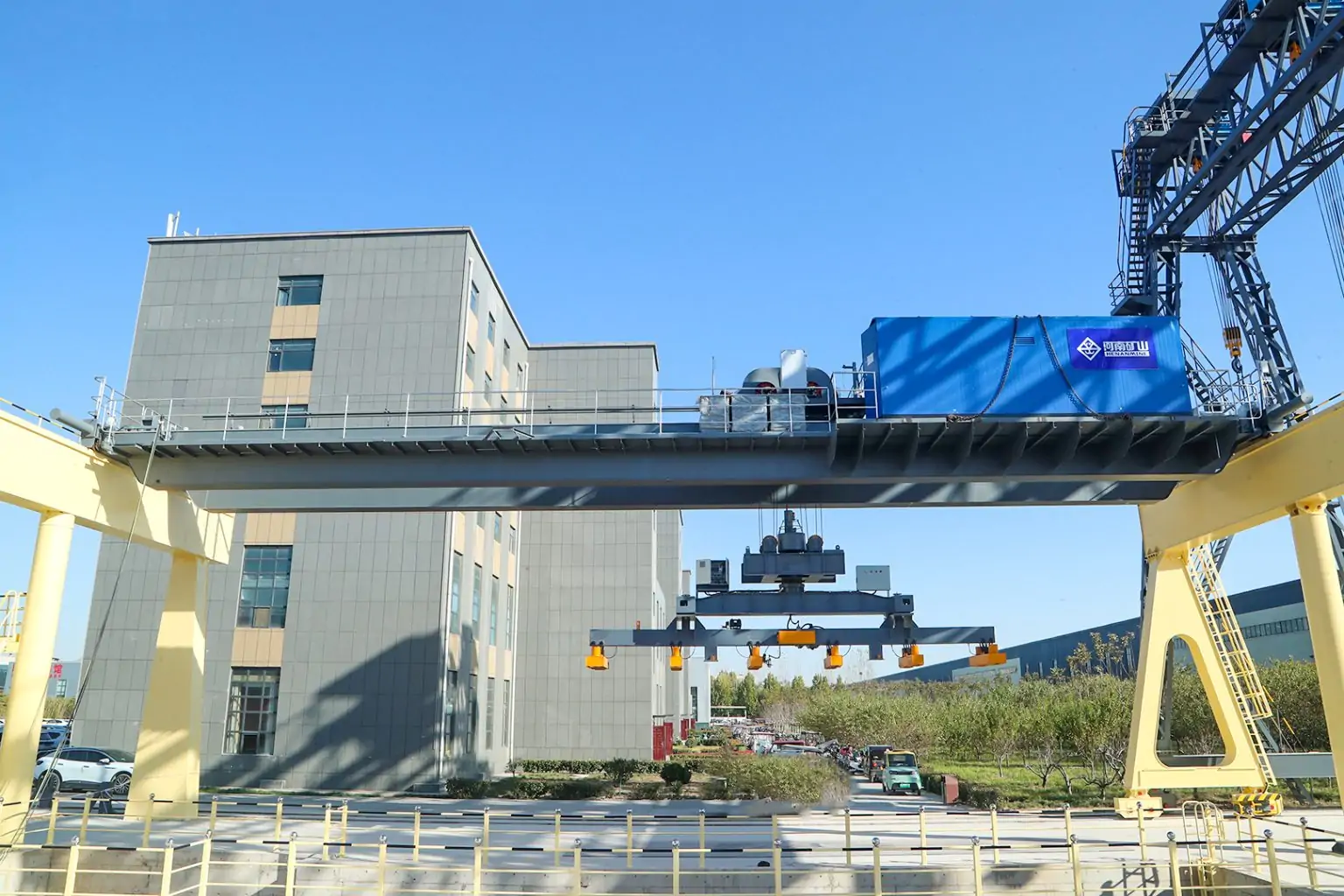
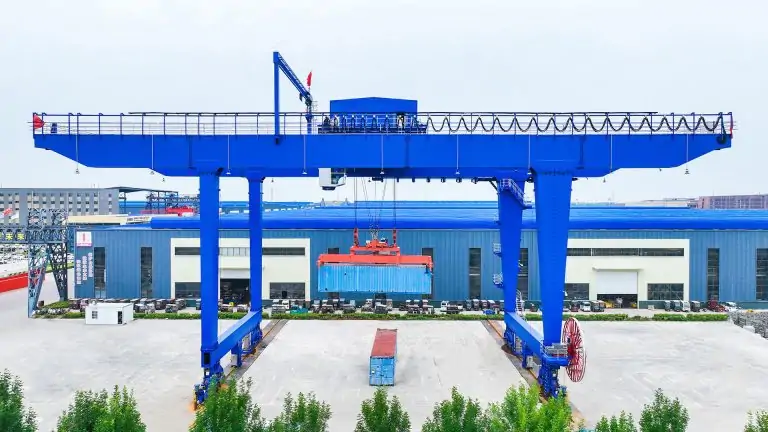
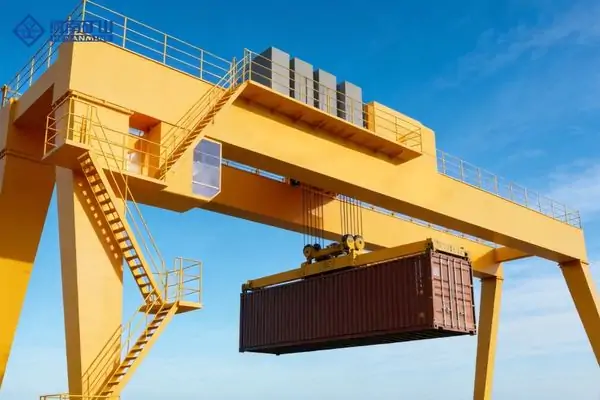
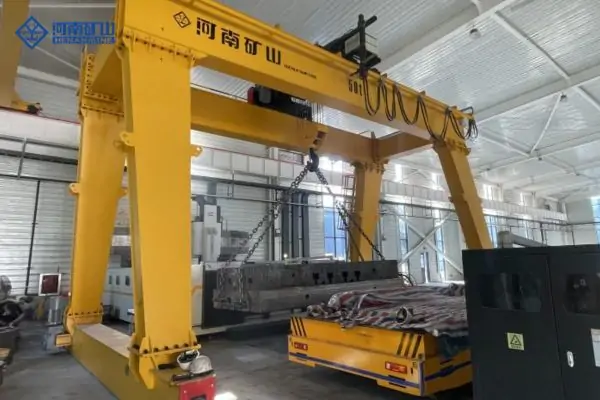
Single girder gantry crane consists of a main girder, two support legs, the bottom of the support legs are equipped with wheels or rails, mobile operations can be realized; lifting trolley installed in the lower flank of the main beam, the electrical equipment is integrated in one of the support legs of a small control room.
The core application scenario is light to medium-sized operations, with load capacities typically ranging from 1-20 tons and spans up to 30.48 m (100 ft), making it the mainstream choice for small and medium-sized enterprises.
Advantages
- Cost-effective: Compared with double girder gantry cranes, single girder models have a simpler structure, require less manufacturing materials, and have lower upfront procurement costs, making them ideal for small and medium-sized enterprises with tight budgets (keywords: economical gantry cranes, low-cost lifting equipment).
- Strong versatility: according to the operational requirements of the flexible configuration of spreader, such as lifting beams, electromagnetic suction cups, hooks, etc., can be adapted to a variety of types of cargo handling, covering a variety of areas such as light manufacturing, small warehousing.
- Convenient installation and maintenance: simple structure, few moving parts, relatively simple installation process, without the need for professional large-scale equipment to assist, low maintenance workload, low cost, can minimize downtime, to protect the continuity of production.
- Saving space: Vertical occupation of space is smaller, lower requirements for plant floor height, especially suitable for workshops, warehouses and other scenes with limited headroom (keywords: low headroom gantry crane, compact lifting equipment).
Disadvantages
- Limited load capacity: can only bear light and medium loads, can not meet the lifting needs of heavy goods, if forced overloading operations, it will seriously affect the life of the equipment and operational safety.
- Poor stability: the single main girder structure has weak resistance to lateral movement, and is prone to shaking during operation, so the operating speed needs to be strictly controlled to avoid safety accidents.
- Limited span and lifting height: Compared with double girder models, the span and lifting height of single girder gantry cranes have obvious limitations, which cannot cover large operation areas or meet the demand for overhead lifting.
What is a Double Girder Gantry Crane
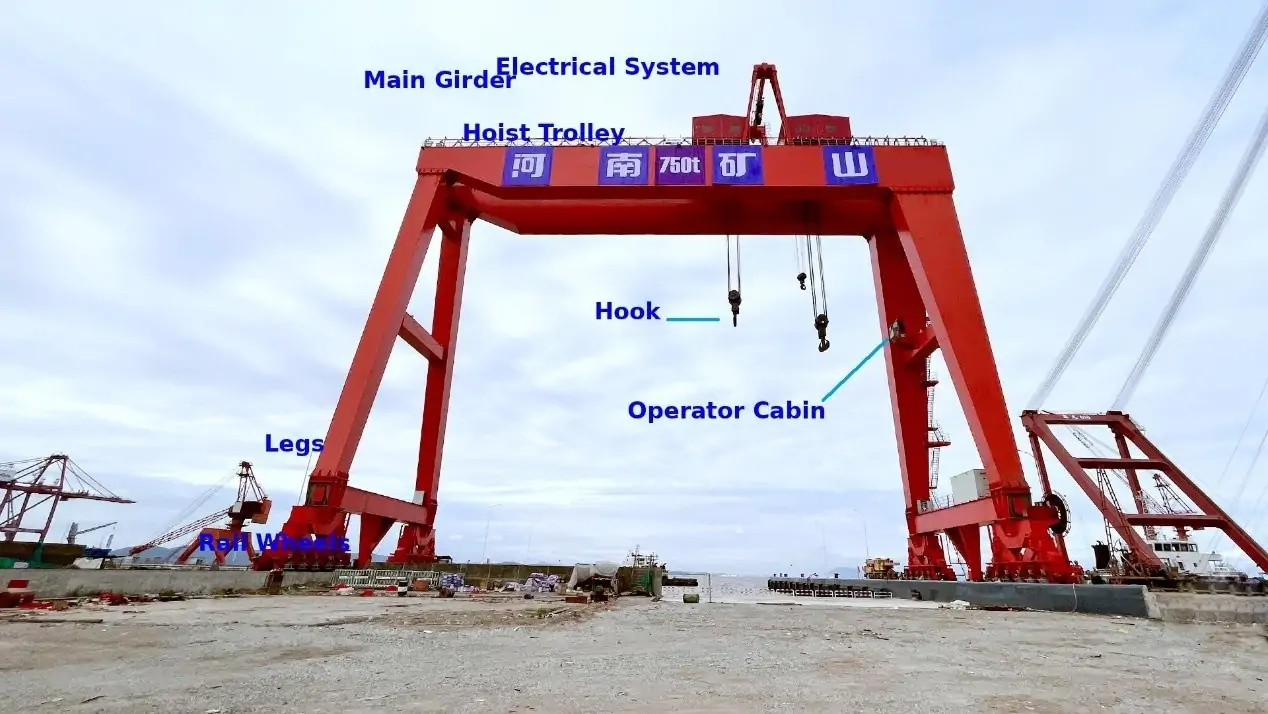
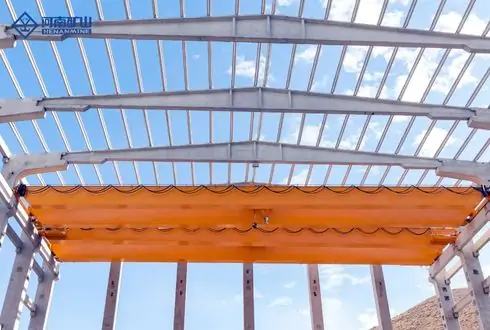
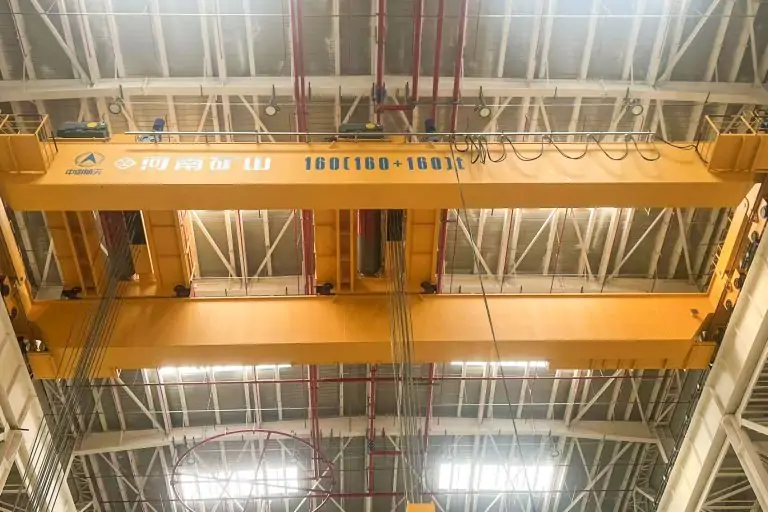
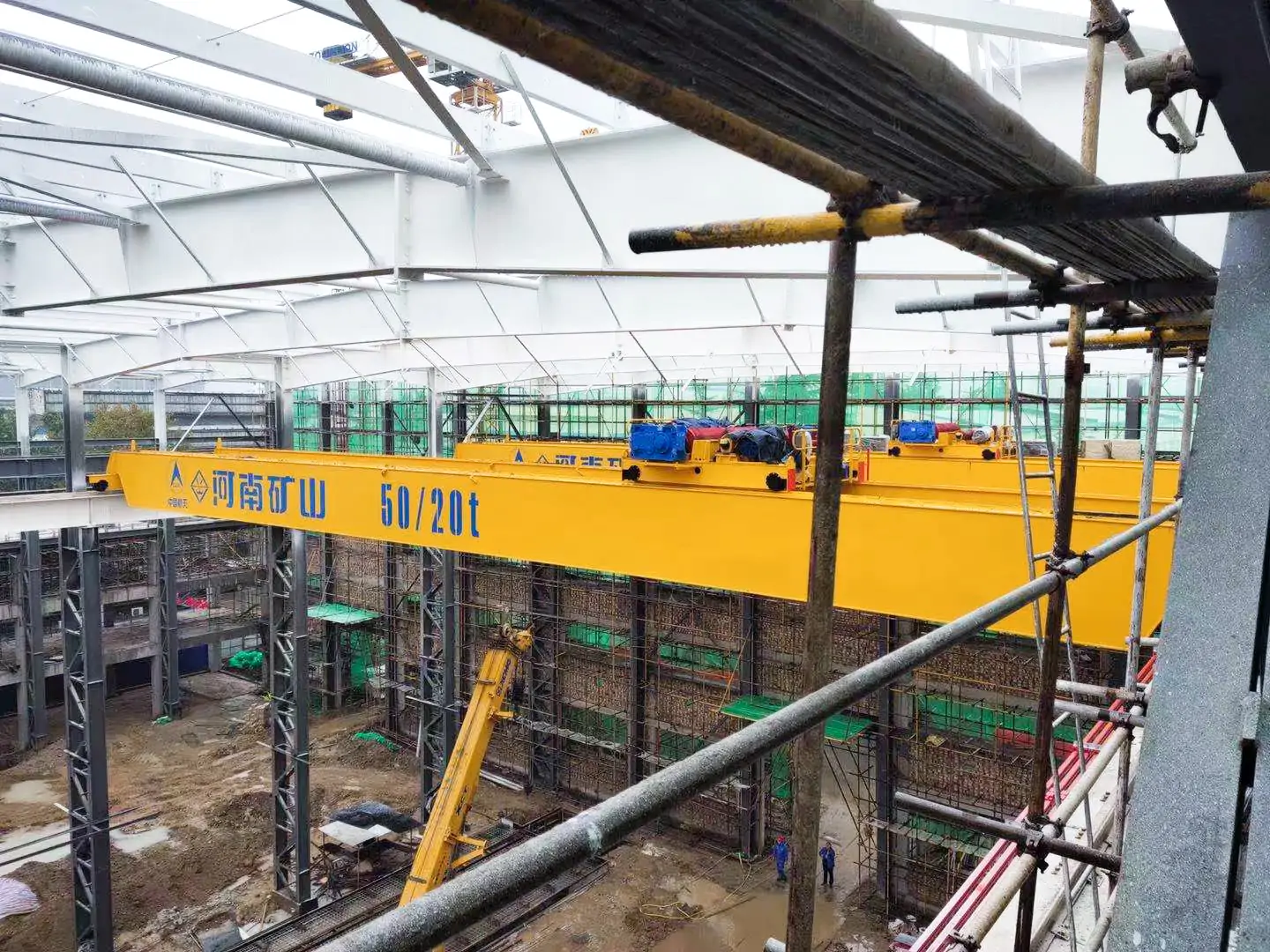
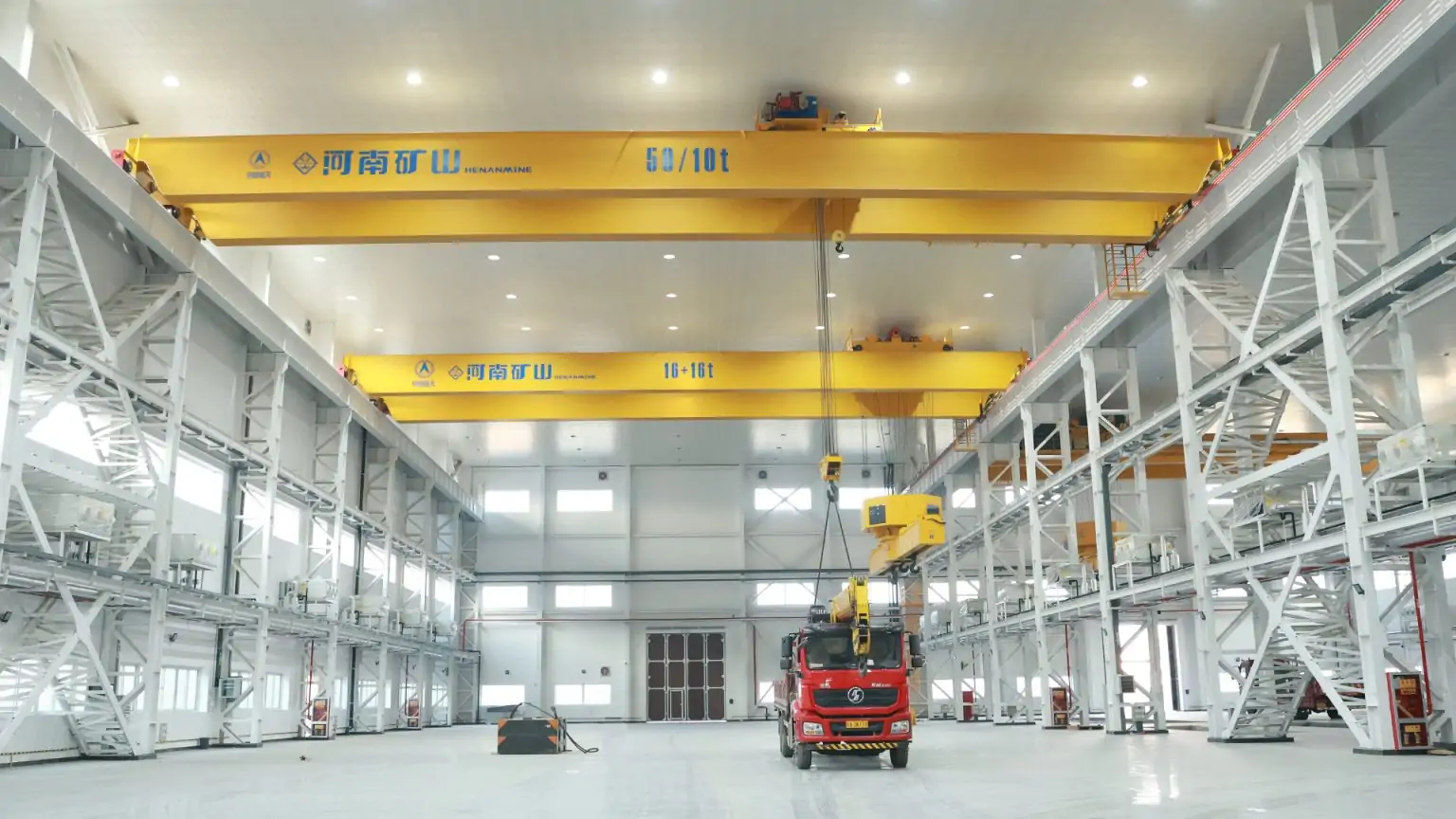
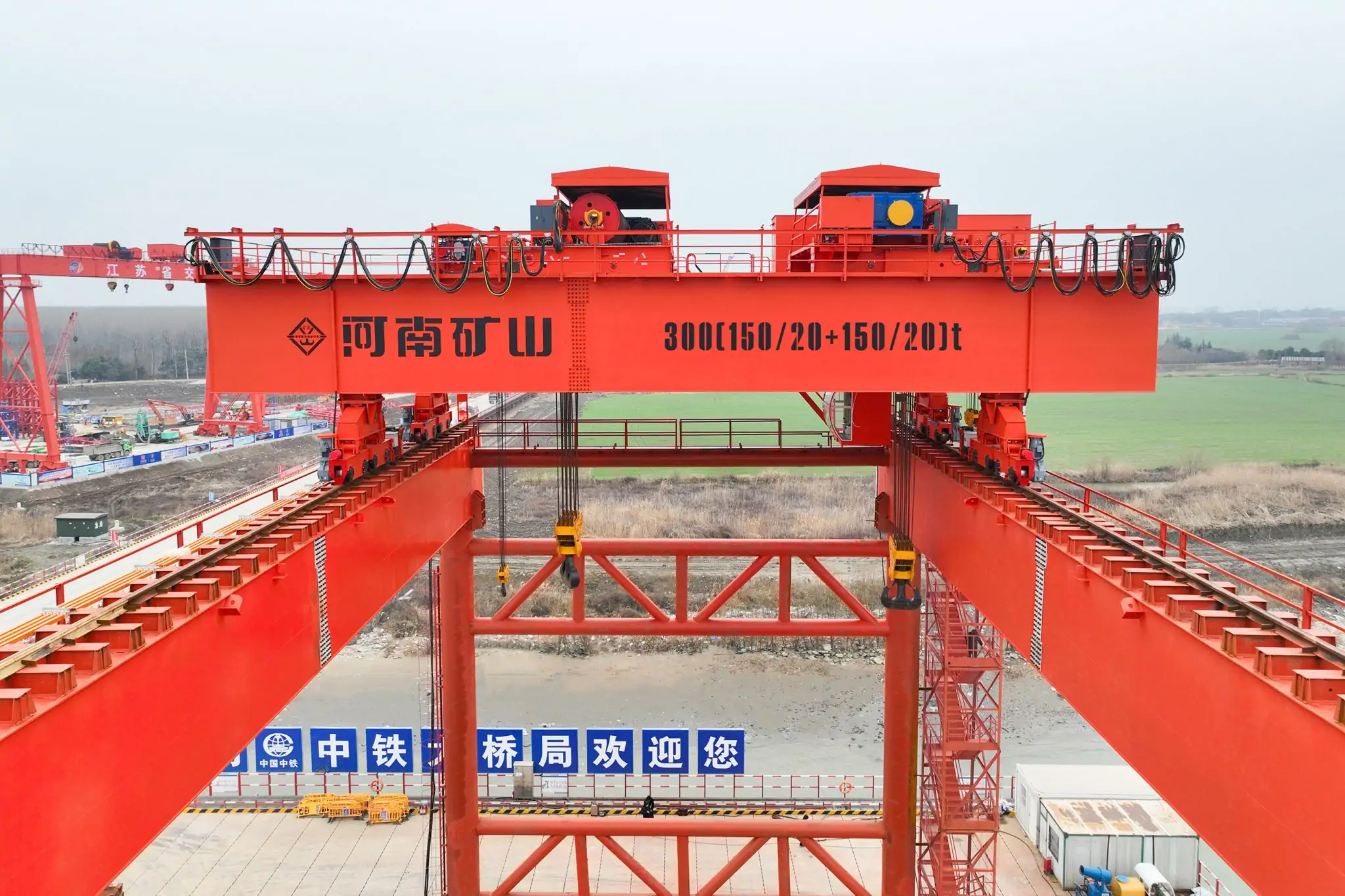
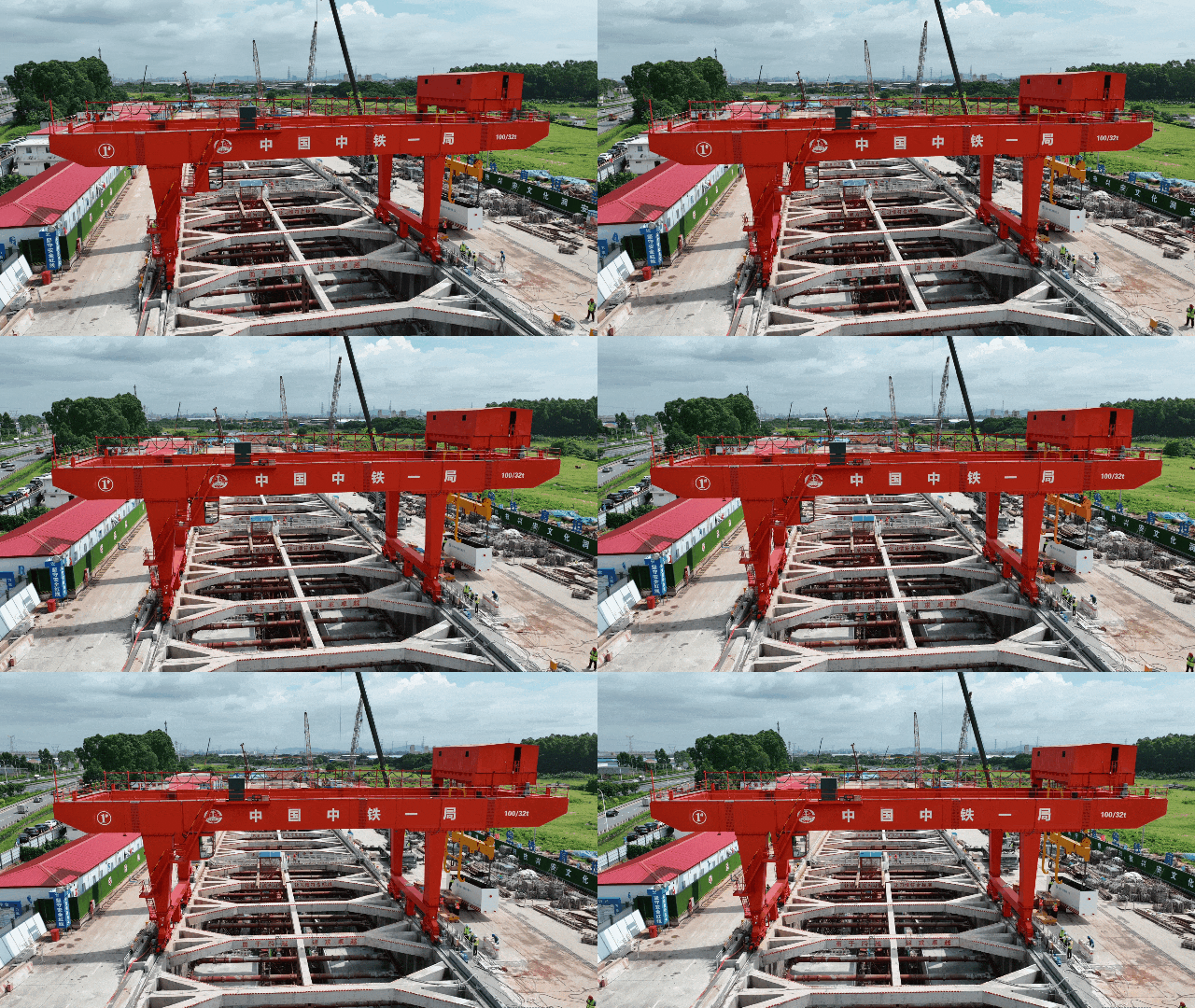
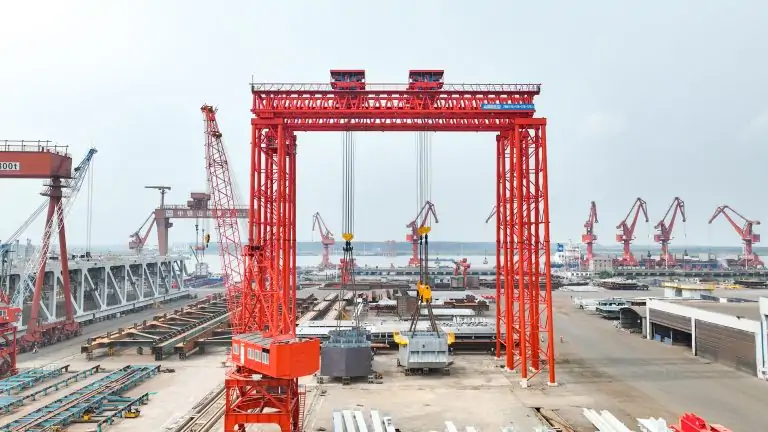
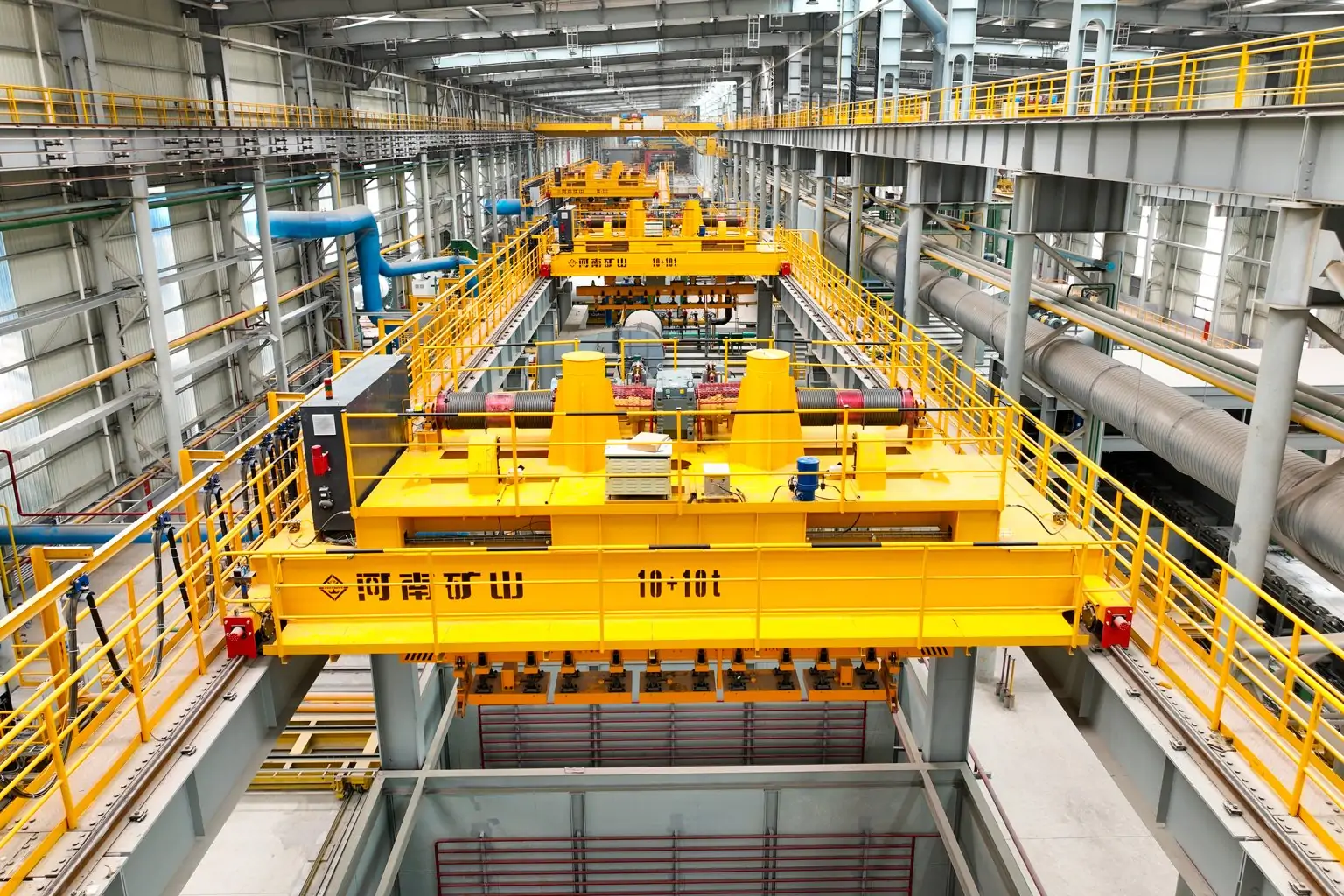
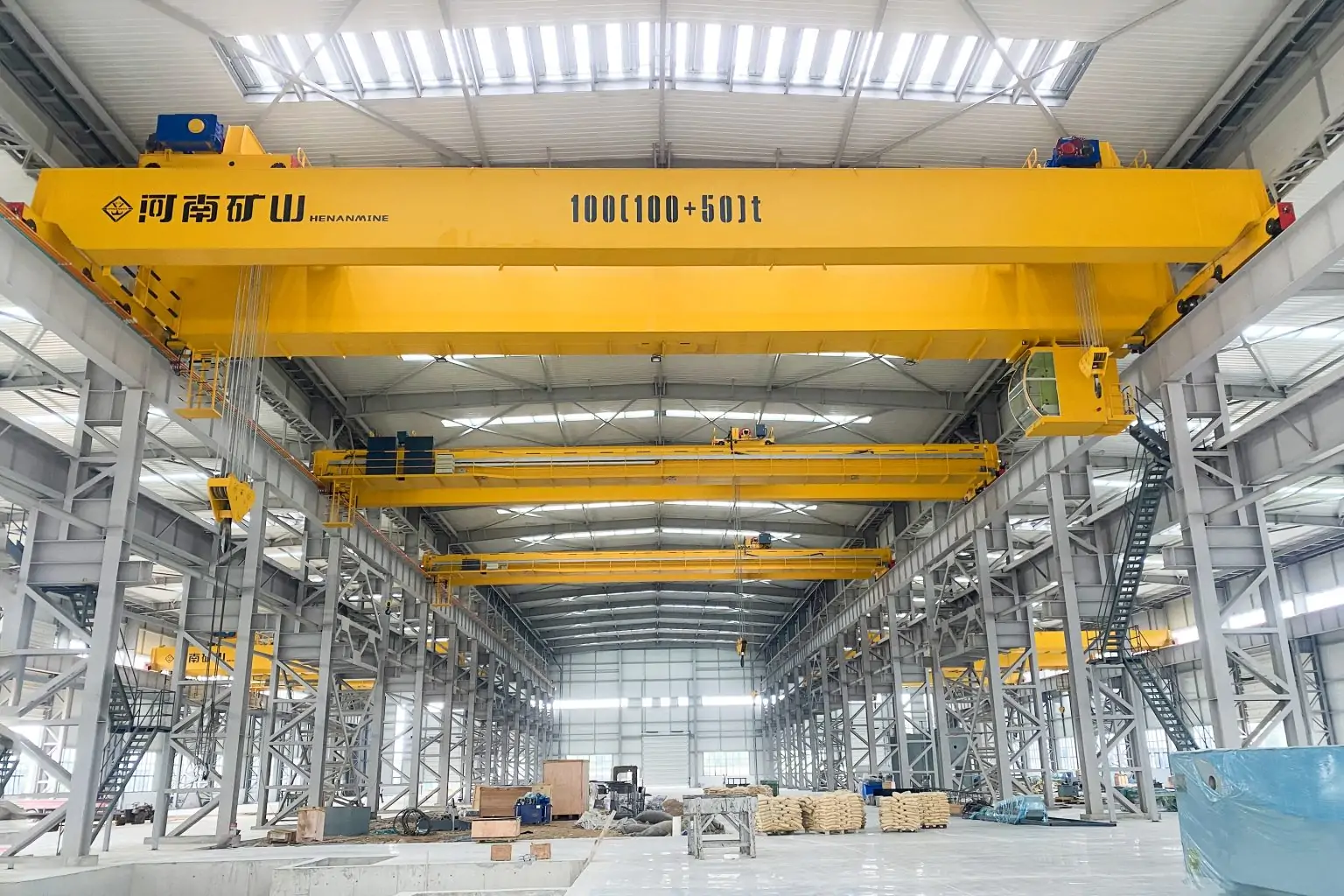
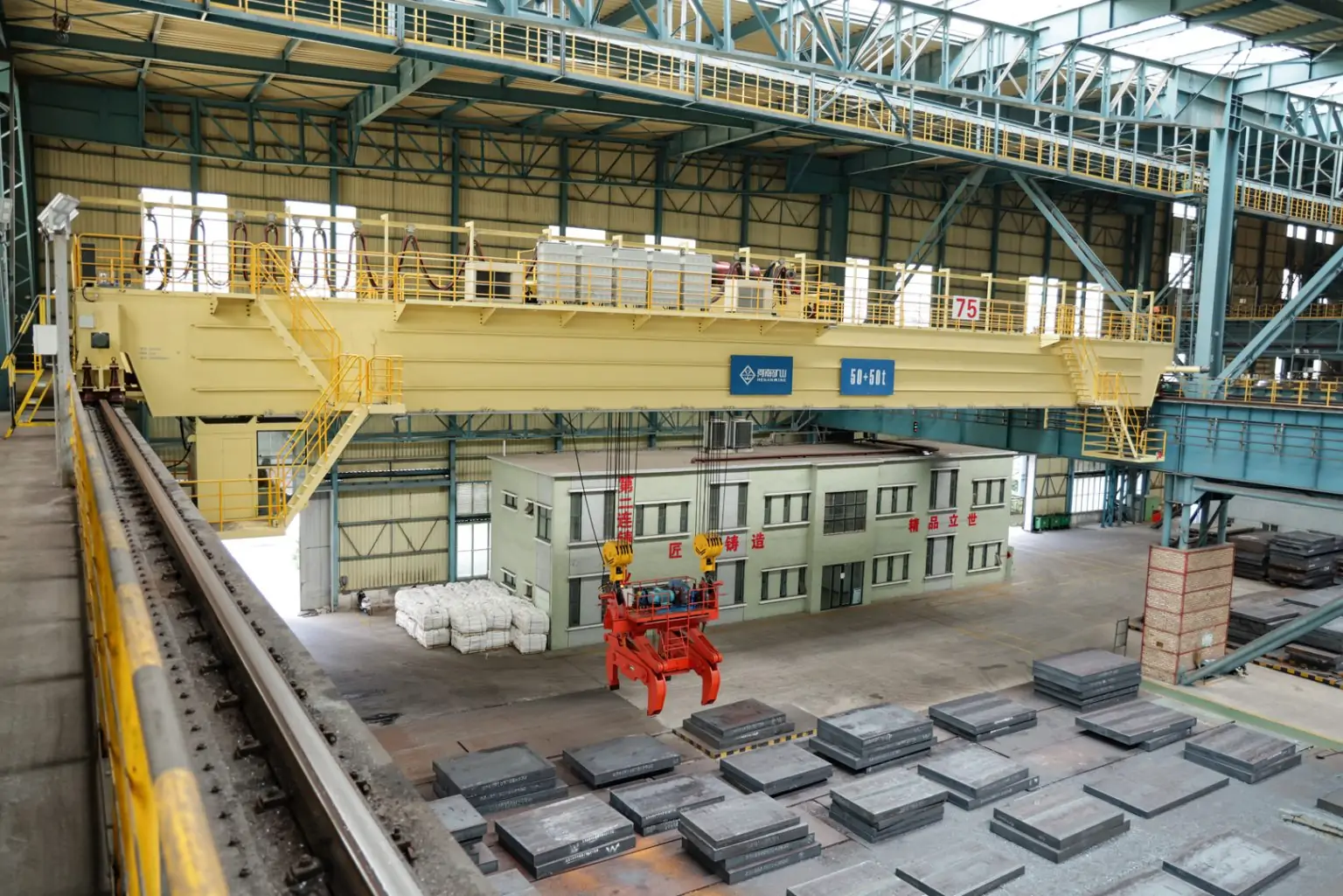
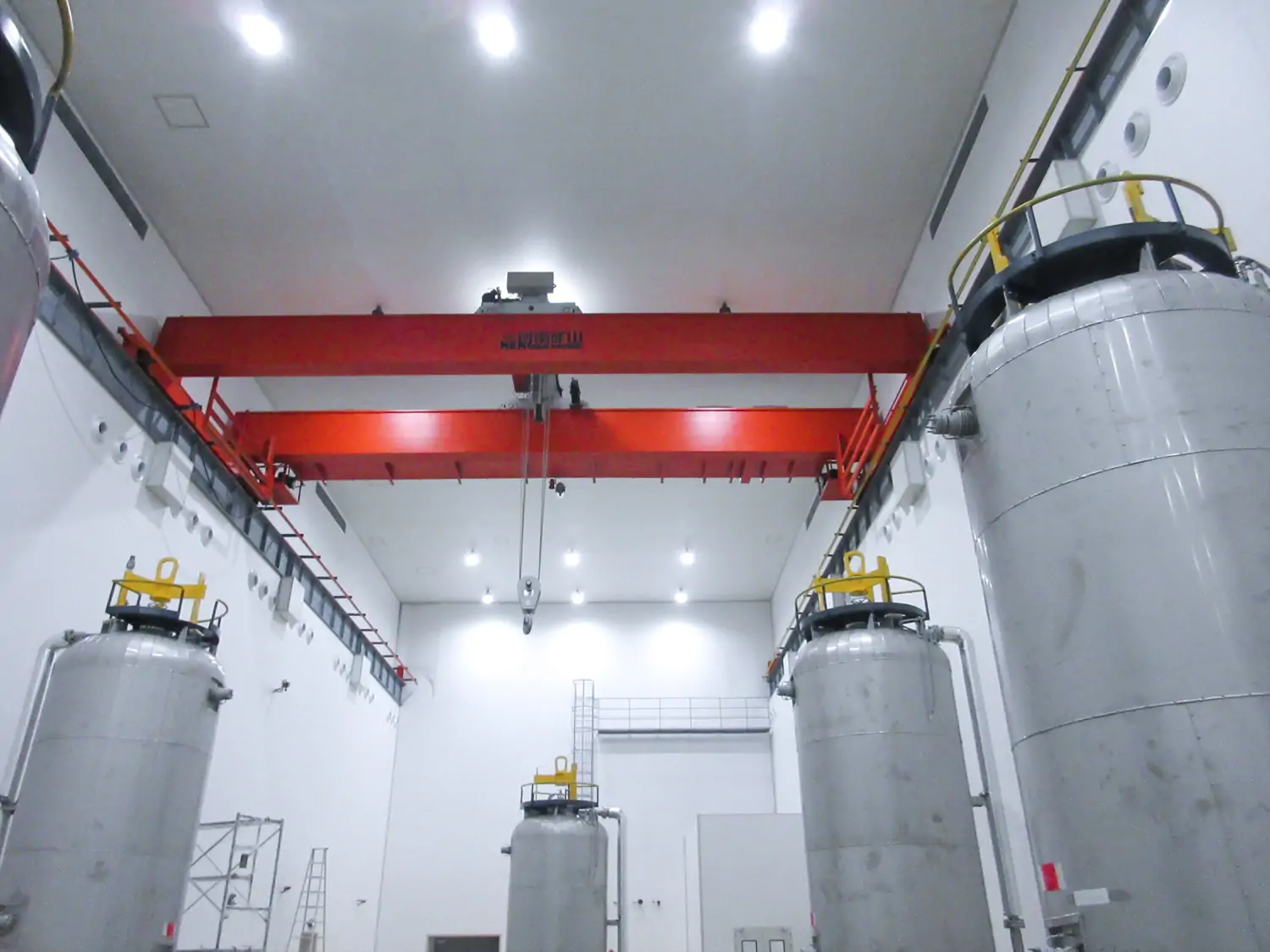
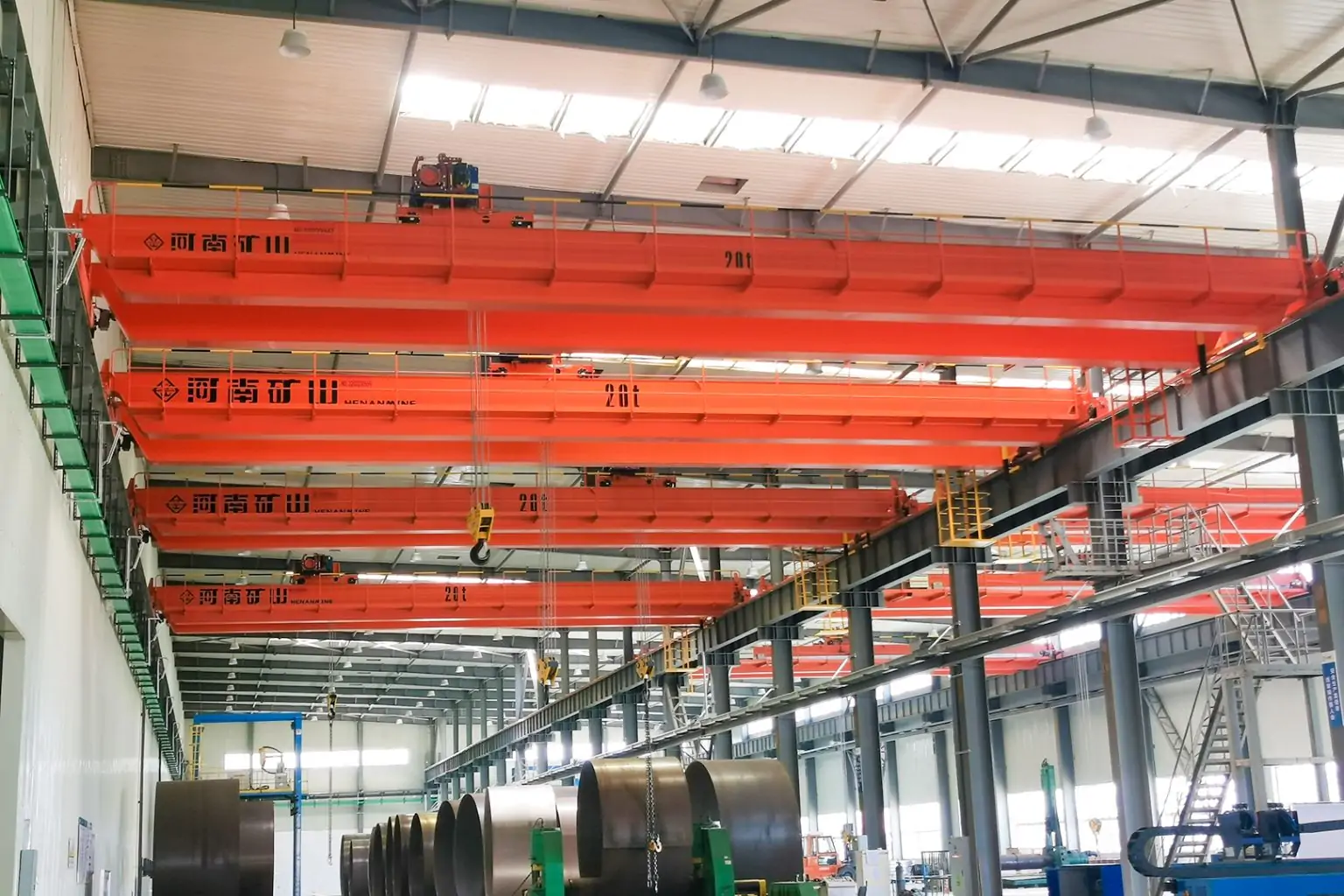
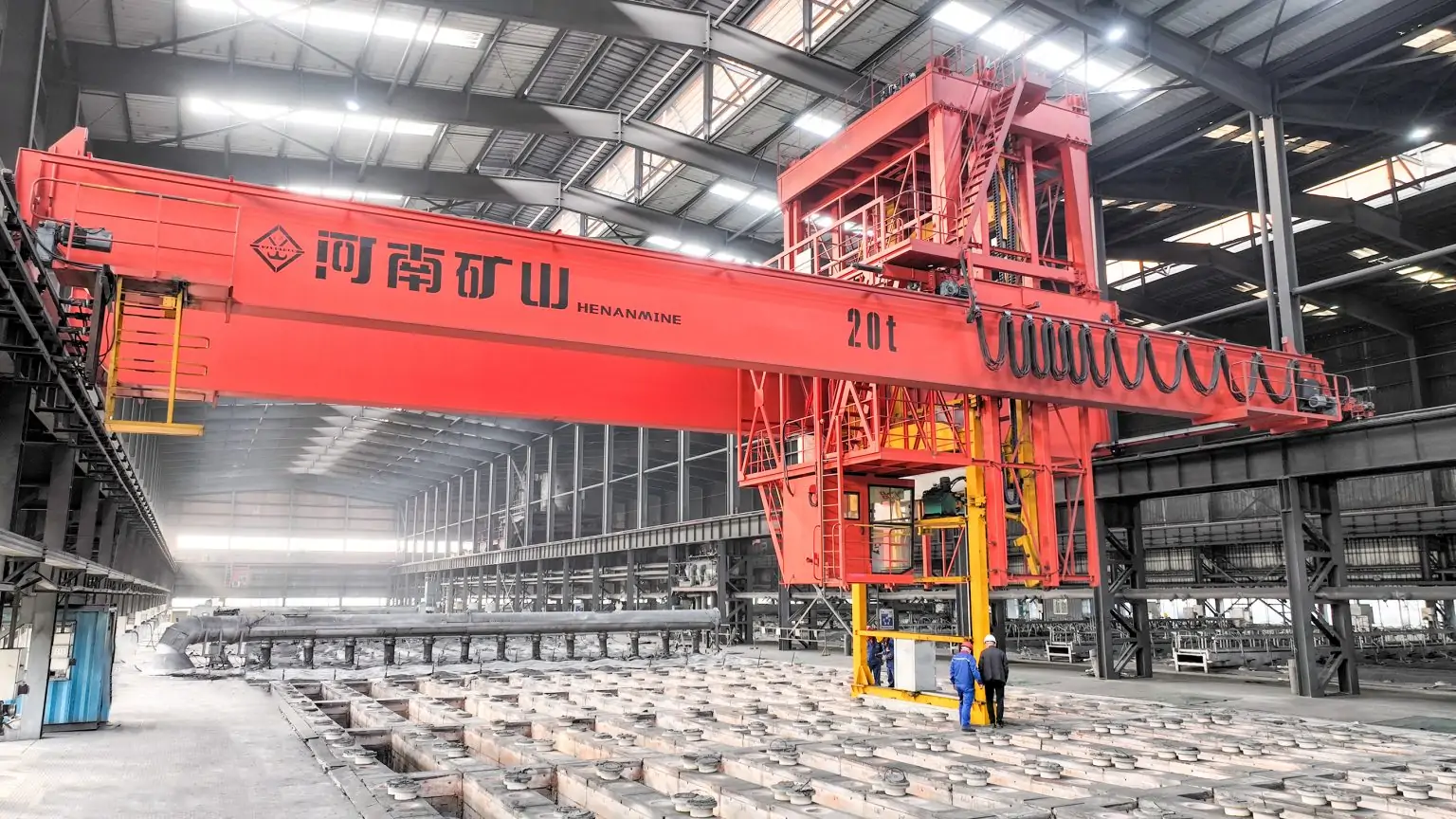
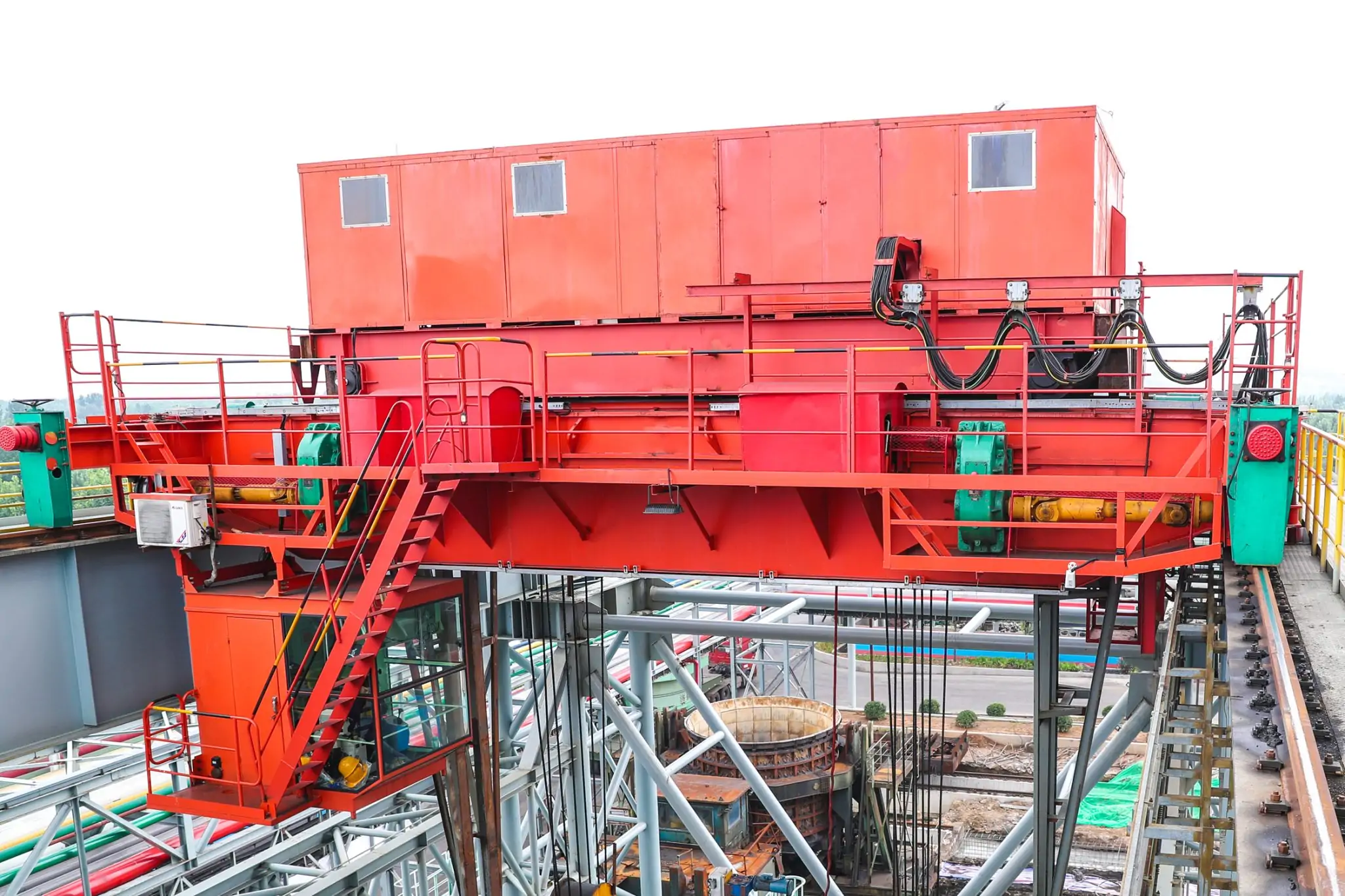
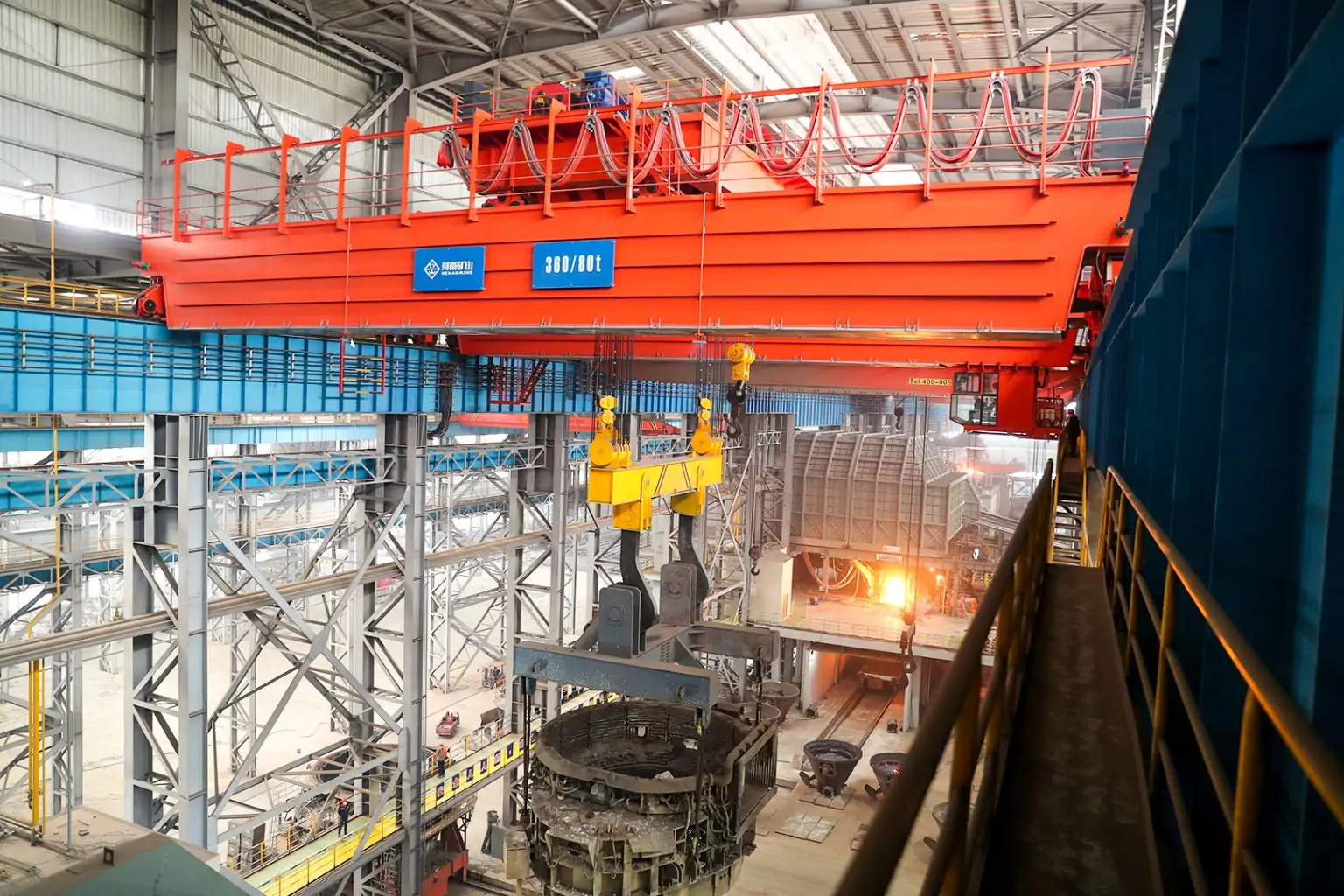
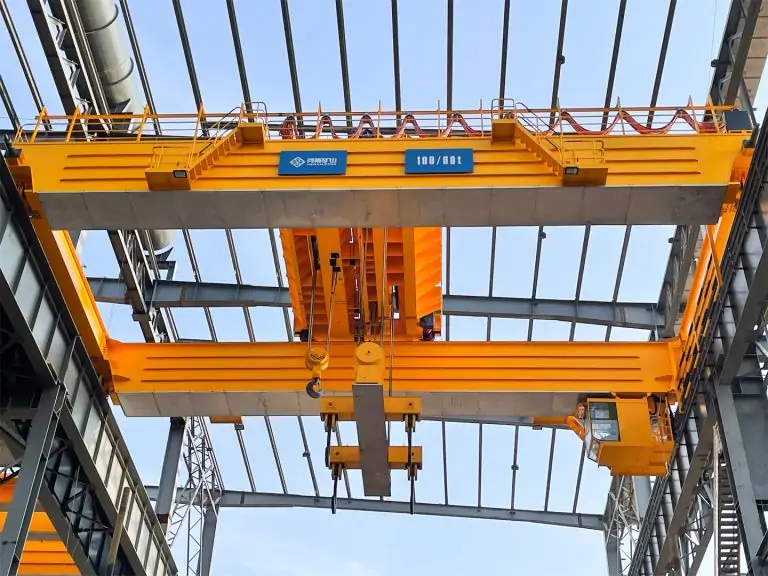
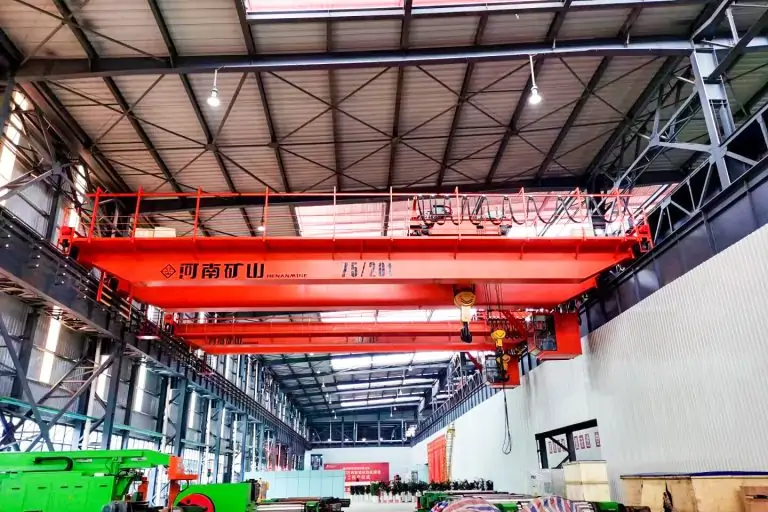
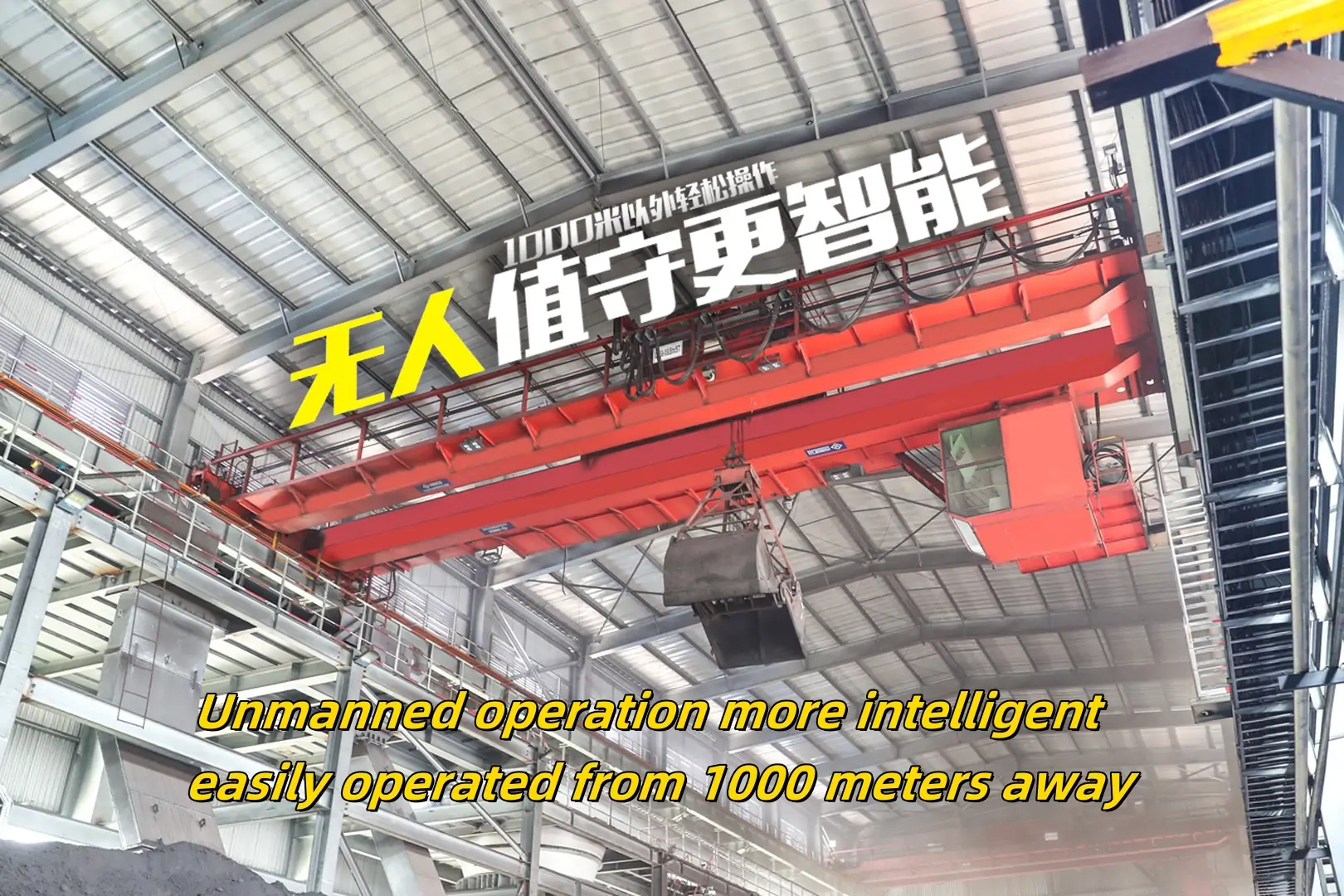
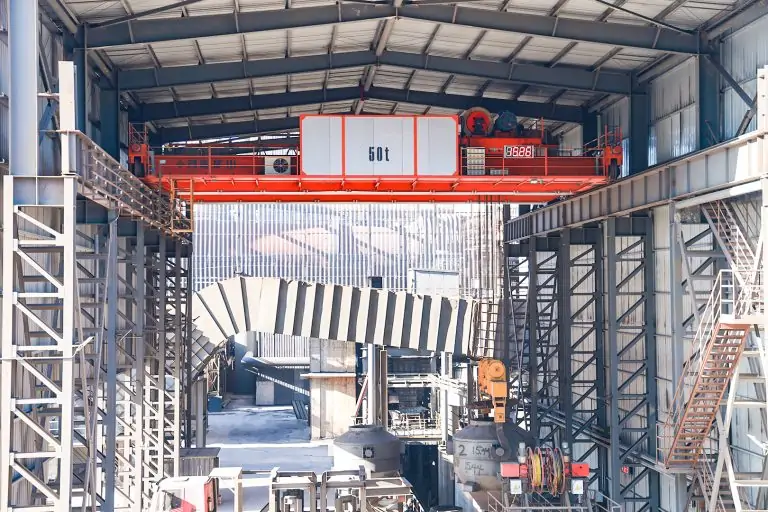
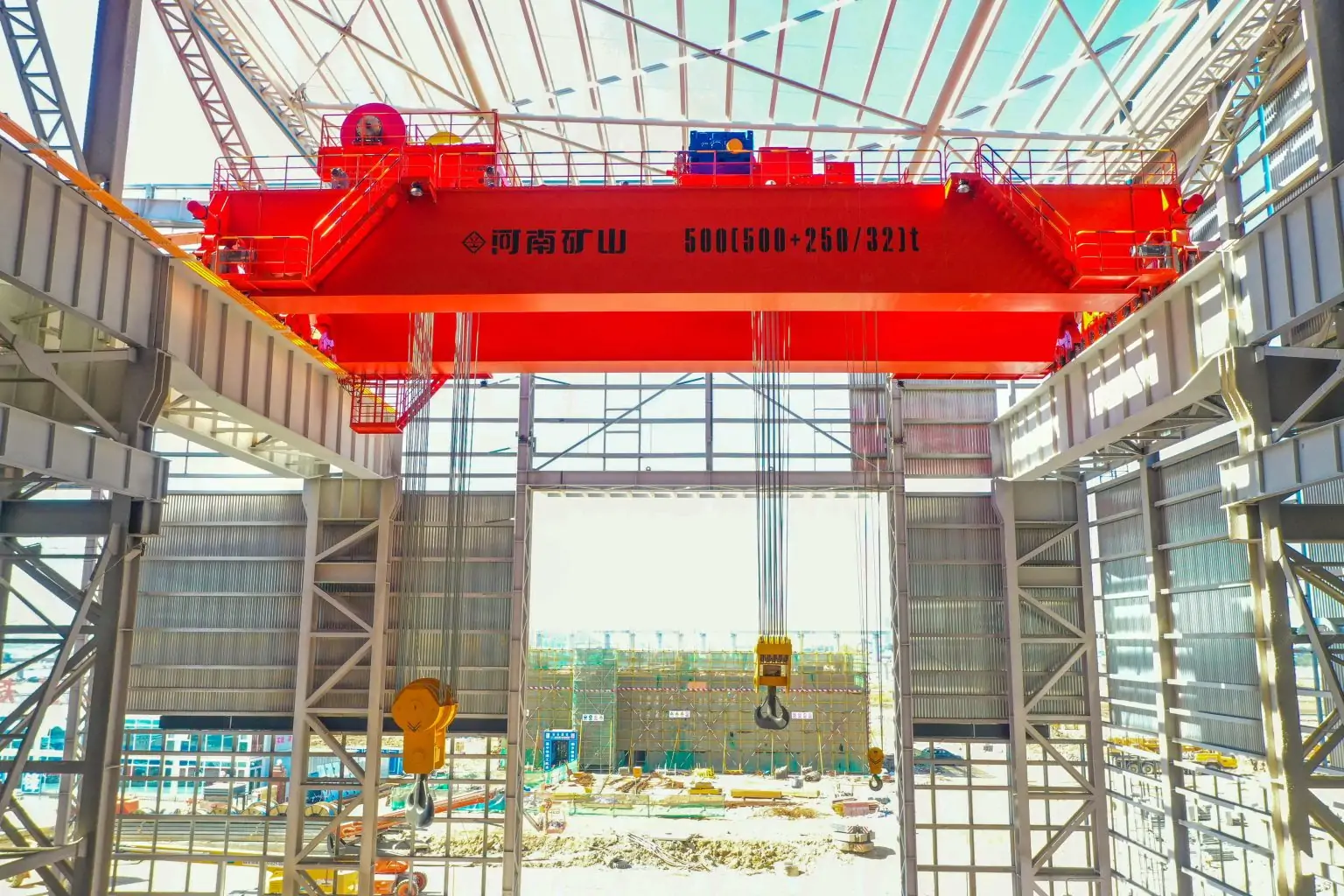
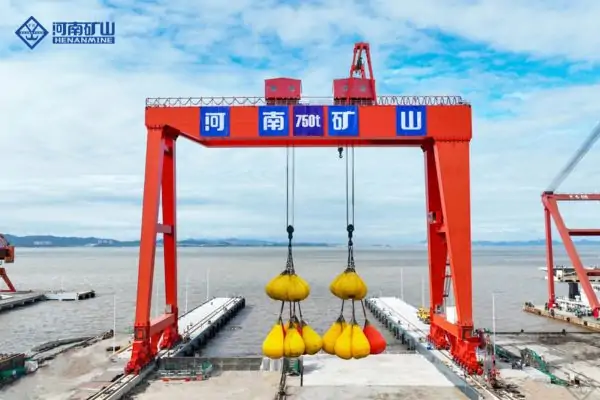
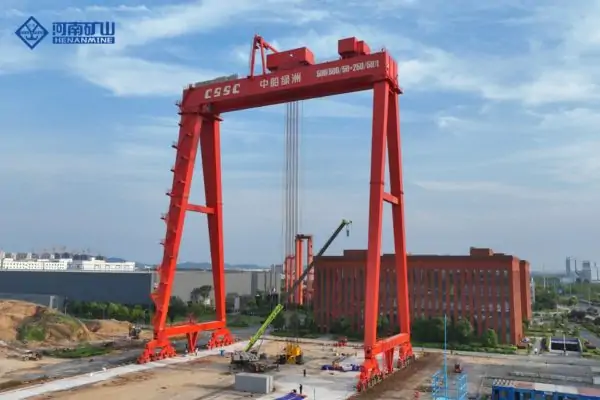
A double girder gantry crane consists of two parallel main girders, four support legs with wheels or rails at the bottom of the legs, a hoisting trolley installed between the two main girders, and the electrical equipment placed in a separate control room.
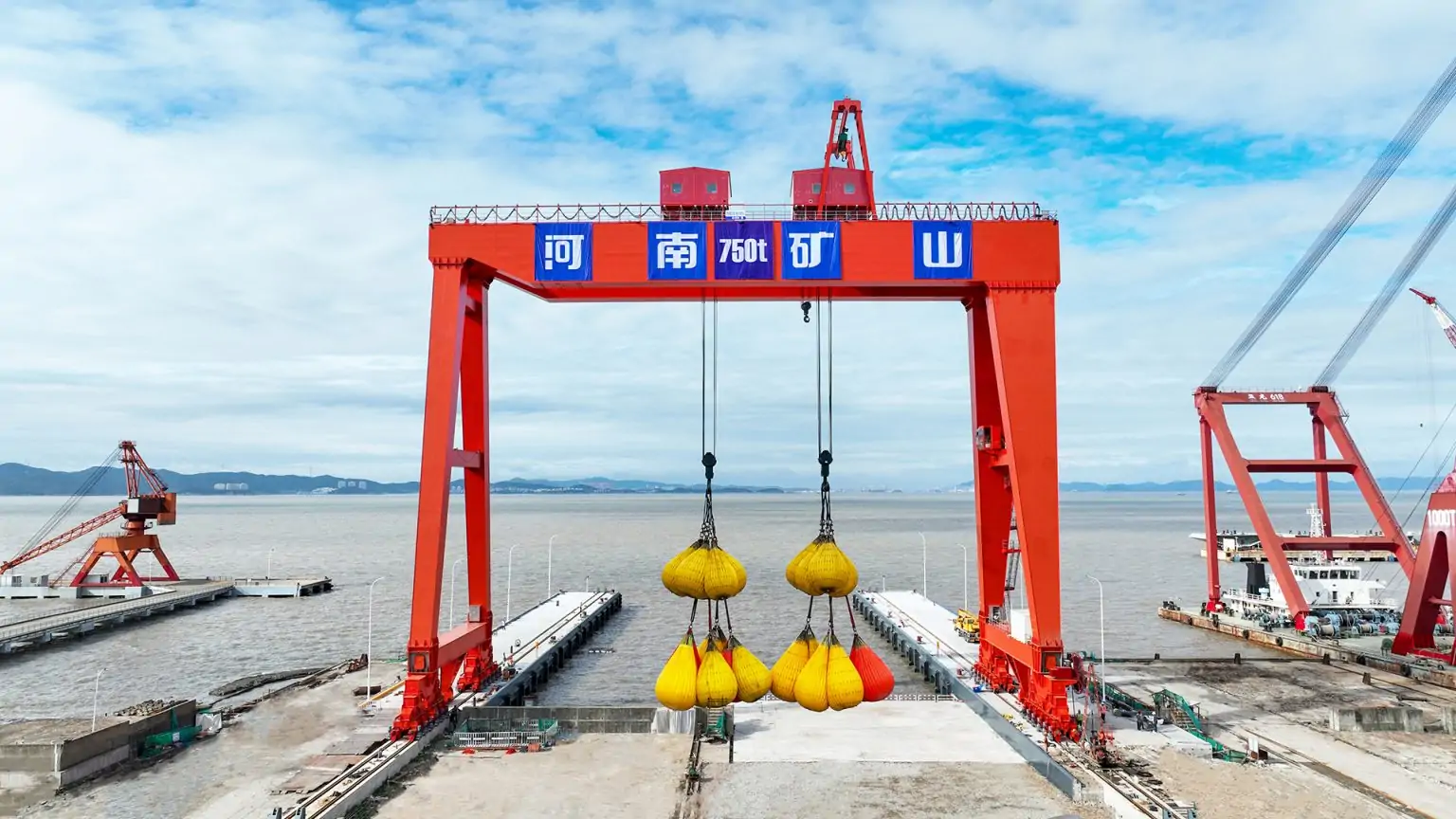
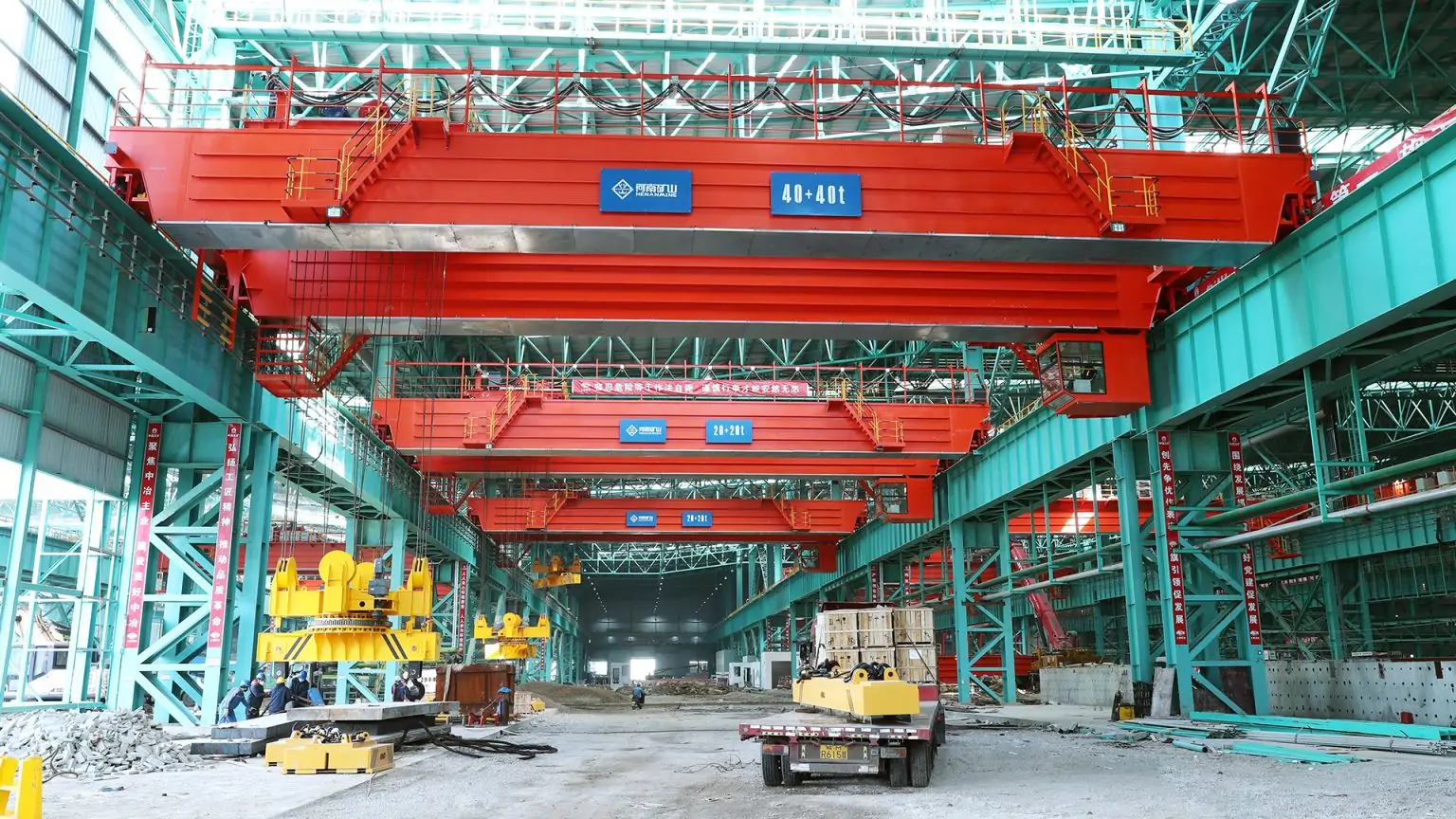
Its core positioning is for heavy-duty operations, with load capacities usually ranging from 5-150 tons or more, and spans that can easily exceed 30.48 m (100 ft), making it a core lifting equipment in the heavy industrial sector.
Advantages
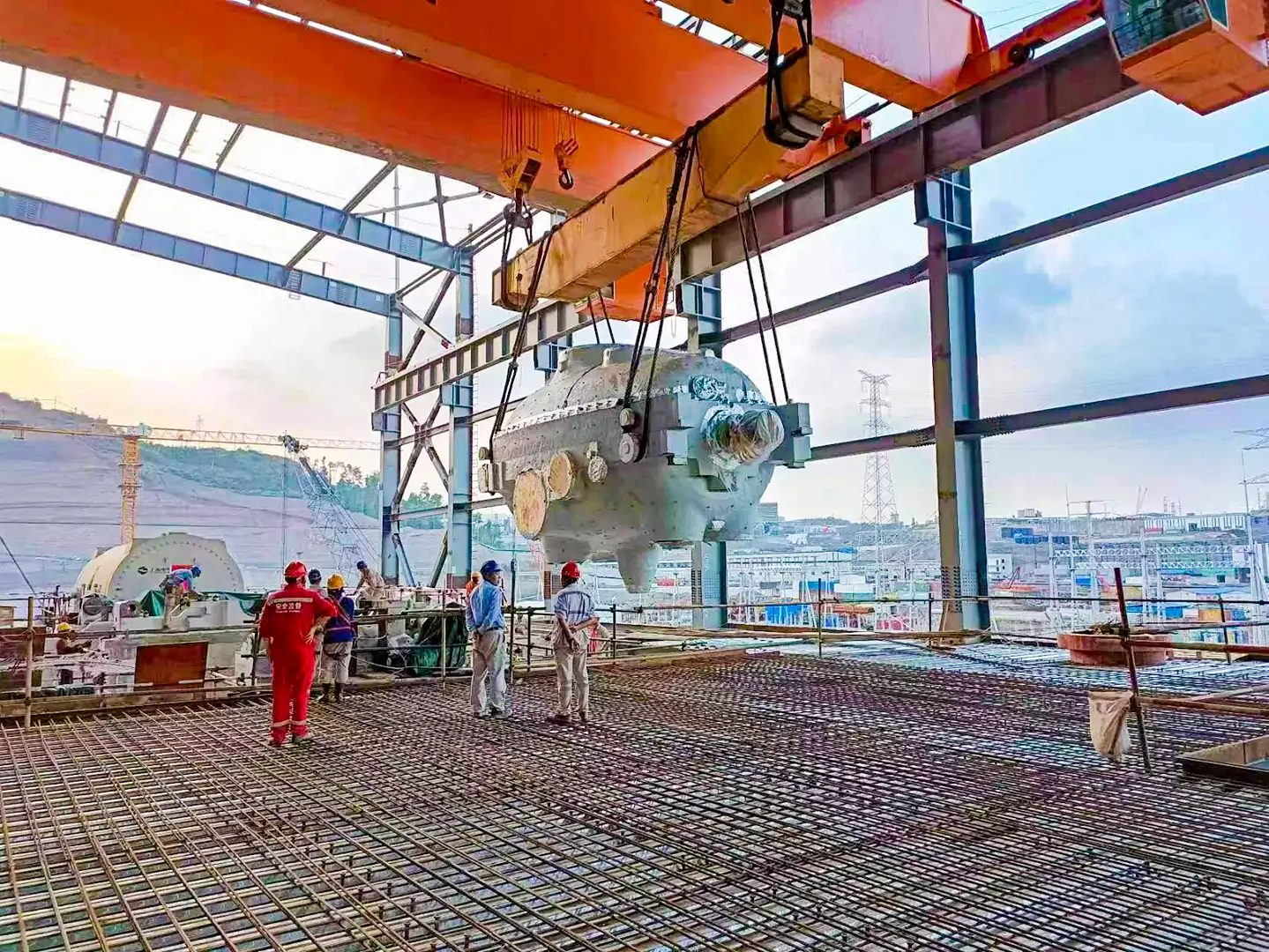
- Extremely strong load capacity: can easily bear heavy loads of 5-500 tons or more, adapted to the lifting needs of heavy industry, widely used in steel, shipbuilding, large construction and other industries (keywords: heavy gantry crane, large tonnage lifting equipment).
- Larger span and lifting height: the double main girder structure is more supportive, the span can reach more than 45.72 m (150 ft), and the lifting height can reach up to 30.48 m (100 ft), which can cover the large operation area and meet the needs of overhead lifting (keywords: large-span gantry crane, overhead lifting equipment).
- Higher safety: sturdy structure, excellent stability, not easy to shake, tipping and other problems, higher accuracy of load control during operation, and can be equipped with a variety of safety protection devices to further reduce operational risks.
- Outstanding versatility and durability: the configuration can be customized according to the heavy-duty operation requirements, suitable for a variety of heavy cargo handling; the body is made of high-strength steel, corrosion-resistant, wear-resistant, adaptable to harsh operating environments, and longer service life.
Disadvantages
- Higher cost: the double main beam structure requires more materials and more complicated manufacturing process, the initial procurement cost is much higher than the single beam model, and at the same time, the installation process requires specialized equipment and technicians, which further increases the initial investment.
- Large space requirement: The larger size of the machine body not only requires more space for installation and operation, but also has higher requirements for the height of the factory building and the ground load-bearing, which is unsuitable for the use of small sites.
- Complicated installation: Complex structure, large weight, cumbersome installation process, requiring a professional engineering team to conduct site surveys, foundation pouring and equipment assembly, which takes a long time.
- High maintenance and energy cost: more moving parts, more complex structure, the later need for regular professional overhaul and maintenance, maintenance costs are high; at the same time, the equipment operation needs to consume more electricity, long-term operation of energy costs can be considerable.
Single vs. Double Girder Gantry Cranes: Key Differences
The core differences between single girder and double girder gantry cranes are centered on the structure, performance, cost and other dimensions, clear these differences is the key to selection, the specific comparison is as follows:
Structural Design
Structural design is the most essential difference between single girder and double girder gantry cranes, which directly determines the equipment’s carrying capacity, stability and applicability of the scene, the two in the structure of the construction of the differences are significant, the specific details are as follows:
- Single girder gantry crane: using a single I-beam or box girder as the main beam, the structure is light and simple, light weight; hoisting trolley mounted on the lower flange rail of the main beam, the design is simplified, the installation of the foundation requirements are low, suitable for small and medium-sized venues and the foundation conditions of the general plant for rapid installation.
- Double Girder Gantry Crane: two parallel main girders form a solid frame through the end beams, the structure is sturdy and heavy, strong load-bearing; hoisting trolley mounted on the special track between the main girders, which can enhance the stability and disperse the load, and has very high requirements on the foundation load-bearing and stability, which is suitable for large industrial sites.
Load Capacity
Load capacity is the primary consideration in the selection of indicators, which directly determines whether the equipment can meet the actual operational requirements, single girder and double girder models of the load capacity difference is obvious, and adaptable to very different operational scenarios:
- Single girder gantry crane: load capacity of 1-20 tons (conventional 5-15 tons), is a light-medium equipment, by the single main beam restrictions can not bear heavy loads, only suitable for small and medium-sized enterprises daily goods, parts lifting, overloading is strictly prohibited.
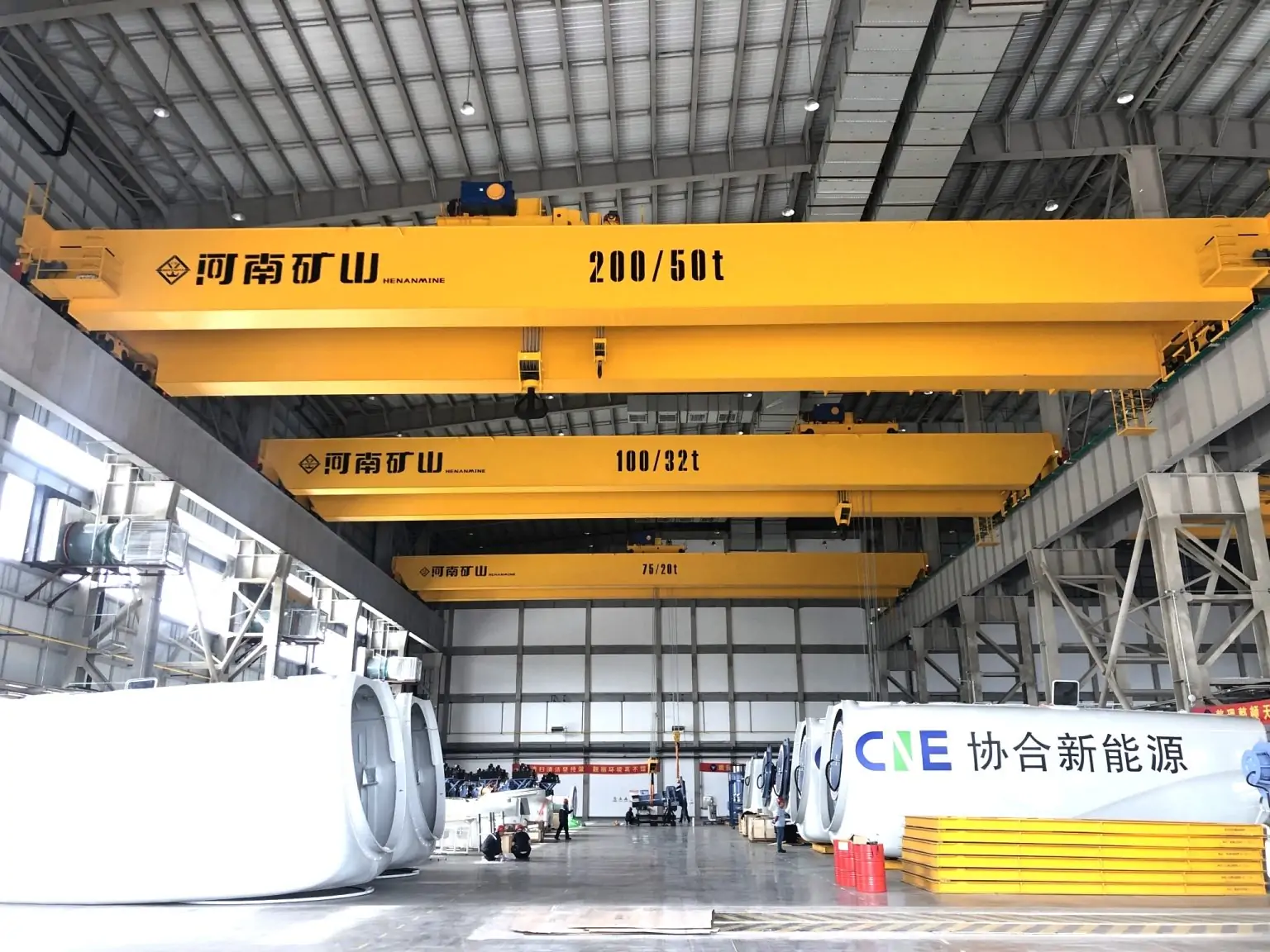
- Double girder gantry cranes: the load far exceeds the single girder, conventional 5-150 tons, customization can be more than 500 tons, is a heavy equipment; double main girder can disperse the load, enhance the stability, suitable for iron and steel, shipbuilding and other industries, heavy cargo lifting, is the core of the heavy-duty operation equipment.
Span and Lifting Height
Span (the distance between the support points at both ends of the main girder) and lifting height (the maximum height that the hook can lift) directly determine the operating range of the equipment, and both need to be selected in conjunction with the site conditions and operational requirements:
- Single girder gantry crane: limited by the single main girder load-bearing, the longest span of 30.48 meters (conventional 10-25 meters), the lifting height of 8-15 meters, the coverage is limited; the vertical occupation of space is small, the height of the plant is low, suitable for headroom is limited, small and narrow workshops, warehouses.
- Double girder gantry crane: double main girder support stability, span can be more than 45.72 meters (conventional 25-40 meters), the highest lifting height of 30.48 meters, covering a wide range; suitable for large factories, ports and other venues, can be completed with a large span, high altitude heavy cargo handling.
Design Complexity
Design complexity directly affects the manufacturing cost, installation cost and later maintenance cost of the equipment. The design difference between single girder and double girder models is large, resulting in a significant difference in the overall cost:
- Single girder gantry crane: simple structure, streamlined materials, low process difficulty, low procurement and installation costs in the early stage and short cycle; fewer moving parts in the later stage, convenient maintenance operations, cost-controllable, the overall cost-effective advantage is significant.
- Double girder gantry cranes: complex structure, sufficient materials, process and precision requirements, high procurement costs in the early stage; installation requires a professional team to operate, the cycle is longer and higher costs; later maintenance process is cumbersome, high cost, the overall early and long-term investment are at a higher level.
Lifting Mechanism
Lifting mechanism is the core working part of the gantry crane, which directly determines the lifting capacity and operational efficiency of the equipment, single girder and double girder models are equipped with significant differences in the lifting mechanism according to their own load requirements, as follows:
- Single girder gantry crane: mainly equipped with electric hoist or small wire rope hoist, the lifting mechanism is simple and compact, suitable for light and medium-sized lifting loads, easy to operate and cost-controllable, perfectly suited to the single girder model of light and medium-sized operations of the core positioning.
- Double Girder Gantry Cranes: Equipped with heavy-duty wire rope hoists, the hoisting mechanism has a sturdy structure, strong lifting capacity and stable operation, which is suitable for all kinds of heavy-duty loads, and can realize accurate and smooth hoisting of loads, effectively guaranteeing the safety of heavy-duty operations, which is in line with the core positioning of the double girder model for heavy-duty operations.
Mobility and Flexibility
Mobility and flexibility mainly depend on the weight, volume and structural design of the equipment, which directly affects the adaptability and operational flexibility of the equipment in different sites, the differences between single girder and double girder models are as follows:
- Single girder gantry crane: light body, compact size, excellent maneuverability, flexible mobile operation, adaptable to the narrow operating space, and easy to frequently adjust the lifting point position, enhance operational flexibility and efficiency.
- Double girder gantry crane: bulky body, large volume, weak mobility, usually semi-fixed installation, more suitable for large, fixed work area of long-term lifting tasks, not suitable for frequent mobile adjustment.
Control Mode
The control mode directly affects the ease of operation, precision and safety of the equipment, and needs to be selected in conjunction with the operational scenarios and operational requirements, and the difference between the control mode of single girder and double girder models is obvious:
- Single girder gantry crane: mainly using handheld button box or wireless remote control, easy to operate, low threshold, no need for professional licensed personnel, suitable for small and simple lifting scenarios, and the control device cost is low, easy to maintain, can effectively reduce the operating costs of enterprises.
- Double girder gantry crane: mostly adopts cab operation mode, equipped with advanced control system, high operation precision, strong safety, the operator needs to hold a professional certificate, suitable for shipyards, iron and steel mills, and other heavy-duty, high-precision lifting operation scenes.
Safety Protection
Safety protection is the core guarantee of gantry crane operation. According to the load capacity and operation risk of the equipment, there is a big difference between the safety protection configuration of single girder and double girder models:
- Single girder gantry crane: equipped with limit switches, braking devices and other basic safety protection, the core relies on the operator’s standardized operation (to avoid overloading, overspeed), without the need for complex protection systems, to meet the safety needs of small and medium-sized light-load operations.
- Double girder gantry crane: equipped with perfect safety protection, in addition to the basic devices, also includes overload sensors, anti-collision system, etc., can avoid the risk of heavy-duty operations in all aspects, suitable for high-risk heavy-duty operation scenarios.
Application Scenarios for Single and Double Girder Cranes
The core of the selection is “matching scene”, single girder and double girder gantry crane application scenarios are significantly different, combined with their own operational needs can quickly lock the model:
Single Girder Gantry Crane
- Small and medium-sized manufacturing workshops, machining factories and small warehouses, can be used for light goods, various types of parts handling and lifting operations, to match the light load daily operational needs.
- Light assembly lines, equipment maintenance workshops, suitable for equipment overhaul, parts assembly, small mold handling, as well as motor disassembly, HVAC equipment installation and other types of daily maintenance operations.
- It is suitable for sites with limited headroom and small operating areas, and also for small and medium-sized enterprises with tight budgets and no excessive requirements for equipment loading capacity.
Double Girder Gantry Cranes
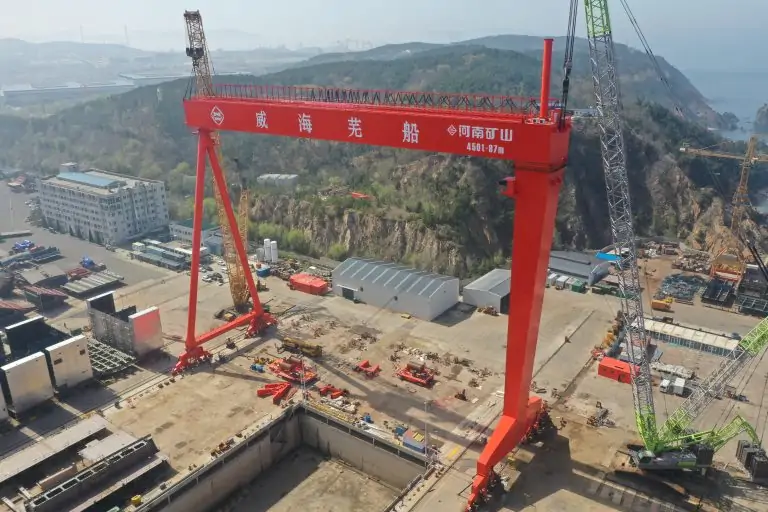
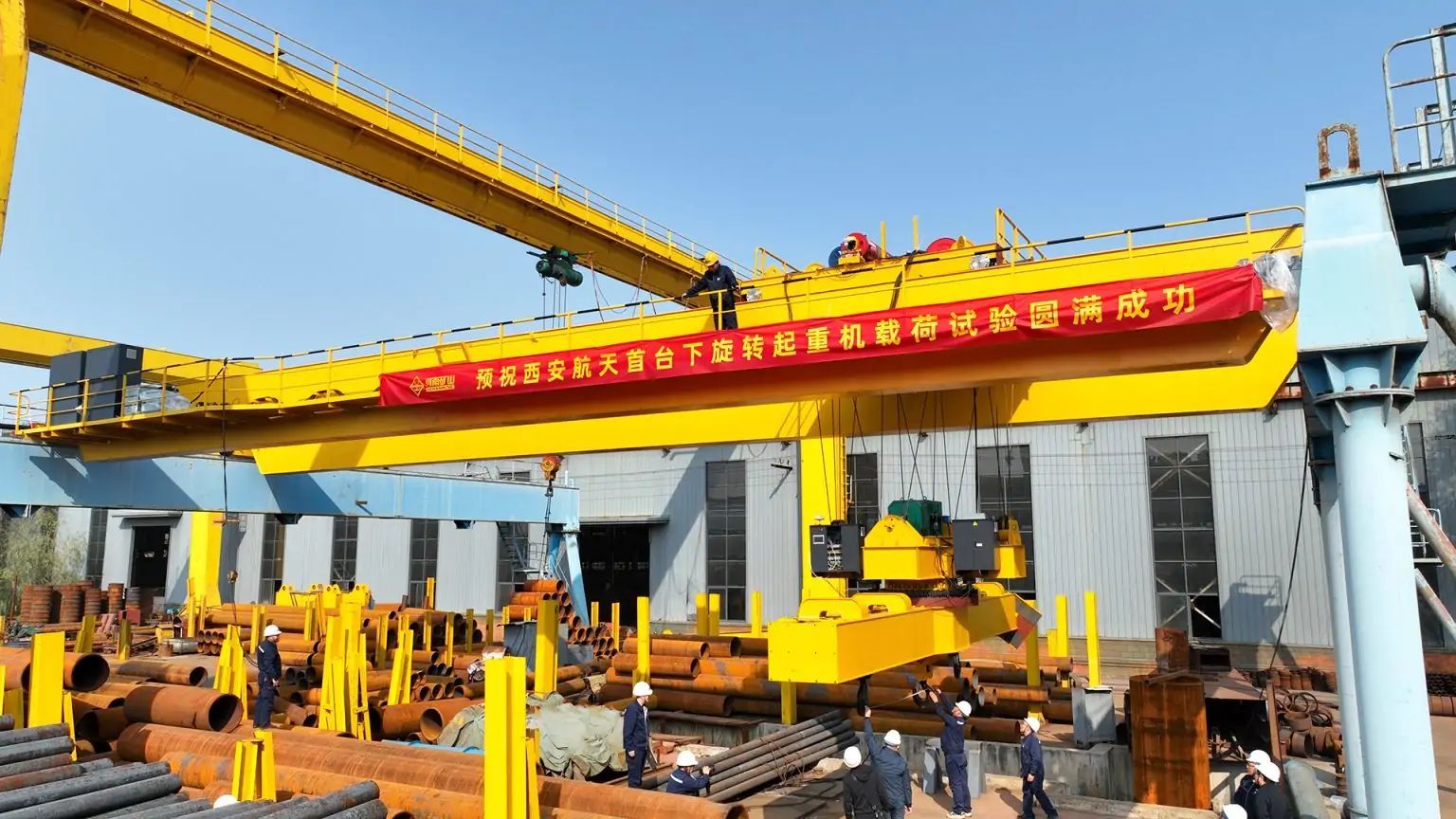
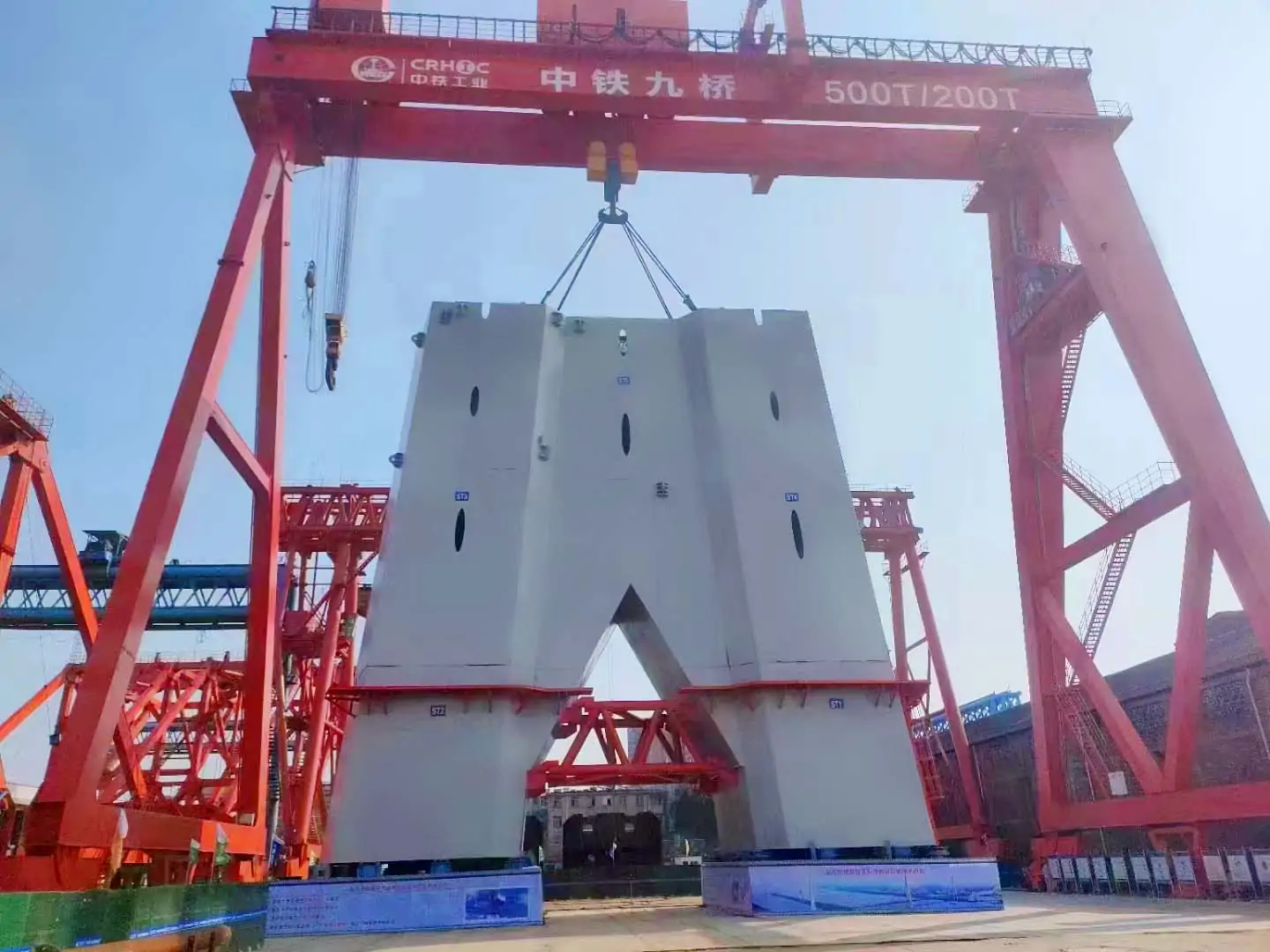
- Iron and steel plants, shipyards, large construction sites, mainly used for heavy steel, ship components, large construction materials lifting operations (keywords: shipyard gantry cranes, lifting equipment for iron and steel mills), to meet the core lifting needs of heavy industry.
- Heavy machinery manufacturing plants, large processing and assembly workshops, for large machine tools, heavy molds, large components of the handling and assembly, to meet the needs of heavy equipment production and installation.
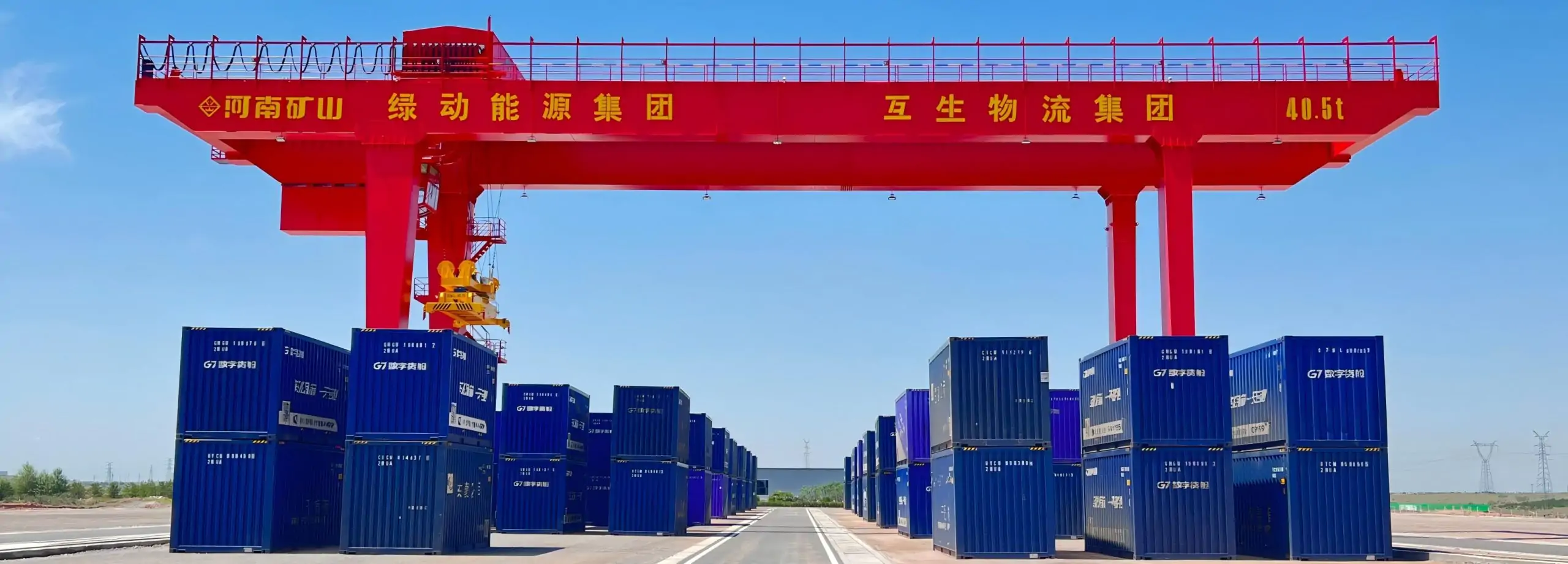
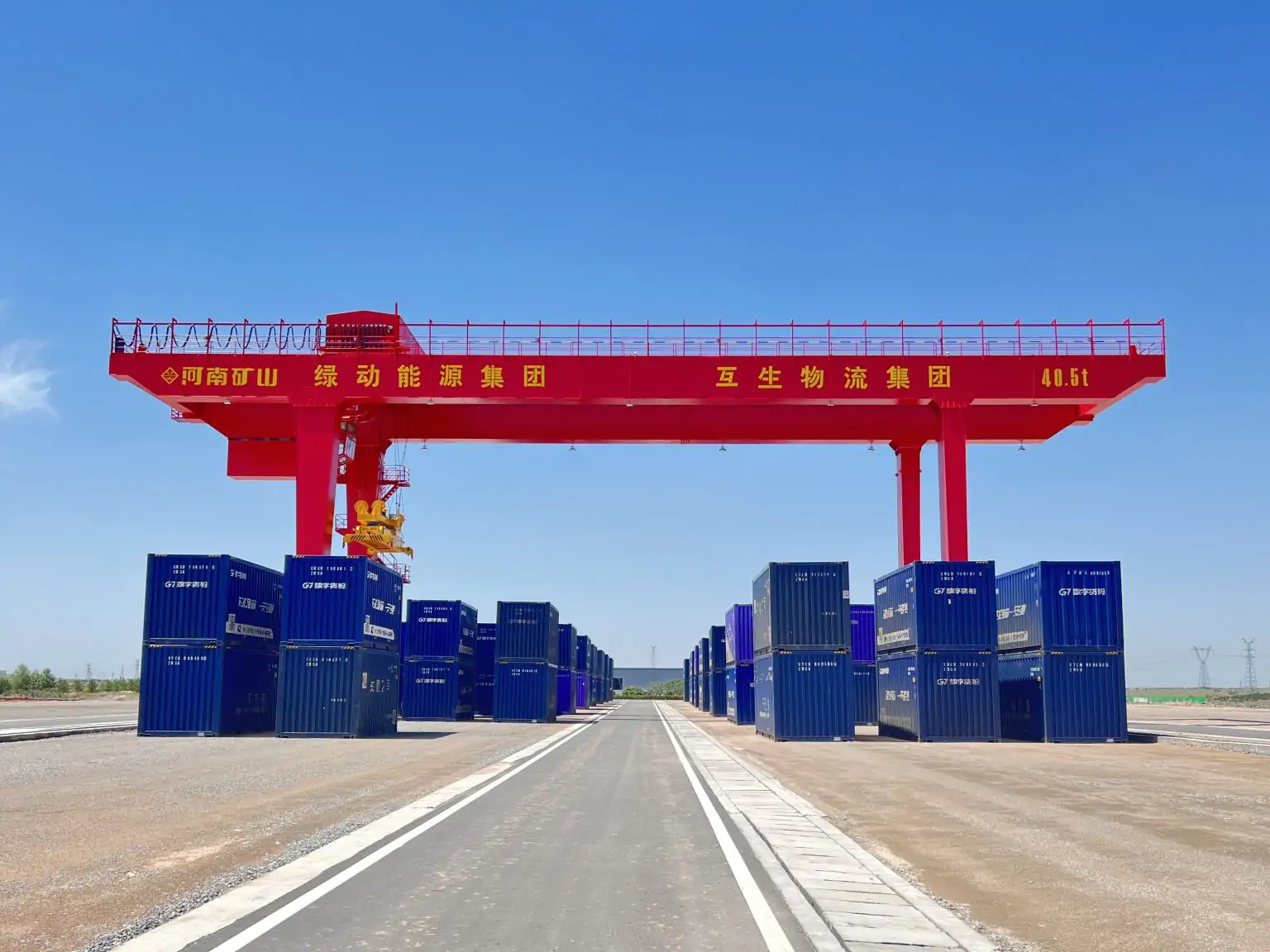
- Large warehouses, port terminals and open-air workplaces, suitable for lifting and handling of large cargoes and containers, and can carry out long-term heavy-duty operations in harsh environments to ensure operational efficiency and stability.
Cost Comparison
When selecting the type, can not only look at the preliminary procurement costs, need to consider the long-term operating costs, in order to make the most cost-effective decision, the specific cost comparison is as follows:
Upfront Cost
- Single girder gantry crane: low procurement costs, usually 50% -70% of the double girder model; simple installation process, without complex foundation pouring and large equipment to assist, installation costs are low, and the overall upfront investment can be controlled.
- Double girder gantry crane: high procurement costs, due to differences in materials and manufacturing process, the price is much higher than single girder models; complex installation process, the need for professional foundation survey, pouring, and large-scale equipment lifting, installation costs are higher, the initial investment is larger.
Long-term Cost
- Single girder gantry crane: simple structure, few moving parts, low maintenance frequency and low maintenance cost in the later stage; low energy consumption of the equipment, controllable cost of electricity for long-term operation, suitable for long-term light load operation.
- Double girder gantry crane: complex structure, many moving parts, need to regularly carry out professional overhaul and maintenance, maintenance costs are higher; equipment energy consumption is higher, long-term operation of the electricity cost is higher, and at the same time need to be equipped with professional operators, the cost of labor will also increase.
Cost-benefit Analysis
- Single girder gantry crane: outstanding cost-effectiveness, low initial investment, low long-term operating costs, suitable for small and medium-sized enterprises with limited budgets, light operating loads and low operating frequency, which can meet the basic lifting needs at a lower cost.
- Double girder gantry crane: large investment in the early stage, but strong load capacity, good stability, long service life, suitable for the need for long-term heavy-duty operations, high requirements for operational efficiency and safety of the enterprise, in the long term, its performance advantages can offset the high investment in the early stage, bringing higher operational efficiency.
Factors to Consider When Choosing Between Single and Double Girder Gantry Cranes
Combined with their own operational needs, site conditions and budget, follow the following five core factors, you can quickly make the right choice:
Load Capacity Requirements
First of all, the maximum load capacity for daily operation should be clearly defined, and at the same time, 20%-30% of buffer space should be reserved to cope with the dynamic load in the lifting process and the future operational needs; usually, the load of 20 tons or less is preferred to single girder models, and 20 tons or more is preferred to double girder models.
Operating Environment and Space
If it is indoor operation, small space or limited headroom, single girder model is preferred; if it is outdoor operation, open space, and needs to meet the demand of large span or high altitude lifting, double girder model is preferred. At the same time, it is important to consider the ground bearing capacity, double girder models due to their own weight and load demand, the ground bearing requirements are higher.
Budget and Cost Effectiveness
If the enterprise has a tight budget and only needs short-term operation or daily light-load operation, choosing single girder model is more economical; if the budget is sufficient and needs long-term heavy-duty operation, choosing double girder model is more cost-effective in the long term, which can effectively avoid the operation inefficiency or safety hazards due to the lack of equipment performance in the later stage.
Long-term Expansion Plan
If the enterprise has plans to increase the work load and expand the scale of operation in the next few years, it is recommended to choose double girder model, which can effectively avoid the additional purchase cost and downtime loss caused by the replacement of equipment in the later stage, and ensure the continuity of production.
Working Level
It is necessary to combine the frequency of operation and load intensity to choose the appropriate level of work: single girder models are suitable for light and medium operations of class A-D, which have a low frequency and light load; double girder models are suitable for heavy operations of class E-F, which have a high frequency and high load intensity.
When to Choose a Single Girder Gantry Crane
If one of the following scenarios is met, single girder gantry cranes are preferred to minimize cost and improve operational efficiency:
- The daily operating load is in the range of 1-20 tons, and most of the operating load is concentrated in the range of 5-15 tons, with no demand for heavy lifting tasks.
- The operating span is controlled within 18-20 meters (60-65 feet), the lifting height is not too high, and the operating site is narrow or headroom is limited.
- The frequency of operation is low and belongs to A-D light and medium operations, such as daily parts handling and equipment maintenance in small workshops.
- When the site conditions are limited, you can choose top row type (load limit 20 tons) or bottom row type (load limit 10 tons) single girder models to effectively save working space.
Key tip: When selecting the model, be sure to reserve 20%-30% of the load buffer space, to avoid the risk of overloading the equipment and early retirement due to the dynamic load or future increase in operational demand.
When to Choose a Double Girder Gantry Crane
If one of the following scenarios is met, double girder gantry cranes are preferred to ensure operational safety and efficiency:
- Daily operating loads need to reach 20 tons and above, and even need to lift heavy goods of more than 500 tons, such as heavy steel, ship components, large sets of equipment and other heavy materials.
- The operating span is more than 20 meters (65 feet), the lifting height is more than 15 meters (50 feet), and it needs to cover a large operating area or have the need for overhead lifting.
- Heavy duty operations with high frequency and high load intensity, such as continuous heavy lifting operations in shipyards and steel mills.
Key Considerations: When selecting cranes, it is necessary to combine factors such as crane operating speed, work cycle efficiency, maintenance resource allocation, etc., and at the same time ensure that the equipment is equipped with overload protection, collision avoidance system and other perfect safety protection devices, to protect the safety of heavy-duty operations in all aspects.
Common Mistakes to Avoid When Selecting
Many companies in the selection of the following misunderstandings, resulting in waste of equipment, increased costs or safety hazards, need to focus on avoidance:
- Underestimation of load capacity: Considering only static loads and ignoring dynamic loads (e.g. shaking and inertia during lifting) and spreader weights, resulting in long-term overloading of equipment, accelerating wear and tear of parts, and even causing safety accidents.
- Mismatch between work level and operational requirements: Use light and medium work level single girder models for heavy and high frequency operations, resulting in early aging and frequent failures of the equipment, increasing maintenance costs and downtime losses.
- Ignoring space and site conditions: blindly choosing double girder models and ignoring the problems of small sites and insufficient headroom, resulting in equipment that cannot be properly installed and operated; or choosing single girder models that cannot meet the needs of large-span and high-altitude lifting.
- Focusing only on upfront costs: choosing single girder models with insufficient load or span to save upfront investment, and then needing to purchase additional equipment or upgrading and remodeling at a later stage due to the inability to meet the operational needs, which in turn increases the overall cost.
Conclusion
Single girder and double girder gantry cranes have no absolute advantages and disadvantages, the core lies in matching their own needs: single girder cost-effective, flexible and convenient, suitable for small and medium-sized enterprises with light and medium lifting; double girder with strong loads and good stability, suitable for heavy industry long-term operations, long-term cost-effective and outstanding.
When selecting a model, you need to consider the load capacity, operating space, budget, long-term expansion plans and work level, to avoid common misconceptions, in order to choose the most suitable model for you.