

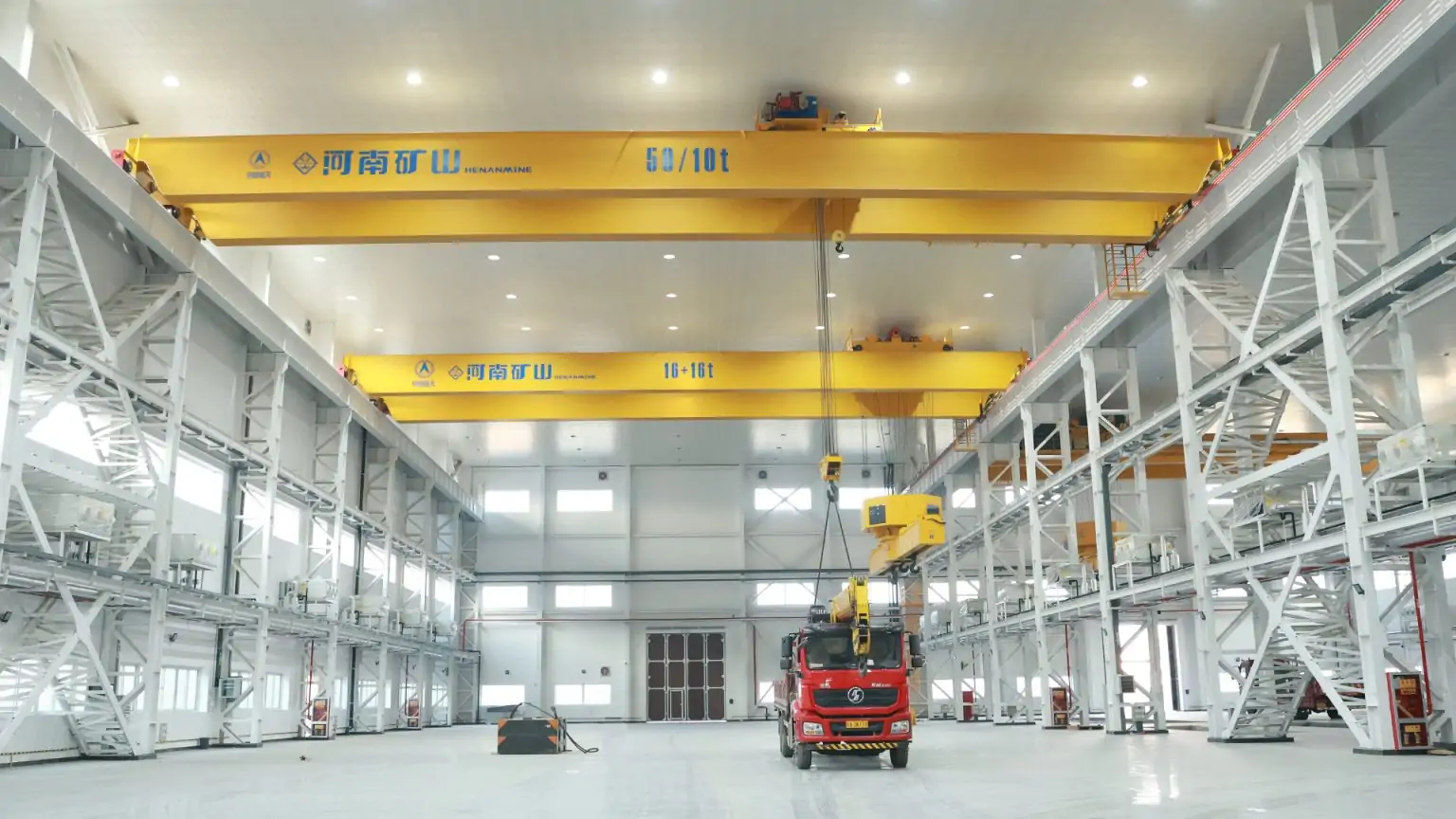
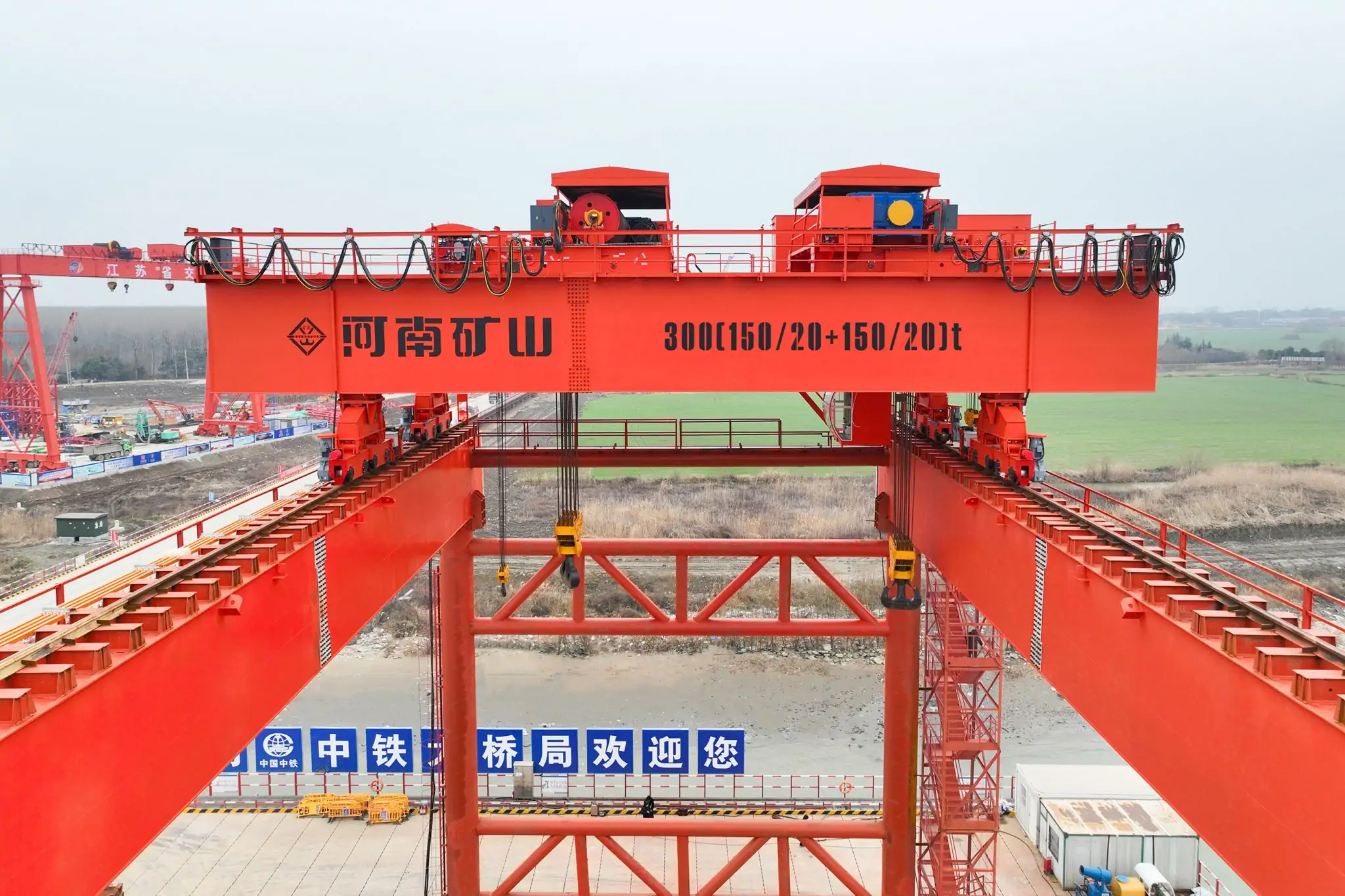
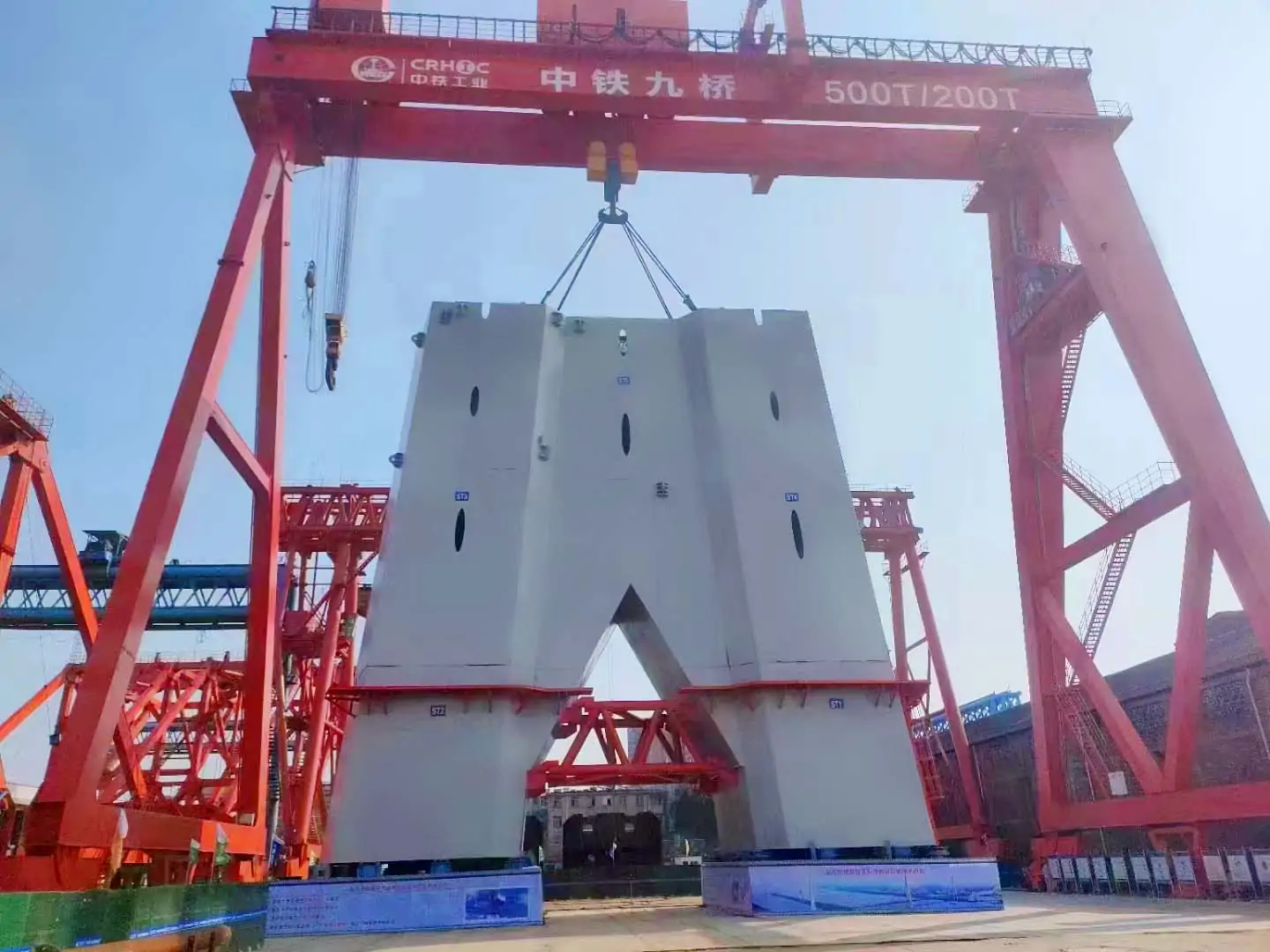
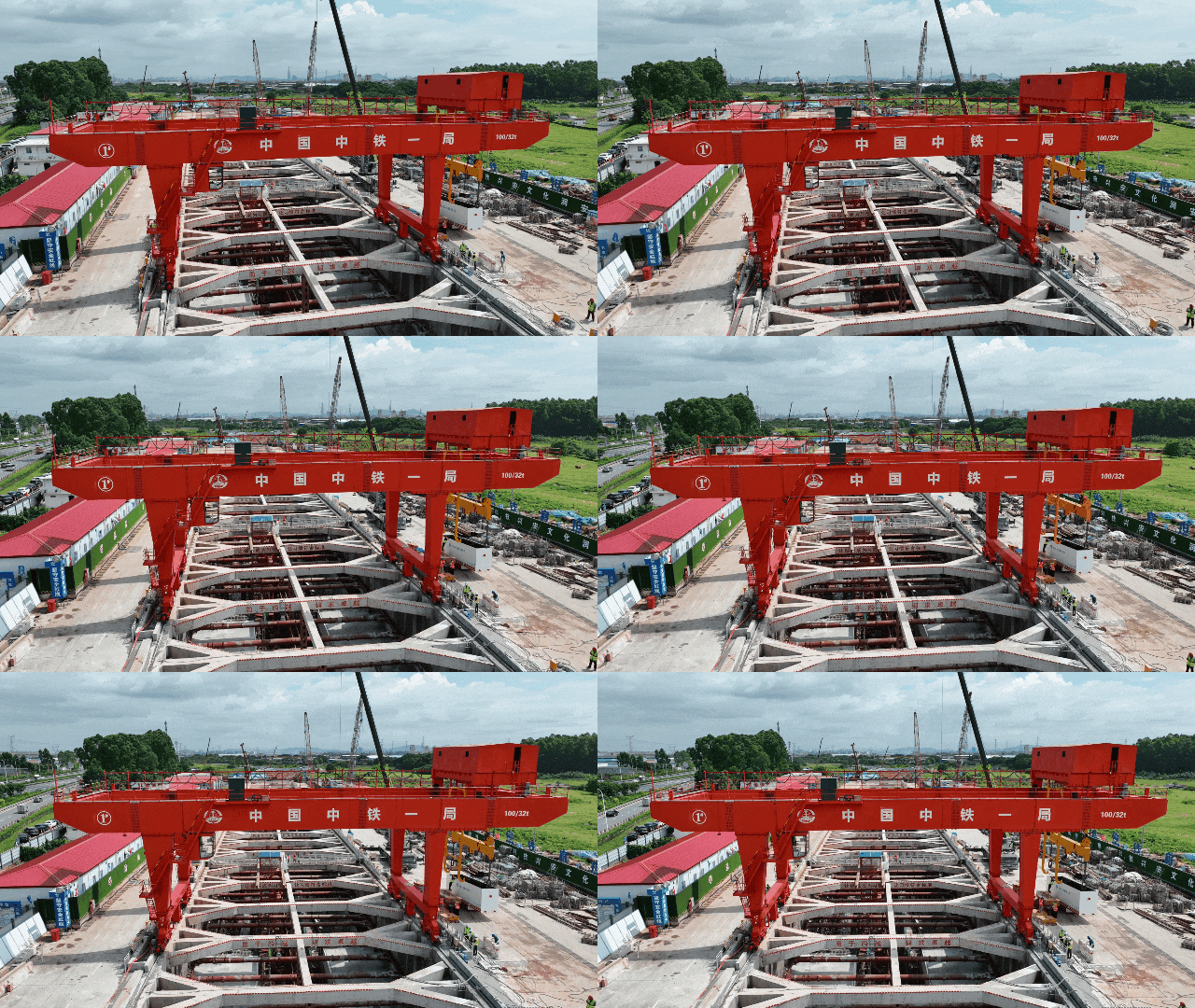
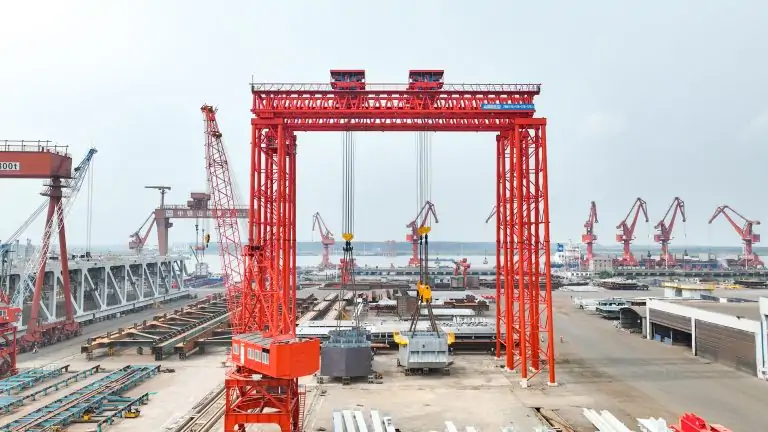
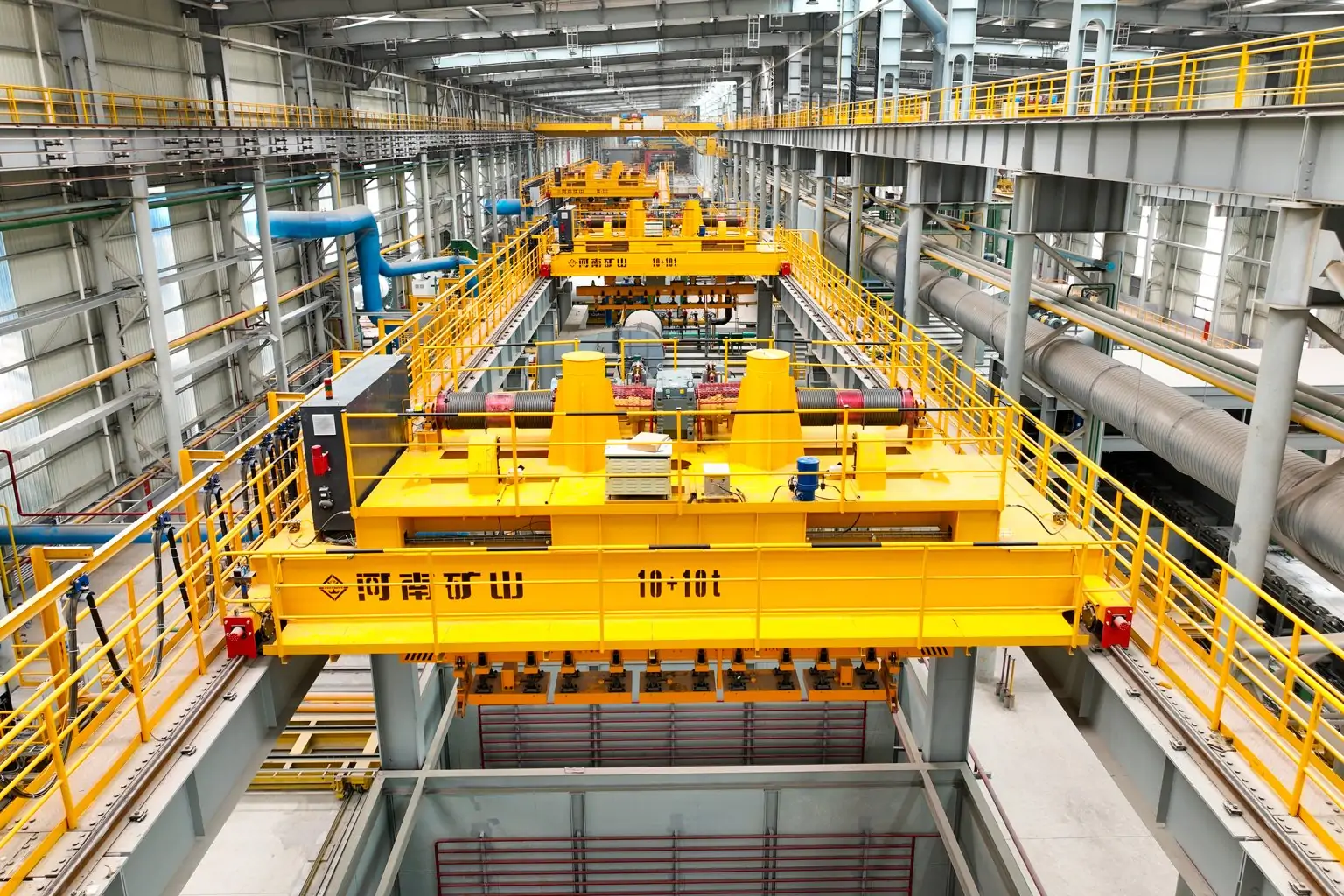
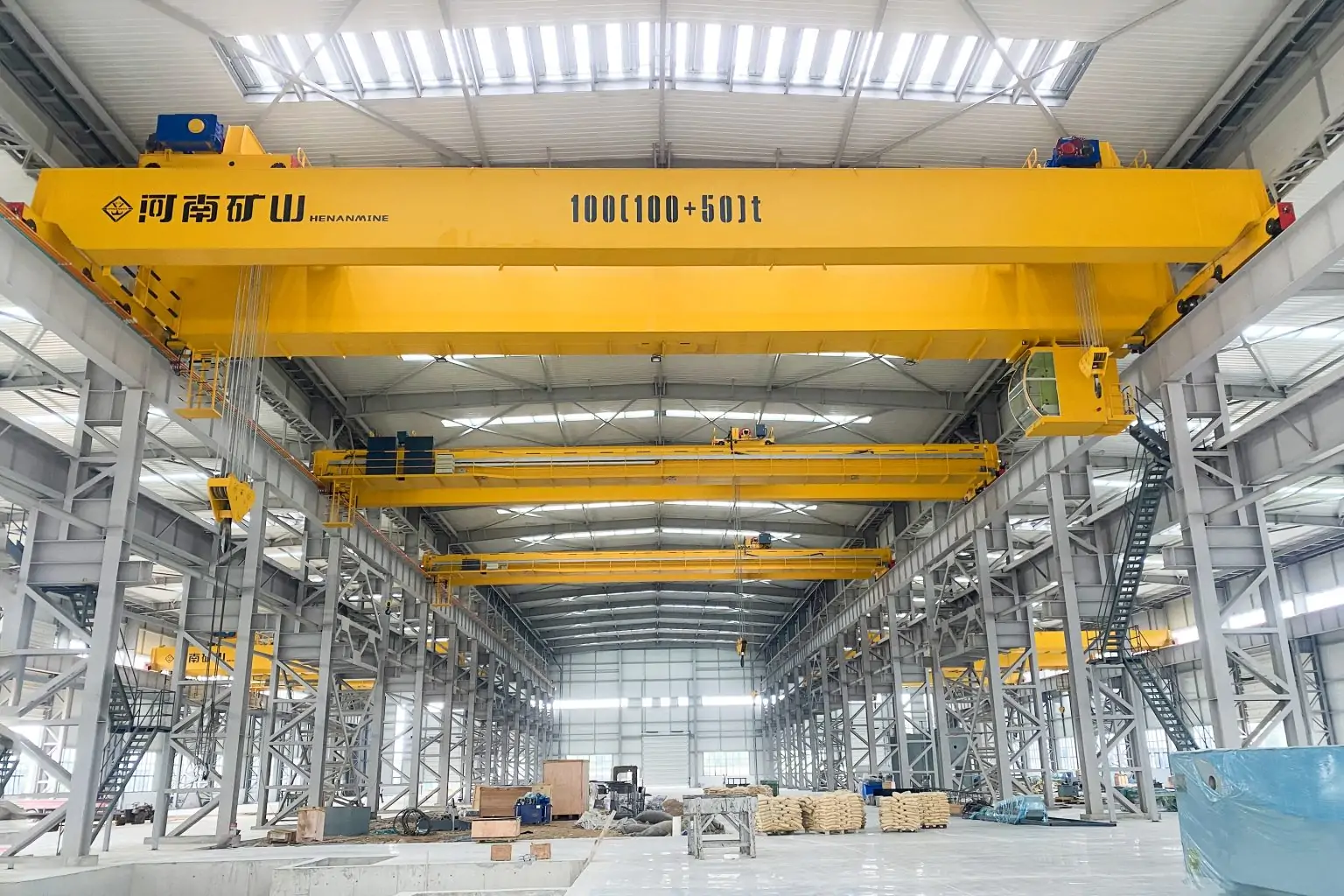
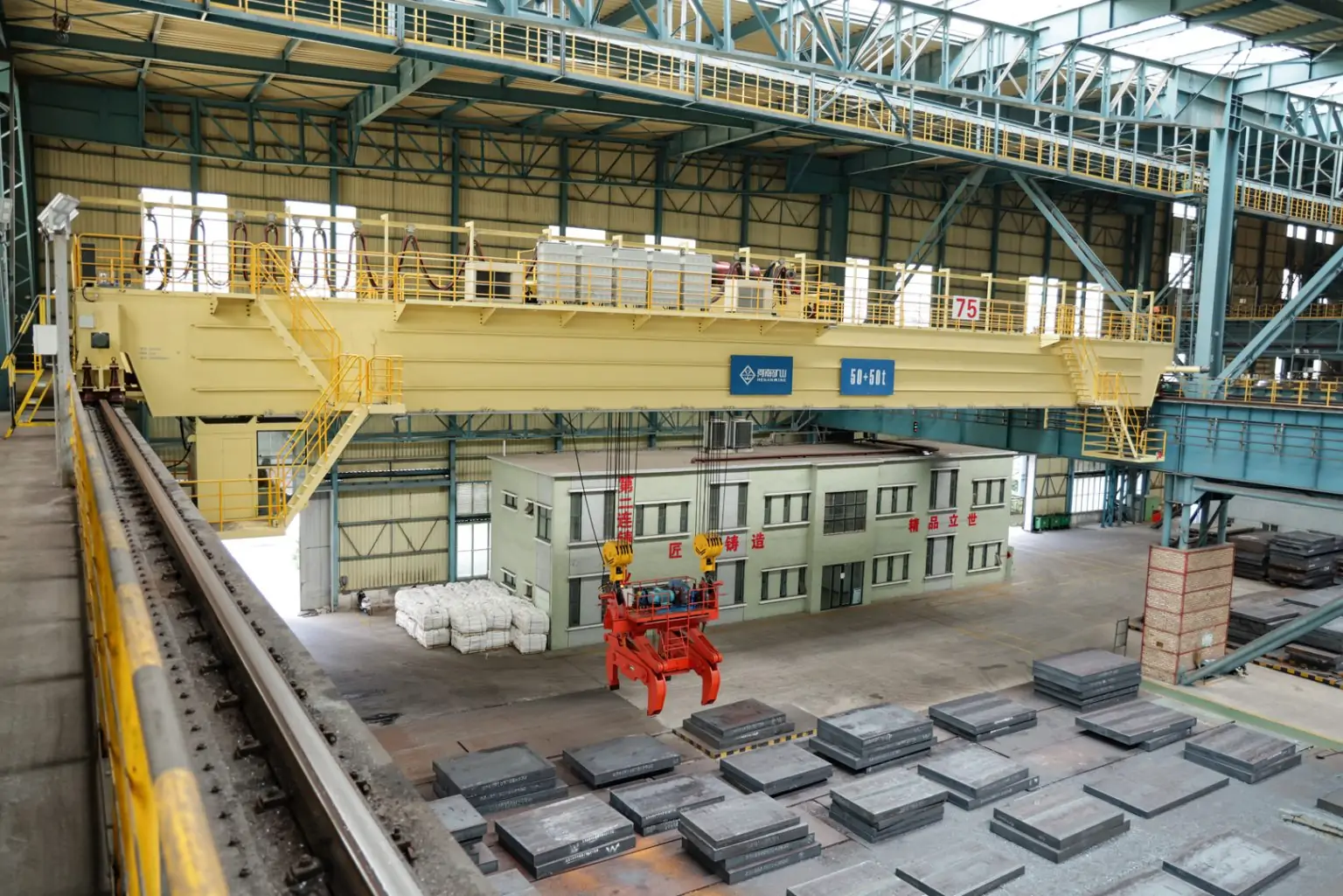
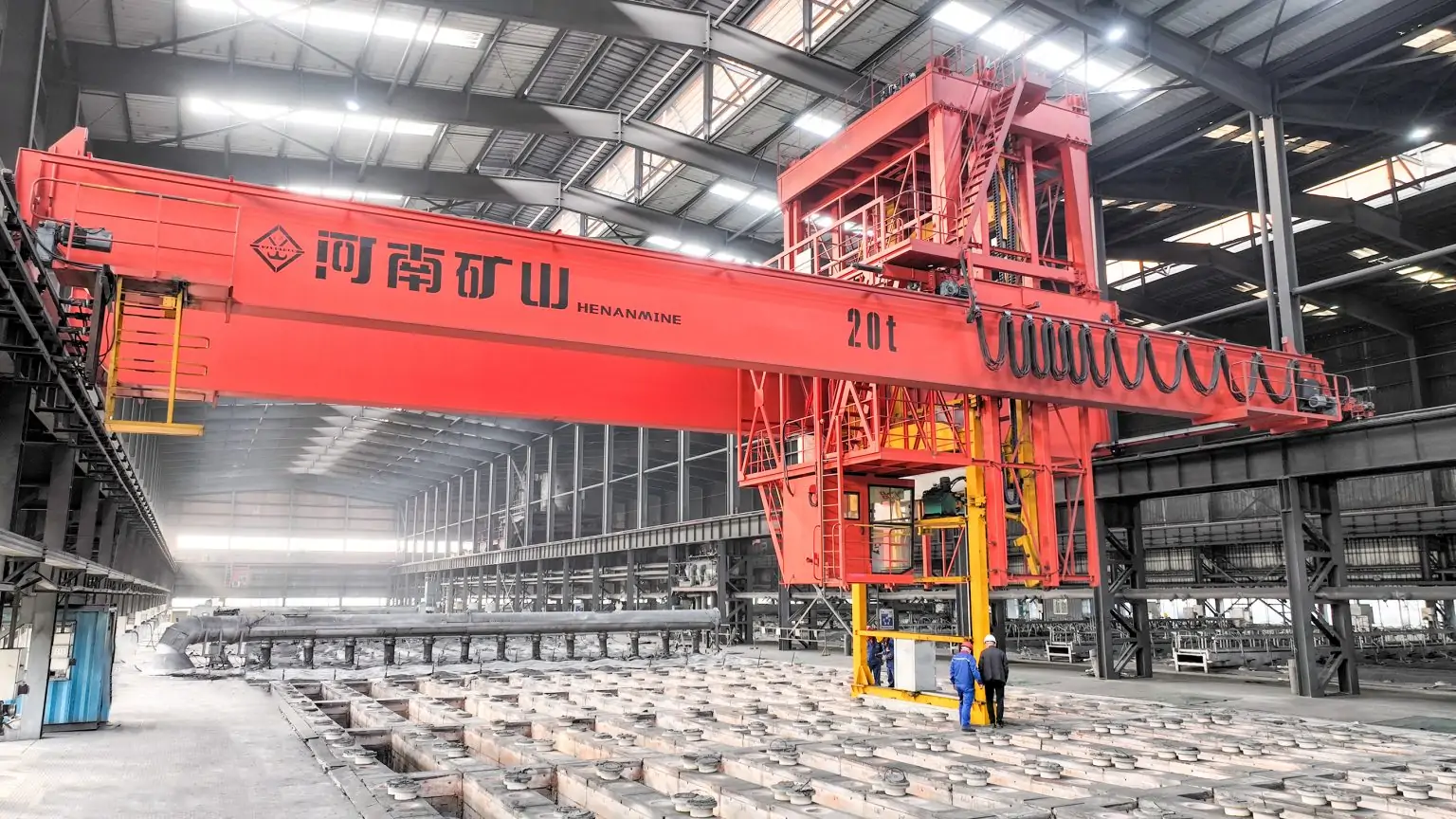
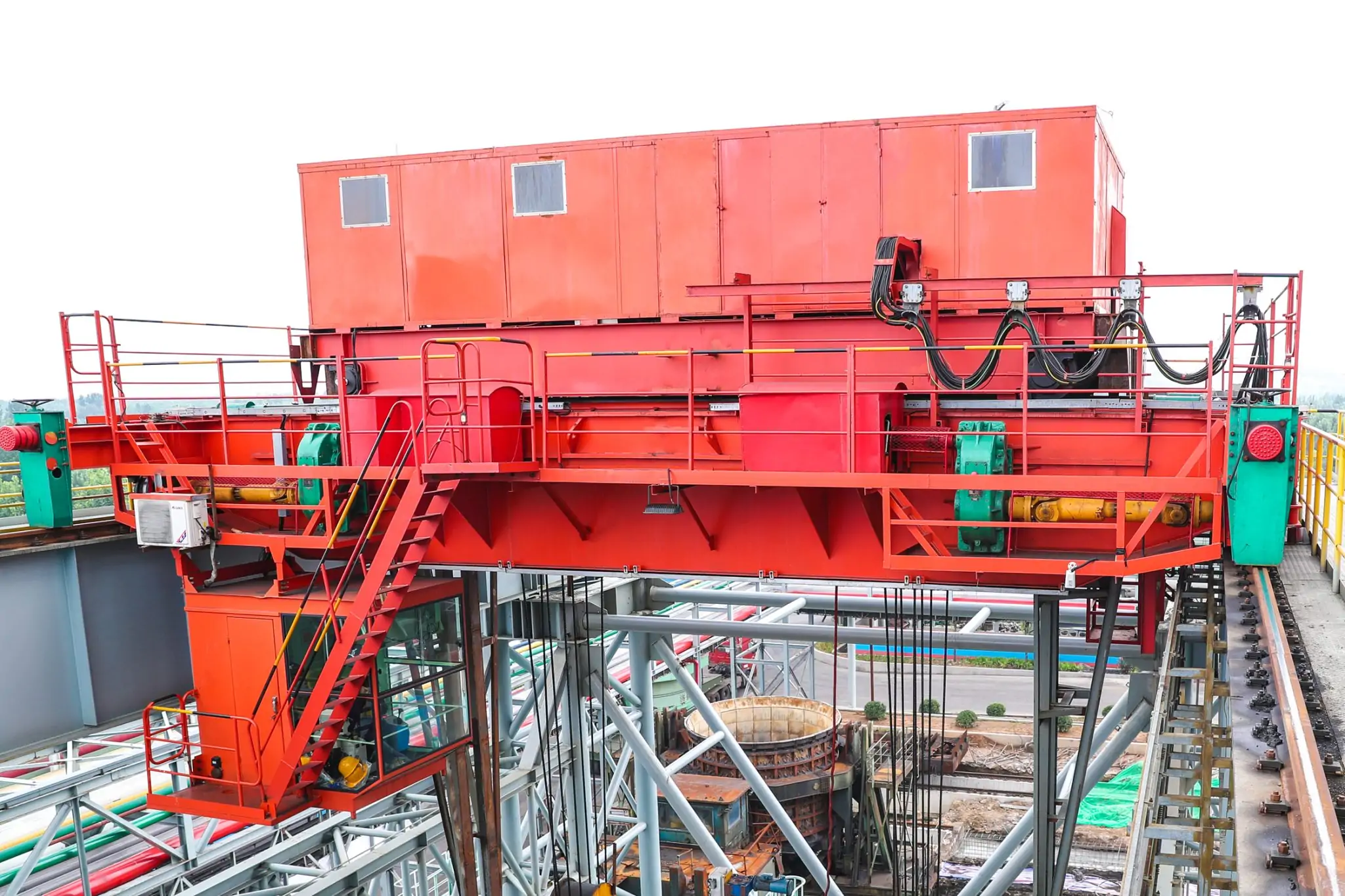
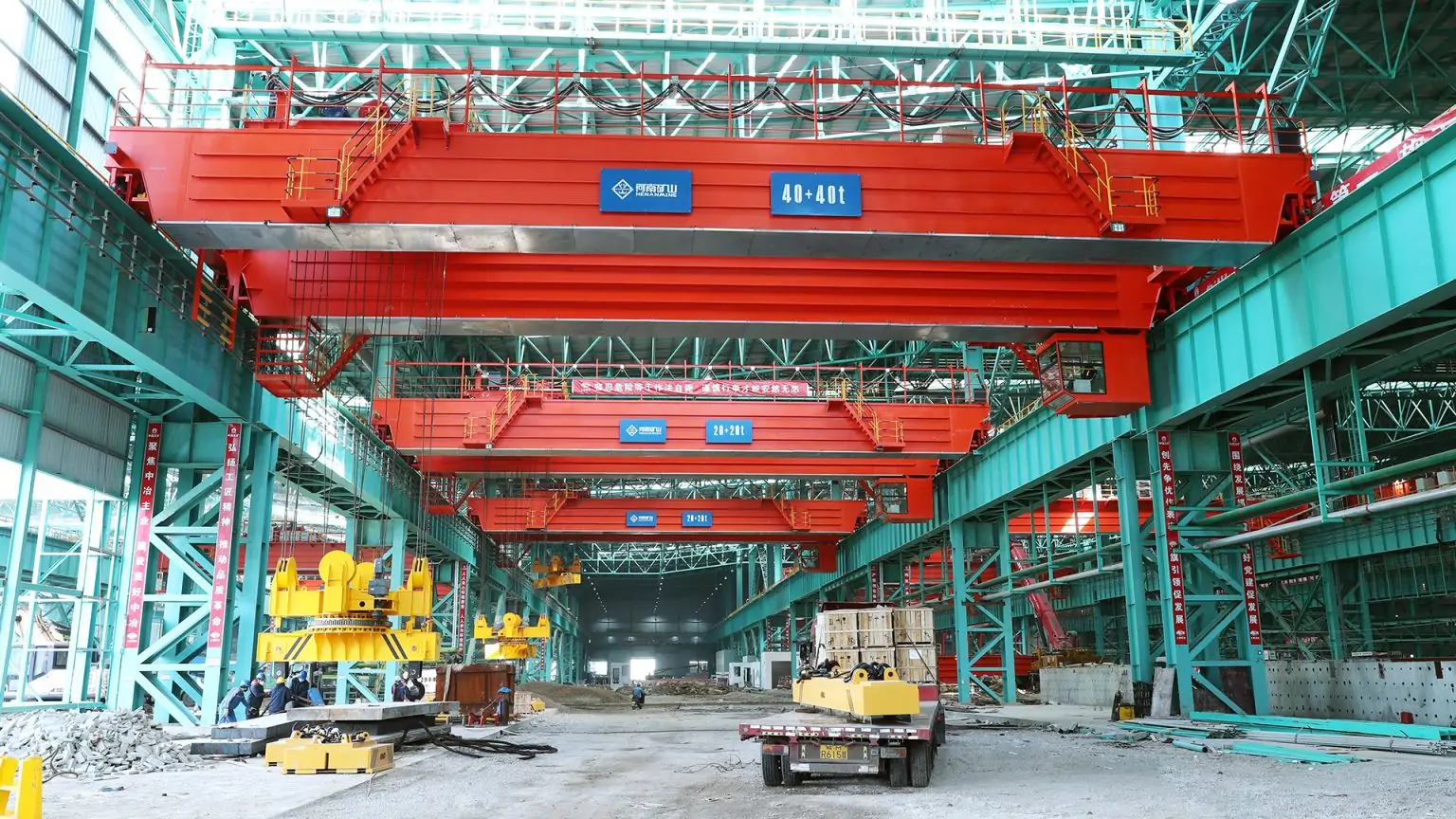
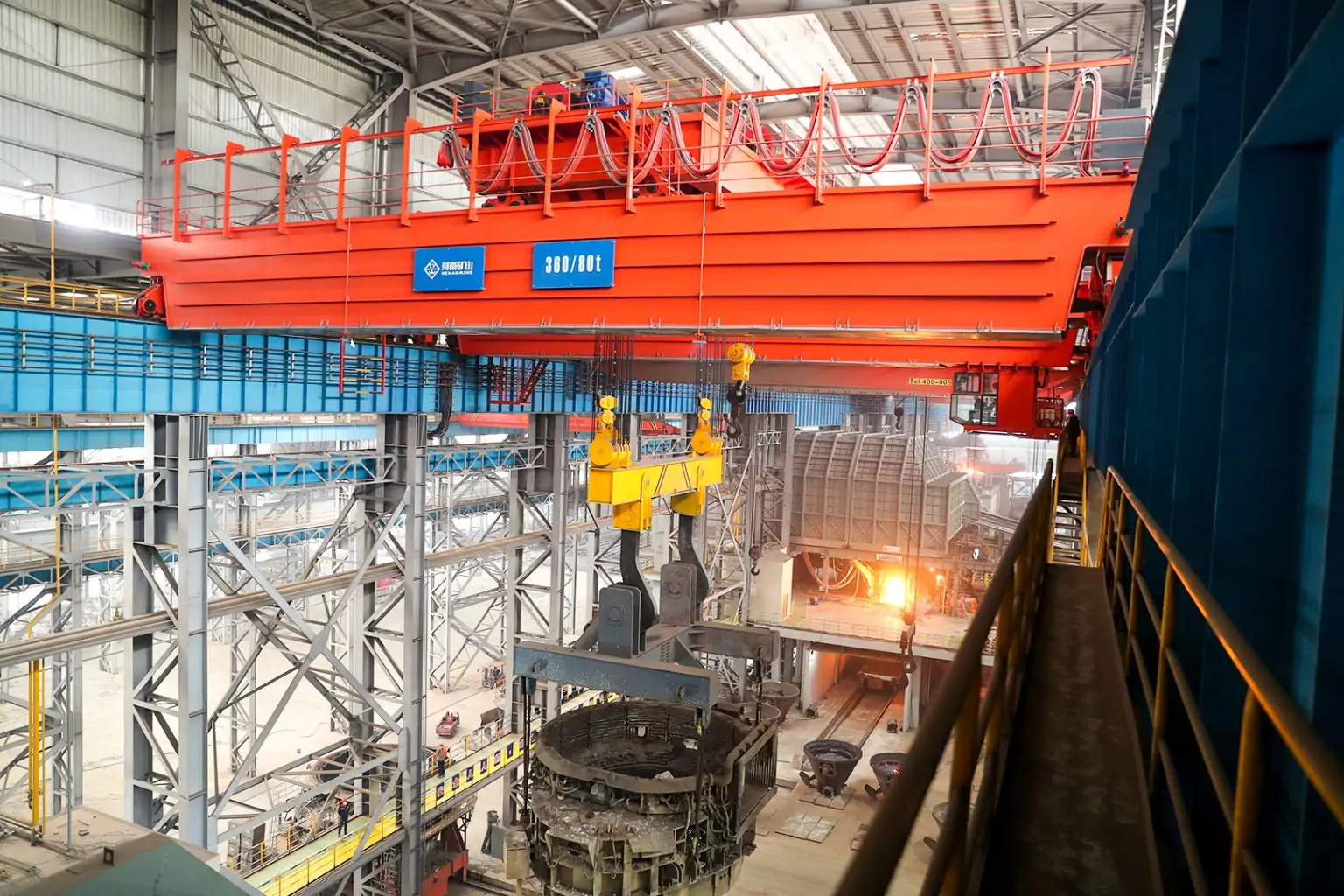
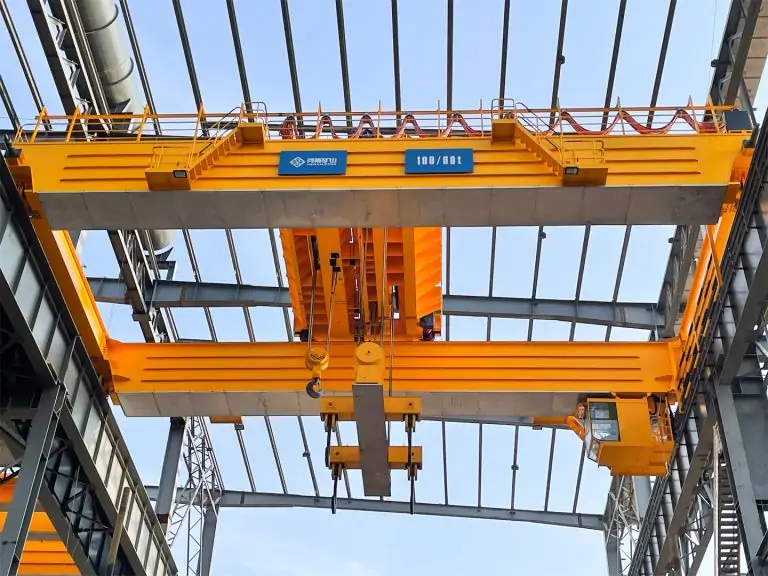
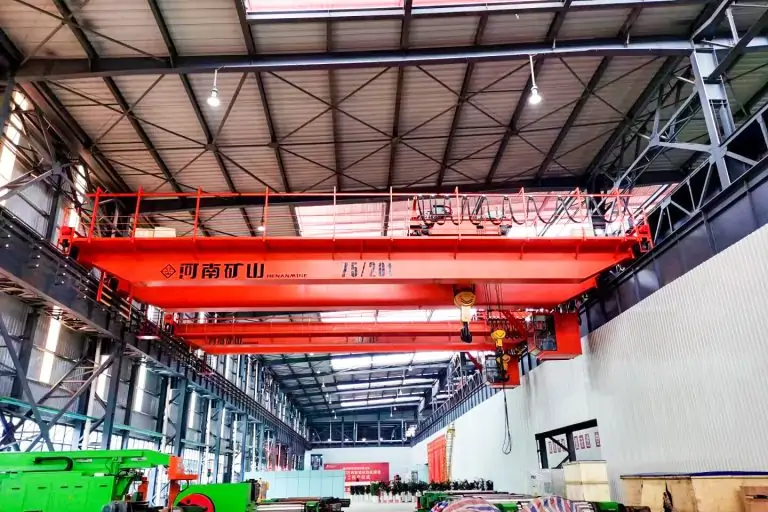
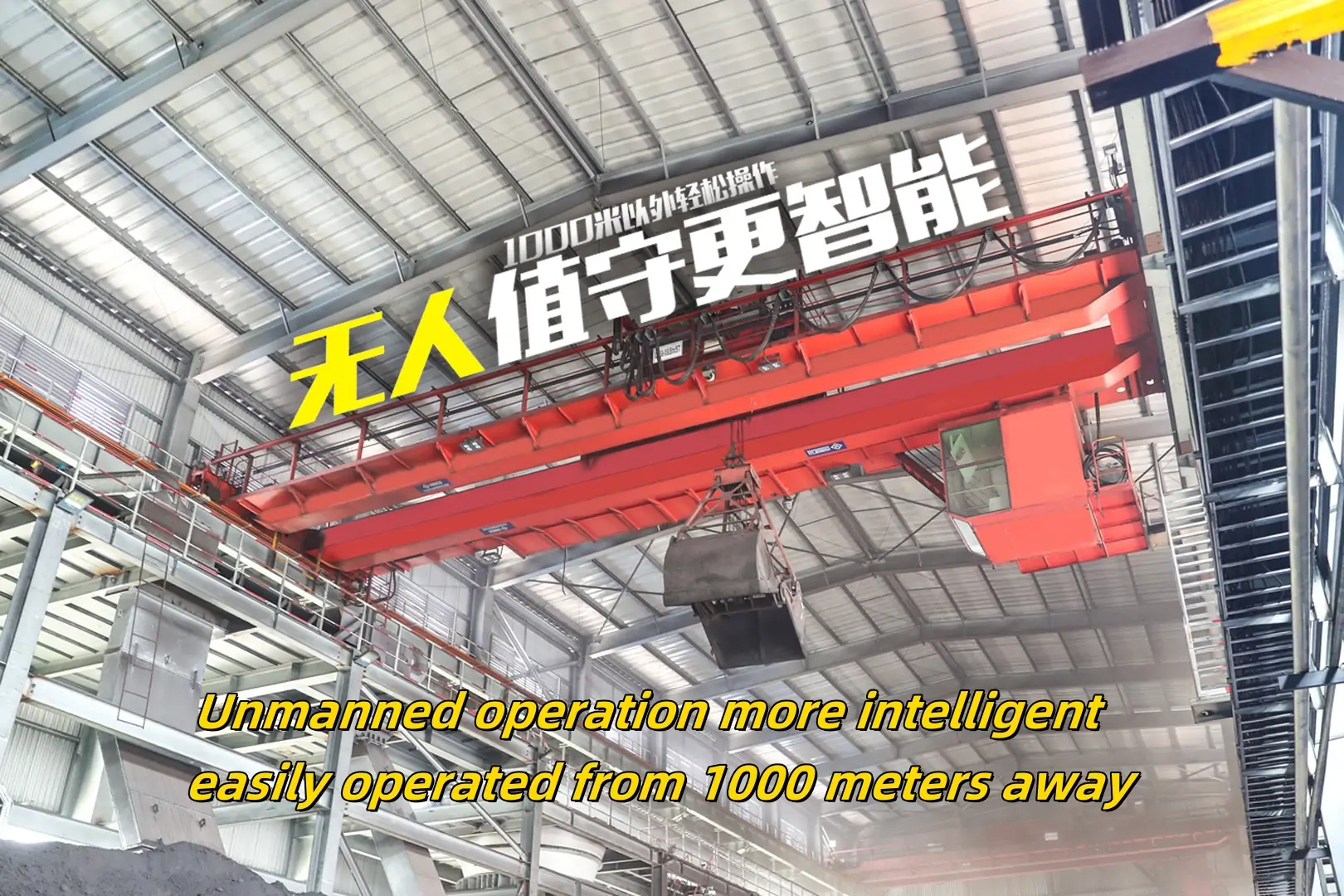
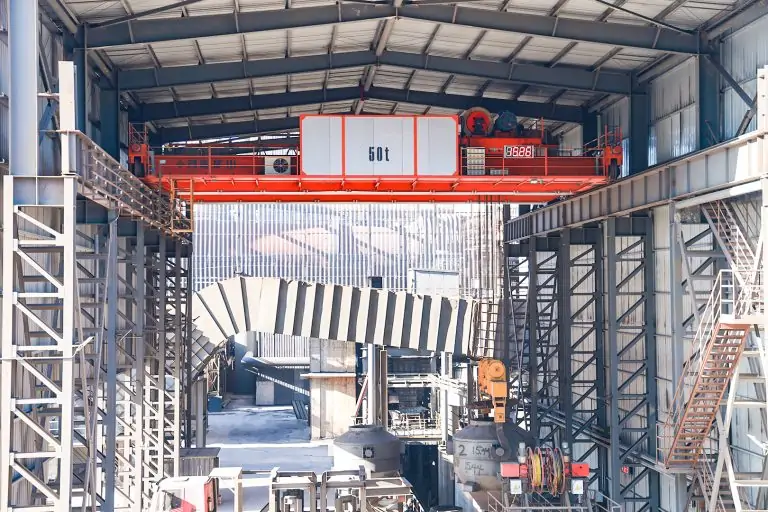
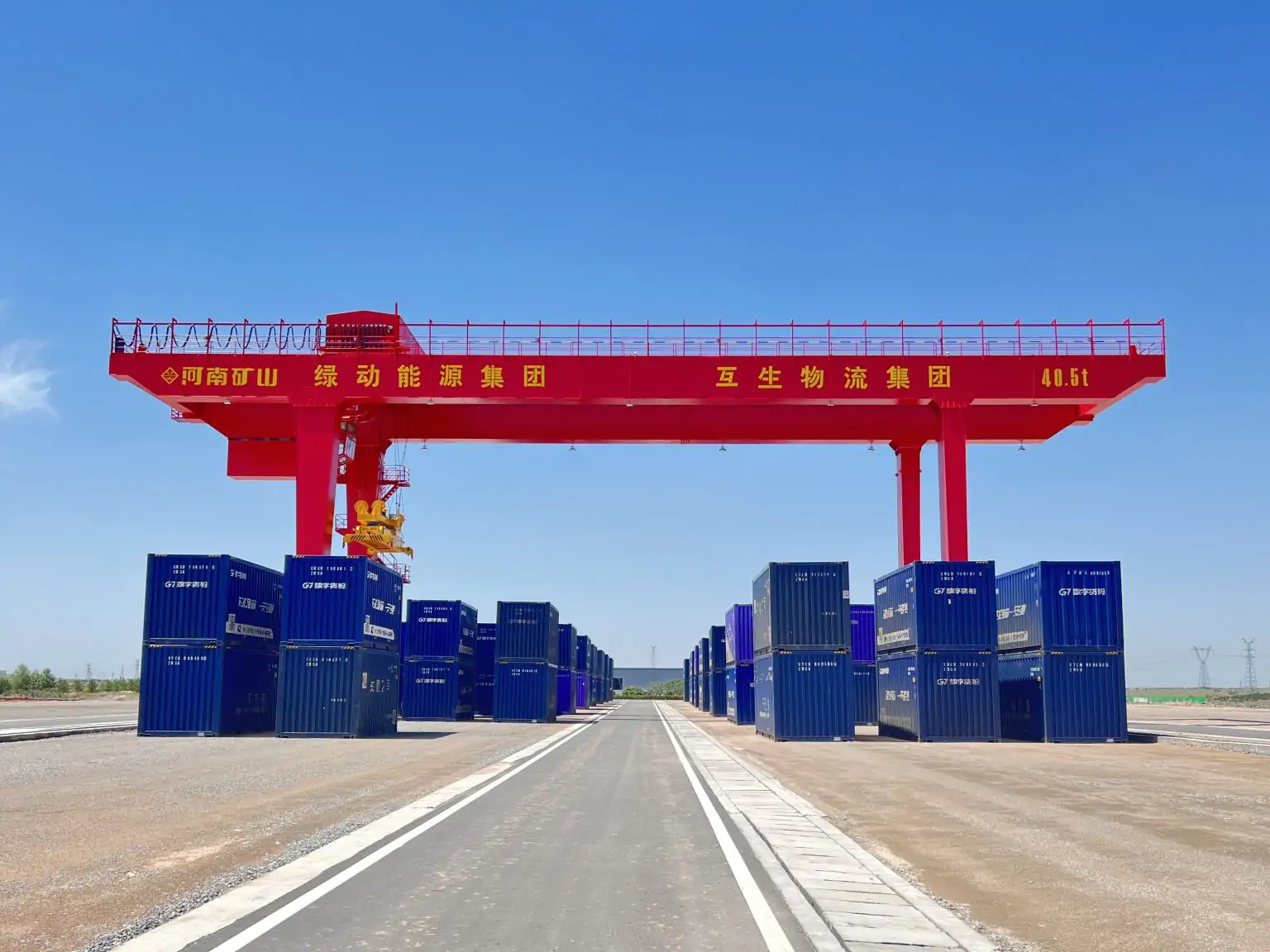
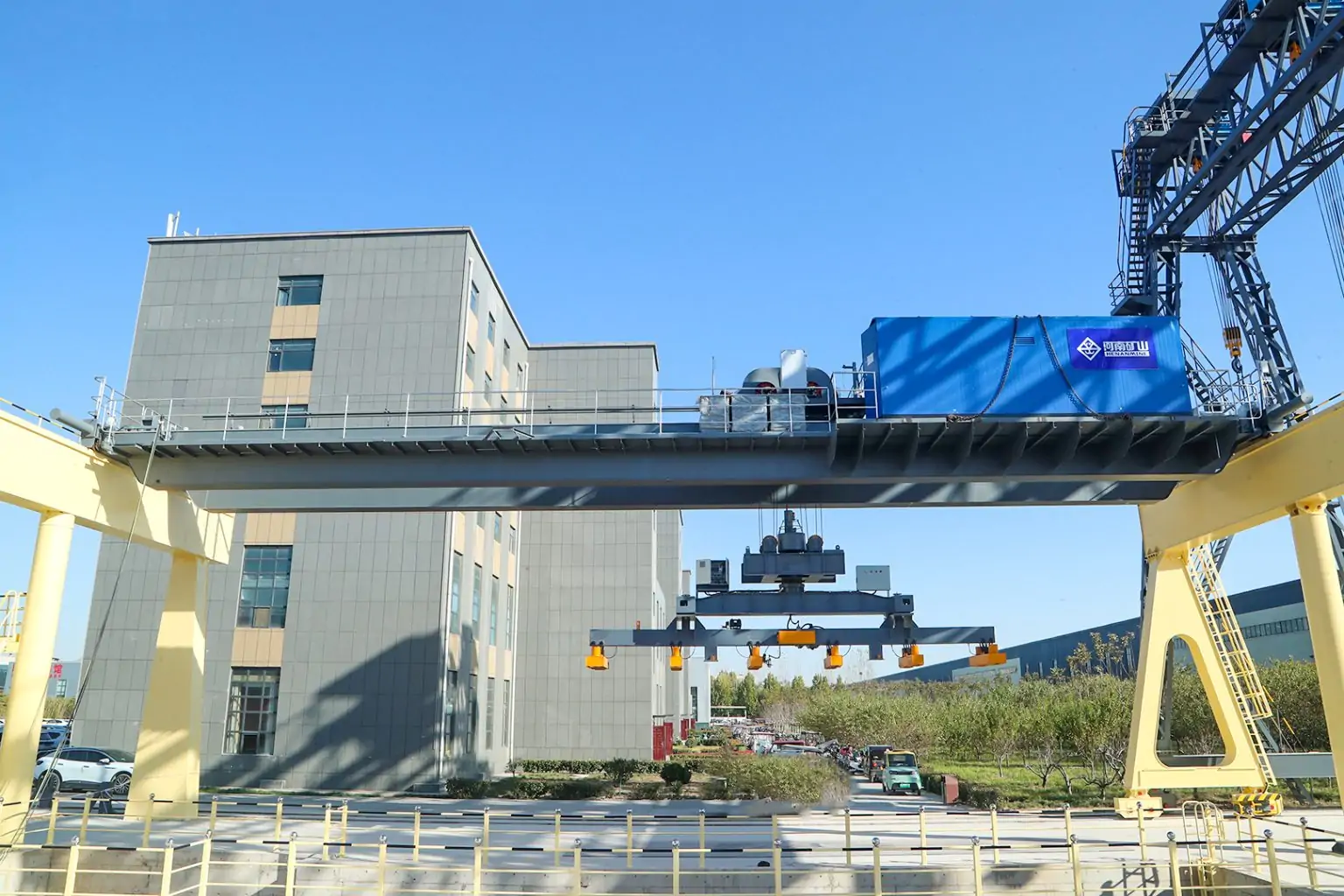
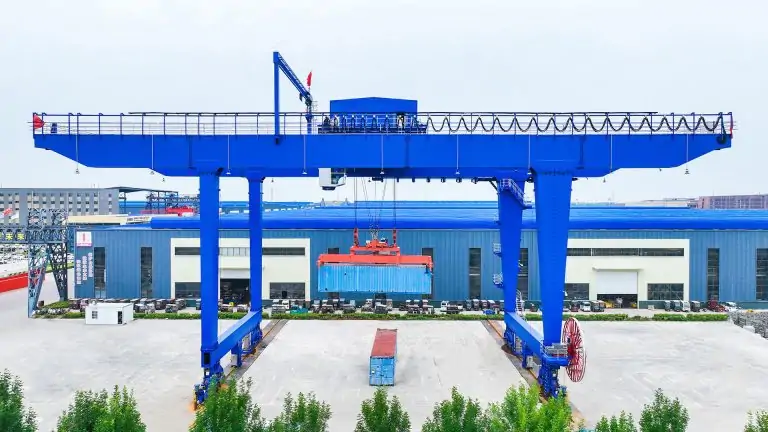
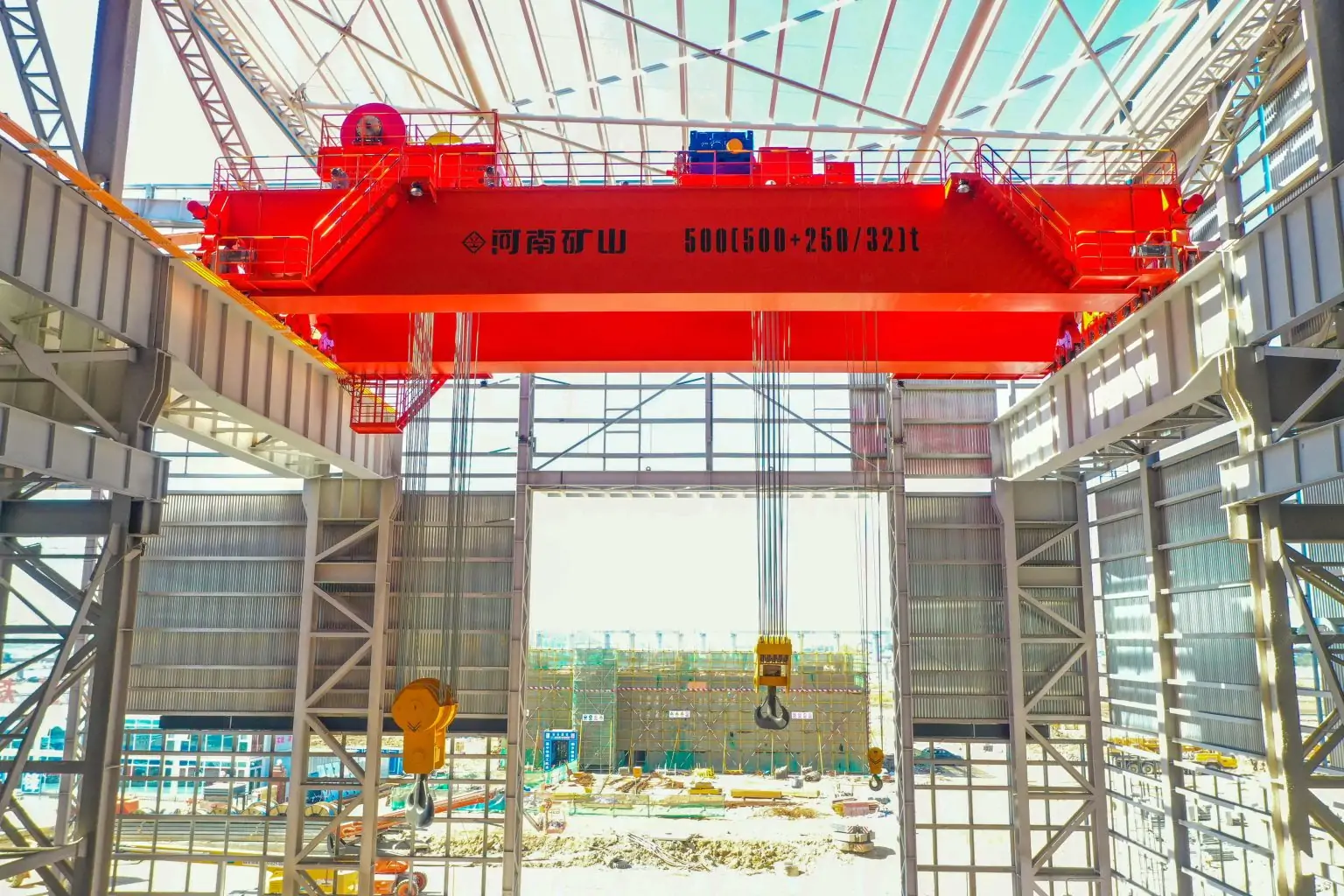
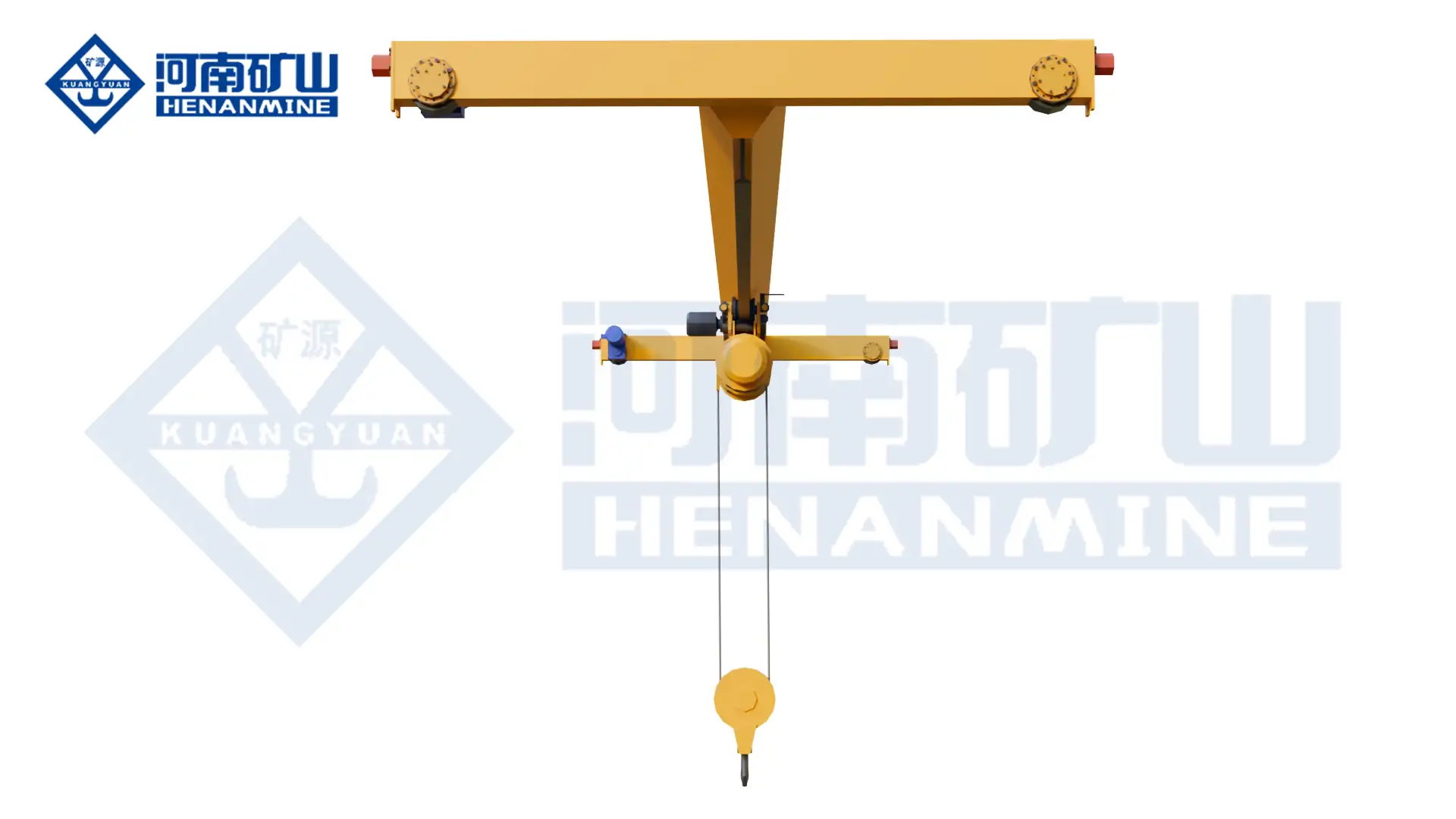
Single-girder bridge crane
Related Parameters Display
| Parameter | Value |
| Lifting Capacity | 3.2 – 80 tons |
| Span | 4 – 31.5 meters (customized available) |
| Lifting Height | Tailored to client site requirements |
| Work Duty | A5 (medium to heavy-duty industrial use) |
| Voltage Options | 220V–690V, 3-phase, 50–60Hz |
| Protection Rating | IP54 / IP55 |
| Control Modes | Pendant control, remote control, cabin control |
Understanding Henan Mine's Single-Girder Cranes
I. What Is a Single-Girder Crane? Recognizing Its Appearance at a Glance
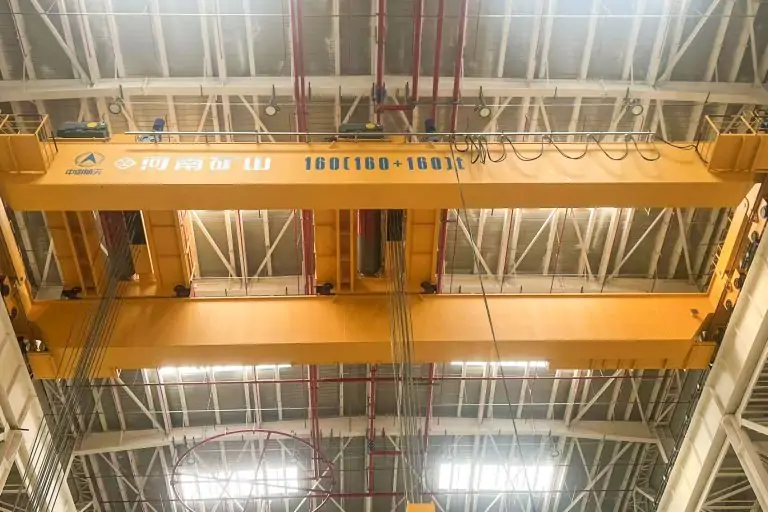
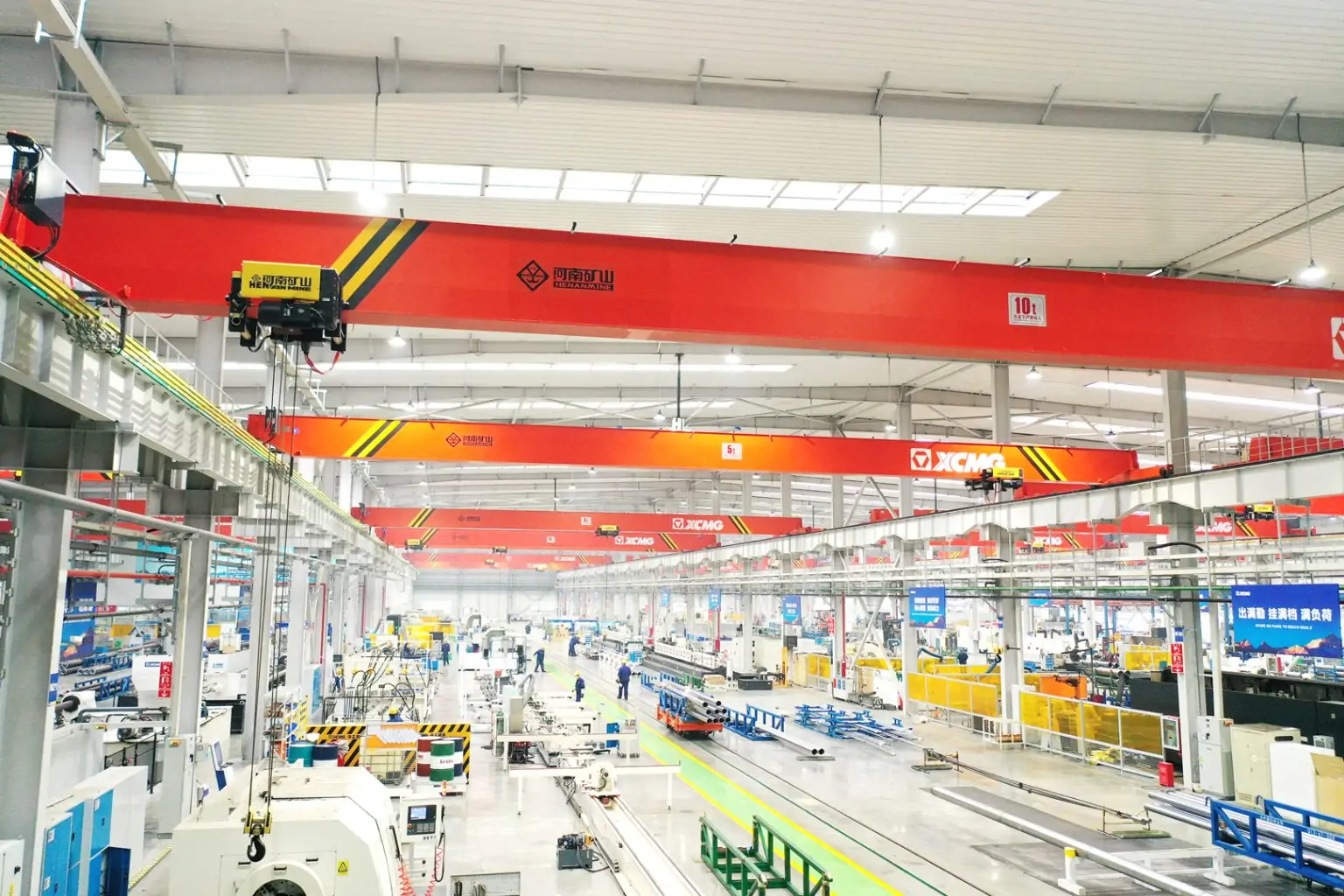
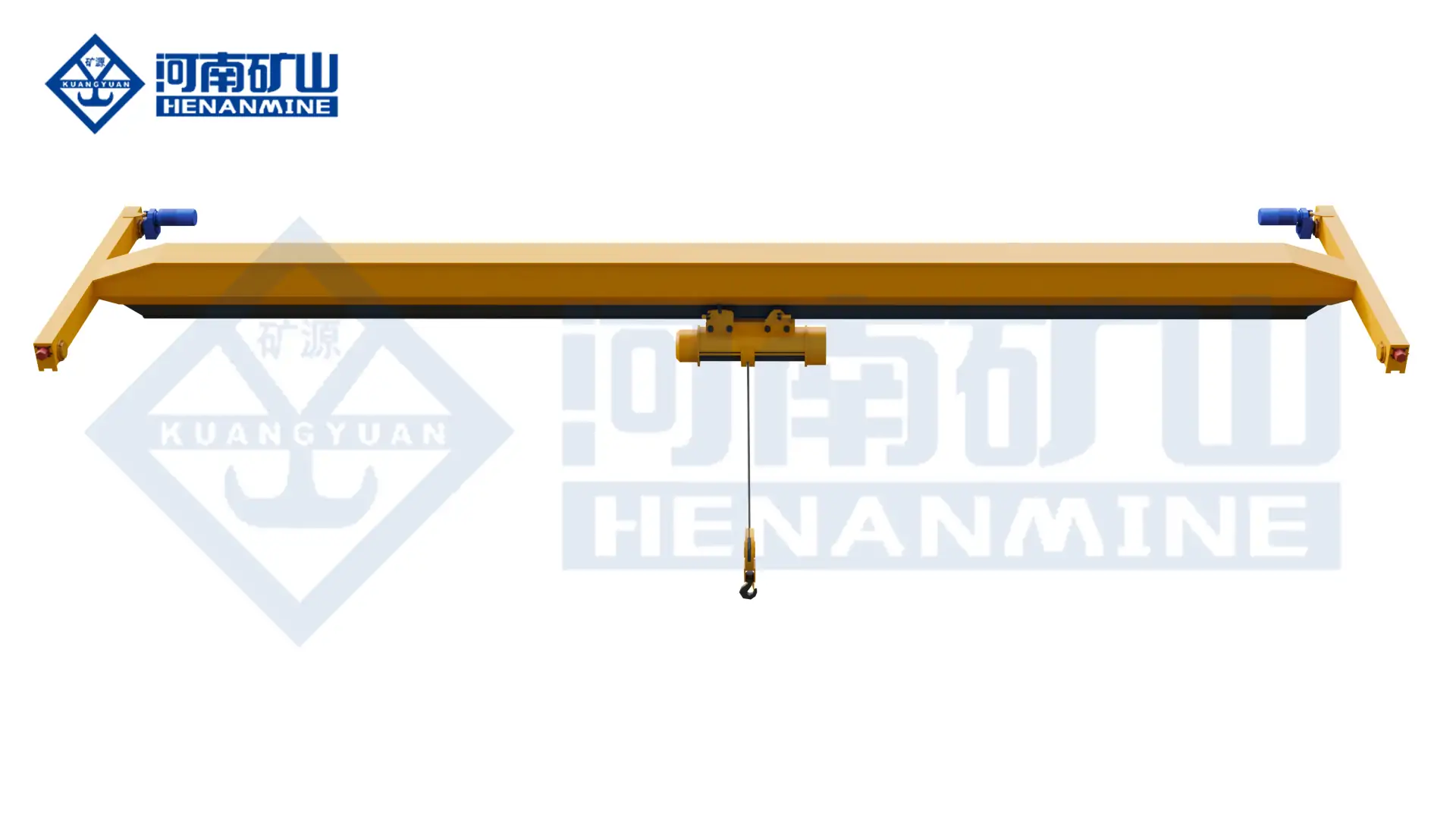
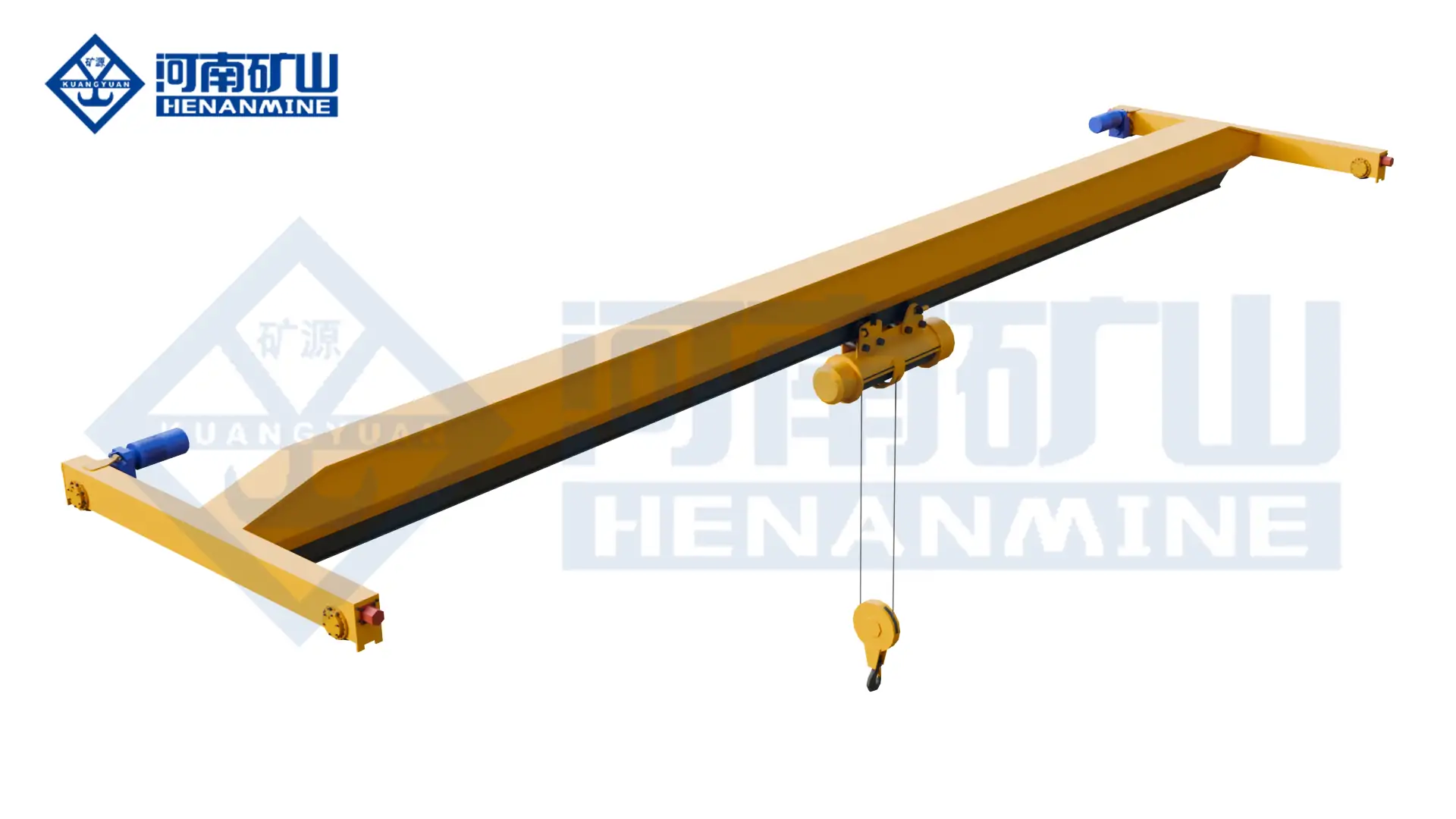
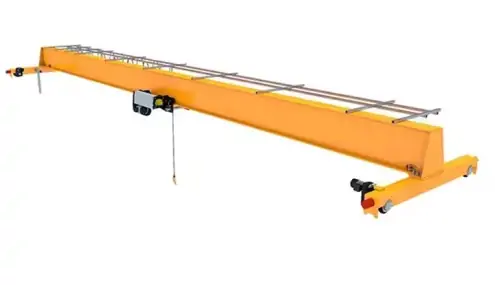
First, an intuitive definition: A single-girder crane is a lightweight lifting device that uses a main girder as its core load-bearing structure. Paired with lifting components and travel mechanisms, it moves along pre-set overhead tracks to lift and transport goods. That “single beam with a movable hook” you see beneath workshop ceilings is most likely this type, with the electric single-girder crane being the most common variant.
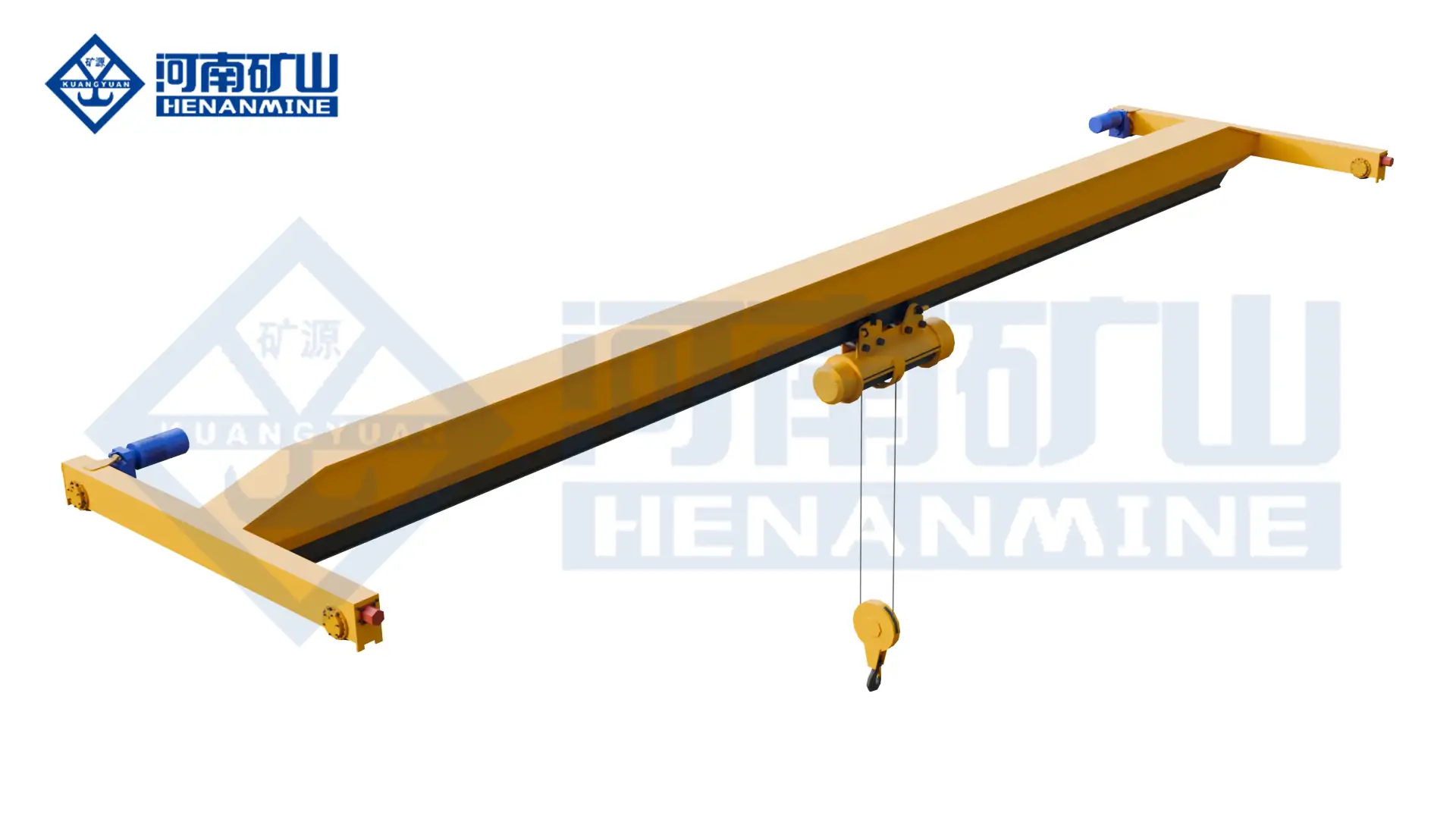
Electric Single-Girder Crane Manufactured by Henan Mine
II. The Frame of a Single-Girder Crane: Simple Structure, Complex Function
The structure of a single-girder crane isn’t overly complex, centered around three core components. Let’s break it down:
1. Main Girder: Typically an I-beam or box girder suspended above workshops or warehouses, acting as an “aerial transport runway.” It bears the entire weight of the cargo, demanding strict material and manufacturing standards to ensure sufficient strength and stability.
2. Electric Hoist: A crucial lifting component mounted on the main beam, capable of lateral movement. Equipped with a hook, it handles cargo lifting and lowering while adjusting speed via its built-in motor for precise positioning. Most modern electric hoists feature explosion-proof and low-noise designs to suit diverse operational environments.
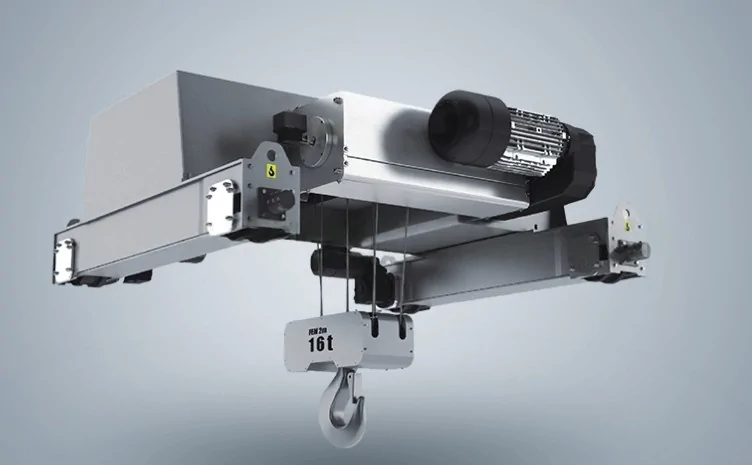
3. Travel Mechanism: Divided into main travel and trolley travel. Trolley travel refers to the lateral movement of the electric hoist along the main beam, enabling horizontal transport. Main travel involves the entire crane moving longitudinally along pre-set workshop tracks. Combined with trolley travel, this creates “all-around transport coverage” within a fixed area. Whether moving goods from production lines to warehouses or lifting items from the ground to storage racks, precise execution is ensured.
III. Why Single-Girder Cranes Align with Operational Needs
In small-to-medium factories, warehouses, and maintenance workshops, single-girder cranes significantly outpace larger lifting equipment in popularity. Their core advantages precisely address the pain points of these environments:
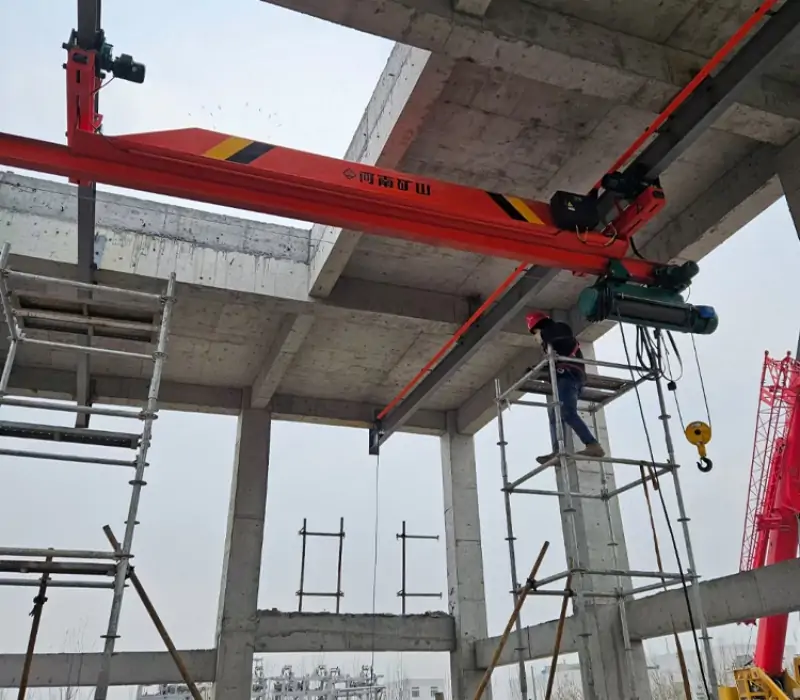
1. Minimal space requirements: The compact main beam structure demands little headroom. Even in workshops with just 4.5 meters of clearance, low-headroom single-girder cranes can be installed without disrupting other operations.
2. Easy Installation and Removal: No complex construction processes are required. Standard models can be installed within 2-3 days provided site conditions meet specifications. For temporary use, subsequent dismantling is also straightforward and causes no damage to the site.
3. High cost-effectiveness: Both initial equipment procurement and ongoing operational/maintenance costs are significantly lower than large-scale lifting equipment. Energy consumption is also minimal—for example, a 5-ton single-girder crane consumes only 3-4 kWh per hour. Operating 8 hours daily incurs electricity costs of just over 20 yuan, making it highly accessible for small and medium-sized enterprises.
4. Simple and intuitive operation: Standard ground-level handle controls are provided, with optional wireless remote controls available. Clearly labeled buttons allow new operators to master basic functions after just 10 minutes of training, eliminating the need for dedicated professional crane operators.
Detailed Specifications Table for Single-Girder Cranes Manufactured by Henan Mine
| Capacity | T | 1 | |||||||
| Span | m | 7.5 | 11.5 | 14.5 | 17.5 | 19.5 | 22.5 | 25.5 | 28.5 |
| Lifting height | m | 6、 9、 12、18、 24、 30 | |||||||
| Lifting speed | m/min | 8 or 8/0.8 | |||||||
| Hoist travelling speed | m/min | 20 | |||||||
| Crane travelling speed | m/min | 20 | |||||||
| Total weight | kg | 1590 | 1960 | 2390 | 2850 | 3060 | 3550 | 4610 | 5660 |
| Max. Wheel load | KN | 8.7 | 9.9 | 11 | 12.2 | 12.8 | 14 | 16.7 | 19.4 |
| Rail recommended | Model | 24kg/m | |||||||
| Total motor power | kw | 1.7 | |||||||
| Main dimension (mm) | Span(m) | 7.5 | 11.5 | 14.5 | 17.5 | 19.5 | 22.5 | 25.5 | 28.5 |
| Rail top to crane top | H | 490 | 530 | 580 | 660 | 745 | |||
| Rail top to hook center | H4 | 910 | 955 | 970 | 990 | 1010 | |||
| Crane base distance | W | 1500 | 2000 | 2000 | 2500 | 2500 | 3000 | 3500 | 4000 |
| Crane width | B | 2000 | 2500 | 2500 | 3000 | 3000 | 3500 | 4000 | 4500 |
| Hook left limitation | S1 | 796 | |||||||
| Hook right limitation | S2 | 1274 | |||||||
| Capacity | T | 2 | |||||||
| Span | m | 7.5 | 11.5 | 14.5 | 17.5 | 19.5 | 22.5 | 25.5 | 28.5 |
| Lifting height | m | 6、 9、 12、18、 24、 30 | |||||||
| Lifting speed | m/min | 8 or 8/0.8 | |||||||
| Hoist travelling speed | m/min | 20 | |||||||
| Crane travelling speed | m/min | 20 | |||||||
| Total weight | kg | 1680 | 2140 | 2670 | 3480 | 3760 | 4400 | 5680 | 6850 |
| Max. Wheel load | KN | 13.6 | 15.2 | 16.7 | 18.8 | 19.5 | 21.2 | 24.4 | 27.4 |
| Rail recommended | Model | 24kg/m | |||||||
| Total motor power | kw | 3.4 | |||||||
| Main dimension (mm) | Span(m) | 7.5 | 11.5 | 14.5 | 17.5 | 19.5 | 22.5 | 25.5 | 28.5 |
| Rail top to crane top | H | 490 | 580 | 660 | 785 | 820 | 875 | ||
| Rail top to hook center | H4 | 1080 | 1125 | 1140 | 1160 | 1135 | 1200 | 1250 | |
| Crane base distance | W | 1500 | 2000 | 2500 | 3000 | 3500 | 4000 | ||
| Crane width | B | 2000 | 2500 | 3000 | 3500 | 4000 | 4500 | ||
| Hook left limitation | S1 | 796 | |||||||
| Hook right limitation | S2 | 1274 | |||||||
| Capacity | T | 3 | |||||||
| Span | m | 7.5 | 11.5 | 14.5 | 17.5 | 19.5 | 22.5 | 25.5 | 28.5 |
| Lifting height | m | 6、 9、 12、18、 24、 30 | |||||||
| Lifting speed | m/min | 8 or 8/0.8 | |||||||
| Hoist travelling speed | m/min | 20 、30 | |||||||
| Crane travelling speed | m/min | 20 | 30 | ||||||
| Total weight | kg | 1860 | 2350 | 3120 | 3680 | 3970 | 5170 | 59500 | 8100 |
| Max. Wheel load | KN | 18.6 | 20.5 | 22.6 | 24.2 | 25 | 28.1 | 30.1 | 35.5 |
| Rail recommended | Model | 24kg/m | |||||||
| Total motor power | kw | 4.9 | |||||||
| Main dimension (mm) | Span(m) | 7.5 | 11.5 | 14.5 | 17.5 | 19.5 | 22.5 | 25.5 | 28.5 |
| Rail top to crane top | H | 530 | 580 | 660 | 725 | 835 | 880 | 940 | |
| Rail top to hook center | H4 | 1270 | 1290 | 1305 | 1295 | 1330 | 1370 | ||
| Crane base distance | W | 1500 | 2000 | 2500 | 3000 | 3500 | 4000 | ||
| Crane width | B | 2000 | 2500 | 3000 | 3500 | 4000 | 4500 | ||
| Hook left limitation | S1 | 819 | |||||||
| Hook right limitation | S2 | 1291 | |||||||
| Capacity | T | 5 | |||||||
| Span | m | 7.5 | 11.5 | 14.5 | 17.5 | 19.5 | 22.5 | 25.5 | 28.5 |
| Lifting height | m | 6、 9、 12、18、 24、 30 | |||||||
| Lifting speed | m/min | 8 or 8/0.8 | |||||||
| Hoist travelling speed | m/min | 20 、30 | |||||||
| Crane travelling speed | m/min | 20 | 30 | ||||||
| Total weight | kg | 2220 | 2860 | 3430 | 4440 | 4790 | 5550 | 68000 | 8990 |
| Max. Wheel load | KN | 28.7 | 31.4 | 33.2 | 36 | 37 | 39.1 | 42.3 | 47.9 |
| Rail recommended | Model | 24kg/m | |||||||
| Total motor power | kw | 8.3 | |||||||
| Main dimension (mm) | Span(m) | 7.5 | 11.5 | 14.5 | 17.5 | 19.5 | 22.5 | 25.5 | 28.5 |
| Rail top to crane top | H | 580 | 660 | 725 | 835 | 880 | 940 | 1020 | |
| Rail top to hook center | H4 | 1460 | 1460 | 1475 | 1465 | 1500 | 1540 | 1520 | |
| Crane base distance | W | 1500 | 2000 | 2500 | 3000 | 3500 | 4000 | ||
| Crane width | B | 2000 | 2500 | 3000 | 3500 | 4000 | 4500 | ||
| Hook left limitation | S1 | 842 | |||||||
| Hook right limitation | S2 | 1310 | |||||||
| Capacity | T | 10 | |||||||
| Span | m | 7.5 | 11.5 | 14.5 | 17.5 | 19.5 | 22.5 | 25.5 | 28.5 |
| Lifting height | m | 6、 9、 12、18、 24、 30 | |||||||
| Lifting speed | m/min | 7 or 7/0.7 | |||||||
| Hoist travelling speed | m/min | 20 、30 | |||||||
| Crane travelling speed | m/min | 20 | 30 | ||||||
| Total weight | kg | 3060 | 3950 | 4640 | 5590 | 6010 | 7420 | 9220 | 14000 |
| Max. Wheel load | KN | 50.8 | 56.4 | 59.4 | 62.5 | 64 | 68 | 74.1 | 85.1 |
| Rail recommended | Model | 24kg/m | |||||||
| Total motor power | kw | 13.8 | |||||||
| Main dimension (mm) | Span(m) | 7.5 | 11.5 | 14.5 | 17.5 | 19.5 | 22.5 | 25.5 | 28.5 |
| Rail top to crane top | H | 735 | 835 | 890 | 880 | 920 | 1065 | 1160 | |
| Rail top to hook center | H4 | 1815 | 1815 | 1840 | 1950 | 1970 | 1865 | 1890 | |
| Crane base distance | W | 1500 | 2000 | 2500 | 3000 | 3500 | 4000 | ||
| Crane width | B | 2000 | 2500 | 3000 | 3500 | 4000 | 4700 | ||
| Hook left limitation | S1 | 1293 | |||||||
| Hook right limitation | S2 | 1893 | |||||||
| Capacity | T | 16 | |||||||
| Span | m | 7.5 | 11.5 | 14.5 | 17.5 | 19.5 | 22.5 | 25.5 | 28.5 |
| Lifting height | m | 6、 9、 12、18、 24、 30 | |||||||
| Lifting speed | m/min | 3.5 or 3.5/0.35 | |||||||
| Hoist travelling speed | m/min | 20 、30 | |||||||
| Crane travelling speed | m/min | 20 | 30 | ||||||
| Total weight | kg | 3390 | 4420 | 5760 | 7350 | 7940 | 9210 | 13170 | 15300 |
| Max. Wheel load | KN | 76.5 | 84.3 | 89.6 | 94.9 | 97 | 100.9 | 111.4 | 117.2 |
| Rail recommended | Model | 24kg/m | |||||||
| Total motor power | kw | 13.8 | |||||||
| Main dimension (mm) | Span(m) | 7.5 | 11.5 | 14.5 | 17.5 | 19.5 | 22.5 | 25.5 | 28.5 |
| Rail top to crane top | H | 835 | 890 | 980 | 1065 | 1135 | 1200 | 1300 | |
| Rail top to hook center | H4 | 2445 | 2470 | 2520 | 2495 | 2545 | 2590 | 2600 | |
| Crane base distance | W | 1500 | 2000 | 2500 | 3000 | 3500 | 4000 | ||
| Crane width | B | 2000 | 2500 | 3000 | 3500 | 4200 | 4700 | ||
| Hook left limitation | S1 | 1293 | |||||||
| Hook right limitation | S2 | 1893 | |||||||
| Capacity | T | 20 | |||||||
| Span | m | 7.5 | 11.5 | 14.5 | 17.5 | 19.5 | 22.5 | 25.5 | 28.5 |
| Lifting height | m | 6、 9、 12、18、 24、 30 | |||||||
| Lifting speed | m/min | 3.5 or 3.5/0.35 | |||||||
| Hoist travelling speed | m/min | 20 、30 | |||||||
| Crane travelling speed | m/min | 20 | 30 | ||||||
| Total weight | kg | 5270 | 6710 | 8550 | 10110 | 10850 | 12600 | 14280 | 14690 |
| Max. Wheel load | KN | 99 | 109.1 | 116.3 | 121.8 | 124.5 | 129.9 | 134.5 | 135.8 |
| Rail recommended | Model | 24kg/m | |||||||
| Total motor power | kw | 19.3 | |||||||
| Main dimension (mm) | Span(m) | 7.5 | 11.5 | 14.5 | 17.5 | 19.5 | 22.5 | 25.5 | 28.5 |
| Rail top to crane top | H | 900 | 970 | 1050 | 1130 | 1200 | 1300 | ||
| Rail top to hook center | H4 | 2400 | 2430 | 2490 | 2550 | 2590 | 2600 | ||
| Crane base distance | W | 2000 | 2000 | 2500 | 3000 | 3500 | |||
| Crane width | B | 2700 | 3200 | 3700 | 4200 | ||||
| Hook left limitation | S1 | 1394 | |||||||
| Hook right limitation | S2 | 1933 | |||||||
Product Advantages Overview


Large-Tonnage Bearing


Intelligent Precision Control


Multiple Safety Protections


Longer Service Life
Detailed View of Electric Single-Girder Crane
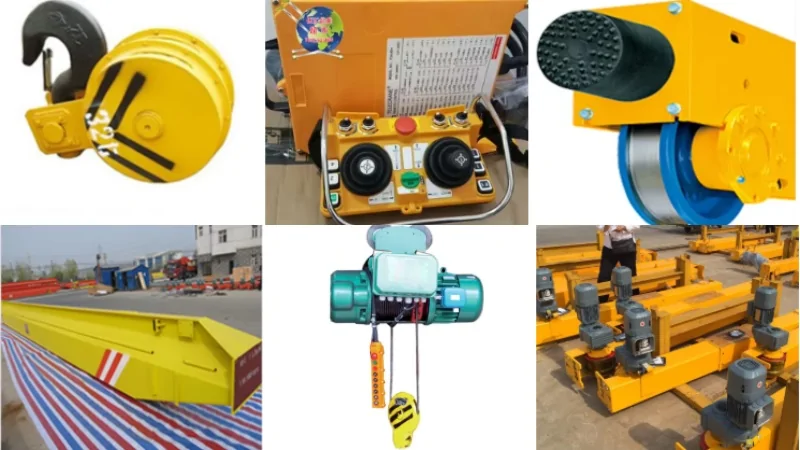
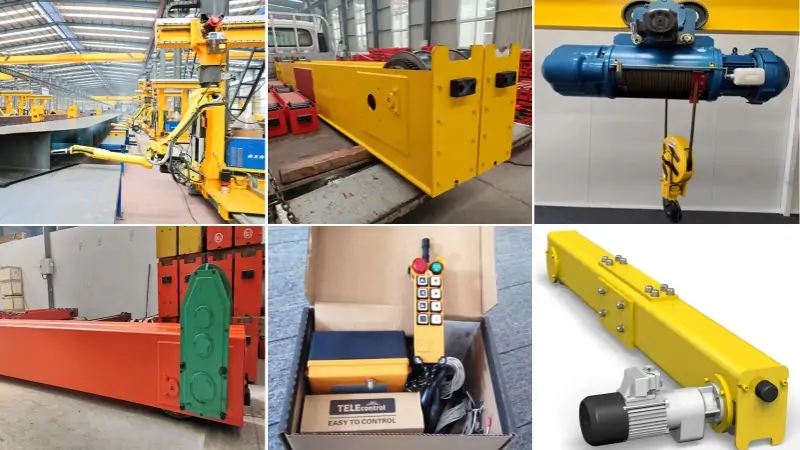
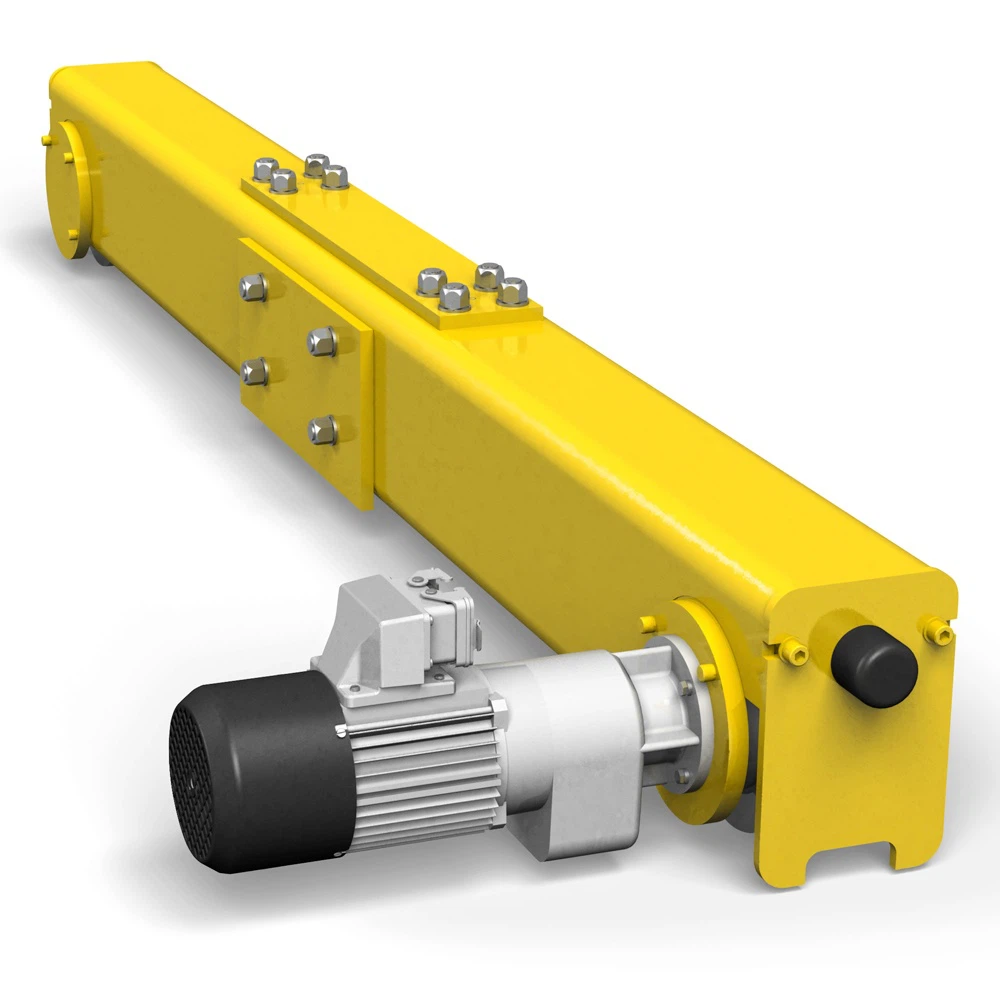
What industries are the Single-girder bridge crane manufactured by Henan Mine suitable for?
-
Internal material transfer within factory workshopsrepresents the most common application for electric single-girder cranes. For instance: - In machining workshops: Moving small machine tool accessories and finished workpieces; - In electronic component production workshops: Transporting lightweight electronic component containers and semi-finished assemblies; In garment and food processing workshops, they handle full boxes of raw materials and finished goods. These cranes can operate along workshop crane tracks to perform precise material loading, unloading, and transfer within designated areas.
-
Warehouse Goods HandlingSuitable for small to medium-sized warehouses with limited ceiling height and lighter cargo, such as e-commerce storage facilities. They lift goods from the floor to mid-level or upper shelves. In hardware warehouses, it handles stored tools and small equipment components; in small cold chain storage facilities, it transports sealed, lightweight refrigerated goods. Moving along fixed tracks, it efficiently completes shelving and de-shelving operations, outperforming manual handling.
-
Production Support for Small Processing PlantsFor instance, in small metal fabrication shops or door/window manufacturing plants, they handle profiles, sheet materials, finished door/window frames, or small metal components. In furniture workshops, they transport solid wood panels and semi-finished furniture frames. These facilities typically have modest lifting demands, where electric single-girder cranes offer sufficient capacity and efficiency at a lower investment cost.
-
Equipment Maintenance in Repair ShopsIn small equipment repair shops—such as large automotive repair facilities—they handle components like engines and transmissions that are relatively lightweight. Similarly, in compact construction machinery repair shops, they move small mechanical parts. These cranes assist technicians in positioning components for inspection, reducing the physical strain of manual handling.
-
Temporary Exhibition Setup at Events and Venuestemporary tracks Temporary Exhibition Setup at Events and Venues for electric single-girder cranes are installed. These cranes transport exhibition stands, lightweight display equipment, and exhibits to complete booth construction and display arrangements within the venue. After the event concludes, the tracks can be easily dismantled without damaging the venue.
Crane Operation Demonstration

How to Choose the Best China Crane Manufacturer
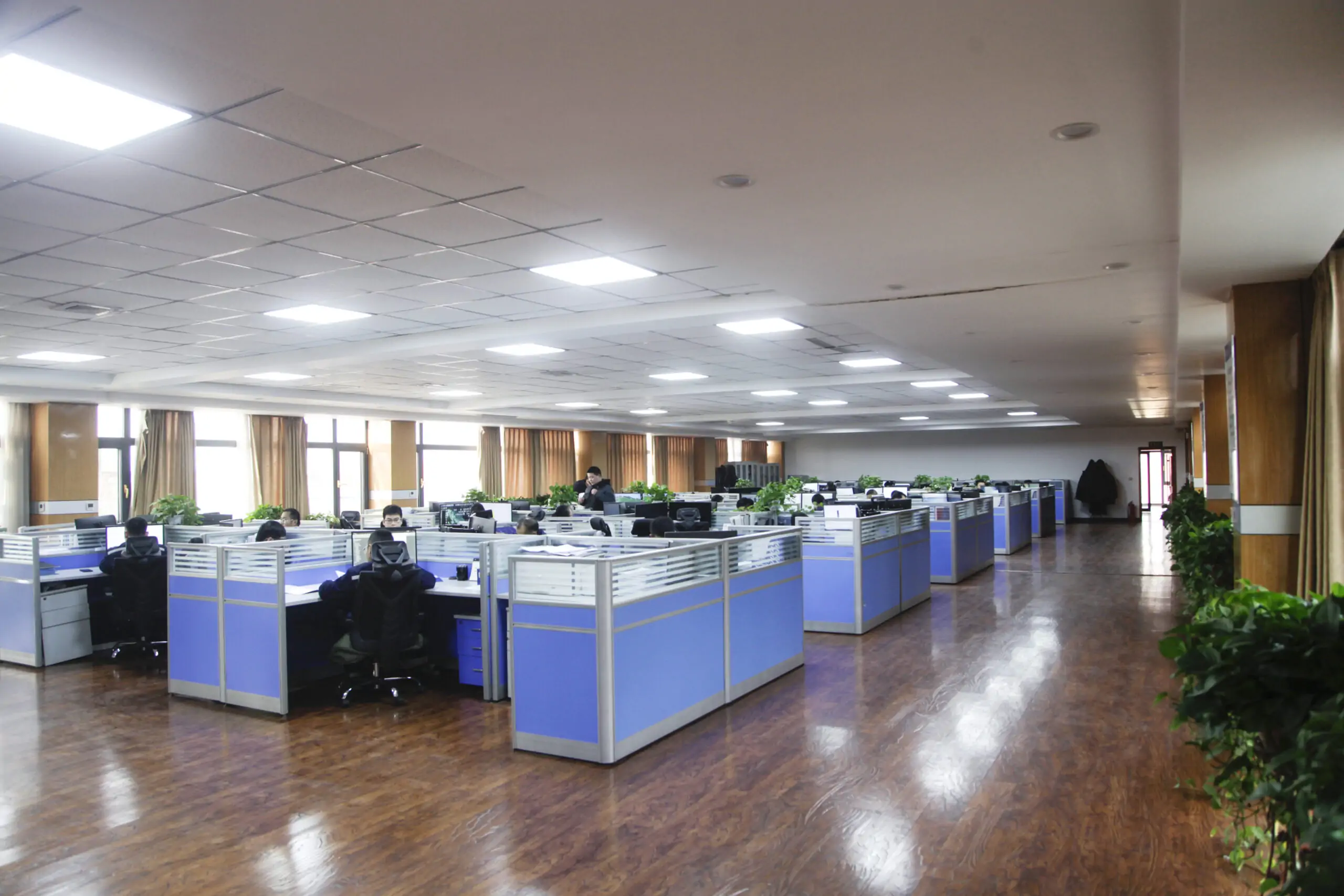
-
1Clarify Your Crane NeedsThoroughly understand your lifting requirements (load details, frequency, and workspace environment) before approaching crane manufacturers.
-
2Determine Crane Service ClassCalculate the required crane service class based on your operational intensity to ensure optimal performance and longevity.
-
3Explore Crane Supplier Custom Features:Investigate available customization options and special features to enhance safety, efficiency, and precision for your specific application.
-
4Assess Crane Factory Engineering CapabilityEvaluate the manufacturer's engineering strength to ensure they can design a suitable solution tailored to your needs.
-
5Verify Quality & Compliance of Crane CompanyCheck the crane manufacturer's manufacturing quality, certifications, and compliance with international standards and your local safety regulations.
-
6Ensure Support & ReferencesConfirm the manufacturer provides reliable after-sales support and has a proven track record with positive references in your industry or region.
Why Henan Mine Crane Factory are More Trustworthy

Proven Expertise
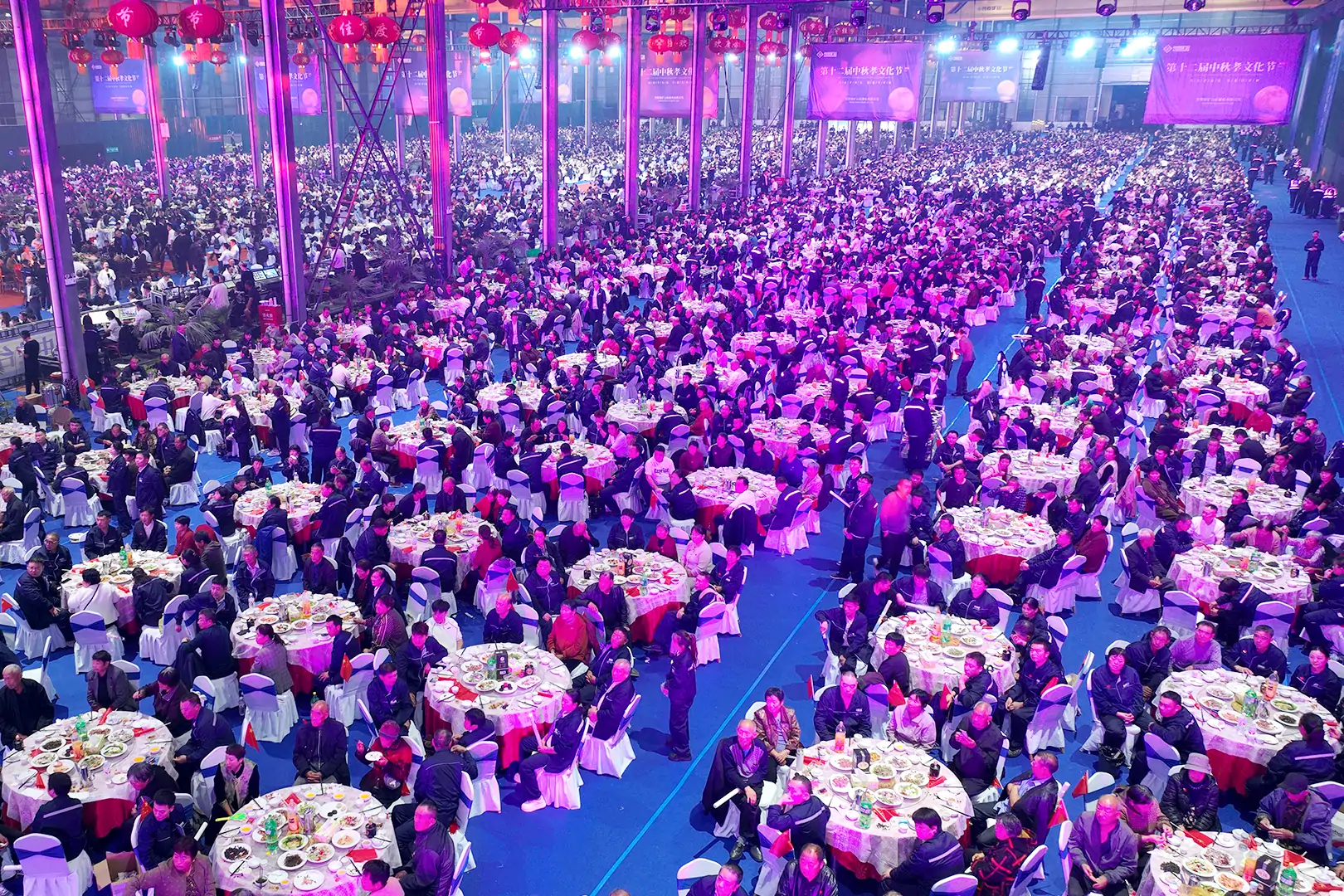
Professional team & equipment
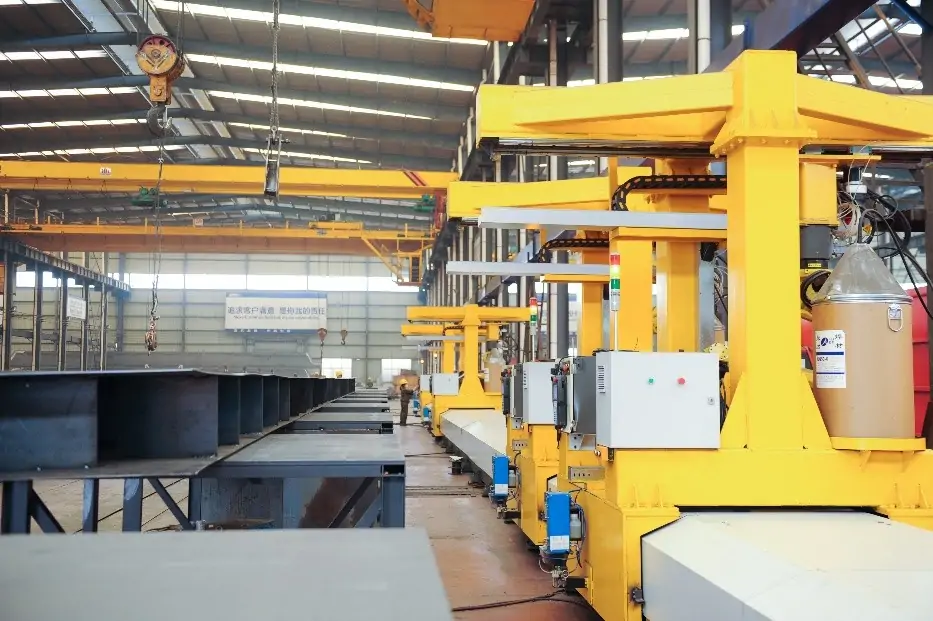
High Production Volume
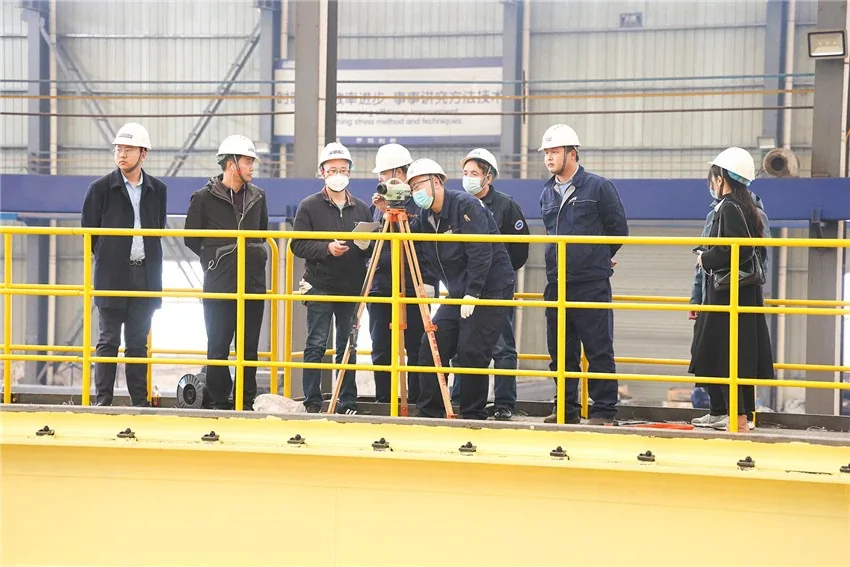
Custom Crane Design Solutions
Why Our Cranes Earn Customers' Trust

The services we provide

Free customization scheme

Regular Maintenance Reminder

Technical support consultation

Free customization scheme
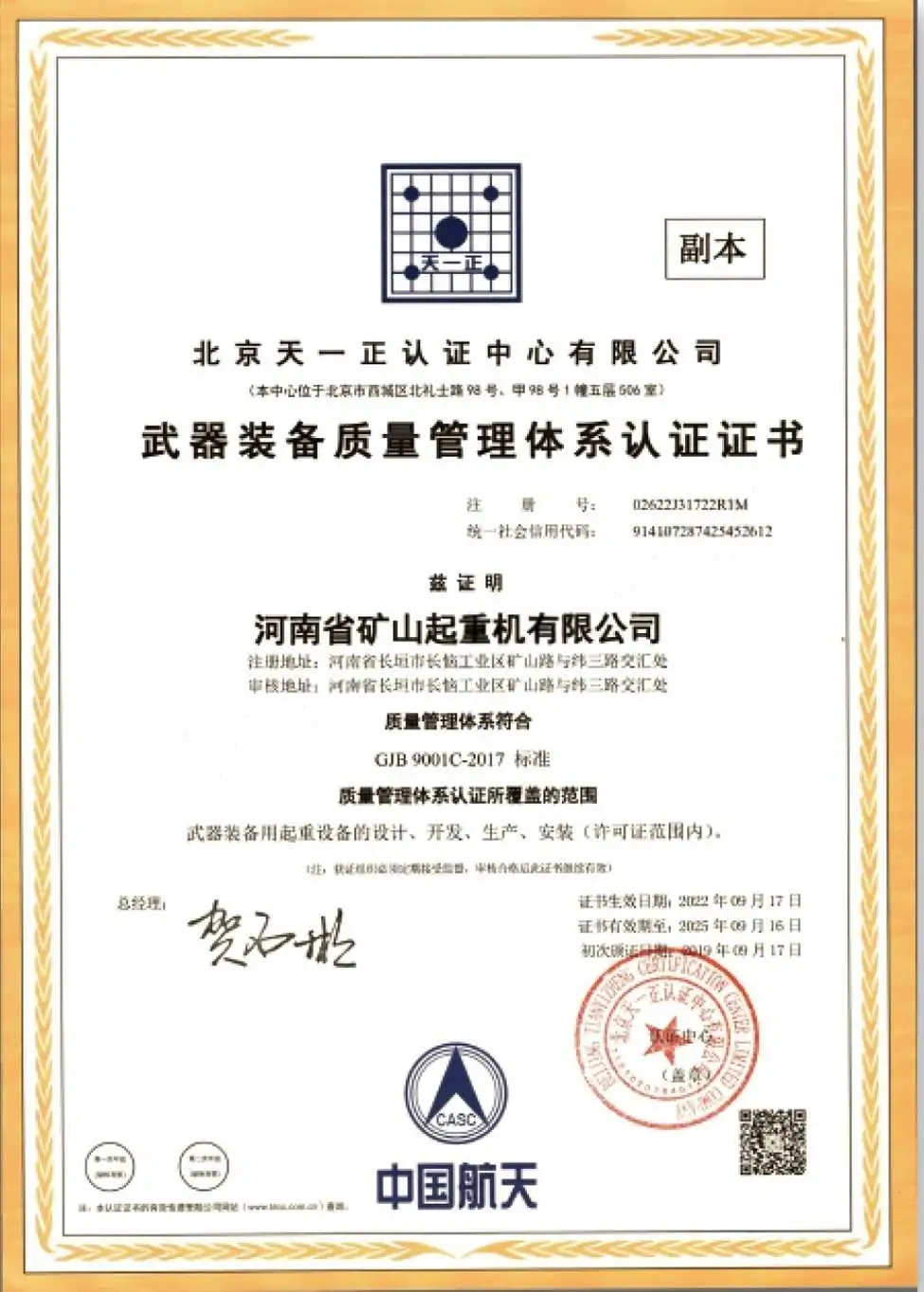
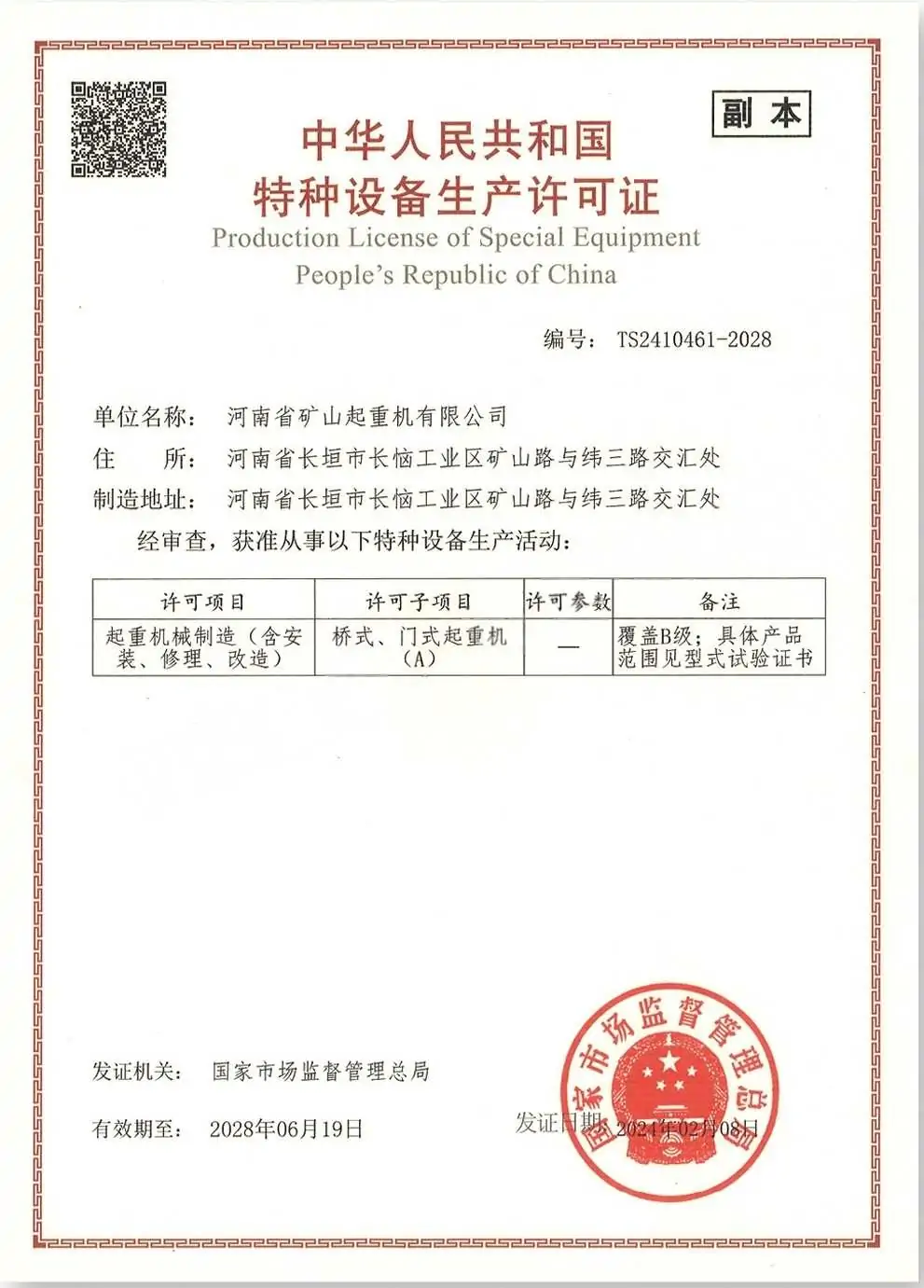
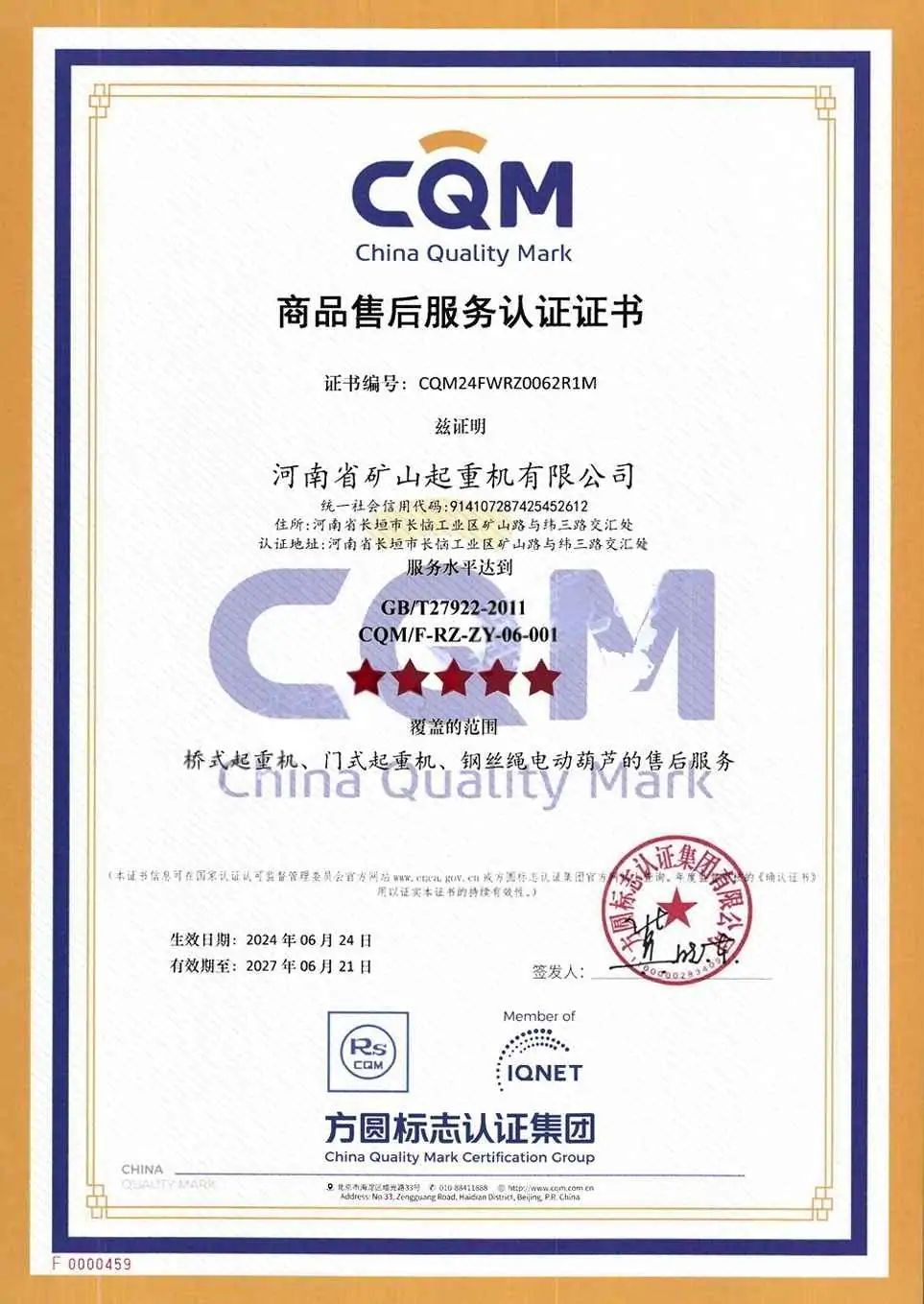
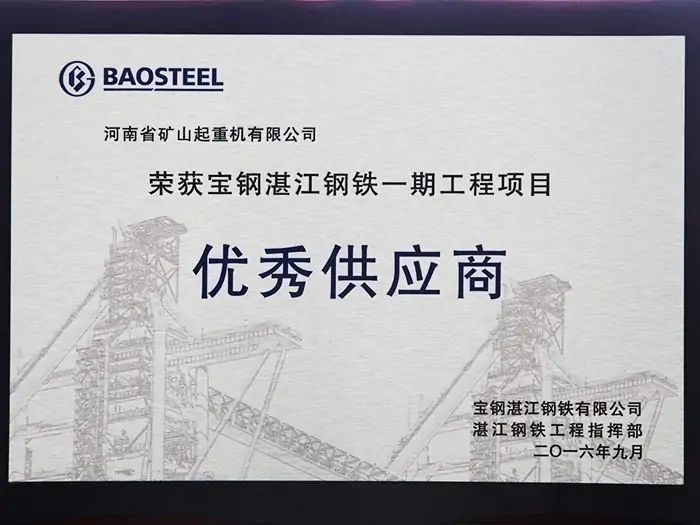
Our Patents and Certifications







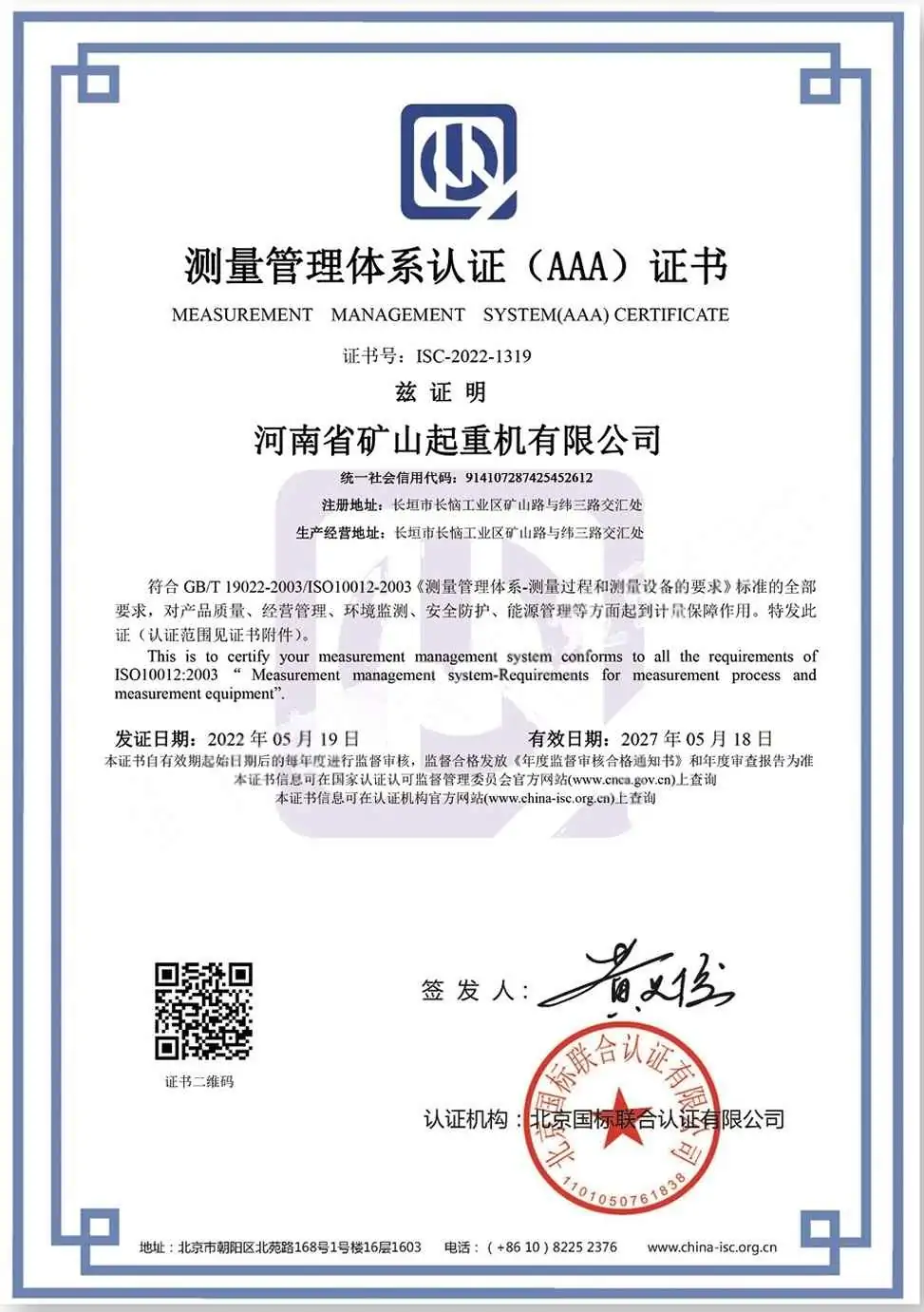
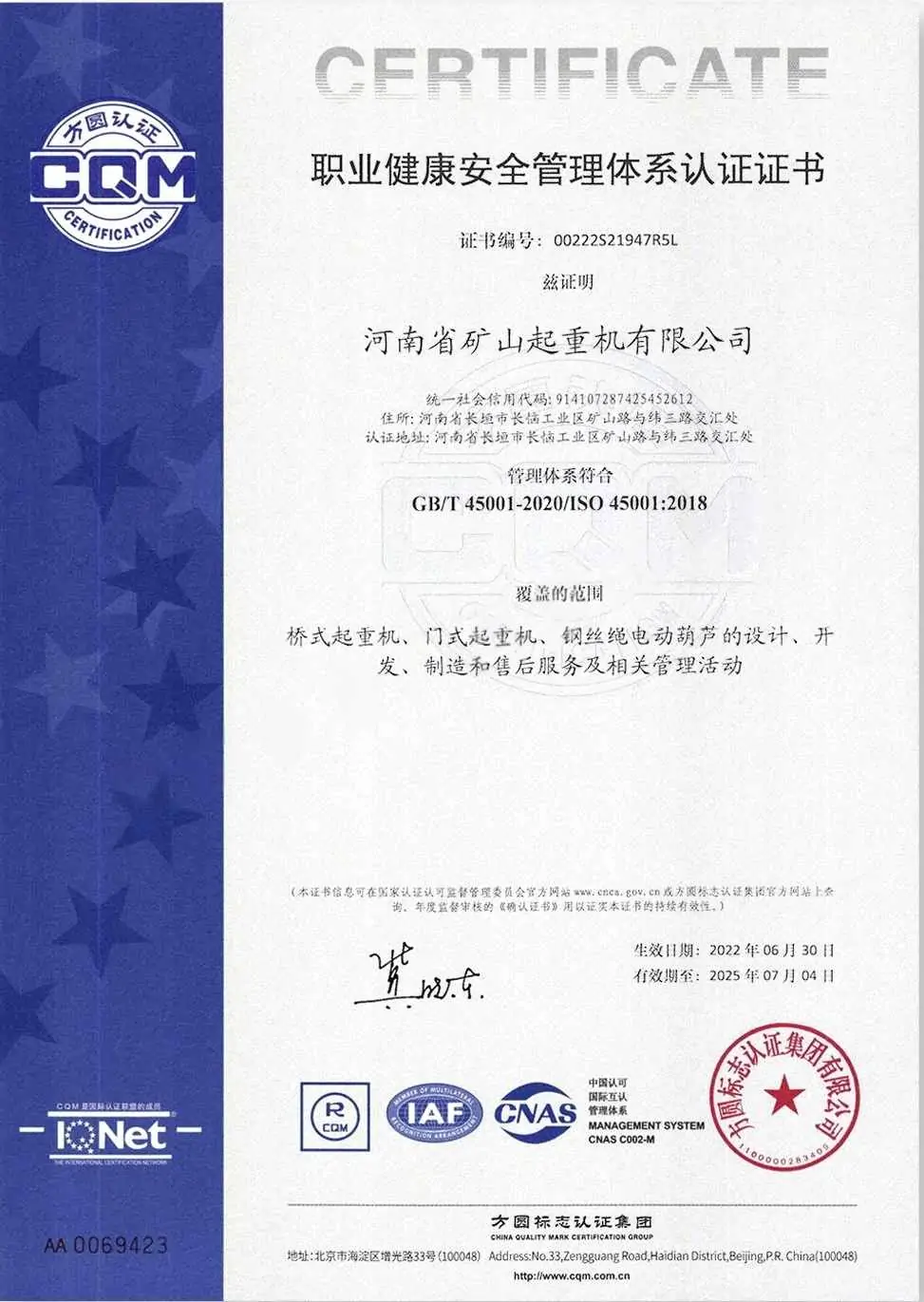
Customer Testimonials & Top Choices
Related Product Recommendations
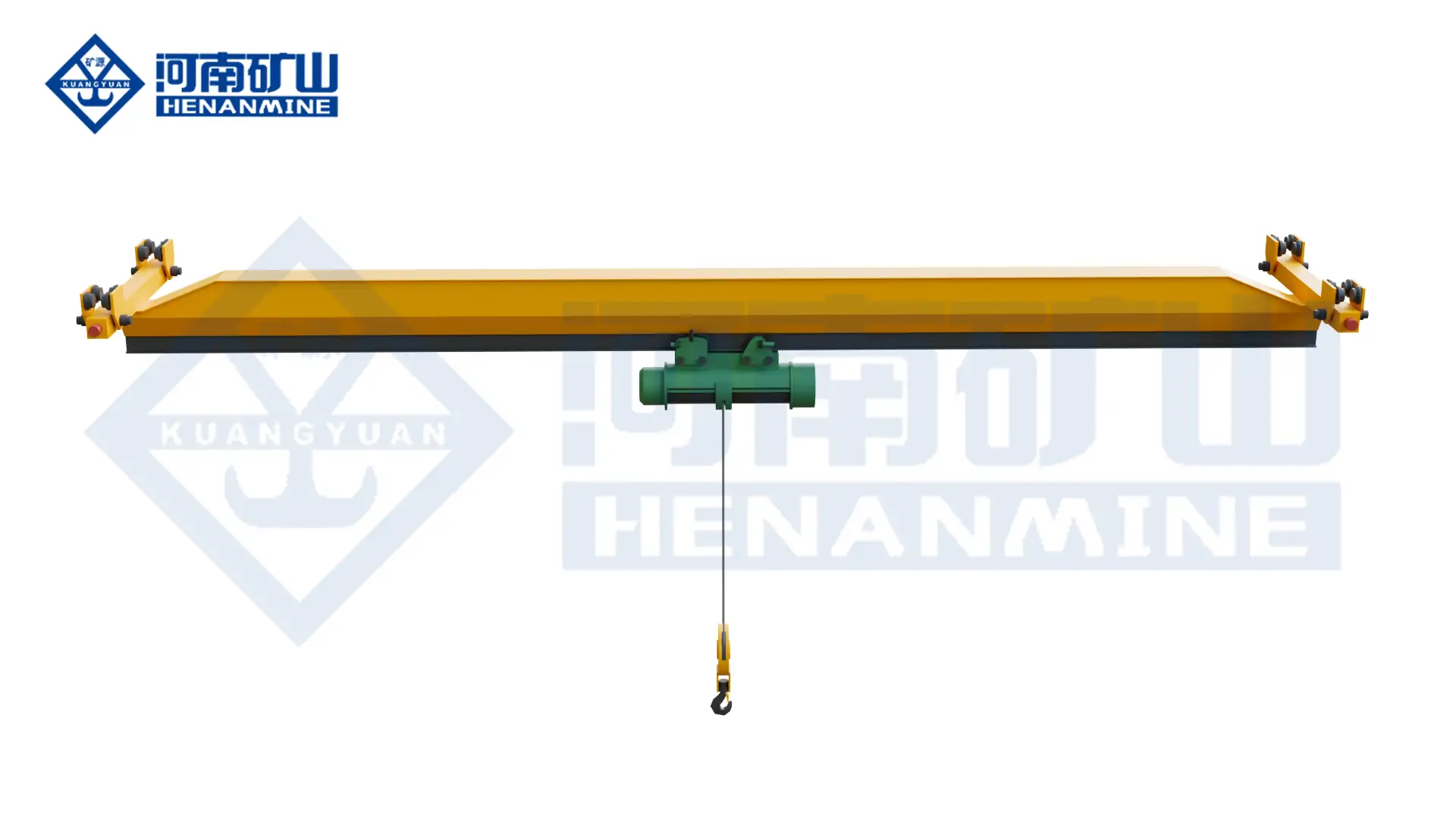
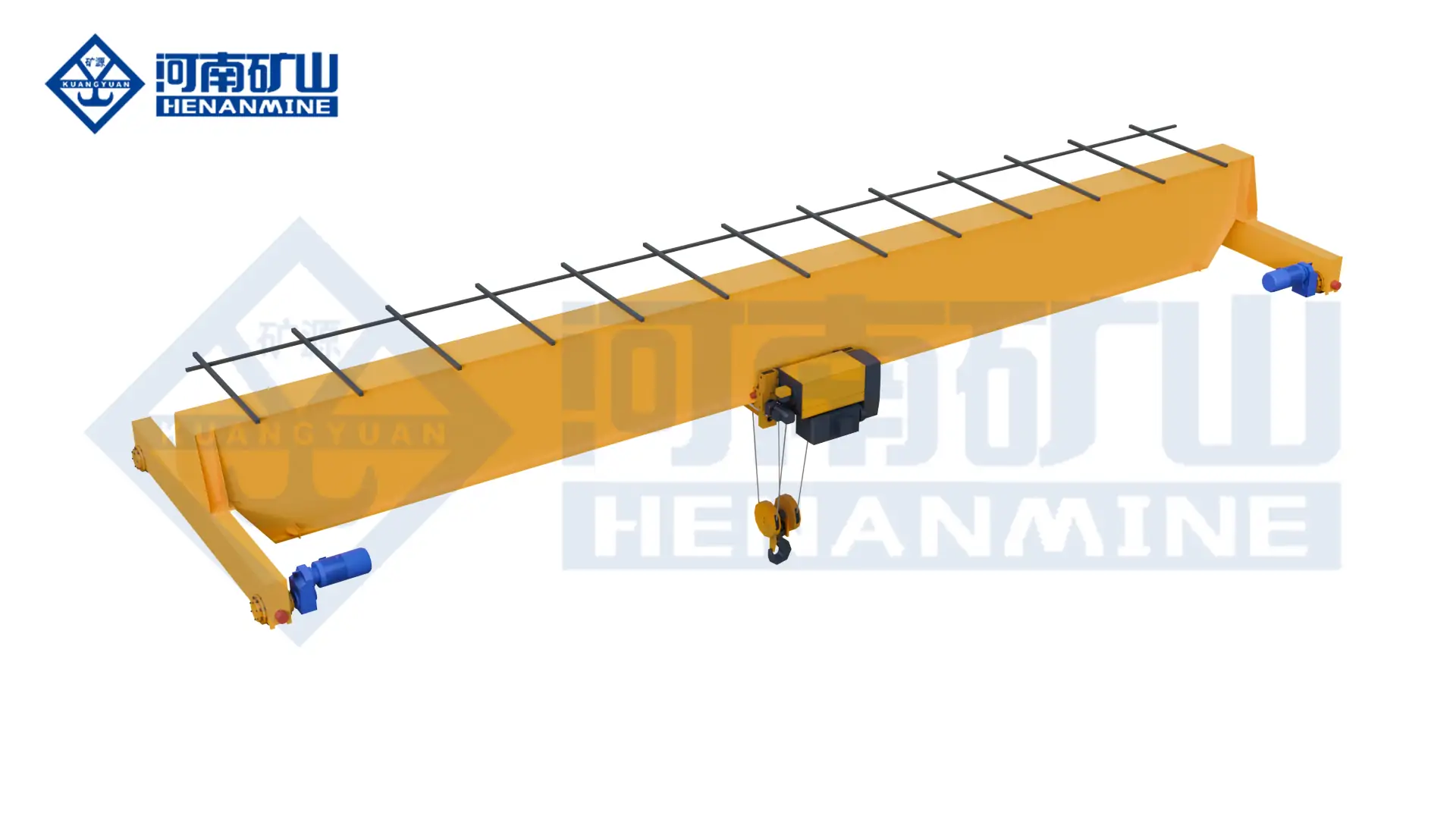
LDY Metallurgical Electric Single-Girder Crane
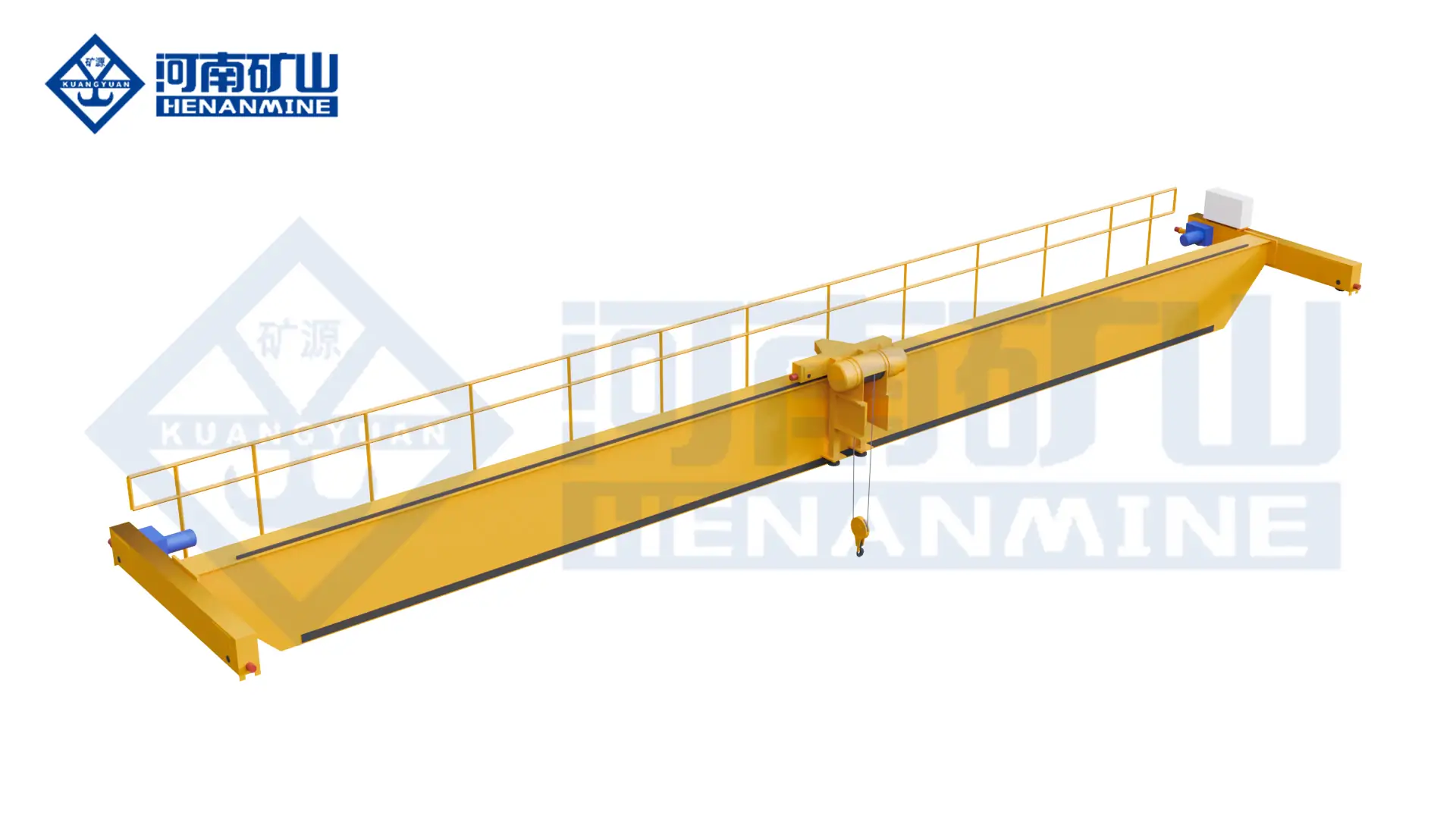
LDP Offset Electric Single-Girder Crane
LDC New Electric Double-Girder Crane
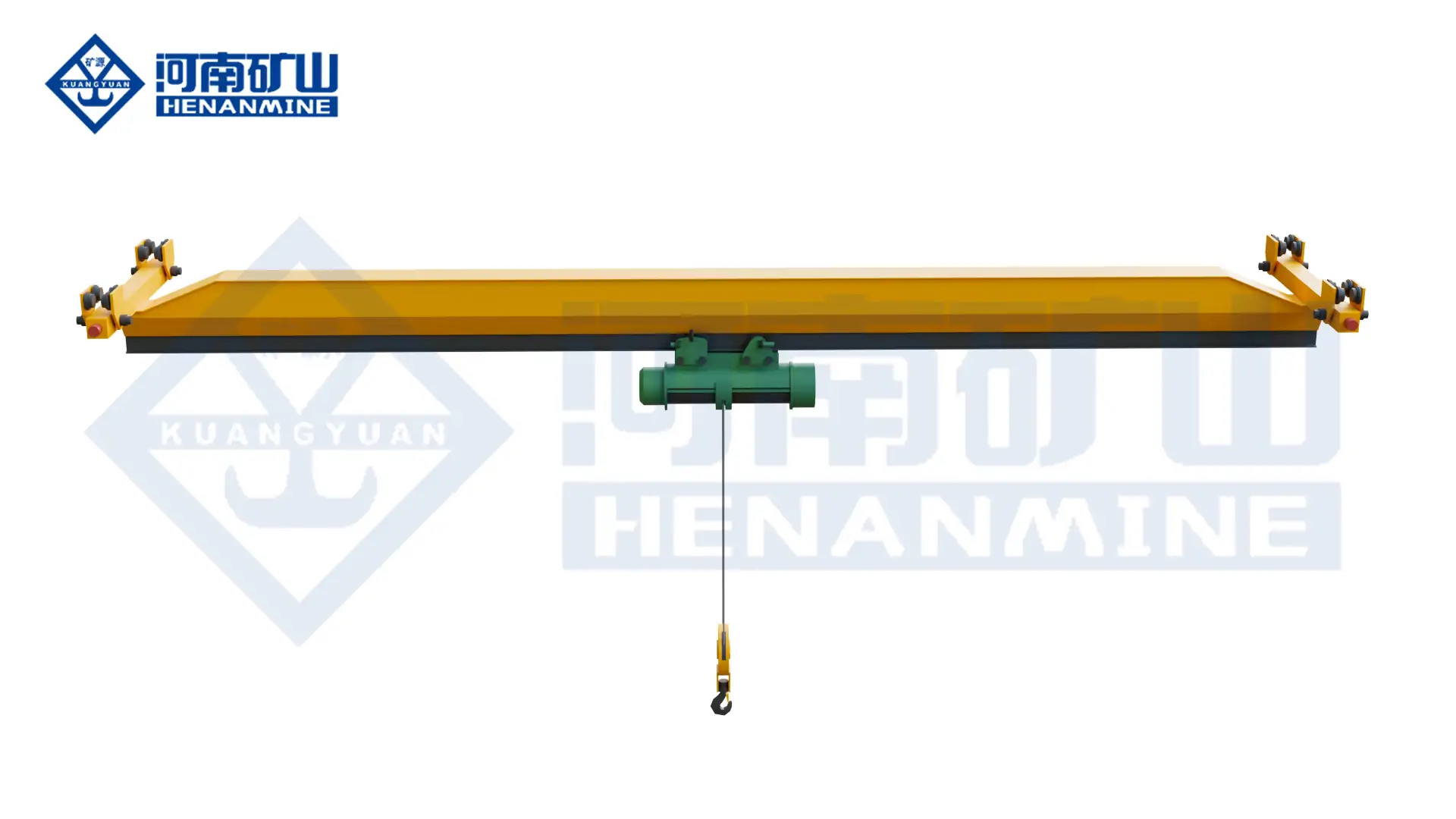
LB Explosion-Proof Electric Single-Girder Crane
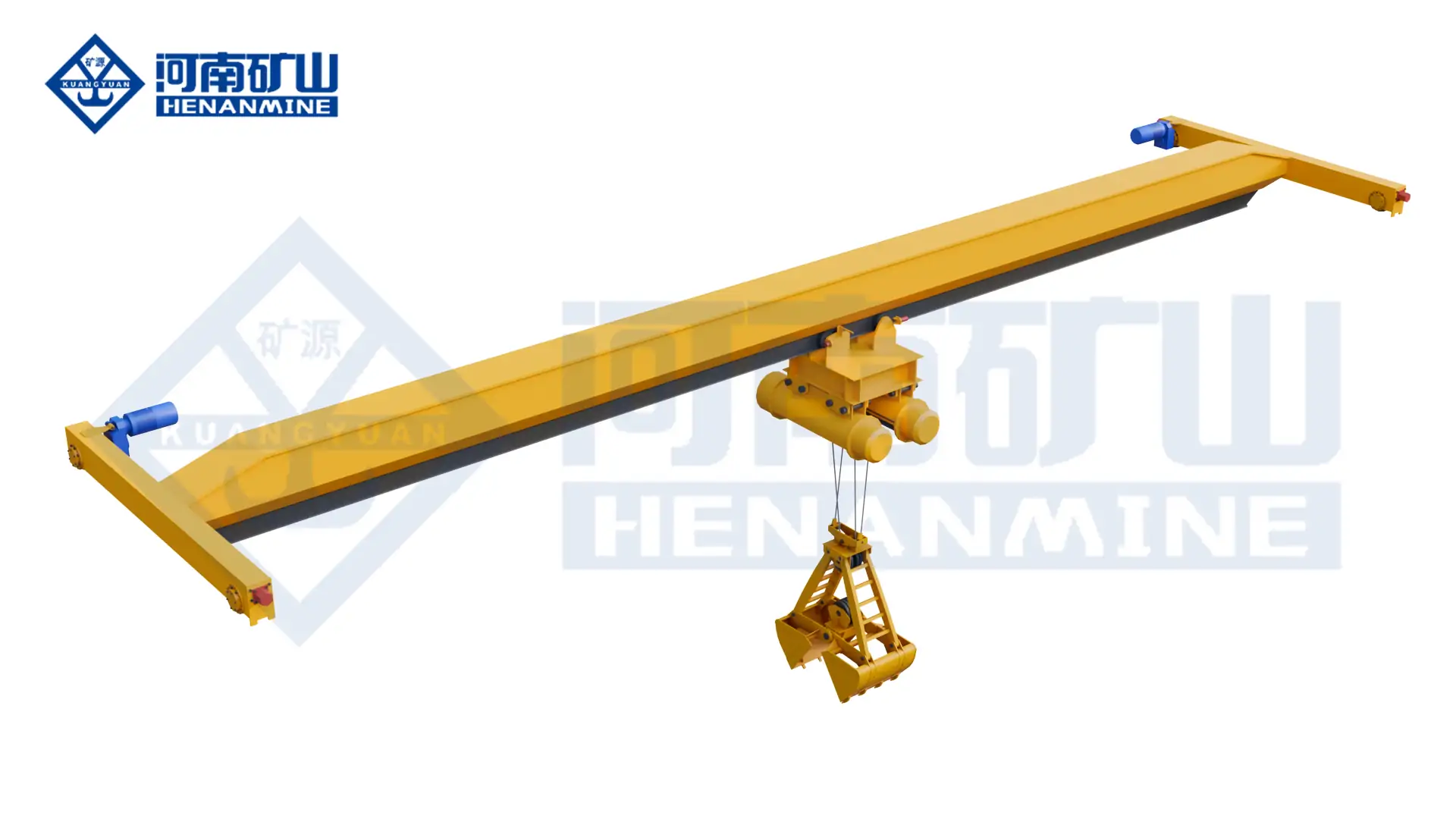
LDZ Electric Single-Girder Grab Crane
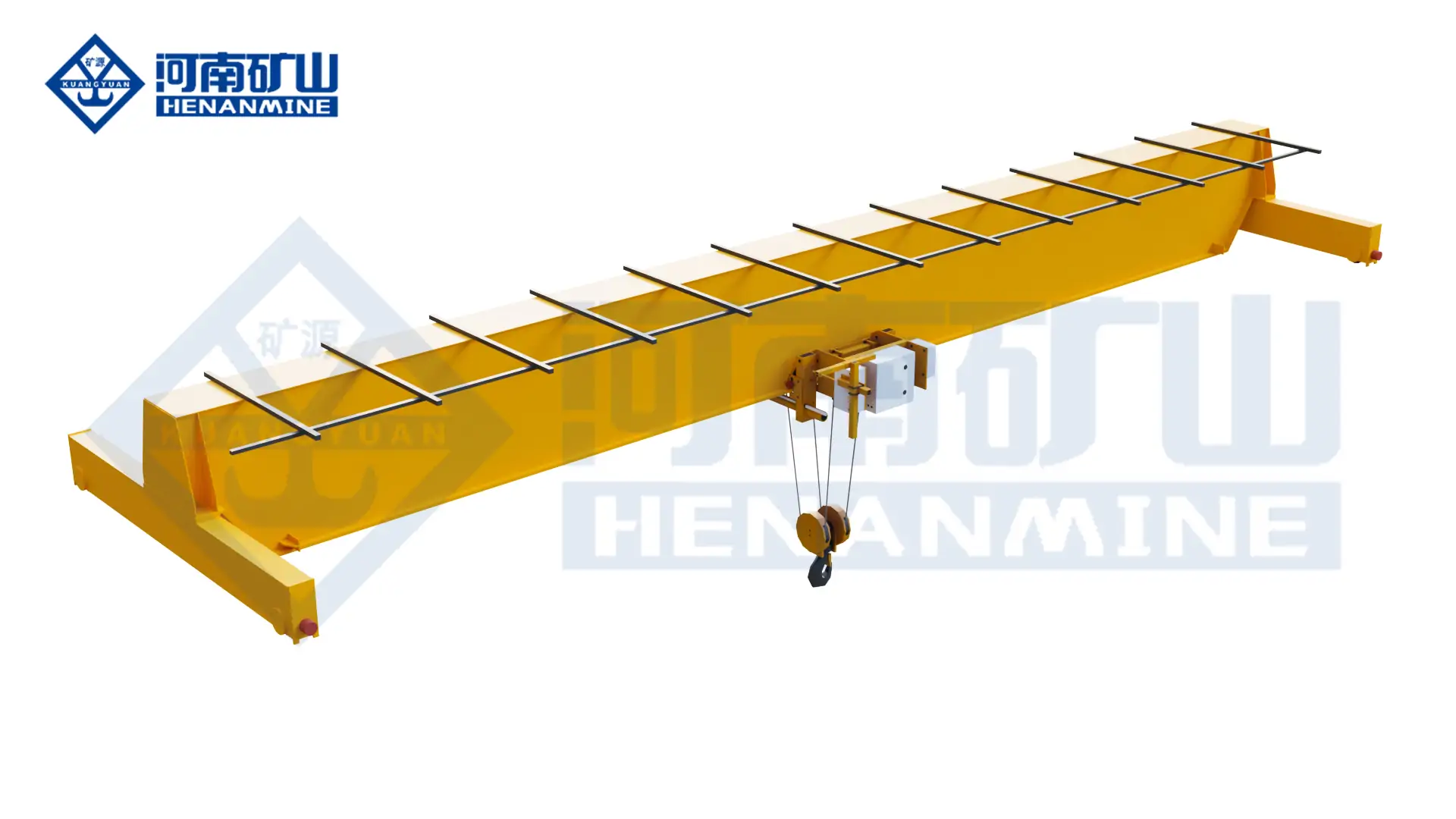
LDC Low-headroom Electric Single-girder Crane
Become our distributor

Common Issues with Electric Single-Girder Cranes
-
Core Question: Given my site and requirements, what capacity and span should I choose for an electric single-girder crane?Professional Solution: Selecting the right model hinges on 3 core parameters + 1 site condition: ① Maximum Lifting Capacity: Based on the heaviest daily load + 10% margin ② Span: Match the factory column spacing + allow 0.5-1 meter clearance ③ Lifting Height: Match the highest shelf level + add 1 meter safety clearance
-
Safety Concerns: As special equipment, are electric single-girder cranes safe?Expert Solution: This is the fundamental concern for all clients. We address it through two key assurances: ① Compliance Certification: Henan Mine holds the “Special Equipment Manufacturing License” and “Installation, Modification, and Maintenance License” issued by the State Administration for Market Regulation. Each unit comes with a unique product qualification certificate and factory inspection report, fully compliant with the GB/T 14405-2011 national standard. ② Safety Devices: Standard features include overload protection, travel limit switches, emergency brakes, and anti-derailment hooks. Select models can be upgraded with wind speed sensors and remote monitoring systems.
-
Implementation Concerns: How long does installation take? Will it disrupt normal production?Professional Solution: Electric single-girder crane installation is significantly simpler and more efficient than double-girder or gantry cranes: ① Installation Duration: Standard models can be installed within 2-3 days if site conditions meet requirements Custom models or multi-unit coordination projects typically complete within 5-7 days. ② Minimal Production Disruption: We prioritize nighttime, weekend, or downtime installation schedules. Fully enclosed operations prevent damage to factory facilities or production materials.
-
Cost Concerns: Is the energy consumption of electric single-girder cranes high? Are subsequent maintenance costs expensive?Professional Answer: Electric single-girder cranes represent a low-cost, high-value solution. ① Energy Consumption: Our models feature YE3 high-efficiency motors, achieving 25%-30% greater energy savings than traditional motors. ② Maintenance costs: Under normal usage, only 2 routine maintenance checks are required annually. Core components carry 1-3 year warranties. Non-human-induced damage during warranty periods qualifies for free replacements. Our genuine parts pricing is transparent with no intermediary markups, keeping replacement costs low.
-
Operational Concerns: Is the electric single-girder crane easy to operate? Can regular employees learn it quickly?Customer Pain Points: Concerns about complex operation, employees struggling to learn, and worries about needing specialized certifications that increase labor costs. Expert Answer: Electric single-girder crane operation is exceptionally simple, often described as “foolproof”: ① Control Method: Standard ground-level handle buttons control lifting, lowering, and lateral movement. Optional wireless remote control enables operation within 100 meters. Clearly labeled buttons allow new operators to master basic functions within 10 minutes. ③ Safety Protection: Multiple safeguards ensure safety even for inexperienced operators—overload cuts power, track limits prevent derailment, and emergency brakes stop accidental movements.
-
Customization Inquiry: Can you tailor solutions for my unique site conditions?Expert Answer: The core strength of electric single-girder cranes is “flexible customization.” At Henan Mine, 70% of our annual orders are custom-made: ① Low-headroom customization: For workshops ≤4.5 meters high, the main girder uses a flat design. The hook reaches a minimum height of just 2.2 meters above the floor while still achieving 3-4 meters of lifting height. ② Special Environment Customization: Explosion-proof models for chemical/oil workshops; cleanroom models for pharmaceutical/electronics facilities (ISO Class 8 certified); low-temperature models for -25°C cold storage; corrosion-resistant models for coastal/acid-alkali environments. ③ Functional Customization: Optional features include load cell display, variable frequency drive, and smart integration to fully meet your specific requirements.
-
After-Sales Concerns: What if equipment malfunctions? How responsive is support? Do you offer on-site maintenance?Professional Response: We sell not just equipment, but lifetime service assurance: ① Response Speed: With over 300 service centers globally and a 24/7 hotline, our engineers typically arrive within 24 hours—whether in urban or county areas—and reach remote locations within 48 hours.
Operating Manual for Electric Single-Girder Cranes
-
Each crane must display a rated load capacity plate in a conspicuous location.
-
No personnel are permitted on the girder during operation, nor may the hook be used to transport persons
-
Operation is prohibited without a valid operator's license or under the influence of alcohol.
-
Operators must maintain full concentration during operation; talking, smoking, or engaging in unrelated activities is strictly forbidden.
-
Keep the crane clean and tidy; do not store equipment, tools, flammable materials, explosives, or hazardous substances haphazardly.
-
Do not overload the crane.
-
When operating along obstacle-free paths, the hook, lifting device, or bottom surface of the load must remain at least 2 meters above ground level. When crossing obstacles, the load must clear the obstacle by at least 0.5 meters
-
For loads under 50% of rated capacity, both lifting mechanisms may operate simultaneously. For loads exceeding 50% of rated capacity, only one mechanism may operate.
-
.For bridge cranes equipped with main and auxiliary hooks, do not simultaneously raise or lower both hooks (except under special circumstances).
-
Welding or hammering on suspended loads, or working beneath suspended loads, is prohibited (except when properly supported).
-
Inspection or maintenance work may only be performed after power has been disconnected and a “Do Not Operate” sign is displayed on the power switch. If live work is unavoidable, implement safety measures and assign dedicated supervision.
-
Do not throw objects from the vehicle indiscriminately.
-
Regularly inspect limit switches and interlock protection devices.
-
Do not use limit switch impact as a stopping method.
-
Do not lift or lower loads when hoist brakes malfunction.
-
Do not operate the hoist above personnel or equipment.
-
When welding any part of the crane, use a dedicated ground wire; do not use the crane body as a ground.
-
When the hook is at its lowest position, ensure at least two full turns of safety rope remain on the drum.
-
Cranes must not collide with each other; using one crane to push another into operation is strictly prohibited.
-
When lifting heavy objects, molten metal, explosives, or hazardous materials, first slowly raise the load 100–200 mm off the ground to test brake reliability.
-
Maintenance and inspection lighting must operate at voltages below 36V.
-
All electrical equipment enclosures on bridge cranes must be grounded. If trolley rails are not welded to the main girder, grounding measures must be implemented. Grounding conductors may use galvanized flat iron with a cross-sectional area exceeding 75mm², bare copper wire of 10mm², or galvanized round steel exceeding 30mm². The operator's cab or crane body shall have more than two grounding points. The grounding resistance from any point on the crane to the power supply neutral point shall be less than 4Ω.
Directly state your needs and receive professional advice!
Single-girder bridge crane project delivered on time & safely landed

Improve efficiency

Avoiding risks
