


Rubber Tyred Gantry Crane (RTG)
Request an RTG Crane Quote
| What to provide | What to include |
|---|---|
| Container and spreader | Container lengths and types, maximum gross container weight and any special lifting requirements. |
| Stack geometry | Container rows across the block, stack tiers, clearance over the top tier and the position of each truck lane. |
| Yard pavement and travel | Pavement drawings or design limits, slopes, lane widths, turning space and routes between blocks. |
| Operating duty | Peak moves per hour, operating hours, load distribution and the number of blocks served. |
| Power and controls | Available yard power, required operating range and preferred cab, remote or automation scope. |
| Site and supply scope | Project location, site wind and environmental design data, applicable standards, and the scope for delivery, commissioning and training. |
How an RTG Serves a Container Yard
Stacking and Truck Transfer
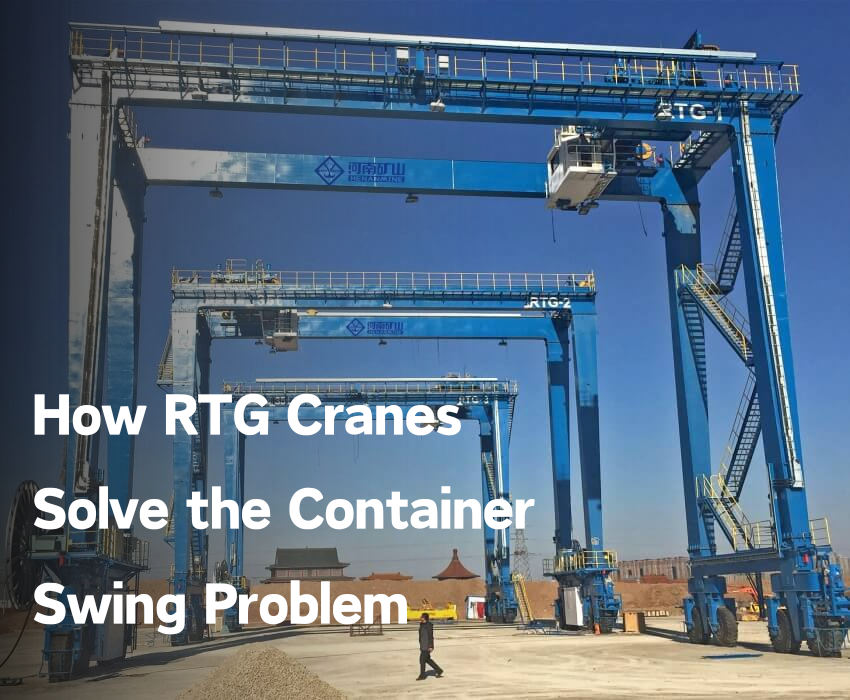
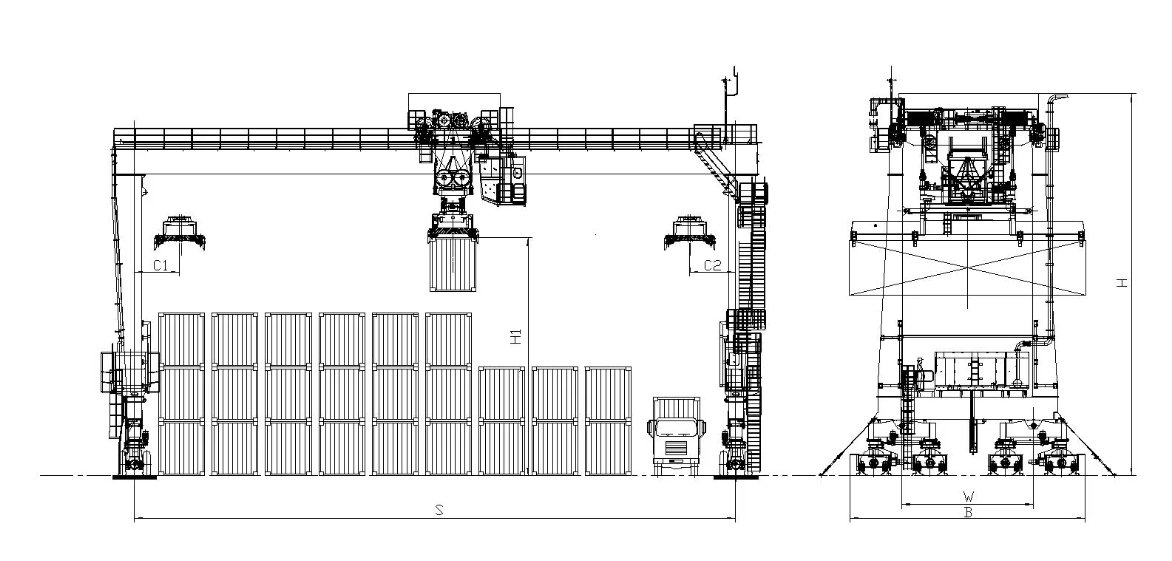
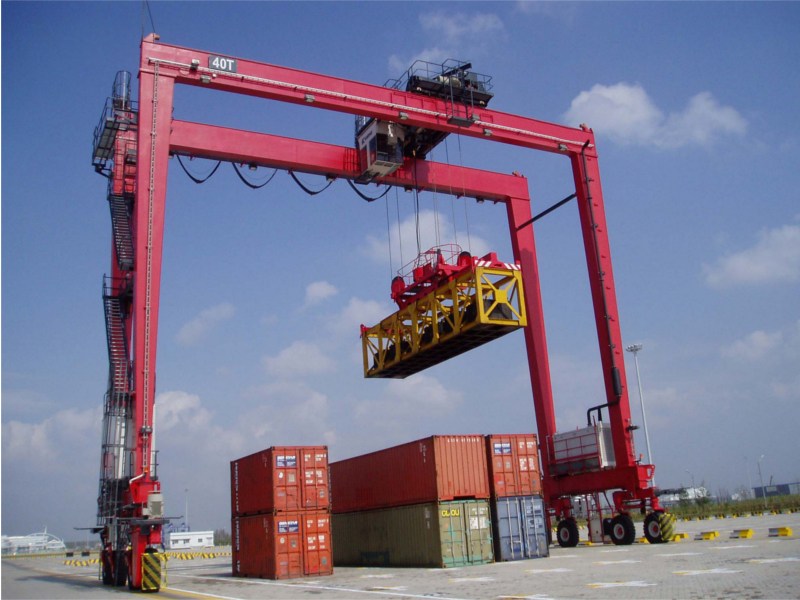
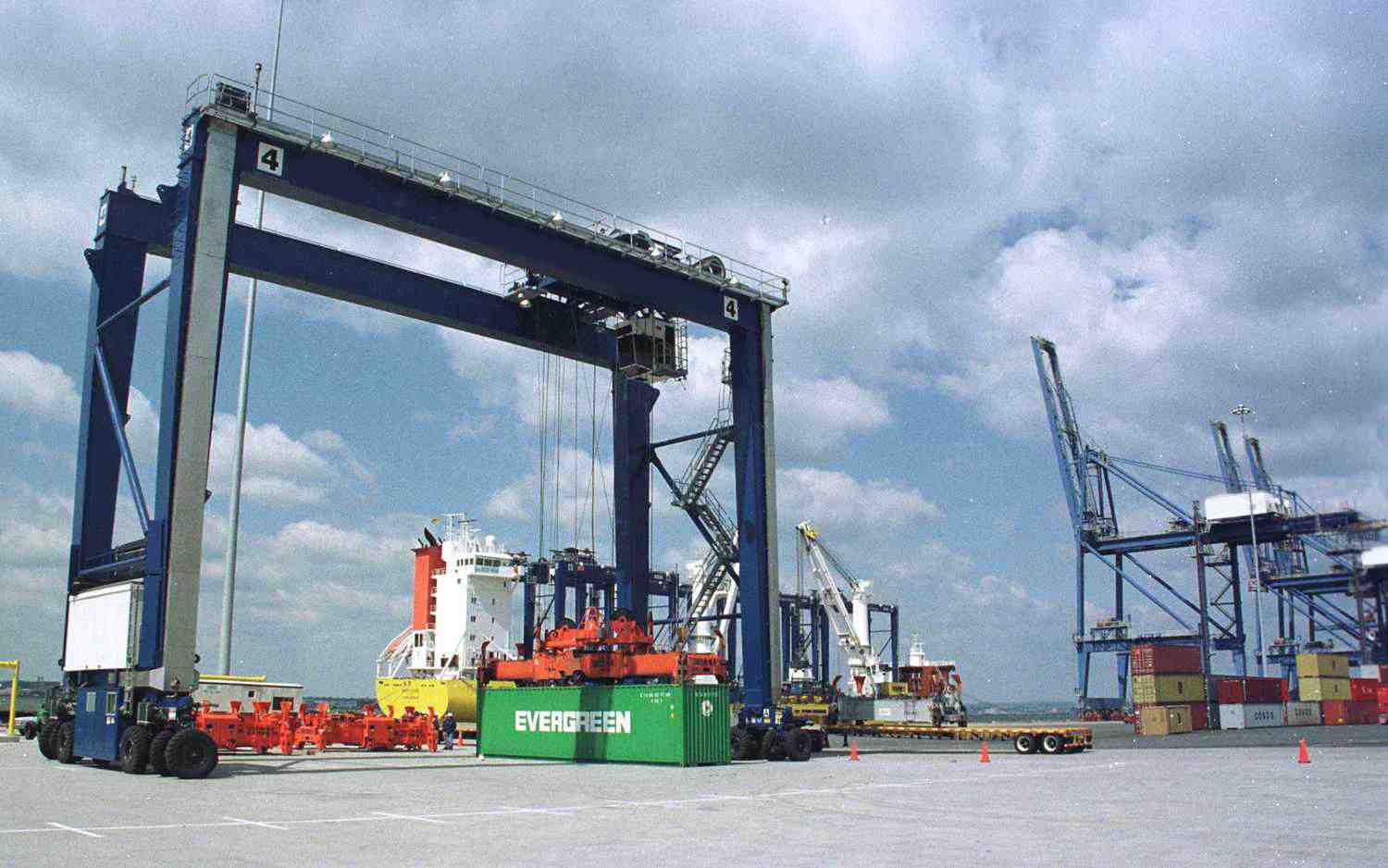
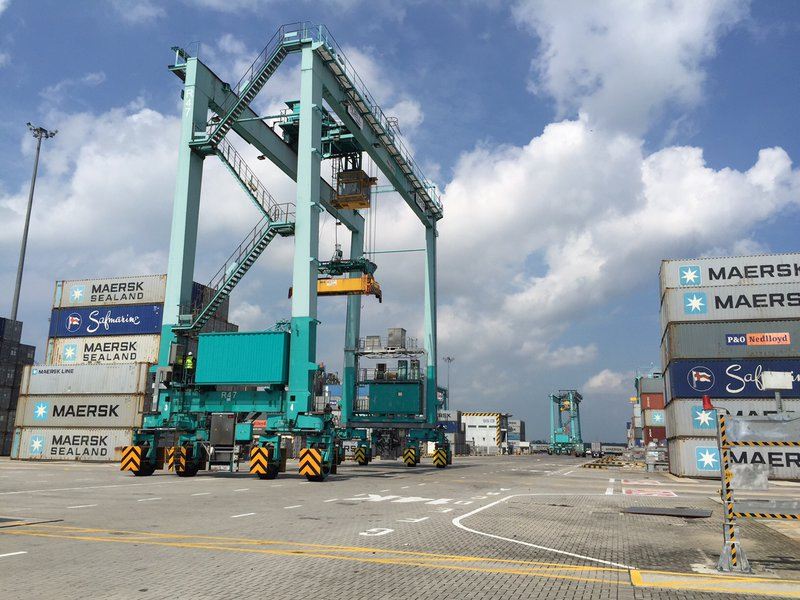
An RTG straddles the container rows and truck lane specified in the yard layout. A trolley moves the spreader across the span to pick a container from a truck or place it in the stack.
Define the stacking arrangement before setting the span and lift height. A wider block or a second truck lane changes the span and trolley travel. Extra tiers affect lifting height, cycle time and the pavement load to be reviewed for the proposed crane.
Choosing Between RTG and RMG
An RTG runs on tyres and can serve more than one block where the yard has suitable transfer routes. A rail-mounted gantry crane follows a fixed rail alignment. Compare the number of blocks each crane must serve, pavement or rail infrastructure, truck access, available power and peak handling demand.
For a fixed rail layout, see the rail-mounted container gantry crane.
What to Confirm in the RTG Proposal
| Proposal item | What to confirm |
|---|---|
| Rated load | Confirm the rated load at the specified spreader and the compatible container types. |
| Layout drawing | Check container rows and clearances, truck lanes, stack height, crane travel and block transfer routes. |
| Pavement loads | Have the yard civil engineer review wheel reactions and travel, turning and parking loads for the proposed arrangement. |
| Operating conditions | Confirm duty, power supply, wind operating and parking criteria, controls and the agreed acceptance tests. |
RTG Crane Controls, Spreader and Yard Integration
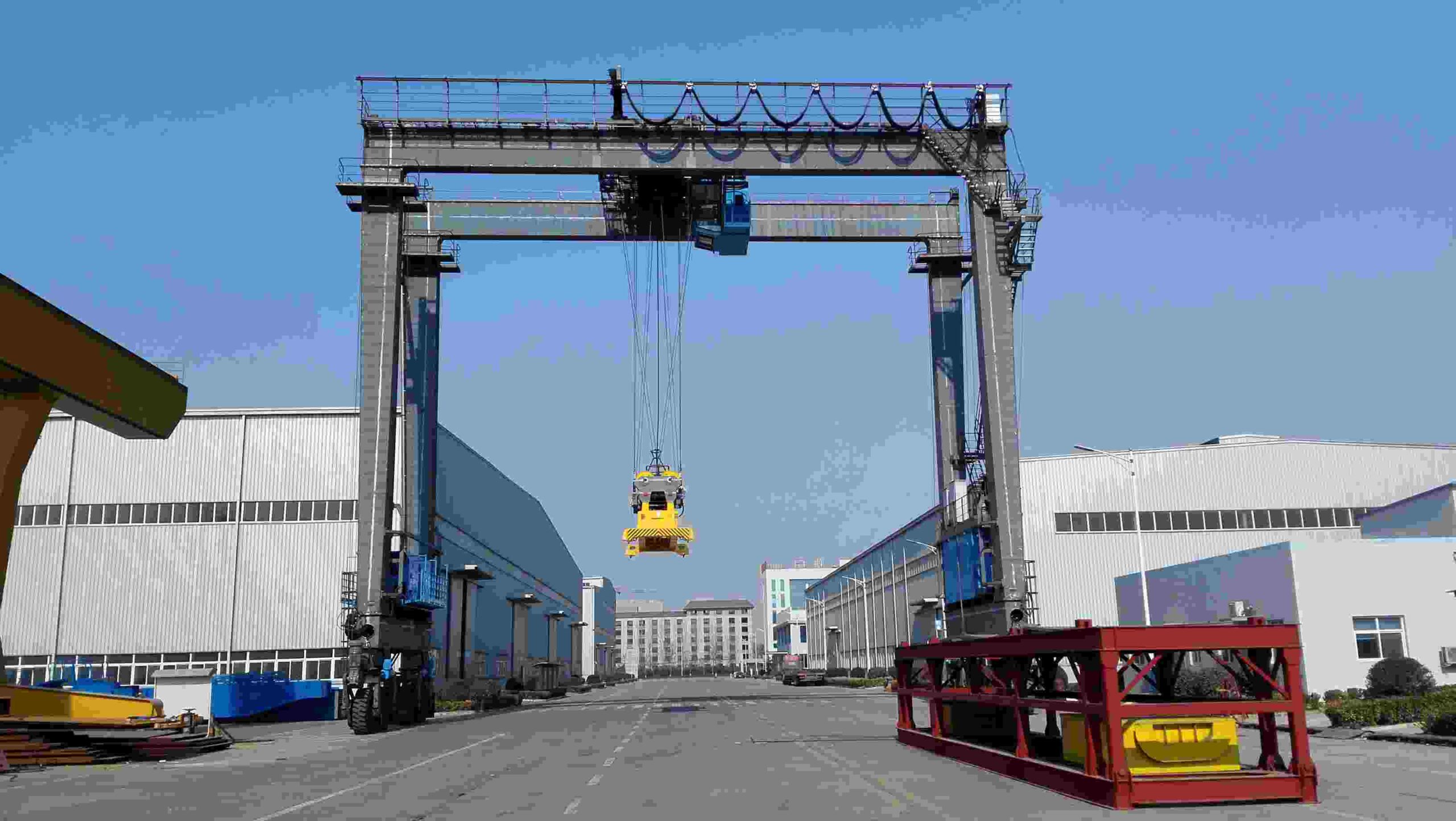
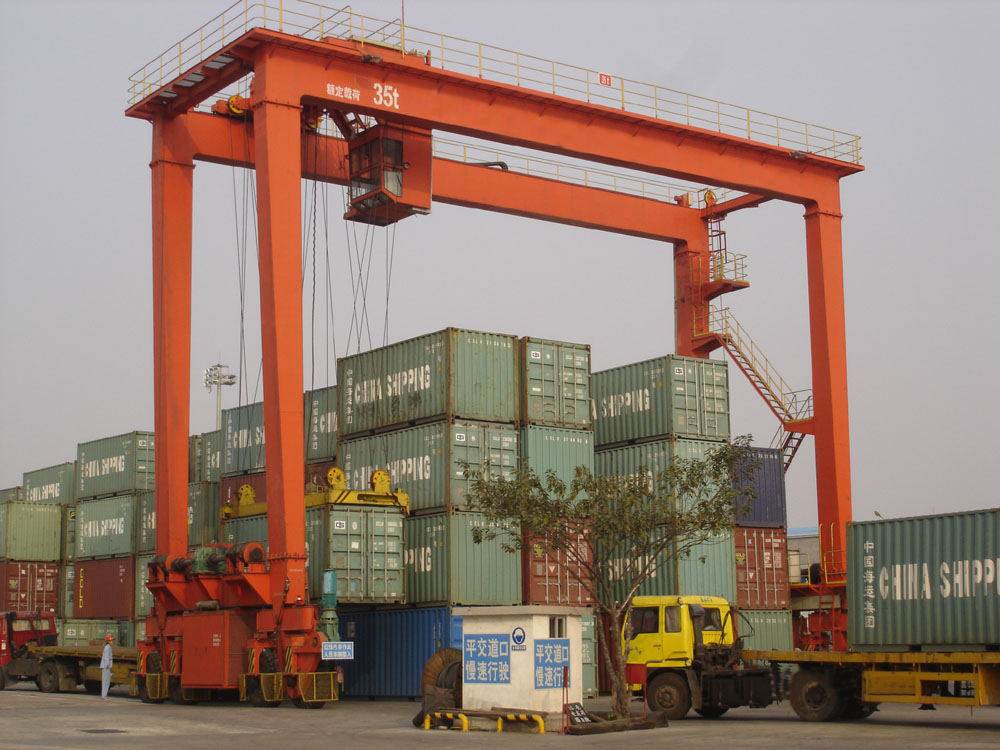
Application Scenarios of Henan Mine Crane manufactured Rubber Tyred Gantry (RTG)
-
Coastal small and medium-sized port yardPort tyre-type container stacker gantry crane, suitable for coastal small and medium-sized ports / feeder ports container stacking, sorting and transshipment operations, connecting the shore bridge and trailers.
-
Inland River Port Container Transshipment YardTrackless tyre-type container gantry crane for inland river ports, connecting inland river vessels and public railway transport, and completing container loading and unloading stacking.
-
Regional railway container freight stationRailway freight station tyre container gantry cranes, suitable for provincial and municipal sites container loading and unloading stacking, connecting the railway trunk line and branch line distribution
-
railway logistics park container distribution areaFlow park mobile tyre gantry crane, suitable for railway logistics park container distribution warehousing, to achieve ‘railway transport - park distribution - end distribution’ connection.
-
Large inland container logistics hubInland logistics park trackless tyre container stacker crane, to undertake the Hong Kong railway container distribution, distribution and bonded warehousing.
-
Cross-border e-commerce/bonded logistics parkBonded logistics park tyre container gantry cranes, suitable for cross-border e-commerce container storage, inspection and transshipment.
-
Automobile / Construction Machinery Industrial ParkAs a manufacturing industry supporting tyre container gantry crane, suitable for automotive, construction machinery and other industrial parks raw materials/finished products container transfer, to achieve ‘into the factory - factory’ full logistics.
-
home appliances / electronics industry logistics support areaHenan Mine Light Tyre Container Gantry Cranes are selected to be suitable for loading and unloading and stacking of finished products of household appliances/electronics enterprises.
-
wind power / photovoltaic infrastructure temporary yardAs a wind power infrastructure temporary tyre gantry crane, suitable for wind farms / photovoltaic power stations, temporary storage and transfer of heavy parts.
-
Emergency logistics / disaster relief materials yardEmergency tyre gantry crane, suitable for emergency logistics / disaster relief materials container loading and unloading stacking.

Crane Operation Demonstration
How to Choose the Best Crane Manufacturer in China
-
1Clarify Your Crane NeedsThoroughly understand your lifting requirements (load details, frequency, and workspace environment) before approaching crane manufacturers.
-
2Determine Crane Service ClassCalculate the required crane service class based on your operational intensity to ensure optimal performance and longevity.
-
3Explore Crane Supplier Custom Features:Investigate available customization options and special features to enhance safety, efficiency, and precision for your specific application.
-
4Assess Crane Factory Engineering CapabilityEvaluate the manufacturer's engineering strength to ensure they can design a suitable solution tailored to your needs.
-
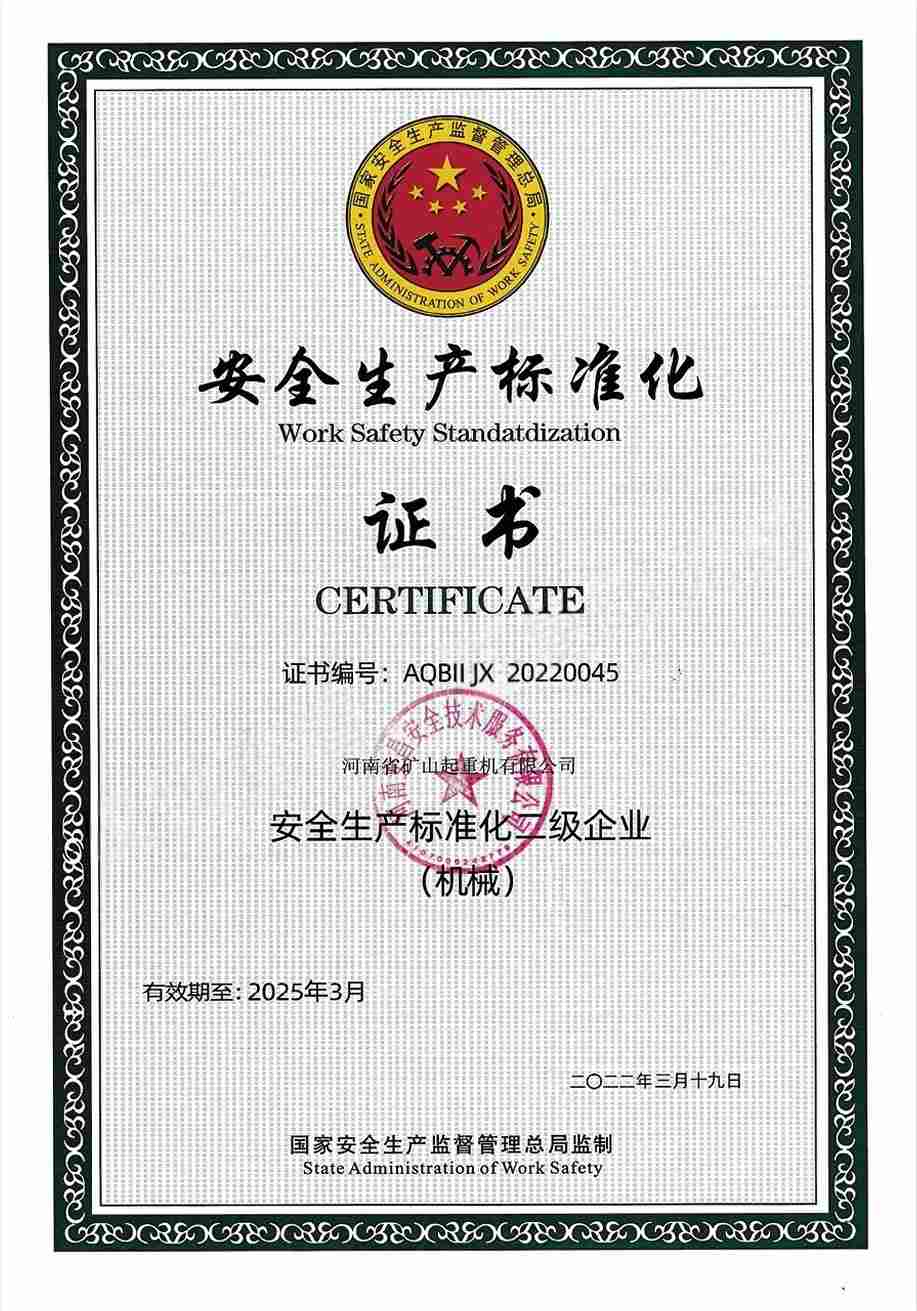
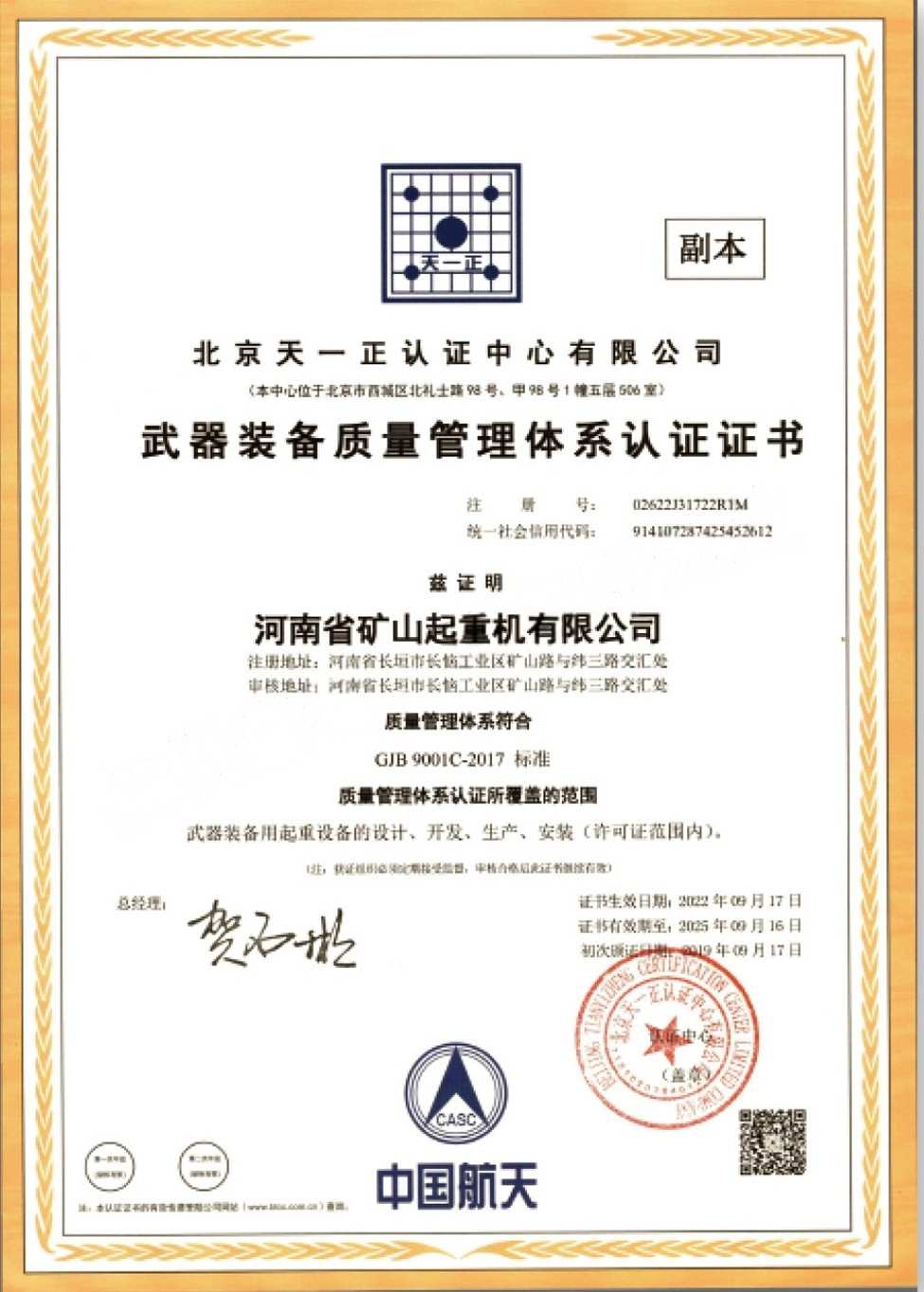
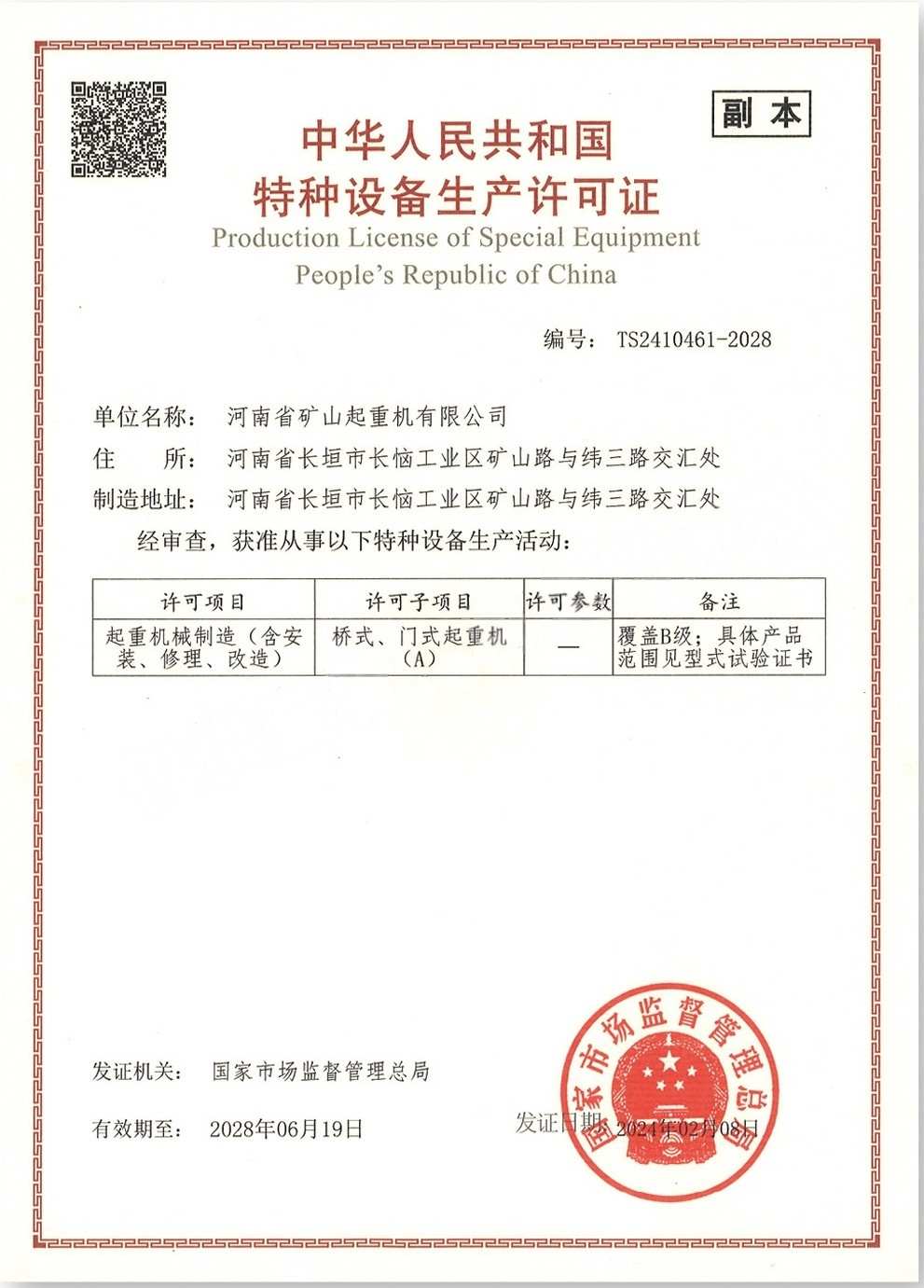
5Verify Quality & Compliance of Crane CompanyCheck the crane manufacturer's manufacturing quality, certifications, and compliance with international standards and your local safety regulations.
-
6Ensure Support & ReferencesConfirm the manufacturer provides reliable after-sales support and has a proven track record with positive references in your industry or region.
Why We Are More Trustworthy

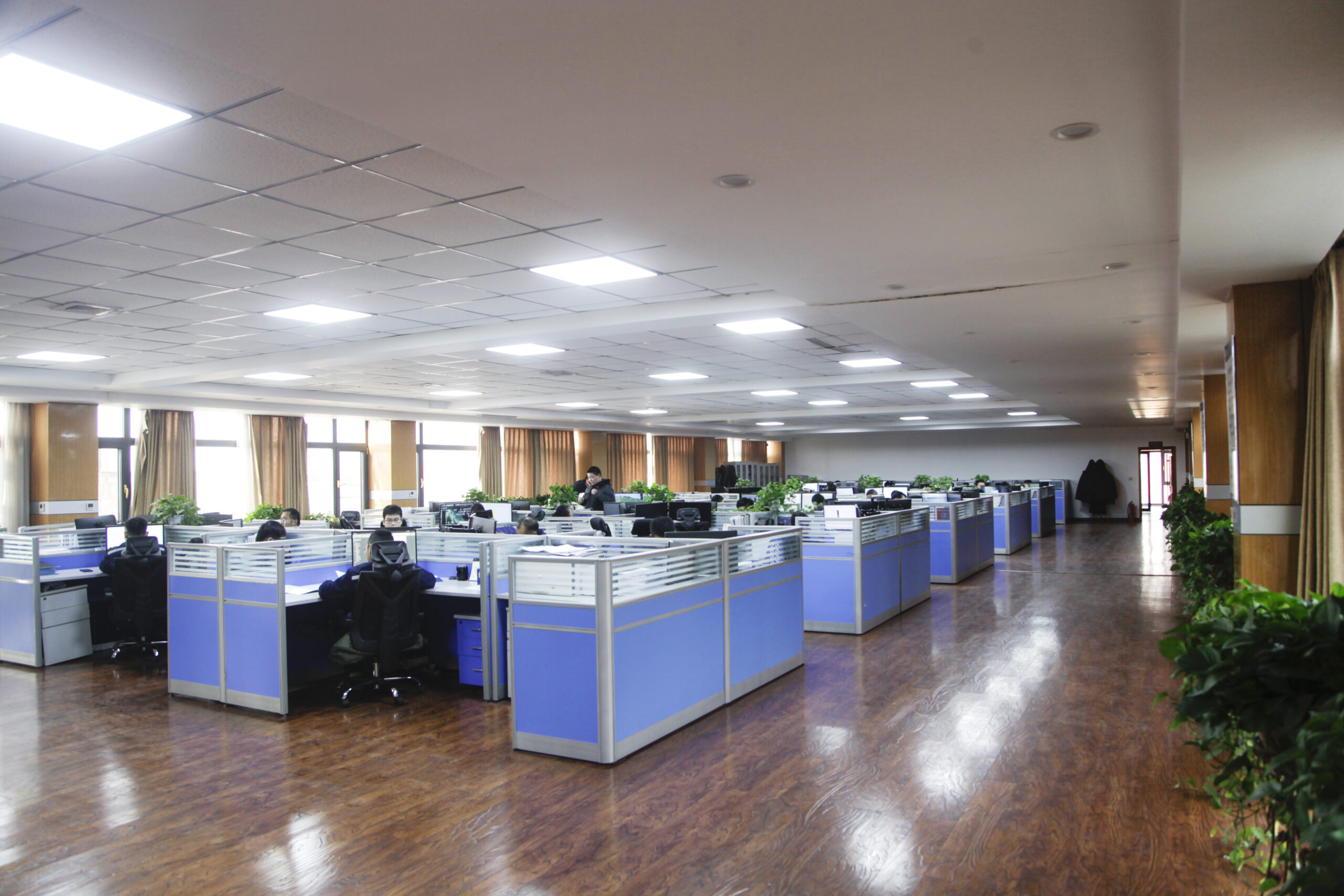
Experienced company

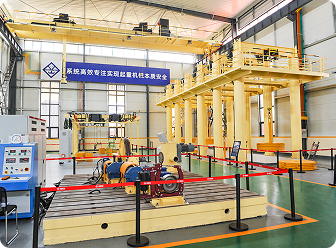
Professional team & equipment
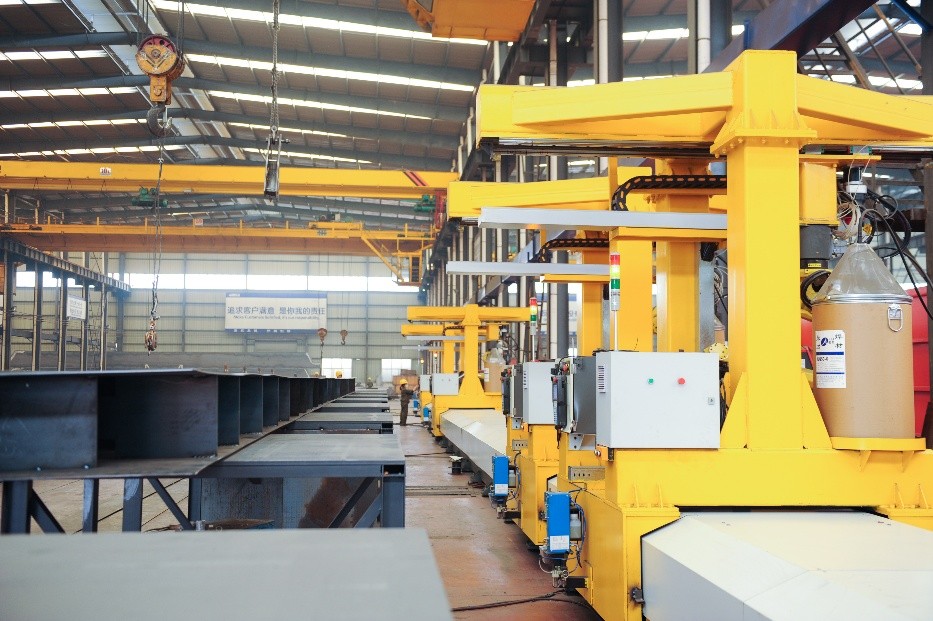
Productive capacity
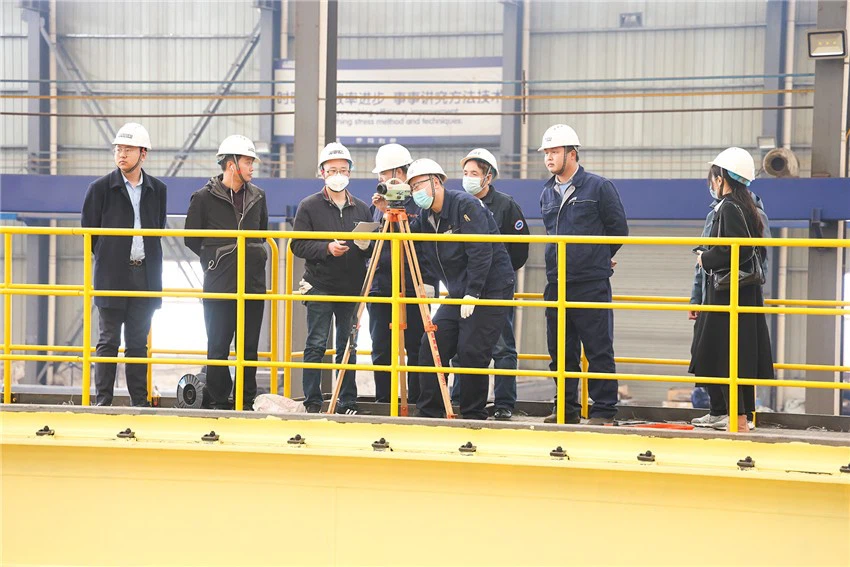
Customized design services
Why Our Cranes Earn Customers' Trust

The services we provide

Free customization scheme

Regular Maintenance Reminder

Technical support consultation

Free customization scheme
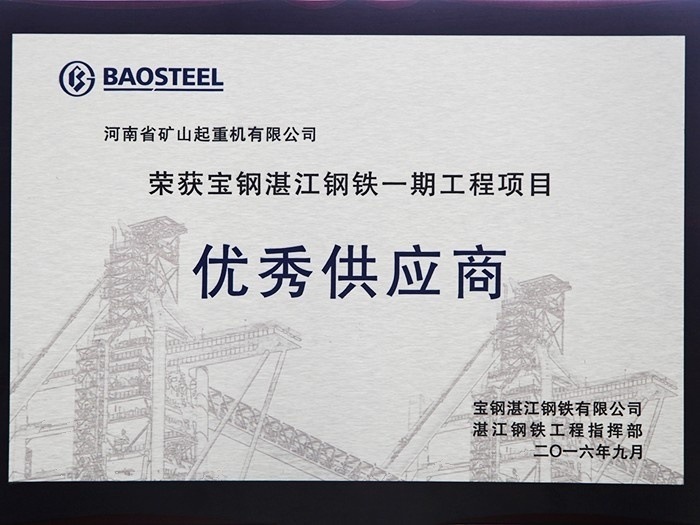
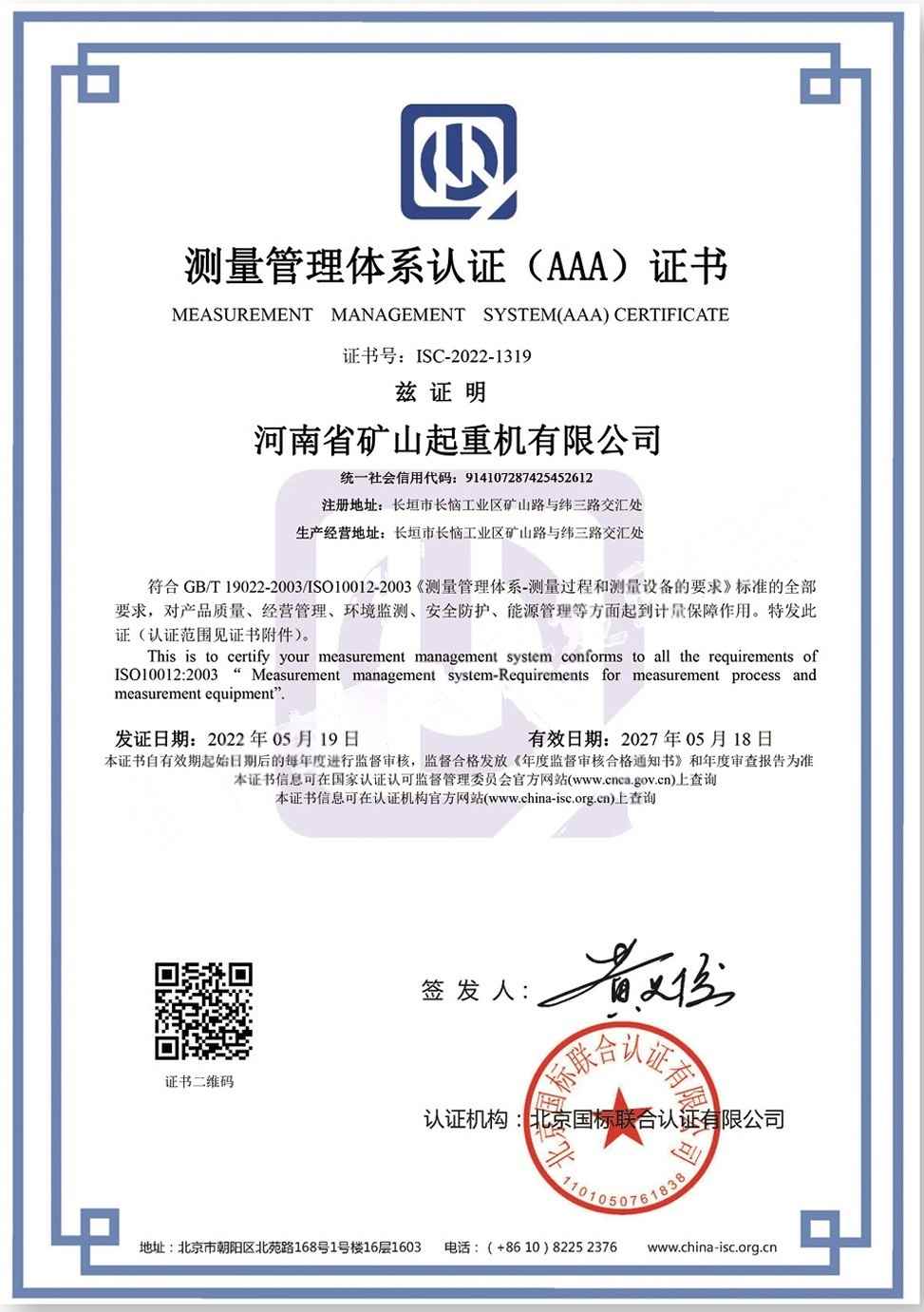
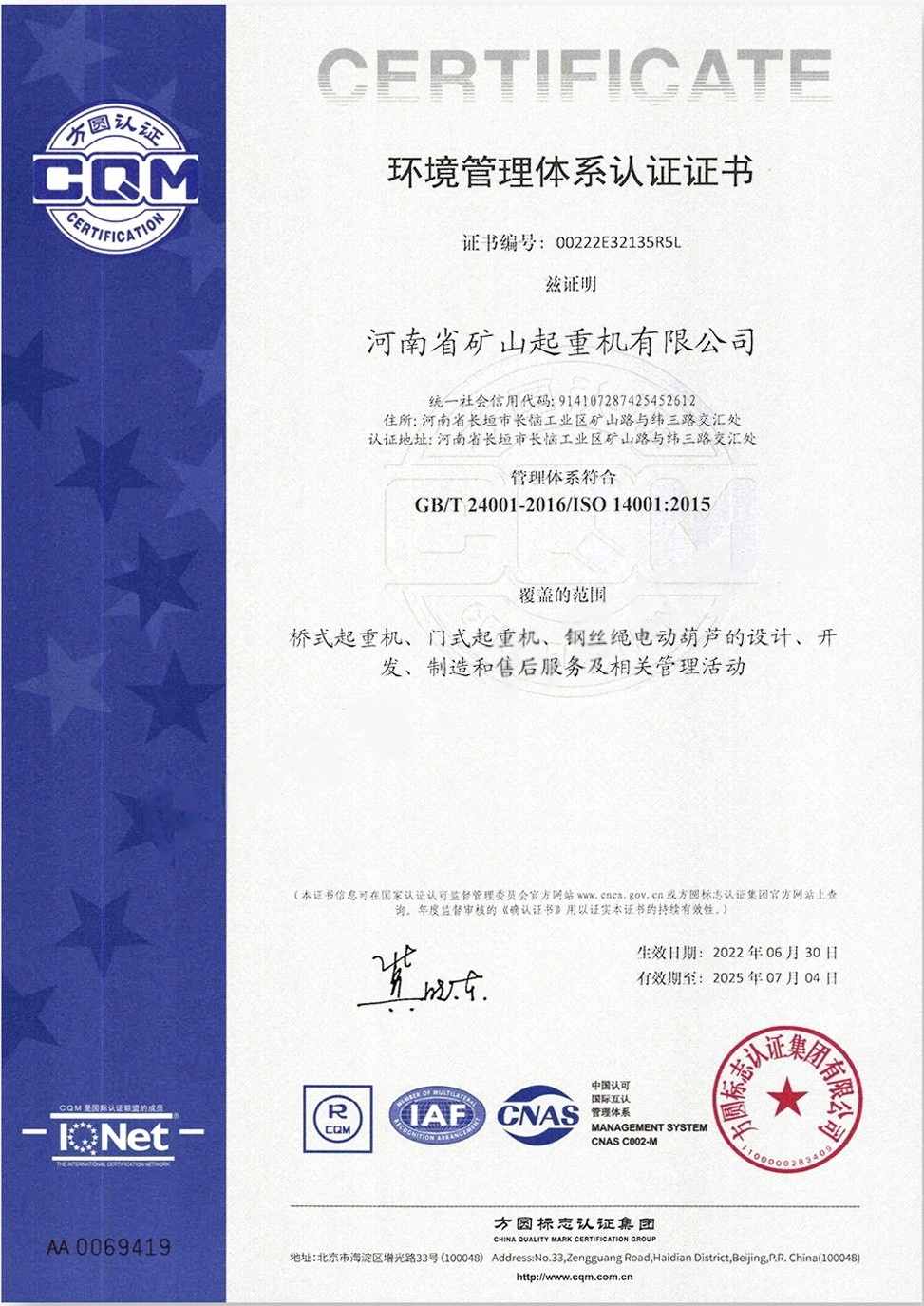
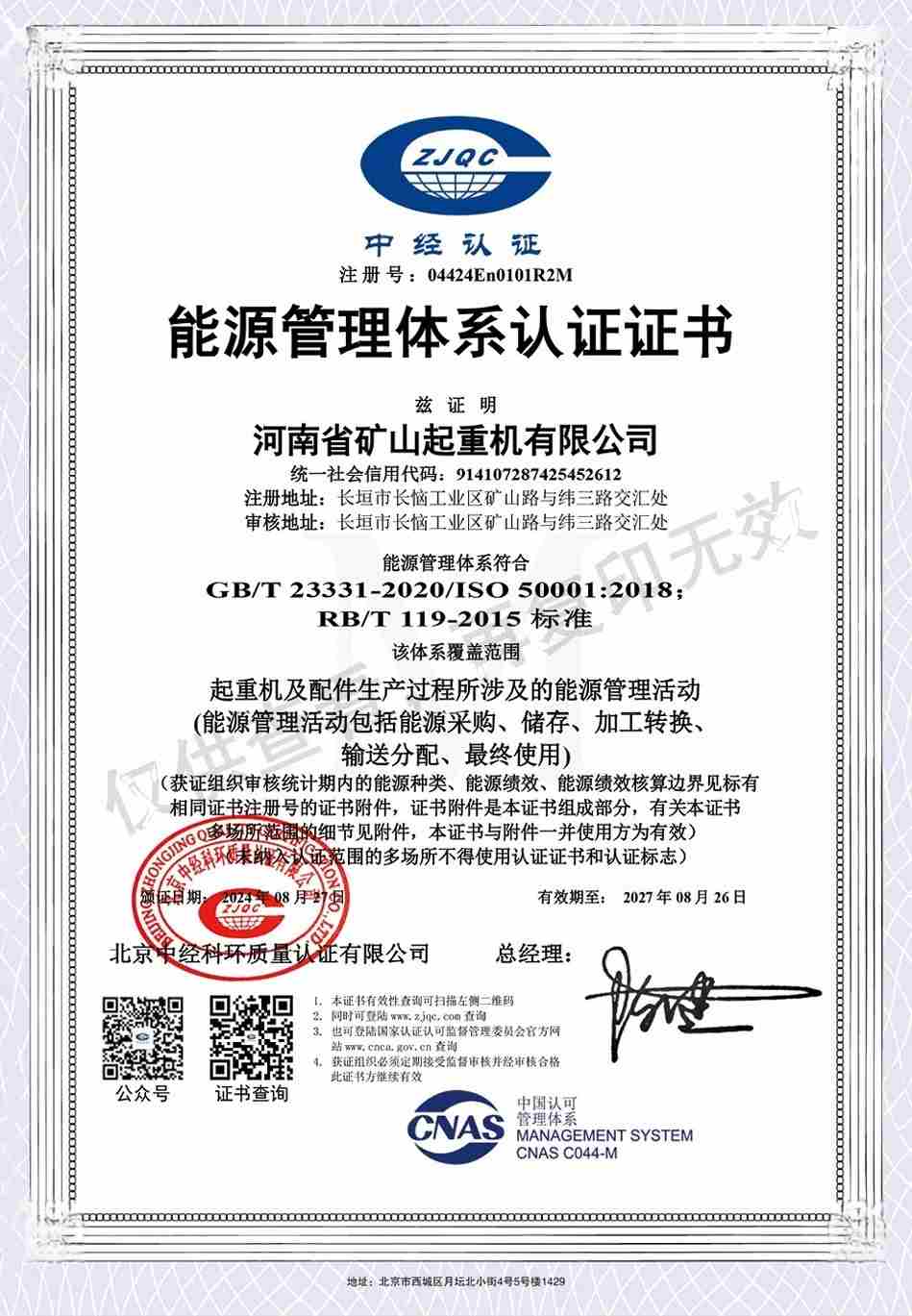
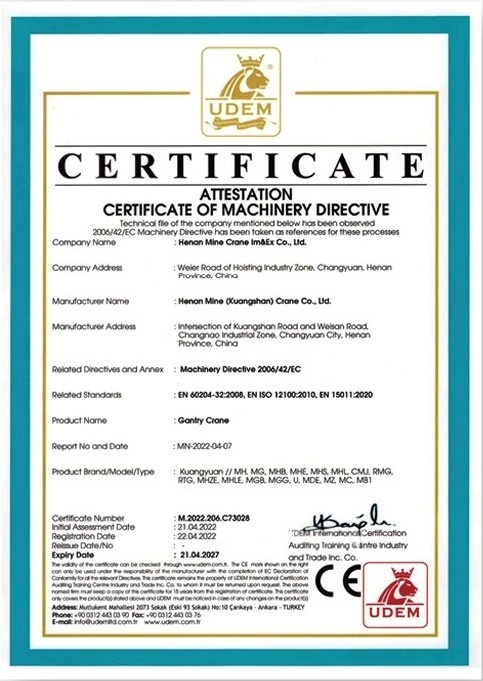
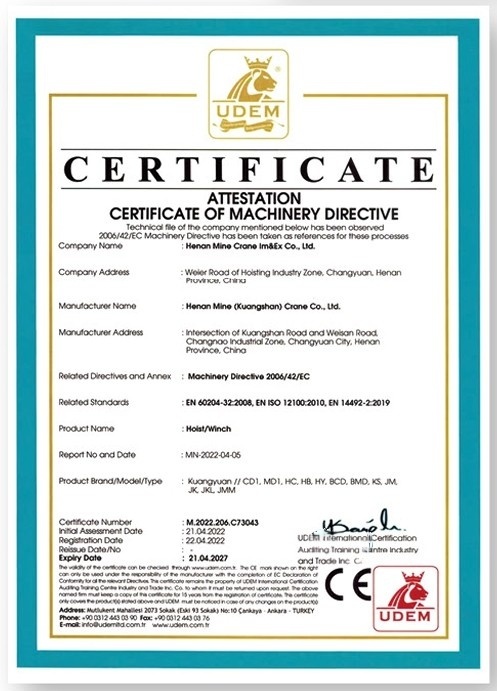
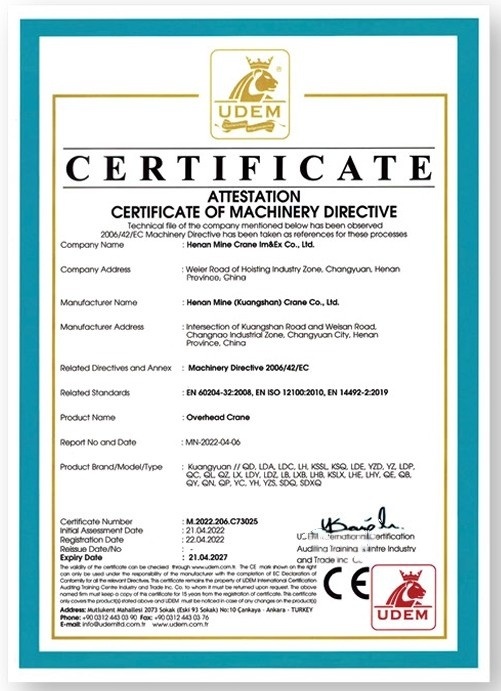
Our Patents and Certifications














Become our distributor

RTG Crane Procurement FAQs
-
How does an RTG differ from an RMG?An RTG travels on tyres along yard lanes. An RMG travels along fixed rails. For an RTG serving several blocks, verify pavement capacity, turning space and transfer routes.
-
What compliance documents should we request?Tell us the installation country and required standards. Confirm the model-specific documentation, inspections and acceptance requirements in the quotation.
-
How are wind limits and parking requirements determined?Provide the site wind criteria and exposure. The proposal should identify operating and out-of-service limits and the specified parking or securing arrangements.
-
What pavement information is needed?Share the pavement construction, allowable wheel loads and drawings for working, turning and parking areas. Have the yard civil engineer review the crane wheel reactions for the proposed layout.
-
How do you specify the RTG span and lift height?Start with the number of container rows and truck lanes and the required stacking tiers. Confirm clearances with a site layout and crane general arrangement drawing.
-
What should we compare for RTG energy use?Compare power arrangements over the same duty cycle, including container moves, idle time and travel between blocks. Confirm the assumptions and measurement method used in the proposal.
-
What should be included in the maintenance scope?Ask for the inspection schedule, recommended spares, technician training, service access and local support arrangements for the proposed configuration.
-
How is the delivery schedule confirmed?Confirm equipment lead time, transport scope, site readiness and commissioning milestones after the configuration and supply scope are agreed.
-
What is needed for an RTG crane quotation?Send the yard drawing, container sizes and maximum gross weights, stack rows and tiers, peak moves per hour, available power and delivery location.
Operating Manual for Henan Mine Crane manufactured Rubber Tyred Gantry (RTG)
-
Each crane must display a rated load capacity plate in a conspicuous location.
-
No personnel are permitted on the girder during operation, nor may the hook be used to transport persons
-
Operation is prohibited without a valid operator's license or under the influence of alcohol.
-
Operators must maintain full concentration during operation; talking, smoking, or engaging in unrelated activities is strictly forbidden.
-
Keep the crane clean and tidy; do not store equipment, tools, flammable materials, explosives, or hazardous substances haphazardly.
-
Do not overload the crane.
-
When operating along obstacle-free paths, the hook, lifting device, or bottom surface of the load must remain at least 2 meters above ground level. When crossing obstacles, the load must clear the obstacle by at least 0.5 meters
-
For loads under 50% of rated capacity, both lifting mechanisms may operate simultaneously. For loads exceeding 50% of rated capacity, only one mechanism may operate.
-
.For bridge cranes equipped with main and auxiliary hooks, do not simultaneously raise or lower both hooks (except under special circumstances).
-
Welding or hammering on suspended loads, or working beneath suspended loads, is prohibited (except when properly supported).
-
Inspection or maintenance work may only be performed after power has been disconnected and a “Do Not Operate” sign is displayed on the power switch. If live work is unavoidable, implement safety measures and assign dedicated supervision.
-
Do not throw objects from the vehicle indiscriminately.
-
Regularly inspect limit switches and interlock protection devices.
-
Do not use limit switch impact as a stopping method.
-
Do not lift or lower loads when hoist brakes malfunction.
-
Do not operate the hoist above personnel or equipment.
-
When welding any part of the crane, use a dedicated ground wire; do not use the crane body as a ground.
-
When the hook is at its lowest position, ensure at least two full turns of safety rope remain on the drum.
-
Cranes must not collide with each other; using one crane to push another into operation is strictly prohibited.
-
When lifting heavy objects, molten metal, explosives, or hazardous materials, first slowly raise the load 100–200 mm off the ground to test brake reliability.
-
Maintenance and inspection lighting must operate at voltages below 36V.
-
All electrical equipment enclosures on bridge cranes must be grounded. If trolley rails are not welded to the main girder, grounding measures must be implemented. Grounding conductors may use galvanized flat iron with a cross-sectional area exceeding 75mm², bare copper wire of 10mm², or galvanized round steel exceeding 30mm². The operator's cab or crane body shall have more than two grounding points. The grounding resistance from any point on the crane to the power supply neutral point shall be less than 4Ω.
Directly state your needs and receive professional advice!
The project was delivered on time and landed safely

Improve efficiency

Avoiding risks
