
How to Optimize Your Warehouse Layout with the Right Overhead Crane
Warehouse layout optimization is the core of improving operational efficiency, ensuring safety and reducing costs, which directly affects warehouse turnover and profitability. The layout optimization value of overhead cranes is often overlooked, but in fact, choosing the right bridge crane and scientific layout can solve the heavy material handling problems, optimize the use of space and workflow, and improve warehouse efficiency.
This article will be from the bridge crane basic knowledge, optimization value, practice methods, selection techniques and error avoidance, etc., to help enterprises create efficient and safe warehouse operation system.
Understanding the Basics of Overhead Cranes
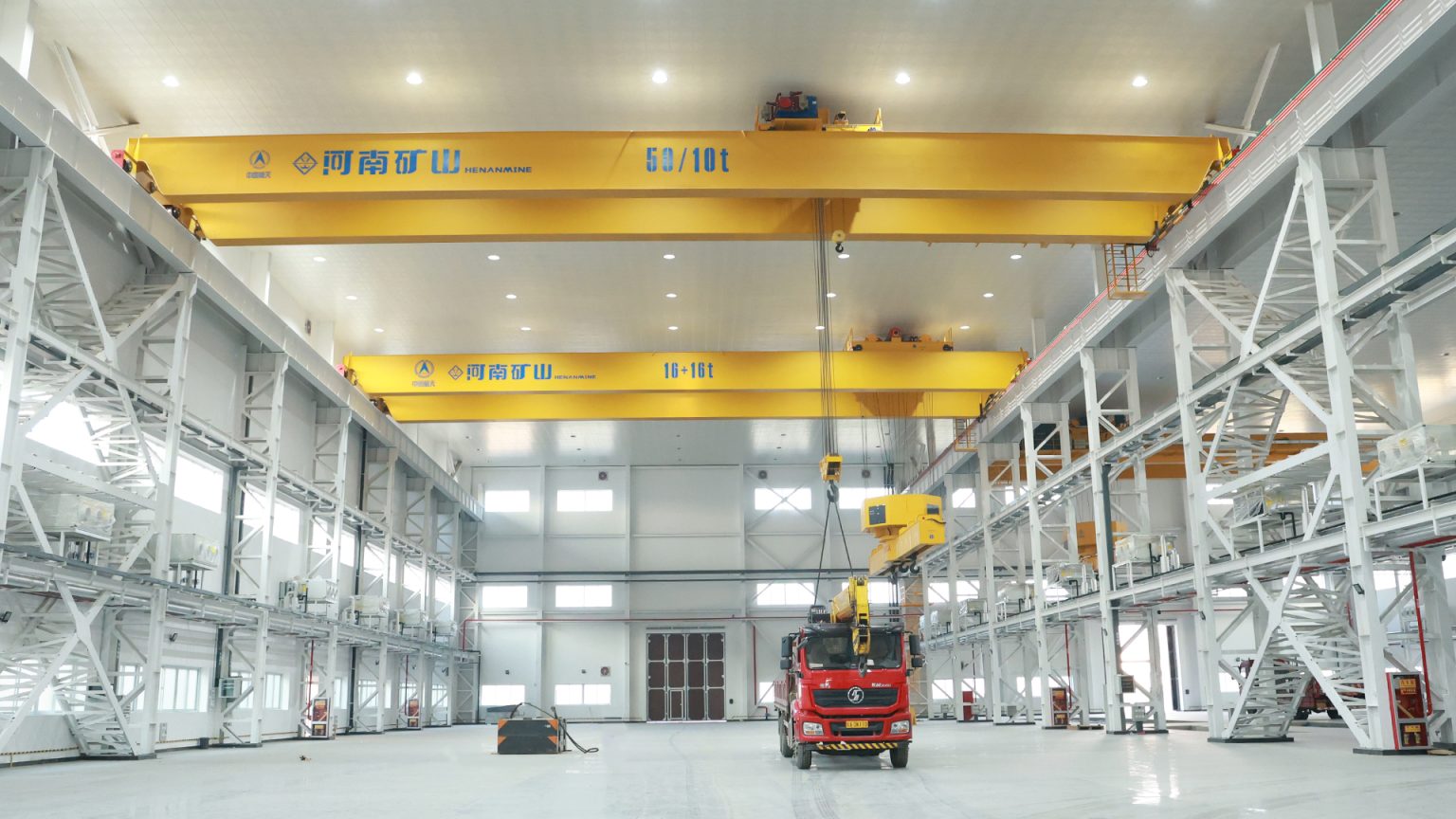
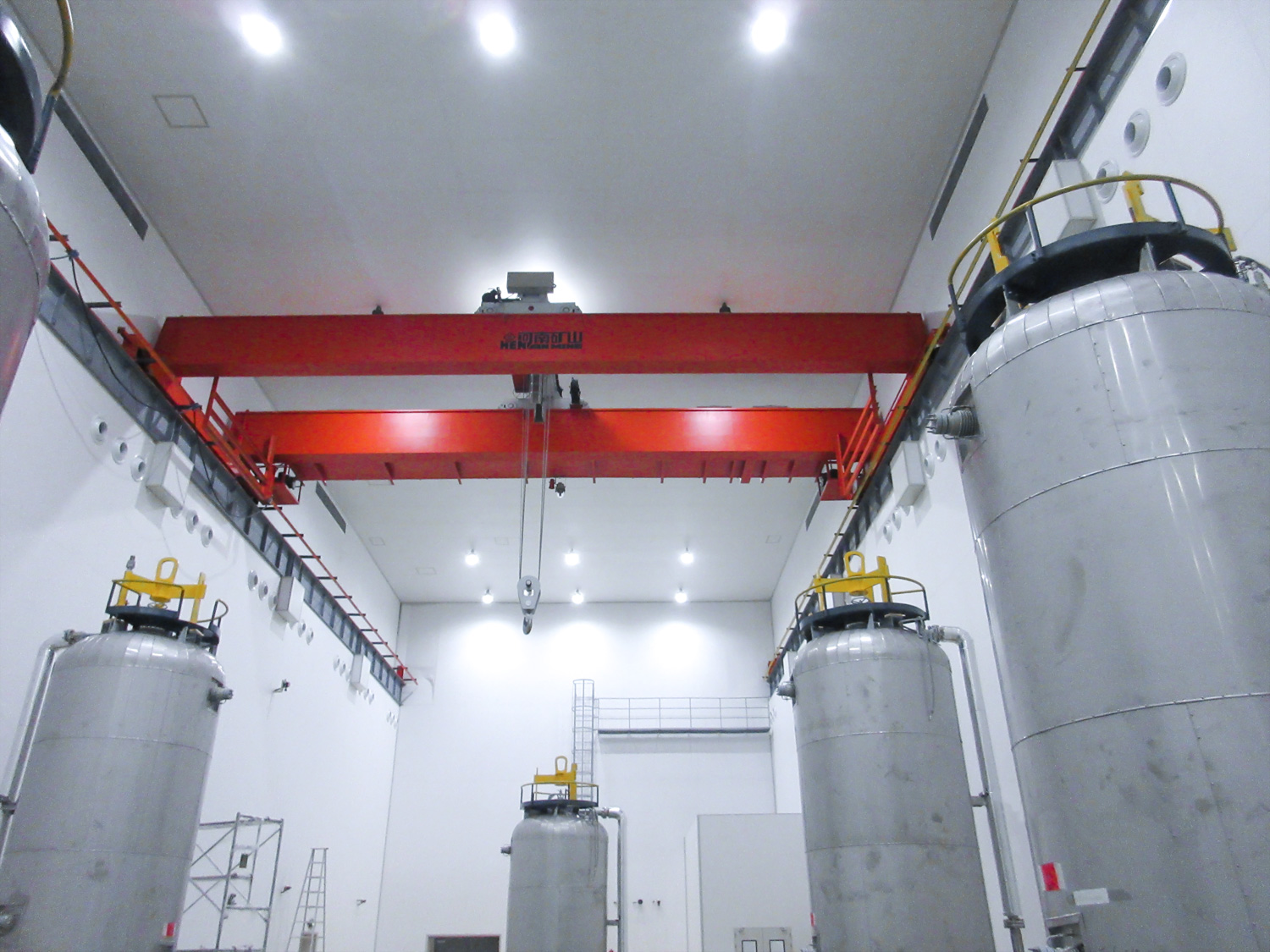
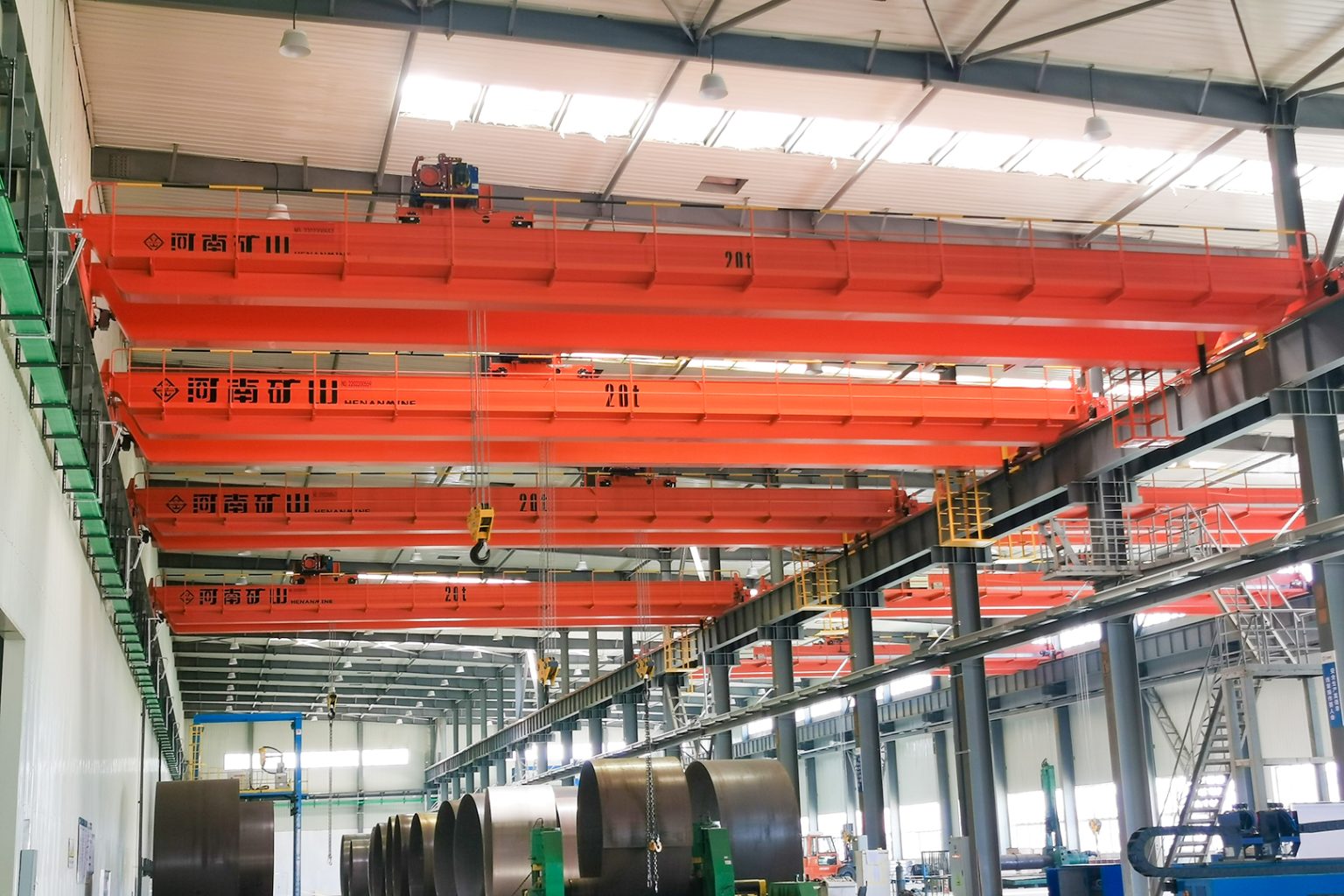
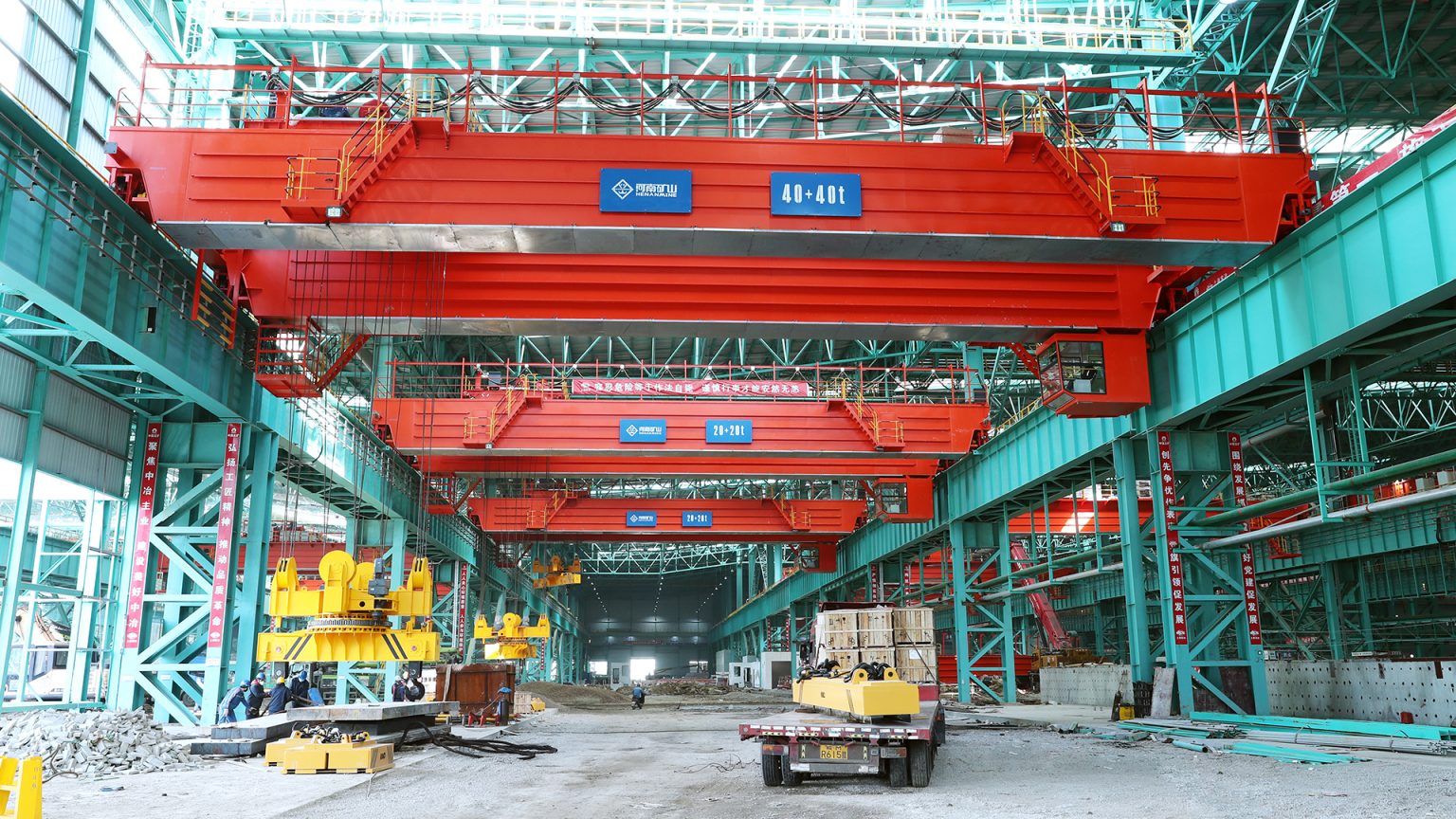
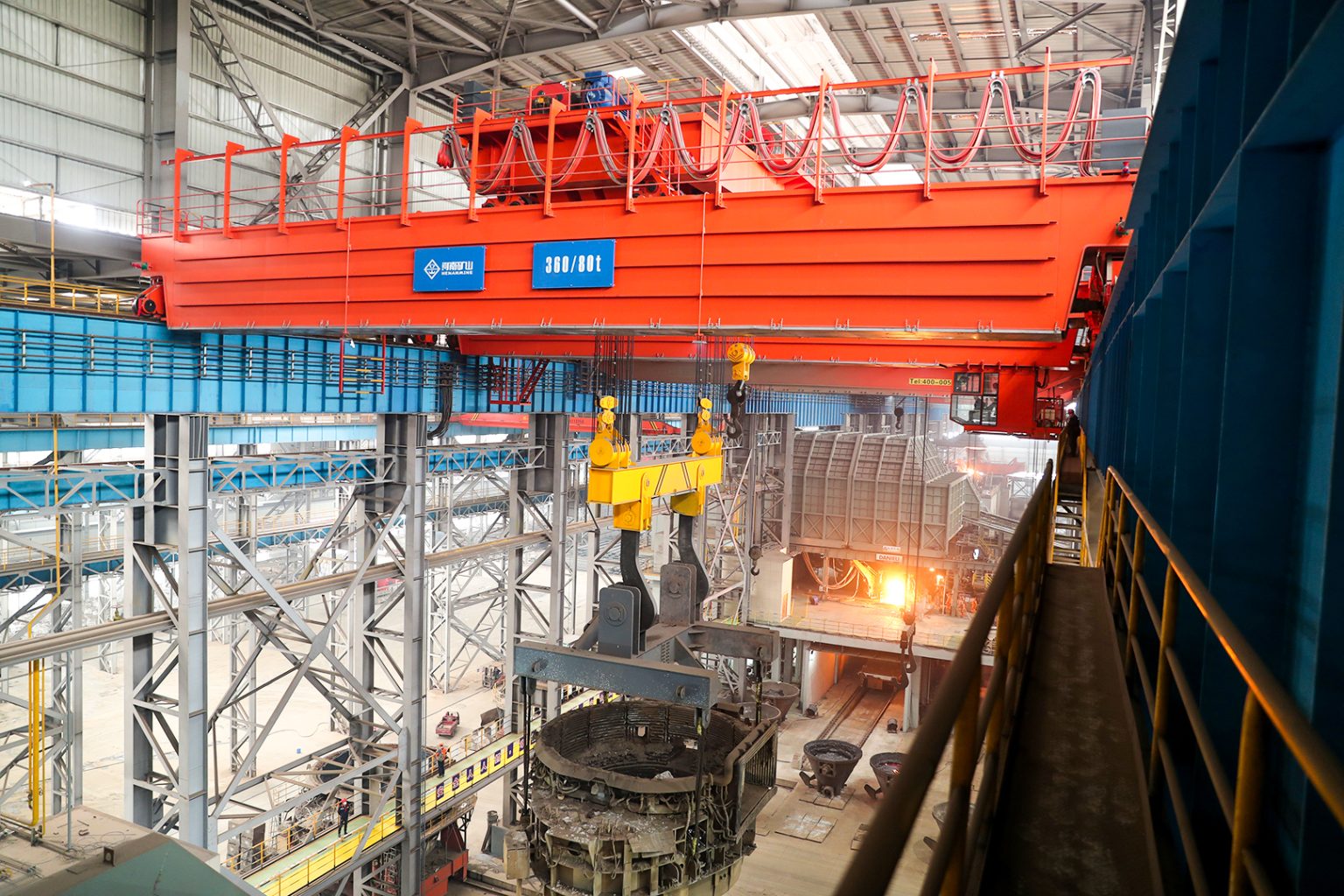
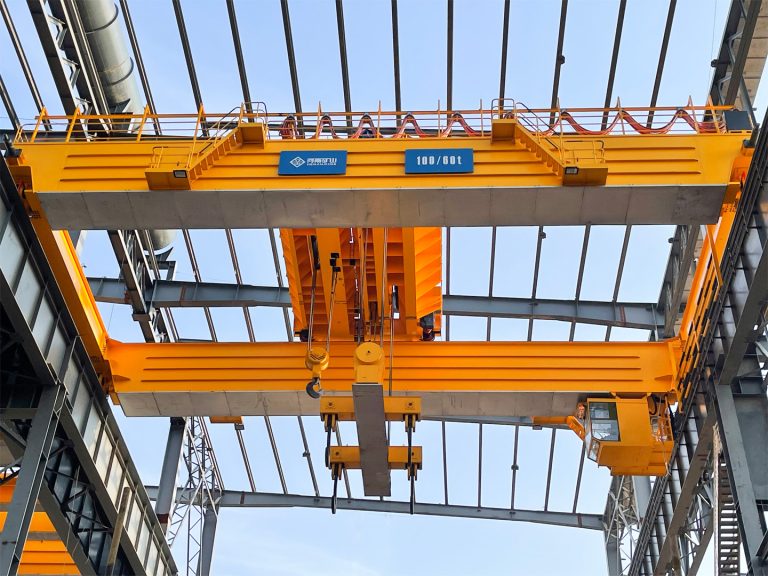
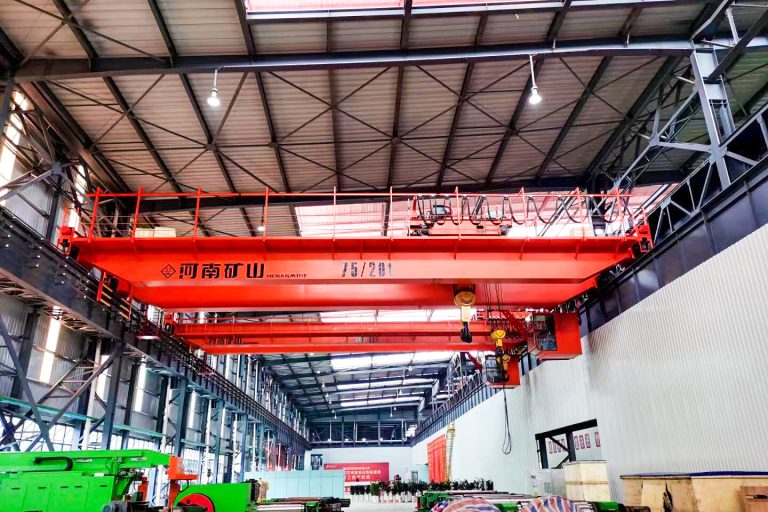
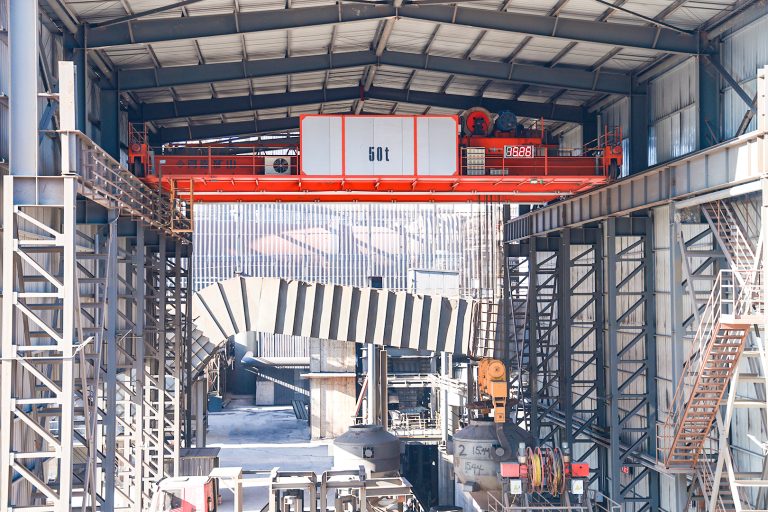
Simply put, bridge crane is a kind of equipment that moves loads horizontally along the ceiling of the plant, different from the handling tools that move along the corridor or the ground, and its core advantage is to get rid of the restriction of the ground space.
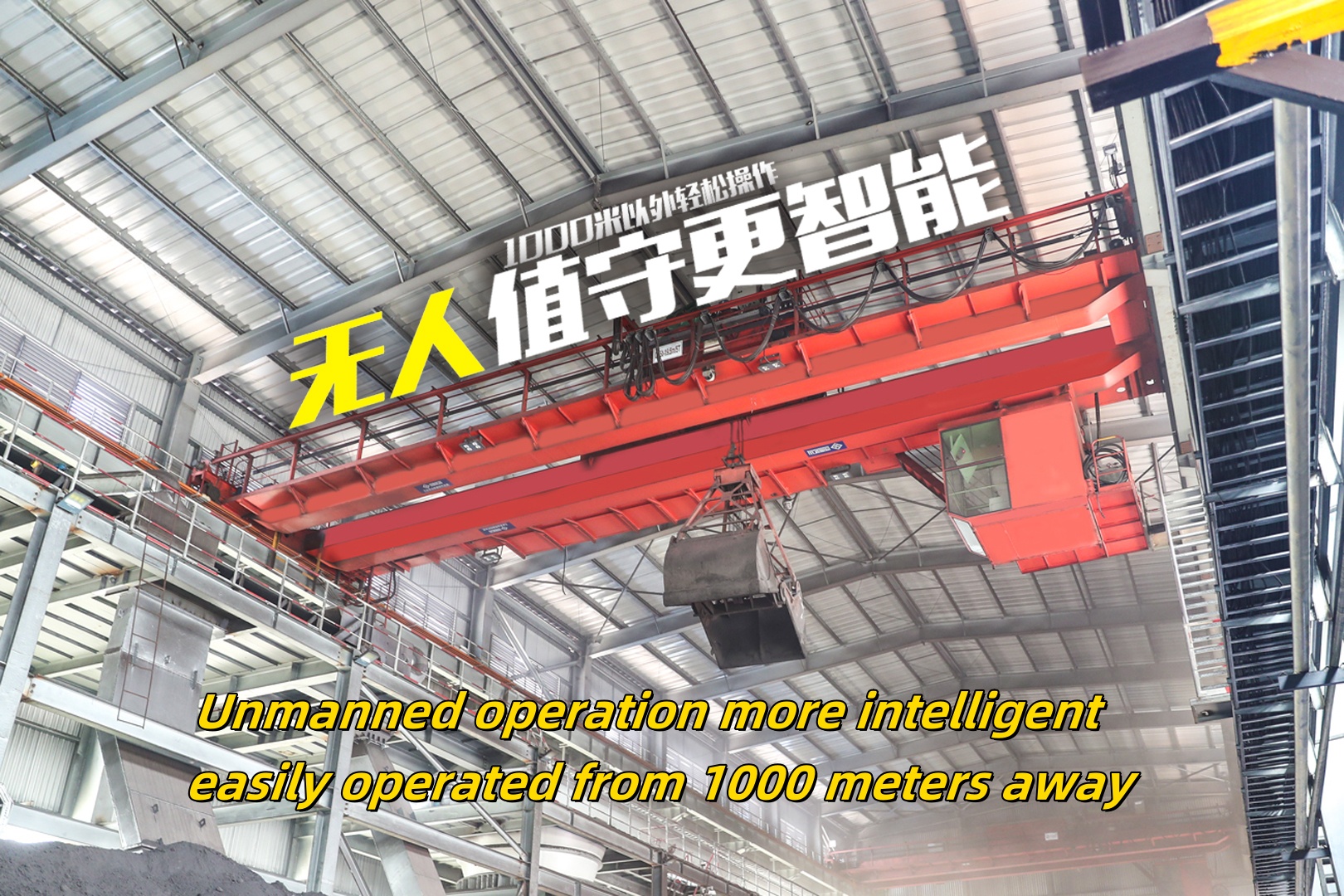
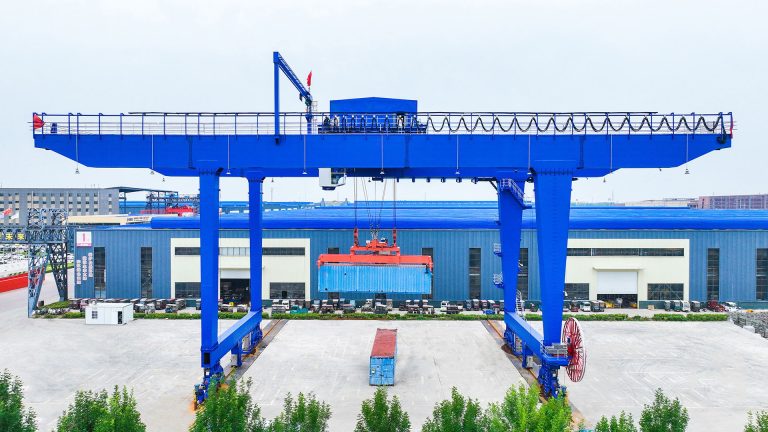
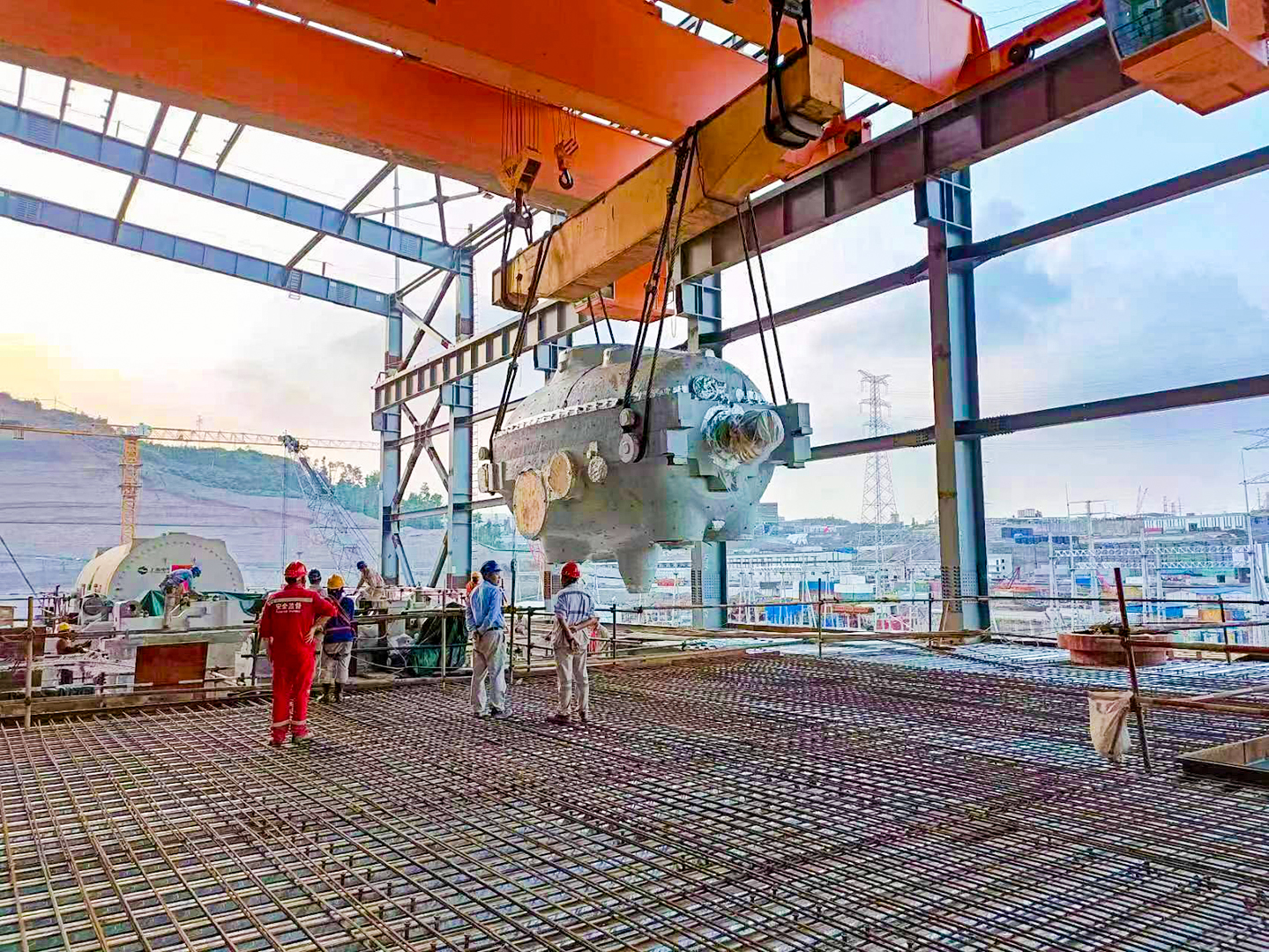
It has a powerful material handling capability and is mainly used for multi-directional movement of materials in industrial warehousing scenarios, loading and unloading operations in plant buildings, freight yards, train stations or ports. Operators can operate the crane by manual control, wired suspension button station, etc. Some advanced models also support wireless remote control, which is extremely flexible.
Compared with forklifts, conveyors and other ground equipment, overhead cranes have a wider operating range and do not take up space on the ground, which is the core premise of their ability to optimize the warehouse layout.
Components of Overhead Cranes
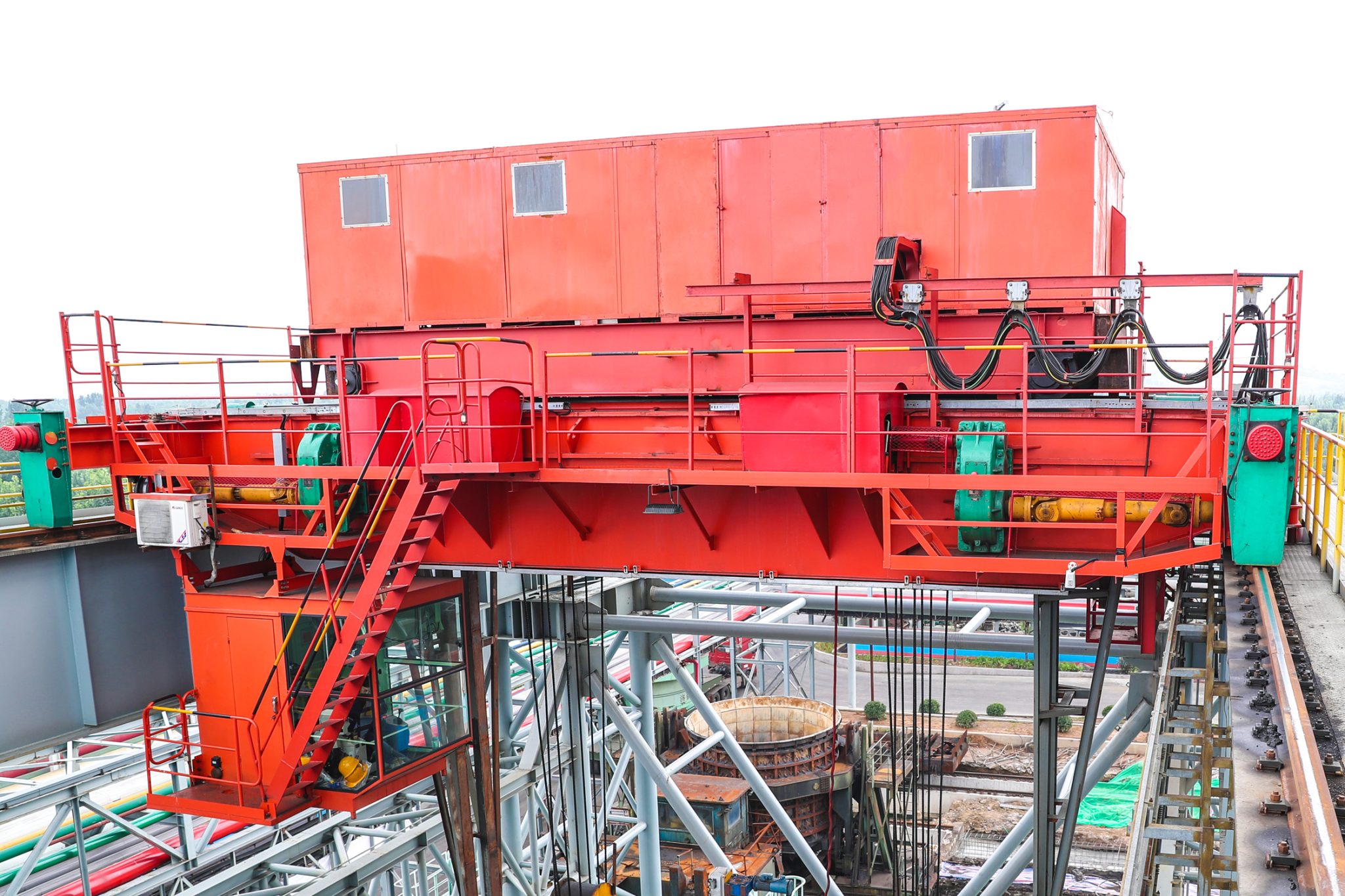
In order to realize the precise matching between overhead travelling crane and warehouse layout, first of all, we need to clarify the function and role of its core components - each of them has a direct impact on the rationality, safety and efficiency of the layout.
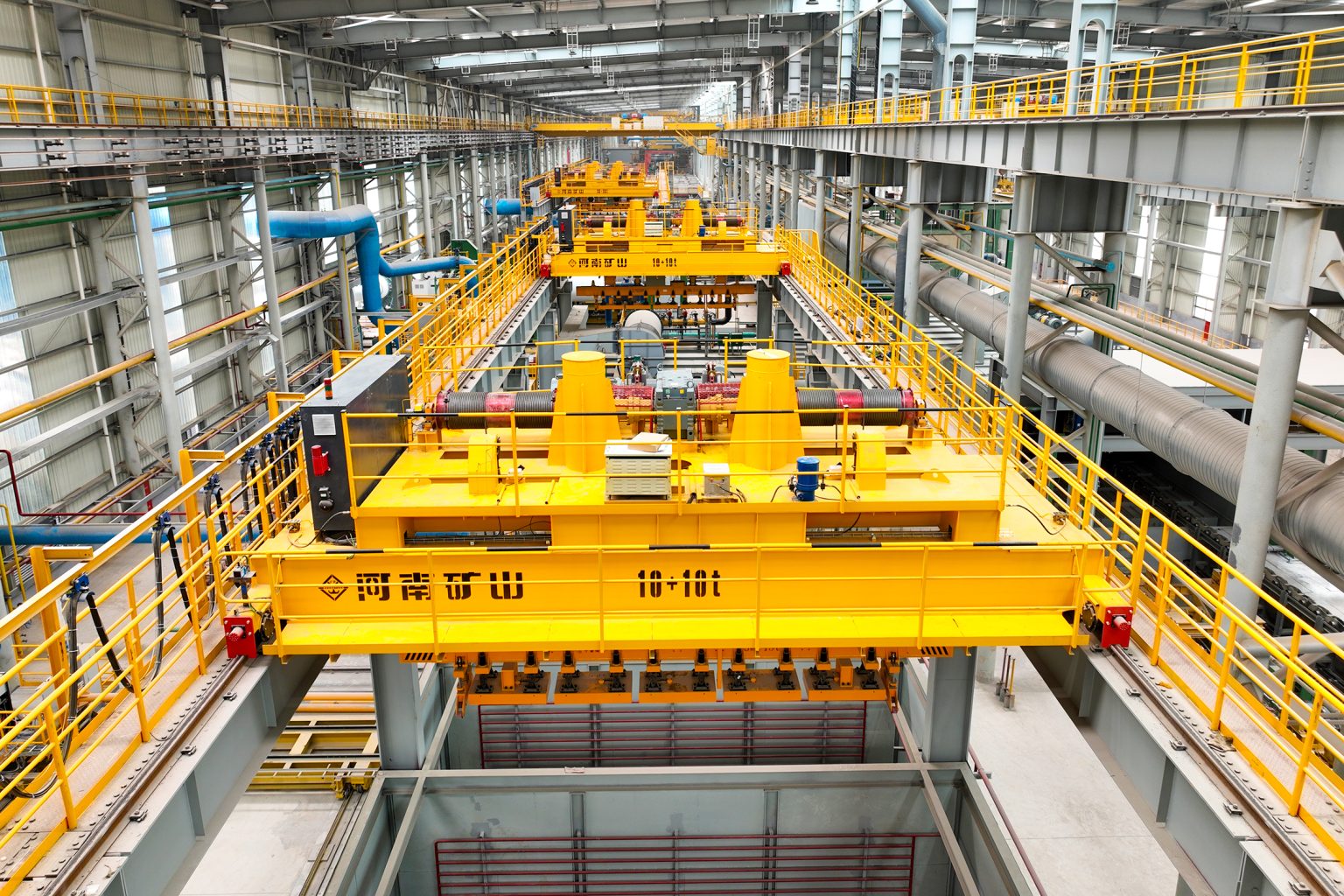
- Winch: as the “heart” of the crane, it is responsible for material lifting and lowering operations, and its loading capacity must be fully matched with the load demand of daily and peak operations in the warehouse, otherwise it will affect the operational efficiency, and even lead to potential safety hazards.
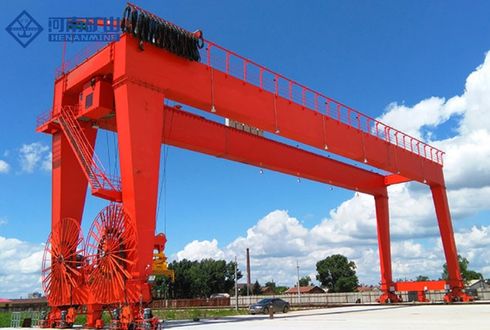
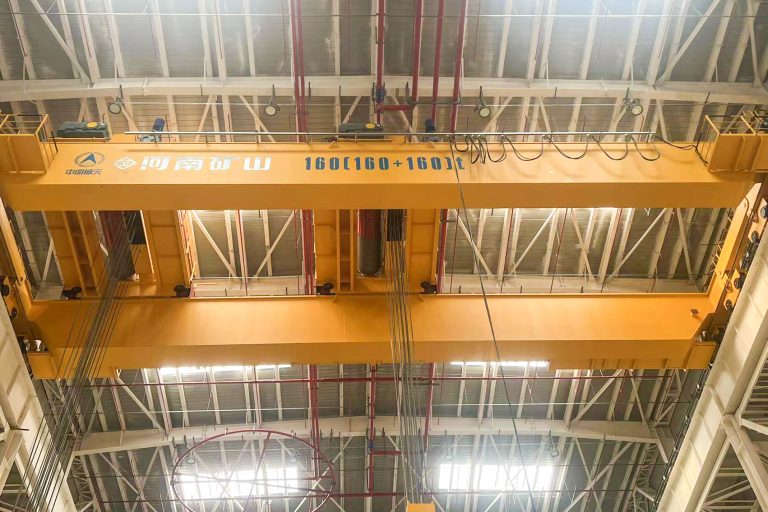
- Bridge: i.e. horizontal beam, is the core component to support the winch, its span directly determines the coverage width of the crane, which in turn affects the efficiency of the utilization of the warehouse lateral space and layout planning.
- Rail: crane bridge running track, usually installed in the plant wall or structural columns, its length determines the longitudinal running distance of the crane, directly shaping the operation process path of the warehouse, a reasonable layout of the track can reduce the redundancy of material handling.
- Trolley: the part that drives the winch to move horizontally along the bridge, which can realize the lateral fine-tuning of the load and increase the flexibility of material placement, especially suitable for multi-position, high-density storage warehouse layout.
- Safety components: including overload protection devices, limit switches, emergency stop buttons, etc., is the bottom line of the warehouse safety operations, but also the layout planning can not be ignored in the link, the need for these safety devices to set aside enough space to ensure that their normal operation.
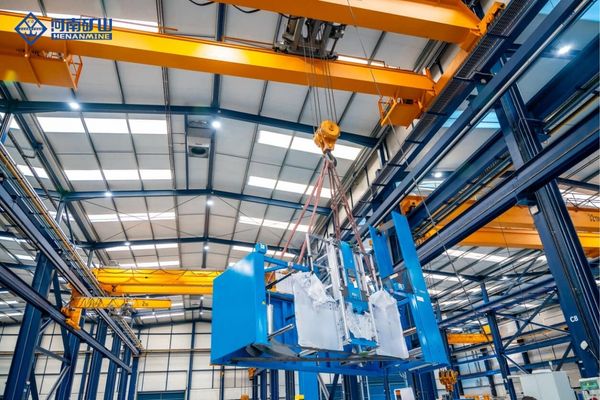
How Overhead Cranes Improve Warehouse Efficiency
Maximize Space Utilization
Most warehouses have the pain point of crowded ground and wasted vertical space, one of the core values of overhead cranes is to shift the center of gravity of operation to the air and tap the potential of vertical space. By lifting vertically and moving materials horizontally, it frees up more space for storage and turnover without occupying floor aisles.
With its lifting capacity, warehouses can build higher shelves to achieve high-level stacking, without expanding the footprint while increasing storage capacity; in small warehouses, it can also be used to reduce the width of the racking aisle, eliminating the dead zone on the ground, and realizing the efficient use of space.
Optimization of Operation Flow
The core operation process of the warehouse covers the four major aspects of receiving, storing, picking and shipping. By scientifically planning the layout of the bridge crane, it can realize the seamless connection of the various aspects, quickly complete the material transfer, and effectively avoid ground congestion and ineffective movement problems;
At the same time, the planning of special operation paths can further reduce the interference of equipment and personnel, crack the operational bottleneck, and significantly improve the operational efficiency of the warehouse and the speed of supply chain turnover.
Cost Reduction
Although the initial investment in overhead cranes is relatively high, the cost savings are significant from a long-term operational perspective. It can effectively replace the manual labor required for heavy material handling, optimizing the allocation of human resources and devoting employees to higher-value operations;
At the same time, by virtue of accurate and stable operational performance, it significantly reduces material damage and loss, reduces safety accidents and additional costs brought about by equipment failure and downtime, and helps enterprises realize long-term stable profitability.
Improve Safety
Bridge cranes can effectively reduce the frequency of ground operation equipment and manual handling, significantly reducing the risk of workplace accidents and equipment collision; it is equipped with overload protection, collision warning and other professional safety devices to ensure that the work process is in line with the industry safety standards, for hazardous materials operation scenarios, but also through the remote control mode, to further build a strong line of defense for the safety of personnel and property.
Best Practices for Integrating an Overhead Crane Spatial Planning and Strategic Layout of Cranes
Space planning is the core of overhead travelling crane layout, which should be centered on “no dead-angle coverage, no interference operation”: combining the warehouse size, material distribution and operation frequency to determine the installation location, eliminating the handling dead zone;
reasonably planning the location of the track and other equipment, reserving a safe distance to avoid collision; accurately matching the track layout with the warehouse size to shorten the handling distance and reduce the redundant links. Shorten the handling distance and reduce redundant links.
Optimize the Operation [rocess
Crane design needs to be bound with the depth of the warehouse operation process, around the receipt, storage, picking, delivery planning operation path, to avoid cross operation and ineffective movement; can be designed as a straight line path through the core operation area, reducing secondary handling. At the same time, according to the type of material to choose the appropriate accessories, and planning for special operating areas, to ensure smooth processes, improve operational accuracy and safety.
Safety and Maintenance Considerations
Safety and maintenance is the key to the long-term stable operation of cranes, the layout needs to reserve sufficient operating and emergency channels for operators; planning convenient maintenance and repair channels, to facilitate the daily maintenance of core components, reduce maintenance costs and downtime;
at the same time, set up a safety warning zone in the operating area, clear boundaries, prohibit unrelated personnel from entering, and strengthen the safety of operations.
Technology Integration
Combining advanced technology can further optimize the warehouse layout and enhance operational efficiency: adopting wireless remote control, touch screen and other advanced control systems to enhance operational flexibility;
docking the crane with the warehouse management system (WMS) to achieve operation and inventory management linkage and reduce manual intervention; introducing automation technology for repetitive operations to achieve automatic positioning and handling, releasing manpower and enhancing optimization results.
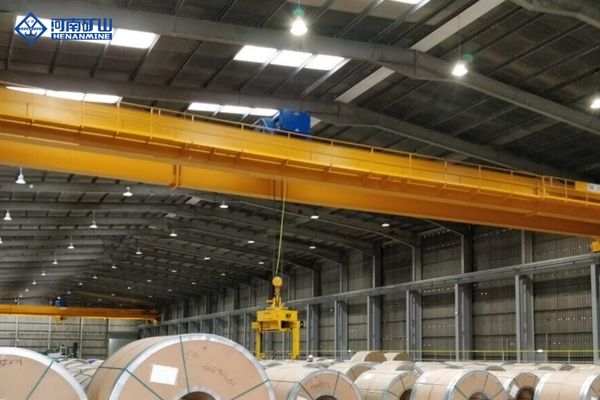
How to Select the Right Warehouse Overhead Crane
Assessing Your Warehouse Requirements
The premise of choosing overhead cranes is to clarify the actual needs of the warehouse, to avoid improper selection leading to unreasonable layout and low operating efficiency.
- Load capacity: first determine the average load and peak load of the warehouse daily operation, calculate the maximum lifting weight of the crane according to the formula of “peak load×safety coefficient (1.25-1.5)”, and at the same time, select the winches, ropes or chains that match the load demand to prevent overloading and prevent the safety and service life of the equipment. operation, to protect the safety and service life of the equipment.
- Span and coverage: the span of the crane needs to be matched with the width of the warehouse, when the warehouse is narrower, you can choose a single girder crane, and when it is wider, you need to choose a double girder crane; the length of the track needs to be determined according to the length of the warehouse, to ensure that the crane's operating distance to cover all the operating areas, and at the same time, combined with the height of the crane hooks and the headroom under the hooks, the height of the shelves is reasonably planned, to avoid affecting the stacking of materials and the Crane operation.
- Frequency of operation and working level: According to the frequency of daily operations in the warehouse, select the appropriate crane working level in accordance with ISO or CMAA standards - high frequency of operations, large load warehouse, you need to choose a higher level of crane to ensure that the equipment can run stably for a long time to reduce the risk of failure. Warehouse environment: The warehouse environment needs to be fully considered.
- Warehouse environment: the environmental conditions of the warehouse need to be fully considered, high temperature, high humidity environment need to choose corrosion-resistant, heat-resistant crane materials; dust, chemicals, explosive environment needs to be equipped with special safety protection devices to ensure that the crane can adapt to the environmental needs, to avoid equipment damage and safety accidents.
Choose the Right Crane Configuration
The configuration of the crane directly affects its adaptability to the warehouse layout, and should be accurately selected according to the needs of the warehouse:
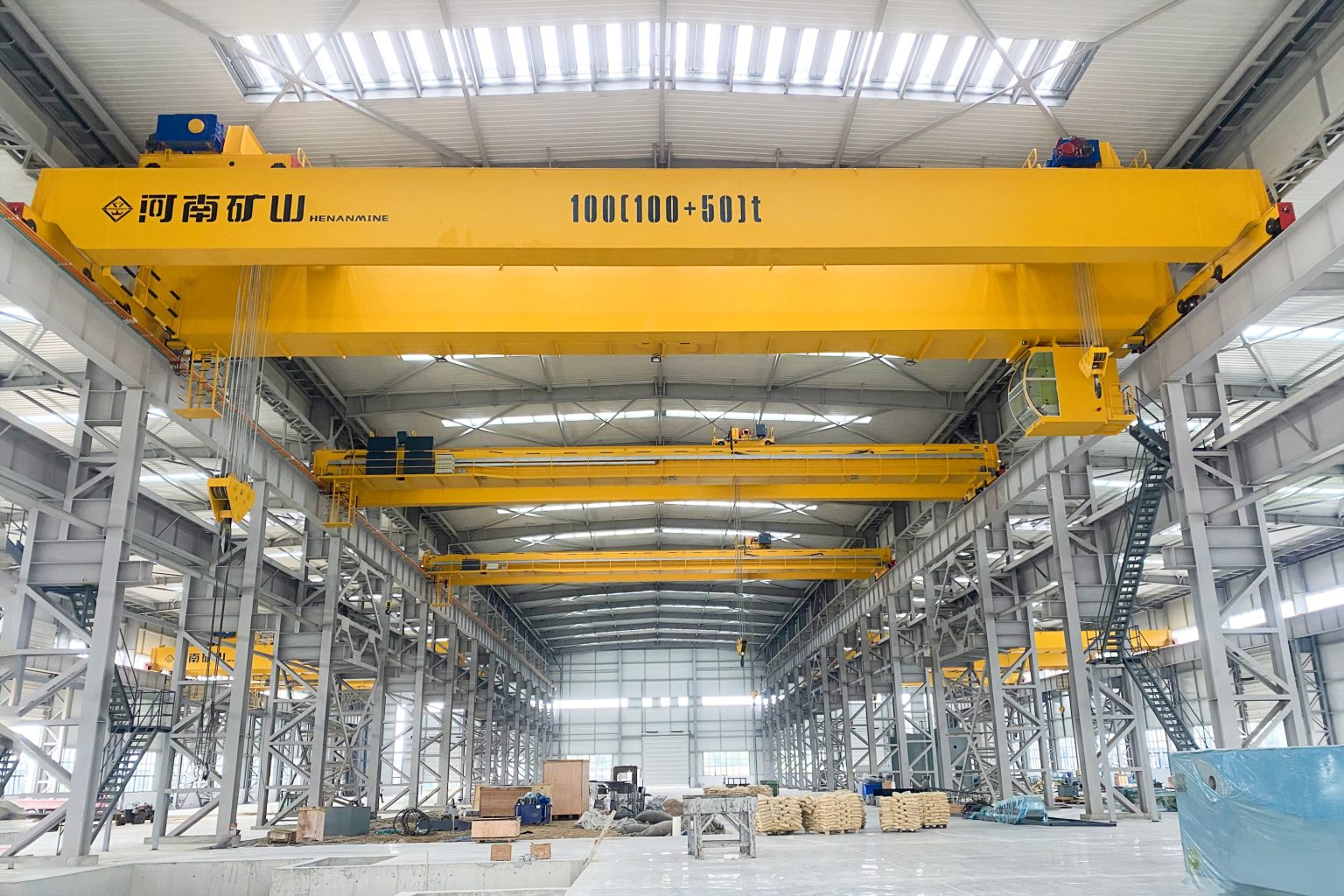
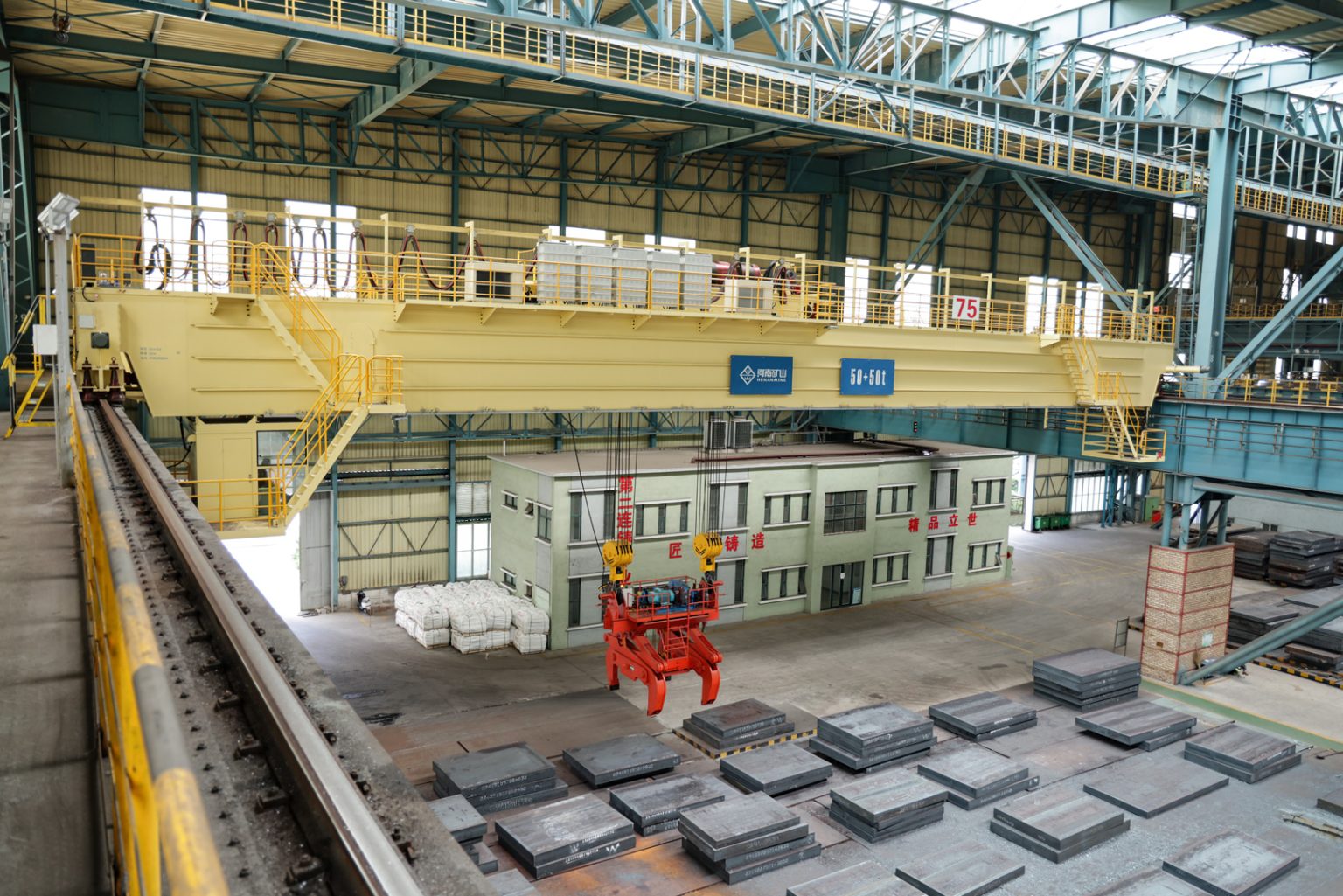
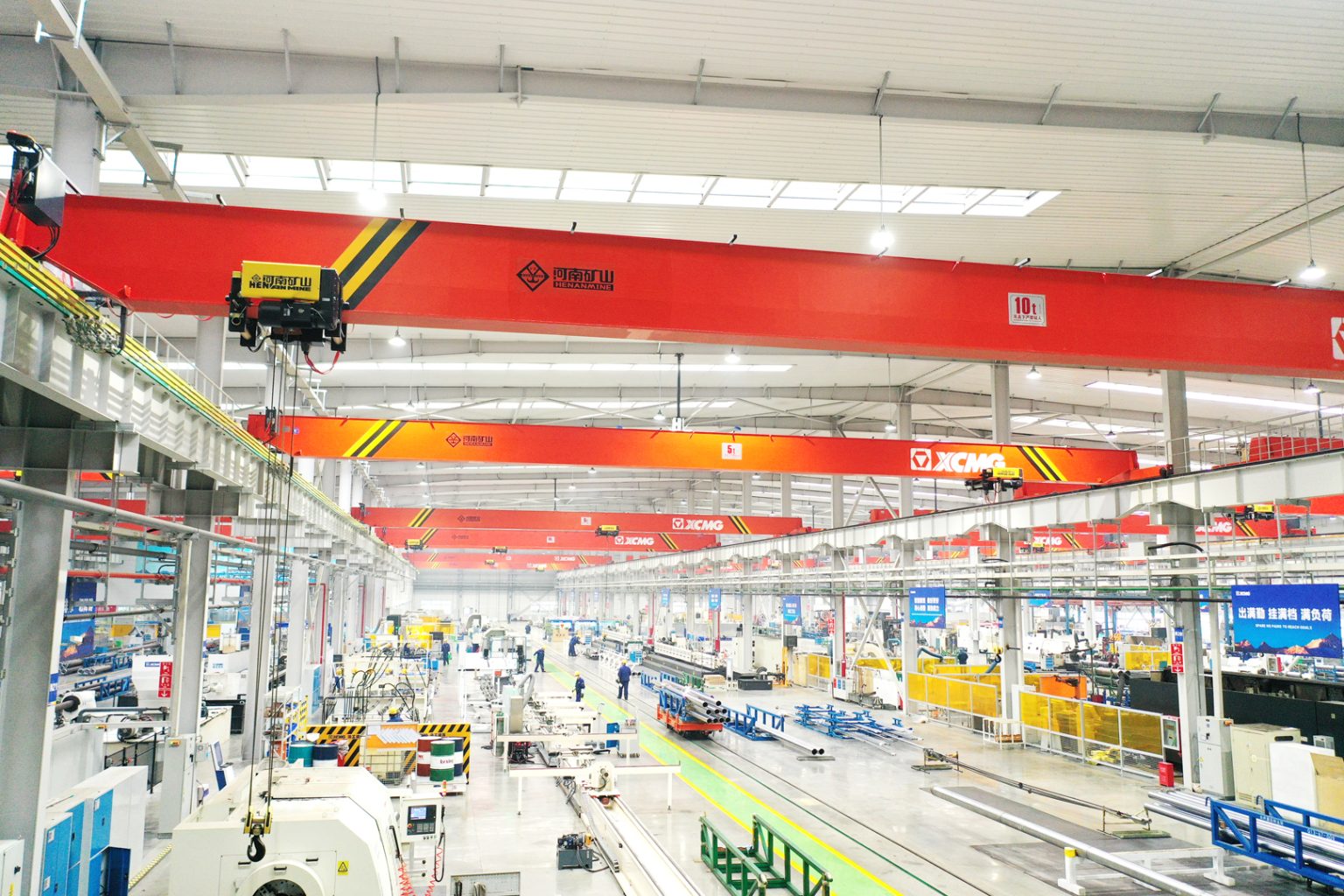
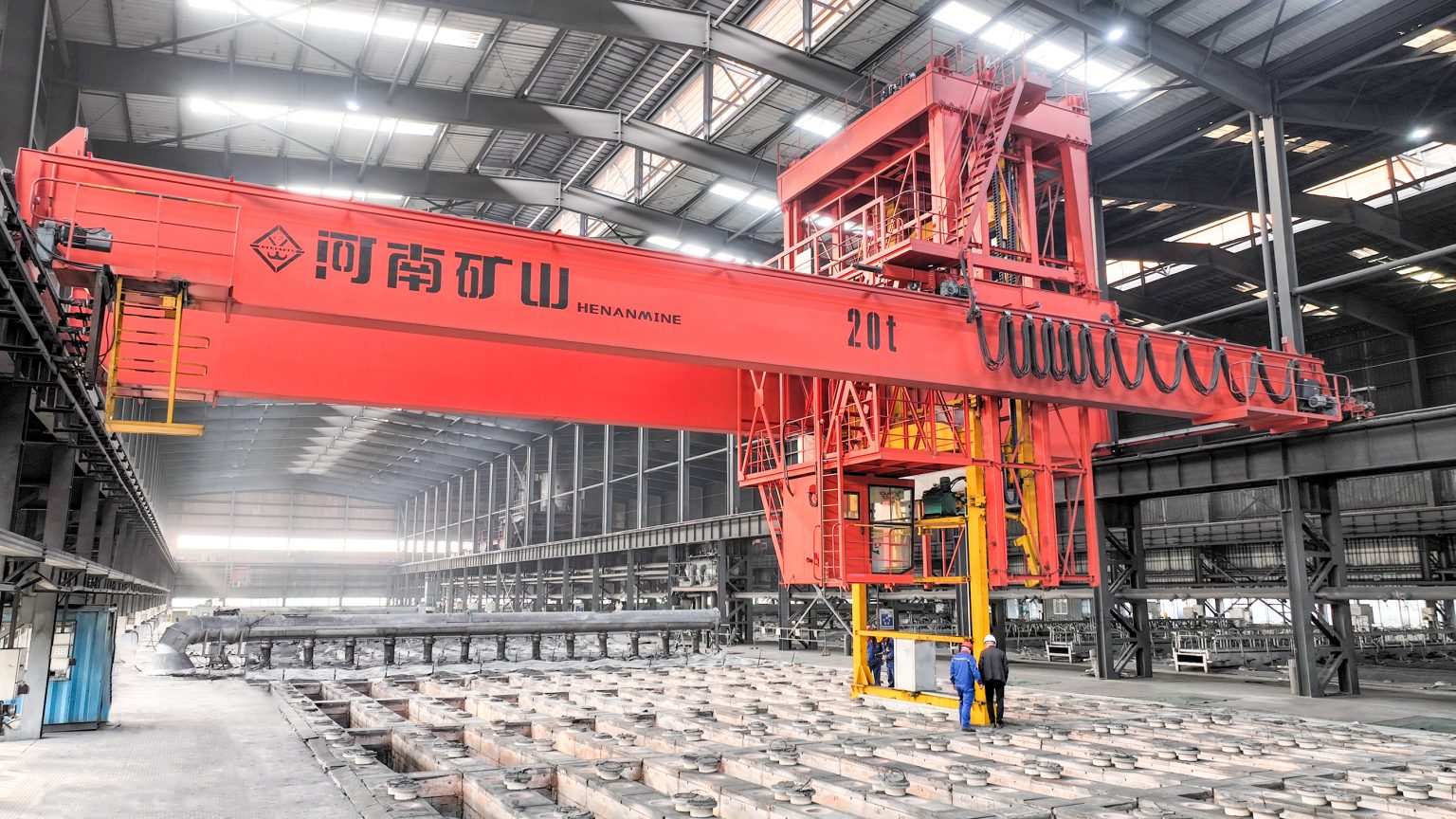
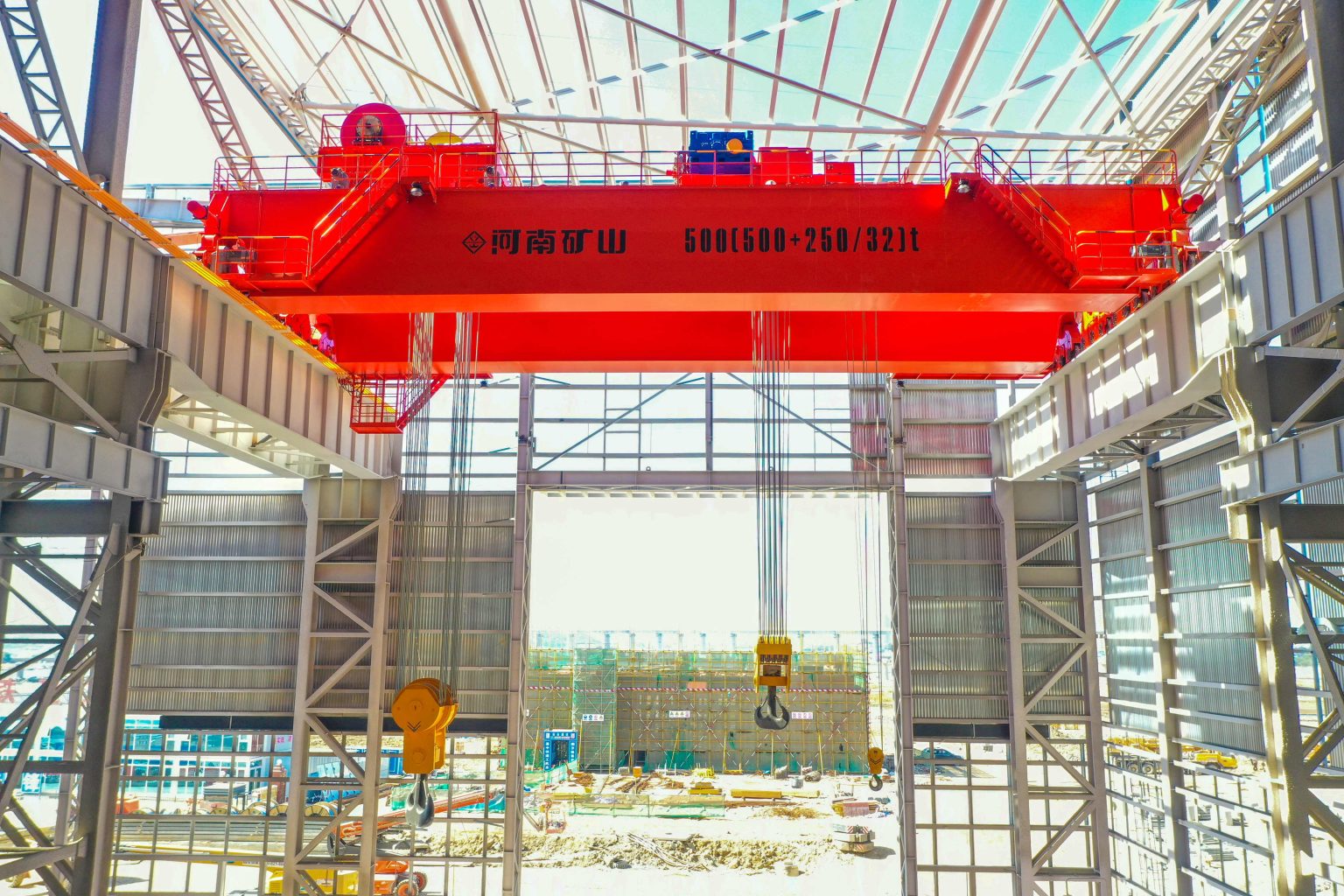
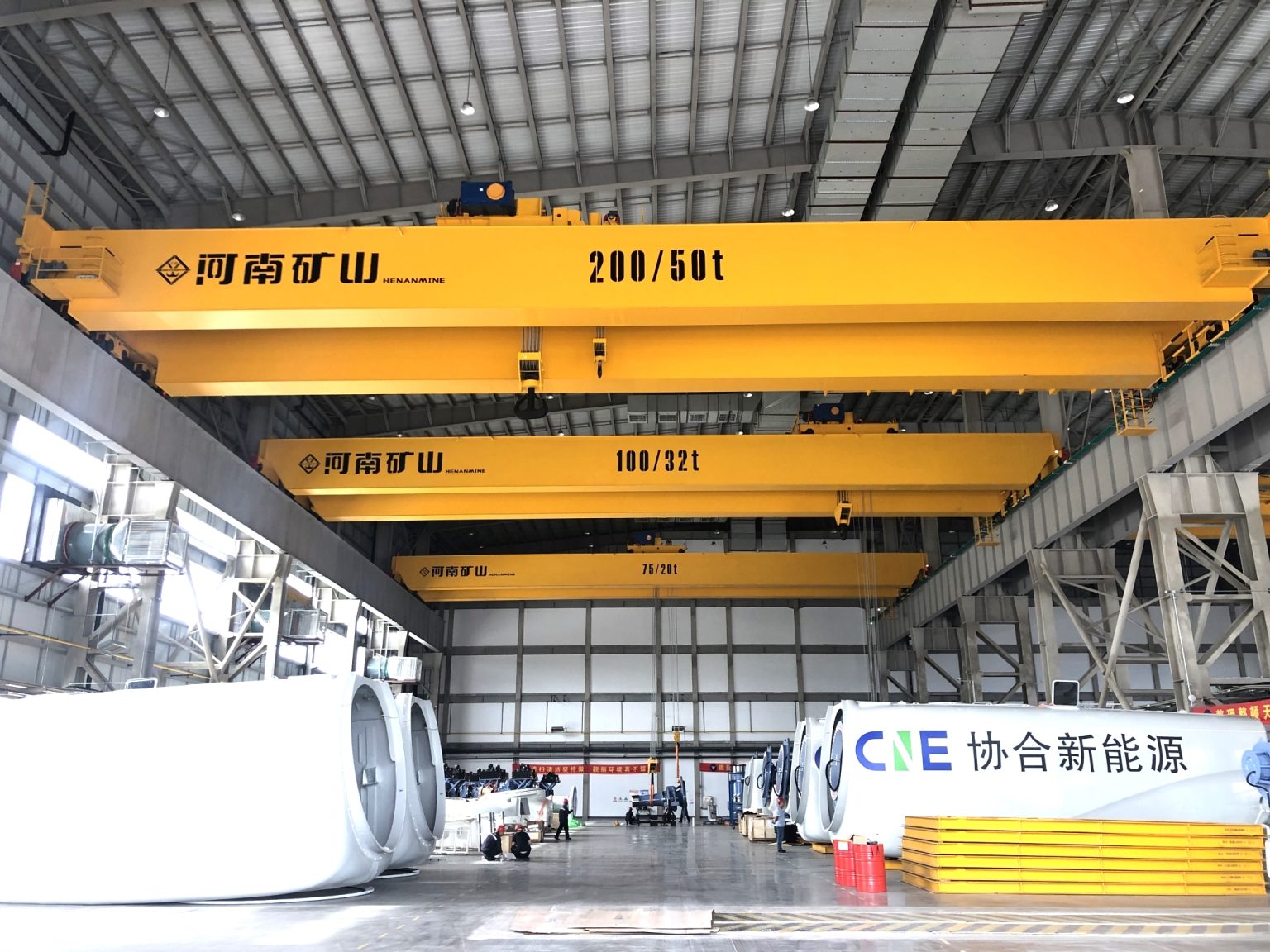
- Single girder and double girder selection: single girder crane structure is simple, low cost, suitable for warehouse width is narrower, lighter load scenarios; double girder crane load capacity is stronger, span is larger, suitable for warehouse width is wider, heavy material handling scenarios, according to the size of the warehouse and the load demand selection.
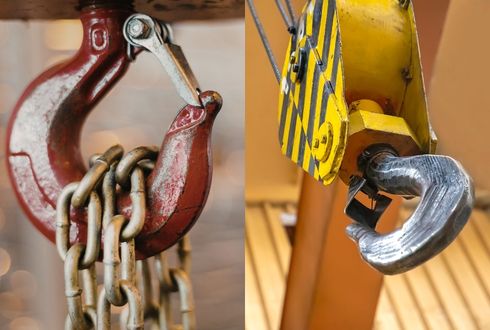
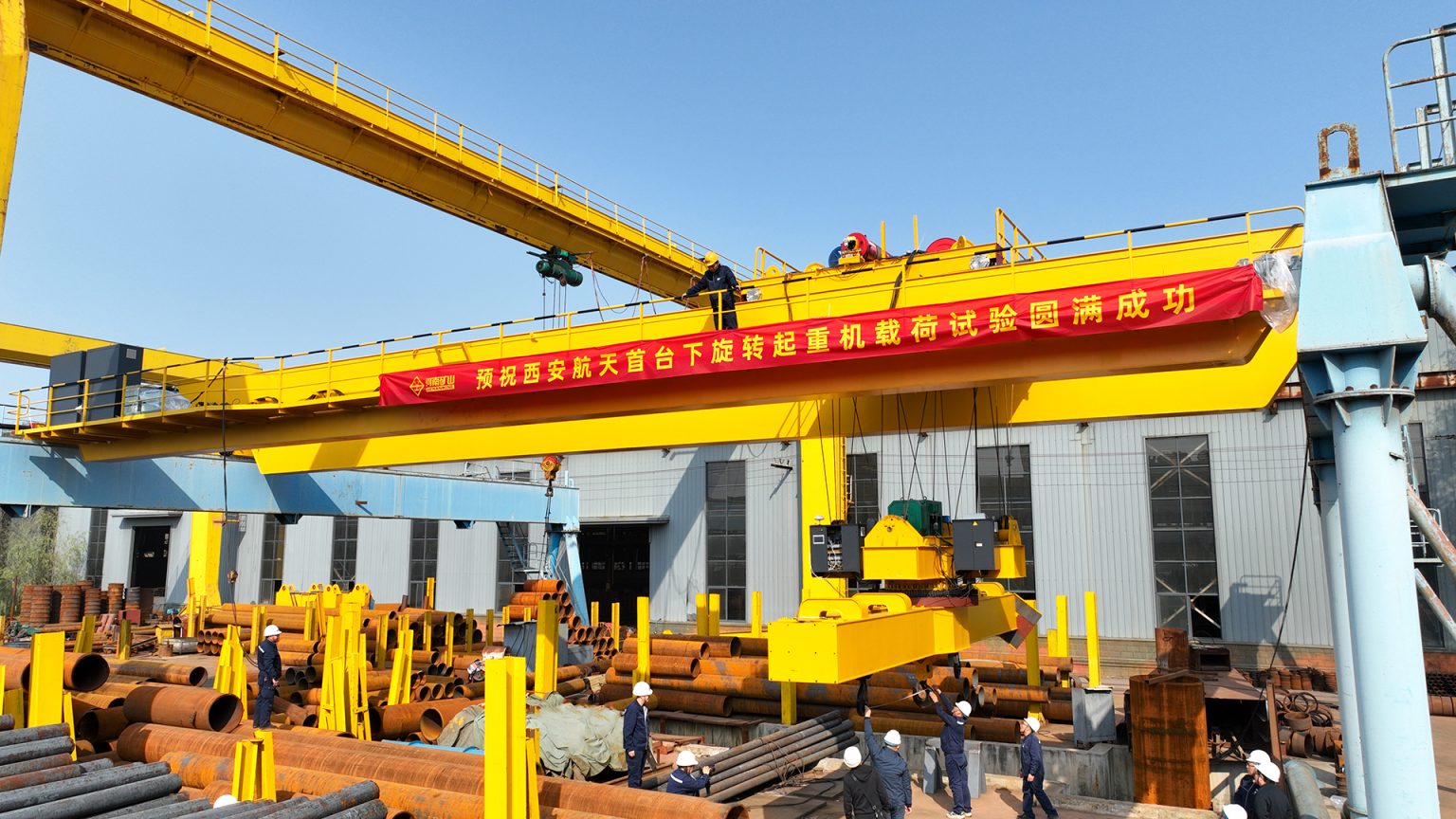
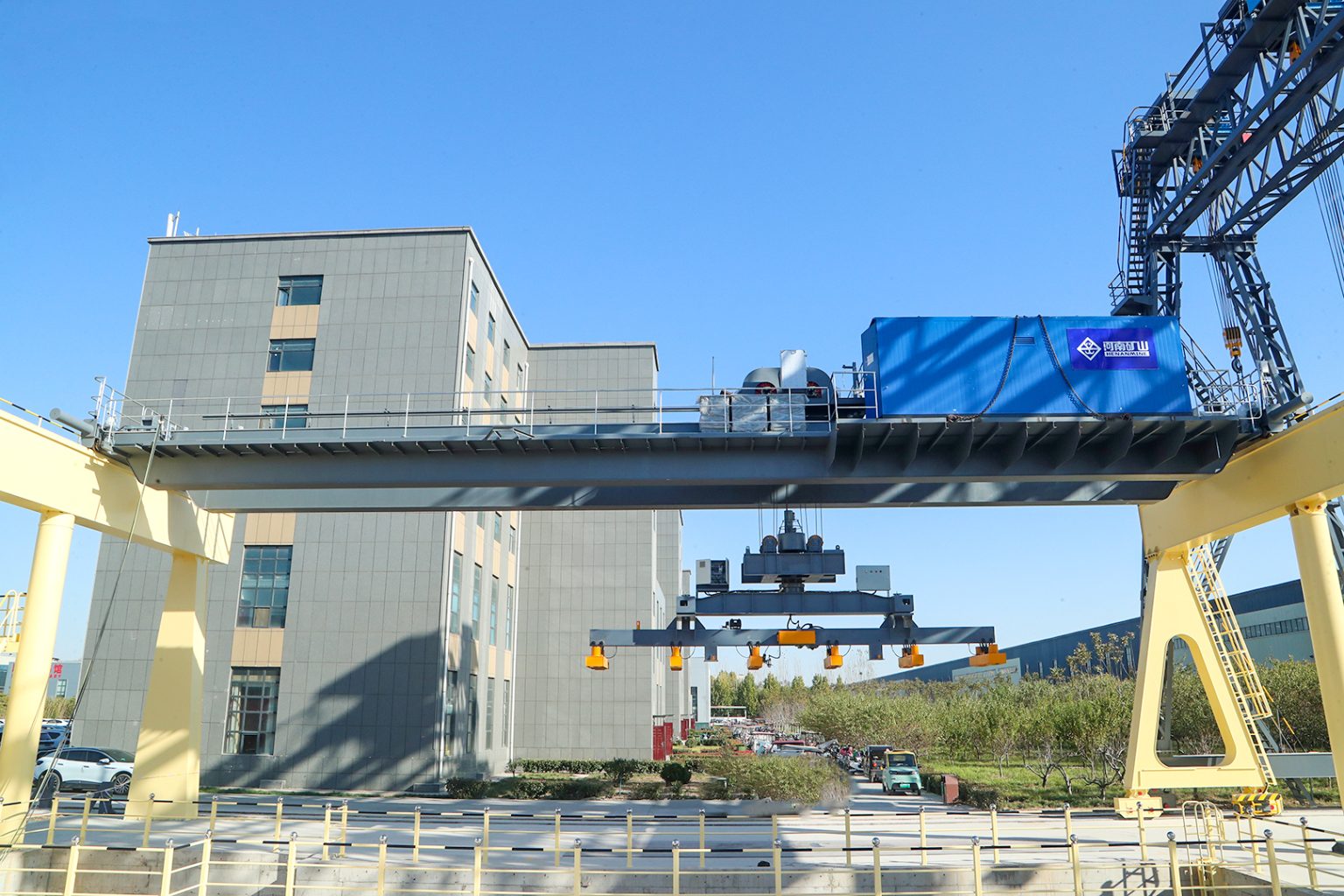
- Attachment selection: choose the appropriate attachment according to the type of material, such as handling steel, metal products can choose electromagnetic suction cups, handling plates, boxes can choose special fixtures, handling of ordinary goods can choose standard hooks, through the optimization of attachments to enhance the efficiency and safety of material handling.
- Control system selection: manual control is suitable for small warehouses, low operating frequency of the scene; wireless remote control is suitable for large warehouses, complex layout, can enhance the flexibility of the operation; automation control system is suitable for high frequency of operation, repetitive scene, can reduce manual intervention, improve efficiency.
Installation and Maintenance Considerations
The installation and maintenance planning of the crane directly affects its long-term operational efficiency and the stability of the layout. In the installation phase, the track layout needs to be optimized to minimize the redundant aspects of material handling and ensure that the crane can be quickly adapted to the warehouse workflow after installation;
At the same time, choose a professional installation team to ensure that the equipment is installed in a standardized manner to avoid safety hazards and operational failures caused by improper installation. In the maintenance phase, it is necessary to develop a comprehensive daily maintenance program, regular lubrication, inspection and replacement of the core components of the crane, and timely detection of hidden faults;
Choose a supplier with technical support and spare parts supply capability to ensure that maintenance support can be obtained quickly when the equipment fails, reducing downtime and guaranteeing the smooth operation of the warehouse layout.
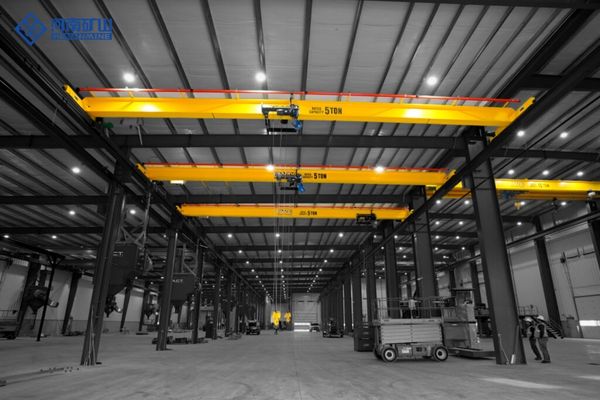
Common Mistakes to Avoid When Setting Up Overhead Cranes in Your
When many enterprises introduce overhead cranes to optimize the warehouse layout, due to the lack of professional planning, it is easy to fall into the following misunderstandings, resulting in irrational layout, inefficient operation, and even lead to potential safety hazards:
- Underestimation of crane load capacity: Choosing a crane with insufficient load capacity to save costs will not only lead to low operational efficiency and fail to meet the handling needs of heavy materials, but also cause equipment overloading, failure, and even safety accidents, resulting in greater economic losses and schedule delays.
- Neglect of traffic flow: the layout planning does not fully consider the crane's operating path and ground operating equipment, personnel traffic flow, resulting in crane and forklift, conveyor and other equipment congestion, the formation of operational bottlenecks, reducing the overall warehouse efficiency.
- Ignoring safety standards: not in accordance with industry safety standards planning crane installation and operation area, not equipped with the necessary safety protection devices, or not reserved enough safe space, easy to cause equipment collision, casualties and other safety accidents, while may face regulatory penalties.
- Neglect of maintenance needs: layout planning without reserving maintenance access, or not formulate a comprehensive maintenance plan, resulting in inconvenient crane maintenance and overhaul, easy to equipment failure, increase unplanned downtime, affecting the continuity of warehouse operations, while enhancing long-term operating costs.
- Disconnect between cranes and operation process: the selected crane configuration, installation location and warehouse operation process does not match, resulting in redundant material handling links, unable to realize the seamless integration of various links, wasting space and labor costs, unable to achieve the purpose of layout optimization.
Conclusion
To sum up, bridge crane is a strategic tool to optimize warehouse layout and enhance operational efficiency, and its core value lies in the efficient use of vertical space, optimization of workflow, cost reduction, safety, and helping enterprises to maximize warehouse efficiency.
To play its role, we need to clarify the core components of the equipment, combined with the needs of the warehouse scientific layout, accurate selection, avoid misunderstandings and do a good job of safety and maintenance; enterprises can combine their own situation to invest, do not have the conditions for long-term investment, you can choose to crane leasing, to achieve optimization of the layout and cost control win-win.