
How to choose a quality crane manufacturer
How to choose a quality crane manufacturer
Cranes are industrial core equipment, directly related to operational safety, productivity and long-term operating costs. If you choose the right one, it will save your heart and durability, but if you choose the wrong one, it will be prone to failure, downtime, and possible after-sale disputes.
the supplier background and credibility
Judge whether the manufacturer is reliable, the first thing to find out its ‘background’. Background information can intuitively reflect the strength and stability of the enterprise, to avoid co-operation with the purse company or short-term workshop.
Years of establishment and shareholding structure are the basic thresholds. Long-established enterprises are more experienced, more mature and more risk-resistant. Priority is given to manufacturers with clear shareholdings, no disputes and their own factories, which are better able to control the production process and are more secure than pure traders.
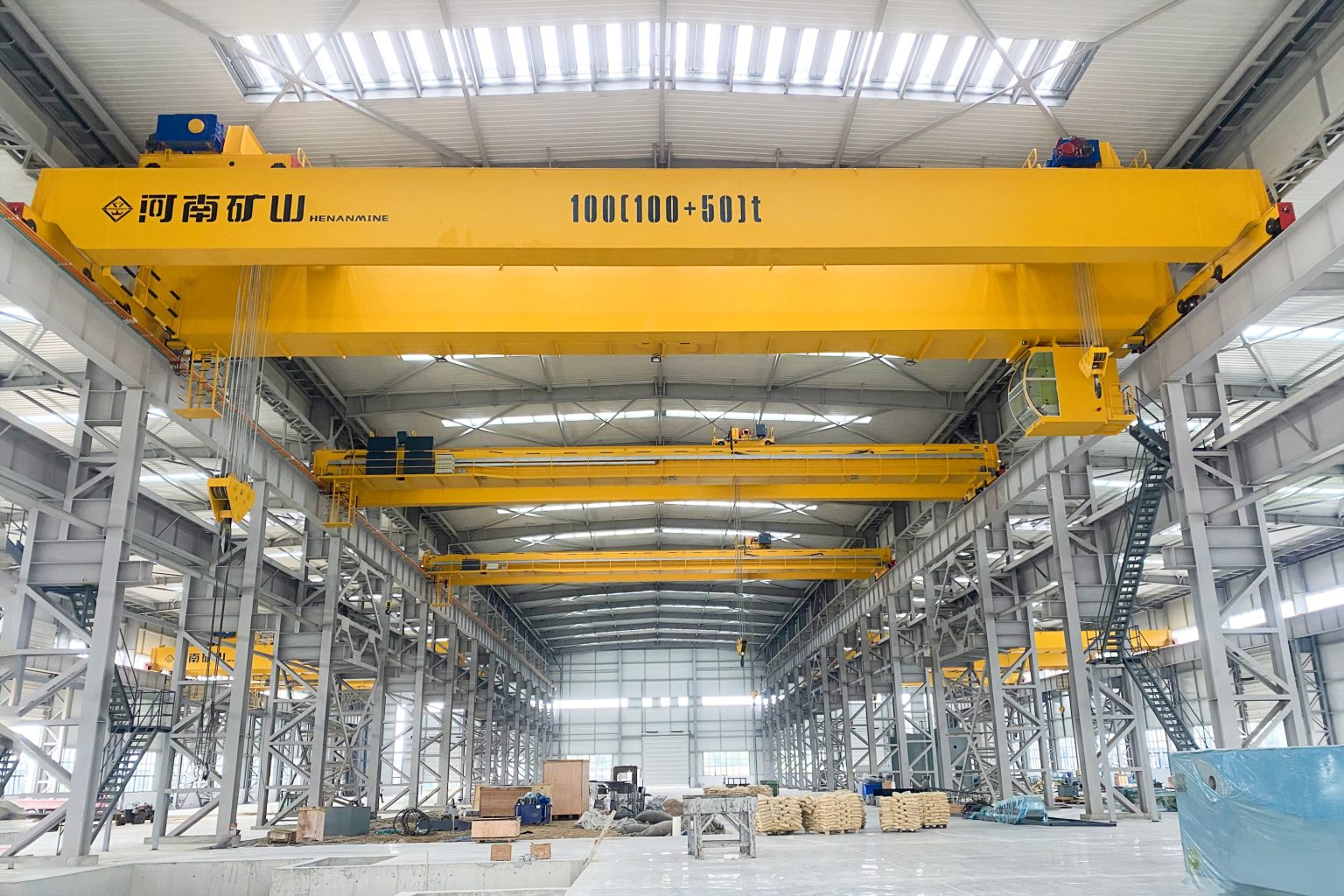
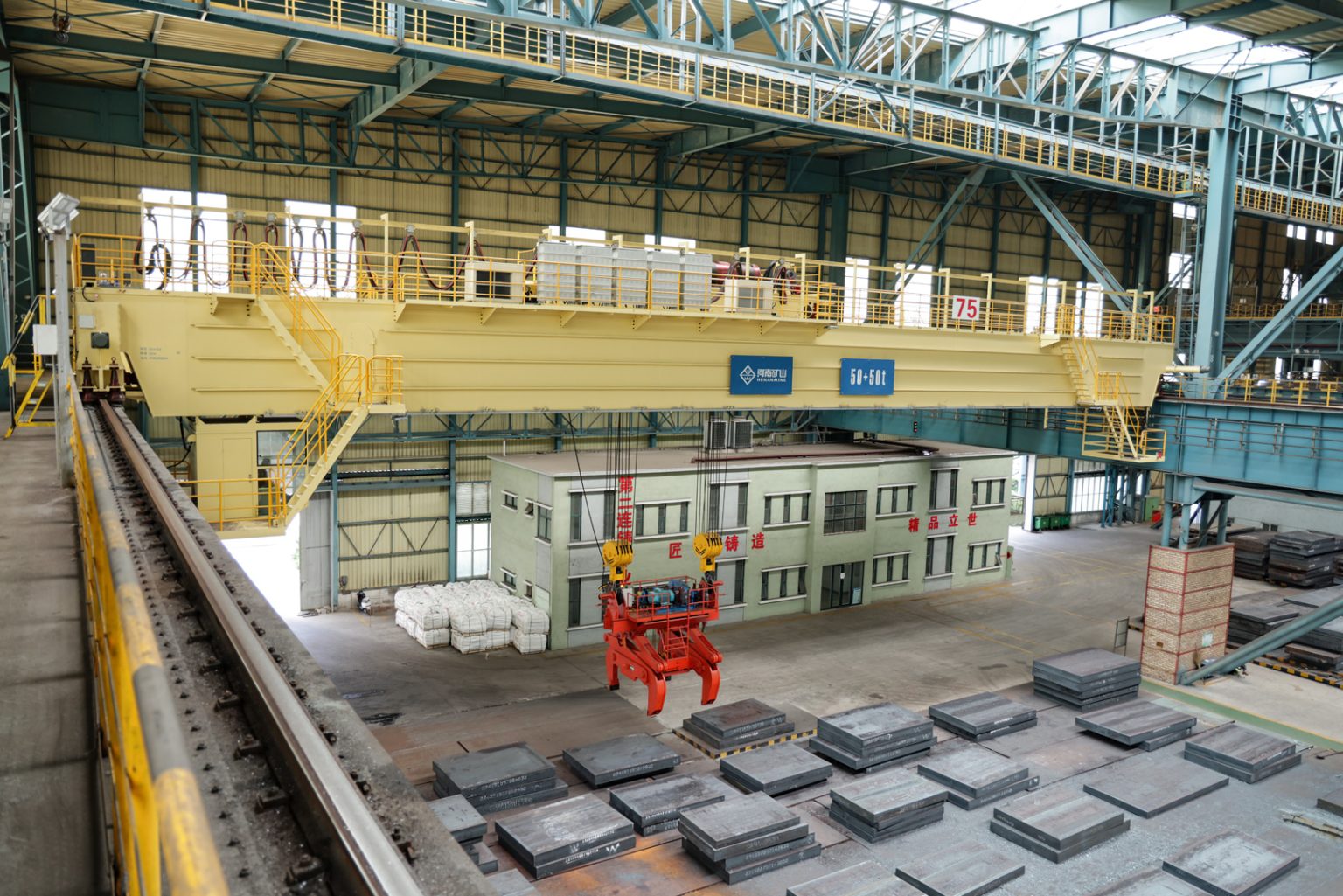
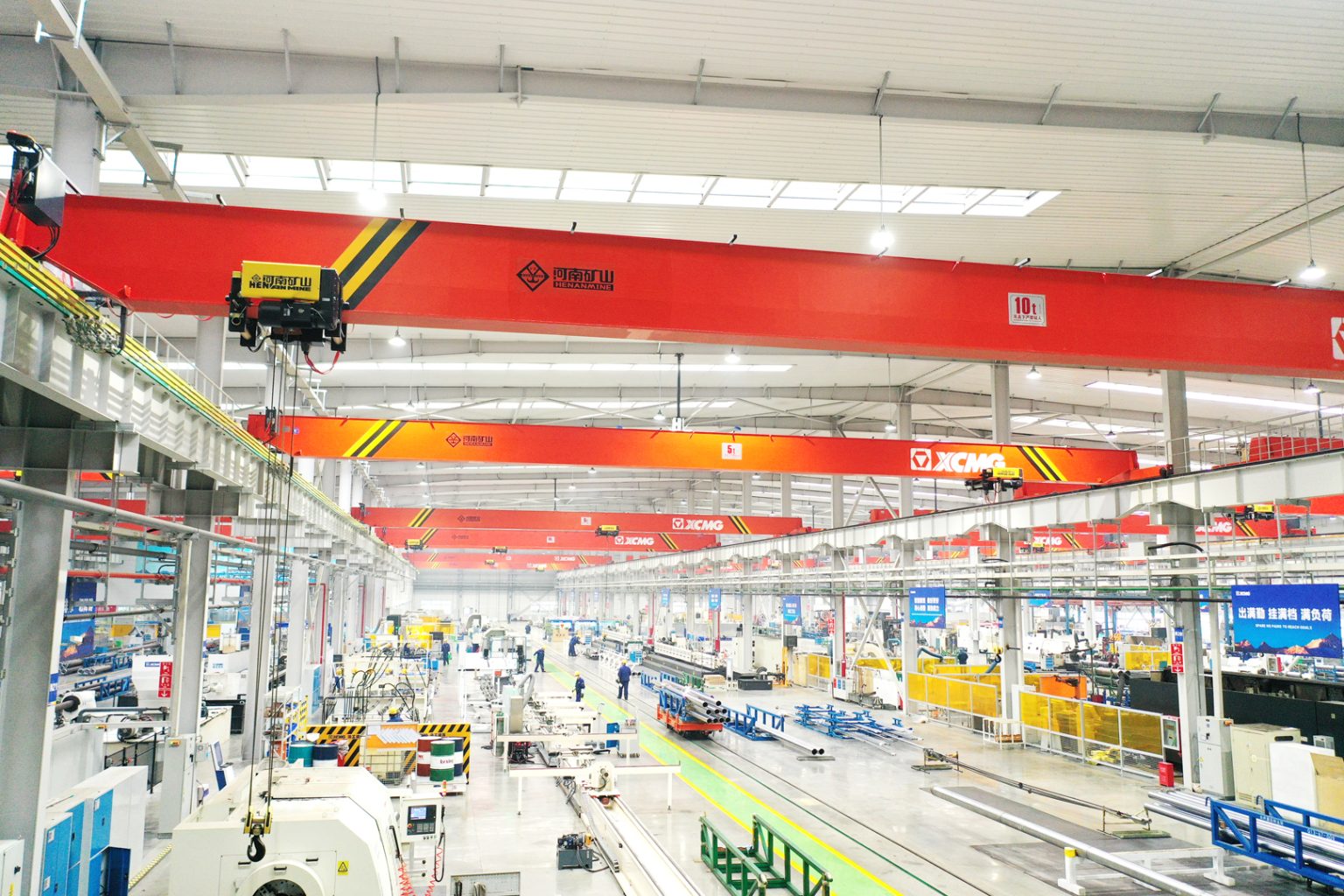
The size and capacity of the factory directly determines the delivery capacity, and you need to pay attention to the core information such as its floor space and the configuration of the production equipment. Strong manufacturers are usually equipped with advanced production equipment and have sufficient production capacity. It is recommended to verify through on-site inspections and other means to visually understand their production and management level.
Export experience and international market layout can side by side confirm product quality and compliance. Manufacturers with stable export business usually have products that meet international standards. Verification of export countries, relevant qualifications and successful cases can be more convincing than manufacturers’ boasts.
Benchmarking projects and customer testimonials are the most direct endorsement of trust. High-quality manufacturers must have industry cases of cooperation with large customers, you can ask them to provide project information, customer feedback, and even take the initiative to contact past customers to verify the operation of the equipment and after-sales service.
certification and compliance
Cranes belong to special equipment, safety and compliance is the bottom line. Various types of certification is not ‘ornamental’, but the product in line with industry standards, with market access to the core of the credentials.
ISO9001 quality management system certification is the foundation, can prove that the manufacturer has the ability to control the whole process of quality. When verifying the certificate, in addition to confirming the existence of, but also focus on the validity period, the authority of the certification body and regular supervision and audit records.
Export to different markets need to correspond to the special certification: the European Union needs CE certification, Russia and the Eurasian Union needs EAC certification, North America needs to comply with OSHA/NRTL system. If you have export needs, make sure the manufacturer has the corresponding qualifications to avoid compliance risks.
Welding, electrical and safety certifications are directly related to operational safety. High-quality manufacturers usually have welding certificates such as AWS, EN 1090, etc., and electrical components in accordance with IEC standards, as well as equipment safety devices (anti-overloading, anti-collision, etc.) to meet the standards.
Third party testing (e.g. SGS, BV, TUV) is an important safeguard. Only look at the manufacturer’s self-inspection report is not enough, give priority to accept the third-party testing of manufacturers, the authoritative report can be issued to avoid quality risks to the greatest extent.
engineering and technical capabilities
The core competitiveness of cranes lies in engineering capabilities. The demand for different working conditions vary greatly, standardised products often can not be adapted, which requires manufacturers to have a strong R & D and customisation capabilities.
The core competitiveness of cranes is ultimately reflected in the engineering capabilities. Especially in different industries, different working conditions of the demand varies greatly, standardised products often can not be fully adapted, which requires manufacturers to have a strong technical research and development and customisation capabilities.
Internal R&D team is the core of technology. High-quality manufacturers have professional R&D teams covering mechanical, electrical, structural and other fields of engineers. The R&D strength can be verified by the team size, experience of core members and patent achievements.
Customisation capability is the key to dealing with complex working conditions. In the face of scenarios such as low headroom, abnormal span and special lifting goods, manufacturers need to design adapted solutions through professional modelling after on-site research.
Load calculation and structural analysis determine the safety and durability of the equipment. High-quality manufacturers use finite element analysis and other tools to calibrate the strength and stiffness of core components, such as main beams and end beams, to ensure the safe operation of the equipment.
Compliance with international standards is a prerequisite for product entry. Regardless of domestic and international use, the equipment must comply with the corresponding standards (e.g. GB/T 3811, EN 13000, ASME B30), which manufacturers need to strictly comply with in order to guarantee the availability of the equipment.
Product Configuration and Core Components
Equipment performance and life, the core depends on the configuration and quality of core components. Some manufacturers cut corners when competing at low prices, which can lead to a spike in the failure rate in the later stage, but increase operating costs.
Crane performance and service life, the core depends on the product configuration and the quality of core components. Many manufacturers seem to offer a very low price, but cut corners on the core components, the subsequent failure rate of the equipment will rise sharply, the long-term operating costs are higher.
Steel grade and manufacturing process is the equipment ‘skeleton’. High-quality manufacturers choose Q355B, Q460 and other high-strength steel, welding precision, rust removal and painting processes, directly affecting the corrosion resistance of the equipment and life.
Motor, reducer, brake, etc. is the equipment ‘heart’. Priority is given to the core components of Siemens, SEW and other well-known brands of manufacturers, although the cost is slightly higher, but the stability is strong, can reduce the failure and maintenance costs, to avoid the hidden dangers of miscellaneous parts.
The control system needs to be adapted to the operational scenarios, mainly handheld button box, remote control, automation of three ways. High-quality manufacturers can recommend the right type according to the needs of the site to ensure accurate and stable control.
Safety devices are the last line of defence for operational safety. The equipment should be fully equipped with overload limitation, position limitation, anti-collision and other devices, and be sensitive and reliable. Special working conditions also need to be equipped with additional special protective equipment.
Quality control and testing
Quality design and configuration, need strict quality control and testing support. High-quality manufacturers to establish a full-process quality control system, from raw materials to finished products factory, each link has a clear testing standards.
No matter how good the design and configuration, without strict quality control and testing process, it is impossible to ensure product quality. High-quality manufacturers will establish a full-process quality control system, from raw materials to the finished product factory, each link has strict testing standards.
Incoming material inspection is the source of quality control. Steel, core components and other incoming, need to check the qualification and performance test, qualified before put into production, from the source to eliminate quality hazards.
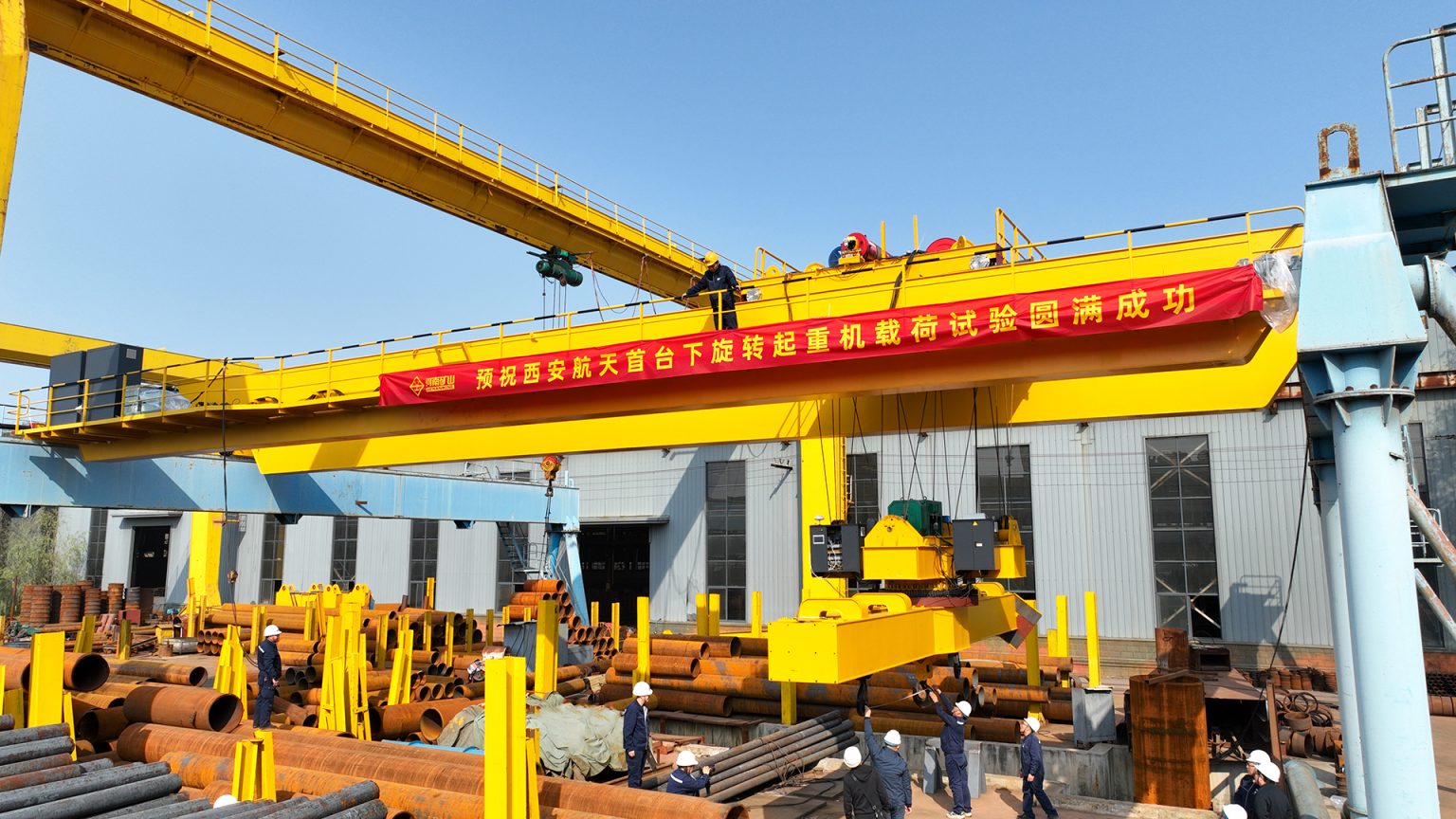
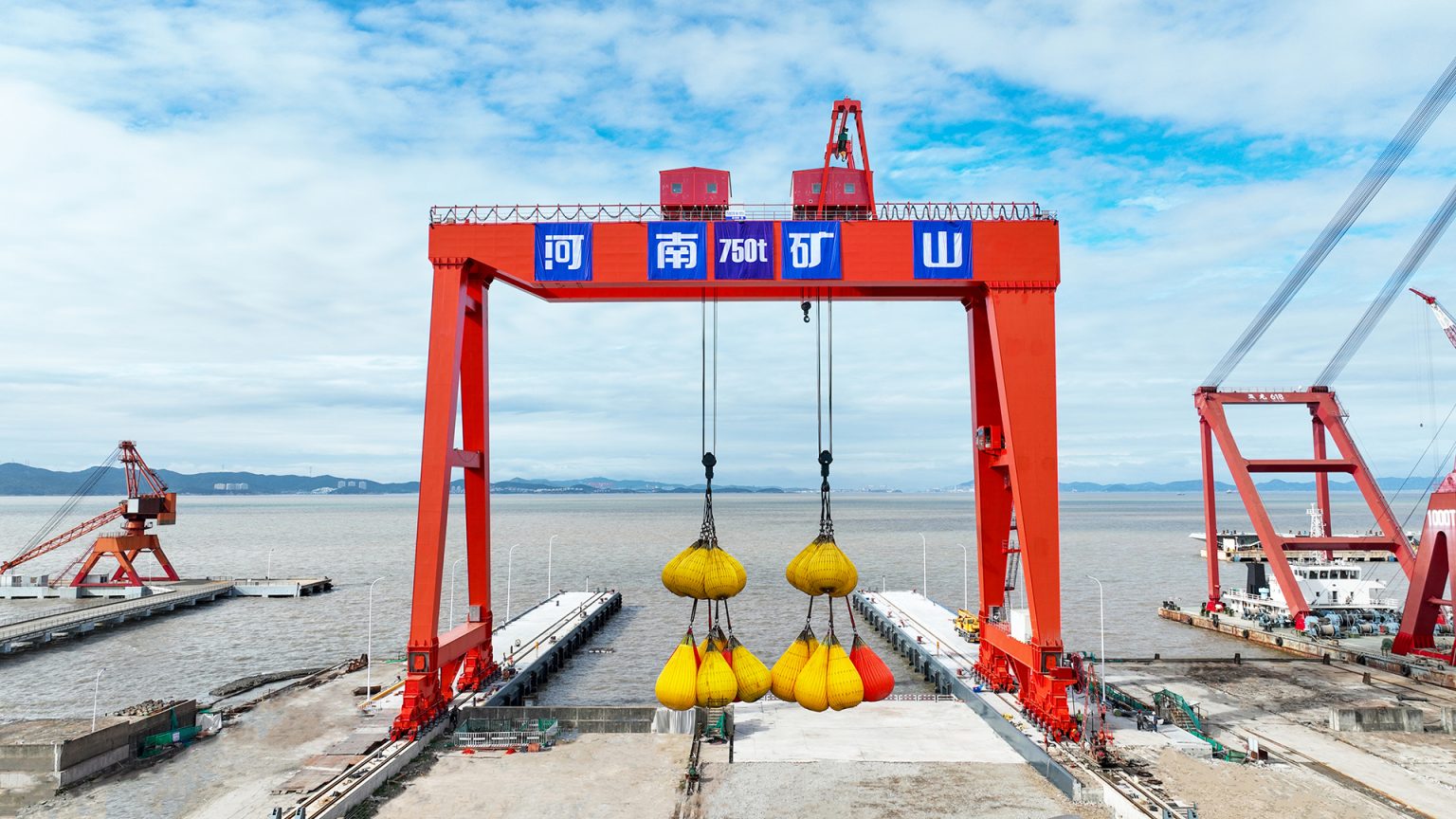
Load and function test is the core performance verification link. The equipment needs to complete no-load, full-load, 110%-125% overload test, and at the same time comprehensively verify the control, braking, safety and other system functions to ensure that the performance meets the standard.
Factory Acceptance Test (FAT) is the key to buyers’ rights protection. High-quality manufacturers have standardised FAT process, inviting buyers to witness the test, and all data records are filed and signed by both parties before the equipment is shipped.
Quality traceability records facilitate follow-up maintenance and responsibility definition. Priority is given to manufacturers who can provide full-process traceability records, covering procurement, production, testing and other aspects, to facilitate troubleshooting and responsibility determination.
business and contract terms
Commercial and contract terms are the core of cooperation, clear and reasonable terms can clarify the rights and responsibilities, avoid disputes and ensure the smooth progress of the project.
In addition to products and technologies, commercial and contract terms are also the core of cooperation. Clear and reasonable terms can clarify the rights and obligations of both parties, avoid subsequent cooperation disputes, and ensure the smooth progress of the project.
Clarity of quotation is the key to avoid late additions. When checking the quotation, in addition to the total price, you need to clarify the scope of the cost of equipment, installation, training, transport, etc., to confirm that the parameters of the configuration is clear and there are no hidden clauses.
Delivery time needs to be agreed in conjunction with the project requirements, the contract is clear production, delivery, arrival and commissioning completion time. Require manufacturers to provide progress plans and regular synchronisation, customised equipment need to set aside sufficient production cycle, to avoid rushing to affect the quality.
FOB, CIF, DDP and other trade terms, responsibilities and costs are divided into different. You can choose according to your own logistics ability: FOB for mature channels, DDP for worry-free needs, and match according to your needs.
Payment terms are suggested to adopt the mode of ‘prepayment + progress payment + final payment’ to take into account the rights and interests of both parties. Warranty can be agreed, to be paid after the expiry of the warranty period without quality problems, to further avoid the risk of co-operation.
After-sales service and support
After-sales service directly affects the long-term operational efficiency of the equipment and maintenance costs, high-quality manufacturers will provide perfect after-sales service and technical support, which should not be ignored when purchasing.
Many buyers in the procurement, easy to ignore the after-sales service, but in fact, the quality of after-sales service, directly affecting the long-term operational efficiency of the equipment and maintenance costs. High-quality manufacturers will provide perfect after-sales service and technical support.
Warranty period and scope need to be clear in the contract. Conventional equipment warranty is mostly 12-24 months, the core components can be extended to 24-36 months, while clarifying the free maintenance, door-to-door service and other rights and responsibilities, to exclude man-made and force majeure factors.
Spare parts supply capacity is related to fault repair efficiency. High-quality manufacturers have spare parts warehouses at home and abroad, commonly used spare parts can be delivered in 24-48 hours, no more than 7-10 days for special spare parts, while the need to confirm the lifelong spare parts supply capacity.
Installation and commissioning of professional, high-quality manufacturers to provide free on-site guidance and commissioning services, as well as training of operators to ensure the smooth commissioning of equipment.
Fast technical response can reduce downtime losses. Domestic customers are preferred to choose 24-hour response, 48 hours to the manufacturer, overseas customers are concerned about the 72-hour response capability, while confirming the 24-hour technical advice channels.
logistics and export capabilities
For buyers exporting or purchasing large cranes, logistics and export capabilities are critical, directly affecting whether the equipment can be delivered safely and on time to protect the project progress.
For buyers with export demand, or procurement of large, super-large crane buyers, logistics and export capability is a dimension that must be focused on. Whether the equipment can be delivered to the site safely and on time directly affects the project progress.
Export packaging needs to comply with international transport standards. Cranes are large-scale equipment, and high-quality manufacturers use rust-proof, moisture-proof and shock-proof packaging to reinforce large components and avoid deformation and damage during transport.
Complete documentation and customs clearance support can avoid delays in customs clearance. High-quality manufacturers with rich export experience can assist in the preparation of a full set of customs clearance documents, provide consulting services to ensure smooth customs clearance of equipment.
Large transport experience is the core guarantee for large equipment delivery. High-quality manufacturers have long-term cooperation with large logistics partners, according to the weight and size of the equipment, the development of land transport, sea transport, port loading and unloading integrated programme.
Good co-ordination between ports and freight forwarders can improve transport efficiency. High-quality manufacturers dock with ports and freight forwarders in advance to arrange loading and unloading, warehousing and customs clearance processes, so as to avoid equipment stranded in the port.
Choosing the right manufacturer is choosing the right long-term partner
Selecting a high-quality crane manufacturer is essentially selecting a long-term partner, which is directly related to equipment safety, productivity and long-term operating costs.
Conditions allow, it is recommended to visit the manufacturer on the spot, verify the production process and testing procedures, refer to the feedback of past customers, to maximise the risk of avoiding and selecting a reliable partner.
I hope this article can provide help for your selection, if you have specific questions or needs, welcome to communicate at any time.