
Everything You Need to Know About Gantry Cranes
In the field of modern material handling, gantry cranes are indispensable core equipment, choose the right matching gantry cranes can make industrial production, logistics loading and unloading efficiency doubled, and choose the wrong equipment will not only result in the acquisition of equipment, site remodeling of the high cost of waste, but also buried in the operation process of the safety hazards, and become a major risk point in the production operation. This article will be a one-stop answer to all your questions about gantry cranes, to help you accurately match the production needs of the equipment program.
What Is a Gantry Crane?
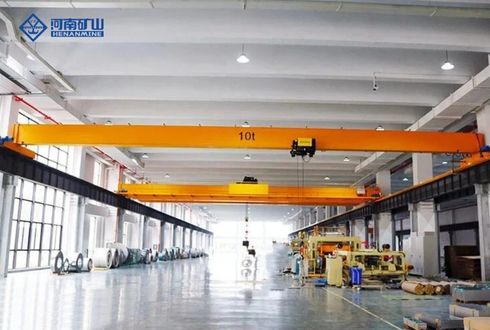
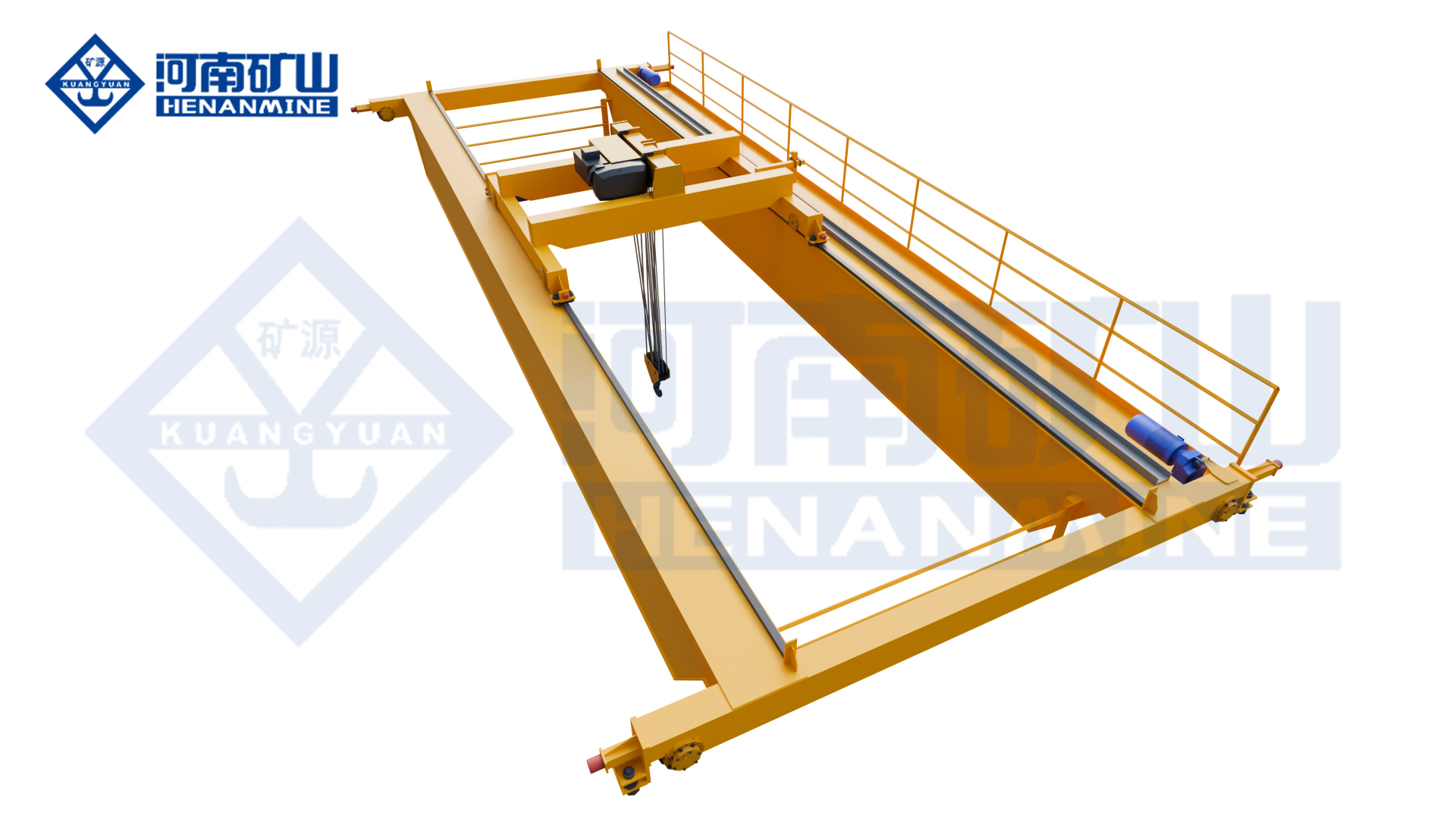
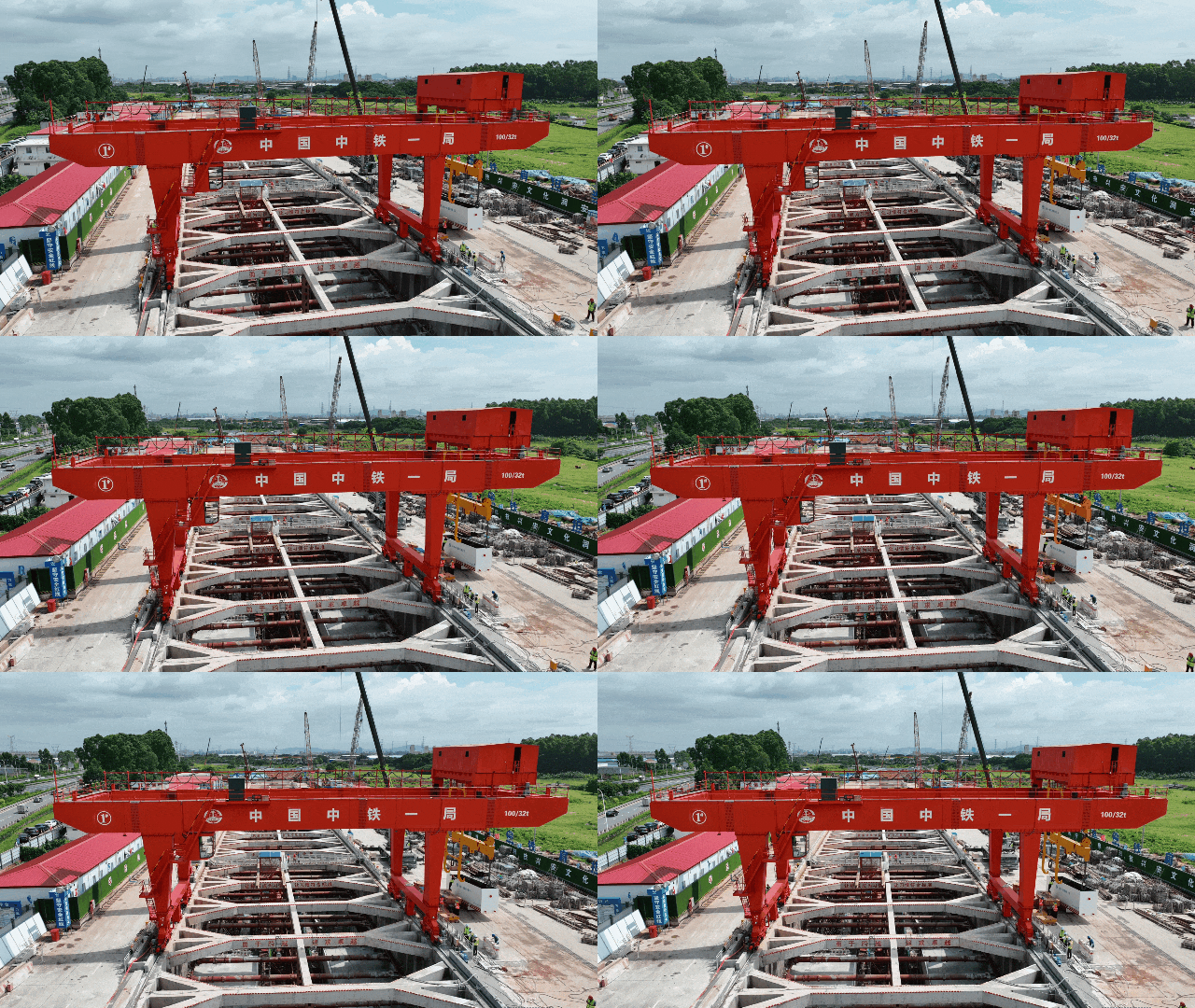
Gantry Crane is an independent lifting equipment that does not need to rely on the building support, the outriggers carry the main girder and the lifting and running mechanism, which is widely used in industrial material handling. The core difference between it and overhead cranes is that it does not need to rely on the plant structure to support the weight, and it can run freely on the ground track or level ground, which makes it more flexible in adapting to the scenarios.
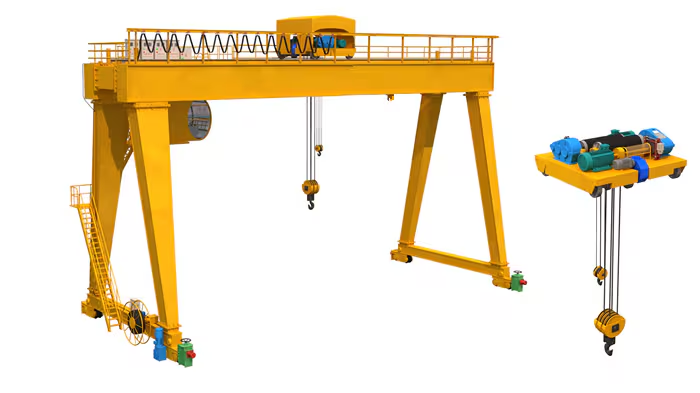
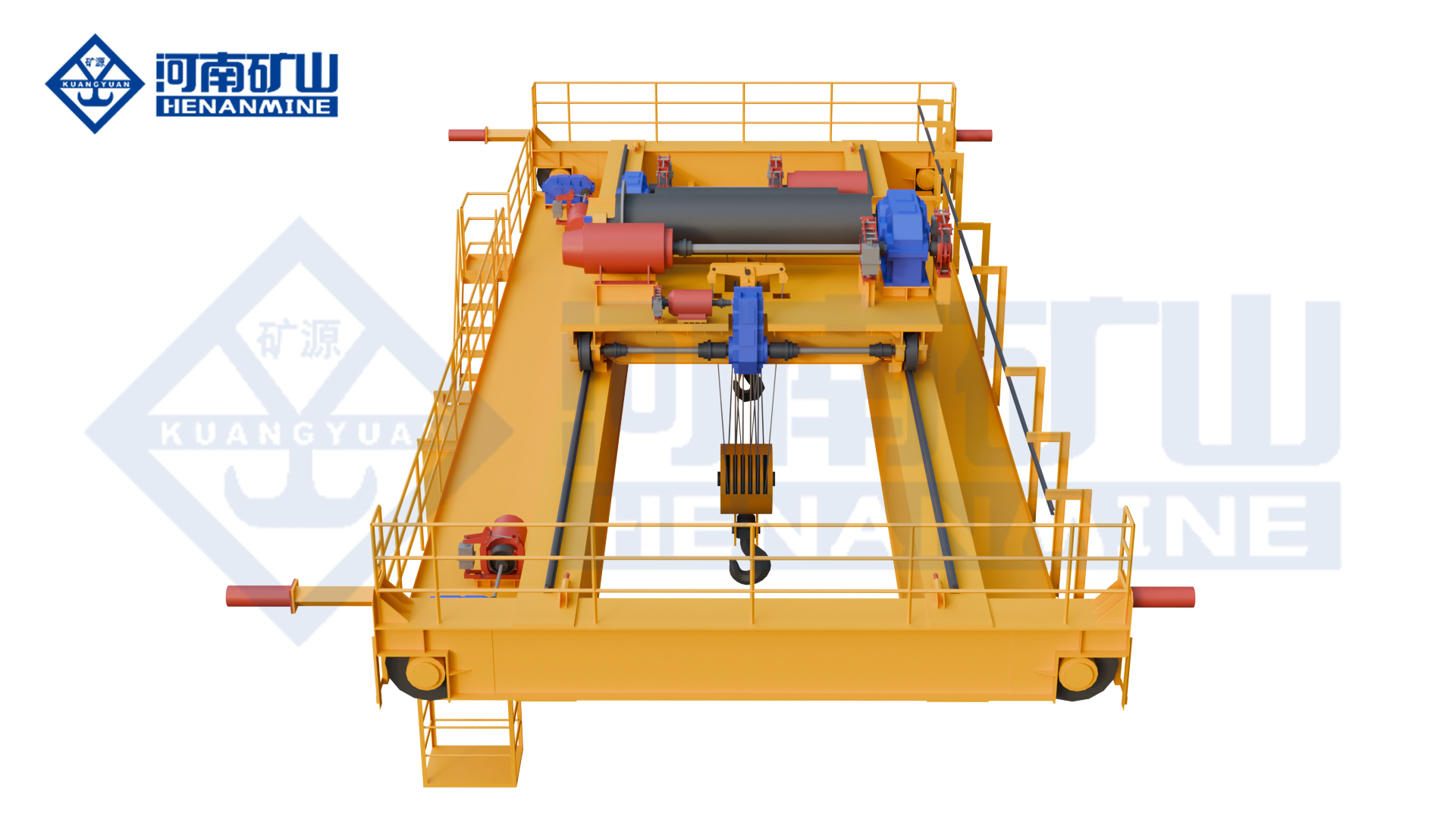
From the basic structure point of view, the gantry crane is mainly composed of four core parts, each part works together to realize the accurate lifting and handling of materials:
- Main beam: Ss the load-bearing core of the equipment, it bears the main weight of the lifting load and is the skeleton structure of the gantry crane.
- Outriggers (with wheels/rails): Support the main beam and contact with the ground, the outriggers with wheels can realize the movement of the whole machine along the ground track, which is the walking part of the equipment and can drive the whole machine to move flexibly.
- Lifting trolley and hoist: Installed on the main beam, responsible for the vertical lifting and lowering of materials, is the core of the lifting function of the implementation of components.
- Control system: Including operation console, electrical wiring, sensors, etc., coordinates all the actions of the equipment to realize the precise control of lifting and moving.
How Does a Gantry Crane Work?
Gantry Crane’s operation process follows standardized steps, the institutions work together to achieve accurate handling of materials from lifting to the designated location, the entire operation process is clear and controllable, even for complex lifting operations, can be completed through standardized steps.
- Vertical lifting: Operate the lifting mechanism to lift the material vertically through the hook or spreader, leaving the ground to a safe height to avoid collision between the material and the ground obstacles.
- Horizontal movement: Manipulate the trolley system, drive the lifted material to move along the main beam in the horizontal direction, and adjust the material to the longitudinal direction directly above the whole machine. 3.
- longitudinal walking: Operate the machine to walk longitudinally along the ground track, carry the materials to the designated working position, and then slowly descend through the lifting mechanism to complete the precise placement of materials.
With the development of industrial automation, the degree of automation of the gantry crane is also increasing, the current mainstream automation configuration includes PLC programmable control, VFD variable frequency speed control, remote control operation, etc. PLC control can realize the automation of the workflow programming, reducing manual operation. VFD speed control makes the lifting and moving of the equipment smoother and avoids load shaking. Remote control allows the operator to complete the lifting operation in a safe area, enhancing operational safety.
Types of Gantry Cranes
Gantry cranes are available in a wide range of types, with different structural designs adapted to different load requirements, operating environments and production scenarios, ranging from light-duty material handling to ultra-heavy-duty industrial lifting, all of which have their own models.
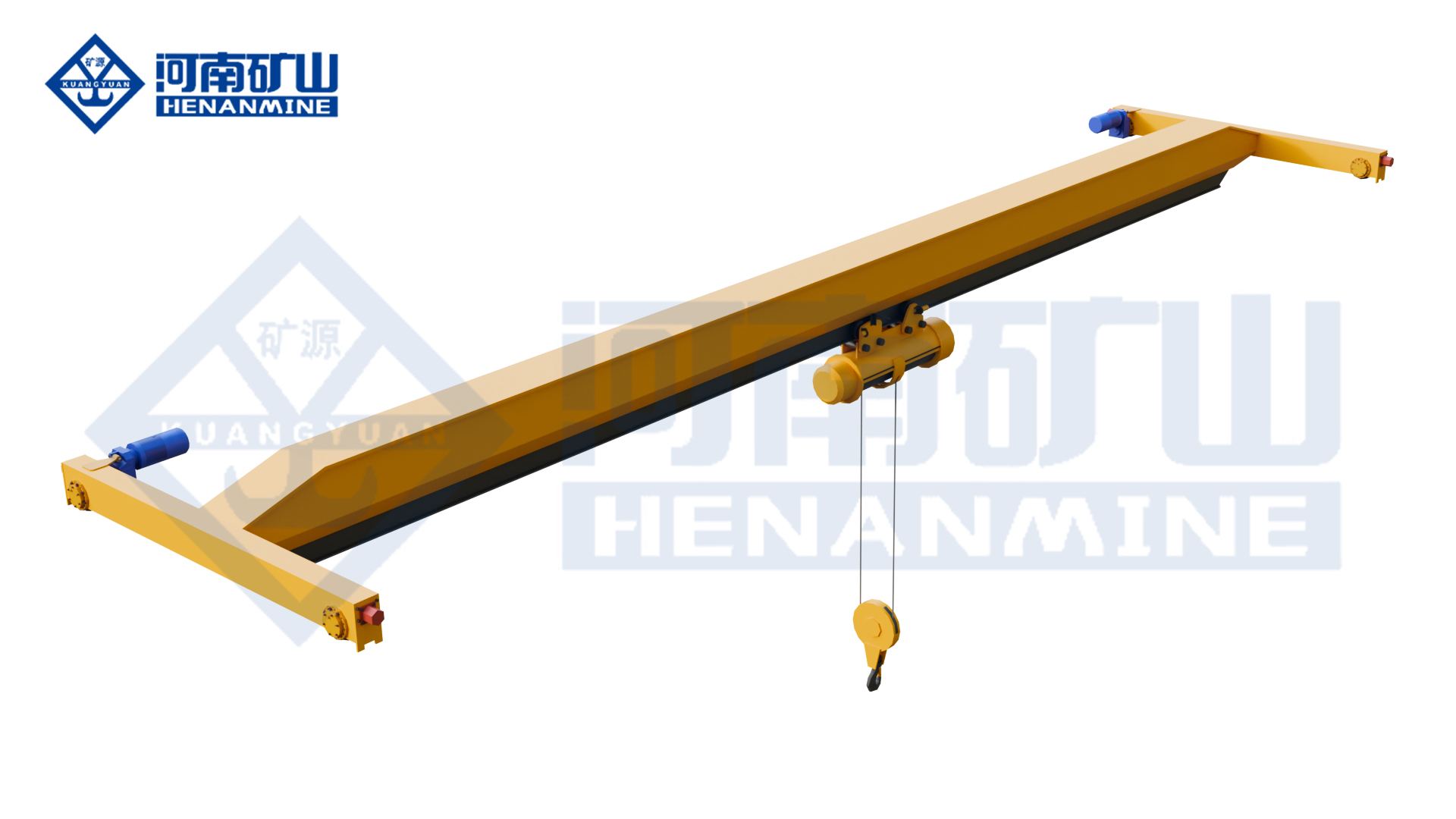
Single-girder gantry crane
Single-girder gantry crane adopts the simple structural design of single main girder, the overall weight of the equipment is light, and the manufacturing process is simple, so the manufacturing cost and on-site installation cost are much lower than that of multi-girder model, which is the best choice for light duty operation scenarios. The rated lifting capacity is usually 1-20 tons, and the operation process is simple, so the daily inspection, maintenance and repair do not require complex professional tools, and the later operation and maintenance costs are also lower.
Typical application scenarios: Material transfer in small and medium-sized workshops, loading and unloading of goods in warehouses, daily maintenance of factory equipment and parts handling.
Best for: Focus on cost-effective equipment, lightweight material handling companies, or the basic lifting needs of start-up factories.
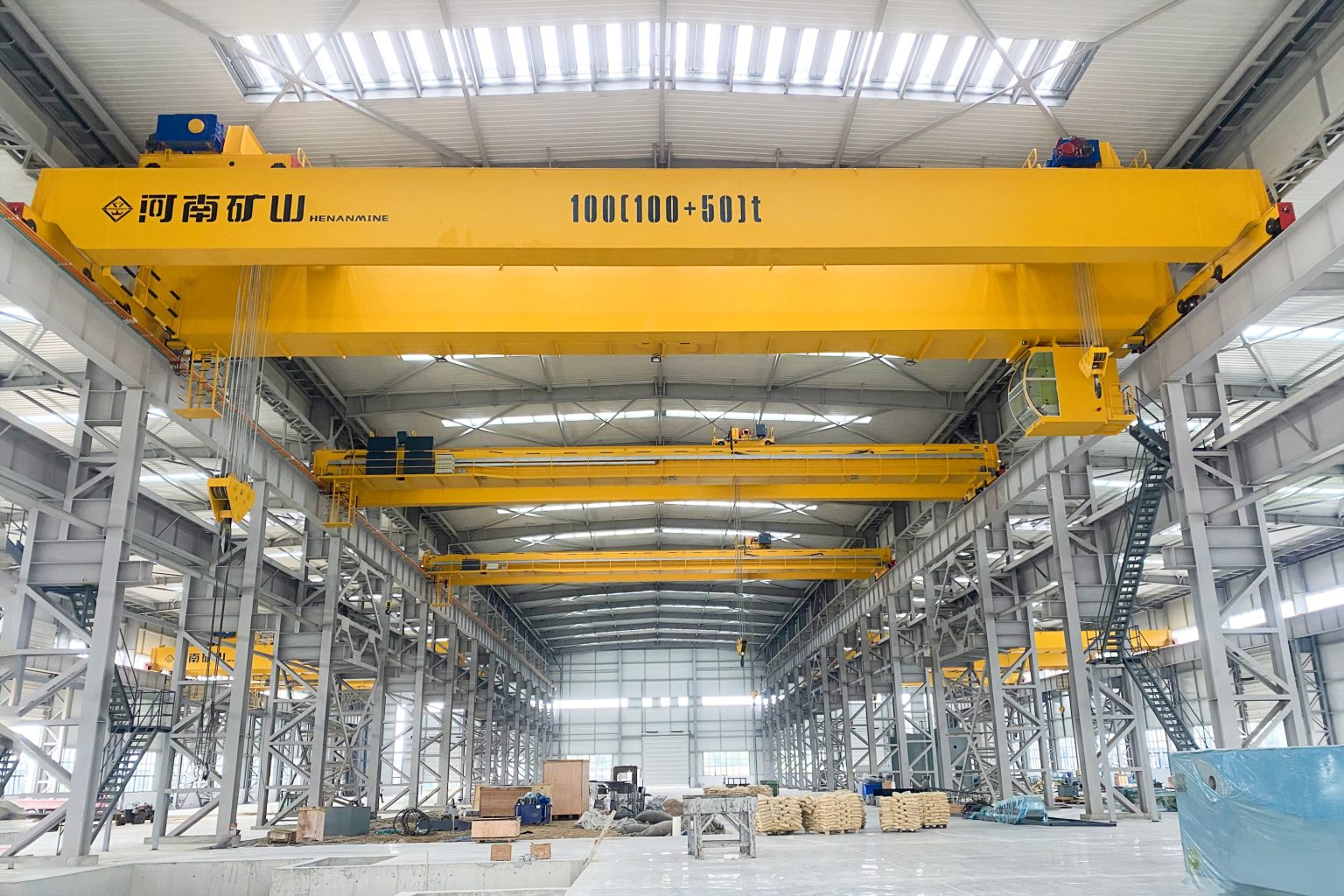
Double-girder gantry crane
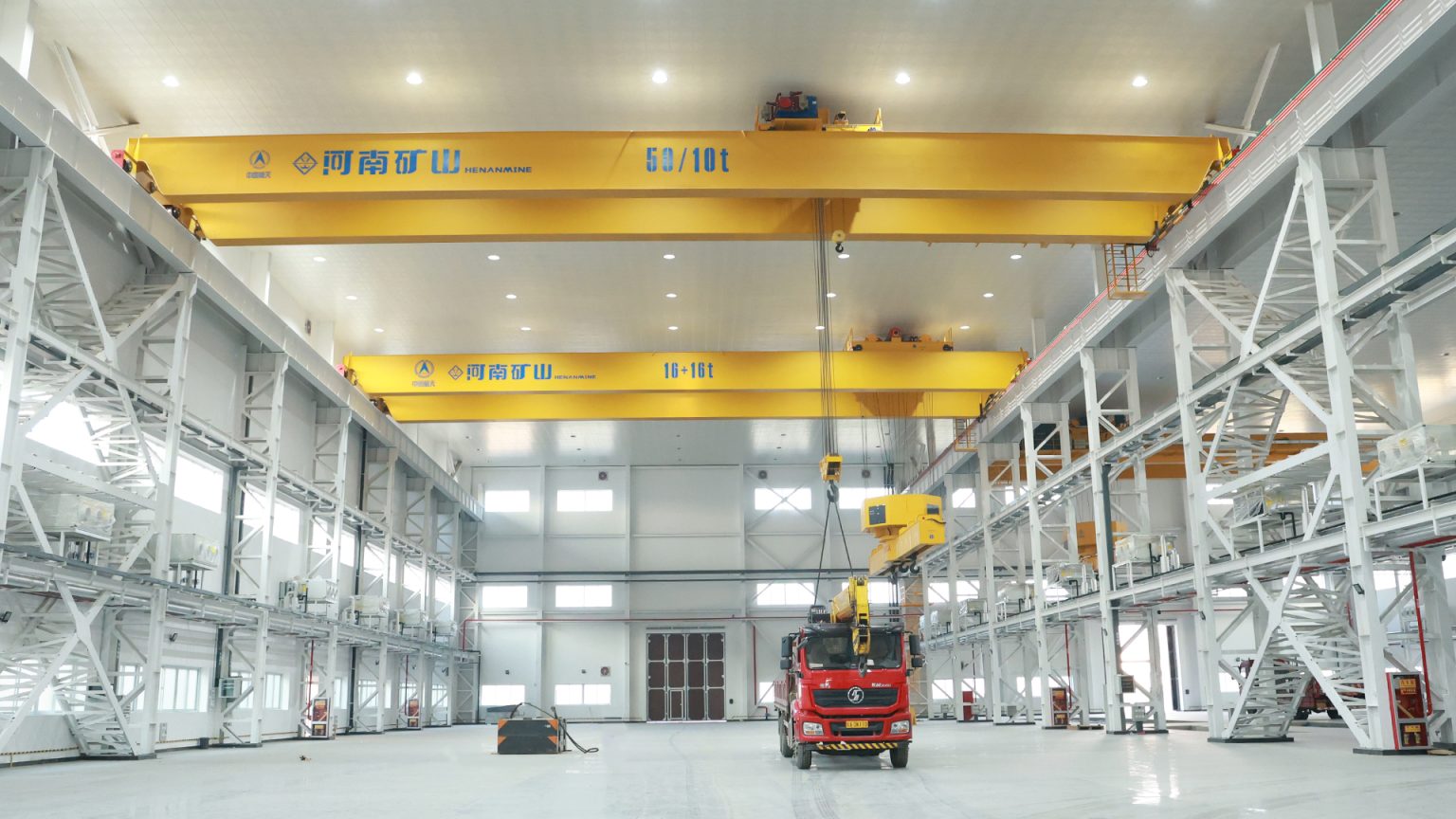
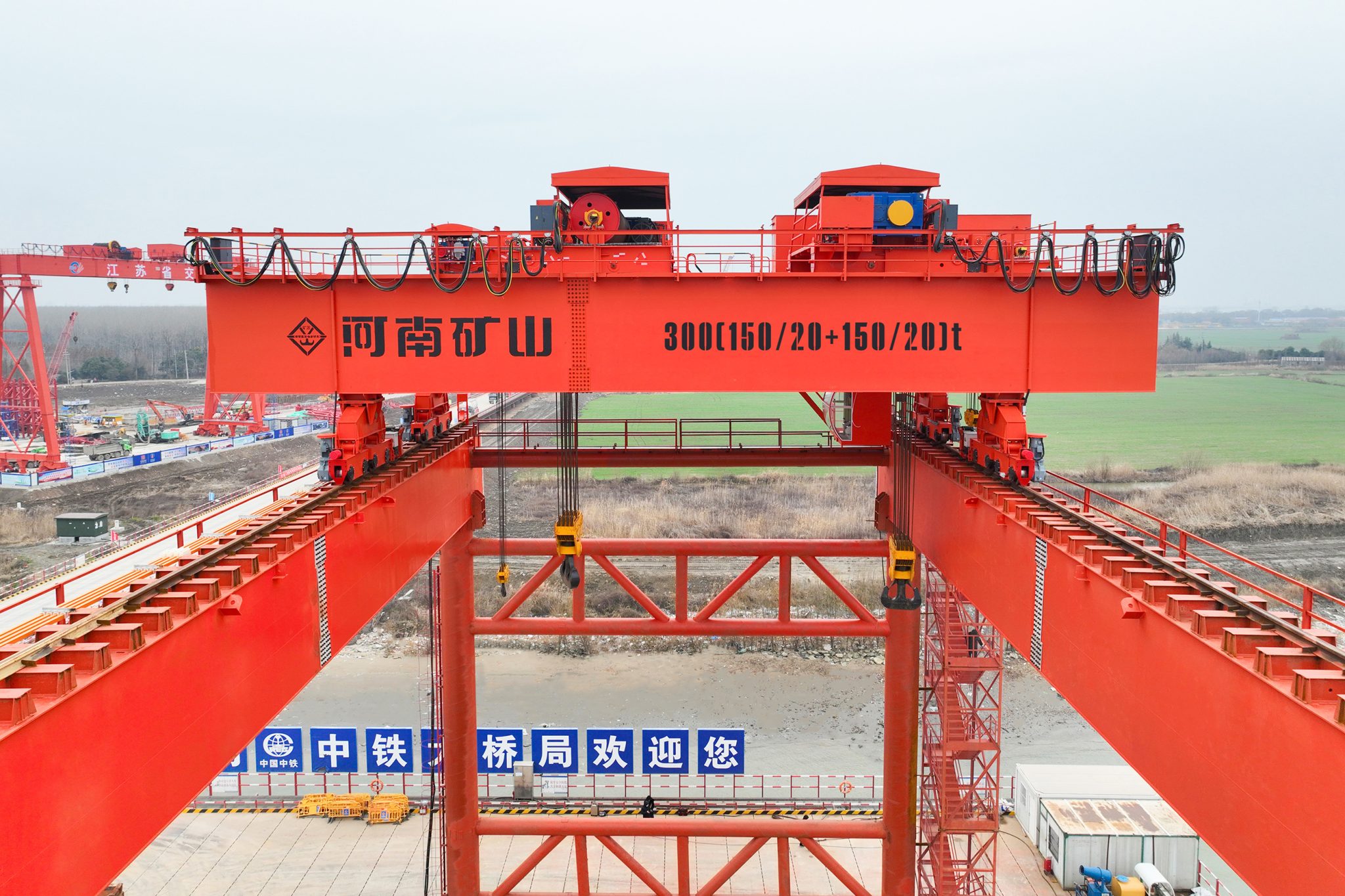
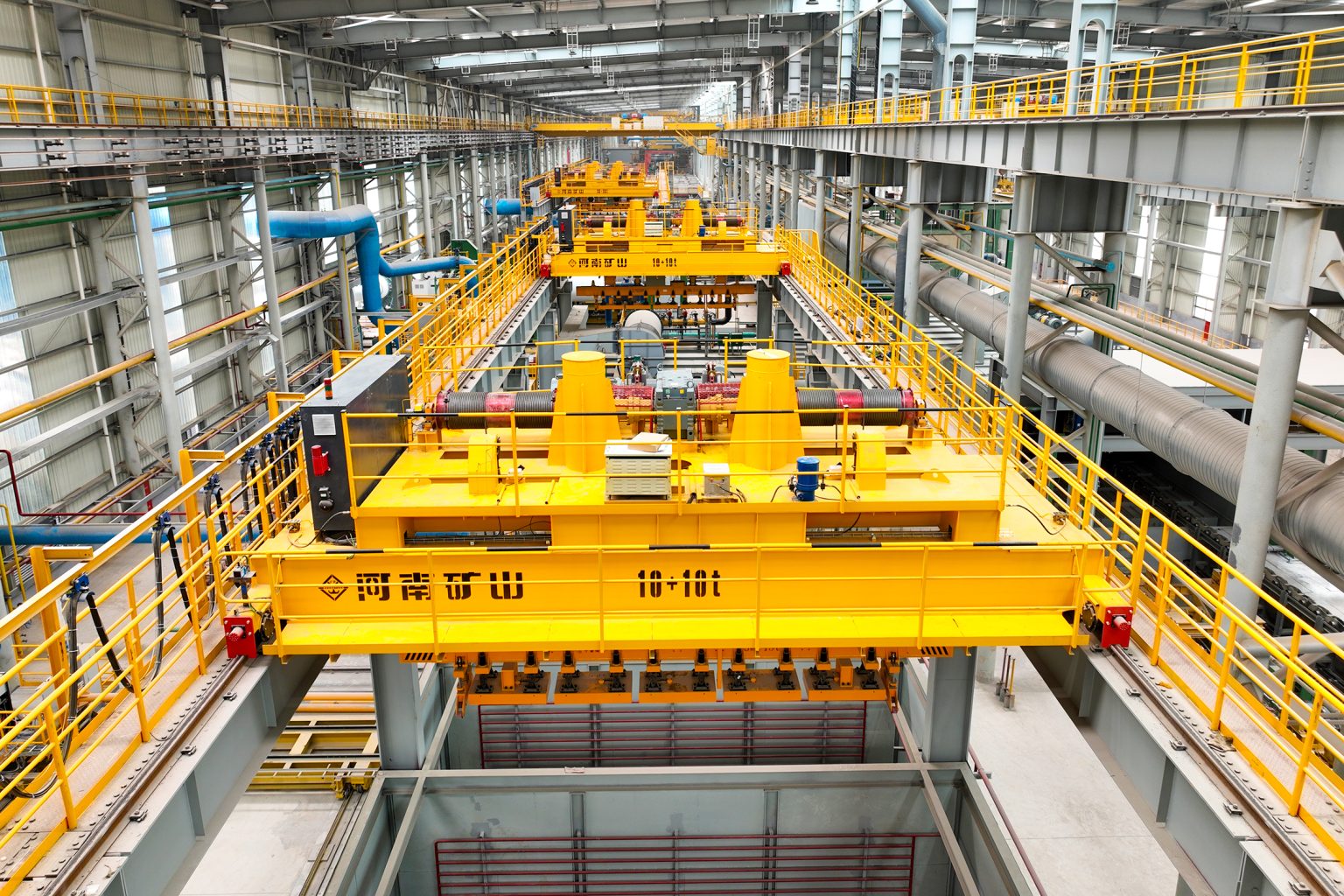
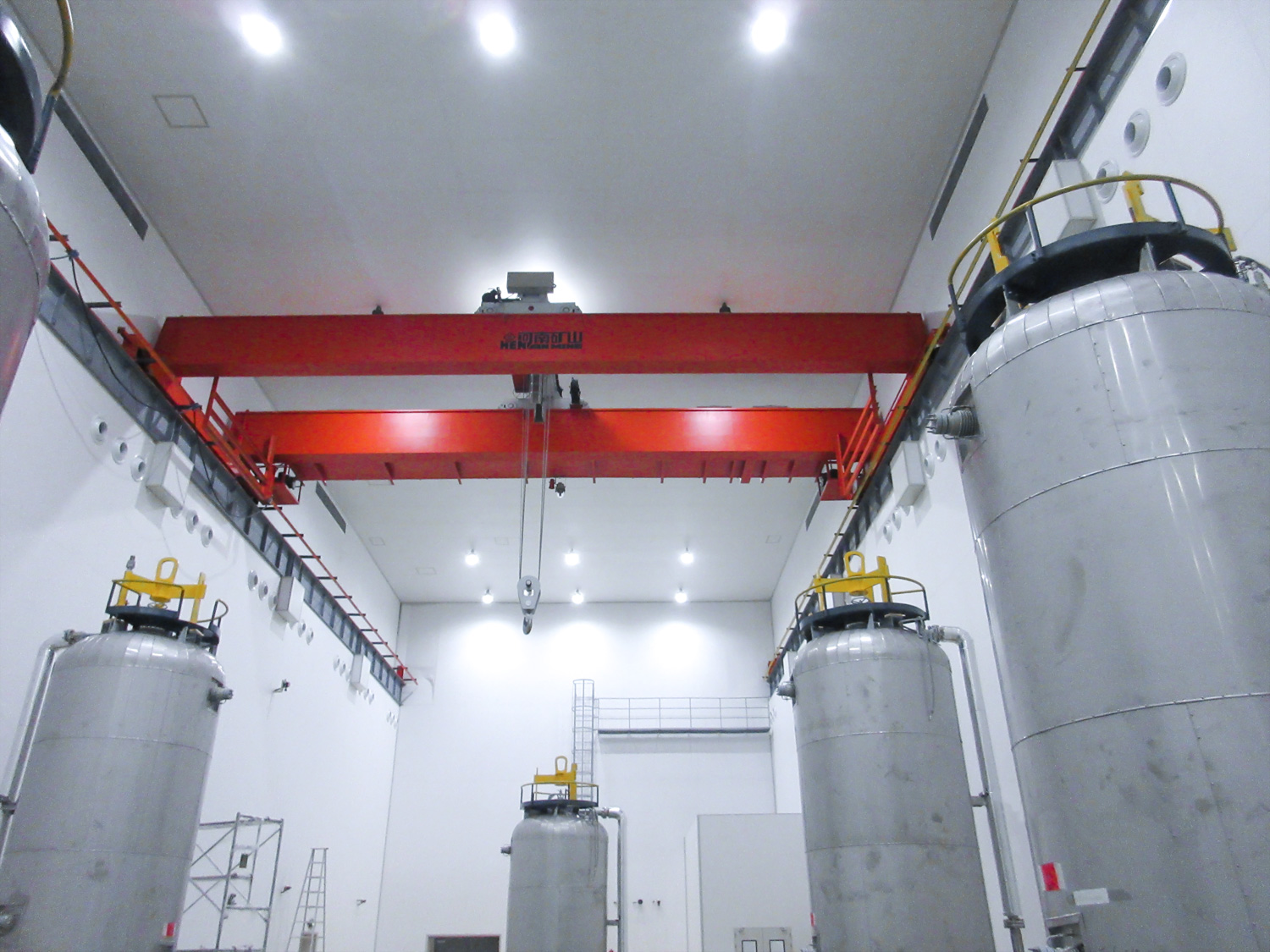
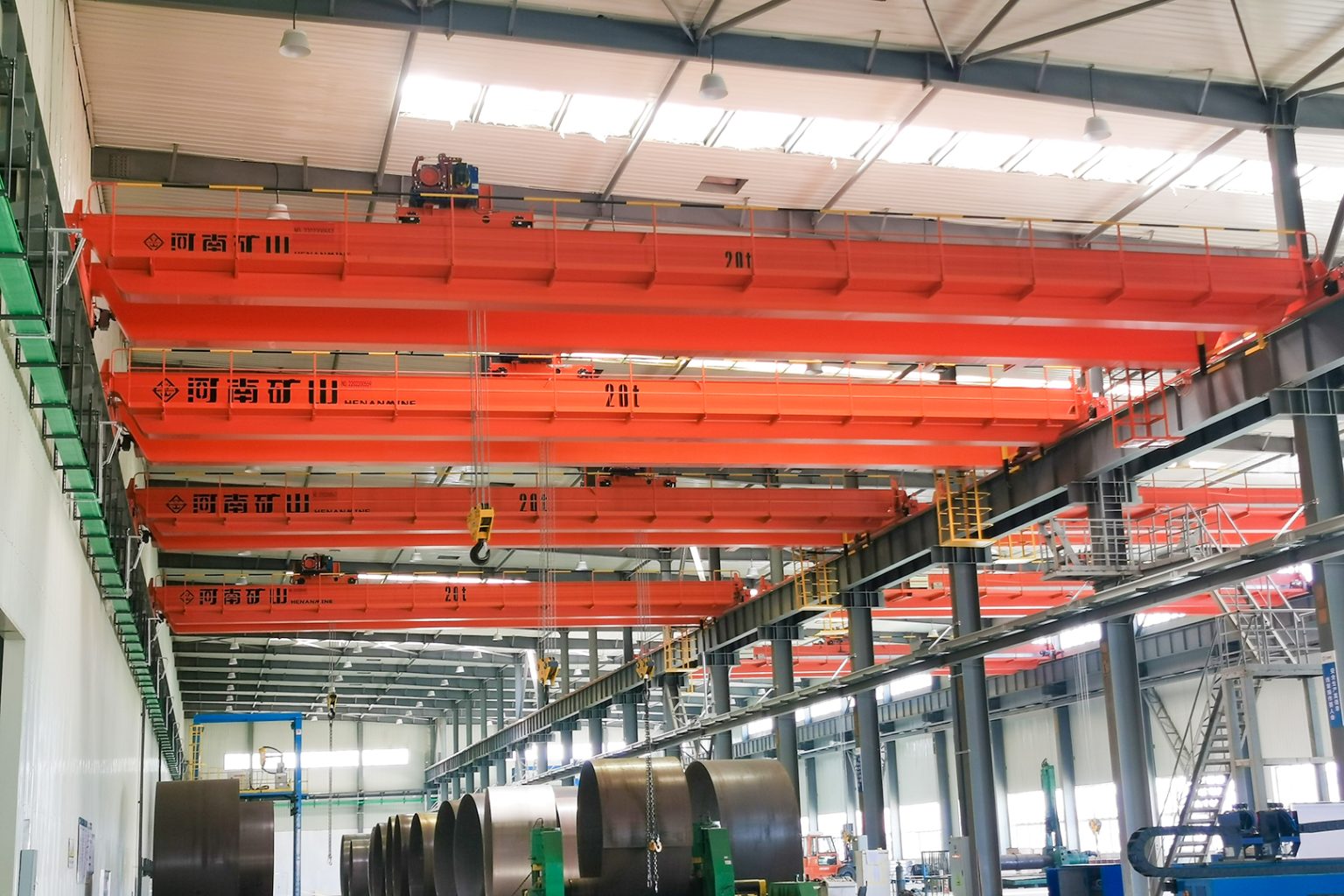
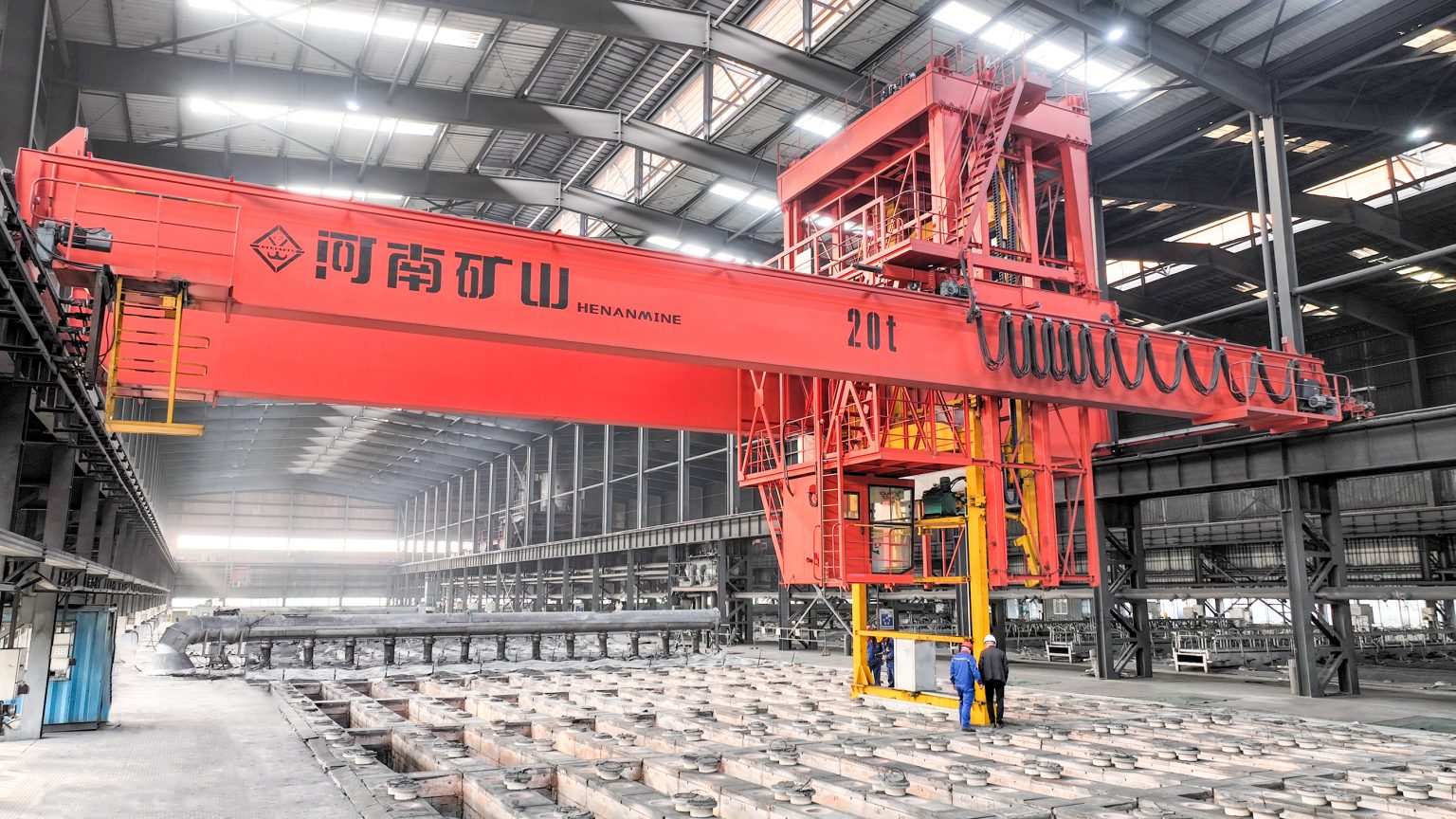
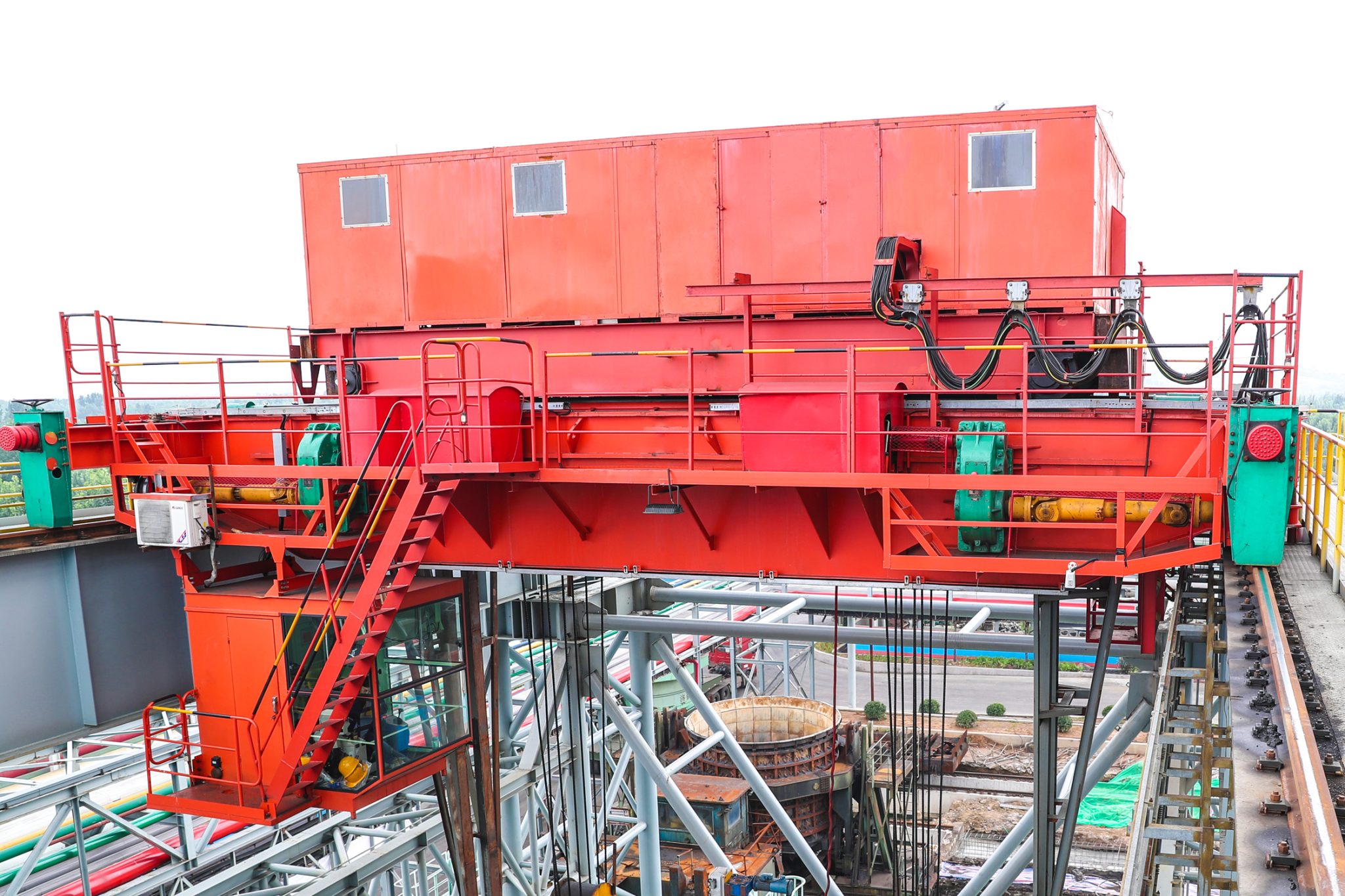
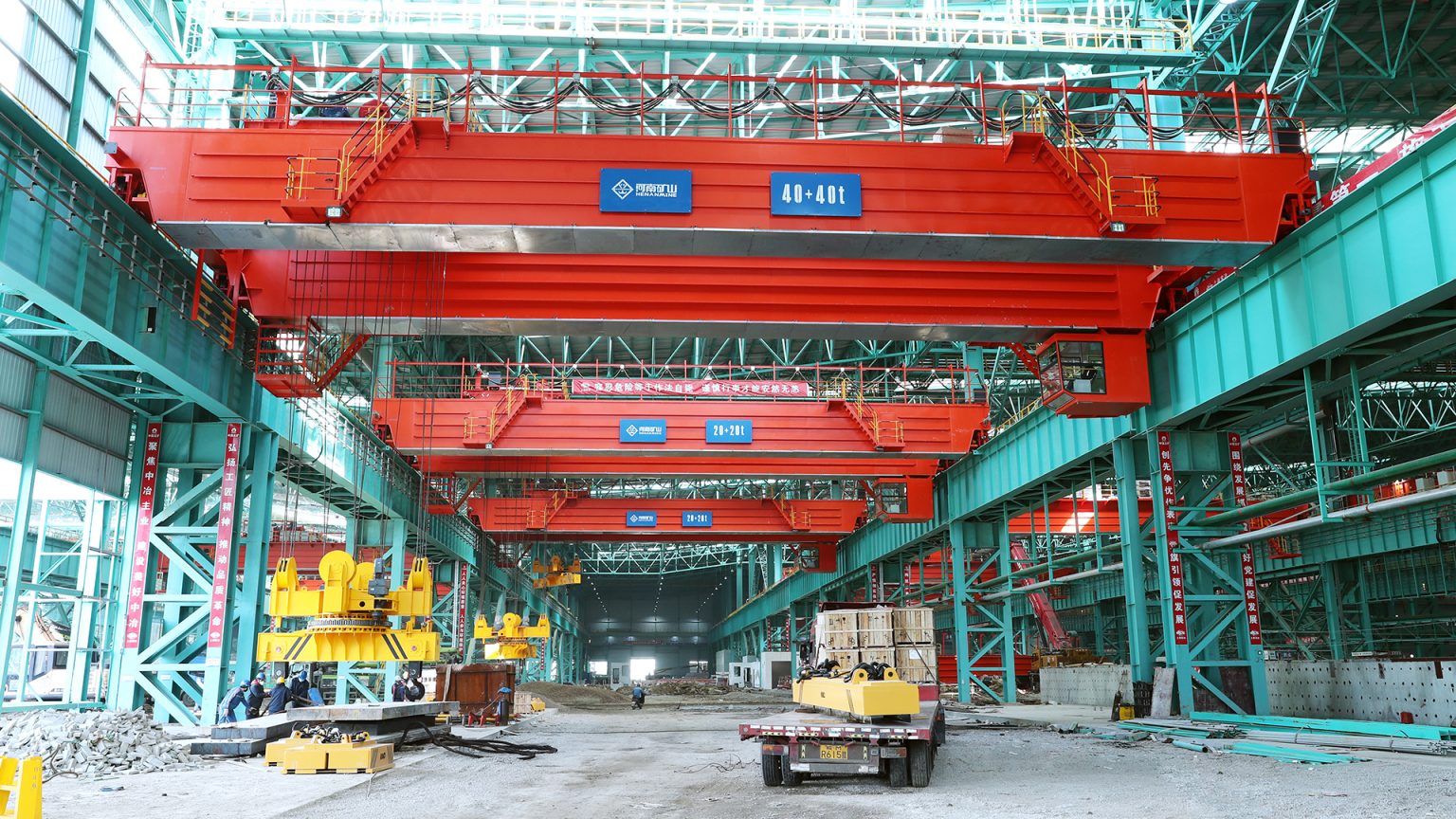
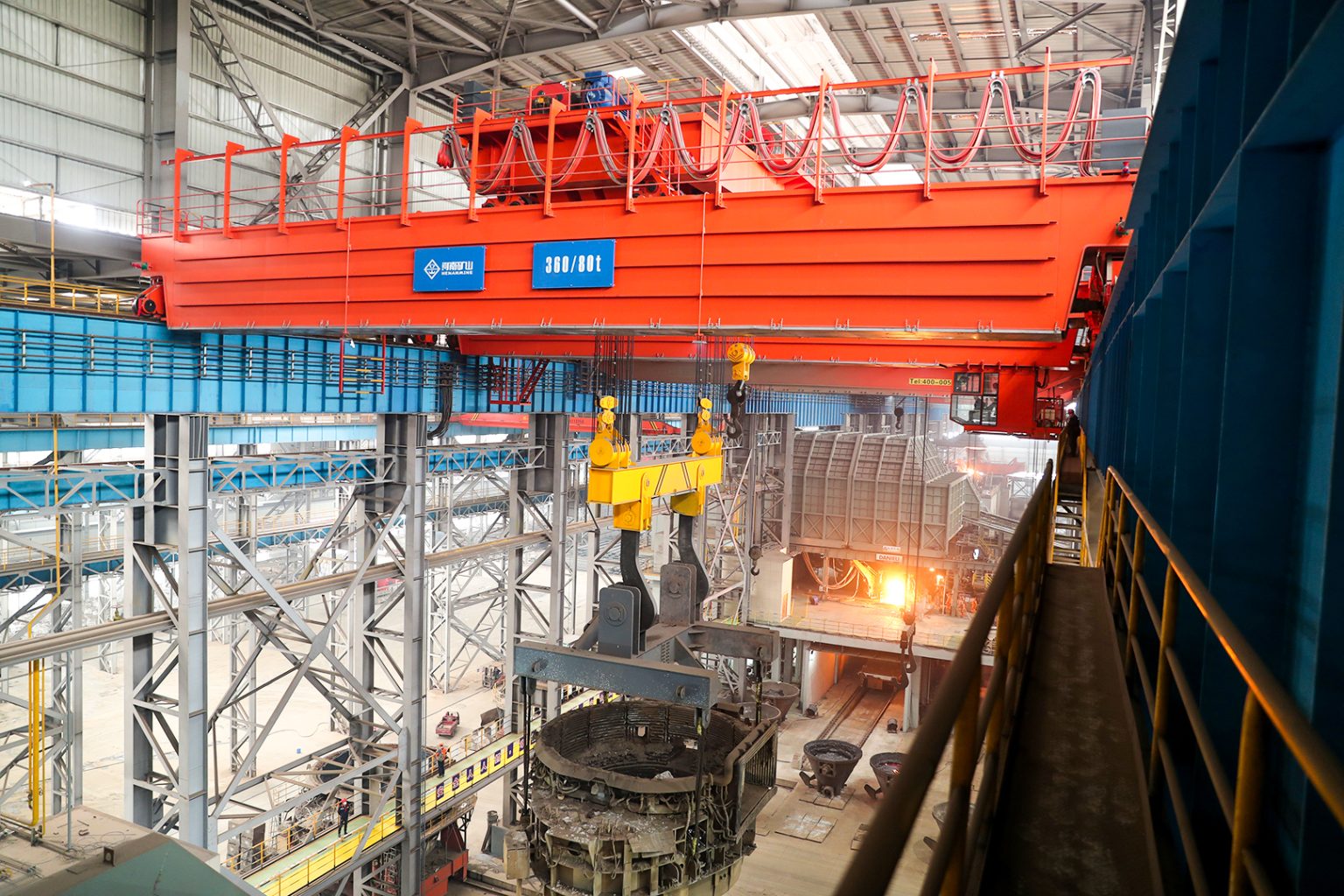
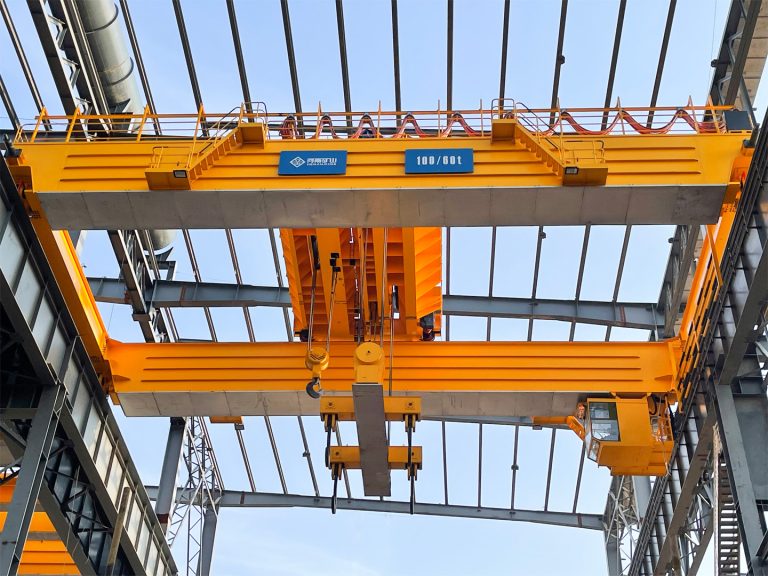
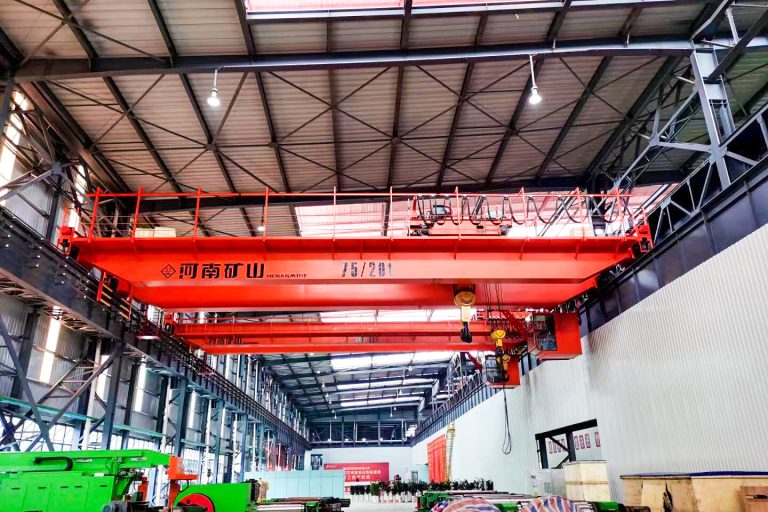
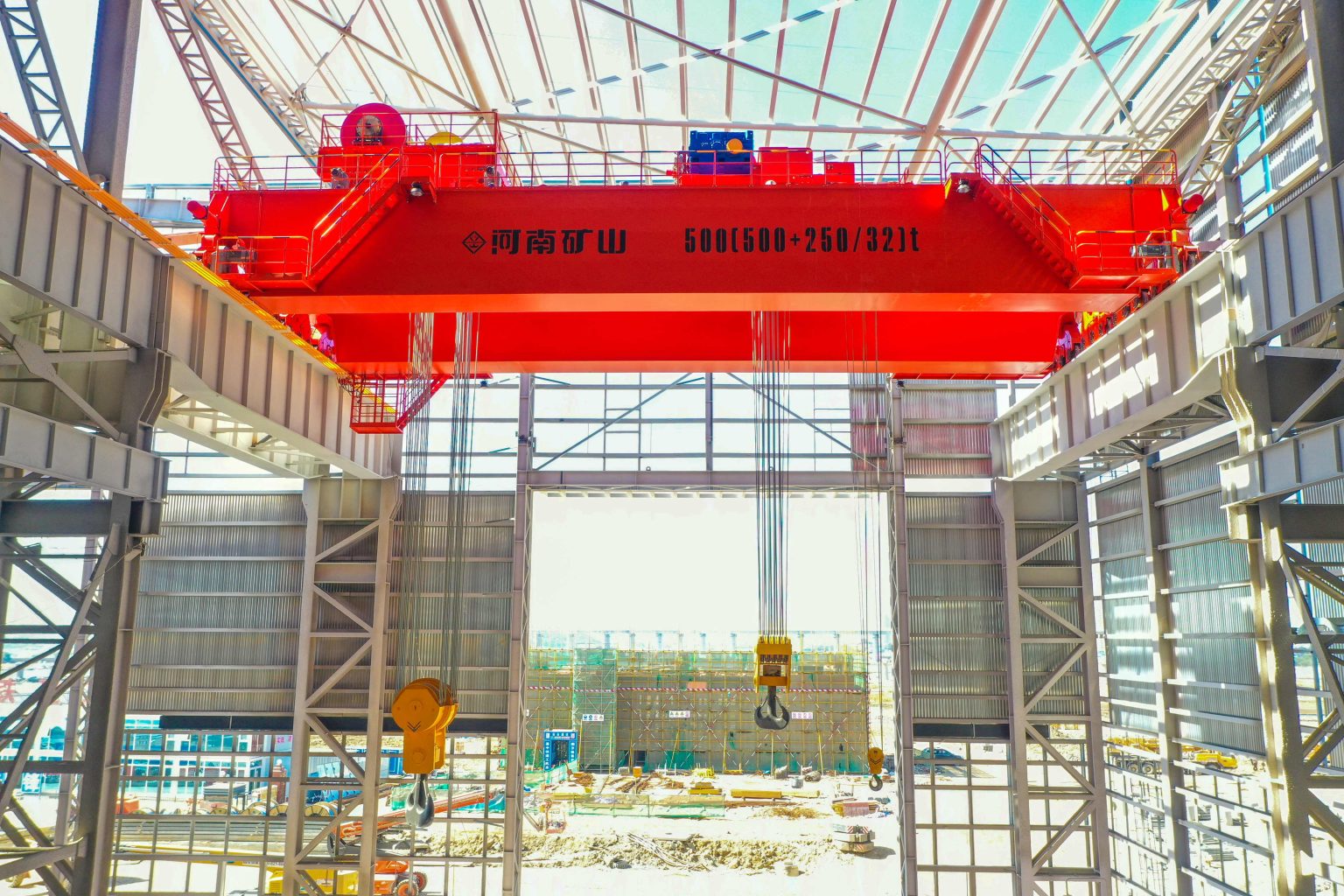
Double-girder gantry cranes are equipped with two parallel main girders, compared with single-girder models, the structural strength and operational stability is greatly improved, and can withstand heavy loads and high-frequency continuous operation, and its rated lifting capacity can be up to 20-200 tons or more, and support for customized design according to the customer’s production needs, to meet the special lifting requirements.
Double girder gantry cranes can be equipped with a variety of advanced configurations, such as double hoist lifting system, which can realize the balanced lifting of large volume materials. The lifting height can also be increased to meet the lifting requirements of high plants and large materials in the open air.
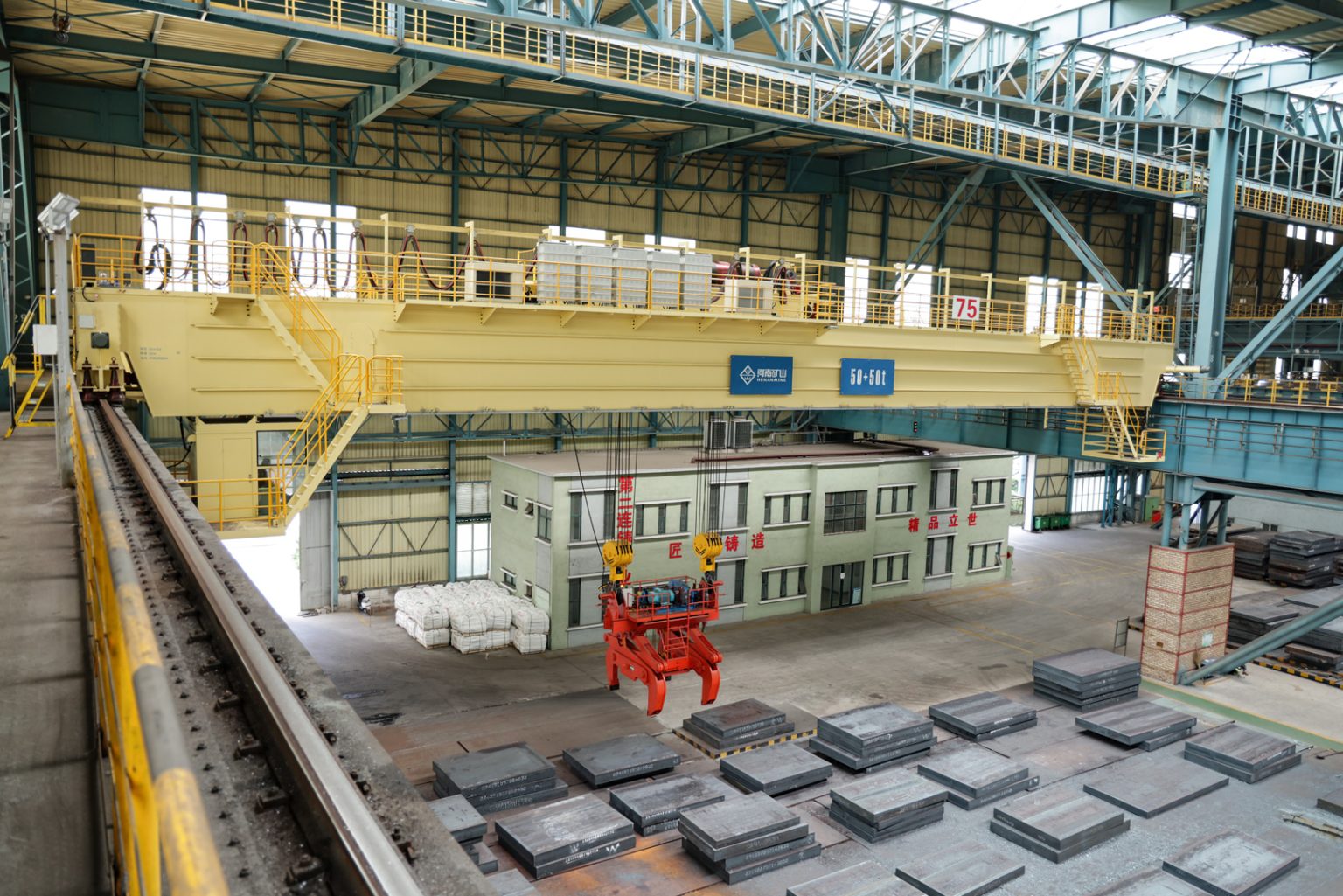
Typical application scenarios: Billet and steel handling in steel mills, component lifting in precast concrete plants, and large equipment assembly in the heavy machinery manufacturing industry.
Best for: Industrial enterprises with medium and heavy material handling needs and high operating frequency, pursuing the stability and durability of the equipment.
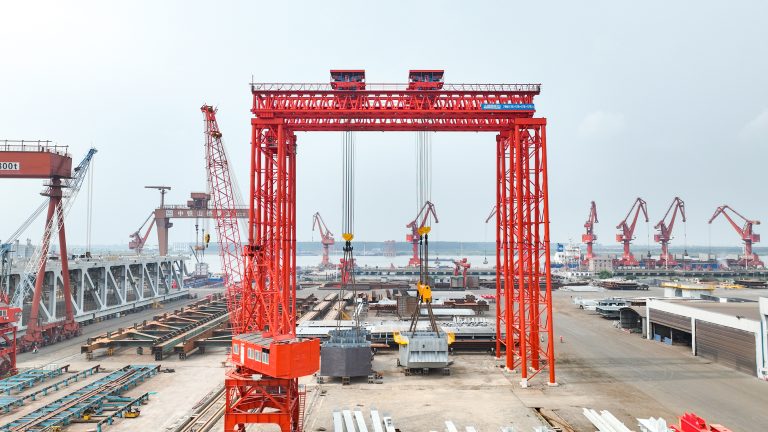
Truss gantry crane
The main beam and outriggers of truss gantry crane adopt lattice structure design, which greatly reduces the weight of the equipment itself compared with the solid web structure, and at the same time effectively reduces the wind resistance, which ensures the stability of the operation even in the outdoor strong wind environment, and is not easy to be affected by the wind and the equipment shaking. In addition, the steel consumption of truss structure is less, which can meet the lifting demand of large coverage while controlling the cost for large span operation.
Typical application scenarios: Handling of reinforcement bars, formwork and prefabricated components in construction sites, loading and unloading of materials in open-air cargo yards, and lifting of bridge girders in road and bridge projects.
Best for: Outdoor work is the main work, the work area is windy, the need for large-span lifting coverage of the engineering enterprises.
Semi-gantry crane
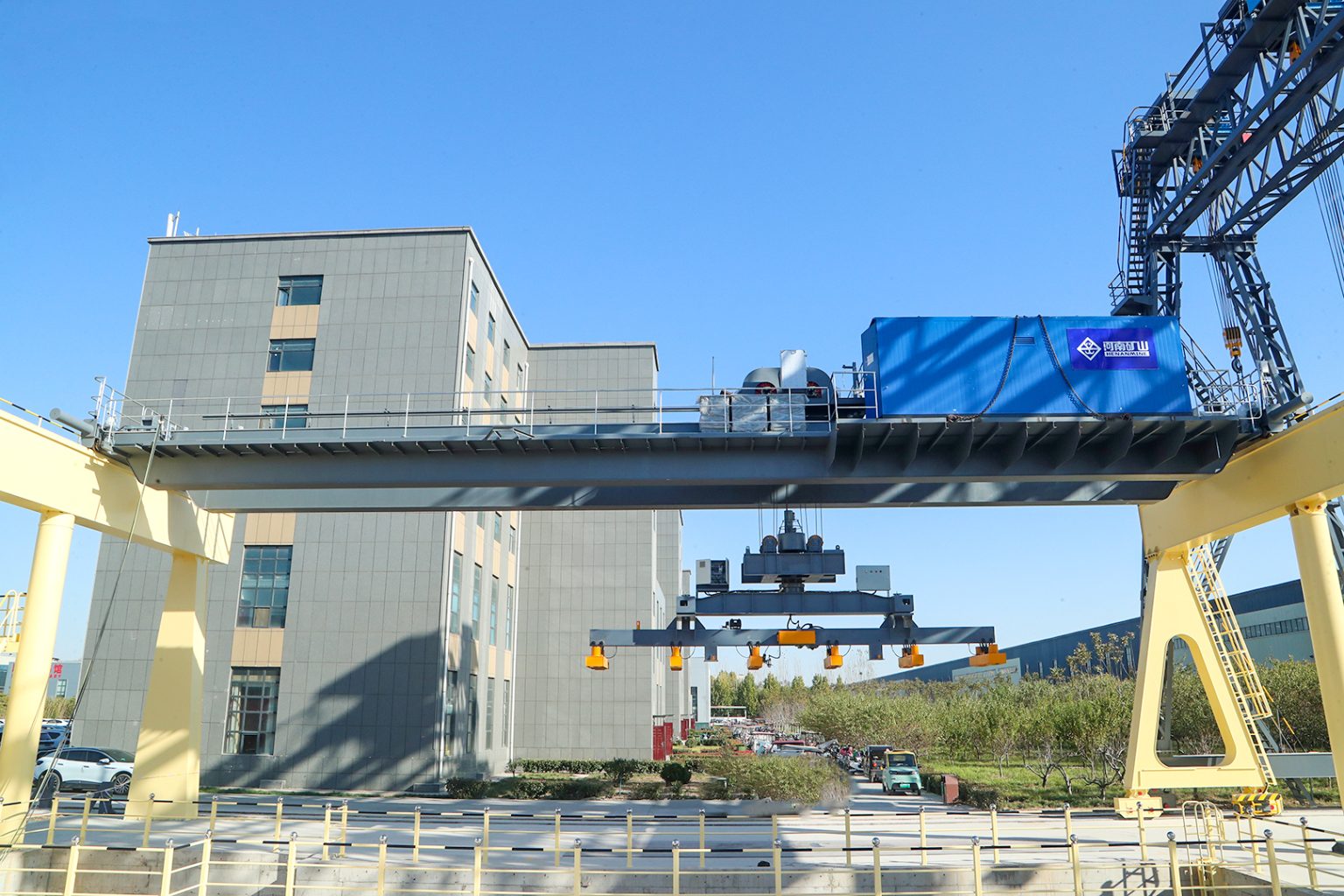
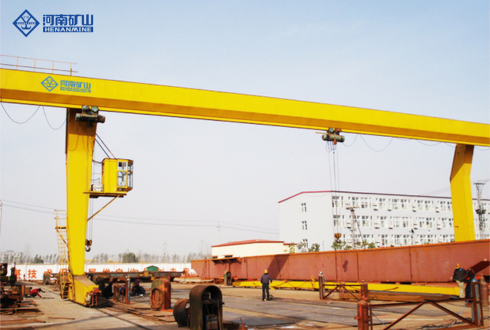
Semi-gantry crane is a composite equipment that combines the advantages of gantry crane and overhead traveling crane, one side of the outrigger runs along the ground track, and the other side relies on the plant’s bull legs, columns and other architectural structures to build the track, without the need to set up a separate double-sided ground track, significantly saving the space occupied by the site, and also reduces the cost of site infrastructure.
Semi-gantry cranes not only retain the flexible mobility of gantry cranes, but also use the building structure to realize the load-bearing, suitable for the site space is limited or part of the building structure can be used in the scene.
Typical application scenarios: Material handling in workshops with existing traveling beams, cargo transfer in indoor and outdoor transition areas, and material transfer between workstations in production lines.
Best for: Enterprises with limited space and existing building structures to utilize, or production scenarios that need to realize indoor and outdoor continuous material handling.
Shipbuilding gantry crane
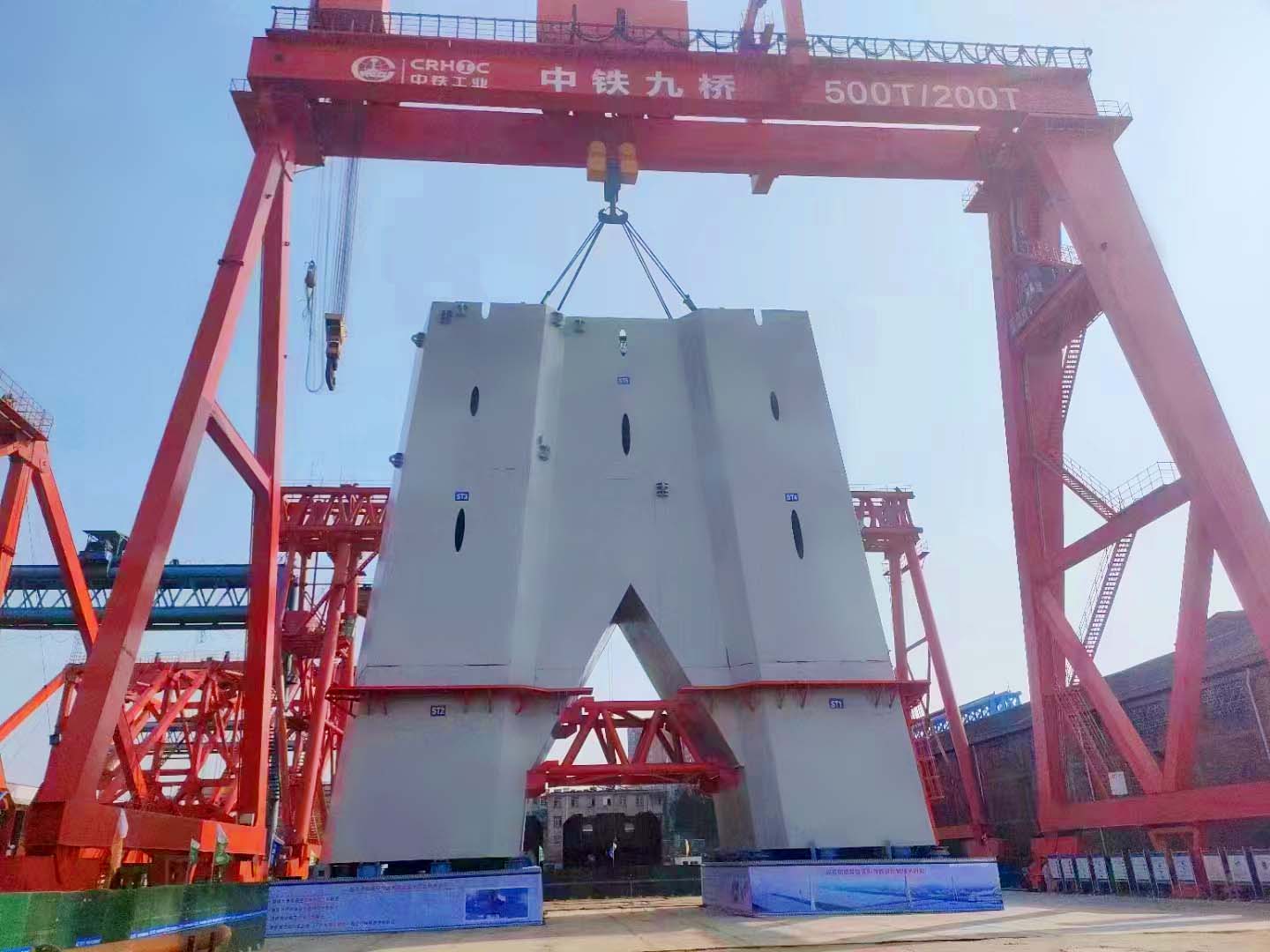
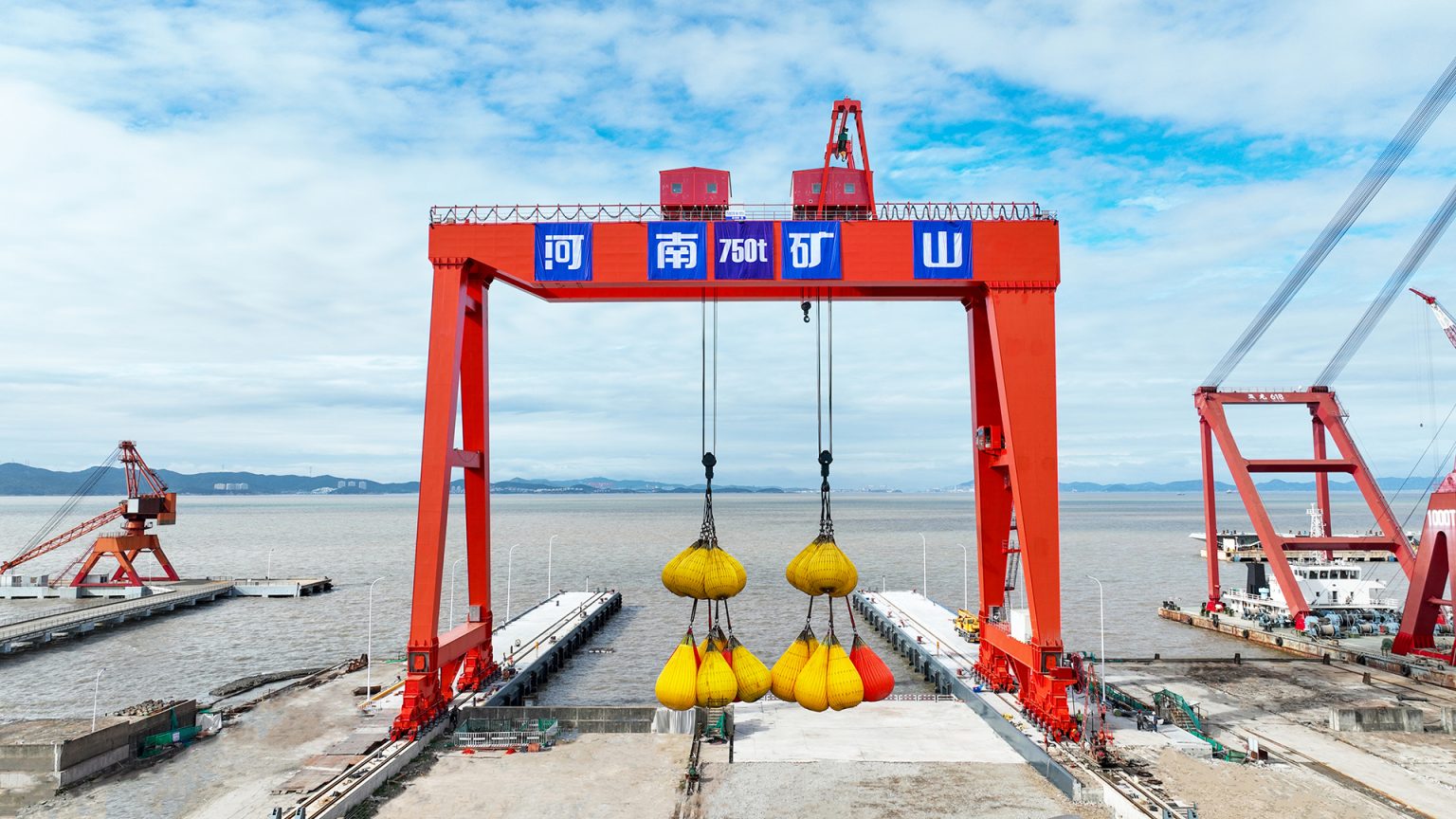
Shipbuilding Gantry Crane, also known as Goliath Crane, is specially used for ultra-heavy, oversized material lifting equipment, its rated lifting capacity can easily reach 300 to 500 tons, and some customized models can even achieve 1,000-ton lifting, in the field of heavy equipment manufacturing is widely used and important role.
Shipbuilding gantry cranes are equipped with a multi-hook synchronous lifting system, which can realize the balanced lifting of large-volume and shaped components, and at the same time, equipped with a high-precision control system, which can accurately control the lifting position to meet the needs of assembly of large structures.
Typical application scenarios: Hull segment assembly and ship repair in shipbuilding factories, construction and installation of offshore platforms, and lifting of heavy steel components in large-scale steel structure plants.
Best for: Shipbuilding, ocean engineering, heavy steel structure manufacturing and other enterprises that need super-heavy large lifting.
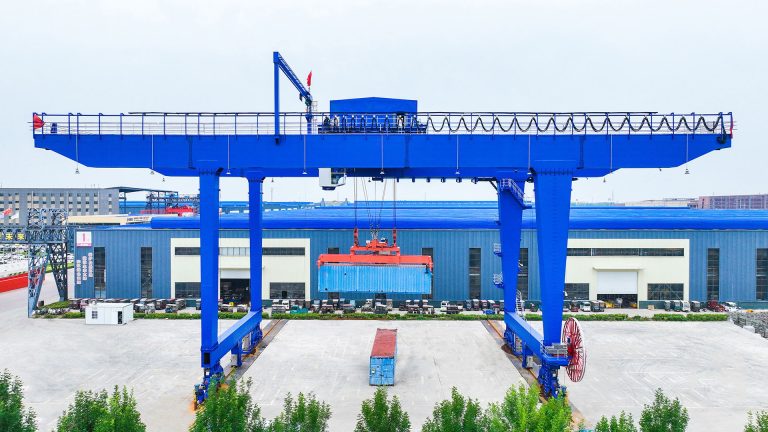
Rail-mounted container gantry crane
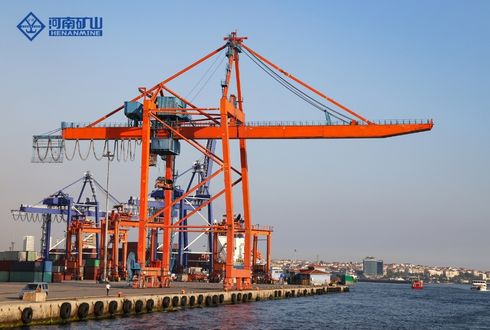
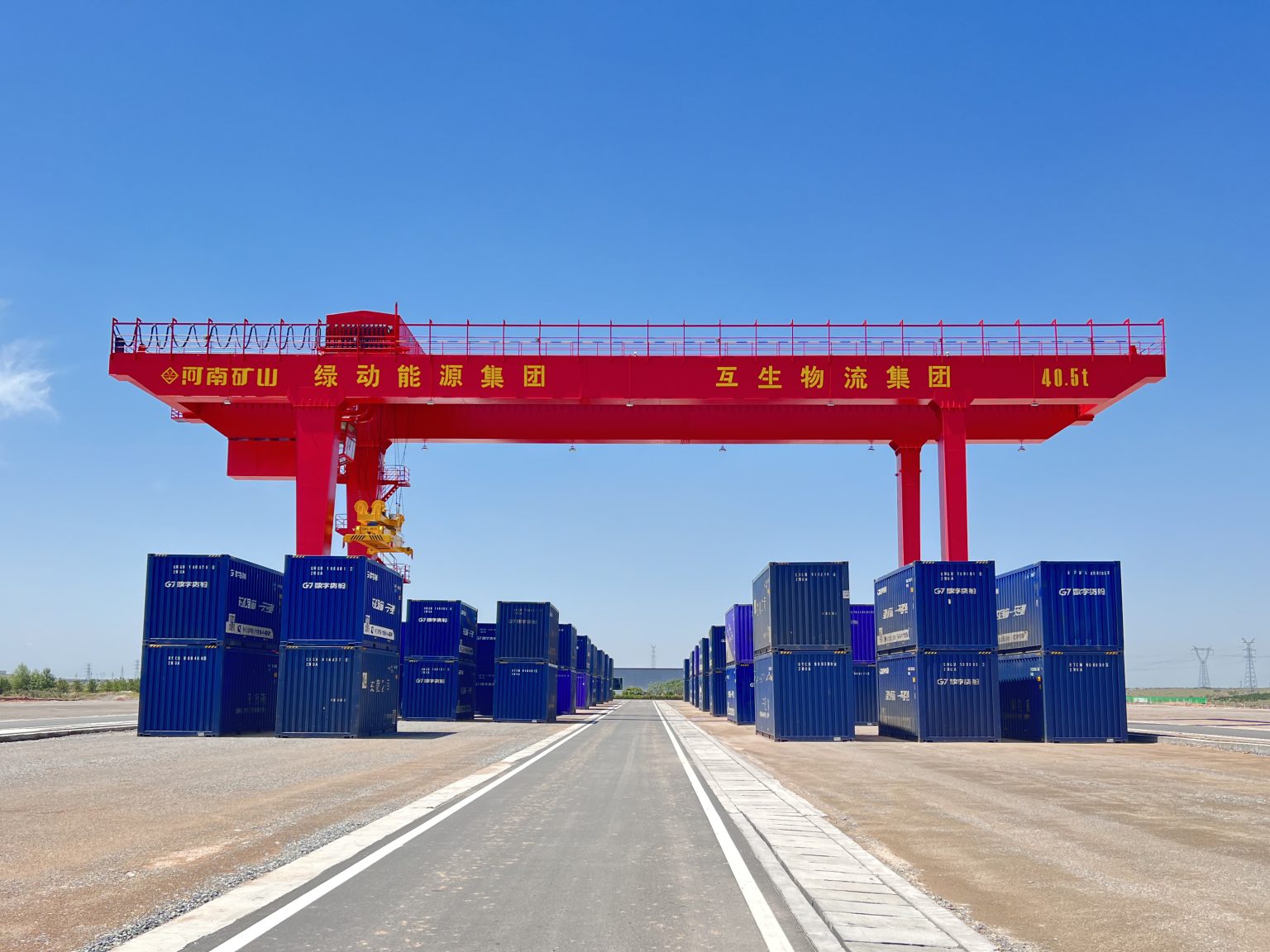
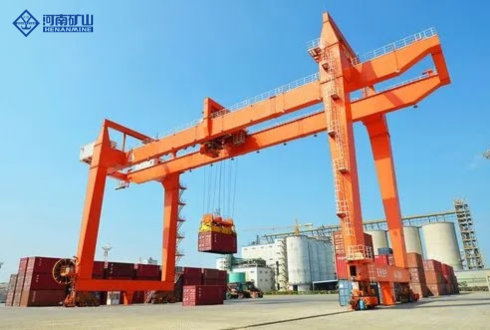
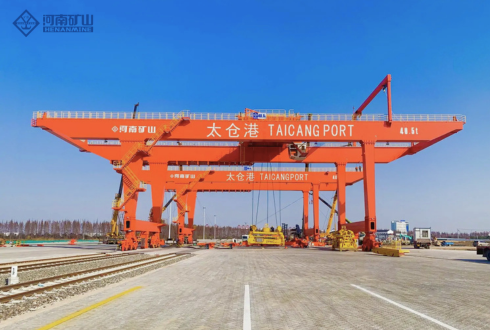
Rail-mounted container gantry crane is specially designed for container handling, the whole machine runs along the fixed rail, the running accuracy and operational stability is very high, is the core loading and unloading equipment for container yard and logistics hub. This model supports fully automatic or semi-automatic control, which can realize precise stacking and fast loading and unloading of containers, significantly improve the efficiency of repetitive container operation and reduce the error of manual operation.
Typical application scenarios: Container port yard operations, container loading and unloading at railroad freight stations, and container storage and transshipment in large logistics parks.
Best for: Ports, freight stations and large logistics enterprises with large container throughput, pursuing efficient and standardized container handling.
Gantry Crane Applications
Heavy duty gantry cranes for industrial plants have become the core equipment for material handling in various industrial fields due to their flexible structure, wide lifting capacity coverage and multi-scenario adaptability, which can be seen in everything from workshop assembly in the manufacturing industry to outdoor construction in the construction industry, and from loading and unloading of goods in the logistics industry to transshipment of containers in ports.
Manufacturing and assembly
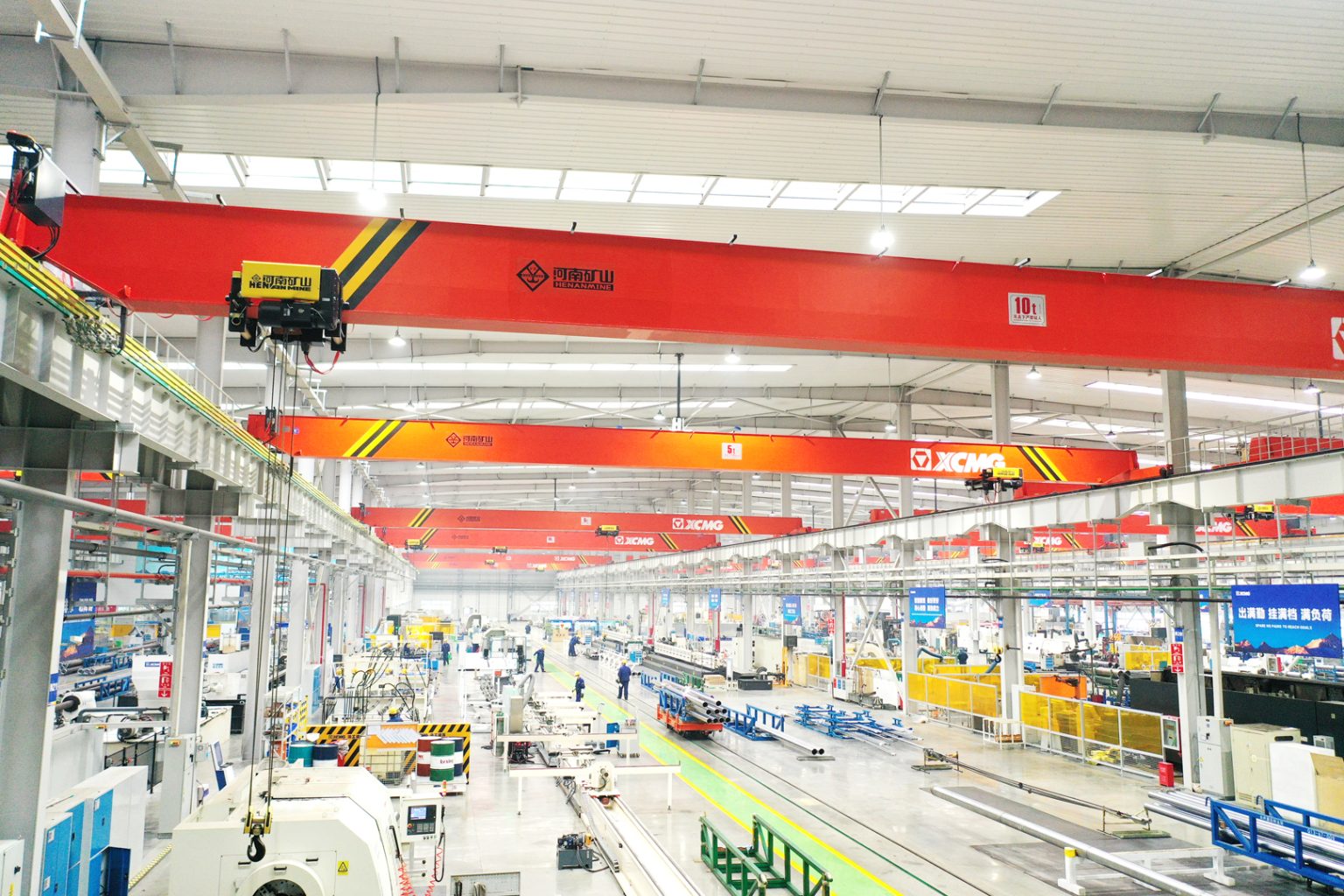
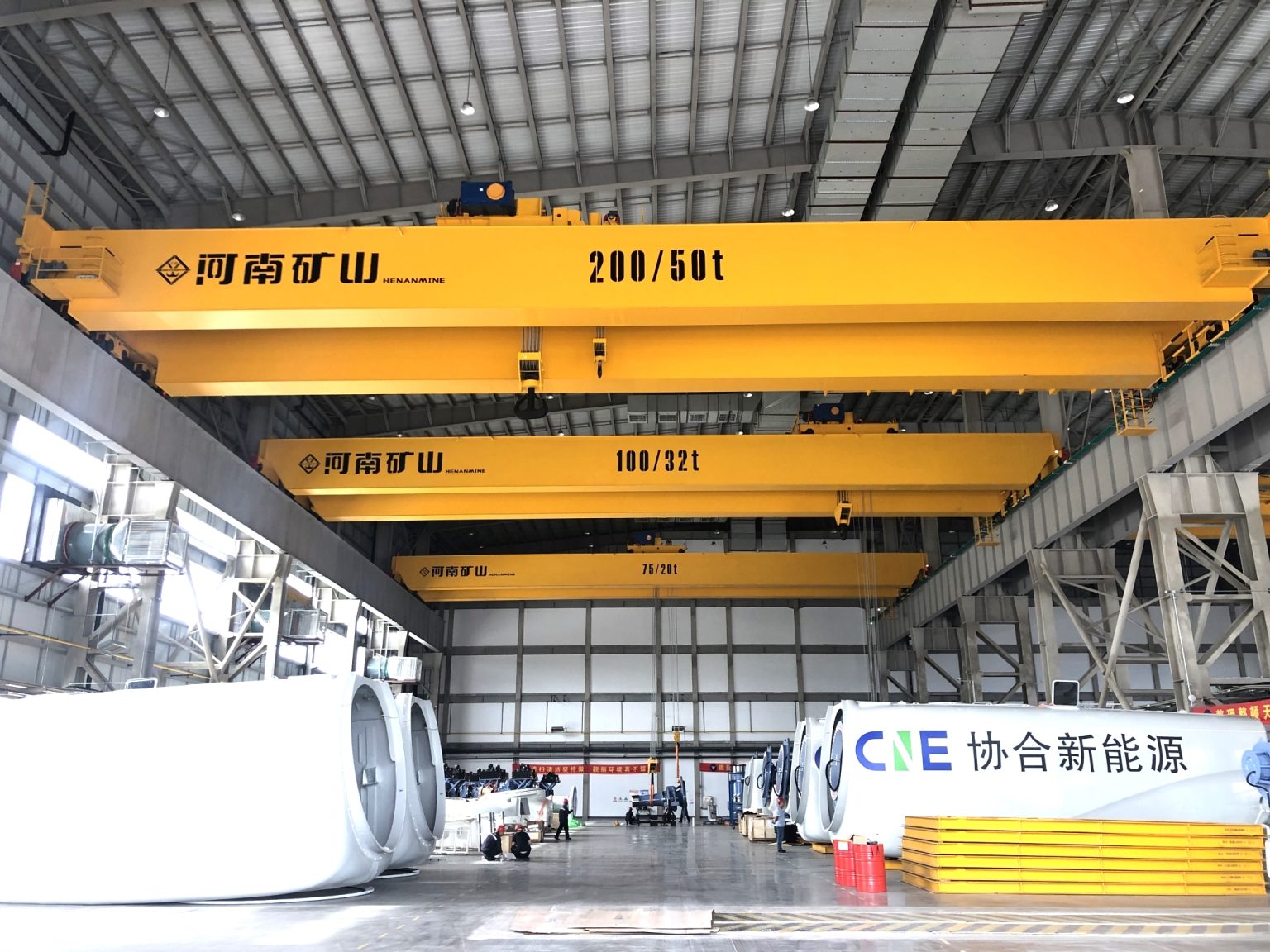
Gantry cranes are mainly used in workshops for the handling of production equipment, lifting and loading of large molds, and assembly of heavy parts, such as lifting and loading of body frames in automobile manufacturing and handling of machine tools in machinery manufacturing, which can greatly enhance the efficiency of material flow in workshop production, and reduce the cost and risk of manual handling.
Construction sites
Gantry cranes are the core lifting equipment for construction sites, mainly used for steel, rebar, building formwork handling, prefabricated concrete panels, bridge girders lifting, as well as the dismantling of large-scale construction machinery on the construction site, suitable for construction sites in the open air, wide range of operation to meet the needs of various types of materials lifting during the construction process.
Warehousing and logistics
Gantry cranes are also suitable for loading and unloading of goods and storage in warehouses and logistics parks, such as loading and unloading of bulky goods on and off shelves, loading and unloading of trucks. Compared with forklift trucks and other equipment, they can realize material handling of greater weight and higher height, enhance the operational efficiency of warehousing and logistics, and meet the demand for efficient flow of modern logistics.
Ports and shipyards
In the field of ports and shipyards, gantry cranes are mainly used for loading and unloading of containers and bulk cargoes, as well as yard transfer. In the field of shipyards, gantry cranes are used for the assembly of hull segments, lifting and loading of ship parts and ship repair and maintenance, especially the ultra-heavy shipbuilding gantry cranes, which are the core production equipment of large shipyards, determining the shipyard’s ability to build large-scale ships.
Maintenance and repair
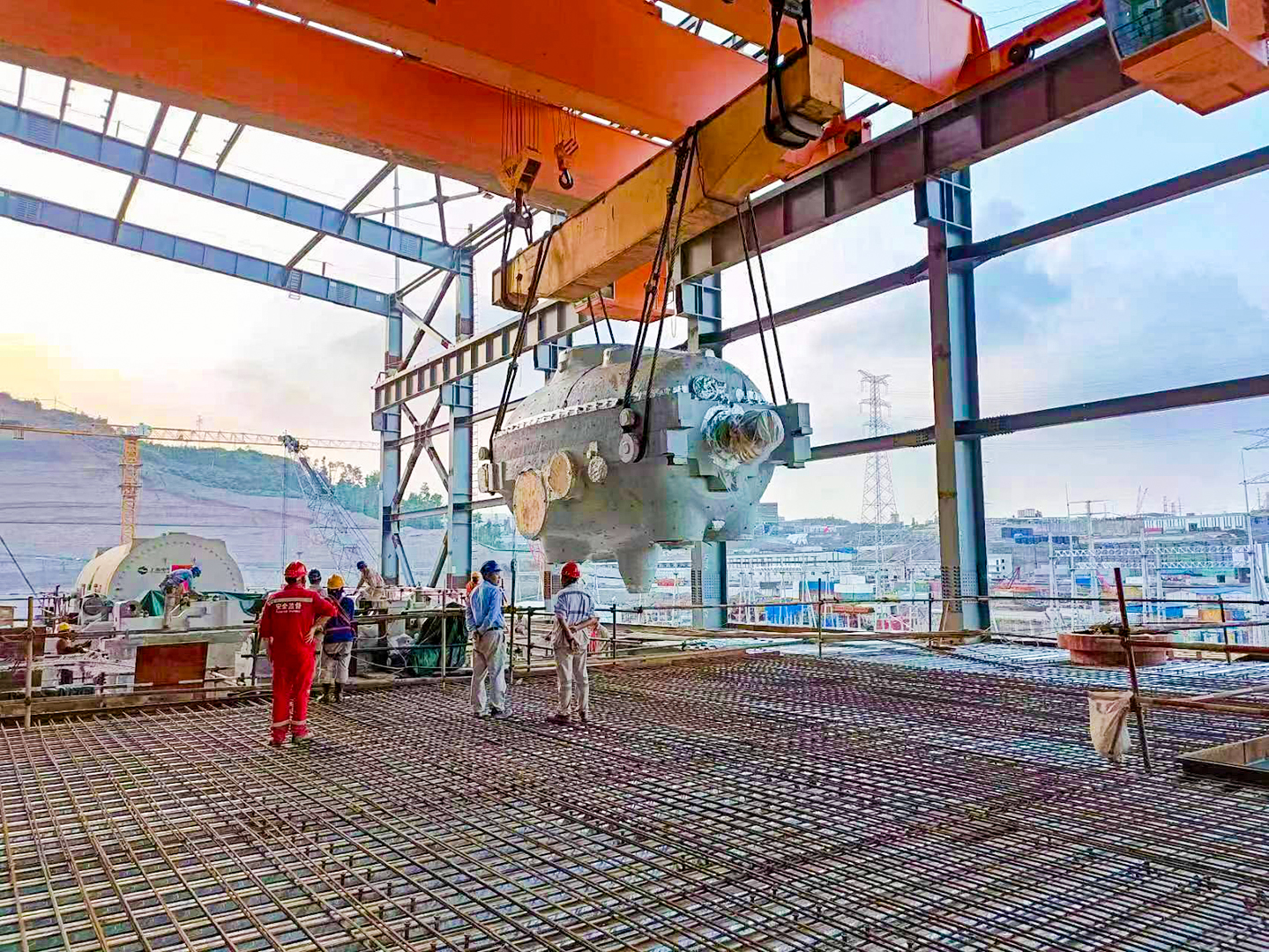
Gantry cranes are suitable for daily maintenance of factory equipment, lifting of large engines, maintenance of power facilities and other scenarios, such as turbine maintenance in power plants, steel rolling equipment maintenance in steel mills, and can flexibly enter the work area, complete the dismantling and loading of heavy equipment parts, providing convenient lifting support for equipment maintenance.
Industry insight
Gantry cranes are far superior to overhead cranes in terms of their comprehensive performance in outdoor operation scenarios. Bridge cranes rely on the support of the building structure, can not be in the absence of plant outdoor operations; while the gantry crane is a freestanding structure, can be in any outdoor leveling site to build a track operation. In addition, lattice gantry cranes and double girder gantry cranes can be adapted to the outdoor environment with strong winds and large spans, whereas bridge cranes do not have a corresponding design and cannot meet the outdoor requirements.
Core Advantages of Gantry Cranes
Compared with other lifting equipment, gantry cranes can become the mainstream choice of modern material handling, the core stems from its structure and performance of multiple advantages, suitable for different industries, different scenes of lifting needs, the specific advantages are as follows:
- No need to rely on building structures: Independent load-bearing design, without the use of plant bull legs, columns and other building structures, can be built and used in any site, the scene is very strong adaptability.
- Indoor and outdoor work: Gantry cranes can be used as fixed lifting equipment in the workshop, but also in the outdoor open space, construction sites, harbors and other areas of operation, to achieve indoor and outdoor continuous material handling.
- Flexible and movable: Gantry cranes can run freely along the ground track, with a wide range of operational coverage, and some light models can be quickly disassembled and assembled along the track, to adapt to temporary operational scenarios.
- Lower installation costs: Gantry cranes do not require complex structural transformation of the building, only need to level the site and build a simple track, you can complete the installation, compared with overhead cranes, site infrastructure and equipment installation costs are significantly reduced.
- Wide range of lifting capacity: From 1 ton light-duty models to super-heavy-duty models of more than 500 tons, the whole series of gantry cranes can meet all the needs from light-duty material handling to super-heavy-duty lifting of large parts, one-stop adaptation to the production needs of different enterprises.
Gantry Crane Load Capacity And Duty Classification
One of the core indicators for the selection of gantry cranes is the equipment’s lifting capacity and duty class, which directly determines whether the equipment is suitable for the production and operation needs of the enterprise. Different lifting capacities and duty classes correspond to different operation frequencies and load requirements, which are divided as follows:
Capacity range
According to the different rated lifting capacity, gantry cranes can be divided into three categories, which are suitable for different load requirements.
- Light:Rated lifting capacity of 1-5 tons, suitable for light material handling, low frequency of operation, such as small warehouses for loading and unloading of goods.
- Medium:Rated lifting capacity 10-20 tons, suitable for medium load material handling, medium frequency of operation, such as small and medium-sized workshop equipment assembly.
- Heavy duty: Rated lifting capacity 50 tons and above, suitable for heavy load material handling, high frequency of operation, such as heavy lifting in steel mills and shipyards.
Duty classes (A/B/C/D/E/F)
The duty classes of gantry cranes are classified according to the frequency of operation and load status, from A to F, the intensity of work is gradually increased, which is the core index to judge the ability of continuous operation of the equipment.
Class A/B: light duty working class, applicable to occasional operation scenarios, such as temporary lifting for equipment maintenance.
Class C/D: Medium duty, suitable for medium frequency operation, such as daily material handling in warehouses.
Class E/F: Heavy duty, suitable for high frequency, continuous operation, such as steel mills, ports, 24-hour continuous production.
How to Choose the Right Gantry Crane
The key to choose the right gantry crane is to combine their own production needs, site conditions and operating environment, comprehensive consideration of various factors, to avoid cost waste and safety hazards due to selection errors, the following is a professional procurement and selection recommendations, including the core factors for consideration and common avoidance of pitfalls:
Key factors
- lifting capacity demand: According to the maximum weight of the daily handling of materials, to determine the rated lifting capacity of the equipment, it is recommended to reserve 10% -20% of the load margin, to avoid overloading operations.
- Span and lifting height: Span is determined according to the width of the working area, lifting height is determined according to the stacking height of the materials, lifting height, both of which directly determine the operating range of the equipment.
- Operating environment: Distinguish between indoor and outdoor operation; for outdoor operation, choose the truss model with good wind resistance; for corrosive environment, such as chemical plant area, choose the equipment with anticorrosive treatment.
- Mobility requirements: According to the size of the working area, determine whether the equipment needs to be moved frequently, such as the need for temporary work, you can choose the track easy to dismantle the light models.
- Working level: according to the frequency of operation, continuous 24-hour operation needs to choose E / F class heavy-duty working level, daily low-frequency operation can choose A / C class.
Customized Solutions
Tell us your specific lifting capacity, operating span, lifting height, operating environment and production needs, Henan Kuangshan will customize your exclusive gantry crane solutions, from equipment selection, site planning to installation and commissioning, one-stop service, so that your lifting equipment accurately match the production needs.
Tips for Effective Gantry Crane Maintenance
Safe operation and regular maintenance of the gantry crane is to ensure the normal operation of the equipment, to extend the service life, to avoid safety accidents at the core, the daily operation of the need to strictly follow the safety norms, and at the same time to establish a perfect maintenance system, the specific safety points and maintenance list is as follows:
Daily inspection
Every day before the operation, need to carry out a comprehensive safety inspection of the equipment, to confirm that there is no fault before starting the operation, focusing on the following parts of the inspection:
- Wire rope and hook: Check whether the wire rope has broken wire, wear and tear, loose strand phenomenon, whether the hook has deformation, cracks, and whether the safety catch is intact. 2. control system: check the operator’s console, and make sure that there is no malfunction before starting the operation.
- Control system: Check whether the operating table button, remote control is sensitive, limit switch, emergency stop button can work properly.
- Walking and lifting mechanism: Check the fit of wheels and tracks, whether the lifting trolley is running smoothly, and whether there is any abnormal noise.
- Electrical wiring: Check whether the wires and cables are damaged or aging, and whether the wiring is firm and without leakage.
Preventive maintenance
Regular professional maintenance of the equipment, timely replacement of wearing parts, lubrication of key parts, to avoid failure due to aging parts, the core maintenance content:
- lubrication maintenance: Regularly add lubricant to the rotating parts such as wheel bearings, trolley pulleys, and gears of the lifting mechanism to ensure flexible rotation. 2. structural inspection: Monthly inspection of the main machine, and monthly inspection of the main machine.
- Structural inspection: Monthly inspection of the main beam, legs and other steel structures to see whether there are deformation, cracking, welding points off and other problems, and timely reinforcement and repair.
- Replacement of wearing parts: according to the frequency of use, regularly replace the wire rope, brake pads, pulleys and other wearing parts to avoid safety accidents caused by wear and tear of parts.
- Electrical maintenance: inspect and debug electrical parts such as motors, inverters, sensors, etc. every quarter to ensure the stable operation of the electrical system.
Safety systems
Qualified gantry cranes are equipped with perfect safety protection system, the operation needs to ensure that all the safety systems work properly, can not be arbitrarily disassembled or closed, the core safety systems include:
- Overload protection system: When the load exceeds the rated lifting capacity of the equipment, it will automatically cut off the lifting power to prevent overloading.
- Limit protection system: Including lifting height limit, trolley travel limit, the whole machine travel limit, to prevent the equipment from over-traveling operation caused by collision.
- Emergency stop system: All parts of the equipment are equipped with emergency stop buttons, which can quickly cut off the power supply of the equipment and stop all actions in case of emergency.
- Anti-shaking system: Some medium and high-end models are equipped with load anti-shaking system, which reduces the shaking of the material during lifting and moving and improves the stability of lifting.
Conclusion
In modern industry and logistics system, gantry crane is not only the basic handling equipment, but also the key equipment that affects the production efficiency and operational safety. Through in-depth understanding of its structural principles, type differences and application scenarios, enterprises can realize more efficient and stable material flow under different working conditions, while effectively avoiding the cost waste and potential risks caused by improper selection.
From equipment selection to daily use and maintenance management, every aspect of the gantry crane is directly related to the operational performance of the enterprise. Combined with the actual load demand, operating frequency and site conditions, reasonable matching models and establish a standardized maintenance system, not only to extend the service life of the equipment, but also to continue to protect the operational safety and productivity, to achieve long-term stable operation.