
Crane Types Comparison: Which Crane Is Best for Your Application?
In construction, industrial manufacturing, port logistics, warehousing and transshipment and other types of scenes, cranes are the core equipment to improve operational efficiency, ensure construction safety and reduce labour costs. Selecting the right crane to match the scene can significantly improve production efficiency, optimise the workflow, strengthen on-site safety control, and lay a solid foundation for the successful landing of the project.
Into 2026, the global crane industry ushered in high-speed development and technological innovation, different cranes to adapt to the scene more targeted. In this paper, we will comprehensively analyse the gantry cranes, truck cranes, tower cranes, overhead cranes, crawler cranes, five mainstream models, detailing their core features, application scenarios, cost differences, and sort out the 6 key elements of the selection, to help you quickly match the most suitable lifting equipment, to make a scientific, efficient, economic procurement and leasing decisions.
Why Crane Selection Matters
The success of lifting operations depends directly on the degree of matching between the crane and the operational needs, mainly affecting three major dimensions:
- Operational safety: each crane has a rated load, operating range, applicable terrain strict limitations, overloading, over the range or in the unsuitable environment for the operation, it is very easy to cause safety accidents.
- Operational efficiency: the crane that fits the scene can be quickly deployed, accurate lifting, reducing waiting time and repeated operations, significantly shortening the duration of the work; selection errors will lead to slow deployment, restricted operations, slowing down the overall progress.
- Cost control: blindly selecting high-end large tonnage equipment will result in waste of resources, increasing the cost of leasing, transport, operation and maintenance; selection of equipment with insufficient carrying capacity, and the need for frequent replacement of equipment, an additional increase in expenditure.
In short, all cranes are tailored for specific operational needs, accurate selection, in order to avoid safety risks, improve efficiency, cost control, to avoid unnecessary losses.
Comparison of Five Cranes in All Dimensions
Gantry cranes
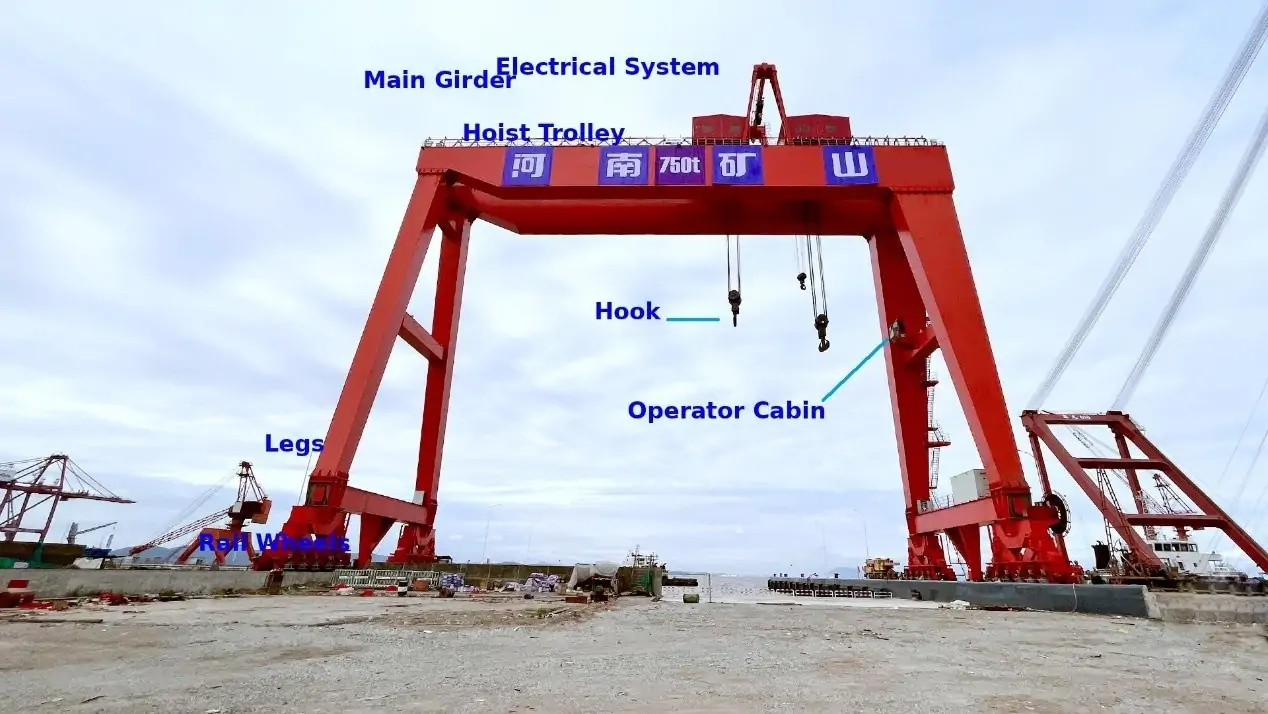
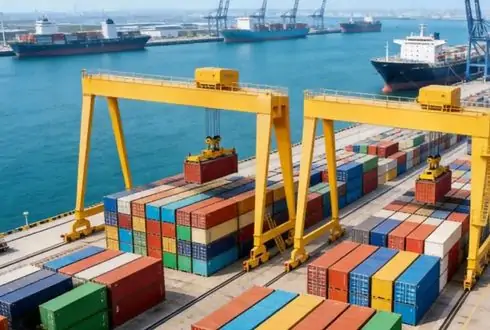
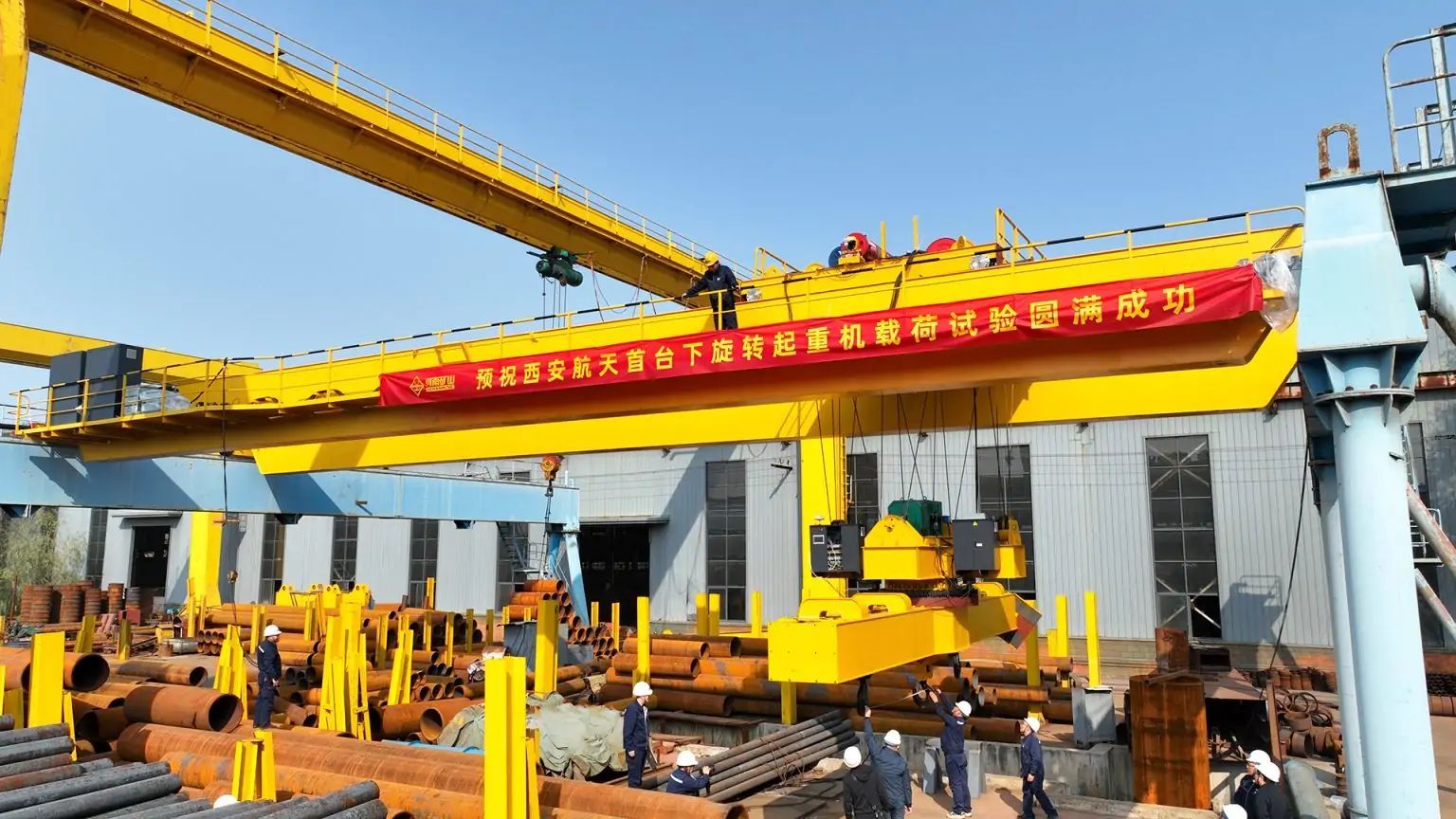
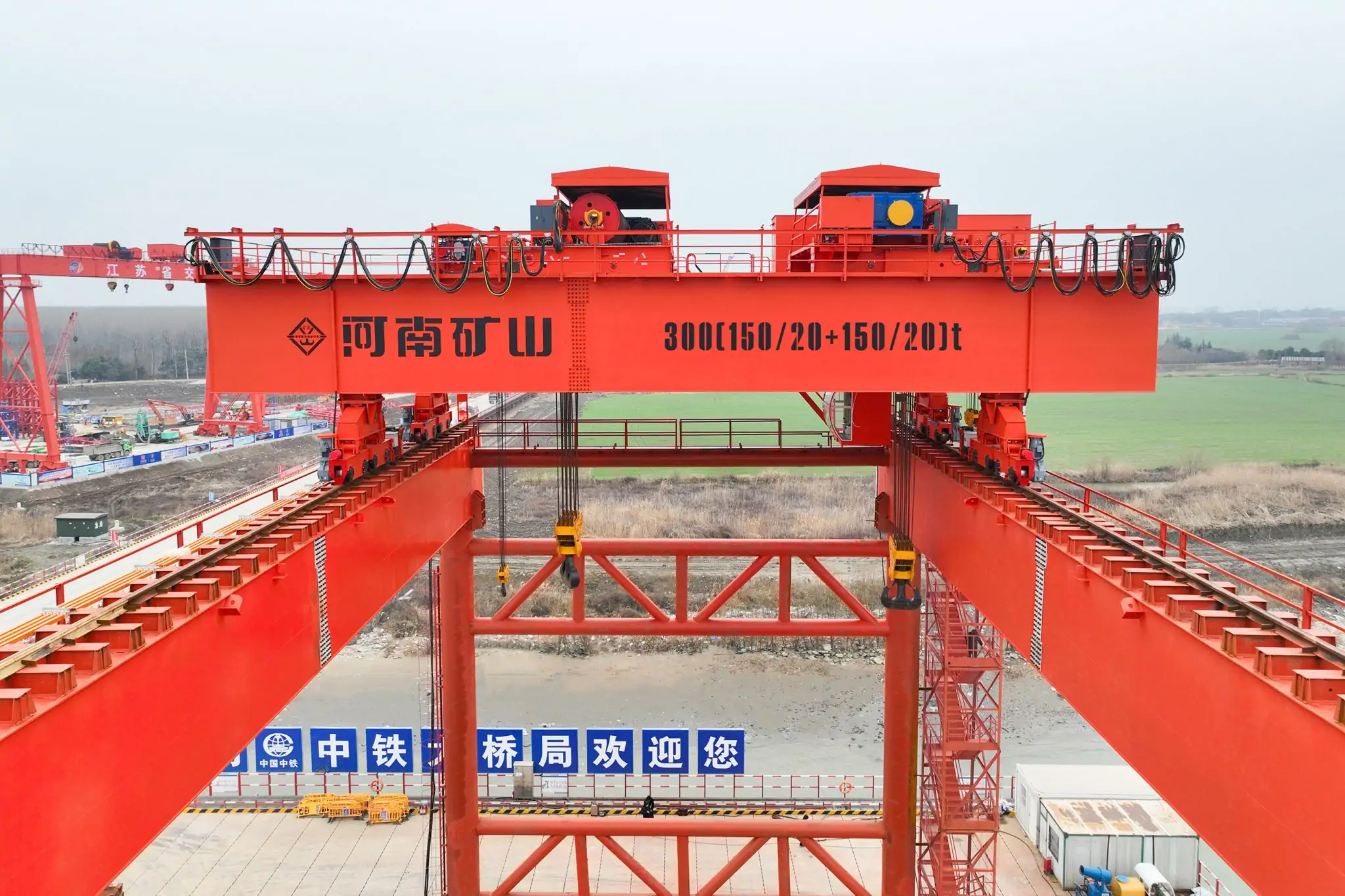
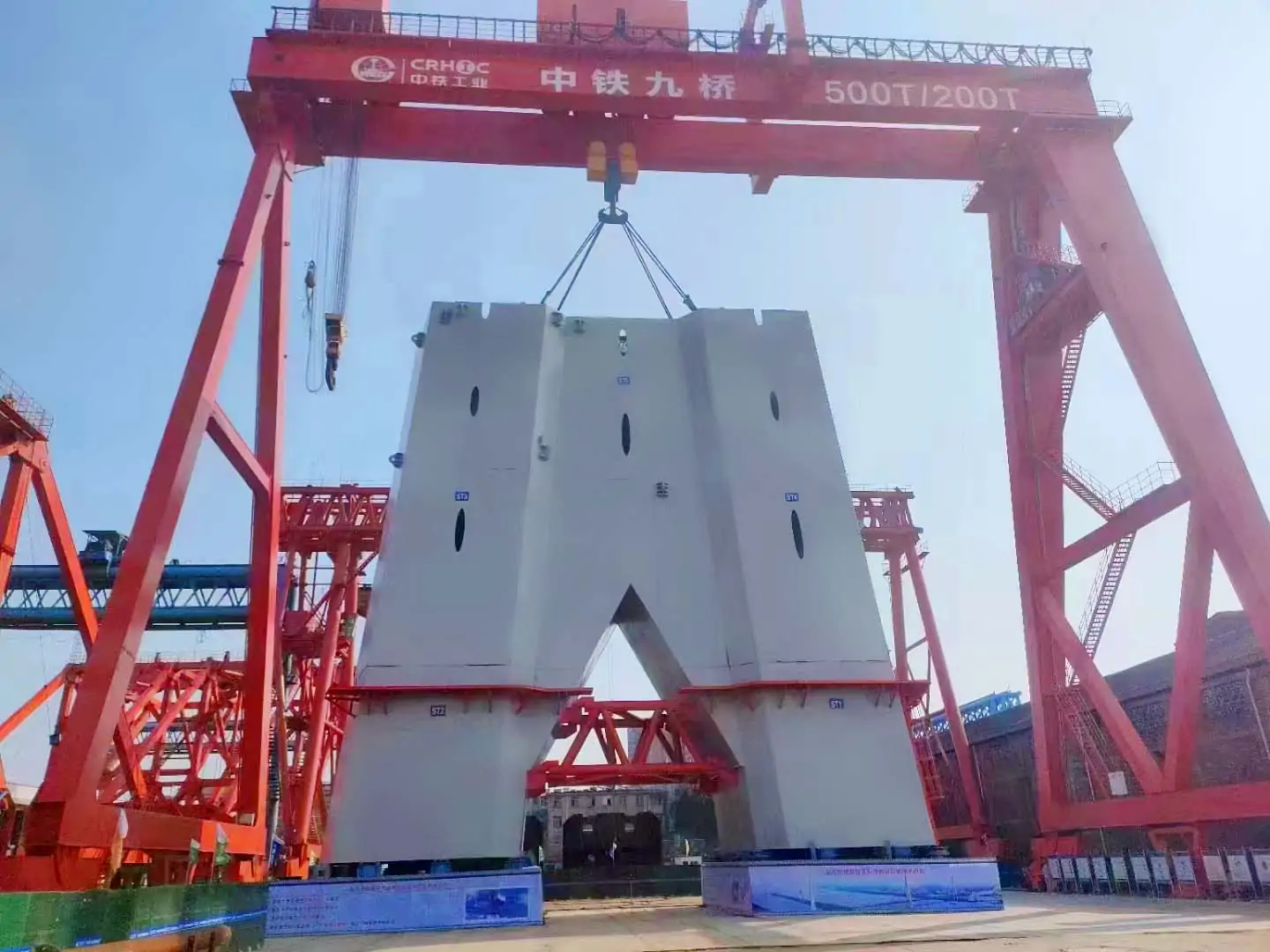
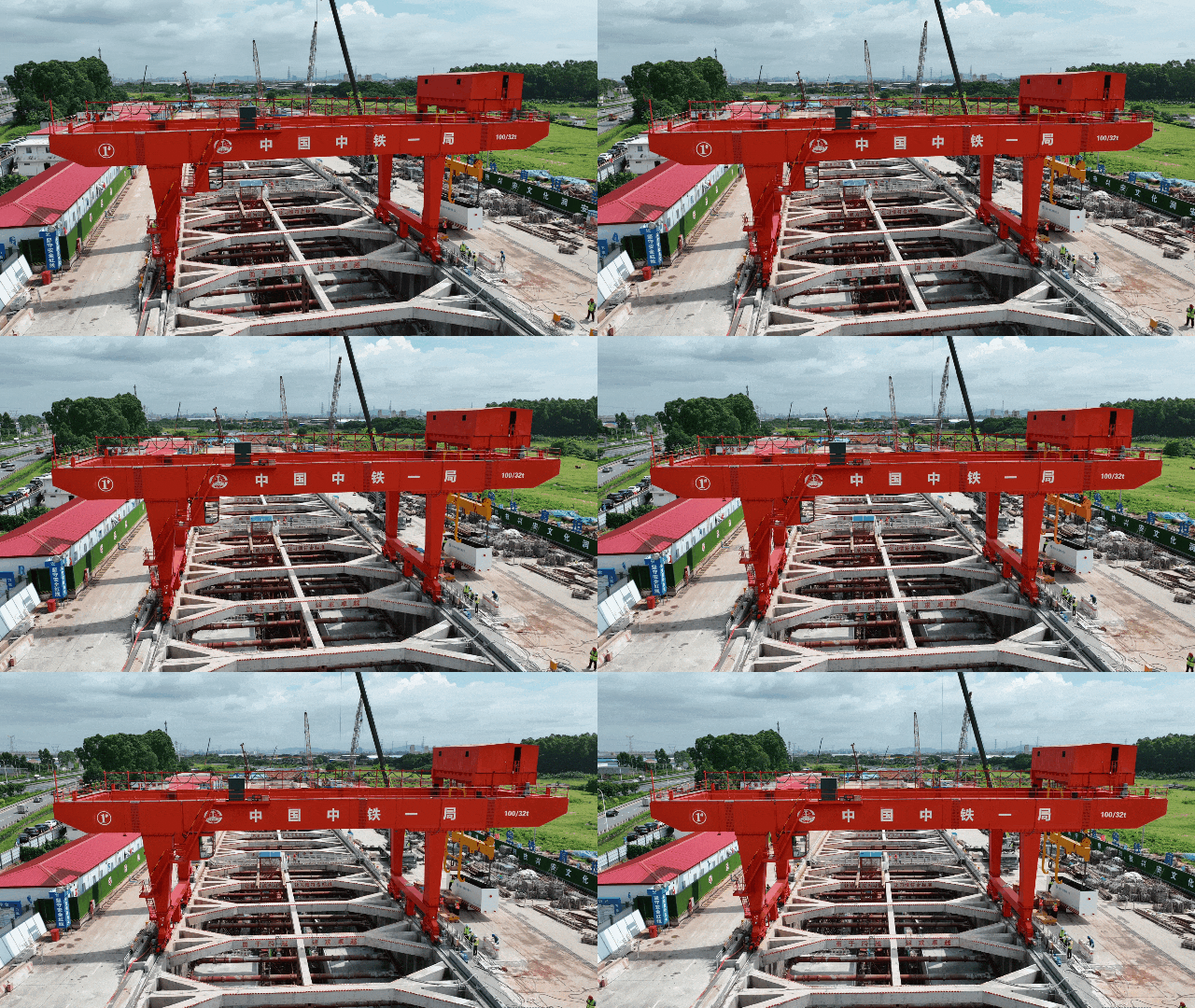
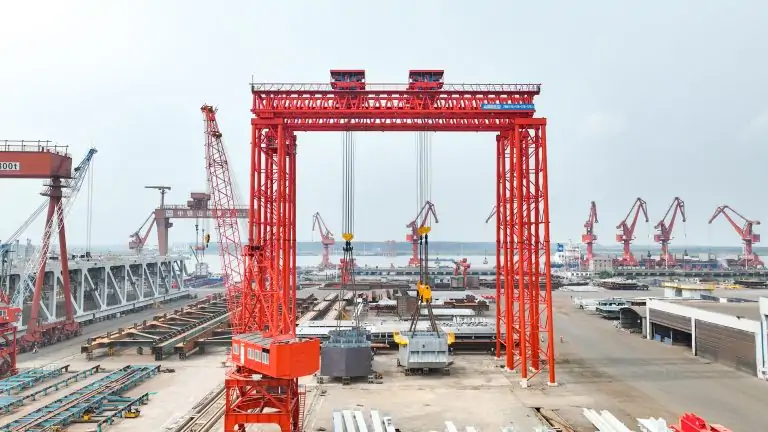
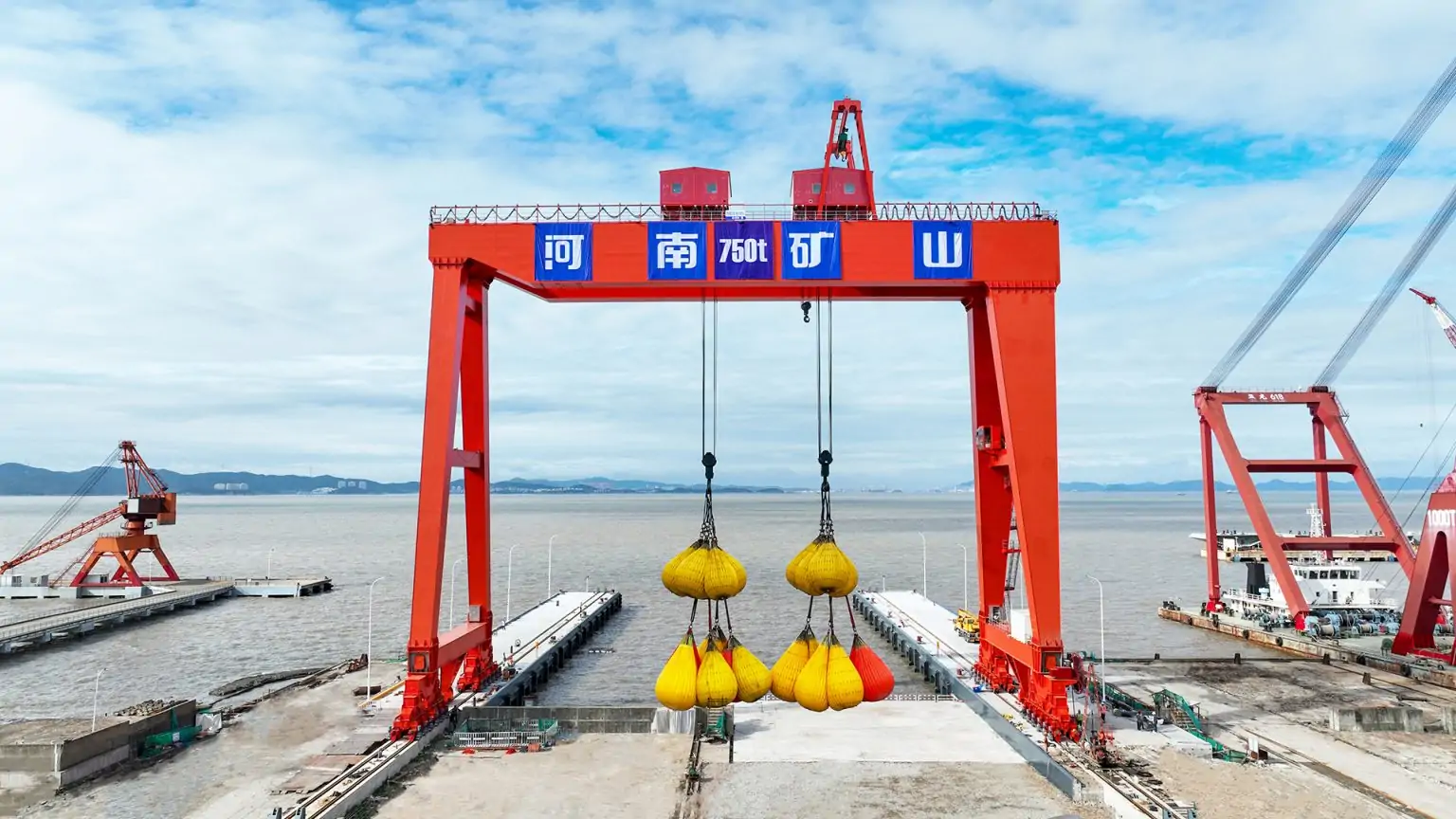
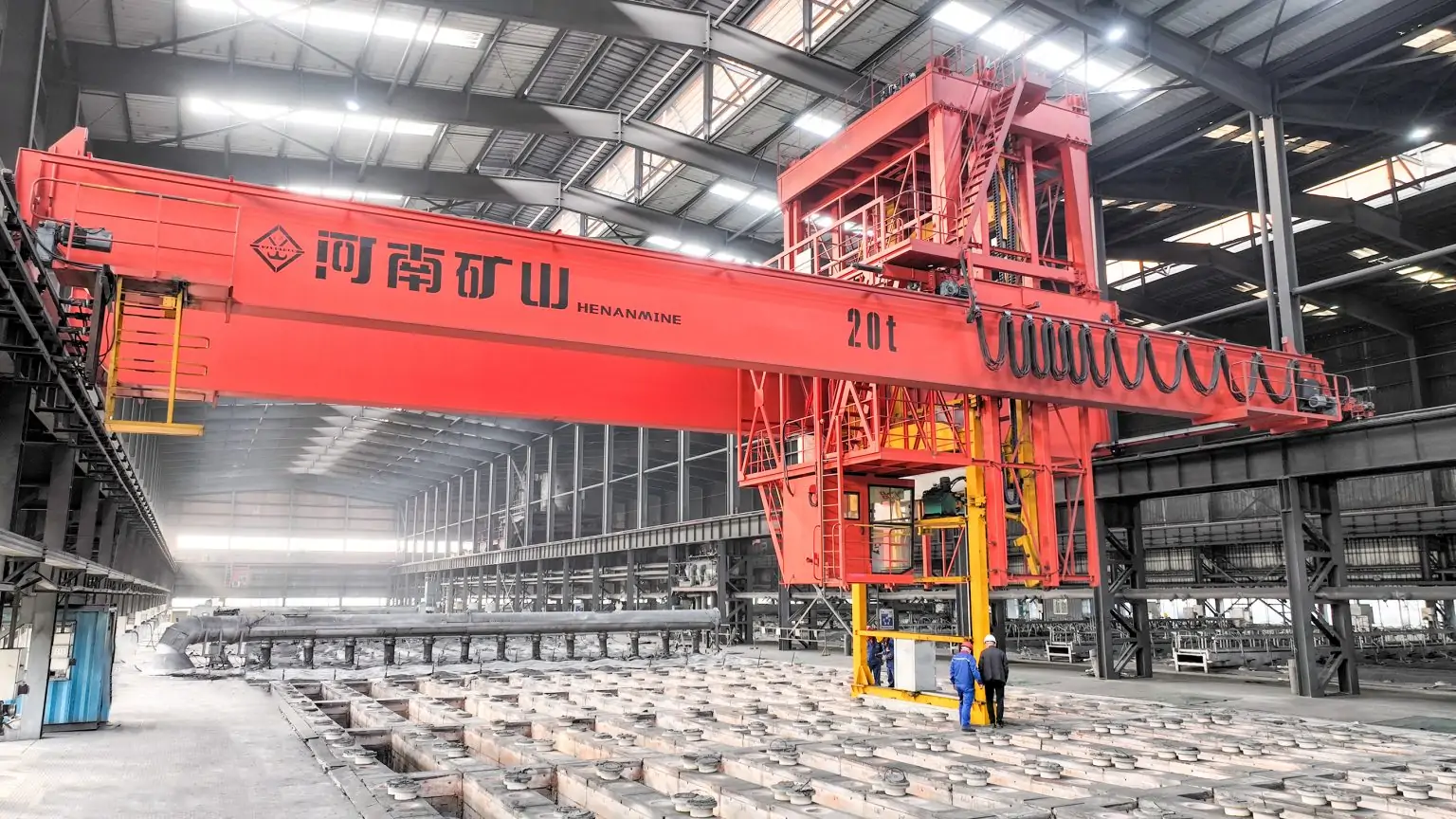
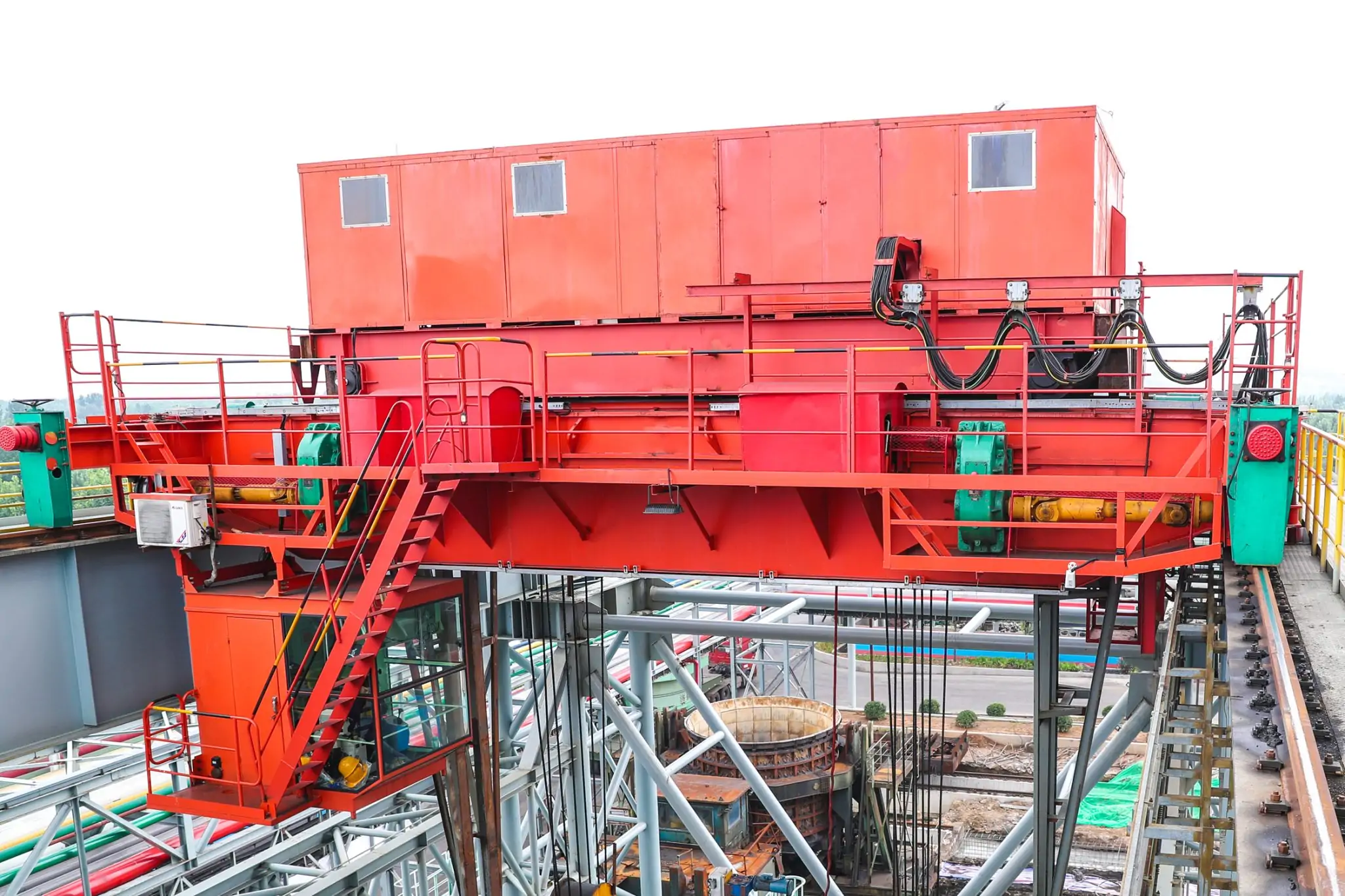
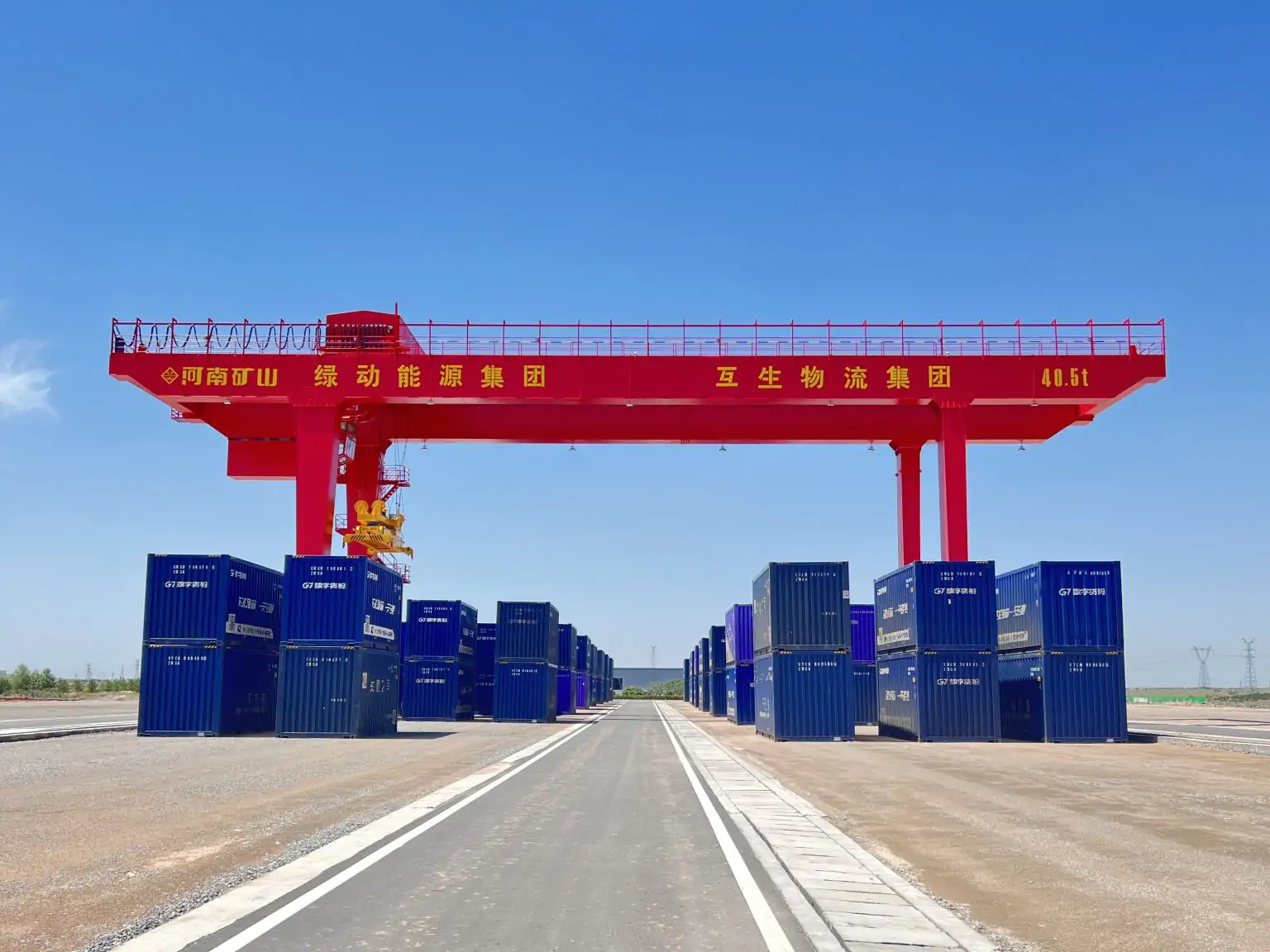
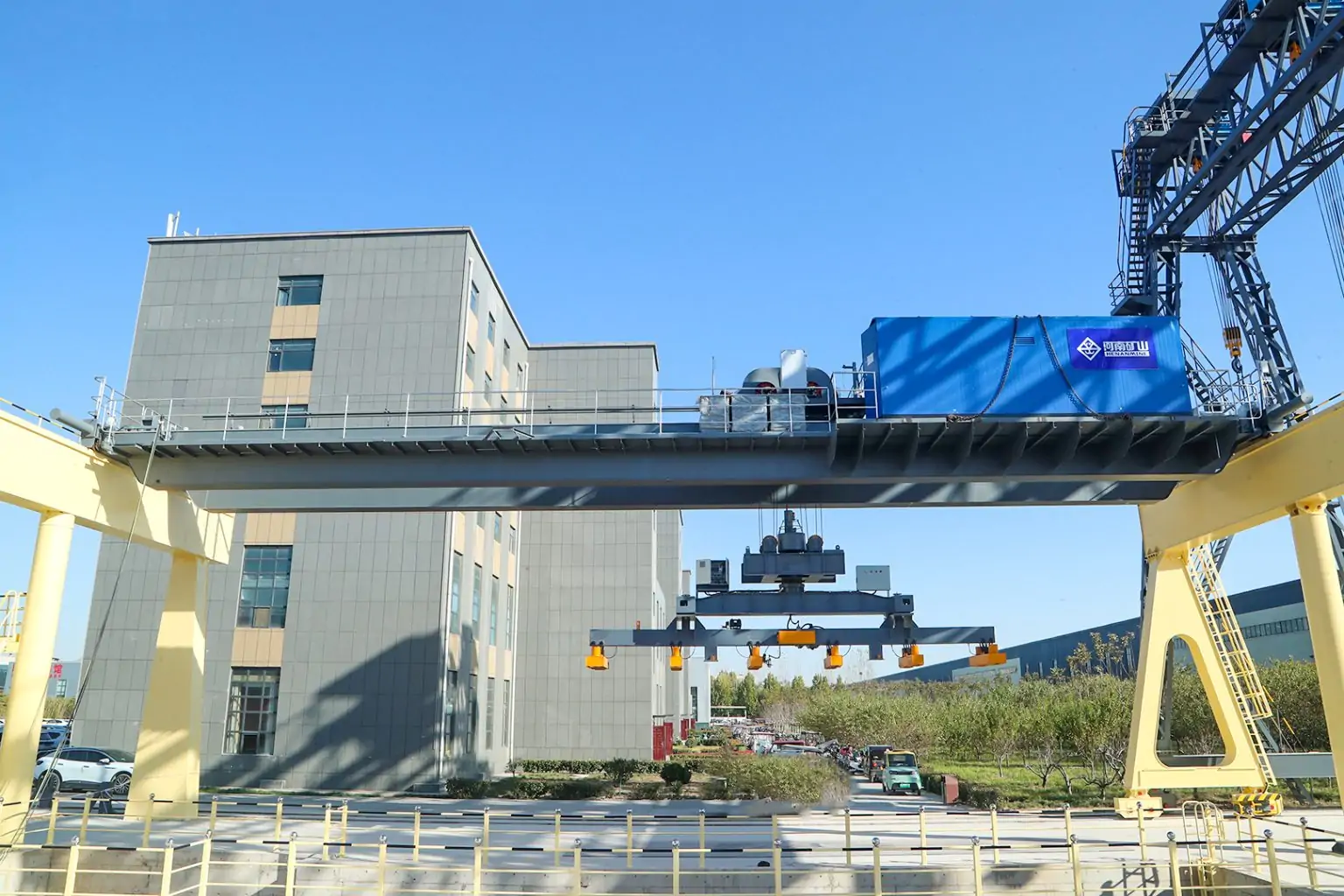
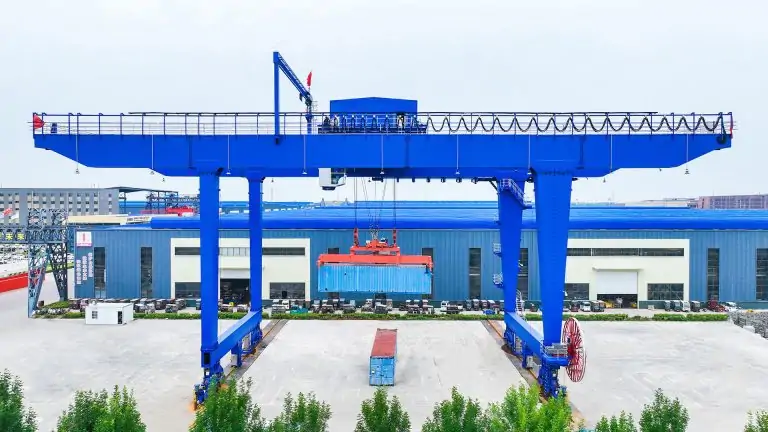
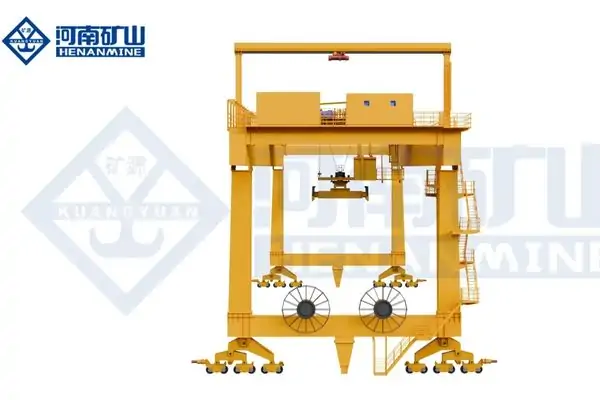
Gantry cranes, also known as gantry cranes, are lifting equipment built on a gantry mobile frame, the core structure of the main beam and both sides of the outriggers, can be moved along the ground track or casters, no need to rely on the structure of the plant, is the mainstream choice for outdoor scenes.
Core features
- Extremely large size span: small models can be adapted to garages and small processing plants, large models can cover ports and railway yards, with load capacities ranging from a few tonnes to thousands of tonnes;
- Flexible movement: the small model is equipped with heavy-duty castors and can be moved freely; the large model adopts rail-type design with stable operation and strong load-bearing capacity;
Simple structure, convenient maintenance, no need for complex installation, can work on the ground.
Application Scenario
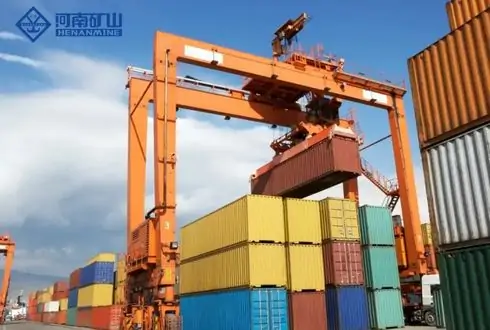
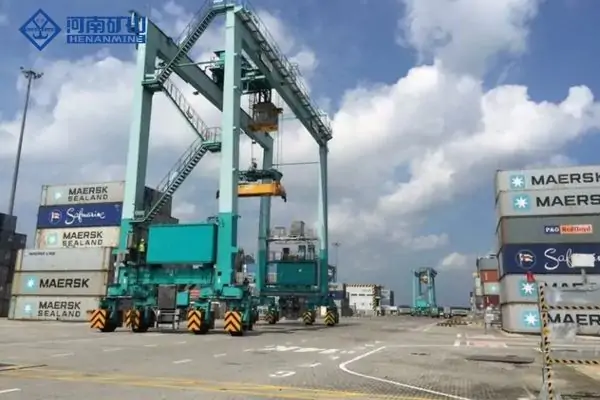
- Large-scale scenarios: container loading and unloading in ports, transferring in railway yards, lifting of large concrete components, and lifting of segments in shipyards;
- Small-scale scenarios: light material transfer in machining workshops, auto repair factories, small processing plants, suitable for light and medium-sized load operations.
Cost Reference
- Small mobile gantry crane: the price of about $ 4,000, can carry thousands of pounds of heavy loads, cost-effective, suitable for individual workshops, small businesses;
- Ultra-large gantry cranes: expensive, the world’s largest Tesco crane costs about $40 million, designed for ultra-heavy offshore lifting, large components transfer design.
Best fit
Outdoor open-air work, limited budget, need to move the lifting of light and medium-sized loads, or rail-type heavy outdoor lifting scenarios.
Truck Cranes
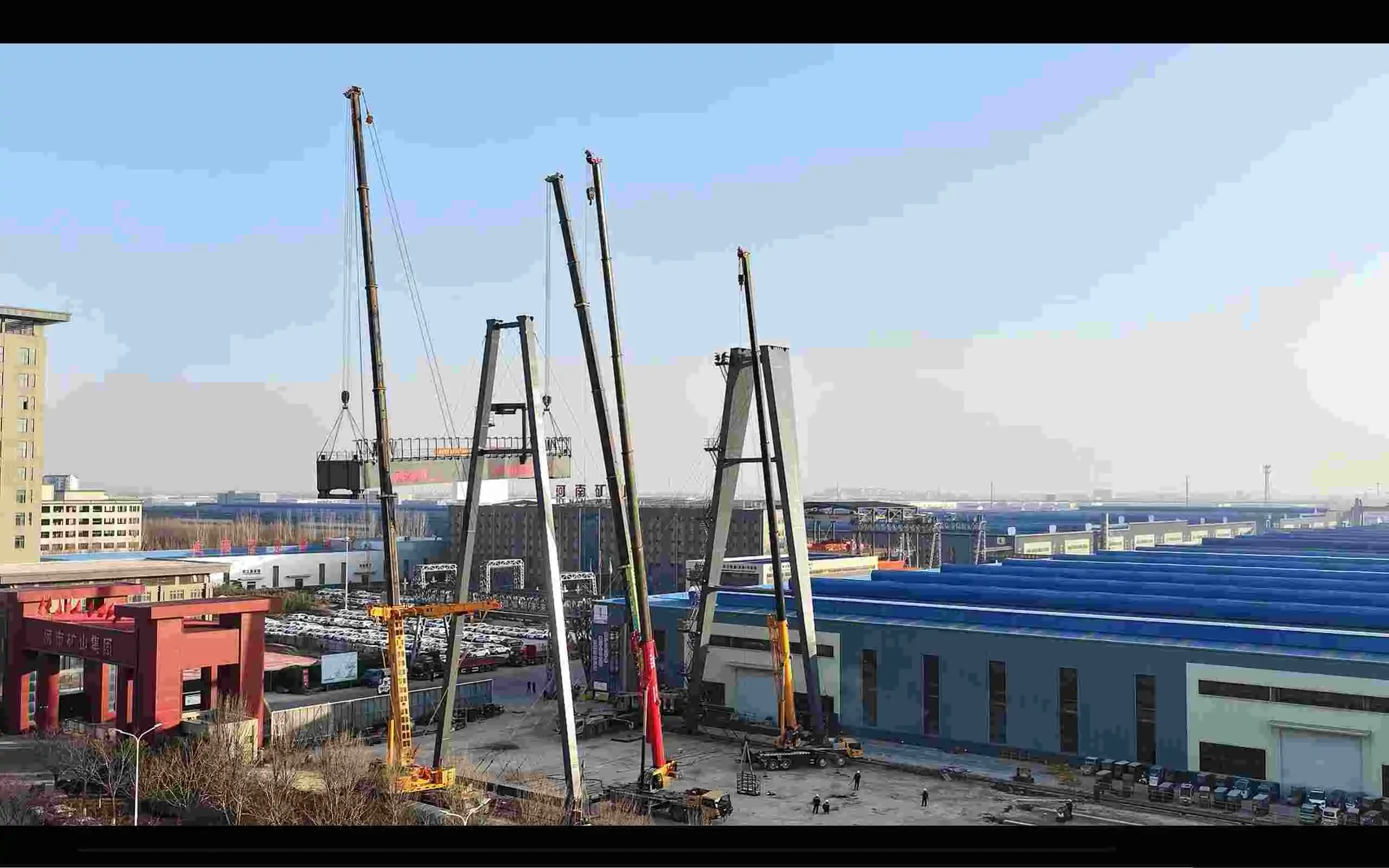
Truck cranes are mobile cranes mounted on car chassis or wheeled platforms, equipped with telescopic booms, and are one of the most widely used and versatile models in the construction industry.
Core features
- Manoeuvrability pulling full: it can be driven directly on the road, quickly travelling to and from different construction sites, and no need to dismantle and transport in transit;
- Efficient deployment: the boom is a telescopic structure, rapid deployment on site, short installation and removal time consuming, saving manpower and time costs;
- Compact size: it can work in narrow sites, residential areas and small construction sites, and is suitable for complex spaces.
Application Scenario
- Civil construction: residential construction, small commercial building lifting;
- Material transfer: building materials loading and unloading at construction sites, equipment handling, and lifting of small components in municipal engineering;
- Emergency operation: rapid lifting support for unexpected scenarios, suitable for short-term, scattered, multi-location operations.
Core Advantages
Strong portability, fast deployment, high flexibility, can cope with the diversified lifting needs of light and medium-sized loads, is the first choice for short-term projects.
Best Fit
Short-term construction, multi-site transfers, confined space operations, light and medium load lifting scenarios.
Tower Cranes
Tower cranes are the iconic equipment for urban skyscrapers and large bridges, and they are the best choice for aerial lifting with ultra-high working height and strong stability.
Core Features
- Excellent high-altitude performance: the working height can reach more than 100 metres, and the boom covers a wide range, which can meet the vertical lifting needs of super high-rise buildings;
- Stability pulling full: the base is fixed on the ground or attached to the building structure, long-term continuous operation without shaking, high safety;
- Suitable for long-term projects: it can be deployed along with the whole process of building construction, without frequent replacement of equipment.
Main Segmentation Types
- Hammerhead tower crane: the boom is a fixed horizontal structure, inverted ‘L’ shape, can be rotated horizontally, suitable for dense urban construction sites, multi-tower cranes working together;
- Jib type tower crane: boom can be up and down pitch, rotation radius is smaller, can work in the extremely narrow urban sites, bearing capacity is stronger, but the cost is higher;
- Self-erecting tower crane: small size, can be folded and transported, no additional equipment can be self-installed, lower carrying capacity, suitable for small short-term aerial projects, low-rise building construction.
Application Scenario
Skyscrapers, super high-rise residential, large bridges, large venues and other high-altitude heavy structure lifting, is the core equipment for large urban infrastructure.
Best fit
High-rise buildings, large-scale infrastructure, long-term high-altitude heavy lifting, dense urban site operation scenarios.
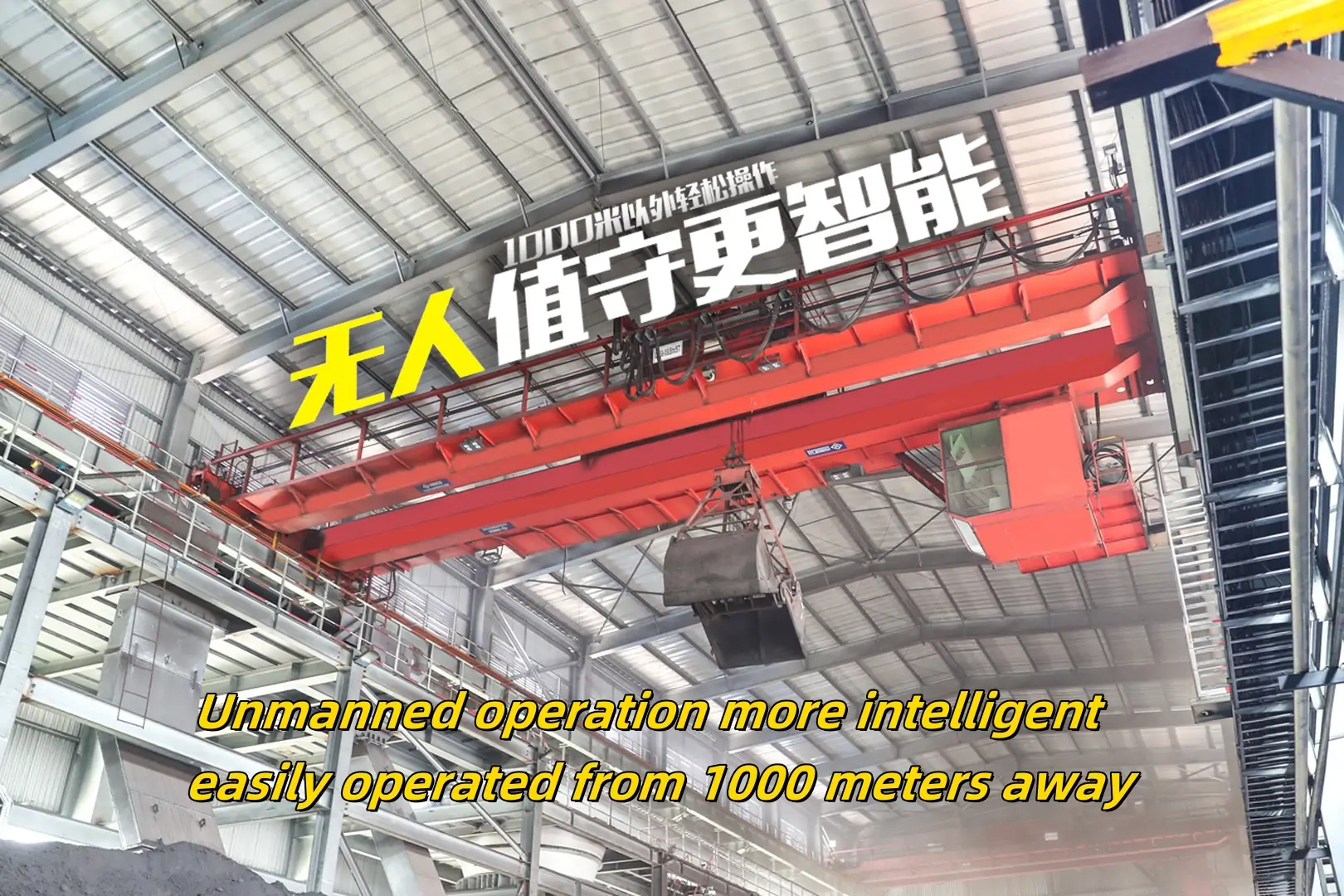
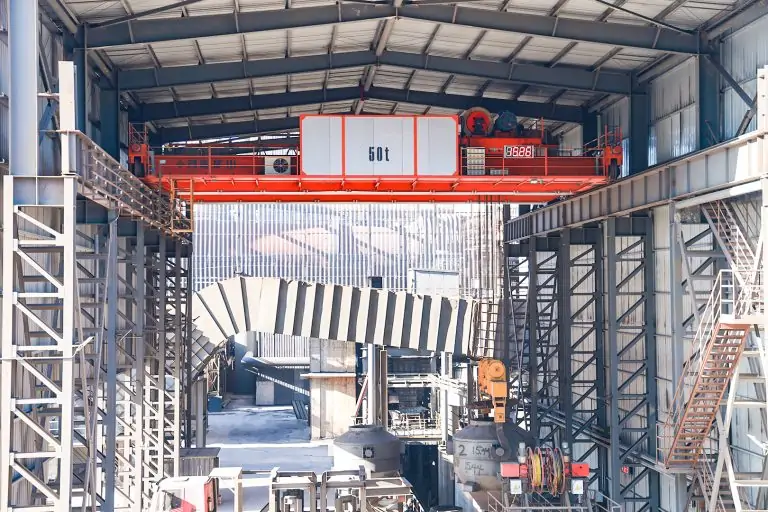
Overhead Travelling Crane
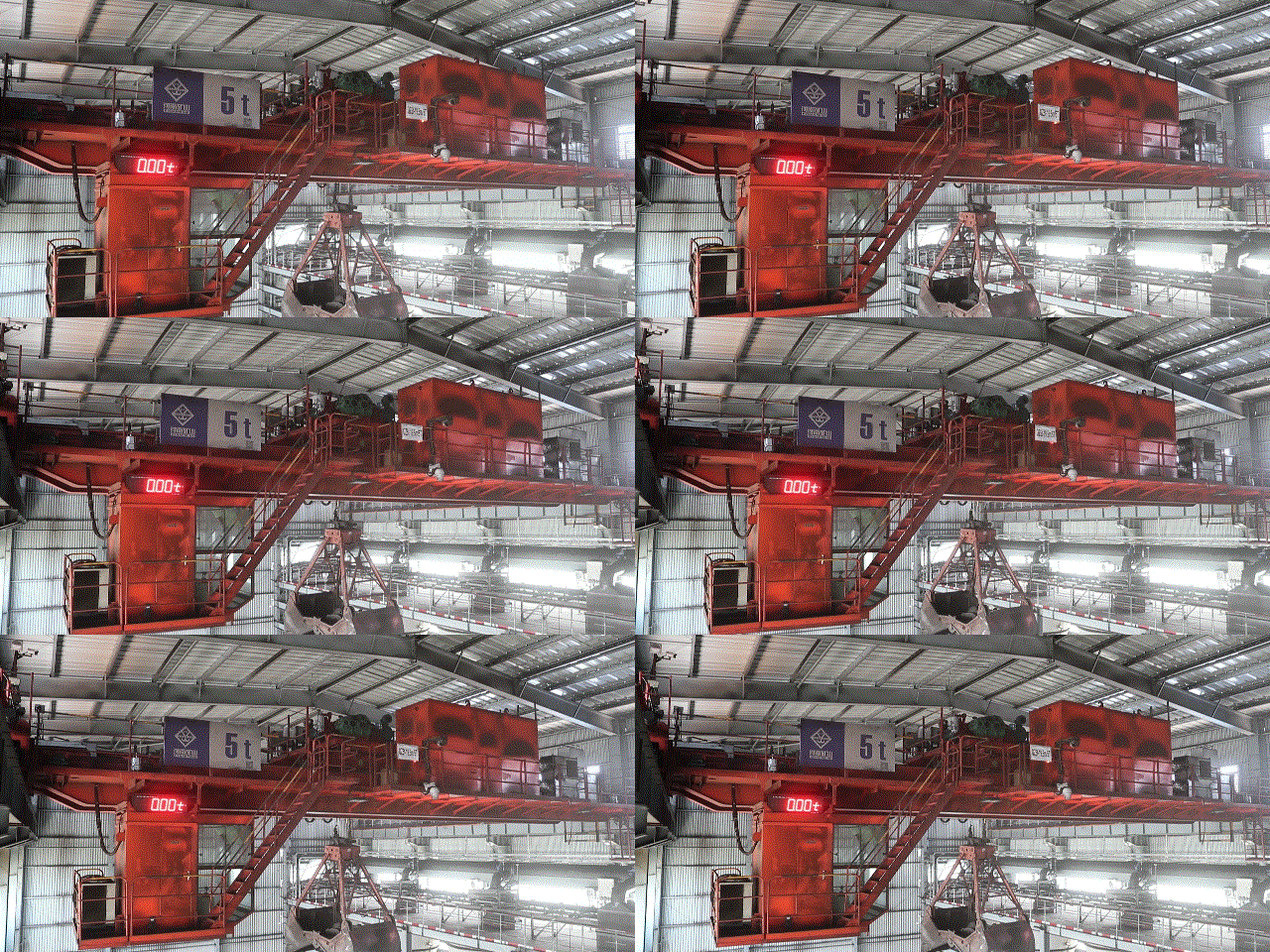
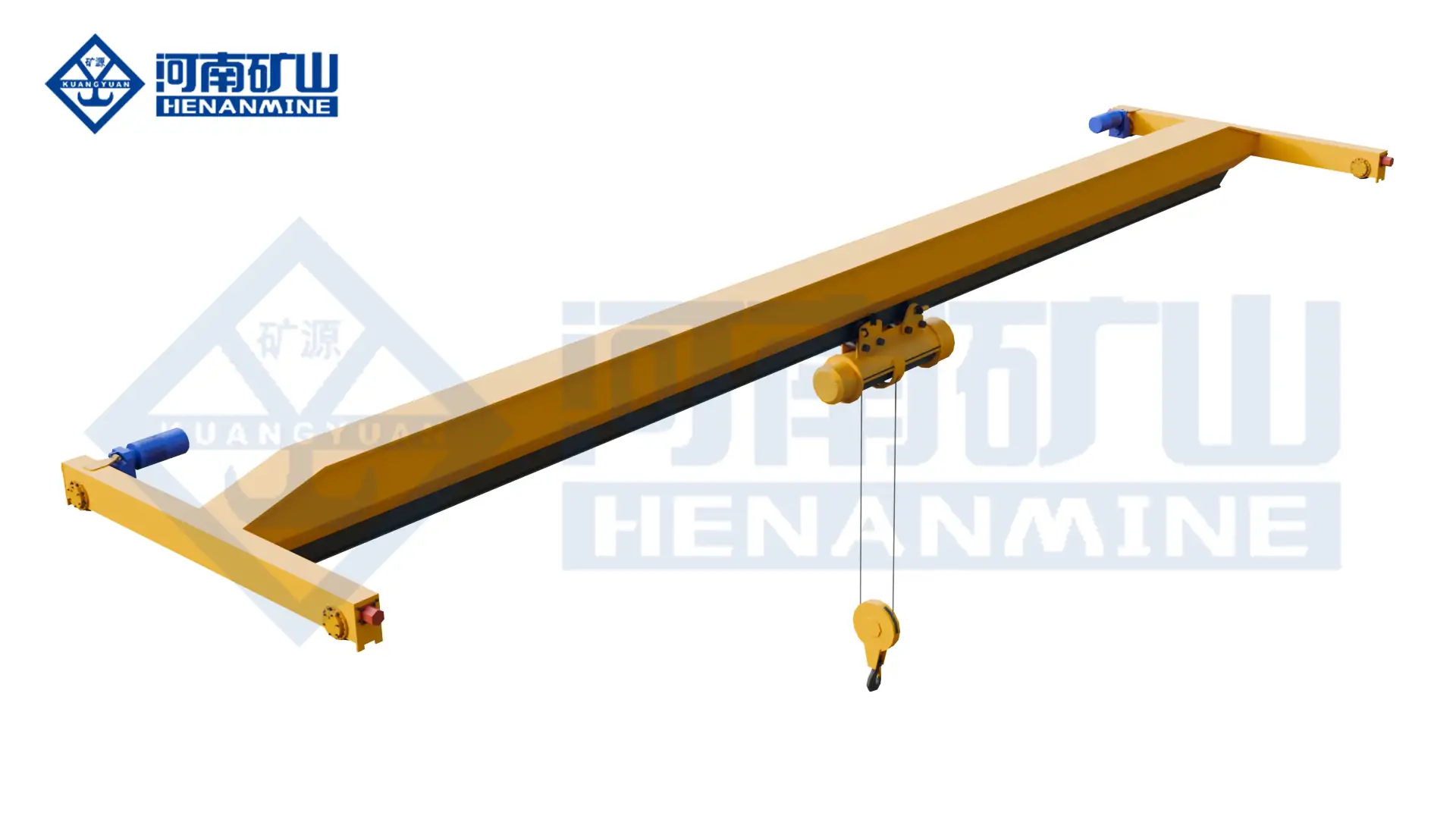
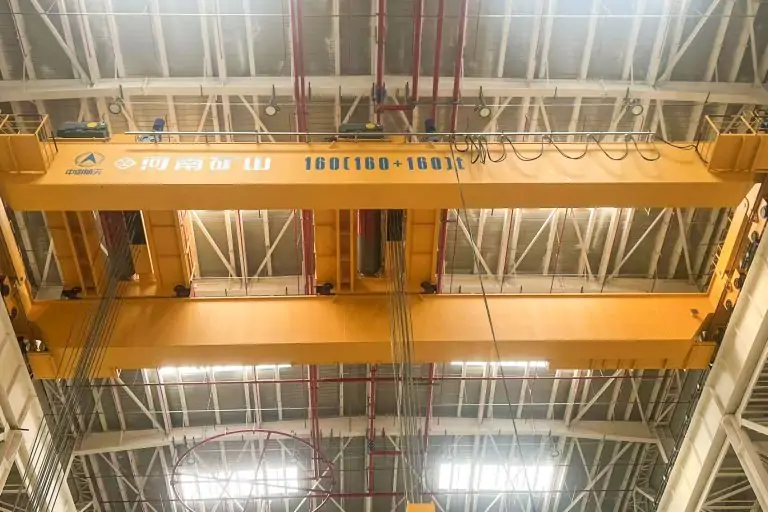
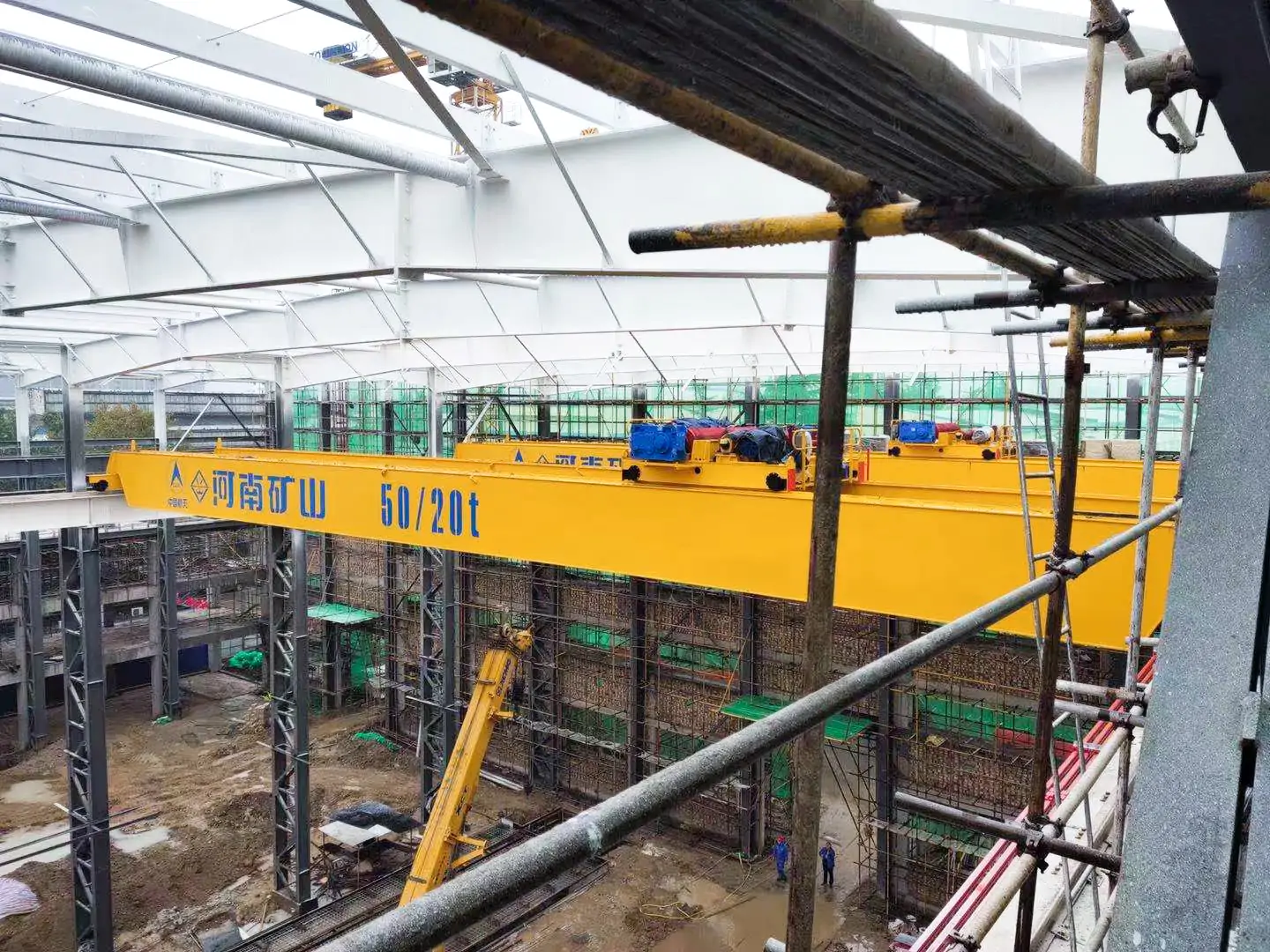
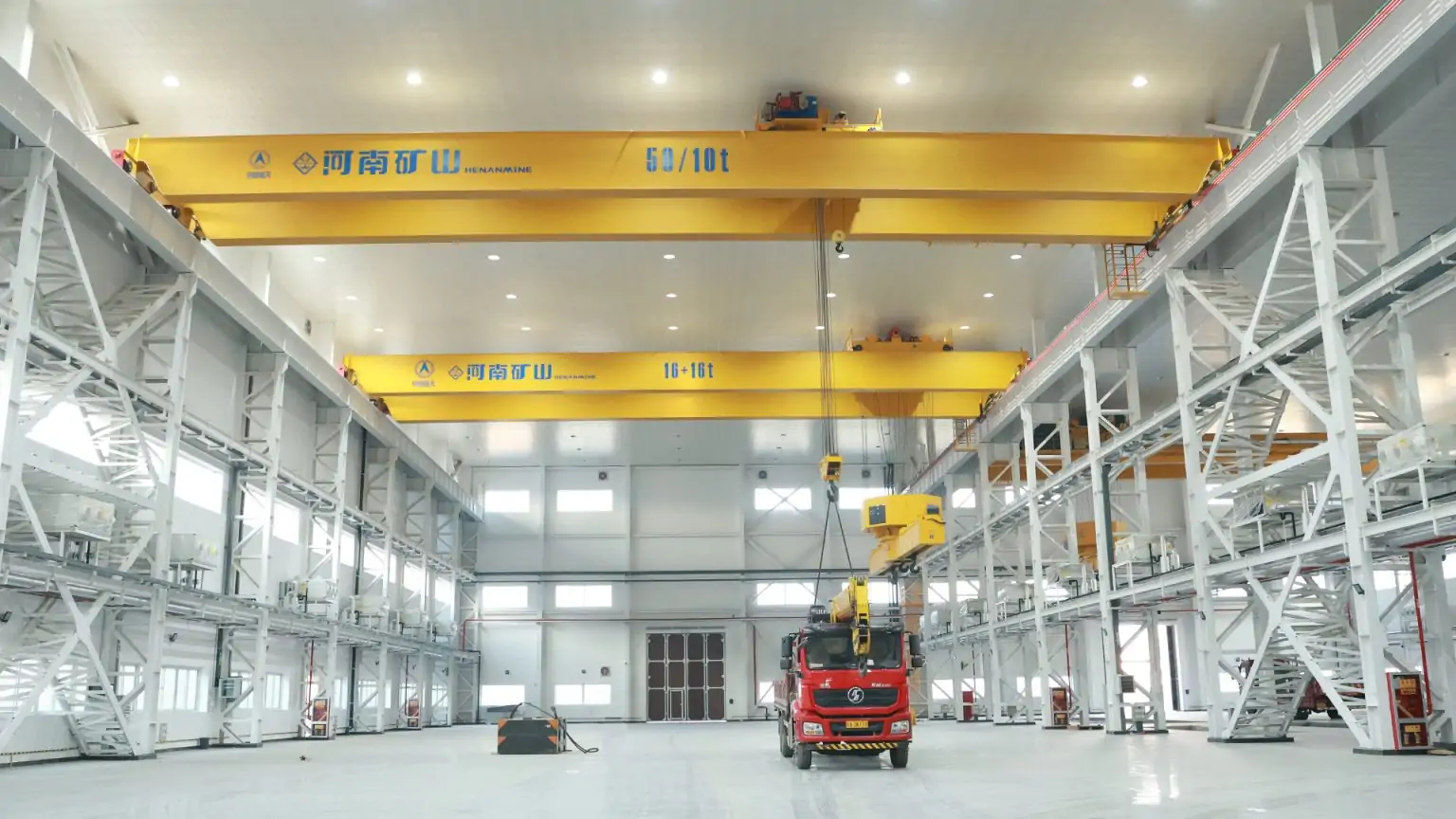
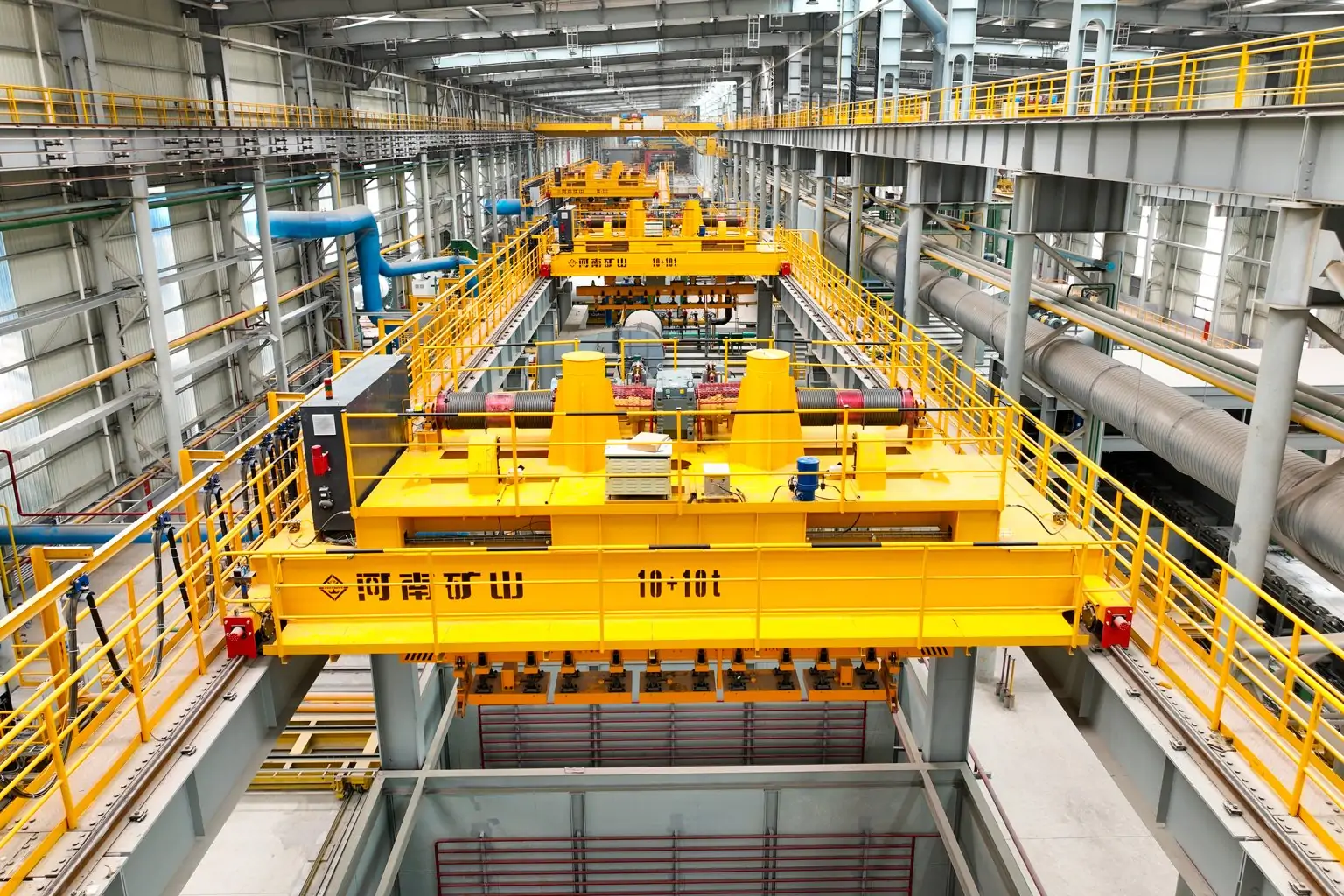
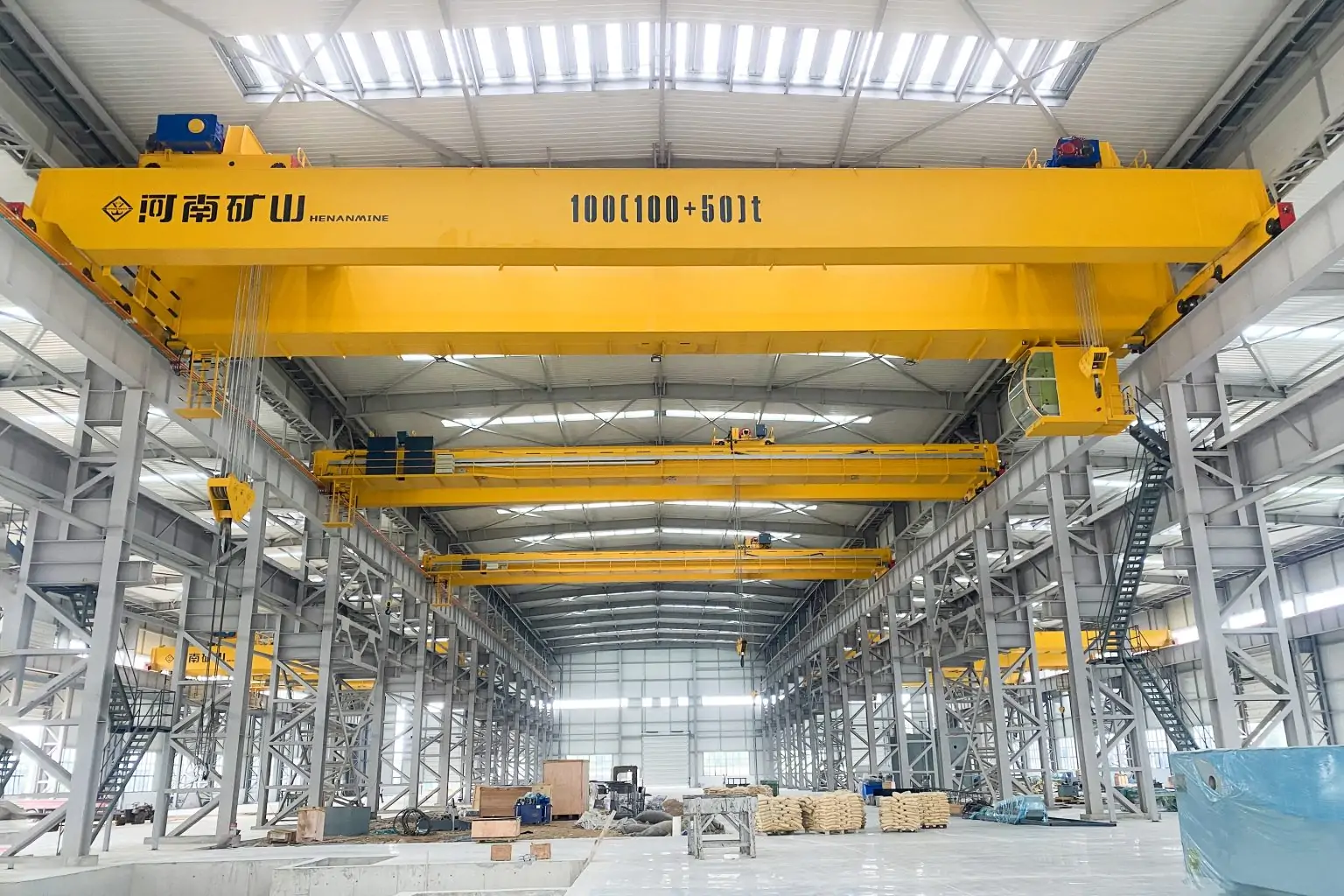
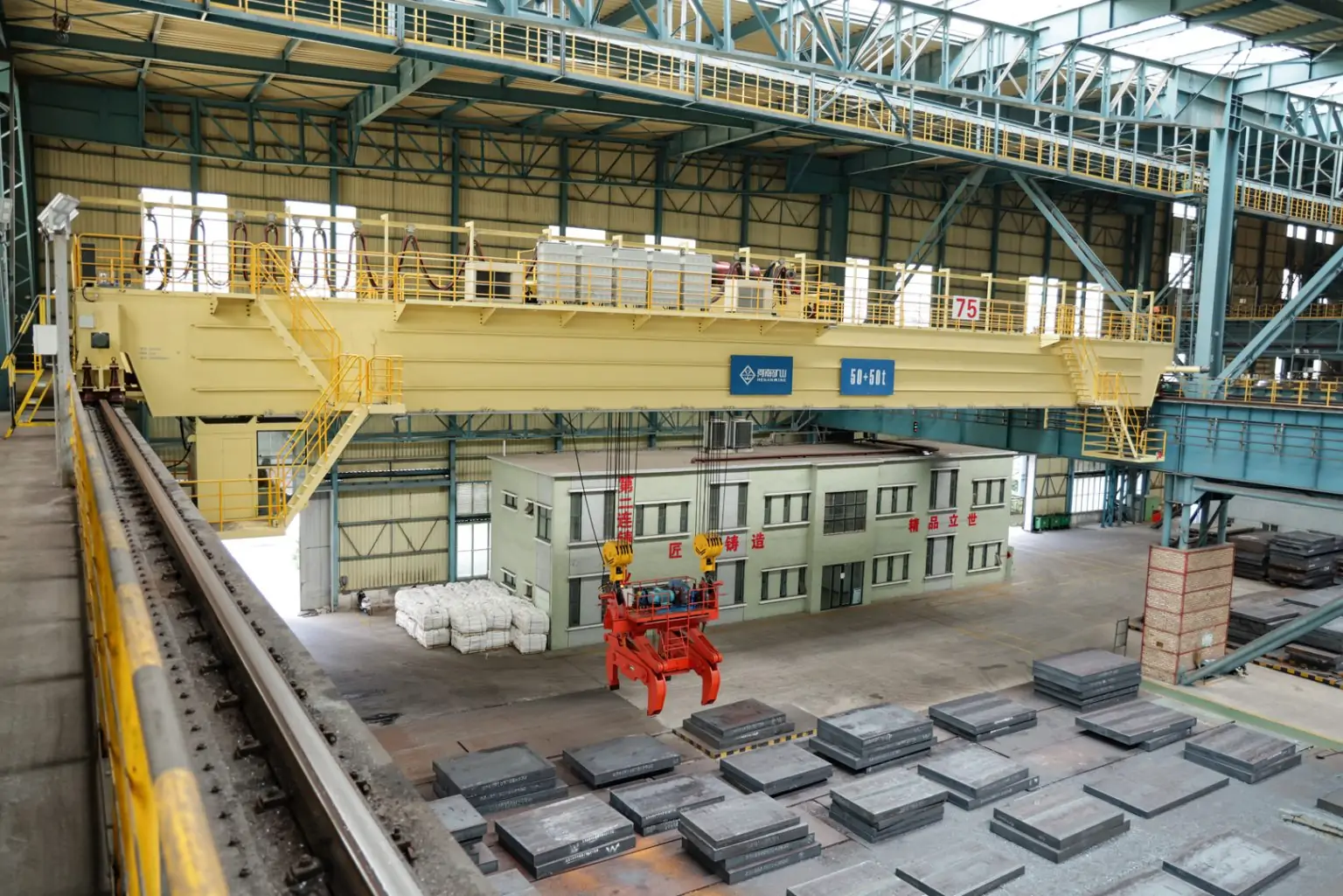
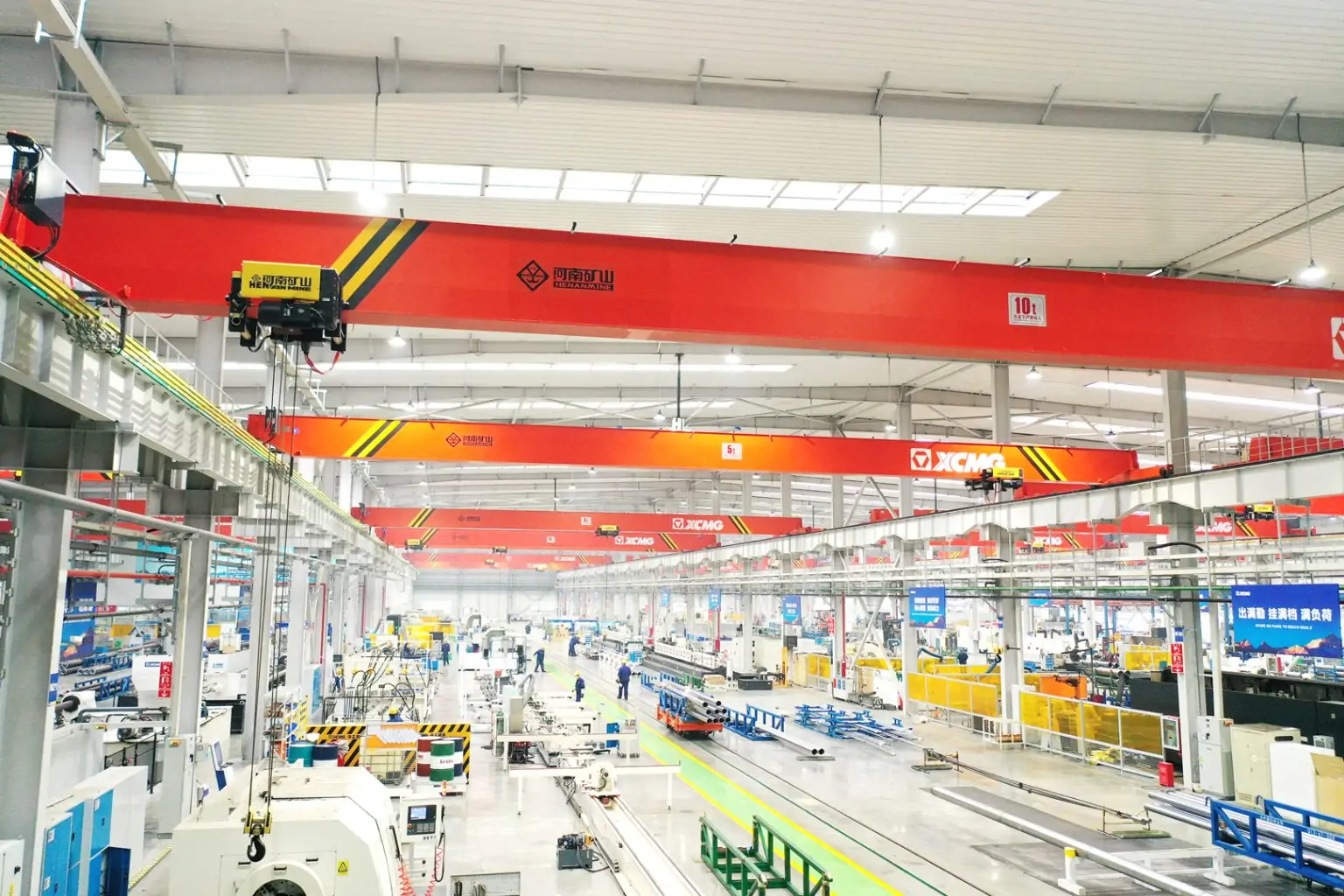
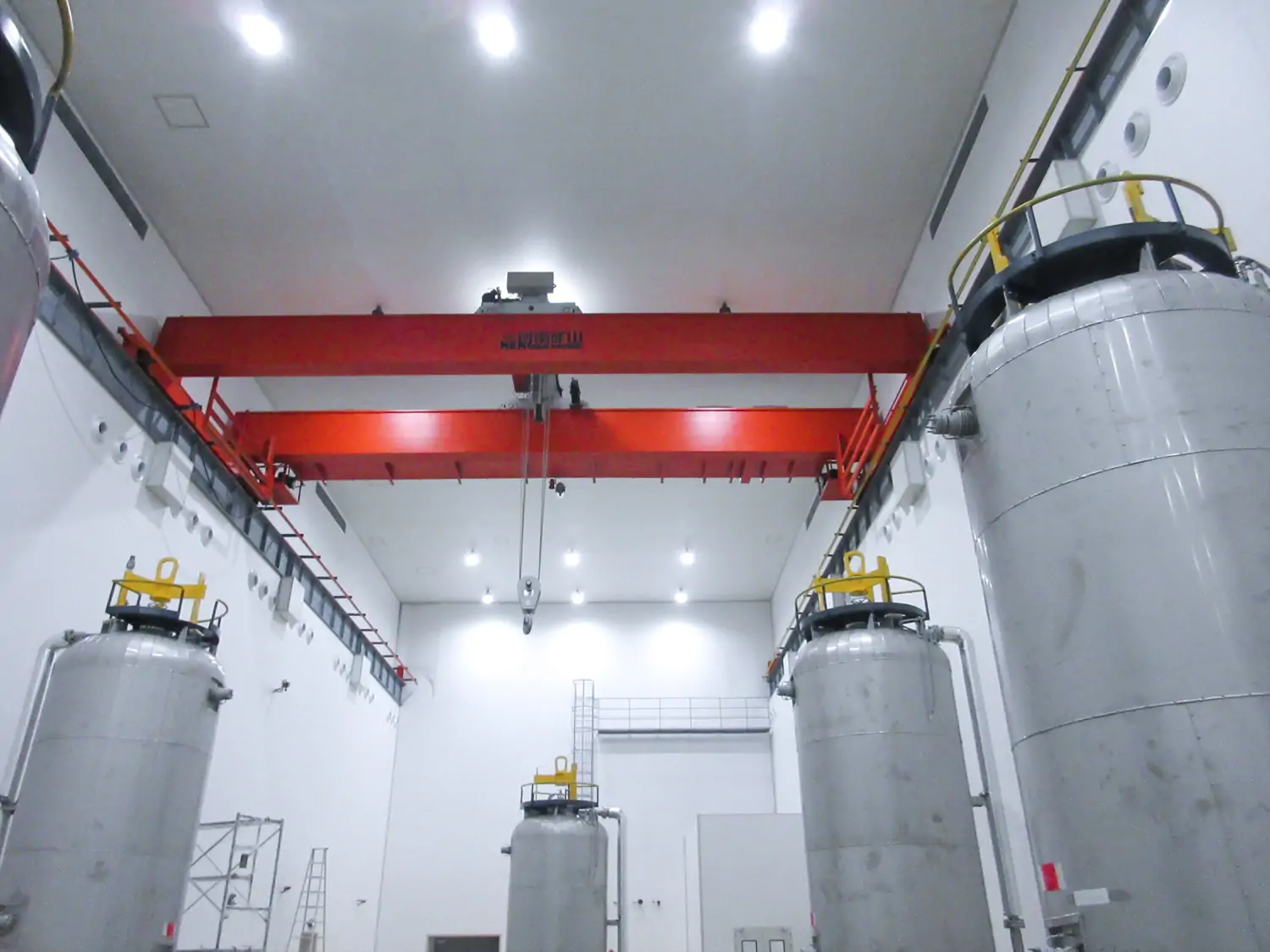
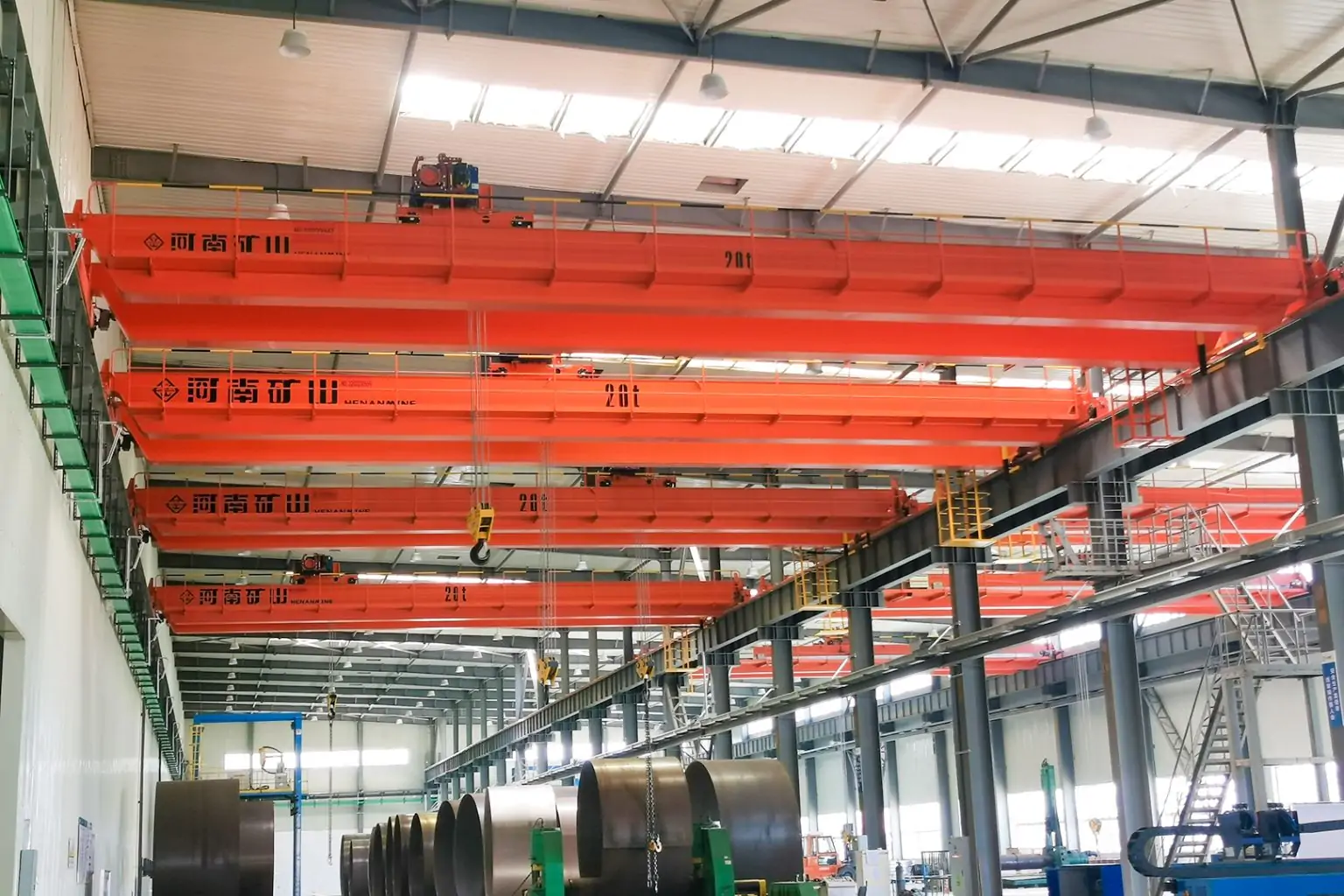
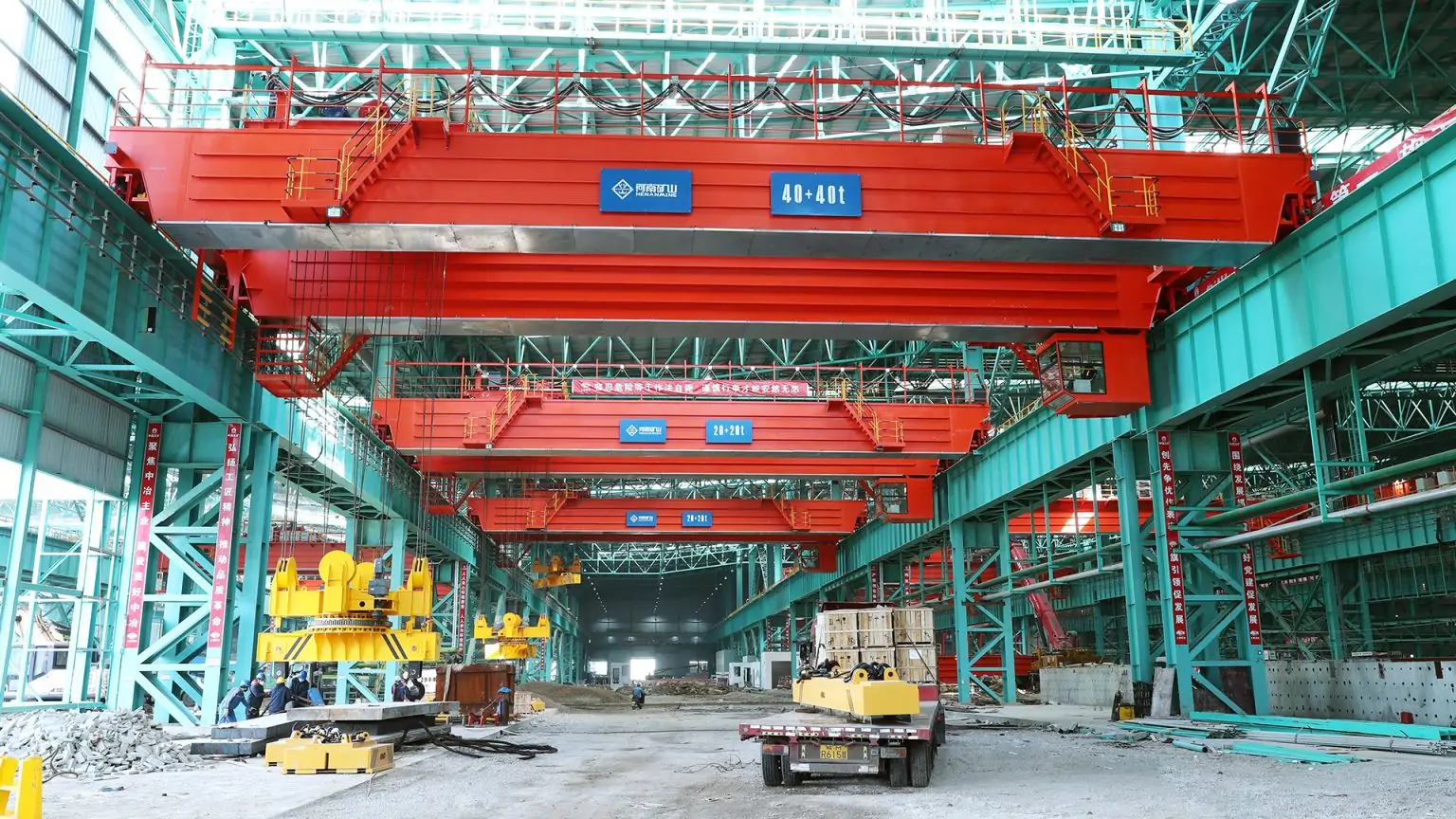
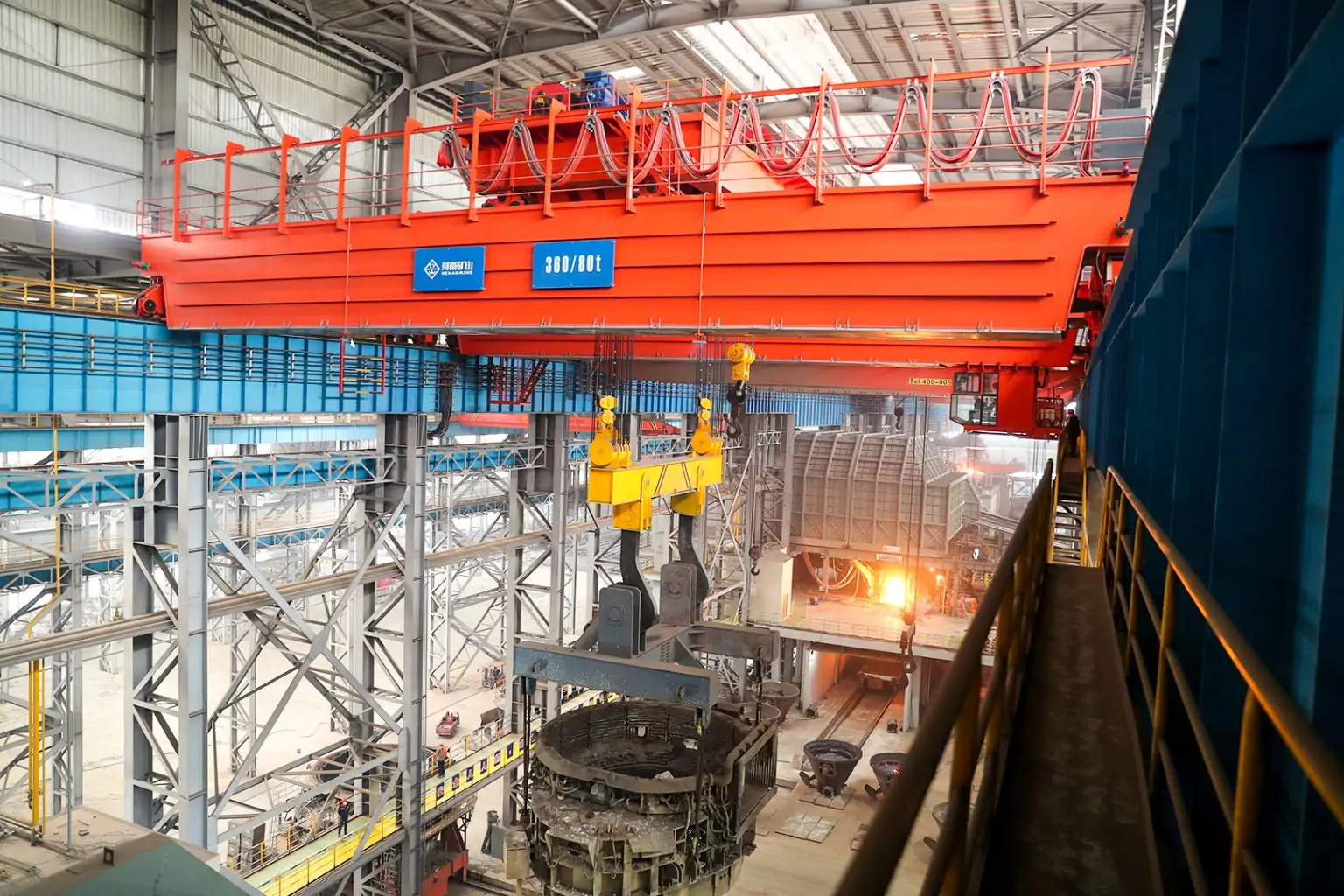
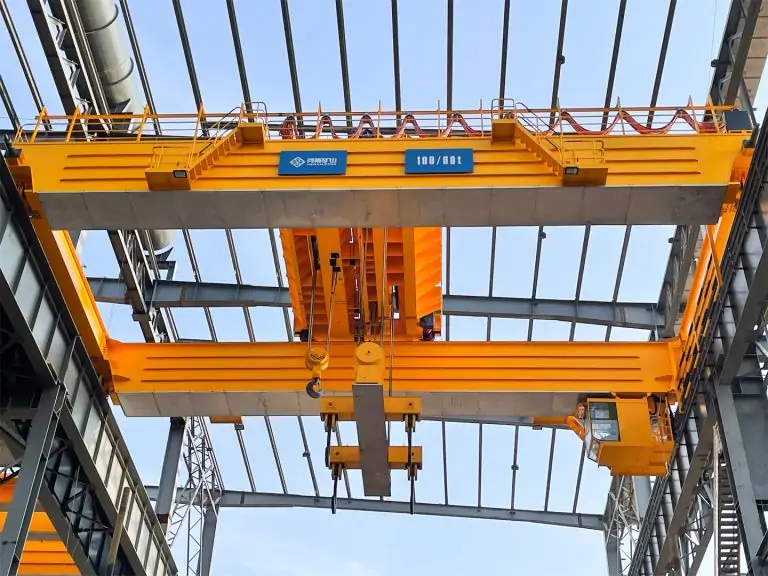
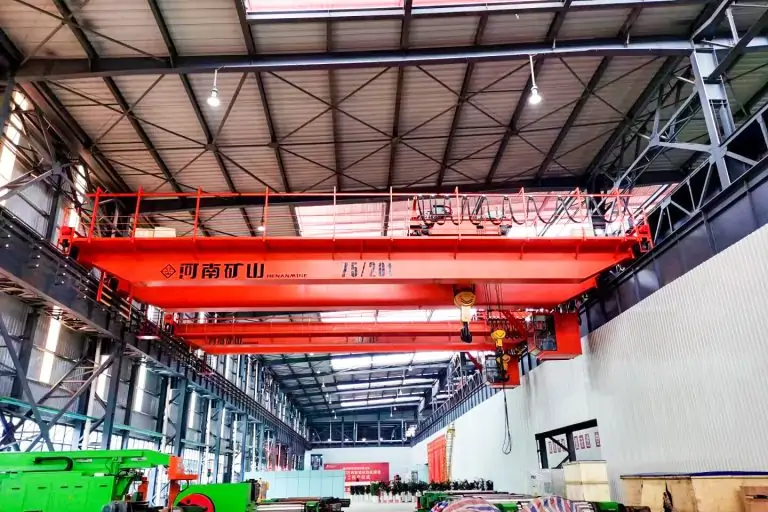
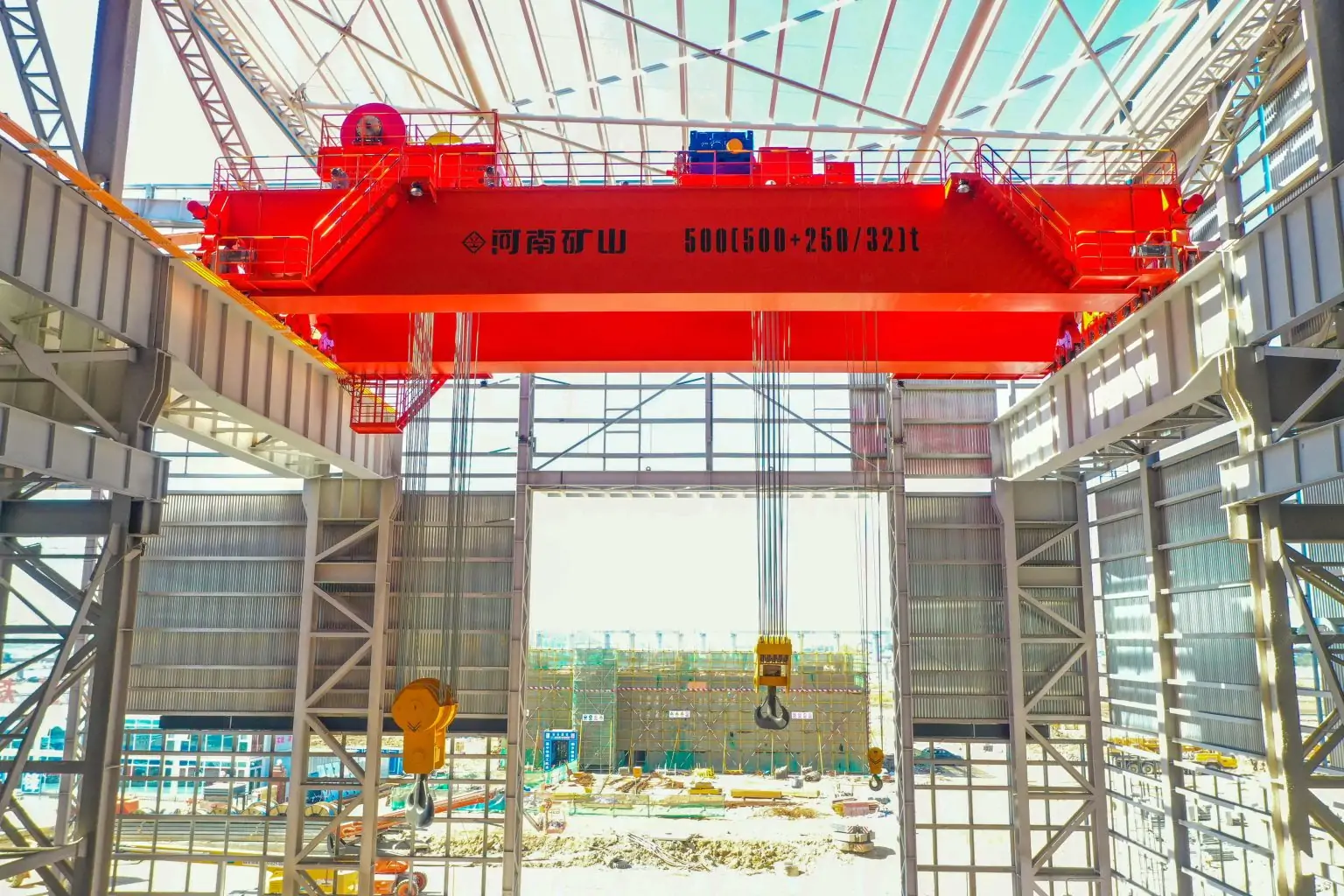
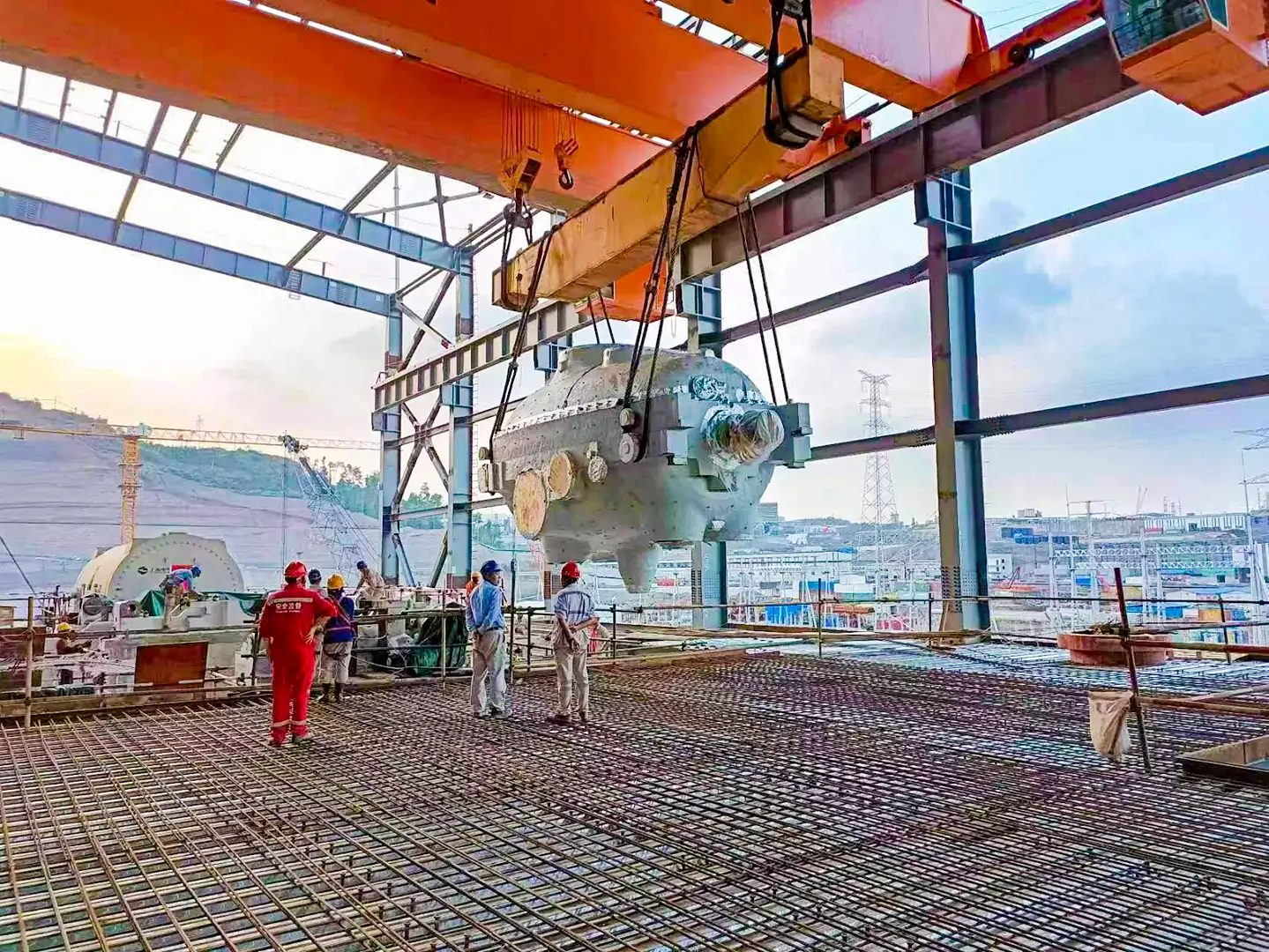
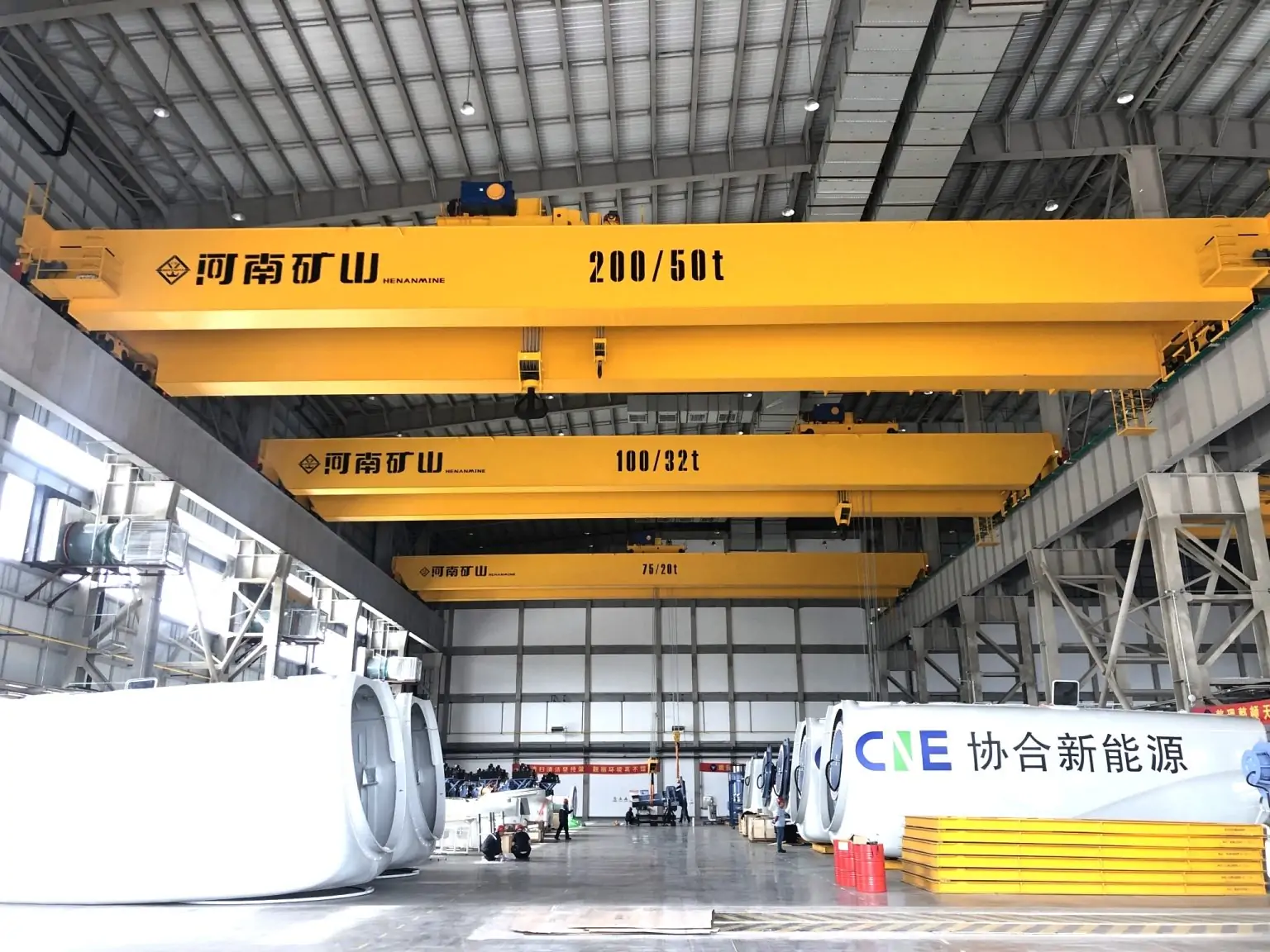
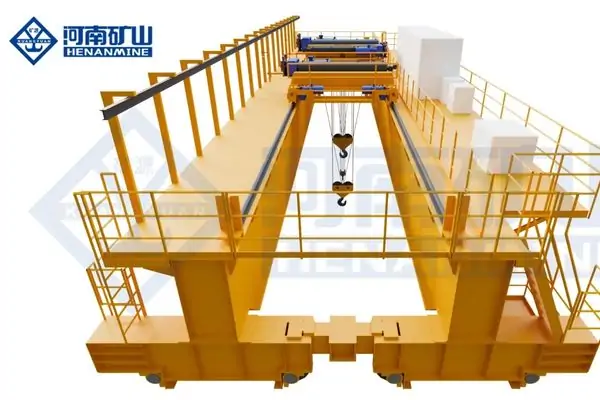
Bridge cranes, also known as overhead cranes, are lifting equipment designed for indoor industrial environments and are widely used in enclosed spaces such as factories, warehouses and workshops.
The core structure consists of two parallel tracks, a load-bearing beam across the track, and a movable lifting trolley, which utilises the top space for the whole operation without occupying the ground operating area.
Core Features
- High accuracy: it can realise accurate positioning and smooth transfer of materials, suitable for assembly lines, precision assembly and other scenarios;
- Outstanding efficiency: designed for repetitive operations, it can operate continuously for 24 hours, significantly reducing manual handling;
- Space optimisation: make full use of the overhead space, the ground can be normal access, placement of equipment, to enhance the site utilization rate.
Application Scenario
- Manufacturing factory: heavy parts transfer of production line, equipment assembly;
- Warehousing and logistics: efficient loading and unloading and stacking of warehouse goods;
- Maintenance workshop: dismantling of large equipment, lifting and maintenance, suitable for indoor fixed routes, high-frequency, accurate lifting.
Best Fit
Indoor industrial production, warehousing and transfer, assembly line repetitive and accurate lifting scenarios.
Crawler Crane
Crawler cranes are heavy lifting equipment equipped with crawler chassis, specially designed for harsh terrain and ultra-heavy loads, and are the core equipment for large infrastructure and industrial projects.
Core Features
- Extremely strong terrain adaptability: the crawler has a large grounding area and strong grip, so it can work stably in muddy, soft and uneven sites, and it can be adapted to scenes that wheeled cranes can’t be involved in;
- Top load capacity: the load range is 80-825 tonnes, equipped with telescopic jib or truss jib, it can lift super-large prefabricated components and heavy equipment;
- No need for outriggers: the crawler itself provides stable support, no need to install additional outriggers, simplifying the work process.
Application Scenario
- Large infrastructures: lifting of heavy components for highways, railways, bridges, water conservancy projects;
- Industrial projects: petrochemical equipment, wind power equipment, large machinery installation;
- Long-term projects: long-term construction scenarios with complicated terrain and overweight loads.
Advantages and Disadvantages
Advantage: strong terrain adaptability, top load carrying capacity, stability pull full;
Disadvantages: bulky, time-consuming installation and removal, high cost of long-distance transport.
Best for
Ultra-heavy load, complex and harsh terrain, long-term large-scale infrastructure lifting scenarios.
6 Core Elements of Crane Selection in 2026
After clarifying the characteristics of each model, it is necessary to combine the following 6 elements to make a comprehensive judgement and accurately match the most suitable crane:
Load Capacity and Rated Parameters
The first consideration of the weight of the lifting object, strictly against the crane rated load table, to confirm the different heights, amplitude under the load capacity, reserve a safety margin, overloading operations are strictly prohibited. At the same time to distinguish between static lifting and mobile lifting, some cranes only support static fixed-point lifting.
Requirements for Operating Height andAamplitude
According to the maximum lifting height of the project, the boom needs to extend the distance to select equipment: high-rise building priority tower cranes; long-distance ground lifting priority large-tonnage truck cranes or crawler cranes; need to be accurate vertical transfer scenarios, focusing on verification of the lifting height and operating radius.
Operating Environmental Conditions
Indoor/outdoor: choose bridge cranes indoors, and give priority to gantry, truck and crawler cranes outdoors; terrain conditions: choose truck cranes for flat and hardened ground, and choose crawler cranes for soft and muddy ground; climatic factors: high temperature, high humidity, and dusty environments, you need to choose the equipment with appropriate protection level to prolong the service life.
Use Frequency and Duration
- Short-term scattered operations: choose car cranes, rapid deployment, flexible transfer;
- Long-term fixed operation: choose tower crane, bridge crane, gantry crane, continuous and stable operation;
- High-frequency operation: choose high working level models to avoid overload and overheating failure.
Mobility and Site Access
- Multi-site transfer: priority car crane, no pressure on the road;
- Narrow site: choose jib tower crane, small car crane;
- No hardened road surface: choose crawler crane, no need to level the site to work.
Budget and Comprehensive Cost
Comprehensive consideration of procurement/rental costs, transport costs, installation and removal costs, operation and maintenance costs: small scenes choose economical gantry cranes; short-term projects choose rental truck cranes; large-scale long-term projects, give priority to cost-effective fixed cranes, do not sacrifice safety and performance to compress costs.
Crane Industry Innovation Trends in 2026
In 2026, the crane industry to intelligent, green, safe depth upgrade, the core innovation direction:
- Automation and remote control: 5G + AI technology landing, support for remote central control operation, unmanned autonomous operation, high-risk scenarios do not require personnel on-site guarding, to enhance operational safety and accuracy;
- Sustainable green design: popularisation of electrified and hydrogen-driven models reduces fuel consumption and carbon emissions, and reduces noise to meet the requirements of urban environmental protection;
- Intelligent safety monitoring: equipped with load sensors, tilt angle monitoring, anti-collision system, real-time early warning of overloading and tipping risks, and active avoidance of potential safety hazards;
- Digital twin empowerment: through virtual simulation to simulate the lifting process, optimise the operation plan in advance and reduce the on-site error rate.
These technological innovations make cranes safer, more efficient and environmentally friendly, and also provide more high-performance options for selection.
Along with automation, green technology upgrades, the suitability of the crane and safety is further enhanced. Selection of priority to ensure safety and efficiency, taking into account cost control, if necessary, consult professional lifting equipment suppliers, combined with the actual needs of the project customised solutions, in order to achieve efficient, safe and economic operation of lifting operations.
FAQ:
- Which crane is preferred for outdoor work?
Priority is given to gantry cranes, rail-type or caster-type can be adapted to the open-air site, cost-effective, mobile and flexible, suitable for all kinds of outdoor light, medium and heavy lifting.
- What cranes are used for high-rise building construction?
Tower cranes, especially hammerhead or jib tower cranes, high operating height, strong stability, is the standard for ultra-high-rise, large-scale bridge construction.
- What is the price range of gantry cranes?
Small mobile about $4,000, suitable for small workshops; large port gantry cranes can cost up to tens of millions of dollars, according to the load and size custom.
- Can crawler cranes work on uneven ground?
Yes, the crawler chassis has a large grounding area and strong grip, so it can work stably on muddy, soft and uneven ground without outriggers.
- What is the difference between overhead travelling crane and portal crane?
Overhead cranes need to rely on plant tracks and are limited to indoor operation; gantry cranes have their own gantry brackets and can work on outdoor ground tracks without plant support.