

Henan Mine Crane · Copper Tankhouse Lifting
Electrolytic Copper Cranes for Anode & Cathode Handling
Move electrode groups between preparation stations, electrolytic cells and washing lines with a crane engineered around your tankhouse.
Henan Mine Crane supplies custom crane and lifting attachment packages, combining electrode handling, electrical isolation, corrosion protection and process controls in one coordinated scope.
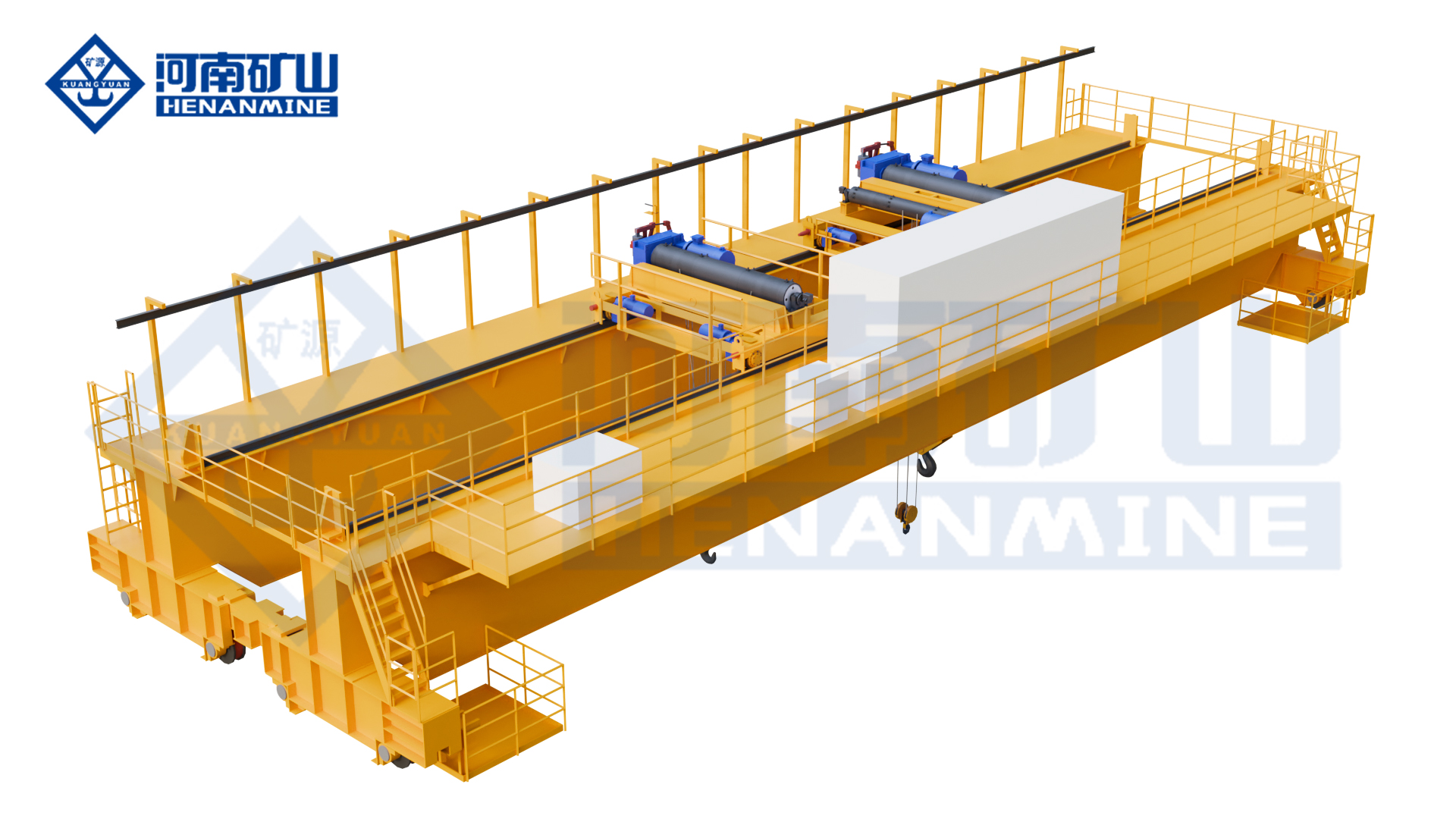
A Complete Electrode Handling Package
An electrolytic copper crane is a process crane for moving cathodes and anodes in a copper tankhouse. Its spreader geometry, electrical isolation and positioning controls matter as much as its lifting capacity.
Matched Crane & Spreader
Electrode engagement, lifting points and plate spacing coordinated with the cell layout, reducing separate crane and attachment interfaces.
Controlled Transfers
Variable-speed travel and lifting, with optional positioning assistance, sequence control and station interlocks for repeatable electrode transfers.
Protection & Service Access
Specified insulation barriers, electrolyte-compatible protection and accessible wear parts help keep inspections and maintenance manageable.
Built Around The Tankhouse Cycle
For copper electrorefining, the handling sequence covers loading prepared electrodes, harvesting cathodes for washing and stripping, and removing spent anodes. Dedicated lifting attachments engage the electrode support features while maintaining the required group arrangement.
For copper electrowinning, the package follows the cathode harvesting route and the plant’s anode maintenance method. Electrowinning does not use the same routine sacrificial copper-anode replacement cycle as electrorefining.
| Item | Configuration In Your Proposal |
|---|---|
| Rated load | Electrode group plus spreader, tray and other suspended equipment; each hoist rating identified separately. |
| Span & clearance | Runway centres, cell access, lifting height and roof clearance coordinated in the general arrangement drawing. |
| Duty & motion | Load spectrum and cycles per hour used to select mechanism duty; controlled approach speeds for cell entry. |
| Controls | Manual, assisted or PLC-sequenced operation; positioning, feedback and plant interfaces itemized. |
| Environmental package | Insulation layout, protective finishes, enclosure protection and optional drip collection matched to exposure. |
Choose The Crane For The Actual Handling Job
For frequent cell harvesting, choose a dedicated electrode handling system. For occasional insulated lifting, a hook crane with a suitable attachment may be sufficient. Keep workshop maintenance lifting separate from the production cycle where shared crane time would delay harvesting.
Our selection starts with the complete suspended load and then checks electrode pitch, available headroom and the time available per transfer. Hoist ratings are not automatically additive when a load is shared between hooks.
| Crane Arrangement | Application | Main Difference |
|---|---|---|
| Dedicated electrolytic copper crane | Repeated electrode loading and harvesting | Integrated spreader, isolation and process controls |
| Dual-trolley insulated crane | Insulated handling needing two trolley positions | Electrode automation and shared-load operation require a dedicated design |
| Conventional double-girder crane | Workshop and isolated equipment maintenance | Ordinary hook handling; no assumed tankhouse electrical isolation |
Load Sizing Example
A group of 60 electrodes at 180 kg each, lifted with a 3,000 kg spreader assembly, totals 13,800 kg. This illustrative load is the starting point for hoist selection, followed by checks for attachment weight, load distribution, duty and the applicable design standard.
Electrical Isolation, Corrosion & Control Protection
The design identifies insulation barriers between the electrode handling assembly and crane structure, with accessible inspection and test points. Protective coatings, exposed materials, cables and enclosures are selected for the actual electrolyte, mist, washdown and temperature conditions.
Control options include load monitoring, travel limits, spreader engagement feedback and station interlocks. Automatic sequences include a defined fault recovery method. Electrical isolation is separate from explosion protection and does not authorize live electrical work.
Electrolytic Copper Crane Price
Indicative equipment budget: US$100,000–1,000,000 per crane
Allow approximately US$100,000–1,000,000 for a 32 t-class multifunction copper-electrolysis crane. The final price depends on the selected electrode handling system and tankhouse layout.
The main cost drivers are capacity, span, duty, electrode spreader, insulation package and automation. Our quotation itemizes the crane, attachments, controls, testing and site services. Runways, foundations, freight, import charges and installation are separate unless expressly included. A project schedule accompanies the technical and commercial offer.
India: Electrolytic Copper Crane Export Order
In February 2026, Henan Mine Crane secured an export order for special-purpose electrolytic copper cranes for India, with a reported contract value exceeding RMB 20 million.
This is a confirmed order reference. The reported value covers the contract, rather than a published price for an individual crane.
From Layout To Acceptance
The supply package can include general arrangement drawings, wheel loads, spreader interfaces, electrical schematics, operating instructions and recommended spares. Installation supervision, commissioning and operator training are available within the agreed service scope.
The acceptance plan sets out load tests, insulation checks, attachment engagement, interlock operation and fault recovery. Where throughput is contractual, the cycle test includes pickup, positioning, draining and release. Maintenance documentation covers insulation cleanliness, corrosion inspection, brakes, ropes and electrode-contact wear parts.
Frequently Asked Questions
Can one crane handle both cathodes and anodes?
Yes, with compatible lifting attachments, load ratings and handling sequences. The design must cover the different electrode geometry and operating loads.
Is an insulated overhead crane automatically suitable for cell harvesting?
No. Insulation alone does not establish spreader compatibility, repetitive-cycle duty, positioning performance or process interlocks.
Can the crane be integrated with an existing tankhouse?
Yes, subject to a layout and runway assessment. The proposal coordinates wheel loads, clearances, electrode interfaces and connections to existing stations.
What is needed for an initial quotation?
Send the electrode group weight, cell layout, runway span, lifting height, operating cycle and project location. A process sketch or existing crane drawing helps us prepare the arrangement and supply scope.
Related Crane Options
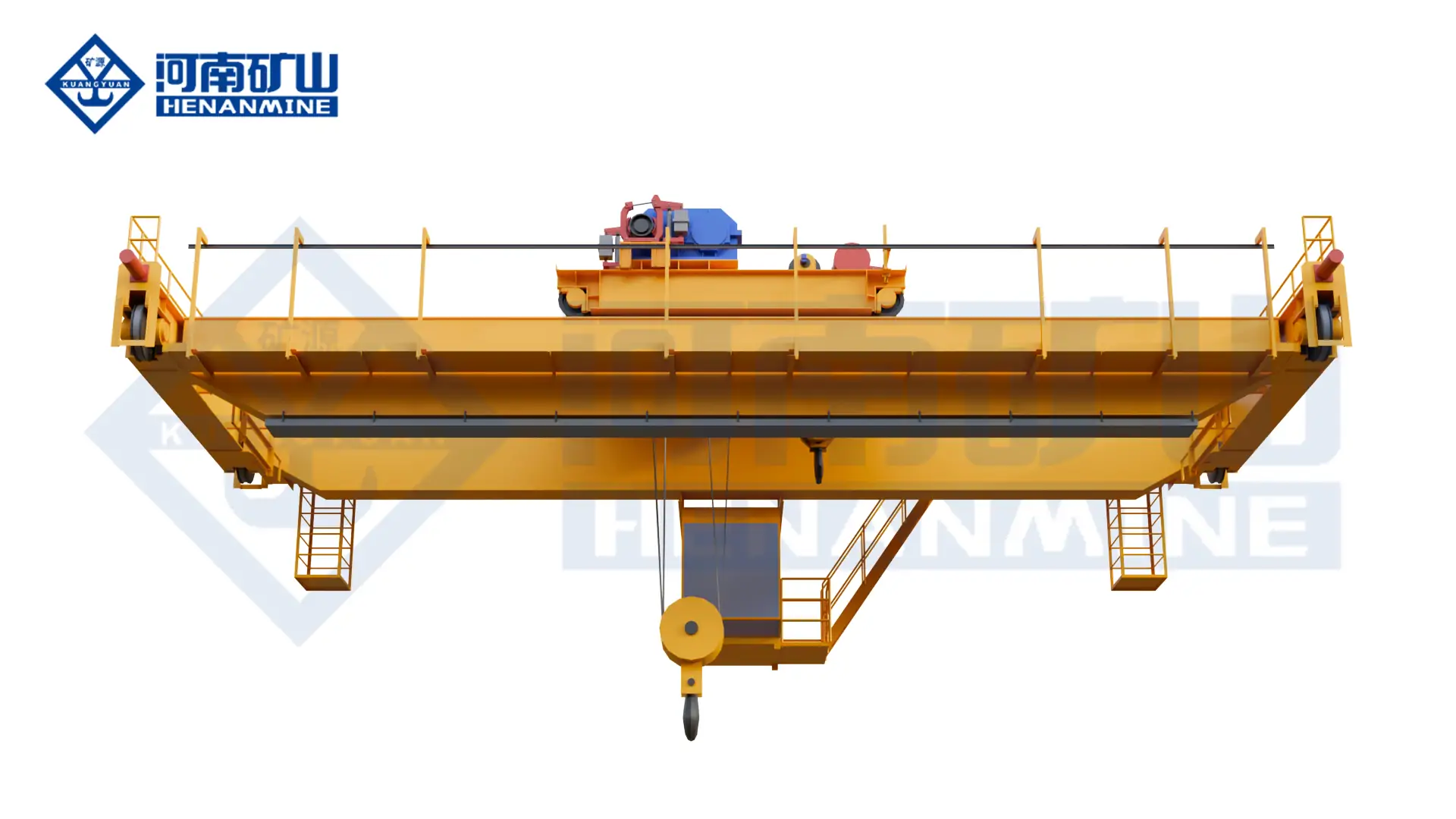
QY Insulated Bridge Crane
Insulated hook lifting with an application-specific attachment.
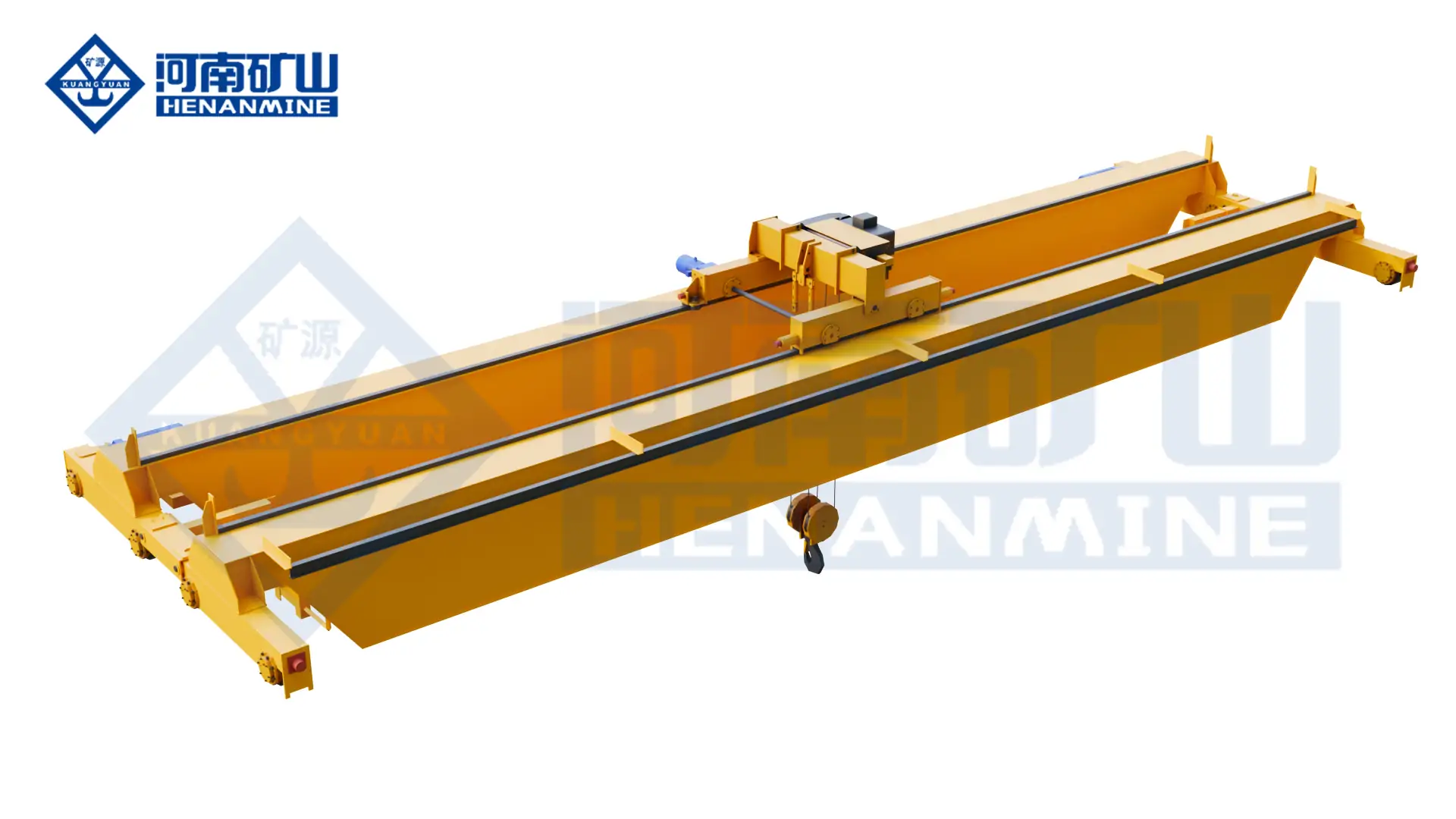
Double-Girder Bridge Crane
General lifting for maintenance workshops and isolated equipment areas.