
|
Henan Mine Crane · Cleanroom Lifting Cleanroom Cranes for BiotechnologyControlled lifting for bioreactor maintenance, process equipment installation and equipment transfers in biotechnology facilities. Henan Mine Crane combines the crane, hoist, lifting attachment and cleanroom protection package in one engineered supply scope, with documentation and testing defined before manufacture. |
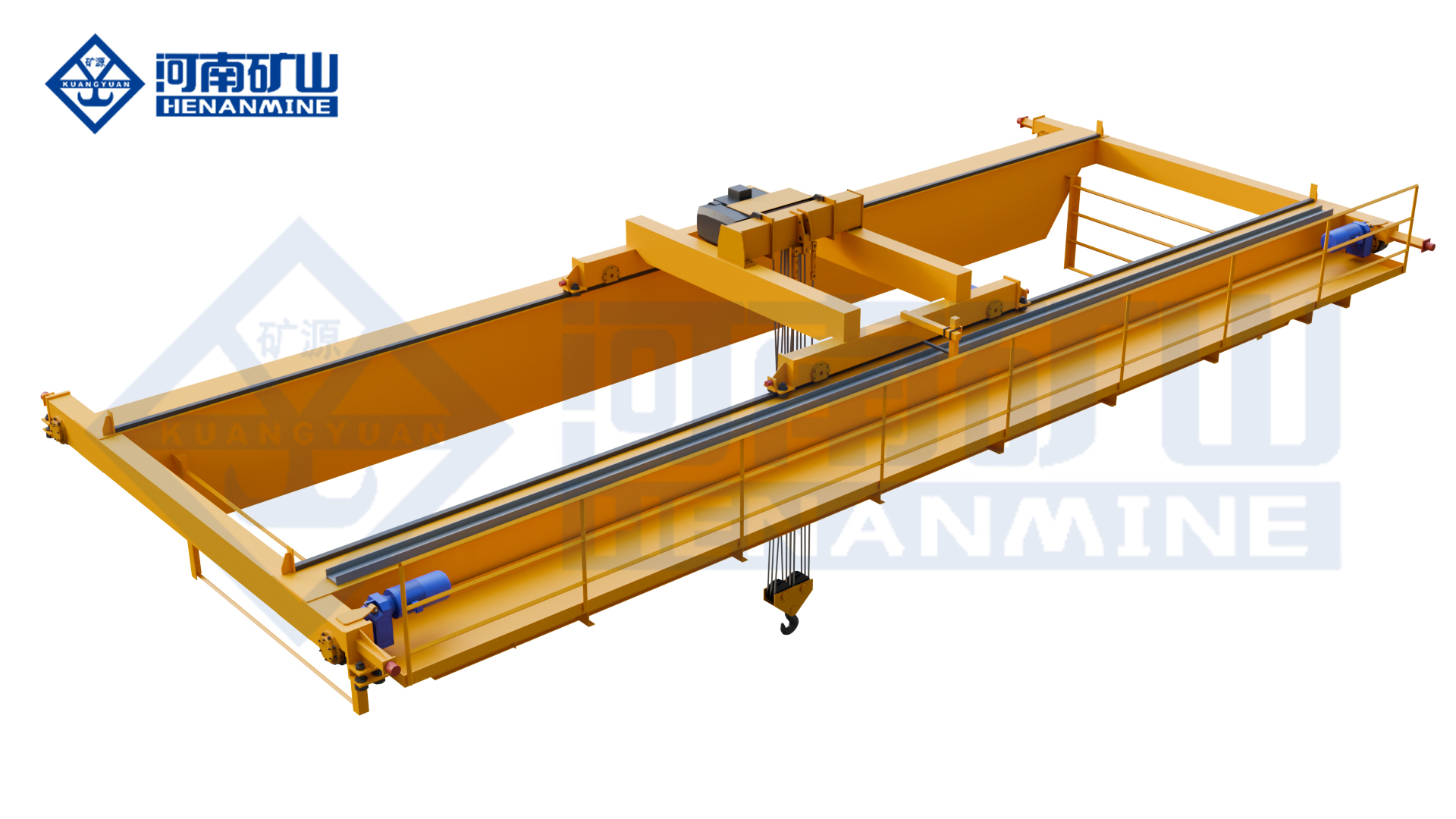 |
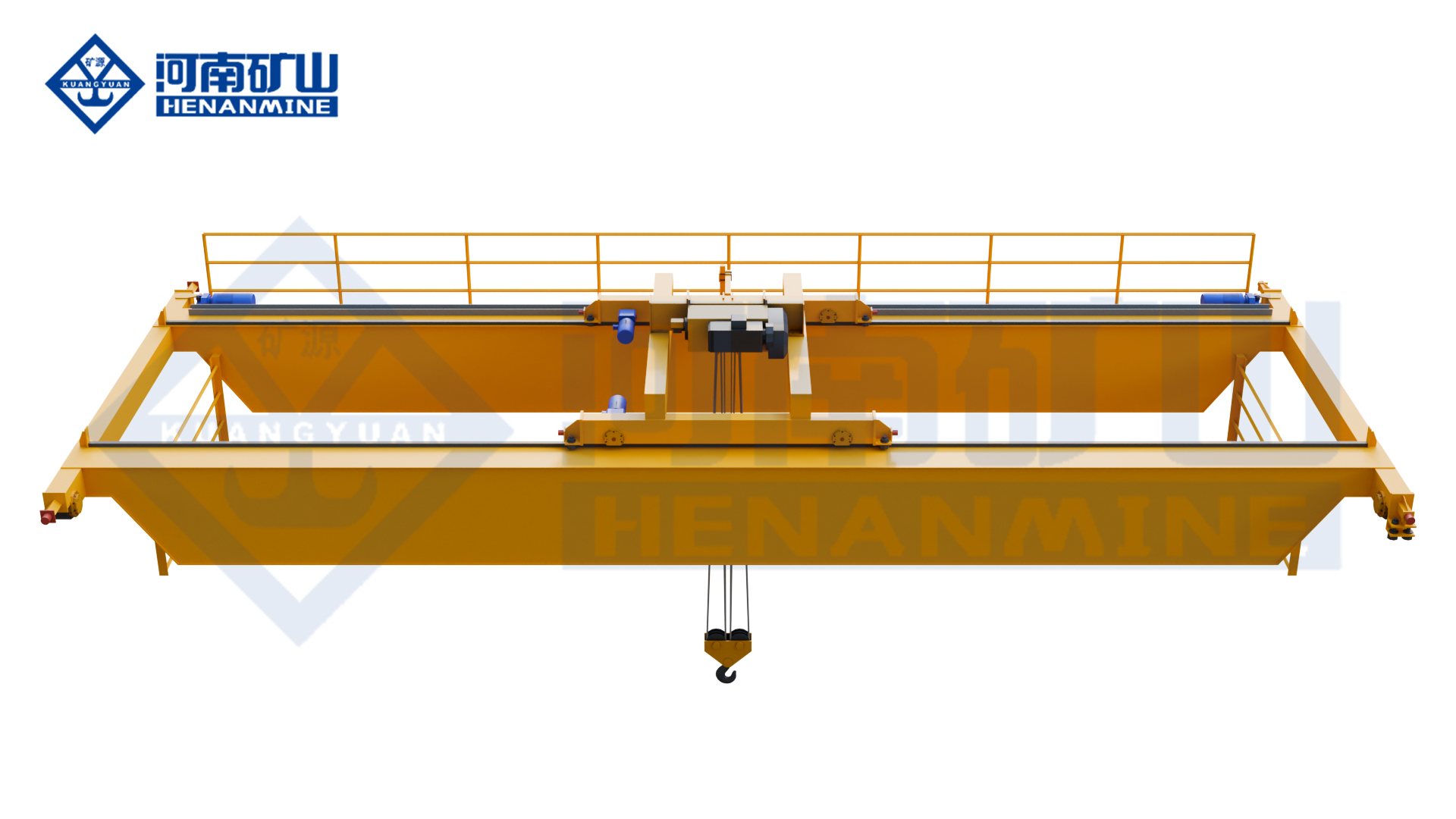
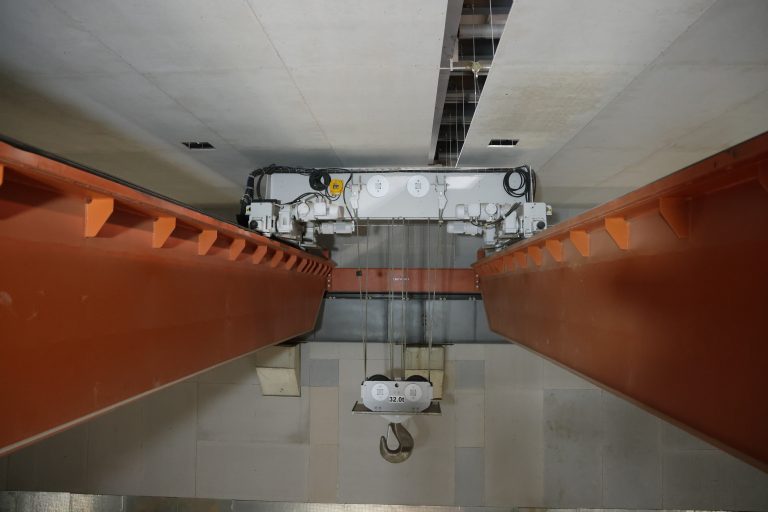
ZJJB platform illustration. The supplied configuration follows the facility’s lifting, cleaning and protection requirements.
A Cleanroom Lifting Package Built Around Your Process
A biotechnology cleanroom crane handles equipment while limiting particle release, lubricant escape and surfaces that are difficult to clean. Typical tasks include removing agitator drives, positioning closed process assemblies and moving approved maintenance fixtures.
Coordinated Equipment And Interfaces
The proposed arrangement coordinates the crane, attachment, support structure interfaces and equipment lifting points. Drawings identify hook coverage, clearances and wheel loads for building integration.
Cleanability Included In The Design
Enclosed drives, wear-particle control, lubricant containment and accessible surfaces are specified together. Materials and finishes are matched to the actual cleaning and decontamination regime.
An Agreed Handover Package
The offer identifies documentation, factory checks, site services and qualification support, so equipment and service responsibilities are clear before purchase.
Technical Specifications
The ZJJB cleanroom and explosion-protected bridge-crane family provides the following mechanical platform range. Cleanroom suitability is assessed for the selected configuration and operating conditions.
| Parameter | Platform Range Or Configuration |
|---|---|
| Rated capacity | 1–32 t; includes assessment of the load and below-hook equipment |
| Crane span | 7.5–28.5 m; custom arrangements assessed separately |
| Lifting height | 6–20 m reference range; hook approach and headroom coordinated with the room |
| Crane duty | A3–A5 platform range; final selection follows load spectrum and operating cycles |
| Material options | Specified coatings and 304/316 stainless-steel components; material coverage itemized |
| Motion control | Variable-frequency control; optional positioning assistance and automatic sequences |
Selection Considerations
A local lifting arrangement can serve one maintenance position. A travelling bridge covers transfers across the room. Automatic positioning is useful for repeated routes; occasional equipment maintenance may only need controlled manual operation.
Our layout review checks HEPA terminals, lighting, pipework, service platforms, airflow and parking positions. Crane loads are carried by an engineered support arrangement rather than cleanroom ceiling panels.
| Configuration | Application | Main Difference |
|---|---|---|
| Cleanroom bridge crane | Room-wide equipment lifting and maintenance | Cleanable construction and controlled emissions |
| Automatic cleanroom crane | Repeated transfers between defined stations | Positioning, sequence interlocks and fault recovery |
| Conventional workshop crane | Separate general maintenance or utility areas | Cleanroom suitability requires a separate assessment |
Bioreactor Maintenance Example
A 720 kg drive assembly and an 80 kg lifting fixture create an 800 kg suspended load. A 1 t hoist is a capacity candidate, followed by checks of OEM lifting points, clearance, duty and cleanroom suitability. This is an illustrative selection example.
Particle Control, Cleaning And Qualification
The cleanroom package addresses drive enclosures, friction points, lubricant retention and cleaning access. Coatings, stainless-steel components, seals and cables are selected for the cleaning agents, contact times and temperatures. Vapour-phase hydrogen peroxide compatibility is assessed separately when used.
ISO 14644-1 classifies airborne particle cleanliness. ISO 14644-14:2026 provides an equipment particle-suitability assessment method; it does not establish microbial suitability or cleaning-agent compatibility.
For sterile manufacturing, the installation is assessed within the facility’s contamination control strategy. Agreed design and test documents can support installation and operational qualification (IQ/OQ). Grade A/B applications require specific assessment; a cleanroom crane is not automatically sterile or GMP certified.
Cleanroom Crane Budget Prices
| Equipment Scope | Indicative Market Budget |
|---|---|
| Compact cleanroom jib-and-hoist package | US$1,500–5,000 per package |
| Small cleanroom overhead lifting package | US$4,000–20,000 per system |
| Project-specific ZJJB bridge or automated system | Itemized project quotation |
These equipment allowances exclude a complete qualified biotechnology installation. Capacity, span, stainless-steel coverage, containment and testing affect the final price. The Henan Mine Crane offer separates equipment, documentation and service costs; support steelwork, freight, taxes and installation are additional unless included.
Cleanroom Engineering Experience: Jiangsu Project
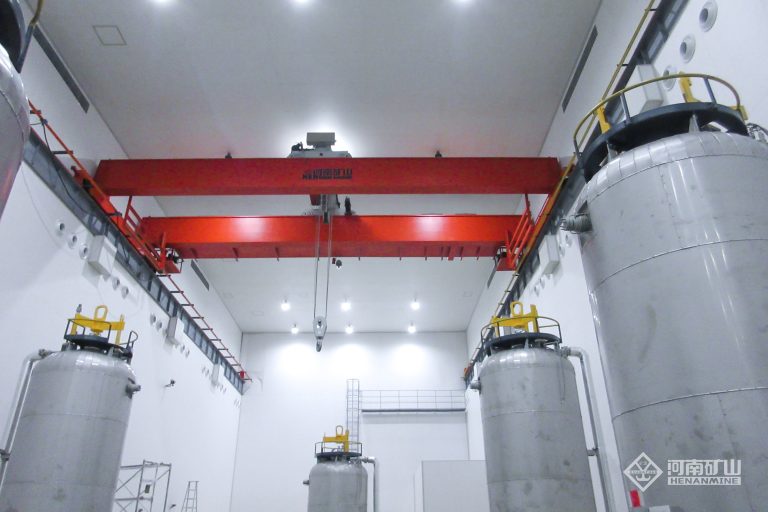 |
Henan Mine Crane supplied an automatic cleanroom and explosion-protected crane for a semiconductor-grade polysilicon facility in Jiangsu. It transfers furnace-related equipment and tools between production, cleaning and intermediate stations. The design combines enclosed drives, wear-resistant materials, particle collection and lubricant containment. Biotechnology projects receive their own process, material-compatibility and qualification assessment. |
Testing, Installation And After-Sales Support
The agreed factory acceptance test covers rated-load functions, brakes, limits, controlled motion and interlocks. Cleanroom assessment adds specified operating states and particle sampling. Site acceptance checks the installed interfaces and agreed performance.
Delivery packages can include arrangement drawings, electrical schematics, material and finish records, test results, operating instructions and recommended spares. The quotation states the approval, manufacturing and installation schedule, commissioning scope and warranty terms.
Maintenance planning covers hoist wear parts, seals, collection devices, brakes and compatible lubricants. Service access is arranged outside the controlled area where practicable; work inside follows the facility’s cleaning and return-to-service procedure.
Frequently Asked Questions
Does stainless steel automatically make a crane cleanroom suitable?
No. Particle emissions, cleaning access, surface finish, lubricant containment and operation within the room also require assessment.
Can the crane handle single-use biotechnology equipment?
It can handle approved rigid supports, vessels and assemblies using the equipment manufacturer’s lifting points. Flexible bags and tubing require their own approved handling method.
Is explosion protection necessary in every biotechnology cleanroom?
No. It depends on the hazardous-area classification and substances present. Cleanroom suitability and explosion protection are separate specifications.
What information starts a quotation?
Send the lifting weight, room layout, required hook height, cleanroom classification, cleaning method and project location. Include qualification requirements and any hazardous-area classification.