

CHEMICAL PROCESSING · EQUIPMENT MAINTENANCE · CLEAN PRODUCTION
Chemical Plant Cranes for Hazardous-Area Lifting
Explosion-proof overhead lifting for pumps, agitators, motors and process equipment, with the working coverage and documentation defined before manufacture.
Chemical plant cranes provide controlled lifting and transfer inside production buildings and maintenance bays. The crane and its protection package are selected for the complete suspended load, operating cycle, available clearance and classified area.
Henan Mine Crane supplies QB overhead cranes, explosion-proof electric-hoist bridge cranes and clean explosion-proof arrangements. Receive a proposed layout, equipment specification and itemized offer covering the crane, agreed inspection documents and requested site support.
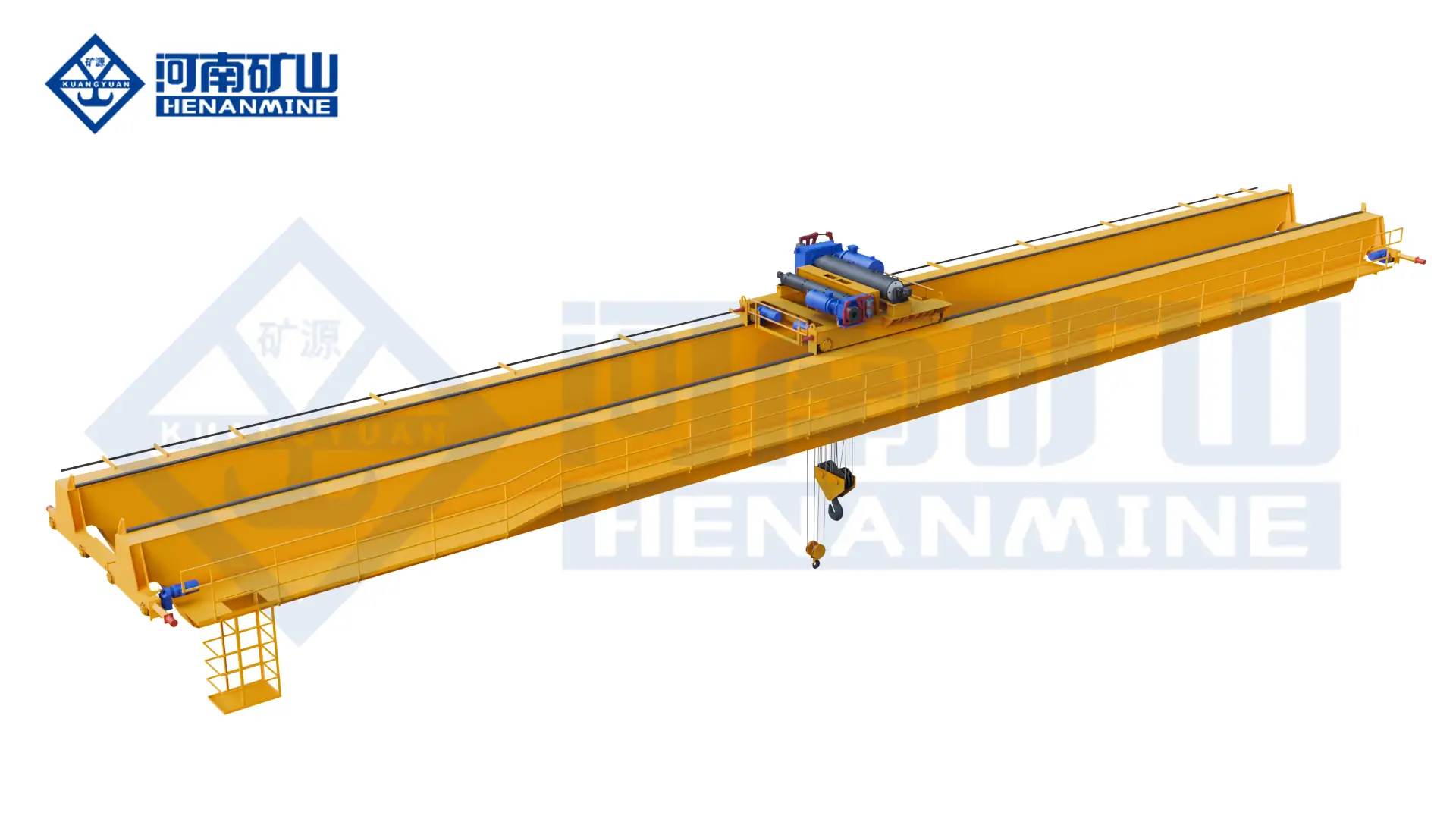
What Henan Mine Crane Supplies
Crane and protection specified together
We develop the lifting arrangement alongside the hazardous-area equipment schedule. The offer identifies the proposed protection concepts, controls and certification boundary, so the crane specification and supporting documents describe the same equipment.
Hook coverage for the actual removal task
The layout follows the component from its installed position to the service stand or transport point. It shows hook approaches, lifting height and runway interfaces, including the clearance needed for long agitator shafts, motors and lifting fixtures.
Clean handling where the process requires it
Clean explosion-proof options address contamination-sensitive production through specified materials, covered mechanisms and appropriate contamination-control measures. The package defines the required cleanliness, protection and acceptance requirements together.
A complete purchasing and service package
Receive approval drawings, an agreed inspection plan, operating documents and a recommended spare-parts list. Runway items, lifting accessories, installation supervision, commissioning and training are priced separately or included as stated in the quotation.
Chemical Plant Loads and Lifting Tasks
| Work area | Typical handling task | Equipment focus |
|---|---|---|
| Reactor and mixing areas | Remove agitator drives, gearboxes, motors and accessible process components. | Lift-out clearance, OEM lifting points, rigging height and the path to a supported maintenance position. |
| Pump and equipment rooms | Transfer pumps, motors, valves and service assemblies. | Hook access between installed equipment, complete load weight and the local hazardous-area conditions. |
| Process maintenance bays | Dismantle and position filters, heat-exchanger components and equipment skids. | Rated lifting beams or fixtures, controlled approach, stable receiving supports and suitable operating duty. |
| Fine-chemical and clean production areas | Handle equipment or materials with defined contamination-control requirements. | A clean lifting arrangement integrated with the required explosion protection and process interfaces. |
| Repair and assembly workshops | Repair and reassemble plant equipment. | A conventional or Ex crane selected from the workshop classification, building geometry and lifting schedule. |
Selection Considerations for Chemical Plant Cranes
Include the lifting fixture in the load
Crane selection uses the component plus the beam, slings, shackles and other below-hook equipment. We assess the heaviest intended assembly, its centre of gravity and the equipment manufacturer’s lifting points. Each accessory retains its own rating and operating limits.
Check the height needed to remove the component
An agitator shaft can need substantially more lift-out clearance than a motor of similar weight. The proposed arrangement includes the component length, fixture depth, sling geometry and clearance above the installed equipment. Coverage continues to the final laydown position.
Separate maintenance duty from repetitive process handling
Occasional equipment removal and repeated production transfers place different demands on the mechanisms. The proposal states the selected working class, speeds and controls from the load distribution, lift frequency, travel distances and shift pattern.
Chemical Plant Cranes Compared with Other Overhead Configurations
| Configuration | Application | What the proposal defines |
|---|---|---|
| QB explosion-proof overhead crane | Equipment lifting in a specified hazardous area. | Double-girder and trolley arrangement, load, duty, protection markings and certificate coverage. |
| Explosion-proof electric-hoist bridge crane | Maintenance lifting where a hoist-based bridge arrangement fits the bay. | Hoist installation, headroom, hook approaches, control location and protection of the integrated arrangement. |
| Clean explosion-proof overhead crane | Production areas combining contamination control and explosion-protection requirements. | Cleanliness target, materials, contamination-control features, protection package and acceptance method. |
| Conventional double-girder overhead crane | Equipment repair in a documented unclassified workshop. | Crane duty, operating coverage, building reactions and environmental protection for that location. |
Explosion-Proof Selection and Certificate Coverage
The plant classification establishes the hazardous-area requirement. The review covers the hoist, bridge, controls and parking position within their operating envelope. A plant-wide label such as “chemical service” is not a complete equipment specification.
| Selection item | Equipment and document scope |
|---|---|
| Hazardous atmosphere | The actual gas, vapour or combustible-dust hazard and its classified area. Gas protection alone does not establish suitability for a combustible-dust atmosphere. |
| Protection level and substance group | The required zone or other project classification, equipment protection level or category, and applicable gas or dust group. |
| Temperature and environment | Required maximum surface temperature, permitted ambient range, process heat, chemical exposure, coating and enclosure protection. |
| Integrated crane arrangement | Motors, brakes, controls, cable entries, earthing and moving assemblies reviewed within the selected protection concepts. |
| Certification boundary | Equipment models, markings, certificate coverage and conditions of use. ATEX, IECEx or another specified route is addressed within the agreed project scope. |
An IECEx component certificate covers a component; it does not by itself certify the complete crane. Henan Mine Crane identifies the offered equipment and certification boundary in the technical submission. The delivered models, markings and conditions of use must match the agreed package.
Pendant controls, radio devices, sensors and variable-frequency drives are included in the review where fitted. Any interface with plant alarms or shutdown systems is specified with its verification responsibilities. Site permits, isolation and operating procedures remain part of the lifting plan.
5 t and 10 t QB Overhead Crane Specifications
The following defined QB arrangements use the same 19.5 m span, making their operating speeds and wheel reactions easier to compare. The final proposal states the configuration selected for the actual plant.
| Parameter | QB 5 t | QB 10 t |
|---|---|---|
| Rated lifting capacity | 5 t | 10 t |
| Span | 19.5 m | 19.5 m |
| Maximum lifting height | 16 m | 16 m |
| Working class | A3–A4 | A3–A4 |
| Hoisting speed | 3.7 m/min | 3.3 m/min |
| Trolley travel speed | 9.3 m/min | 10.3 m/min |
| Bridge travel speed | 12 m/min | 12 m/min |
| Maximum wheel load at this span | 75 kN | 123 kN |
| Recommended rail | P43 | P43 |
| Electrical supply | 380 V, 50 Hz, three-phase AC | 380 V, 50 Hz, three-phase AC |
These arrangements are evaluated against the intended load spectrum and operating cycle. Frequent production handling, different power supplies, special headroom or finer motion control can require another selection. Approved project drawings and load cases establish the final runway reactions.
The hazardous-area marking and certification scope are selected separately for the ordered equipment. The capacity and speed table does not establish ATEX, IECEx, gas-group or dust suitability.
Clean and Corrosion-Resistant Lifting Options
Contamination control around the process
For sensitive production, the offer can specify covered mechanisms, selected surface materials, lubricant containment and accessible cleaning areas. These features are chosen around the process and its cleaning routine. The acceptance plan identifies the required cleanliness and how it will be verified.
Protection against the actual chemical exposure
Coatings, enclosure materials and selected components are assessed against the expected vapours, splashes, humidity and temperature. An ingress-protection rating describes resistance to solids and water; it does not by itself establish resistance to every chemical or suitability for an explosive atmosphere.
Controls matched to equipment placement
Specified low-speed or variable-frequency options support approach to service stands and installation positions where suitable. Any positioning, anti-sway or process-control interface is listed with its operating conditions and acceptance criteria. The protection review includes these additions.
Application: Clean Explosion-Proof Lifting in Jiangsu
At a semiconductor-grade polysilicon facility in Jiangsu, Henan Mine Crane’s clean, explosion-proof automatic crane transfers reduction-furnace components and silicon rods along preset routes.
- Handling duty: Transfer process-equipment components and production materials between defined positions.
- Control arrangement: Automatic travel follows preset transfer routes.
- Operating environment: Clean production and explosion-protection requirements are addressed in the equipment arrangement.
For chemical processes with similar combined requirements, the proposal defines lifting coverage, contamination control, motion functions and the required protection package together.
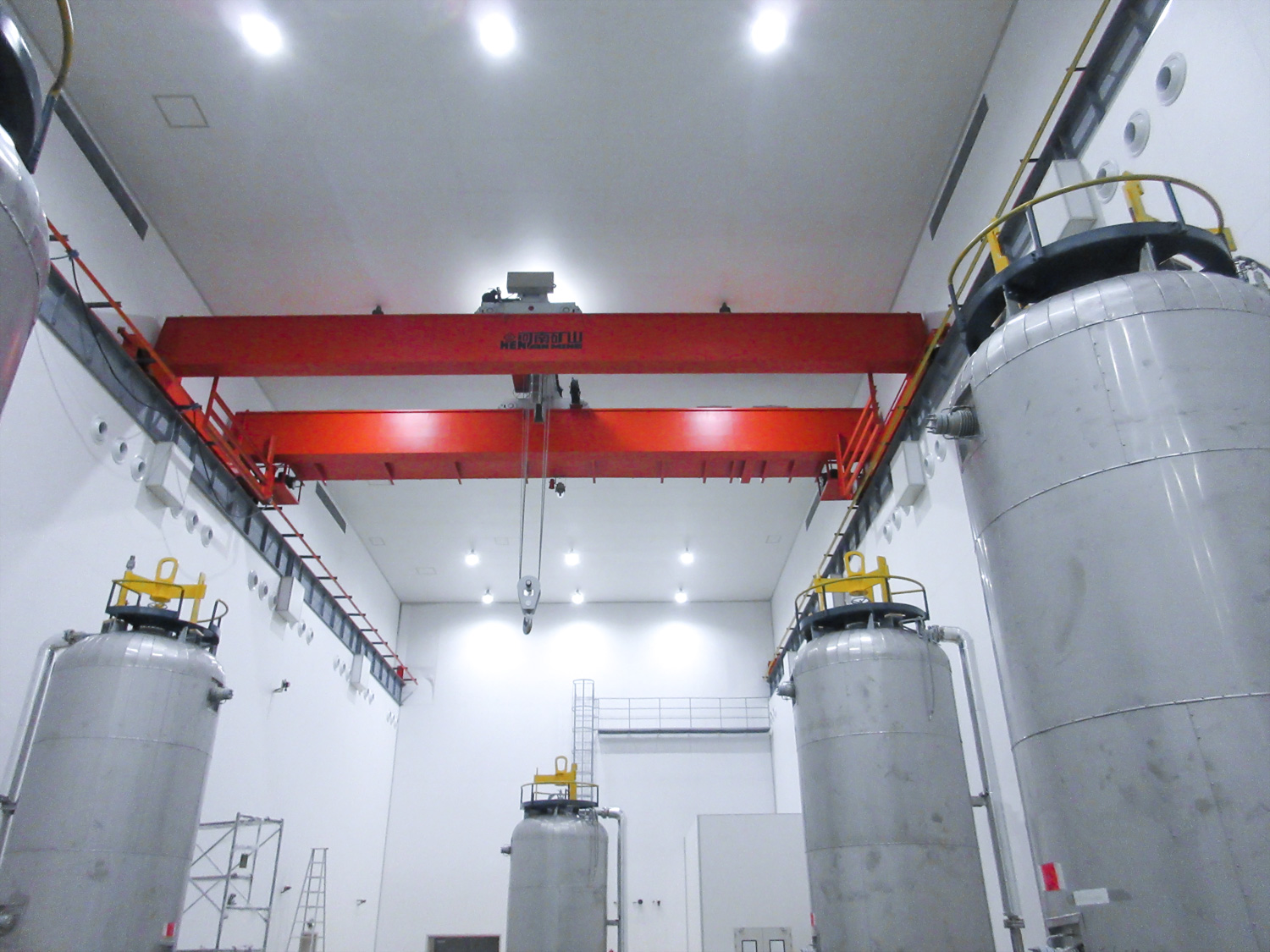
Chemical Plant Overhead Crane Prices
Indicative equipment budgets for the listed 5–10 t explosion-proof overhead configurations are approximately US$7,000–25,000 per crane. Span, lift, duty, protection and the agreed supply package determine the quotation.
| Equipment configuration | Configuration basis | Budget, USD per crane |
|---|---|---|
| 5 t explosion-proof overhead crane | 3–12 m span; 3–8 m lifting height | US$7,000–15,000 |
| 10 t explosion-proof overhead crane | 3–12 m span; 3–8 m lifting height | US$10,000–18,000 |
| 10 t explosion-proof overhead crane, alternative span range | 10–22.5 m span; remaining specification priced to the project | US$12,000–25,000 |
| Cleanroom, higher-capacity or special-duty arrangement | Defined cleanliness, protection, controls and operating duty | Itemized project quotation |
These figures are equipment-budget references, not fixed Henan Mine Crane quotations. They cover different configurations and do not establish the certification scope of a particular plant order. The 19.5 m span QB specifications above require their own project quotation.
Runway structures, rails, foundations, lifting accessories, certification work, freight, import charges, erection and local acceptance are additional unless included. Henan Mine Crane itemizes these boundaries so the installed cost can be assessed before purchase.
Equipment and Acceptance Documents in the Purchase Package
The order identifies the equipment supplied, the agreed inspection points and the documents handed over with the crane. Factory acceptance and site commissioning are planned as distinct stages.
| Stage | Deliverables defined in the order |
|---|---|
| Crane equipment | Specified bridge, end carriages, trolley or hoist, hook and rope system, drives, brakes, controls and selected protection equipment. |
| Engineering approval | General arrangement, hook coverage, clearances, wheel reactions, power requirements and technical specification. |
| Hazardous-area submission | Equipment and marking schedule, agreed certificate coverage, applicable conditions of use and supporting documents. |
| Manufacturing and FAT | Agreed fabrication, dimensional, assembly and coating records; functional checks of motions, brakes, limits, emergency stops and specified interlocks. Test loads and witness points are defined in the FAT plan. |
| Delivery and handover | Packing and transport scope, operating manuals, electrical drawings, agreed test records, component identification and recommended spares. |
Runway steel, electrification, lifting fixtures, plant connections and additional inspections are itemized where included. The offer distinguishes standard equipment from project options and contracted site services.
Installation, Maintenance and Spare Parts
Installation arranged around the plant access
The site-service proposal defines delivery sections, assembly space, runway readiness, available power and lifting responsibilities. Installation supervision, alignment checks, commissioning and operator training can be included against the agreed plant schedule.
A delivery plan with agreed milestones
Drawing approval, protection documentation, equipment procurement, fabrication, FAT and shipping are tracked in the order schedule. Lead time, warranty coverage and engineer availability are confirmed for the actual configuration and destination.
Parts identified for the supplied equipment
Receive a recommended spare-parts list for selected brakes, limits, drives and electrical items, with identification matched to the crane. Ex repairs and replacements must preserve the approved protection arrangement and certificate conditions. Unapproved substitutions can change equipment suitability.
The maintenance plan addresses ropes and hooks, brakes, travel wheels, cables, enclosures, earthing and protective devices. Cleaning and inspection access are considered in the arrangement so routine work can be coordinated with plant maintenance periods.
Chemical Plant Crane FAQs
Which overhead crane is suitable for a chemical plant?
Selection depends on the load, building geometry, duty and operating-area classification. QB and electric-hoist explosion-proof arrangements can be assessed for specified hazardous areas. Clean explosion-proof options address applications with additional contamination-control requirements.
Can the crane be used in Zone 1 or Zone 2?
The offered equipment must be selected and documented for the actual classified area, substance group, temperature limits and required protection level. A generic explosion-proof product description does not establish suitability for every Zone 1 or Zone 2 application.
Can ATEX or IECEx documentation be included?
The technical offer identifies the required route and the scope of documentation for the proposed equipment. A component certificate alone does not certify the complete crane. Equipment models, markings and conditions of use must match the agreed package.
Does IP65 mean the crane is explosion-proof?
No. IP ratings address ingress of solids and water. Explosion protection requires the appropriate protection concepts and equipment selection for the hazardous atmosphere. Chemical resistance and cleanliness are also separate specification items.
When is a clean explosion-proof crane appropriate?
It can be assessed where a production area combines explosion-protection requirements with defined contamination limits. Materials, covered mechanisms, cleaning access and contamination-control measures are specified with the required protection and acceptance method.
How much does a chemical plant crane cost?
Indicative equipment budgets for the listed 5–10 t explosion-proof overhead configurations are US$7,000–25,000 per crane. Different spans, duty, cleanliness, certification and site scope change the price. The quotation states the actual equipment and exclusions.
Can an existing runway support a new crane?
The runway and building can be assessed against the proposed crane’s wheel reactions, rail geometry, condition, clearances and design load cases. Reuse follows the approved structural and crane interfaces.
What is supplied with the quotation?
The offer identifies crane configuration, protection and documentation scope, approval drawings, inspection requirements and commercial terms. Runway items, lifting accessories, delivery, installation support, training and spare parts are itemized when included.
Related Chemical Plant Lifting Equipment
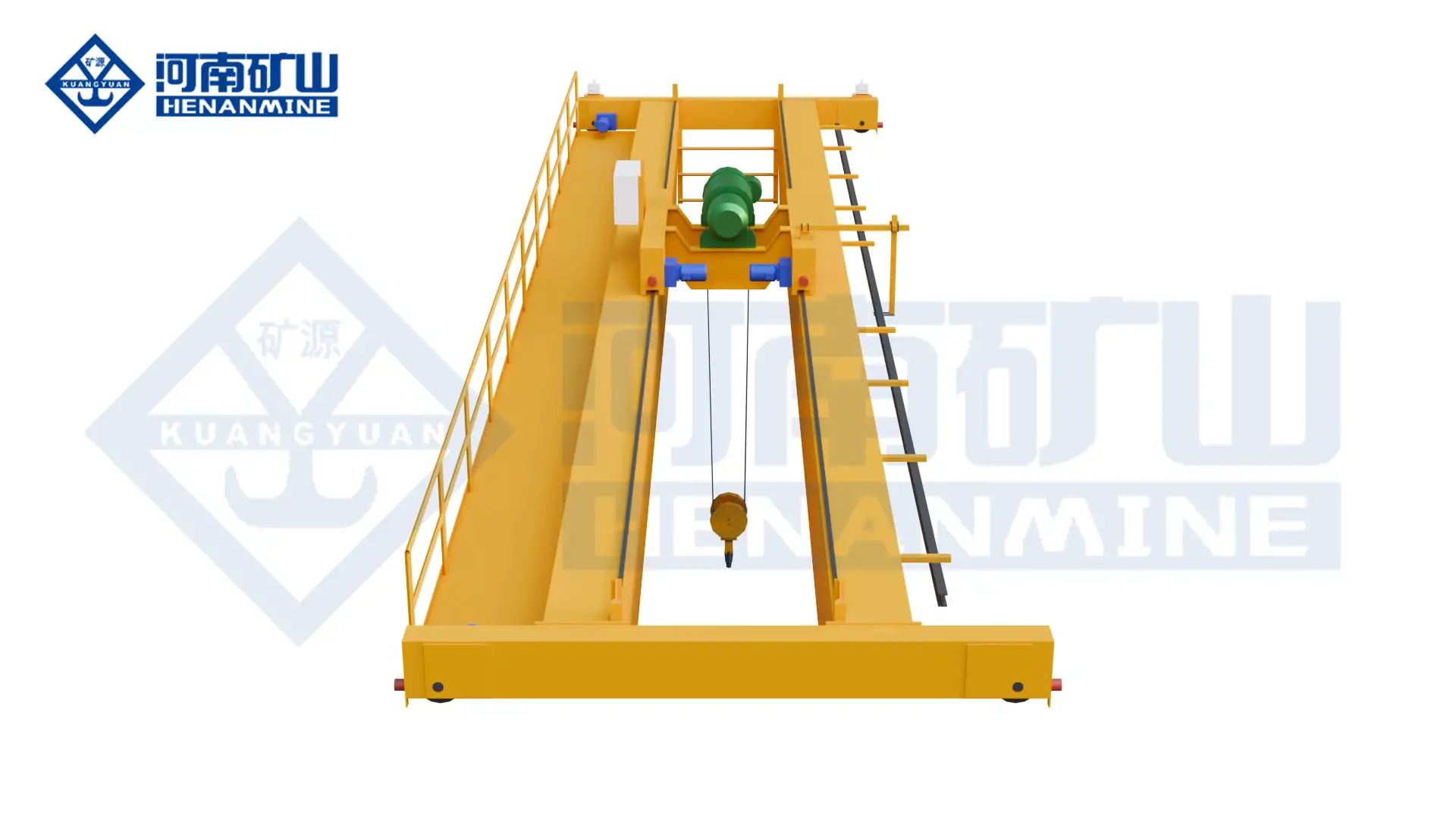
Explosion-Proof Electric-Hoist Bridge Crane
Hoist-based overhead lifting selected for a specified hazardous-area duty.
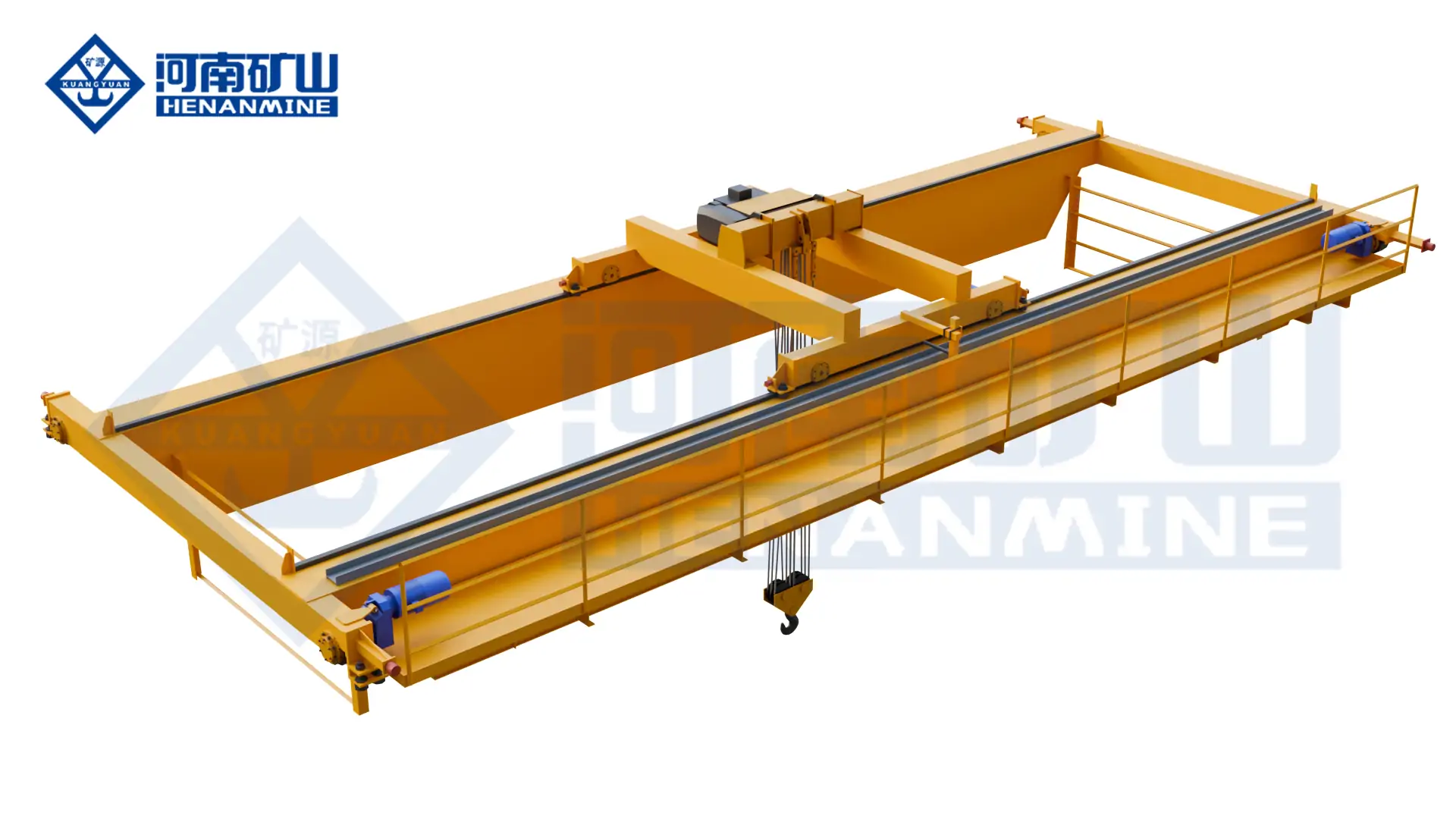
Clean Explosion-Proof Overhead Crane
Combined clean-handling and protection requirements for sensitive production.
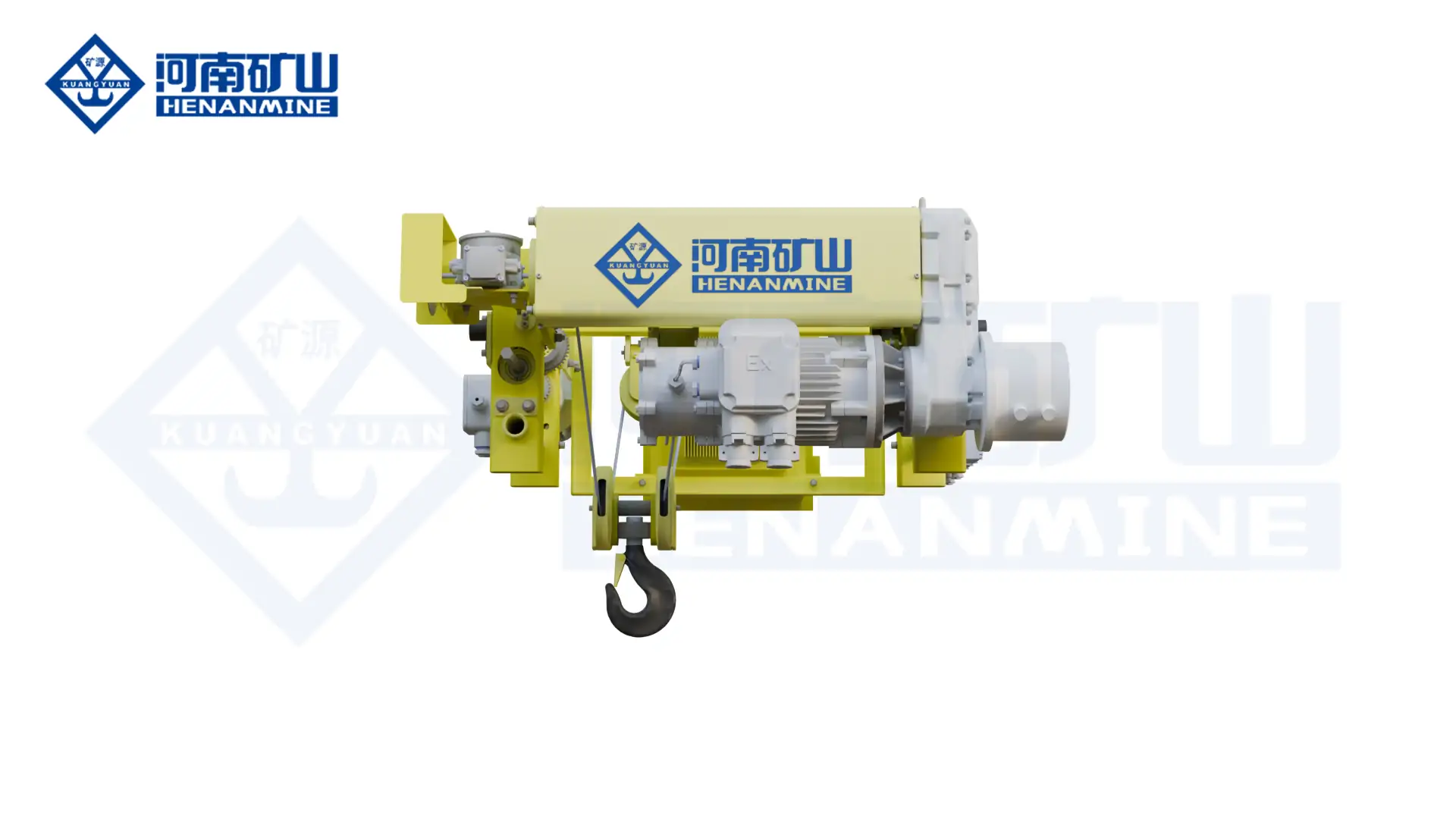
Explosion-Proof Electric Hoist
Hoisting equipment integrated into the selected crane and protection package.
Request A Chemical Plant Crane Quote
Send the heaviest component and lifting-fixture weights, a workshop or runway sketch, required lifting height and the hazardous-area data. Include cleanliness requirements, power supply, destination and installation window when available.
Henan Mine Crane returns a proposed arrangement, technical specification and itemized supply offer. The proposal identifies crane coverage, protection and documentation scope, inspection, delivery terms and requested site support.
Email: info@hnksglobal.com | WhatsApp: +86 188 3620 7779