
A Guide to Choosing the Right Lifting Equipment for Your Business
Lifting equipment is used in construction, warehouses and other scenarios, safe lifting and handling of materials, mechanical equipment, can reduce the intensity of manual labour, improve efficiency, to protect the safety of operations.
Choosing the right lifting equipment is critical to the enterprise, the right equipment to optimise the process, reduce costs and avoid risk, and vice versa will result in idle equipment, accidents and losses; in this paper, we will dismantle the types of equipment, selection steps and other core points, to help companies select cost-effective equipment.
The Importance of Choosing the Right Lifting Equipment
The choice of lifting equipment is directly related to the efficiency of business operations, safety and cost, the importance of which is reflected in a number of core dimensions, is the enterprise to achieve efficient production of basic protection.
- Enhance operational efficiency: the appropriate lifting equipment can accurately match the operational needs, to avoid redundancy or insufficient function caused by the stuttering, simplify the process, smooth operation, improve overall efficiency.
- Ensure operational safety: high-quality lifting equipment can avoid falling materials, equipment failure and other hidden dangers, to protect personnel and business assets, reduce the loss and risk of safety accidents.
- Reduce operating costs: adaptable equipment can avoid waste of resources, compliant and durable equipment can reduce downtime, reduce the purchase, maintenance and other hidden costs.
- Support the development of enterprises: flexible and adaptable lifting equipment can cope with the changes in demand after the expansion of the business, without frequent replacement, to provide protection for the long-term development of enterprises.
Main Types of Lifting Equipment and Application Scenarios
Different types of lifting equipment have significant differences in function and application scenarios. Enterprises need to accurately match the type of equipment according to their operational needs in order to maximise its value. The following are the most commonly used types of lifting equipment in the industrial sector and specific application scenarios analysis.
Crane
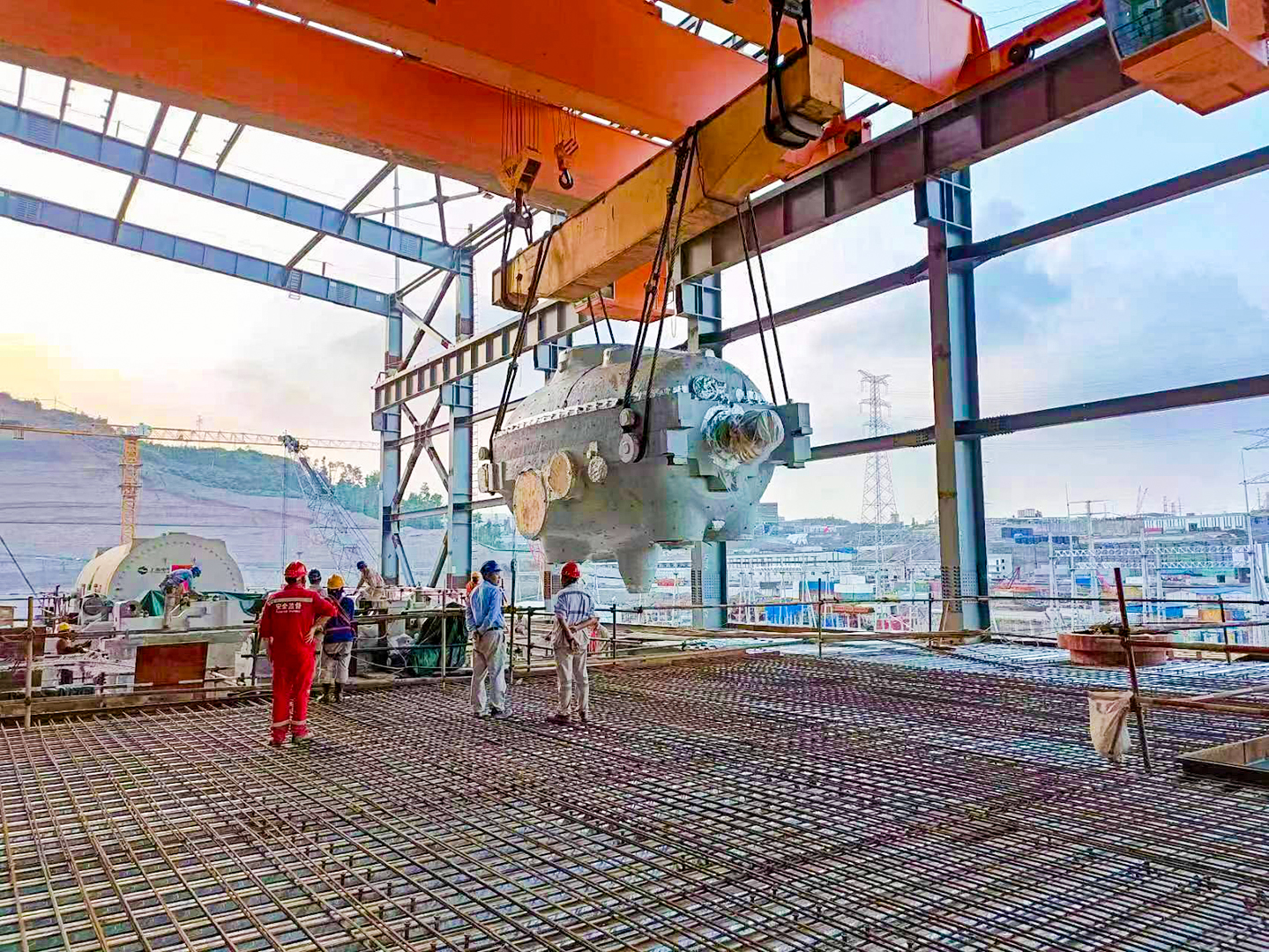
Crane is one of the most widely used types of lifting equipment, the core function is to achieve the horizontal and vertical handling of heavy loads, according to the installation and use of the scene can be divided into a variety of subtypes, to match the different scales and environments of the operational needs.
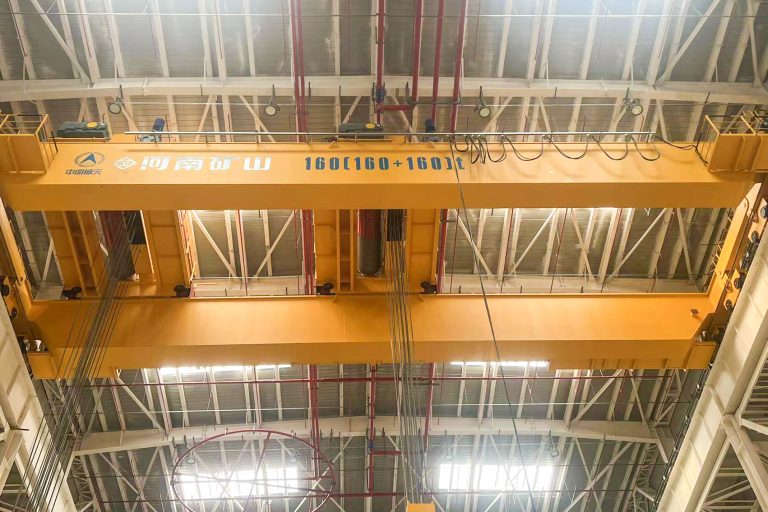
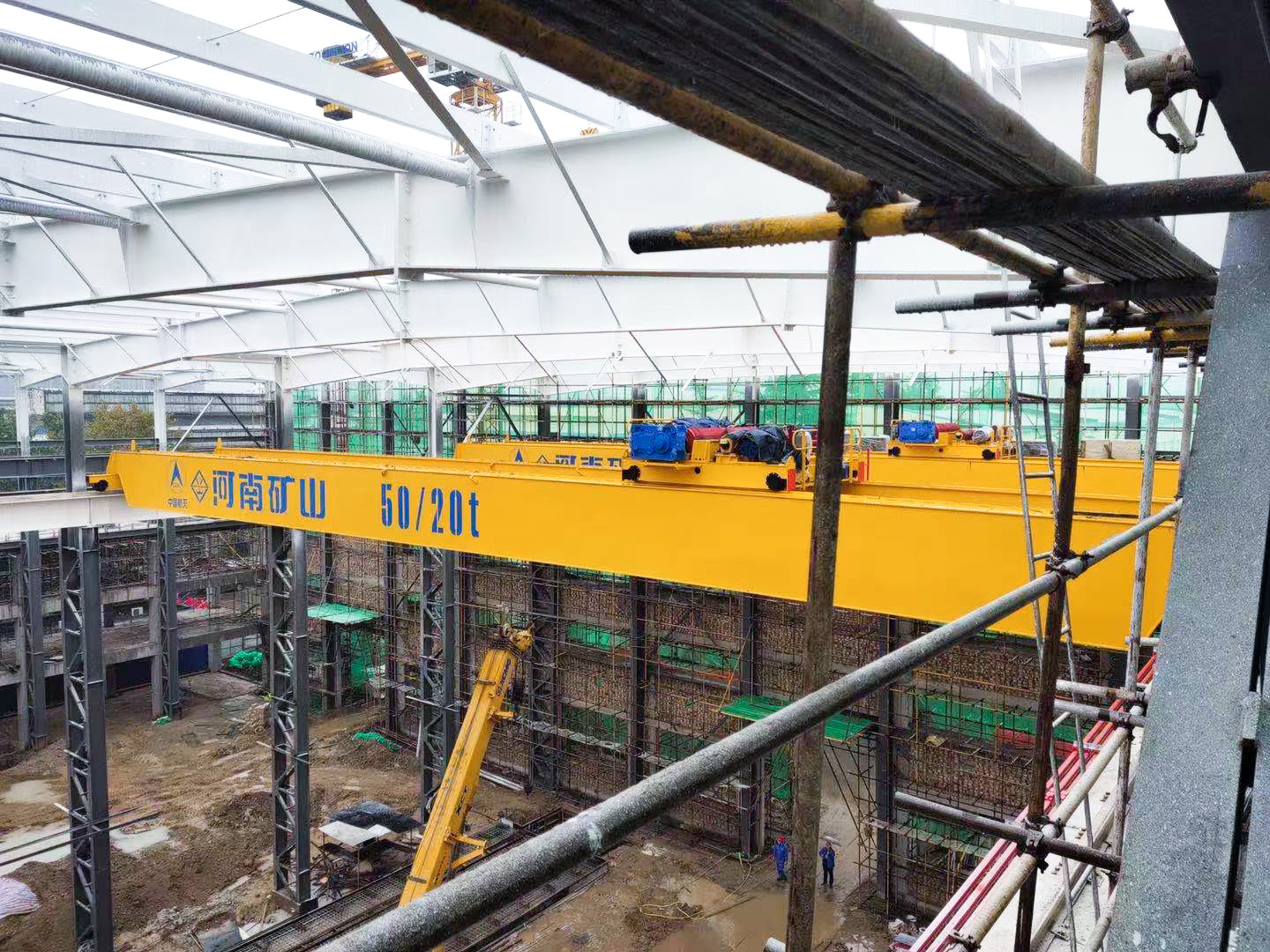
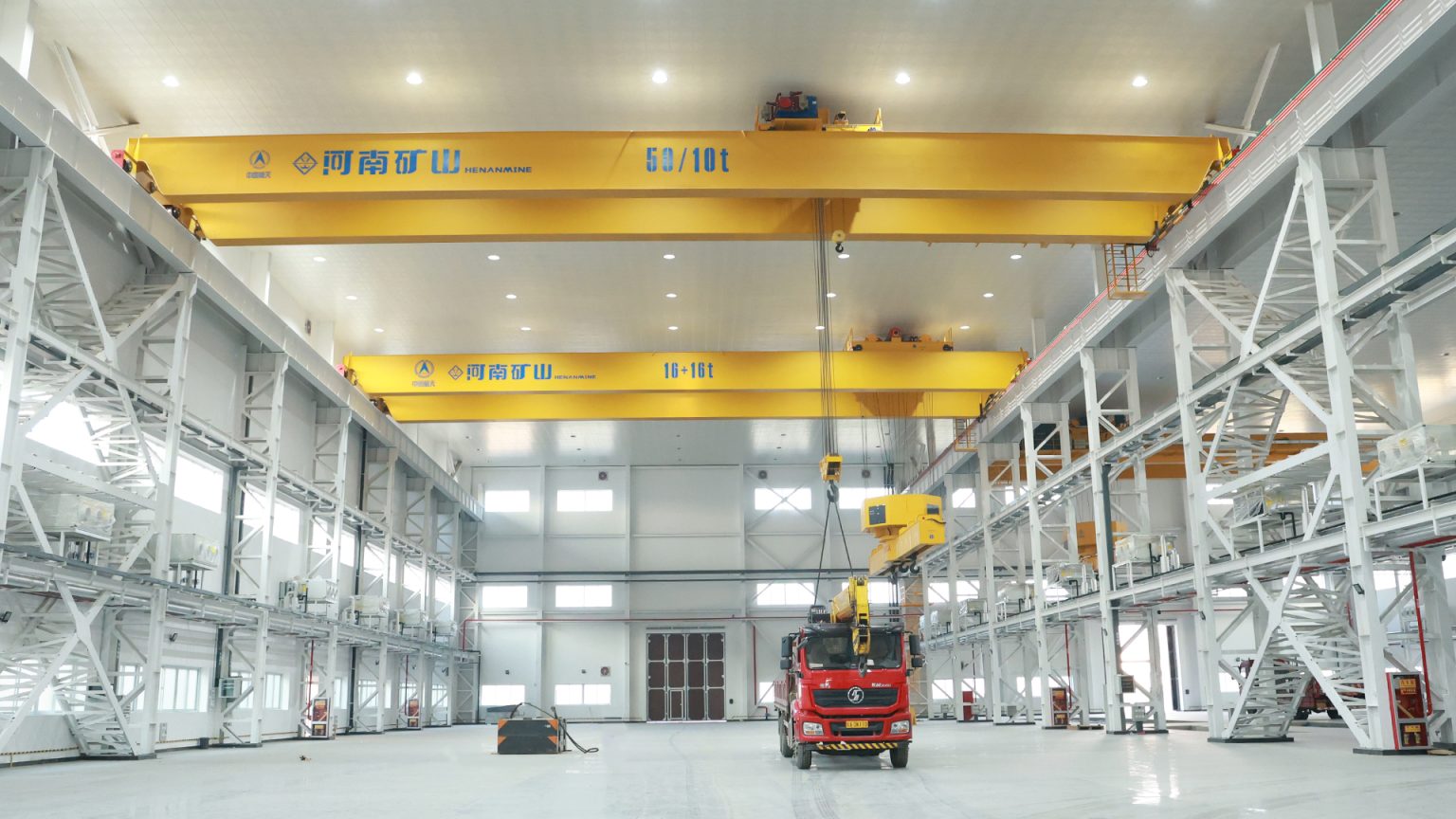
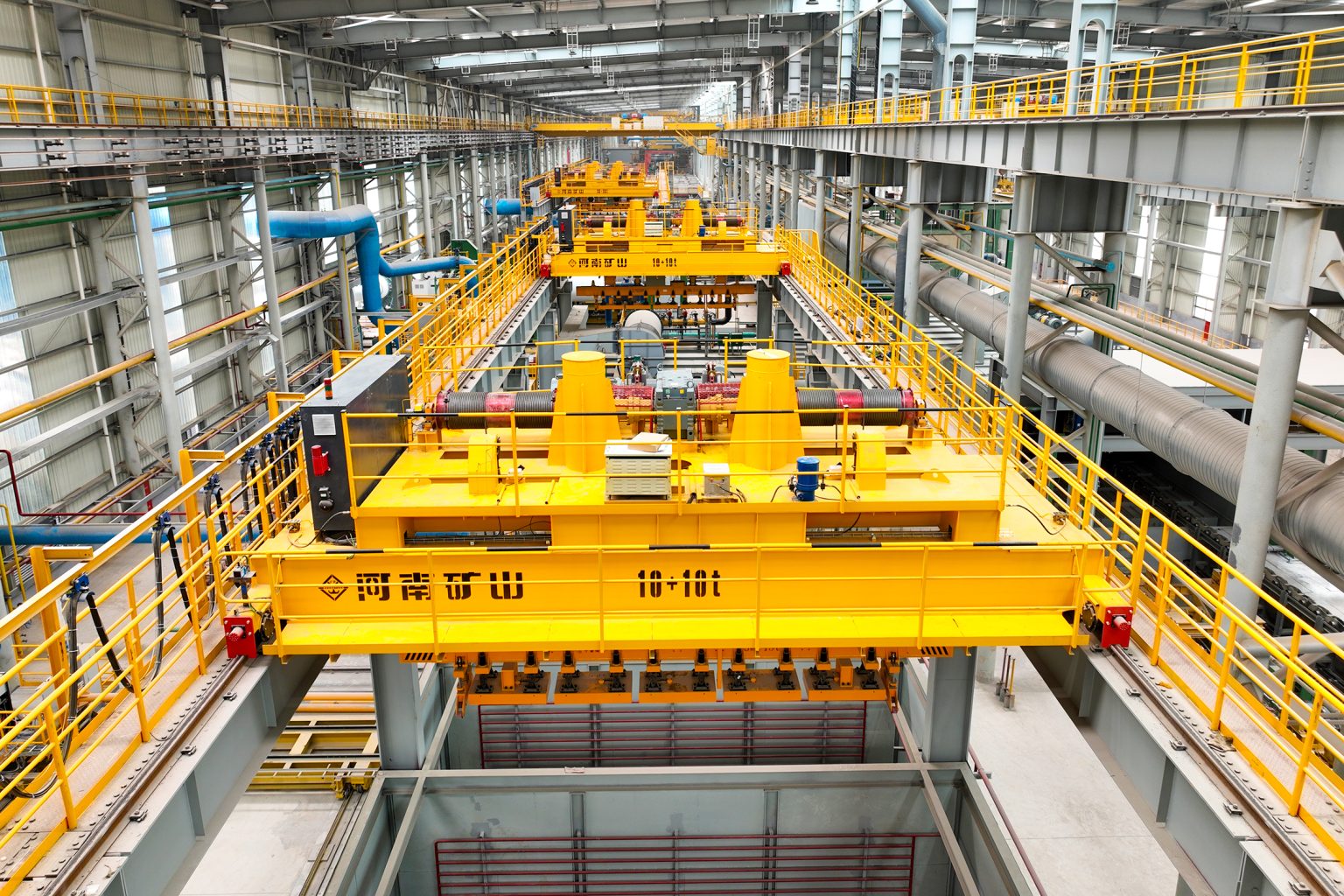
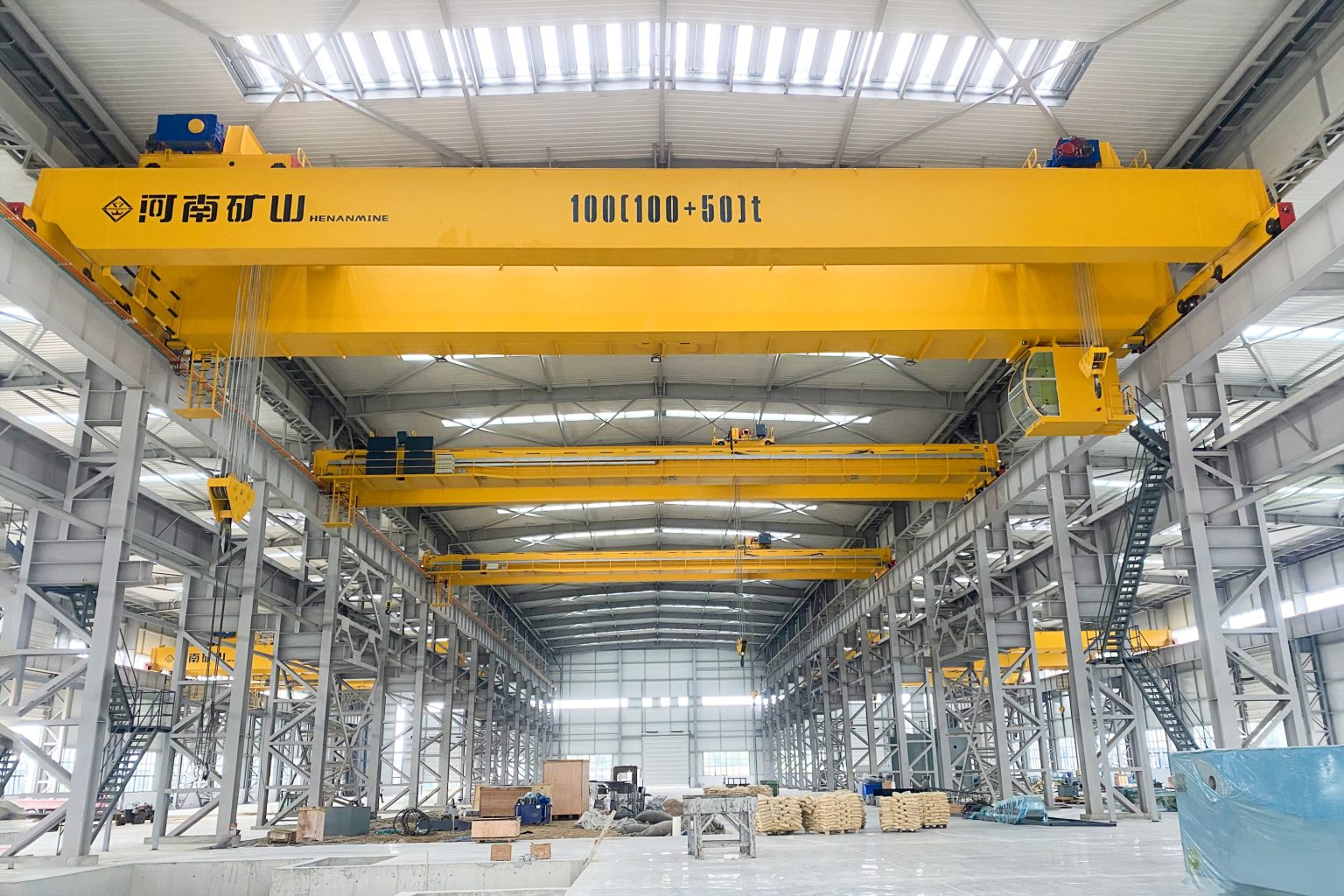
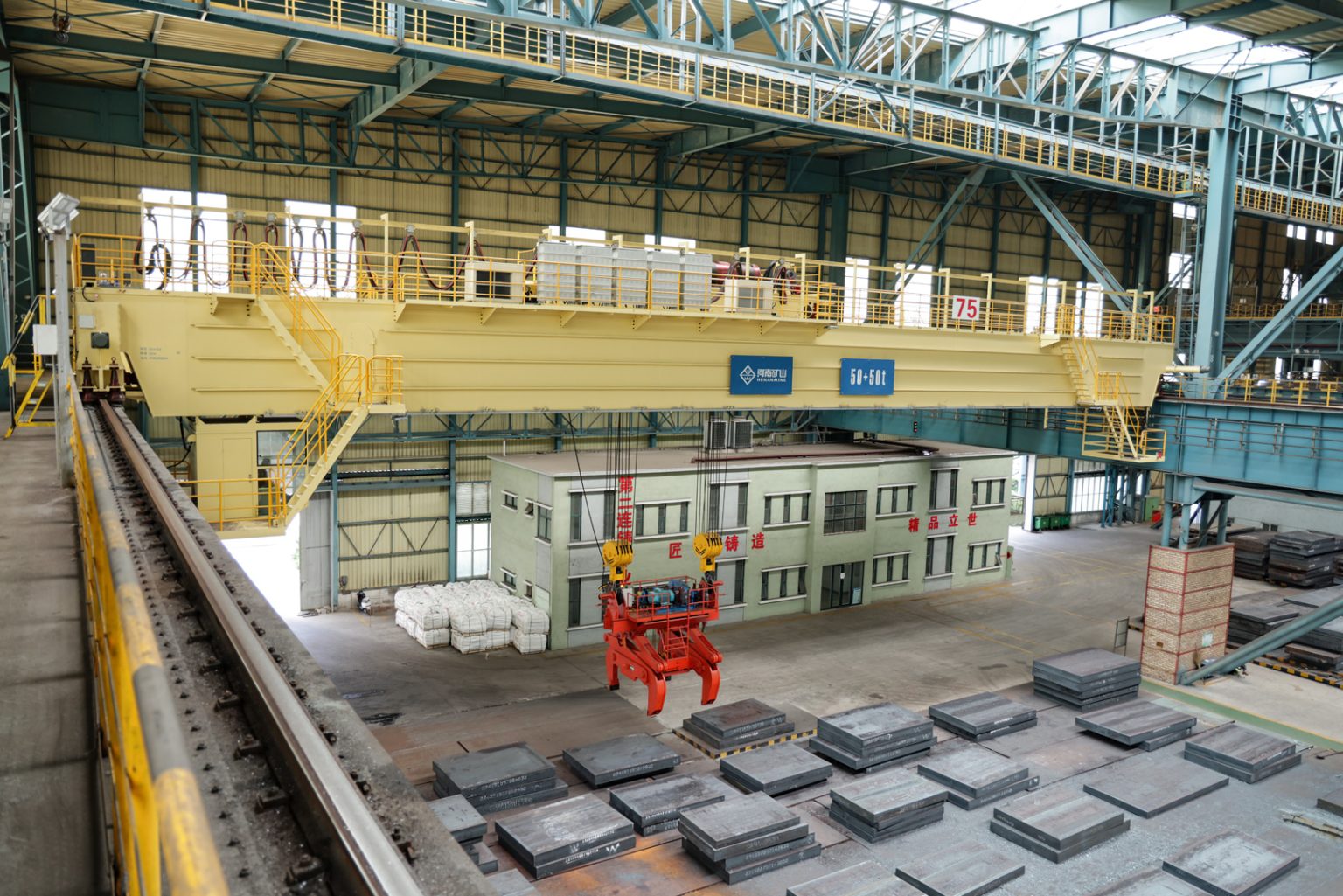
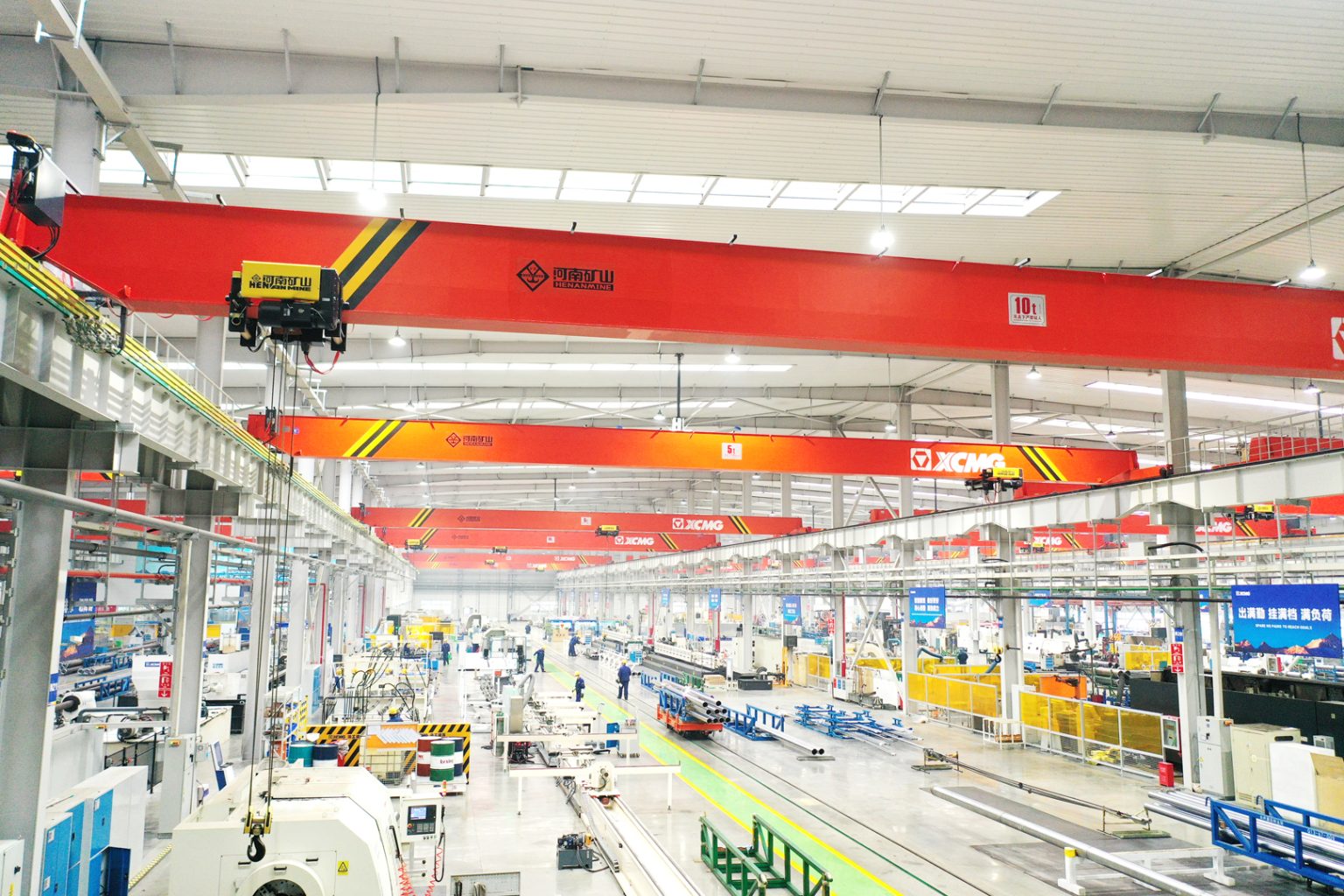
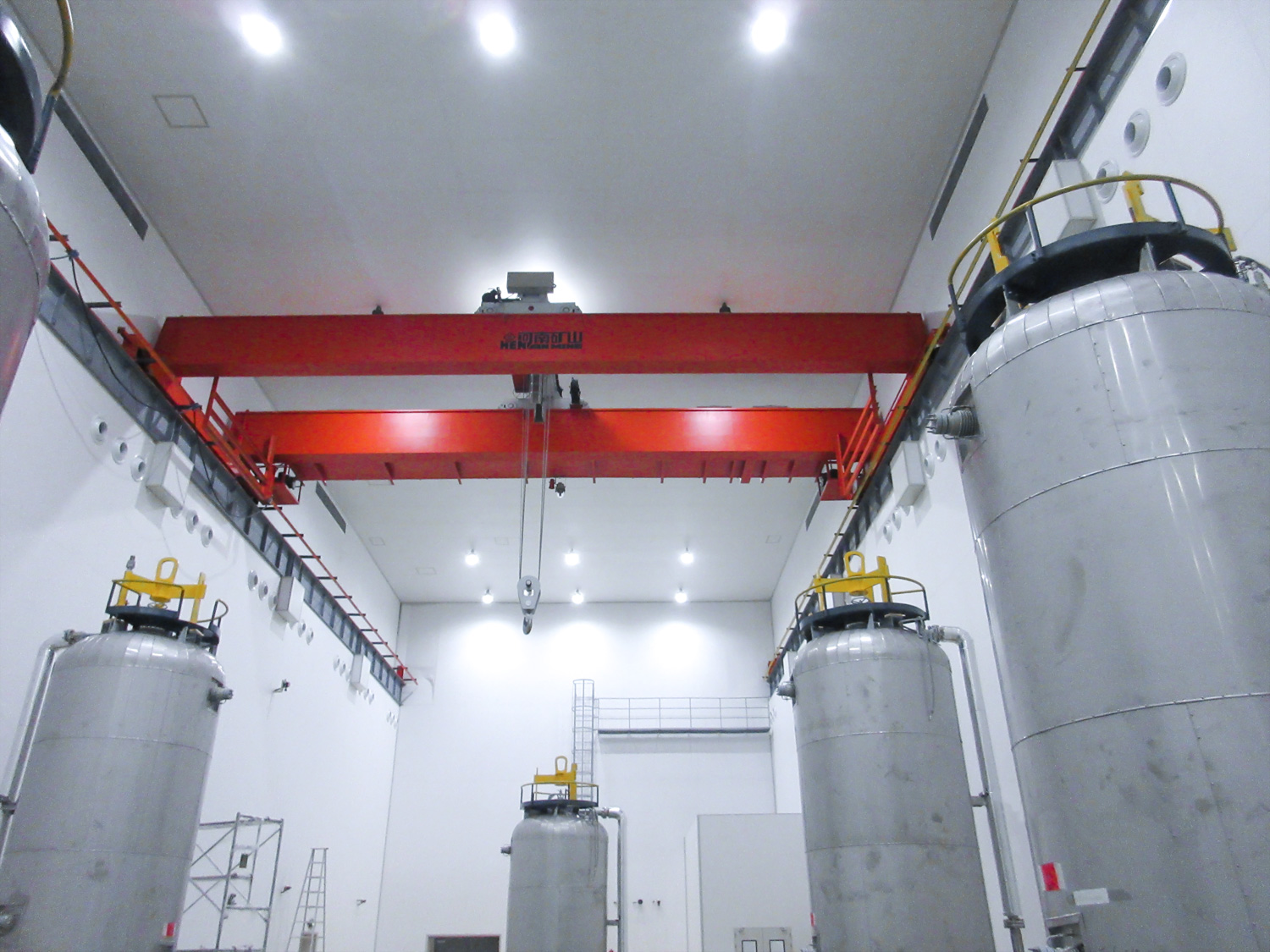
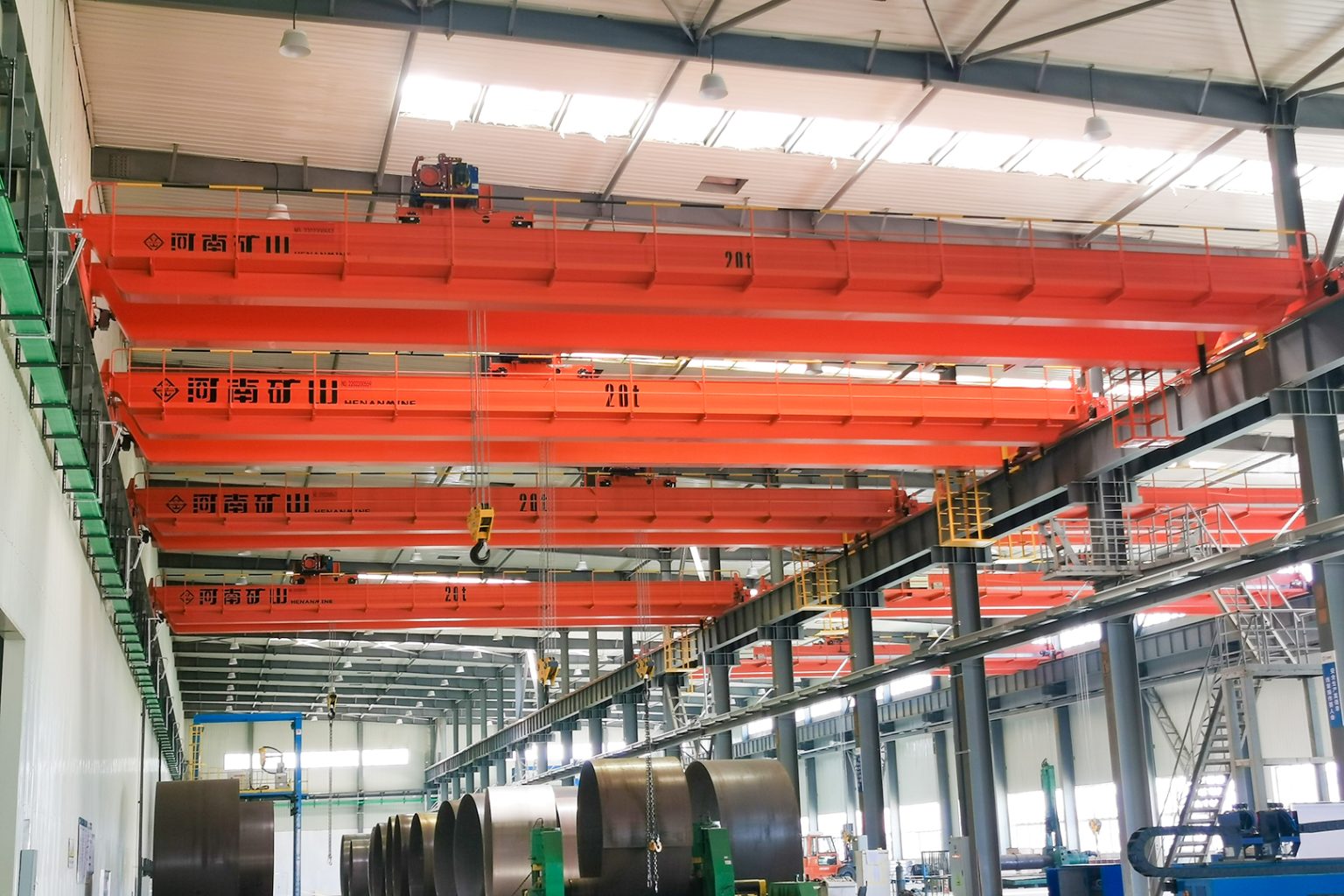
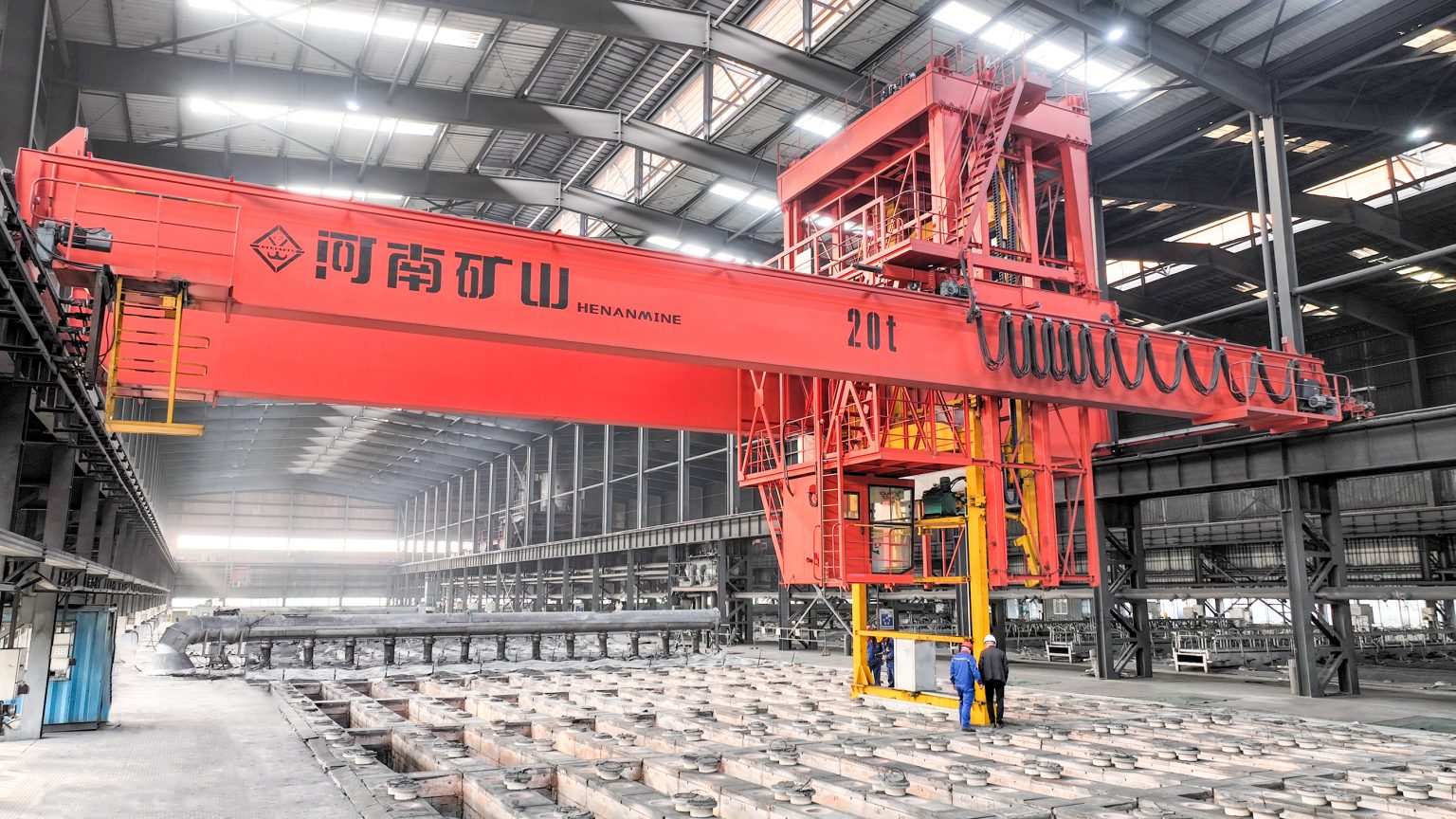
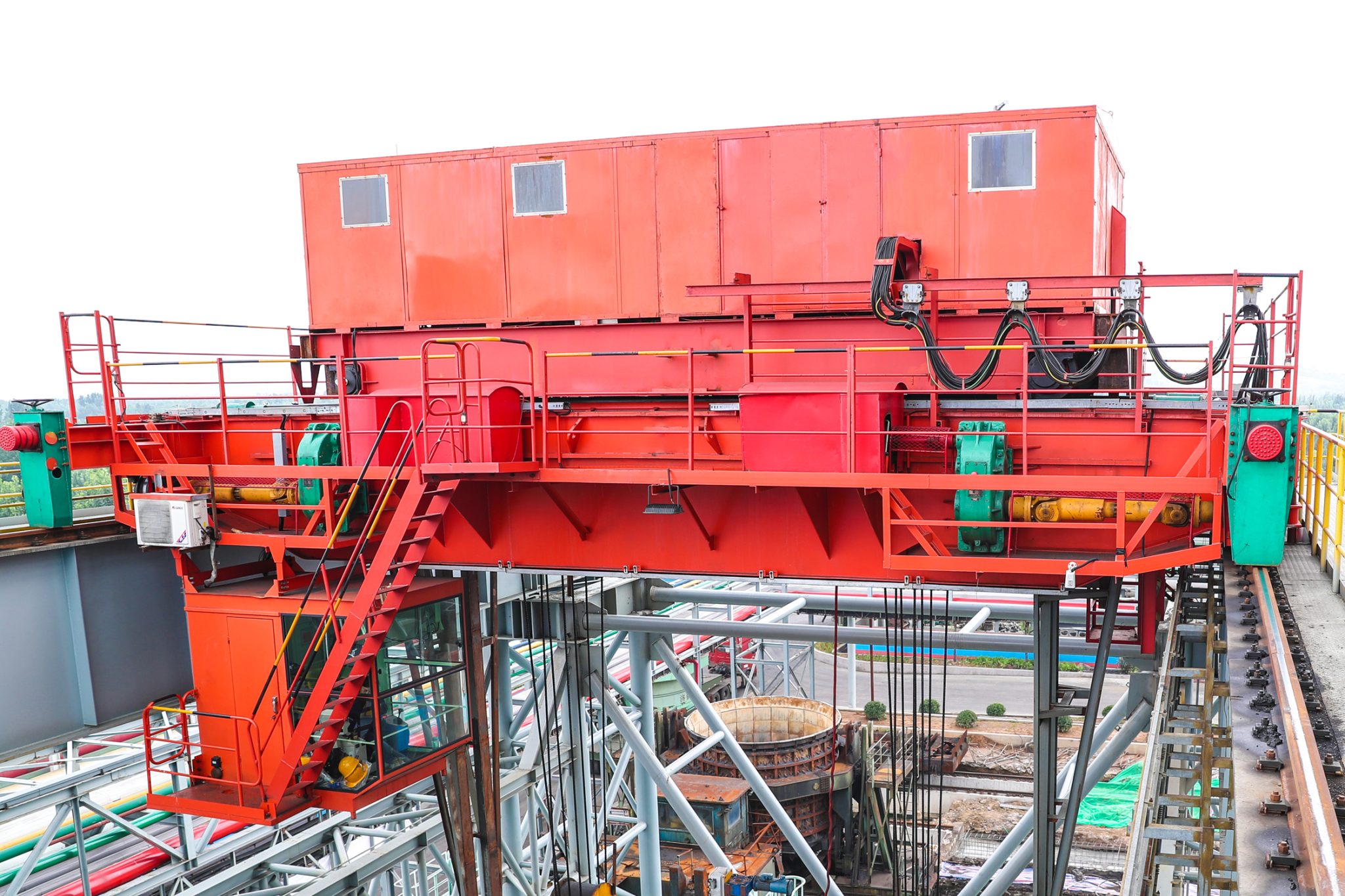
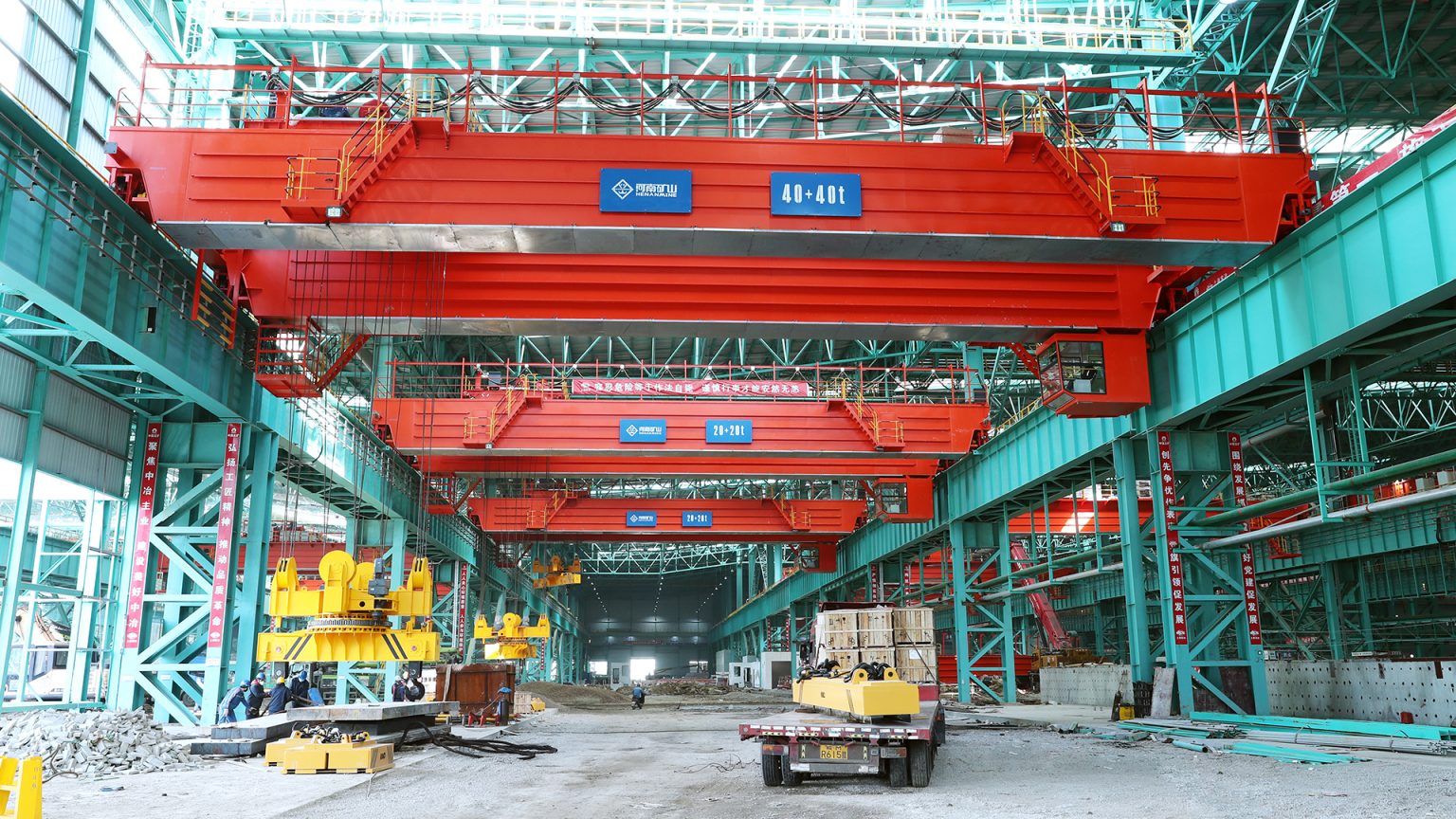
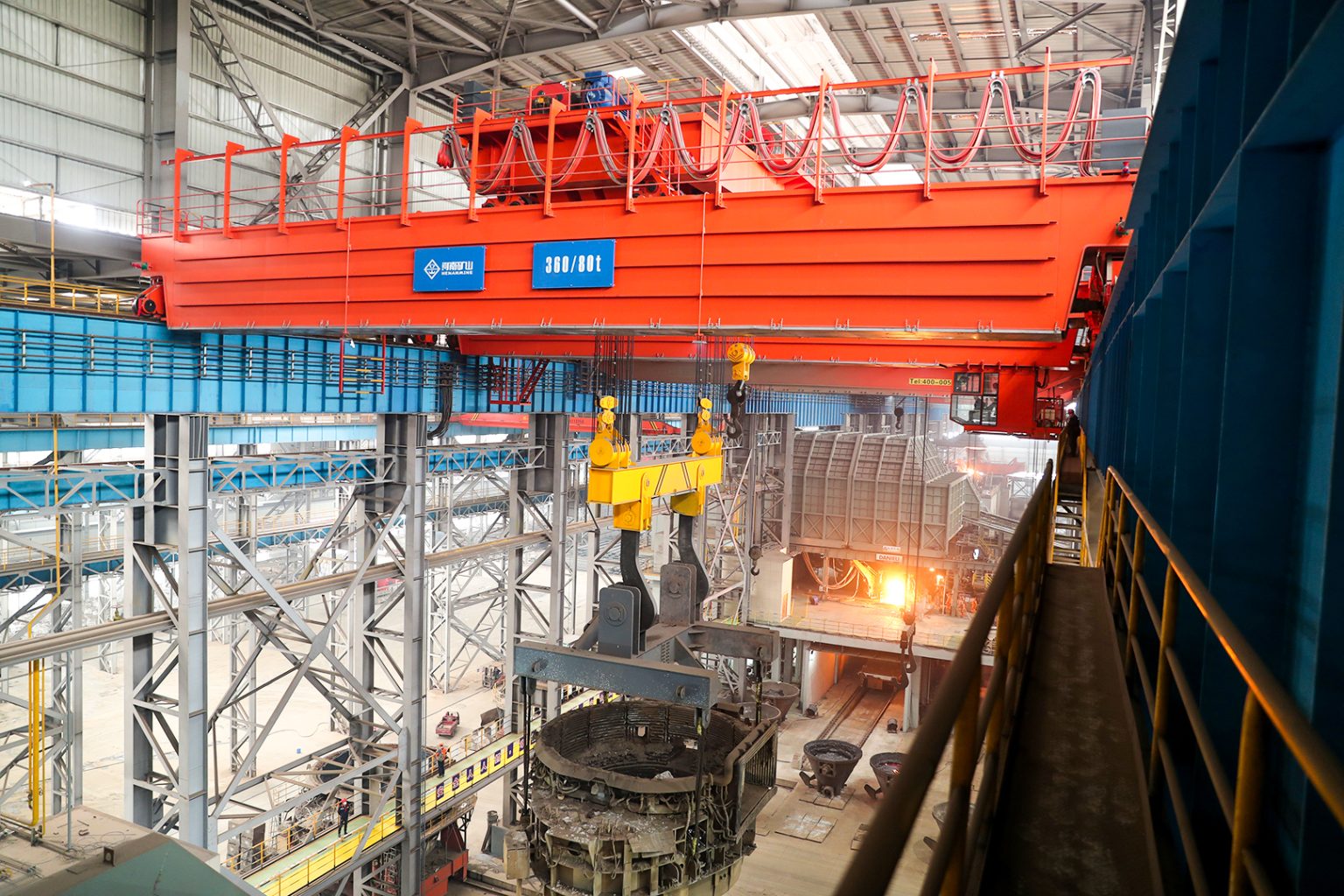
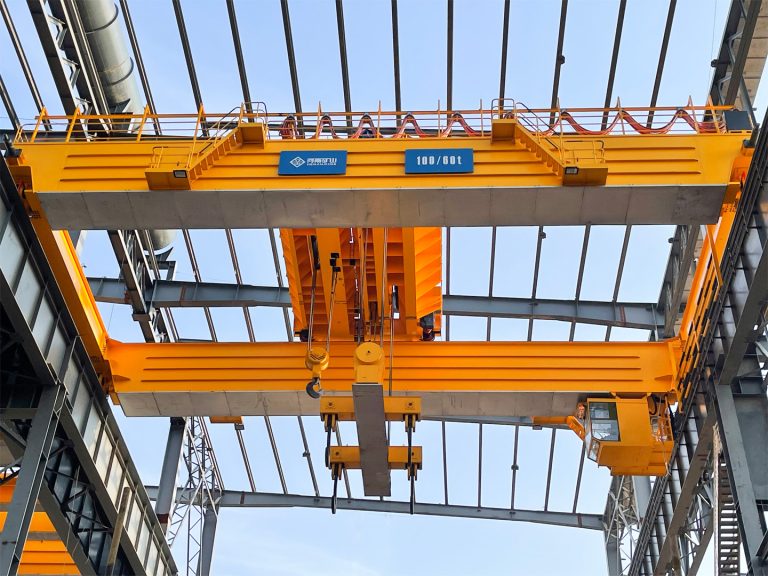
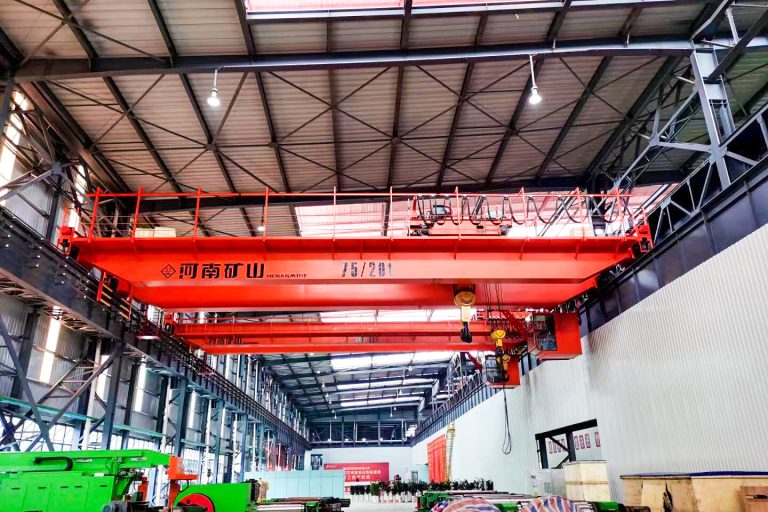
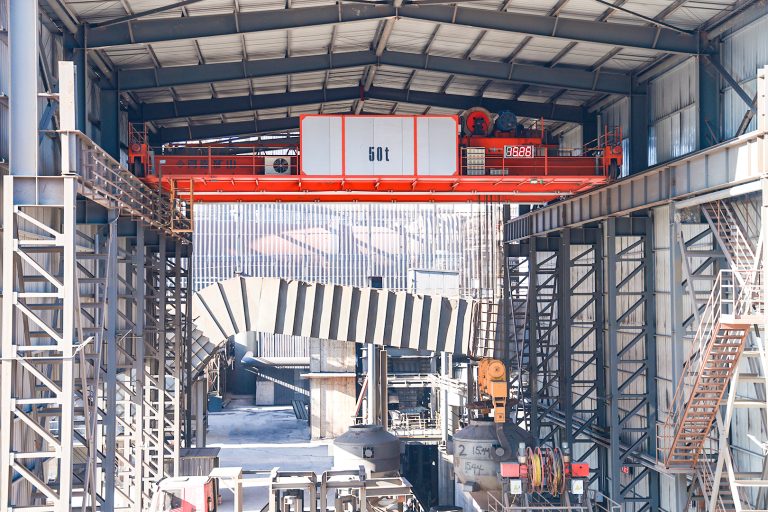
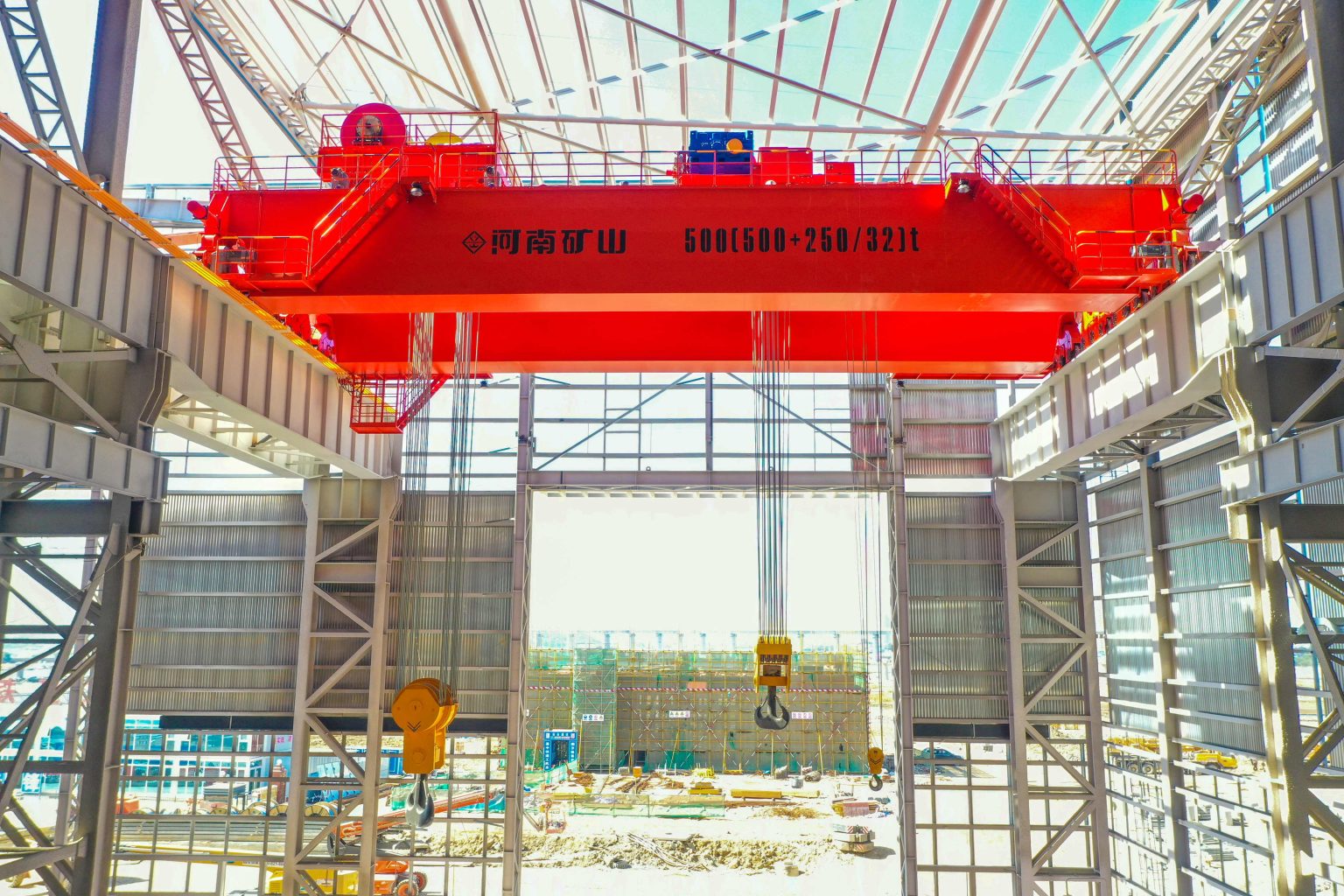
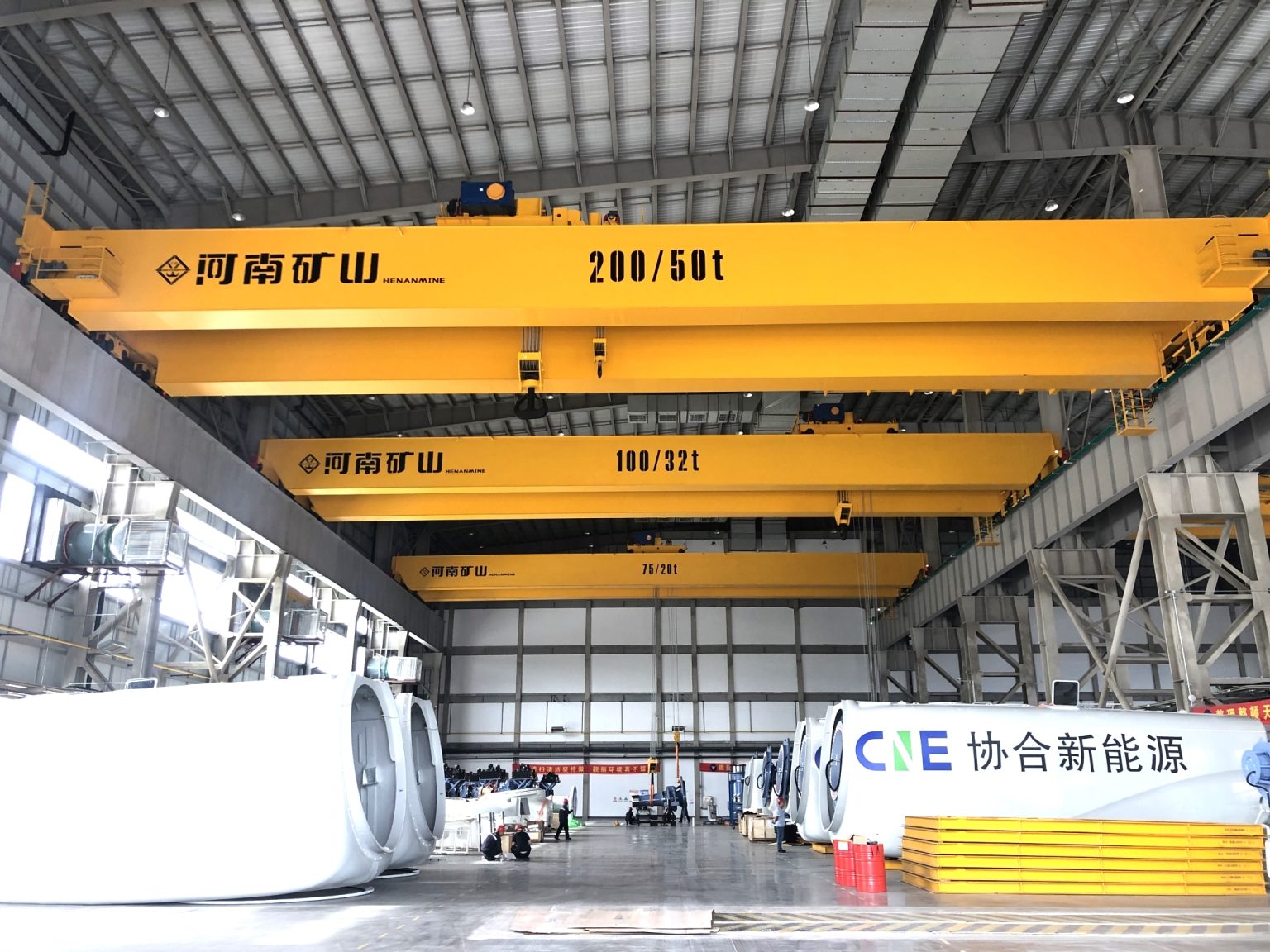
- Bridge cranes (also known as overhead travelling crane), installed on the top of factories and warehouses, are suitable for indoor large-scale heavy loads handling, the core advantage of which is that they do not take up floor space, have a wide range of operations, and are able to efficiently complete the indoor transfer of heavy materials.
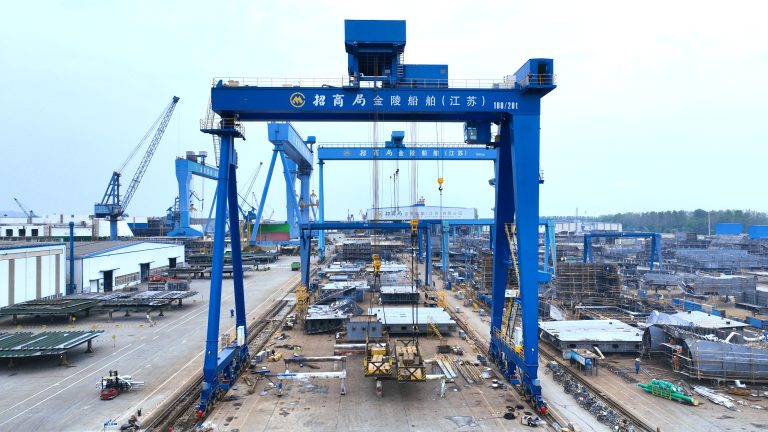
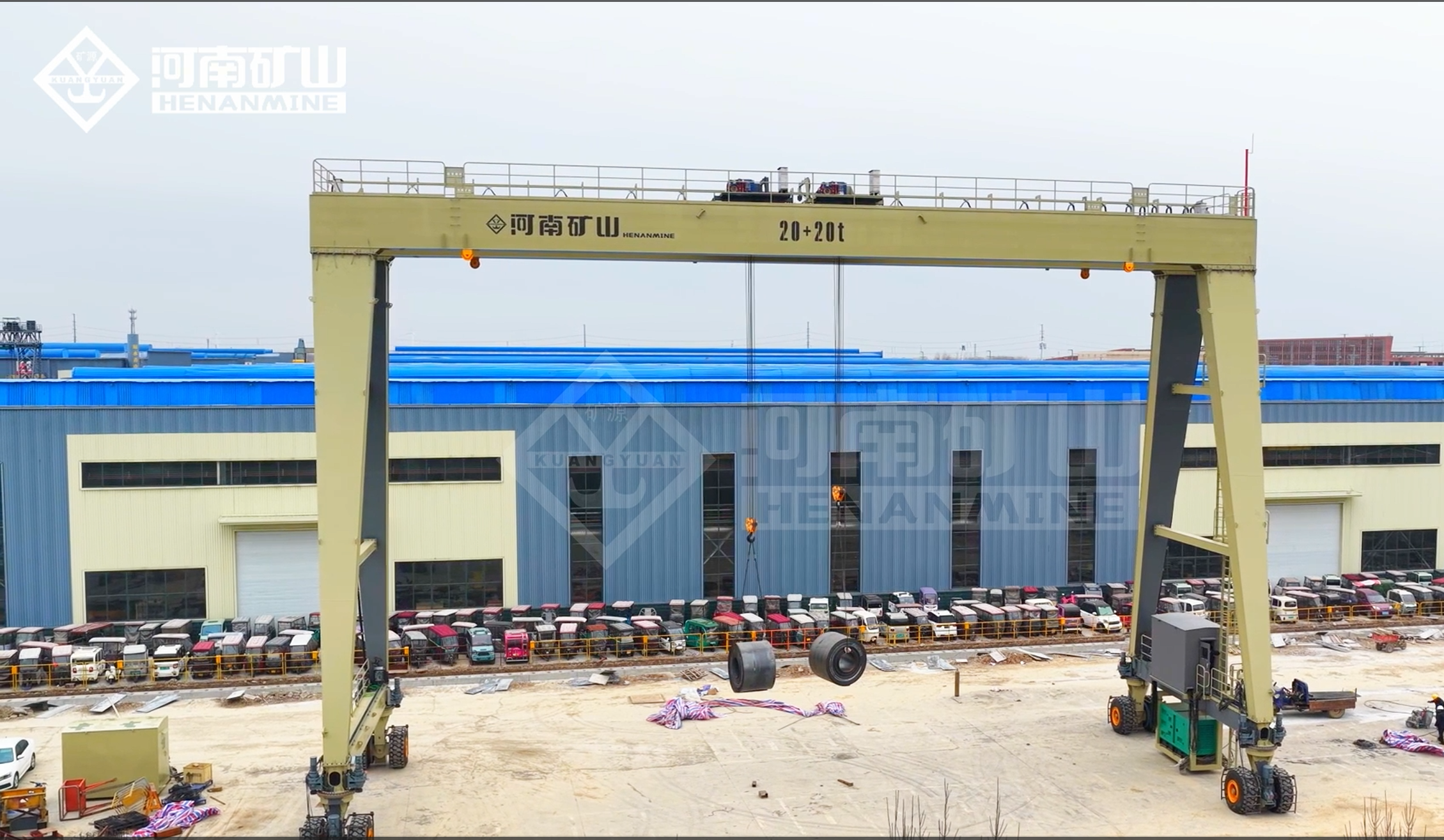
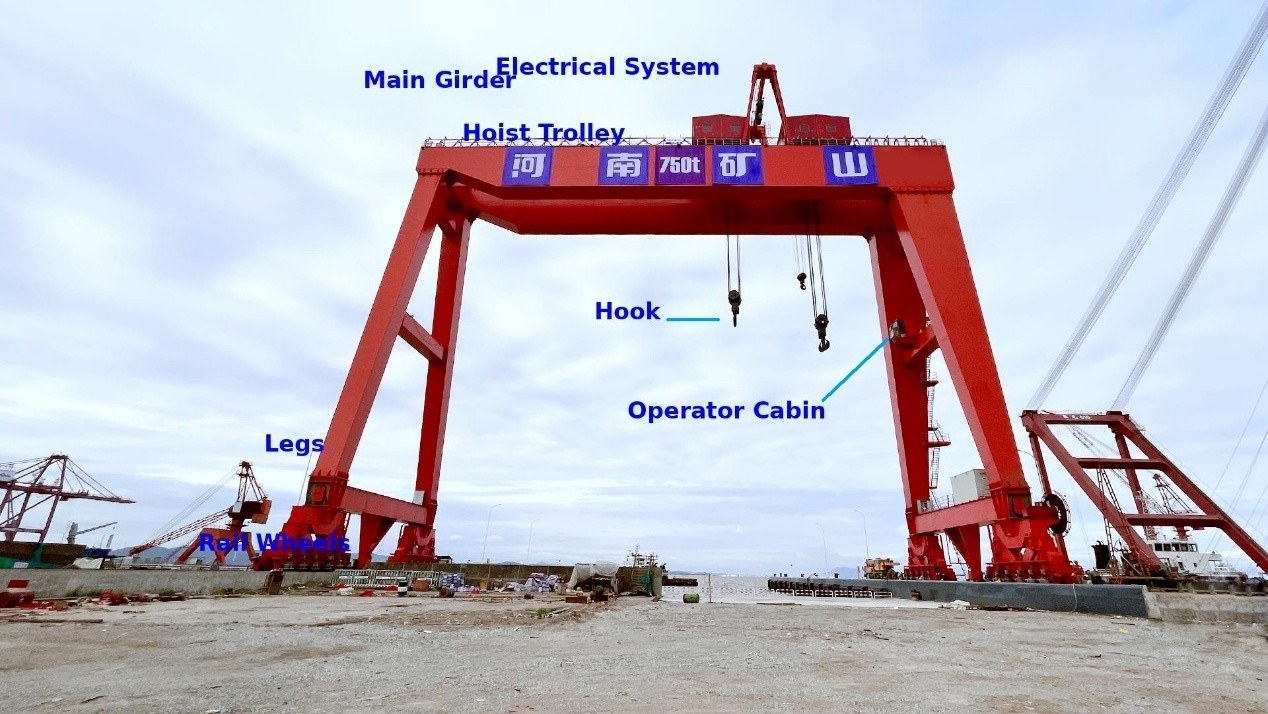
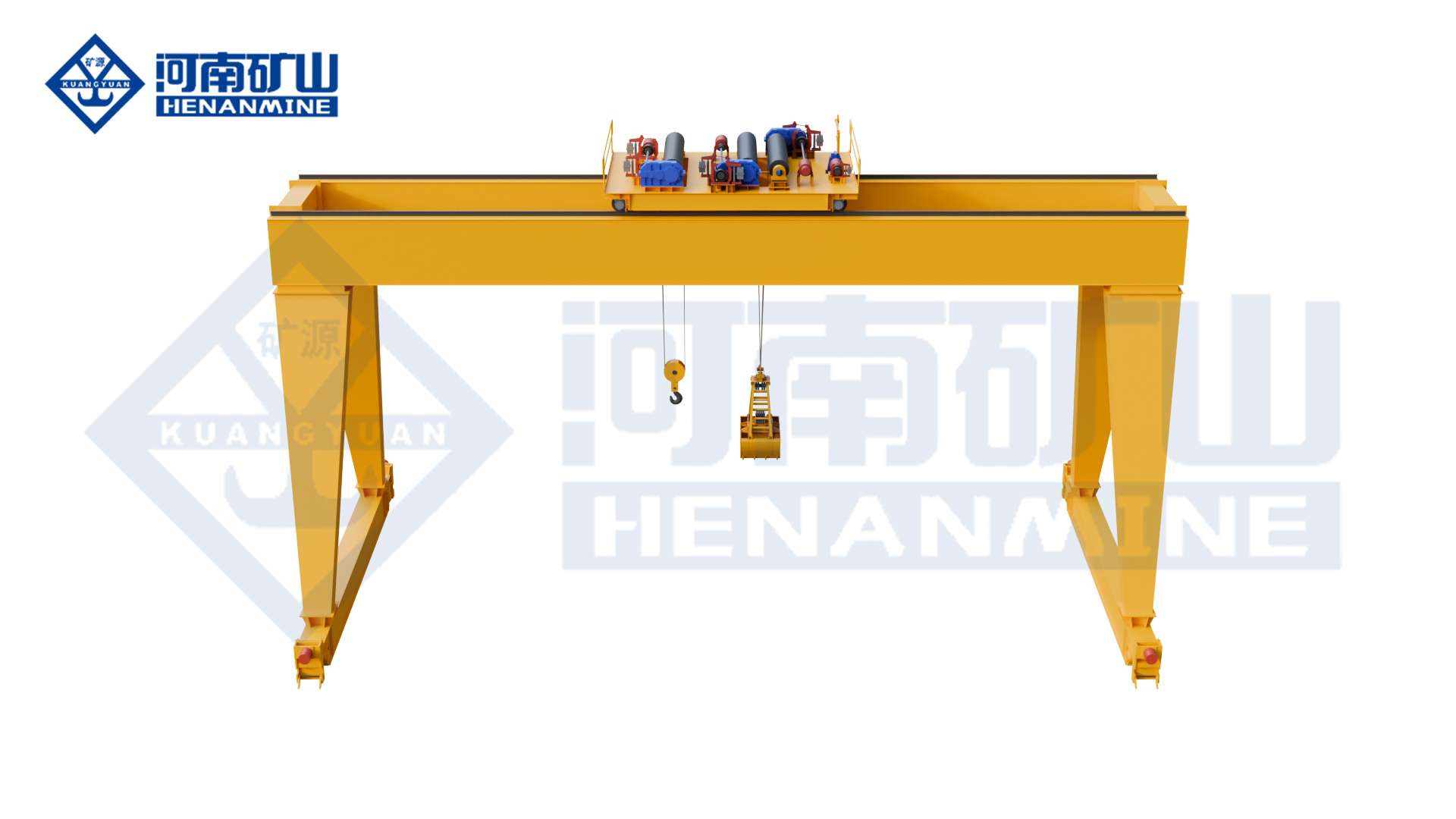
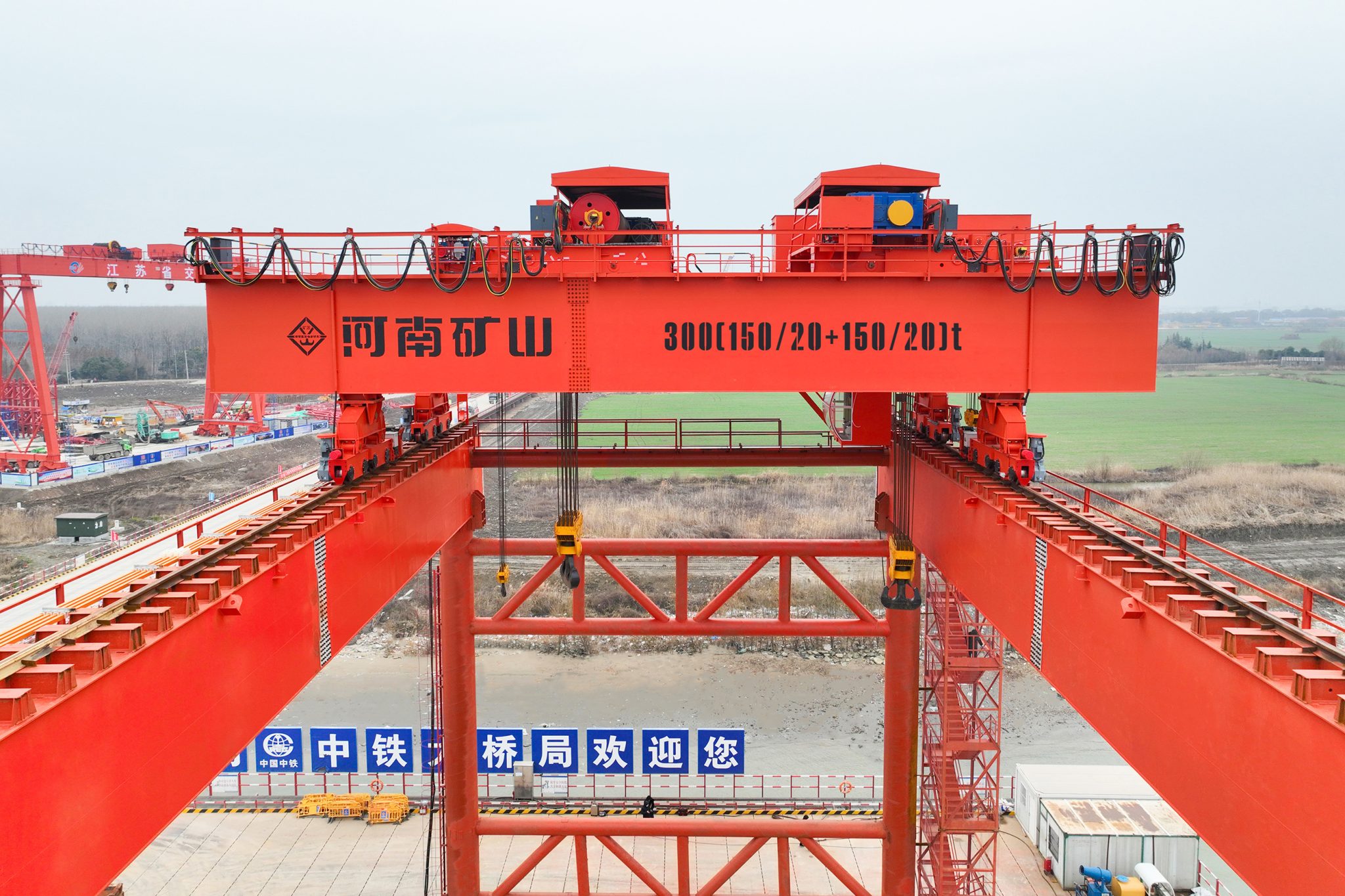
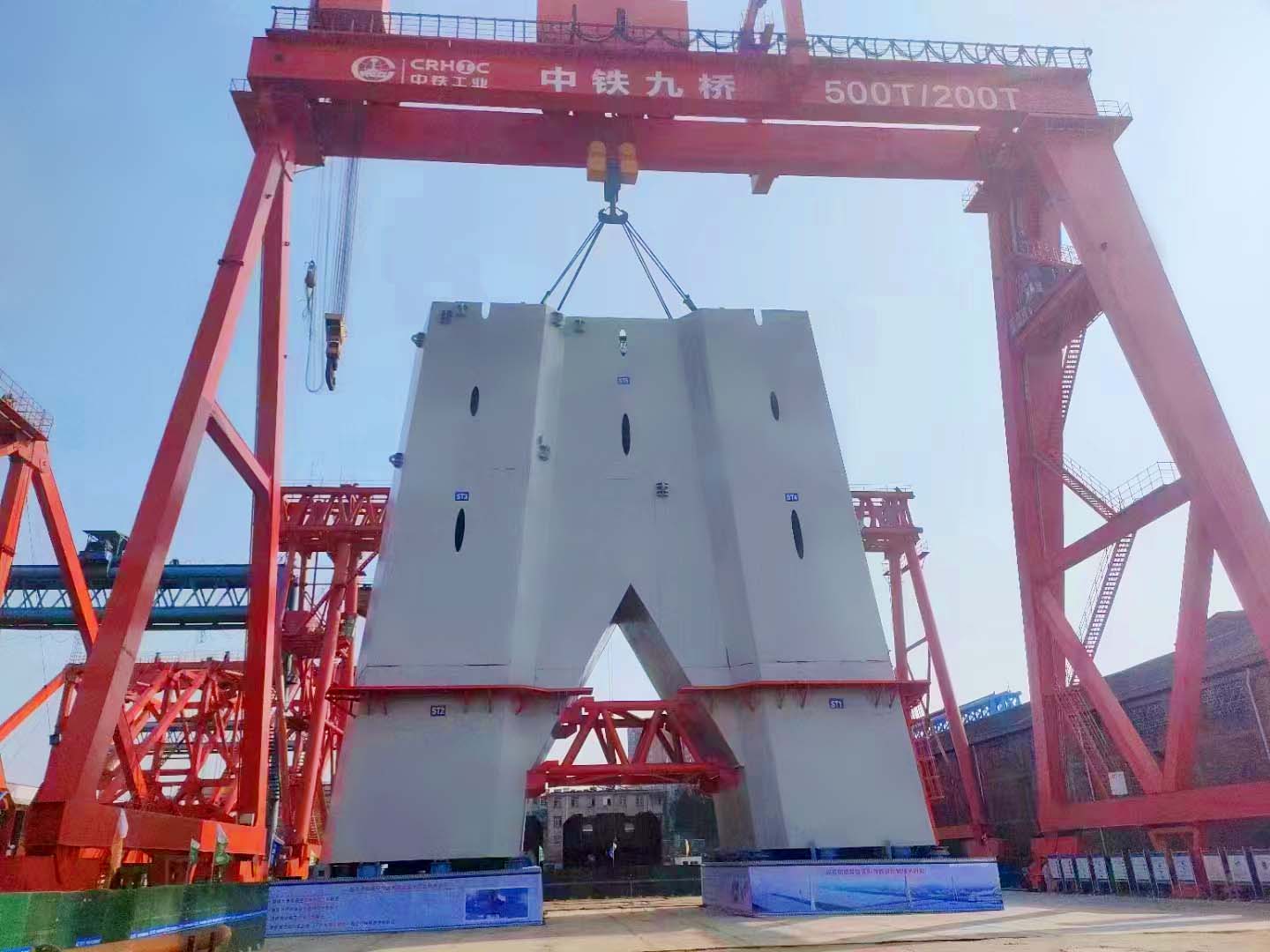
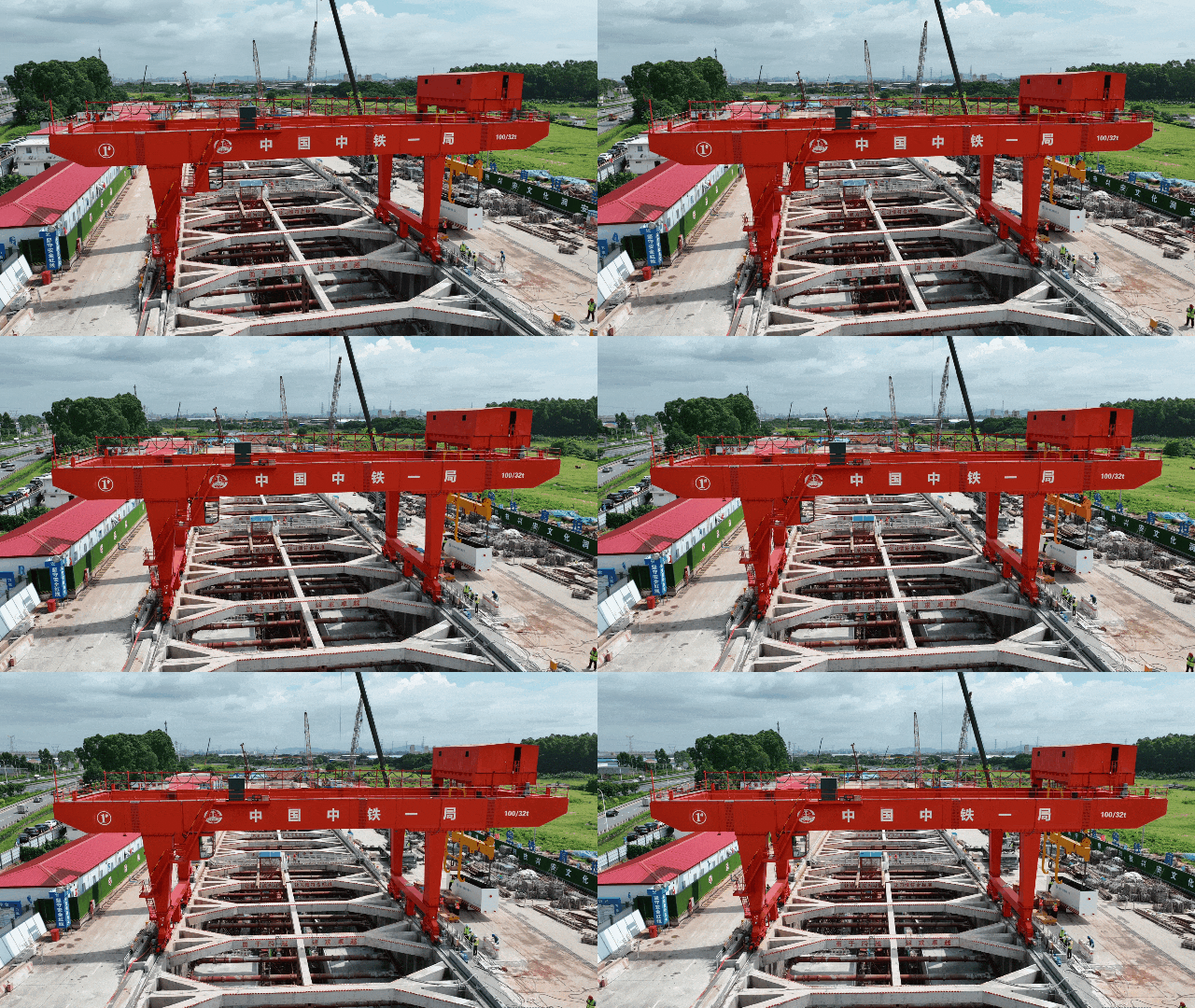
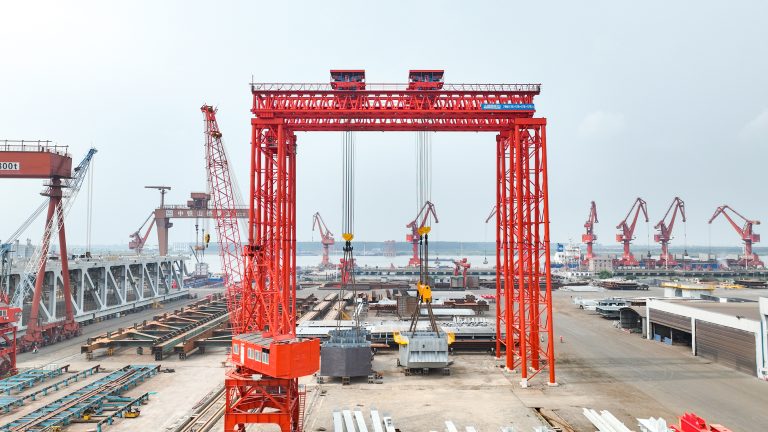
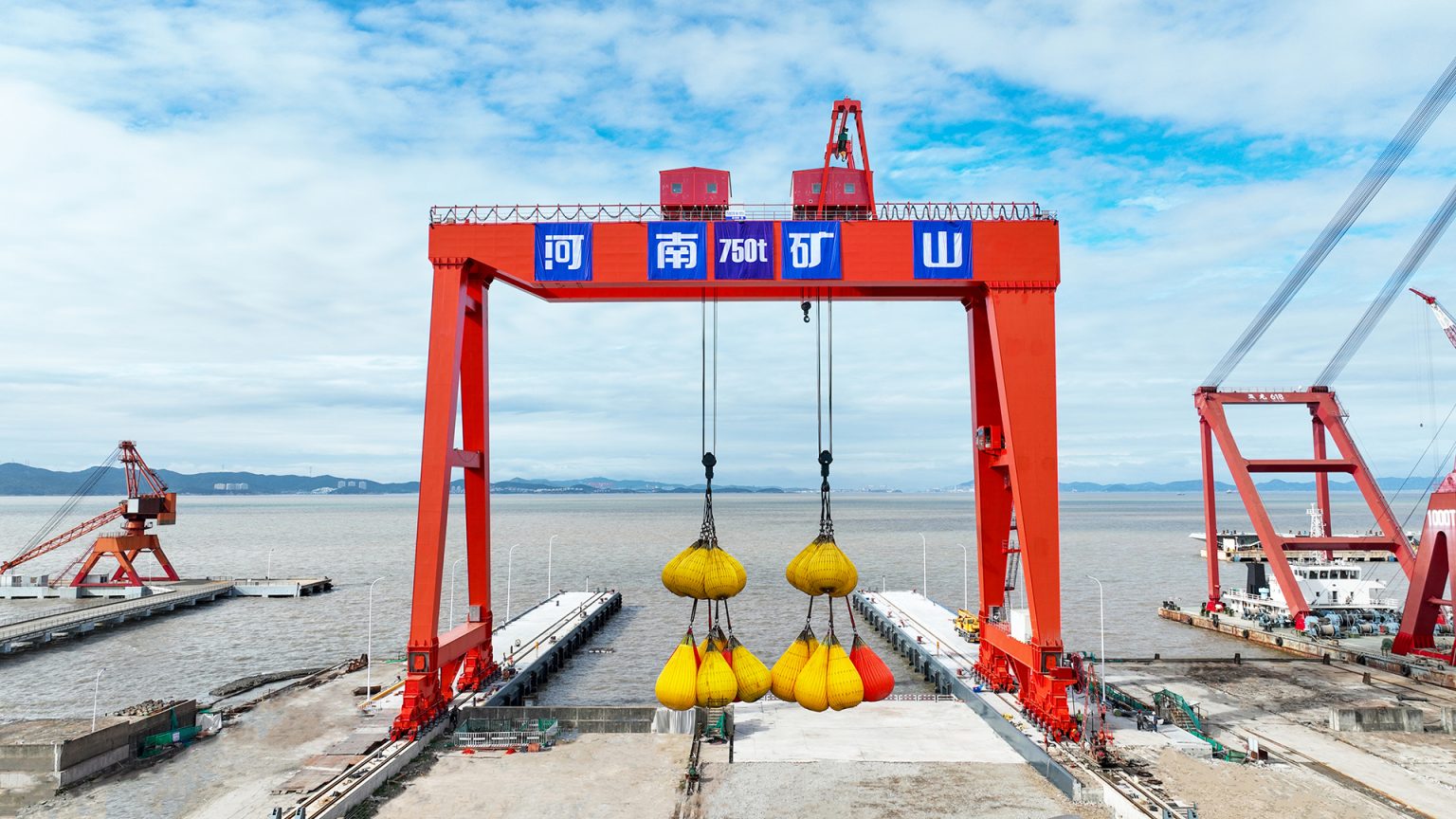
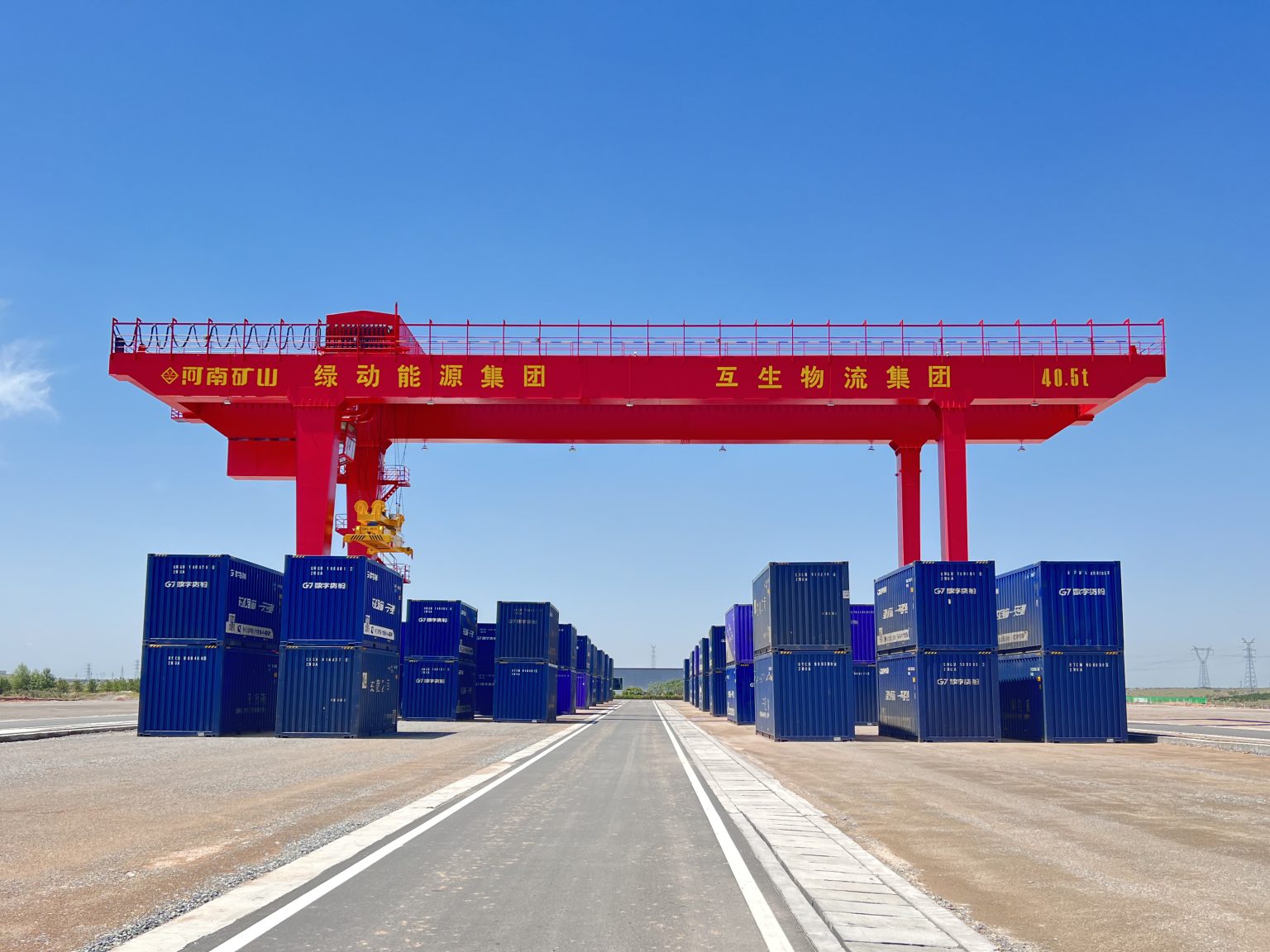
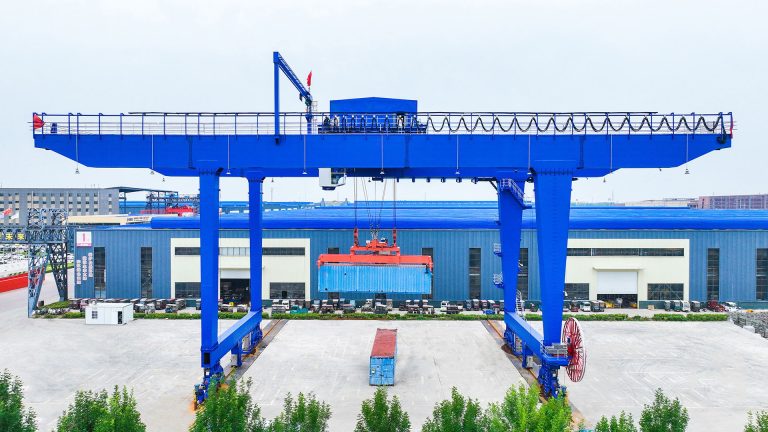
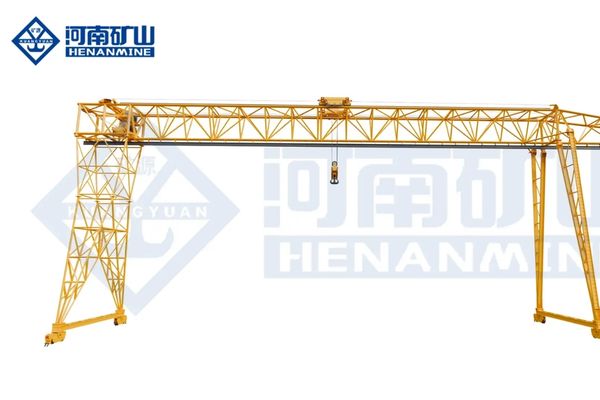
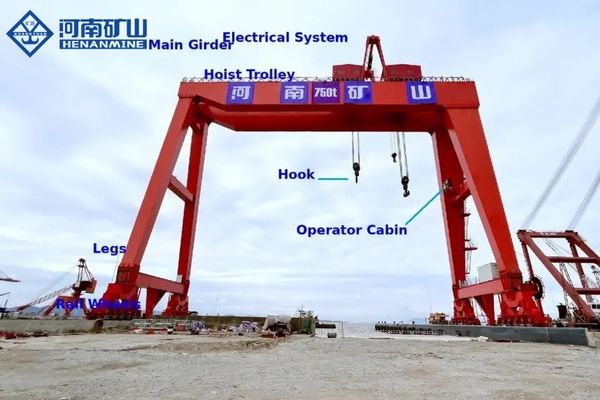
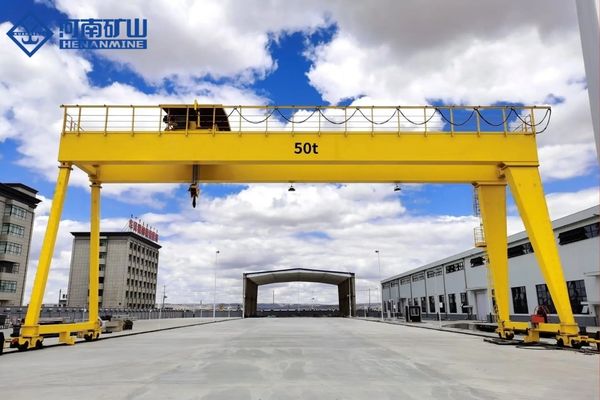
- Gantry cranes function similar to overhead cranes, relying on independent bracket support, no need to rely on the structure of the plant, mostly used in ports, yards and other outdoor scenes, can efficiently handle containers, steel and other large heavy objects.
Mobile cranes are flexible and mobile, suitable for construction sites and other mobility scenes; tower cranes are used in large construction sites, height adjustable, strong lifting capacity, can meet the demand for high-altitude lifting.
Forklift and Telehandler
Forklift is the necessary material handling equipment for warehouse and workshop, core for palletised material handling and short distance transfer, flexible operation, high efficiency, commonly used lifting equipment for small and medium-sized enterprises.
According to the power can be divided into electric, diesel, LPG three categories: electric models quiet, environmentally friendly, low maintenance costs, suitable for indoor; diesel models strong power, suitable for outdoor heavy-duty operations; LPG models both indoor and outdoor use, strong flexibility.
Telescopic boom forklift trucks are based on ordinary forklift trucks with a telescopic boom, which has the functions of material lifting, handling and aerial work, and are widely used in construction sites, large warehouses and other scenarios where both handling and aerial work are required.
Hoist
Hoist is a small lifting equipment, mainly used for vertical lifting and lowering of heavy objects, simple structure, small size, easy to install, often used in conjunction with cranes, travelling cranes and other equipment, can also be used for small-scale operations alone. According to the type of power, the hoist can be divided into manual hoist, electric hoist, pneumatic hoist and wire rope hoist.
Manual hoist without electricity, by human operation chain or lever lift heavy objects, suitable for no power, light load scenes; electric hoist to power, precise operation, high efficiency, suitable for stable power supply factories, warehouses;
Pneumatic hoists are suitable for flammable, explosive, humid and other hazardous environments; wire rope hoists are strong load-bearing, durable and smooth, and are suitable for lifting and lowering heavy loads.
Winches
The core function of winches is to achieve traction and lifting of heavy loads by means of wire ropes or chains wrapped around drums. They are mainly used for material handling over short distances, and are widely used in scenarios such as construction sites, mines, ships, and vehicle rescue.
According to the type of power, winches can be divided into manual winches, electric winches and hydraulic winches.
Manual winches are operated by manpower, suitable for light load, no power supply scenarios (such as small equipment traction, field rescue); electric winches are powered by electric motors, strong traction, easy to operate, suitable for industrial medium-load operations; hydraulic winches have very strong traction capacity, suitable for mining, ship and other heavy and harsh environment operations.
Slings and Accessories
Slings and accessories are necessary auxiliary equipment for lifting operations, used for fixing heavy loads and ensuring lifting safety, common types include chain, wire rope, webbing slings, hooks and buckles.
Chain slings are resistant to high temperatures and heavy loads, wire rope slings have high strength and good flexibility, webbing slings are suitable for precise and fragile materials, and hooks, buckles and other accessories need to comply with safety standards.
Jacks and Hydraulic Lifting Equipment
Jacks and hydraulic lifting equipment, compact structure, easy to operate, suitable for short distances, a small range of heavy lifting and equipment, vehicle maintenance and other scenes, mainly divided into hydraulic jacks, claw jacks, scissor lifts.
Hydraulic jacks are strong load-bearing and suitable for heavy equipment lifting; claw jacks are suitable for heavy lifting with small ground clearance; scissor lifts have stable operating platforms and can be used for personnel and material lifting at high altitude.
Lifting Beams and Spreader Bars
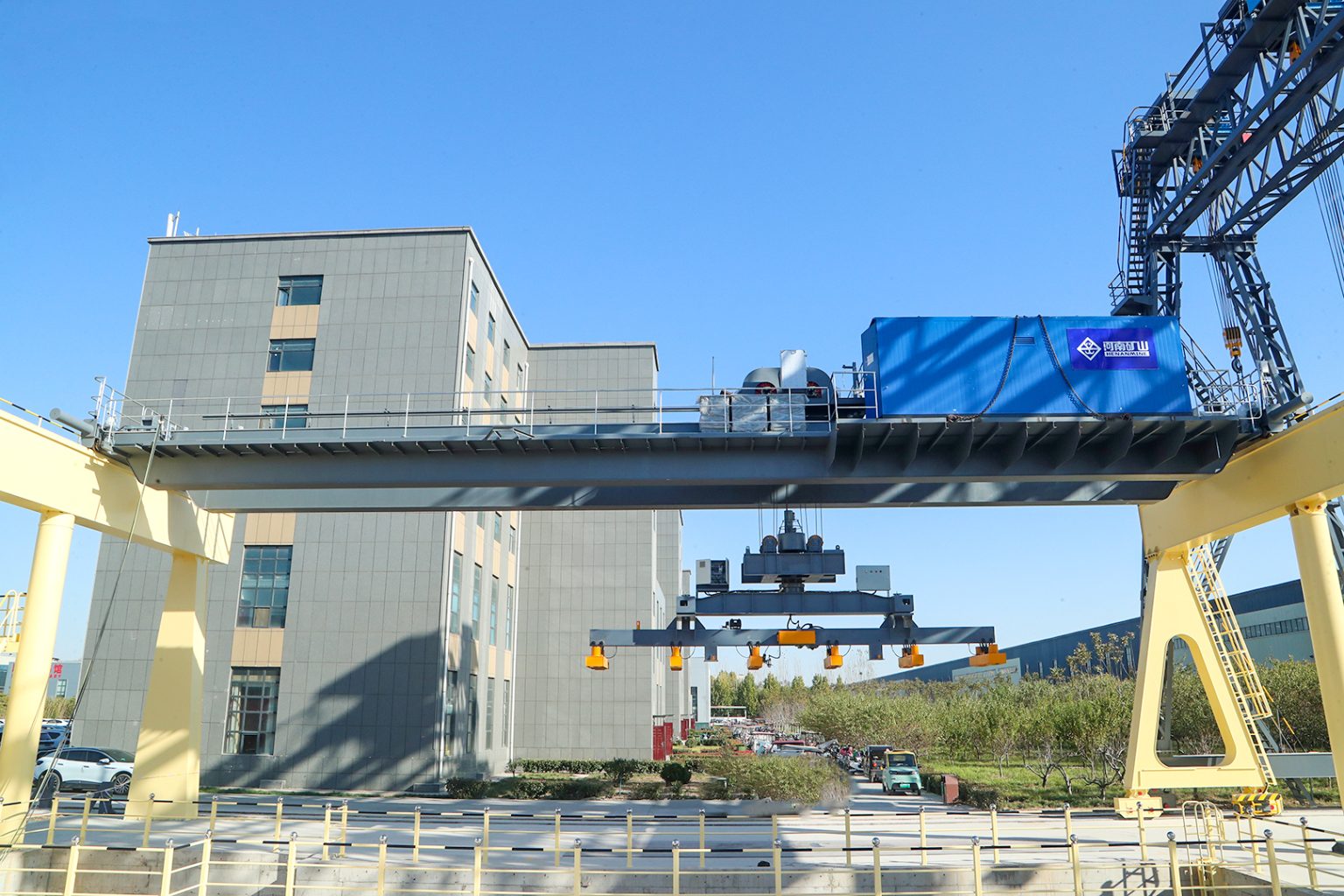
Lifting beams and spreader bars belong to lifting auxiliary equipment, mainly used for lifting irregular heavy objects, by dispersing the weight of the heavy objects, to ensure the balance and stability of the lifting process, to avoid deformation of the heavy objects or slipping.
Among them, adjustable lifting spreader bars are suitable for heavy loads of different sizes and shapes, with high flexibility; lifting beams, on the other hand, disperse the weight through multiple lifting points, and are suitable for heavy loads that are easy to deform, such as plates, pipes, etc., which are widely used in scenarios of machinery manufacturing, building construction, and so on.
The Importance of Choosing the Right Lifting Equipment
The selection of lifting equipment needs to be combined with the company’s own operational needs, safety standards, budget and other factors, and follow the scientific steps in order to avoid blind purchases and maximise the value of the equipment. Below are 9 core steps to guide you through the selection of lifting equipment.
Assess Your Business Needs
The premise of the choice of lifting equipment is to clarify their own needs, only accurate matching demand, in order to avoid idle equipment or inadequate function.
- Analysis of material characteristics: clear daily handling of material weight, size, shape (such as heavy steel, precision parts, palletised or irregular materials), which directly determines the lifting capacity and spreader type.
- Evaluate the operating space: narrow scenes (such as small warehouses) choose small size, strong mobility of the equipment (such as small electric forklift); wide scenes can be selected lifting capacity, a wide range of equipment (such as gantry cranes).
- Clarify the operating environment: whether it is indoor or outdoor work; whether the operating environment is flammable, explosive, humid and other special circumstances (such as chemical workshops), these factors determine the type of power and safety protection level of the equipment
Prioritise Safety and Compliance
Lifting safety is critical, and companies need to prioritise safety and compliance when selecting equipment. OSHA, ANSI, ISO and other international standards and local regulations should be followed.
Priority should be given to choosing equipment from regular manufacturers with safety certificates, verifying the relevant qualification documents, and paying attention to built-in safety features such as automatic brakes and load sensors, so as to avoid lifting hazards.
Lifting Capacity
Lifting capacity is the core parameter of lifting equipment, which directly determines whether the equipment can meet the operational needs of the enterprise. Enterprises in the selection, need to specify the maximum weight of the daily handling of heavy objects, and based on this increase in a certain margin of safety (usually 10-20%), to avoid overloading equipment failure, material falls and other safety accidents, while prolonging the service life of the equipment.
Equipment Flexibility
The flexibility of the equipment should not be ignored. For enterprises with diverse operational needs, priority should be given to multi-functional and adjustable equipment, such as forklifts with replaceable attachments and cranes with multiple lifting modes, which can be adapted to different types of materials and operational scenarios without the need for frequent replacement of equipment to improve operational efficiency and optimise the cost-effectiveness of equipment investment.
Power Source Options
The power source of the lifting equipment directly affects its use of the scene, operating costs and environmental protection, enterprises need to choose the right type of power according to their own operating environment and needs. At present, the common power sources are mainly electric, diesel, liquefied petroleum gas (LPG) and manual four.
- Electric equipment: silent and environmentally friendly, low maintenance costs, suitable for indoor light to medium operations, requires stable power supply, limited range;
- Diesel equipment: strong power, long range, suitable for outdoor heavy-duty operations, high noise, high emissions, high maintenance costs.
- LPG equipment: balance between environmental protection and power, flexible switching between indoor and outdoor work, need to change tanks regularly, high cost of use;
- Manual equipment: low-cost and easy to operate, suitable for no power light load scenarios, high labour intensity, low efficiency, not suitable for long-term high-intensity operations.
Technological Innovation and Upgrading
With the development of science and technology, modern lifting equipment is gradually integrated into intelligent, automated technology, these technologies can significantly improve operational efficiency, safety and convenience, enterprises in the selection of equipment, can pay appropriate attention to products with advanced technology, for long-term operational empowerment.
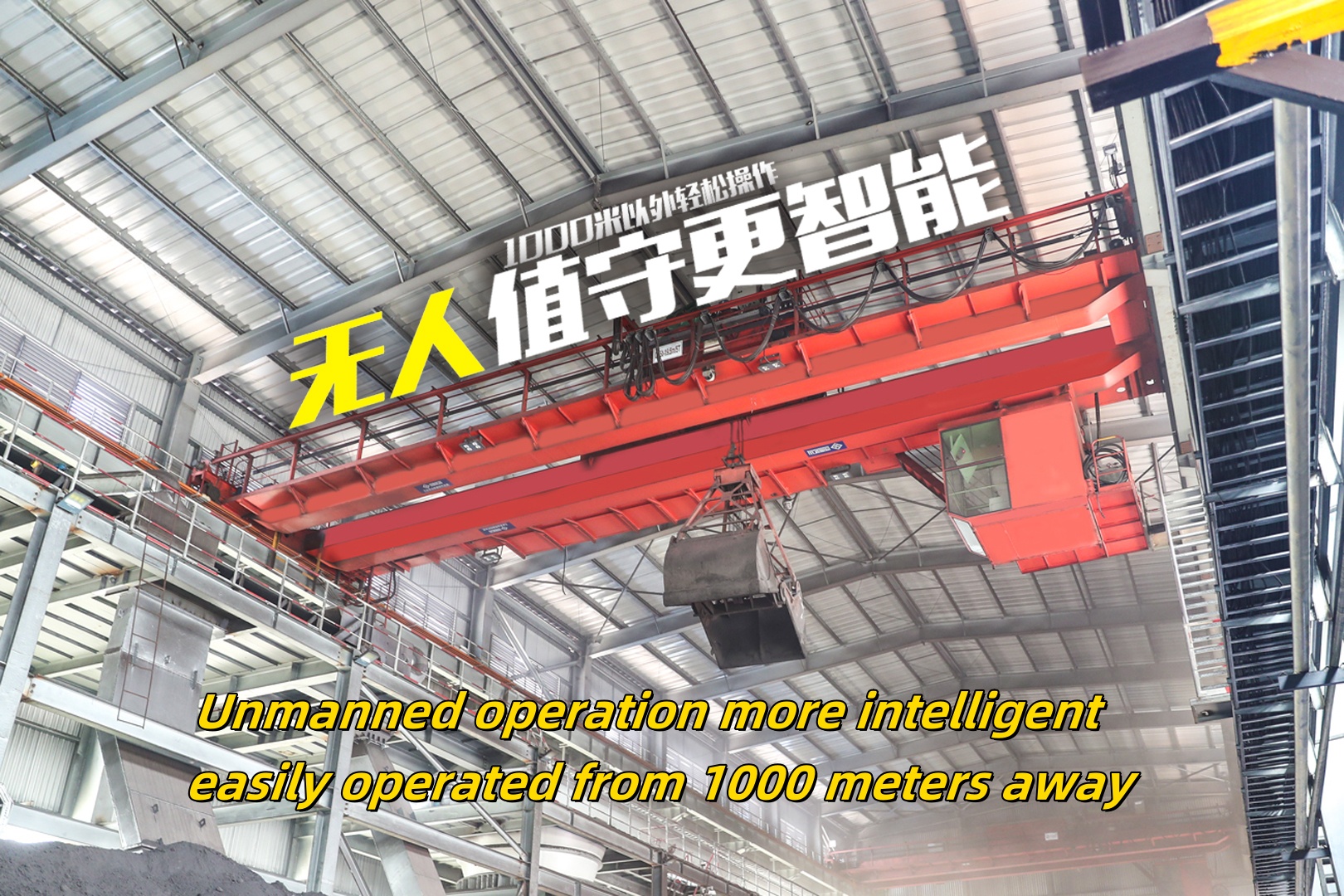
- Remote control operation: Operators can control the equipment from a safe distance, avoiding dangerous work areas and effectively reducing safety risks.
- Internet of Things (Telematics) system: Real-time tracking of equipment usage and operation status, providing convenience for enterprise equipment management and daily maintenance.
- Artificial Intelligence (AI) Predictive Maintenance: By analysing equipment operation data, it can pre-judge failures in advance, reduce downtime and lower maintenance costs.
- Automated lifting system: realises automatic material gripping, handling and placing, reduces manual intervention and significantly improves operational efficiency.
Equipment Durability
Lifting equipment is a long-term investment, its durability and maintenance needs directly affect the service life of the equipment and long-term operating costs. Enterprises in the selection, need to pay attention to the equipment manufacturing materials, technology and manufacturer’s reputation, give priority to the choice of excellent materials, mature technology equipment, this type of equipment durability, low failure rate.
Maintenance Requirements
It is recommended to give priority to the choice of spare parts easy to purchase, easy to maintain the equipment, while paying attention to whether the manufacturer to provide perfect after-sales service, in order to reduce equipment downtime losses; durable equipment, although the initial acquisition cost is higher, but in the long term, its maintenance and replacement costs are lower, the overall cost-effective more advantageous.
Balancing Budget and cCst-effectiveness
Budget is an important constraint on the choice of equipment, but we need to avoid the ‘heavy initial cost, light long-term cost’ of the misunderstanding, should be considered comprehensively the total cost of ownership of equipment, including the purchase, installation, training, maintenance and so on.
Avoid choosing cheap equipment (poor materials, inadequate security, easy to fail), quality equipment, although the initial cost is high, but durable and efficient, more cost-effective in the long term, the enterprise needs to meet the demand and safety standards under the premise of combining the budget to choose the best equipment.
Incorporate Ergonomic Design
Ergonomic design is often overlooked by companies and has a direct impact on operator comfort, efficiency and safety. Choosing lifting equipment with ergonomic design can reduce the labour intensity of operators, reduce the risk of occupational diseases, and improve operational accuracy and reduce human error.
Specific attention can be paid to the simplicity and rationality of the operator interface, as well as the comfort details of the equipment (such as adjustable seats, ergonomic handles, etc.), which can enhance the operating experience, reduce fatigue, and thus improve work efficiency.
Planning Team Training
Even if the most suitable lifting equipment is selected, if the operator lacks professional training, the performance of the equipment cannot be fully utilised and may even lead to safety accidents. Therefore, enterprises in the purchase of equipment, must plan the perfect team training work, to ensure that operators have professional operating skills and safety awareness.
- Core training content: covering the basic structure of the equipment, operating procedures, safety precautions, load limitations, troubleshooting methods and maintenance procedures, to ensure that operators have a comprehensive grasp of the relevant knowledge of the equipment.
- Practical Training Requirements: Arranging on-site guidance by professional personnel, so that operators can practise in person, master the use of equipment and improve their practical ability.
- Follow-up training guarantee: Regular retraining is carried out to update the knowledge and skills of the operators in a timely manner to ensure that they are proficient in the use of equipment, avoid operational risks and give full play to the maximum value of the equipment.
How to Ensure Safe Operation and Compliance
Choosing the right lifting equipment is only the first step, to ensure the long-term safe and stable operation of the equipment to meet the compliance requirements, companies also need to do a good job after the acquisition of safety management and maintenance work, from the daily operation to avoid risk.
Regular Maintenance
In accordance with the requirements of equipment manufacturers, develop a regular maintenance programme, usually every 6-12 months for a comprehensive testing and maintenance, including mechanical parts of the equipment, electrical systems, hydraulic systems, etc.,
Timely replacement of worn parts, troubleshooting hidden problems, to ensure that the equipment is in the best operating condition. At the same time, the establishment of equipment maintenance files, record maintenance time, maintenance content, fault conditions, etc., to facilitate follow-up traceability and management.
Carry out Continuous Training
Organise refresher training for operators on a regular basis to update their safety knowledge and operating skills, and provide focused explanations and guidance on problems that arise during the use of equipment, so as to enhance operators’ emergency response capabilities and avoid safety accidents caused by improper operation.
Regular Compliance Audits
Regularly audit the operation status, maintenance records and operator qualifications of lifting equipment against industry regulations and safety standards, promptly identify and rectify non-compliance issues to ensure that equipment operation meets the relevant requirements and avoid facing fines or safety risks due to non-compliance.
Equip with Necessary Overhead Safety Equipment
For lifting equipment (e.g. tower cranes, scissor lifts) involved in working at height, operators need to be equipped with safety belts, safety ropes, helmets and other overhead safety protection equipment, as well as set up safety warning signs, delineate the hazardous work area to avoid unrelated personnel from entering, to ensure the safety of the operation.
Common misconceptions When Choicing Lifting Equipment
Many companies in the selection of lifting equipment, easy to fall into some misunderstandings, resulting in the acquisition of equipment can not meet the demand, and even cause safety accidents. The following are the most common 5 misunderstandings, companies need to focus on avoiding.
- Underestimation of the lifting capacity: in order to save costs to choose just to meet the needs of the equipment, did not reserve 10-20% safety margin, easy to cause accidents, shorten the life of the equipment, according to the maximum load reserve safety margin.
- Ignore the operating space: only focus on the lifting capacity, did not take into account the size of the operating space, resulting in idle equipment, the need to measure the size of the space in advance, choose the appropriate equipment.
- Focusing on initial cost but not long-term value: Preferring cheap equipment with poor durability and high maintenance costs, and need to consider the total cost of ownership and choose cost-effective equipment.
- Ignore safety compliance: choose non-compliant, non-certified equipment, there are legal and safety risks, need to follow industry regulations, choose compliant and certified equipment.
- Neglect of personnel training: that operators do not need professional training, easy to cause accidents, unable to play the performance of the equipment, need to pay attention to training to ensure that operators have professional skills and safety awareness.
Conclusion
Choosing the right lifting equipment is the key to improving efficiency, ensuring safety and reducing costs. Enterprises need to fit their own scenarios, to avoid misunderstandings, and to do a good job of post-purchase maintenance and compliance management. Lifting equipment selection needs to be a comprehensive consideration, scientific decision-making, rather than just look at the price and tonnage; have questions can consult a professional lifting equipment experts.