
7 Types of Overhead Cranes Which One Is Right for Your Project
Overhead cranes are the core equipment for industrial production and heavy material handling, and choosing the right type can make the factory operation smooth and improve efficiency, and choosing the wrong type will increase the operating cost, lower efficiency and lay hidden safety hazards. This article analyzes the 7 mainstream types, combined with scene comparison, selection guide, to help you accurately match the project requirements, to solve the problem of crane selection.
What Is an Overhead Crane?
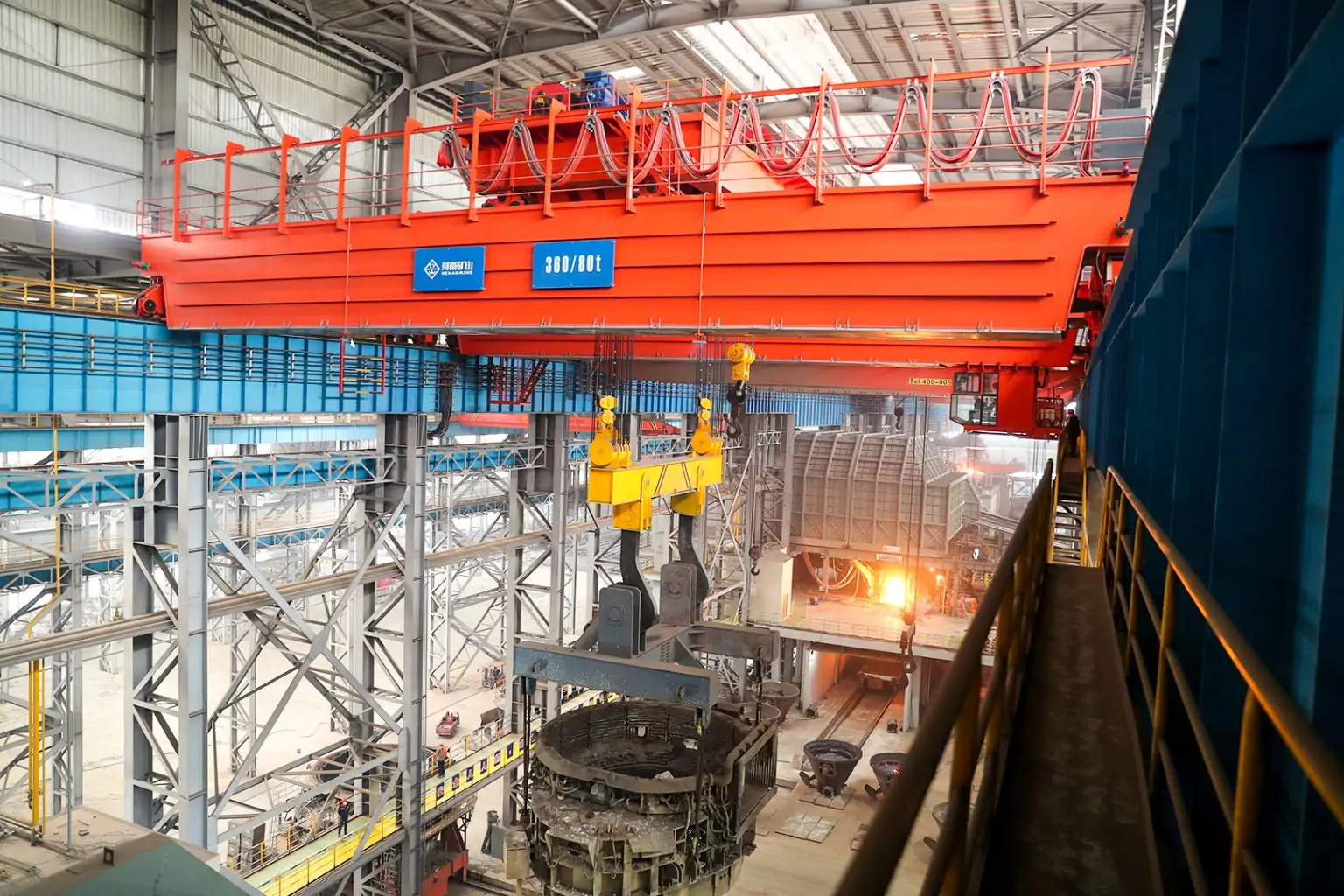
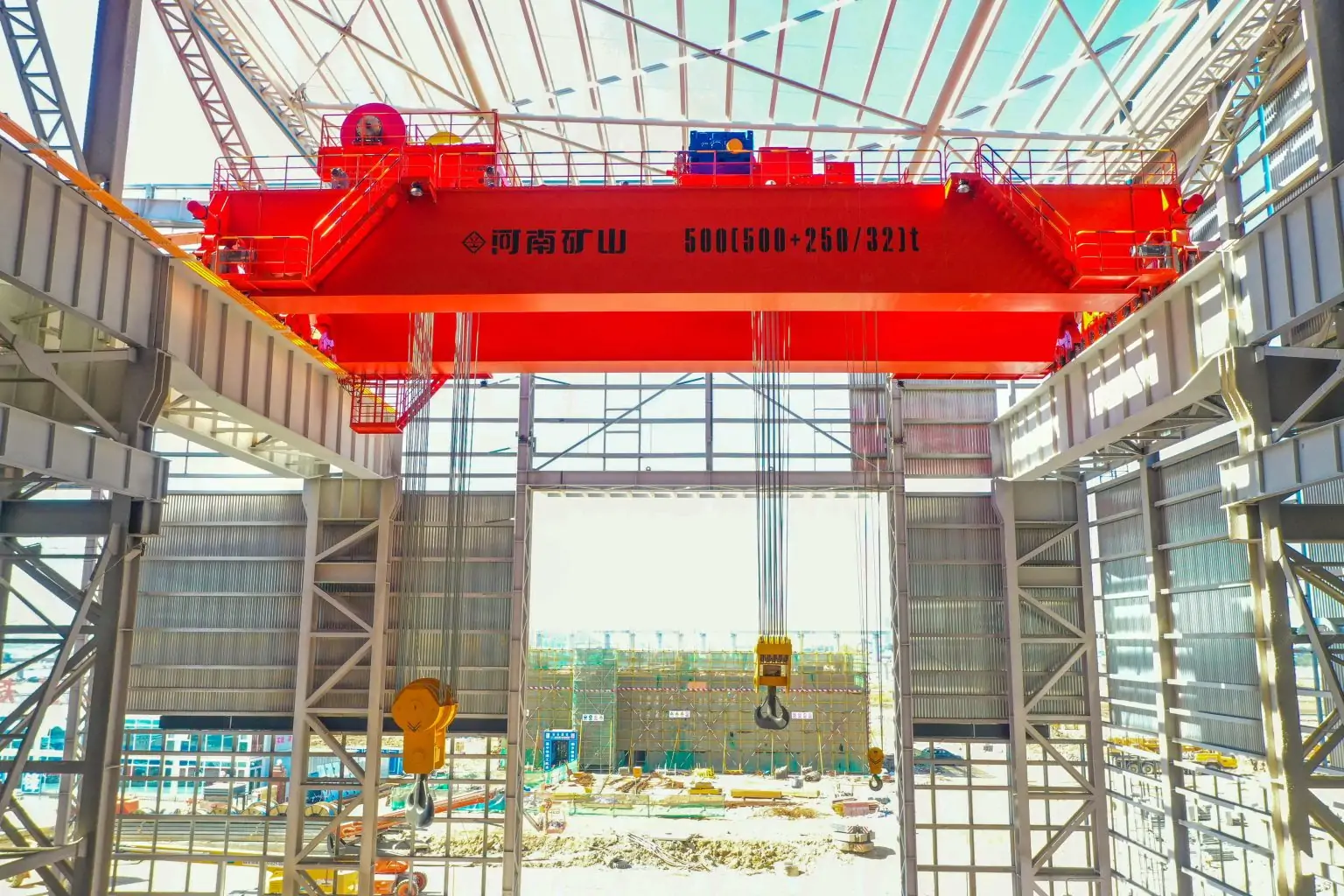
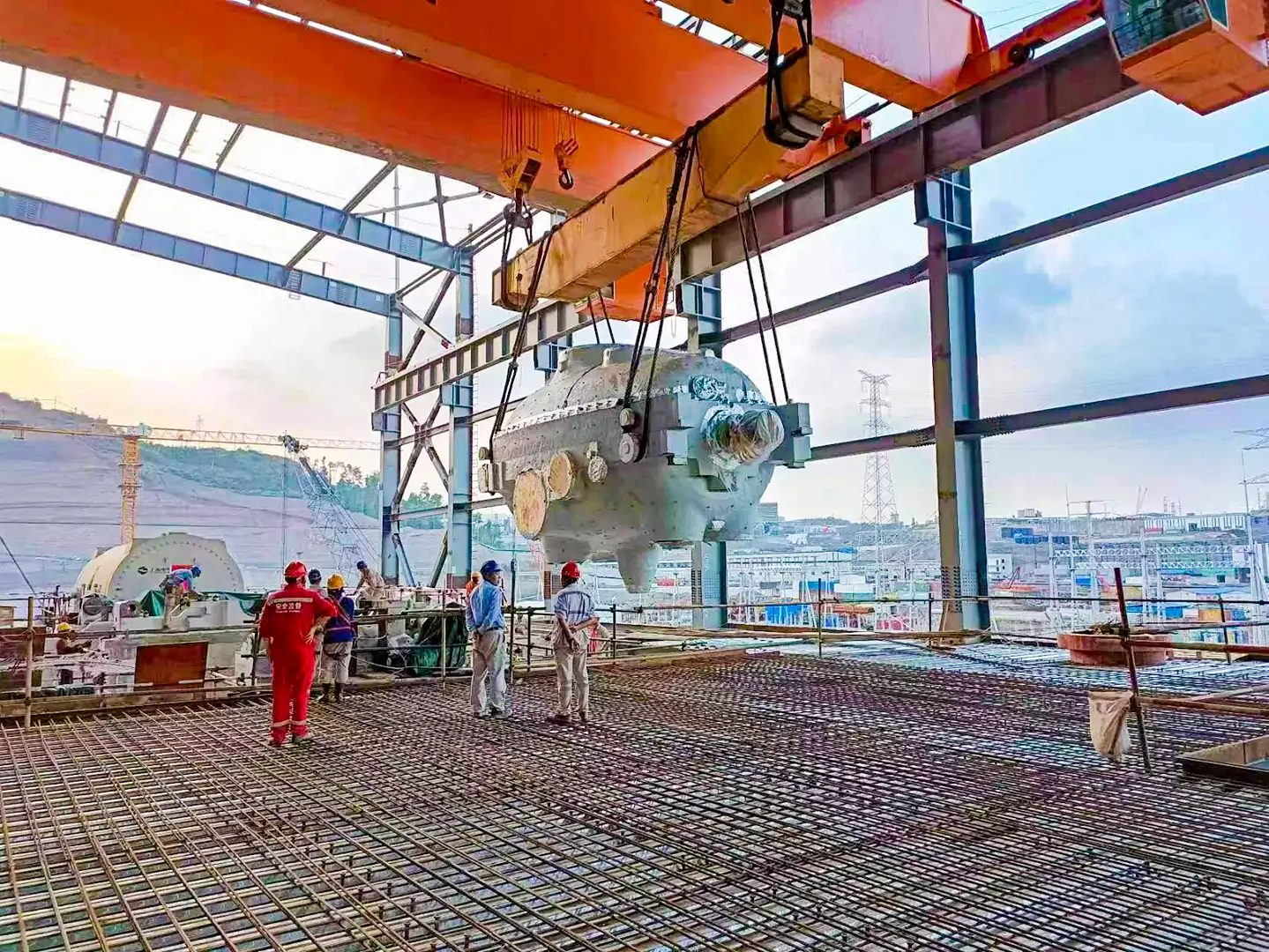
Overhead Crane is a lifting system that realizes horizontal and vertical movement of heavy loads on track beams through hoisting mechanism, trolley and bridge, which is the core heavy material handling equipment in the industrial field, widely used in various factories, warehouses, yards and other scenes.
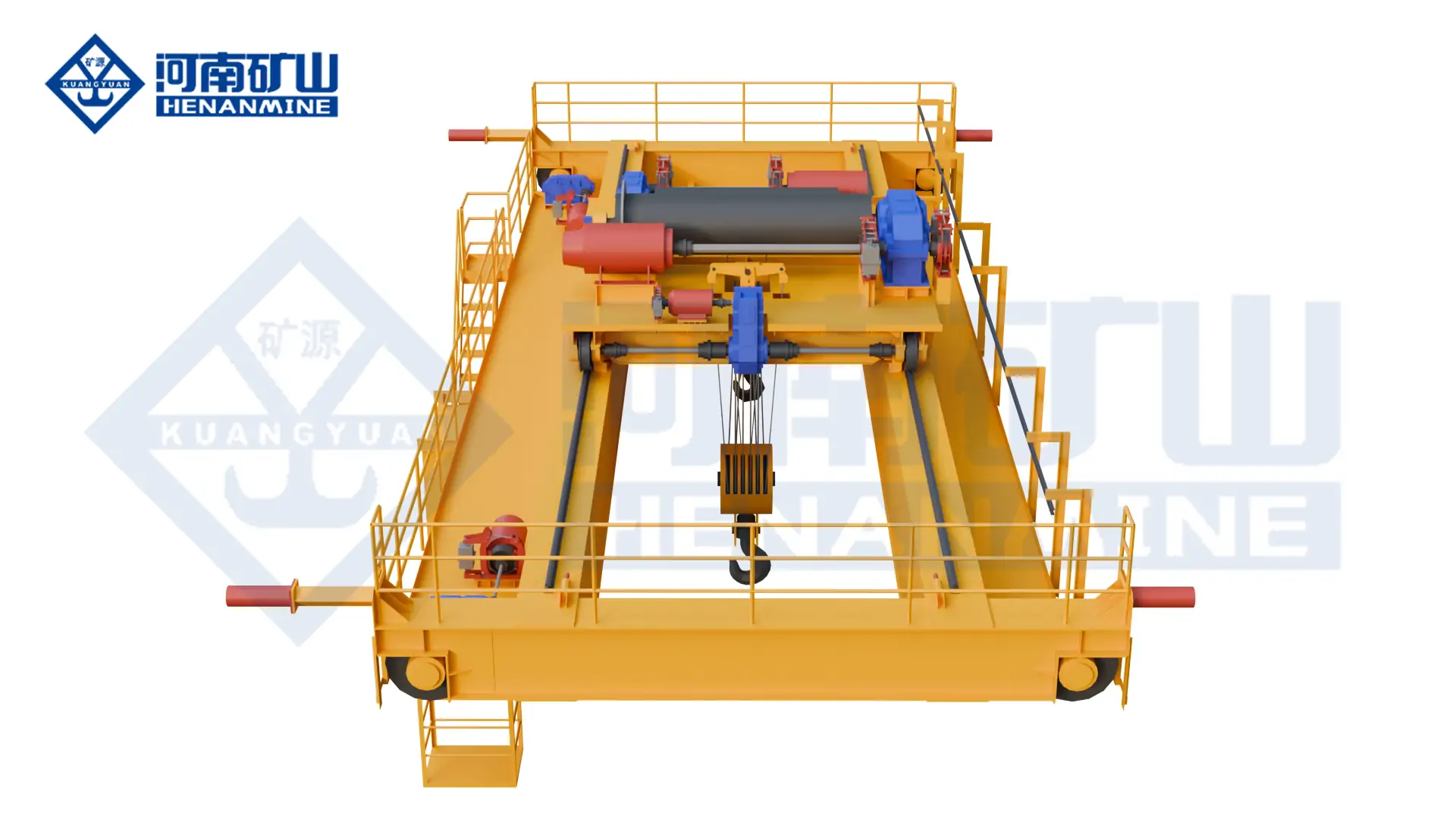
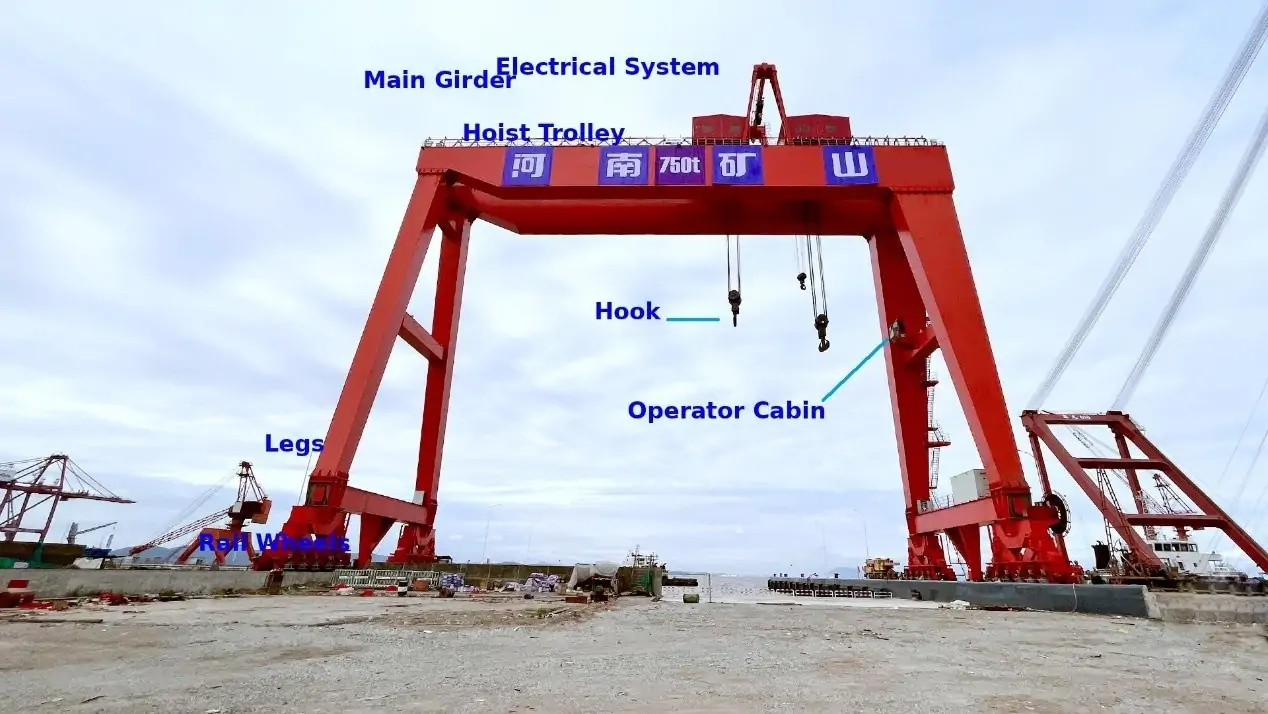
Its core components include four key components, one is indispensable. The lifting mechanism is the core to realize the lifting and lowering of heavy loads, and bears the role of direct lifting loads. The trolley can drive the hoisting mechanism to move laterally along the bridge to expand the operating range. The main girder is the main bearing structure of the crane, supporting the overall lifting weight. The track system provides a fixed path for the movement of the bridge and the trolley to ensure the stability of the equipment operation.
However, not all overhead cranes are the same, different types of equipment in the load capacity, scope of operation, applicable scenarios on the significant differences in the selection of the key is to find the characteristics of the equipment and the project needs of the point of convergence.
7 Types of Overhead Cranes Explained
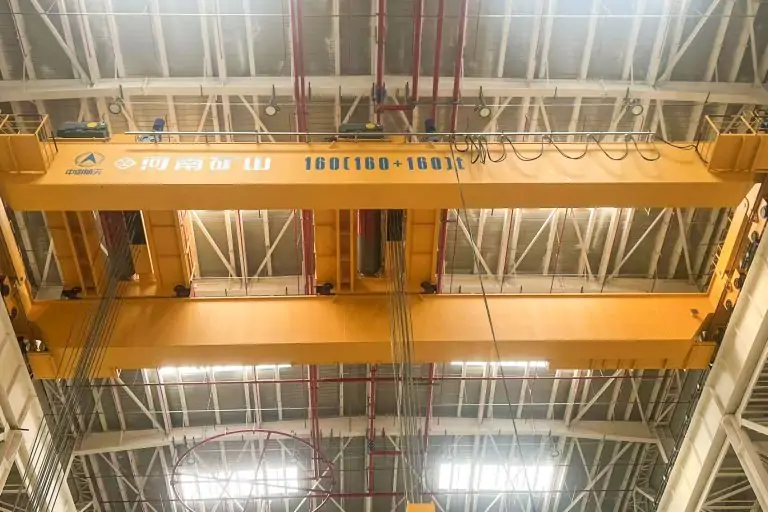
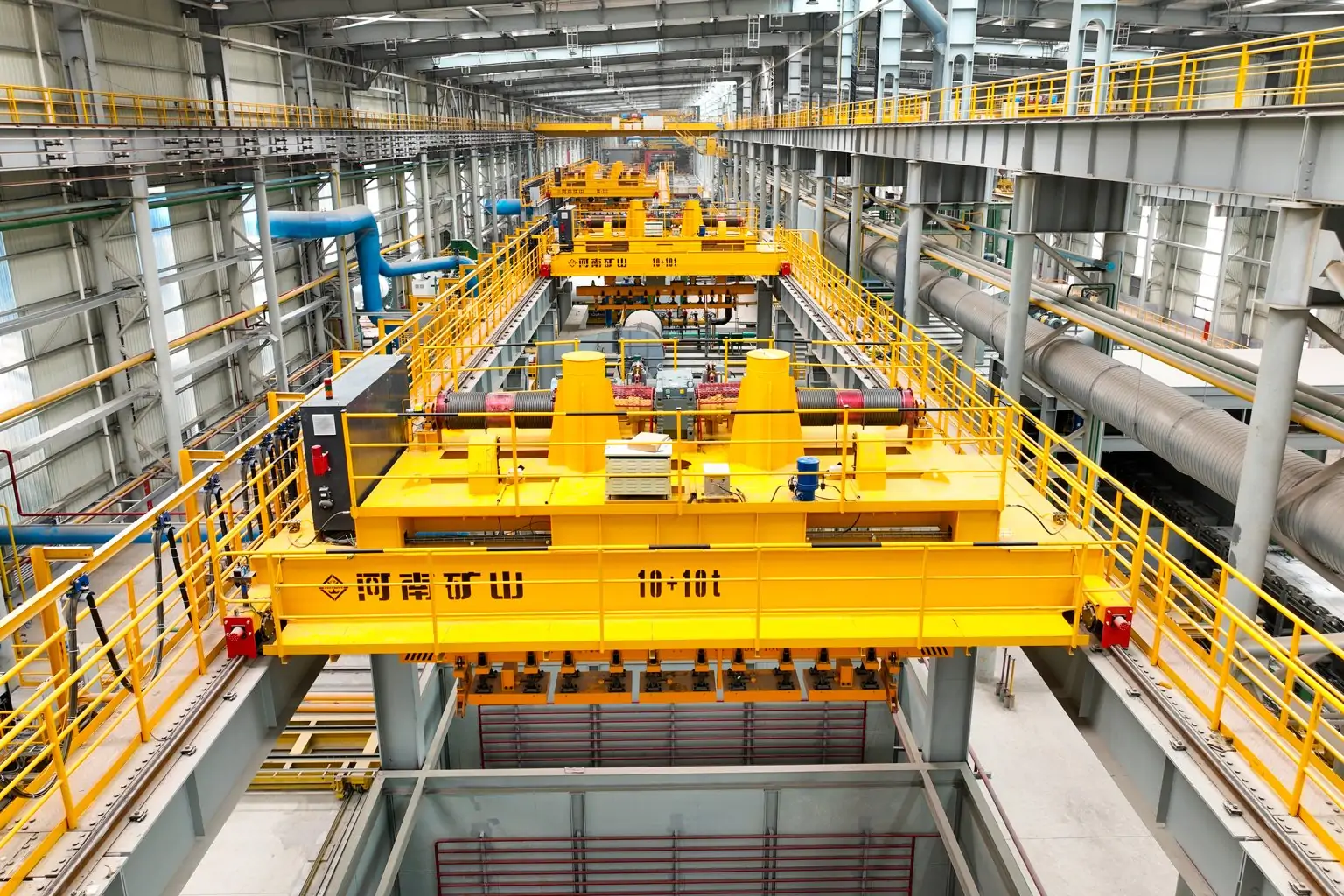
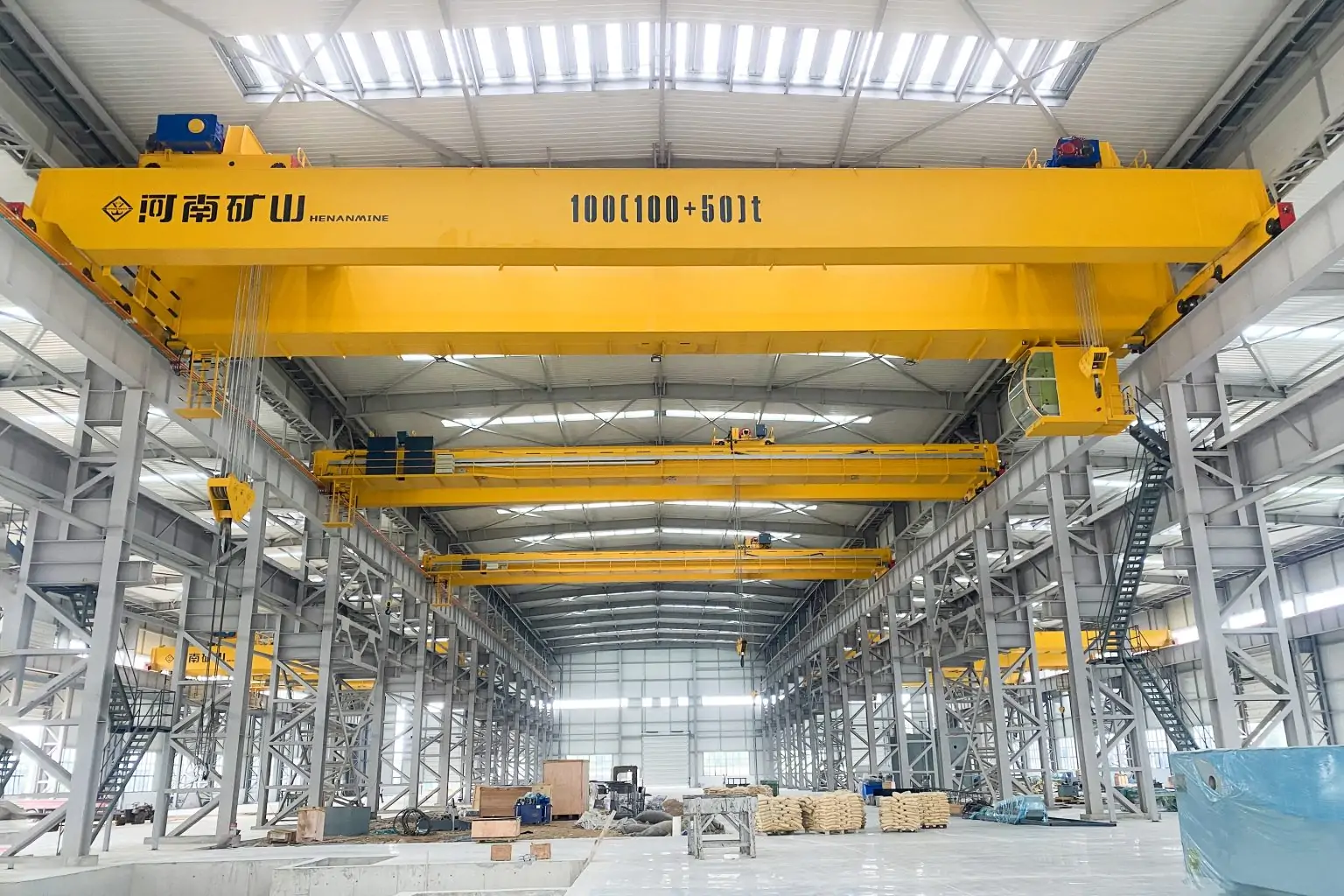
1. Bridge Crane
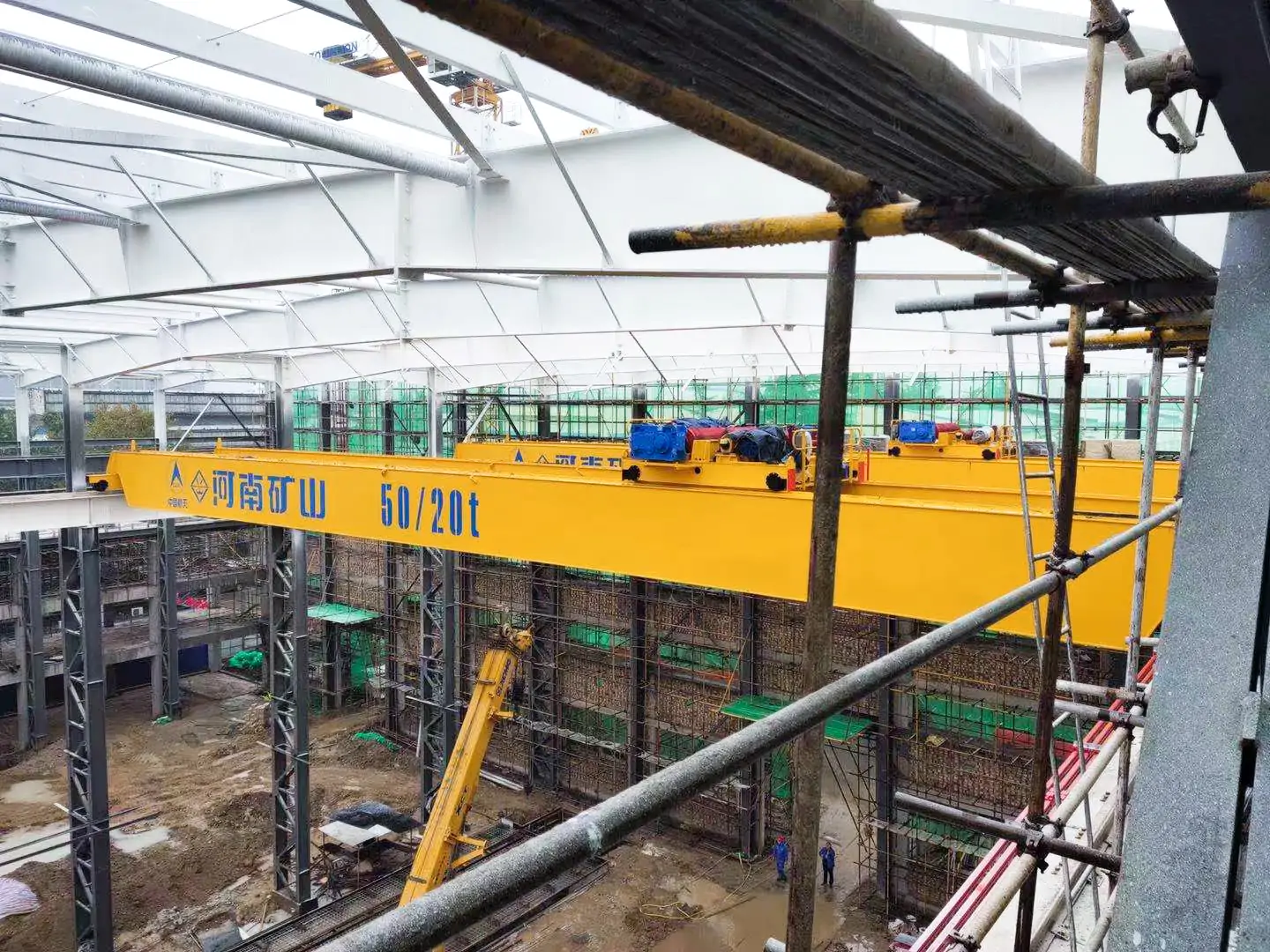
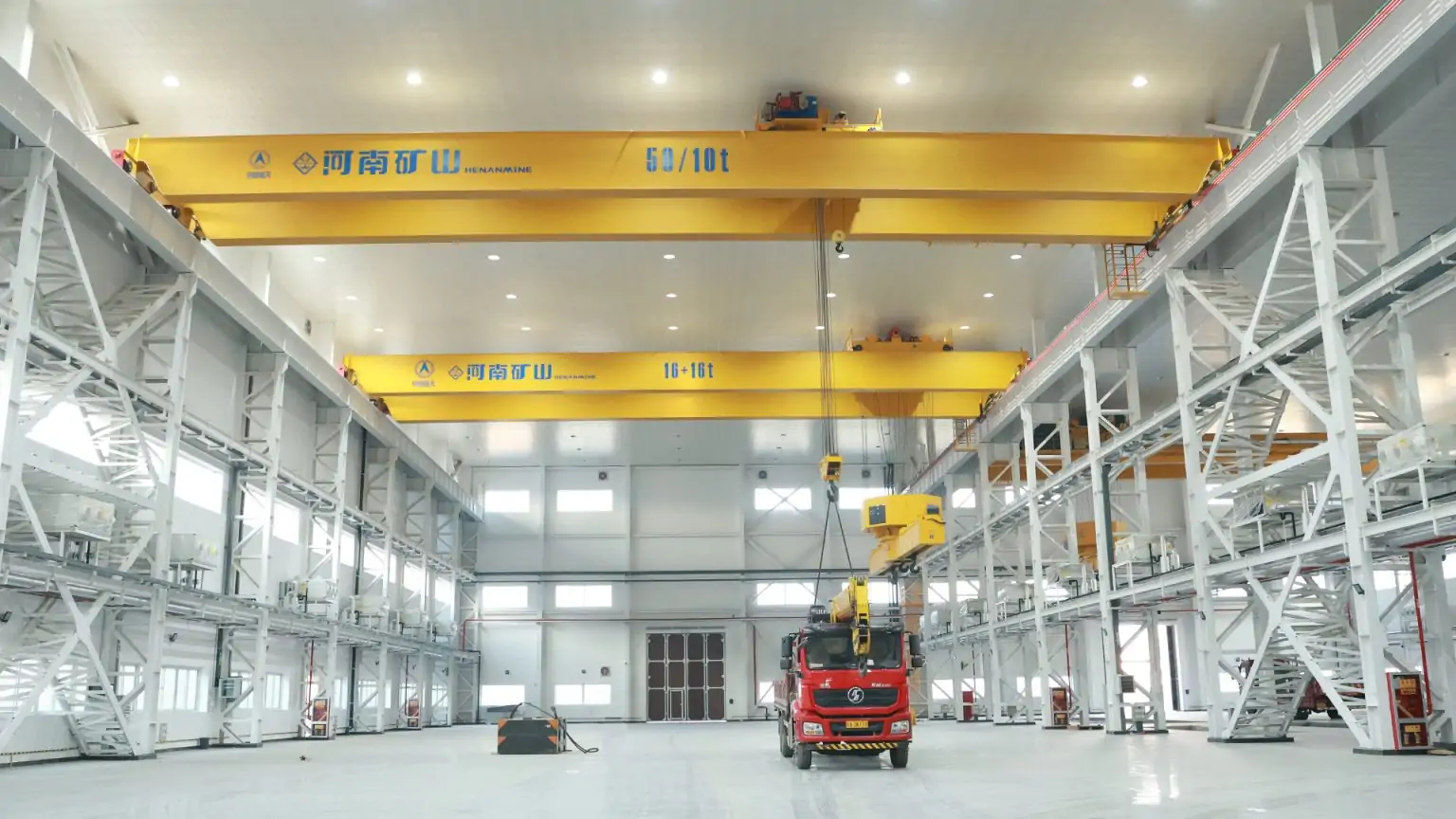
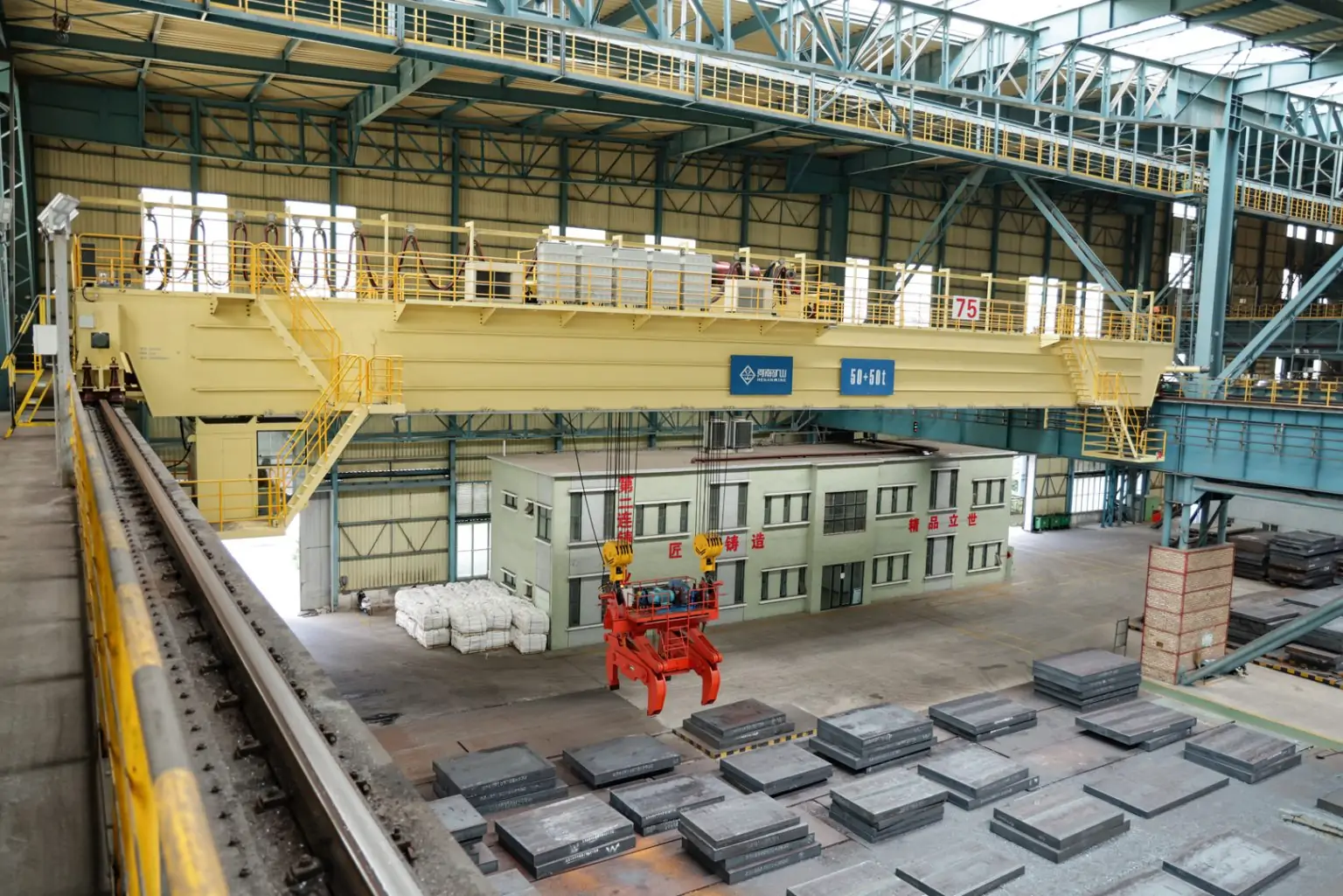
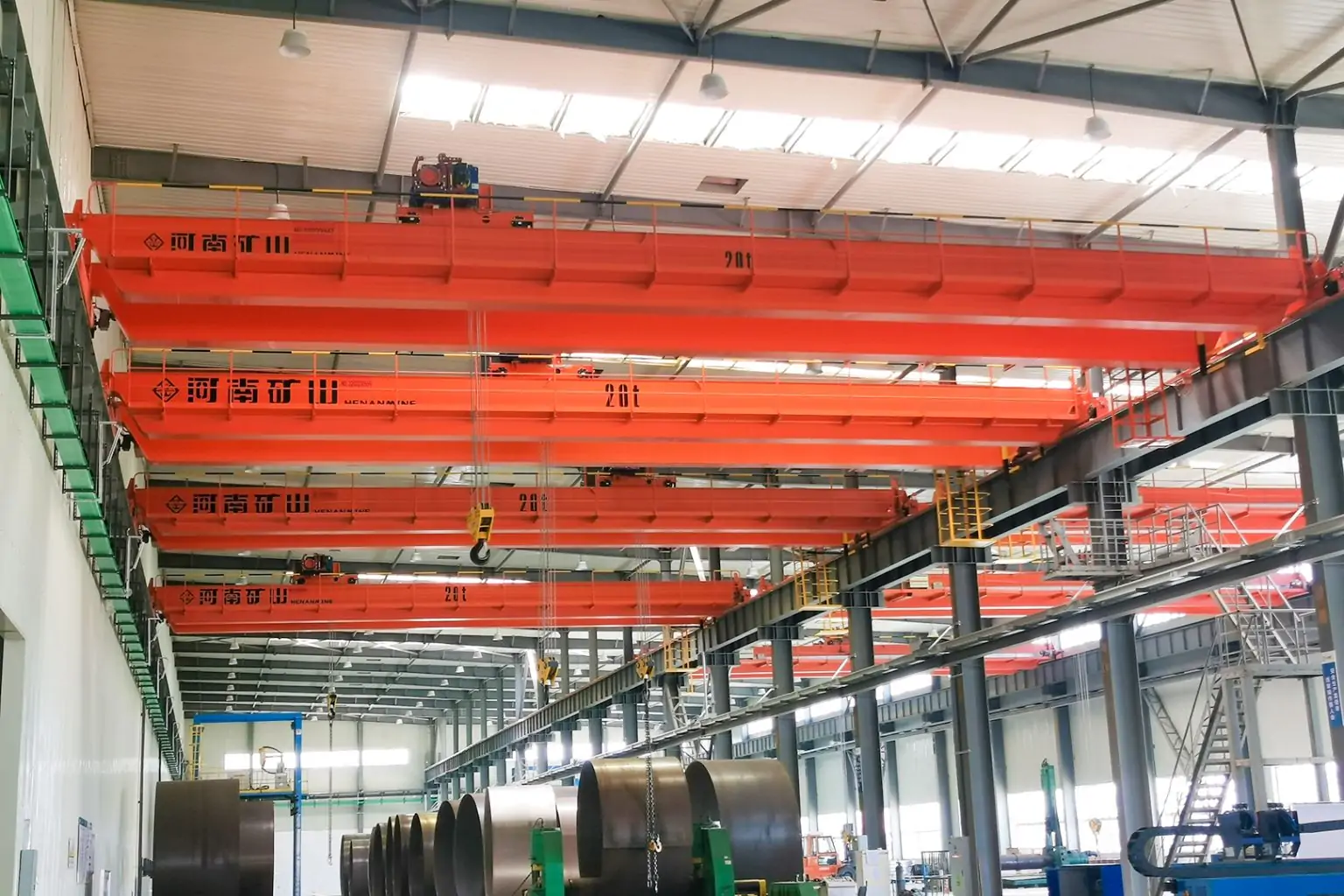
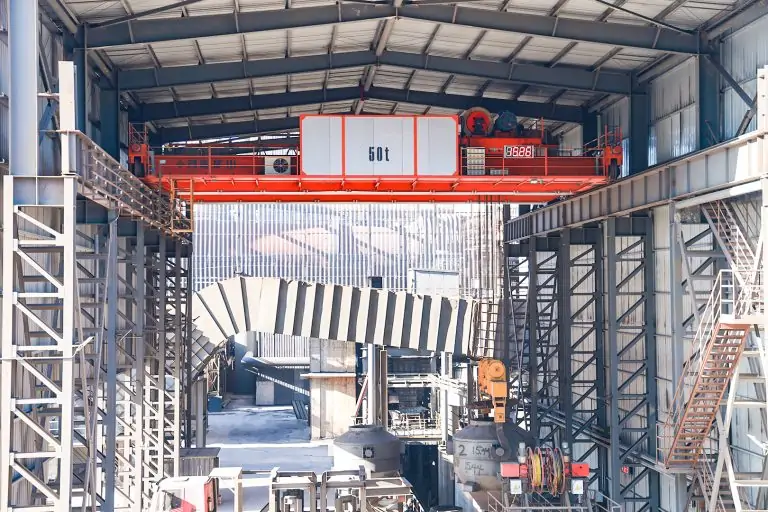
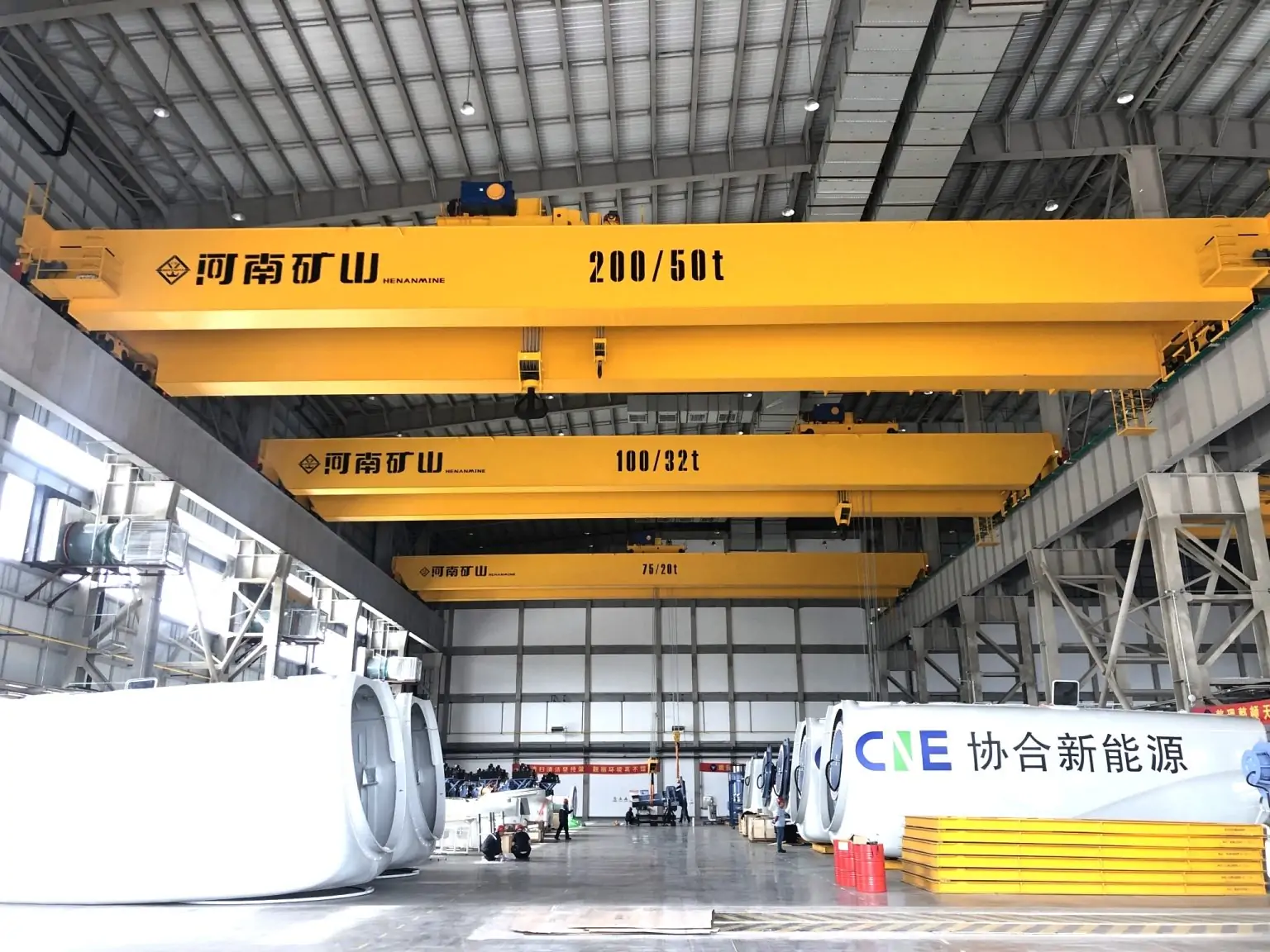
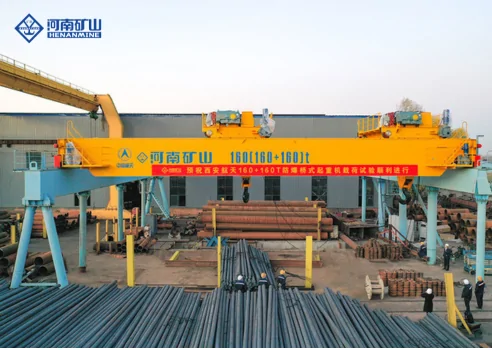
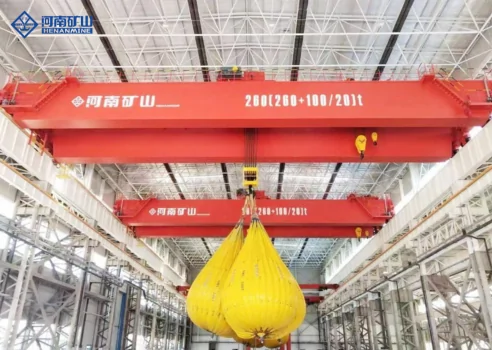
- Core positioning: bridge cranes are the most common and widely used core lifting equipment in the industrial field. The core structure is that the main bridge girder runs longitudinally along the parallel track beams, and is paired with a transversely movable trolley, which realizes full-scope handling in the operation area.
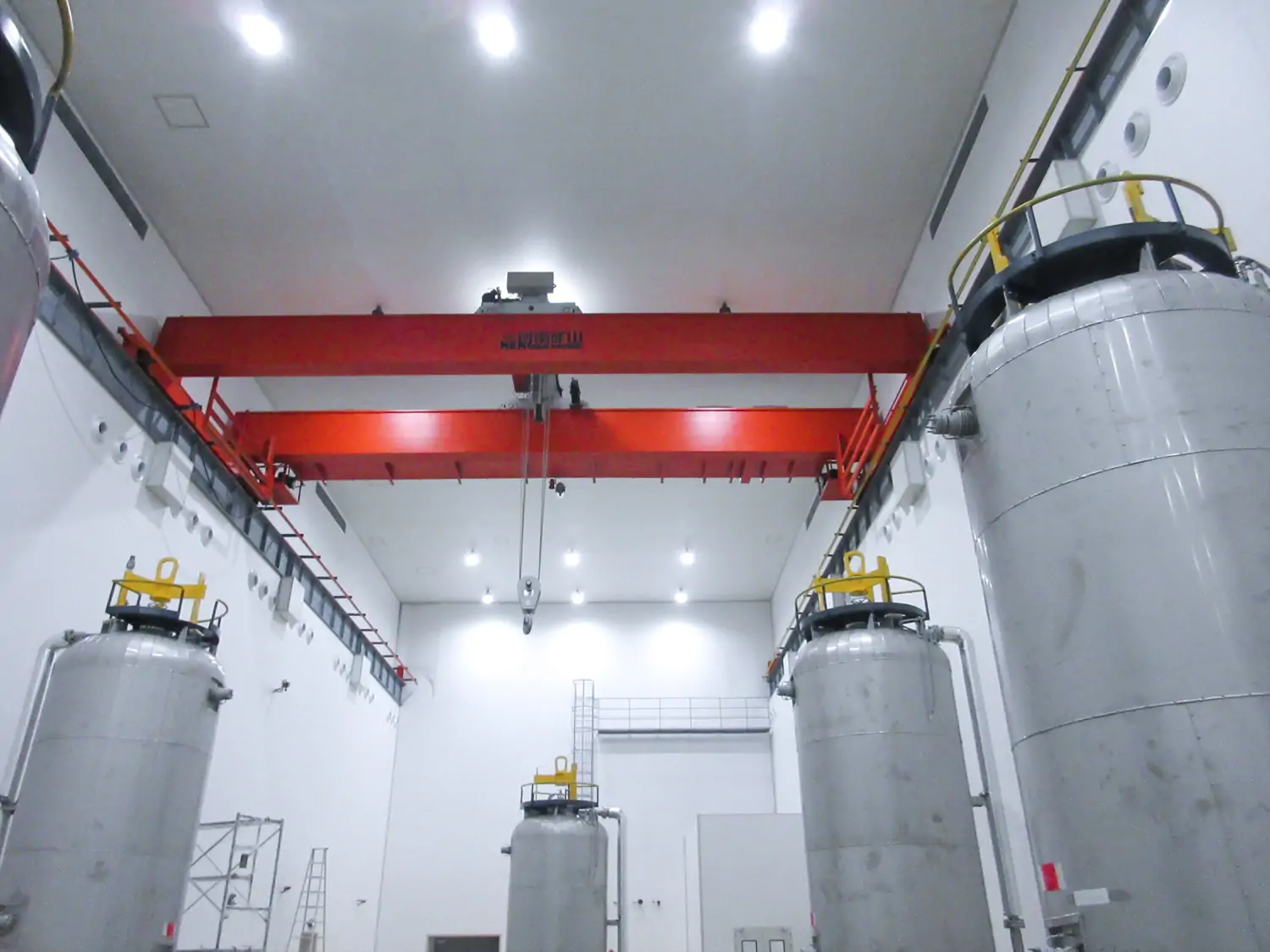
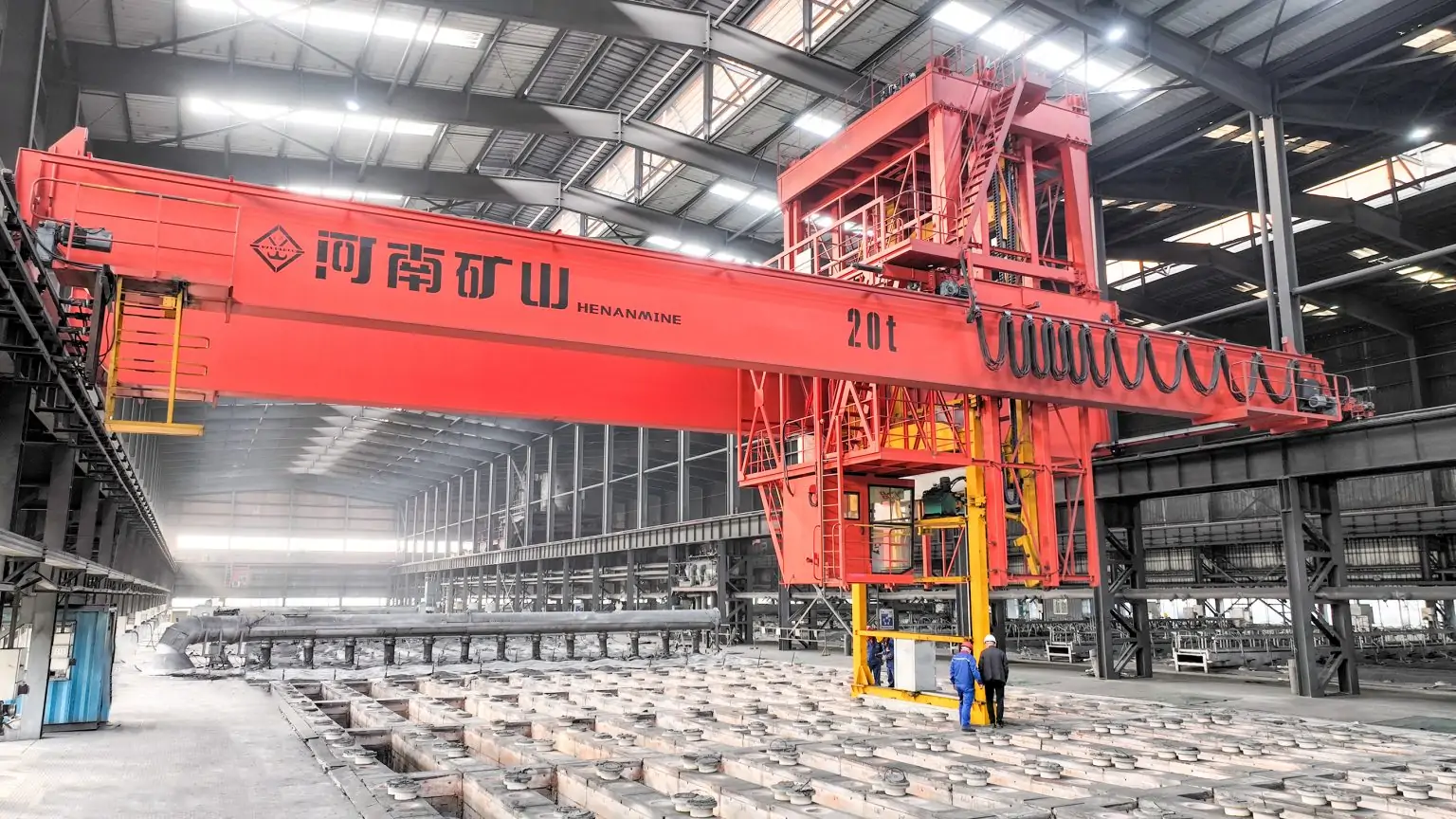
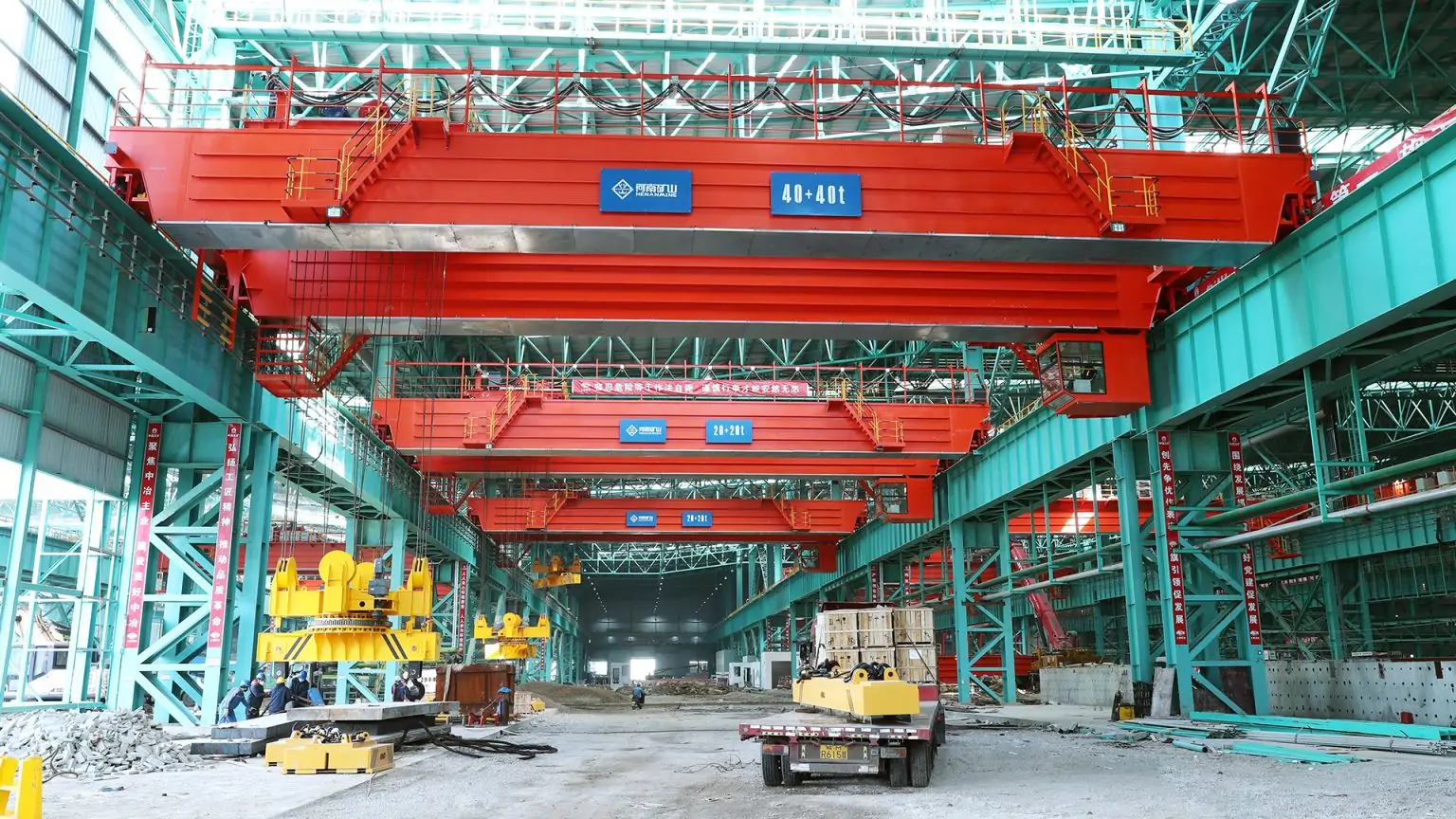
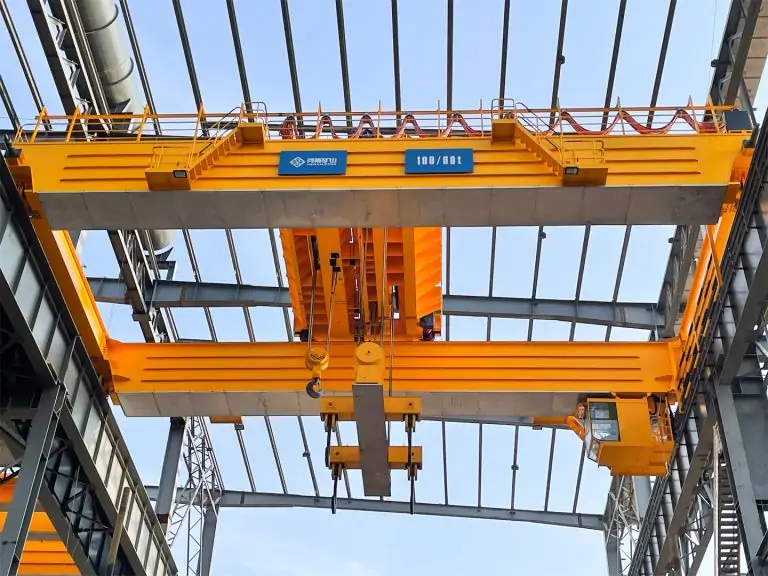
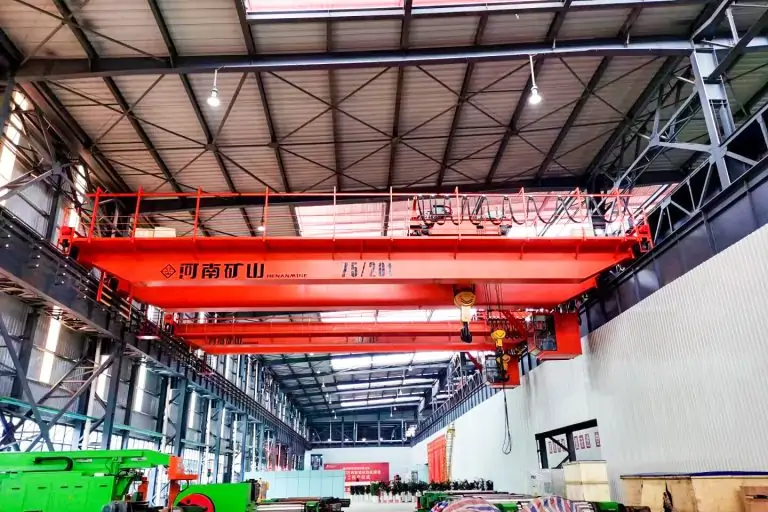
- Types of classification: according to the load capacity and structure is divided into single girder and double girder overhead travelling crane. Single girder is cost-effective, simple structure, suitable for light load, small and medium tonnage operation. Double girder is designed for heavy duty, stronger load bearing, suitable for large tonnage, high frequency heavy lifting.
- Core Advantage: The bridge crane can cover the whole working area without dead angle. With rich load ratings, it can be adapted to different tonnages of material handling needs, and has high operating efficiency.
- Application Scenario: Gantry cranes are mainly used in large manufacturing factories, iron and steel mills, large warehousing and logistics centers, etc. They are suitable for large-scale and high-frequency material handling needs.
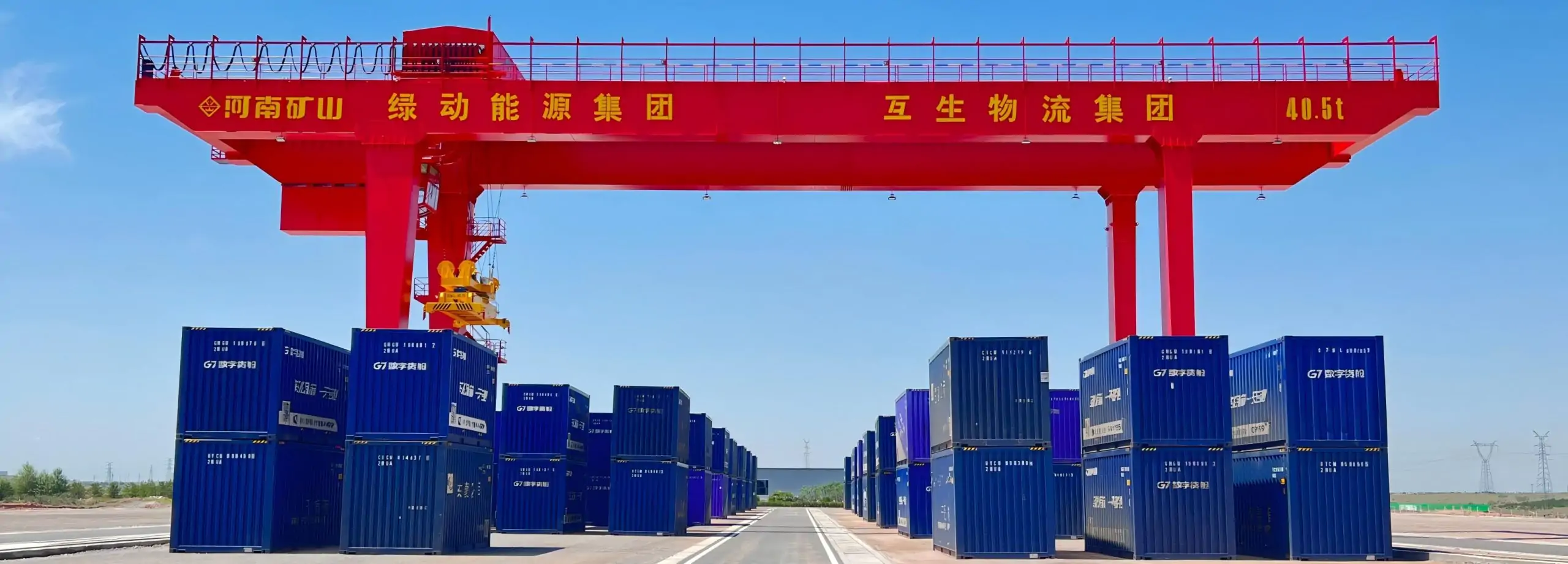
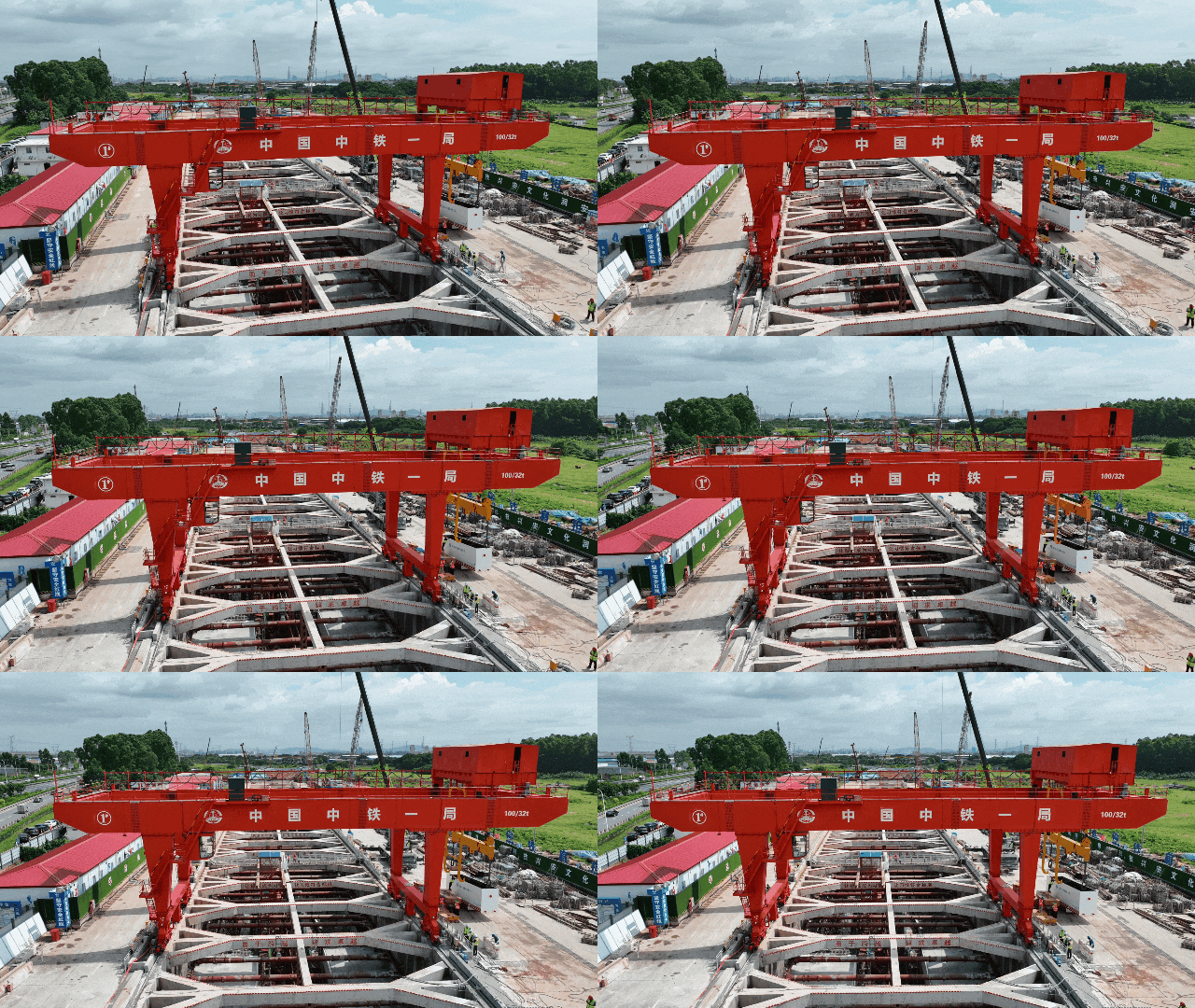
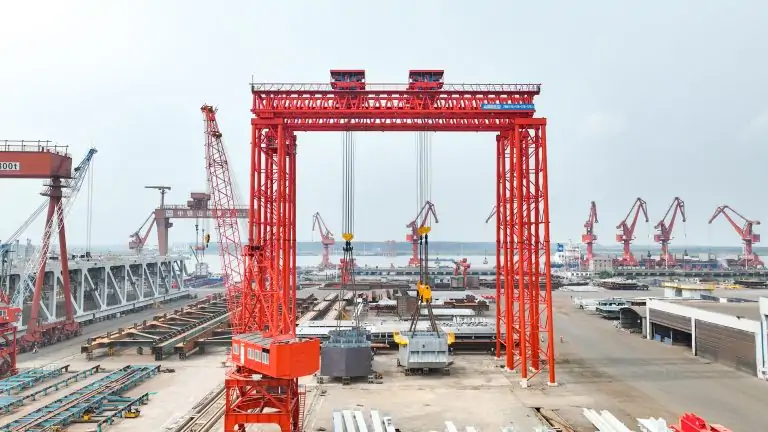
2. Gantry Crane
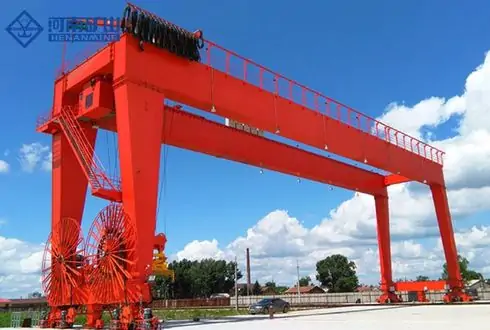
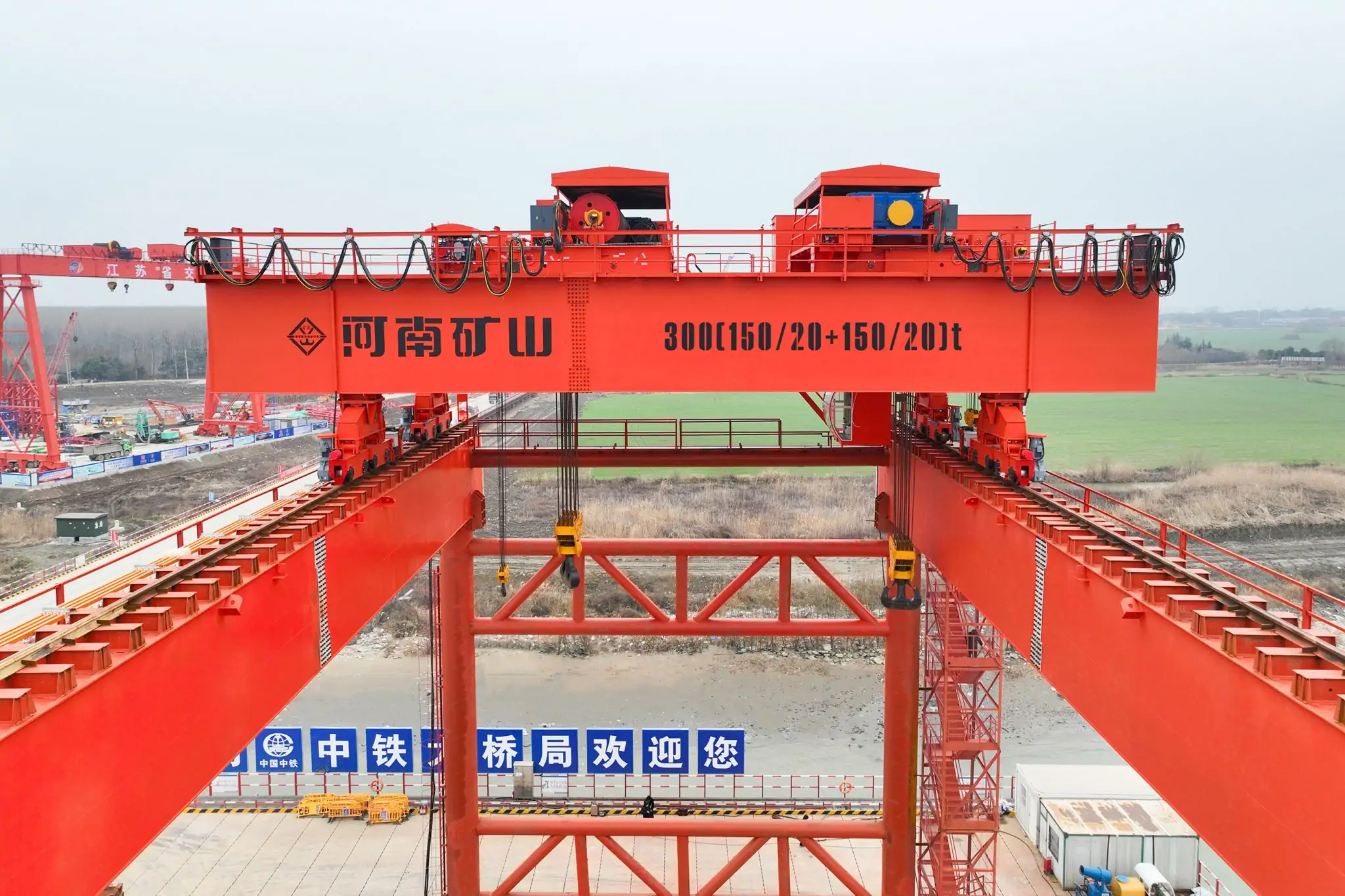
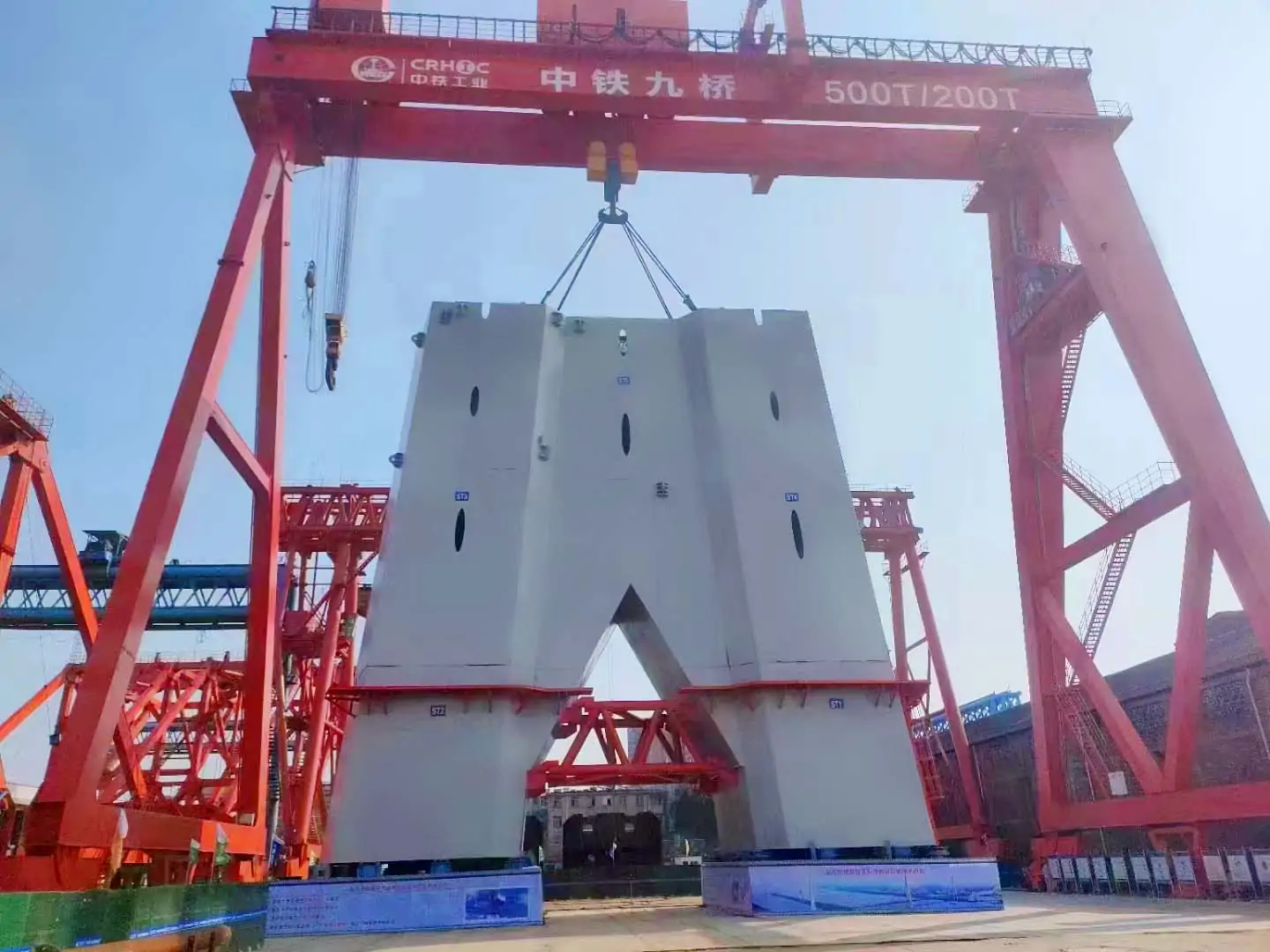
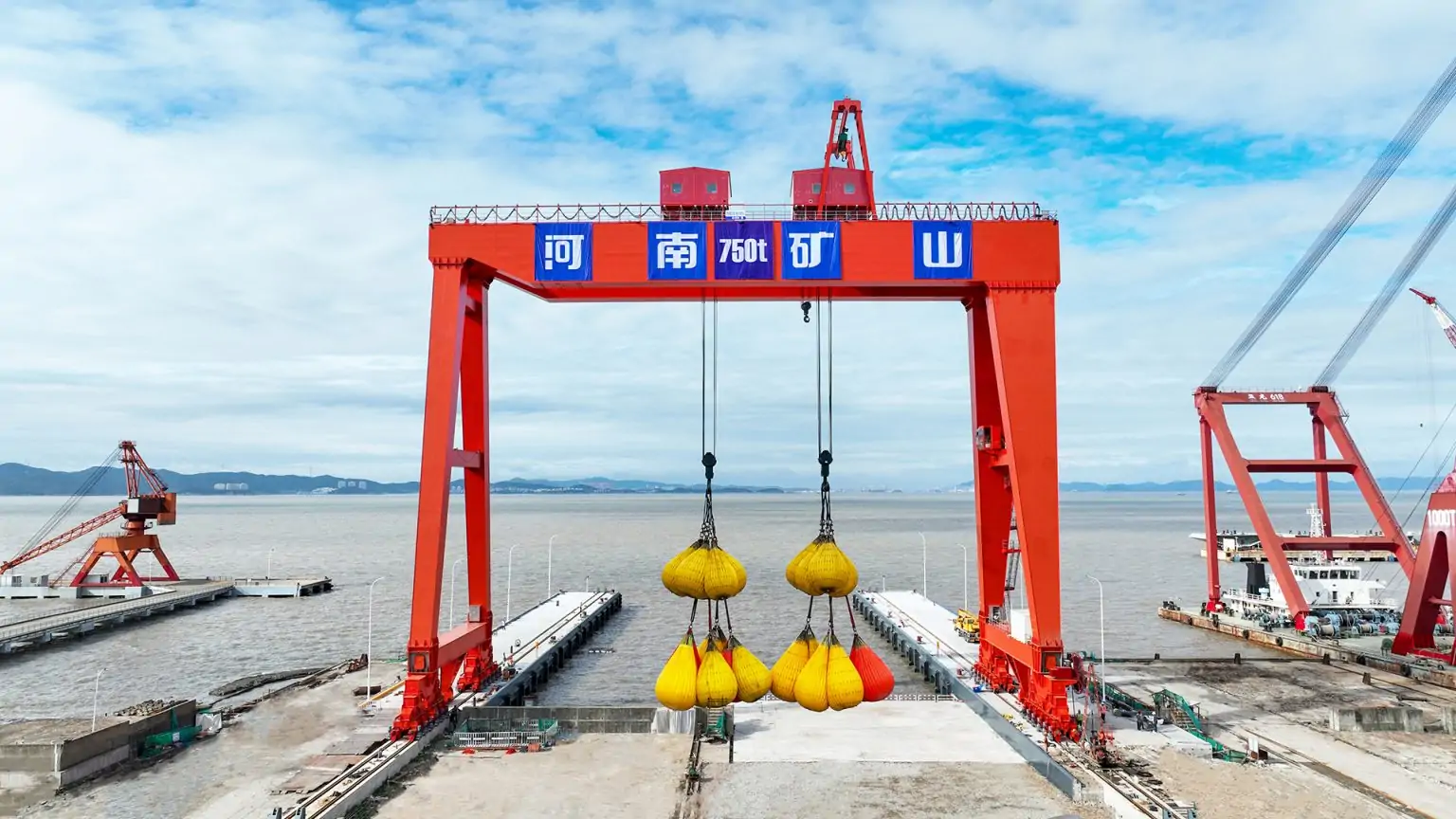
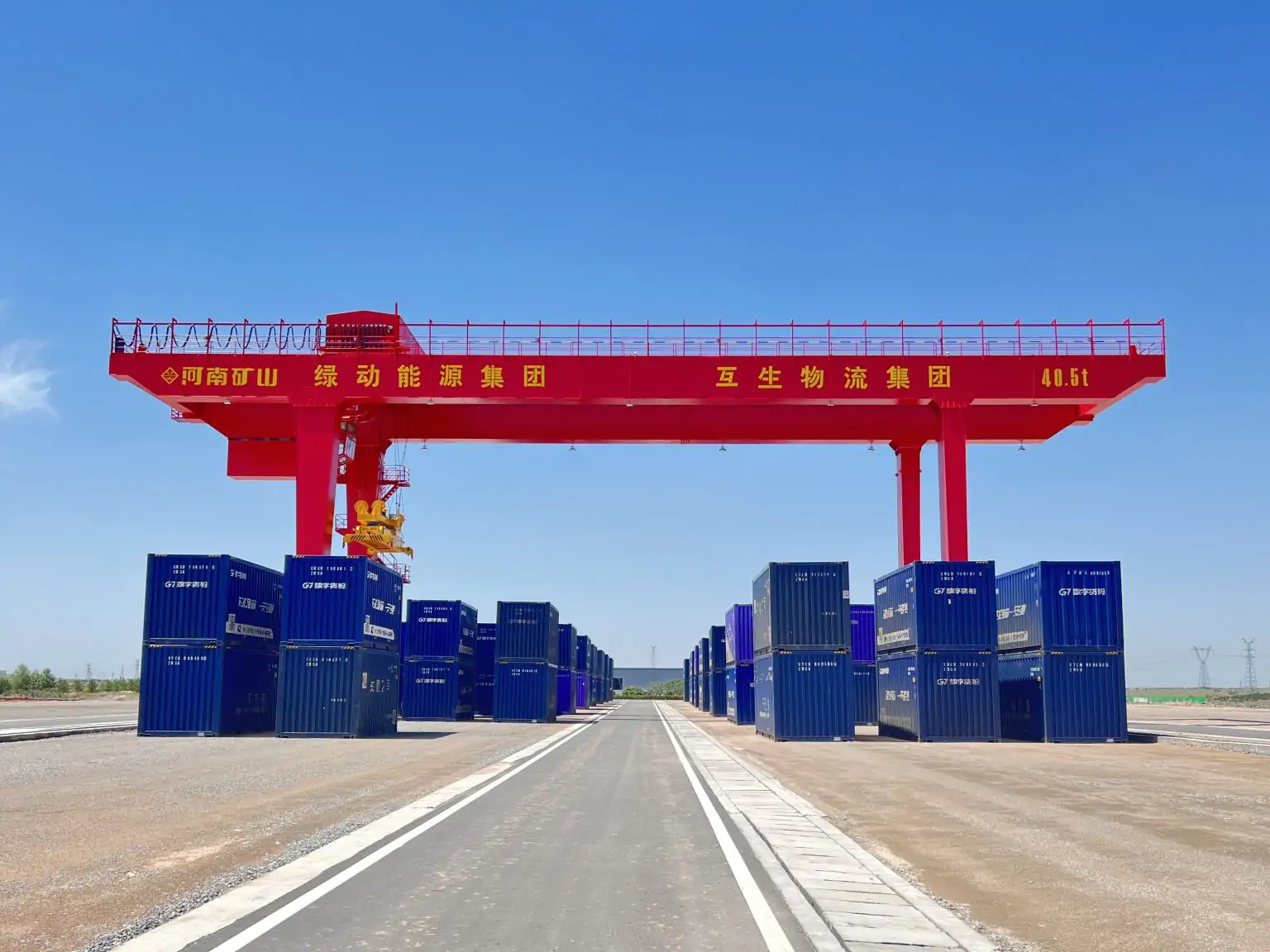
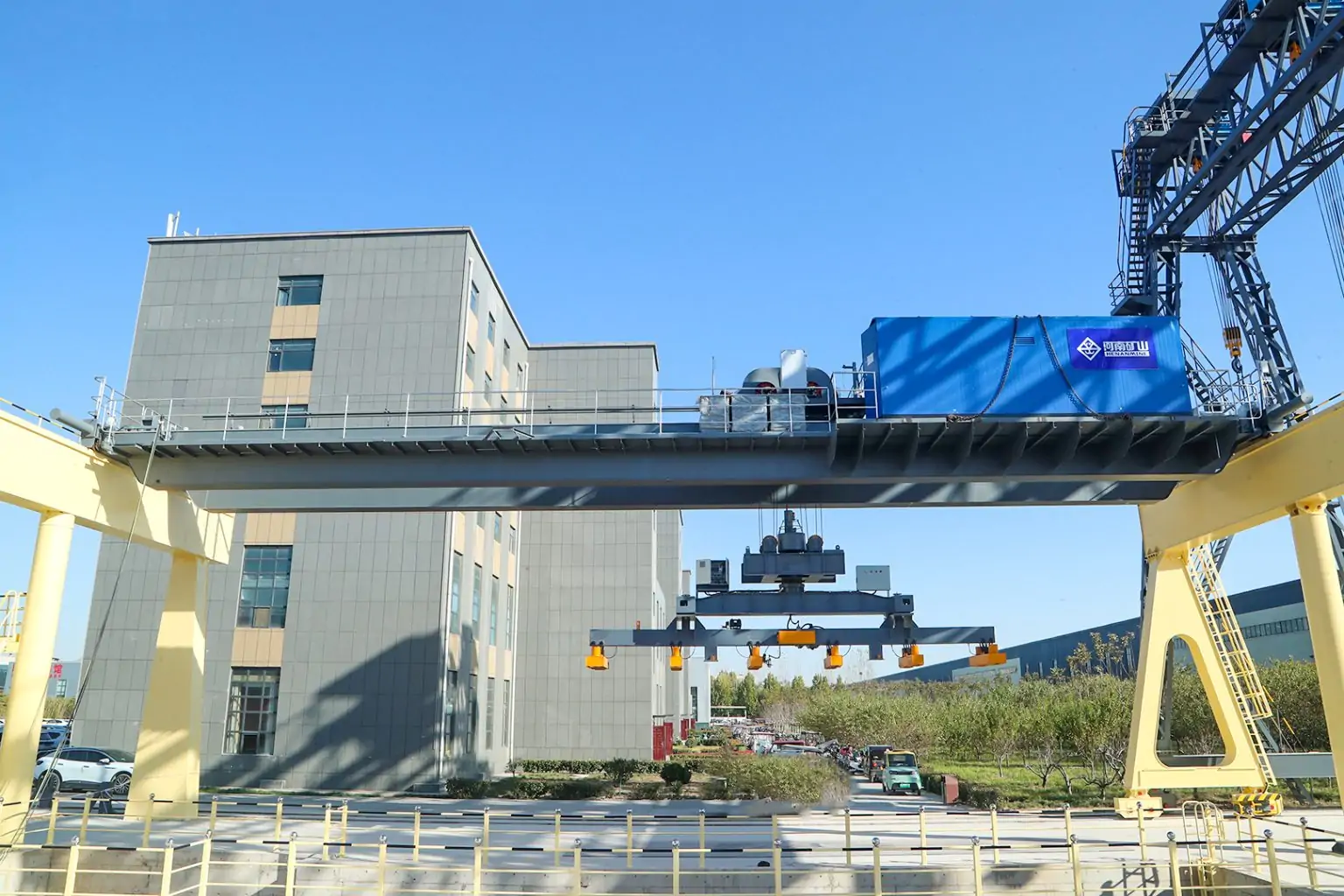
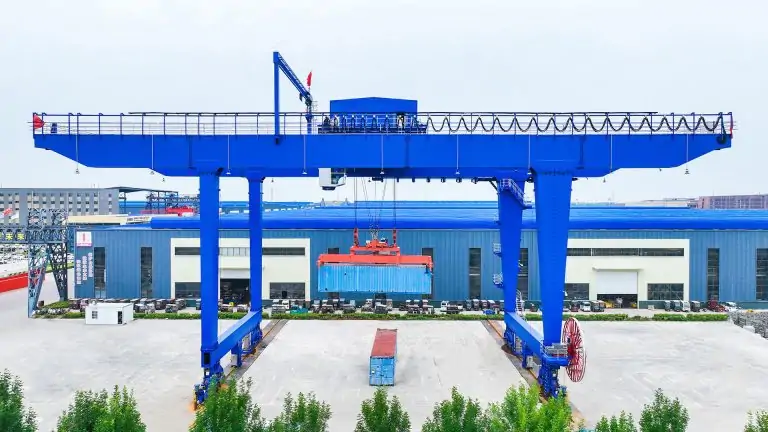
- Core structure: Gantry cranes do not need to rely on plant buildings, through the two sides of the outriggers to support the overall structure, directly erected on the ground track or foundation, site adaptability is stronger.
- Types of classification: Gantry cranes are divided into fixed and mobile, fixed to adapt to the fixed area of heavy material handling, mobile can be flexible to switch the operating site, without the need to rebuild the track.
- Core advantages: no need to transform the structure of the plant can be installed, mobile and flexible, according to the size of the outdoor site to adjust the scope of operation, strong wind resistance, suitable for all kinds of complex outdoor environments, can efficiently complete the heavy material handling, taking into account the flexibility and practicality.
- Scenario: The core of the gantry crane is suitable for outdoor work, including shipyard hull assembly, outdoor construction site building materials transfer, ports and container yards container loading and unloading and so on.
3. Jib Crane
- Core structure: Jib Crane takes the rotatable jib as the core, the rotating angle can be designed to be adjusted to 180°-360°, which can realize the flexible lifting and transferring of heavy loads within the specified rotating range, and the overall footprint of the equipment is small, which belongs to the compact lifting equipment, and does not need to take up a large amount of space in the factory.
- Core advantages: jib crane structure is simple, easy to operate, small footprint, high efficiency of fixed-point lifting, can quickly complete the heavy lifting, shifting operations, without taking up a lot of factory space, suitable for small-scale operation scenes.
- Applicable scenes: jib cranes are suitable for small workstations in factories, production line fixed-point process, as well as machining, parts assembly and other operations that require repetitive lifting scenes.
4. Monorail Crane
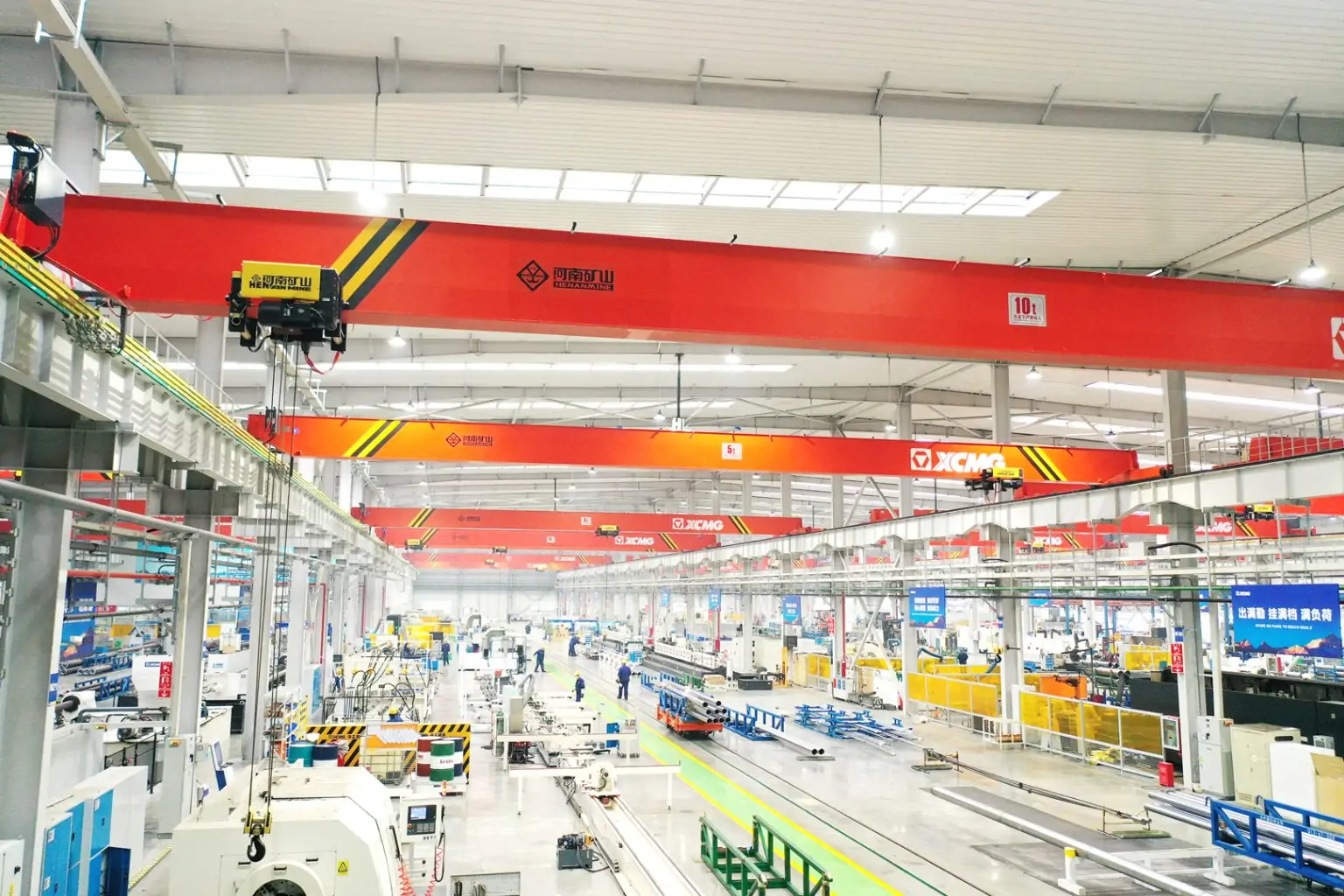
- Core structure: Monorail Crane takes the fixed single track as the core, the operation path is fixed as linear, and it can only realize longitudinal linear movement along the track, no lateral movement ability, and the overall structure is simple.
- Core advantage: monorail crane structure is simple, low manufacturing cost and installation cost, outstanding cost performance. Smooth operation, low failure rate, convenient maintenance, can effectively reduce equipment operation and maintenance costs. Suitable for fixed-path transportation, stable efficiency.
- Scenario: monorail cranes are suitable for all kinds of industrial production lines, assembly line material transfer, automated assembly line parts conveyance, as well as fixed-path goods sorting and handling in the warehouse and other scenarios.
5. Workstation Crane
- Core structure: light-load design modular lifting system, the use of flexible splicing modular structure, the workstation crane can be freely assembled according to the layout of the workstation, with ergonomically designed operating components, the overall structure is simple and lightweight.
- Core advantage: the modular design of the workstation crane can be flexibly spliced and assembled to fit different workstation layouts. Ergonomic design, lightweight operation, reducing the intensity of the operator’s work; with the ability to transform and expand, can be adjusted with the production requirements of the scope of work. Light load precision, suitable for high-precision handling needs.
- Application Scenario: The workstation crane is suitable for small assembly workstations in various factories, electronic components manufacturing, small mechanical parts processing and other light load, high-precision material handling scenarios.
6. Top-Running Crane
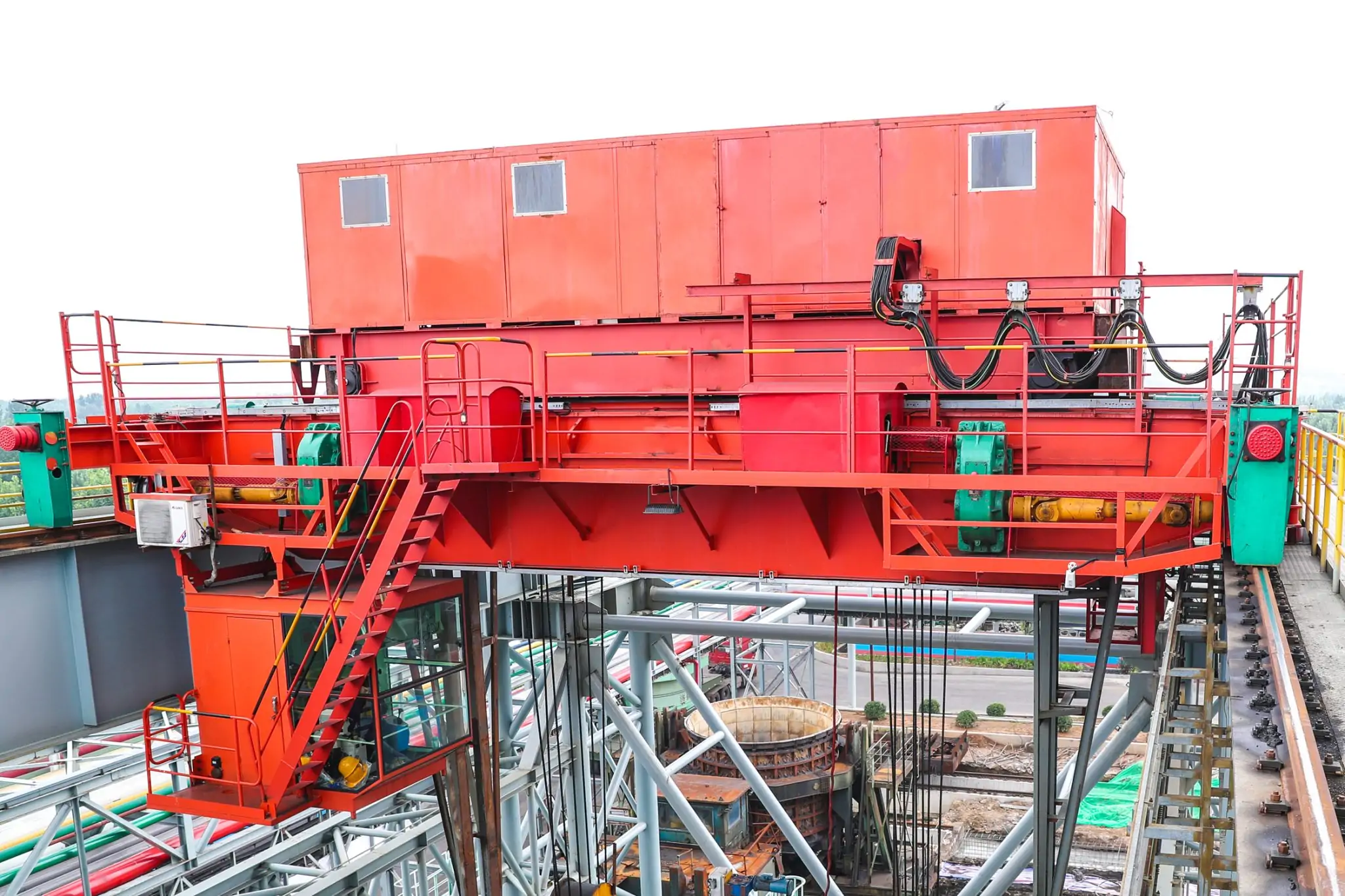
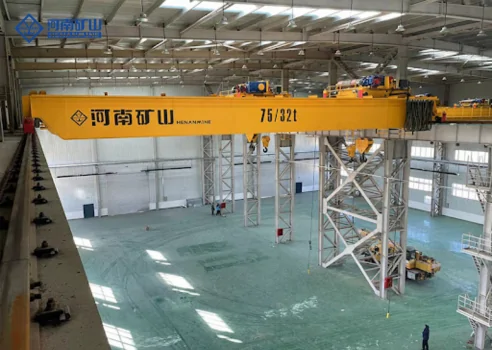
- Core structure: Top-Running Crane bridge is directly mounted on the top of the rail beam, with a solid rail connection, the overall heavy-duty structural design, focusing on large-tonnage, large-span work adaptation.
- Core advantages: top cranes have solid connection and strong carrying capacity, which are suitable for large tonnage and large span lifting requirements; high operational stability, which can cope with high-frequency heavy-duty operations and are not easy to experience equipment failure.
- Application Scenario: Top cranes are often used in metallurgy, mining, heavy machinery manufacturing and other heavy industry, as well as large-span industrial plants, large material warehouses and other facilities that require large-tonnage material handling.
7. Under-Running Crane
- Core structure: Under-Running Crane bridge is installed under the rail beam, different from the upper suspension crane, the overall structure is compact, without taking up too much space above the plant, suitable for low headroom environment.
- Core Advantage: Saving space on the upper part of the plant, suitable for low headroom environment. Stalking crane installation flexibility, can be directly adapted to the existing plant structure transformation, without large-scale reinforcement of the plant; stable operation, convenient maintenance, outstanding cost-effectiveness.
- Application Scenario: The snorkeling crane is suitable for small-scale processing workshops with low headroom, upgrading of equipment in old plants, and various types of industrial operation scenarios with limited space.
How to Choose the Right Overhead Crane
Choosing the right overhead crane needs to be considered in conjunction with the actual needs of the project, the core decision-making factors include five major aspects, which are also the key points of industrial crane selection, each of which has a direct impact on the use of the equipment and operating costs:
- Load capacity requirements: clear project needs to lift the maximum tonnage of heavy objects, conventional lifting load, as well as whether there is occasional overloading needs, in order to determine the load level of the crane.
- Span and lifting height: According to the actual size of the plant, determine the operating span of the crane, combined with the headroom height of the plant, the height of the material handling needs, the lifting height of the selected equipment.
- Indoor and outdoor use: outdoor operations need to prioritize the selection of bridge cranes that do not require architectural support and have strong wind resistance, while indoor operations can be combined with the structure of the plant and the spatial layout of the selection of the appropriate type.
- Frequency of operation: For high frequency operation, choose heavy-duty design and high stability overhead travelling crane, while for low frequency and light load operation, choose more cost-effective lightweight equipment.
- Budget constraints: Balance the quality, performance and cost of the equipment with the overall budget of the project, and consider the cost of maintenance, upgrades and repairs.
Bridge cranes are the preferred choice for most industrial projects because of their full-range operational advantages and wide range of load ratings, which bring better long-term ROI and operational efficiency. Gantry cranes are the best choice for outdoor heavy material handling due to their flexible installation and mobility, and can be flexibly adapted to the site requirements.
Common Mistakes to Avoid
In the process of selecting industrial cranes, many companies will be ill-considered into the selection of the wrong products, not only affect the use of equipment, but also increase the cost of transformation in the later stages, these common mistakes must be avoided:
- Only price as the selection criteria: blind pursuit of low-priced equipment, ignoring the quality of the crane, load-bearing capacity and adaptability, the later equipment failure, low operating efficiency and other issues, but increase maintenance costs.
- Ignoring the future business expansion: only consider the current production demand, not reserved for the expansion and upgrading of overhead cranes, when the enterprise production capacity, material handling needs to increase, the existing equipment can not meet the demand, the need to re-purchase, resulting in a waste of resources.
- Underestimation of load demand: to save costs by choosing low load rating industrial cranes, the actual operation of the equipment frequently close to or beyond the rated load, not only will accelerate the aging of the equipment, but also lead to equipment tipping over, falling objects and other serious safety accidents.
- Failure to consider the installation environment: Neglecting the structure of the plant, headroom height, ground foundation and other factors of the installation environment, resulting in the equipment can not be installed on the site, or the installation of poor operation, the need for large-scale remodeling of the plant, increasing additional construction costs.
Why Bridge Cranes Are the Most Popular Choice
Among the many types of bridge cranes, bridge cranes can become the mainstream choice in the industrial field, thanks to their comprehensive advantages of adaptability, efficiency and scalability, which are also the core highlights that distinguish them from other types of equipment:
- Covering the entire operating space: the design of the bridge with the trolley can realize the full coverage of the operating area of the factory, no handling dead ends, and can meet the large-scale material handling needs of large factories and warehouses.
- Industry-leading operating efficiency: the running speed of the equipment can be adjusted, and the lifting, transverse and longitudinal movement can be synchronized with the rapid completion of the transfer of heavy loads, which greatly improves the efficiency of material handling and is suitable for high-frequency industrial production.
- Expandable design: with modular design, it can be used to increase the lifting mechanism, extend the working span or upgrade the load capacity at any time according to the production demand of the enterprise, which is suitable for the development demand of the enterprise at different stages.
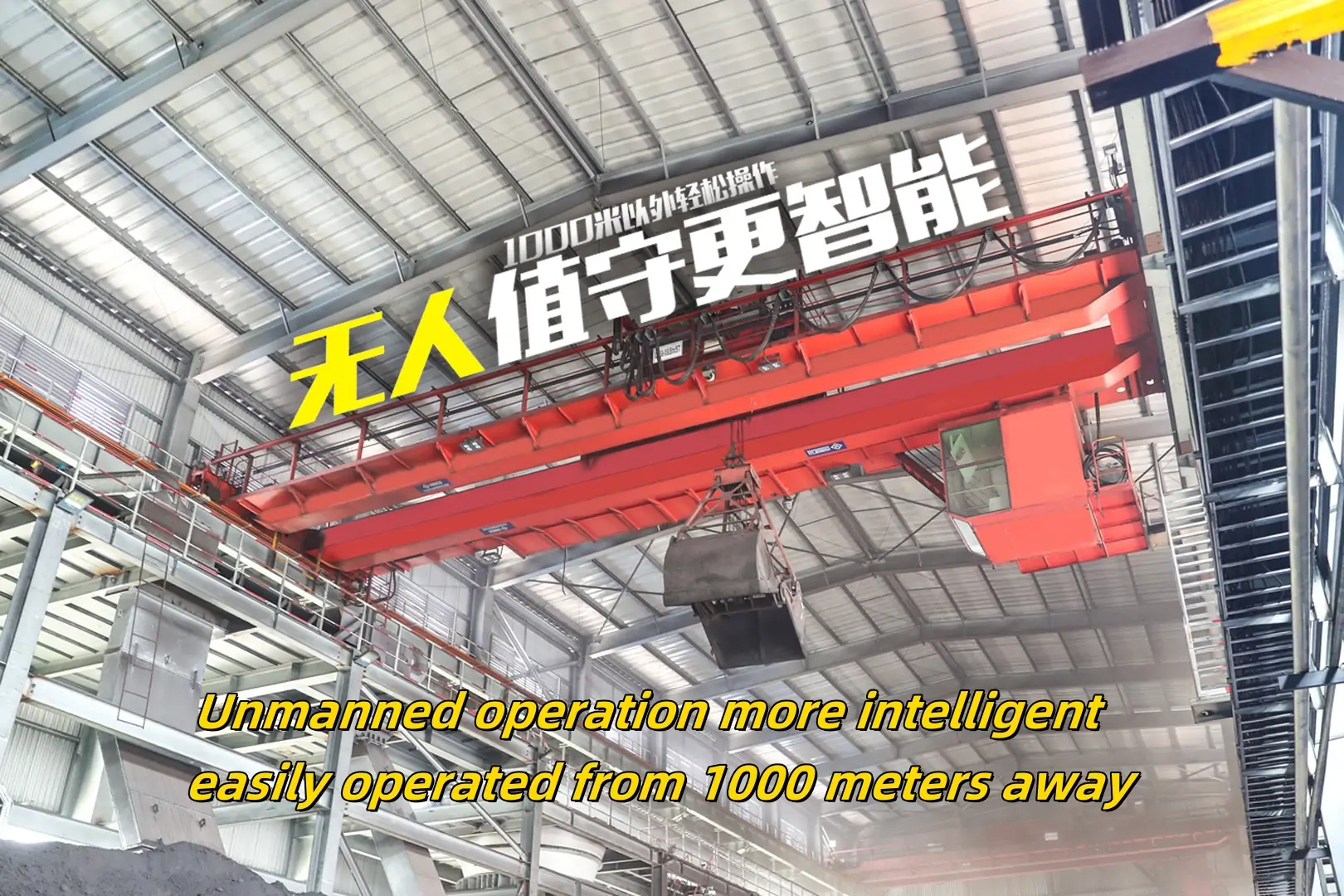
- Compatible with automation system: it can be seamlessly connected with industrial automation control system and intelligent warehousing system to realize the automation and intelligent operation of material handling, which is in line with the intelligent development trend of modern industry.
If your project requires heavy-duty, high-efficiency material lifting and handling, overhead travelling crane is usually the best long-term investment choice. Its comprehensive operational performance and adaptability can bring continuous efficiency improvement and cost savings for industrial production.
Conclusion
Summarize the characteristics and application scenarios of 7 types of overhead cranes, to help you quickly match the project needs: heavy industry, large factories and warehouses for large-scale handling, give priority to overhead cranes. Outdoor work gantry cranes are the most suitable. Workshop small fixed-point operation selection of jib cranes, assembly line fixed-path transportation selection of monorail cranes.
Select the right bridge crane, is the basis for efficient and safe operation of industrial production, as a professional manufacturer of large cranes, we have many years of industry R & D and production experience, according to the actual needs of your project, our professional and technical team will provide you with professional advice on selection, to create an exclusive industrial lifting solutions, to help your project to improve production efficiency and reduce operating costs!